General General 5 min read

14 NBA players who had their jersey numbers retired by multiple teams
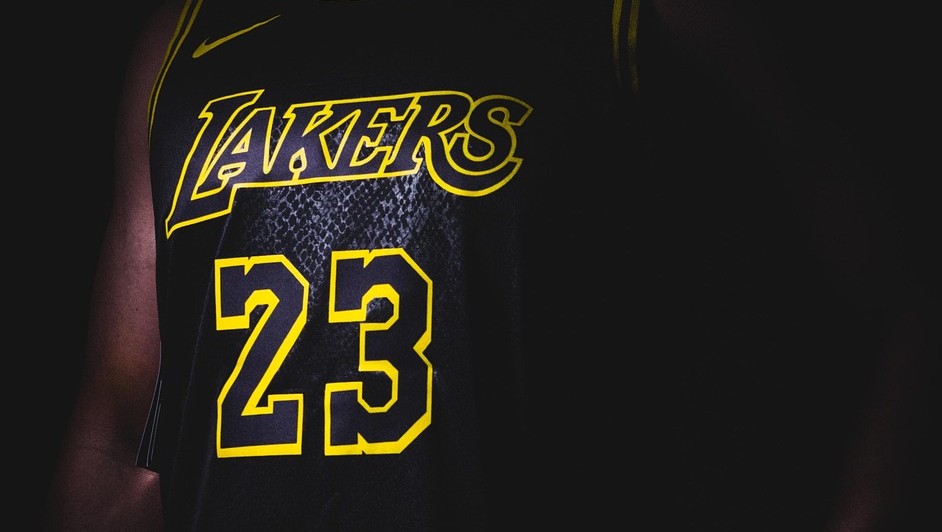
Image: albertoadan

Having your jersey permanently displayed in the rafters is a huge honor that only a select number of NBA players have earned. But imagine having your number retired not by just one team, but by two—or even three! For a rare few, that distinction stretches beyond a single city, as their talent and impact left lasting impressions from one arena to another. From coast to coast, the numbers of these legendary players rest in the rafters, each banner telling its own story of loyalty, triumph, and unforgettable nights on the hardwood. Can you guess who made the list?

1
Nate Thurmond
Image: Salah Regouane

In the 1960s and early ’70s, Nate Thurmond anchored the middle for the Golden State Warriors, outmuscling giants and grabbing rebounds as if the ball belonged only to him. Later, with the Cleveland Cavaliers, he became the kind of veteran every young team needs—steady, selfless, and always doing the dirty work that doesn’t make the headlines but wins the crowd’s respect. Both franchises retired his No. 42, a fitting tribute to a blue-collar superstar.

2
Pete Maravich
Image: daschorsch

Playing in the 1970s, Pete "Pistol Pete" Maravich starred for the Atlanta Hawks and later the New Orleans Jazz. His ball-handling and creativity—whirling passes, deep jumpers—looked like magic tricks that made crowds gasp. After a 10-year professional career and being named an All-Star five times, Atlanta retired his No. 44, and both the Utah Jazz and the New Orleans Pelicans hung his No. 7 jersey.

3
Moses Malone
Image: Abhay siby Mathew

Moses Malone was a rebounding machine, plain and simple. He dominated the boards for the Houston Rockets and then the Philadelphia 76ers, where he helped deliver a championship after famously predicting "Fo’, fo’, fo’." Both franchises honored him by retiring his No. 24 (Rockets) and No. 2 (76ers), a fitting salute to one of the game’s toughest, hardest-working big men.

4
Bob Lanier
Image: Batu Gezer

Bob Lanier, known both for his silky post moves and those legendary size-22 shoes, was a true powerhouse of the 1970s. With the Detroit Pistons, he combined strength and finesse, scoring with a soft touch and rebounding like a man on a mission. Later, in Milwaukee, he brought the same fire and leadership to a younger Bucks team, proving that experience could be just as valuable as raw talent. It’s no wonder both Detroit and Milwaukee raised his No. 16 to the rafters, honoring a giant whose big shoes came with an even bigger heart.

5
Charles Barkley
Image: Abhay siby Mathew

Charles Barkley was never the tallest guy on the court—just 6 ft 6 in—but with roughly 252 pounds of muscle, grit, and pure attitude, he played like a bulldozer on wheels. Known as "The Round Mound of Rebound," he crashed the boards with fearless energy. In Philadelphia, he became a fan favorite for his fiery play and quick wit; in Phoenix, he shone even brighter, winning MVP and taking the Suns all the way to the Finals. Both franchises hung up his No. 34 as a salute to a player who made hard work look heroic.

6
Earl Monroe
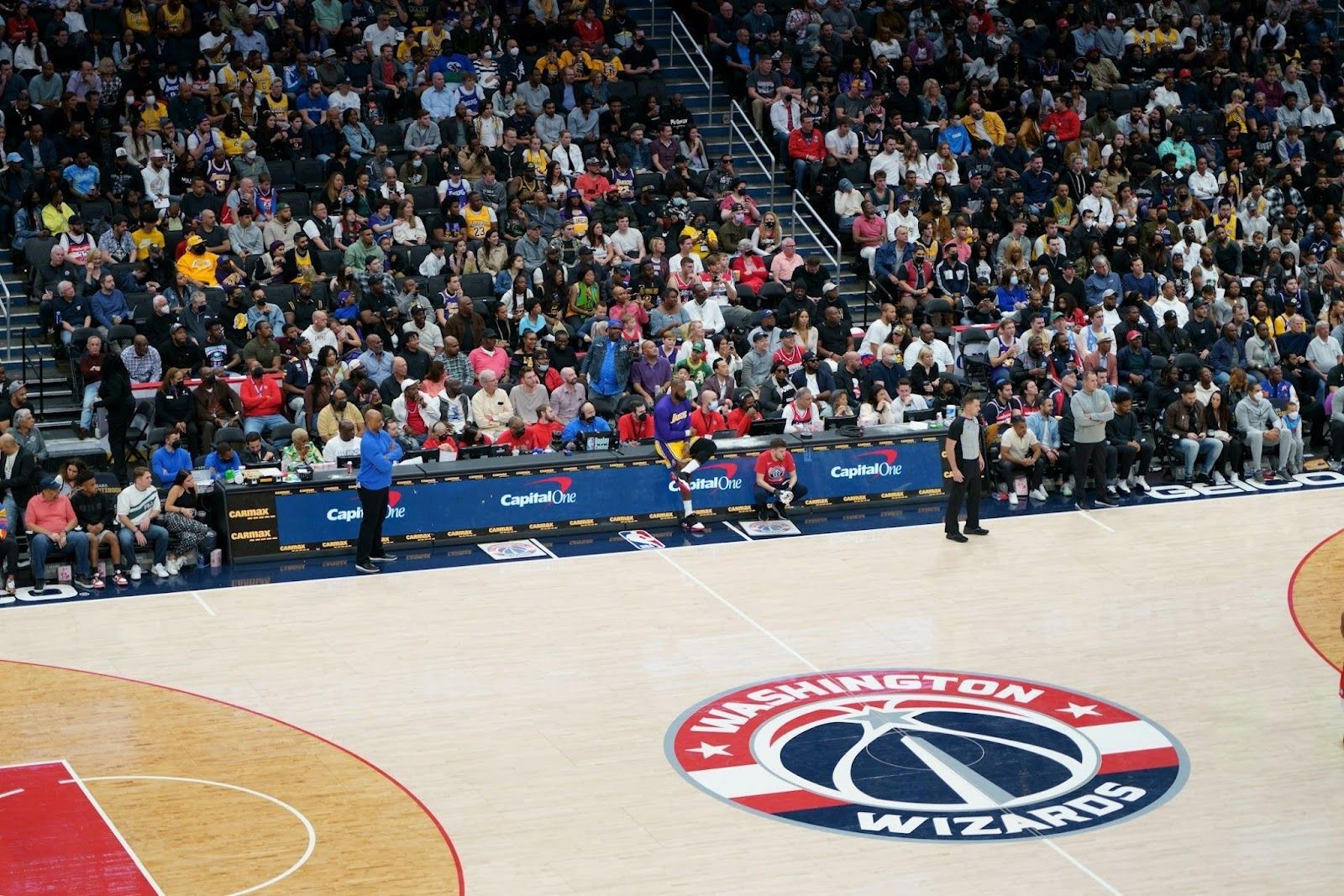
Image: Chaojie Ni

Earl "The Pearl" Monroe brought poetry to the hardwood. In the 1960s and ’70s, his smooth, stop-and-go style made defenders freeze, and fans fall in love. Starting in Baltimore (now the Washington Wizards ), he turned the Bullets’ offense into a show: spin moves, crossovers, and jump shots that seemed to hang in the air. Then came his move to New York, where he teamed up with Walt Frazier to create one of the most graceful backcourts the NBA has ever seen. Both the Knicks and Wizards retired his No. 15 and No. 10: Monroe’s creativity made basketball feel like jazz.

7
Clyde Drexler

Image: Markus Spiske

In Portland, Clyde "The Glide" Drexler soared with effortless grace, gliding past defenders and making the rim look weightless. His mix of speed, style, and quiet confidence made him the heartbeat of the Trail Blazers through the 1980s and early ’90s. When he returned home to Houston in the mid-’90s, he helped secure a championship ring for the Rockets . Today, his No. 22 jersey hangs in the rafters in both Portland and Houston—a lasting tribute to a man who truly lived up to his nickname.

8
Oscar Robertson

Image: Abhay siby Mathew

What if you averaged a triple-double before anyone thought it was possible? Oscar Robertson did just that in the 1960s, stuffing the stat sheet for the Cincinnati Royals (now Sacramento Kings ) and later winning a title for the Milwaukee Bucks, cementing his legacy as one of the game’s all-time greats. Both franchises retired his numbers 1 and 14, honoring the "Big O," one of the greatest players in NBA history.

9
Julius Erving
Image: Abhay siby Mathew

Long before modern dunks, Julius "Dr. J" Erving was taking flight, turning layups into art and slam dunks into poetry. He first captivated fans with the Nets in the ABA before becoming a true icon in Philadelphia . Both teams honored his brilliance: the Nets retired his No. 32 , and the 76ers lifted his No. 6 into the rafters. When you change the game, you don’t just earn a banner—you earn two.

10
Wilt Chamberlain

Image: Tim Hart

Not many players inspire stories that sound too wild to be true, so if basketball had tall tales, Wilt Chamberlain would star in all of them. A 7-foot-1 force of nature, a giant with legendary scoring numbers—including a 100-point game—Wilt’s dominance stretched across the Golden State Warriors, Philadelphia 76ers, and Los Angeles Lakers. All three teams retired his No. 13.

11
Shaquille O’Neal
Image: Luis Montejo

A 7-foot-1, 325-pound tower of strength, Shaq shook backboards, rims, and entire defenses. After playing college basketball, O'Neal was drafted by the Orlando Magic, where he played for four years. Later, he starred with the Lakers, winning three consecutive titles, then helped the Miami Heat capture its first championship. All three franchises retired his No. 32 and No. 34 jerseys, because when Shaq arrived, the fun—and the winning—followed.

12
Kareem Abdul-Jabbar
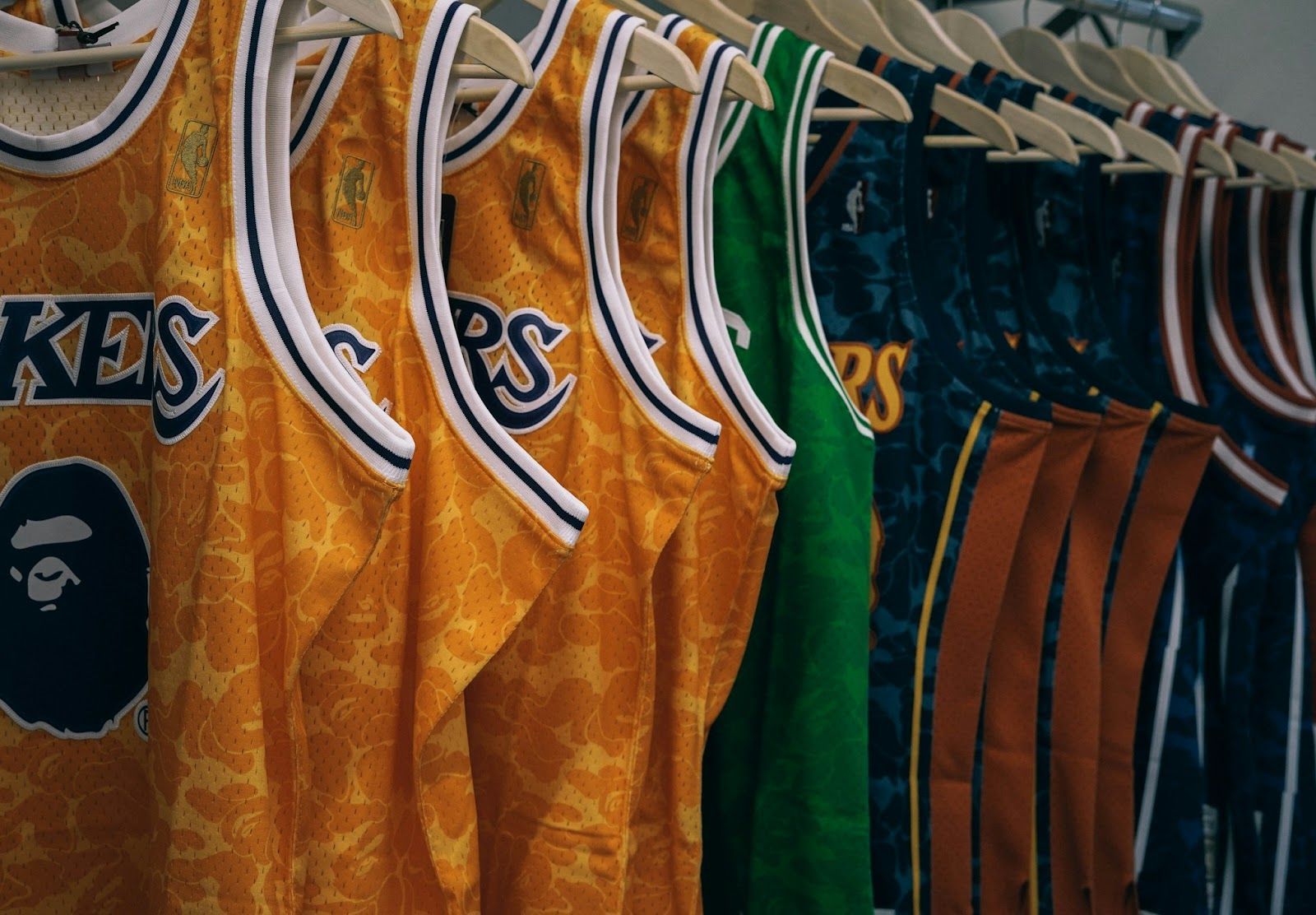
Image: Alex Haney

With his skyhook reaching somewhere near the clouds, Kareem Abdul-Jabbar scored more points than anyone in NBA history for decades. He led the Milwaukee Bucks to a title, then added five more with the Lakers. Both franchises retired his iconic No. 33, honoring a player who blended grace and dominance like no one else.

13
Dikembe Mutombo

Image: Finnian HaDiep

One of the best shot-blockers and defensive players of all time, Dikembe Mutombo protected the paint like a personal fortress. He blocked shots, grabbed rebounds, and smiled through it all. The Denver Nuggets loved him. The Atlanta Hawks loved him. Both retired his No. 55. And yes, fans still remember that famous wagging finger after a big block.

14
Michael Jordan
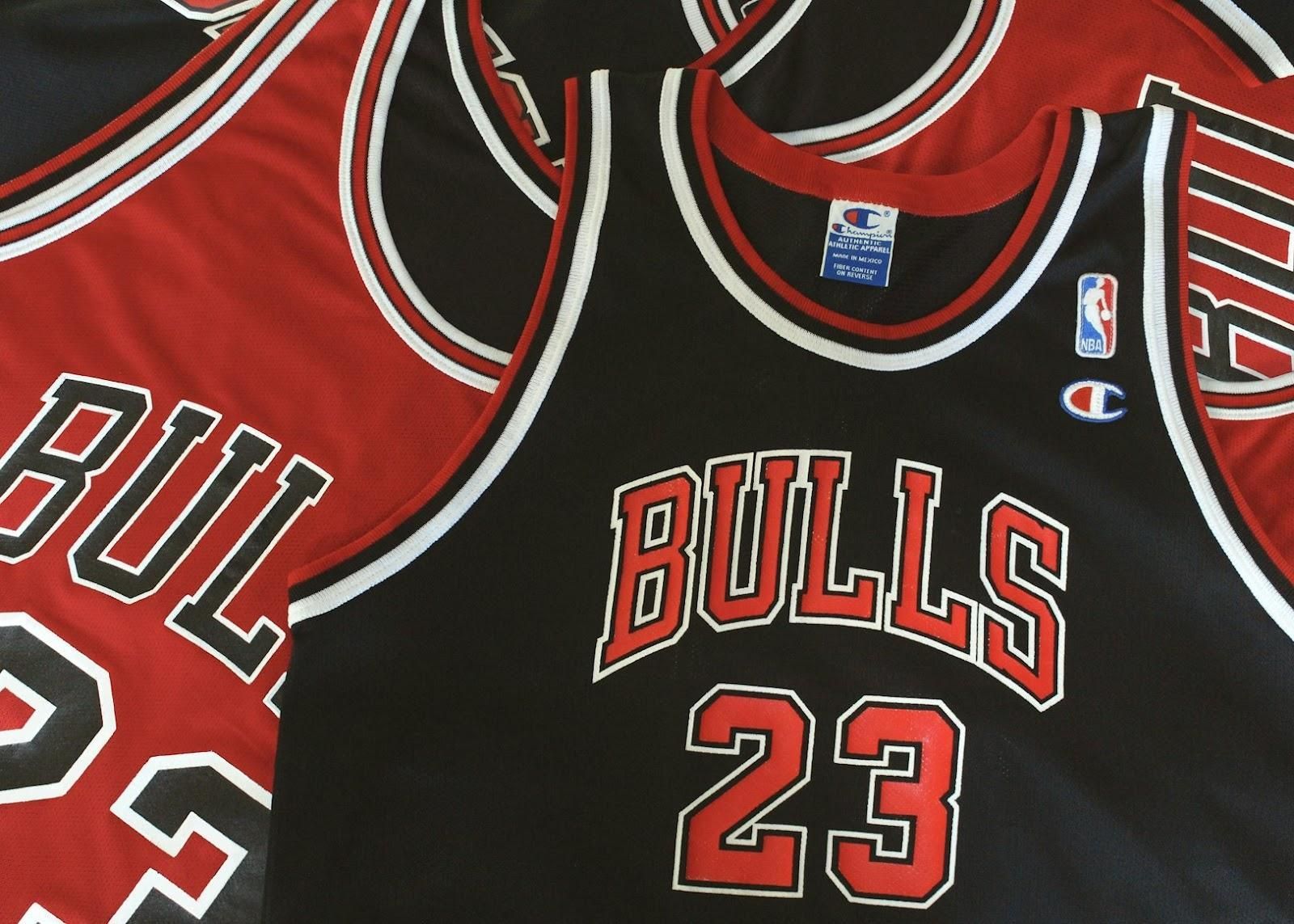
Image: Abhay siby Mathew

Of course, "His Airness" would be on this list! Michael Jordan’s No. 23 isn’t just a jersey—it’s an icon. In Chicago, it hangs high as a symbol of six championships, clutch shots, and a golden era that fans still replay in their minds like a favorite movie. But there’s more: the Miami Heat have honored his number too, even though Jordan never suited up for them. Call it courtesy, call it class, but wherever you go, No. 23 still means one thing: Michael Jordan was here.


General General 4 min read

Zzzzz…

A better rest makes for a better life: 12 simple tips for a great sleep

Image: Deconovo

We spend a third of our lives sleeping, and the quality of our sleep determines the quality of the time we spend awake. Thankfully, there are a handful of simple things that we can do to improve our resting hours. Do you follow any of these?

1
Sleep routine

Image: Tina Witherspoon

Your body is a routine animal. If you eat at a certain time, you’ll probably feel hungry around that same time the next day. If you go to sleep at a certain hour, you’ll likely feel sleepy at that same hour the next day.

Use this to your advantage by sticking to a consistent sleep schedule , both for going to bed and for waking up. If you do this consistently, your body will embrace this routine, and it will start to come naturally.

2
Food and drinks

Image: Kelsey Chance

Avoid going to bed shortly after a large meal. Your digestive system will stay active for a long period of time potentially keeping you awake until it finishes processing the food and drink you've consumed.

The same goes for alcohol: while it might make you feel drowsy at first, it can disrupt your sleep later in the night.

3
Create a good sleeping environment

Image: Ainur Iman

A dark, quiet, and cool bedroom makes for a good sleeping environment . Your senses will continue capturing and processing any light or sound present in your bedroom, which is why it is important to minimize these distractions as much as possible.

4
Avoid long naps

Image: Tânia Mousinho

This one is quite straightforward: your body only requires a certain amount of sleep , and if you use up a large portion of it during the day, you may find yourself staying awake longer at night. While a short, 20-minute nap during the day can help restore your energy, a longer rest period will subtract from your nighttime sleep.

5
Physical activity

Image: Chander R

Regular physical activity and spending time outside every day are great ways to promote better sleep at night. However, it’s important to avoid physical exercise if you are too close to your bedtime to avoid overstimulation.

6
Avoid going to bed with worries

Image: Yohann LIBOT

Whatever worries you may have in your life, try to avoid thinking about them while you're trying to sleep. Stressful thoughts can delay sleep and create anxiety , leading to less-than-optimal rest. Instead, write down any issues you need to deal with and save them for the next day.

7
Light exposure

Image: Gabe

Spending time in natural sunlight or bright light during the day can help keep your circadian rhythm healthy and, in turn, improve your daytime energy and enhance the quality and duration of your sleep at night.

In contrast, avoid exposure to screens for at least half an hour before going to bed. Nighttime light exposure can have the opposite effect from daytime exposure because it reduces your levels of melatonin, which helps you relax and get deep sleep.

8
No alcohol before bedtime

Image: Vinicius amnx Amano

As mentioned earlier, drinking alcohol before bedtime is not recommended . Alcohol can cause or worsen symptoms of sleep apnea, increase snoring, and disrupt normal sleep patterns. It also alters nighttime melatonin production, which plays a key role in regulating your body’s circadian rhythm.

9
A good bed and pillow

Image: Andrew Neel

Poor-quality bedding can lead to increased lower back pain , making it harder to sleep well. Firm and medium-firm mattresses are available at different price ranges and can be a good choice for comfort and to avoid back pain.

Pillows should not cause neck pain, either. Find a pillow that isn’t too high and offers comfort for your sleep style. It will make for a better rest, and your body will thank you in the morning.

10
No liquids right before bed

Image: Steve Johnson

There’s nothing wrong with being hydrated during your sleep time, but having to get up in the middle of the night to go to the bathroom is not great. If this happens repeatedly, it can negatively affect your sleep quality and daytime energy.

To minimize interruptions, try reducing your fluid intake in the last hour before bed . This can help lower the chances of waking up during the night.

11
Good sleeping temperature

Image: Vin Jack

One way to guarantee uncomfortable sleep is a bedroom that’s either too cold or too hot . The ideal temperature can vary based on the individual, but most research suggests that sleeping in a cooler room—around 65 to 68 degrees—is optimal.

12
At least seven hours of sleep

Image: sq lim

Each age group requires a different amount of sleep each night, but for most people, seven hours is the bare minimum to ensure proper rest. If you have a specific wake-up time, calculate a target bedtime that allows for at least seven hours of sleep . Give yourself extra time before bed to wind down and prepare for sleep whenever possible.

History History 4 min read

Which ad do you remember?

From Nike to Dove: Discover the stories behind 12 iconic ads

Image: Shreesha bhat

Some ads are so catchy, clever, or downright bold that they become part of American culture. From slogans we still repeat to jingles we can’t forget, the best campaigns leave a lasting impression. Take a look at the stories behind 12 of these iconic pieces. Which one do you remember most?

1
Pepsi: "Is Pepsi OK?"

Image: NIKHIL

If you’ve ever asked for a Coke and heard, "Is Pepsi OK?", you’re not alone—it’s a common scenario that has become a cultural cliché. In 2019, Pepsi embraced that moment and turned it into an ad campaign.

Featuring celebrities, the ads leaned into the joke and confidently rebranded Pepsi as more than just "OK."

2
Westinghouse: "We Can Do It!"

Image: Nayani Teixeira

Westinghouse Electric’s We Can Do It! poster, created during World War II to boost morale among female workers , later became a symbol of female empowerment in the 1970s.

Initially unrelated to the Rosie the Riveter character, the poster eventually gained widespread use in advertisements and pop culture, celebrating women’s strength and independence.

3
Pan-American Coffee Bureau: "Give yourself a coffee break!"

Image: Jakub Dziubak

In the 1950s, the Pan-American Coffee Bureau popularized the concept of the "coffee break" with a campaign that encouraged workers to relax while drinking the popular beverage .

By the 1960s, coffee breaks had become so essential that the United Auto Workers union demanded them in their contracts, even threatening a strike if they were not included.

4
Marlboro: The Marlboro Man

Image: Brendan Stephens

Created in 1954, the Marlboro Man transformed Marlboro from a women’s cigarette into a symbol of rugged masculinity . The iconic cowboy became so recognizable that by the late '90s, nearly 90% of schoolchildren knew him.

The character was retired in 1998 as part of a tobacco industry settlement that banned the use of human and cartoon figures in advertisements.

5
Ad Council: "Friends don't let friends drive drunk."

Image: Aedrian Salazar

Launched in 1983, the "Friends Don’t Let Friends Drive Drunk" PSA became a cultural milestone, directly addressing the widespread problem of drunk driving .

At the time, alcohol was involved in roughly half of all car crash fatalities. The campaign played a key role in shifting public attitudes and helped reduce that number to around 31% in the decades that followed.

6
Levi Strauss & Co.: "A Guide to Casual Businesswear"

Image: Varun Gaba

In the 1980s, "Casual Fridays" gained popularity , but many companies quickly regretted the trend as employees began showing up in overly casual or sloppy attire. In 1992, Levi Strauss & Co. capitalized on the situation by releasing A Guide to Casual Businesswear , promoting its Dockers and Levi’s brands as polished, workplace-appropriate options.

By 1995, Levi’s reported record sales of $6.2 billion, helping to redefine "business casual" and promoting a more professional yet relaxed dress code in the workplace.

7
Snickers: "You’re Not You When You’re Hungry"

Image: Shyam Mishra

Snickers’ Super Bowl ad featuring Betty White, in which hunger causes a man to momentarily "become" her during a football game , became an instant hit and introduced the now-iconic tagline: "You’re Not You When You’re Hungry."

The campaign's humor and relatable message made it highly successful, with the concept evolving over the years through new scenarios and celebrities.

8
KFC: "FCK"

Image: Aleks Dorohovich

During a 2018 chicken shortage , KFC used humor to manage the crisis with a bold ad that featured an empty bucket and the letters "FCK" in place of its logo .

This self-aware and cheeky approach helped diffuse customer frustration and strengthened the brand’s connection with its audience through honesty and wit.

9
Pepsi: "Pepsi Challenge"

Image: NIKHIL

Pepsi’s second entry on this list is the iconic "Pepsi Challenge," a blind taste-test campaign that invited consumers to compare Pepsi and Coca-Cola .

By focusing on taste and showing that many participants preferred Pepsi, the campaign successfully shifted public perception and boosted brand loyalty during the fiercely competitive "Cola Wars" of the 1980s.

10
Nike: "Just Do It"

Image: wuyi

Launched in 1988, Nike’s "Just Do It" campaign featured athletes like 80-year-old marathoner Walt Stack to inspire people from all walks of life to take action.

The slogan quickly resonated with audiences, sparking countless personal stories of bold choices and perseverance. It has since become one of the most enduring and recognizable taglines in advertising history.

11
California Milk Processor Board: "Got Milk?"

Image: engin akyurt

Launched in 1993, the legendary "Got Milk?" campaign emphasized the importance of milk through a study showing how people felt when they ran out .

With its clever use of celebrity endorsements and pop culture references, the campaign ran for over two decades and produced hundreds of memorable ads nationwide, cementing its place as one of the most influential marketing successes in advertising history.

12
Dove: "Real Beauty"

Image: Matthew Tkocz

Launched in 2004, Dove’s "Real Beauty" campaign aimed to boost self-confidence by challenging traditional beauty standards.

Featuring real women instead of professional models , the campaign focused on diversity, aging, and natural imperfections, promoting a more inclusive and empowering definition of beauty.

Explore more American facts

Choose your favorite category!

General
General

As American as apple pie—the very best America has to offer!

Culture
Culture

Delve into the astounding richness of American lore.

Geography
Geography

Hop in and explore vast and diverse American landscapes.

History
History

Discover the key moments that shaped the United States.