Geography Geography 4 min read

Unforgettable towns

“Hell is a Place on Earth” and other quirky town mottos!

Image: James Lee

Have you ever received a postcard from Hell? Well, you might have. After all, it’s "a Place on Earth." Those who live in small towns with the quirkiest of names , like Hell, Boring, or Why, haven’t wasted any time coming up with fitting mottos. What tagline would you assign to a town called "Coward"? And what about "Happy"? Let’s read some of the funniest town mottos out there and discover the stories behind them!

1
"Yes, Hell is a Place on Earth"

Image: Peter Leong

People driving from Lansing to Ann Arbor can take a slight detour and "go through Hell." And Hell lives up to its name, playfully. Founded in Michigan in the 1830s (legend has it that one of the settlers said, "Call it Hell, for all I care!"), this tourist hotspot leans into the joke.

You can "get married in Hell," mail postcards from the Hell Post Office , or grab a souvenir from the Hell Hole Diner. The town even freezes over in winter—because, of course, Hell can freeze over.

2
"Because!"
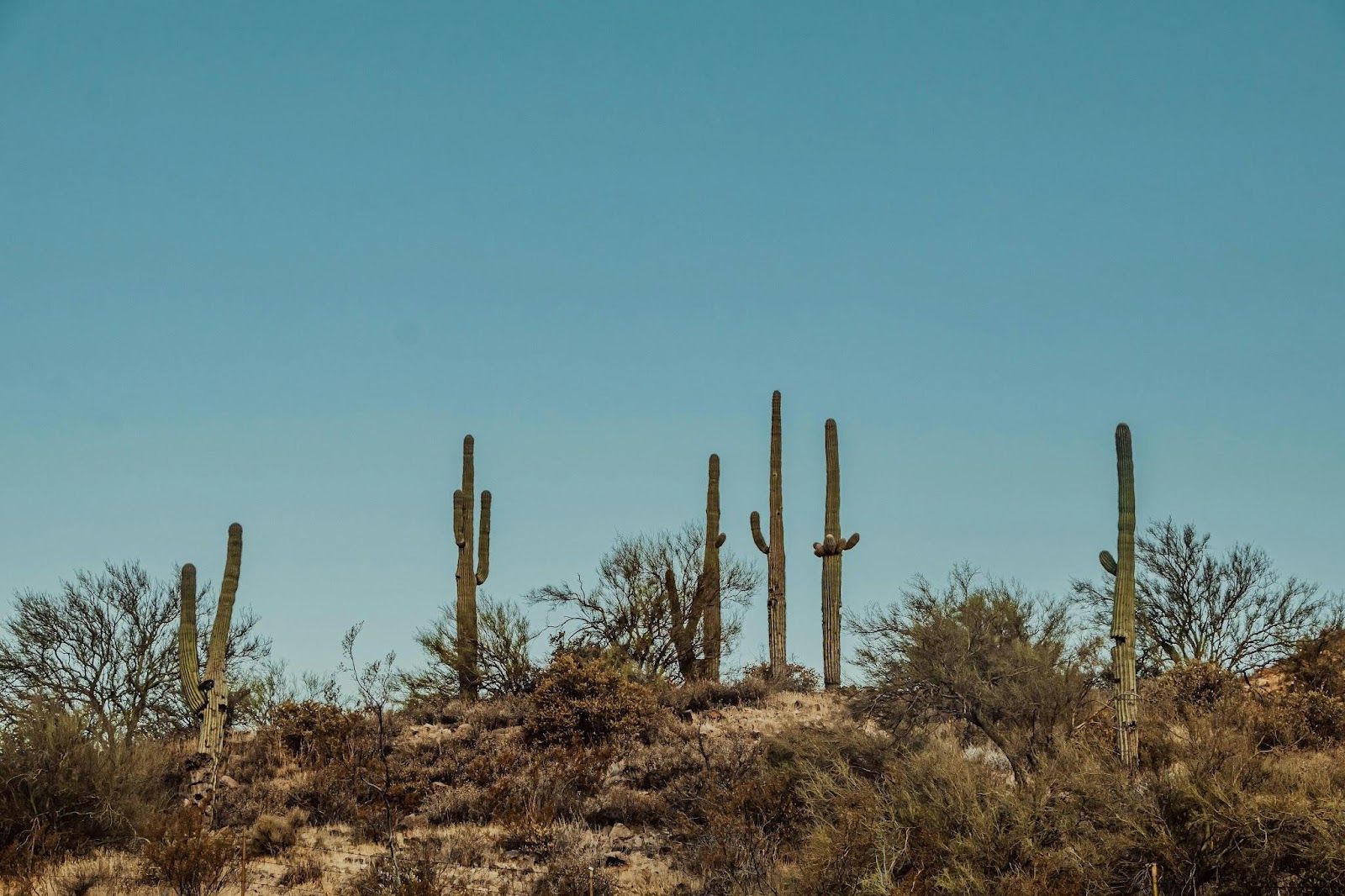
Image: Danika Perkinson

Why’s name comes from a nearby Y-shaped intersection , but its motto takes full advantage of the pun.

Originally called "Y," this Arizona town had to add an "H" to comply with the state’s three-letter minimum for place names. Today, Why (population: around 160) is a desert oddity whose motto says it all: Because. That’s the only explanation it’s willing to give.

3
"The Town Too Tough to Die"
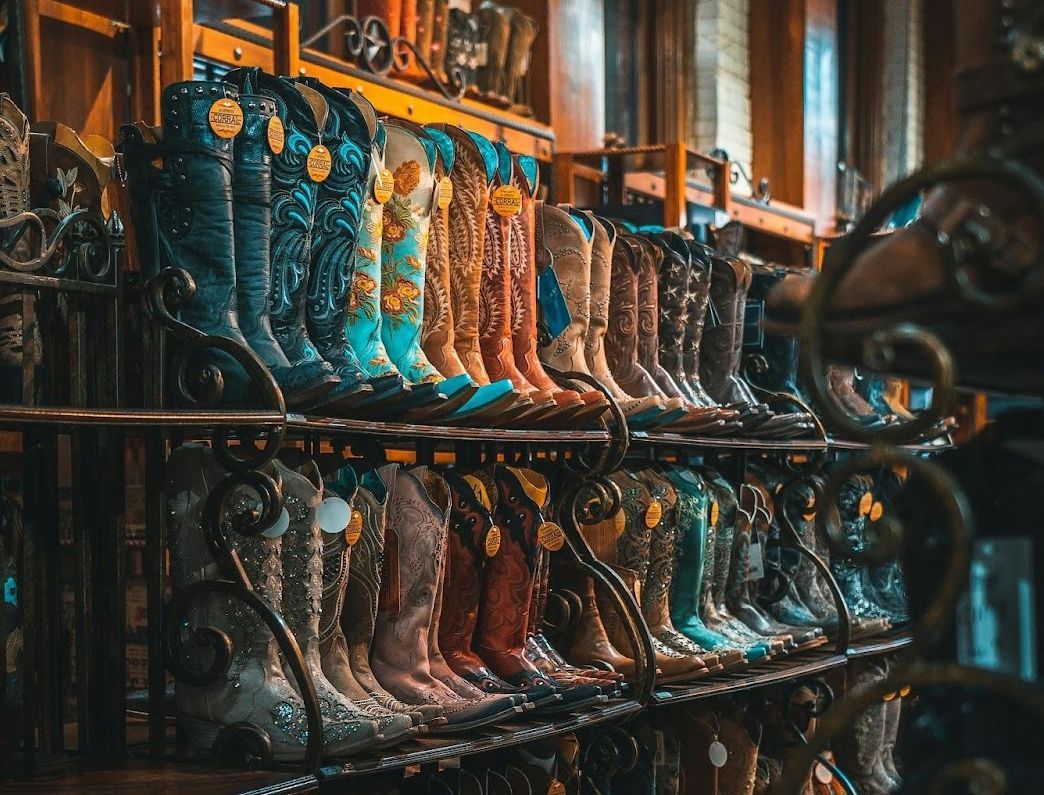
Image: Andreas Rasmussen

That’s the nickname of Tombstone, Arizona. This Wild West legend earned its motto after surviving fires, shootouts, and near abandonment. Founded in 1879 as a silver boomtown, Tombstone soon became infamous for the gunfight at the O.K. Corral.

When the mines dried up, the town rebranded itself as a living museum of cowboy lore . Today, actors reenact gunfights daily, and the Bird Cage Theatre—once called "the wickedest nightspot between Basin Street and the Barbary Coast"—still stands.

4
"The Town That Was"
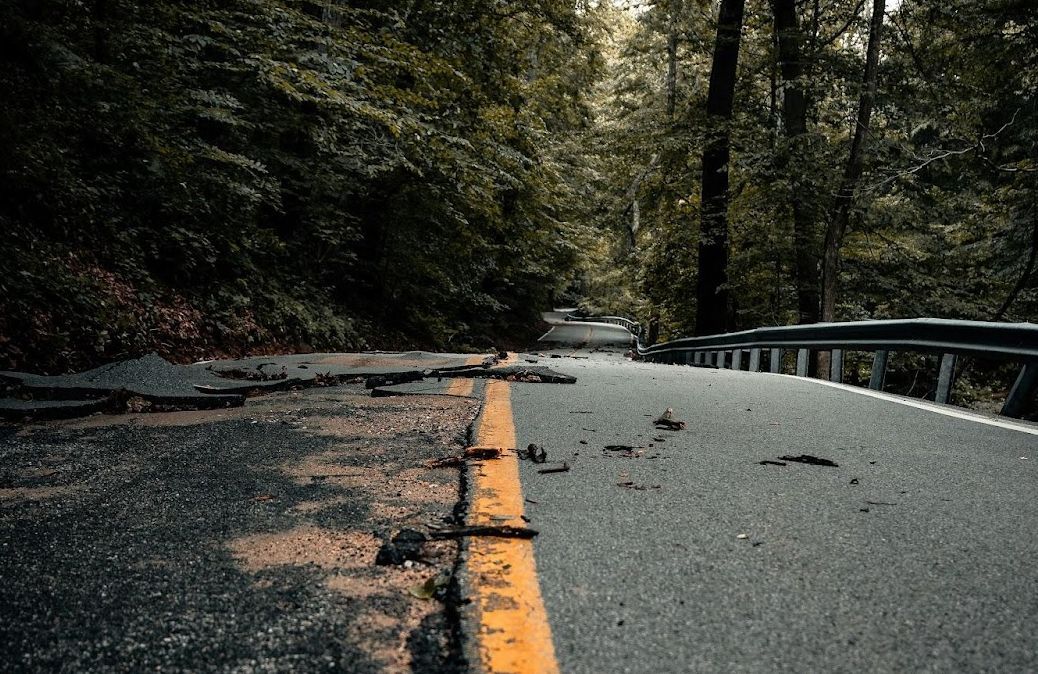
Image: Colin Lloyd

Few mottos are as haunting as that of Centralia, Pennsylvania. In 1962, a coal mine fire ignited beneath the town and has burned ever since, turning streets into smoke-filled cracks and forcing nearly everyone to leave.

Today, fewer than ten residents remain in this near-ghost town , where graffiti-covered Route 61—the "Graffiti Highway"—attracts urban explorers. It’s said that the underground fire could continue burning for another 250 years.

5
"The Most Exciting Place to Live"
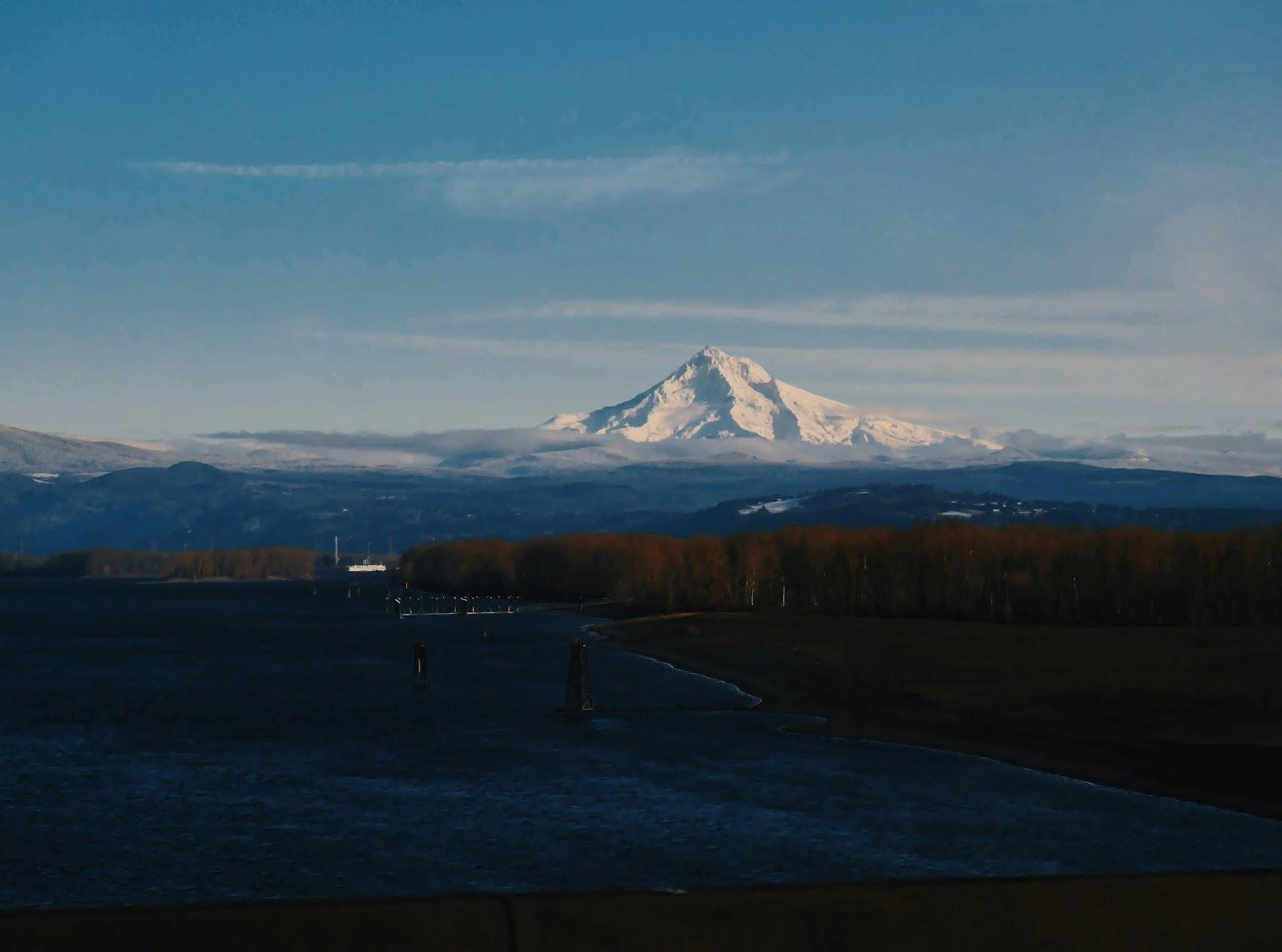
Image: ALEKSEY KUPRIKOV

Don’t be fooled by the name of Boring, Oregon—its motto is a cheeky nod to its reputation, but the town was actually named after 19th-century settler William Boring .

Every year, the town hosts the "Boring Fest" and sells "Boring, OR" merch. Ironically, the surroundings of Boring are anything but dull: you’ll find stunning trails and ski resorts to explore near Mt. Hood!

6
"No Fear Here"
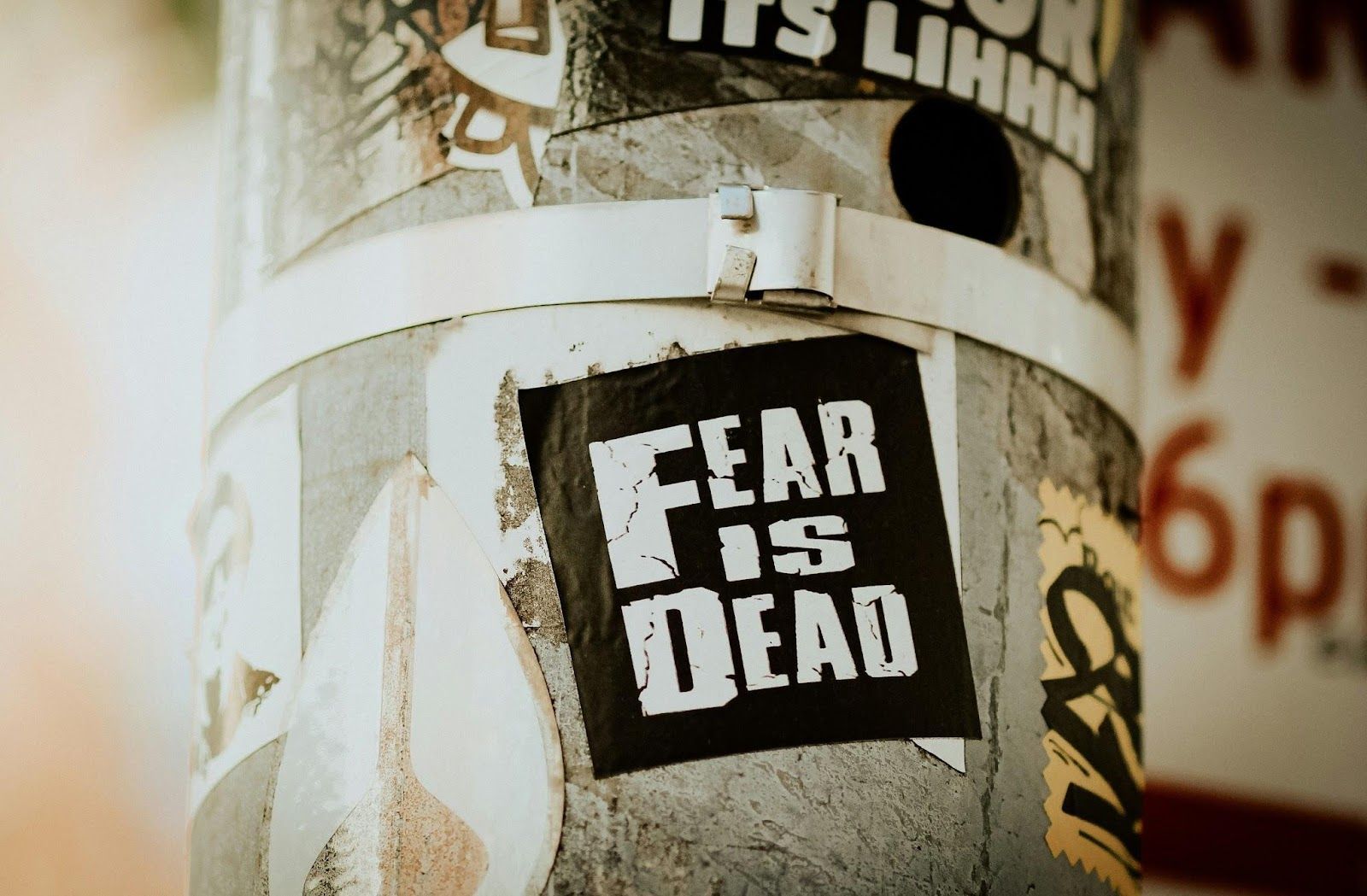
Image: Jon Tyson

Coward, South Carolina, would like everyone to know they’re no scaredy-cats. Named after a railroad official , the town has embraced its ironic potential with a motto that flips the script.

Located along the "Old Stage Coach Road," Coward is now a quiet pit stop with a sense of humor. No cowards here—just a town that knows how to laugh at itself.

7
"A Nice Place to Live"
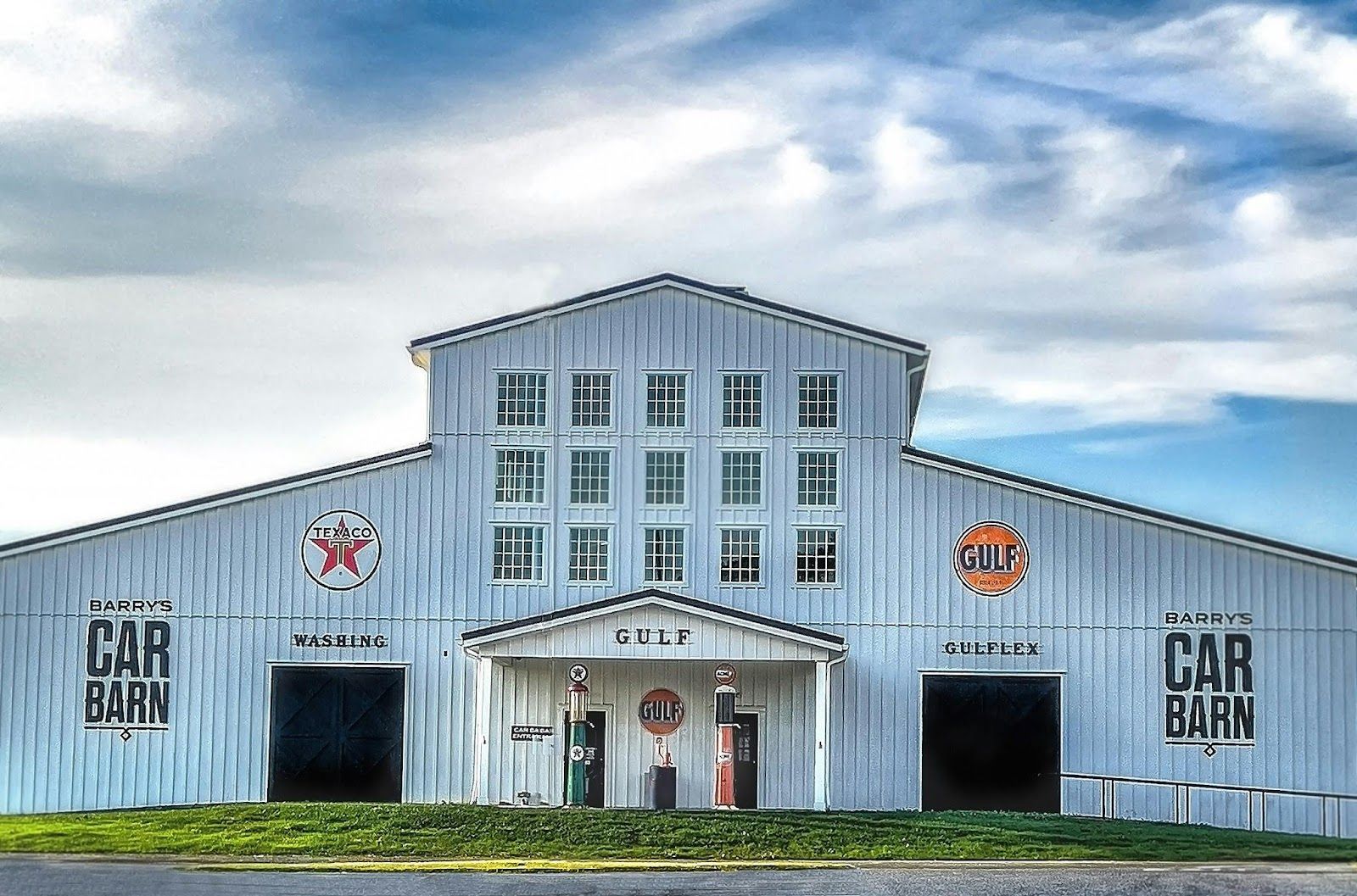
Image: Sterling Lanier

In the heart of Amish Country, Intercourse , Pennsylvania, gets its eyebrow-raising name from an old term for " crossroads ." The town leans into the jokes (yes, they sell T-shirts) but keeps it wholesome with a motto that highlights its quiet charm.

Visitors come for the buggy rides, homemade jam, and, of course, the chance to say they’ve been to Intercourse.

8
"Not What You Expected"

Image: Jason Leung

A fitting motto for Surprise, Nebraska. Founded in the 1880s, the town’s origin story has been lost to time , and with a population of around 40, it’s a surprise it’s still on the map at all. That’s exactly what the motto jokes about.

9
"The Town Without a Frown"

Image: Yuyang Liu

Happy, Texas, boasts one of the most wholesome town names—and a matching motto. This Panhandle town of 600 lives up to its name with a smiley-face water tower and an annual "Happy, Texas Day" celebration.

Founded in the 1890s, Happy got its name from cowboys who found water here after a drought.

10
"The Last Word in Hospitality"
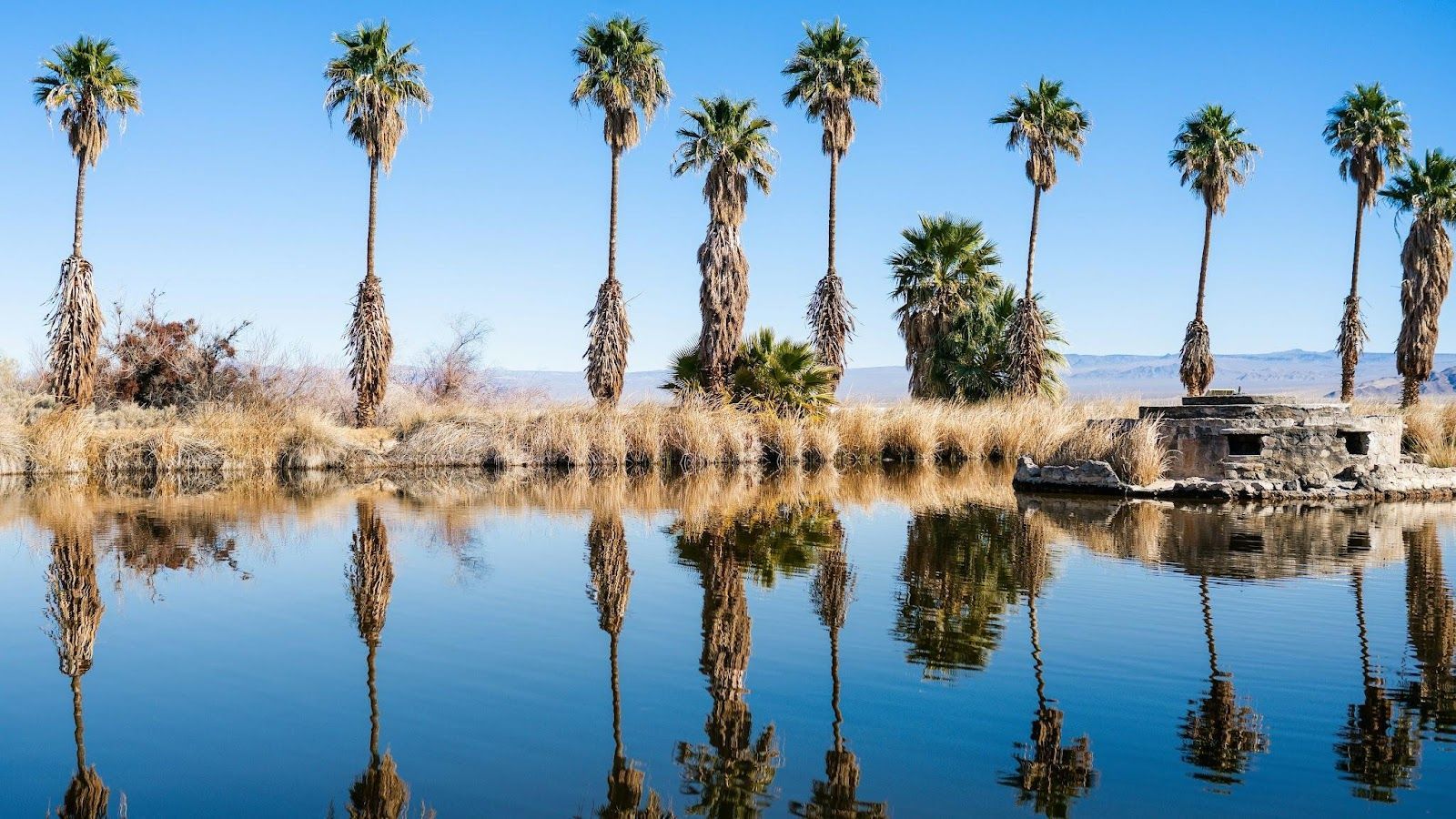
Image: vamshi vanaparthi

How do you pronounce Zzyzx, a town in California? It’s "Zye-zix." This Mojave Desert spot was once a health spa run by a self-proclaimed "doctor" who invented the name to be the last word in the dictionary.

Today, it’s a research center—and yes, it remains the last alphabetical town in the US, just as intended.

11
"High and Dry Since 1854"
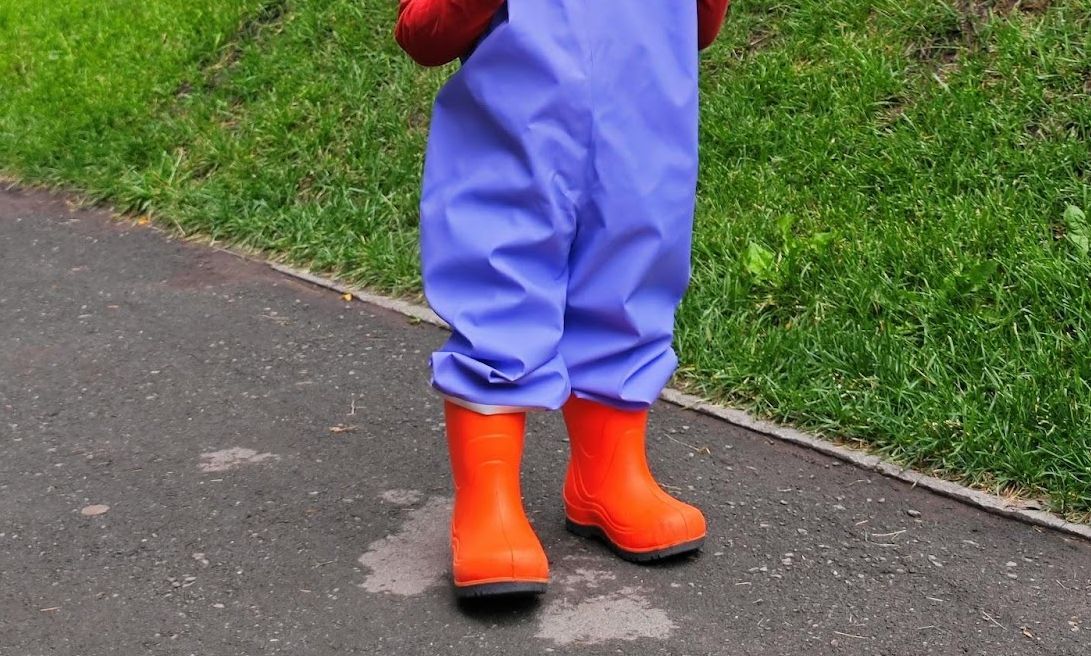
Image: Aleksandra Sapozhnikova

That’s funny! But irony alert: Waterproof, Louisiana, is ironically prone to flooding. Named after a local plantation owner’s boast that his land was "waterproof," the town’s motto leans into the joke. After multiple floods, the residents have learned to take it in stride.

12
"A Beautiful Mistake"

Image: Sarah Kilian

Finally, we have the quaint town of Accident, located in Maryland. Founded in 1774 after a land surveyor "accidentally" marked the wrong spot , Accident embraces its quirky origin story.

Today, it’s a charming Appalachian town, best known for its humorous name.

Culture Culture 5 min read

Multifaceted heroes

The King of Rock 'n' Roll himself? Celebrities who served in the military

Image: pasja1000

Did you know that Jimi Hendrix performed 26 parachute jumps or that Bea Arthur was a pioneer woman in the Marine Corps? The award-studded careers of these celebrities made some of us forget that they served in the U.S. military before becoming international stars. Let's explore their feats!

1
Elvis Presley

Image: Clem Onojeghuo

Yes, the King of Rock 'n' Roll, who revolutionized music with hits like "Hound Dog," was drafted into the U.S. Army. Presley was offered to serve in the Special Services entertaining troops but chose to serve as a regular soldier.

The most well-known name in entertainment at the time, he was stationed in Germany and earned the rank of Sergeant. There, he met his future wife , Priscilla Beaulieu.

2
Morgan Freeman

Image: Harald Müller

Morgan Freeman, the legendary actor revered for his deep, resonant voice and commanding presence, served as a radar technician in the U.S. Air Force before his acting career took off.

There, he harbored dreams of becoming a fighter pilot. Eventually, though, his time in the cockpit revealed that flying was not his true passion.

3
Humphrey Bogart

Image: Tomas Martinez

The iconic star of Casablanca served in the U.S. Navy during World War I. He worked as a coxswain aboard the USS Leviathan , transporting troops to Europe.

Some versions attribute his signature lip scar —and, by extension, his unique speech—to an injury during his service, though some claim it was from a brawl or childhood incident.

4
Jimi Hendrix

Image: Aditya Wardhana

Jimi Hendrix is widely regarded as one of the greatest guitarists in history. What’s less known about him is that he served as a paratrooper with the 101st Airborne Division back in the 60s.

Even less known is that he enlisted in the Army at age 19 as part of a deal to avoid jail time after being caught joyriding stolen cars. He completed 26 parachute jumps before being honorably discharged a year later due to injuries.

5
Bea Arthur

Image: Ajeet Mestry

Yes, Bea Arthur, one of the beloved Golden Girls , was also a trailblazer as one of the first women to serve in the U.S. Marine Corps during WWII.

Her sharp wit and memorable roles like Dorothy Zbornak earned her multiple awards and the hearts of many Americans. But before acting, she had worked as a typist and truck driver for the Marine Corps, eventually reaching the rank of Staff Sergeant.

6
Bob Ross

Image: https://images.unsplash.com/photo-1662796246357-36ffa59acbca?

Can you believe that the cherished, gentle-voiced host of The Joy of Painting served in the U.S. Air Force for 20 years?

Bob Ross, the soothing icon of creativity and positivity who taught millions how to paint in the famous PBS series, was once a Master Sergeant. He worked as a medical records technician stationed in Alaska. It is said that he once vowed never to yell again after retiring.

7
Mr. T

Image: Skitterphoto

Mr. T, born Laurence Tureaud, is recognized for his role in Rocky III and the hit television series The A-Team. Before his rise to fame, though, he was a military police officer in the 1970s.

There, he stood out in basic training, so much so that he was named the top trainee out of 6,000 recruits. An anecdote retells that he was ordered by his sergeant to chop trees down as a punishment. After one hour, he had chopped down 70 trees and was told to stop.

8
Adam Driver

Image: Venti Views

Actor Adam Driver is known for his roles in films like Marriage Story and the Star Wars trilogy . Few know that he enlisted in the U.S. Marine Corps after 2001 and served for nearly three years before being discharged for a mountain biking injury.

Driver served as a mortar in the 1st Battalion, 1st Marines. After being discharged, he co-founded Arts in the Armed Forces , a nonprofit that brought art programs to military personnel and families.

9
Chuck Norris

Image: Andrea De Santis

Chuck Norris, the action star legend, was once an Air Policeman in the U.S. Air Force. It was there, in fact, where he first began his training in martial arts.

A pop culture icon for his tough-guy image and humorously exaggerated abilities, he was deployed to an air base in South Korea in the late 50s. There, he earned black belts for multiple disciplines in martial arts , including Tang Soo Do and Taekwondo.

10
Johnny Cash

Image: Markus Spiske

Here's another musician who had a career in the military. Johnny Cash, the legendary country singer, was a radio operator in the U.S. Air Force.

The "Man in Black" was a Morse Code listener intercepting Soviet transmissions in West Germany during the Korean War. Allegedly, it was during this time that he bought his first guitar and began writing songs.

11
Paul Newman

Image: Keanu K

The blue-eyed actor from Butch Cassidy and the Sundance Kid also served as a radioman and gunner during World War II. He trained as a pilot but was reassigned as an operator and rear gunner due to colorblindness.

In fact, he avoided flying in the Okinawa campaign due to an ear infection his pilot had. This saved both their lives, and Newman lived on to become a Hollywood legend and philanthropist.

12
Clint Eastwood

Image: Brice Cooper

Clint Eastwood, the iconic actor and filmmaker, was drafted into the U.S. Army during the Korean War. He worked as a swimming instructor for the 35th Infantry Regiment.

He even survived the crash landing of a Navy torpedo bomber with engine problems. He and his pilot had to swim two miles to shore near Point Reyes, California.

13
James Earl Jones

Image: Piotr Makowski

Before lending his iconic voice to Darth Vader and Mufasa, James Earl Jones trained as an Army Ranger and served as a second lieutenant in the Korean War.

After graduating from college in the 50s, he was assigned to the Army's 2nd Infantry Division in Korea. He received an honorable discharge as a first lieutenant in 1955 and went on to pursue the same career his father had: acting.

General General 5 min read

Second look

Lost in history: 10 forgotten presidents who changed America

Image: Library of Congress

Be honest—how many U.S. Presidents can you name off the top of your head? Great leaders like Washington and Lincoln often steal the spotlight, and with legacies as groundbreaking as theirs, it's totally understandable. However, this also means the work of many lesser-known—but no less important—figures in American history is often overlooked. From controversial characters to underrated statesmen, join us as we unravel the stories of 10 forgotten U.S. presidents.

1
Martin Van Buren (1837-1841)

8th President

Image: Library of Congress

Van Buren, the first president born after the American Revolution, inherited an economic crisis shortly after taking office, known as the Panic of 1837 . The market crash, caused by speculative banking practices, led the country into a severe economic depression.

Van Buren’s quick response was to establish an independent treasury system, which effectively separated federal funds from private banks. This system helped stabilize the currency and laid the foundation for modern federal financial management. Furthermore, Van Buren was also a key figure in the development of the two-party system that continues to shape American politics today. Quite the legacy for an often-overlooked figure!

2
John Tyler (1841-1845)

10th President

Image: Library of Congress

John Tyler became president in 1841 following William Henry Harrison’s death, marking the first time a vice president succeeded a sitting president. Although this might seem unremarkable today, Tyler asserted the constitutional authority of the presidency by doing so, setting an important precedent for the peaceful transfer of power and solidifying the role of the vice presidency in American democracy.

However, Tyler is mostly remembered for championing westward expansion and overseeing the initial negotiations for the annexation of Texas—a move that literally reshaped the nation. Though this ultimately led to tensions with Mexico and the Mexican-American War, his efforts to settle a peaceful border treaty between the United States and Canada helped balance his legacy.

3
James K. Polk (1845-1849)

11th President

Image: Library of Congress

James K. Polk, the 11th president, is often called the "expansionist president" due to his aggressive territorial policies. Under his leadership, the United States expanded significantly, acquiring more than a million square miles of land through various treaties and the victory in the Mexican-American War.

His presidency fulfilled the concept of Manifest Destiny, extending the nation's reach to the Pacific Ocean. However, his legacy remains somewhat controversial, as many of his actions exacerbated the divide between the northern and southern states, setting the stage for the American Civil War.

4
Zachary Taylor (1849-1850)

12th President

Image: Library of Congress

Zachary Taylor, a hero of the Mexican-American War, became president in 1849 with little political experience. Despite being a Southern slave owner, he opposed the expansion of slavery into the newly acquired western territories, a stance that put him at odds with many in the South.

While Taylor's presidency was cut short by his sudden death in 1850, his role in opposing the spread of slavery into new states set the stage for future debates. Though brief, his actions as president are often praised for their conciliatory nature, as he sought compromises in an attempt to prevent the looming conflict.

5
Millard Fillmore (1850-1853)

13th President

Image: Library of Congress

Millard Fillmore took over after Zachary Taylor's untimely death in 1850, inheriting a fractured nation on the brink of civil war. His most controversial act was signing the Compromise of 1850, which included the Fugitive Slave Act, requiring the return of escaped slaves to their owners.

This somewhat ham-fisted attempt to maintain the fragile peace between the North and South only deepened the divisions that eventually led to the Civil War. On a lighter note, Fillmore was the first president to initiate trade relations with Japan, marking the start of Japan’s modernization and its integration into the global economy.

6
Franklin Pierce (1853-1857)

14th President

Image: Library of Congress

Franklin Pierce, elected in 1852, faced an increasingly divided nation over the issue of slavery. His signing of the Kansas-Nebraska Act in 1854 allowed new territories to decide for themselves whether to permit slavery, leading to violent confrontations between pro- and anti-slavery factions in what became known as "Bleeding Kansas."

Despite his troubled domestic policies, Pierce followed his predecessor's path of expanding U.S. influence abroad. He pushed for new trade routes and even attempted to negotiate the acquisition of Cuba from Spain, though his efforts ultimately failed.

7
James Buchanan (1857-1861)

15th President

Image: Library of Congress

James Buchanan’s inability to resolve the tensions between North and South is often criticized, but he faced a nearly impossible task. He sought to avert conflict through diplomacy but was hesitant to overstep states' rights, arguing that the Constitution did not grant him the authority to prevent secession.

Despite his efforts, South Carolina seceded in December 1860, just weeks after Abraham Lincoln’s election, setting the stage for war. In foreign policy, Buchanan strengthened U.S. relations abroad, securing trade agreements with China and managing tense relations with Great Britain.

8
Rutherford B. Hayes (1877-1881)

19th President

Image: Library of Congress

Rutherford B. Hayes is often remembered for his controversial election in 1876, which was decided by a congressional commission after a disputed vote count. His administration is also known for effectively ending the Reconstruction Era by withdrawing federal troops from the South.

While this helped bring stability to the South, it also allowed the rise of segregationist policies. On the other hand, Hayes was one of the first presidents to advocate for civil service reform, arguing that a merit-based government workforce was necessary to reduce corruption and ensure efficiency within the federal system.

9
Chester A. Arthur (1881-1885)

21st President

Image: Library of Congress

Initially seen as a product of the corrupt political machine system, Chester A. Arthur surprised many by becoming a champion of civil service reform. In 1883, he signed the Pendleton Civil Service Reform Act, which mandated that government jobs be awarded based on merit rather than political connections.

This act significantly reduced the influence of patronage in American politics, a practice that had long fueled corruption. Arthur also modernized the U.S. Navy, which had been neglected since the Civil War. His administration helped lay the foundation for the powerful naval force that would emerge in the 20th century.

10
Benjamin Harrison (1889-1893)

23rd President

Image: Library of Congress

Though almost forgotten today, Harrison’s administration was marked by significant legislative accomplishments. In particular, the Sherman Antitrust Act aimed at curbing the power of monopolies and promoting competition, and is considered the first major attempt by the federal government to regulate corporate power.

Harrison pushed to secure federal funding for education and voting rights for African Americans, but many of his efforts were blocked by Congress. Despite these setbacks, he remained a vocal advocate for African American civil rights, consistently addressing the issue in his speeches to Congress.

Explore more American facts

Choose your favorite category!

General
General

As American as apple pie—the very best America has to offer!

Culture
Culture

Delve into the astounding richness of American lore.

Geography
Geography

Hop in and explore vast and diverse American landscapes.

History
History

Discover the key moments that shaped the United States.