Geography Geography 8 min read

Big cities’ secrets

There's a city buried under Seattle, and most people never see it
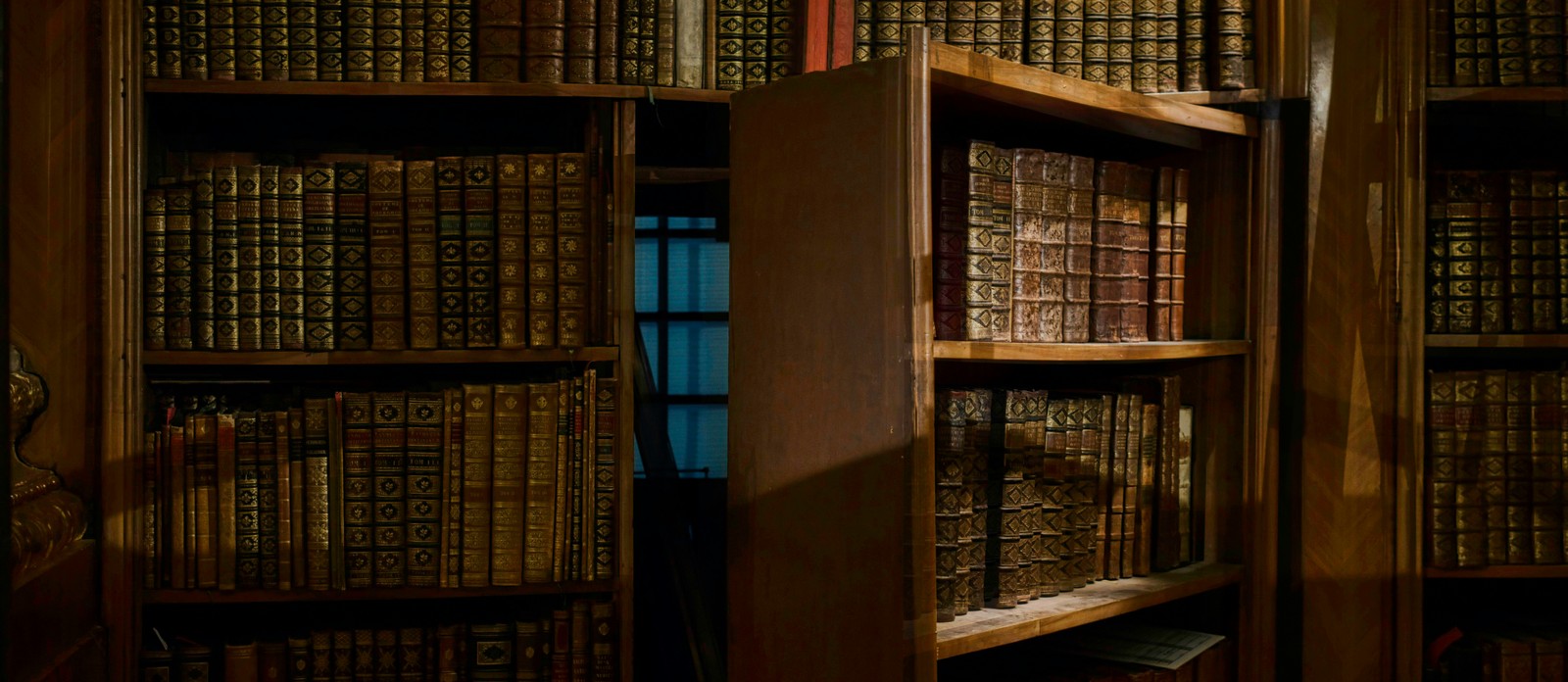
Image: Stefan Steinbauer

You probably think you’ve seen everything America has to offer, from the bright lights of the Big Apple to the Hollywood sites in Los Angeles. But hidden in the big cities are places that don’t get much of the spotlight but deserve more. Beneath Seattle are buried streets frozen in time. In Chicago, engineers actually made a river flow backward. And in Portland, there’s a tiny park supposedly built for leprechauns. These and more unusual spots are hiding in plain sight. Here’s the story behind them and where you can find them.

1
Seattle: The Seattle Underground
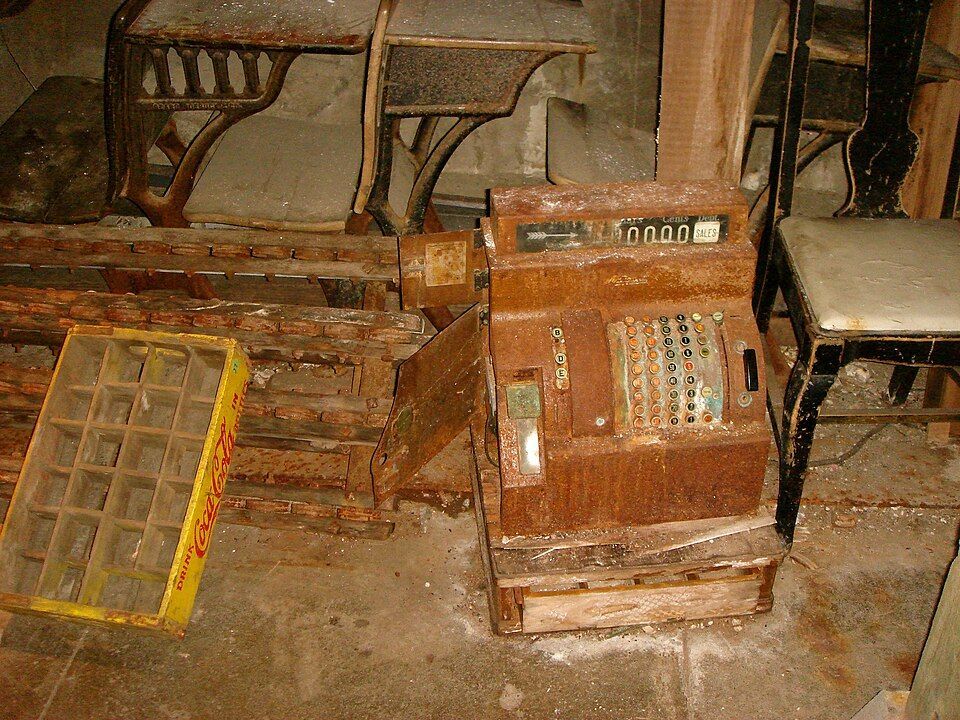
Image: Ronincmc, CC BY-SA 4.0, via Wikimedia Commons

People usually visit Seattle for the seafood, waterfront views, coffee culture, and the famous Space Needle. But underneath the busy sidewalks lies part of the city most tourists never realize exists. Beneath Pioneer Square sits the Seattle Underground, a network of old streets and storefronts buried below modern Seattle.

This area dates back to the Great Seattle Fire of 1889, which destroyed much of downtown. City leaders decided to rebuild the streets one story higher to improve drainage problems that had plagued the city for years. For a while, businesses operated below street level, but eventually this lower level was abandoned. Today, guided tours take visitors through the underground passageways and old sidewalks and mix ghost stories and old city legends with the real story below Emerald City.

2
Chicago: The Chicago River
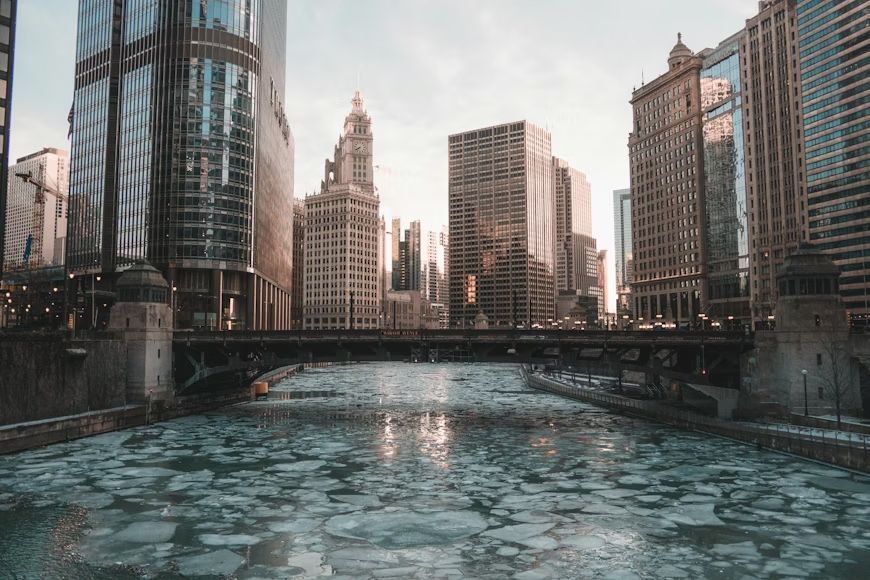
Image: Alex Azabache

Between deep-dish pizza, Wrigley Field, jazz clubs, and the towering skyscrapers, few cities feel more American than Chicago. It’s also home to the magical Chicago River, which, in 1900, actually flowed backwards.

Back in the late 1800s, Chicago faced a dangerous problem. The river carried sewage and industrial waste into Lake Michigan, the same lake supplying the city’s drinking water. Disease outbreaks of typhoid and cholera became increasingly serious, and engineers realized something drastic had to happen. In 1900, after years of planning and digging canals, they built a series of canals and locks, like the prominent Chicago Sanitary and Ship Canal, connecting the Chicago River to the Des Plaines River, forcing the water to flow toward the Mississippi River watershed. That way, they reversed the river’s direction so the contaminated water would flow away from the lake instead of into it. The natural flow was forever altered, but it remains central to city life, especially during St. Patrick’s Day when, according to tradition, it’s dyed bright green every year.

3
New York City: NYPL hidden apartment

Image: Detroit Publishing Company, Public domain, via Wikimedia Commons

Yellow taxies, Central Park, Broadway shows, and nonstop energy have made New York City feel magical. The Big Apple hides many secrets, and the apartment inside the New York Public Library Main Branch is just one of them.

In 1910, the library superintendent, John Fedeler, and his family moved into a private eight-room apartment tucked inside the library. This was so that someone would always be available to maintain the huge building. With bedrooms, a kitchen, and a living area, a full home is hidden behind doors that most visitors passed by. The family lived there until 1941, when the space was converted into offices and storage areas. However, the library still offers tours where visitors can learn about its history.

4
Portland: Mill Ends Park
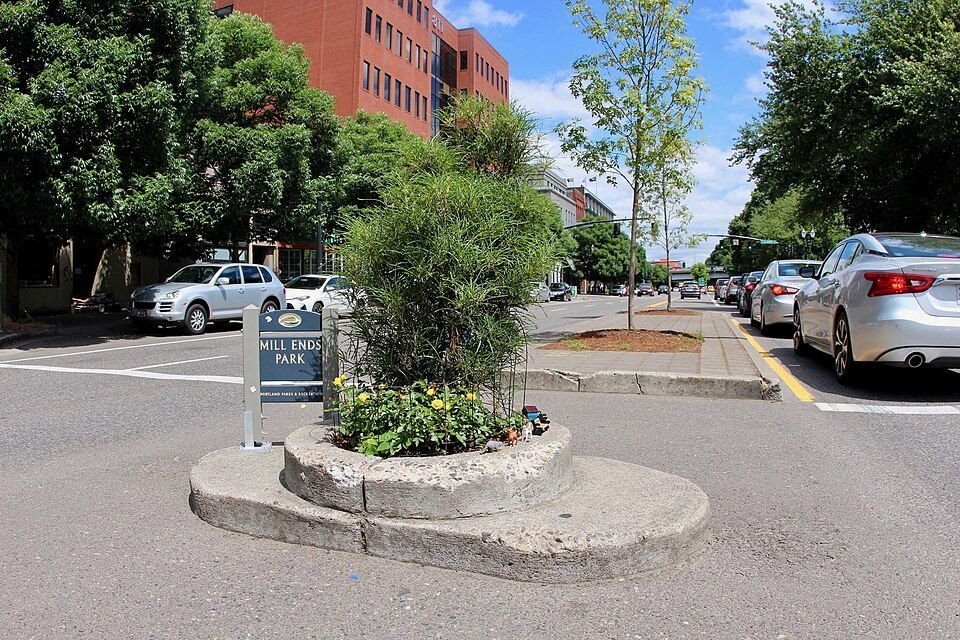
Image: daveynin, CC BY 2.0, via Wikimedia Commons

When you think of Portland, you may think of Washington Park or Forest Park. But if you pay close attention, you can also visit Mill Ends Park. At just two feet across, it holds the Guinness World Record as the world’s smallest park.

At first glance, it looks more like a flowerpot than a public landmark, but the story goes back to 1948, when journalist Dick Fagan noticed an empty hole that had been meant for a light pole. Tired of staring at it from his office window, he planted flowers there and jokingly claimed that, since it was so small, it was a park for leprechauns. The joke took on a life of its own, and in 1976, it was dedicated on St. Patrick's Day. Today, it’s a must-do for travelers going through Portland, and locals continue treating it with surprising seriousness.

5
Houston: The Beer Can House
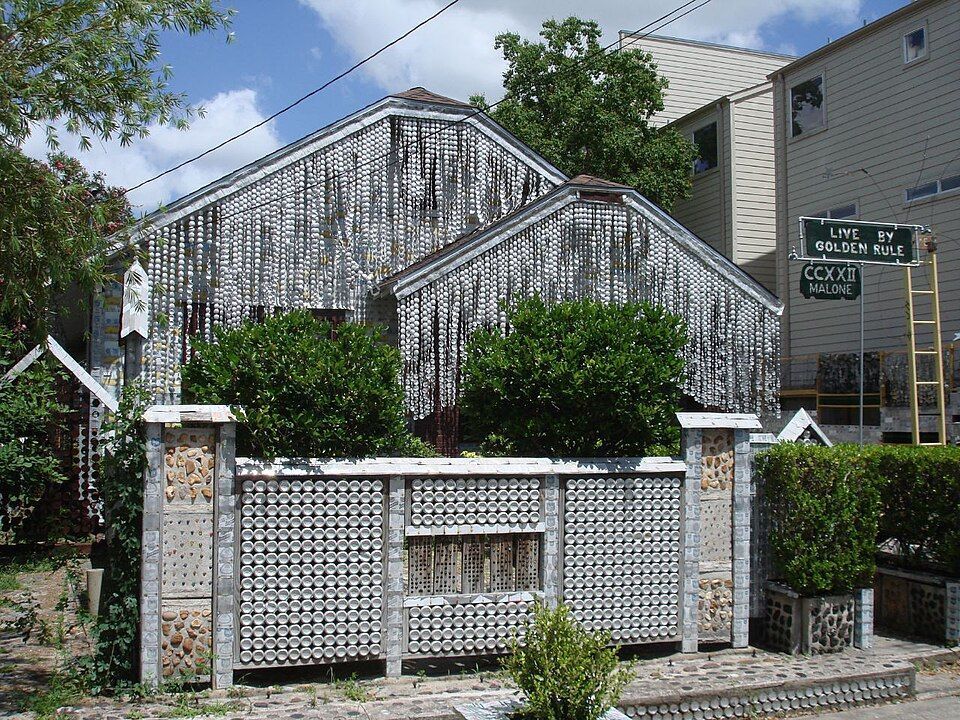
Image: Andrew Wiseman, CC BY-SA 3.0, via Wikimedia Commons

Everything is bigger in Texas, and Houston is no exception. If you’ve been there, you’ve probably visited NASA, the Museum District, and tried a local barbecue joint. But you’ve probably missed a quirky house hidden among the neighborhoods. Located at 222 Malone St, sits the Beer Can House. The name is self-explanatory, since it’s a house covered with beer cans.

In 1968, John Milkovish decided he was tired of painting and maintaining the exterior of his property. Instead, he began flattening beer cans and attaching them to the house. What started as a hobby slowly turned into a full-blown obsession involving more than 50,000 cans. The house went from being a neighborhood curiosity to a roadside attraction to finally being a protected local landmark in 2001. In 2010, Time magazine even ranked it as one of America's top 50 roadside attractions. True to his Texan blood, John Milkovish built something big.

6
San Francisco: The Wave Organ
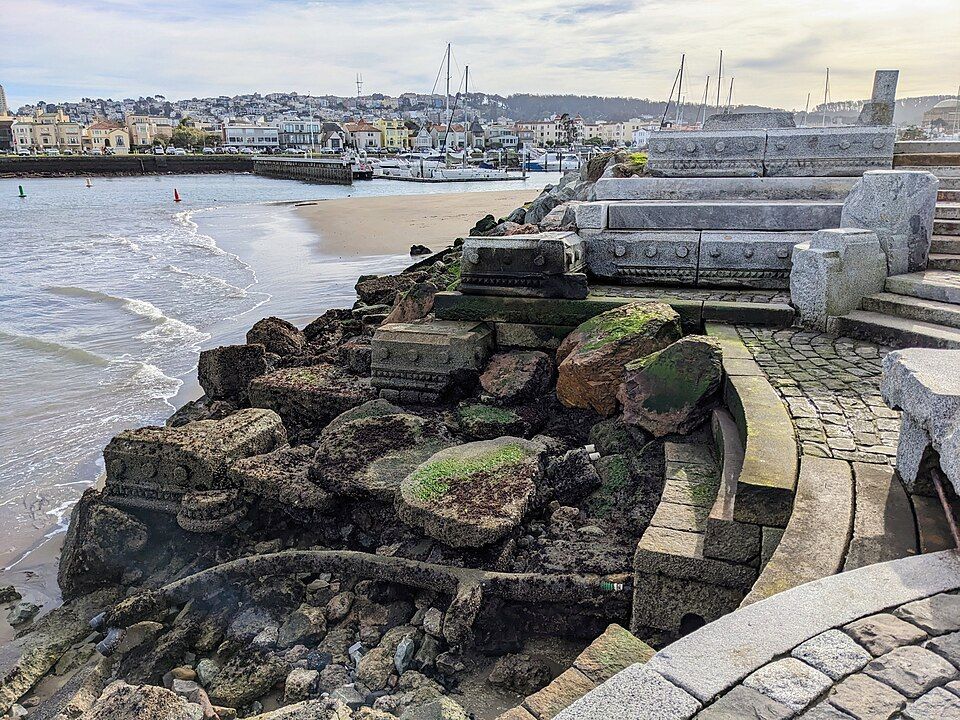
Image: The wub, CC BY-SA 4.0, via Wikimedia Commons

No trip to San Francisco is complete without taking the cable car or a picture at the Golden Gate. But tucked away near the Marina District is an attraction many tourists completely miss. The Wave Organ is a gigantic acoustic sculpture that turns ocean waves into music.

Completed in 1986 by artist Peter Richards, t he installation consists of a series of pipes extending into the bay. As tides rise and waves move through the pipes, they create eerie sounds ranging from soft bubbling to deep echoes. Richards was inspired by recordings of artist Bill Fontana, made of sounds coming from a vent pipe of a floating concrete dock in Sydney, Australia. In 1980, he received a grant from the National Endowment for the Arts and tested the first prototypes during the 1981 New Music Festival. Five years later, he completed this sonic sculpture that runs entirely on nature.

7
Los Angeles: La Brea Tar Pits
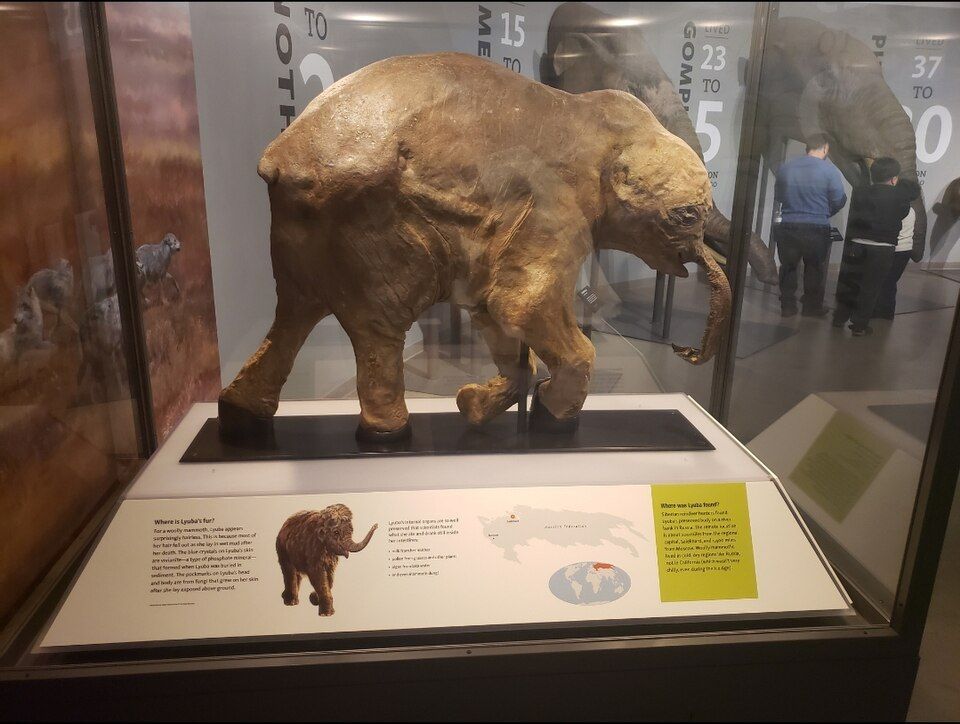
Image: WikiWhens, CC BY-SA 4.0, via Wikimedia Commons

Los Angeles is all about Hollywood, palm trees, and the beaches. But it’s also home to one of the world’s most important prehistoric sites. The bubbling black pools at La Brea Tar Pits have been trapping animals for tens of thousands of years.

Long before Los Angeles was the city it is today, natural asphalt constantly came up from underground. Mammoths, saber-toothed cats, dire wolves, and other Ice Age animals became trapped there, preserving their skeletons remarkably well. Scientists began excavating fossils in the early 1900s, and discoveries continue to this day. The fossils recovered from the site are countless. Visitors can explore the museum for $18 and watch active excavations while surrounded by modern office buildings and traffic.

8
Seattle: The Giant Shoe Museum
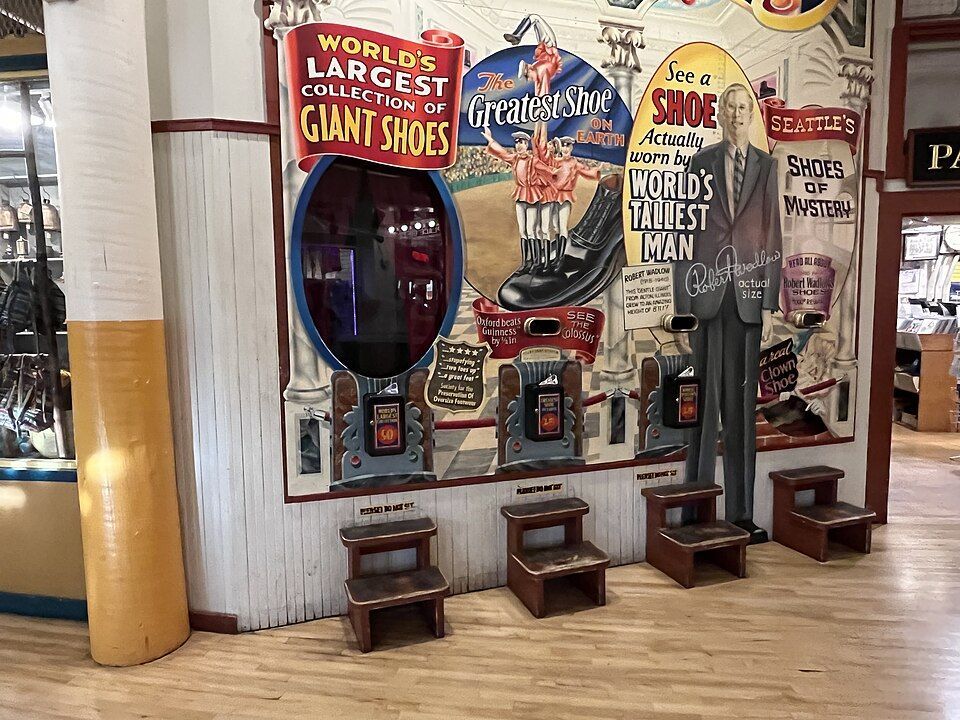
Image: Another Believer, CC BY-SA 4.0, via Wikimedia Commons

Seattle already has its share of unusual attractions, especially around Pike Place Market, where fishmongers toss salmon through the air, and crowds line up for fresh pastries. But the Giant Shoe Museum, located there, is even stranger. A single exhibit wall dedicated to oversized footwear , the museum works like an arcade peep show. Visitors drop coins into viewing slots to reveal displays featuring enormous boots, giant clown shoes, and other gigantic footwear.

The museum was founded in 1997 by Danny Eskenazi after he became obsessed with his grandfather’s missing item: the shoe of Robert Wadlow, the tallest man in history. He even offered $1,000 to anyone who could find that Wadlow shoe. Sadly, the shoe remains lost, but his obsession led to the discovery of other shoes worn by Wadlow and more footwear that is now displayed in the museum.

9
Boston: Great Molasses Flood Site
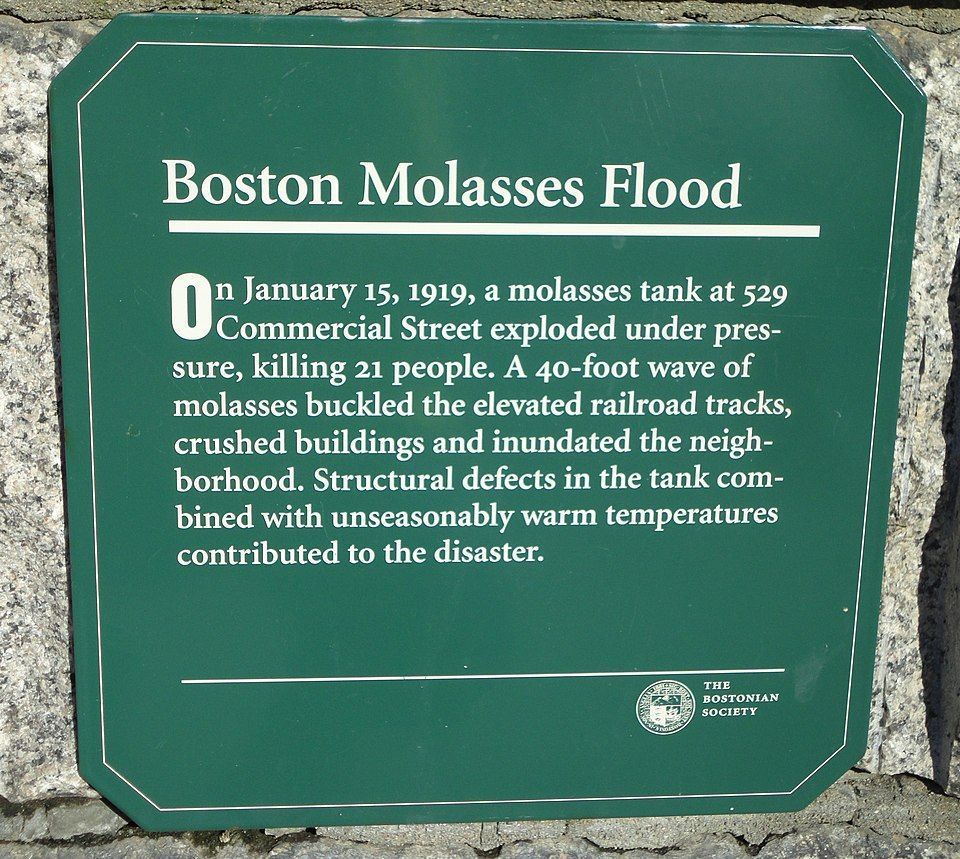
Image: MLHalsey, CC BY-SA 3.0, via Wikimedia Commons

Boston's most popular spots blend colonial and Revolutionary War history with vibrant neighborhoods that feature top attractions like the Freedom Trail, Fenway Park, and the Boston Public Garden. But it’s also home to the remains of a disaster.

In 1919, Boston experienced the Great Molasses Flood. A massive molasses storage tank burst in the North End neighborhood, unleashing more than two million gallons of syrup into the streets. After 21 people lost their lives, the disaster led to stricter construction safety regulations across the country, and the tank was never rebuilt. Today, visitors can still walk through the neighborhood where it happened. There’s no giant syrup wave anymore, thankfully, but plaques and local tours continue telling the story.

10
Lake Havasu City: The London Bridge
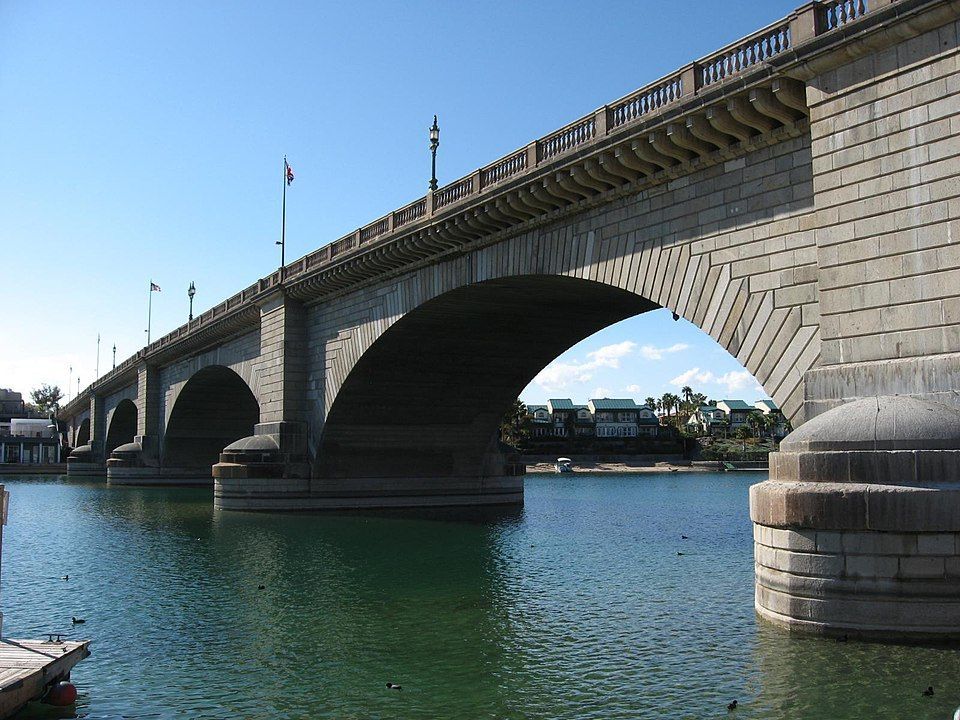
Image: Ken Lund from Las Vegas, Nevada, USA, CC BY-SA 2.0, via Wikimedia Commons

Driving through Lake Havasu City in Arizona, you expect desert landscapes, boating, and blazing summer heat. You probably don’t expect to stumble across a famous bridge from England, especially not the original London Bridge itself.

In 1831, John Rennie designed and opened the London Bridge spanning the River Thames. By the 1960s, the bridge started sinking under the weight of modern cars and traffic. Robert P. McCulloch, founder of Lake Havasu City, saw this as an opportunity and, in 1968, he purchased the bridge for $2.4 million. The bridge was dismantled and reconstructed in the Arizona desert, and completed in 1971. What once connected two sides of London now links mainland Lake Havasu City with Pittsburgh Point that visitors and locals enjoy every day.

11
Atlanta: The Center for Puppetry Arts

Image: Tyler Lahti, CC BY-SA 4.0, via Wikimedia Commons

Atlanta is often associated with Southern cooking, a busy airport, and its important role in the Civil Rights Movement. But tucked inside the city is also the Center for Puppetry Arts, which houses the world’s largest collection of Jim Henson’s original Muppets.

The center opened in 1978, when puppeteer Vincent Anthony transformed a former elementary school into a home for puppet arts. From the very beginning, the project had a special connection to Jim Henson himself. He and Kermit the Frog helped inaugurate the center, and over the years, Henson became one of its biggest supporters. The center expanded significantly between 2007 and 2015, adding the permanent Jim Henson Collection and the impressive Worlds of Puppetry Museum. Unlike many museums, this place is hands-on. Guests can watch live performances, explore exhibits from puppet traditions, and revisit characters that shaped generations of childhood memories.


General General 6 min read

Don’t break the law

Home haircuts are technically a felony, and so are all these small things

Image: Michał Jakubowski

Maybe you think of yourself as a law-abiding citizen who stays on the straight and narrow, but the truth is that the American legal system is full of weird rules that might catch you off guard. From honking without a real reason to cutting your partner’s hair, there are dozens of little things we do every day that could be considered a felony . Most of these laws were written a long time ago with good intentions, but they seem somewhat outdated today. Join us as we learn these offenses that could make an "outlaw" out of any common citizen.

1
Being annoying

Image: Andre Hunter

We all have bad days where our mood goes south, but in Florida, you’d better keep those frustrations to yourself . Ever since 1832, the Sunshine State has had a broad nuisance statute that classifies anything that "annoys the community, injures public health, or corrupts public morals" as a second-degree misdemeanor. Of course, the law was intended to address community hazards like toxic waste disposal or unsafe buildings. Modern enforcement targets environmental hazards and serious health violations. Personal annoyances are off-limits, since what qualifies as "annoying" is completely subjective.

2
Honking with no purpose

Image: Hitanshu Patel

We’ve all used our car horn to wave at a neighbor or used it to vent a little frustration in traffic. However, in New Jersey, according to their traffic code, your horn is legally reserved for safety warnings only . In this state, using it for any non-emergency reason is technically a traffic violation since 1968. Unless you are trying to prevent a fender-bender or warn a distracted driver, it is best to keep your hands off the steering wheel's center and just give a friendly wave instead.

3
Dangling car decorations

Image: Daniel Hobiera

If you have a pine-scented air freshener or a set of graduation tassels swinging from your rearview mirror, you might be looking at a ticket in some states. Laws vary across the country, but for example, in California, the law states that there cannot be anything obstructing the view through the windshield or side window . This rule is part of the California Vehicle Code, enforced in 1959. In Texas, the regulation is similar according to the state Transportation Code, and Minnesota, in turn, has had a law since 1957 making it strictly illegal to hang anything from the mirror. Nobody has anything against a nice-smelling car or a beautiful lucky charm, but when they obstruct your view , that’s a problem for everyone on the road.

4
Handling a stranger’s mail

Image: sue hughes

It’s not unusual to find a stack of letters addressed to the person who lived in your house three years ago, right? Now, your first instinct might be to toss it in the bin . Believe it or not, that’s a big no-no since 1948, clearly stated in the U.S. Code. Tossing out mail intended for someone else into the garbage is considered a federal felony, and penalties can be severe, including up to five years in federal prison and fines up to $250,000. The proper way to proceed is to write "refused" or "return to sender" on the envelope and let the post office take it from there.

5
Forgetting to tell the DMV you moved

Image: Erik Mclean

Life gets busy and messy when you move to a new house, so it’s easy for updating your driver's license to fall to the bottom of the to-do list. However, in most states, you are legally required to notify the DMV of your change of address within a very short window, usually ten to thirty days . In California, for example, you must do this within ten days. If you get pulled over and your license doesn't match your current address, you could get a fine. Time really flies when moving, but make sure to write this on the very top of your to-do list, and you’ll be fine!

6
Letting the engine on

Image: Carbyn Wu

Isn’t it common to start the car on a frosty morning to let it warm up while you finish getting ready? Well, if you do this, you’re technically breaking the law in some states: since 2004, in Ohio and Colorado, this is actually a citable offense known as "puffing." Leaving an unattended vehicle idling in your driveway is illegal because it invites car theft and contributes to unnecessary exhaust emissions. If you want to get the heater going, the law expects you to stay right there in the driver's seat until you’re ready to pull away.

7
Prank pizzas

Image: Mariya

In Louisiana, ordering a stack of pizzas to be delivered to an unsuspecting friend as a prank is more than just a lousy joke; it’s a crime. Believe it or not, there’s a reason behind this law. Passed in 2018, the Louisiana Revised Statute was specifically written to protect small businesses from losing time and money on fake orders. Can you imagine how annoying it must be to deal with a pranked customer who doesn’t want the five pizzas they got out of the blue? Even if it started as a joke, the authorities now view it as a form of theft that can result in a fine of up to $500, imprisonment for up to six months, or both.

8
Playing hairdresser

Image: Gabriela

If you’ve ever offered to give a friend a quick perm or some highlights in your kitchen, you might be an accidental criminal. In the US, performing any kind of cosmetology service on another person without a professional license is illegal. Forms of enforcement and penalties depend on each state, but most follow the rules established by the National-Interstate Council of State Boards of Cosmetology, which grants licenses following pertinent examinations. Of course, a bangs cut is not always a problem, but these kinds of regulations were created to ensure that chemicals and sharp tools are handled safely by trained experts.

9
No-hands bike riding

Image: Florian Kurrasch Disponible para contratación

Riding a bike is fun, especially for kids who like to do tricks and take both hands off the handlebars. But in North Carolina, that’s a traffic violation, according to the city code. The statute requires cyclists to keep at least one hand on the grip at all times to maintain control of the bike. Fines for this behavior can go up to $50 and even imprisonment for up to 30 days. Riding a bike without using your hands might feel like a fun way to show off skills, but the consequences can be serious.

10
Tossing out old batteries

Image: Syed Ahmad

When the remote dies, most people are tempted to just drop the old batteries into the kitchen trash can, but you might want to think that over, especially if you live in California. As of 2005, in this state, household batteries are classified as hazardous waste because they contain chemicals that leak into the soil. The California Rechargeable Battery Recycling Act requires you to take them to a proper recycling center instead of the regular landfill. It takes a little more effort to do the right thing, but it keeps the local environment a lot cleaner for everyone.

11
Lending your Wi-Fi password

Image: Dreamlike Street

You’ve just moved, and you ask your friendly neighbor to share their Wi-Fi password until your internet is set up. That’s pretty common, but that’s also been a felony since 1986. The feds view this as unauthorized access to a computer network . Under the Computer Fraud and Abuse Act, jumping on a signal you don't have explicit and formal permission to use is technically a crime. It’s better to stick to the local coffee shop than risk a run-in over a bit of borrowed bandwidth.

History History 4 min read

Forgotten Titanic facts

It wasn’t just humans on the Titanic! 10 incredible facts you didn’t know

Image: Edwin Petrus

We all know the tragic story behind the Titanic, that "unsinkable" ship that didn’t make it past its first voyage. But besides the tragedy and the Hollywood movie, there are some surprising facts that never made the front page. From pups that survived and pocket watches, to hidden submarines and a tipsy worker who beat the odds, here are 12 curious facts that might just shock you.

1
Construction costs that’d make your wallet faint

Image: Jaime Labra

Back in 1912, the Titanic cost $7.5 million to build, and if you're wondering what that’d be today, it’d be over $400 million. That’s more than some sports stadiums! It took nearly three years to complete and was one of the most extravagant ships ever made.

2
Yes, there were dogs

Image: Yuki Dog

As it turns out, the Titanic wasn’t just for people. At least 12 dogs came along for the ride , lounging in a special first-class kennel. There was even a dog show scheduled for the morning of April 15. Sadly, only three tiny dogs survived, all small enough to sneak onto lifeboats tucked in coats or handbags.

3
The band really did play on

Image: Parizan Studio

Wallace Hartley, the bandleader, went down in history, and with his violin! His group kept playing as chaos unfolded around them, trying to calm passengers with music, just like the movie portrays. He didn’t make it, but his violin was found intact and later sold at an auction for $1.7 million!

4
A pocket watch frozen in time

Image: Otto Hyytiälä

The violin was not the only treasure found. Sidney Sedunary was a young steward whose pocket watch stopped ticking at exactly 1:50 a.m. , just before the ship went under. He was last seen handing out lifejackets to third-class passengers. That same watch, rusted but intact, still tells his story.

5
A survivor with frostbitten legs and Olympic dreams

Image: Shep McAllister

Richard Norris Williams spent six hours in icy water, and doctors on the rescue ship wanted to amputate his legs. He refused . And you may think he was crazy to do so, but thank God he did! He went on to win a Wimbledon title and an Olympic gold medal. How crazy is that?

6
Finding the Titanic by accident

Image: Karl Callwood

In 1985, oceanographer Robert Ballard found the Titanic wreck. But that was just an accident ; he was actually sent by the Navy to look for two lost nuclear submarines and used the Titanic as a cover story.

7
Dishes still stacked neatly on the ocean floor

Image: Jannet Serhan

When explorers visited the Titanic wreck in 1986, they found plates still stacked like someone had just finished doing the dishes. Turns out, the wooden cabinet they were in rotted away , leaving the china perfectly arranged on the sea floor. It’s as eerie as fascinating, considering the many years that passed.

8
The ship is rusting away

Image: NOAA

And speaking of the amount of time the Titanic has been underwater, we have to say that nature is reclaiming the Titanic bit by bit. A newly discovered bacterium is literally eating the ship. Scientists estimate it could disappear completely in 20 to 30 years. The latest expeditions have already shown evidence that pieces that were previously there are gone. So… the clock's ticking.

9
No photos of the grand staircase?

Image: Maria Orlova

You’ve probably seen images of the Titanic’s beautiful grand staircase. We’re sorry to disappoint, but they’re not of the Titanic . They’re from her sister ship, the Olympic. No one thought to take a picture of the real deal before the maiden voyage. And they definitely didn’t think of doing it while it happened!

10
Milton Hershey almost boarded

Image: Janne Simoes

If the name rings a bell, that’s because it’s the same Hershey from the chocolate you love. The man behind Hershey’s chocolate bars almost booked a room on the Titanic . He even wrote a $300 deposit check (big money back then!). But business delayed him, and he skipped the trip. Who do we thank for that?

11
The baker who survived two hours in icy water

Image: Maxim Hopman

Here’s a fascinating fact: Charles Joughin, the Titanic’s chief baker, survived one of the worst parts of the sinking: the freezing Atlantic water. He was reportedly treading water for two hours before rescue. Wanna know how he made it? He had been sipping whiskey to face his fate, and the alcohol in his blood kept him warm enough to survive.

12
The last lunch menu went for a tasty sum

Image: Zoshua Colah

In 2015, a copy of Titanic’s last first-class lunch menu sold for $88,000 . That’s one pricey memento. The menu included grilled mutton chops, chicken à la Maryland, and corned ox tongue. Safe to say lunch on the Titanic wasn’t your average sandwich and chips.

Explore more American facts

Choose your favorite category!

General
General

As American as apple pie—the very best America has to offer!

Culture
Culture

Delve into the astounding richness of American lore.

Geography
Geography

Hop in and explore vast and diverse American landscapes.

History
History

Discover the key moments that shaped the United States.