History History 8 min read

Stories of forgiveness

The 10 most controversial presidential pardons in US history
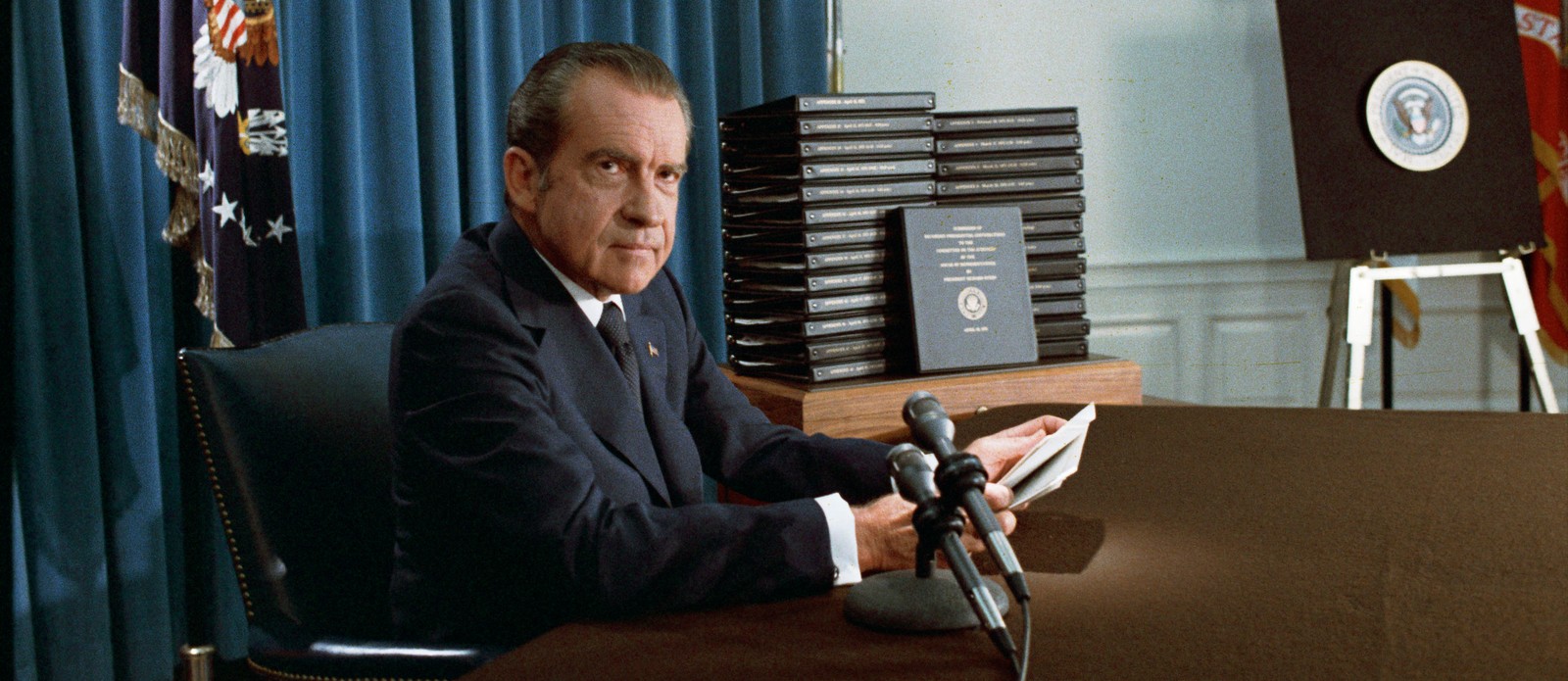
Image: National Archives & Records Administration, Public domain, via Wikimedia Commons

Most people think a presidential pardon is a simple act of mercy. But these 10 stories show that the decision goes deeper than that. Did you know a man sentenced to hang in 1830 turned down his pardon, and the Supreme Court said he had every right to? That a boxer's 1913 conviction was cleared 72 years after his death? Or that the only president ever to resign was forgiven before a single charge was filed against him? Each of these stories contains a detail many Americans ignore. Read on to learn more about these controversial cases of presidential pardons.

1
George Wilson (1830): The man who refused his own pardon
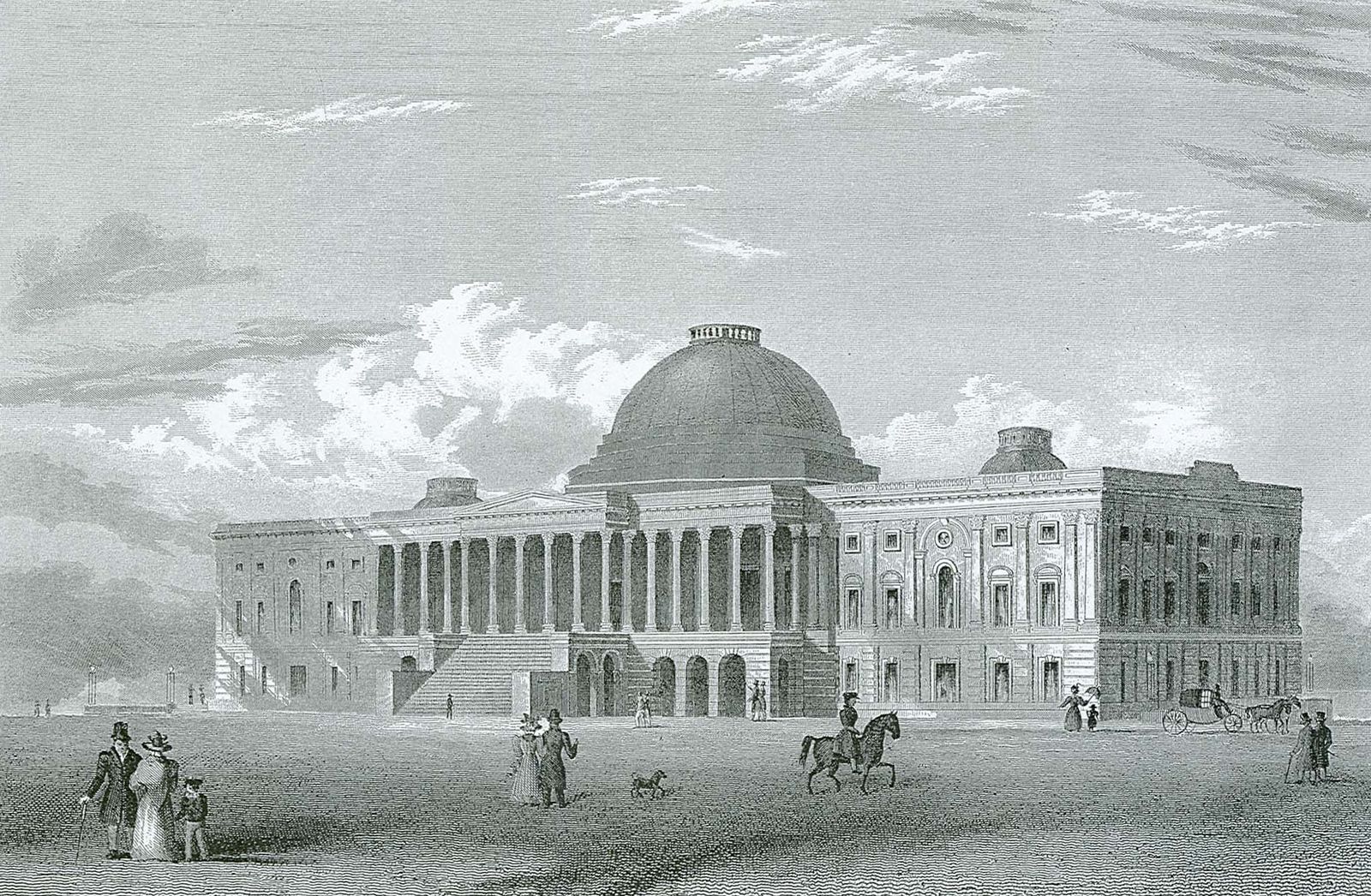
Image: WB2 23:48, 22 July 2005 (UTC) copied from en:United States Capitol, Public domain, via Wikimedia Commons

In 1829, George Wilson and his accomplice James Porter robbed a U.S. mail carrier in Pennsylvania. Both were convicted in May 1830 on six counts, including putting the carrier's life in jeopardy, and sentenced to hang within weeks.

Porter was executed on schedule. But Wilson's influential friends petitioned President Andrew Jackson, who granted Wilson a formal pardon in June 1830, saving him from the gallows. Then Wilson did something that had never happened before in American history: he refused it.

The case was so unprecedented that it reached the Supreme Court in 1833, housed at the Capitol in Washington, D.C., as illustrated above. Chief Justice John Marshall ruled that the pardon couldn’t be valid without acceptance. However, Wilson was never executed. He served his prison sentence and was eventually pardoned a second time by President Martin Van Buren in 1841.

2
Richard Nixon (1974): The only president ever pardoned
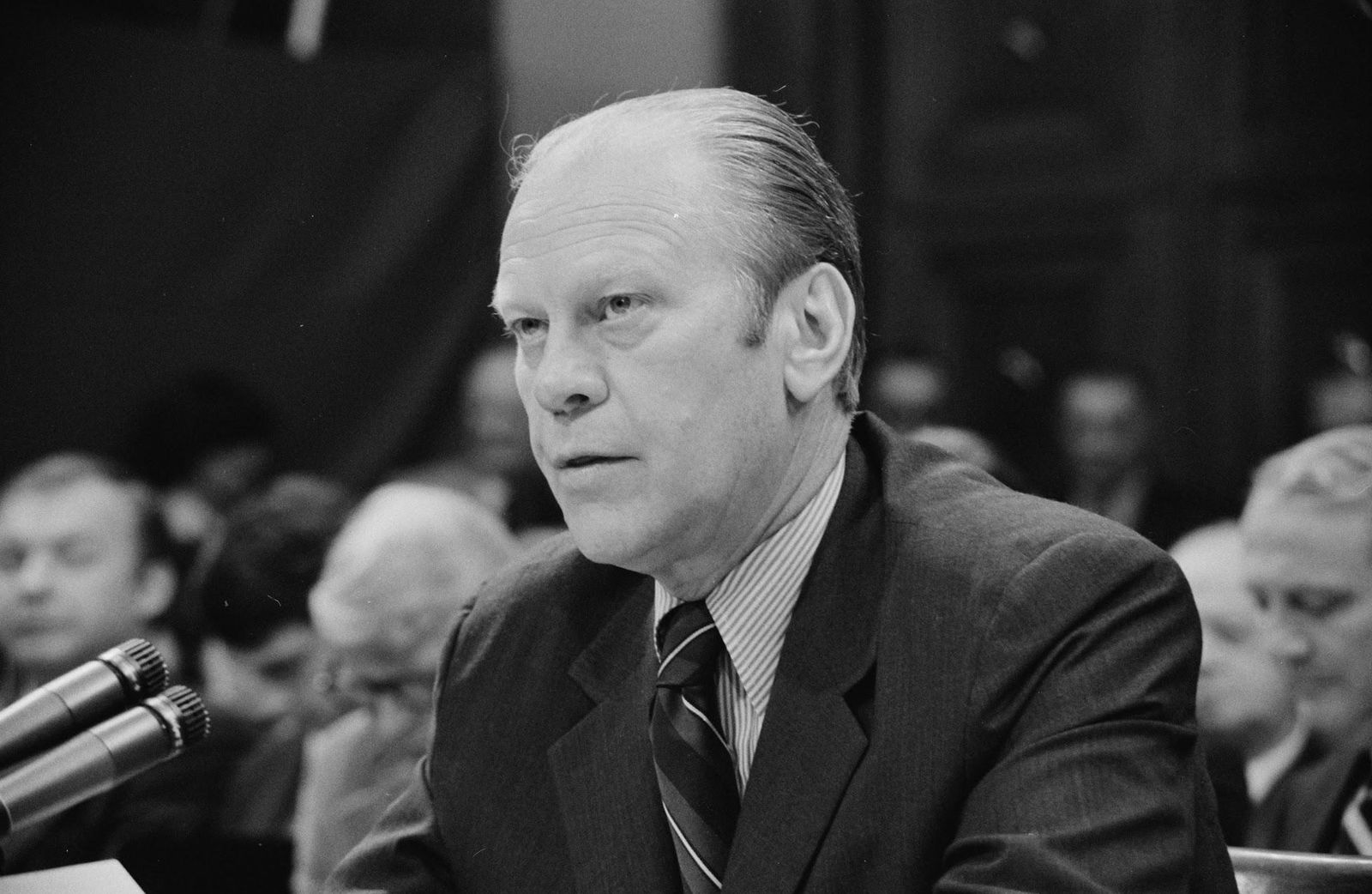
Image: pingnews.com, Public domain, via Wikimedia Commons

On the night of June 17, 1972, five operatives were arrested breaking into the Democratic National Committee offices at the Watergate complex in Washington, D.C. Investigations revealed that President Richard Nixon had known about the cover-up and actively participated in it. Facing near-certain impeachment, Nixon became the only U.S. president ever to resign from office, stepping down in 1974.

Just 30 days later, his successor Gerald Ford announced from the Oval Office that he was granting Nixon "a full, free, and absolute pardon" for all offenses against the United States committed between 1969 and 1974. No charges had even been filed. The decision was widely condemned. Many historians believe it cost Ford the 1976 presidential election to Jimmy Carter. Nixon accepted the pardon but never admitted criminal guilt, expressing only "regret" for how he had handled the situation.

3
Iva Toguri D'Aquino (1977): The woman they called "Tokyo Rose"
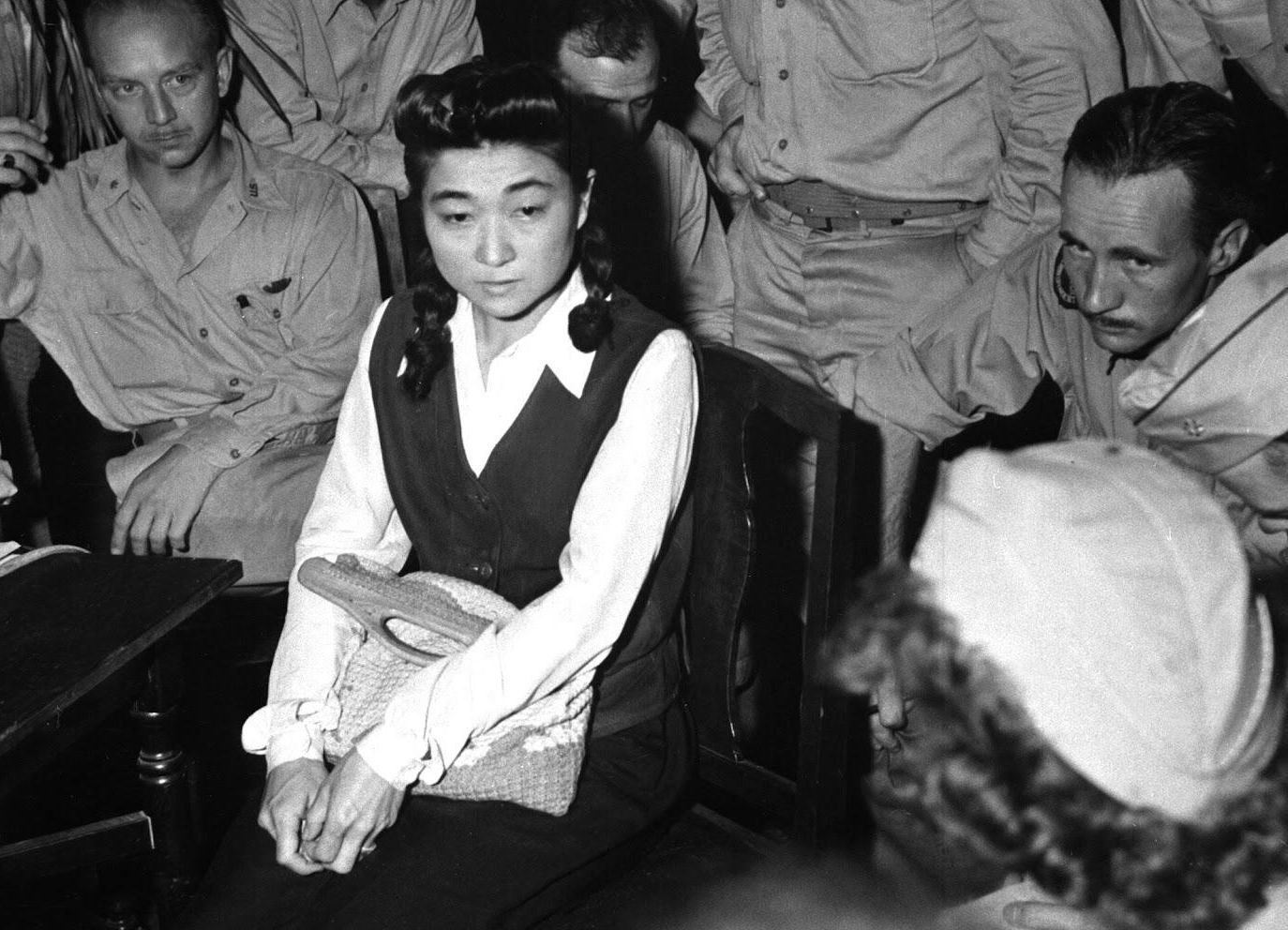
Image: See page for author, Public domain, via Wikimedia Commons

Iva Toguri D'Aquino was a Los Angeles-born 25-year-old visiting a sick relative in Japan when the attack on Pearl Harbor stranded her there in December 1941. The Japanese government declared her an enemy alien and coerced her into broadcasting on Radio Tokyo's Zero Hour program.

This was a Japanese psychological warfare strategy that utilized English-speaking women, eventually all referred to collectively as " Tokyo Rose," to broadcast demoralizing messages intended to weaken Allied troop morale. After Japan's surrender, journalists identified Toguri as one of the voices.

A jury convicted her of treason in 1949, and she was sentenced to 10 years in prison. She served six years. After a 1976 CBS 60 Minutes segment revealed key witnesses had lied, President Gerald Ford granted her a full and unconditional pardon in 1977, on his final day in office. It remains the only presidential pardon ever granted for a treason conviction in U.S. history.

4
Jack Johnson (2018): A champion pardoned 72 years after his death
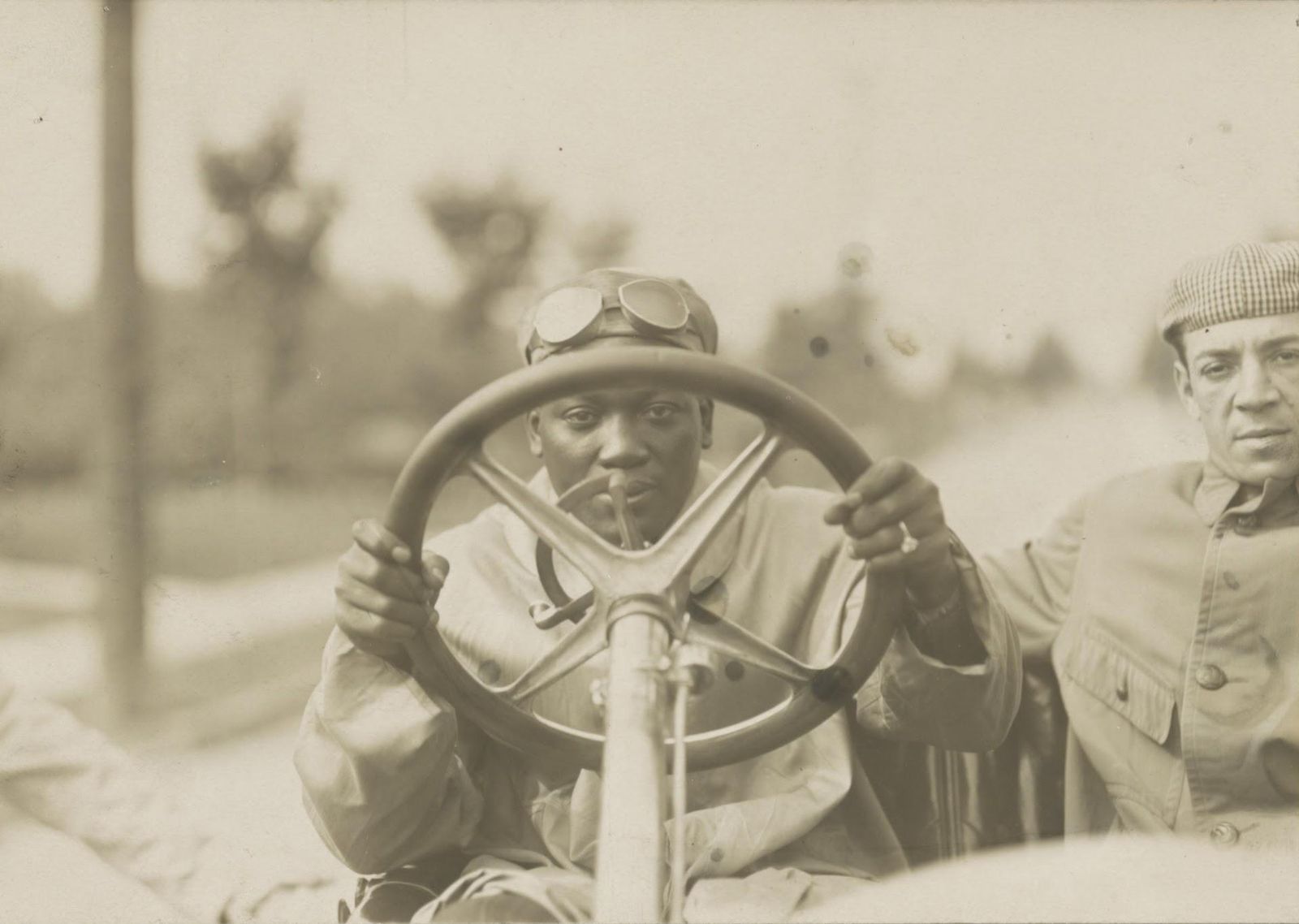
John Arthur "Jack" Johnson was the first Black man ever to hold the world heavyweight boxing championship. In May 1913, a jury convicted him under the Mann Act (a federal law against transporting women across state lines for "immoral purposes") for traveling with his white girlfriend, whom he had since married.

Johnson skipped bail, fled to Canada, and fought two world title defenses in Paris before losing the belt in Havana in 1915. He surrendered to U.S. authorities in 1920 and served nearly a year in Kansas. He died in a car crash at age 68 in North Carolina in 1946.

After years of bipartisan lobbying and a call from actor Sylvester Stallone, President Trump signed Johnson's posthumous pardon in the Oval Office in 2018, 105 years after the conviction.

5
Samuel Mudd (1869): The doctor who set the assassin's leg
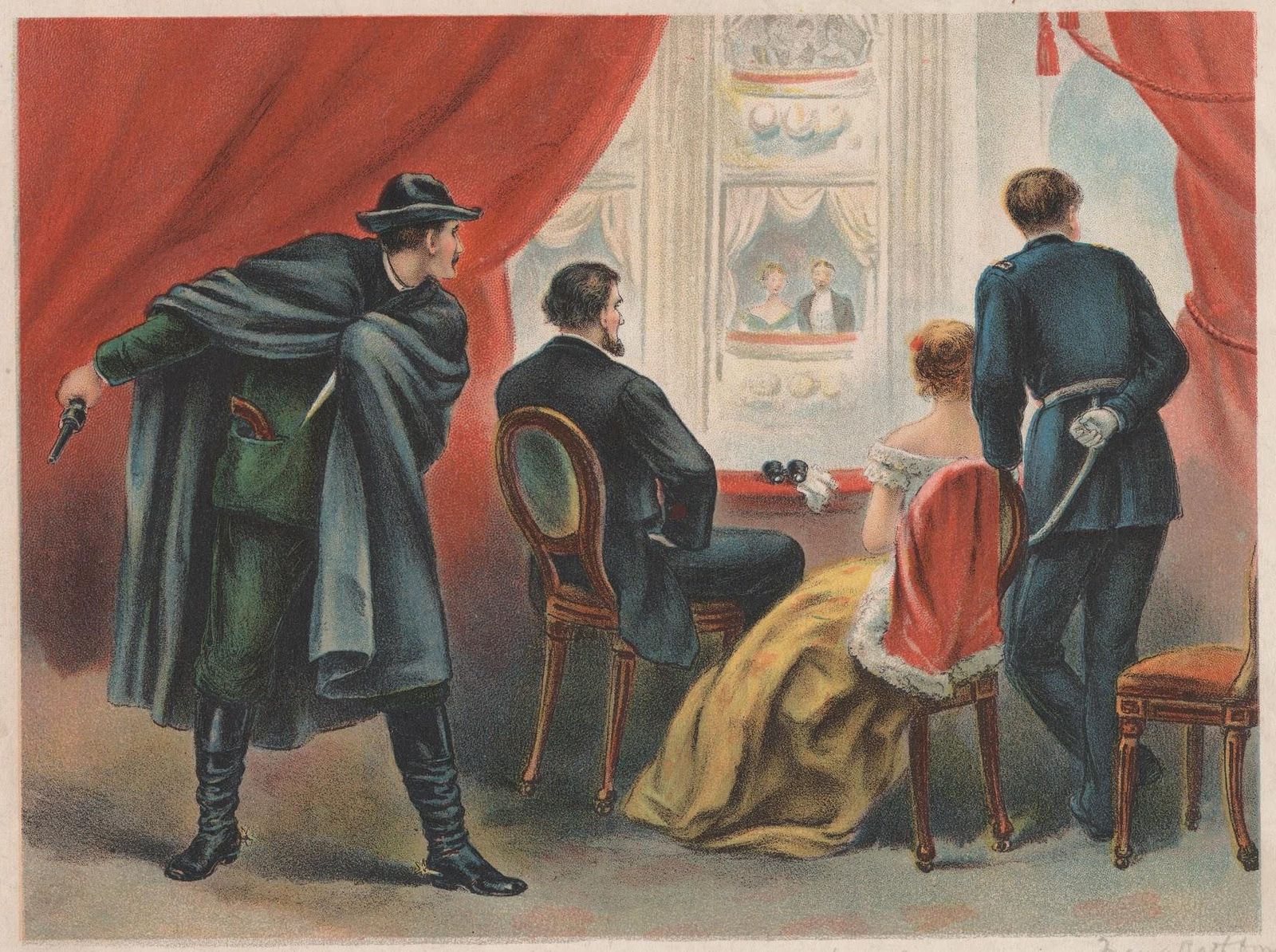
Image: unattributed, Public domain, via Wikimedia Commons

Hours after John Wilkes Booth shot President Abraham Lincoln at Ford's Theatre in Washington, D.C., one April night in 1865, Booth arrived at the Maryland farm of Dr. Samuel Mudd with a broken leg.

Mudd set the fracture and gave Booth shelter. When investigators linked Mudd to Booth, including through prior meetings in 1864, he was tried by a military commission and convicted of conspiracy. Sentenced to life imprisonment with hard labor, he was sent to Fort Jefferson, a remote military prison on an island 70 miles west of Key West, Florida.

In 1867, a deadly yellow fever outbreak killed the prison's doctor. Mudd stepped in, treating patients and helping contain the epidemic. A petition signed by 299 enlisted men and officers was sent to President Andrew Johnson praising Mudd's courage. Johnson granted Mudd a full and unconditional pardon in 1869. Mudd was released on March 8 and returned to his Maryland farm. His conviction was never overturned; the pardon freed him, but the guilty verdict stood.

6
Marc Rich (2001): A fugitive pardoned on the last day
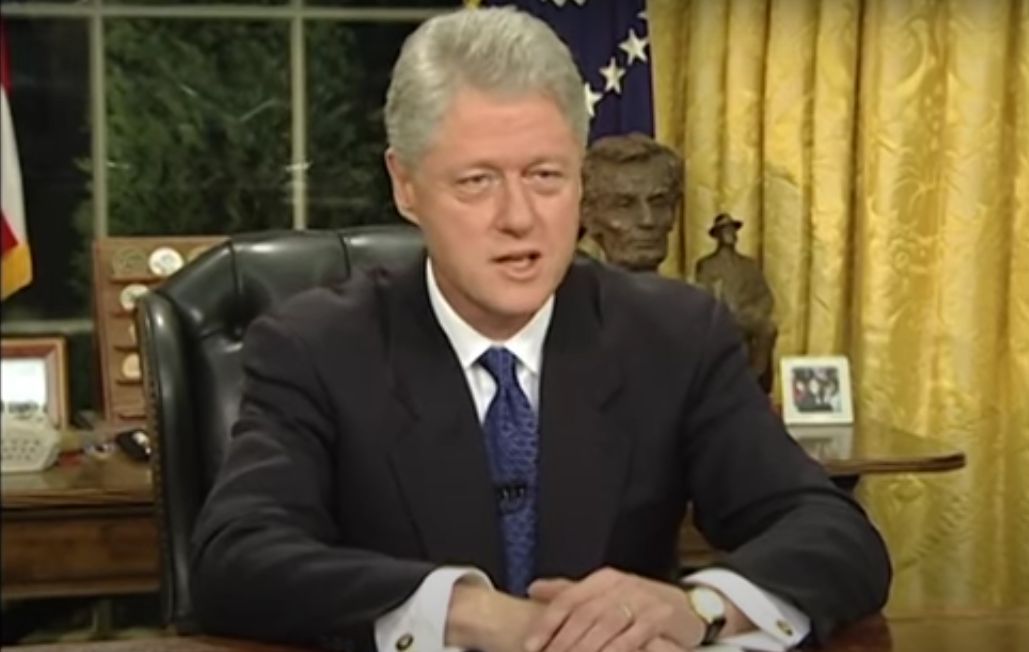
Image: William J. Clinton Presidential Library, CC0, via Wikimedia Commons

Marc Rich was a billionaire commodities trader indicted in 1983 on 65 counts, including tax evasion, wire fraud, and trading oil with Iran during the 1979–1981 hostage crisis. Before facing trial, Rich fled to Switzerland, where he remained a fugitive from U.S. justice for 17 years.

On January 20, 2001, his very last day in office, President Bill Clinton granted Rich a full pardon, bypassing the standard Justice Department review process. T he pardon ignited one of the biggest controversies of Clinton's presidency. Rich's ex-wife Denise had donated more than $1 million to Democratic causes and the Clinton Presidential Library.

A federal investigation led by prosecutor Mary Jo White was launched but ultimately found no criminal wrongdoing by Clinton. Clinton's own Justice Department had recommended against the pardon. Rich died in Switzerland in June 2013 at the age of 78, never having returned to the United States.

7
Patty Hearst (2001): From kidnapped heiress to bank robber
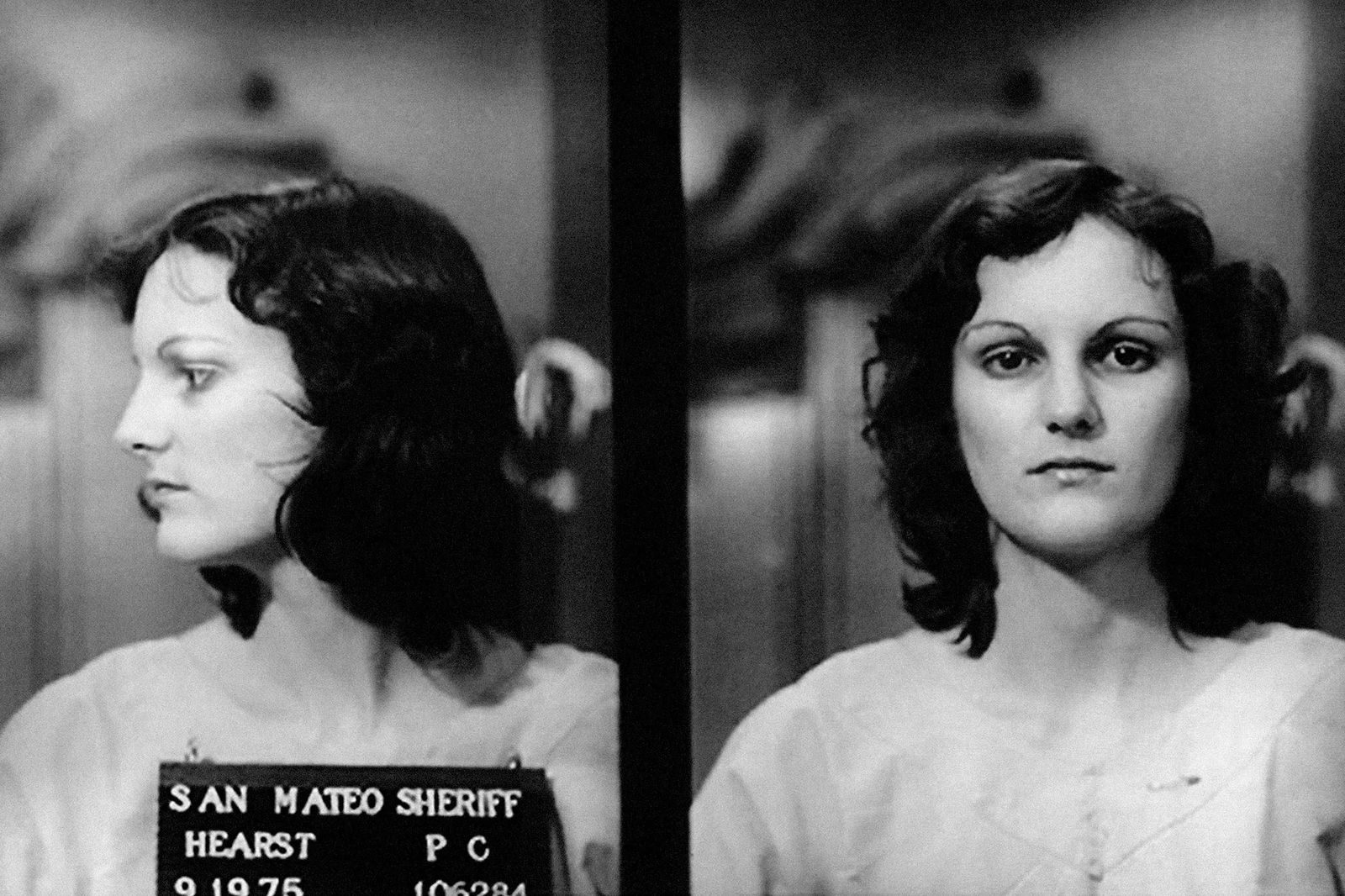
Image: See page for author, Public domain, via Wikimedia Commons

Patricia Hearst, the 19-year-old granddaughter of newspaper magnate William Randolph Hearst, was kidnapped from her apartment in Berkeley, California, in 1974. She was taken by a radical militant group called the Symbionese Liberation Army.

After weeks in captivity, in which she was kept in a closet, blindfolded, she appeared in a bank surveillance video holding a rifle and participating in the robbery of a bank in San Francisco. She was captured in September 1975. Her defense argued she had been brainwashed and acted under duress. A jury rejected that argument, and she was convicted of bank robbery in 1976 and sentenced to 7 years.

President Jimmy Carter commuted her sentence in 1979 after she had served approximately 22 months. She was released and married her former bodyguard. In January 2001, President Bill Clinton granted her a full pardon in the final hours of his presidency.

8
Vietnam Draft Evaders (1977): The biggest blanket pardon in U.S. history
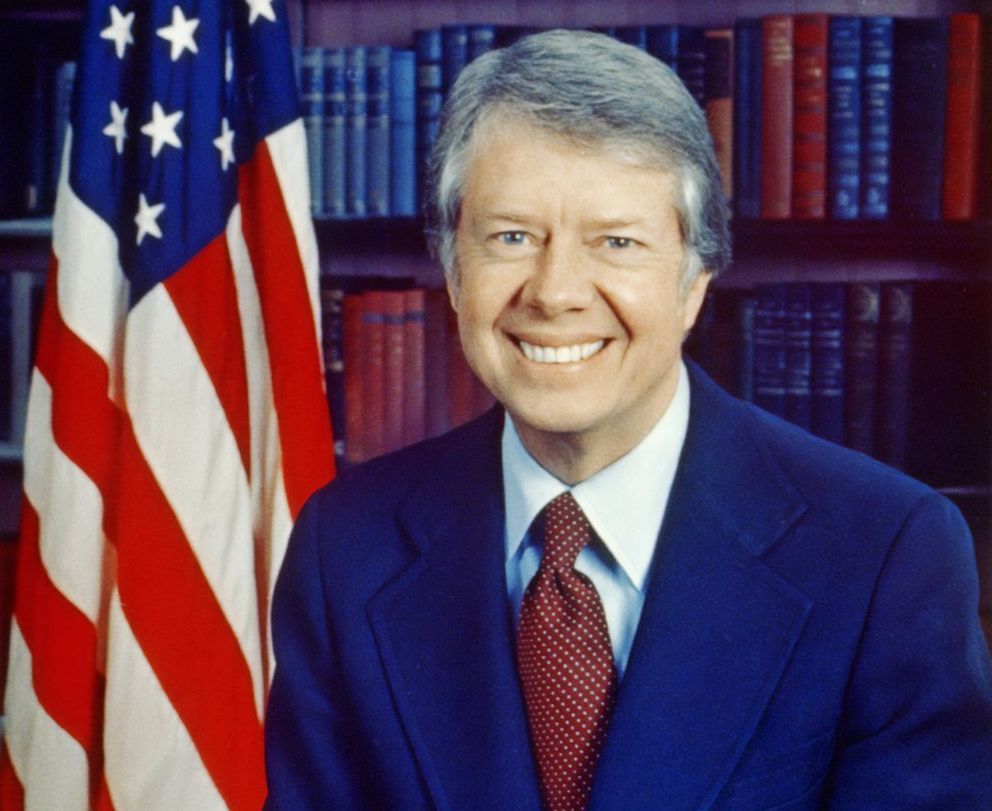
Image: Library of Congress

On his first full day as president in 1977, Jimmy Carter signed Proclamation 4483, granting an unconditional pardon to all Americans who had violated the Military Selective Service Act in the span of U.S. involvement in Vietnam.

The government estimated that approximately 210,000 men had been formally accused of draft violations , while hundreds of thousands more had never been charged. Many had fled to other countries, roughly 90% to Canada, where they had been welcomed as legal immigrants.

Carter had campaigned openly on the promise, calling it necessary to heal a nation still divided by the war. The pardon did not extend to military deserters. Veterans' organizations were furious. Despite the backlash, an estimated 50,000 of those eligible chose to remain in Canada permanently, never returning home.

9
Scooter Libby (2007 / 2018): The spy scandal at the heart of the White House
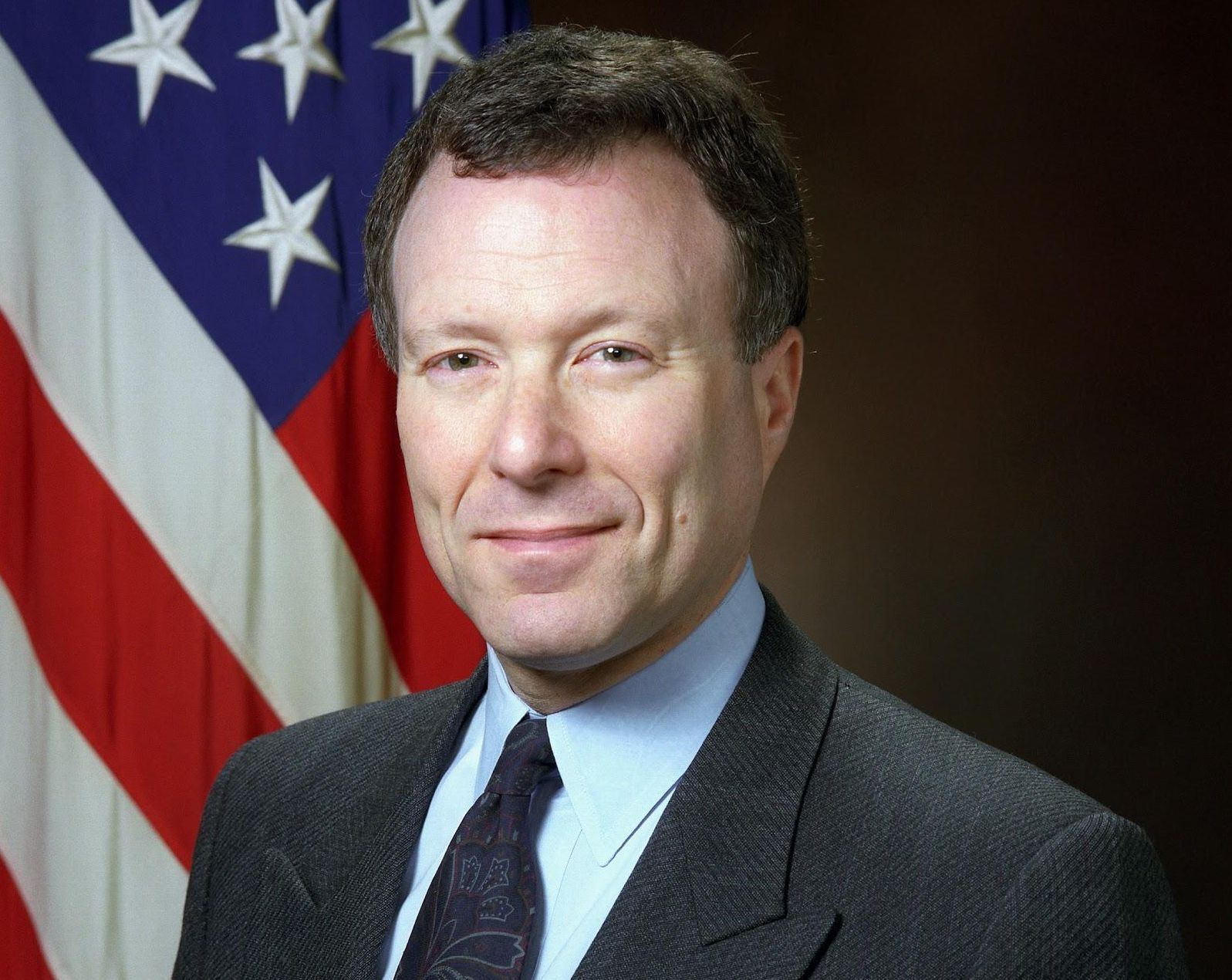
Image: Russell F. Roederer, Public domain, via Wikimedia Commons

Lewis "Scooter" Libby served as Chief of Staff to Vice President Dick Cheney during the George W. Bush administration. In 2003, the identity of Valerie Plame (a covert CIA officer) was leaked to journalists, apparently in retaliation against her husband, former Ambassador Joseph Wilson, who had publicly challenged the administration's case for the Iraq War.

Though Libby was not charged with the leak itself, he was convicted in 2007 of four felony counts: obstruction of justice, two counts of perjury, and making false statements to the FBI. He was sentenced to 30 months in prison and fined $250,000. Later that same year, President Bush commuted Libby's prison sentence, calling it "excessive," but left the conviction, fine, and probation intact; he declined to grant a full pardon. Eleven years later, in 2018, President Donald Trump issued a full pardon, completely wiping Libby's record clean.

10
Roger Clinton (2001): The president's half-brother
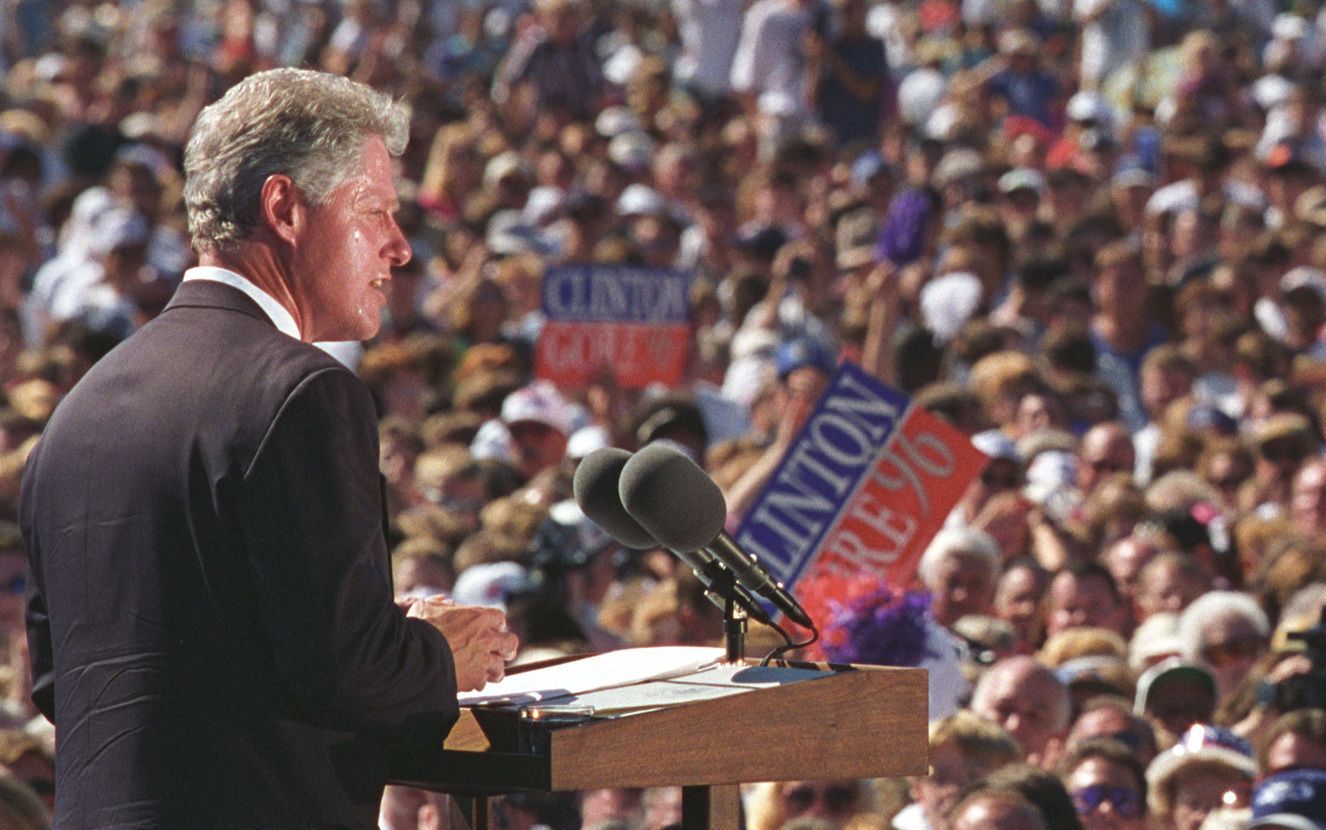
Roger Clinton is the younger half-brother of President Bill Clinton. Roger was given the Secret Service code name "Headache" during his brother's administration. In 1984, Arkansas state police ran an undercover sting operation that caught Roger selling illegal drugs to an informant. He pleaded guilty in 1985 to charges of conspiracy to distribute drugs and served approximately one year in federal prison, completing his sentence in 1986.

14 years later, on his last day in office, President Clinton granted Roger a full pardon, clearing his criminal record. The pardon drew relatively little public outrage compared to the Marc Rich case.
General General 4 min read

Spoilers ahead!

From M*A*S*H to Cheers: 12 Most watched TV episodes in American history A S H to Cheers: 12 Most watched TV episodes in American history

Image: Bruna Araujo

Certain television shows capture the audience’s imagination like few others, and individual episodes can draw truly staggering ratings. Tens of millions of viewers flock to their screens to watch the final moments of their favorite series. As you’ll see in this list, though, it isn’t only finales that reach such heights. Take a look at the 12 examples that follow—but fair warning: if you plan on watching any of these series, you may want to skip the entries bearing their names to avoid spoilers.

1
All In The Family - "Edith's Problem"

Image: Diego González

This 1970s sitcom used its format to address topics that were otherwise difficult to explore on television. In the episode "Edith’s Problem," the show demonstrated just how groundbreaking it could be.

"Edith’s Problem" centers on the leading character of the same name, who is going through menopause. Archie, a man who is annoyed by pretty much everything, is forced to reckon with the fact that Edith’s life is undergoing a real, biological change—one that will inevitably affect their marriage.

2
Home Improvement - "The Eve of Construction"

Image: Annie Gray

The Home Improvement episode "The Eve of Construction" brought in the highest viewership numbers of the entire series . In it, Jill and Al join forces as volunteers for a Habitat for Humanity build, teaming up because Tim believes married couples shouldn’t work together. In response, Tim assembles his own team to outdo them, and a fierce competition between the groups ensues.

3
ER - "A Hole in the Heart"

Image: Piron Guillaume

Centered on the professional and personal lives of the emergency room staff at Chicago’s Cook County General Hospital, ER featured an ever-evolving ensemble cast—including George Clooney—over its 15-season run.

In the Season 4 finale, "A Hole in the Heart," more than 47 million viewers tuned in as Clooney’s character, Dr. Doug Ross, faced the consequences of his controversial efforts to treat a drug-addicted infant.

4
Friends - "The One After the Superbowl"

Image: Paolo Aldrighetti

This turn-of-the-century sitcom juggernaut had many high points during its run, but the 1996 double-length episode "The One After the Superbowl" stands out as the most-watched. In it, Ross embarks on a comedic quest to reunite with his beloved former pet monkey , Marcel, now a successful animal actor filming in New York.

5
Seinfeld - "The Finale"

Image: Jonathan Roger

Possibly the biggest television series of the 1990s, Seinfeld ended with one of the highest-rated finales in TV history . In it, Jerry, George, Elaine, and Kramer find themselves in legal trouble after inadvertently violating a local law in Massachusetts. The four friends are subsequently put on trial and must await their respective fates in the final episode.

6
Magnum P.I. - "Resolutions"

Image: Wesley Tingey

The show that turned Tom Selleck—and his iconic mustache—into a household name delivered a satisfying finale that tied together several key elements of Magnum’s story and the show’s overarching narrative. Magnum P.I. helped define an era of detective and police dramas, and its final episode drew massive ratings from fans across the country.

7
Cheers - "One for the Road"

Image: QUI NGUYEN

The most-watched single TV episode of the 1990s was the series finale of Cheers . The conclusion featured the return of Shelley Long’s character, Diane Chambers, who reunites with Sam Malone in Boston. The episode also reveals what becomes of the bar’s beloved patrons as they each reflect on the meaning of life.

8
Gunsmoke - "Love Thy Neighbor"

Image: Taylor Brandon

This legendary show ran for 20 seasons , airing approximately 38 episodes per season —a milestone that seems almost impossible to surpass today. The episode "Love Thy Neighbor," which aired during the sixth season, centers on the theft of a sack of potatoes that sparks a feud between two families. The conflict escalates into a gun duel, resulting in tragic losses on both sides.

9
Bonanza - "The Pure Truth"

Image: Bailey Alexander

The series that launched Michael Landon’s career ran for 14 seasons and, in certain episodes, achieved even higher ratings than the other iconic cowboy series, Gunsmoke . One such episode, "The Pure Truth," centers on a plot in which one of the show’s central characters is falsely accused of a bank robbery and is forced to seek help from a mysterious prospector.

10
Roots - "Pt. VIII"

Image: Bryson Hammer

Roots was a massive hit during its run, telling a powerful story about the horrors of slavery and its lasting impact . The series finale marked the end of an era for its devoted followers and became one of the most-watched episodes of its time.

11
Dallas - "Who Done It?"

Image: Daniel Halseth

As we've seen, not all of the highest-ranked episodes are finales or even season finales. The fourth episode of Dallas 's fourth season is a prime example of this. It drew millions of viewers for one simple reason: Everyone had to know who shot J.R .

This cliffhanger became one of the series' defining moments, leaving audiences in suspense about the identity of the shooter for an incredible length of time. When the mystery was finally revealed, millions tuned in to find out who the culprit was.

12
M A S H - "Goodbye, Farewell and Amen"

Image: Museums Victoria

Even years after it aired, M A S H’s final episode still holds the top spot for the highest-rated single episode of all time . This episode masterfully blended heartbreak and sentiment, creating a finale that remained true to the wartime experiences that were often the show’s backdrop.

History History 4 min read

The First POTUS

10 facts you might not know about George Washington

Image: Jon Sailer

It’s difficult to find a more talked-about figure in American history than George Washington. As the leader of the Continental Army and the first President of the United States of America, he was crucial in the development of our nation.

But history books sometimes overlook events that, although seemingly minor, deeply influenced Washington’s life and, in consequence, all of America. Here are some of the things you might not know about our first president.

1
Early life

Image: National Park Service Digital Image Archives, Public domain, via Wikimedia Commons

Born in Popes Creek, Virginia, George Washington was the first child of Augustine Washington and his second wife, Mary. His elder half-brothers had received a gentleman’s education in England, but the death of his father in 1743 prevented George from going to college . This was not a setback for him, though. He attended the Lower Church School in Hartfield, sought trustworthy mentors, and worked as a surveyor for Culpeper County.

2
Visit to Barbados

Image: Tom Jur

In 1751, Washington accompanied his older brother, Lawrence, on a trip to Barbados, which gave him a wider perspective of British administration beyond the New England colonies . During the voyage, Washington contracted smallpox, which left him scarred, but also provided him with immunity to the disease. Later, as the leader of the Continental Army, he ordered a mandatory inoculation against the ailment for his entire army.

3
Mount Vernon

Image: National Archives at College Park, Public domain, via Wikimedia Commons

After his brother Lawrence’s death, Washington inherited his plantation, Mount Vernon, which he expanded and modernized. The house would become a refuge , a place for agricultural innovation, and where he would live in retirement after his political career. Like other founding fathers, Washington owned and employed enslaved people on his plantation. In his will, he made provisions for them to be freed after his wife’s death, though Martha Washington granted them their freedom in 1801.

4
First war experience

Image: Junius Brutus Stearns, Public domain, via Wikimedia Commons

During the 1754–1763 French and Indian War, Washington served as a militia commander. He was tasked with delivering an ultimatum to the French to abandon British territory, and was later involved in one of the confrontations that sparked the war. During the conflict, he became known for his bravery and leadership skills, and he acquired knowledge and experience that would be crucial for his role in the American Revolutionary War.

5
Marriage

Image: The New York Public Library

In 1759, Washington married Martha Dandridge Custis, a wealthy widow with two children . This marriage made Washington one of Virginia’s wealthiest men and also cemented his social status, providing him with connections that would be crucial for his political career. During the Revolutionary War and Washington’s presidency, Martha would be a source of unwavering support and comfort.

6
Leader of the Continental Army

Image: Currier and Ives, CC0, via Wikimedia Commons

Though there were many candidates to lead the Revolutionary Army, the choice of George Washington was a deliberate move : he had proven war experience, was an influential politician and landowner in the largest southern colony, was known to be extremely brave, and had a remarkable aptitude for leadership. Washington never actively sought to be appointed commander, but his designation was key to the success of the Revolution.

7
Crossing of the Delaware

Image: Emanuel Leutze, CC0, via Wikimedia Commons

Demoralized by continued defeats at the hands of a superior British army, the Continental forces were on the brink of collapse. On Christmas night 1775, Washington set out to attack a British garrison by surprise, which meant he and his men had to cross the Delaware River at night during a harsh winter storm. By the next morning, the Continental Army defeated the enemy at the Battle of Trenton, a victory that boosted the soldiers’ morale and cemented Washington as a leader.

8
Presidential terms

Image: Currier and Ives, CC0, via Wikimedia Commons

Unanimously elected by the Electoral College in both his presidential terms (1789-1797), George Washington was much more than just ‘the first American president’. His actions while in office set a precedent for the role , ensuring presidents would not be monarchs in disguise, and creating and enforcing policies that would shape the American system of government.

9
Washington, D.C.

Image: Andy He

The Residence Act of 1790 established a new national capital, instead of an existing city being designated as such, to avoid tensions between the northern and southern states. While political alliances required that it be located on the Potomac River, the exact location was for Washington to decide. The chosen location was near Mount Vernon, which meant that he knew the land and its potential for a city that would not only be the seat of government but also an economic hub.

10
Farewell address

Image: George Washington, Public domain, via Wikimedia Commons

At the end of his first term as president (1798-1793), George Washington penned a farewell address. After his second term (1793-1797), he revisited the text and added to it with the help of Alexander Hamilton. Much more than a goodbye, it became a landmark document for America. Besides publicly declining a third term and ensuring a smooth transition of power, the letter warned Americans against the dangers of partisan politics and foreign interference, emphasizing the importance of national unity, stability, and adherence to law.

Explore more American facts

Choose your favorite category!

General
General

As American as apple pie—the very best America has to offer!

Culture
Culture

Delve into the astounding richness of American lore.

Geography
Geography

Hop in and explore vast and diverse American landscapes.

History
History

Discover the key moments that shaped the United States.