History History 5 min read

10 US presidents who changed the course of history

Image: David Trinks

Some presidents don’t leave much of a mark, while others manage to reshape the whole path a nation walks on. Across different generations, certain leaders made choices or introduced ideas that nudged the country in a new direction. In this list, we take a simple, easy look at 10 presidents whose steady hands, practical decisions, and clear vision helped guide the United States into the future.

1
George Washington
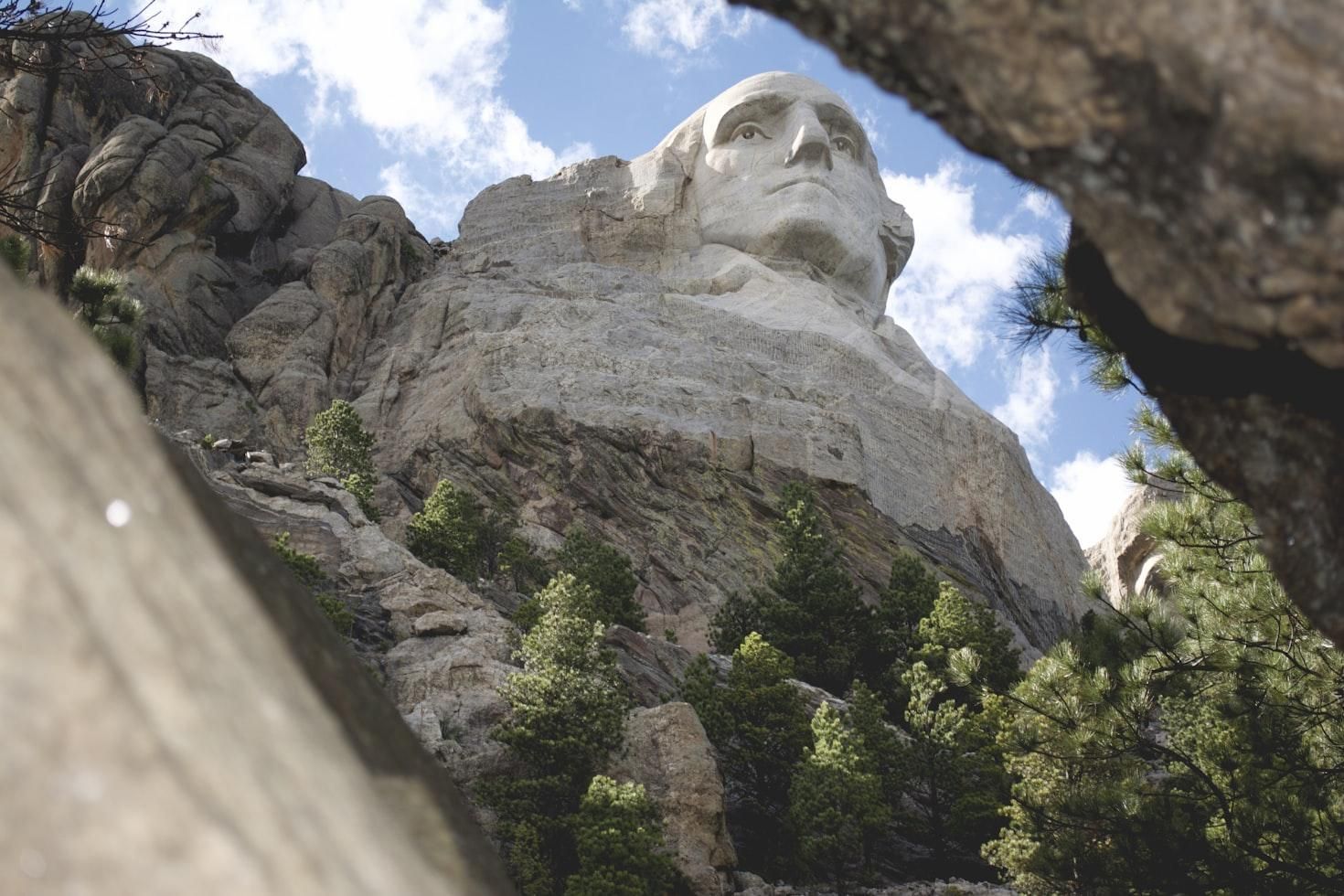
Image: Priscilla Gyamfi

America’s first president had no guidebook to follow, so George Washington ended up writing the first chapters of the office himself. With calm judgment and a focus on fairness, he set the tradition of serving only two terms, showing that leadership should be about duty rather than personal power.

Washington organized the very first Cabinet, established the tone for presidential addresses, and worked hard to promote unity among different regions and viewpoints. His steady approach helped turn a young, uncertain nation into a stable and functioning republic. The patterns he created became the model for every subsequent president.

2
James Madison
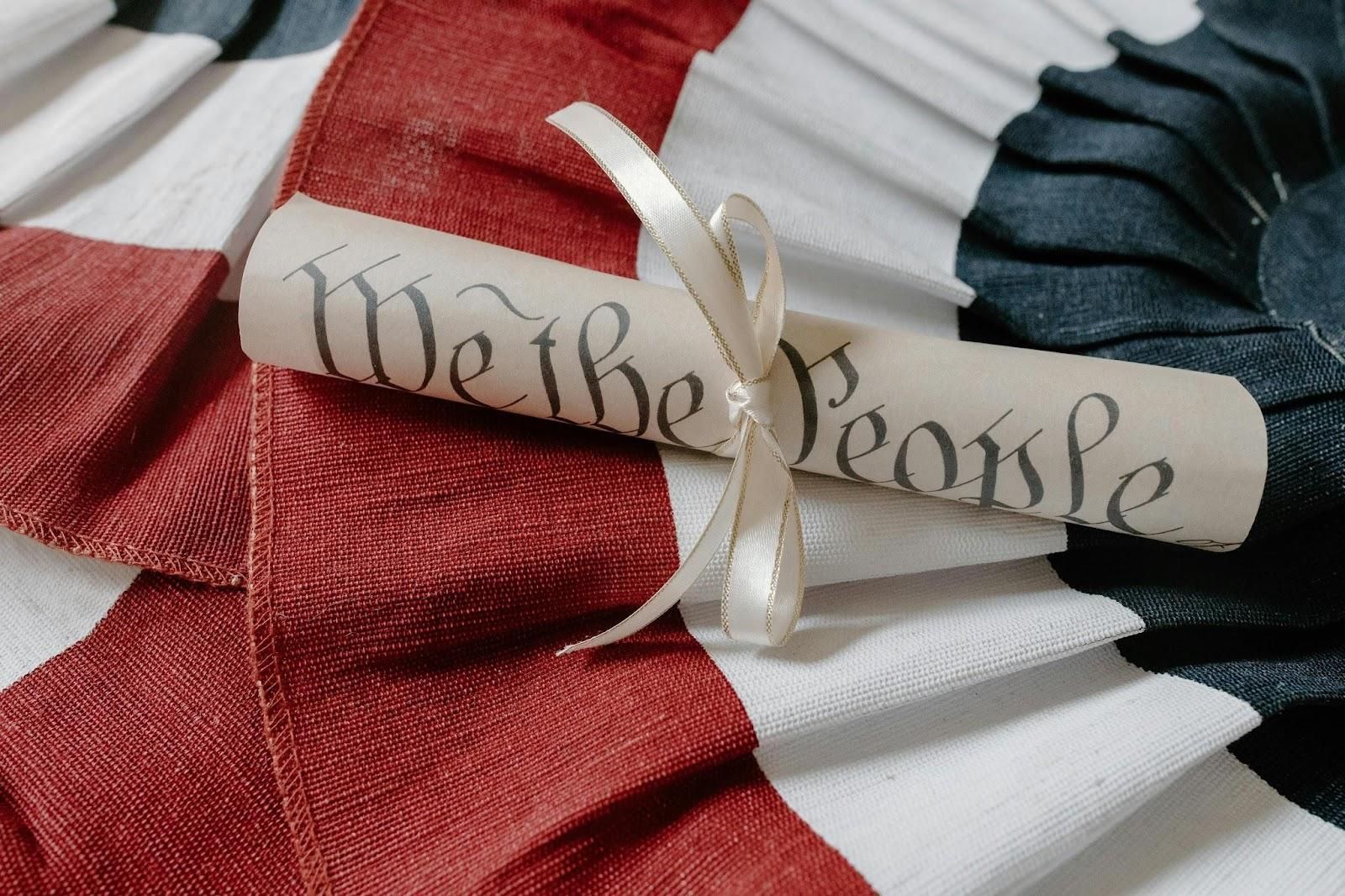
Image: Tara Winstead

Often called the "Father of the Constitution," James Madison helped shape the foundations of the United States long before he stepped into the presidency. He played a central role in writing the Constitution and co-authored the Federalist Papers, a series of essays that explained how the new government was meant to work.

Once in office, Madison continued to support the development of stronger federal systems that could serve a growing country, and he oversaw the admission of new states into the expanding Union. His steady leadership helped reinforce the structure laid down by the founders and proved that the nation’s early ideas—balance, stability, and cooperation—could stand the test of time.

3
Abraham Lincoln
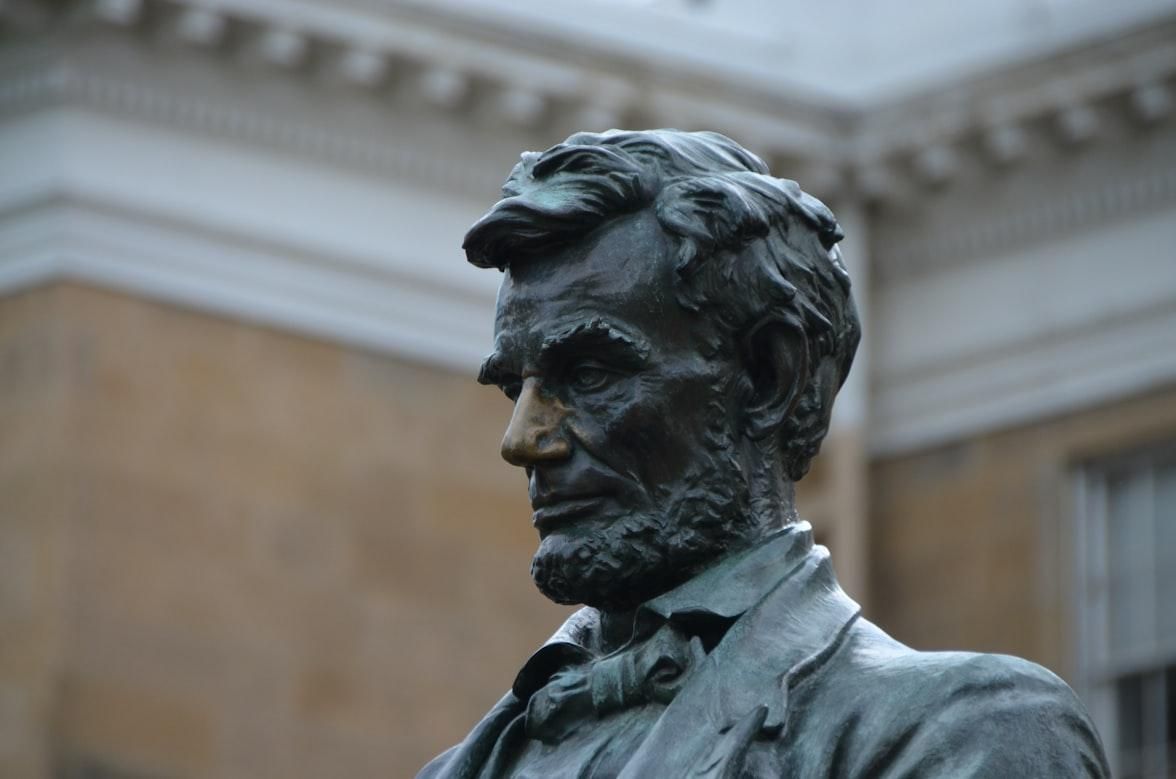
Image: Jacob Thorson

The 16th U.S. president guided the nation through a time of deep division with a calm, steady determination and a clear sense of purpose. He held firmly to the belief that all people are created equal, and he worked to bring those principles to life in practical, lasting ways.

During his presidency, Lincoln supported major constitutional changes that broadened personal freedoms and strengthened the role of the federal government in protecting those rights. He emphasized unity, fairness, and the idea that the country could emerge stronger if it stayed true to its core values. His dedication to these ideals has made him one of the most admired figures in American history, remembered for his integrity and his hope for a more united nation.

4
Theodore Roosevelt
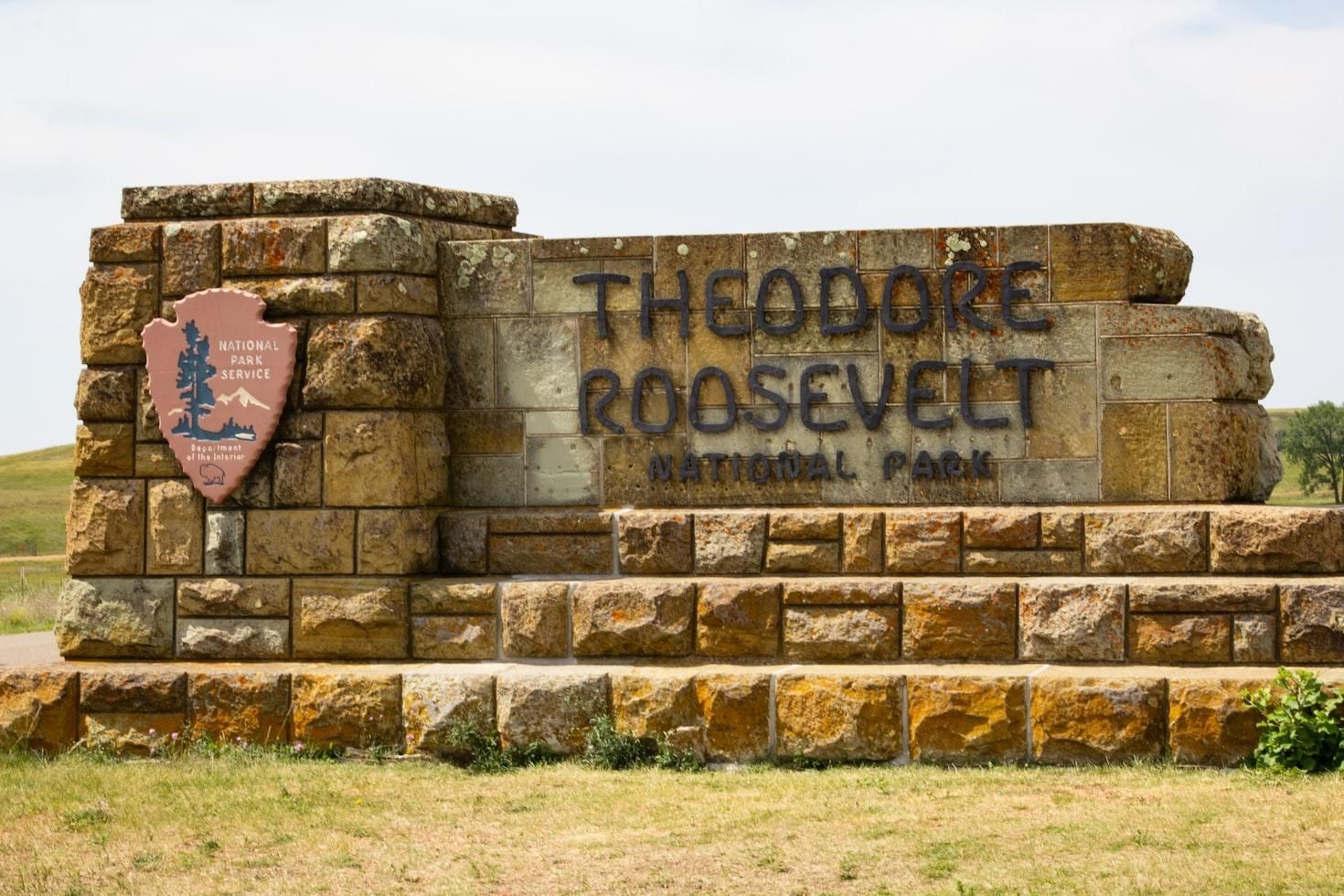
Image: Ryan Stone

Theodore Roosevelt was known for his enthusiasm, his adventurous spirit, and his deep love of the outdoors. He became one of the nation’s strongest voices for conservation, helping to create and expand national parks, forests, and wildlife areas.

His domestic program, the "Square Deal," aimed to make sure consumers, workers, and businesses were treated fairly, and he pushed for stronger rules that protected everyday Americans from unfair practices. Roosevelt also encouraged the nation to step forward with confidence, backing improvements in transportation and modern infrastructure that helped connect the United States more smoothly with the world.

5
Woodrow Wilson

Image: Đào Thân

Woodrow Wilson arrived in Washington with a plan to give everyday Americans a fairer, more balanced system, and his wave of domestic reforms—known as the "New Freedom"—reflected that goal. During his presidency, the nation saw the creation of the Federal Reserve System and the Federal Trade Commission, two major institutions designed to keep the economy steady and well-regulated.

Wilson also encouraged the idea that countries should work together through organized cooperation rather than standing apart, a view that later influenced the formation of important international organizations. His belief in self-determination and his preference for diplomacy over isolation helped guide the United States toward a long-term vision of global partnership and shared responsibility.

6
Franklin D. Roosevelt
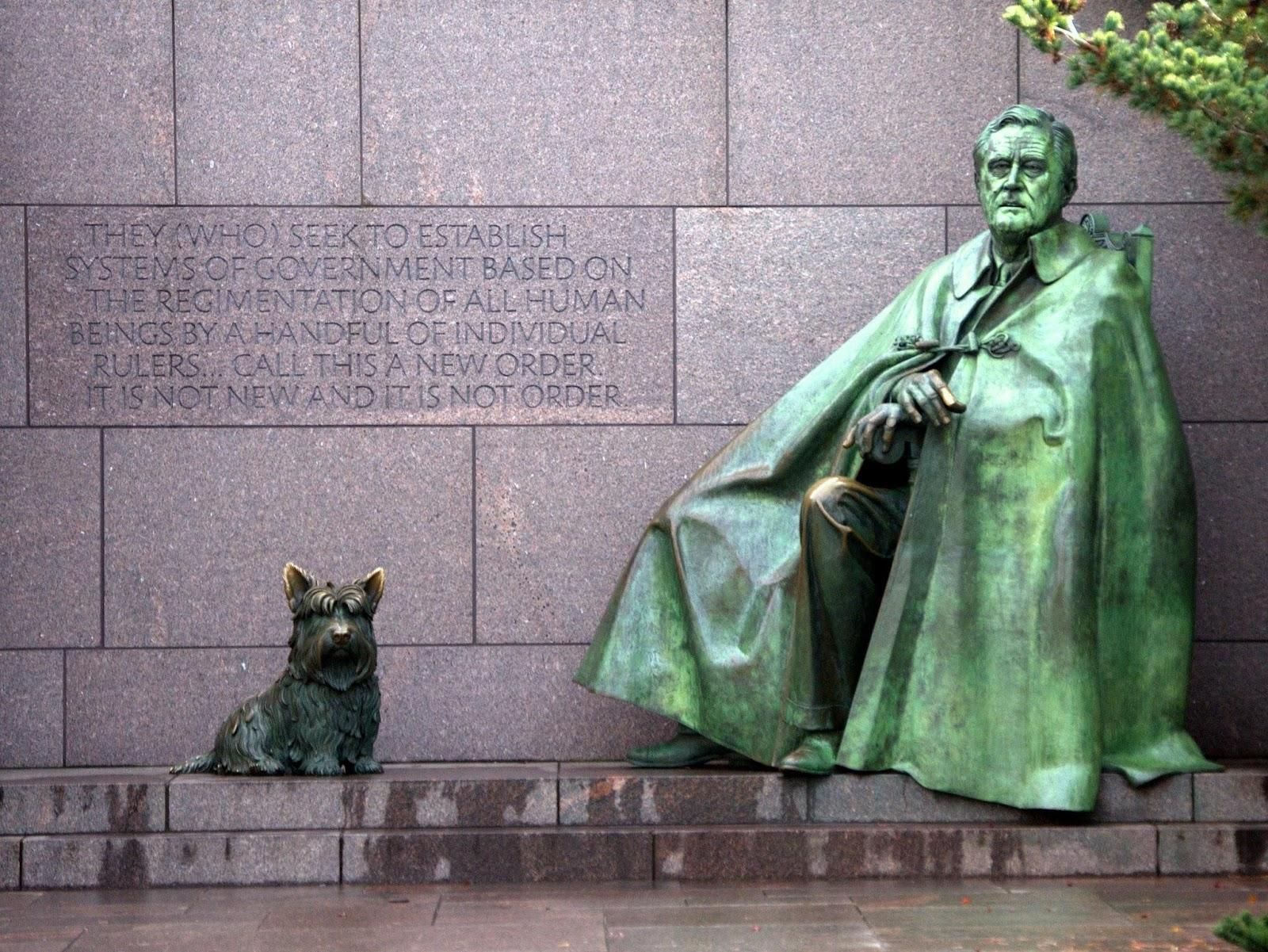
Image: Pedro Gutierrez

Franklin Roosevelt guided the nation through one of its toughest economic periods with a wide-ranging effort known as the "New Deal." This collection of policies helped support workers, steady the banking system, and strengthen protections for consumers. It also introduced Social Security, a program that quickly became a key element of retirement planning for millions of Americans.

Roosevelt understood the importance of keeping the public informed, so he spoke directly to families through his regular radio broadcasts, the famous "Fireside Chats." In these simple, calm conversations, he explained what the government was doing and why, helping people feel more confident in uncertain times. His clear, steady communication made him one of the most trusted and familiar voices of his era.

7
Harry S. Truman
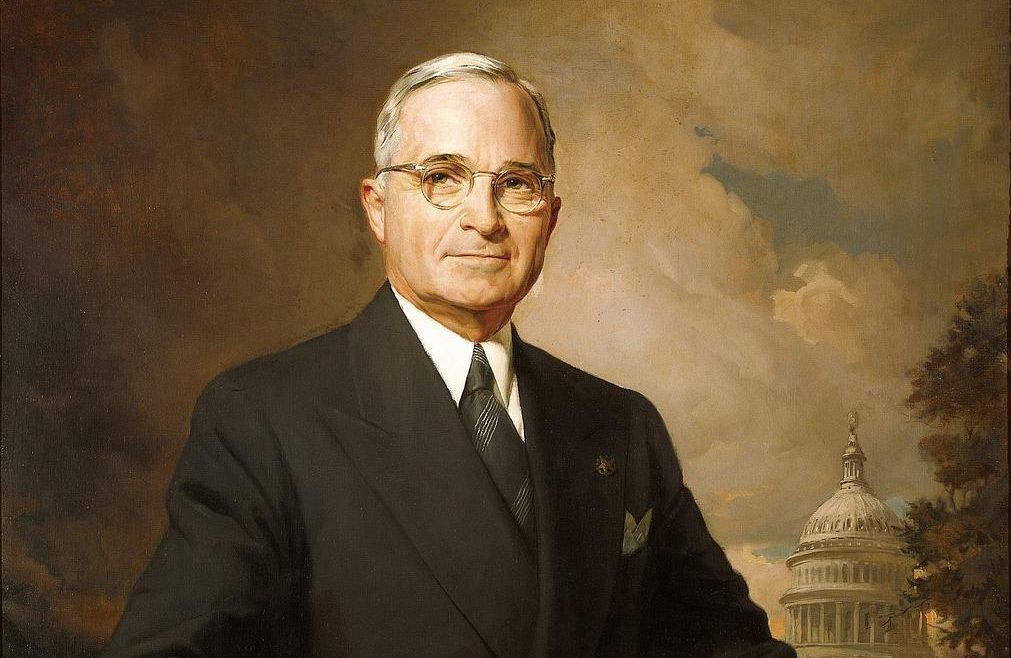
Image: WikiImages

When Harry Truman took office in 1945, both the world and the United States were undergoing a period of rapid change. With a practical mindset, the 33rd president helped launch broad programs aimed at rebuilding European economies and encouraging stronger international cooperation.

He also set a new long-range direction for American policy, one that emphasized stability, democratic principles, and economic support beyond U.S. borders. Truman’s meaningful efforts helped shape how nations worked together and signaled the beginning of important social changes that would continue to unfold in the decades ahead.

8
John F. Kennedy
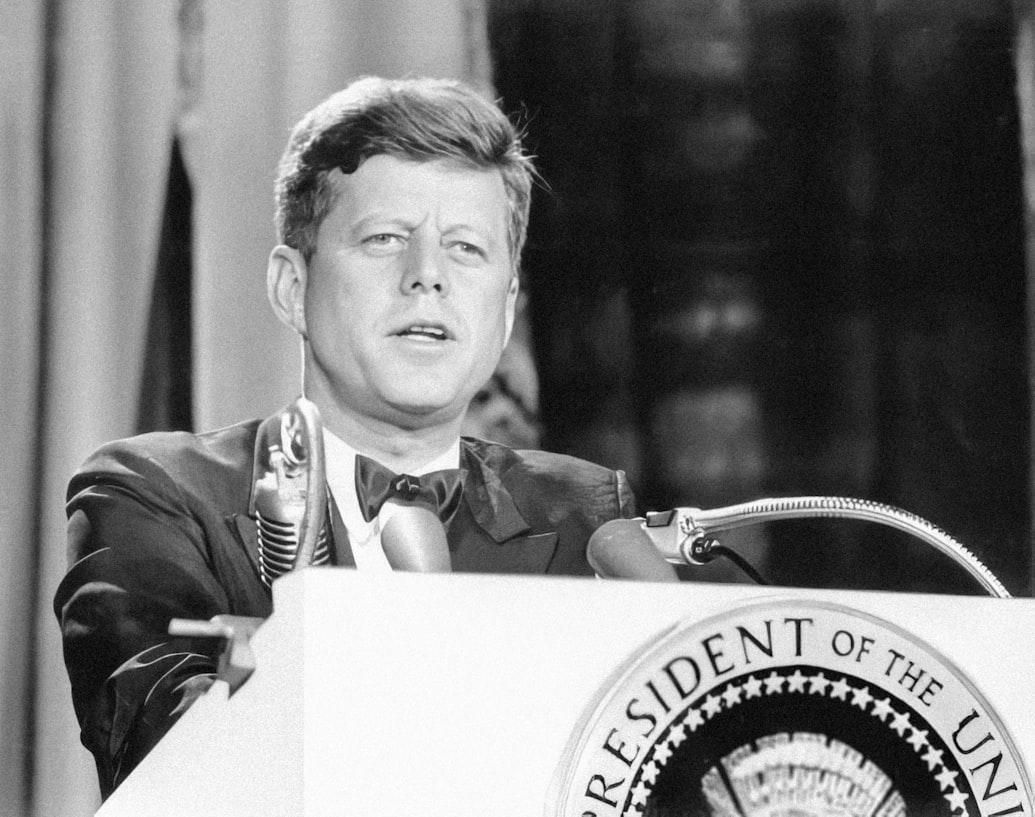
Image: Florida Memory

John F. Kennedy brought a fresh sense of youth and optimism to the early 1960s. His speeches often called on Americans to lend a hand, serve their communities, and think beyond themselves—captured in his well-known line, "Ask not what your country can do for you, ask what you can do for your country."

Kennedy supported important civil rights efforts and encouraged steady progress in science and technology. He also pushed the nation to look toward the future through expanded space exploration and created the Peace Corps, giving young Americans opportunities to volunteer and make a difference overseas. His steady promotion of learning, service, and innovation helped spark a spirit of national progress that defined much of the decade.

9
Lyndon B. Johnson
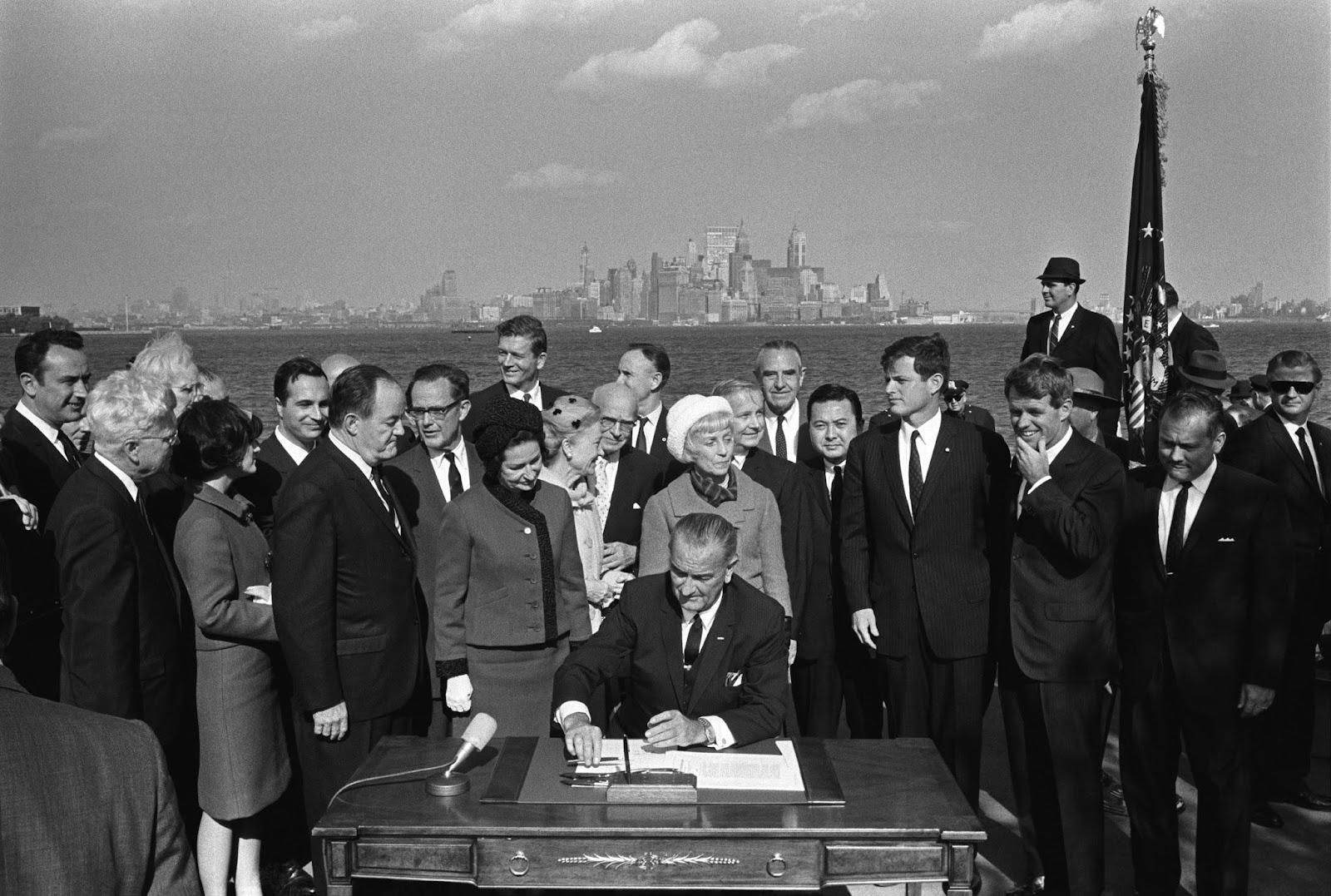
Image: LBJ Library photo by Yoichi Okamoto Restored by: Bammesk, Public domain, via Wikimedia Commons

Lyndon Johnson arrived in the White House with a far-reaching plan he called the "Great Society," a vision aimed at improving everyday life for people across the country. Under his leadership, Congress passed major civil rights legislation that strengthened equality and safeguarded voting rights, setting new standards for fairness.

The 36th president also approved the creation of Medicare and Medicaid, programs that gave millions of older adults and low-income families reliable access to health care for the very first time. Additionally, he supported initiatives to improve education, preserve natural resources, and strengthen local communities.

10
Ronald Reagan
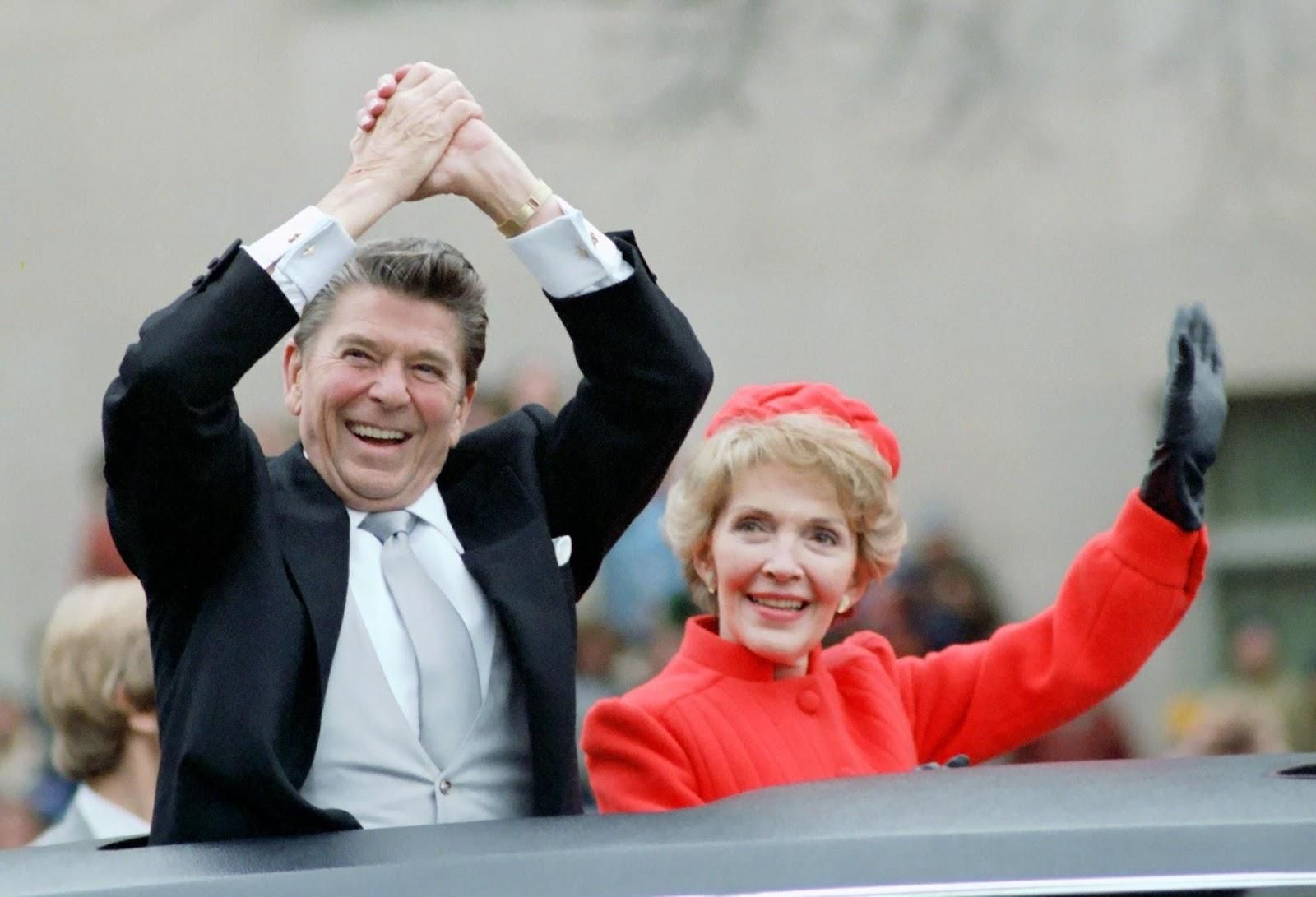
Image: White House Photographic Collection, Public domain, via Wikimedia Commons

Ronald Reagan stepped into the 1980s carrying a message of confidence and renewal, offering Americans a sense of fresh direction after a challenging period. His economic approach—later known as "Reaganomics"—was centered on lowering taxes, easing federal regulations, and giving businesses more room to grow. For many people, this era became associated with rising optimism.

Reagan also spoke often about national pride and traditional values, presenting a steady, recognizable voice on the world stage. His leadership style—straightforward, good-humored, and easy to understand—left a lasting mark on how political ideas were discussed and helped shape the country’s tone for years to follow.


History History 4 min read

Where did they go?

You won’t believe what Matt LeBlanc is doing today: 12 vanished stars

Image: Gugu Curado

It happens more often than you might think: stars who once lit up the big screen seem to disappear overnight. Yes, some make surprise returns—but others don’t. From Bridget Fonda’s graceful retreat to Rick Moranis’s heartfelt hiatus, let’s look at 12 once-famous stars who traded red carpets for real life.

1
Rick Moranis

Image: Erik Mclean

Rick Moranis, one of the biggest comedy stars of the ’80s and ’90s, left Hollywood to focus on raising his children after his wife passed away.

His decision to leave the spotlight has been widely discussed—a rare choice in an industry where few walk away at the peak of their careers. He has since done a few voice roles, and fans are thrilled about reports of his long-awaited return in Spaceballs II.

2
Macaulay Culkin

Image: Kira Cherkavskaya

Macaulay Culkin rose to global fame as a child star, but the pressure and family troubles made that success a heavy burden. Since the ’90s, he has acted occasionally but has largely stayed out of the spotlight.

In recent years, he’s also performed with a pizza-themed Velvet Underground parody band called The Pizza Underground .

3
Emilio Estevez

Image: Taylor Brandon

While his brother, Charlie Sheen, has often been in the limelight—for better or worse—Emilio Estevez has largely stepped away from it. A core member of the Brat Pack in the ’80s, he’s best known for playing Billy the Kid in Young Guns .

In the last few years, Emilio has focused more on directing and independent projects.

4
Lou Ferrigno

Image: Limor Zellermayer

Lou Ferrigno rose to fame in the late ’70s and ’80s as the Hulk, bringing the comic book character to life with his massive frame.

Despite his TV success, he never achieved the same big-screen fame as his bodybuilding rival, Arnold Schwarzenegger. Born with significant hearing loss —**about 80%**—Ferrigno faced challenges in both acting and studio opportunities, though he remained active in bodybuilding, guest appearances, and voice work.

5
Mara Wilson

Image: Lia Den

Mara Wilson, known for ’90s classics like Matilda and Mrs. Doubtfire , was a familiar face throughout her childhood. In 2012, she explained her decision to leave acting , calling it "no longer fun," the fame "ridiculous," and auditions "brutal and dehumanizing.

And you can read about her experiences in her book Where Am I Now?

6
Sarah Michelle Gellar

Image: Igam Ogam

Sarah Michelle Gellar rose to fame in ’90s teen hits and earned a devoted fan base with Buffy the Vampire Slayer. After starring in Scooby-Doo and marrying her co-star Freddie Prinze Jr., she gradually stepped back from acting , taking on fewer roles over the years.

But those loyal fans will be happy to know she’s set to slay a few more vampires soon with the return of Buffy .

7
Neve Campbell

Image: Jakob Owens

Neve Campbell was a major star in the ’90s and early 2000s, thanks to Party of Five and the Scream films. Her face quickly became instantly recognizable.

Despite her success, she chose a different path. After four Scream movies, she stepped away from the franchise in 2022, citing a salary dispute. But fear not, Scream VII will have her back.

8
Mike Myers

Image: Илья Мельниченко

Mike Myers hasn’t officially retired, but he has slowed his Hollywood career considerably. He rose to fame with Wayne’s World and became iconic for playing multiple roles in the Austin Powers films. Since The Love Guru , he’s kept a lower profile , making only occasional appearances in movies like Inglourious Basterds and Bohemian Rhapsody.

9
Meg Ryan

Image: The Paris Photographer

Meg Ryan ruled ’90s romantic comedies with hits like When Harry Met Sally and You’ve Got Mail before gradually stepping back from the spotlight . Media scrutiny of her personal life played a major role in her retreat.

She hasn’t left the industry entirely—Ryan has shifted to directing and now takes on only select roles, focusing on indie projects that genuinely interest her.

10
Matt LeBlanc

Image: Mahrous Houses

Matt LeBlanc will always be remembered as Joey Tribbiani —a role that’s been hard to shake despite his later efforts. He earned critical praise for his performance in Episodes, but hasn’t reached the same level of post- Friends success as his co-star Jennifer Aniston.

These days, he stays far away from the limelight and has decided to take it easy for as long as he wants to.

11
Liv Tyler

Image: D A V I D S O N L U N A

Liv Tyler shone as Arwen in The Lord of the Rings , proving she was much more than just Steven Tyler’s daughter. While she didn’t achieve the same level of critical acclaim as some of her co-stars, she has maintained a steady career, including a standout role in the Emmy-nominated series The Leftovers .

12
Bridget Fonda

Image: René Ranisch

Bridget Fonda, part of the legendary Fonda family, began acting at a young age, appearing in Easy Rider at just five years old.

After graduating from NYU, she quickly built a successful film career and seemed destined for Hollywood longevity. But in 2002, she retired unexpectedly and has remained off-screen ever since.

Culture Culture 4 min read

Did you know?

What does "R2-D2" mean? Surprising facts about movies we've all seen

Image: Samuel Regan-Asante

What did Martin Scorsese first think about Scarface ? What does R2-D2 mean, exactly? And what type of toy was Woody the Sheriff supposed to be, at first? The answers to these questions are some lesser-known stories behind some of Hollywood’s most memorable titles. Read on to learn a tale or two about movies we’ve all watched.

1
X-Men (2000)

Image: Alex Green

Remember the scene when Magneto and Professor X play a tense, symbolic game of chess? Well, the actors certainly do. Here’s why: Neither Patrick Stewart nor Ian McKellen knew how to play chess before filming.

So, director Bryan Singer brought in a Canadian chess Grandmaster to help design the game the two men would share by choreographing each piece's movement based on the high-strung dialogue they were having —Professor X needed to win.

2
E.T. the Extra-Terrestrial (1982)

Image: Sreevishnu Nair

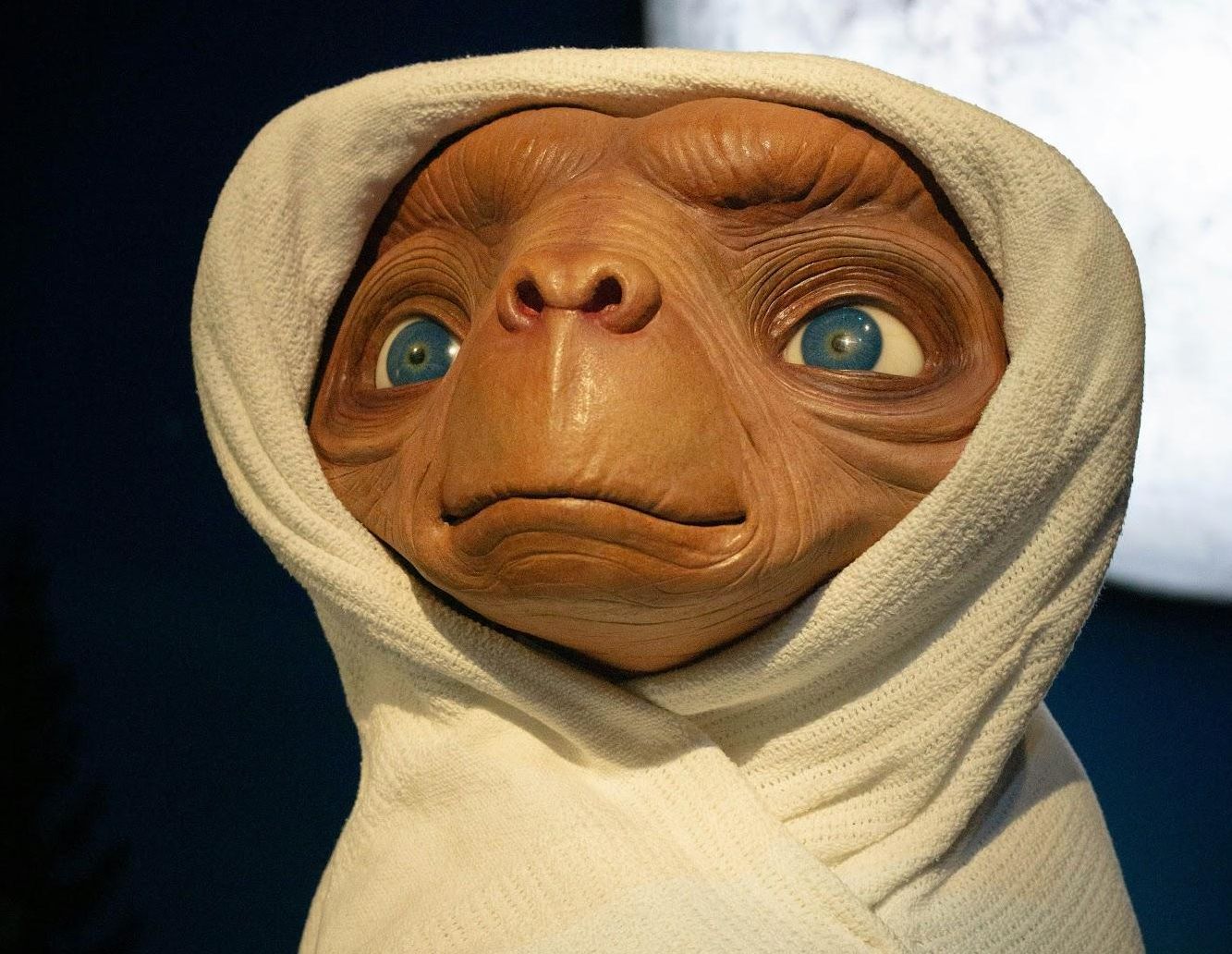
Did you know that E.T., the beloved extraterrestrial who wanted to phone home, was intentionally designed to have no specified gender ?

Director Steven Spielberg expressed that his intention was to define E.T. as a "plant-like" creature, neither male nor female, and that this was explicitly explained in earlier versions of the script.

However, in the film, young Elliott insists that he knows the gender of his newfound friend: "He’s a boy," he explains to his sister when she asks. The audience went along with Elliott’s interpretation, and hence E.T. is considered to be male.

3
How the Grinch Stole Christmas (2000)

Image: Alex Stone

Jim Carrey loathed the process of becoming The Grinch. Though the Dr. Seuss character was fun to play, sitting for hours and hours for makeup and costume until the green look was perfected, he said, was exhausting.

So, he was shocked one day when he arrived on set, only to find yet another Grinch ready there before him. It was none other than director Ron Howard, who had been up since 3:30 am, getting into full costume in solidarity with him.

4
The Nightmare Before Christmas (1993)

Image: Elin Melaas

Watching Tim Burton’s The Nightmare Before Christmas, one might take for granted that the stop-motion marvel took years of painstaking effort. Around 227 puppets were built for the production because each character had multiple duplicates to allow shooting on many sets simultaneously.

The protagonist Jack Skellington alone needed nearly 400 different heads to capture enough facial expressions.

5
Toy Story (1995)

Image: Stone Hood

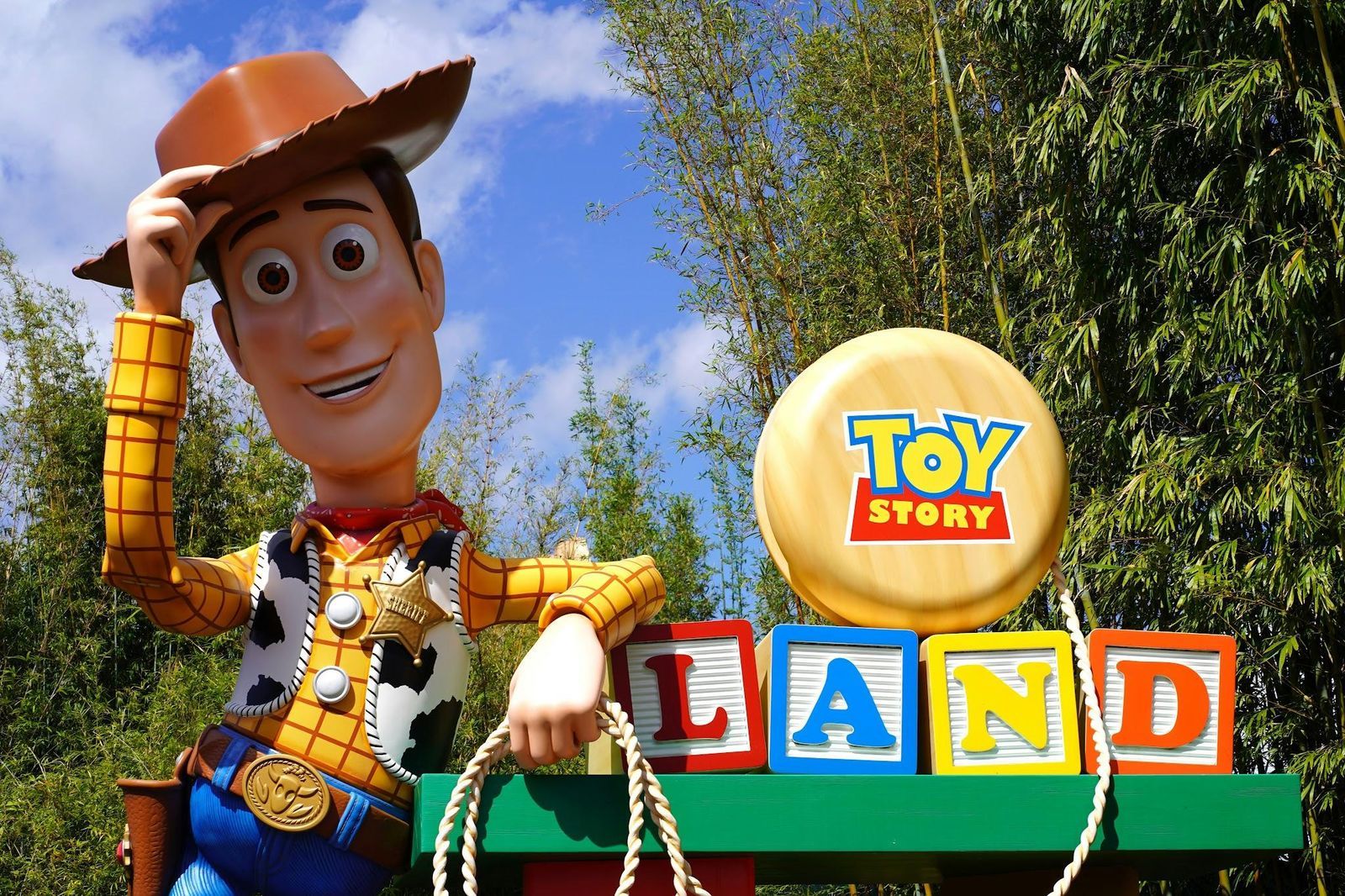
Even though we all recognize Woody the Cowboy, there was a time when the leading character of Toy Story was going to be… quite different.

Sheriff Woody was at first conceived as a ventriloquist dummy . But the Pixar creators thought that a softer cowboy toy would be a little bit friendlier. What do you think?

6
Star Wars: A New Hope (1977)

Image: Christian Maass

We all know the loyal little robot of the Star Wars world. But R2-D2’s name came about unintentionally. While filming a previous film, George Lucas had liked an abbreviation he heard his sound editor shout one day: "R2, D2".

It referred to "Reel 2, Dialogue Track 2" . But the expression sparked Lucas’s imagination.

7
Home Alone (1990)

Image: Liubomyr Vovchak

Yes, Kevin is nine years old in the movie. But most of his "dangerous" moments were handled by a 30-year-old stuntman in kid-sized clothes!

Still, some injuries were inevitable. And they didn’t come from hanging from a zipline or sliding downstairs: No, young Macauley Culkin got a scar from Joe Pesci accidentally biting his fingers too hard in one scene.

8
Interstellar (2014)

Image: SpaceX

Christopher Nolan’s Interstellar is well known for its ambitious science fiction vision. But Nolan went above and beyond with details. For example, the robot TARS wasn’t a CGI creation: it was physically built (a kind of "puppet-robot").

Plus, the space suits the actors wore were designed with functioning oxygen units and cooling tubes! Needless to say, though, all scenes were filmed on Earth.

9
The Matrix (1999)

Image: Markus Spiske

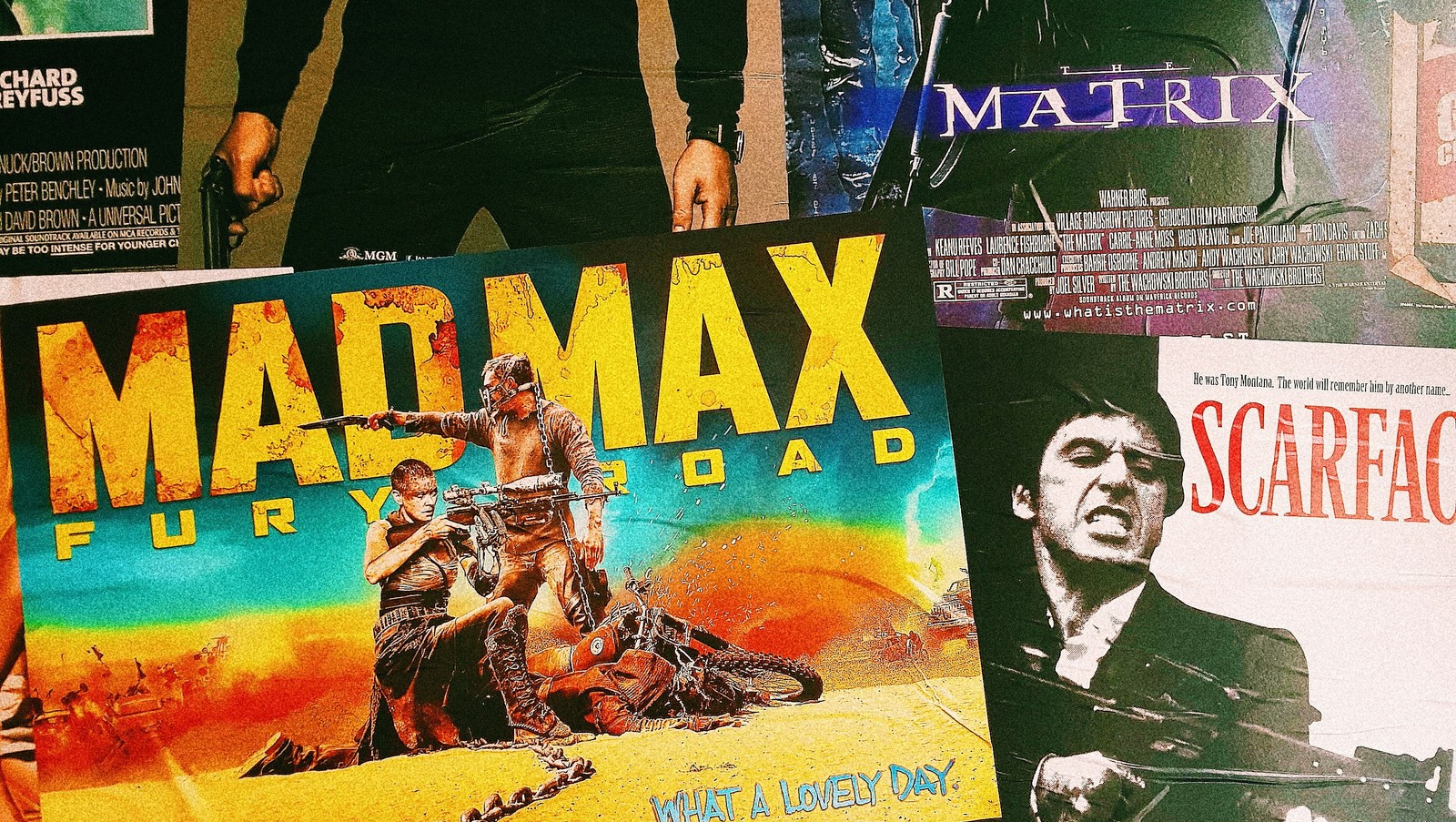
Did you know that Johnny Depp was the first choice to play Neo for The Matrix ? As an up-and-coming actor in the 90s, the writers had considered him perfect for the role. However, fate decided Keanu Reeves would take the part, and the rest was history.

Reeves didn’t have it easy, though: the Wachowskis had him read philosophical books like Simulacra and Simulation by Jean Baudrillard, Out of Control by Kevin Kelly, and Introducing Evolutionary Psychology by Dylan Evans.

10
Scarface (1983)

Image: Bryant's Juarez

After Martin Scorsese saw Brian De Palma’s Scarface, he reportedly told actor Steven Bauer: "It’s great… but they’re going to hate it ."

He wasn’t wrong. Critics did hate it, at first. They called it vulgar, excessive, hysterical, and violent. Scorsese himself had been criticized for the violence in his own work, so he recognized the pattern instantly. However, as we know, audiences eventually made it a cult classic.

Explore more American facts

Choose your favorite category!

General
General

As American as apple pie—the very best America has to offer!

Culture
Culture

Delve into the astounding richness of American lore.

Geography
Geography

Hop in and explore vast and diverse American landscapes.

History
History

Discover the key moments that shaped the United States.