General General 3 min read

One-of-a-kind

The one thing these states can brag about (and no one else can)
Image: RDNE Stock project

Every state in the U.S. has its own personality, but some come with bragging rights no one else can touch. From deserts and diamonds to cave systems and cheese-making microbes, each of these states has a claim to fame that sets it apart. If you enjoy travel trivia, fun facts, or just knowing more about our big and quirky country, you’ll want to stick around for this one. Let’s take a lighthearted look at the states that are true originals.

1
South Dakota sits right in the middle of it all
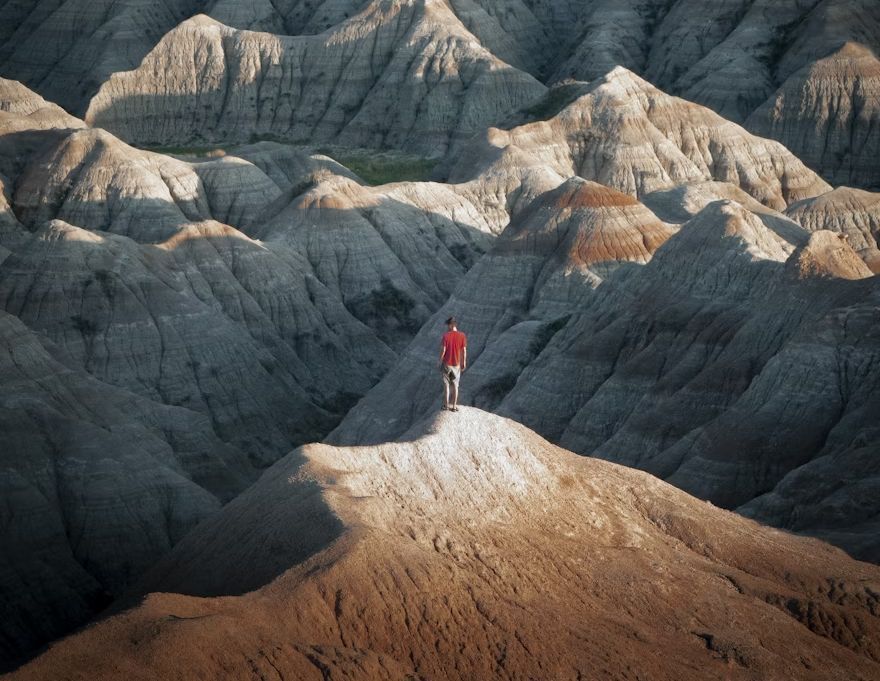
Image: Intricate Explorer

Just outside the town of Belle Fourche, South Dakota, lies the geographic center of the United States when you include Alaska and Hawaii . It is not marked with neon signs or big crowds, but there is something satisfying about standing near the heart of the whole country. It feels like the center of gravity for the U.S.

2
Iowa is flanked by rivers on both sides

Image: Justin Wilkens

If you look at a map, you will see Iowa neatly tucked between two mighty rivers . The Mississippi River borders it to the east, and the Missouri River forms most of its western boundary. No other state can say that its entire east and west borders are made up of rivers. That gives Iowa a front-row seat to river life from both sides.

3
Kansas is flatter than a breakfast pancake
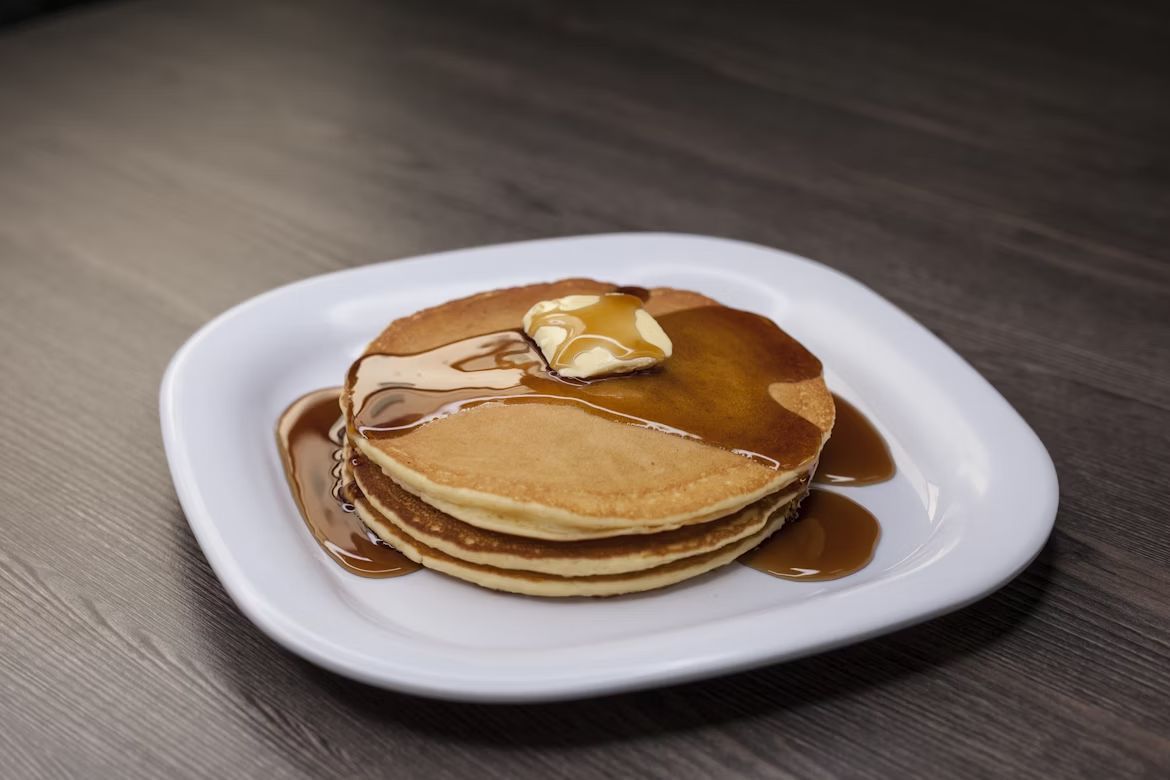
Image: Edson Saldaña

Believe it or not, a group of researchers once compared Kansas to a pancake and found that Kansas is actually flatter . This was not a joke. They used real measurements. If long, open roads and wide horizons are your thing, Kansas is the ultimate smooth ride.

4
Arizona has all the deserts in one place

Image: Keith Hardy

Arizona is not just dry, it’s uniquely arid. It is the only state that includes parts of nearly all of the major North American deserts . These include the Sonoran, Mojave, Chihuahuan, and Great Basin deserts. That makes it a desert lover's dream and a living science exhibit where four very different ecosystems meet in one sunbaked state.

5
Michigan lives and breathes freshwater
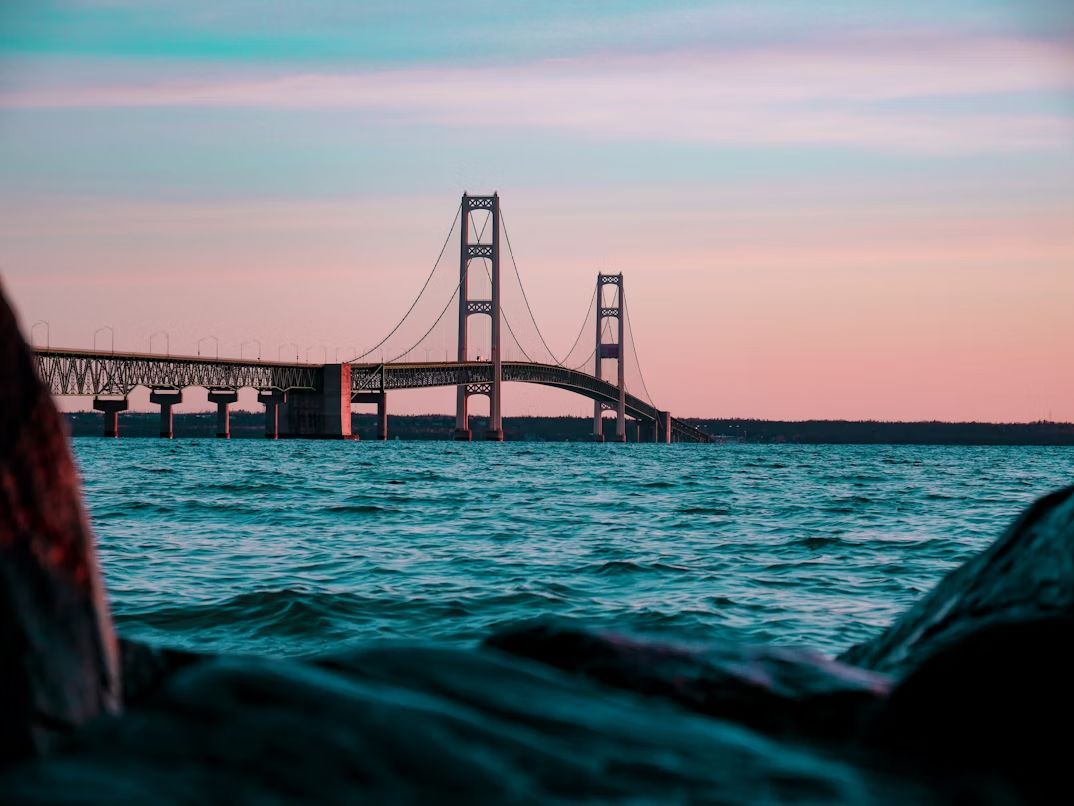
Image: Aaron Burden

Michigan has more freshwater shoreline than any other state in the country. It borders four of the five Great Lakes , features two peninsulas, and is even home to a floating post office that delivers mail by boat. If you enjoy water views and lakeside life, Michigan delivers the goods in a big way.

6
Connecticut gave counties the pink slip

Image: Rusty Watson

Unlike most states, Connecticut does not have county governments. The state decided back in the late 1950s and early 1960s to get rid of them entirely. Now, counties are just lines on a map and have no political power. If you live in Connecticut, you deal directly with your town or city. No middleman needed.

7
Delaware still uses ‘hundreds’ and no, not the money kind
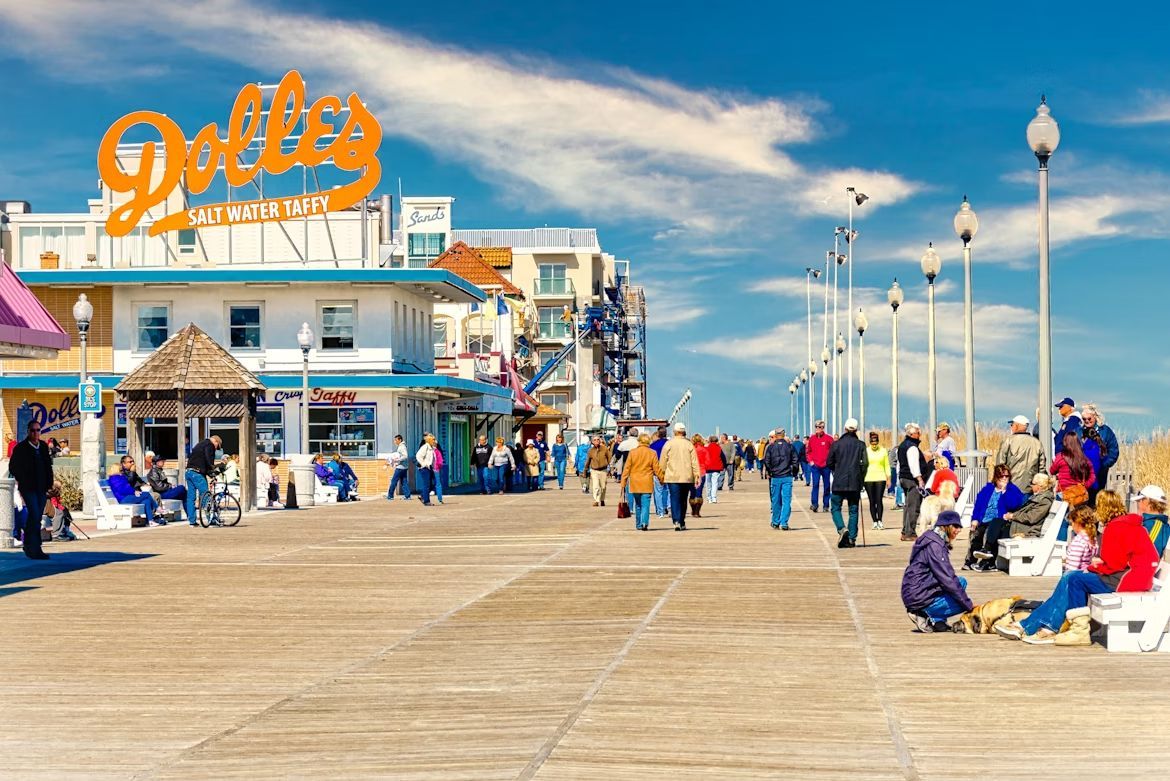
Image: Gary Cole

In Delaware, land is still divided into areas called hundreds . These are old British-style subdivisions that originally represented areas able to support roughly 100 households. While they do not play a role in law or government today, the names still show up in property documents and tax records.

8
Kentucky hides the longest cave under its feet

Image: Joshua Sortino

Beneath Kentucky’s surface lies a giant underground wonder called Mammoth Cave. It holds the record as the longest known cave system in the world , with over 400 miles of mapped tunnels. That is a whole lot of rock and mystery. Whether you are into history, geology, or just cool natural landmarks, this cave system is something special.

9
Louisiana prefers parishes over counties
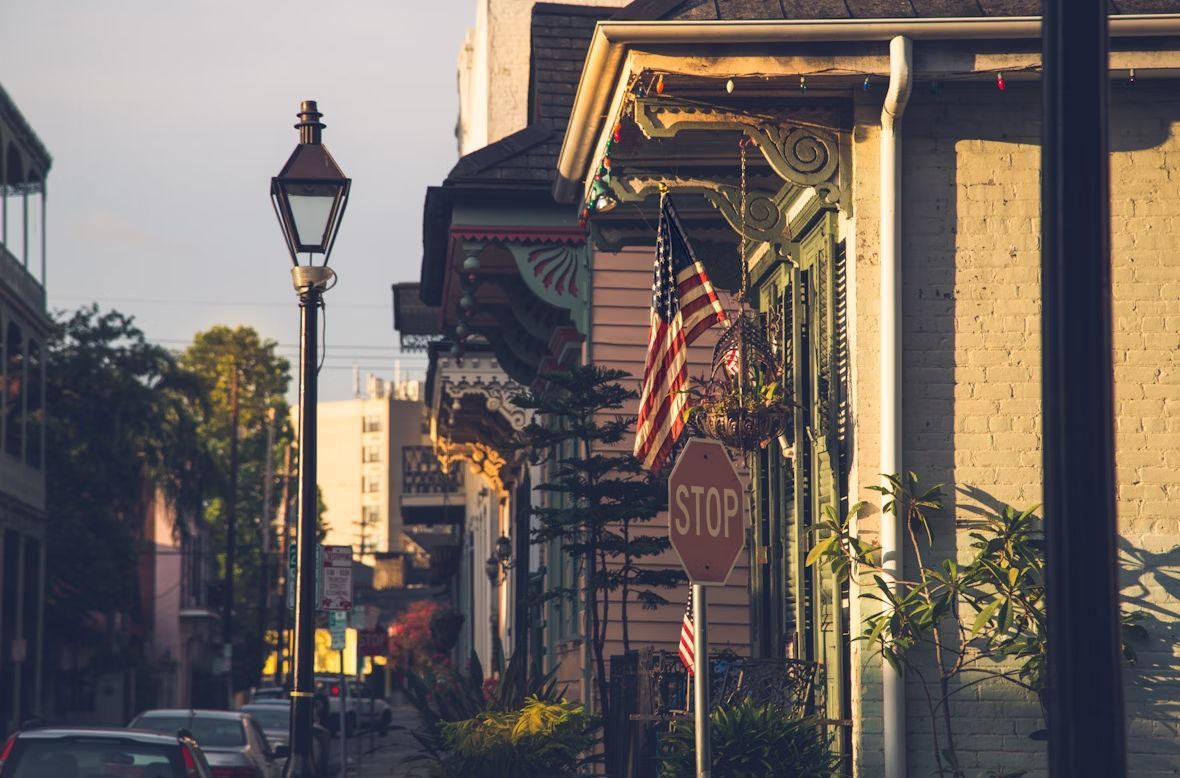
Image: Joe Lavigne

Louisiana does not have counties like the rest of the country. Instead, it has parishes , a term carried over from its French and Spanish colonial days. These parishes work the same way counties do elsewhere, but the name gives the state a unique cultural twist.

10
Montana provides the nation's platinum and palladium
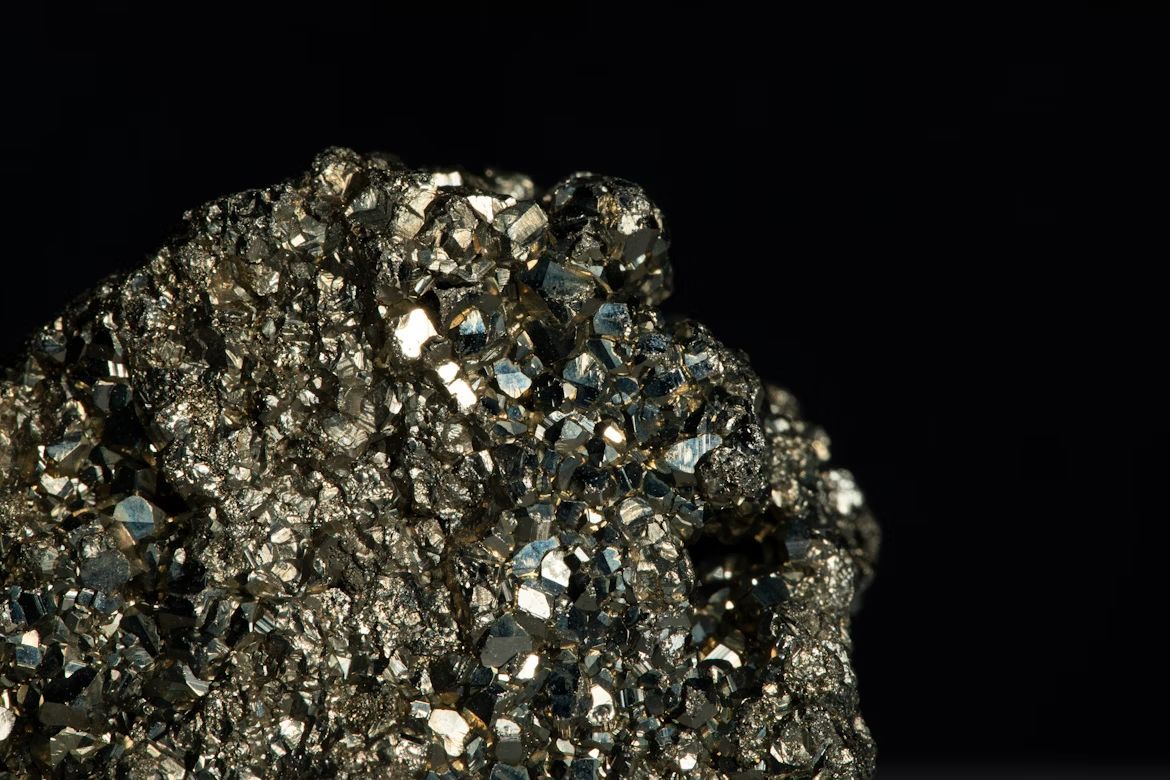
Image: Calvin Chai

Montana is the only significant source of domestically mined platinum and palladium in the United States. These rare metals are used in things like jewelry, dental tools, and car parts. Tucked into its rugged mountains, Montana’s mines quietly produce some of the most valuable materials in the country.

11
Wisconsin has an official microbe, and it makes cheese
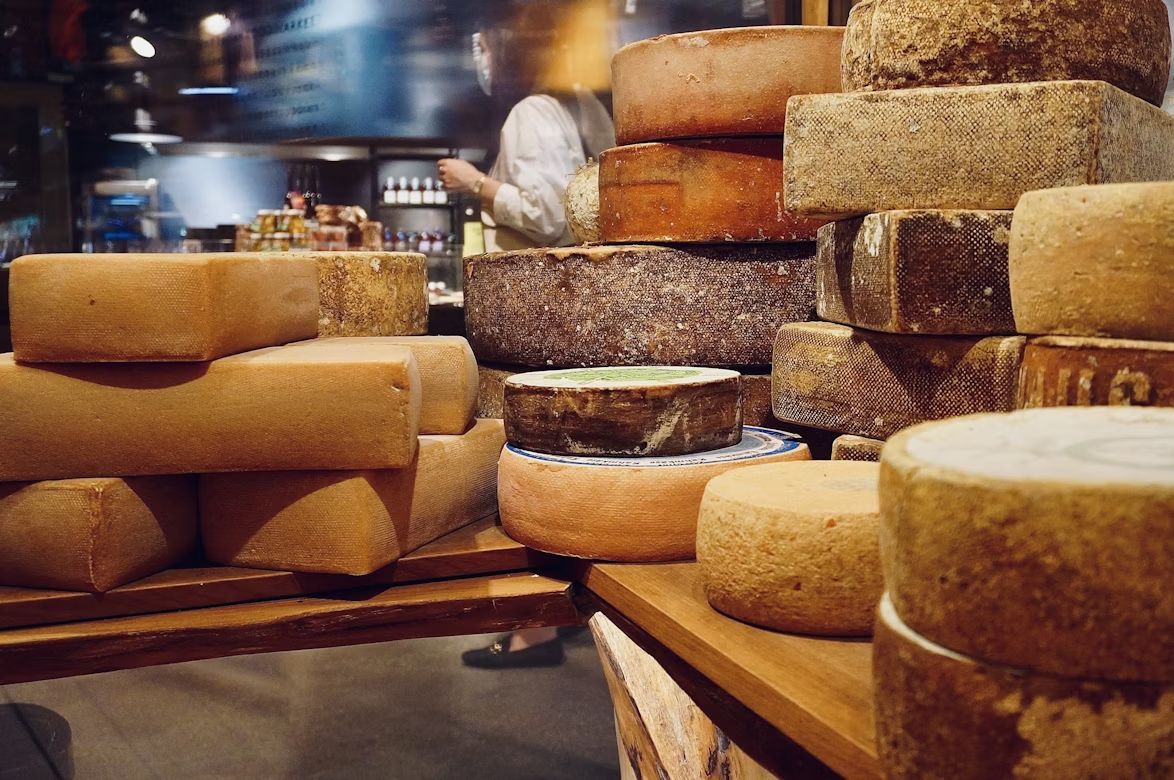
Image: Azzedine Rouichi

Of course, Wisconsin would go this route. The state named Lactococcus lactis as its official microbe. It is the helpful little organism behind the cheese-making magic. Without it, you would not have cheddar, Colby, or many other favorites. Leave it to the dairy state to give a tiny cheese-maker its moment of fame.

History History 3 min read

Say what?!

Believe it or not, these foods were once marketed as health remedies

Image: Barnabas Davoti

For much of American history, grocery staples didn’t just promise flavor, they also claimed to heal. Yes, you read that right: before strict regulations, inventors, pharmacists, health reformers, and plain snake oil salesmen pushed new products as cures for nerves, digestion, or things as abstract as "vitality". Take a look at 11 everyday food items that were once considered medicinal.

1
Coca-Cola

Image: Artem Beliaikin

The first item in our list is one of the most famous examples. Created in 1886 by a pharmacist named John Pemberton, Coca-Cola was introduced as a nerve tonic meant to calm headaches and boost energy . Early ads called it a "brain elixir," and it was sold from pharmacy counters.

Over time, the drink’s medicinal claims faded as its sweet and refreshing flavor alone won over the public.

2
Grape-Nuts

Image: Mona Bernhardsen

Grape-Nuts arrived in 1897 with big promises about health benefits, including digestion and even appendicitis . Ads insisted on its remarkable healing power.

As science advanced, the claims faded, but the cereal stayed popular. Its crisp texture and hearty flavor became the true selling point once the medicinal hype fell through.

3
Corn flakes

Image: Deepak N

Developed at the Battle Creek Sanitarium, Kellogg’s Corn Flakes were created as a bland, calming food meant to improve digestion and overall health . They were part of a larger awareness movement.

The cereal’s simple crunch won broad appeal, and the medical message softened. It ultimately became the breakfast staple that we know today.

4
Ovaltine

Image: pariwat pannium

Introduced in the early 1900s, Ovaltine claimed to boost strength, improve sleep, and support children’s growth . It was marketed as a malt-based health enhancer.

As breakfast habits changed, Ovaltine’s tine softened, but its cozy appeal endured. It became more of a nostalgic treat than a serious health product.

5
7-Up

Image: Shawn Powar

This one had some backing to its claims. When 7-Up was launched in 1929, it contained lithium citrate, an ingredient used in mood-stabilizing treatments . Early advertising pitched it as a mood-lifting, calming tonic.

As formulas changed and regulations grew, the lithium disappeared, and 7-Up’s identity shifted. It ultimately took its place as a crisp lemon-lime soda with no therapeutic claims.

6
Jell-O

Image: Girl with red hat

When Jell-O debuted, it was pitched as a pure, digestible food for children and invalids . Doctors were encouraged to recommend it as a gentle nourishment.

Its colorful aspect soon eclipsed any medicinal sales angle. Today, Jell-O is tied to family gatherings, not medicinal prescriptions.

7
Fig Newtons

Image: Armando Brenlha

Early ads promoted Fig Newtons as a digestive biscuit thanks to their fruit filling . They were considered easy to assimilate and helpful for regularity issues.

Modern marketing focuses on wholesome snacking rather than health claims. Their soft, chewy texture is their lasting appeal.

8
Marshmallow candy

Image: Ricardo Loaiza

Before becoming modern candy, marshmallow confections were sold in pharmacies as throat soothers made from marshmallow root. They were considered medicinal lozenges.

As recipes changed, and gelatin replaced the plant extract, their purpose shifted entirely. Today, they’re tied to desserts and campfires.

9
Peanut butter

Image: Towfiqu barbhuiya

Health reformers promoted peanut butter as a protein-rich substitute for meat , ideal for the ill or elderly who struggled with chewing. It was part of a therapeutic diet.

Soon, its versatility outshone its medicinal beginnings. Peanut butter became beloved for sandwiches and snacks rather than health regimens.

10
Ginger Ale

Image: Nancy Hughes

Ginger Ale entered the market positioned as a stomach soother . Ginger’s long-standing reputation as a digestive remedy made the drink appealing to pharmacies.

Over time, ginger ale settled into its role as a refreshing mixer and comfort beverage. Its gentle reputation lingers, though it’s no longer pitched as a medical aid.

11
Welch’s Grape Juice

Image: Callum Hill

Welch’s promoted grape juice as a pure, healthful alternative to alcohol . Early ads suggested it supported vitality and overall well-being.

Its wholesome image stuck, though the medical claims did not. Today, Welch’s is associated more with family and wholesome habits than with old health ideals.

Culture Culture 4 min read

Time to play

I'll Take "Best American game shows of all time" for 200, please!

Image: Alberto Contreras / Eyestetix Studio

Game shows are often tinged with controversy: "Where do the networks get the money for the prizes?" "Are they rigged?" Despite these mysteries, game shows have been a staple of entertainment since the dawn of television. A typical scene from childhood involves us sitting on the couch, surrounded by our family, screaming the correct answer at the TV set. Many game shows from the 50s and 60s are still on the air today; others are newer, but they all have in common that they are a healthy way of unwinding after a busy day. Let us present to you the 10 game shows every American has watched at least once!

1
Wheel of Fortune

Image: See page for author, Public domain, via Wikimedia Commons

Created in 1975 and still on the air, Wheel of Fortune features three contestants competing to solve a word puzzle, in a manner similar to Hangman , to win money and prizes. For 41 years, it was hosted by Pat Sajak and Vanna White to great ratings success. In 2024, Sajak announced his retirement and was replaced by presenter and producer Ryan Seacrest.

Throughout the years, Wheel of Fortune has had many international adaptations and is currently the longest-running syndicated game show in U.S. television history.

2
Family Feud

Image: RDNE Stock project

And the survey says... Family Feud is hilarious! For most of the past 45 years, this game show has offered us fun and innocent entertainment. Family Feud has had different hosts, such as Richard Dawson and Steve Harvey, and has introduced us to some of the most curious American families and some of the most unexpected answers in television history.

Winner of several Emmy Awards and exported to over 50 international markets, we hope to have Family Feud for many more years!

3
Press Your Luck

Image: g

Remember The Whammy? This show's mascot, an animated devil, was the one thing to avoid at all costs to win the most money in Press Your Luck . And answer a few questions correctly, of course!

Press Your Luck first aired in 1983 . It was discontinued and resurrected many times since, but in 2019, it came back to stay. Nowadays, it airs on ABC and is hosted by actress, director, and producer Elizabeth Banks.

4
The Price is Right

Image: d

In a 2007 article, TV Guide selected The Price is Right as "the best quiz show of all time". Do you agree? It's the longest-running daytime game show in North American television history, so it makes sense. The original version ran from 1956 to 1965 on NBC, while the current version has been running since 1972 on CBS.

Bob Barker, who hosted The Price is Right for 35 years, turned this show in which contestants must guess the exact price of different products, into an all-time institution. We will forever remember his voice uttering the famous catchphrase "Coooome on down!"

5
Card Sharks

Image: Amanda Jones

There have been four different versions of Card Sharks from 1978 to 2021, presented by famous hosts like Jim Perry, Bob Eubanks, and Joel McHale.

The show is based on some random but funny survey questions contestants must answer to control a row of oversized playing cards. Will the next card be higher or lower? Place your bets!

6
Who Wants to Be a Millionaire

Image: Anete Lusina

Phone a friend or ask the audience: Is Who Wants to Be a Millionaire one of the best game shows TV has ever given us? We certainly think so, and that's our final answer!

Unlike most of the programs listed in this article, Who Wants to Be a Millionaire is not a native American show but rather a British format. Yet, U.S. audiences seem to have embraced it with open arms. Because, let's be honest, who would turn down the chance to win a million dollars?

7
Hollywood Squares

Image: NBC Television, Public domain, via Wikimedia Commons

During the years it remained on the air, many celebrities took up the squares of this sort of human tic-tac-toe. Personalities like Vincent Price, Joan Rivers, Kathy Griffin, and Whoopi Goldberg, among others, not only made this show fun but also legendary.

Hollywood Squares aired from 1966 to 2004 with a couple of interruptions in between and was presented by different hosts. However, that didn't stop it from winning several Emmy awards and being regarded as one of the greatest game shows ever.

8
The Dating Game

Image: Pexels

We are so used to the many dating shows now on the air that we take them for granted. However, The Dating Game , which first premiered in 1965, was a true pioneer. Since its release and until 2021, the show was revived several times with different variants but the same appeal.

The format was very simple: a single man or woman would ask questions to three unseen candidates. At the end of the episode, he or she would choose one to go on an all-expenses-paid date. The Dating Game is also known for having featured many stars before they became famous, like Burt Reynolds, Farrah Fawcett, Steve Martin, Suzanne Somers, and Arnold Schwarzenegger, among others.

9
Deal or no Deal

Image: Giorgio Trovato

This show doesn't have a long history on television, but those mysterious silver suitcases that may —or may not— hide lots of cash deserve a place on this list.

Deal or No Deal is, in fact, an American version of a Dutch game show that first premiered on NBC in 2005. It was hosted by Canadian comedian and TV personality Howie Mandel. Despite its ratings success, it was eventually discontinued in 2019.

10
Jeopardy!

Image: Possessed Photography

Did you know that the original name intended for this show was What's the Question ? Luckily, a skeptical executive who was not convinced by the game's concept said, "It doesn't have enough jeopardy". And the rest is history!

A quiz competition with a twist, Jeopardy! is one of the most beloved game shows in America. The first version of this iconic TV program aired on NBC from 1964 to 1975. In 1984, Jeopardy! returned to the small screen as a daily syndicated series —hosted by the legendary Alex Trebek and narrated by Johnny Gilbert— and is still on the air today.

Explore more American facts

Choose your favorite category!

General
General

As American as apple pie—the very best America has to offer!

Culture
Culture

Delve into the astounding richness of American lore.

Geography
Geography

Hop in and explore vast and diverse American landscapes.

History
History

Discover the key moments that shaped the United States.