Geography Geography 6 min read

THE STRANGE AND THE UNUSUAL

10 Quirky Museums to Visit in America

Image: Liza Rusalskaya

If your idea of a museum involves dusty paintings and ancient artifacts behind glass, it is time to broaden your horizons.

America, with its boundless creativity and penchant for the peculiar, is home to some of the most bizarre and fascinating museums you can imagine . From the absurdly specific to the downright strange, these offbeat institutions offer a refreshing and often hilarious take on the concept of a museum.

Buckle up and join us as we go through 10 of the weirdest museums across the United States , from the Neon Museum to the Museum of Bad Art. Prepare to be amused, amazed, and utterly bewildered!

1
Neon Museum - Las Vegas, Nevada

Image: 李林Alwen

Let’s kick off this list with the Neon Museum in Las Vegas. The location seems just about right since Las Vegas is always bright and shining with luminous signs.

This museum, founded in 1996, holds a collection of over 250 historic signs from the city. It is located a few blocks away from the iconic Las Vegas Strip and exhibitions and projections display signs that once adorned the venue. Moreover, you will be able to see some paradigmatic signs restored like the Silver Slipper and Benny Binion’s Horseshoe.

2
International Spy Museum - Washington, D.C.

Image: Marten Newhall

Haven’t we all dreamed of becoming an international secret spy? Well, you can make your dream come true, at least for a few hours, at the International Spy Museum in Washington.

This museum was established in 2002 and it features the largest collection of international espionage artifacts ever displayed. From spy gadgets and concealed weapons to covert operations and famous espionage cases, you’ll get inside the life of a true spy.

Furthermore, it is an interactive museum so visitors can test their own skills with the experiences offered within the establishment.

3
National Mustard Museum - Middleton, Wisconsin
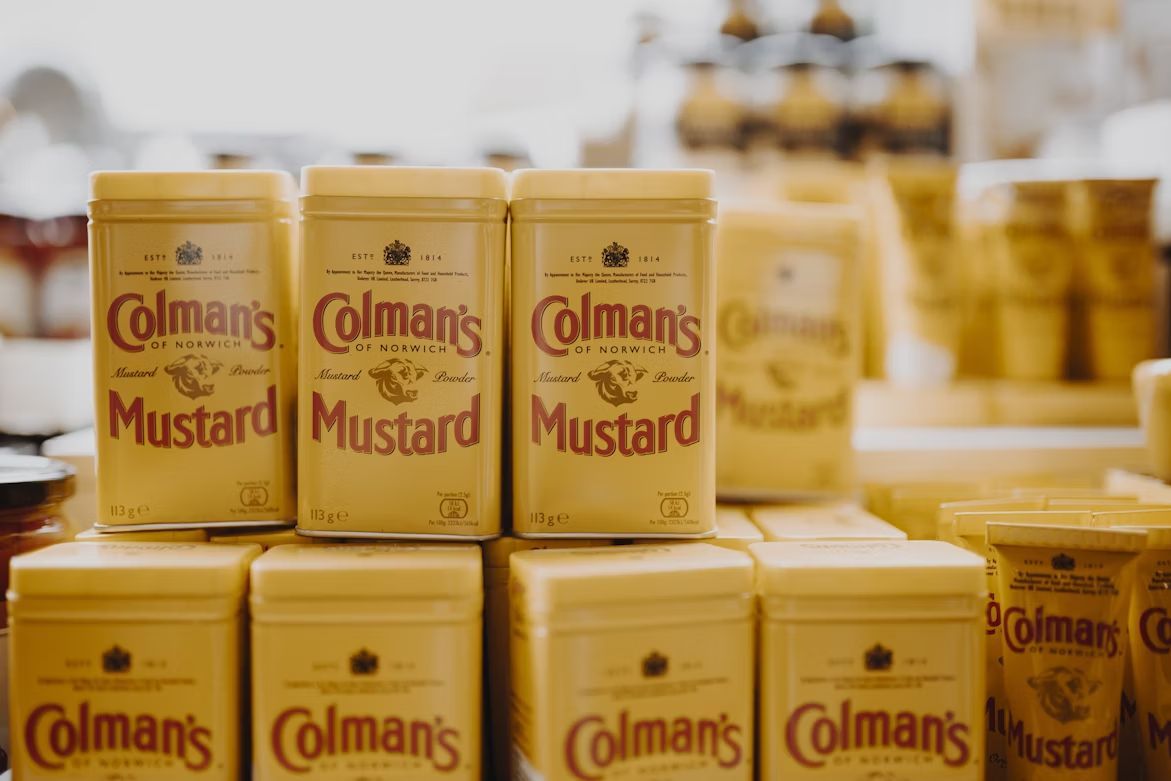
Image: Simona Sergi

Mustard is so much more than just a condiment, and if you think it is not, the National Mustard Museum is here to challenge that notion.

Founded in 1992 by Barry Levenson, this quirky museum celebrates all things mustard with the world’s largest collection of mustards and mustard memorabilia. It showcases over 6000 mustards from over 70 countries and visitors can learn about the mustard history and take a look at antique elements like tins, mustard pots, vintage signs, and advertisements.

If you are a foodie or a culinary curious, you can’t miss this museum!

4
Idaho Potato Museum - Blackfoot, Idaho
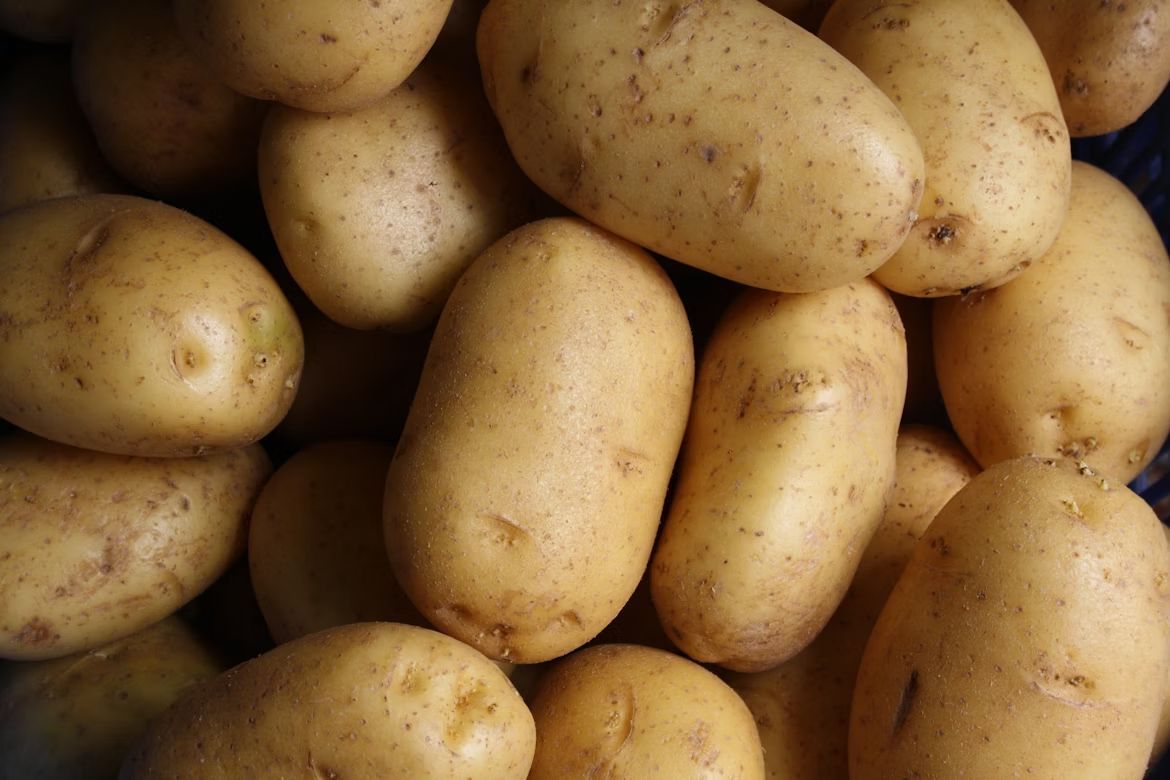
Image: Lars Blankers

Idaho’s love and pride for potatoes is so big, that they had to build a museum to display it and they are waiting for you!

The Idaho Potato Museum is a spud-tacular tribute to the beloved potato, fittingly located in the "potato capital of the world." Housed in the former Oregon Short Line Railroad Depot, this space of over 5,500 square feet offers exhibits on the history, cultivation, and nutritional value of the humble tuber.

Highlights include one of the world’s largest collections of potato mashers and the biggest potato crips ever made. Visitors can even perform experiments in the Potato Lab and savor a freshly baked potato in the museum’s cafe.

5
International UFO Museum and Research Center - Roswell, New Mexico
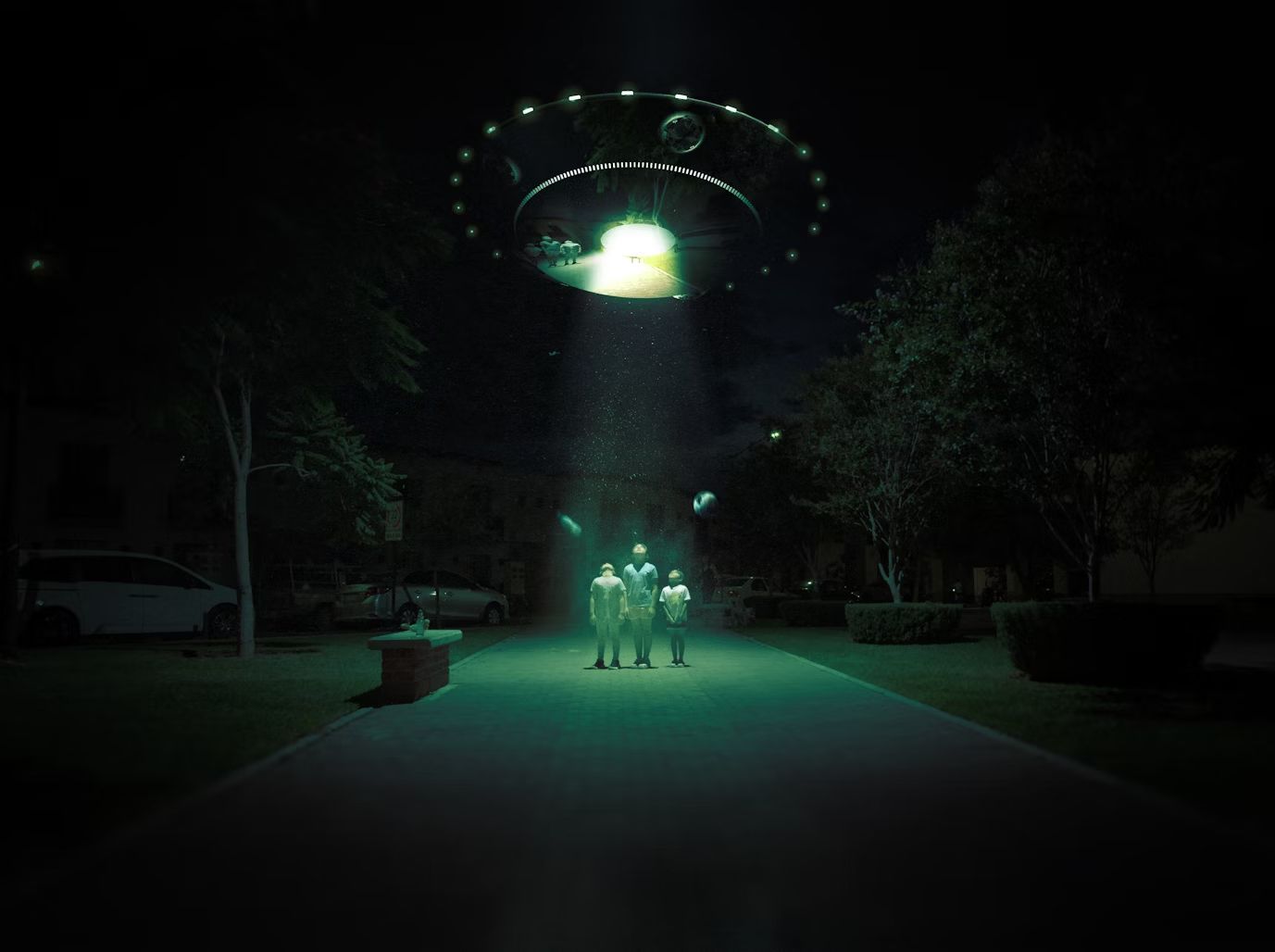
Image: Danie Franco

UFOs have always raised curiosity and the theories behind sightings and paranormal activities are one too many, right? Or at least enough to create a museum devoted to exhibiting all things UFOs.

The International UFO Museum and Research Center offers an intriguing exploration into the world of UFOs, and it is housed in a former movie theater. The creation of the museum was inspired by the Rosewell incident in 1947, a crash of a flying saucer, and it presents a variety of written, audio, and visual materials.

This museum is pet friendly and visitors can enjoy exhibits like a spinning UFO with aliens and an outdoor "Rosewell Belevies" mural. When are you paying a visit?

6
National Museum of Funeral History - Houston, Texas

Image: panyawat auitpol

There’s no denying it, we are going to die eventually. However, is death enough of an intriguing topic to open a museum devoted to it? Apparently, it is, and you can find one in Houston.

The National Museum of Funeral History houses the country’s largest collection of funeral service items, including caskets, coffins, and hearses.

The museum is over 30,000 feet and it features 19 permanent exhibits covering topics that range from embalming to the history of cremation and mourning photography. To make it even more interesting, the museum offers a unique look at funeral traditions and culture from ancient Egypt to modern times around the world.

7
Museum of Bad Art - Somerville, Massachusetts
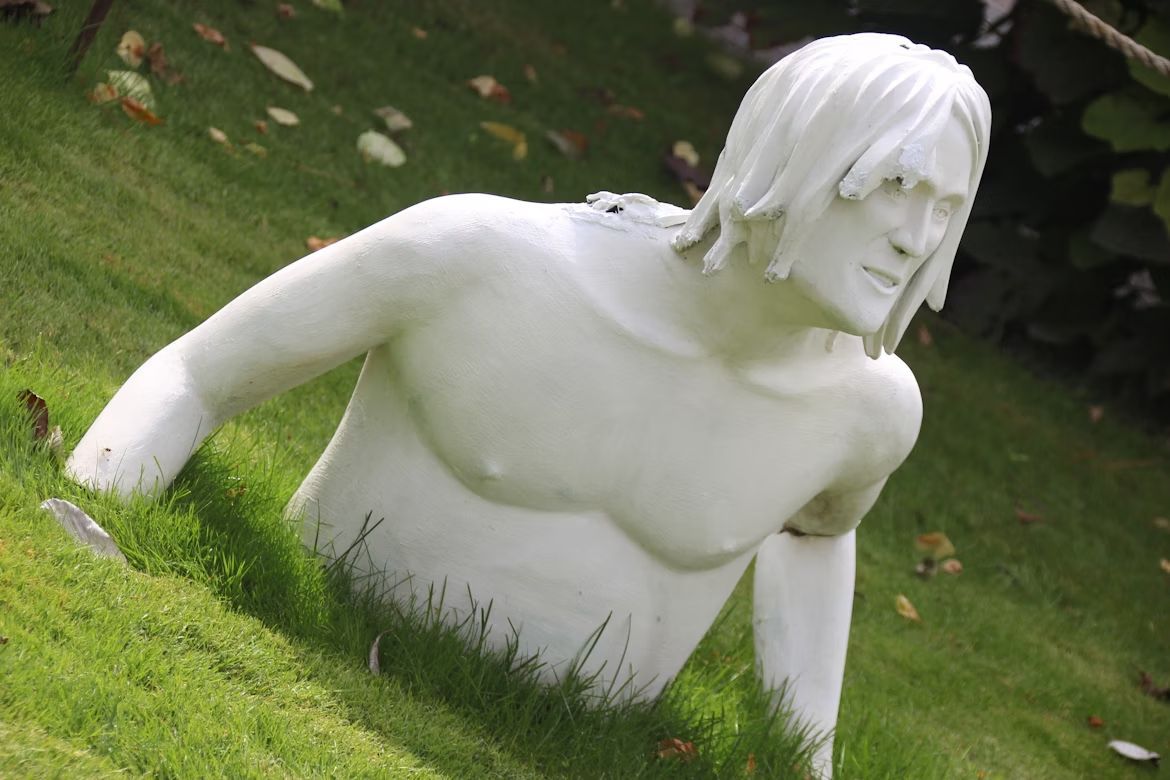
Image: Rainer Bleek

Even if art is not for everyone, we can all agree there are standards for what is considered good or bad, right? Well, The Museum of Bad Art is here to prove us wrong!

Located in Somerville, the Museum of Bad Art is a delightful celebration of artistic mishaps and quirky creativity. What began in 1993 in a Boston basement has now expanded to the Somerville Theater’s basement in Davis Square.

This unique museum boasts over 700 pieces from artists, amateurs, and anonymous creators, featuring donations, thrift store finds, and gifts from the artists themselves. Despite its impressive collection, only about 25 works are displayed at a time , ensuring a fresh experience with each visit. Best of all, it’s free! For a fun and offbeat adventure, this is the place you need to visit!

8
National Bottle Museum - Ballston Spa, New York

Image: James Cousins

Here’s a museum you never thought would exist! But considering bottles are part of our everyday life, have you ever stopped and thought about how bottles are made? Wonder no more, better visit the museum!

The National Bottle Museum is a charming three-story brick building and it showcases over 3,000 bottles on its first floor alone! With seven permanent exhibits, you can marvel at pre-machine-made bottles from every state and even see glowing uranium glass!

Don’t miss the quirky temporary exhibits that go from Coca-Cola bottles to shot glasses, and spa bottles! And, if you are a bottle collector yourself, you’ll love the extensive library available!

9
Sindecuse Museum of Dentistry - Ann Arbor, Michigan

Image: Jonathan Borba

Teeth are the subject of contrarian opinions! Some love it, some find it disgusting. But that wasn’t enough of a reason to prevent Michigan from having a museum devoted to dentistry.

The Sindecuse Museum of Dentistry in Ann Arbor is a hidden gem tucked away in the atrium of the University of Michigan School of Dentistry. It’s one of the few museums in the world dedicated entirely to dentistry!

With over 25,000 objects on display, you will find everything from antique dental tools to quirky historical products dating back to the 18th century. The museum also features fascinating temporary exhibits and engaging programs. Plus, admission is free, so you can enjoy this unique journey through dental history without spending a dime.

10
Museum of Jurassic Technology - Los Angeles, California

Image: Mauro Sbicego

You read that right, the words "Jurassic" and "technology" are part of the same name and they have nothing to do with Spielberg’s millionaire production.

The Museum of Jurassic Technology in Los Angeles is an enigma wrapped in a mystery. Despite its name, there’s nothing particularly Jurassic about it. Instead, this delightfully bizarre museum leads you through dimly lit halls filled with curiosities, from mini models of Napoleon and Daffy Duck to oil portraits of Soviet space dogs.

It’s a wonderfully chaotic mix that keeps visitors scratching their heads and smiling. Perfect for those who love a good mystery, the museum’s quirky collection is as baffling as it is fascinating. Come ready to be amused and bewildered!

General General 5 min read

Sing it proudly!

Patriotic beats: do you know our anthem’s backstory?

Image: Tim Mossholder / Christina Petsos

The US national anthem, "The Star-Spangled Banner," is more than just a patriotic tune; it symbolizes American history, resilience, and unity. And that’s natural, it has a backstory dating back over two centuries, so you can imagine all the interesting, fun details it carries with it. It is filled with historical moments and a few surprises . In this article, we’ll explore 10 intriguing facts about the anthem that you may not know. Let’s dive into the journey of this iconic song and discover how it became a central part of American identity.

1
A song born from the battle

Image: Benjamin Faust

Our anthem was written in mid-September 1814 by Francis Scott Key. But what was it that brought those words to his mind? Well, the lyrics were inspired by the sight of the American flag flying after the British navy was defeated at the Battle of Baltimore.

Key penned the words while observing the conflict at Fort McHenry during the War of 1812. Originally, the anthem began as a poem, not as a song.

It celebrated the fort’s resilience, symbolizing hope for a young nation. Key’s words quickly gained popularity and were eventually set to the tune of an old British song. Little did he know, it would go on to become the anthem we sing today.

2
What’s in a name?

Image: Joshua Woods

Considering what we said before, it’s logical to think The Star-Spangled Banner wasn’t the original title, do you know what it was?

Key’s poem was originally titled "The Defence of Fort McHenry," a clear reference to the conflict that served as his inspiration.

It wasn’t until October or November of 1814, when the first sheet music was printed, that the title changed to the more poetic "The Star-Spangled Banner."

The new name broadened its appeal, allowing it to reach a larger audience who quickly embraced it. It was a name that spoke not just to the battle, but to the pride of the entire nation. This small change made a big difference in how the song was received.

3
A song for all languages

Image: Etienne Girardet

You probably already knew part of these details, but what about this one? Did you know the anthem was translated into German?

During the Civil War, Key’s anthem found a new life: Union supporters translated it into German to recruit German-speaking volunteers for the militia.

That was just the beginning, but it certainly wasn’t the last time it was translated. Over the years, the song has been translated into more than a dozen languages, making it accessible to Americans from diverse backgrounds. This highlights the anthem’s flexibility, which adapts to the times and reaches new groups. After all, freedom and perseverance aren’t exclusively American traits, don’t you think?

4
Baseball’s favorite tune

Image: Wade Austin Ellis

We are all very much used to starting important ceremonies or sporting events by proudly singing the national anthem, but, as you can imagine, there was a first time for that too. Do you know about it?

"The Star-Spangled Banner" made its debut at a sporting event in 1862 during the opening of a baseball stadium in Brooklyn, New York. This marked the first time it was played at a professional game.

Its connection to sports grew stronger over the years, and now it’s a tradition to hear the anthem at nearly every major sporting event. It’s the perfect way to kick off the game, uniting fans in a shared moment of patriotism before the competition begins.

5
Congress made it official… eventually

Image: Joshua Sukoff

The military had already embraced it as an inspirational song, and it had become a tradition to play it at sporting events, but it wasn’t really official until Congress said so and that didn’t happen until 1931. What about that?

The process wasn’t simple, either. Congress debated the decision, facing opposition from various groups—Prohibitionists, pacifists, and even music teachers—but we’ll explore those details in the next section.

Alternatives like "America, the Beautiful" were suggested, but in the end, Key’s song won out. President Herbert Hoover signed the act, and the rest was history: we finally had a national anthem!

6
It’s not easy to sing!

Image: Laith Abuabdu

Remember we said teachers were against it? Can you imagine why? On their side, one of the main complaints about "The Star-Spangled Banner" was that it’s too difficult to sing . And we have to hand it to them, the anthem is notoriously hard to perform.

In terms of scales, the original melody spans an octave and a fifth, a range that challenges even professional vocalists. This explains why many groups struggle with the anthem during public performances. How many can say they’ve truly mastered it—are you one of them?

In any case, the tune, originally a British drinking song, wasn’t designed for mass sing-alongs. No wonder it’s become a patriotic rite of passage to attempt singing it!

7
Women fought for its adoption

Image: Library of Congress

Although it’s not always mentioned first when narrating our history, women have been instrumental in many key moments, and the story of "The Star-Spangled Banner" is no exception.

Women played a significant role in pushing for the anthem’s adoption as the national anthem, how so? The Daughters of the War of 1812, a patriotic women’s organization, were among the most vocal advocates. While some groups opposed it, this organization was very much in favor of it.

Their activism helped build momentum for the 1931 legislation that ultimately led to the anthem’s adoption. In an era when political opportunities for women were limited, this cause offered them a platform to engage in national issues. They succeeded, of course, because persistence pays off!

8
There is no "official" version

Image: Alessio Fiorentino

This might sound far-fetched, but it doesn’t mean there are alternate lyrics to our anthem. Rather, there’s no single, official version of "The Star-Spangled Banner." While various states have tried to legislate performance styles and etiquette, there isn’t a definitive version set in stone.

This flexibility has allowed for creative interpretations, ranging from traditional orchestral performances to more modern adaptations, depending on the context and the event.

And even if it would be nice to have an official version, this gives everyone the possibility to bring new aspects to our national hymn!

9
Jimi Hendrix’s legendary performance

Image: Aditya Wardhana

Proof of what we just said, that the lack of an official version gives place to create amazing new interpretations is Jimi Hendrix’s legendary performance. The psychedelic rock guitarist brought a fresh, rebellious spin to "The Star-Spangled Banner" when he performed it at the 1969 Woodstock Festival . While many are familiar with his electrifying Woodstock rendition, Hendrix actually performed the anthem in concert many more times, over 60 times to be specific.

His interpretation added a new layer of meaning, capturing the turbulent spirit of the era. And even though not everyone liked it, no one can deny that, given the context, it was a powerful message!

10
Do you know the four verses?

Image: Towfiqu barbhuiya

Most of us are familiar with only the first verse of "The Star-Spangled Banner," but did you know the anthem actually has four verses ?

Now, four verses were enough and we can understand that tradition is to sing only the first due to time constraints. But, as it turns out, in 1861, Oliver Wendell Holmes Sr. added a fifth verse, advocating for the end of slavery.

While the additional verses are rarely sung, they tell a richer story of American values and challenges. So, even if you never sing it, you can read the full version and enjoy learning about American ideals!

General General 4 min read

Beyond pizza

Gourmet traveling: 10 amazing local dishes from 10 American states

Image: Ben Eaton

Most of us already know about Chicago’s pizza, Philadelphia’s cheesesteak, New England’s clam chowder, and quite a long list of delicious local dishes. But there is always another dish, maybe not as popular but equally tasty, in every corner of the country. Take a look at the following ten and see if you recognize any of these or even fancy making it at home!

1
Chicken Tetrazzini, California

Image: Lampos Aritonang

California is famous for several dishes, including sushi, avocadoes, and many more but the Chicken Tetrazzini is also a very popular and delicious local dish. Named for an Italian-born opera star who lived in San Francisco, the dish involves thin sliced chicken served with mushrooms in a cream-based sauce flavored with white wine .

The dish was supposedly invented in the early 1900s by Ernest Arbogast, the chef at the Palace Hotel in San Francisco, where Luisa Tetrazzini made her American debut at the Tivoli as Gilda in Rigoletto in 1905.

2
Scrapple, Delaware

Image: Martinet Sinan

While the name may not sound all that appealing, the flavor makes up for it. This meat loaf is made of cornmeal, flour, seasonings, and pork scraps , which gives it its name. It’s then sliced thinly and pan-fried before serving.

As the story goes, this dish owes its existence to the Pennsylvania Dutch not wanting to waste their meat trimmings. Locals claim that it makes for an excellent snack or breakfast addition.

3
Italian Beef, Illinois

Image: Farhad Ibrahimzade

It sounds like beef, but it is a beef sandwich, actually. This deliciousness is made by slow-cooking beef, slicing it thinly, and placing it into a white bread roll with a local hot pickled pepper relish or roasted sweet peppers.

The origin of this dish is informed by Chicago’s meat packing history, as it was made quickly as a lunch item for workers with ingredients at hand.

4
Bierock, Kansas

Image: Jeremias Ybañez

Quite similar to Argentinean "empanadas", bierock are small meat pies created in Kansas by German immigrants in the late 1800s. They are typically stuffed with cabbage, ground beef, and onion but many other flavors can be found as the format lends itself to creativity and can be stuffed with just about anything.

These savory treats are common among the German community and it was brought to the United States in the 1870s by German Russian Mennonite immigrants.

5
Toasted Ravioli, Missouri

Image: Lorenzo Tomassetti

A local specialty from St. Louis, "toasted" ravioli are actually deep-fried and meant to be dipped in sauce and eaten with your hands . They function as an appetizer, entrée, and snack. As the legend goes, in the early 1940s, a raviolo was accidentally dropped into the fryer by a chef. Apparently, someone thought that this happy accident tasted good because, shortly thereafter, the item began appearing on menus across The Hill.

6
Cider Doughnuts, New Hampshire

Image: Pere Jurado

New Hampshire cider doughnuts get their flavor from cinnamon, nutmeg, and apple cider used in the batter. These are cakey donuts, perfect for snacking during fall, and are a harvest tradition sometimes sold at cider mills. They are often paired with apple cider and may be covered with cinnamon and/or granulated sugar.

7
Kase Knoephla, North Dakota

Image: Frank Zhang

These hard-to-pronounce cheese buttons are a form of dumplings of German origin, a nod to the settlers who immigrated to the area. They’re stuffed with a cottage cheese mixture and served with sauteed onions, cheese, and sour cream .

These treats have some similarities with Italian ricotta ravioli. The recipe for the noodle dough is exactly the same as a common recipe for pasta, and the recipe for the cheese is similar to at least one version of ricotta.

8
Pepperoni Rolls, West Virginia

Image: Jez Timms

Imagine a soft white bread roll stuffed with slices of pepperoni and you will be picturing a pepperoni roll. This dish can attribute its existence to the local coal mining industry, as it was created by an Italian baker so miners would have a no-fuss lunch they could pack for work.

During baking, the fats in the pepperoni melt, resulting in a spicy oil suffusing into the bread. Pepperoni rolls are typically eaten for lunch or breakfast, either unheated or slightly warmed.

9
Conch fritters, Florida

Image: Anshu A

You can skip this one if you are not into snails but if you are, by all means, read on. Conch are large sea snails native to the Florida Keys, the Bahamas, and surrounding regions battered and fried as to become a deliciously salty and savory snack.

This dish can be eaten on its own, or fried with chips, or in a seafood salad. But the fritters are perfect for sharing.

10
Ham Balls, Iowa

Image: Сергей Орловский

It should come as no surprise that a state with so many pork farms has its own version of a metaball but with ham. Or at least partially, since ham balls have a mixture of ground meats: ground ham, ground beef, and ground pork . Ham is a cured cut of pork with a smoky quality, it contains a different flavor than ground pork alone.

While these three types of meat together might sound like an odd combination, the mixture results in a flavorful and perfectly textured meatball. Also, to differentiate even further from the classic meatballs, ham balls use graham cracker crumbs instead of breadcrumbs.

Explore more American facts

Choose your favorite category!

General
General

As American as apple pie—the very best America has to offer!

Culture
Culture

Delve into the astounding richness of American lore.

Geography
Geography

Hop in and explore vast and diverse American landscapes.

History
History

Discover the key moments that shaped the United States.