History History 4 min read

Presidential legacies

Did you know a president's calm decision once avoided a nuclear crisis?
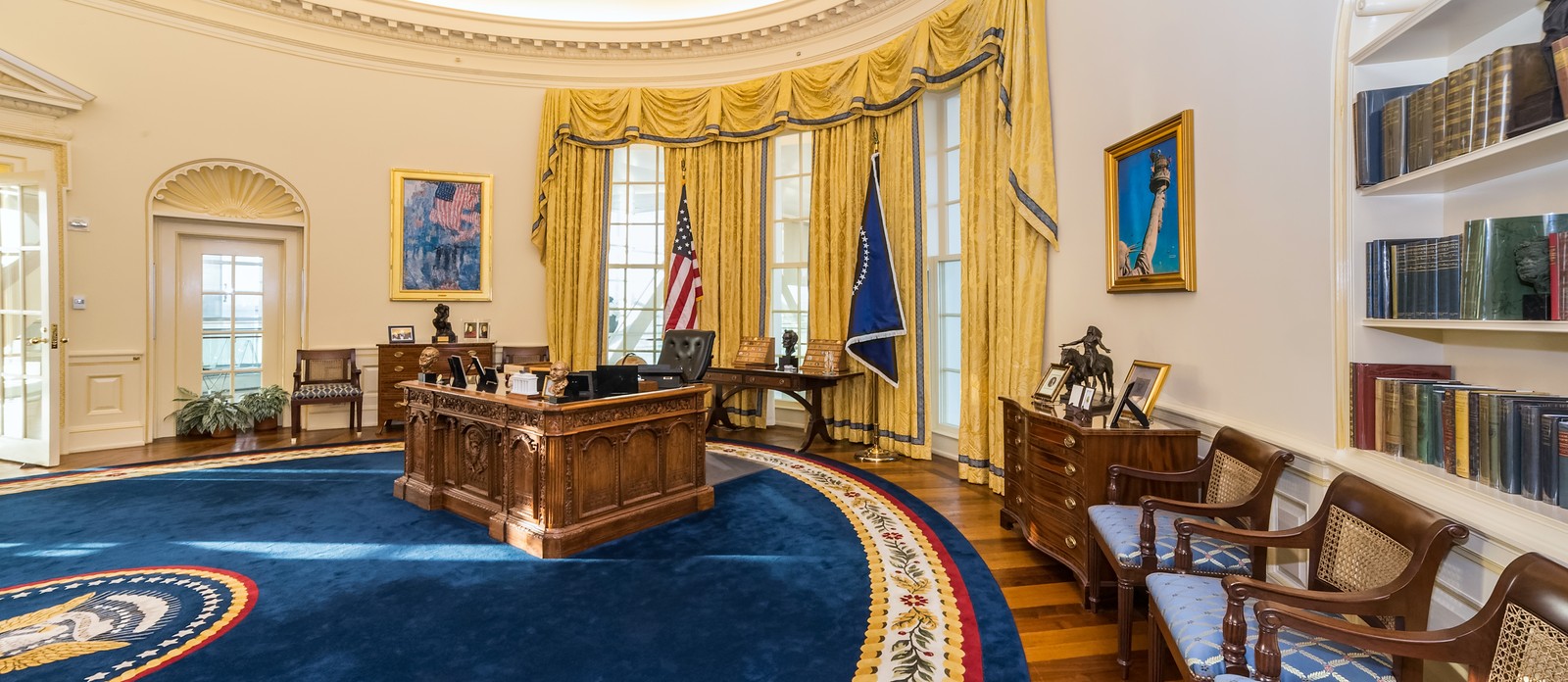
Image: amadeustx

Throughout American history, U.S. presidents have achieved many notable accomplishments that helped shape the nation. From facing down a nuclear standoff to setting our sights on the Moon, these moments have shaped the country we live in today and contributed to its overall well-being . Here are 10 presidential highlights worth remembering.

1
John F. Kennedy
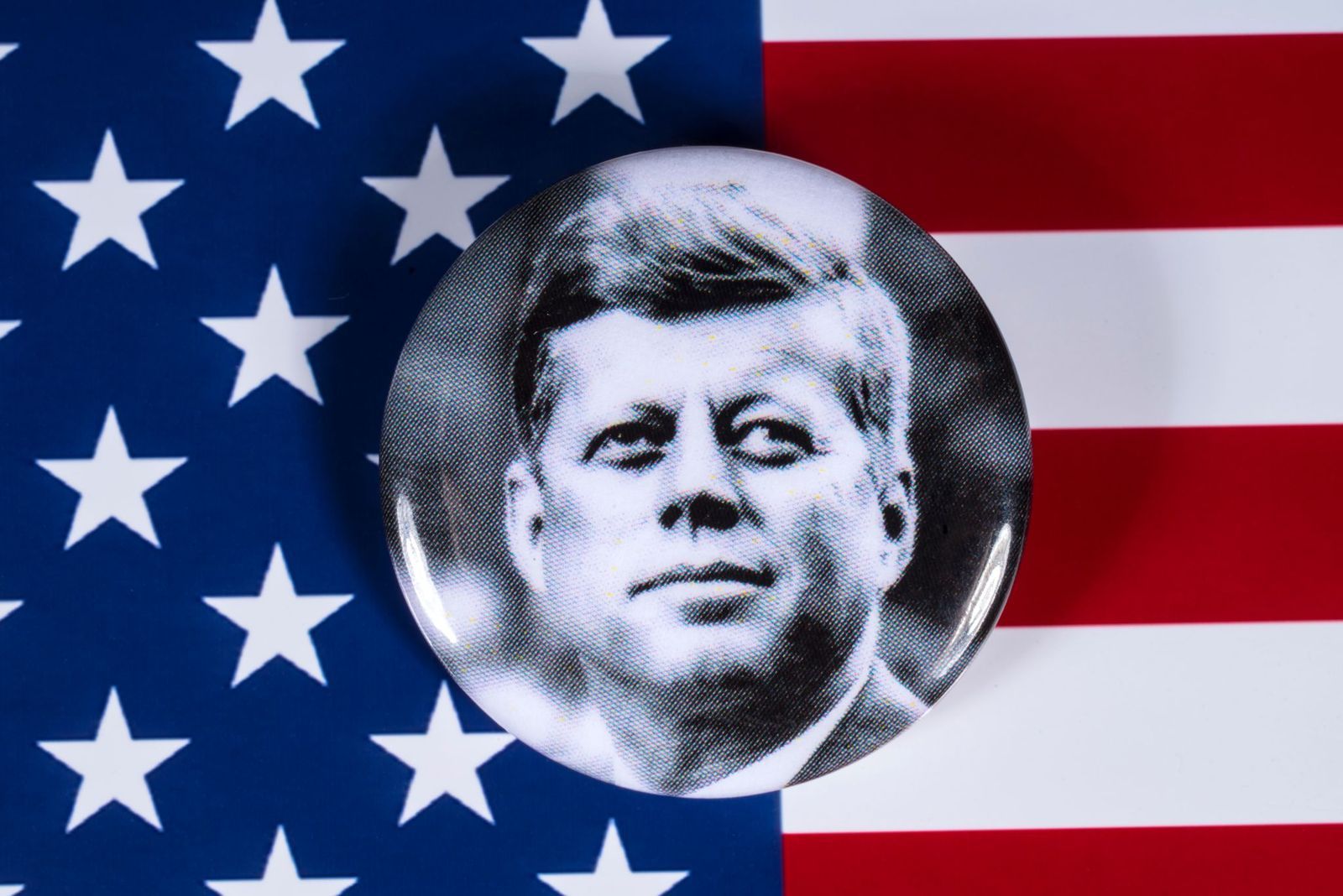
Image: chrisdorney

In October 1962, Kennedy faced the Cuban Missile Crisis, a tense standoff after the Soviet Union placed nuclear missiles just off U.S. shores. Rather than escalating things, he chose careful diplomacy and a naval blockade , and the crisis was resolved without conflict.

In that same era, Kennedy set a bold goal: landing a man on the Moon by the decade's end . Americans rallied behind the space race, and in 1969, Apollo 11 fulfilled its vision, giving the country a shared moment of pride and wonder.

2
Ronald Reagan
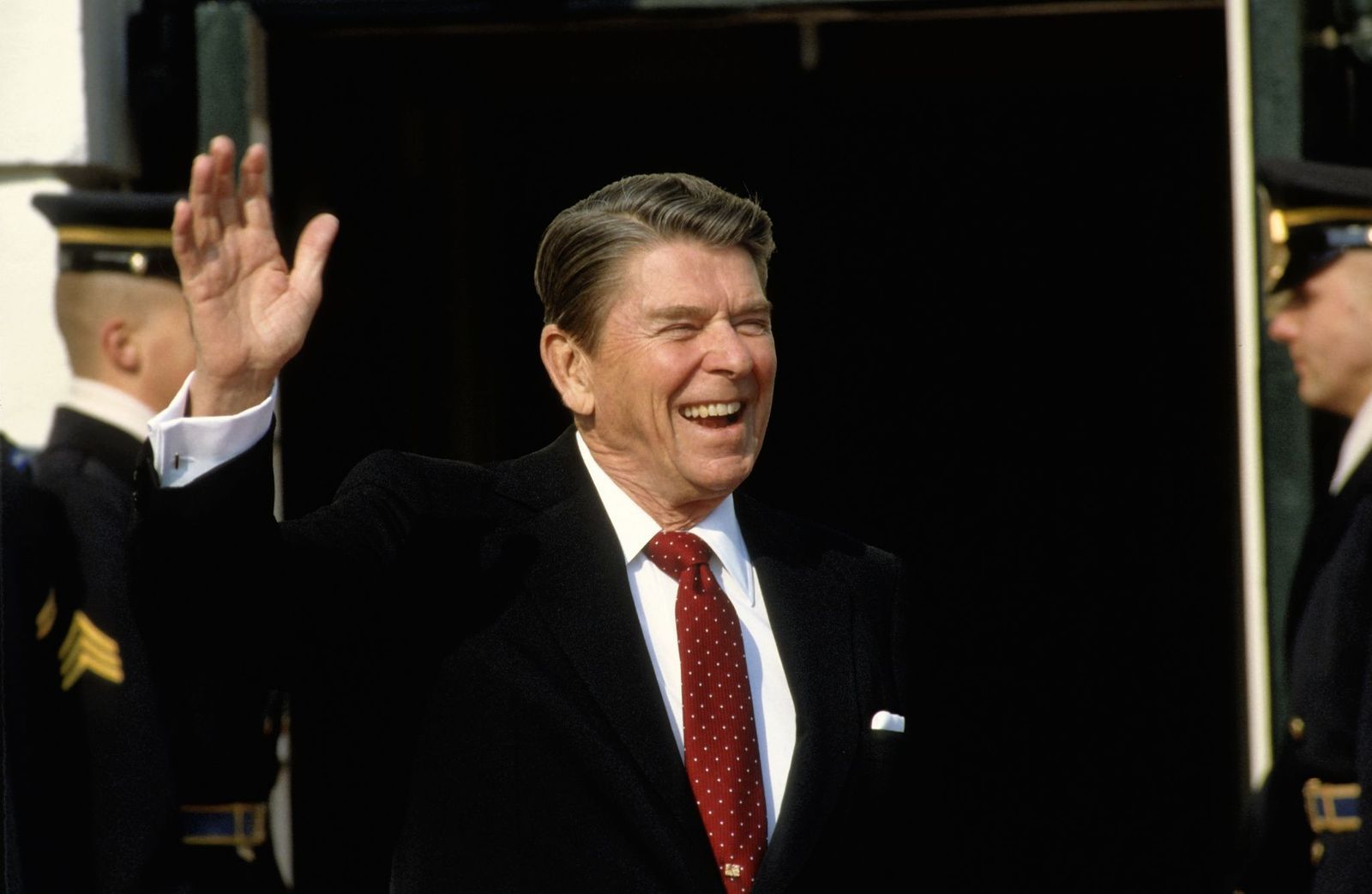
Image: mark reinstein

Throughout the 1980s, Reagan pursued a policy mixing firm diplomacy with a strong national defense, which helped ease tensions with the Soviet Union as the Cold War wound down. His approach is often credited with helping set the stage for its peaceful conclusion .

At home, Reagan pushed through major tax cuts and economic reforms aimed at boosting growth. Supporters felt renewed optimism about the economy, while the changes also sparked debate that still echoes in political conversations today.

3
Abraham Lincoln
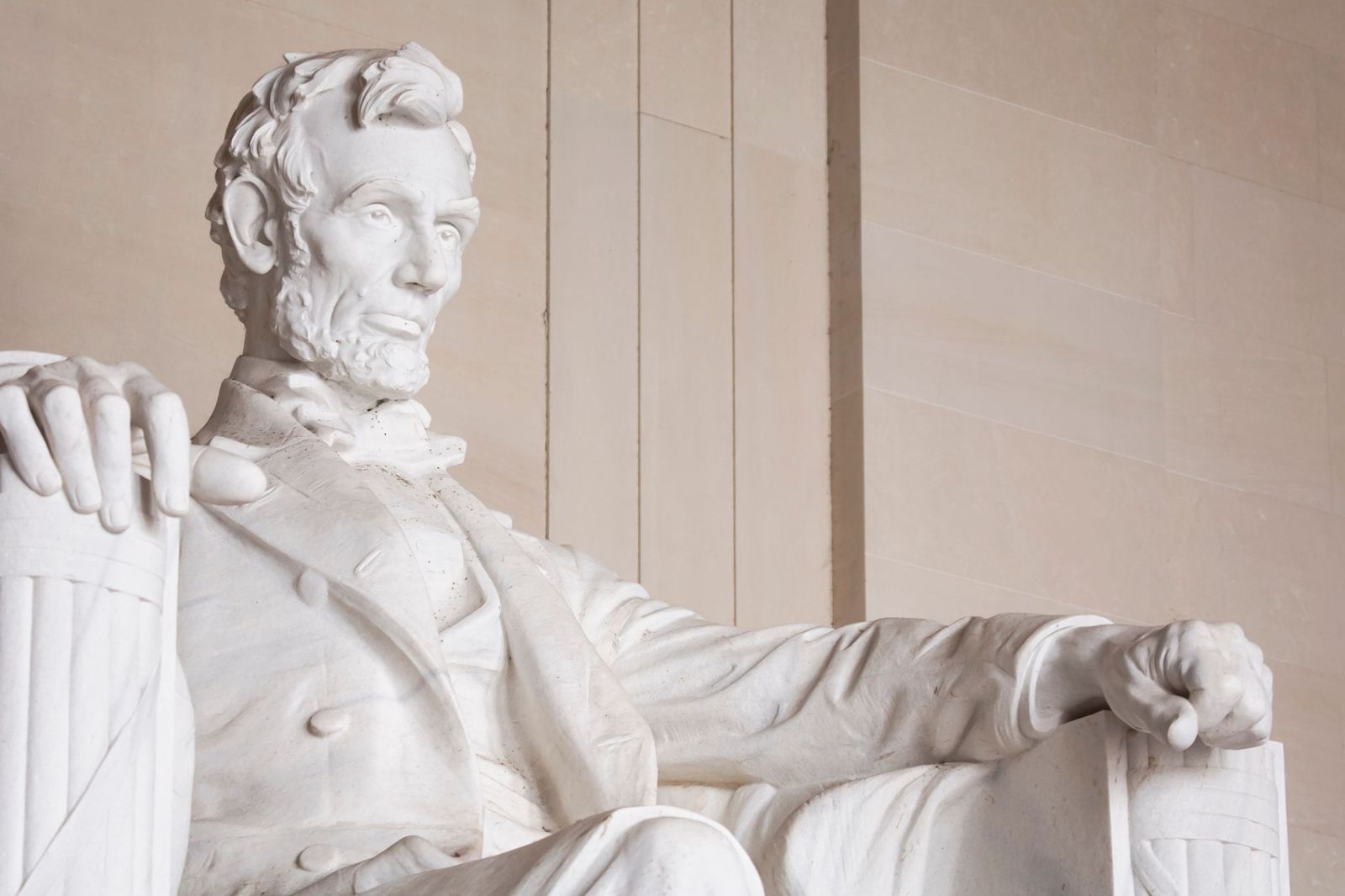
Image: Paul Maguire

During the 1860s, Lincoln worked to hold the nation together through one of its most difficult chapters. His steady leadership focused on preserving the Union at a time when the country's future felt genuinely uncertain.

In 1863, he issued the Emancipation Proclamation , declaring enslaved people in Confederate states free. It was a defining step toward a more just nation, and it remains one of the most celebrated moments in American history.

4
Richard Nixon
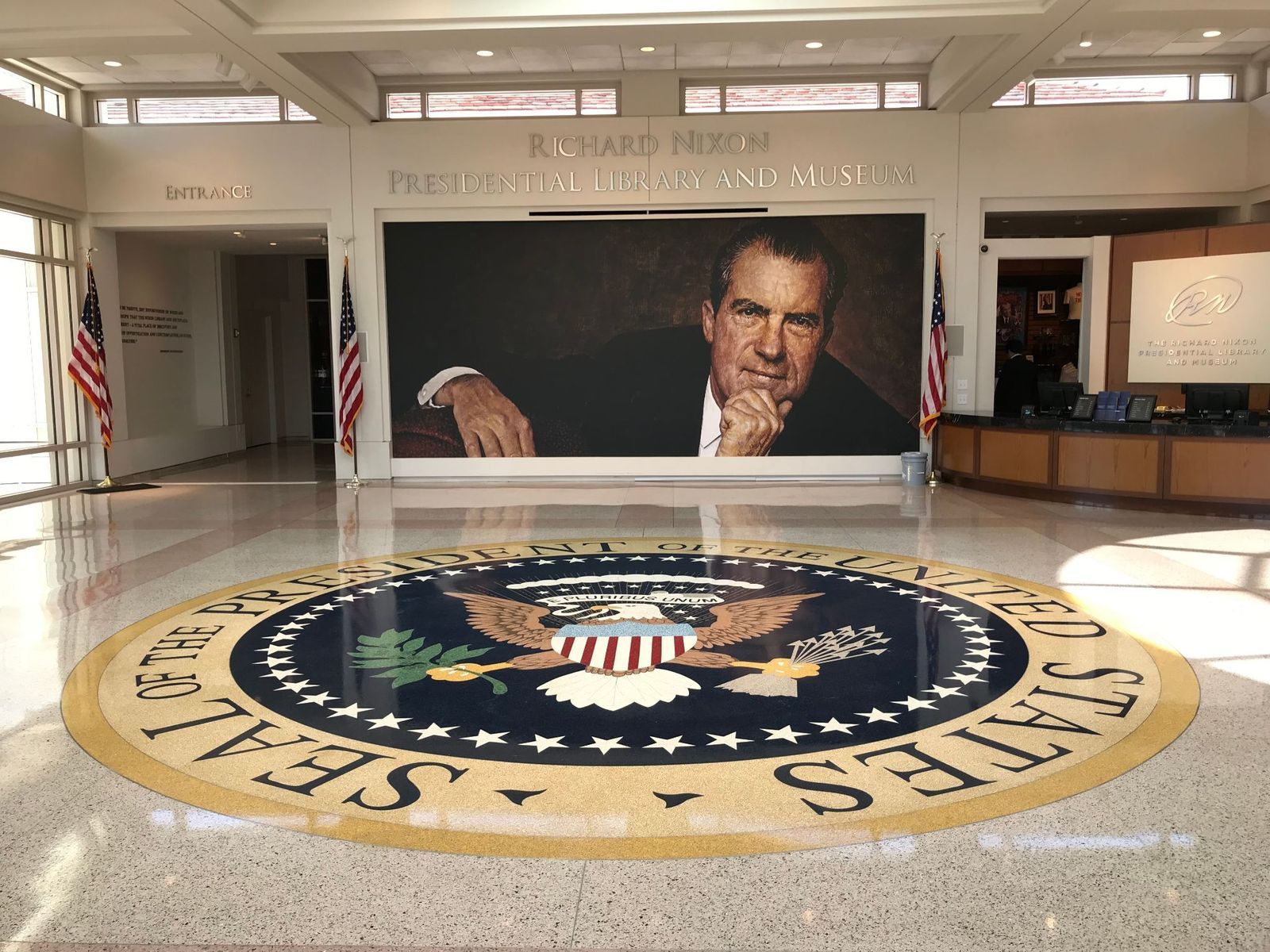
Image: Pamela Brick

In 1972, Nixon made a surprising move by traveling to China, opening diplomatic relations with a nation the U.S. had largely avoided for decades. It was a bold gesture that few expected from him.

The visit reshaped American foreign policy, and the diplomatic and trade ties it opened continue today, even as the relationship between the two countries has had its share of ups and downs over the years. At the time, many Americans were struck by the historic television images of Nixon walking along the Great Wall.

5
Franklin D. Roosevelt
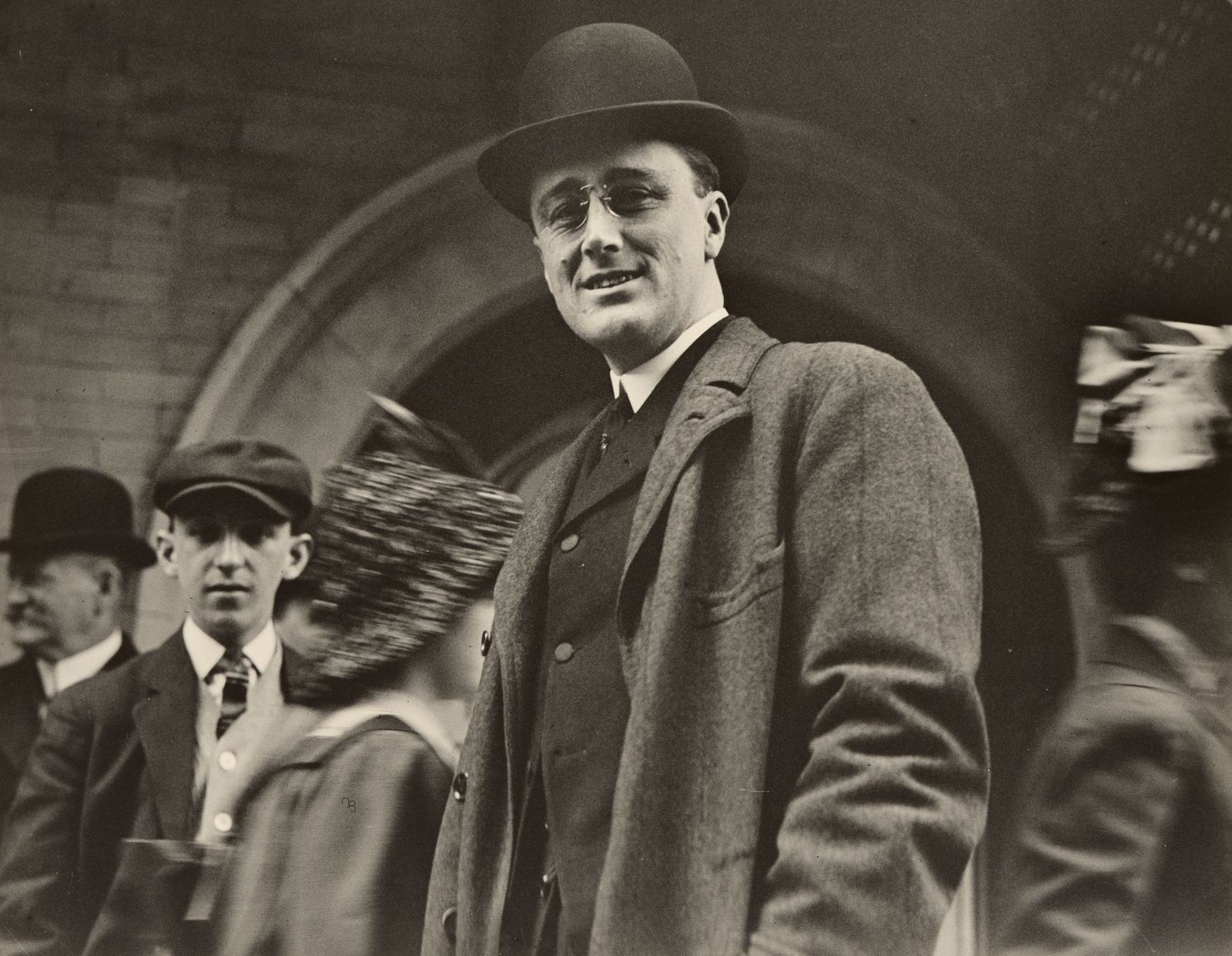
Image: Rawpixel.com

In the 1930s, facing the Great Depression, Roosevelt introduced the New Deal , a set of programs designed to create jobs and rebuild the economy. It gave many struggling families a renewed sense of hope.

He later guided the nation through most of World War II, providing steady leadership during a difficult stretch. Many Americans came to see him as a reassuring, fatherly figure during uncertain times.

6
George Washington
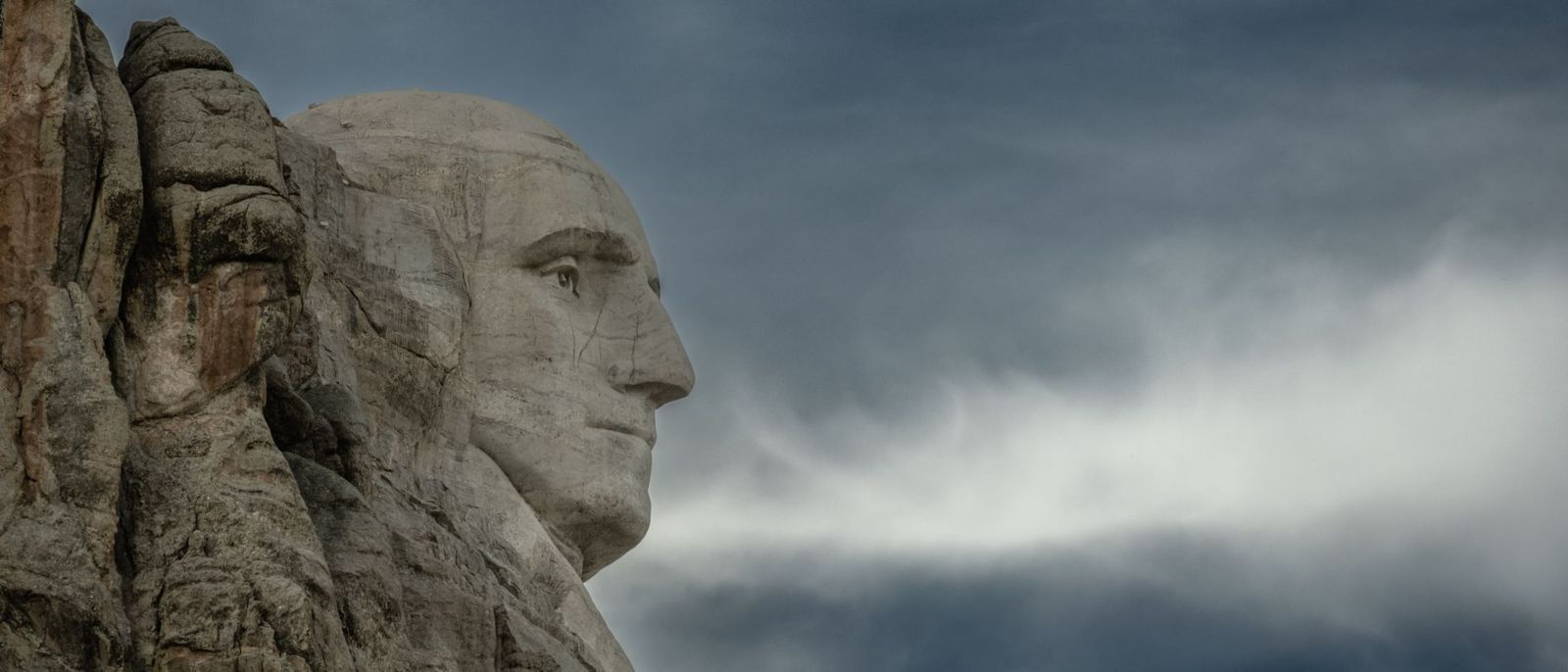
Image: Kelly vanDellen

As the nation's very first president, starting in 1789, Washington had no roadmap to follow. He had to figure out, from scratch, how the role should actually work.

He set lasting precedents, including the two-term tradition and a peaceful transfer of power. People admired his humility and restraint, and his example continues to shape how Americans think a president should lead .

7
Thomas Jefferson
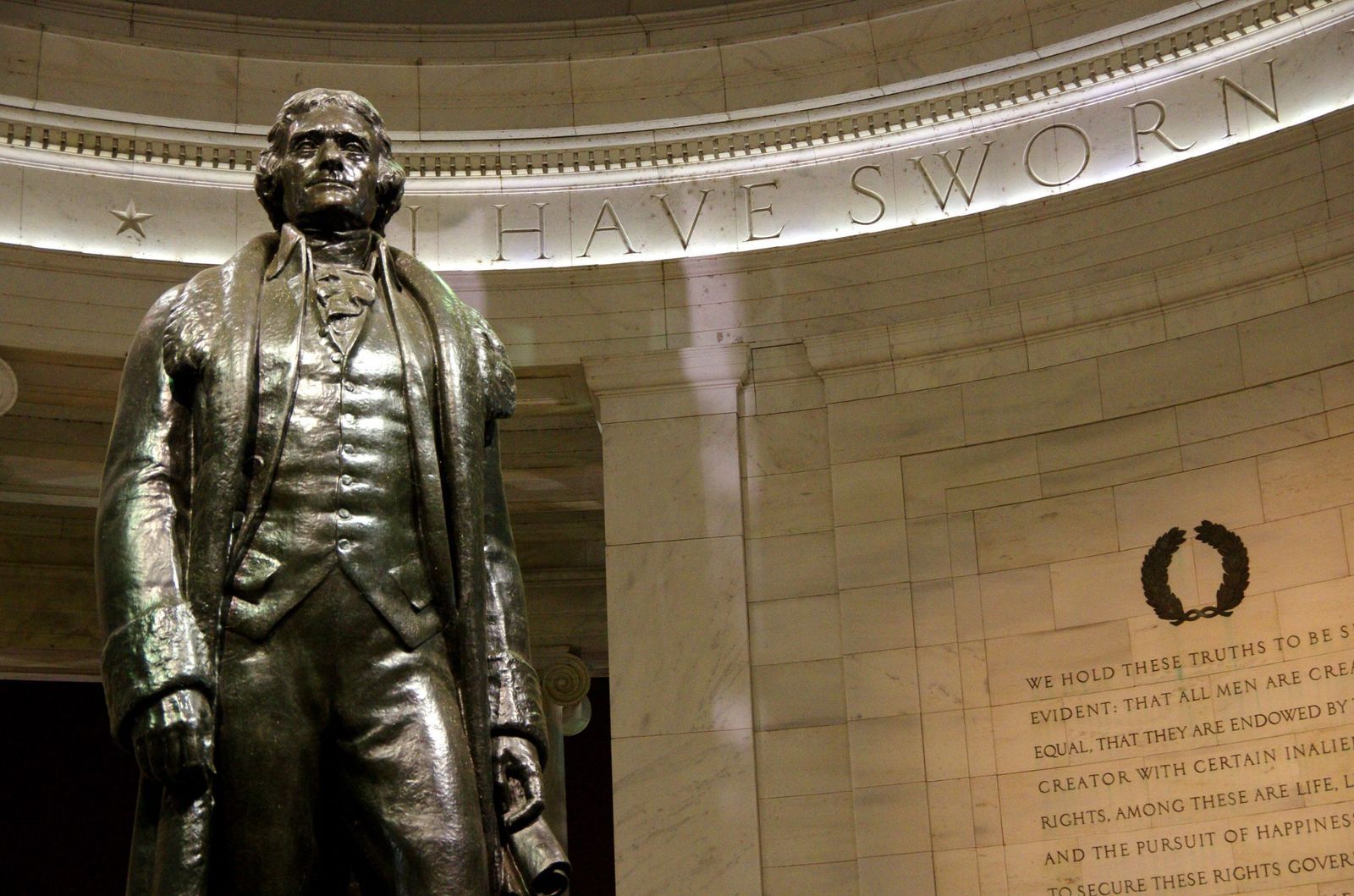
Image: LO Kin-hei

In 1803, Jefferson negotiated the Louisiana Purchase , buying a massive stretch of land from France for roughly three cents an acre. It was one of the best real estate deals in history.

The purchase doubled the size of the United States overnight, opening the door to westward expansion. Many Americans were thrilled by the sudden growth, though it also raised new questions about constitutional limits and how the growing nation would handle its new territory.

8
Harry S. Truman
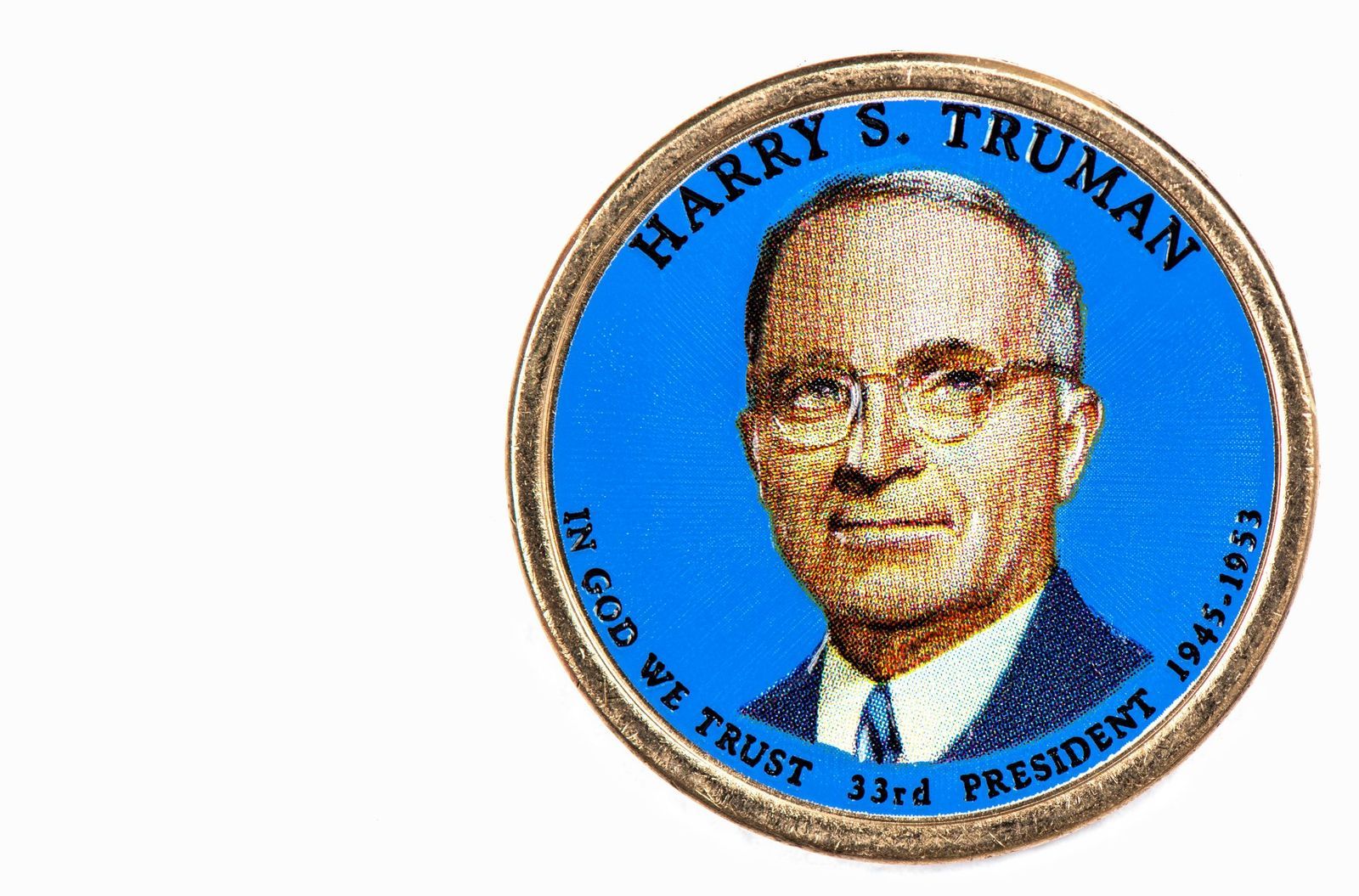
Image: Prachaya Roekdeethaweesab

As World War II wound down in 1945, Truman stepped into leadership during an enormous transition. He then turned his attention to helping Europe recover from years of hardship.

His Marshall Plan sent aid to rebuild European economies, a move widely seen as generous and forward-thinking. It helped foster goodwill abroad and positioned the U.S. as a steady partner on the world stage .

9
Dwight D. Eisenhower
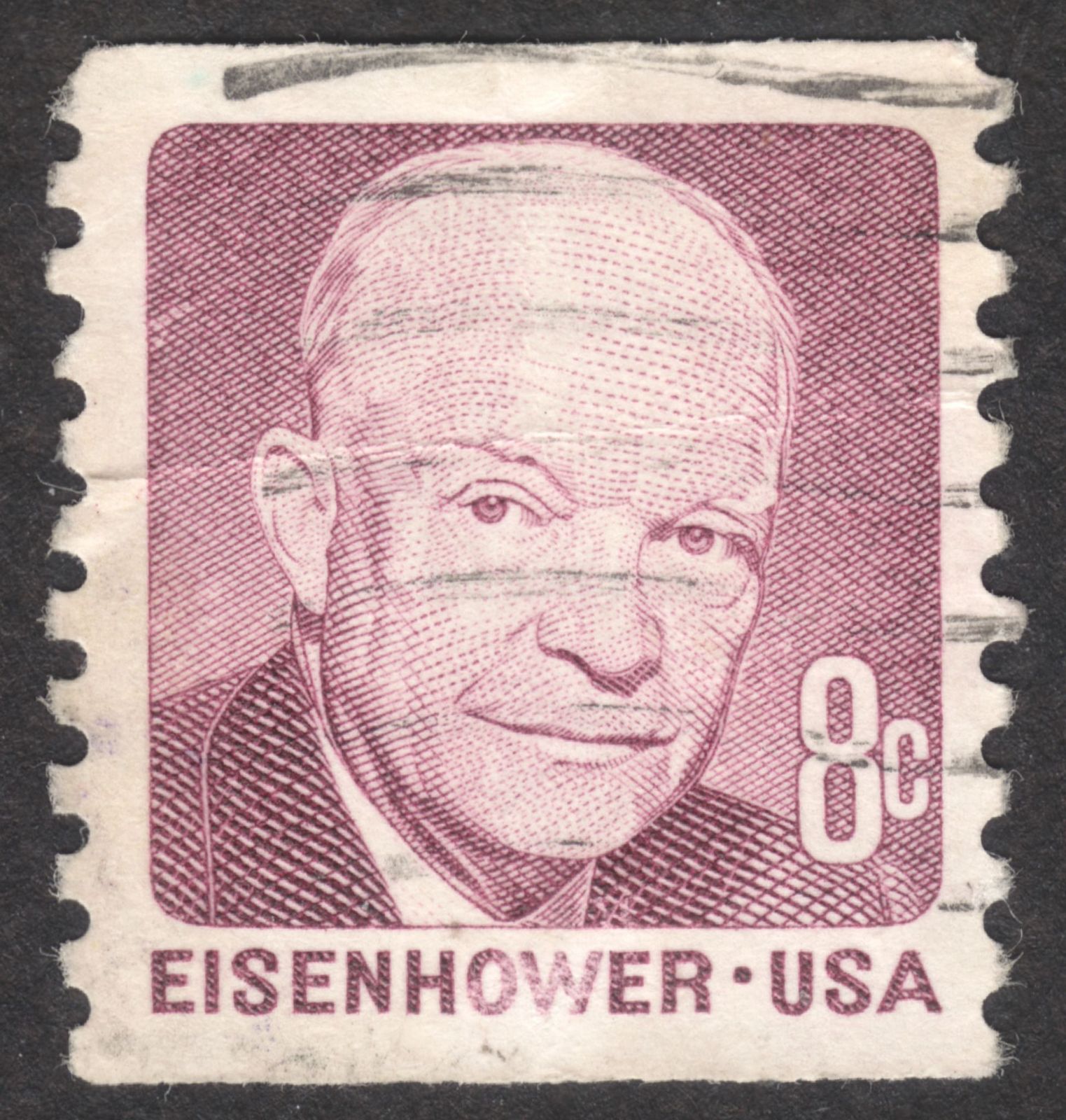
Image: Vitaly Raduntsev

In 1956, Eisenhower championed the creation of the Interstate Highway System , inspired partly by the efficient roadways he'd seen while serving in Europe years earlier. It was a massive undertaking.

The new highways transformed how Americans traveled, shipped goods, and even planned vacations. Road trips became a beloved pastime, and the system remains one of the most visible legacies of any president.

10
Theodore Roosevelt
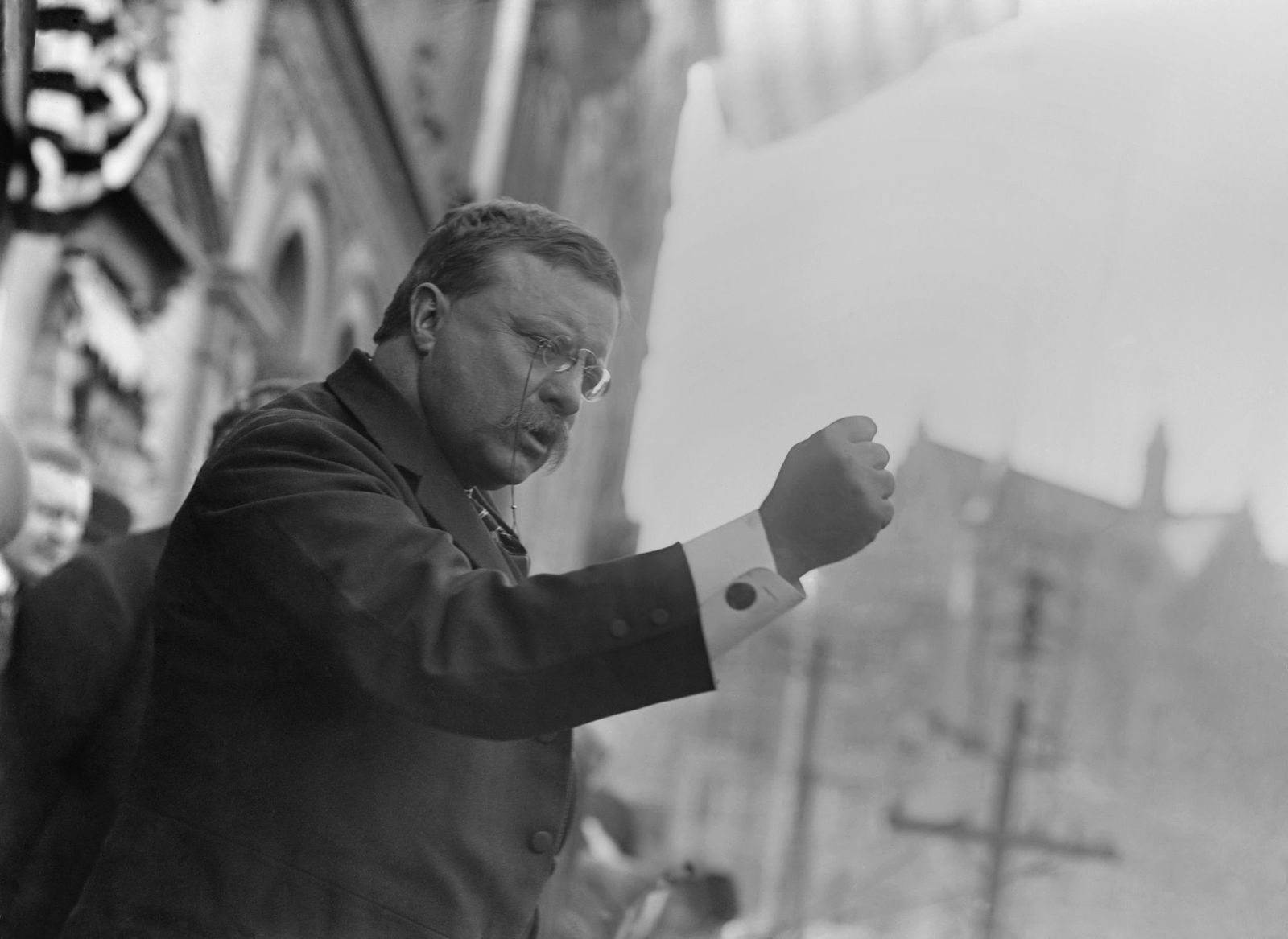
Image: Everett Collection

In the early 1900s, Roosevelt became a passionate champion of conservation, alarmed by how quickly natural landscapes were disappearing. He believed future generations deserved to enjoy them too.

He protected millions of acres, establishing national parks and forests still cherished today. Outdoor enthusiasts of his time praised him warmly, and his legacy lives on every time someone visits a national park.

General General 3 min read

True pioneers

From the incandescent lightbulb to Mickey Mouse: 12 world-changers

Image: Júnior Ferreira

America has had its fair share of trailblazers, empire builders, inventors, artists, and many other brilliant individuals who have changed the world in various ways. Take a look at the following 12 individuals who have achieved significant milestones from backgrounds as diverse as the human race itself. Which one inspires you the most?

1
George Washington

Image: Priscilla Gyamfi

The first name on the list belongs to the Father of Our Nation and first president. As commander of the colonial troops during the Revolutionary War, Washington led the struggle against Great Britain with intelligent military strategy and unwavering leadership.

Quite possibly, his greatest contribution lies in his refusal to become a king or dictator , instead choosing to lay the foundations of a democratic republic.

2
Martin Luther King Jr.

Image: Unseen Histories

This icon of the civil rights movement used nonviolent resistance to combat racial discrimination. Through peaceful protest strategies , King led demonstrations, boycotts, and marches that helped transform the social landscape of America.

His "I Have a Dream" speech in 1963 in Washington, D.C. became a huge milestone in the struggle for equality and an inspiration for millions all over the world.

3
Franklin D. Roosevelt

Image: Jessica Tan

A steady guide through challenging times, Franklin D. Roosevelt led the nation through the Great Depression and World War II. Through his New Deal programs, he introduced revolutionary social and economic reforms, including the creation of social safety nets like Social Security.

His leadership during World War II helped establish the United States as a global power committed to supporting democracy.

4
Susan B. Anthony

Image: Giacomo Ferroni

A relentless activist in the struggle for women’s suffrage , Susan B. Anthony organized campaigns, wrote extensively, and spoke passionately in support of gender equality. Although she did not live to see it passed, her efforts laid the groundwork for the 19th Amendment, which granted women the right to vote.

5
Thomas Edison

Image: Robert Wiedemann

Life as we know it would not be the same without his inventions. And, while the lightbulb would have been reason enough for him to be present on this list, Edison was responsible for numerous innovations—he held over 1,000 patents, including for the phonograph, motion picture camera, and electric power distribution systems—that helped change the course of history forever.

6
Margaret Mead

Image: Stephen Andrews

Margaret Mead’s pioneering work in psychology and anthropology helped develop the understanding that children learn through imitation , particularly by observing their parents and community.

In addition to her academic contributions, she was a vocal advocate for women’s rights and greater sexual openness, influencing the cultural shifts that led to the sexual revolution of the 1960s.

7
Henry Ford

Image: Dan Dennis

Thank him for the popularization of the automobile and the introduction of the 40-hour, five-day workweek . America would not be the same without Henry Ford and his revolutionary industrial ideas, which transformed manufacturing and daily life.

8
Betty Friedan

Image: Deniz Demirci

Women’s rights owe much to Betty Friedan, whose groundbreaking work challenged the limited roles assigned to women in mid-20th-century America . Her book The Feminine Mystique gave voice to the dissatisfaction of the American housewife and sparked a national conversation about the validity of traditional gender roles.

9
Andrew Carnegie

Image: Denis Chick

Largely considered as one of America’s greatest self-made men, Andrew Carnegie played a pivotal role in shaping the nation's industrial identity. His leadership in the steel industry helped propel the United States into a position of global economic dominance in the early 20th century.

10
Orville and Wilbur Wright

Image: History in HD

Transportation would never have been the same without Orville and Wilbur Wright, brothers from Ohio, who changed the world forever by inventing powered flight on the shores of Kitty Hawk, North Carolina.

11
Alexander Graham Bell

Image: Pavan Trikutam

That black rectangular device near you is the modern evolution of Alexander Graham Bell’s original invention, one that would change the way humans communicate in profoundly lasting ways.

12
Walt Disney

Image: Travis Gergen

Walt Disney’s influence on the childhoods of generations of Americans is undisputed. He forever changed the world of entertainment for both children and adults through his iconic characters and innovative theme parks, which now exist all over the world.

Geography Geography 4 min read

Try not to laugh!

Why? No name? You won’t believe these US towns are called that!

Image: Jeremy Adams

America is home to some truly unique town names… You know, some are charming, some are also confusing , but then again, some make you wonder what exactly the founders were thinking. For example, is Unalaska trying to fly solo? Whether inspired by accidents, geography, or a bit of a je-ne-sais-quoi , these towns prove that creativity knows no bounds. Try to pick a favorite!

1
Unalaska, Alaska

Image: Hari Nandakumar

Despite what the name suggests, Unalaska is not trying to break away from the rest of the state. The town’s name comes from Agunalaksh , the original name given by the Unangan people. Over time, spelling and pronunciation changes led to the simplified version: Unalaska.

In the late 1800s, the US Board on Geographic Names made it official, but don’t worry, it’s just the name; the beauty is certainly Alaskan!

2
Why, Arizona

Image: Kaileen Fitzpatrick

If you’ve ever asked yourself "Why?", you might be thinking too hard. This Arizona town got its name because of a simple road design: State Routes 85 and 86 originally met in a Y-shape.

When it was time to name the community, the locals wanted to call it Y (yes, you read that right), but Arizona law required town names to have at least three letters. So, they got creative and went with Why. Why, right?

3
No Name, Colorado

Image: Rich Martello

What do you call a town when you just can’t decide on a name? Apparently, (and logically, if we might say so), No Name. The story goes that when developers were working on Interstate 70, they left the town’s exit sign blank.

A transportation official later labeled it "No Name", and the locals decided to go with it . State officials tried to rename the area, but the people weren’t having it. They simply loved it!

4
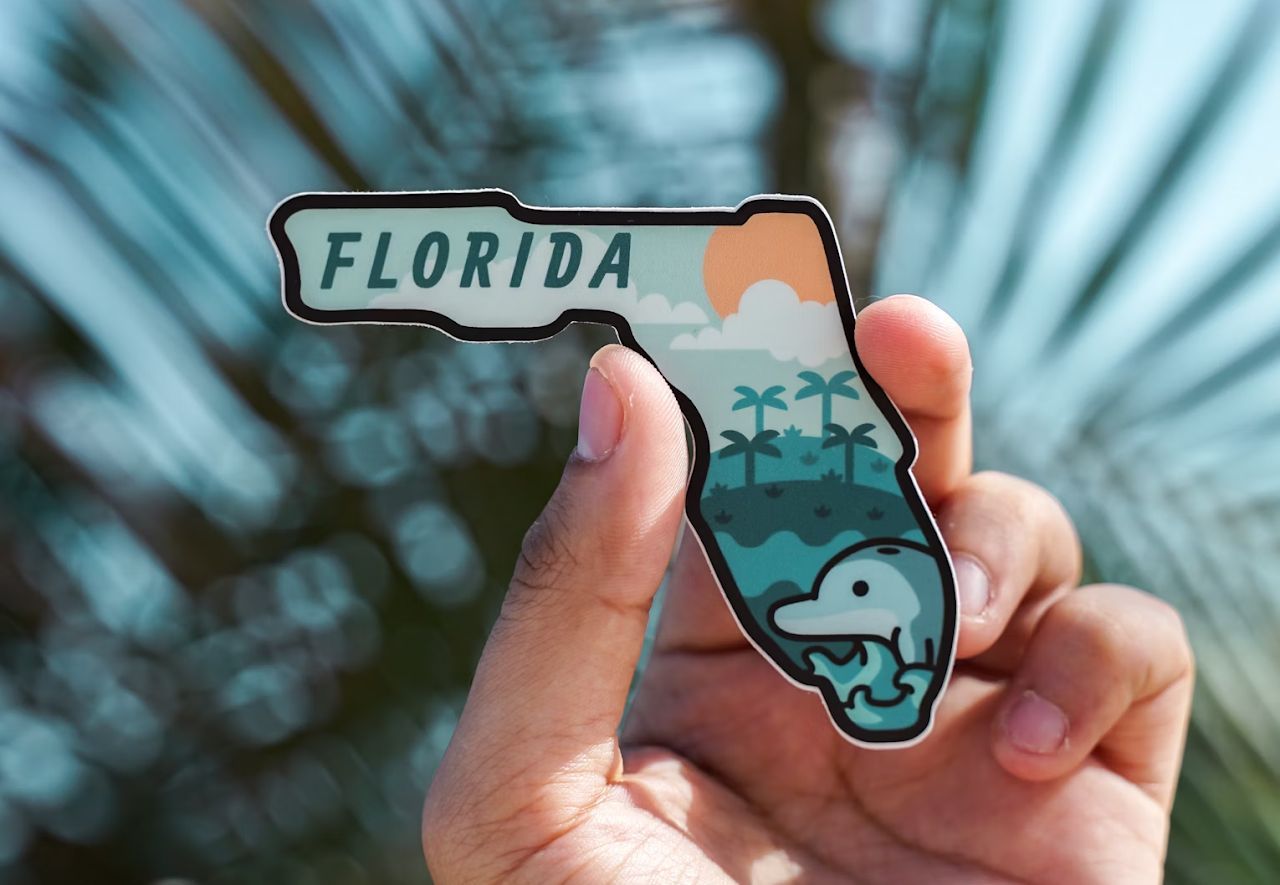
Burnt Store, Florida

Image: Done By Alex

The name Burnt Store sounds like something out of a Wild West showdown, and the real story (or the legend, actually) isn’t too far off, you know?

Legend has it that in 1849, a trading post on the Peace River was burned to the ground after an attack. The store’s manager, George Payne, had dealings with the Seminole Indians before he was killed in an ambush. Shortly after, the store itself was destroyed. The tragic event left a permanent mark on the town’s history and its name.

5
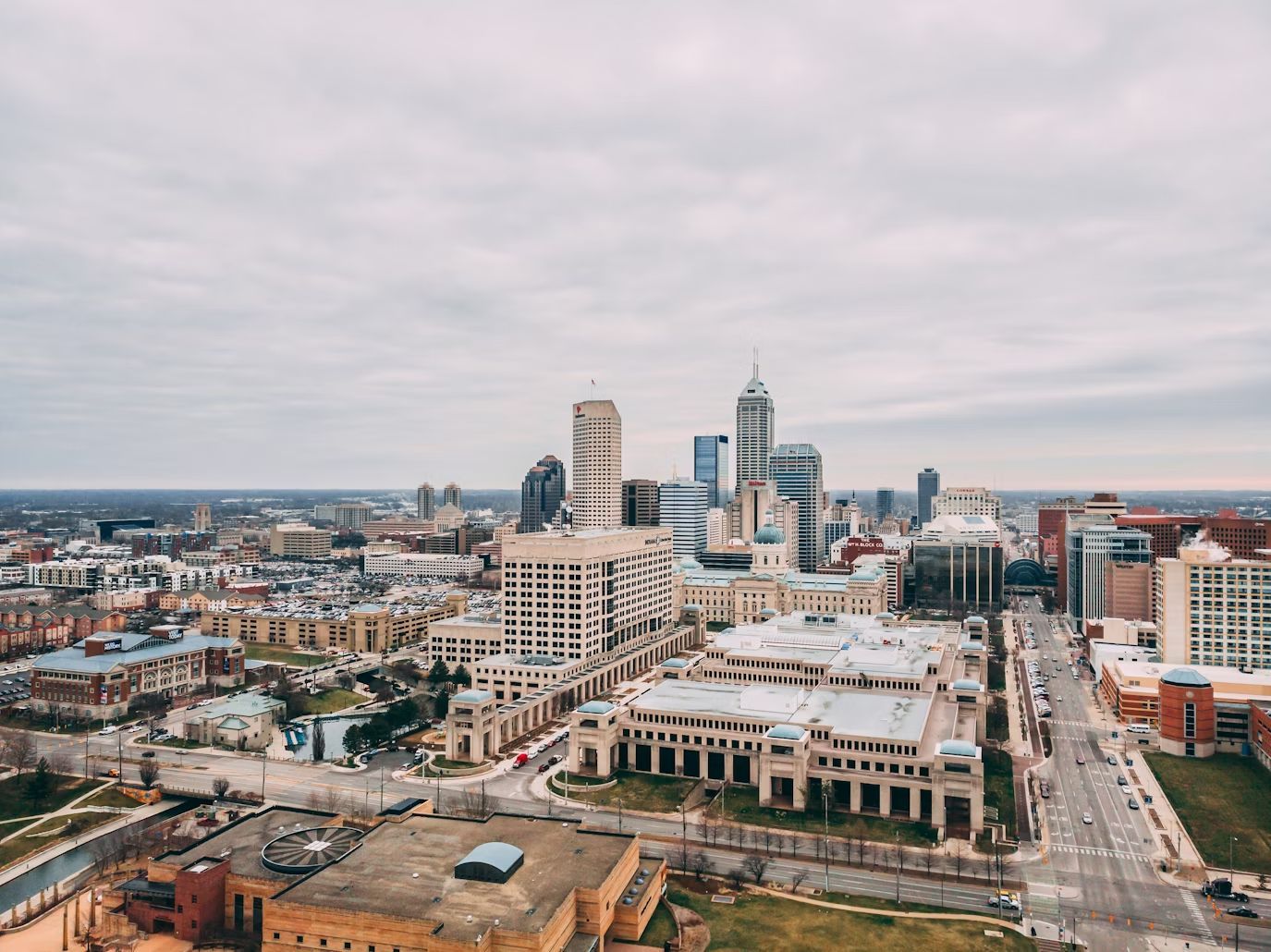
Santa Claus, Indiana

Image: Ryan De Hamer

Originally called Santa Fe, this town located in Indiana had to change its name when officials discovered another Santa Fe already existed in the state.

People saw this as an opportunity, and instead of picking something new and extraordinary, they went all in on holiday spirit and became Santa Claus in 1856.

The town fully embraces its Christmas identity; it has attractions like Holiday World, Lake Rudolph Campground, and Frosty’s Fun Center. If you love the holidays, this is the place to be!

6
Bald Head, Maine

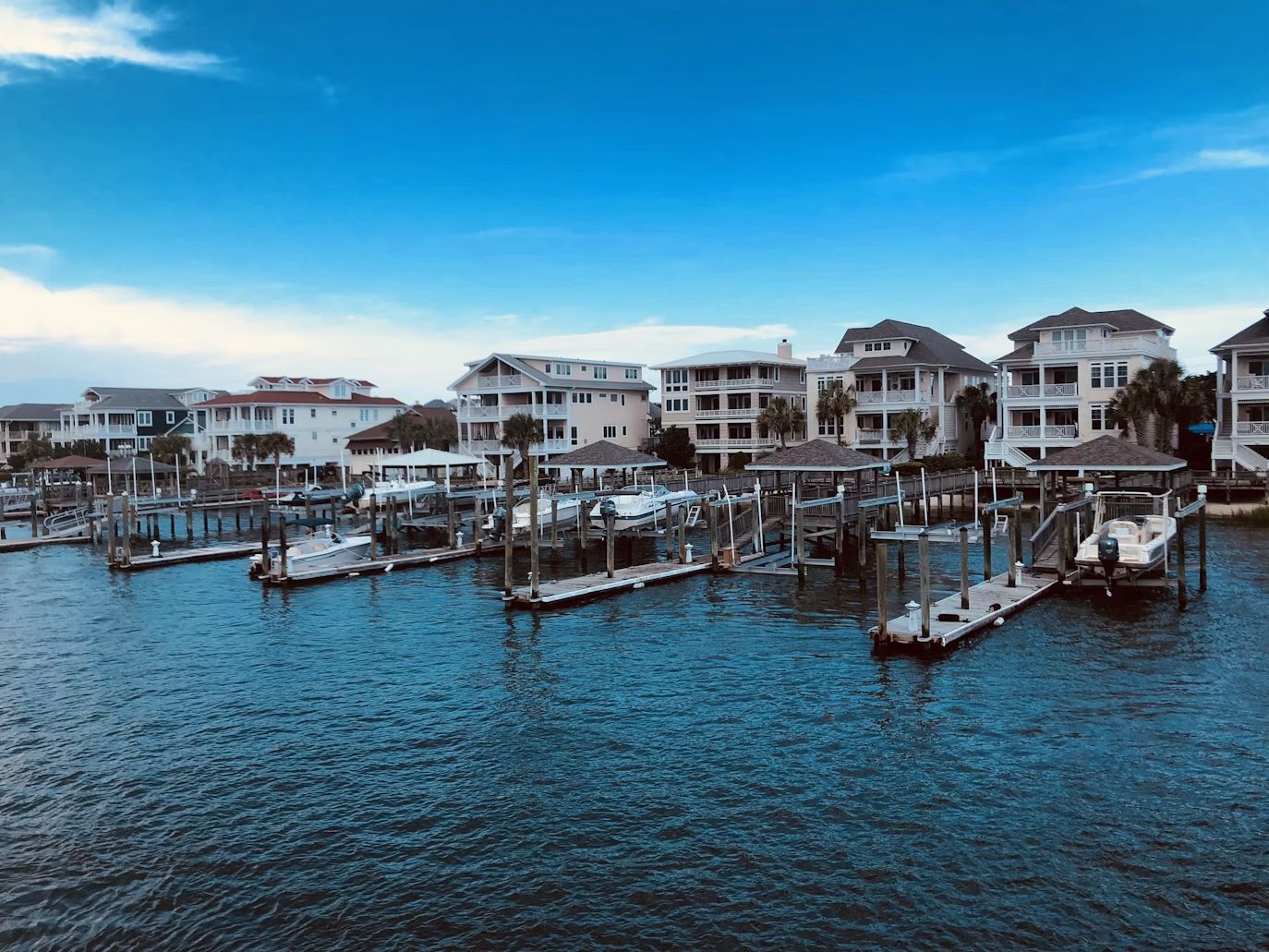
Image: Michael Denning

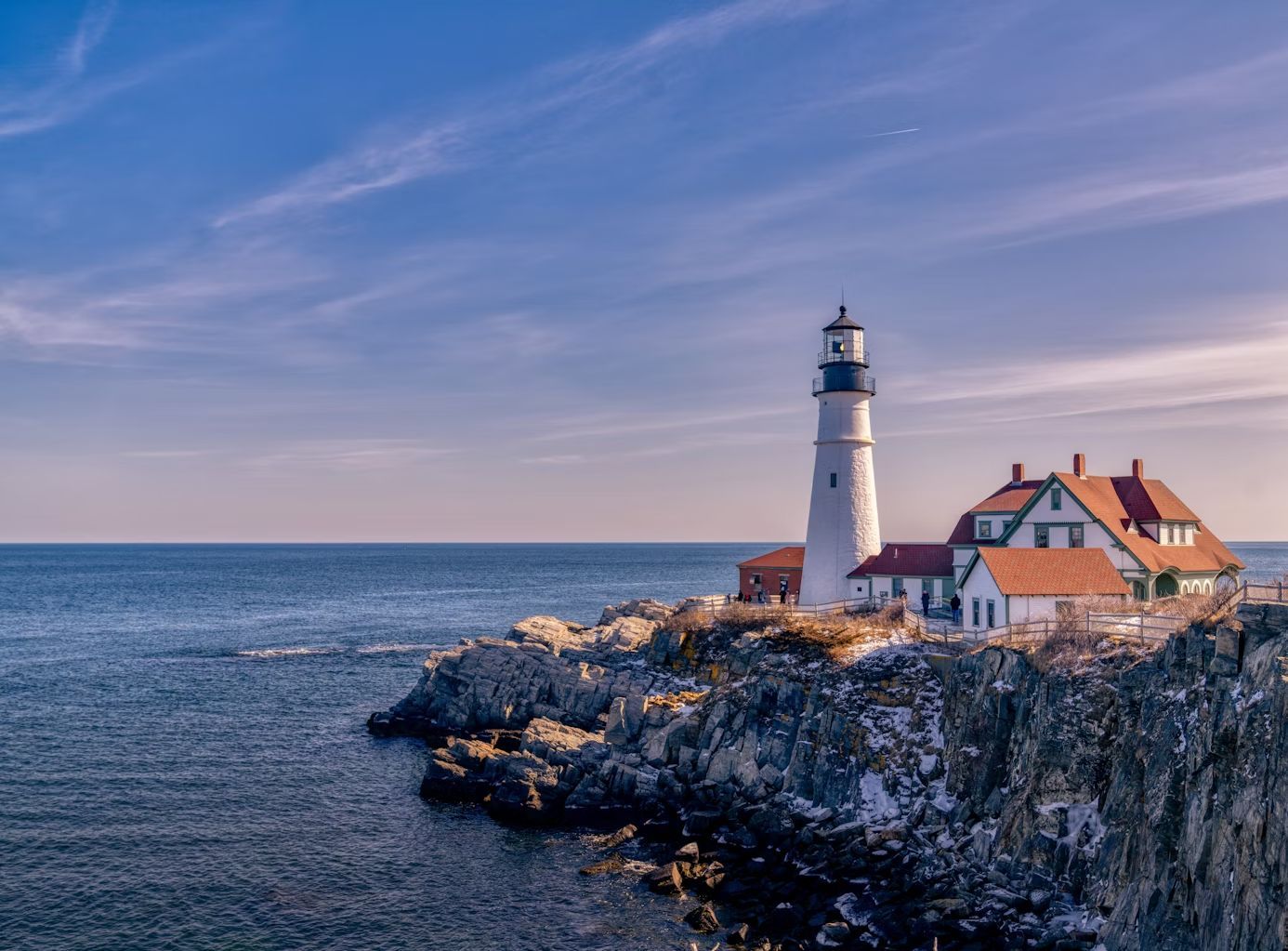
If you’re expecting a town full of shiny, bald-headed guys, well, you might be disappointed. Bald Head, Maine, actually gets its name from a nearby cliff called Bald Head Cliff .

Now, we all want to know the same: Does it look like a bald head? Sorry to disappoint, but not really. Still, the name has stuck, and the scenic beauty of the area more than makes up for any confusion. Just don’t show up expecting a bald head convention!

7
Accident, Maryland

Image: Colin Lloyd

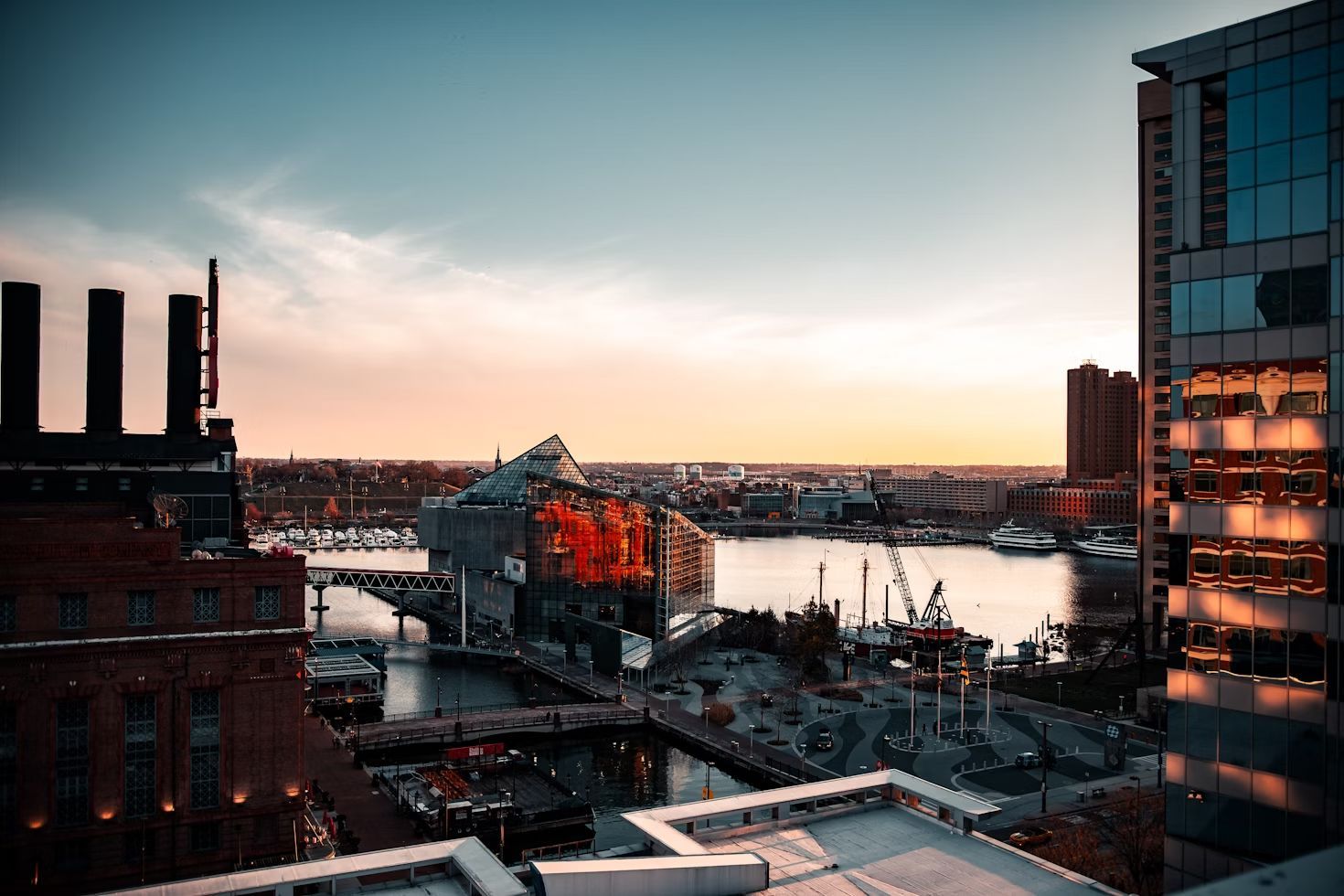
Accident, Maryland, owes its name to an actual accident… Well, kind of. In the 1700s, two land surveyors both accidentally claimed the same piece of land without realizing it . One of them, William Deakins, Jr., later allowed the other, Brooke Beall, to keep it. Rather than rename the town, the name Accident stuck. Talk about a happy accident… And generosity!

8
Whynot, North Carolina

Image: Brendan Steeves

Similar to Why, Arizona, this North Carolina town also came about after a naming debate that got a little too long.

Legend has it that settlers were arguing over what to call their new town when one exasperated resident finally said, "Why not just name it Whynot and go home?" And just like that, Whynot was born.

9
Boring, Oregon

Image: everett mcintire

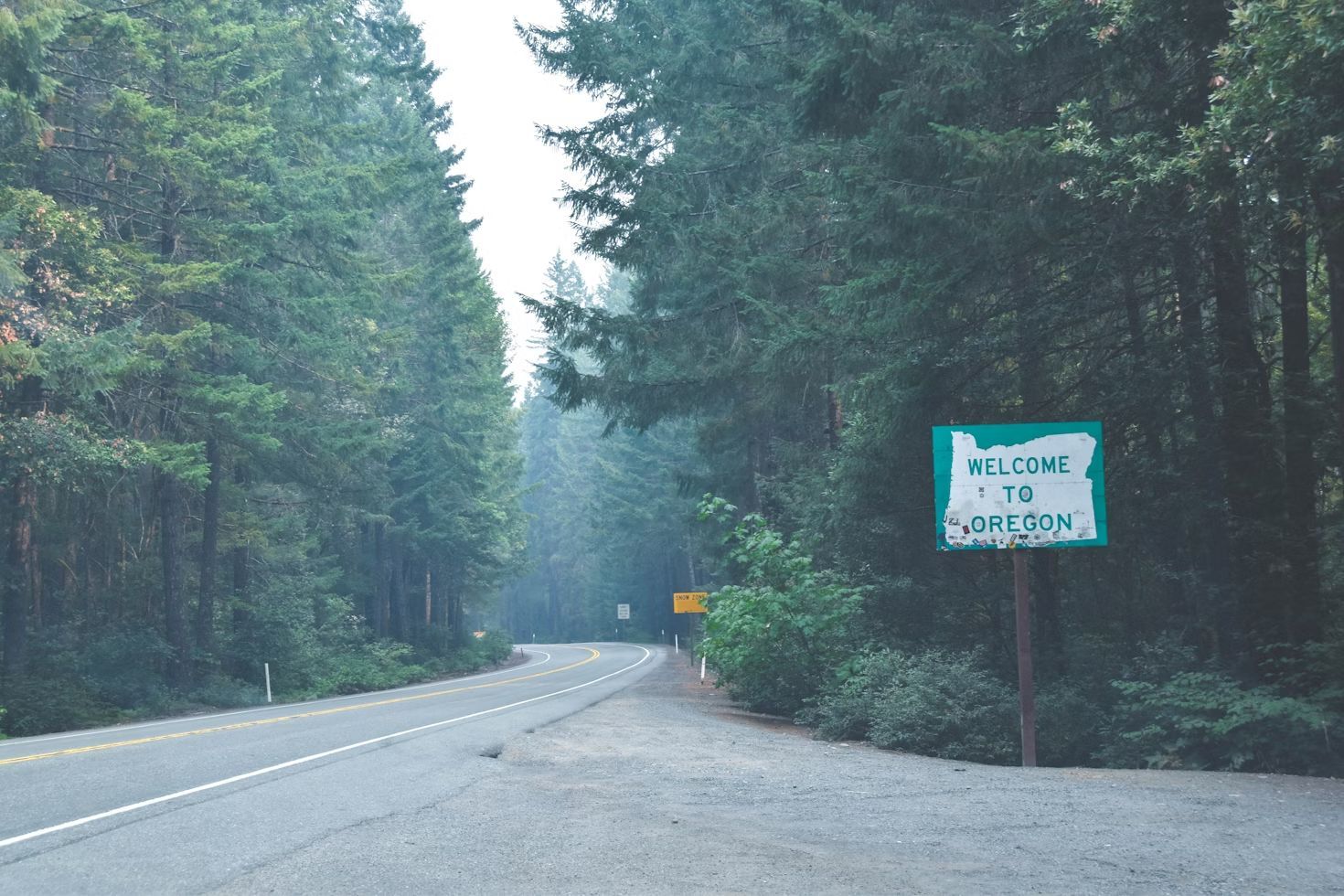
Yes, we get it. The first thing that comes to mind is "Why would you name your town this?" But despite what the name suggests, Boring, Oregon, isn’t actually boring . If you need some proof, just ask the locals!

Named after William Harrison Boring, one of its early settlers, the town became a hub for the timber industry. To make things even funnier, Boring has international "sister city" partnerships with Dull, Scotland, and Bland, Australia. If you ever visit, you’ll find that Boring is anything but!

10
Mosquitoville, Vermont

Image: Peter James Eisenhaure

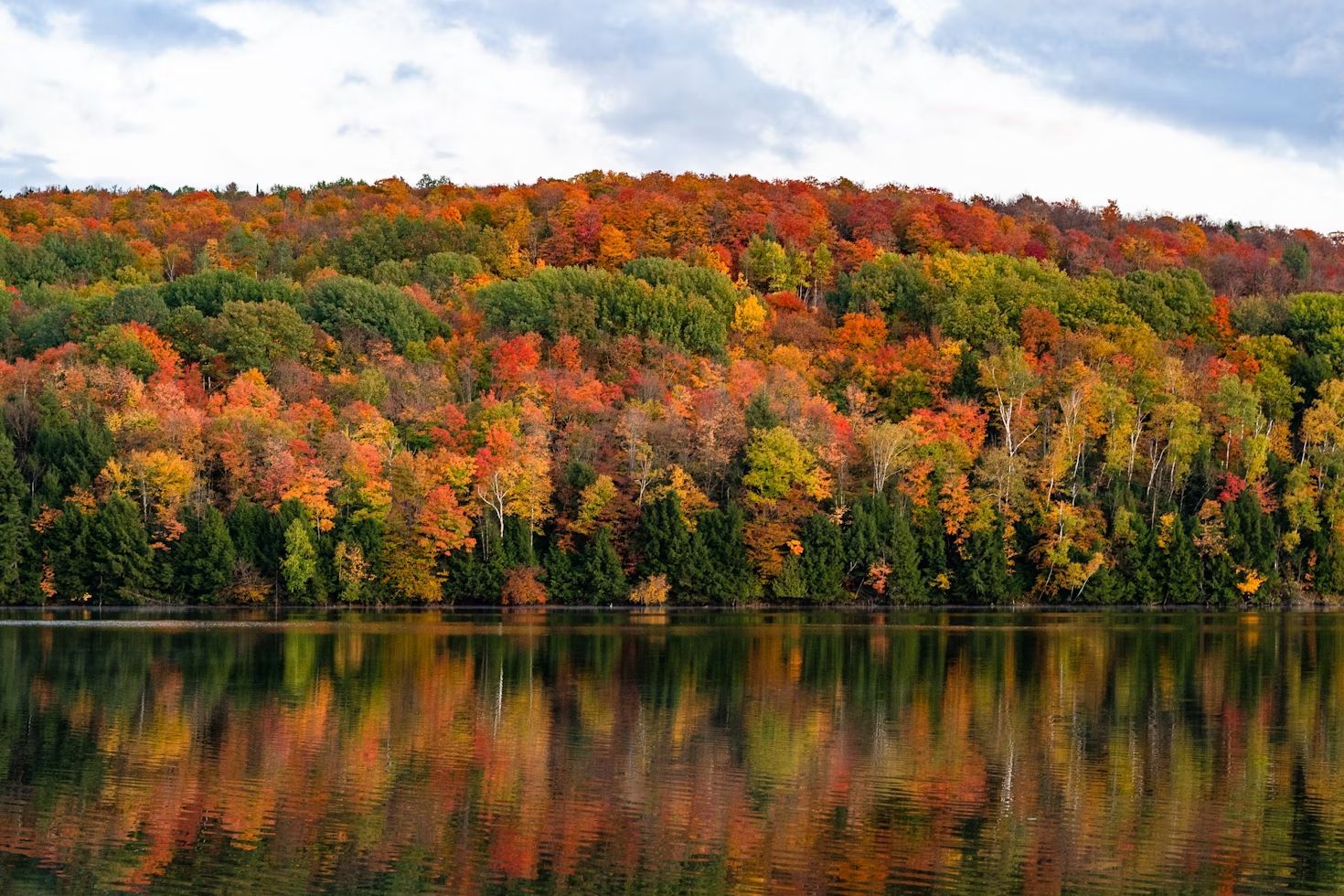
If you were reluctant to visit Boring, imagine visiting Mosquitoville! The name alone makes us want to grab a can of bug spray!

Mosquitoville is actually a small community in Barnet, Vermont, and while we can’t confirm just how many mosquitoes live there, the name doesn’t sound very promising. You’ll just have to go one summer and find out! Only if you dare!

Explore more American facts

Choose your favorite category!

General
General

As American as apple pie—the very best America has to offer!

Culture
Culture

Delve into the astounding richness of American lore.

Geography
Geography

Hop in and explore vast and diverse American landscapes.

History
History

Discover the key moments that shaped the United States.