General General 3 min read

Money matters

In cash we trust: The hidden history of American money
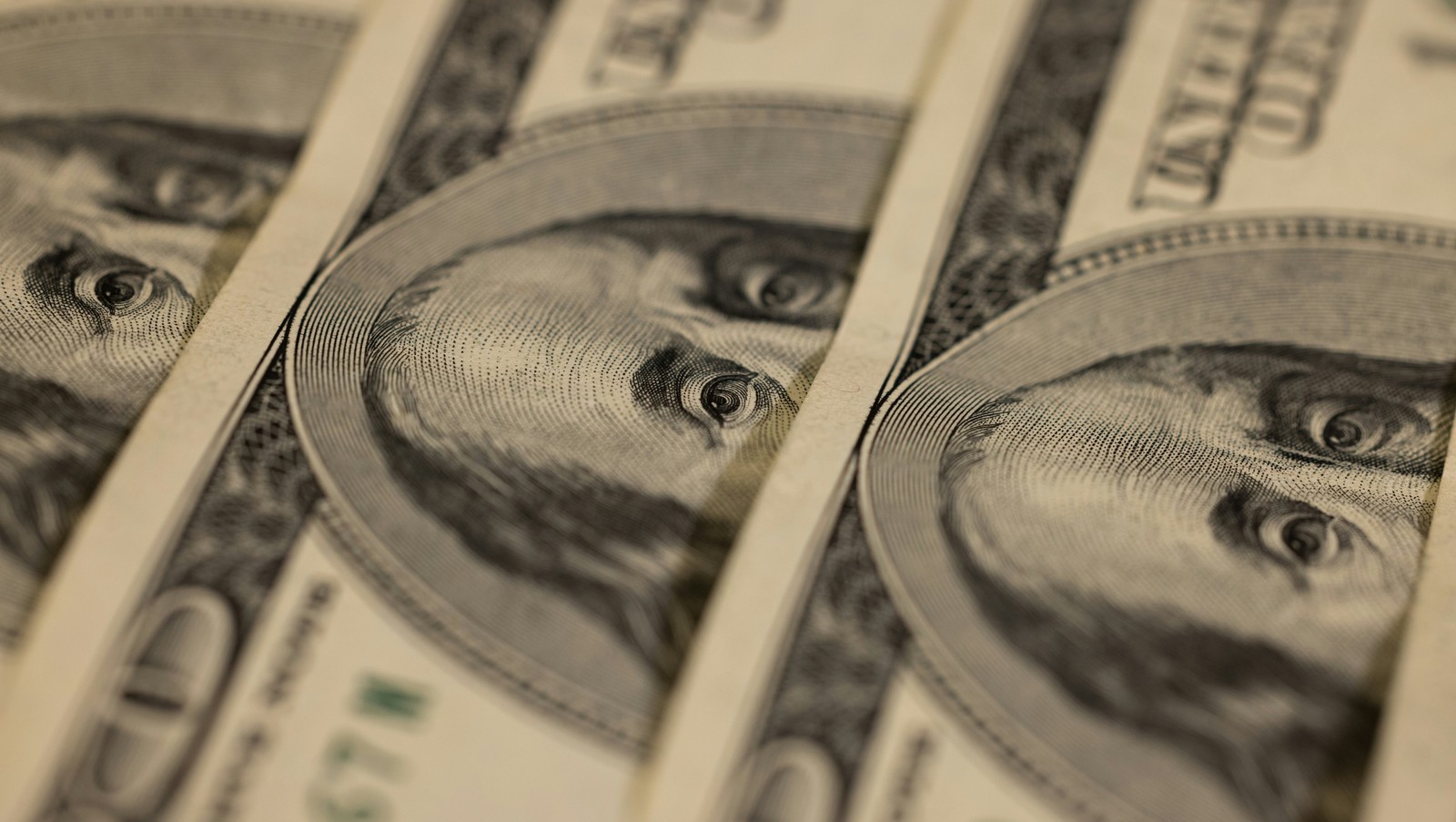
Image: engin akyurt

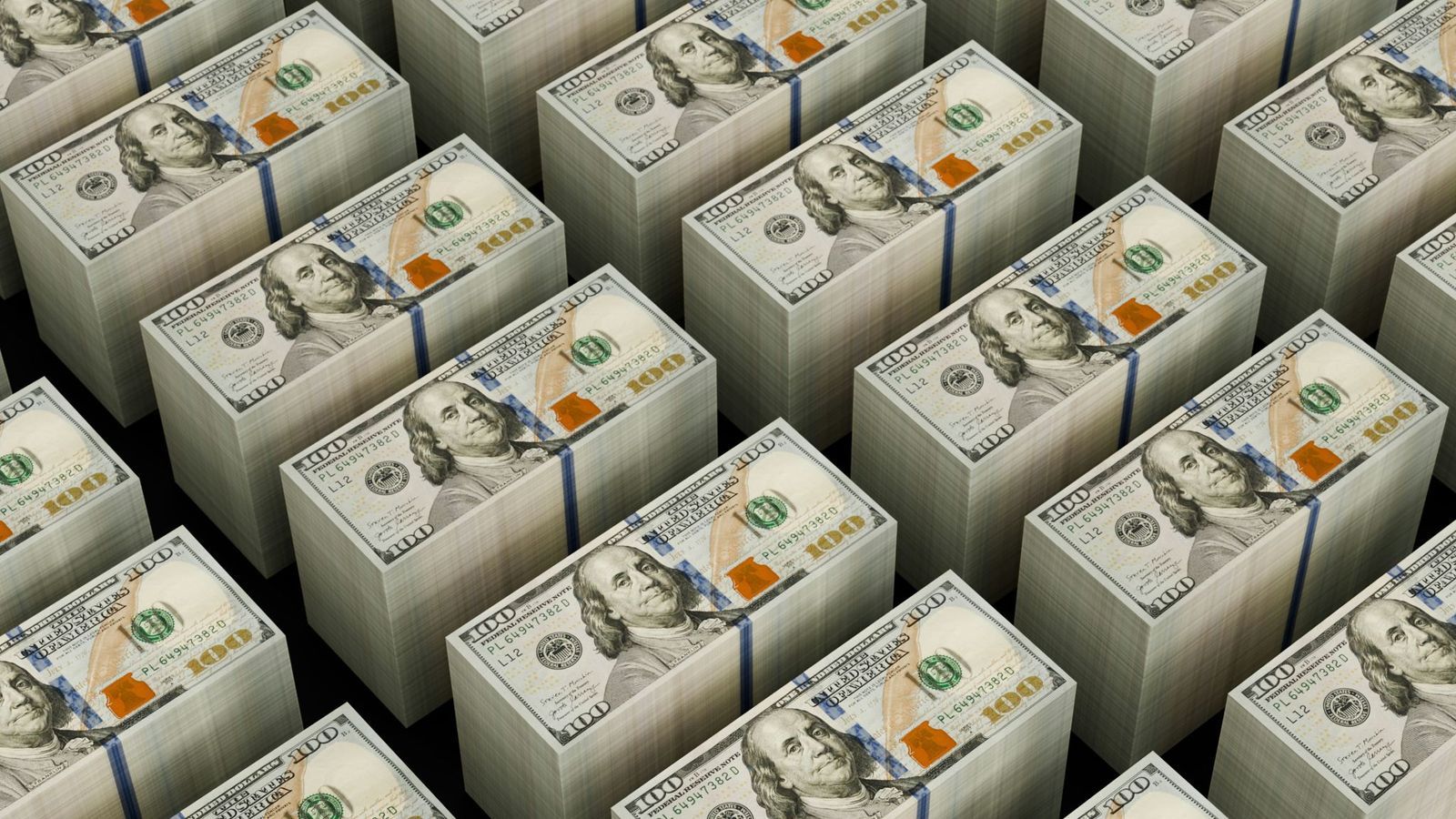
We handle money every day but rarely stop to think about where it all came from. Every coin and bill in your wallet has a story to tell . Some are serious, some are funny, and some are just plain surprising. From hidden symbols to sky-high denominations, here are ten true stories about US currency that might make you look at your wallet a little differently.

1
In God we trust
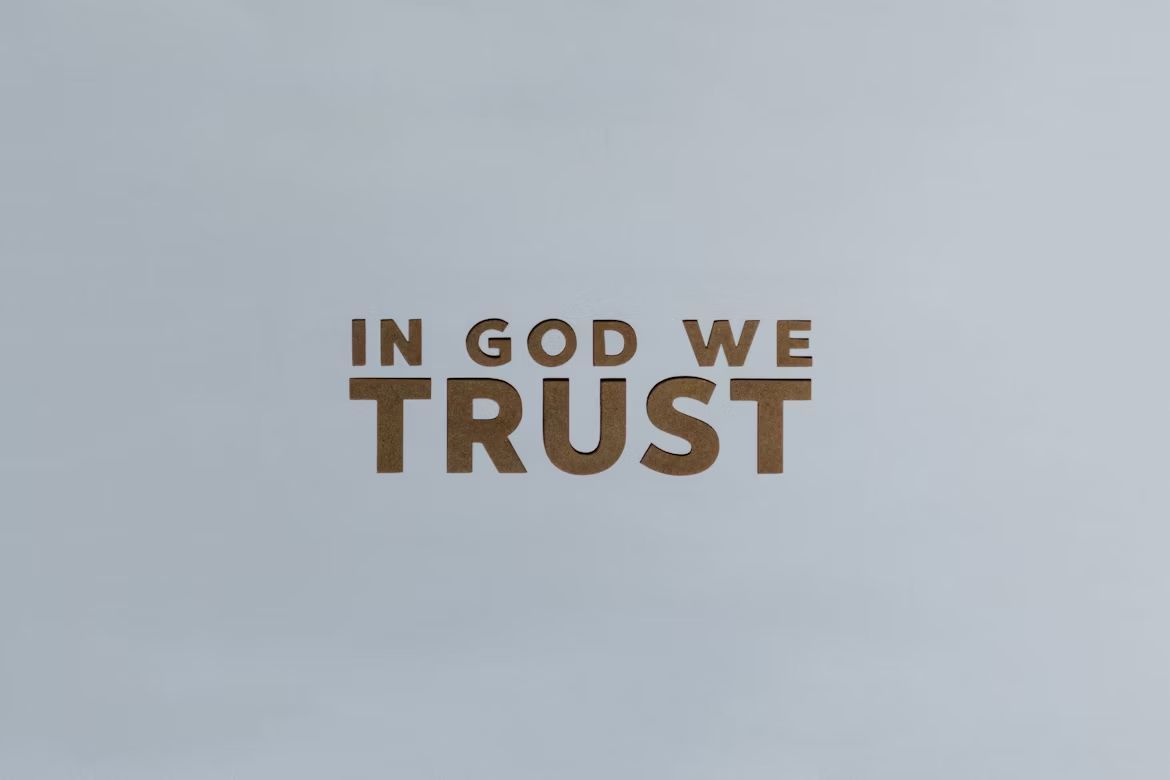
Image: Kelly Sikkema

The famous phrase "In God We Trust" hasn’t always been part of our money. It first showed up on some coins during the Civil War , when the country was looking for hope in tough times. It didn’t become standard on all bills and coins until 1955, during another period of strong religious feeling. Today, it’s part of our national identity and one of the most recognized mottos in the world.

2
The all-seeing eye on the dollar
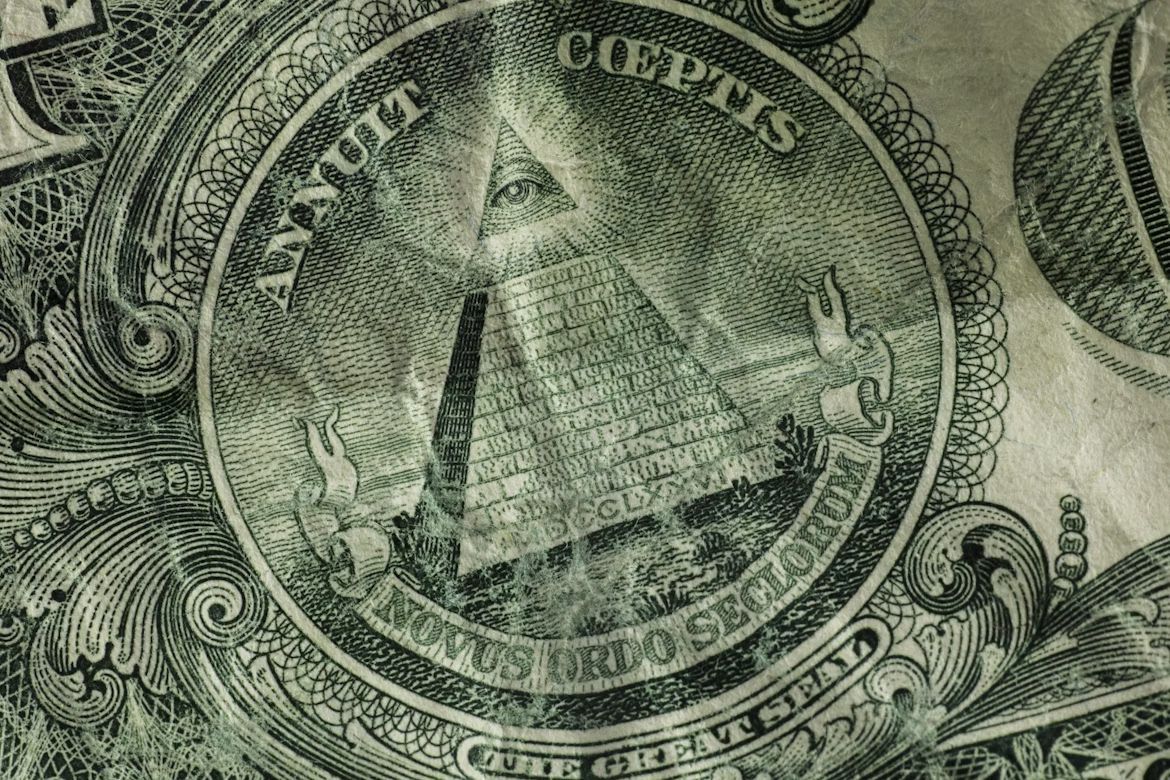
Image: Thought Catalog

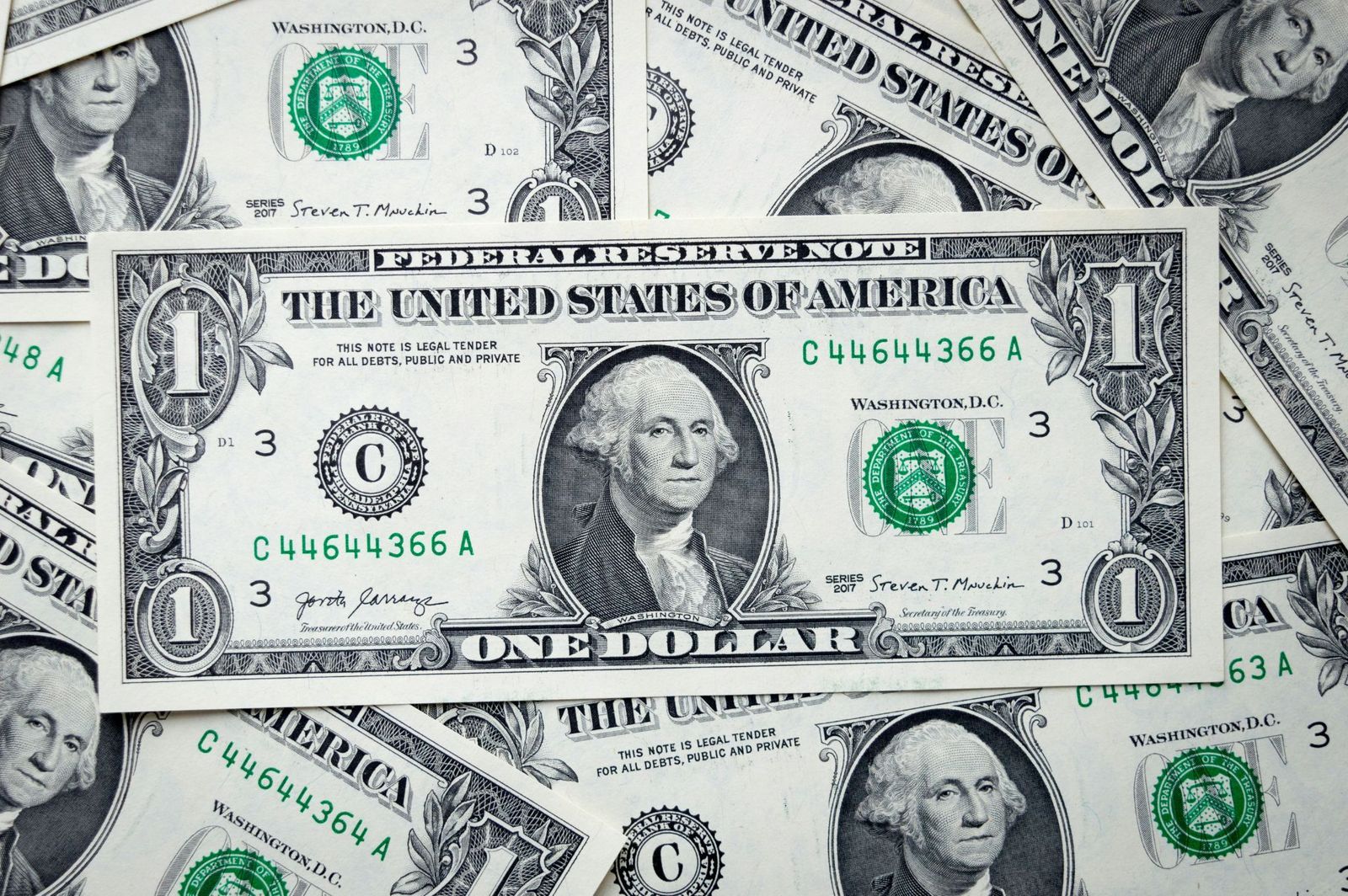
That little pyramid with an eye floating above it on the one-dollar bill has sparked plenty of wild theories, but the truth is rooted in history. Known as the "Eye of Providence," it represents divine guidance and watchfulness . The Founding Fathers saw it as a symbol of wisdom and protection.

3
The Secret Service started with cash, not presidents
Image: Collin

When the Secret Service was created in 1865, it had nothing to do with protecting the president. Its original job was to fight counterfeit currency , which had become a huge problem during the Civil War. Back then, nearly one in three bills was fake! The agency did its job so well that it built the foundation for the secure money system we have today.

4
The $10,000 bill that once roamed the banks
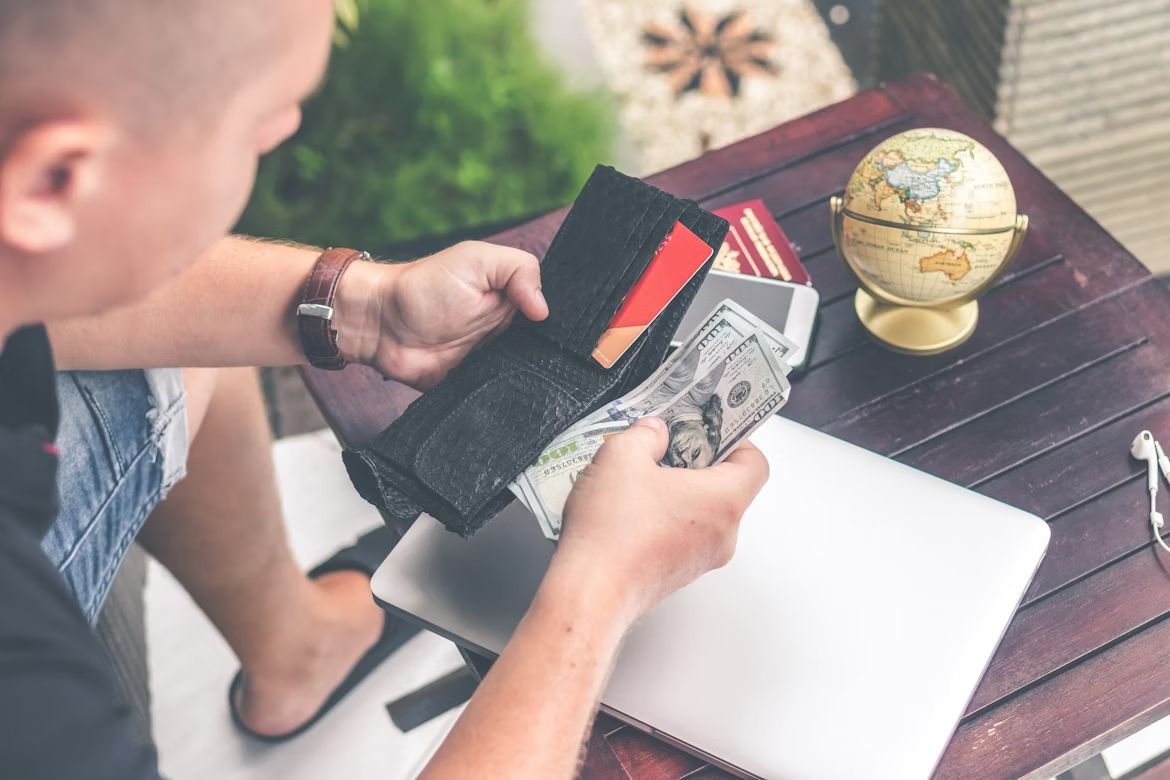
Image: Artem Beliaikin

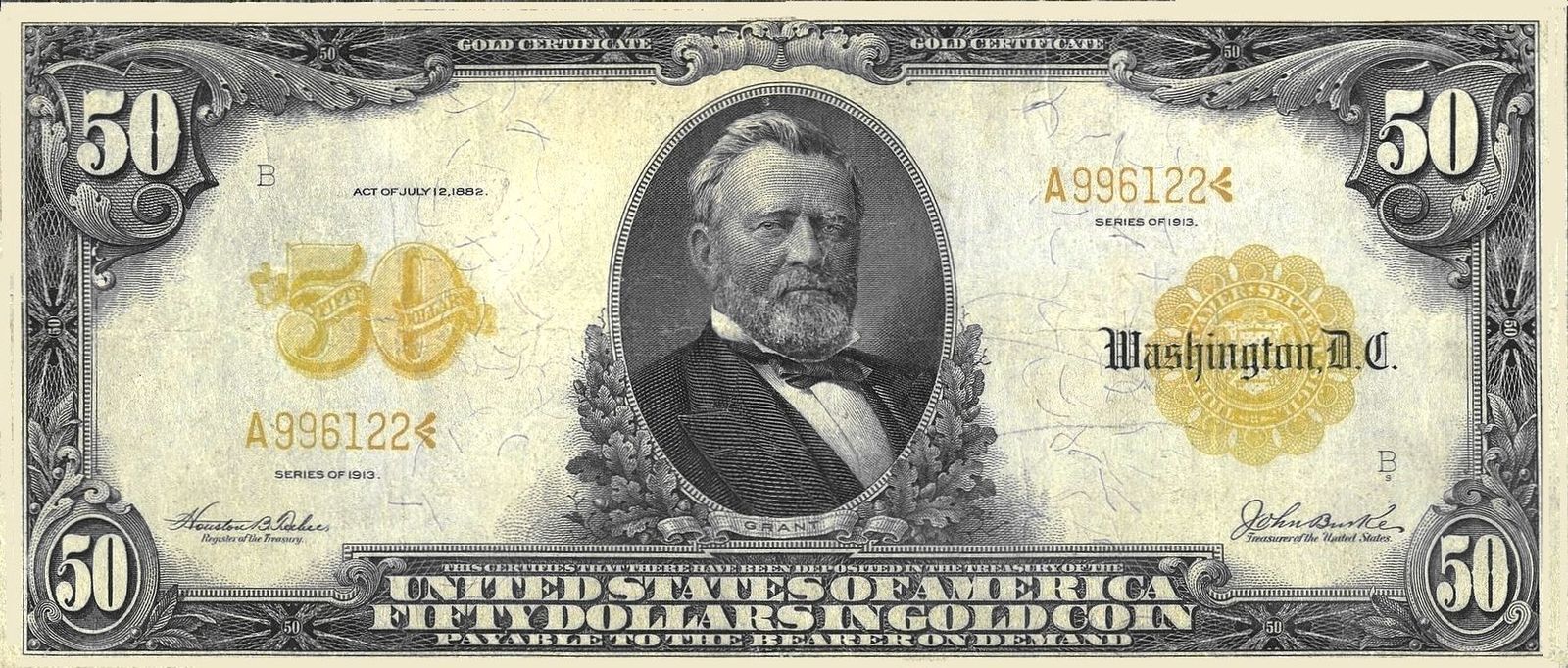
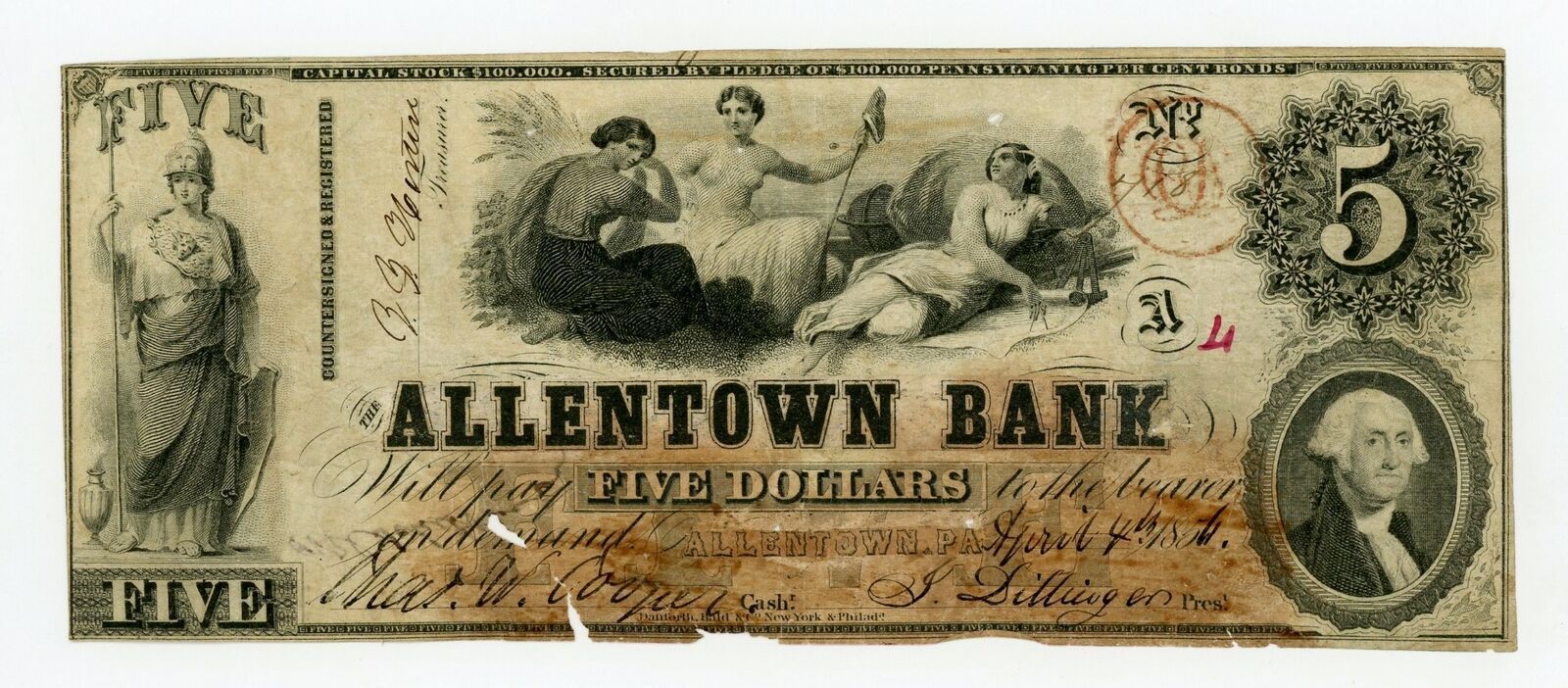
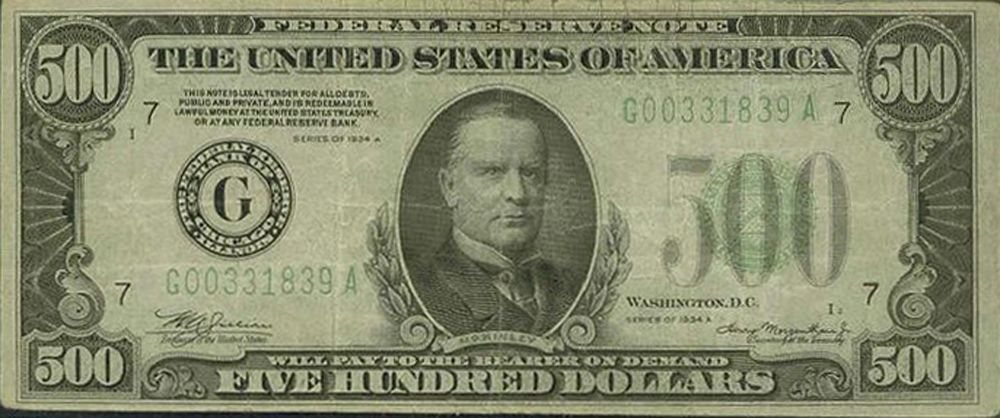
Yes, there really was a $10,000 bill, and it carried the face of Salmon P. Chase, who served as Lincoln’s Treasury Secretary . It was never meant for everyday use at the store, of course. Banks used it for large transfers between Federal Reserve branches. Although it’s been out of circulation for decades, collectors still love to get their hands on one.

5
Fighting fakes with science
Image: Alexander Grey

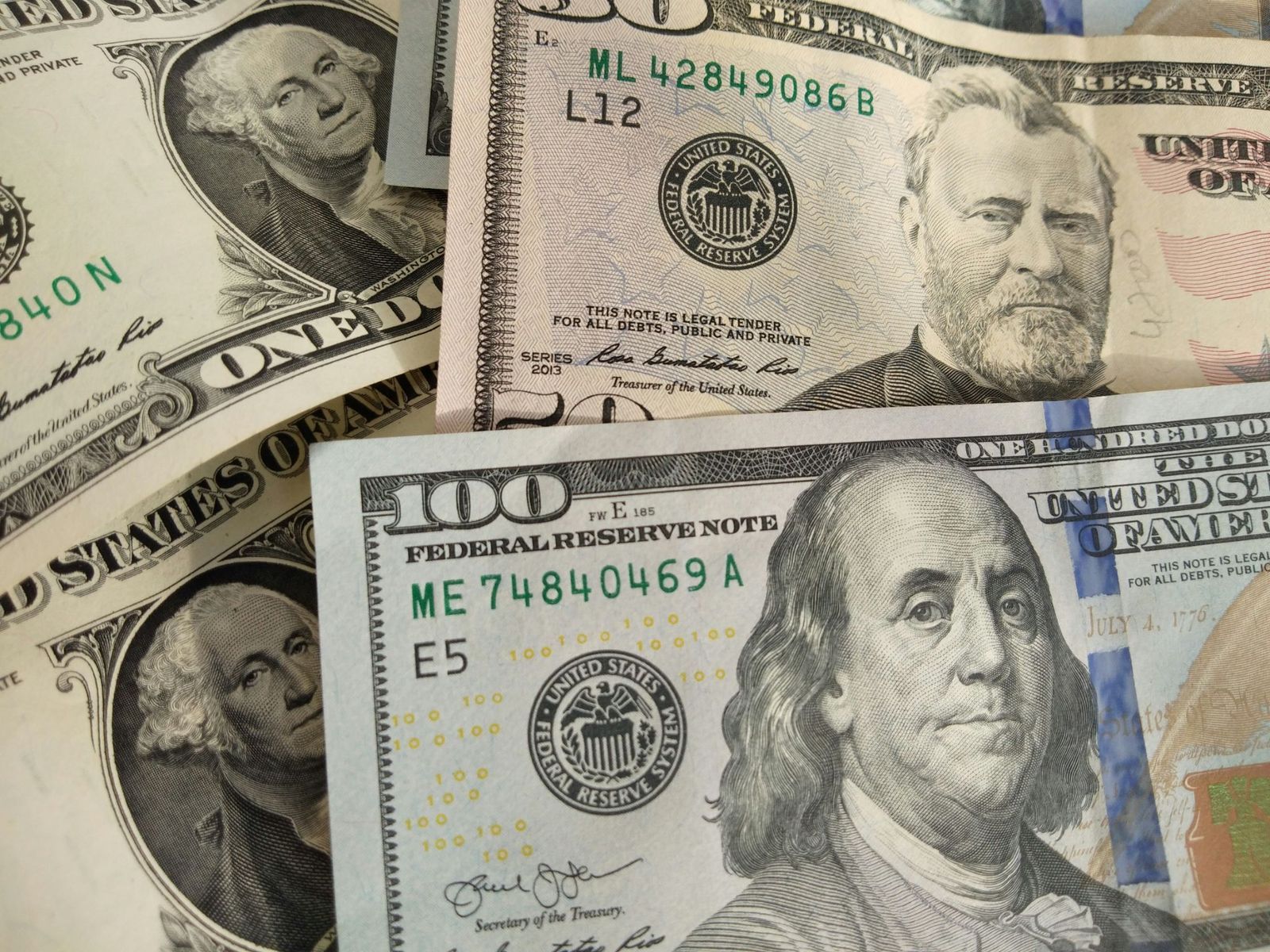
Counterfeiting has been a problem since the first coins were made, but modern bills are loaded with clever security tricks . Watermarks, color-shifting ink, and hidden security threads help stop fake money before it spreads. If you tilt a newer bill in the light, you’ll see colors shift and patterns appear. It’s not just decoration, it’s actually protection.

6
Paper money doesn’t live forever
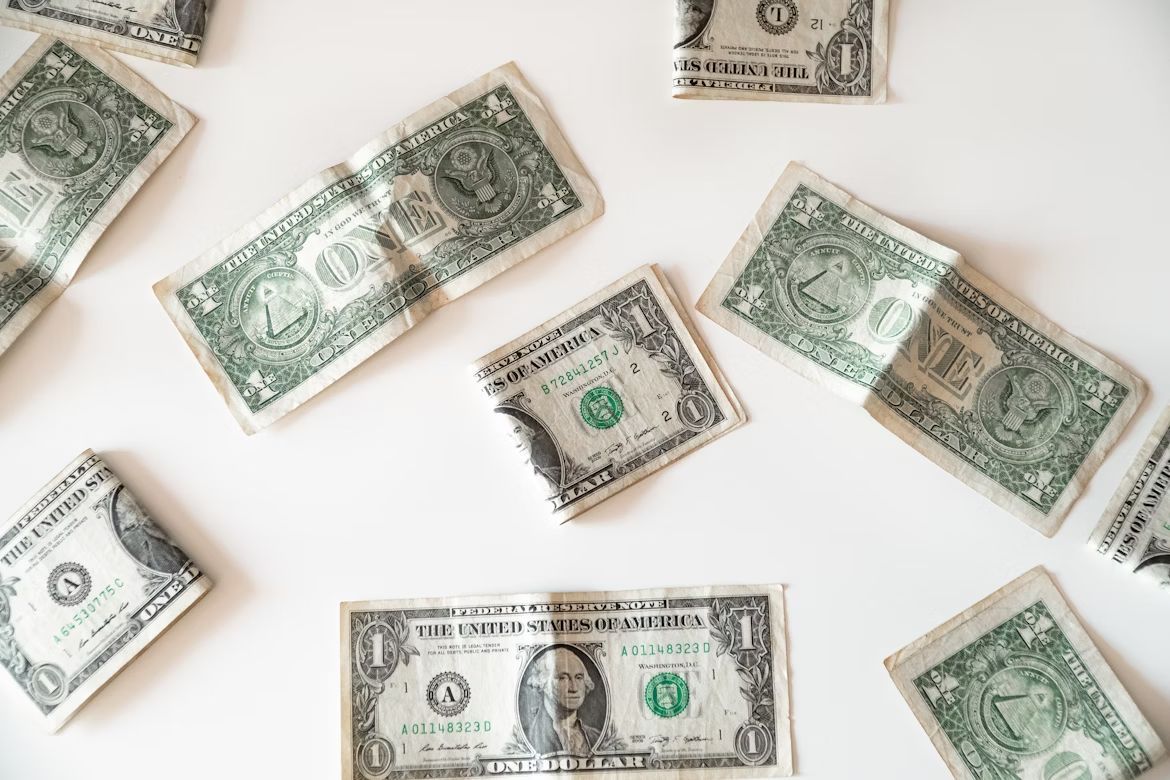
Image: Emilio Takas

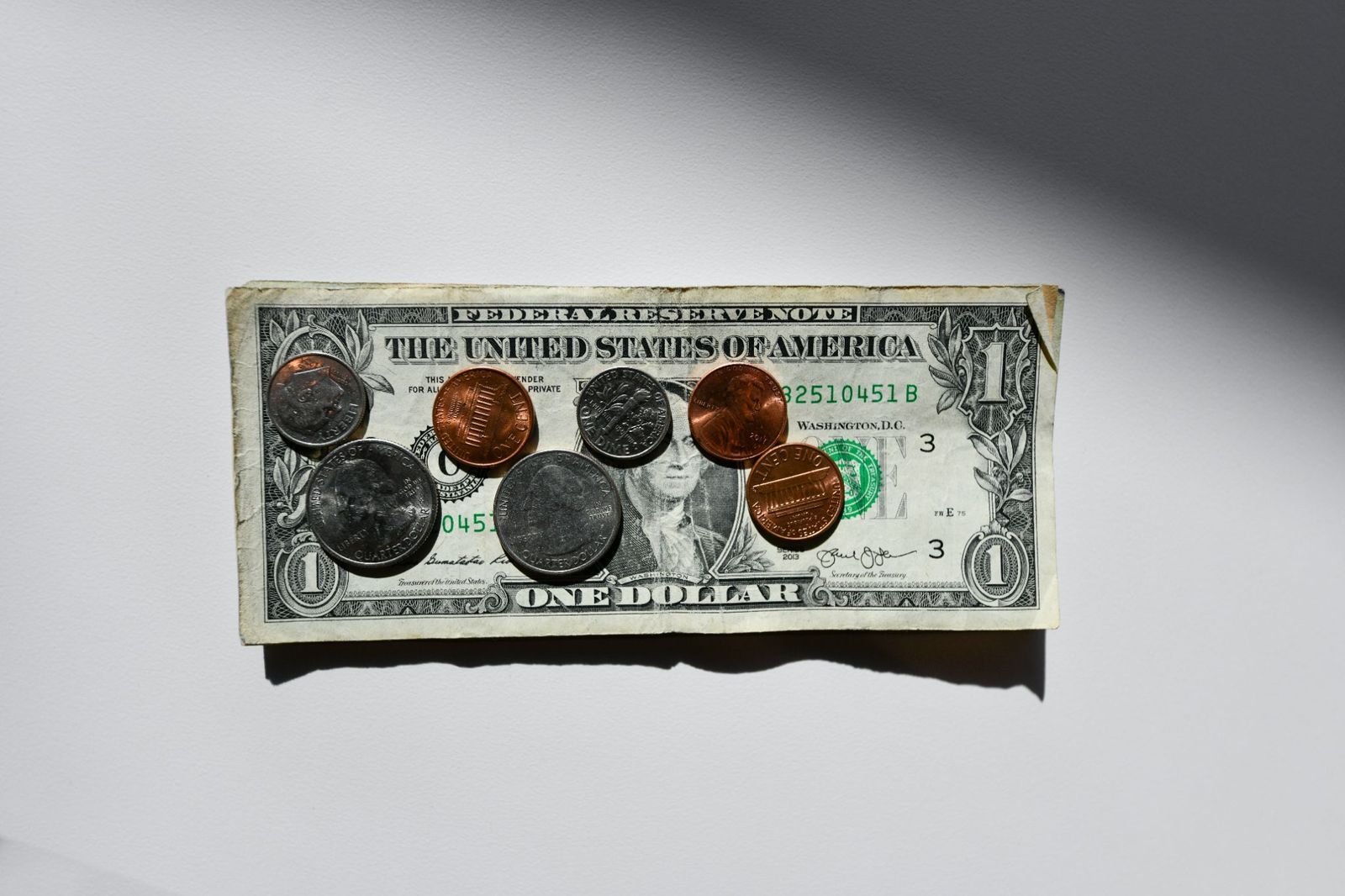
Every bill has a limited lifespan. A $1 bill lasts about five years before it wears out, while higher denominations tend to last longer since people handle them less often. When a bill becomes too soft or torn, the Federal Reserve removes it from circulation and replaces it with a new one. Check your wallet and see if any of your bills need changing!

7
Tiny text with a big job
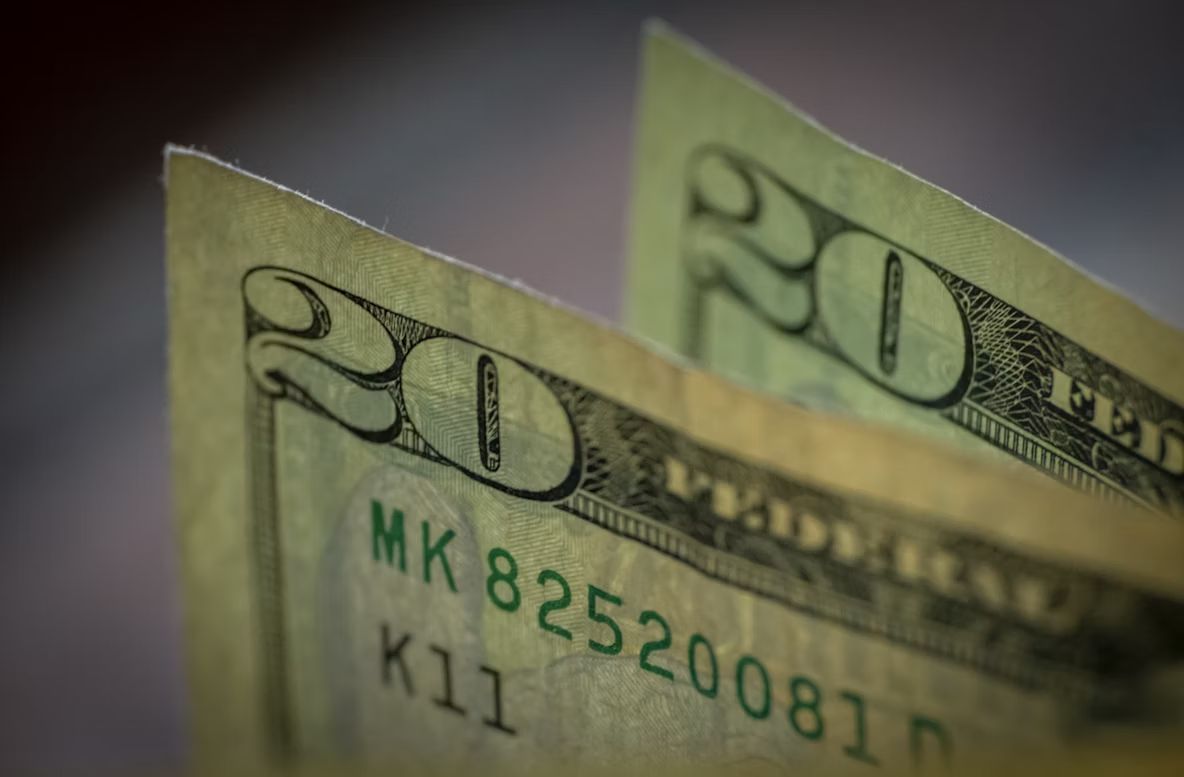
Image: Pete Alexopoulos

If you look very closely at your bills, you might spot lines of tiny printed words around the portraits and borders. That’s called microprinting. It’s so small that it’s nearly impossible to copy accurately. Most people never notice it, but it’s one of the details that protects the money from being easily counterfeited.

8
The penny paradox
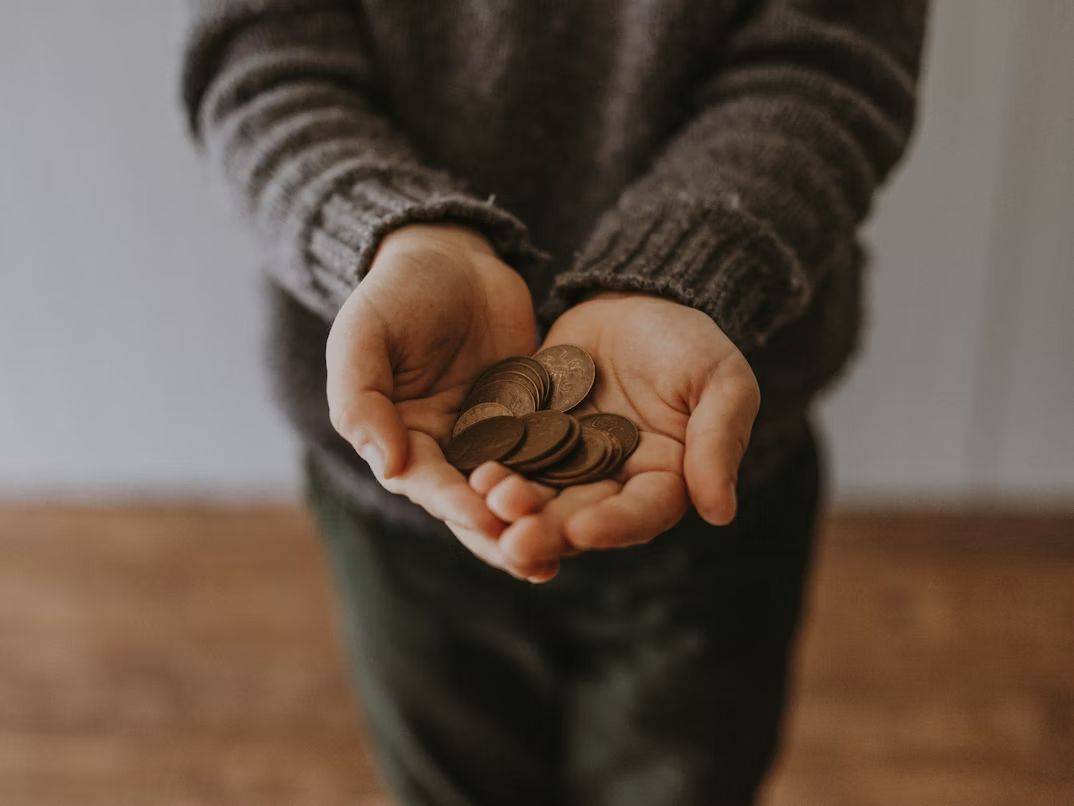
Image: Annie Spratt

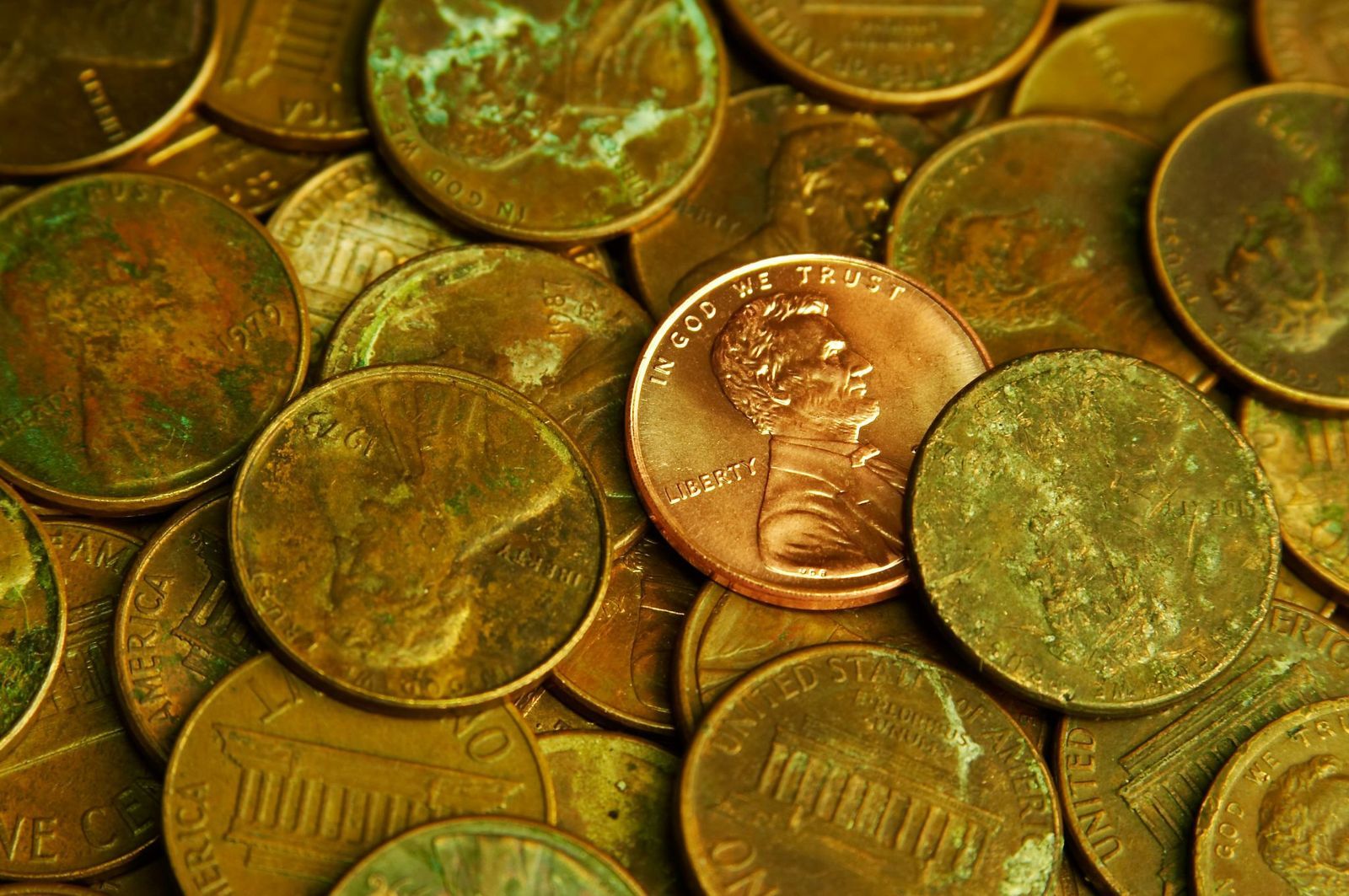
It’s funny to think about, but a single penny costs more than one cent to make. The mix of copper and zinc isn’t cheap , and that’s been true for years. Some even say it’s time to retire the penny, while others can’t imagine America without it. Maybe it’s more than money. Maybe it’s nostalgia that keeps Lincoln’s little coin alive. What do you think?

9
When spare change becomes treasure
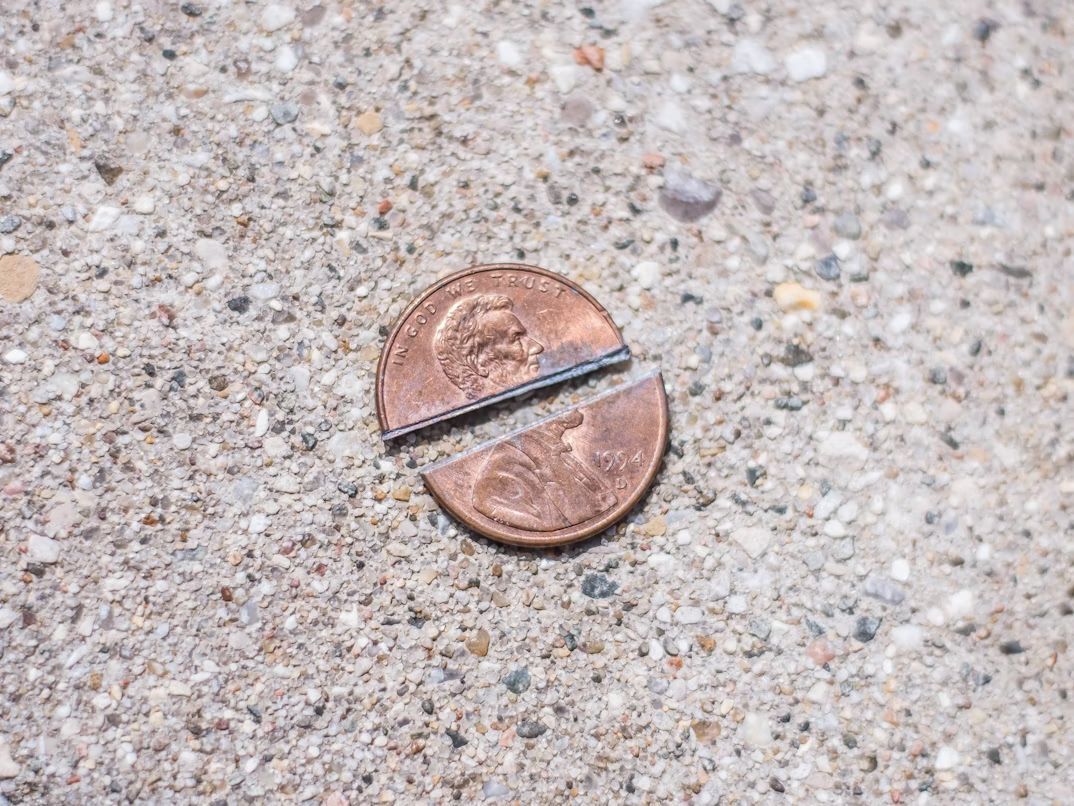
Image: Gio Bartlett

Sometimes a coin is worth far more than its face value. The 1913 Liberty Head nickel is one of the best examples. Only five of them exist, and one sold for over four million dollars! Collectors spend years searching for coins like that. It’s part history lesson, part treasure hunt. It may look like an ordinary coin, but it’s really priceless!

10
A woman’s face finally gets her due

Image: Kirt Morris

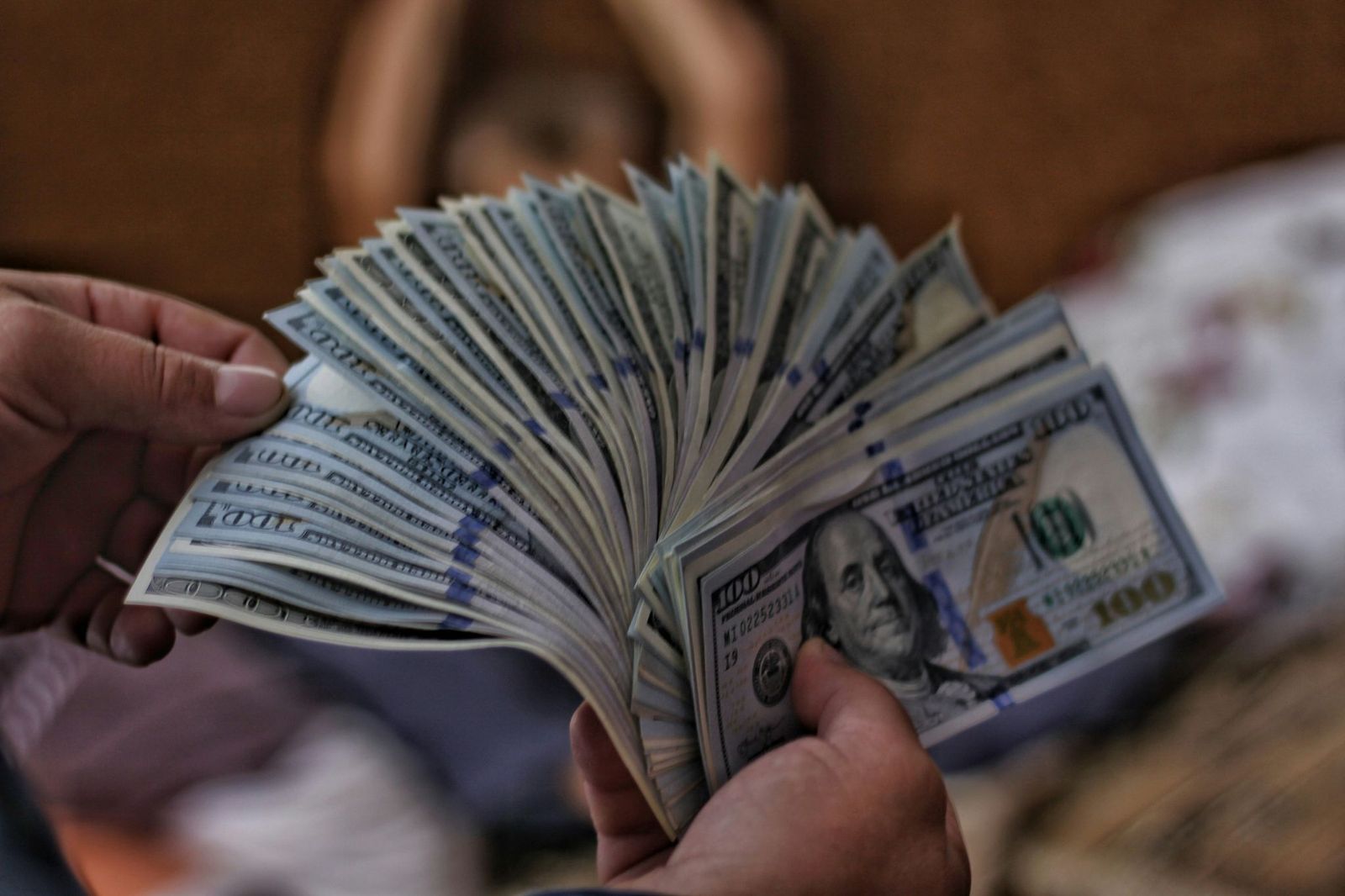
For most of our history, only men appeared on our currency. However, that’s changing. There are renewed efforts to redesign the twenty-dollar bill and feature Harriet Tubman in it, the fearless leader of the Underground Railroad. Even if it’s not official yet, it’s an important step toward showing the full story of America.

General General 6 min read

Beloved American brands

Why did Kodak and Woolworth's disappear? The real reason

Image: pony rojo, CC BY-SA 2.0, via Wikimedia Commons

Blockbuster, Kodak, Woolworth’s… just hearing those names can bring back many memories, even though the brands have long since gone. T hese weren’t just brands; they were part of our routines, our weekends, and our family vacations. For decades, these companies seemed unstoppable. Then, they disappeared. So what happened? Here’s the story behind 10 iconic American brands that once stood at the top, and the real reasons they faded away.

1
Blockbuster

Image: RegionalQueenslander, CC BY-SA 4.0, via Wikimedia Commons

During the 1980s and 1990s, Friday night often meant one thing for American families: a trip to Blockbuster. Browsing the aisles for a movie, debating what to watch, and grabbing popcorn at the counter became a weekly routine. But nothing lasts forever.

Born in 1985, Blockbuster conquered the massive home-video market with thousands of stores by the late 1990s and early 2000s, catering to families with at-home VCRs. Then technology changed everything. First came DVD-by-mail services like Netflix, followed by streaming, which left Blockbuster struggling. Late fees and inconvenience only pushed more customers away. The company filed for bankruptcy in 2010. Today, just one official store remains in Bend, Oregon, where visitors still stop by for a dose of the video-store era.

2
Kodak

Image: 多多123, CC BY 4.0, via Wikimedia Commons

Back in the day, almost every vacation, birthday, wedding, or holiday gathering seemed to include a Kodak camera, or at least a roll of Kodak film. Founded in 1881, Kodak helped keep the moments that filled family photo albums for generations.

From the 1960s through the 1990s, Kodak dominated the world of film and photography. But that success also made the company slow to accept that technology was changing. Ironically, Kodak helped invent one of the first digital cameras in 1975, yet it hesitated to embrace the future. By the 1990s and 2000s, digital cameras (and later camera phones) quickly replaced traditional film. In 2012, the company declared bankruptcy.

3
Pan Am

Image: Felix Goetting (GFDL 1.2 or GFDL 1.2), via Wikimedia Commons

Long before flying became an everyday experience, Pan American World Airways, better known as Pan Am, was already carrying Americans across the world. It was founded in 1927, and during the 1960s and 1970s, the airline became a symbol of glamorous air travel.

Its famous blue globe logo was instantly recognizable, even to those who rarely flew. But by the late 1970s, rising competition, fuel costs, and financial troubles began weakening the company. After years of mounting losses and debt, Pan Am shut down in 1991. Even so, its fame was such that even today, more than 30 years later, we still remember it.

4
Woolworth’s

Image: Warren LeMay from Cullowhee, NC, United States, CC0, via Wikimedia Commons

Before Woolworth's made the "five-and-dime" famous, shopping in America looked very different. For decades, Americans visited Woolworth’s for everything from toys and school supplies to household goods and everyday essentials. By the 1960s, the brand had become a familiar part of American life.

Created in 1879 by Frank Winfield Woolworth, the chain grew into one of the country’s largest retailers. But in the 1970s, malls and discount giants like Walmart changed the way Americans shopped, and Woolworth struggled to keep up. By the 1980s, the iconic chain was slowly disappearing. Most stores closed during the 1990s, and the Woolworth retail chain officially ended in 1997.

5
Circuit City

Image: kennejima, CC BY 2.0, via Wikimedia Commons

Testing giant stereo systems, browsing rows of CDs and video games, and shopping for the newest TV were all part of the experience at Circuit City, once one of America’s biggest electronics chains.

Founded in 1949 by Samuel S. Wurtzel in Richmond, Virginia, as "Wards Company," the retailer adopted the Circuit City name in 1984. During the 1980s, 1990s, and early 2000s, it became the go-to place for Americans buying a TV, stereo, computer, or any electronic device. But like many companies on this list, Circuit City struggled as shopping habits changed and online stores became more convenient. A controversial 2007 decision to lay off thousands of experienced employees further hurt the company’s reputation. Circuit City couldn’t survive mounting losses and closed all remaining stores in 2009.

6
Borders

Image: Bindydad123, CC BY-SA 4.0, via Wikimedia Commons

Remember Borders? Born in 1971, its huge stores, filled with books, music, magazines, and cozy reading spaces, invited customers to spend entire afternoons there.

During the 1990s and early 2000s, the rise of large shopping malls actually helped Borders thrive, turning its bookstores into popular destinations inside malls across the US. But eventually, the company ran into a challenge it couldn’t overcome: online shopping and digital reading. Competitors like Amazon surged ahead, while Borders struggled to adapt and made costly business decisions, including outsourcing its online sales to Amazon for years. The company collapsed financially in 2011 and soon closed all remaining stores.

7
Bugle Boy

Image: Claire Abdo

In the late 1980s and early 1990s, teenage fashion became almost synonymous with Bugle Boy. Famous across the country for its casual jeans and memorable TV commercials, the brand became a major part of American mall culture and was sold in department stores nationwide.

But fashion never stands still, and brands have to constantly adapt to survive. By the late 1990s, newer youth-oriented labels had taken over with fresh styles that quickly made Bugle Boy seem outdated. Sales began to fall, and after years of struggling to keep up with changing trends, the company closed its stores in 2001.

8
Howard Johnson’s restaurants

Image: Tichnor Quality Views, Made Only by Tichnor Bros., Inc., Boston, Mass., Public domain, via Wikimedia Commons

During the 1960s and 1970s, a stop at Howard Johnson's was part of the classic American road-trip experience for many families, and that was no accident.

Founded in 1925 in Quincy, Massachusetts, the famous orange-roofed chain reached its peak when America’s expanding highways and booming car culture made roadside travel more popular than ever. But by the late 1970s and early 1980s, the growing popularity of fast-food chains like McDonald's began changing the way Americans ate on the road. Drivers increasingly wanted meals that were faster, cheaper, and more standardized, while interstate highways also redirected traffic away from many older roadside locations. Unlike some other brands on this list, Howard Johnson’s faded away slowly over the decades. The last restaurant finally closed in 2022.

9
Burger Chef

Image: John Margolies, Public domain, via Wikimedia Commons

In 1958, a name emerged as one of the pioneers of America’s growing fast-food industry: Burger Chef. By the late 1960s, the chain had more than 1,000 locations across the country and had become one of McDonald's’s biggest competitors.

Long before Happy Meals became famous, Burger Chef helped popularize the idea of marketing meals directly to children with toys and themed publicity. But during the fast-food wars of the 1970s, competition became fiercer than ever. While McDonald’s and Burger King expanded by leaps and bounds, Burger Chef struggled with financial problems and changing consumer tastes. In 1982, the company was sold to Hardee's, which gradually converted most Burger Chef locations into Hardee’s restaurants.

10
Sports Authority

Image: Anthony92931, CC BY-SA 3.0, via Wikimedia Commons

Throughout the 1990s and 2000s, many Americans looking for running shoes, gym shorts, and sports gear headed straight to Sports Authority.

Known for its huge stores packed with athletic apparel, exercise equipment, bicycles, camping gear, and team sports products, Sports Authority became the ideal shopping destination for families and athletes across the US. But as online shopping rapidly changed retail in the 2000s, the company struggled to adapt. Heavy debt from expansion efforts and a slow shift to e-commerce eventually caught up with the chain. Sports Authority declared bankruptcy in 2016 and closed all remaining stores later that year.

General General 4 min read

10 things you won’t believe are banned in the U.S.

Image: Tara Winstead

America is famous for its love of freedom, yet a few peculiar and oddly specific rules survived in dusty town codes and old state books. Some were written to solve long-forgotten problems; others simply remained by accident. What they all have in common is that they are a reflection of our quirks and contradictions. From outlawed snowballs to forbidden confetti, these 10 real bans prove that, in the land of the free, common sense sometimes just goes and take a coffee break.

1
Snowball fights

Image: Arina Krasnikova

It may sound like the premise for a coming-of-age comedy film, but it’s absolutely true: in Wausau, Wisconsin, throwing a snowball is technically against the law. The city once grouped snowballs in the same category as "stones and missiles," as if every kid with a pair of mittens were a potential threat to public safety. Of course, local police don’t patrol sledding hills looking for offenders anymore. The rule mostly lives on as a charming reminder that even winter fun can end up in the law books.

2
Camel hunting

Image: Shaun Danny

Camels in Arizona? Well, technically. Back in the mid-1800s, t he U.S. Army brought camels to the Southwest, hoping their strength and stamina would make them the perfect means for desert transport. The experiment didn’t last—soldiers preferred their mules—but the camels did, wandering off into the wild. To protect the survivors, the State of Arizona outlawed camel hunting, a law that still stands today. So if you ever spot one, grab your camera, not your hunting license!

3
Texting while walking

Image: Elizabeth Woolner

Crossing the street with your eyes glued to your phone is the 21st century’s twist on jaywalking. In Honolulu, Hawaii, that nasty habit can cost you up to $99, thanks to a local ordinance meant to curb "distracted walking." Officials say it’s about protecting pedestrians from accidents; residents jokingly call it "the eyes-up law." Whether you see it as common sense or overreach, the rule makes one thing clear: the text, meme, or emoji can wait until you’re safely on the other side.

4
Apple pie must come with ice cream

Image: Patrick Fore

Here’s a rule everyone can get behind. Vermont, proud home of rolling orchards and autumn harvests, officially crowned apple pie as its state dessert. But lawmakers didn’t stop there; they added a charming twist, recommending that each slice be served "in good faith" with a scoop of vanilla ice cream, a piece of sharp cheddar, or a glass of cold milk. It’s less a regulation and more a warm invitation to enjoy a simple American treat. Yes, the law can sometimes be fun and downright delicious!

5
Bear wrestling

Image: Florian Schindler

Believe it or not, there was a time when people thought wrestling a bear was a good idea. Traveling shows and roadside attractions once featured men squaring off against hulking bruins for cheers and pocket change. Eventually, Alabama decided it was a spectacle best to leave it in the past. In 1996, the state officially banned bear wrestling, making it illegal to train, promote, or even sell tickets to such events. Today, the law stands as a small but noble victory for animal welfare. As for the bears? They walked away undefeated, every single one of them.

6
Password sharing

Image: cottonbro studio

Before Netflix made it official, Tennessee was already ahead of the curve. Back in 2011, the state passed a law making it illegal to share passwords for paid streaming services. The rule was originally meant to stop hackers from selling stolen logins, but it ended up being a cautionary tale for the streaming wars to come. Technically, lending your password to a friend could cost you $2,500 and even land you a year in jail. What once seemed overcautious now feels oddly prophetic, almost like Tennessee read the fine print of the future.

7
Dueling

Image: Leon Kohle

If you’ve ever challenged someone to a duel—yes, the kind with pistols and a handshake at dawn—you can forget about running for office in West Virginia. The state’s constitution, written in the 1800s, includes a clause that permanently bars any duelist from holding public office. The idea was to keep gentlemen of "honor" from turning government into a shooting gallery. More than a century later, the law remains untouched, a relic of a time when reputations were defended at ten paces.

8
Roller-skating

Image: Harrison Haines

Can you imagine roller-skating being banned in your town? Back in the 1930s in Biddeford, Maine, sidewalks were sacred ground for Sunday strolls, not racetracks for daredevils on wheels. So, the city downright prohibited skating and biking on sidewalks. Believe it or not, the rule, established in a slower era when the biggest traffic hazard downtown wasn’t a speeding car, but a kid on skates, still lingers in the city code today.

9
Fishing with your hands

Image: Patti Black

Think you’re tough enough to catch a catfish with your bare hands? In Indiana, that risky stunt—known as "noodling"—will earn you more than bragging rights; it could get you fined. The practice involves reaching into murky holes and hoping the fish bites, but lawmakers decided it was safer for everyone if they didn’t. The ban protects catfish during breeding season and probably saves a few bold fishermen’s lives. So, if you’re visiting Indiana and are feeling adventurous, bring a rod instead!

10
Confetti

Image: jameson wu

Mardi Gras in Mobile, Alabama, bursts with color, music, and flying beads, but there’s one thing you won’t see floating in the air: confetti or silly string. The city banned both to keep its historic streets clean after the celebrations. The rule might sound like a party pooper, but locals don’t mind. They’ve turned cleanup into an art form, celebrating with floats, jazz bands, and smiles instead of streamers. After all, the joy of Mardi Gras isn’t in what you toss but in the rhythm, the laughter, and the sparkle that doesn’t need sweeping up.

Explore more American facts

Choose your favorite category!

General
General

As American as apple pie—the very best America has to offer!

Culture
Culture

Delve into the astounding richness of American lore.

Geography
Geography

Hop in and explore vast and diverse American landscapes.

History
History

Discover the key moments that shaped the United States.