History History 3 min read

The Westward expansion

Was the Wild West really wild? 10 myths debunked
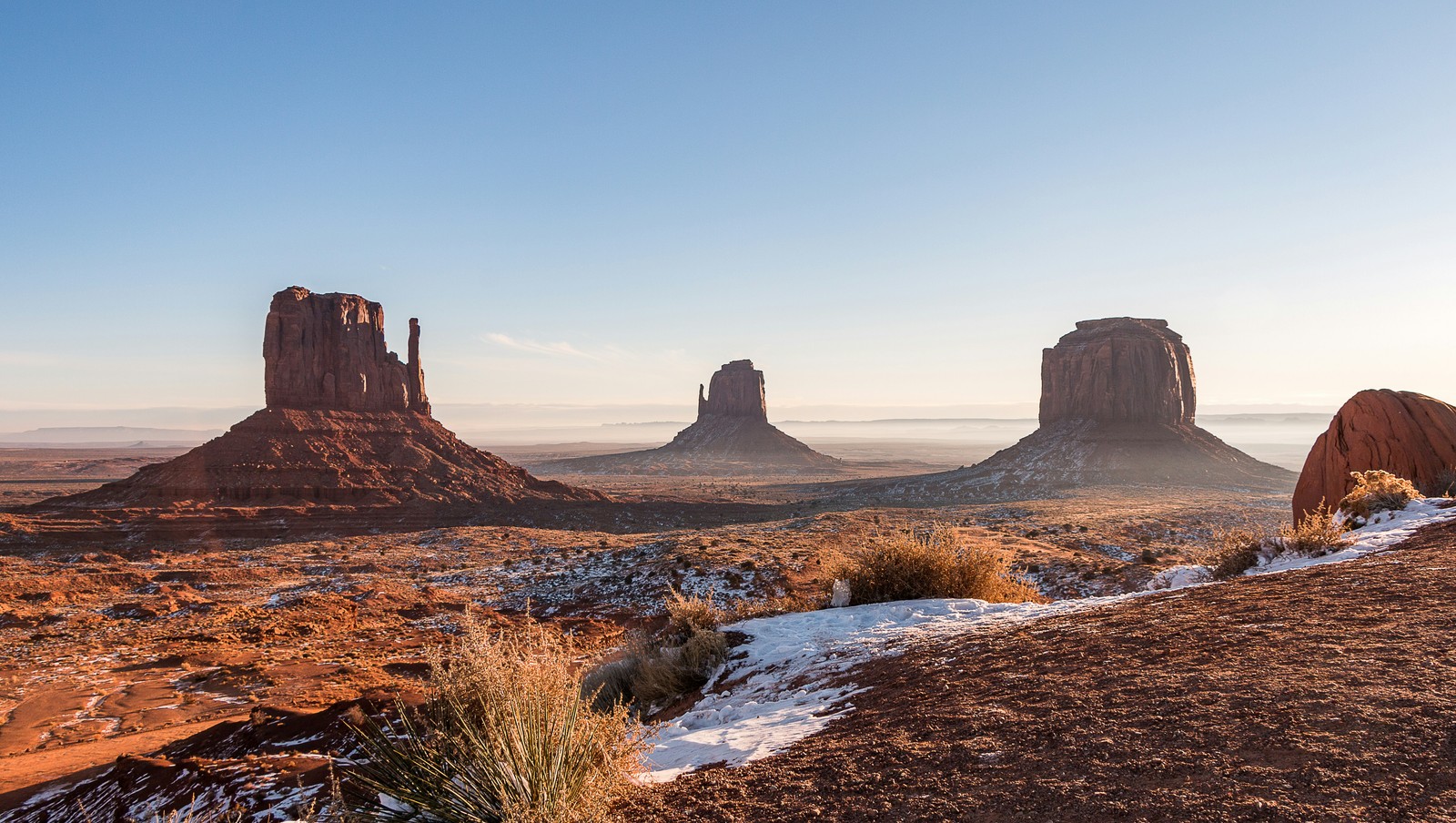
Image: Cayetano Gil

The American West has been so romanticized and misrepresented in movies, TV shows, books, and pop culture that we might not realize what’s truth and what’s myth. We have come to think of it as a place of both opportunity and chaos , with robbers running rampant and settlers constantly fighting with Native Americans. But was this true? Is all we know about the Wild West a tall tale? Let’s find out!

1
The Wild West was wild
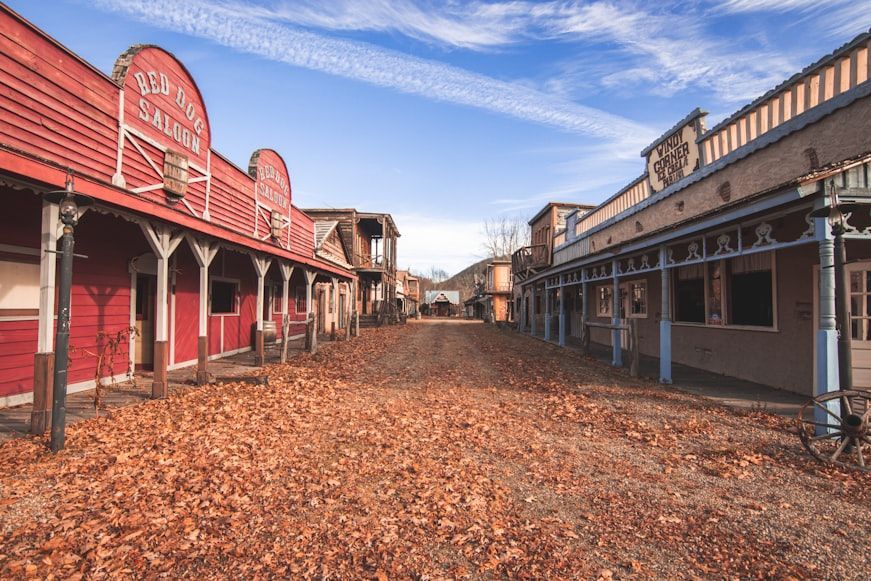
Image: Dominique Hicks

Life in the West certainly wasn’t as chaotic and unruly as Hollywood would have us believe. Most of the challenges experienced by the people were those of any settler in a distant place: hard labor, harsh weather conditions, loneliness, petty thefts, and uncertainty. Dangerous conflicts certainly arose, but they were not a daily occurrence.

2
Gold was easily found

Image: rc.xyz NFT gallery

Beginning in the year 1848, gold discoveries inspired a series of rushes that contributed to the Westward expansion, but fewer people actually became rich from the so-called boom. Gold in large quantities was rare to come by , and the overpopulation of prospectors diminished the chances of gathering enough gold to make the labor worth it. In addition to this, shopkeepers demanded outrageous food prices, which consumed the little wealth that prospectors managed to gather.

3
Wild West towns were lawless
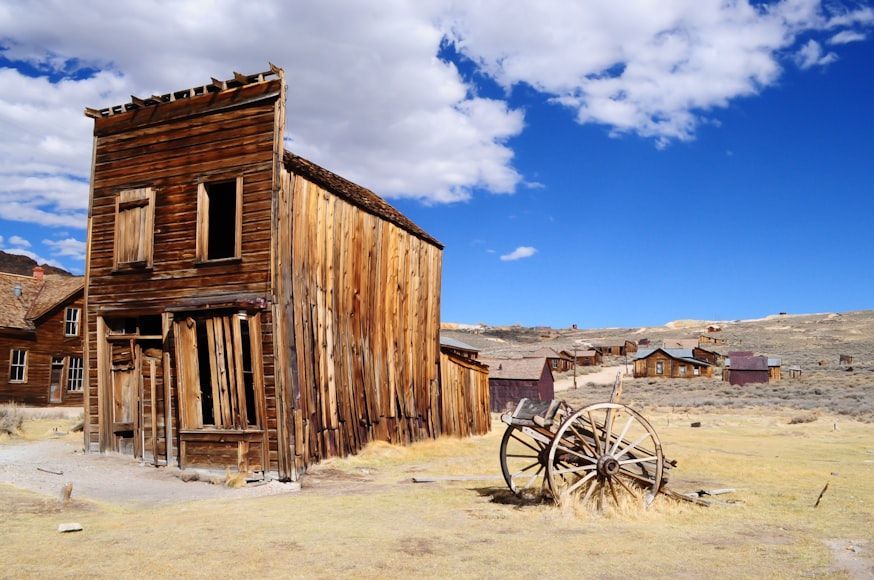
Image: Sarah Lachise

While they had their fair share of gunmen and robbers, towns in the Wild West had lower violence rates than big cities . Following the law was essential for the new settlements to thrive, and public order was maintained through the joint effort of marshals, sheriffs, Army soldiers, and private citizens. While the bad reputation of some towns was justified, they were the exception rather than the norm.

4
There was endless free land for the taking
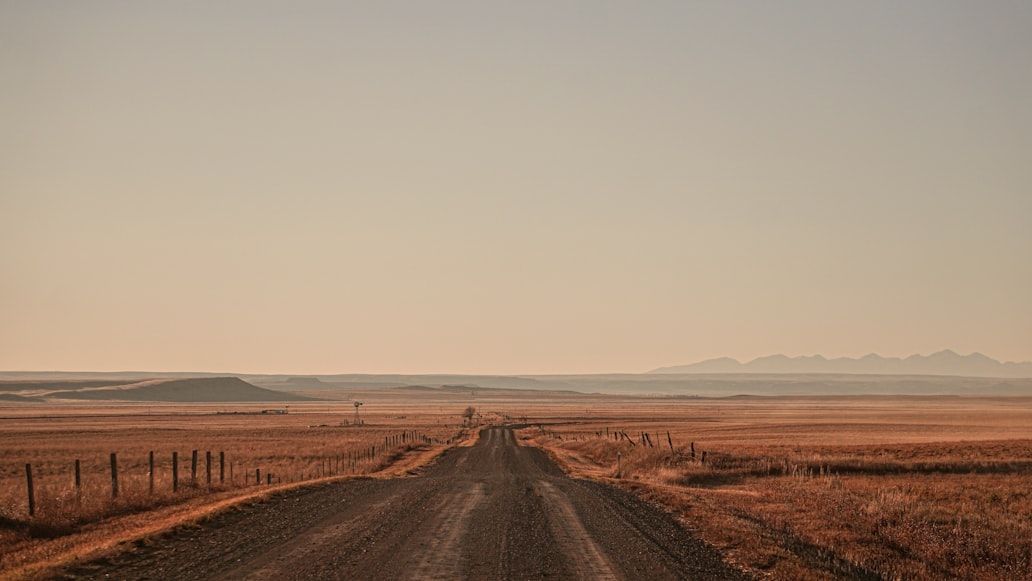
Image: Thomas Bush IV

The West was vast, but it was certainly occupied . Thousands of Native Americans were forcefully displaced, confined to reservations, or forced to assimilate to make way for those arriving. Many settlers were not aware of, nor complicit in this injustice —especially immigrants coming from afar— but others believed they were entitled to the land, even at the cost of native lives.

5
Everyone owned a gun

Image: Luis Domenech

Pistols and rifles have become synonymous with the Wild West, but they weren’t as common as one might think. While they were a useful protection on the range or while travelling, they were usually forbidden in town , so cowboys and travellers had to check them in the sheriff’s office upon arrival.

6
Settlers and Native Americans fought constantly

Image: Jon Sailer

Native Americans who were not displaced or confined to reservations were not necessarily hostile towards settlers. In fact, many of them were open to coexistence and trade with communities that didn’t pose a threat . The majority of their confrontations were with government forces, usually as a result of broken treaties and empty promises.

7
Cowboy hats were the norm

Image: Olivier Piquer

Stetsons, or cowboy hats, might be the quintessential headgear of the modern cowboy, but they were not the standard in the Wild West. Bowler hats, Army caps, and Mexican-style sombreros were far more common choices at the time. In fact, the Stetson brand wasn’t established until 1865.

8
Violence was the main cause of death
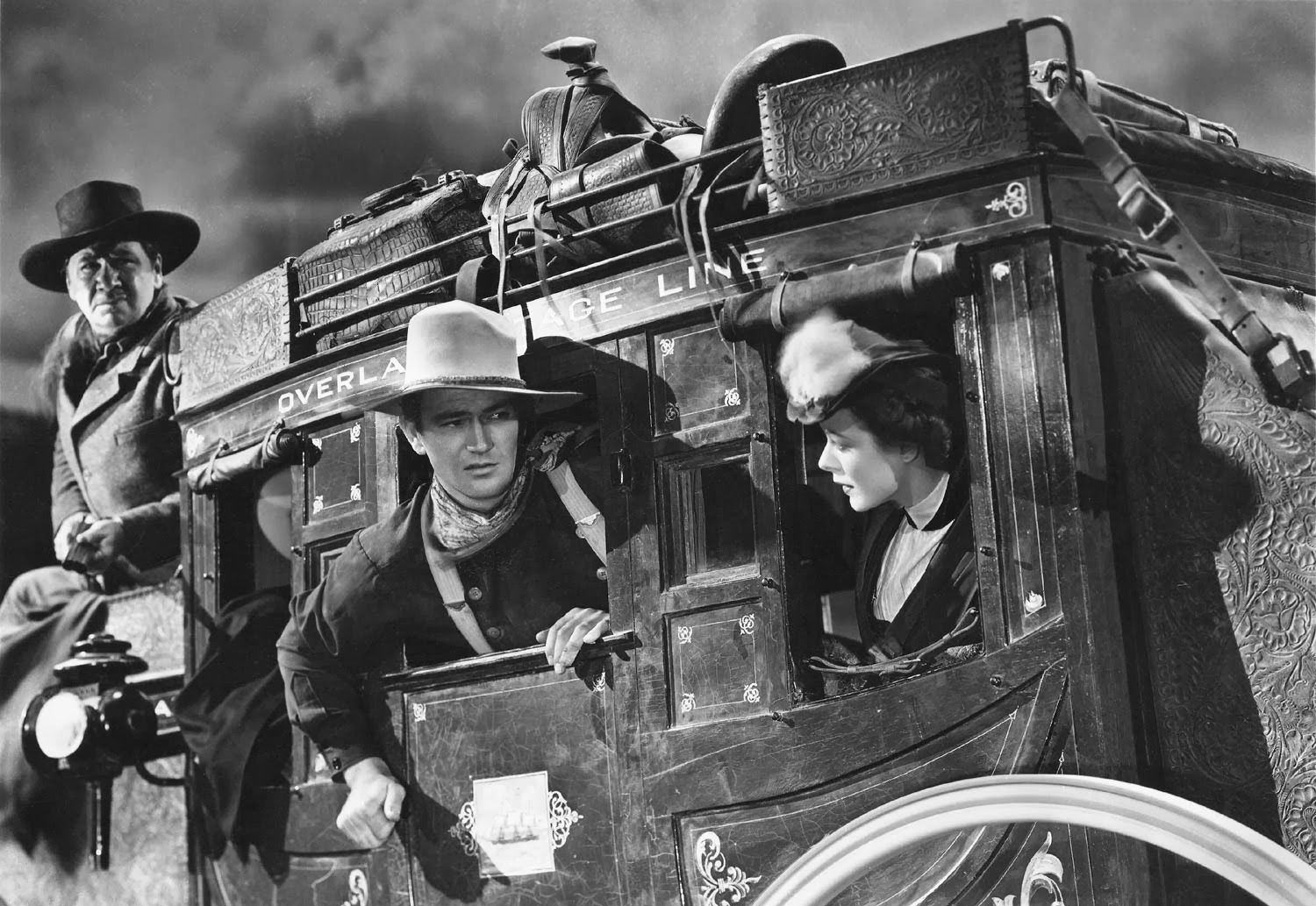
Image: United Artists, Public domain, via Wikimedia Commons

The Wild West was not as unruly as it is portrayed, and the chances of dying in a duel or a highway robbery were not as high as one would imagine. The main cause of death was disease , either caused by the harsh circumstances, the lack of sanitary conditions, or the spread of viruses and infections before the advent of modern medicine.

9
The Pony Express was the main communication service
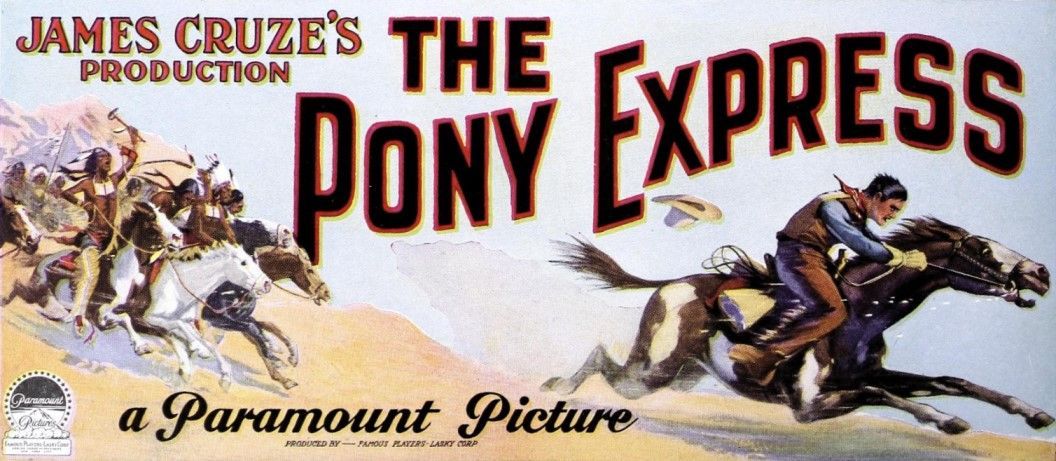
Image: Paramount Pictures, Public domain, via Wikimedia Commons

The Pony Express and its riders revolutionized communication in the Wild West. Beginning operations in 1860, it reduced the travel time of messages between the East and West coasts to about ten days . However, its existence was short-lived: After merely 18 months of operations, the company went bankrupt when a telegraph line was established.

10
Banks in the Wild West were easy targets for robbers
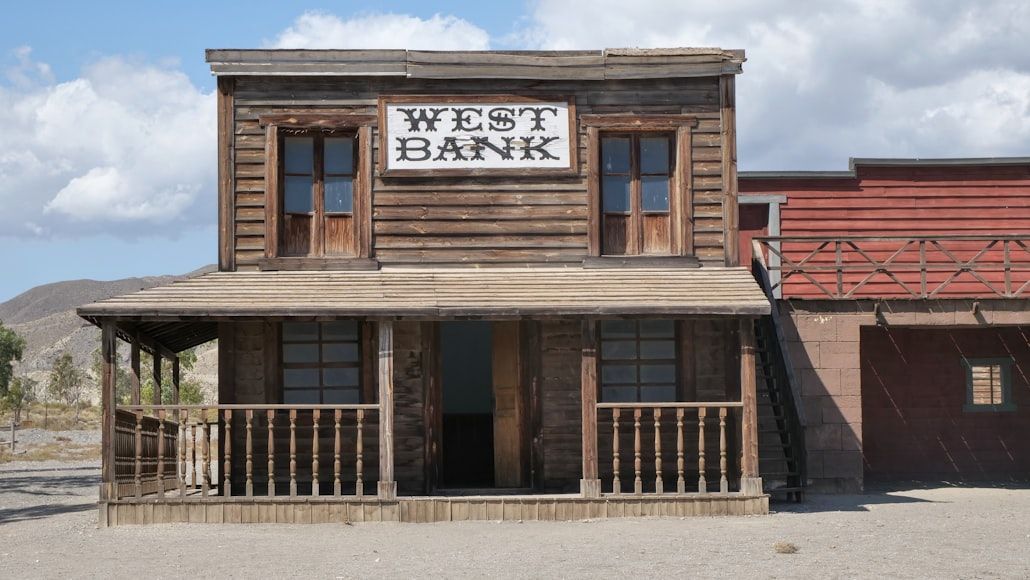
Image: Stefan Münz

Movie westerns would have us believe that bank robberies were a daily occurrence in the Wild West, but nothing could be further from the truth. Though there were heists carried out by famous outlaws, bank robberies were far from common , and train and stagecoach robberies were more likely to happen.


Geography Geography 3 min read

Hidden country

10 places in America that still baffle scientists (and tourists love)

Image: JaZmi

America has no shortage of mysterious places—locations steeped in legend, unexplained science, or just eerie natural beauty. From strange floating orbs to weird geological phenomena, these destinations keep historians, scientists, and thrill-seekers guessing. Whether man-made or naturally puzzling, these 10 U.S. locations refuse to offer simple explanations.

1
Area 51

Image: Michael Herren

Location: Nevada

Shrouded in secrecy, this military base has become synonymous with UFOs and government cover-ups. Its official purpose was testing aircraft like the U-2 spy plane and Stealth Bomber, but its classified nature fueled decades of wild speculation, ranging from secret weapons to actual aliens working for the government.

2
Coral Castle

Image: Audric Wonkam

Location: Florida

This massive stone structure was built by a single man, Edward Leedskalnin, using enormous limestone blocks—some weighing 30 tons. According to him, no heavy machinery was ever used during the construction, and he even claimed to know the secrets of the pyramids . To this day, engineers and historians debate how he moved and placed those stones with such precision.

3
Skinwalker Ranch

Image: Jacob Padilla

Location: Utah

This 512-acre property has long been at the center of UFO sightings, cattle mutilations , and alleged portals to other dimensions. The stories were so compelling that, in the ’90s, a private research organization purchased the ranch to try and make some scientific sense of the claims, conducting extensive field studies. However, after nearly a decade of research, they found no conclusive evidence.

4
Mammoth Cave

Image: Ksenia Kudelkina

Location: Kentucky

The world’s longest known cave system has its fair share of unexplored tunnels, ghost stories, and strange air currents. More than 400 miles have been mapped , yet many passages remain uncharted. Researchers have yet to fully understand the cave’s underground ecosystem, and new chambers are still being discovered today.

5
The Marfa Lights

Image: Alexandra Vo

Location: Texas

Reported since at least the late 19th century, floating orbs of light have been seen near this small town with no consistent explanation. Night watchers continue to gather at designated viewing areas along Highway 90, hoping for a glimpse. While scientific studies suggest that distorted car headlights are the most likely cause, many remain convinced otherwise.

6
The Devil’s Kettle

Image: Andrew Ling

Location: Minnesota

This unusual waterfall splits in two—one half flows normally, while the other vanishes into a deep pothole with no known exit. Scientists poured dye, ping-pong balls, and even GPS trackers into the mysterious hole, all to see where the water ends up. While researchers eventually confirmed it rejoins the river underground, exactly how and where remained elusive for decades.

7
Cahokia Mounds

Image: pcrm Dorego

Location: Illinois

Built centuries before Columbus arrived in the Americas, the ancient city of Cahokia featured massive earthen mounds, wooden palisades, and likely formed part of complex trade networks across the continent. Despite having a population rivaling London in the 1200s, according to archaeologists, the city was mysteriously abandoned in the span of a few years. No written records explain its decline, though environmental stress, resource shortages, and internal social factors are often cited as possible causes.

8
Blythe Intaglios

Image: Alexander Schimmeck

Location: California

Similar to Peru’s Nazca Lines, these giant geoglyphs are etched into the desert floor, seemingly visible only from the sky. Created by scraping away dark rocks to reveal lighter earth beneath, the figures are believed to be between 450 and 2,000 years old, depending on the specific design. While their exact purpose remains a mystery, they are believed to have had a ceremonial function.

9
The Spooklight

Image: Ben Griffiths

Location: Missouri-Oklahoma Border

Also known as the Hornet Spooklight, this floating orb has been seen since at least the late 19th century. It appears along a rural stretch of road near the small community of Hornet, Missouri, and Quapaw, Oklahoma. While some theorize it could be caused by car lights from miles away, some sightings predate automobiles.

10
Roanoke Island

Image: Stephen Crane

Location: North Carolina

In the 1580s, an entire colony vanished overnight, leaving behind only the word "Croatoan" carved into a tree. No graves, no remains—just an eerie disappearance that sparked centuries of theories, from disease and starvation to assimilation with local tribes. Modern archaeology uncovered European artifacts at sites associated with Native groups miles away, but no definitive evidence has ever solved the mystery.

General General 3 min read

Say cheese!

Did you know your phone's camera can do this?

Image: César Guadarrama Cantú

Each year, our smartphones’ cameras improve, with superior lenses and new features that allow savvy users to take incredible photos. Many of those same capabilities are already available on your device. How many of these tricks do you know?

1
Clean your lens

Image: Mika Baumeister

We’ll start with probably the most essential—and somehow most overlooked—tip: take a moment to clean your smartphone’s camera lens. Over time, it can accumulate dust and smudges, which can result in hazy or blurry photos.

Give it a quick wipe with a soft, lint-free cloth . It can make a significant difference in the clarity of your shots.

2
Investigate your camera app

Image: Brett Jordan

Almost every single smartphone comes with a default camera app that’s user-friendly and packed with features. Take some time to explore it , learn how to switch between photo and video modes, and familiarize yourself with settings like Portrait Mode, Night Mode for low-light shots, and Panorama Mode for landscapes.

3
Use gridlines

Image: Jonathan Kemper

Gridlines allow you to center your focal points and enhance the visual appeal of your photos. Most mobile camera apps let you turn them on easily. These gridlines strategically divide your screen into thirds , both horizontally and vertically, adding balance and symmetry to your shot .

4
Focus and exposure control

Image: François Genon

Focus and exposure are two of the most important settings you can adjust in a manual camera to achieve different effects in photography. Fortunately, both functions are available on most modern smartphones.

By playing with different focus and exposure points, you can highlight a specific subject against a blurred background or ensure a well-balanced shot in difficult lighting conditions.

5
Lighting

Image: Ben White

Always try shooting in natural light, often referred to as available light, whenever the opportunity arises. Natural light gives a gentle, even illumination that can significantly enhance the quality of your photos.

Avoid harsh, direct sunlight, which can create intense and unflattering shadows, potentially leading to overexposed or underexposed areas. If you're shooting in low light, rest your phone on a flat surface to stabilize it for long exposures.

6
Play with composition

Image: Eaters Collective

Experiment with different angles and perspectives to enhance your subject. Don't be afraid to get low or high for a unique viewpoint. Also, pay attention to what’s in the background and eliminate any distractions that might detract from your subject.

7
Take pictures often

Image: Ferdinand Stöhr

Practice makes perfect. Since your phone is always with you, it’s easy to integrate photography into your daily routine. Whether you snap a selfie or take a few shots on your way to work, there’s no wrong way to be a smartphone photographer. Great photos often come from everyday life.

8
Take many shots

Image: The Free Birds

Long gone are the days when you had only 36 exposures in your camera and had to choose each shot carefully. One of the best things about smartphones is that you can take as many photos as you want, and there is no need to print them to see the results . This makes it much easier to learn and improve as you go.

9
Avoid digital zoom

Image: Redd Francisco

Digital zoom generally produces poor-quality images, even on the best smartphones. Avoiding it is one of the basic photography tips for taking better photos. Instead of using a digital zoom, simply move closer to your subject to maintain image quality.

10
Use HDR

Image: Kote Puerto

HDR stands for High Dynamic Range, and it’s a common feature on many smartphones. It enhances detail in both dark and light areas to provide a more balanced exposure . HDR prevents the sky from becoming too bright or the ground from appearing too dark, making it especially useful for landscape photography.

11
Set a high resolution

Image: TheRegisti

Simply put, the higher the resolution of your photo, the better quality it is . When taking pictures, try to get as close to the subject as possible, rather than zooming in. Take advantage of the higher pixel count.

12
Aspect ratio

Image: Alice Donovan Rouse

The aspect ratio determines the width and height of your photograph . The standard 4:3 ratio is versatile, but you can also choose widescreen 16:9 for a cinematic look or square 1:1 for Instagram-ready shots.

Explore more American facts

Choose your favorite category!

General
General

As American as apple pie—the very best America has to offer!

Culture
Culture

Delve into the astounding richness of American lore.

Geography
Geography

Hop in and explore vast and diverse American landscapes.

History
History

Discover the key moments that shaped the United States.