General General 3 min read

Will you miss them?

Some of these wedding traditions are falling out of fashion
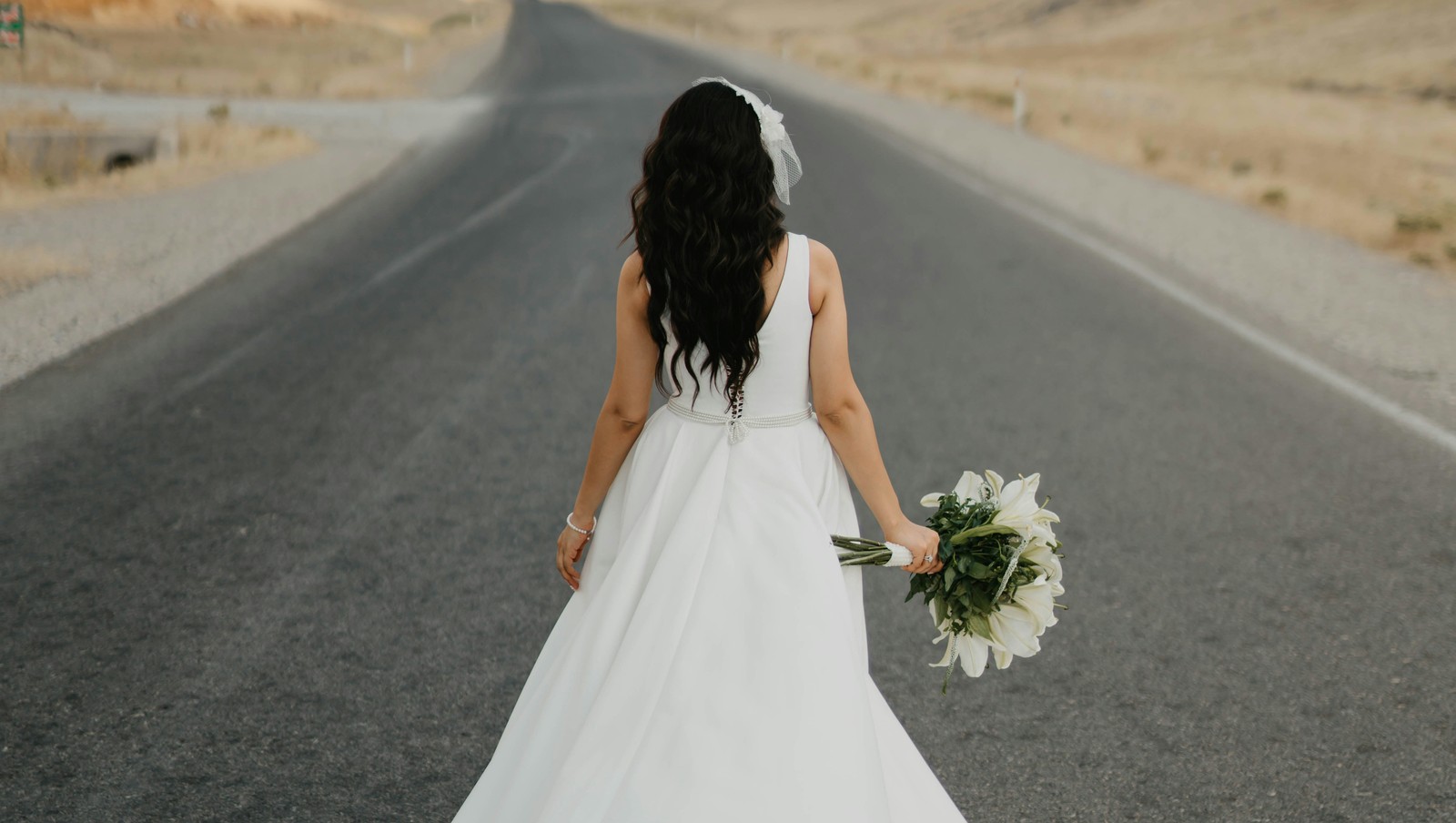
Image: Aranprime

Love, family, and centuries-old customs. Not all of those traditions are making it to the altar anymore, though. Some were born from superstition, others from practicality, and a few from trends that have, well, gone out of style. Many rituals are fading as modern couples trade formality for personality. Do you embrace new forms of celebration, or are you on the nostalgic side? Let’s look at the little old moments that once defined "I do."

1
Not seeing each other before the wedding
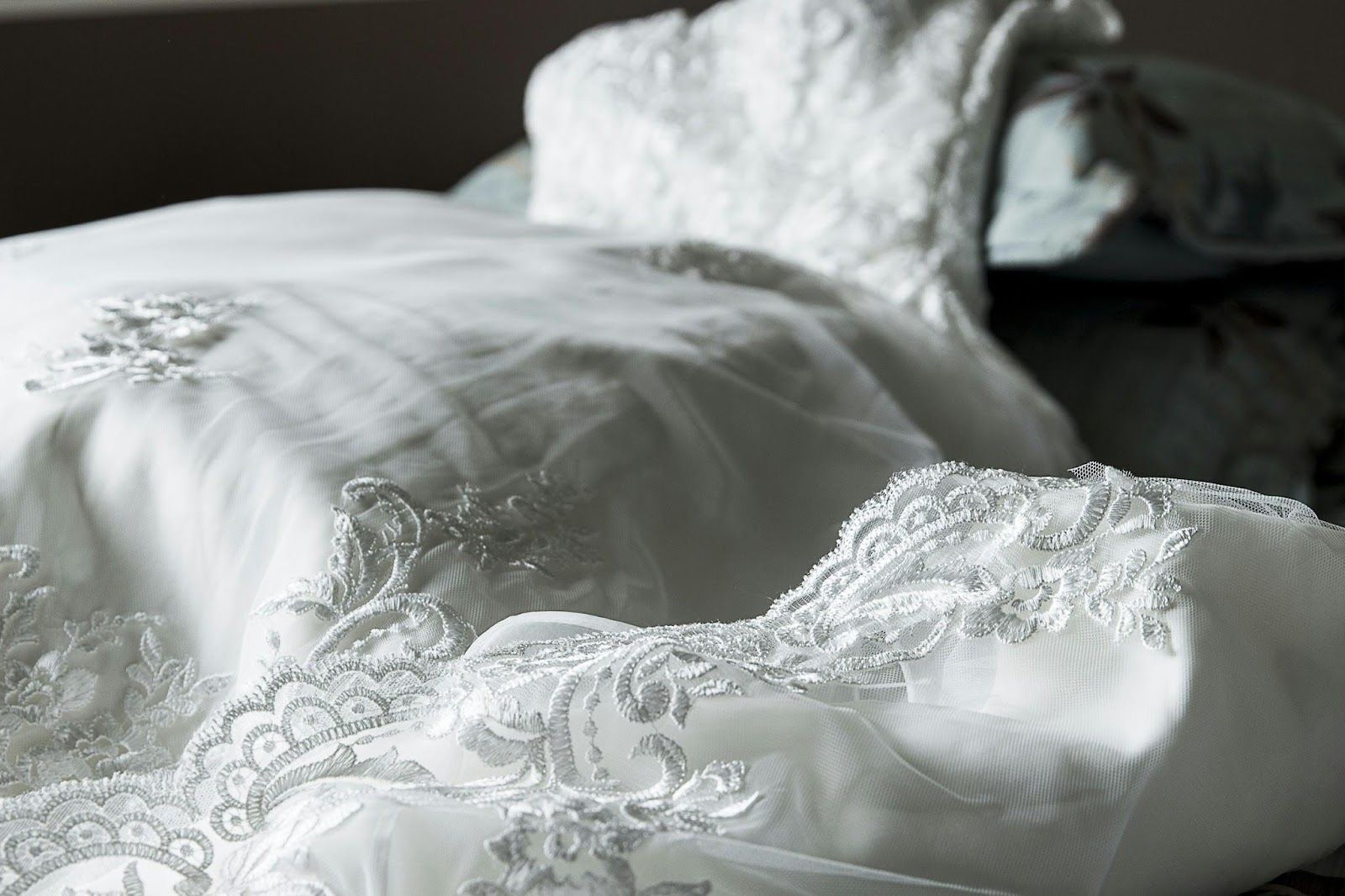
Image: Katy Duclos

Not seeing each other before the wedding was once considered essential. This superstition comes from the era of arranged marriages, when it was feared the couple might back out if they met beforehand. It evolved into the romantic "first look" at the altar. Many couples now skip it in favor of private pre-ceremony photos. Understandable!

2
Marrying in white
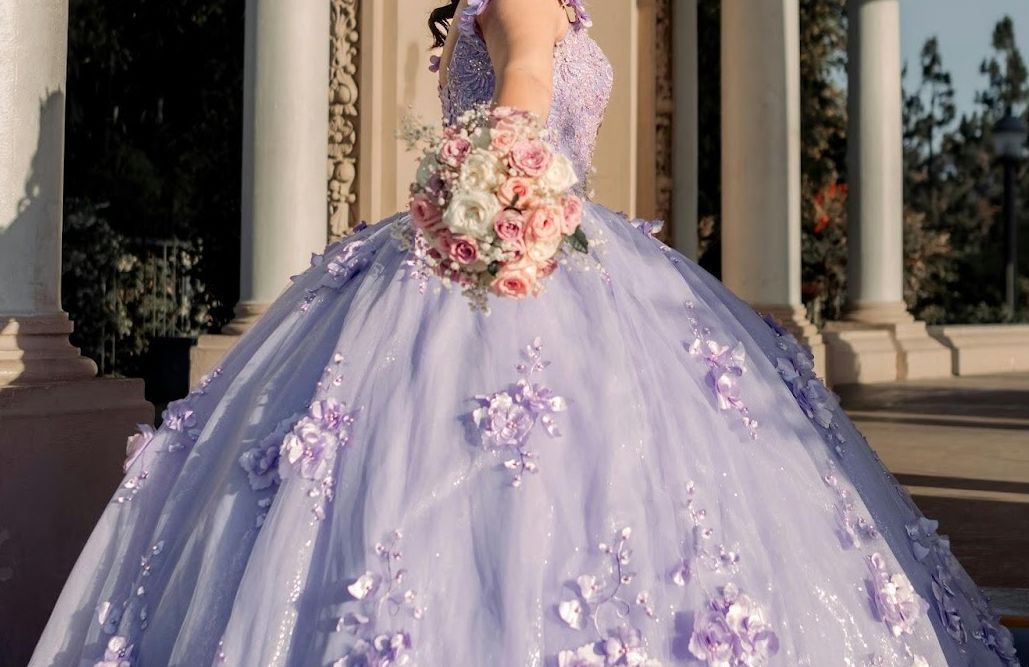
Image: Javier González Fotógrafo

Popularized by Queen Victoria in 1840, the white gown symbolized purity and wealth. U.S. brides embraced the trend for over a century, but modern weddings increasingly feature colorful gowns or non-traditional attire. Some pick their favorite color! Why not?

3
Wearing a veil
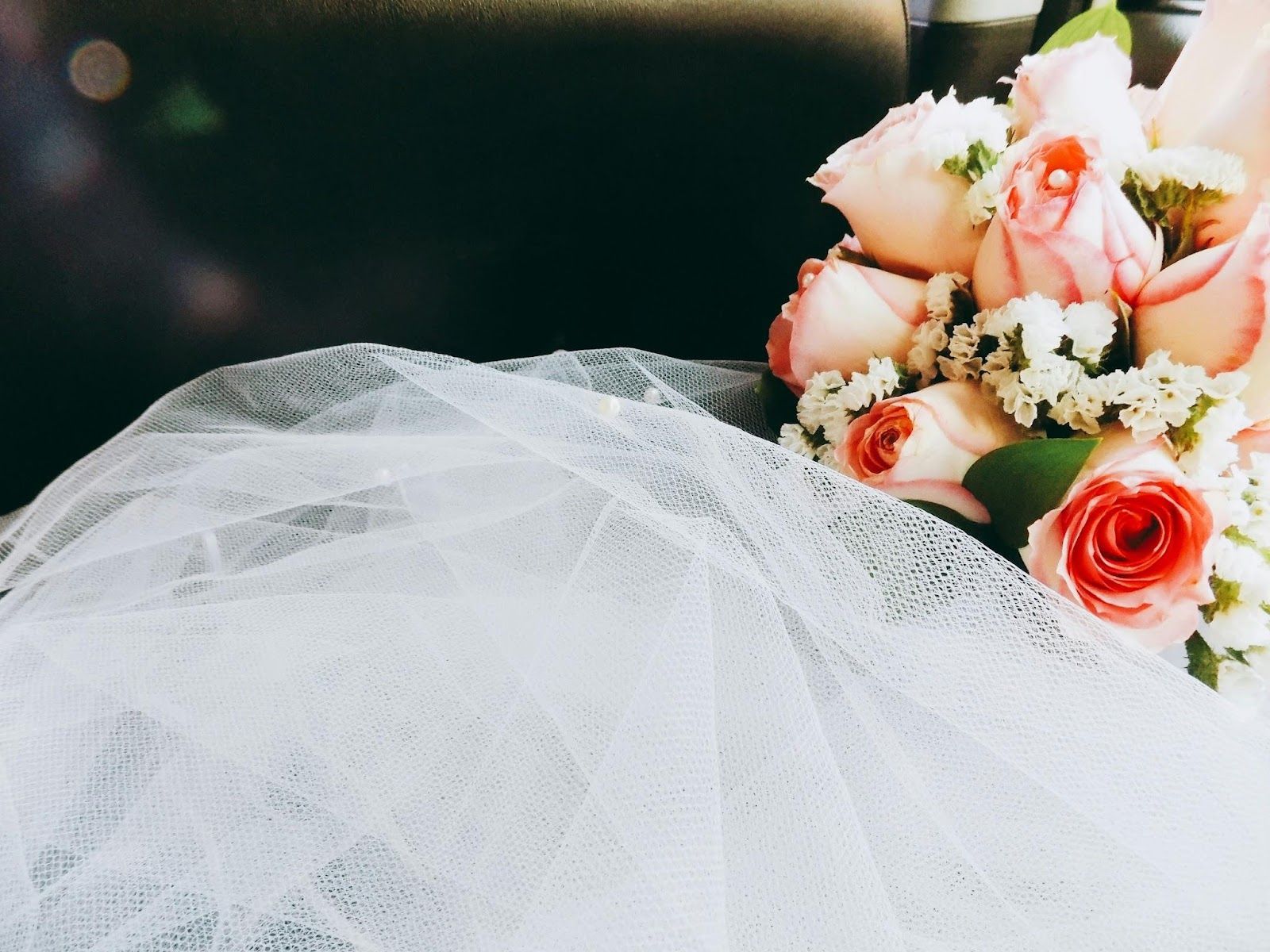
Image: Honey Yanibel Minaya Cruz

Once meant to protect brides from evil spirits or hide them from jealous eyes, the veil became a symbol of modesty. In the U.S., it persisted more as a fashion choice. Today, many brides favor hairpieces, flowers, or nothing at all.

4
Roast speeches
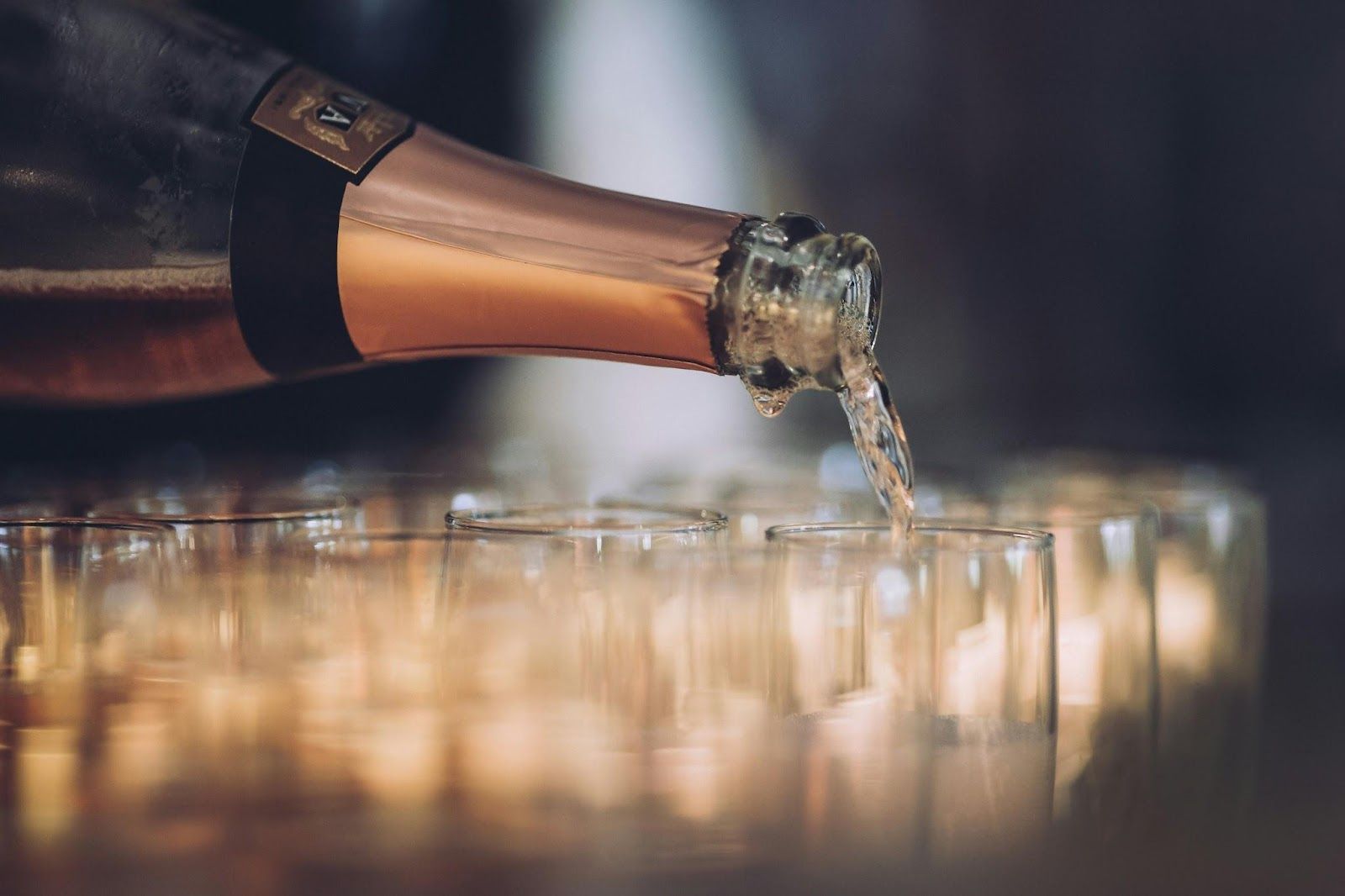
Image: Mads Eneqvist

Roast-style speeches became popular as toasts with a humorous edge, sometimes poking fun at the couple, especially at casual receptions. While funny for some, they’ve also led to plenty of awkward moments. Have you ever seen a video online of particularly harsh ones? As a result, many weddings now stick to heartfelt speeches to avoid offense.

5
Throwing a bouquet
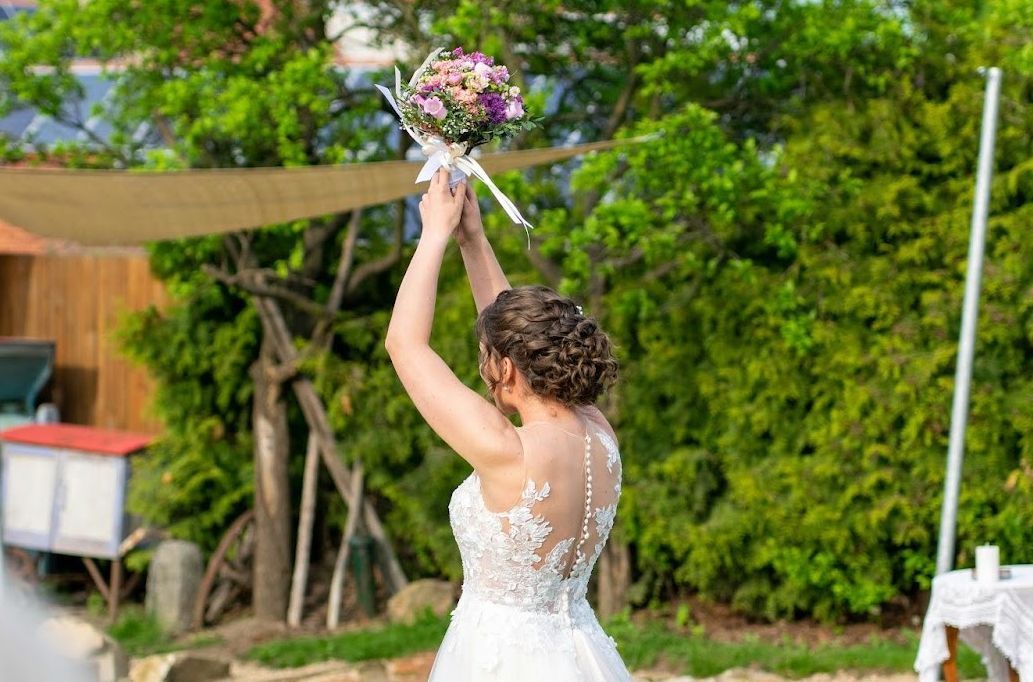
Image: Michal Mikulec

This playful tradition gave single women a "good luck" charm for marriage. It replaced older customs where guests tore pieces from the bride’s dress for luck. Many couples now swap it for alternative games or skip it entirely.

6
Receiving queues

Image: Shardayyy Photography

For decades, couples stood in a formal line after the ceremony to greet each guest in turn. It was a way to ensure everyone felt acknowledged. But some prefer not to miss that informal mingling during the reception! Instead, they spend time with their loved ones more casually, enjoying the natural flow of the party.

7
Matching bridesmaids’ dresses
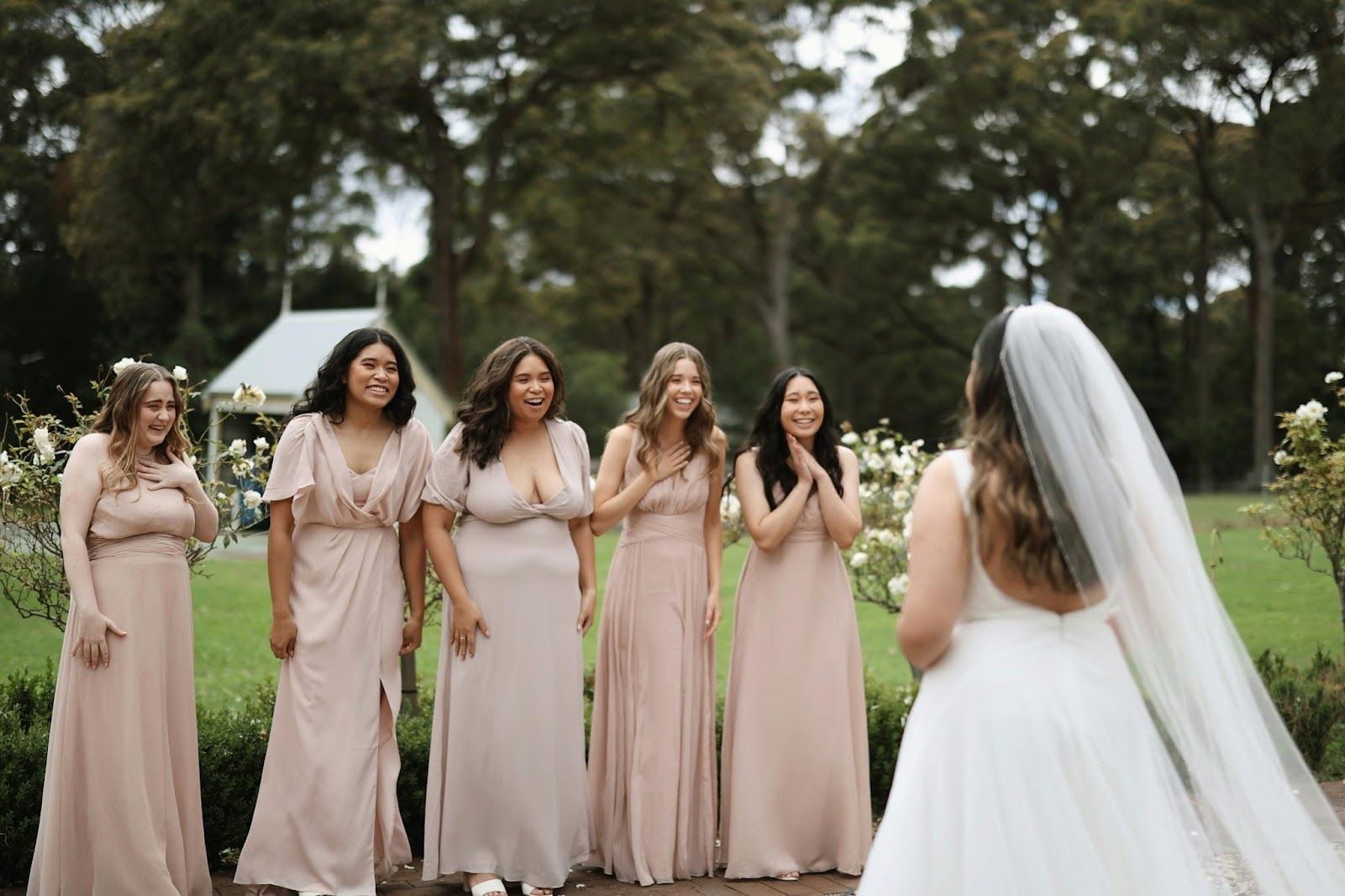
Image: Joeyy Lee

Tradition once had bridesmaids dressed alike in the same color, cut, and fabric to create a uniform look. Today’s weddings often mix styles, shades, and even prints. The change allows friends to choose something flattering—and something they can actually wear again.

8
Full sit-down dinners
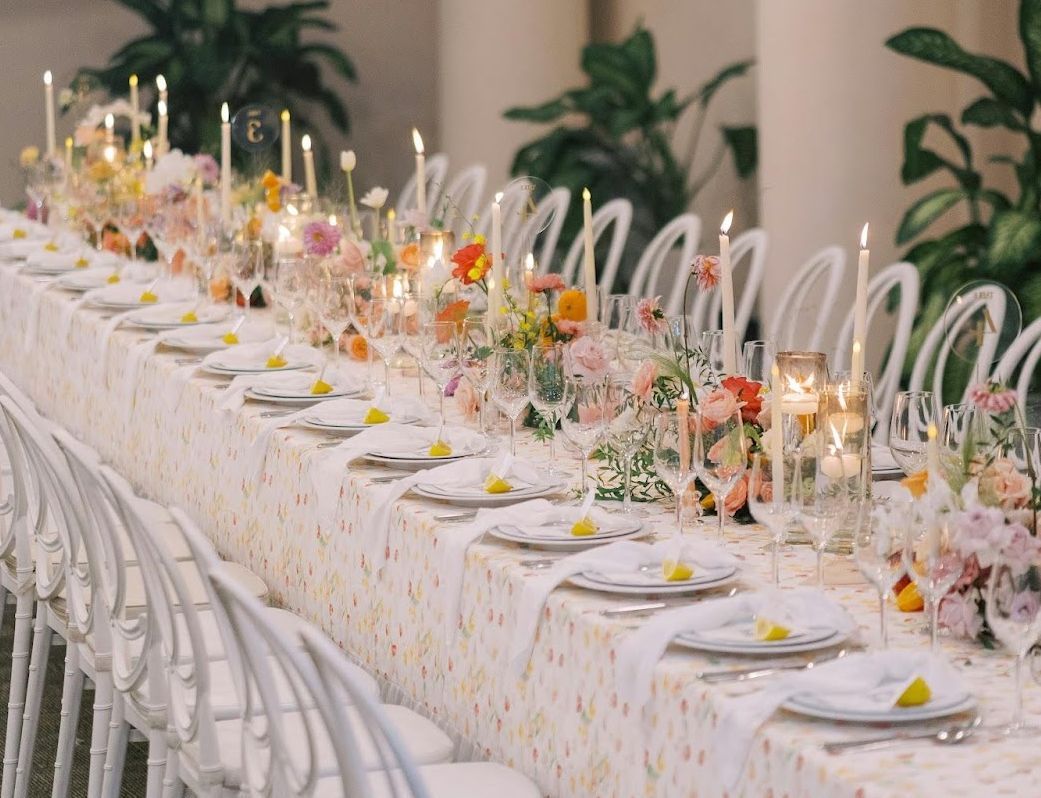
Image: Hồng Xuân Văn

The classic multi-course plated meal was once a wedding reception staple. Today, many couples opt for food trucks, buffet tables, or hearty hors d’oeuvres for a more social, less formal vibe. And, let’s face it, it also helps with costs and keeps the timeline flexible.

9
Saving the top tier of the cake
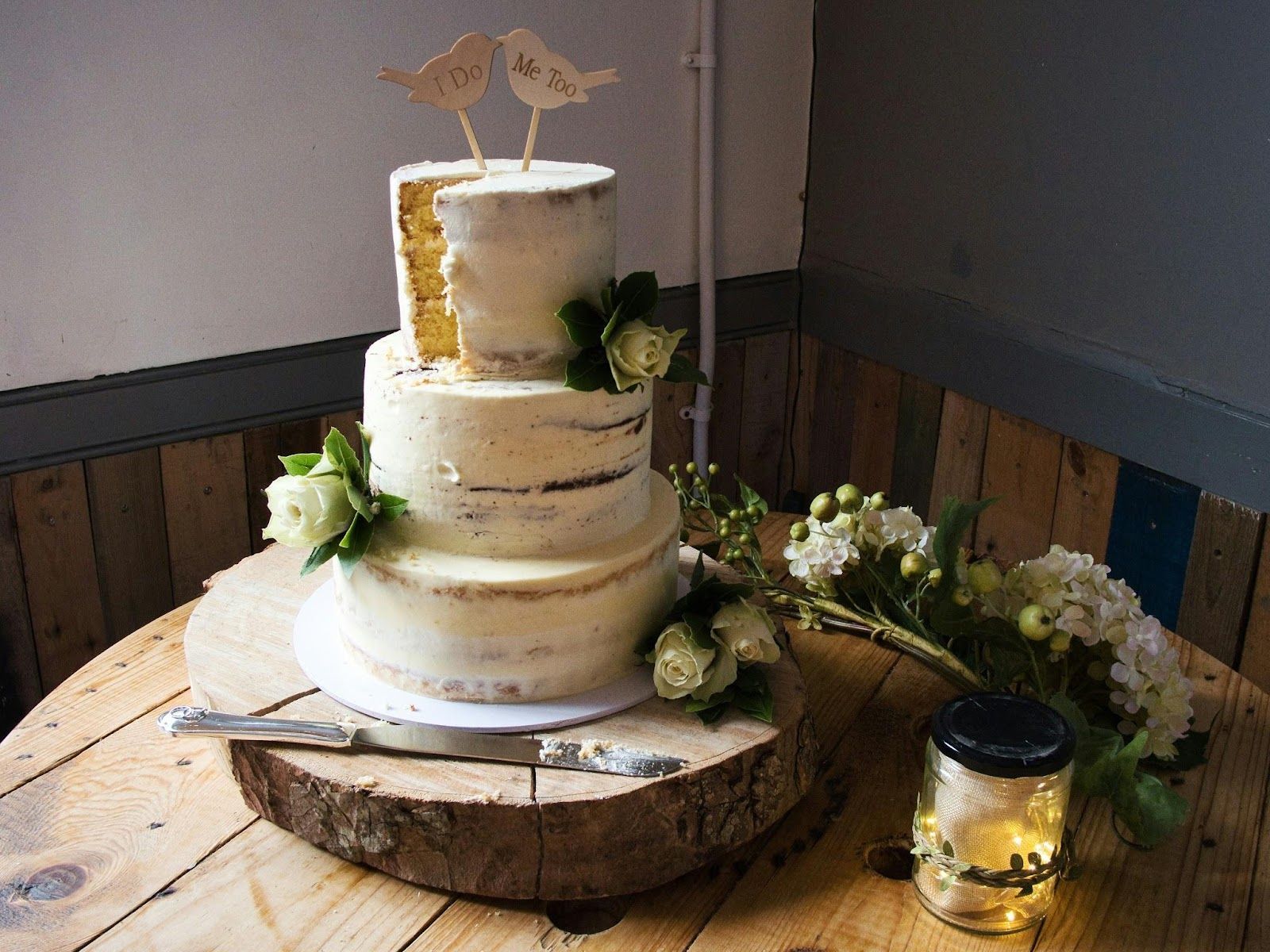
Image: Raquel Ming

Couples once froze the top tier of their wedding cake to eat on their first anniversary, as a symbol of enduring love. But after a year in the freezer, the result was often stale and unappetizing. These days, many order a fresh mini cake instead.

10
Rice throwing
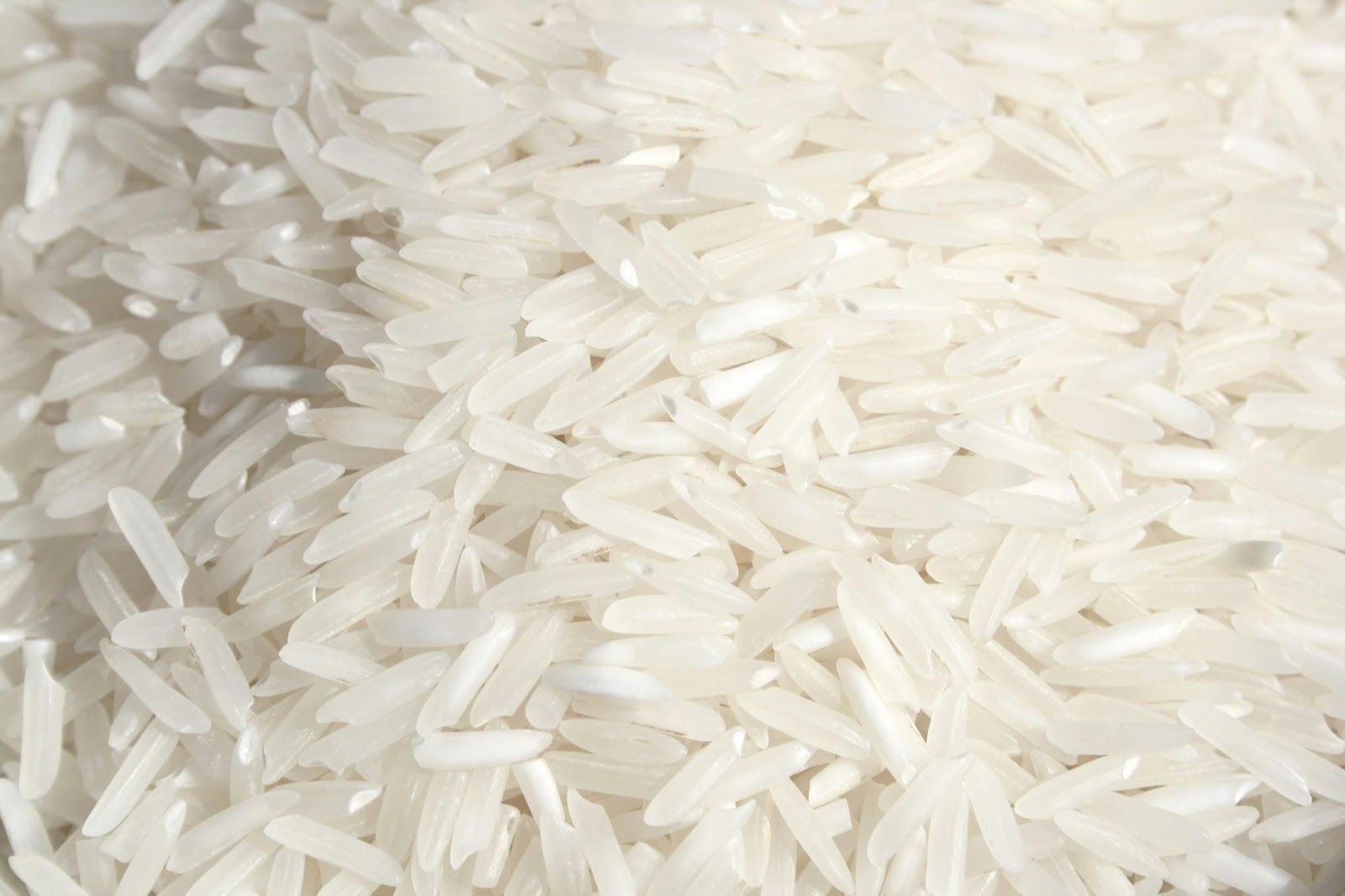
Image: Emma Miller

Showering the couple with rice at the exit was a long-held sign of prosperity and fertility. Concerns over mess, safety, and wildlife led to alternatives like bubbles, sparklers, or flower petals. The celebration remains, just with less sweeping.

11
Dollar dance

Image: Tiko Giorgadze

In this tradition, guests paid for a short dance with the bride or groom, contributing to the couple’s honeymoon fund. It was playful and personal, but could feel awkward or even outdated. Many couples now skip it in favor of more inclusive group dances.

12
Matching family seating sides
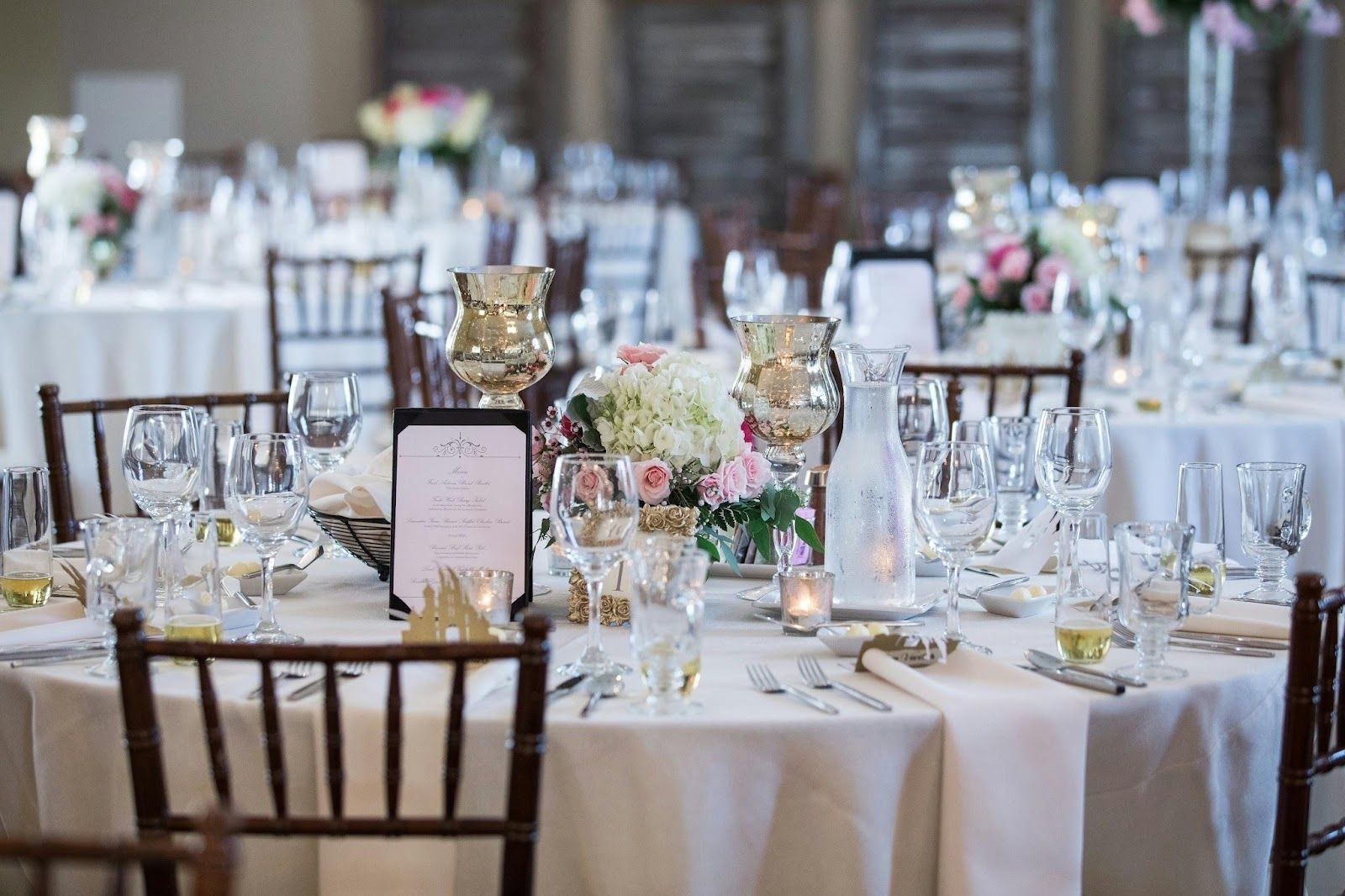
Image: Thomas Beaman

Traditionally, guests sat on the side of the family they knew best—the bride’s family on the left, the groom’s on the right. Today, signs inviting guests to "sit anywhere" reflect a blending of families and a more casual approach. Alternatively, tables may be intentionally assigned to mix new people together.

13
Garter tosses
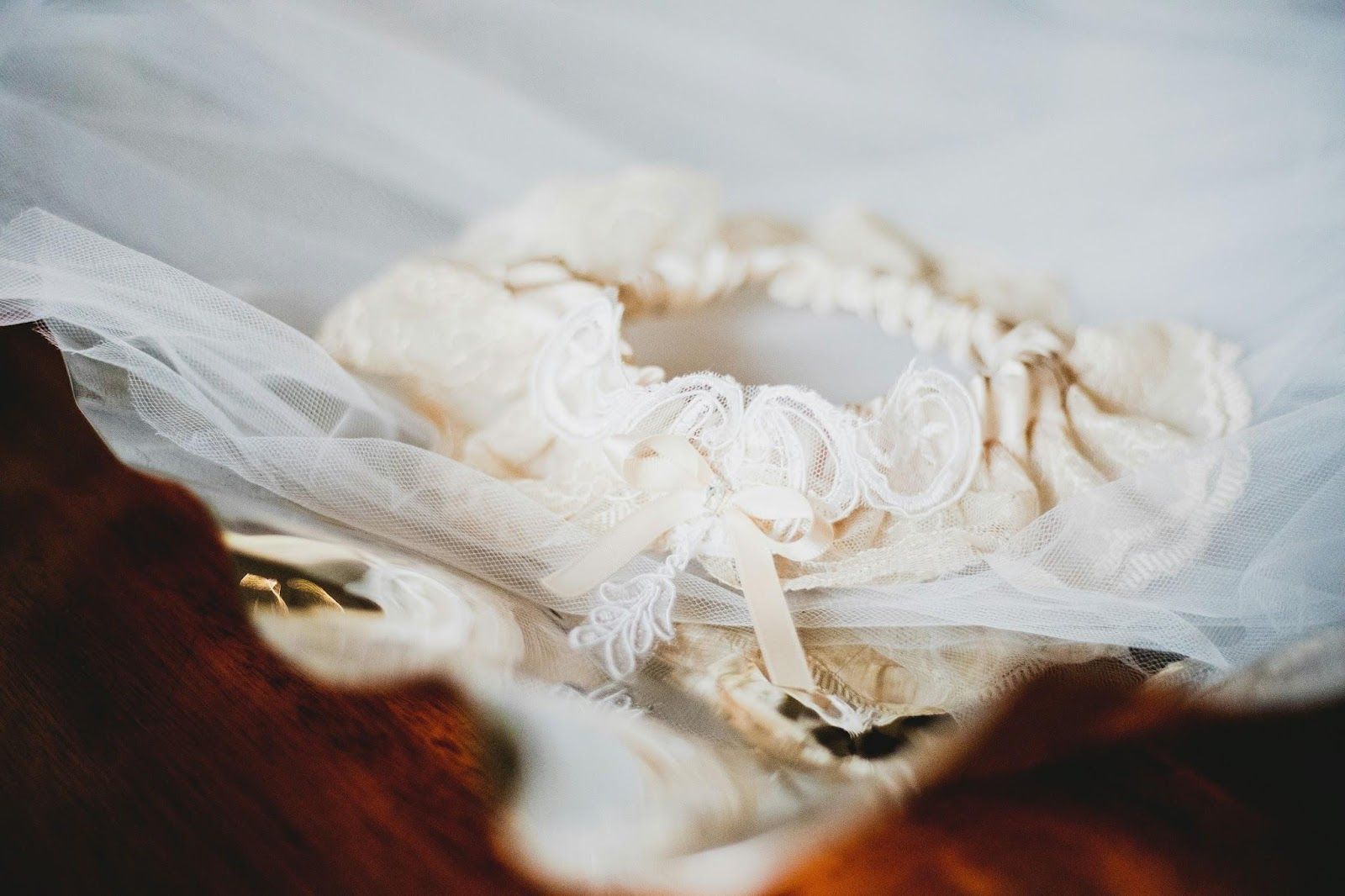
Image: Jeanie de Klerk

Once a bawdy medieval custom where guests scrambled for proof of consummation, it became a lighthearted party moment in American weddings. The groom removes and tosses the bride’s garter to single men. Today, it’s often skipped because it can feel outdated or awkward.

General General 6 min read

UNCOVERING SIN CITY SECRETS

Visible from space? 10 fun facts about Las Vegas you probably didn't know

Image: David Lusvardi

Frenetic, passionate, shocking, exciting, dazzling, monumental, and even overwhelming. All of this is Las Vegas, a city that evokes so many feelings and emotions that any adjective falls short. Few cities carry such a mystique as Las Vegas. Also called "Sin City", it concentrates the largest number of casinos and hotels in the world, making it one of the tourist destinations most chosen by travelers. But Las Vegas is a lot more than just gambling and fleeting entertainment. In fact, it hides some juicy secrets you'll want to learn. Join us to discover 10 fun facts about Las Vegas you probably didn't know.

1
The Strip is not really in Las Vegas

Image: Stephen Leonardi

The Strip is probably the most iconic attraction in Las Vegas. It stretches approximately 4.2 miles along Las Vegas Boulevard and is the vibrant heart of the city , attracting millions of tourists to experience a unique combination of entertainment and luxury. However, did you know that The Strip is not in Vegas?

Well, it's a technicality. The Strip is located south of the city of Las Vegas, more specifically in Clark County, Nevada, in the unincorporated towns of Paradise and Winchester. In any case, this area is one of the most filmed and photographed in the United States. It is also home to many of the world's largest hotels, casinos, and resorts, such as The Mirage, the Caesars Palace, and The Bellagio.

2
There’s more than one Vegas

Image: Jim Witkowski

Although Las Vegas, Nevada is the most famous of them all, it is not the only one. In New Mexico, just a few miles from Santa Fe and Albuquerque, there is another city called Las Vegas. Founded in 1835, it was one of the main stops on the Santa Fe Trail.

Being part of this trail and preserving the Spanish Colonial style of its buildings has earned this town the right to have up to 900 of its buildings on the National Register of Historic Places. And it is the only place in the United States to reach that number!

Like its big sister in Nevada, Las Vegas, New Mexico is now a major film and television set. Series like House of Cards and movies like No Country for Old Men and Wyatt Earp have been filmed here. Who would have guessed?

3
The Great Sphinx is bigger than the original

Image: lindsayascott

The Great Sphinx of Giza is one of the most beautiful and emblematic monuments ever erected in the history of mankind. So, of course, Sin City had to have one of its own. This replica is located in Luxor Las Vegas, a casino following the theme of Ancient Egypt on The Strip.

Interestingly, however, the Luxor Las Vegas Sphinx is much larger than the Egyptian Sphinx at Giza. The original statue is only 66 feet tall, while the Las Vegas version is over 110 feet tall. What’s more accurate is the massive Luxor Pyramid making up the main building of the casino, it is as large as the Red and Bent Pyramids of Egypt.

4
One bright city

Image: Isaac Davis

Las Vegas is famous for its spectacular nighttime lights. In fact, it is considered one of the brightest cities in the world. But can you see it from space? The answer is yes! Las Vegas can be seen from space, as confirmed by NASA and images taken aboard the International Space Station.

In 2021, astronaut Shane Kimbrough tweeted an aerial photograph of the city taken 250 miles above Earth. In it, you can spot clearly a brighter band where The Strip is located. This is due to the high concentration of lights from casinos, hotels, and other attractions in this famous area. It is estimated that approximately 12,000,000 lights are turned on every night on the Las Vegas Strip!

5
Some hotels are missing a floor

Image: jaygeorge

Americans are used to hotels with no 13th floor, but why do some Las Vegas casinos lack 4th floors? Las Vegas hotels avoid numbering floors with a four to ward off any superstition associated with death.

Fear of the number four, called tetraphobia, is common in many Asian countries, especially China. The word death sounds eerily similar to the number four in Chinese and Japanese. Given that Las Vegas receives a large number of Asian tourists each year, it makes sense that so many casino owners want to avoid making them uncomfortable. In fact, many hotels such as the Aria, the Wynn, and the Elara don't even have floors 40 through 49.

6
More than 200 weddings a day

Image: Pexels

Las Vegas is where reality becomes fantasy, where the Eiffel Tower, Egyptian pyramids, and medieval castles shine away on a glamorous desert strip. It's no wonder, then, that Sin City remains a popular wedding destination.

In September 2023, Las Vegas celebrated its 70th anniversary as the "Wedding Capital of the World." There are about 100 chapels in the city issuing more than 200 licenses a day for couples looking for a simple, quick, and —why not?— themed wedding. Throughout history, lots of couples have tied the knot in the city, including celebrities such as Jennifer Lopez and Ben Affleck, Frank Sinatra and Mia Farrow, and Elvis Presley and Priscilla Beaulieu.

7
A ghost town below Lake Mead

Image: Nikola Majksner

Located 24 miles from the city of Las Vegas, Lake Mead is one of the most important tourist attractions in the state of Nevada. It is the largest lake and reservoir in the United States and is a great destination for water activities and fishing.

However, this place holds a big secret. A few years ago, the lake's low water level revealed the ruins of the abandoned city of St. Thomas, approximately 18 meters below the surface. St. Thomas, founded in 1865 by Mormons, was one of the communities directly affected by the construction of the Hoover Dam.

Today, its gloomy structures have become an attraction for those who want to see the remains of a town that once housed 500 people. The foundations of what was originally a school, a post office, a supermarket, and a church make it a true ghost town.

8
A mecca for antique collectors

Image: Kenny Eliason

There's so much more to do in Sin City besides gambling! Did you know that there is an impressive number of antique stores in Las Vegas? These second-hand shops are a favorite among locals and tourists alike and have been in the area for decades.

For example, Downtown Las Vegas, the city’s historic center, is the best place to find bargains, one-of-a-kind items, collectibles, vintage fashion, and unique pieces of jewelry. If you are visiting the city and, at some point, you get tired of the slots, you can go thrifting and take home a piece of the city's history.

9
FedEx wouldn’t exist without Sin City

Image: Michał Parzuchowski

Today FedEx is one of the best-known companies in the United States. With a large fleet of planes and trucks, the company delivers 16.5 million packages daily to 220 countries and territories. However, the delivery giant had a rocky start and there was a moment, five decades ago when it was close to disappearing.

In the mid-1970s, the oil crisis increased the company's operating costs. Overwhelmed by debt, founder Frederick W. Smith withdrew the last US$5,000 and spent a weekend gambling in the famous Las Vegas casinos. Fortunately, luck was on his side and today we can enjoy this service that changed the postal system forever.

10
The largest bronze sculpture in the U.S.

Image: Wadems, Public domain, via Wikimedia Commons

As we’ve seen, everything in Las Vegas is grandiose and monumental. So it's no wonder that this city is home to the largest bronze sculpture in the United States. The iconic MGM Grand lion weighs a staggering 90,000 pounds and stands 45 feet tall.

This sculpture was placed at the entrance of the hotel in 1998 to replace a cartoon-like giant lion head made of fiberglass. The thing is, record-breaking has been at the heart of the MGM Grand since its beginnings: It was the largest hotel in the world at the time of its opening. Now, it is the largest single hotel in the country, with 5,124 rooms in one building.

History History 3 min read

Political zoo

When an alligator lived in the White House—and 9 more presidential pets

Image: Clovis Wood

From alligators in bathtubs to bears roaming the lawn, U.S. presidents have kept some truly bizarre animals as pets. These creatures weren’t just conversation pieces—they reflected the quirks, ambitions, and historical moments of the presidents who owned them. Here are 10 of the strangest, wildest, and most unexpected pets ever to call 1600 Pennsylvania Avenue home.

1
John Quincy Adams’ alligator

Image: Robert Zunikoff

Adams kept an alligator in the White House bathtub, a gift from Marquis de Lafayette. Guests were reportedly startled by the reptile for months before it was relocated.

However, recent historians believe the story may be more myth than fact, reflecting the perceived eccentricity of both Adams and Lafayette rather than actual events.

2
Theodore Roosevelt’s badger

Image: Vincent van Zalinge

It’s clear that Teddy Roosevelt was an animal lover, keeping some of the most bizarre and unusual pets in White House history.

When Roosevelt’s children received a badger named "Josiah" from a girl in Kansas, the president didn’t hesitate to welcome it into the family home. The mischievous animal, however, often nipped at people’s ankles—including White House staff.

3
Martin Van Buren’s tiger cubs

Image: Mystery Cat

Yes—tiger cubs, plural. The Sultan of Oman gifted Van Buren two tiger cubs, but Congress demanded he surrender them to a zoo, citing laws against presidential gifts.

Van Buren fought to keep them but ultimately lost, and the cubs ended up in a public collection, marking one of the earliest disputes over presidential ethics and gifts.

4
Andrew Jackson’s parrot

Image: Ilona Frey

Jackson’s parrot, "Polly" learned to swear so well that it had to be removed from his funeral for cursing during the ceremony.

Known for his fiery temper, Jackson likely found the bird’s language amusing. Polly’s notorious vocabulary made it one of the earliest infamous pets in U.S. political lore.

5
James Buchanan’s elephant

Image: Wolfgang Hasselmann

This was a case of "almost." The King of Siam offered Buchanan a herd of elephants, suggesting they could breed in America. However, Buchanan politely declined—perhaps recalling Van Buren’s short-lived tiger ordeal? Still, he did maintain other exotic animals in Washington.

6
Abraham Lincoln’s turkey

Image: Tyler Jamieson Moulton

Lincoln’s son Tad named their Thanksgiving turkey "Jack" and begged his father to spare it—a story said to inspire the later turkey pardon tradition.

Jack roamed the White House freely and even followed Tad around, charming guests with his odd pet status.

7
Calvin Coolidge’s raccoon

Image: Joshua J. Cotten

Originally sent to be eaten at Thanksgiving—yes, eating raccoon wasn’t that unusual back then—"Rebecca" the raccoon was spared and became a pet. Coolidge even walked her on a leash around the White House gardens.

Rebecca had a custom house and enjoyed baths. Coolidge adored animals and also kept a wallaby, a bobcat, and even pygmy hippos!

8
Theodore Roosevelt’s hyena

Image: Matt Burke

By modern standards, it sounds insane, but Roosevelt was once gifted a hyena named "Bill" by an Ethiopian emperor—and he found the animal surprisingly affectionate.

Bill often roamed the White House lawn freely before eventually being sent to the Smithsonian, adding another chapter to Roosevelt’s legendary fascination with wildlife.

9
Woodrow Wilson’s sheep

Image: Sam Carter

During World War I, Wilson let sheep graze the White House lawn to save labor and raise war funds by auctioning their wool.

The move doubled as an environmental gesture and patriotic fundraiser. "Old Ike," a ram, became infamous for butting staff members and reporters alike.

10
Theodore Roosevelt’s bear cub

Image: Alla Kemelmakher

A black bear named "Jonathan Edwards" was among Roosevelt’s pets, inspired by his love of hunting and the outdoors.

Though kept briefly, the bear contributed to Roosevelt’s reputation as an adventurer—one that even inspired the creation of the "Teddy bear."

Explore more American facts

Choose your favorite category!

General
General

As American as apple pie—the very best America has to offer!

Culture
Culture

Delve into the astounding richness of American lore.

Geography
Geography

Hop in and explore vast and diverse American landscapes.

History
History

Discover the key moments that shaped the United States.