Not just 12 angry men
Do you remember how jury duty works?

Image: Saúl Bucio
Jury duty is a cornerstone of the American legal system, rooted in the Constitution and designed to ensure fair trials. While the process may seem complex, it follows a clear structure used across federal and state courts. From selection to deliberation, each step helps guarantee impartial justice. How much do you know about how jury duty works? Read on.
1
Jurors are selected at random
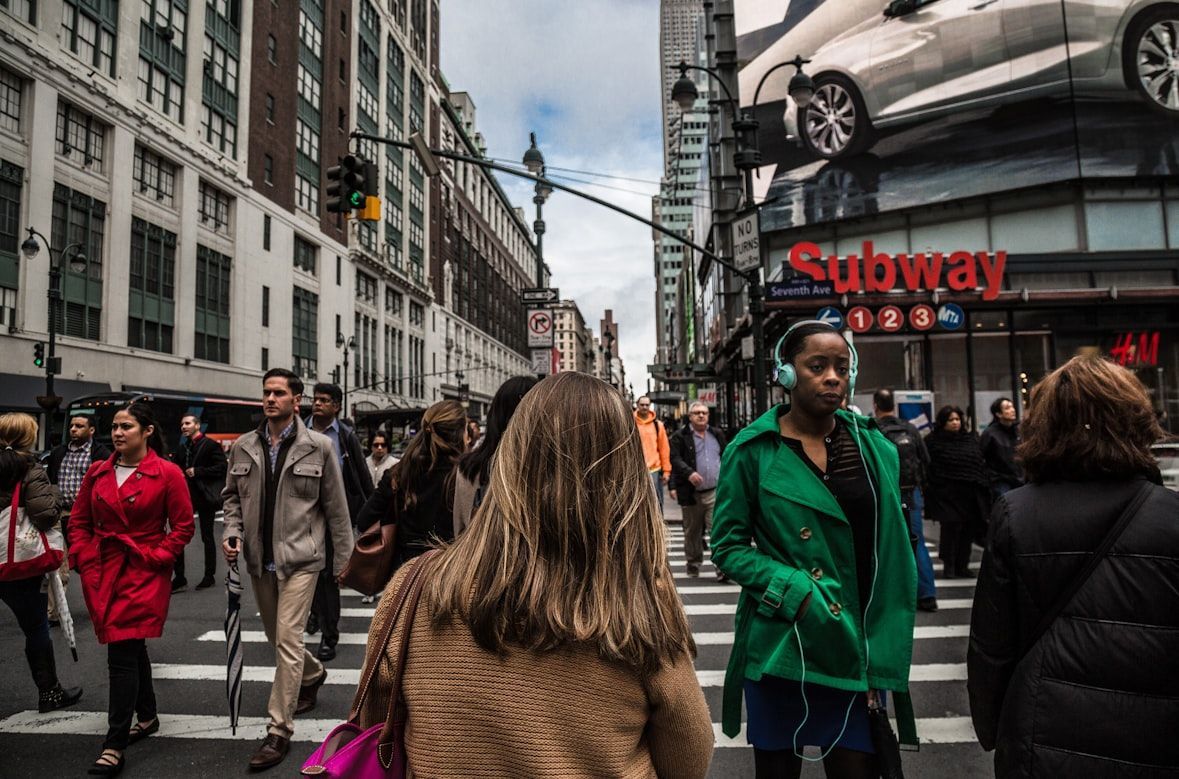
Courts select potential jurors randomly from public records like voter registrations and driver’s license databases . This system helps ensure juries reflect a fair cross-section of the community.
Random selection has been standard practice for decades, helping prevent bias in the legal system. Federal courts began expanding source lists following the passage of the Jury Selection and Service Act of 1968 to improve diversity and representativeness.
2
You receive an official summons
If chosen, you’ll receive a jury summons by mail with instructions on when and where to report. It typically comes from a local, state, or federal court.
The summons is a legal document. Failing to respond can lead to fines or penalties , although courts often allow postponements for valid reasons like work or medical issues.
3
You must complete a qualification questionnaire

Before serving, most courts require you to fill out a questionnaire about your age, citizenship, job, and background . This helps determine eligibility.
Federal law generally requires jurors to be U.S. citizens, at least 18 years old, and able to understand English. Certain criminal convictions or hardships may disqualify you.
4
Eligible people form a jury pool
Those who qualify become part of a jury pool, also called a "venire." This group is the starting point for selecting jurors for individual trials.
The size of a jury pool varies depending on the court and case . Large trials may require dozens of potential jurors to ensure enough qualified candidates remain.
5
Jurors are called into court when needed
From the larger pool, smaller groups are summoned to courtrooms when trials are ready to begin . Not everyone in the pool will end up serving.
Some people may wait hours or even days without being assigned to a case. If not selected, they are usually dismissed after their service period ends.
6
Lawyers and judges question potential jurors
In a process called "voir dire," attorneys and judges ask questions to identify bias, conflicts, or interests . This step ensures fairness in the trial.
Questions may cover personal experiences, opinions, or knowledge about the case. The goal is to select jurors who can remain impartial and follow the law.
7
Some jurors are dismissed during selection
Potential jurors can be removed "for cause" if they show bias or hardship . Lawyers can also use a limited number of peremptory challenges.
Peremptory challenges allow attorneys to dismiss jurors without giving a reason, though they cannot be used for discrimination based on race or gender.
8
A final jury is chosen

After questioning, a final group is selected. Criminal trials usually have 12 jurors, while civil cases often use 6 to 12 , depending on the court.
Alternate jurors may also be chosen in case someone cannot continue. These alternates listen to the trial but only deliberate if needed.
9
There are different types of juries

The most common is the petit jury, which decides trial outcomes. A grand jury, by contrast, determines whether enough evidence exists to file charges.
Grand juries are typically larger, often with 16 to 23 members , and are used mainly in federal cases and some state systems.
10
Jurors listen to the evidence and testimony

During the trial, jurors hear witness testimony, examine evidence, and listen to arguments from both sides . They must follow the judge’s legal instructions.
Jurors are not allowed to research the case or discuss it outside of the courtroom. This rule ensures decisions are based only on evidence presented in the courtroom.
11
Jurors deliberate privately

After the trial ends, jurors meet in a private room to discuss the case and reach a verdict. These discussions are confidential.
In criminal cases, the verdict often must be unanimous. Deliberations can take hours or even days, depending on the complexity of the case.
12
Serving is a civic duty, required by law
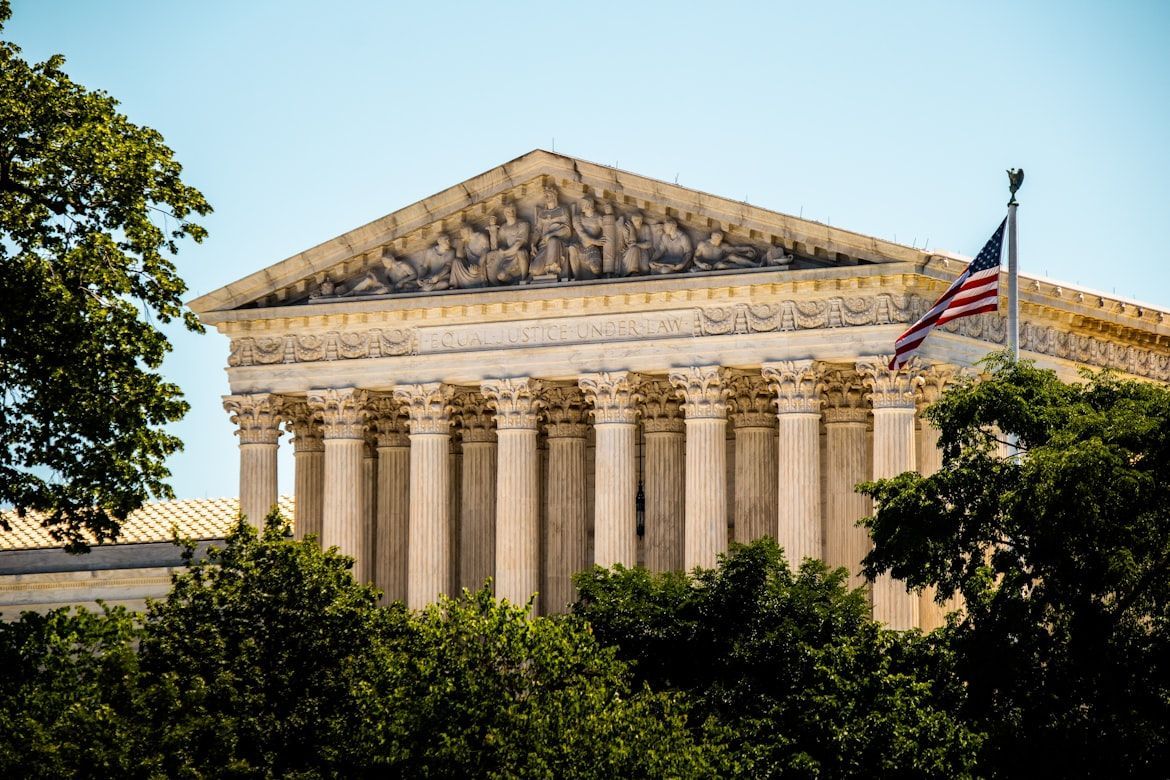
Jury duty is a legal obligation and a key part of the American democracy. It allows citizens to participate in the justice system directly.
Citizens are generally summoned for jury duty every one to four years, depending on the jurisdiction, though federal court service typically requires only one appearance every two years. If you serve on a trial, you are often exempt from serving again for at least 3 years. Summoning frequency is generally determined by lists from local, state, or federal courts.