Geography Geography 5 min read

Do you know who was the "Father of the National Parks"?
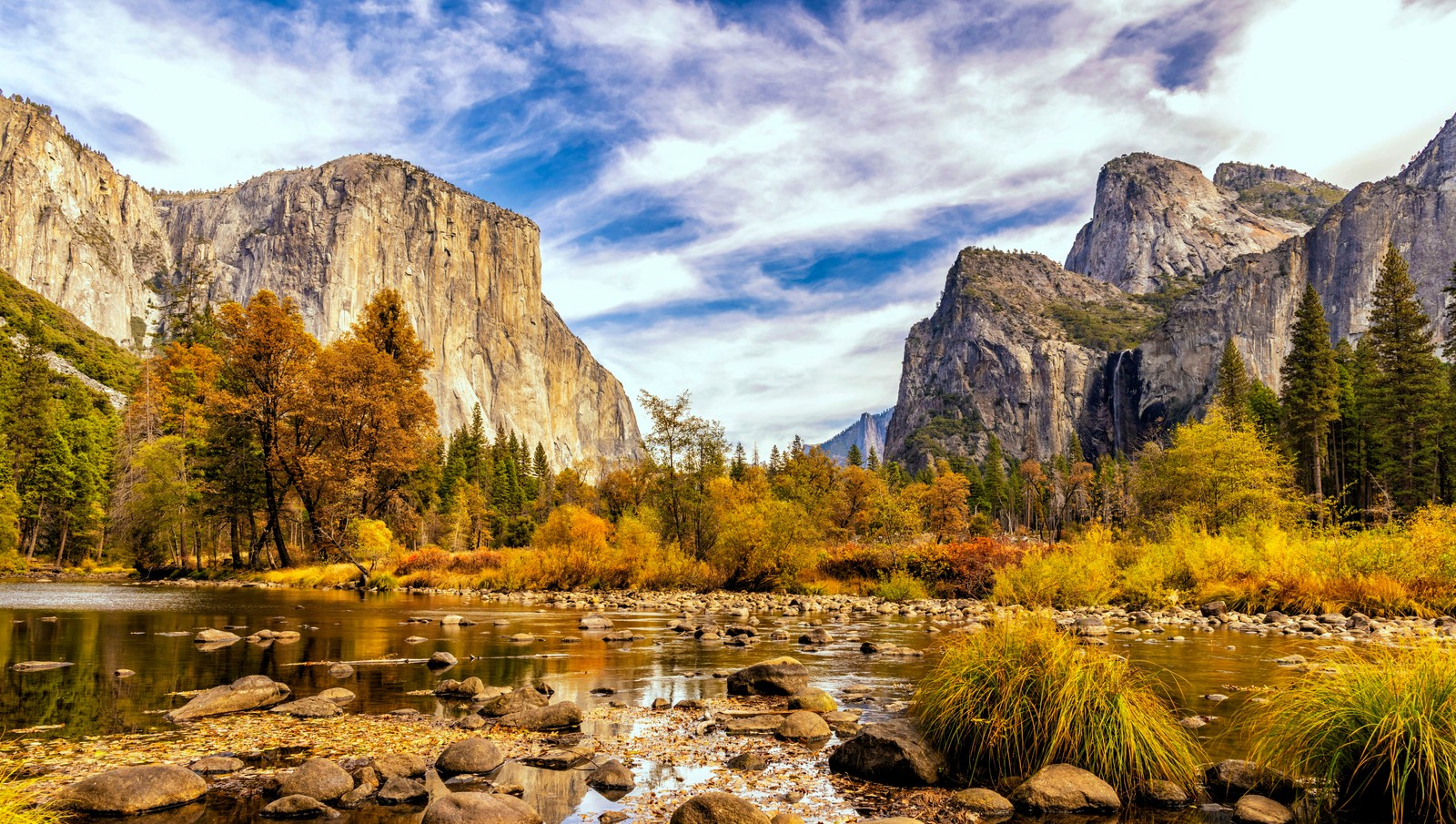
Image: Rakshith Hatwar

Known for its cliffs, waterfalls, and forests, Yosemite National Park holds far more than meets the eye: ancient trees older than empires, rare creatures that survived the Ice Age, and natural phenomena so strange it feels like magic. Whether you climb its tall granite walls or trace misty trails through hidden valleys, Yosemite invites you into a world where history, wonder, and wilderness meet. Here are ten facts that prove why this iconic park remains one of Earth’s true treasures.

1
Father of the National Parks
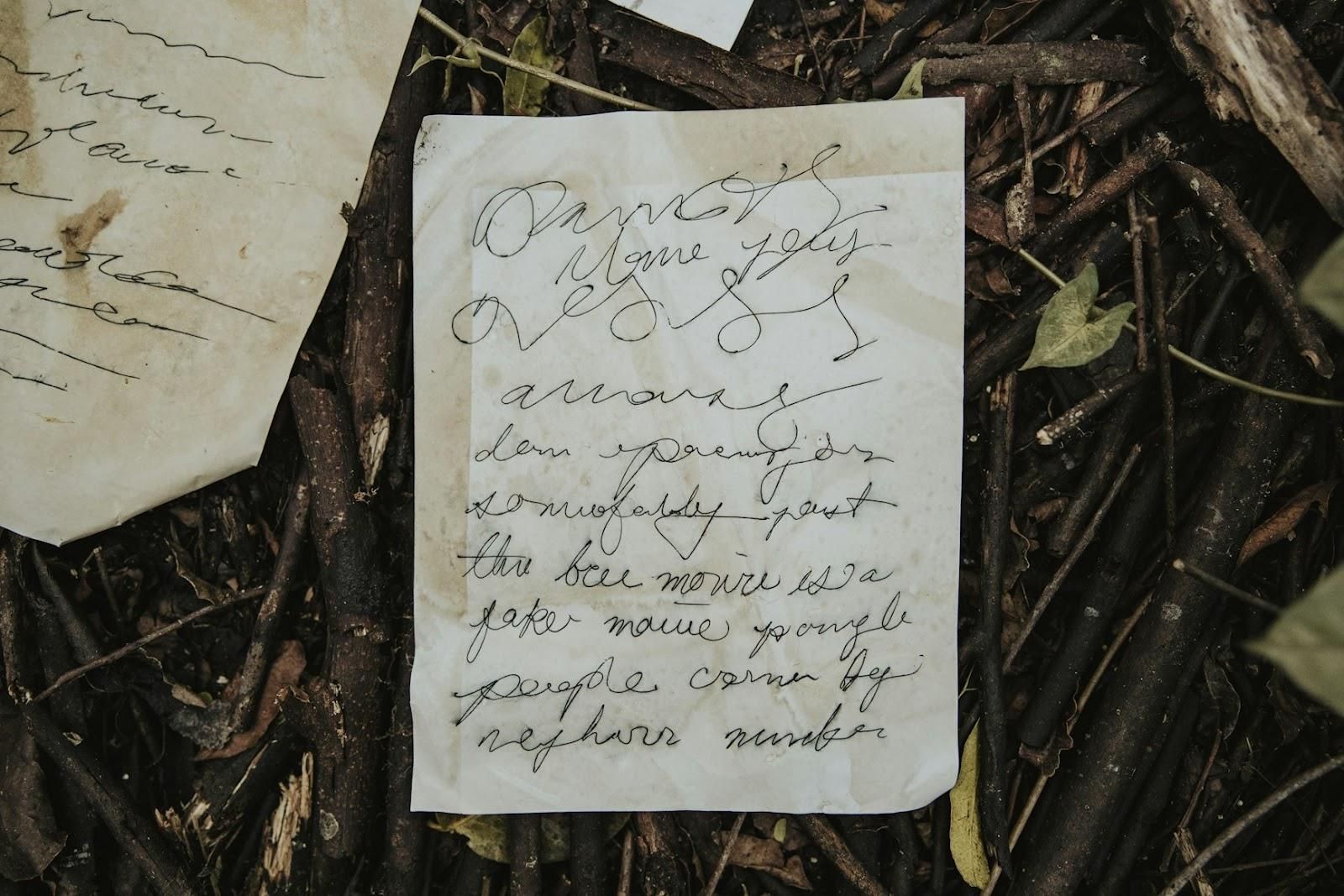
Image: Amaury Gutierrez

John Muir was a Scottish-born naturalist who devoted his life to protecting the wilderness, especially the Yosemite Valley area. He wasn’t content to simply admire the towering cliffs and ancient trees; he wrote tirelessly, crafting essays, letters, and articles that stirred both the hearts of ordinary readers and Congress representatives.

Muir’s words painted Yosemite not just as a landscape, but as a sacred treasure worth safeguarding. His relentless advocacy culminated in 1890 with the creation of Yosemite National Park, a triumph that earned him the nickname "Father of the National Parks". Even today, his legacy whispers through the valleys, reminding visitors that one person’s dedication can change the course of history.

2
A hike for every adventurer
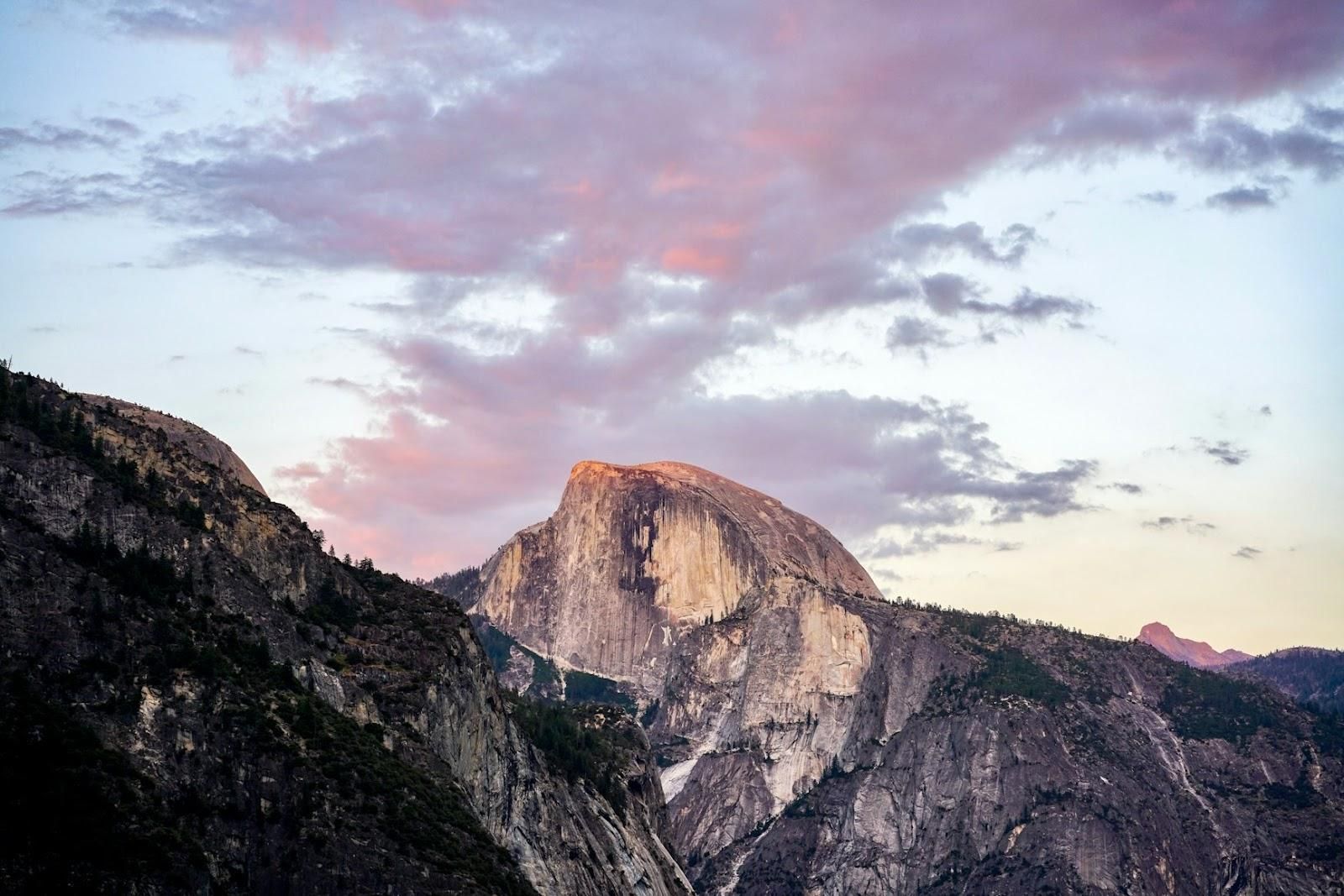
Image: Nick Herasimenka

Some trails are built to challenge your limits, while others seem designed to comfort your soul. For those hungry for adrenaline, the Half Dome hike is the crown jewel: a 14-mile round trip of punishing switchbacks, dizzying cliffs, and cables that pull you toward a summit where sky and earth blur into one endless horizon.

Yet, Yosemite is just as generous to the quiet wanderer. The Mirror Lake Trail offers a soft stroll through shaded forest, ending in still waters that hold Half Dome’s reflection like a painting on glass. Here, courage and calm walk side by side—proof that in Yosemite, the trail you choose always leads to wonder.

3
Sunshine and rain: the perfect mix
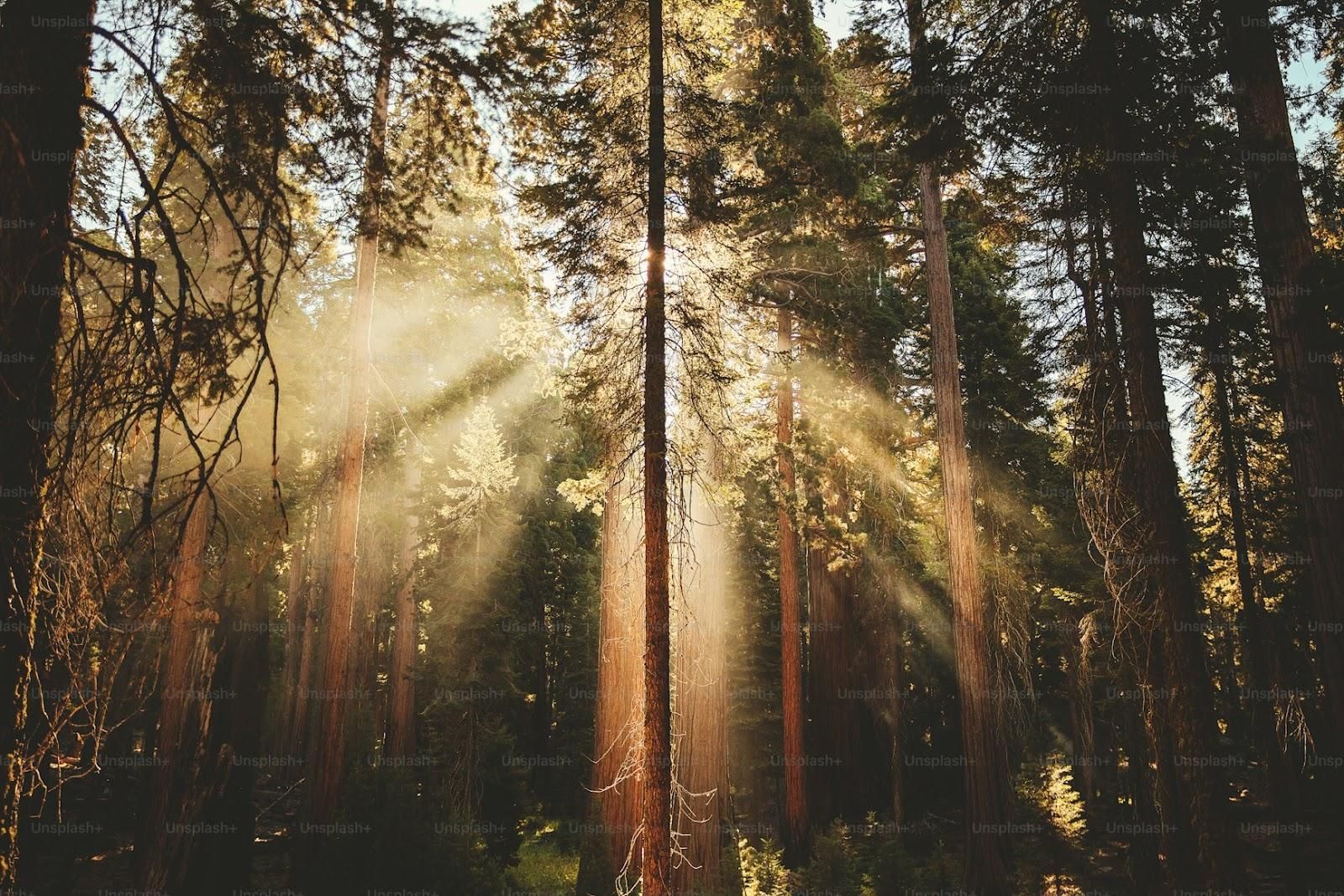
Image: Joshua Earle

Think of California as a desert with endless sunshine? Yosemite tells a different story! Yosemite Park’s climate shifts dramatically with the seasons, offering a rhythm as dynamic as its landscapes. Winter storms roll in with steady rains feeding rivers, swelling waterfalls, and covering the higher elevations in snow.

Summer, on the contrary, arrives almost bone-dry. This contrast creates the park’s natural pulse: meadows explode with wildflowers, waterfalls thunder with fresh snowmelt, and clear blue skies stretch endlessly above hikers and climbers. The result is a cycle that ensures Yosemite is alive and ever-changing, no matter the season.

4
Carved by ice

Image: Colin + Meg

Nearly a million years ago, colossal glaciers crept through the Sierra Nevada like rivers made of ice, reshaping everything in their path. Some towers of ice reached heights four times taller than the Empire State Building, grinding, carving, and polishing the granite beneath them.

Their patient work sculpted the valley into the sweeping U-shape we see today, framed by jagged peaks, polished domes, and sheer cliffs that rise like walls in a cathedral. What appears like it was always there is, in truth, the breathtaking result of nature’s artistry in motion.

5
Sequoias that look like giants
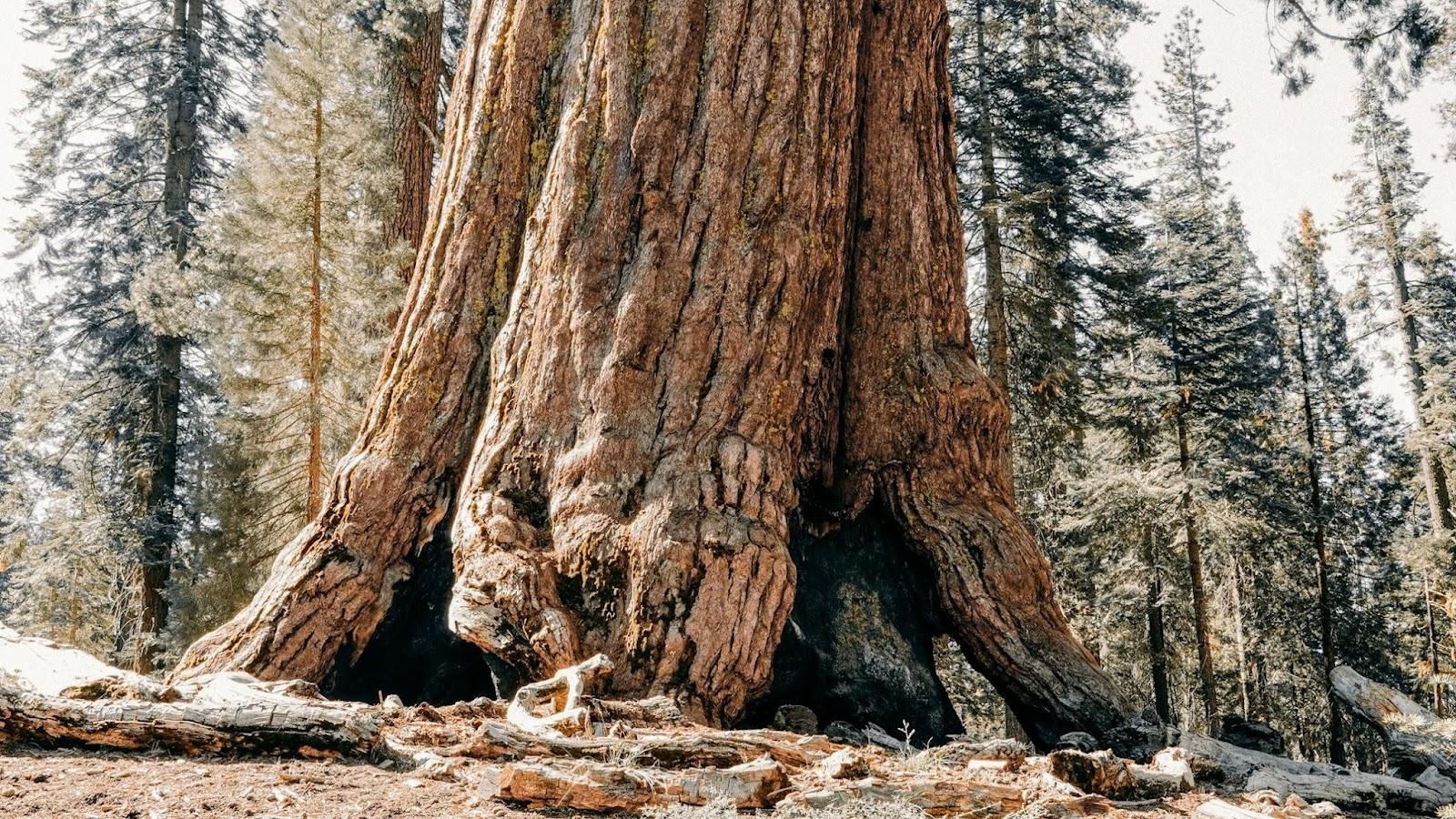
Image: Adrián Valverde

Yosemite is home to some of the most awe-inspiring trees on Earth. The giant sequoias tower over the landscape, sometimes growing taller than 250 ft and stretching over 30 ft across at the base.

Among these living giants, the Grizzly Giant in Mariposa Grove stands out as a true ancient marvel, estimated to be nearly 3,000 years old—making it older than many human civilizations and a silent witness to millennia of history. Walking among these colossal trees feels like stepping into a natural cathedral, where every trunk tells a story of time, endurance, and the sheer power of nature.

6
Waterfalls that reach for the sky
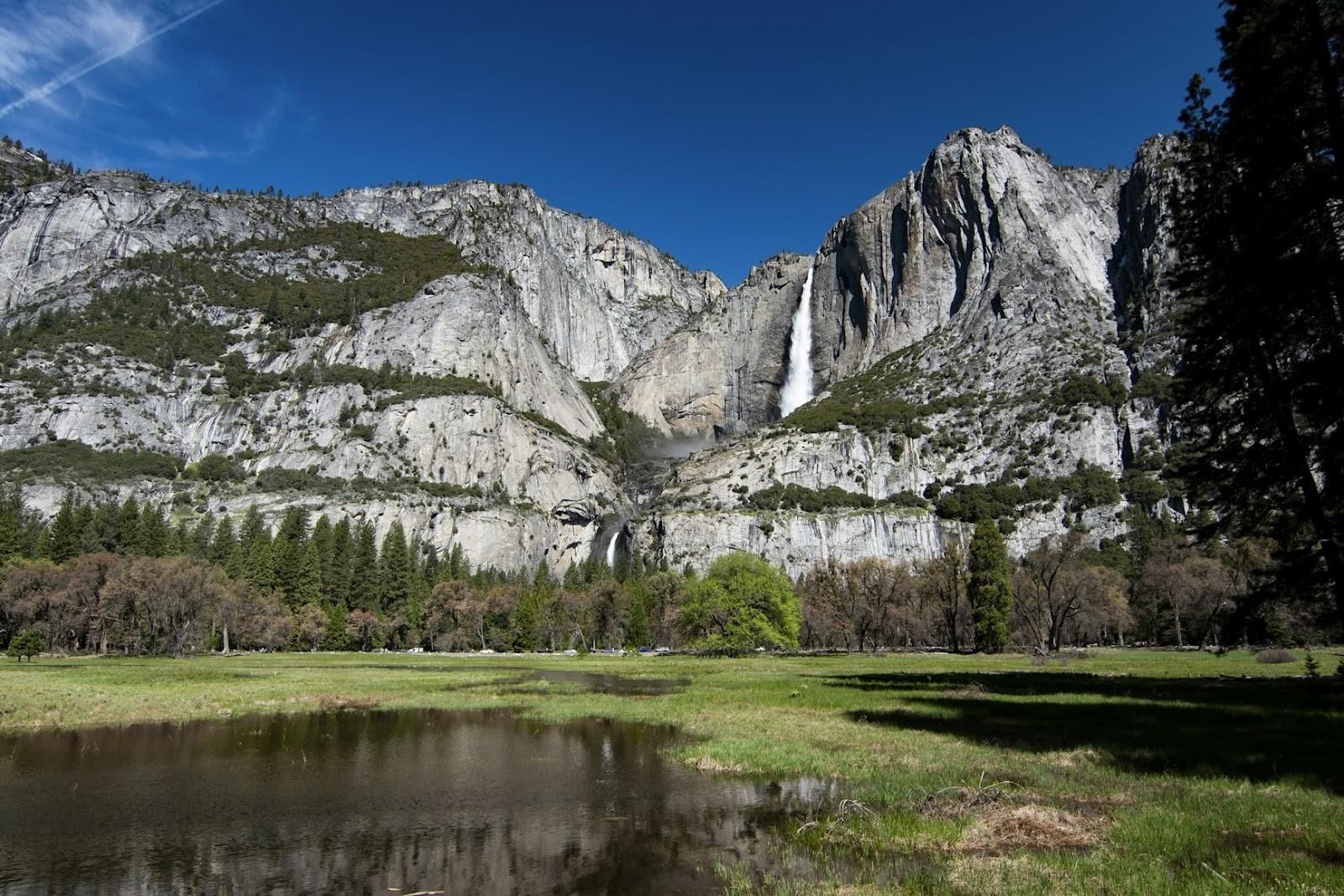
Image: Jeremy Lwanga

Picture yourself at the base of a waterfall so immense it could swallow nine Statues of Liberty stacked on top of each other. That’s Yosemite Falls, one of the tallest cascades in North America, plunging a mind-blowing 2,425 feet.

But that’s not all. In springtime, Yosemite transforms into a symphony of rushing water: Ribbon Fall hurls its silvery stream, Horsetail Fall shimmers like molten glass, and Nevada Fall thunders with unstoppable force. Each waterfall plays its own note, and together they turn the valley into a grand amphitheater, where water takes center stage and every visitor is swept up in the drama, power, and beauty of nature’s performance.

7
A camping trip that changed the park forever
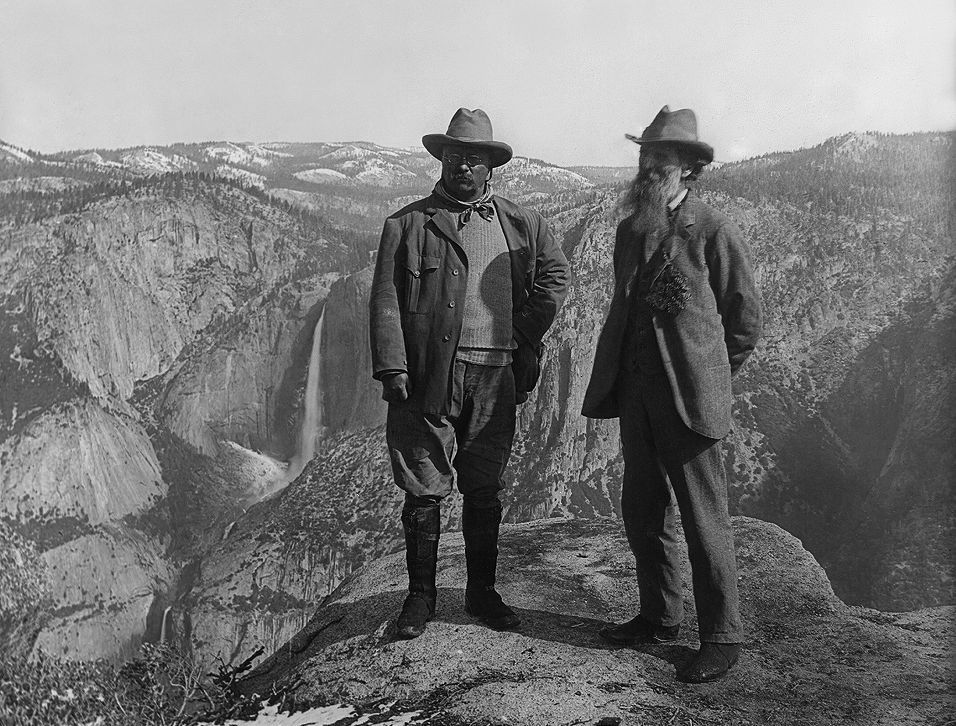
Image: Underwood & Underwood, Public domain, via Wikimedia Commons

Sometimes, a single night spent in the outdoors can reshape the course of history. In 1903, naturalist John Muir invited President Theodore Roosevelt to a campout in Yosemite—no ceremony, no politics, only the crackle of fire, the chill of mountain air, and the vast sky overhead.

Immersed in the park’s untamed beauty, Roosevelt saw for himself what words alone could never capture. When he returned to Washington, with the beautiful scenery forever carved in his heart, he decided to place Yosemite Valley and the giant sequoias of Mariposa Grove under federal protection, securing a legacy of wild wonder that millions still experience today.

8
Rocks that catch fire at sunset
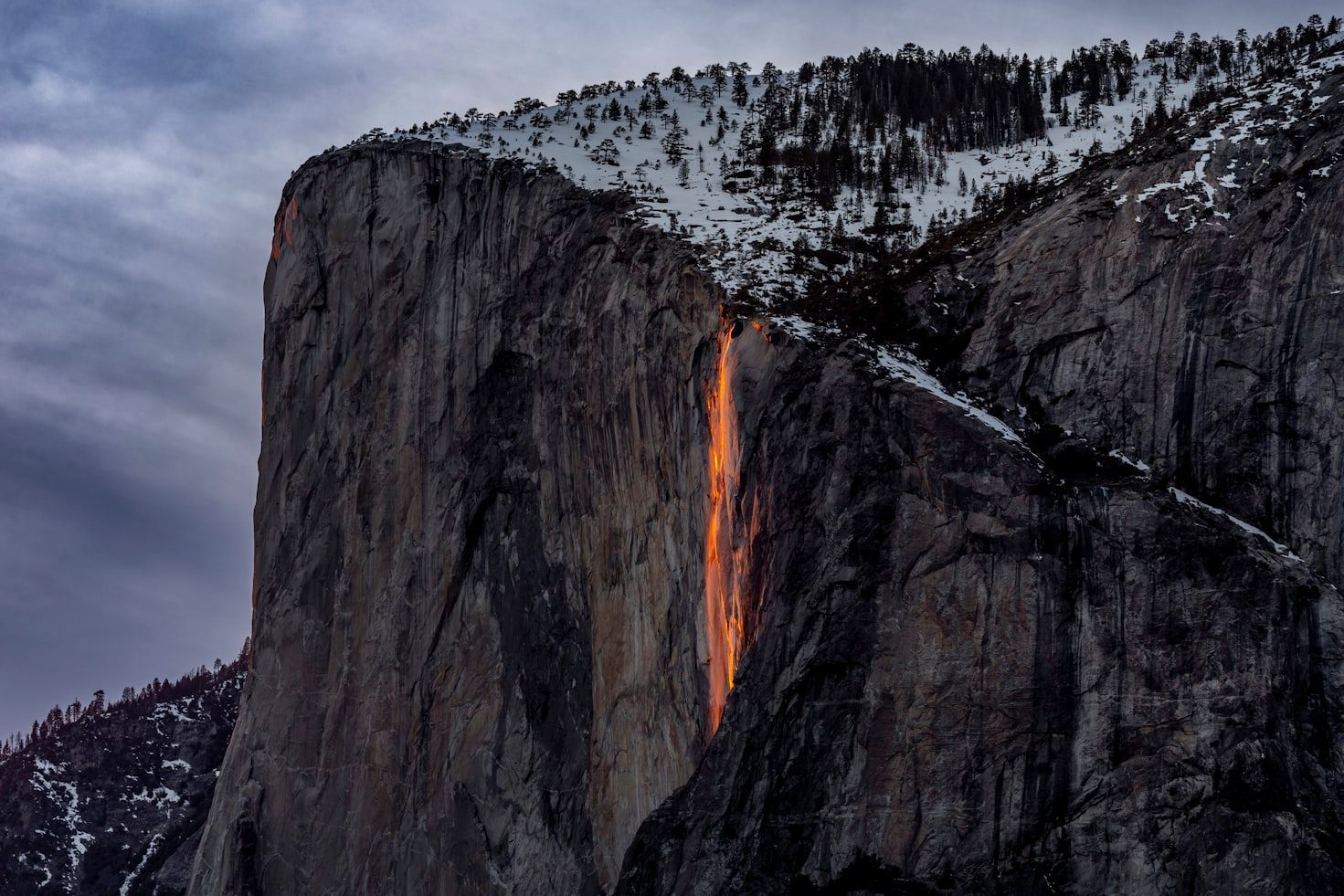
Image: Leo_Visions

It might seem like something conjured from a legend, yet Yosemite’s cliffs truly blaze with light. As the day draws to a close, the sun paints El Capitan and Half Dome in fiery shades of orange and crimson, giving their granite walls the illusion of burning from within.

But the park saves its most dazzling event for mid-February, when Horsetail Fall transforms into the legendary "firefall." For a few fleeting evenings, the angle of the setting sun ignites the waterfall into a glowing torrent of liquid flame. Photographers, travelers, and dreamers gather from all corners of the country to witness this ephemeral wonder. It lasts only moments, but its brilliance lingers in memory long after the light fades out.

9
A home for the rare red fox
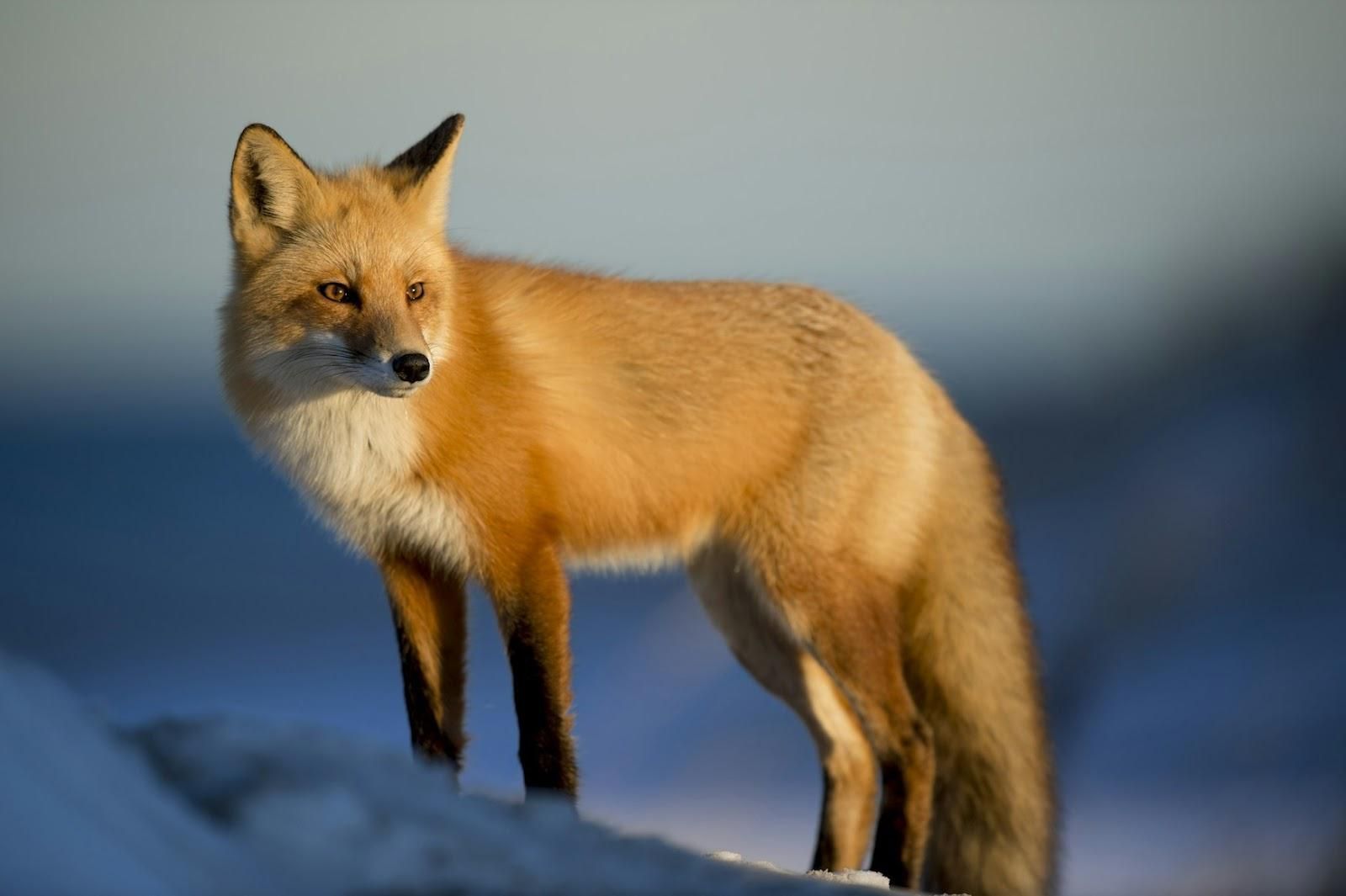
Image: Ray Hennessy

Tucked away in the remote heights of Yosemite lives one of the park’s most extraordinary residents— the Sierra Nevada red fox. Rarely seen and shrouded in mystery, this small but resilient predator has roamed California’s high mountain ranges since the Ice Age. With a lineage stretching back thousands of years, it is both a living relic of the past and a symbol of survival in harsh alpine conditions. Its elusive behavior and ancient roots make every confirmed sighting feel like a glimpse into a secret chapter of natural history.

10
A nighttime rainbow
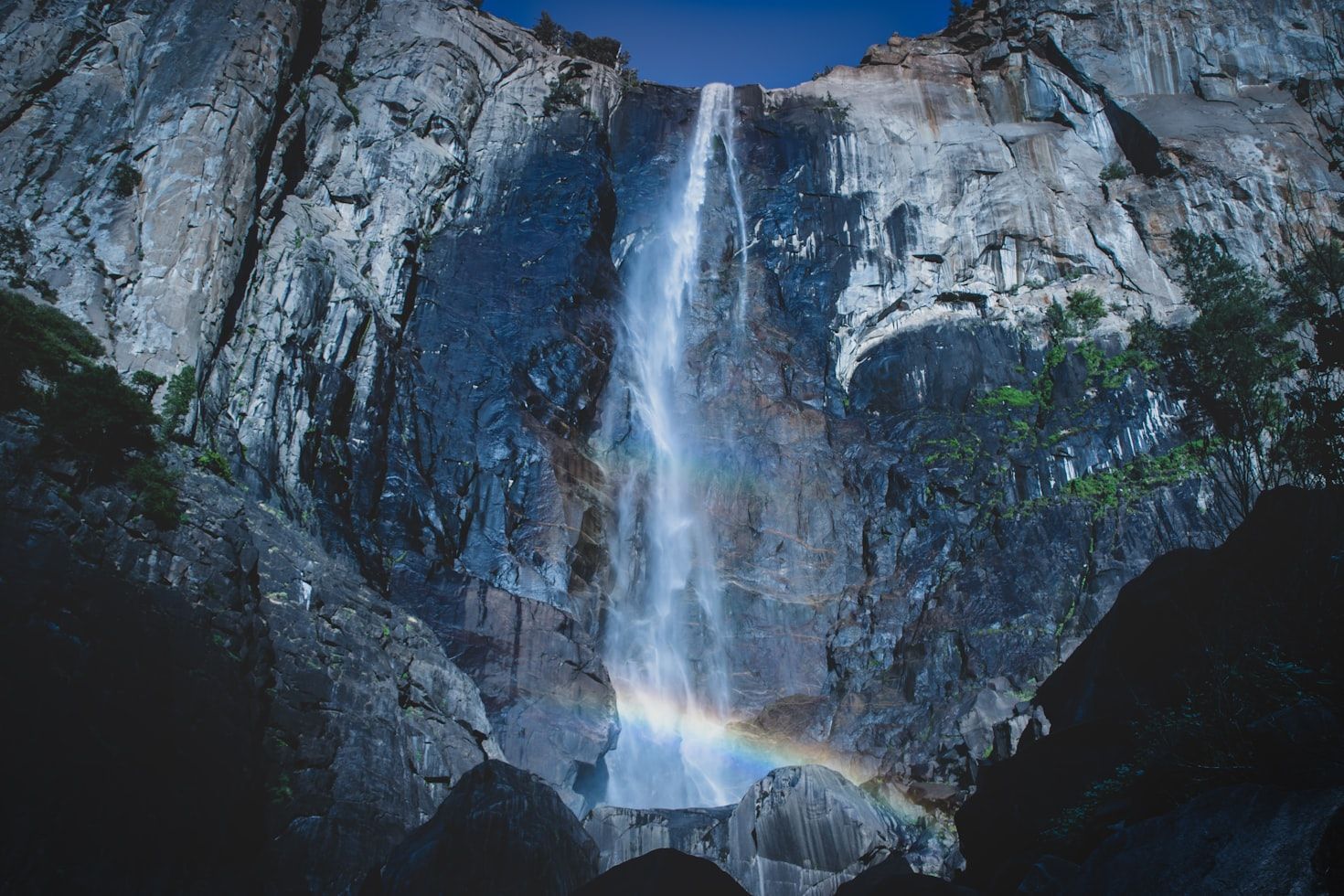
Image: Karl Anderson

If a daytime rainbow feels too normal, Yosemite unveils a secret reserved for the night: the moonbow. On crisp spring evenings, when the sky is clear and the moon is bright, its silvery light bends through the fine spray of the waterfalls. The result is a faint, shimmering arc —delicate, ghostly, and glowing against the darkness. This phenomenon is so rare that catching it almost feels like stumbling into a hidden doorway, where the ordinary world slips away and nature reveals one of its most magical illusions.

Geography Geography 5 min read

Extraordinary secrets about the capitals of the United States

The only state capital without a McDonald's and 11 other fun facts

Image: AmericanBenchCraft

Can you guess which is the only U.S. capital built on top of an extinct volcano? What about which is the oldest state capital, the least populated, or the one with the coldest temperature? If you're dying to know the answers to these questions, read on to discover 12 fun facts about our state capitals that you probably didn't know!

1
Jackson, Mississippi

Image: Engineers' office, department of Tennessee, Public domain, via Wikimedia Commons

Did you know Jackson, Mississippi, is named after the 7th U.S. President, Andrew Jackson? It is one of the four state capitals named after American presidents —the other three are Jefferson City (Missouri), Lincoln (Nebraska), and Madison (Wisconsin).

Jackson is the only U.S. capital built on top of an extinct volcano. Interestingly, during the Civil War, the city was burned by Union troops, giving it the nickname "Chimneyville". In addition, Jackson is best known for being the center of the civil rights movement during the 1950s and 1960s.

2
Santa Fe, New Mexico

Image: Wendy Shervington

In 1610, Spanish settlers established Santa Fe as the capital of New Mexico, making it the oldest state capital in the country. But that's not the only peculiarity of this quaint city with a temperate climate and a unique historical and cultural richness. At 7,000 feet above sea level, Santa Fe is also the highest U.S. capital.

3
Honolulu, Hawaii

Image: Daniel Lee

Known for its spectacular beaches and rich cultural heritage, Honolulu is the only state capital not on the North American mainland. Considered the birthplace of modern surfing, it also has the highest average annual temperature of any U.S. state capital.

But those aren't the only interesting facts about Hawaii's capital. Here are a few equally (or more) crazy ones: it hosts the only royal palace in the United States (Iolani Palace), the island is made up of volcanic soil, and it houses the world's largest open-air shopping mall (Ala Moana Center).

4
Annapolis, Maryland

Image: Terry Granger

Annapolis is a historic city on the shores of the Chesapeake Bay, known for its colonial architecture, nautical tradition, and academic value. But did you know it is also the smallest U.S. capital by land size? Just 6.7 square miles!

Annapolis was also one of the nine capitals the United States has had throughout its history. For nine months during the Revolutionary War, Maryland's current state capital served as the seat of the Confederation Congress.

5
Bismarck, North Dakota

Image: NASA Astronaut, Public domain, via Wikimedia Commons

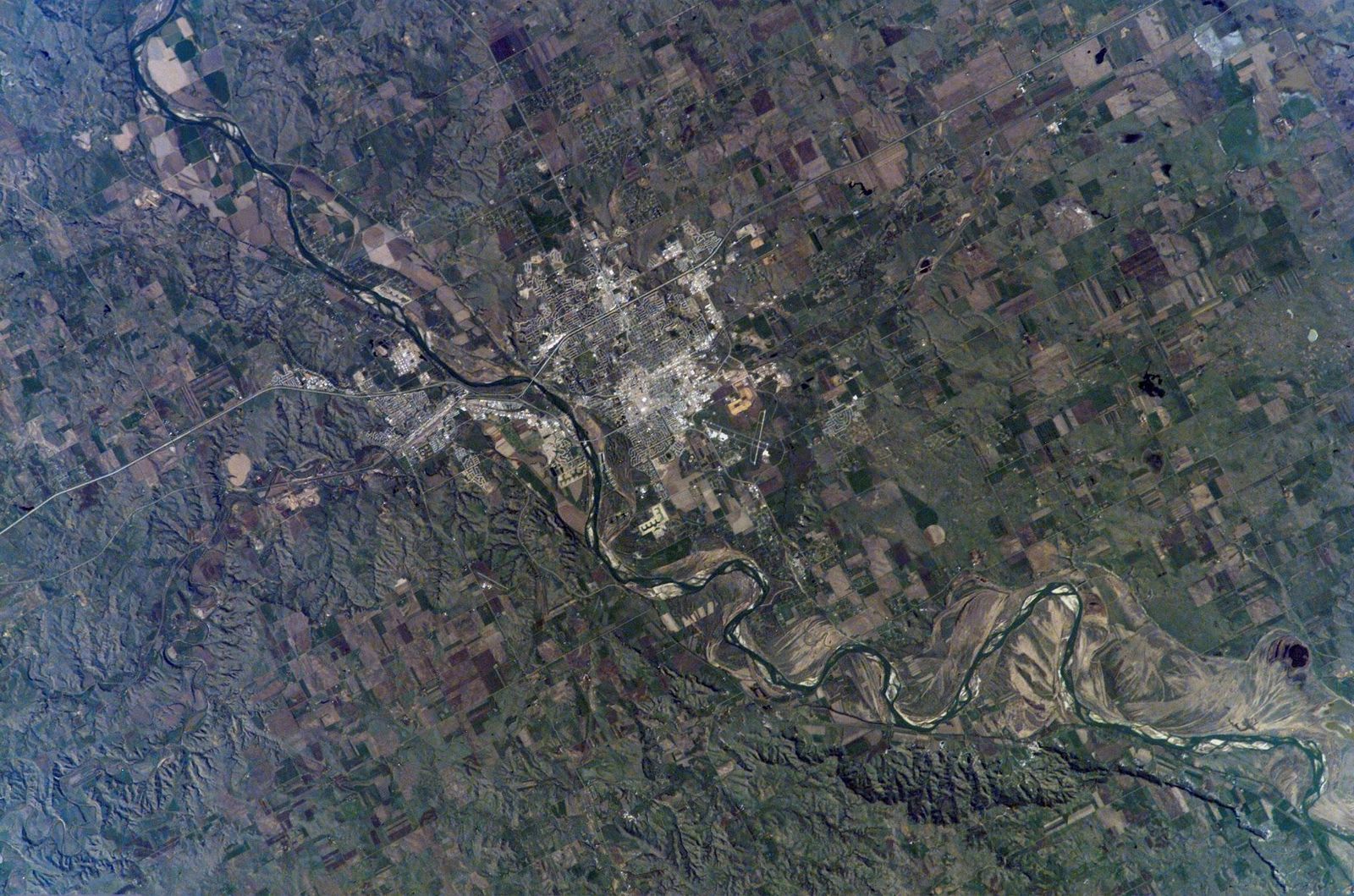
If you thought Juneau, Alaska, had the lowest average winter temperature of all state capitals, think again! It's actually Bismarck, North Dakota, where the coldest temperature ever recorded was -45°F. Imagine that!

Bismarck was founded in 1872 on the banks of the Missouri River. The city was named after Otto von Bismarck, the chancellor of Germany, to attract German investors. Another fun fact? In 1930, Bismarck and Fargo had a dispute, known as the "Capitol Tower War," over which city should be the state capital.

6
Charleston, West Virginia

Image: Carol M. Highsmith, Public domain, via Wikimedia Commons

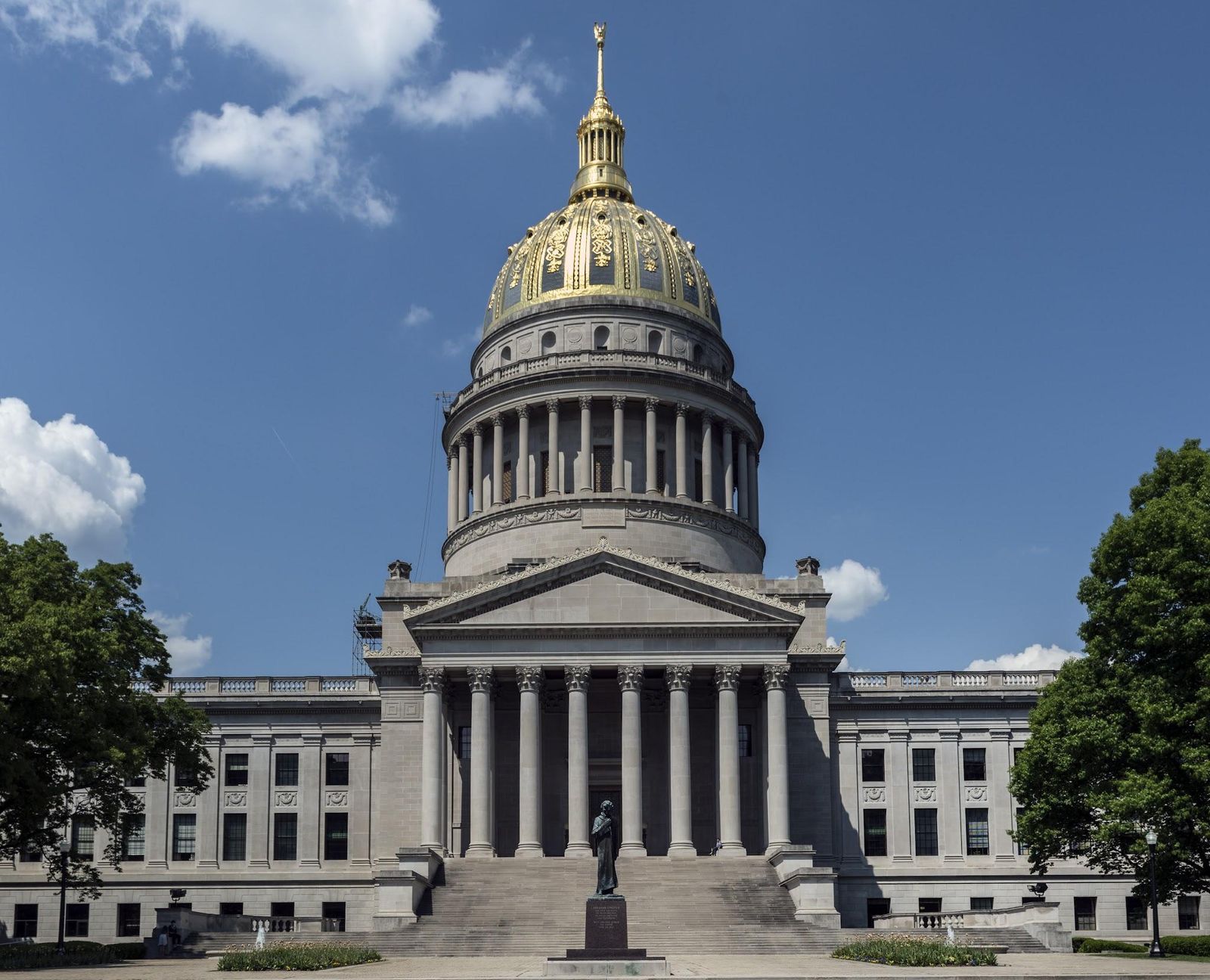
Did you know that the original name of West Virginia's capital was Charles Town in honor of the father of Colonel George Clendenin, one of the first settlers?

Charleston is best known for offering a unique combination of history, culture, and outdoor adventure.

7
Hartford, Connecticut

Image: Balazs Busznyak

Founded in 1635, Connecticut's capital is one of the oldest cities in the U.S. Hartford is known for being a key cultural center in New England. It was the home of writer Mark Twain and is home to historic sites such as the State Capitol, the Harriet Beecher Stowe House, and Bushnell Park, the oldest public park in the country.

Hartford is also called the "insurance capital of the world" due to the presence of major insurance companies. But the city's most curious fact is that it was where Teddy Roosevelt, aboard the Columbia Electric Victoria Phaeton, took the first presidential automobile ride in history!

8
Harrisburg, Pennsylvania

Image: Katherine McAdoo

Pennsylvania's capital city is best known for its role in the Civil War and the Underground Railroad. Located on the banks of the Susquehanna River, Harrisburg has been an important center of transportation and commerce. Today, it is known for its historic architecture, museums, and special events.

Harrisburg is also home to the longest stone arch bridge in the world, the Rockville Bridge, built in 1902. Oh, and in 1979, it came close to a nuclear disaster due to the accident at the Three Mile Island plant, the worst in U.S. history —but that's a longer story for another article!

9
Olympia, Washington

Image: Peter Robbins

Located at the southern tip of Puget Bay, Washington's state capital is known for its natural beauty and vibrant culture. But did you know Olympia is the northernmost state capital in the contiguous U.S.?

Oh, and it's also a great place to try some of the best craft beer in the country!

10
Salt Lake City, Utah

Image: Cong Wang

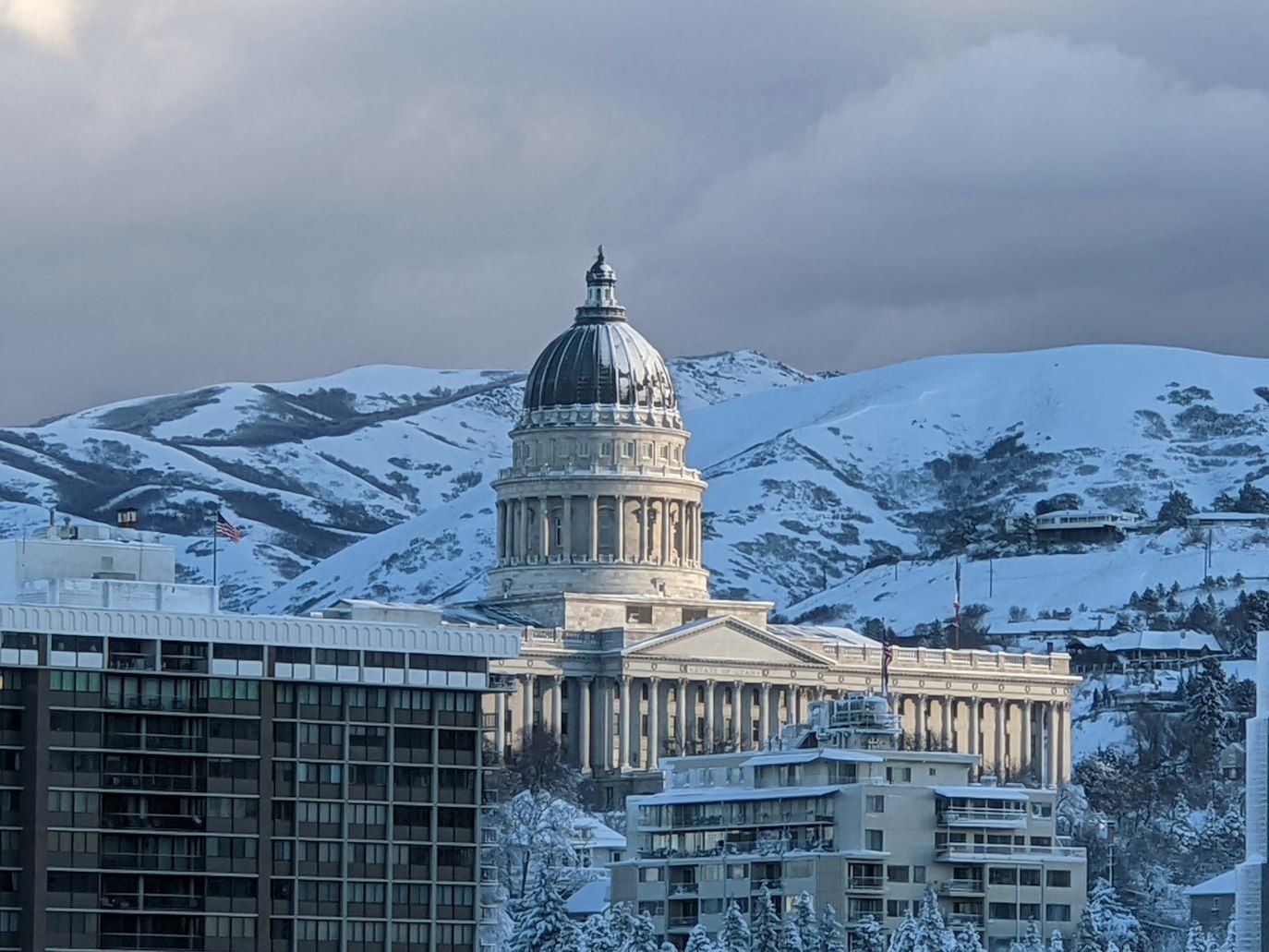
Utah's state capital is popular for being one of the best places to ski in the United States. But that's not all! Salt Lake City is also the only state capital with three words in its name. Have you ever thought about that?

It has the largest Mormon population in the country and is the world headquarters of the Church of Jesus Christ of Latter-day Saints. Another fun fact? Salt Lake City is home to more plastic surgeons per capita than any other state capital!

11
Montpelier, Vermont

Image: John Holm

Named after the French city of the same name, Montpelier is the least populated state capital, with a population of just 7,900. Probably for that reason, Vermont's capital prides itself on its small local businesses: it is the only state capital that doesn't have a McDonald's or a Starbucks. Could you live without these fast food chains? It doesn't have a Walmart store either!

12
Topeka, Kansas

Image: Nils Huenerfuerst

Topeka, Kansas’s state capital, has several interesting tidbits. For example, did you know its name, of Native American origin, means "a good place to dig potatoes"? Interesting, don’t you think?

In 2010, Topeka temporarily changed its name to "Google, Kansas" to attract the attention of the internet giant and become the capital city of fiber optics. Frivolous facts aside, Topeka was also very important in the history of the civil rights movement.

Geography Geography 4 min read

Discovering America

What's the easternmost point of the US? If you say Maine, think again!

Image: Jon Sailer

We’ve all picked up "facts" about the fifty states somewhere along the way, but not all of them hold up. Some are half-truths passed around for generations , others are just plain wrong. So, in an attempt to set the record straight once and for all, we’ve gathered some fun truths that clear up the biggest mix-ups about our states.

1
Arizona skips Daylight Saving Time

Image: Christoph von Gellhorn

This is partly true because most of the state doesn’t bother with Daylight Saving Time . They stopped changing the clocks back in 1967. The exception is the Navajo Nation, which stretches into Utah and New Mexico and keeps DST so all its communities stay on the same schedule. Now, as for the smaller Hopi reservation, inside the Navajo Nation, it sticks with Arizona time… Yes, quite confusing if you’re not a local.

2
Georgia isn’t really the Peach State

Image: Jessica Furtney

Georgia loves its peaches, sure, but the state’s top fruit money-maker is actually blueberries . In recent years, blueberries have brought in several times more cash for farmers than peaches. Meanwhile, California grows far more peaches than Georgia ever has. The nickname stuck from the old days when Georgia peaches were famous for their flavor, not their volume. So while the pride is real, the peaches aren’t quite the powerhouse people may think.

3
Nevada didn’t record the hottest US temperature

Image: tommao wang

You probably think of Nevada’s desert heat as unmatched, but the all-time record belongs to California’s Death Valley . In July 1913, it hit a mind-melting 134 degrees Fahrenheit, the hottest temperature not only in America but the hottest ever recorded on Earth!

4
Minnesota doesn’t have the most lakes

Image: Tom Conway

Minnesota proudly calls itself the "Land of 10,000 Lakes," but that’s selling itself short… The real number is closer to 12,000. However, Alaska wins this battle . The state has more than 3 million lakes over five acres in size. In fact, Alaska contains over 40 percent of the nation’s surface water. If you love fishing, kayaking, or just staring at a quiet stretch of water, the true lake capital of America is far up north.

5
Pineapples aren’t native to Hawaii

Image: Christian Joudrey

Pineapples are everywhere in Hawaiian imagery, but the plant actually comes from South America , mainly Paraguay and southern Brazil. Spanish explorers likely brought them to Hawaii in the 1500s after spreading them across the Pacific to places like the Philippines and Guam. Hawaii’s climate turned out to be perfect for growing them and by the 1900s, the islands were producing so many pineapples that the fruit became a symbol of Hawaii itself.

6
Maine isn’t the country’s easternmost point

Image: Chris Henry

If you’re a Geography geek, you’ll love this one. You might picture Maine’s rocky coast as the eastern tip of America, but the actual easternmost point is thousands of miles away, on Alaska’s Semisopochnoi Island in the Aleutians. How is that possible? Well, that’s because it crosses the 180th meridian, putting it in the Eastern Hemisphere. That means part of Alaska technically sits farther east than anywhere in Maine.

7
The biggest US earthquake didn’t happen in California

Image: Lala Miklós

California has suffered some big earthquakes in its history, but the most powerful earthquake in America struck Alaska in 1964 . It hit Prince William Sound with a magnitude of 9.2. It was so strong it shook the ground for four and a half minutes and triggered massive tsunamis. In today’s dollars, the damage would total more than $2 billion. Alaska sits on a collision zone of tectonic plates, making it one of the world’s most seismically active regions.

8
The Everglades isn’t America’s biggest swamp

Image: Joshua J. Cotten

A lot of people picture the Florida Everglades when they think of swamps, but technically, the Everglades isn’t a swamp at all. The real title of the largest swamp in the United States goes to Louisiana’s Atchafalaya Basin , which spans about 1.4 million acres. This swamp has a vast mix of cypress forests, bayous, and marshes, and it’s more than twice as productive as the Everglades when it comes to wildlife and plant life.

9
Big cities aren’t always capitals

Image: Mackenzie Cruz

It surprises people how often the biggest city isn’t the state capital . New York City? Not the capital… Albany is. Chicago? Nope, that honor goes to Springfield. Pennsylvania’s capital isn’t Philly or Pittsburgh, it’s Harrisburg. Even California’s capital isn’t L.A. or San Francisco, it’s actually Sacramento. Out of fifty states, only seventeen have their most populous city as the capital.

10
Alaska isn’t divided into counties

Image: Rod Long

Alaska likes to do things its own way. Instead of counties, it’s split into boroughs , and a massive area known as the Unorganized Borough has no local government at all. People out there don’t pay property taxes, but that freedom comes with challenges, limited services, fewer job options, and tough living conditions.

Explore more American facts

Choose your favorite category!

General
General

As American as apple pie—the very best America has to offer!

Culture
Culture

Delve into the astounding richness of American lore.

Geography
Geography

Hop in and explore vast and diverse American landscapes.

History
History

Discover the key moments that shaped the United States.