Culture Culture 5 min read

Lights, Camera… Misunderstood!

Which of these 12 animals was the most misrepresented by Hollywood?
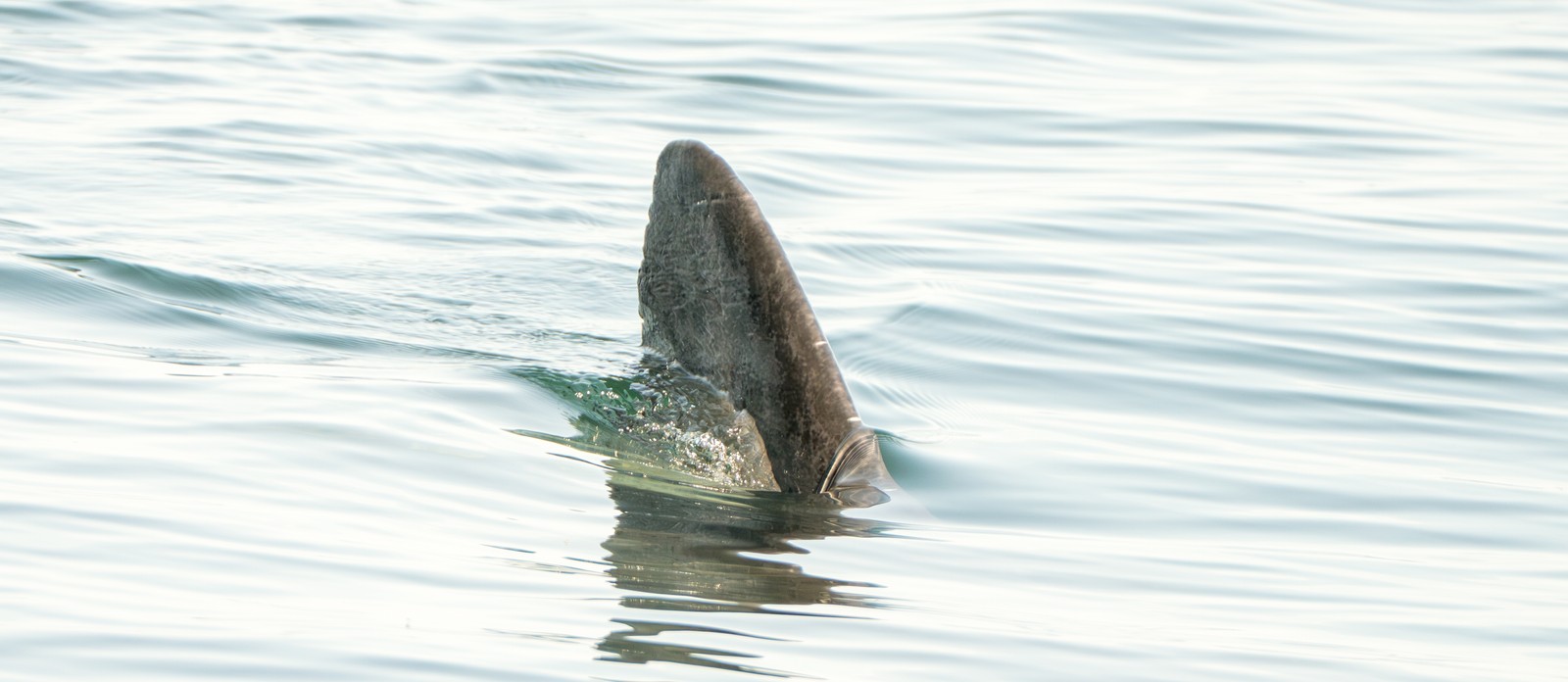
Image: Cami Johnson

Hollywood has always loved a good monster — a giant alien, a mythical creature or even an ordinary animal turned into a nightmare. From sharks and wolves to frogs and rats, these films made audiences think twice about creatures they might otherwise have ignored. The truth is, in many cases, the real animals are nowhere near as frightening as their on-screen counterparts.

1
Jaws (1975)
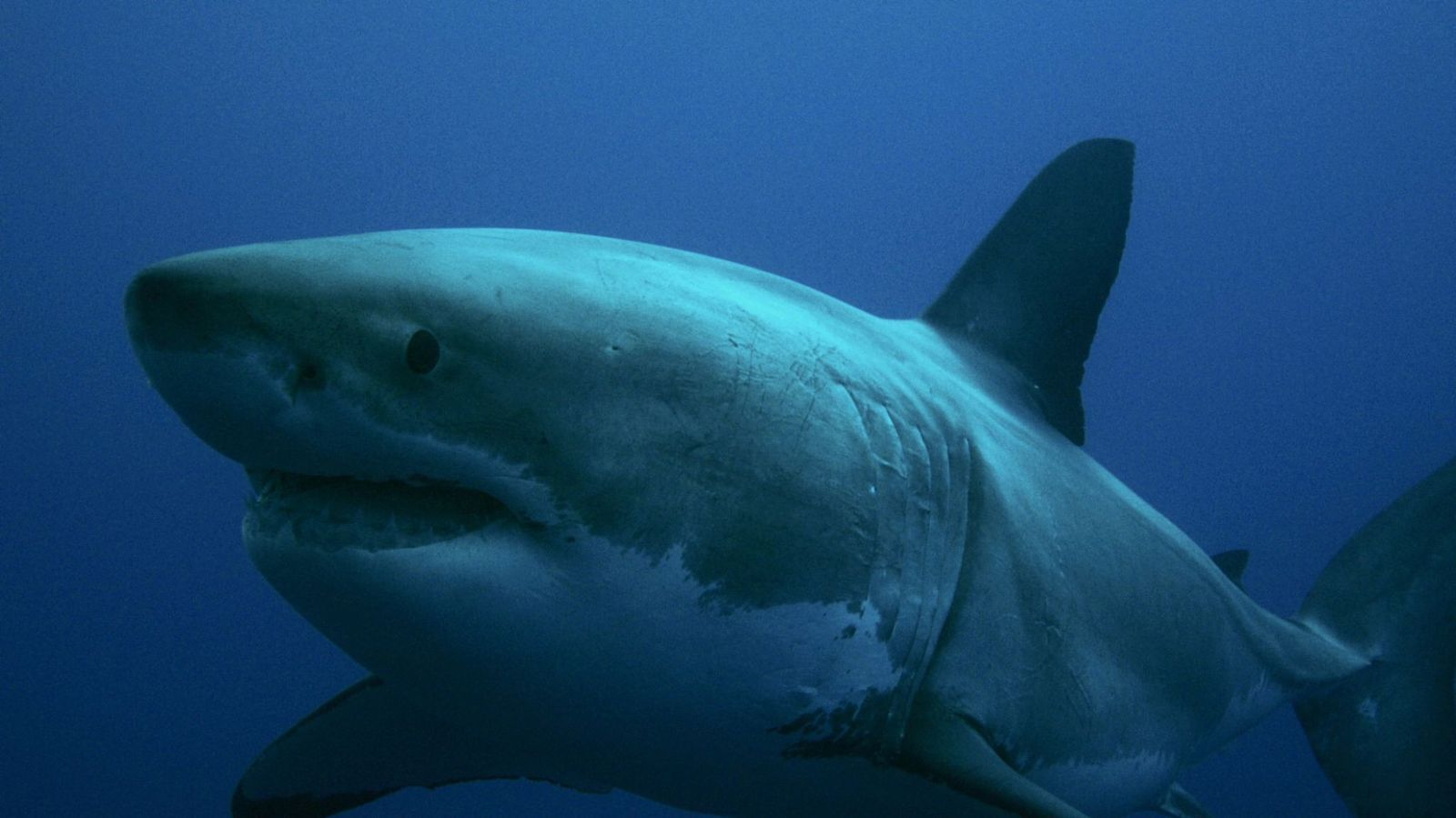
Image: Oleksandr Sushko

Steven Spielberg’s Jaws forever changed the way people looked at sharks. The story of a rogue great white terrorizing the fictional town of Amity Island became the first true summer blockbuster and remains one of the most influential thrillers ever made. Ironically, the film showed surprisingly little of the shark because the mechanical model, nicknamed Bruce, kept malfunctioning during production.

The movie’s impact stretched far beyond the box office. Many people began viewing sharks as bloodthirsty predators, even though attacks on humans are extremely rare. Author Peter Benchley, who wrote the book on which the film is based, later became a passionate shark conservation advocate and admitted he regretted helping reinforce that stereotype after learning more about these remarkable creatures.

2
King Kong (1933)
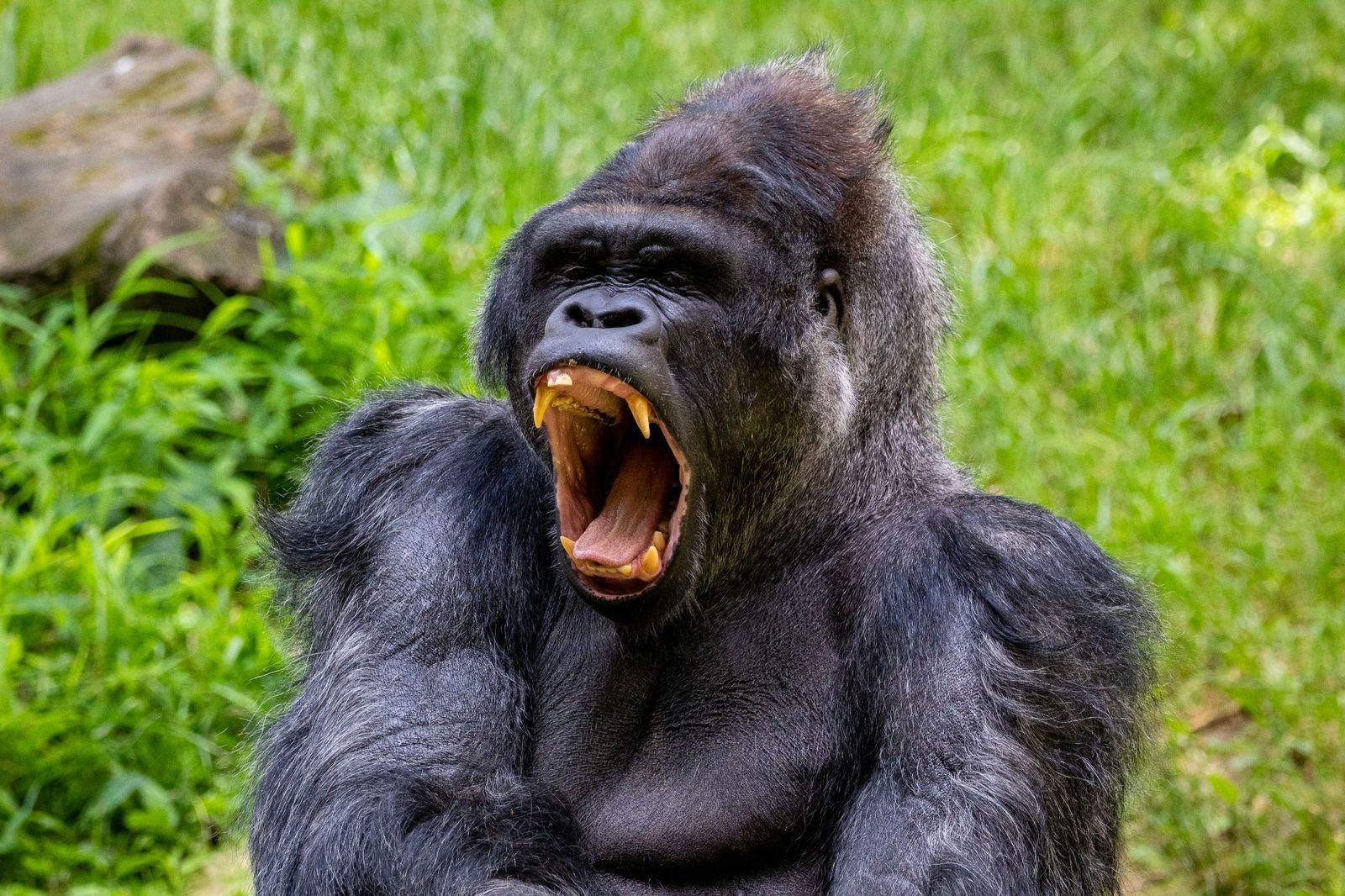
Image: Joshua J. Cotten

Long before computer-generated creatures (unfortunately) ruled Hollywood, audiences were amazed by King Kong , the giant ape brought to life through stop-motion animation . The film introduced one of cinema’s greatest icons, but it also reinforced the old idea that gorillas were savage monsters lurking in mysterious jungles.

Modern science tells us a very different story. Real gorillas are intelligent, gentle, highly social animals that spend most of their time eating plants and caring for family groups. Conservationists helped transform public understanding of great apes, showing that they’re far more vulnerable to humans than humans are to them.

3
The Birds (1963)
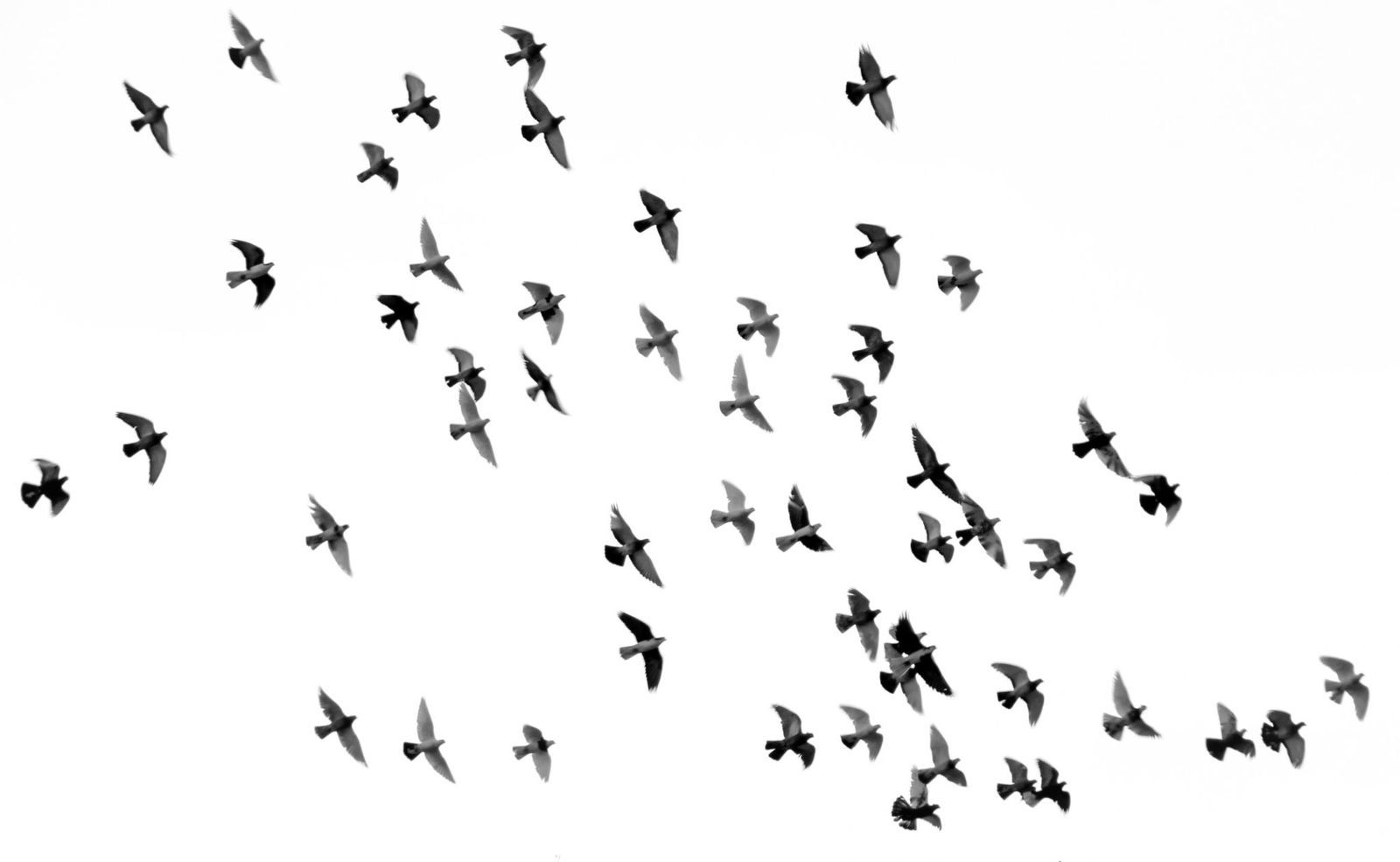
Image: Mehdi Sepehri

Alfred Hitchcock proved that almost anything could become terrifying, even pigeons and seagulls . The Birds imagines a scenario in which ordinary birds suddenly begin attacking people — without any explanation. That uncertainty became one of the film’s greatest strengths.

In reality, birds rarely attack humans, except when defending their nests or chicks during breeding season. The movie helped define the "nature strikes back" genre, but outside the theater, your neighborhood flock is much more likely to steal a French fry than launch a coordinated assault.

4
Cujo (1983)
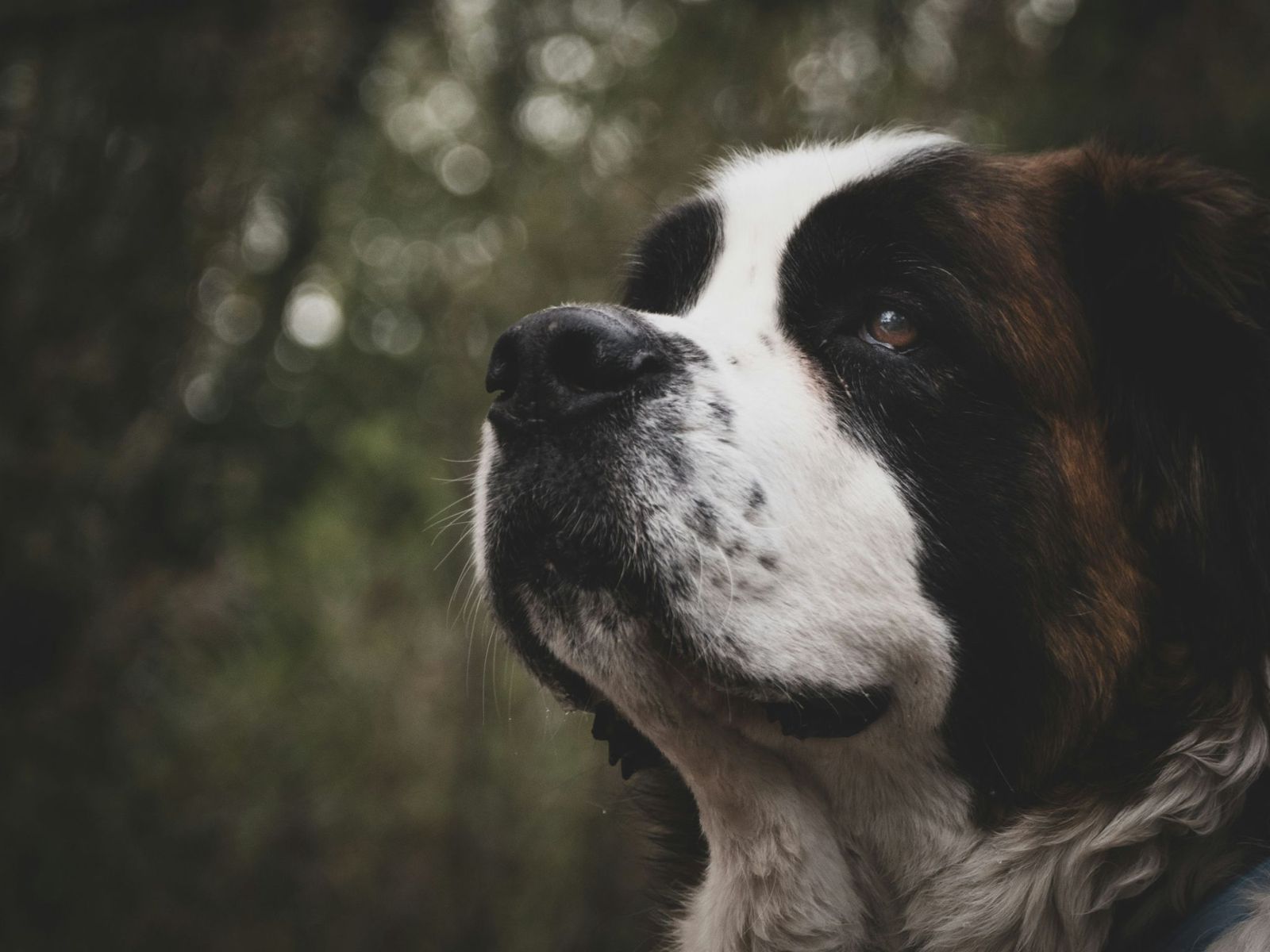
Image: JJ Shev

Few movie dogs have inspired as much fear as Cujo , the enormous St. Bernard whose rabies transforms him from a lovable family pet into a relentless killer . Based on Stephen King’s novel, the film left many viewers unfairly suspicious of one of the world’s gentlest breeds.

Actual St. Bernards earned their reputation in a completely different way. For centuries, monks at Switzerland’s Great St. Bernard Pass bred these dogs to rescue stranded travelers crossing the snowy Alps. They’re famous for patience, loyalty, and calm temperaments, not aggression.

5
Arachnophobia (1990)
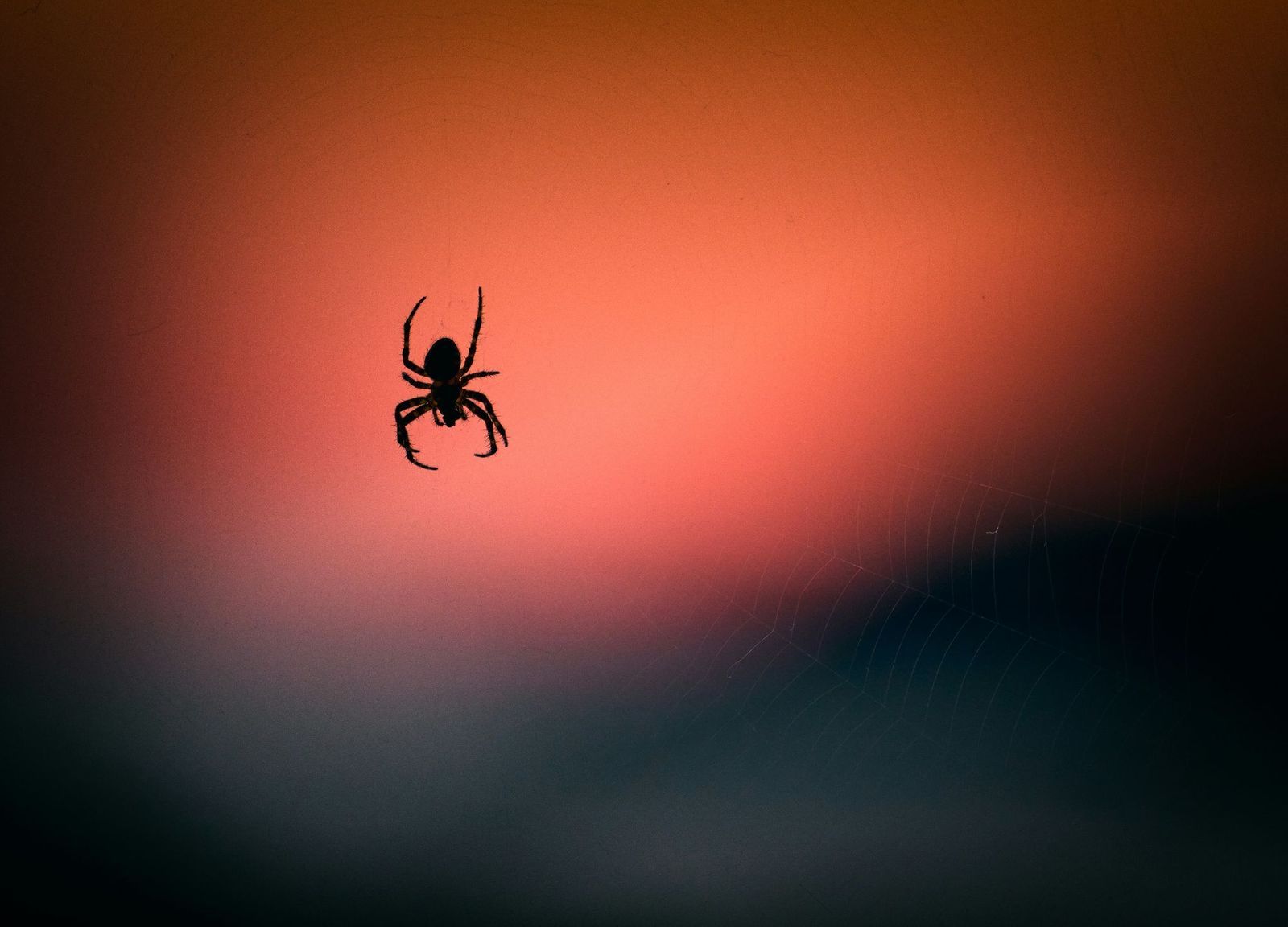
Image: Vidar Nordli-Mathisen

For people who already disliked spiders, this movie certainly didn’t help. Aracnophobia mixed horror with comedy as a deadly fictional spider species spread terror through a quiet California town , turning every corner of the house into a potential danger zone.

The truth is much less dramatic. Scientists have identified roughly 50,000 spider species, but only a tiny percentage can seriously harm humans. Most spiders spend their lives quietly eating insects and avoiding people whenever possible, making them surprisingly helpful roommates.

6
Anaconda (1997)
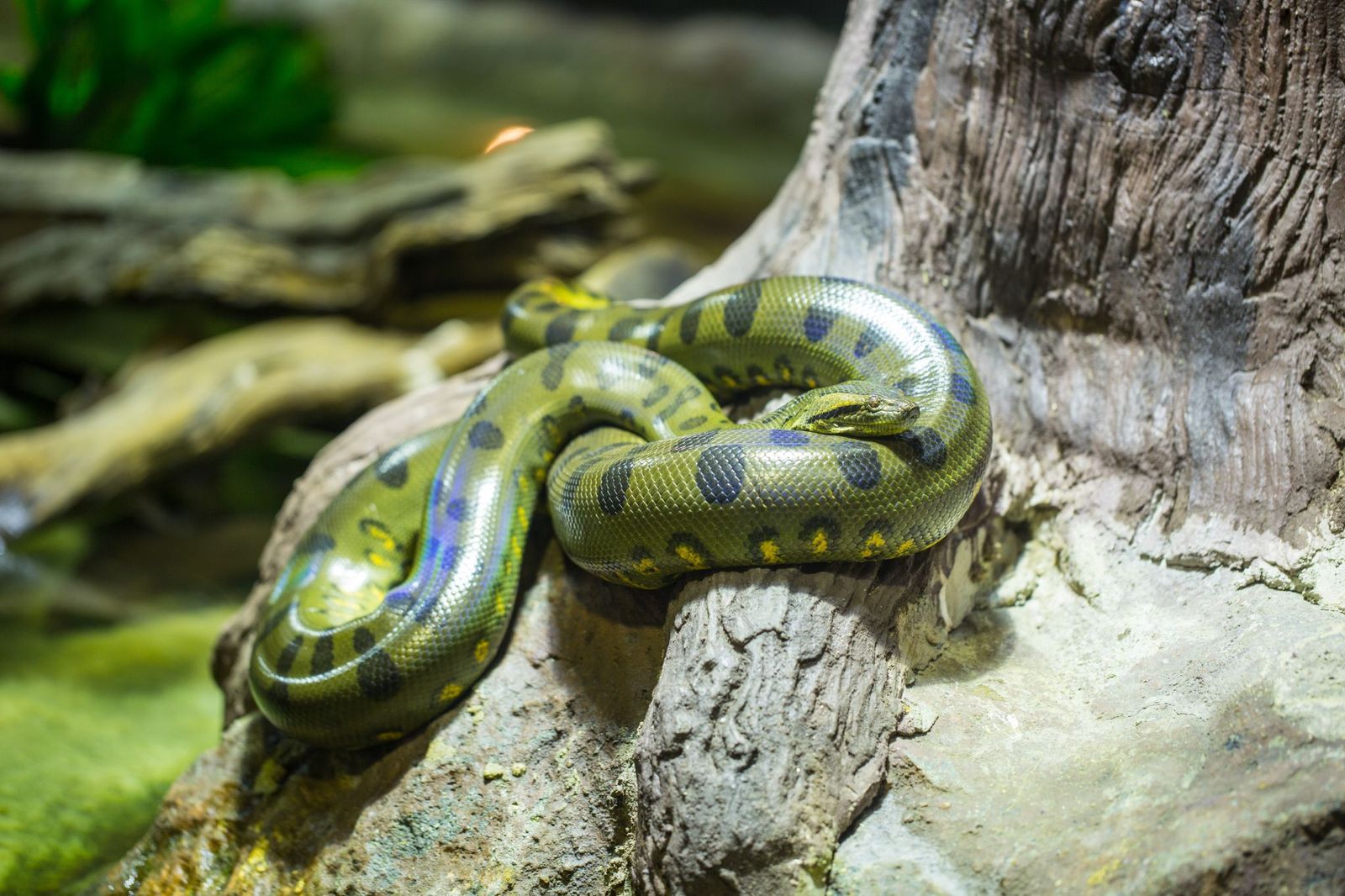
Image: ShutterOK

The Amazon rainforest became home to one of Hollywood’s biggest reptilian villains in Anaconda . The enormous snake hunts humans with impossible speed, intelligence, and appetite , creating a memorable creature feature starring Jennifer Lopez, Ice Cube, and Jon Voight.

Real green anacondas are certainly impressive; they’re among the heaviest snakes on Earth, but humans aren’t on their menu. Their natural diet consists mainly of fish, birds, capybaras, caimans, and other wildlife. The movie’s giant snake was far larger than anything scientists have ever documented.

7
The Grey (2011)
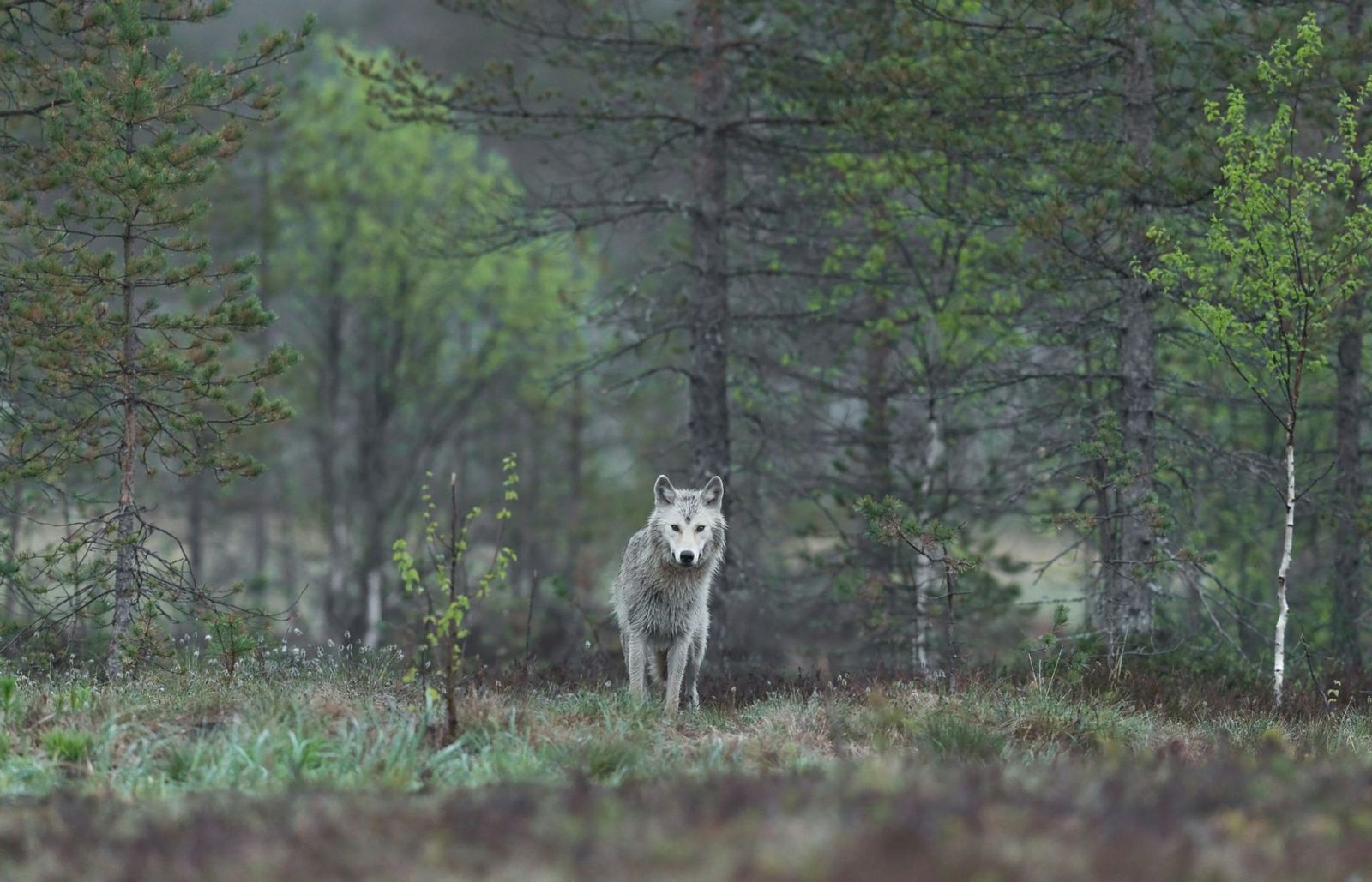
Image: Hans Veth

After surviving a plane crash in the Alaskan wilderness, the characters in The Grey face another nightmare: a relentless pack of wolves that seems determined to hunt every survivor . The tense survival story became one of Liam Neeson’s most memorable performances.

Wildlife biologists, however, were quick to point out that wolves almost always avoid people. Fatal attacks in North America are extraordinarily uncommon, and healthy wolf packs generally prefer staying as far away from humans as possible.

8
Orca (1977)
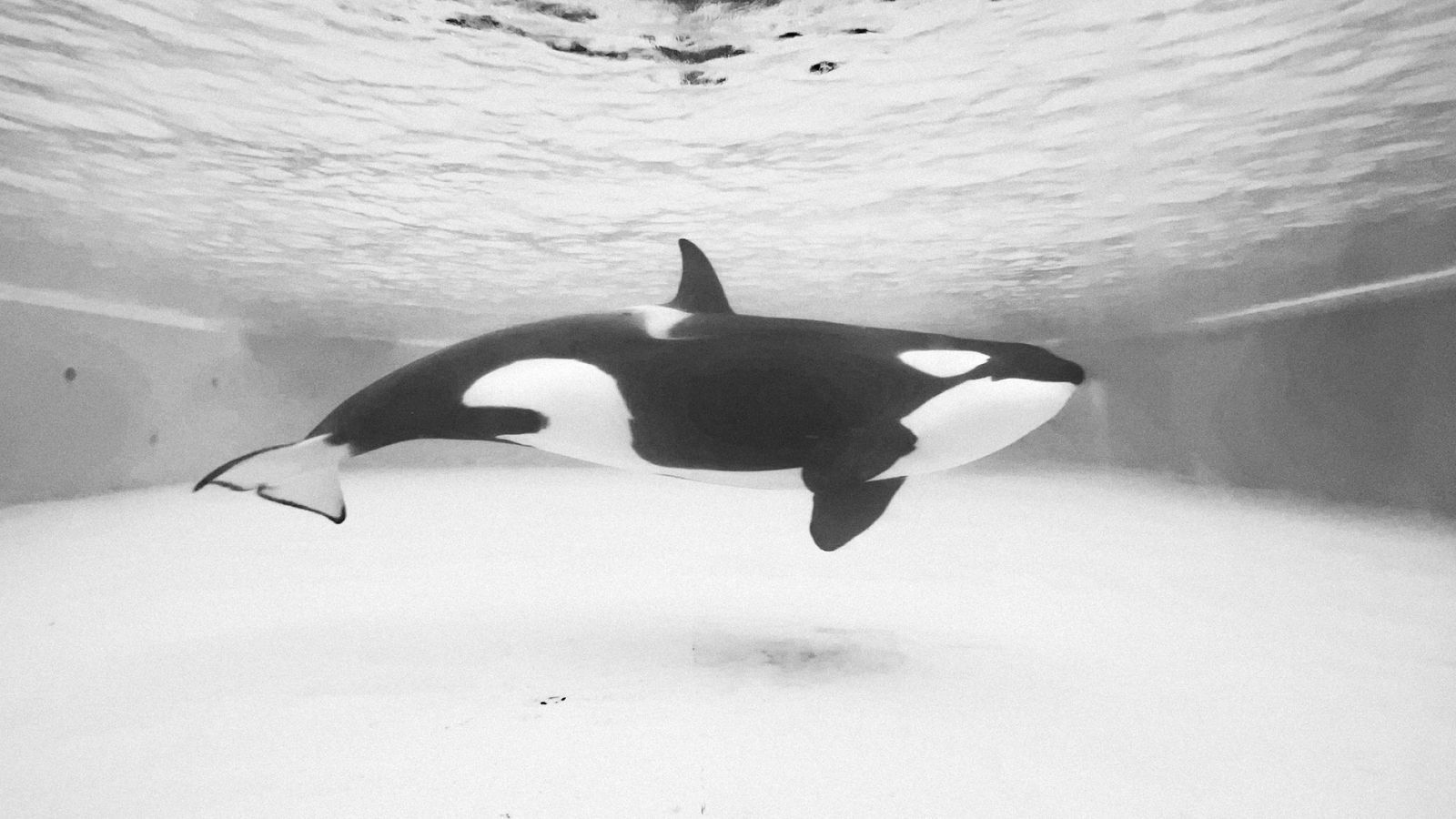
Image: Iewek Gnos

Released only two years after Jaws , Orca offered another giant marine predator, this time driven by revenge after humans kill its mate . Unlike many monster movies, the whale is portrayed with emotion and intelligence, yet it’s shown relentlessly attacking people.

Today’s marine researchers describe orcas as highly social animals with complex family relationships and remarkable communication skills. Despite the nickname "killer whale," there are no verified records of a wild orca killing a human.

9
Willard (1971)
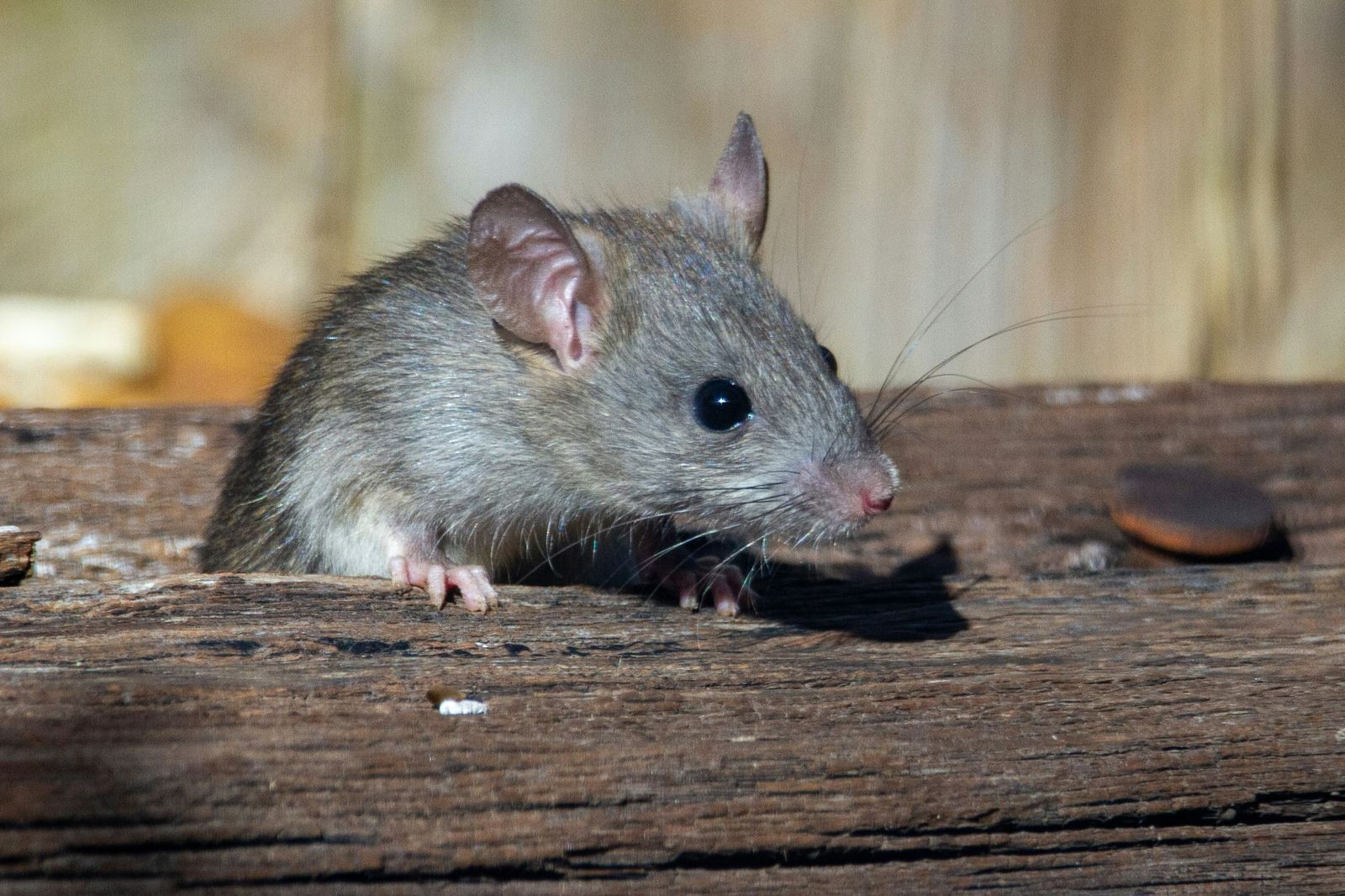
Image: Joshua J. Cotten

Before audiences feared sharks, they feared rats. Willard tells the story of a lonely man who commands an army of rodents , turning one of humanity’s oldest urban fears into a classic of psychological horror. Its success even inspired the sequel Ben , featuring a theme song sung by a young Michael Jackson.

Real rats are much more impressive than their reputation suggests. They’re highly intelligent mammals capable of solving problems, learning complex tasks, and even detecting diseases in scientific research. Many people today happily keep domesticated rats as affectionate pets.

10
The Ghost and the Darkness (1996)
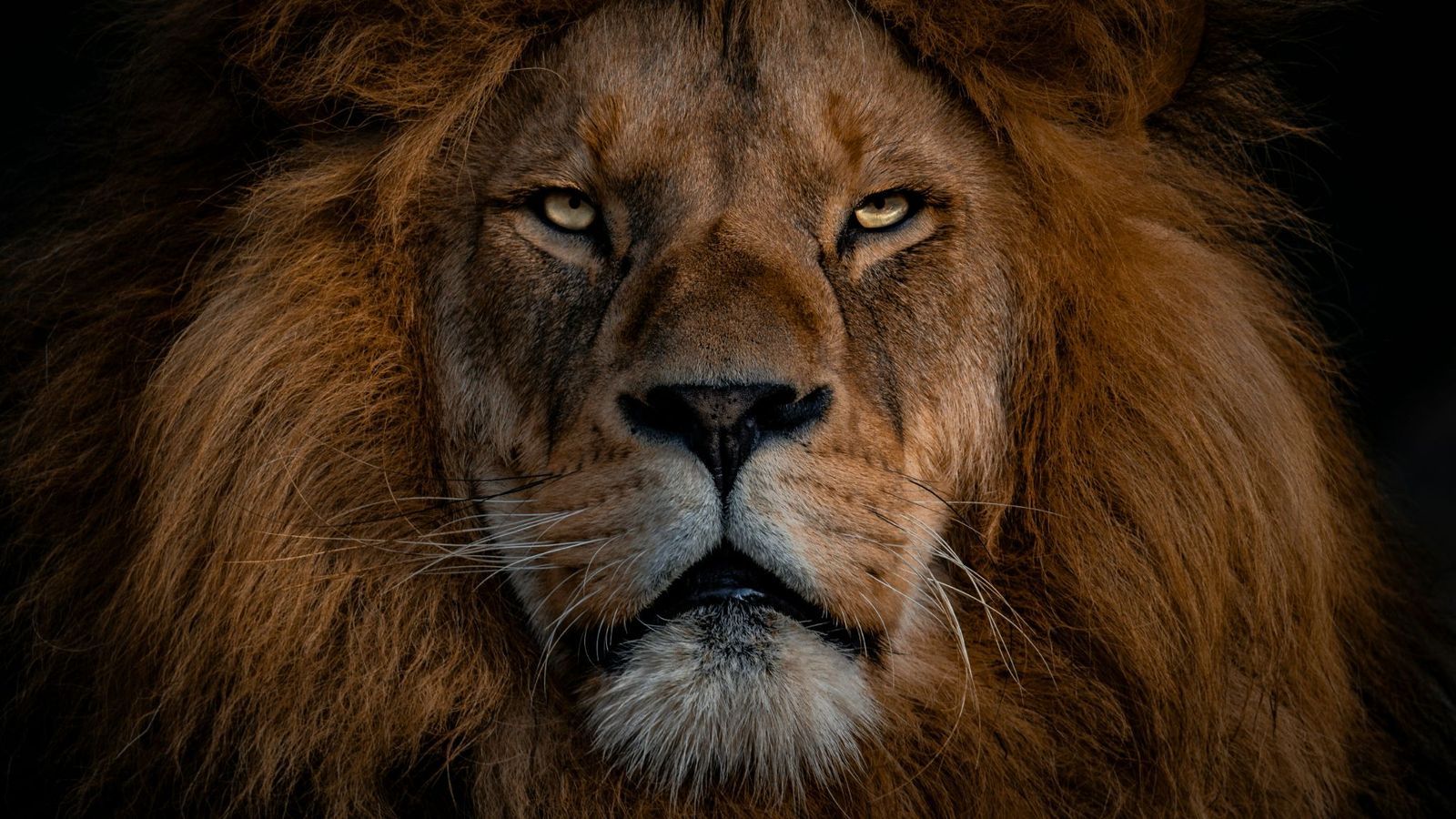
Image: Ingo Stiller

Unlike many entries on this list, this film is rooted in a real historical event. During the construction of the Uganda Railway in Kenya in 1898, two male lions attacked railway workers near the Tsavo River , creating one of history’s most famous wildlife mysteries.

Scientists still debate exactly how many people the lions killed, and the preserved animals remain on display at Chicago’s Field Museum. Although the true story was extraordinary, man-eating lions are exceptionally rare, and healthy wild lions generally avoid human contact whenever possible.

11
Monkey Shines (1988)
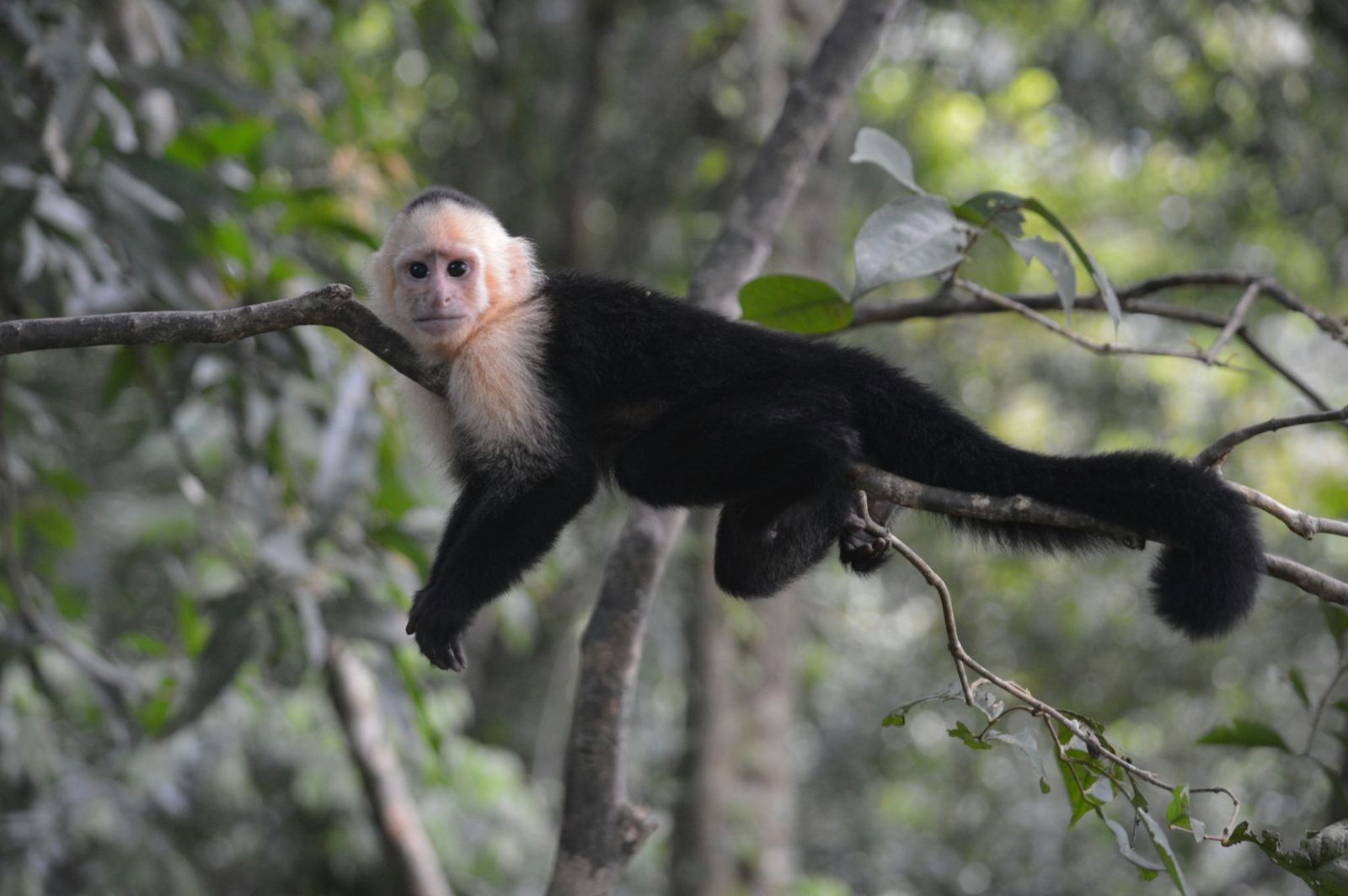
Image: Joy Ernst

George A. Romero traded zombies for primates in this psychological horror film about a helper capuchin monkey whose protective instincts spiral into something much darker . The story blurred the line between companionship and obsession, leaving viewers uneasy about intelligent animals.

Capuchin monkeys really are among the smartest New World primates and have even been trained to assist people with disabilities. At the same time, experts strongly discourage keeping monkeys as pets because they remain wild animals with complex social and behavioral needs.

12
Frogs (1972)
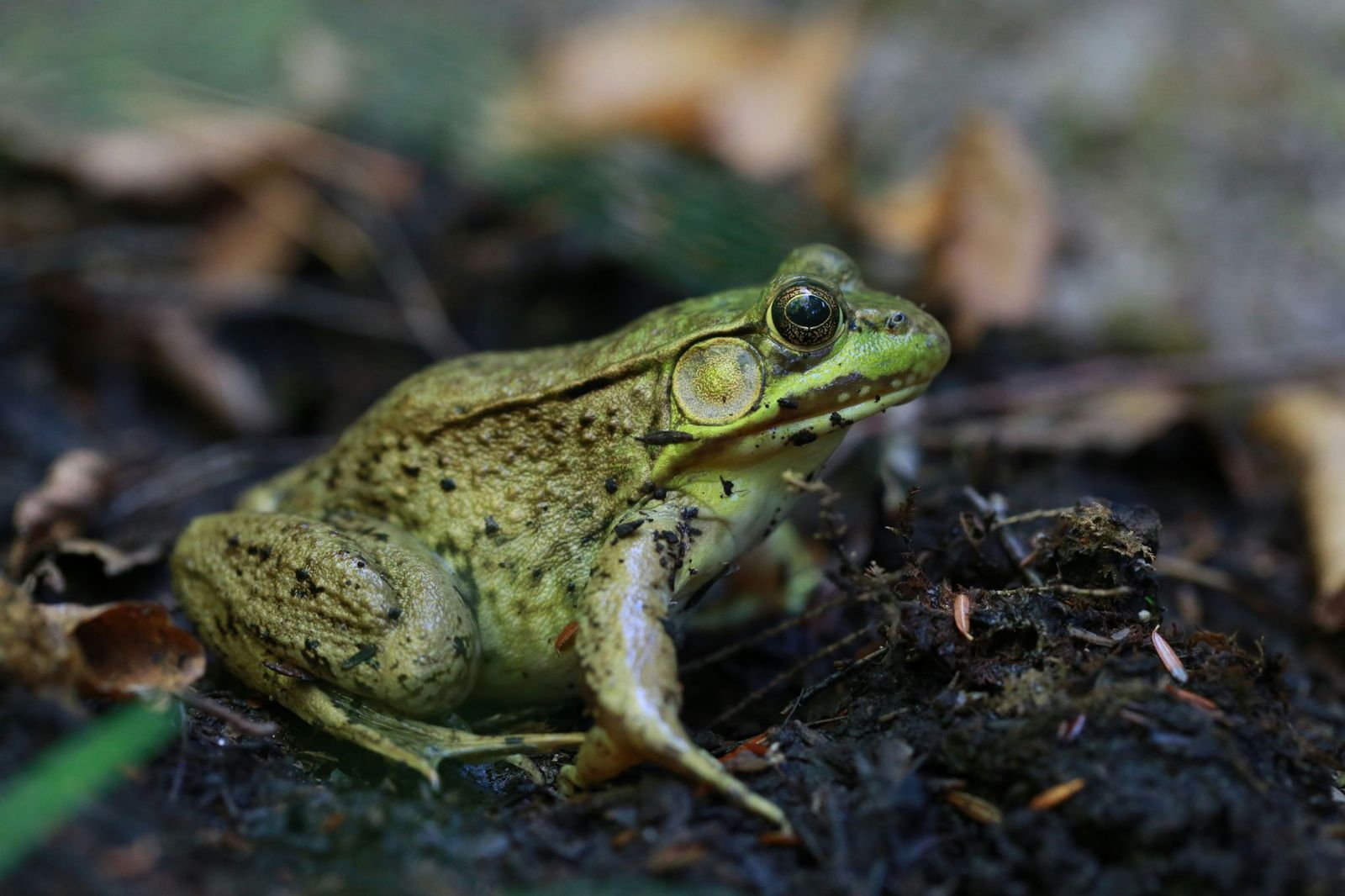
Image: Gary Yost

Despite its title, Frogs is surprisingly unfair to amphibians. While frogs appear throughout the movie, most of the actual attacks are carried out by snakes, insects, turtles, and other wildlife during a bizarre uprising against environmentally destructive humans.

Outside Hollywood, frogs are among nature’s most valuable allies. They consume enormous numbers of insects and serve as important indicators of environmental health. If frogs begin disappearing from an ecosystem, scientists often see it as an early warning that something is seriously wrong.

History History 5 min read

CHEERS TO ALL

Sipping through history: 10 cocktails from the Prohibition Era

Image: Frames For Your Heart

Isn’t it crazy to think there was a time when alcohol was prohibited? Now, some things simply can’t be taken from society. It’s only logical that as liquor was prohibited, the ways to disguise it flourished across the country. After all, crises do create opportunities! That is what bartenders thought anyway, and that is how many of the best cocktails came to be during the dry years. From Ward 8 to the classic Old Fashioned, the drinks we love today have been around for a long time, and we’ll tell you all about them in this article.

1
Ward 8

Image: Alex Kubsch

The Ward 8 is a cocktail with a bit of political history . Created in 1898, it is believed to have been made in Boston to celebrate a victory: Martin M. Lomasney’s seat at the state’s legislature. This mix of rye whiskey, lemon juice, orange juice, and grenadine offers a sweet and slightly tart taste that was a hit in the speakeasies.

The drink’s vibrant color and balanced flavor made it a favorite during Prohibition. It’s a bit more complex than some of the other cocktails of the time, but it’s worth every sip. Shake with ice, strain, and serve in a chilled glass for a sip of political history. Or to celebrate a victory of your own!

2
The South Side

Image: Bri Tucker

This refreshing drink's origin is a matter of speculation. The main theories suggest that it was either created after the South Side district of Chicago , Illinois, or the Southside Sportsmen’s Club on Long Island. Whichever the origin, the popularity of the drink is connected to Al Capone’s preference for it.

It’s a blend of gin, fresh mint, lime juice, and simple syrup, making it crisp and revitalizing. The mint and lime give it a fresh, lively flavor that’s perfect for any occasion. Shake with ice, strain into a chilled glass, and garnish with a mint sprig for a touch of elegance.

3
Sidecar

Image: Jia Jia Shum

The drinks were quite inventive, but the names? We’ll have to see about that. The Sidecar cocktail is believed to have been named after the motorcycle attachment in London or Paris around the 1920s. Nevertheless, the drink found it’s way across the Atlantic and into every bartender’s guide during the Prohibition.

Made with cognac, orange liqueur, and lemon juice, it’s a smooth, tangy cocktail that packs a punch. Its balanced flavor profile made it a favorite among those who sought both style and substance in their drinks. Shake it with ice, strain it into a sugar-rimmed glass, and you’ve got yourself a ride worth taking.

4
Highball

Image: Timothé Durand

If a cocktail’s name comes from a phrase that means "you’re good to go," you simply have to drink it, don’t you think? Well, that’s the case with the Highball cocktail. This drink’s name may come from railroad signs, where a raised globe meant that the track ahead was clear.

Now, as for the ingredients, the drink has several variations, but the classic ones are scotch and soda. The Highball is a simple yet elegant cocktail that has stood the test of time. It’s made by mixing whiskey (or gin) with a generous amount of ginger ale or soda water, served over ice in a tall glass. Garnish a Collin-type glass with a lemon or lime wedge, and you’ve got a drink that’s both easygoing and refreshing.

5
Old Fashioned

Image: Johann Trasch

If we’re discussing the classics, we can’t ignore the Old Fashioned, the number one drink of all time . Do you need any proof? Ask as many bartenders as you like, and they’ll each give you a different recipe. That’s because, as old as the drink is, it is also highly popular and has been the subject of countless versions ever since it was created.

The Old Fashioned dates back to the early 19th century, but it truly came into its own during Prohibition. This classic drink combines whiskey, a sugar cube, bitters, and a twist of citrus. The simplicity of the recipe made it a reliable choice when quality ingredients were hard to come by.

6
Corpse Reviver

Image: Timothé Durand

Mornings after can be quite tough, and these names aren’t making them any easier! The Corpse Reviver was so named because it was intended as a "hair of the dog" remedy to revive the drinker from a hangover . This cocktail is a complex mix of gin, lemon juice, Cointreau, Lillet Blanc, and a dash of absinthe. It’s a drink that packs a punch but is also surprisingly smooth and balanced.

The Corpse Reviver No. 2, in particular, became popular during the Prohibition era for its bold flavor and reputed restorative properties. Have you ever tried this one?

7
Mary Pickford

Image: Kurt Liebhaeuser

Named after the silent film star Mary Pickford, this cocktail is as glamorous as its namesake . It’s a fruity blend of white rum, pineapple juice, grenadine, and maraschino liqueur. The drink is sweet and vibrant, with a striking pink color that was as eye-catching in the 1920s as it is today.

Created in Havana, Cuba, it quickly became popular among Hollywood’s elite during the Prohibition era. Shake all the ingredients with ice, strain into a chilled glass, and then garnish with a cherry for a touch of old Hollywood glamour.

8
Gin Rickey

Image: Rajasekhar R

The Gin Rickey was a Prohibition favorite for its simple ingredients and refreshing taste. Made with gin, fresh lime juice, and soda water, it’s light, crisp, and perfect for warm summer nights. This drink was named after Colonel Joe Rickey, a lobbyist known for his love of mixing bourbon with sparkling water.

During Prohibition, gin replaced bourbon as the spirit of choice due to its easy availability. It’s a low-calorie, no-sugar-added option that was as much a hit then as it is now. Simply pour over ice and garnish with a lime wedge for a zesty kick.

9
Bee’s Knees

Image: Ash Edmonds

The Bee’s Knees is a classic example of how Prohibition-era bartenders used sweeteners to mask the harsh taste of homemade gin. You may think using honey for a cocktail is quite ordinary, but back in the day, this was quite an innovation. This delightful cocktail mixes gin, fresh lemon juice, and honey for a sweet and tangy flavor.

The name itself is a slang term from the 1920s, meaning "the best," and this drink certainly lives up to it. It’s refreshing and light, perfect for sipping on a sunny afternoon. Shake with ice and serve in a chilled glass for a taste of history’s sweeter side.

10
French 75

Image: Stephen Harlan

The French 75 is as powerful as the artillery piece it’s named after. This cocktail combines gin, lemon juice, sugar, and a bubbly splash of champagne, making it both elegant and dangerously easy to drink.

Legend has it that the drink was invented in Paris and quickly became popular in American speakeasies. The effervescence of champagne made it a celebratory favorite, while the gin added just the right amount of kick. Serve it in a champagne flute with a lemon twist, and you’ll feel like you’re celebrating in style.

Culture Culture 5 min read

Why do these 10 magnificent American estates now stand in ruins?

Image: Tama66

Beyond the manicured lawns of modern suburbs and the gleaming glass of city centers lie the skeletal remains of America’s Gilded Age and eccentric architectural dreams. These abandoned mansions, once symbols of immense wealth or unbridled ambition, now serve as monuments to the passage of time. Whether they were built for defense, ego, or artistic expression, these 10 sites stand as beautiful reminders of the people who once dared to dream about eternity. Would you like to know more? Continue reading!

1
Dundas Castle, Roscoe, New York

Image: Annie Spratt

Also known as Craig-e-Clair, this castle was built by Ralph Dundas in the early 20th century. It is an architectural marvel of stone and copper.

Dundas died before the castle was completed, and his wife was reportedly committed to a sanitarium shortly after. Consequently, no member of the Dundas family ever actually lived in the mansion. This has led to the "Ghost of Dundas Castle" legends, with locals claiming to see a woman in white wandering the unfinished halls, waiting for a housewarming party that never happened.

2
Rockwell House, Milledgeville, Georgia

Image: Clem Geiss

Built in 1838, the Rockwell House is a stunning example of Federal-style architecture, but its beauty is shadowed by a dark past. It was originally built for Colonel Samuel Rockwell, a prominent lawyer.

Local lore whispers about the "Rockwell Ghost," believed to be a young girl who died during a yellow fever outbreak. However, the house’s most tangible secret lies in its survival; it has endured multiple fires and periods of extreme neglect. In recent years, it has become a focal point for preservationists who uncovered hidden structural reinforcements that suggest the house was built to be an impenetrable fortress of its era.

3
Elda Castle, Ossining, New York

Image: Nitrogel

If the name David Abercrombie sounds familiar, it’s because he co-founded the clothing company Abercrombie & Fitch . But in the 1920s, he also built this granite castle, named Elda (an acronym of his children’s names), as a secluded retreat.

The castle features a network of spiral staircases and open-air porches designed to blend the indoors with the rugged wild. Its abandonment, however, is a sheer tragedy. After the family moved out, the castle was used as a research facility and later fell victim to vandals. Legend has it that a fire in the 1940s was started by squatters, leaving behind a charred stone husk that resembles a medieval ruin more than a 20th-century home.

4
Mongo's Castle, Memphis, Tennessee

Image: Denny Müller

A stark contrast to the classical mansions of the South, Mongo’s Castle was the passion project of Mongo Bebe, a man who built his home out of scrap stone, Ashlar blocks, and found materials.

The house is a maze of folk-art eccentricity. The builder intended it to be a community center and a symbol of African-American heritage and self-reliance. It stands today as a decaying puzzle, with many neighbors still unsure of the structural logic behind its towering, uneven walls.

5
Bannerman's Castle, Pollepel Island, New York

Image: Leonard G., Public domain, via Wikimedia Commons

Rising from the Hudson River, this castle was never intended to be a home; it was a giant advertisement and warehouse for Francis Bannerman VI’s military surplus empire.

In 1920, 200 tons of gunpowder and shells exploded in the castle’s powder house, blowing out a significant portion of the walls. The ground is still considered unstable due to the remnants of military munitions, and the inscriptions on the walls are actually warnings and advertisements for the Bannerman business. Do you dare visit this mansion?

6
Castle Mont Rouge, Rougemont, North Carolina

Image: Florian Delée

This whimsical, onion-domed castle looks like it belongs in the Russian countryside rather than the North Carolina woods. It was designed by sculptor Robert Mihaly, but he ended up abandoning the project in the early 2000s following a personal tragedy and financial hurdles.

The castle remains an "empty sculpture," filled with intricate marble work and unfinished turrets. The bizarre architectural fusion lacks a standard floor plan, making it nearly impossible to convert into a functional residence without destroying its artistic integrity.

7
Ha Ha Tonka Castle, Camdenton, Missouri

Image: Hannah McBride

Robert Snyder, a wealthy Kansas City businessman, began building this European-style castle in 1905. He wanted a retreat that overlooked the breathtaking Ha Ha Tonka Spring.

Yet, Snyder never got to see his dream finished; he was killed in one of Missouri’s first recorded automobile accidents just a year after construction began. His sons finished the castle, but it was gutted by a fire in 1942. There’s a hidden network of caves beneath the castle, which were rumored to be used by outlaws and later as a natural "refrigerator" for the estate’s kitchen.

8
Carleton Island Villa, Cape Vincent, New York

Image: Tama66

This once-magnificent villa was built for William Wyckoff, who made a fortune with the Remington Typewriter Company.

The Secret: Wyckoff’s dream turned into a nightmare on the very first night he stayed in the house. He suffered a massive heart attack and died in his sleep. His wife had passed away a month prior, leaving the villa to a son who had no interest in it. The house has stood empty for over 70 years, its secret being the tragic "cursed" timing that prevented it from ever functioning as a family home.

9
Dicksonia Plantation, Lowndesboro, Alabama

Image: Theo Bickel

Dicksonia was a quintessential antebellum mansion, featuring the massive columns and wrap-around porches synonymous with the Old South.

Unlike many plantations that were destroyed during the Civil War, Dicksonia survived the conflict only to be destroyed by a mysterious fire in 1939. Its "ghost pillars," however, remained standing long after the wooden house burned away. These towering brick columns became a haunting landmark , representing the structural skeletons of a forgotten social order.

10
Wyndcliffe, Rhinebeck, New York

Image: Peter Herrmann

This house is the literal origin of the phrase "Keeping up with the Joneses." Though often referred to as a "Mystery Mansion" by urban explorers, this is the ruin of Wyndcliffe, the estate of Elizabeth Schermerhorn Jones.

Elizabeth’s mansion was so grand and intimidating that it prompted her neighbors—including the Astors—to build even larger homes to compete. The secret of Wyndcliffe is the psychological impact of its architecture; it was built to inspire envy, and its current state of absolute decay is a poetic commentary on the fleeting nature of social status.

Explore more American facts

Choose your favorite category!

General
General

As American as apple pie—the very best America has to offer!

Culture
Culture

Delve into the astounding richness of American lore.

Geography
Geography

Hop in and explore vast and diverse American landscapes.

History
History

Discover the key moments that shaped the United States.