History History 7 min read

Hidden stories

The secret WWII project hidden beneath the White House
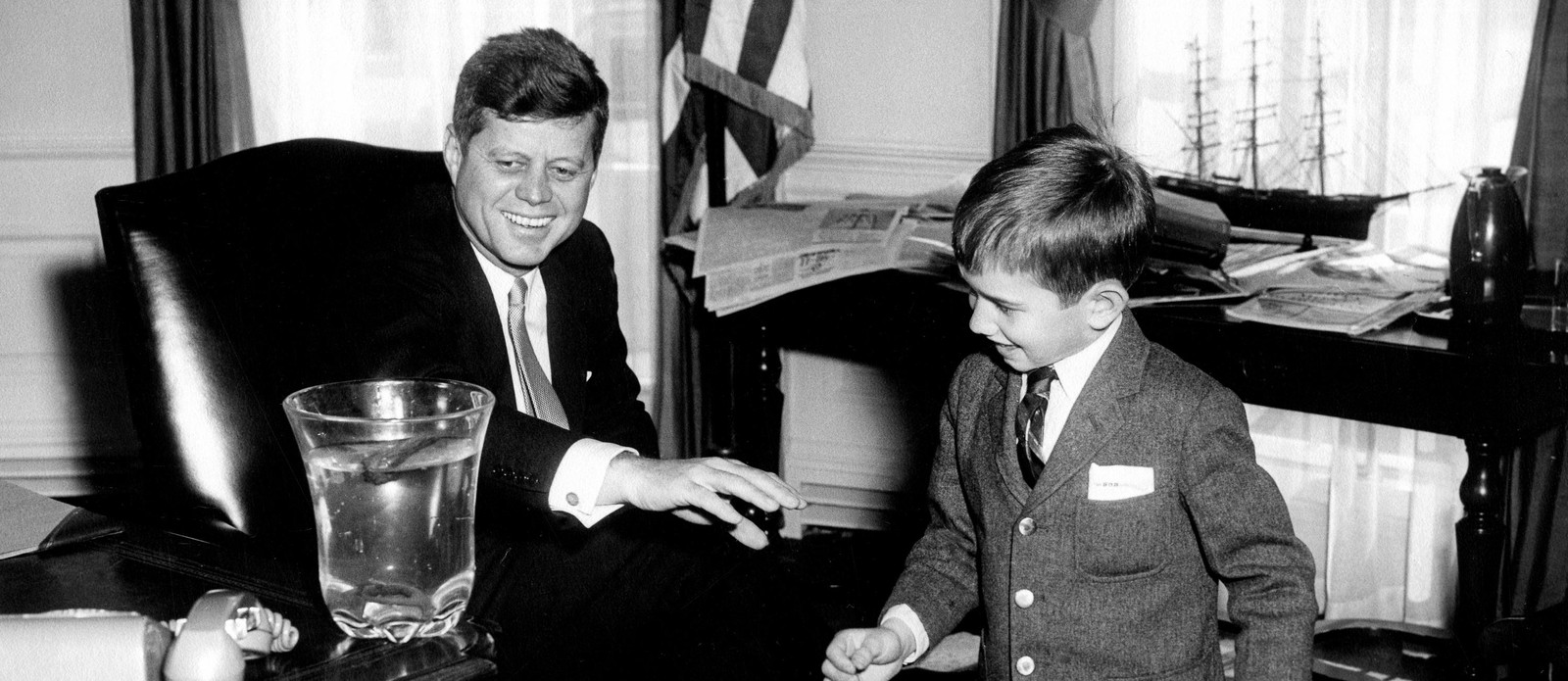
Image: Abbie Rowe. White House Photographs. John F. Kennedy Presidential Library and Museum, Boston, Public domain, via Wikimedia Commons

Did you know the White House wasn’t originally meant to be white? Or that hidden underground spaces were built beneath it? For more than 200 years, we have seen the White House in movies, on the news, in family photo albums from Washington trips, and during some of the biggest moments in our country’s history. But behind those famous walls are stories most have never heard. From fires and secret construction projects to strange traditions and forgotten moments, these are 10 surprising White House stories that most of us were never taught in school.

1
It was almost completely torn down
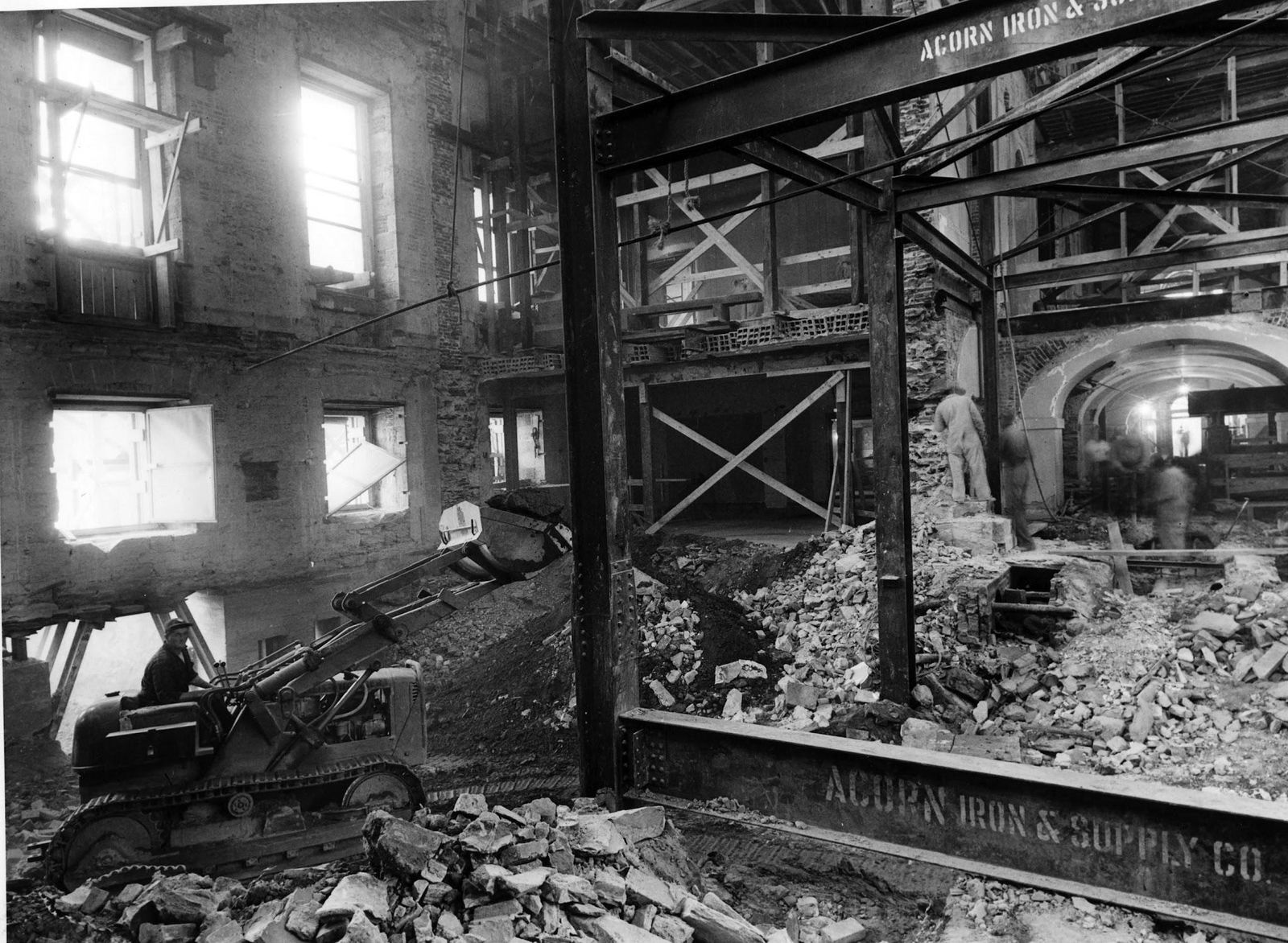
Image: Abbie Rowe, Public domain, via Wikimedia Commons

Did you know that very little of today’s White House interior is actually original? Looking at the building now, it’s hard to imagine that it was once so unstable that it was in danger of collapsing.

By 1948, after decades of heavy use, outdated wiring, poor structural supports, and years of renovations layered over one another, the White House had become unsafe. Floors and walls cracked, and parts of the residence were literally sinking. President Harry S. Truman even joked that the place felt haunted because it made so many strange noises. Rather than abandon it, Truman launched a massive reconstruction project with Congress. Between 1948 and 1952, nearly the entire interior was gutted and rebuilt while the original exterior walls were preserved, giving America a strong and reliable White House.

2
During WWII, they built an underground bunker

Image: rc.xyz NFT gallery

Did you know there’s a fortified bunker hidden beneath the White House? A couple of years before Truman’s famous renovation, another major project was quietly built beneath the presidential residence.

In 1942, during World War II, President Franklin D. Roosevelt ordered the construction of a secure underground shelter to protect government leaders in case Washington, D.C., came under attack. Built quickly and in great secrecy, the bunker was completed within months, though it was luckily never needed during the war. Today, the facility is known as the Presidential Emergency Operations Center, or PEOC, and it was famously used in 2001 by President George W. Bush and again in 2020 by Donald Trump.

3
It was not originally meant to be white
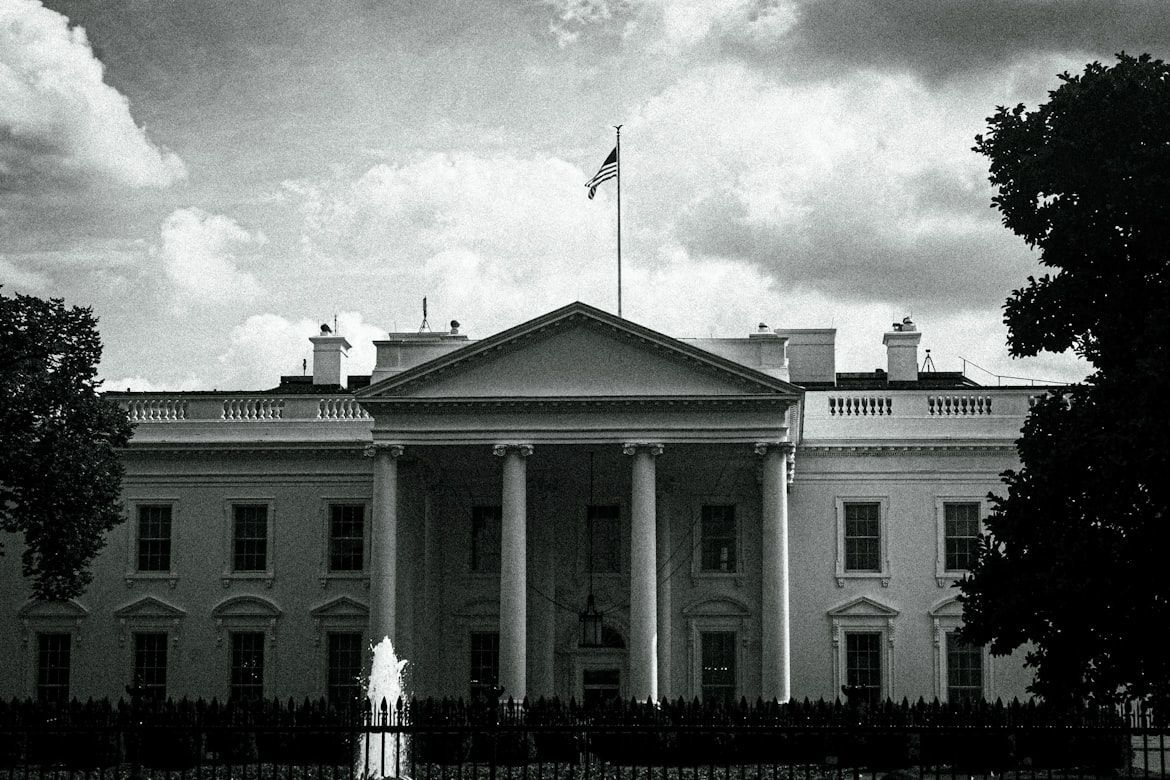
Image: Andriy Miyusov

Can you imagine if it were called "the Gray House"? Today, it’s impossible to picture America’s most famous home as anything other than bright white, but that wasn’t the original idea.

During construction in the 1790s, workers covered the exterior sandstone with a lime-based whitewash to protect it from moisture, cracking, and harsh winter weather. The coating gave the building a pale grayish appearance, not the brilliant white we recognize today. A long-standing myth claims the White House was painted white to hide the burn marks left after British troops set it on fire in 1814, but in reality, the building had already been whitewashed years earlier. Still, after the fire and reconstruction, the white exterior became permanent and eventually inspired the famous name "White House," though for many years people still called it the "President’s House."

4
10 people have died in the White House
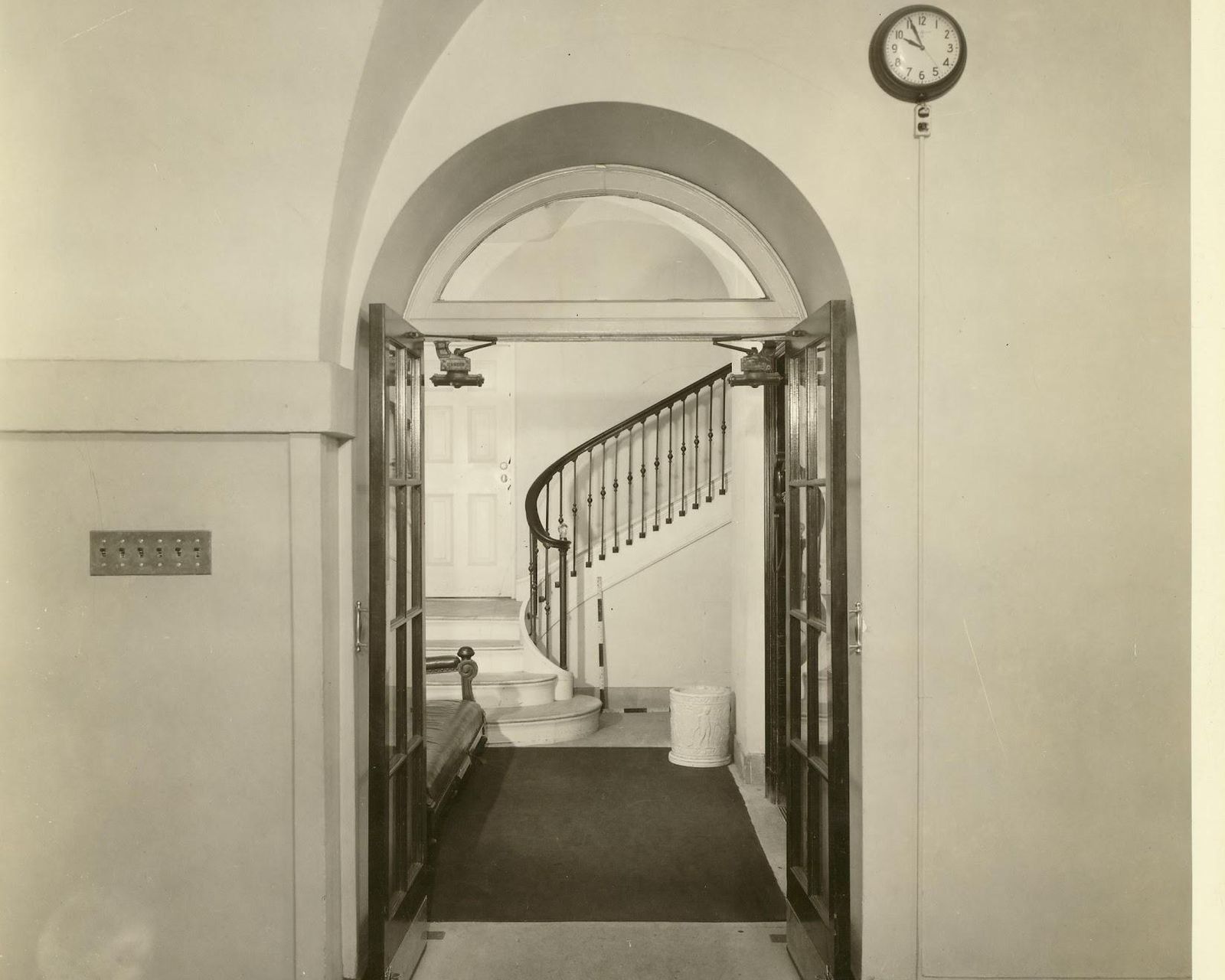
Image: Woodrow Wilson Presidential Library Archives from Staunton, VA, No restrictions, via Wikimedia Commons

Many people have lived and worked in the White House over the centuries, but, according to the White House Historical Association, only 10 people are officially recorded as having died inside the presidential residence.

Among them were two U.S. presidents. William Henry Harrison died there at age 68 in 1841 after falling seriously ill, likely from contaminated water. Zachary Taylor died at age 65 in 1850 from a severe stomach illness after attending Fourth of July celebrations in extreme heat. Three First Ladies also passed away in the White House: Letitia Tyler in 1842, Caroline Harrison in 1892, and Ellen Axson Wilson in 1914. Other deaths included presidential relatives, aides, and staff members, among them Abraham Lincoln’s son, Willie Lincoln, whose death at the age of 11 in 1862 deeply affected the family and became one of the White House’s most heartbreaking stories.

5
Presidential whims
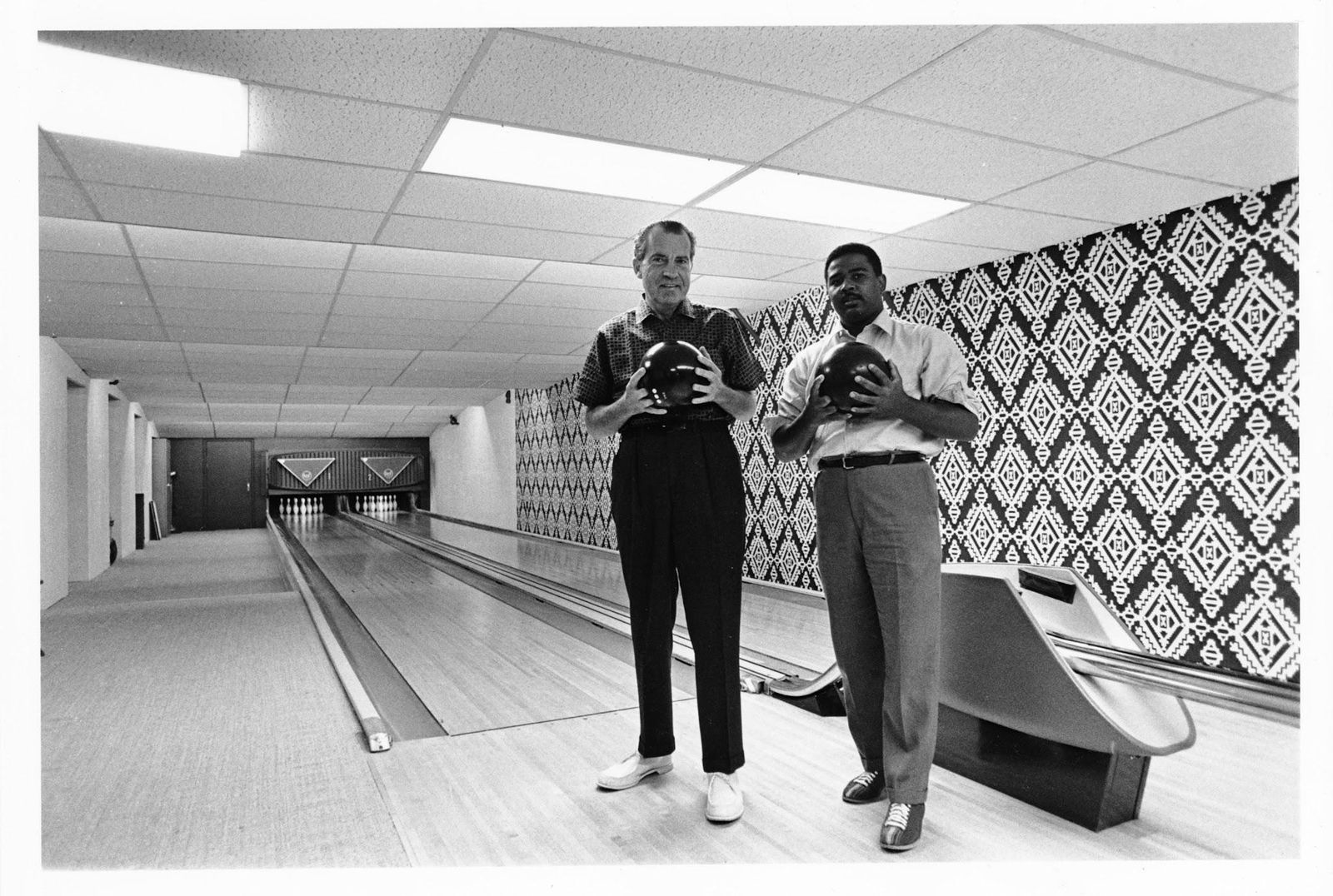
Not every White House renovation happened due to war, damage, or urgent repairs. Some changes came simply from the personal tastes and hobbies of the presidents who lived there, and over the years, there have been quite a few memorable ones.

In 1973, Richard Nixon installed a one-lane bowling alley beneath the North Portico. Years later, in 1989, George H. W. Bush added a regulation horseshoe pit near the White House grounds, where he often relaxed and challenged visitors, including Queen Elizabeth II, to games. Then, in 2009, Barack Obama had the South Lawn tennis court modified so it could also be used for basketball, one of his favorite sports.

6
Jackie Kennedy's furniture
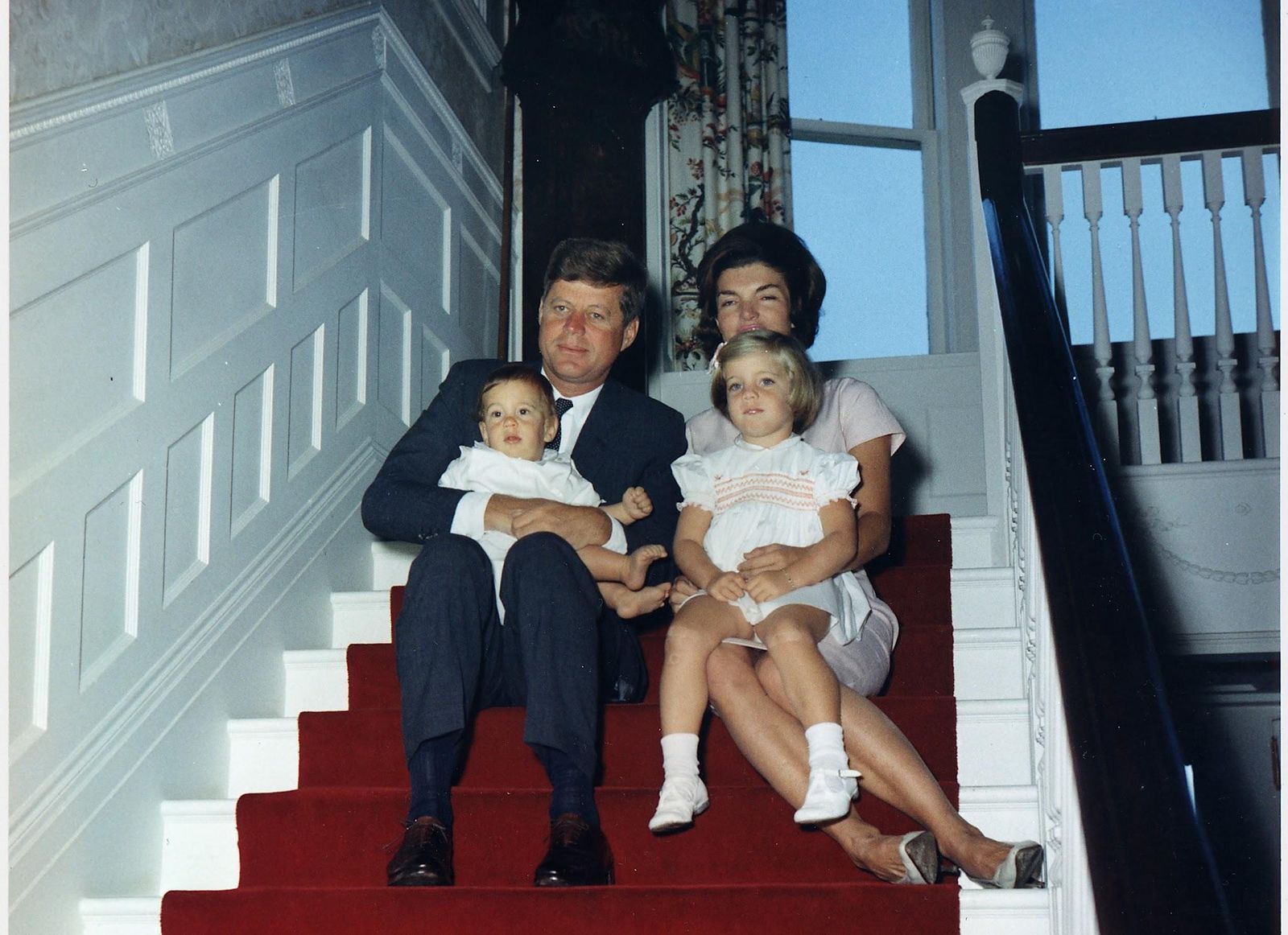
Image: Robert LeRoy Knudsen, Public domain, via Wikimedia Commons

When the Kennedy family entered the White House in 1961, the first lady was disappointed to find that many of the historic rooms had lost much of their original character.

Determined to restore the White House’s history and elegance, Jackie Kennedy famously launched a massive restoration effort. She helped create the White House Fine Arts Committee, brought in historians and curators, and filled the residence with genuine antiques and historical pieces tied to past presidencies. On February 14, 1962, an estimated 46 to 56 million people tuned in to watch the First Lady’s televised tour of the White House, making it one of the most-watched programs of its era. She also supported a congressional act that made many of the White House’s historic furnishings official property of the nation, so future presidents could no longer sell, replace, or discard them.

7
Official name changes
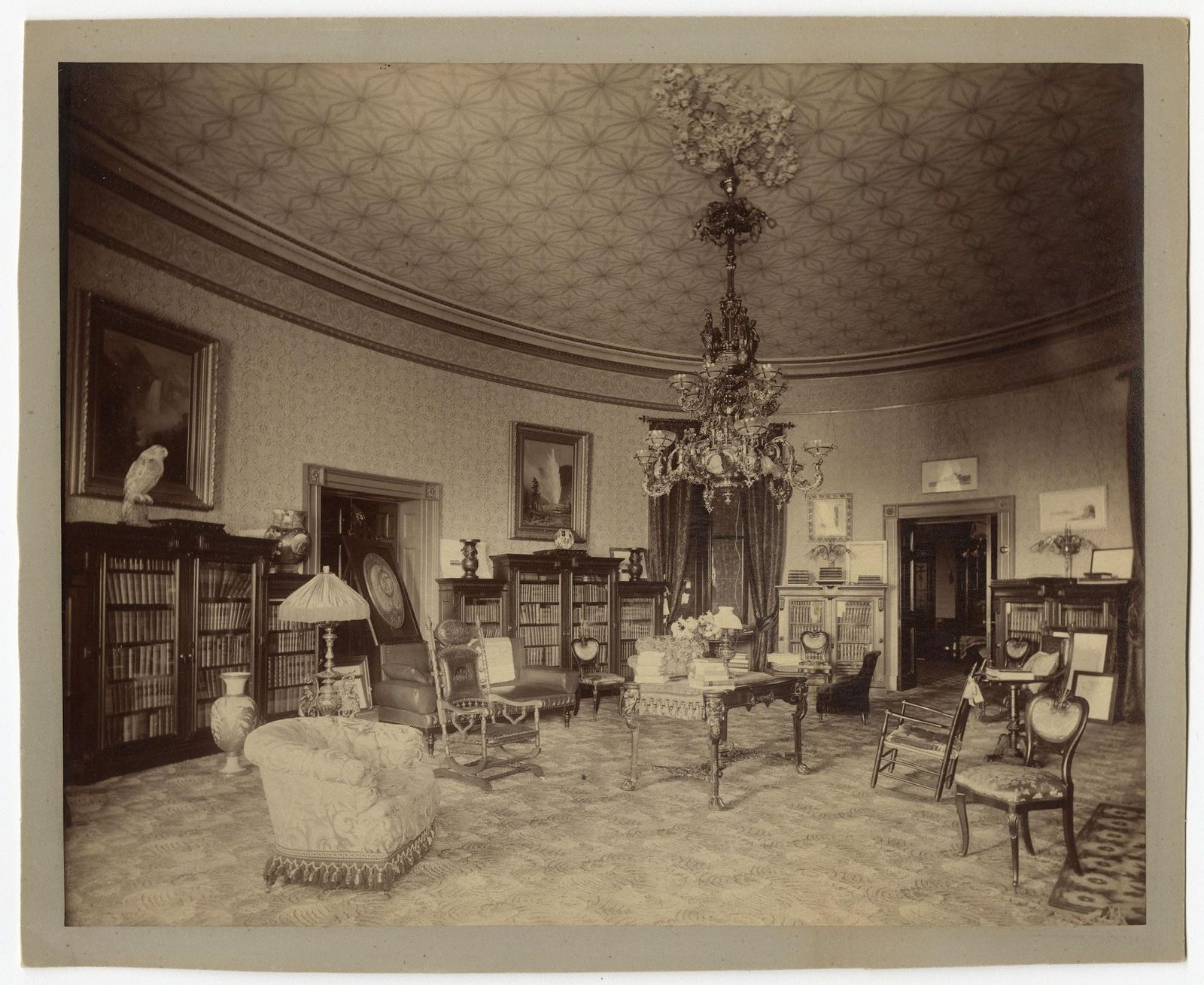
Image: Benjamin Harrison Presidential Site, Public domain, via Wikimedia Commons

As we mentioned, the building was not always white, and therefore was not always officially called the White House. For much of the 19th century, Americans usually referred to it as the "Executive Mansion" or the "President’s House." Even after its famous white exterior made the nickname popular, it still was not the building’s official name.

That finally changed in 1901, when Theodore Roosevelt began printing "The White House" on presidential stationery. According to official sources, Teddy Roosevelt preferred this name because it clearly separated the president’s residence from the many state "executive mansions" used by governors across the country.

8
It was once America's largest house
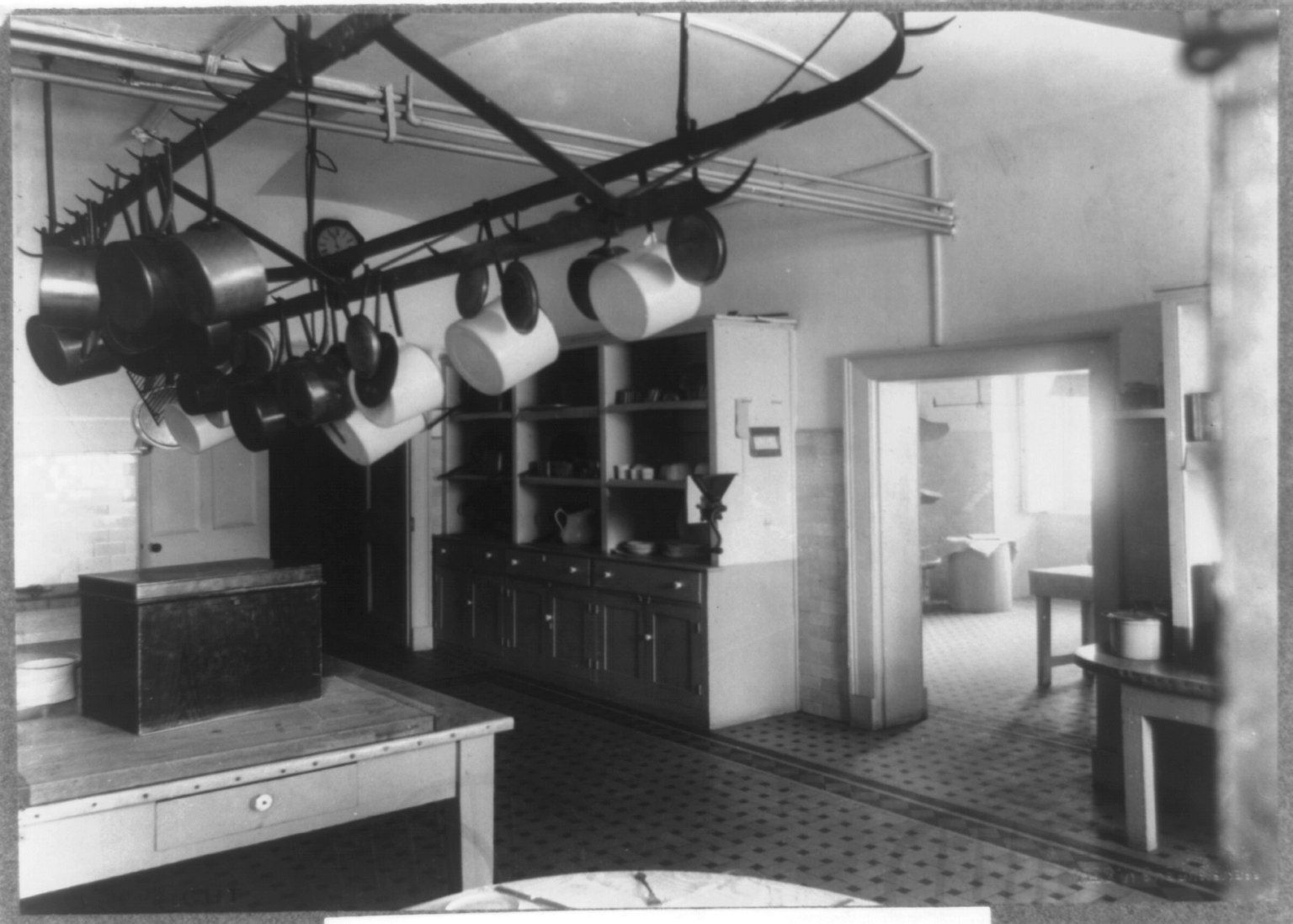
Image: Miscellaneous Items in High Demand, PPOC, Library of Congress, Public domain, via Wikimedia Commons

There is one thing about the White House that no one can deny: it has always been huge, even in its early days.

When the White House was first occupied in 1800, it already contained more than 100 rooms spread across three floors, making it one of the grandest homes in the United States at the time. In a time when most Americans lived in modest houses or farms, the presidential residence was seen as a palace. Many historians even consider it the largest private residence in the country during its early years. Today, the White House covers about 55,000 square feet, though modern private buildings, like the Biltmore Estate in North Carolina, are now far larger.

9
President Benjamin Harrison’s fear
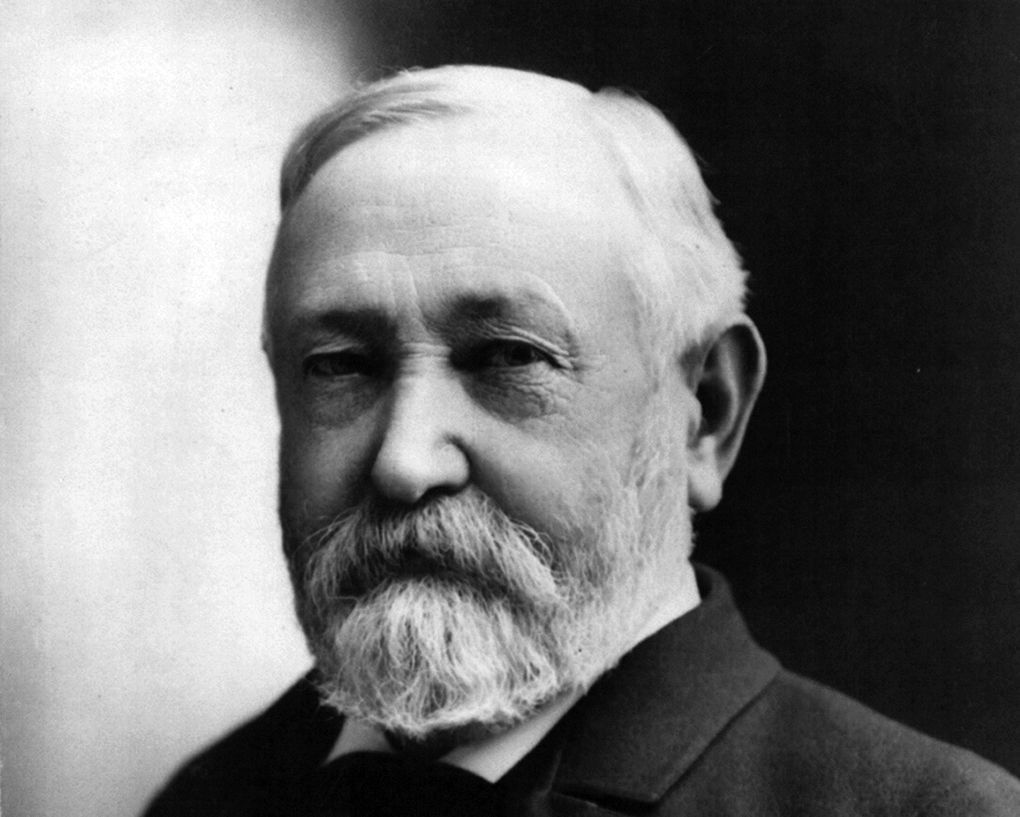
Image: Joseph Gray Kitchell (1862–1945)[1], Public domain, via Wikimedia Commons

Among the many changes the White House has undergone over the years, few were as revolutionary as the arrival of electricity.

For nearly a century after it was built, the presidential residence relied on candles, oil lamps, and gas lighting. That finally changed in 1891, when electricity was installed during the presidency of Benjamin Harrison. But, like many families in that era, the Harrisons were not exactly thrilled by this modern invention. According to White House stories passed down over the years, President Harrison and First Lady Caroline Harrison were so nervous about the possibility of electric shock that they rarely touched the light switches themselves. Instead, they often asked the house staff to turn the lights on and off for them.

10
Hillary Clinton’s special gift
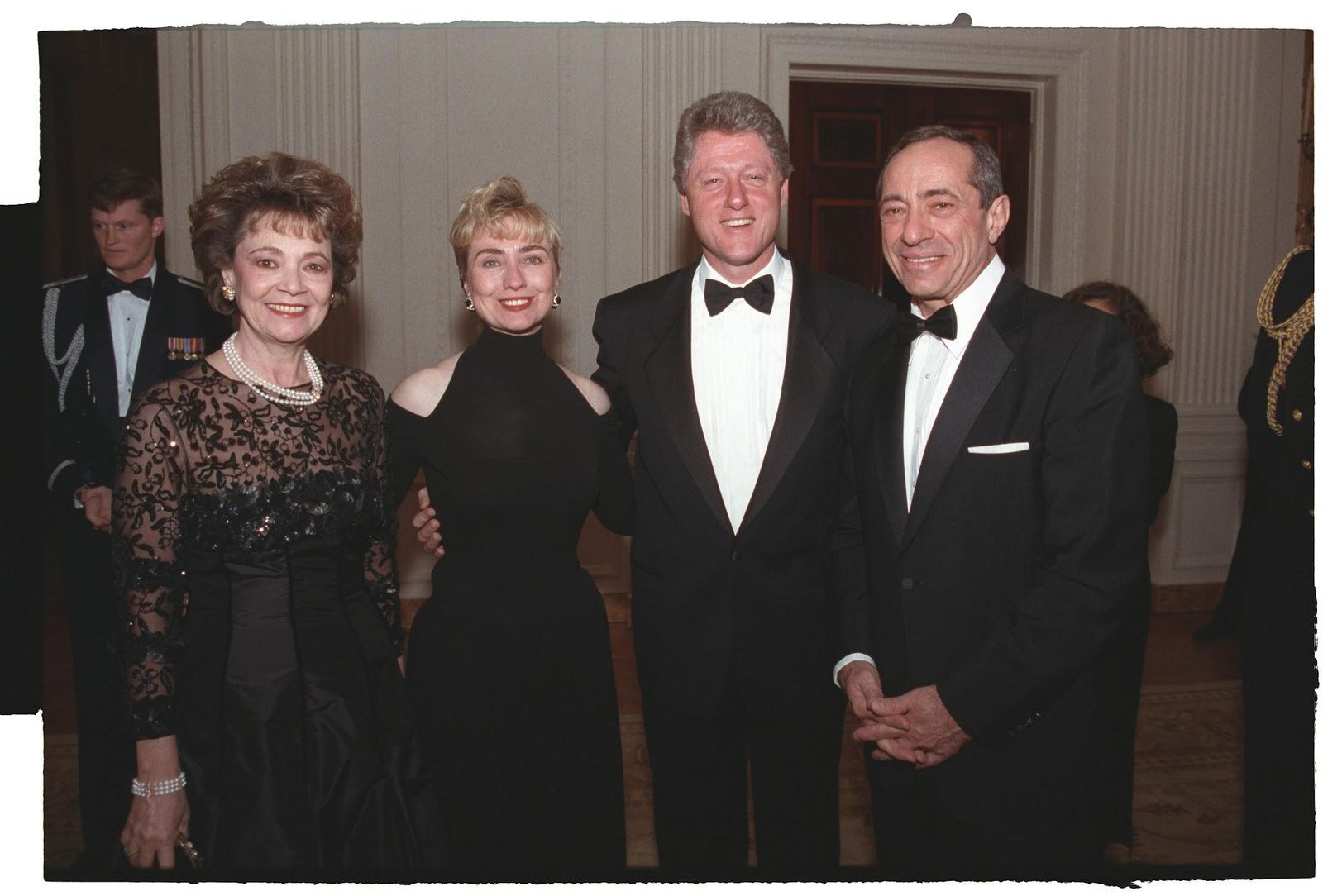
Image: Ralph Alswang, Public domain, via Wikimedia Commons

Of course, Jackie Kennedy wasn’t the only First Lady to leave her mark on the White House. Hillary Clinton added her own personal touch as well, this time as a gift for her husband.

In 1996, Hillary Clinton transformed a little-used room on the White House’s third floor into a private music room for President Bill Clinton. The gift came during the year of Bill Clinton’s 50th birthday and reflected one of his best-known passions: music. Complete with space for listening to records and playing his famous saxophone, the room gave the president a quiet retreat inside the White House.
Culture Culture 6 min read

From Braveheart to JFK: 10 movies that got history completely wrong Braveheart to JFK : 10 movies that got history completely wrong

Image: Pressmaster

Hollywood often prioritizes spectacle and drama over strict historical accuracy. Period epics tend to win big at the Academy Awards, but their relation to real-world events ranges from artistic license to complete fabrication. These ten celebrated films delivered unforgettable cinema, yet failed all history tests.

1
Titanic (1997)

Image: Andrea Izzotti

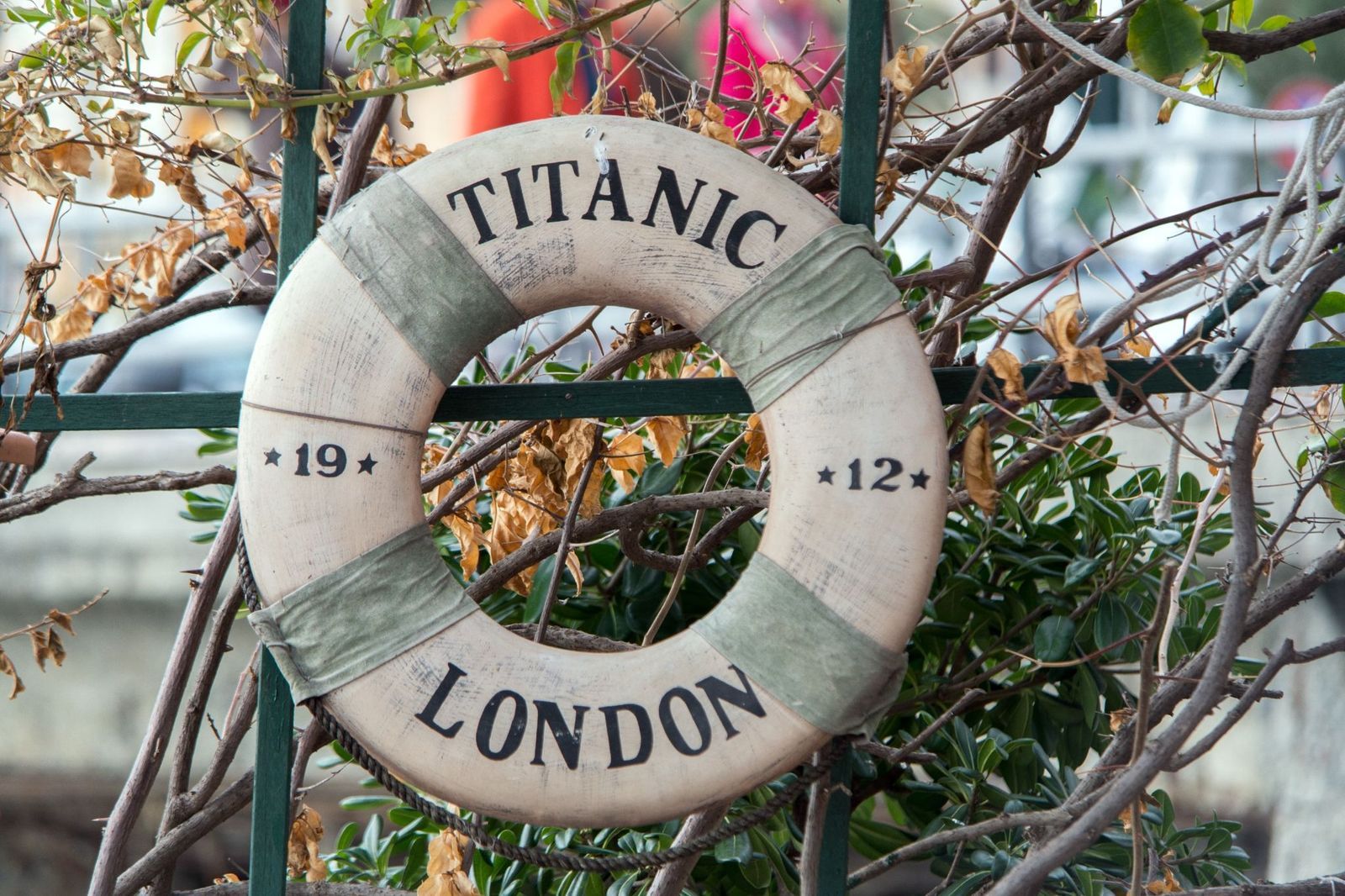
James Cameron’s Oscar-winning blockbuster frames the tragic 1912 sinking around the fictional romance of Jack (Leonardo DiCaprio) and Rose (Kate Winslet), while depicting real-life First Officer William Murdoch (Ewan Stewart) accepting bribes, shooting passengers, and taking his own life.

When the film premiered in 1997, the portrayal of Murdoch caused significant outrage. Survivor accounts prove the First Officer acted heroically, working tirelessly to launch lifeboats and saving hundreds of lives before dying in the freezing Atlantic. Additionally, third-class passengers were not locked below deck by armed guards as portrayed in the movie. _Titanic_’s producers eventually traveled to Murdoch’s hometown of Dalbeattie, Scotland, to issue an official apology to his descendants.

2
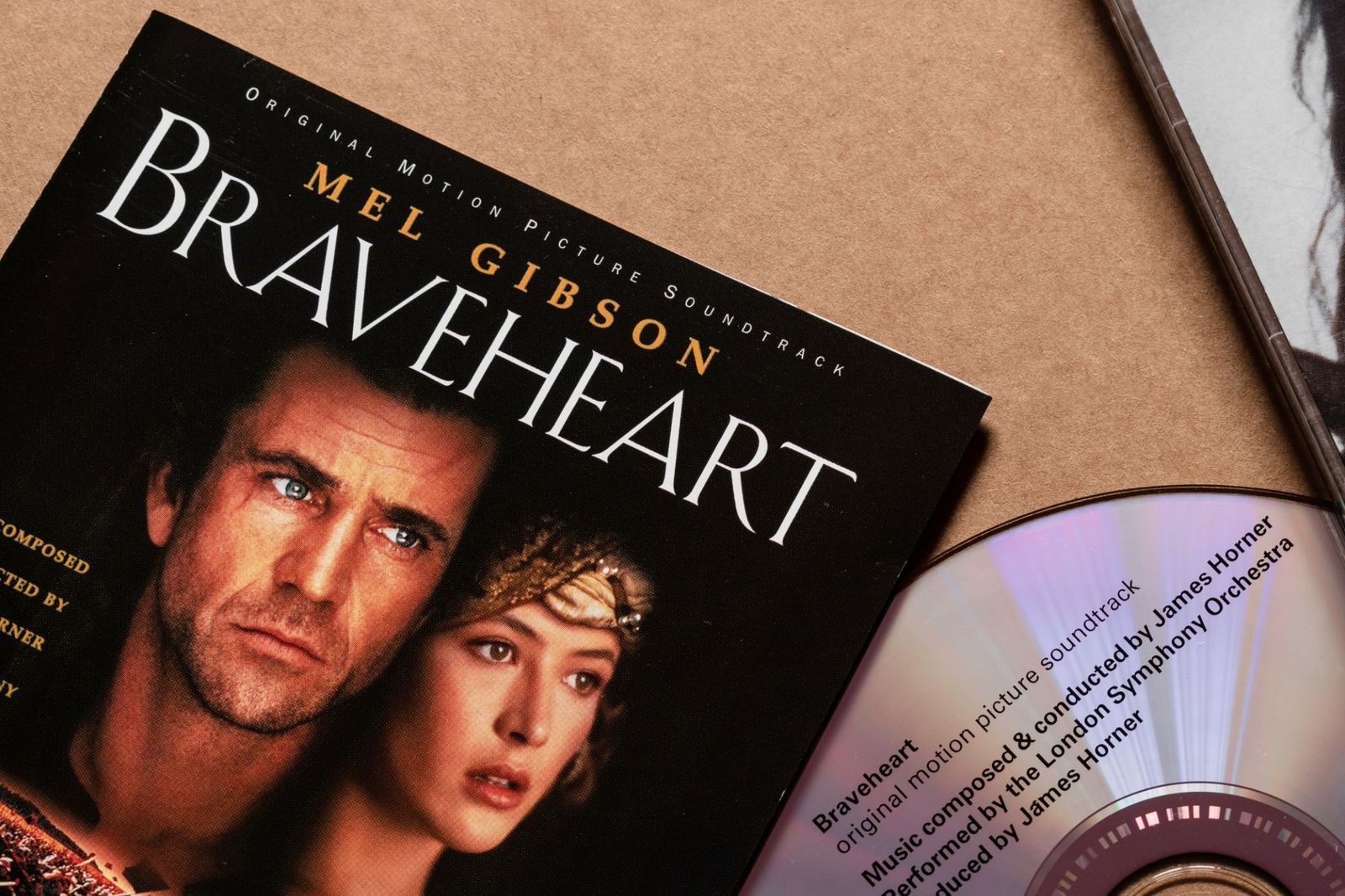
Braveheart (1995)

Image: Snap Spot

Mel Gibson’s epic depicts William Wallace leading a 13th-century Scottish rebellion against English rule, wearing belted plaid kilts and seducing Isabella of France (Sophie Marceau).

Many details in the film are inaccurate. For example, Scots didn’t wear kilts until the 16th century, nearly 300 years after Wallace’s death. Furthermore, Isabella was roughly three years old and living in France during Wallace’s rebellion, making the affair impossible.

3
Pearl Harbor (2001)

Image: Gary Ell, USAF, Public domain, via Wikimedia Commons

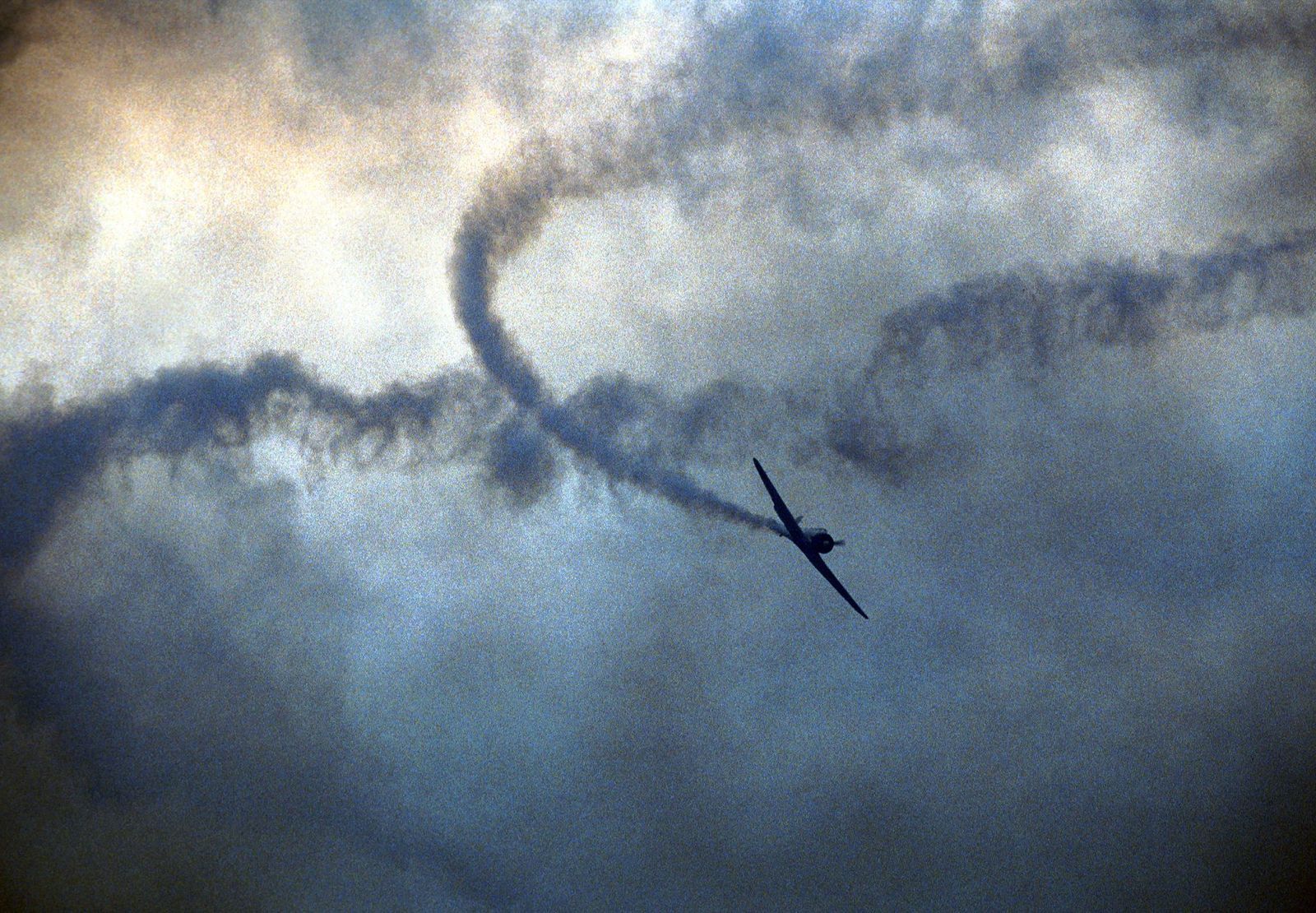
In Michael Bay’s romantic war drama, Rafe McCawley (Ben Affleck) and Danny Walker (Josh Hartnett) face Japanese Zero fighters, join the British Eagle Squadrons before the U.S. enters World War II, and witness direct attacks on civilian medical units.

In real life, U.S. Army Air Corps officers like Rafe were legally forbidden from joining Britain’s Eagle Squadrons while the United States remained neutral. During the December 7, 1941 raid, the Japanese prioritized attacking battleships, airfields, and fuel depots, and they didn’t target field hospitals or civilian nurses as depicted in the film. Also, President Franklin D. Roosevelt’s (Jon Voight) dramatic moment where he stands up out of his wheelchair to inspire his cabinet never occurred.

4
Pocahontas (1995)

Image: New England Chromo. Lith. Co., Public domain, via Wikimedia Commons

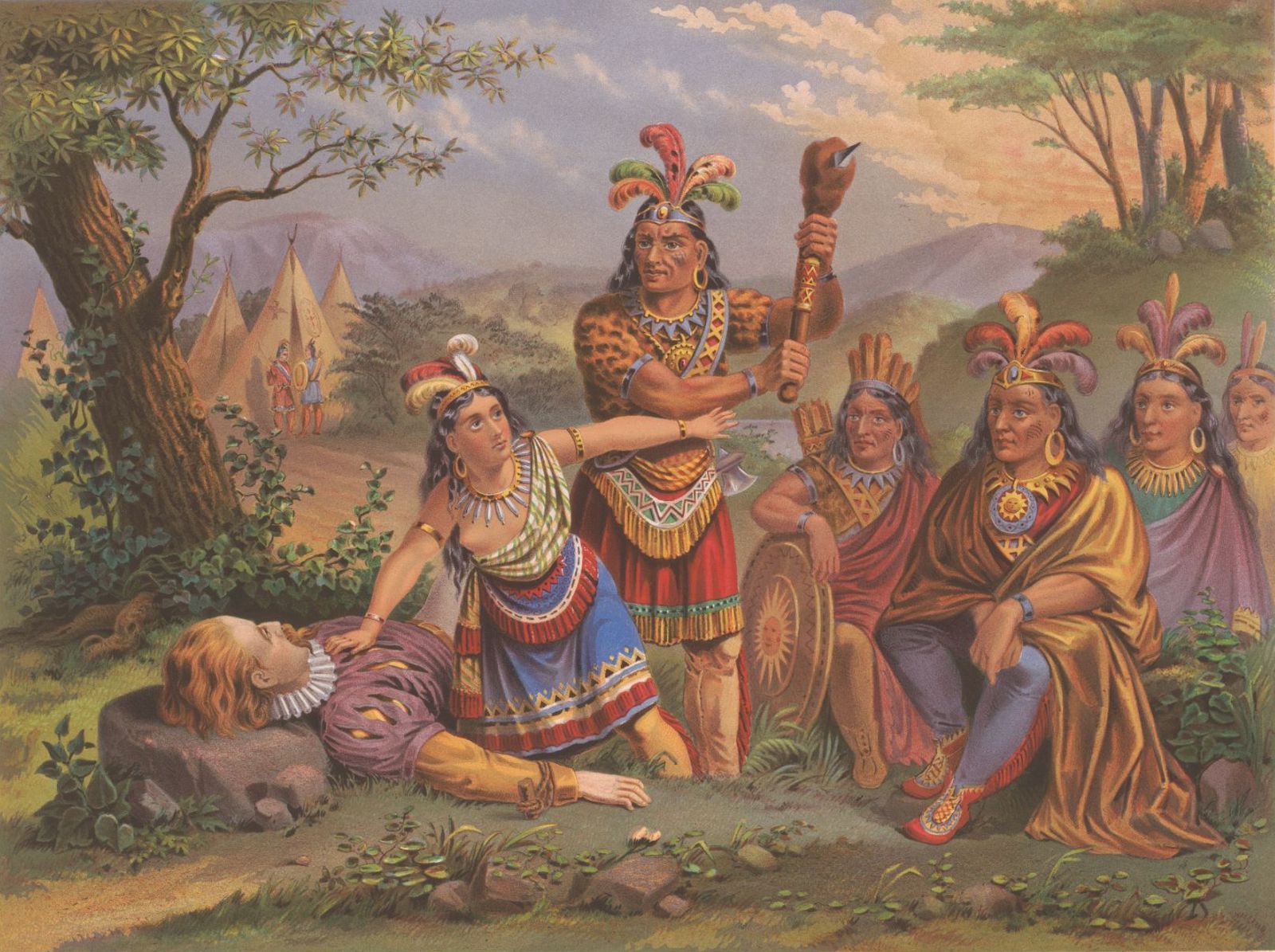
Disney’s animated film famously tells the story of a young Powhatan woman named Pocahontas who falls in love with the English explorer Captain John Smith, helping to promote peace between their two cultures.

When John Smith arrived in Virginia in 1607, Pocahontas (whose actual name was Matoaka) was only around 10 to 12 years old, while Smith was a 27-year-old soldier, and there was no romantic relationship between them. Smith’s famous account of Pocahontas saving his life by placing her head over his is debated by modern historians, who view it as either a misunderstanding of a tribal adoption ceremony or an invention in his later writings. Pocahontas was later captured by English settlers, held for ransom, converted to Christianity, and married tobacco merchant John Rolfe before dying in England at age 21.

5
Gladiator (2000)

Image: Jean-Léon Gérôme, Public domain, via Wikimedia Commons

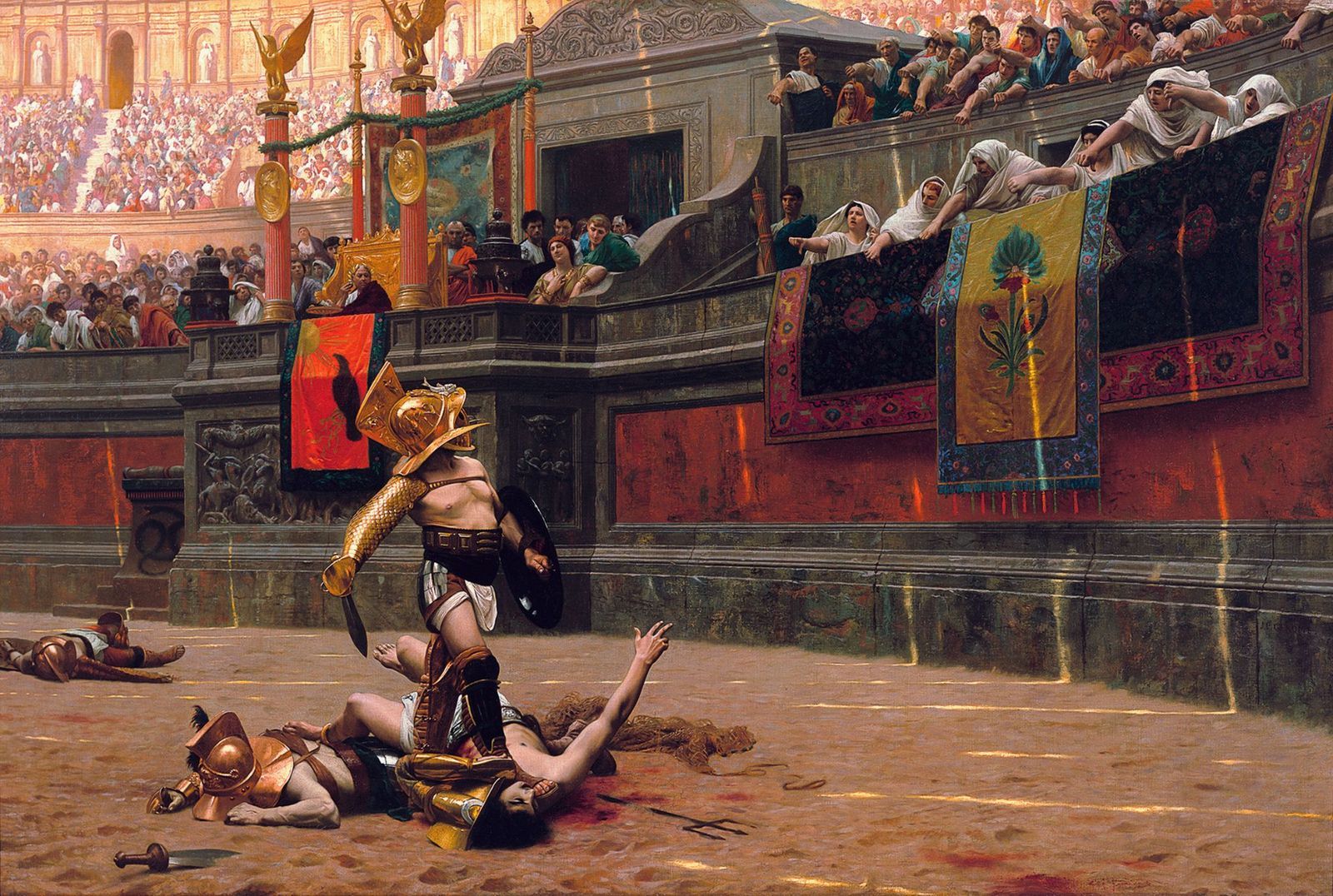
The plot of Gladiator revolves around Maximus Decimus Meridius (Russell Crowe) when he witnesses Emperor Marcus Aurelius (Richard Harris) being smothered to death by his son Commodus (Joaquin Phoenix), who seizes the throne, rules as a tyrant, and is later killed in gladiatorial combat inside the Colosseum.

In reality, Marcus Aurelius was never murdered by his son; he died of an infectious illness in 180 AD. Commodus had already been co-emperor for three years before his father’s death. Far from an usurpation, Commodus ruled Rome for 12 years. He didn’t die in the sands of the arena either: he was strangled in his bath by his wrestling partner, Narcissus, during a palace coup. Moreover, Roman gladiatorial fights were officiated sporting events, not chaotic deathmatches.

6
Shakespeare in Love (1998)

Image: Gimas

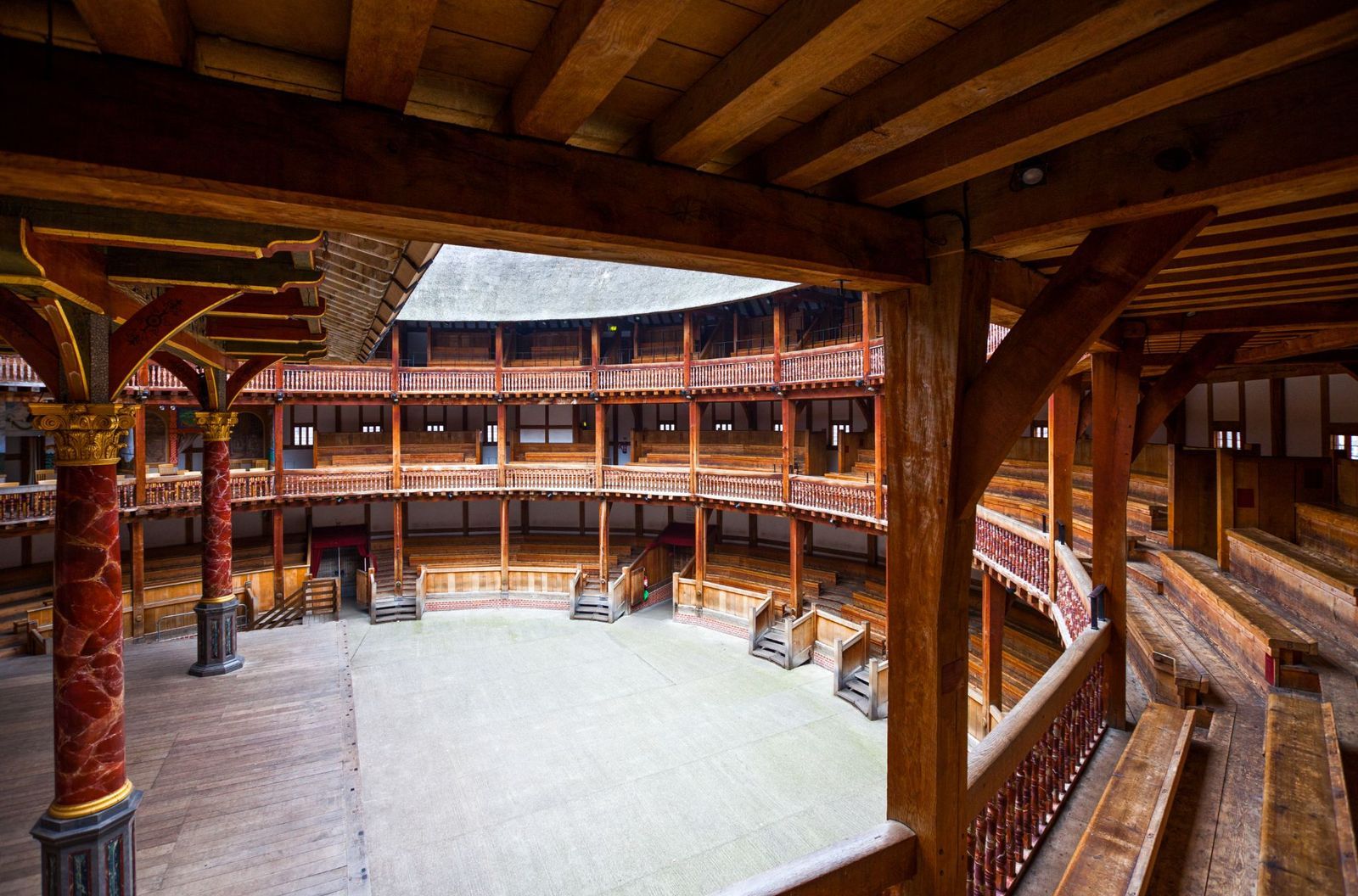
A young William Shakespeare (Joseph Fiennes) suffers from writer’s block until he meets aristocrat Viola de Lesseps (Gwyneth Paltrow), who disguises herself as a man to act on stage, inspiring him to write Romeo and Juliet .

Almost the entire narrative is historical fiction. Viola de Lesseps never existed, and Romeo and Juliet wasn’t inspired by a secret love affair. Women were indeed banned from performing on the Elizabethan stage, but monarchs like Queen Elizabeth I never attended public theaters, which were considered unsafe and unhygienic. Instead, theater companies were hired to give private performances at court. Furthermore, by the mid-1590s, Shakespeare was already married to Anne Hathaway and was an established playwright in London, not an impoverished unknown struggling for ideas.

7
A Beautiful Mind (2001)

Image: Woodan

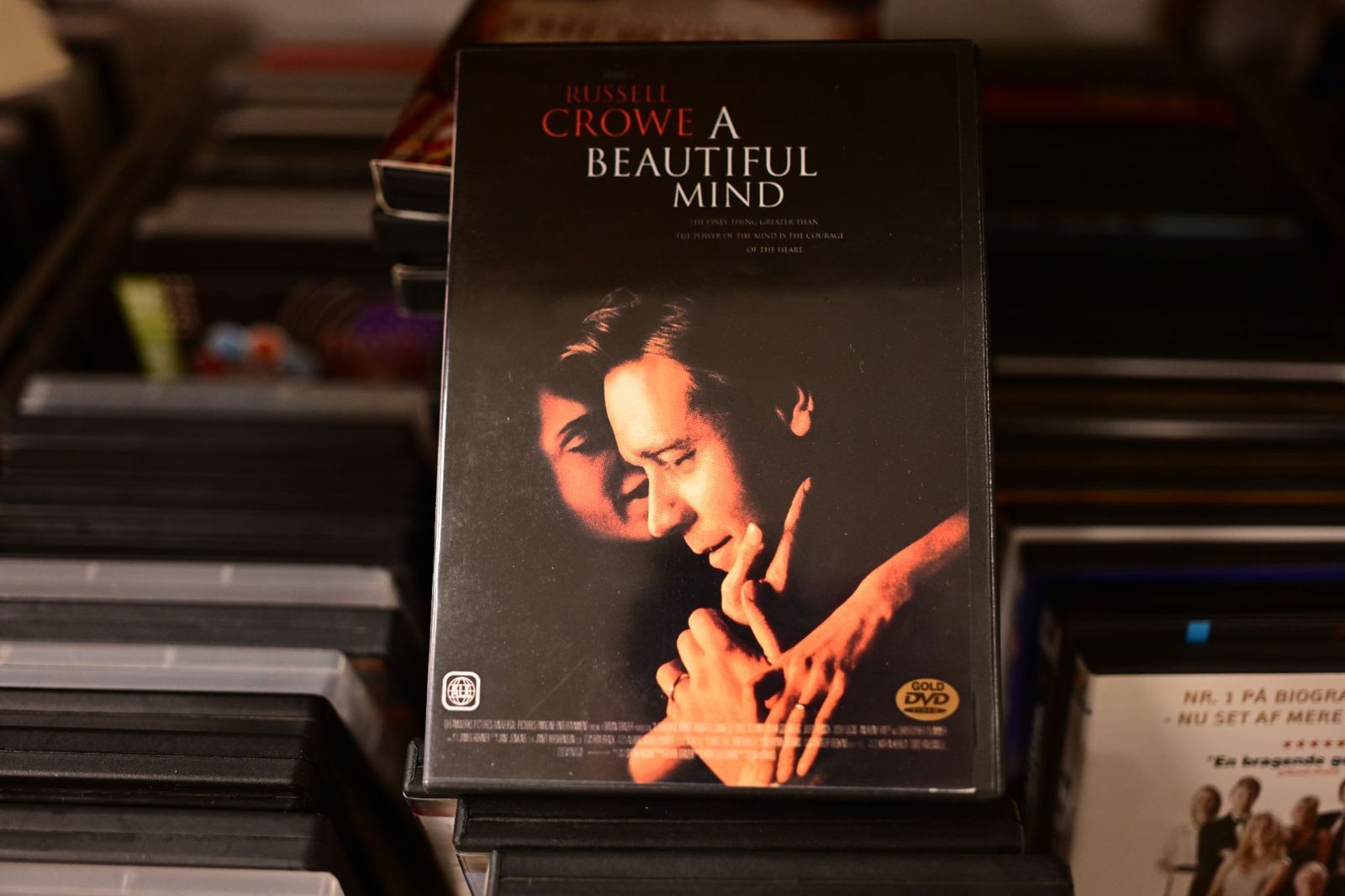
Ron Howard’s biopic presents John Nash (Russell Crowe) battling schizophrenia. In the film, the Nobel Laureate mathematician has vivid visual hallucinations of a college roommate, a young girl, and a secret government handler.

It is true that John Nash lived with paranoid schizophrenia, but his hallucinations were auditory and delusional (he heard voices and believed extraterrestrial beings were communicating through newsprint). Filmmakers acknowledged altering his symptoms because visual figures were easier to convey on screen. The film also sugarcoated Nash’s personal life, omitting his first child born out of wedlock, his divorce from his wife Alicia, and his intimate relationships with other men.

8
JFK (1991)

Image: Walt Cisco, Dallas Morning News, Public domain, via Wikimedia Commons

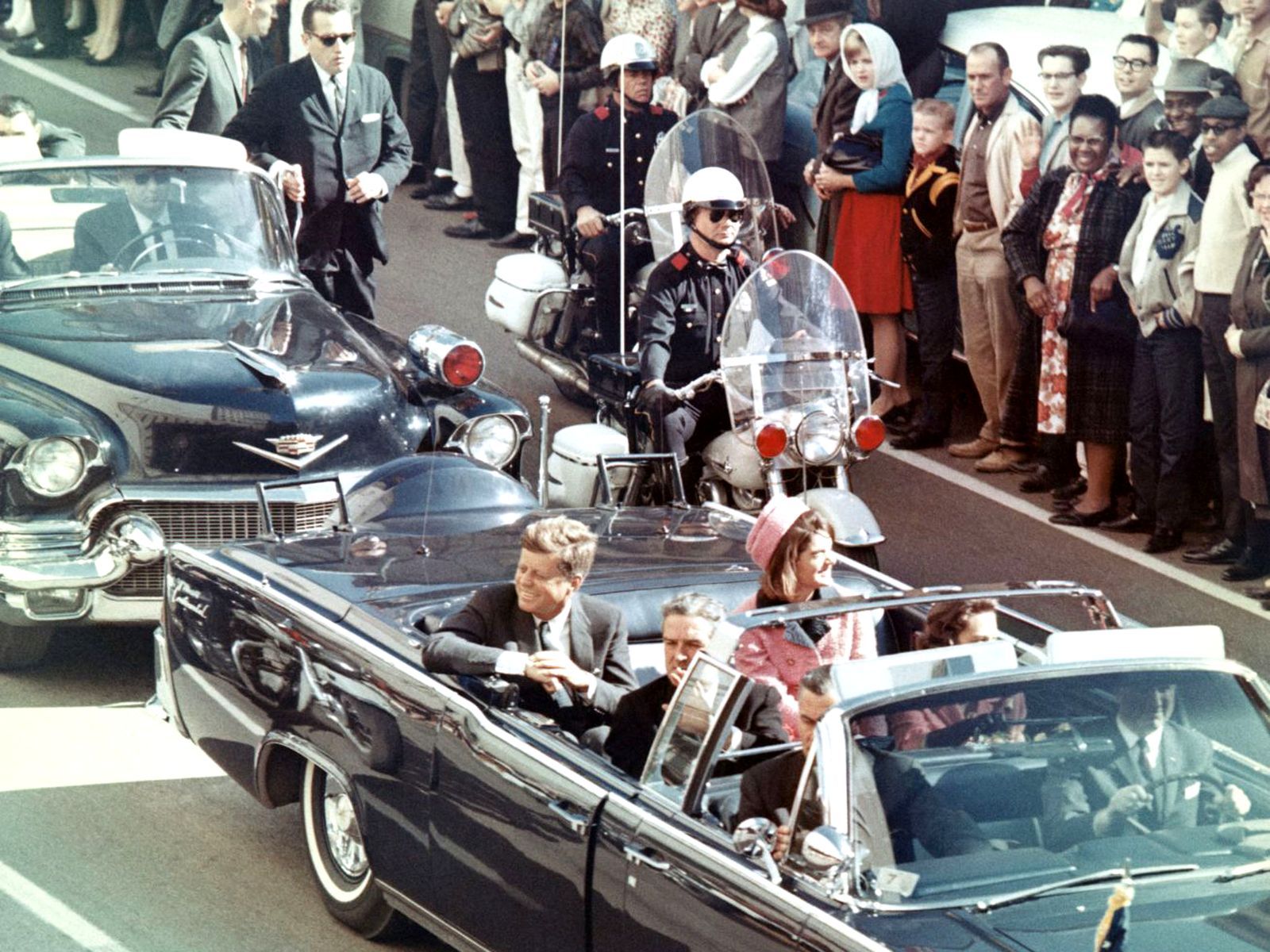
Director Oliver Stone follows New Orleans District Attorney Jim Garrison (Kevin Costner) as he uncovers a conspiracy behind President John F. Kennedy’s 1963 assassination involving the CIA, FBI, military leaders, and Vice President Lyndon B. Johnson.

Historians criticize JFK for presenting discredited conspiracy theories as historical facts. Key characters in the film (such as Donald Sutherland’s "Mr. X") were complete fabrications. Garrison’s actual prosecution of businessman Clay Shaw was based on dubious testimony and resulted in Shaw’s acquittal in under an hour. The narrative of a multi-agency coup remains unsupported by official evidence, yet the film prompted the release of classified records under the JFK Records Act.

9
The Sound of Music (1965)

Image: HEakin

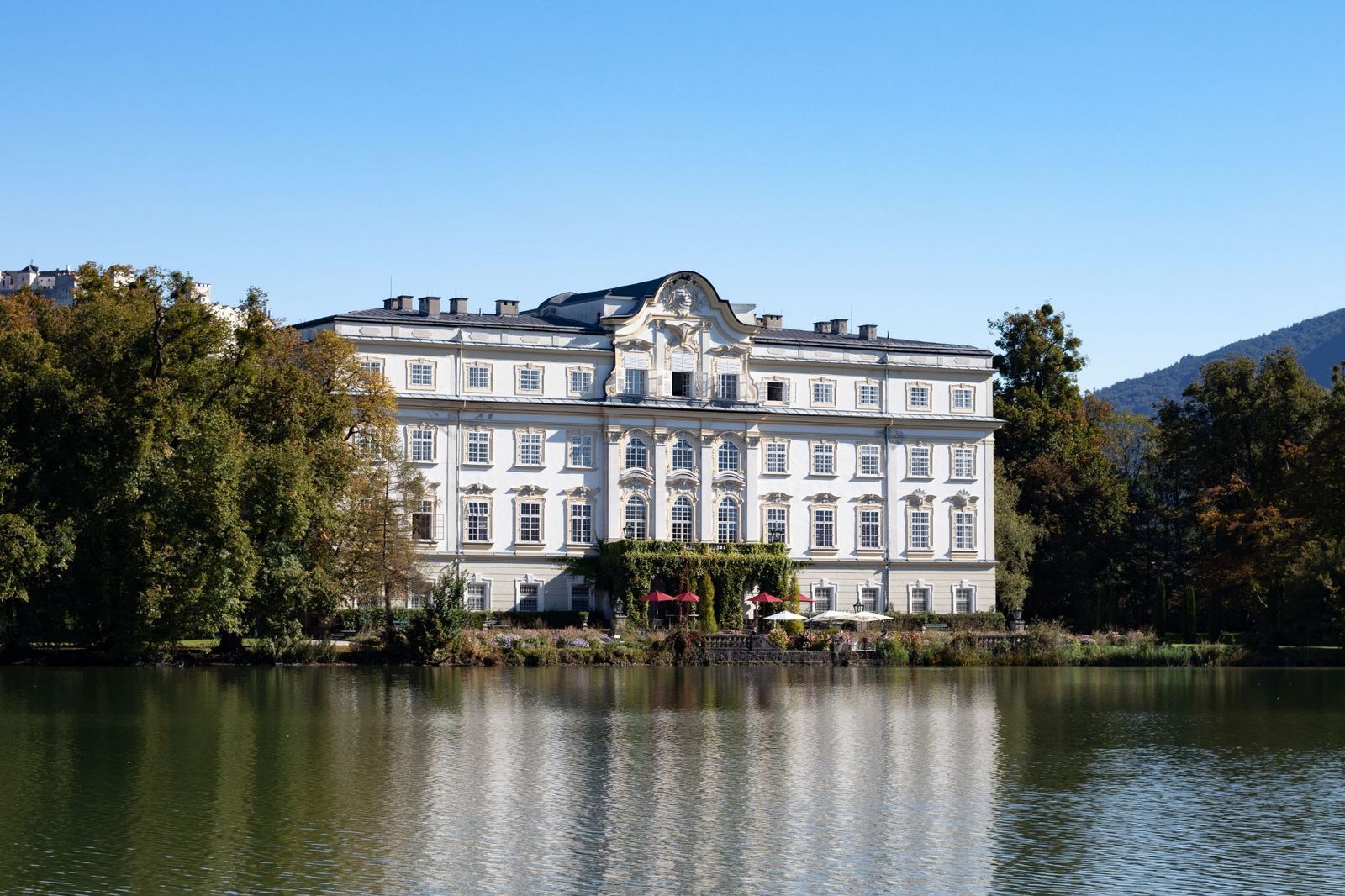
In the iconic film The Sound of Music , governess Maria (Julie Andrews) teaches naval Captain von Trapp’s seven children to sing and helps the family escape the 1938 Nazi annexation of Austria by hiking over the Alps into Switzerland.

Had the von Trapp hiked over the mountains behind their house in Salzburg, they would have walked straight into Nazi Germany near Hitler’s mountain retreat at Berchtesgaden. In real life, the family walked to their local train station and boarded a train to Italy before emigrating to the United States. Also, the personalities were reversed: the real Captain von Trapp was warm and musical, whereas Maria was strict. What’s more, the couple had already been married for over ten years before leaving Austria.

10
Saving Private Ryan (1998)

Image: National Archives and Records Administration, Public domain, via Wikimedia Commons

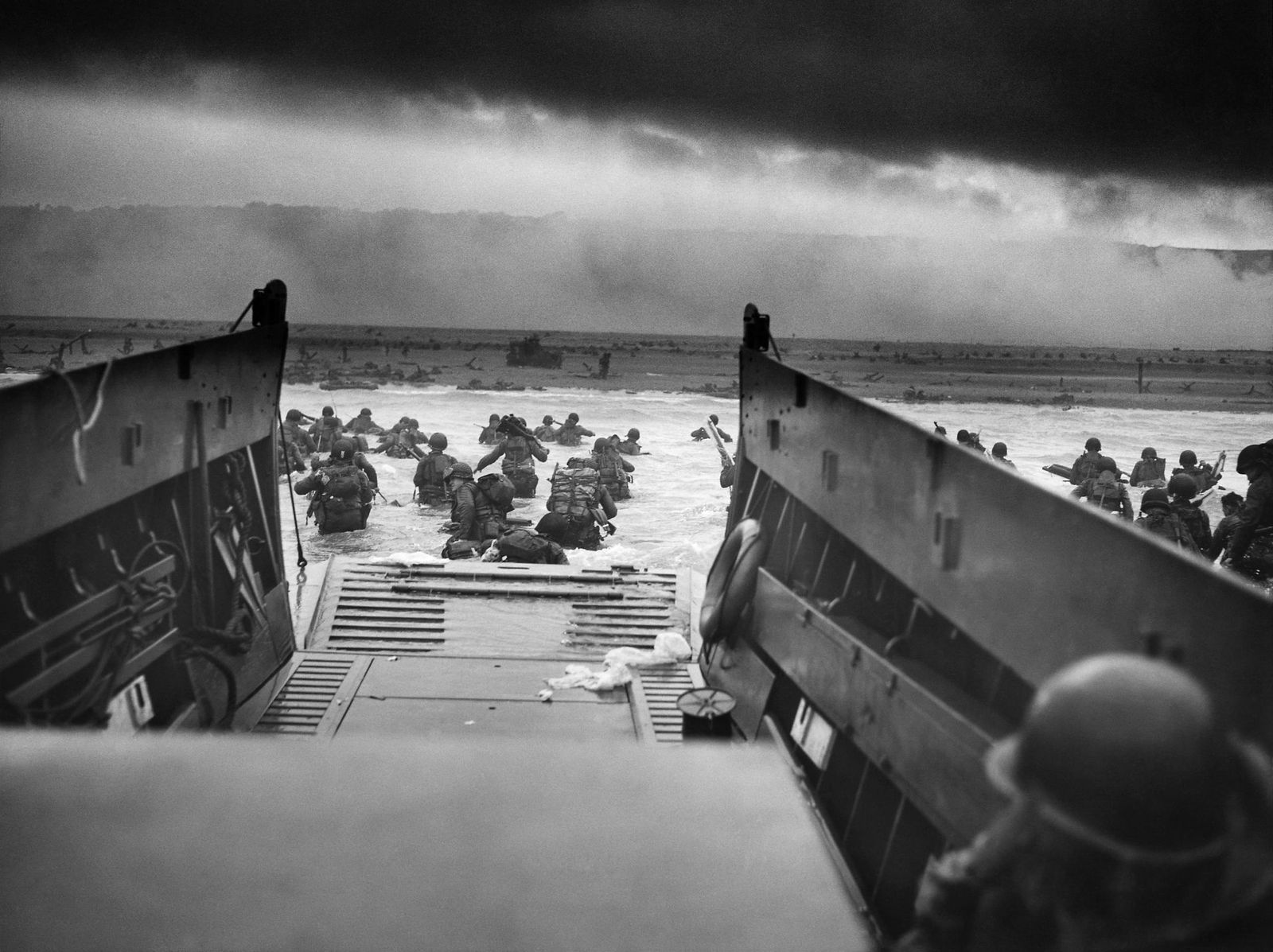
The opening D-Day landing sequence in Saving Private Ryan is praised by military veterans for its technical realism, but the film’s core premise is fictional. Following the invasion at Omaha Beach, Captain Miller (Tom Hanks) leads a U.S. Army Ranger squad into enemy territory in Normandy to find Private James Ryan (Matt Damon), whose three brothers were killed in action.

The plot is loosely inspired by the real-life Niland brothers, but the U.S. military never dispatched an entire squad on a dedicated search mission through enemy lines to extract a single private. Additionally, the final battle in the fictional town of Ramelle overstates the ability of infantry small arms against heavy German armor, which in reality was neutralized by artillery and tactical air strikes.

History History 7 min read

The surprising life of FDR

Why did he work late into the night? 10 surprising facts about FDR

Image: Bibliothèque nationale de France, Public domain, via Wikimedia Commons

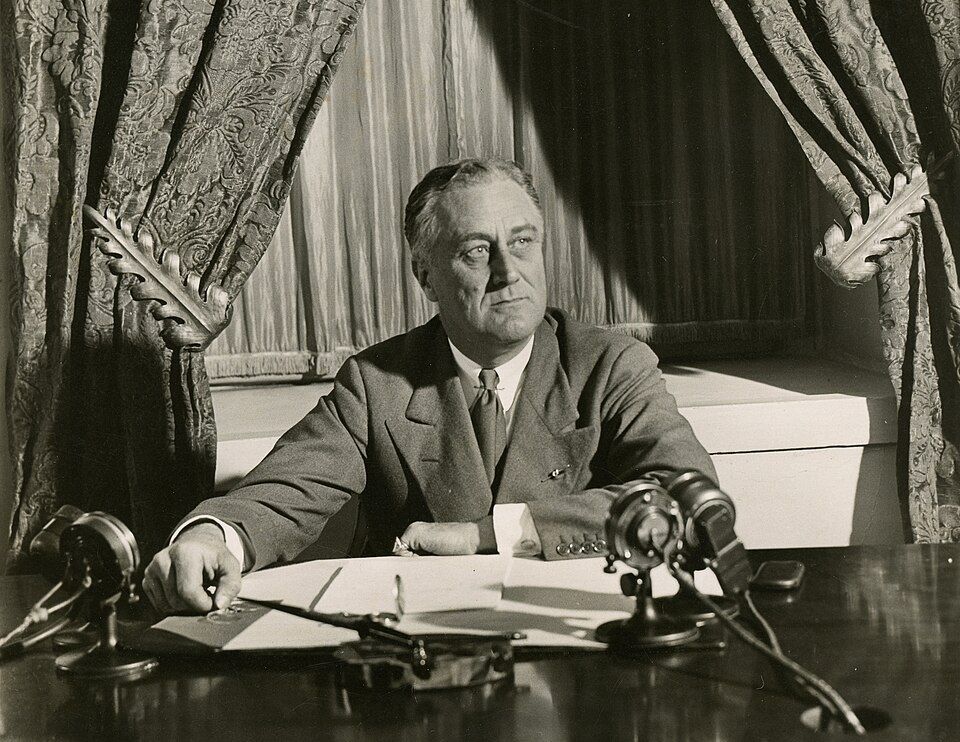
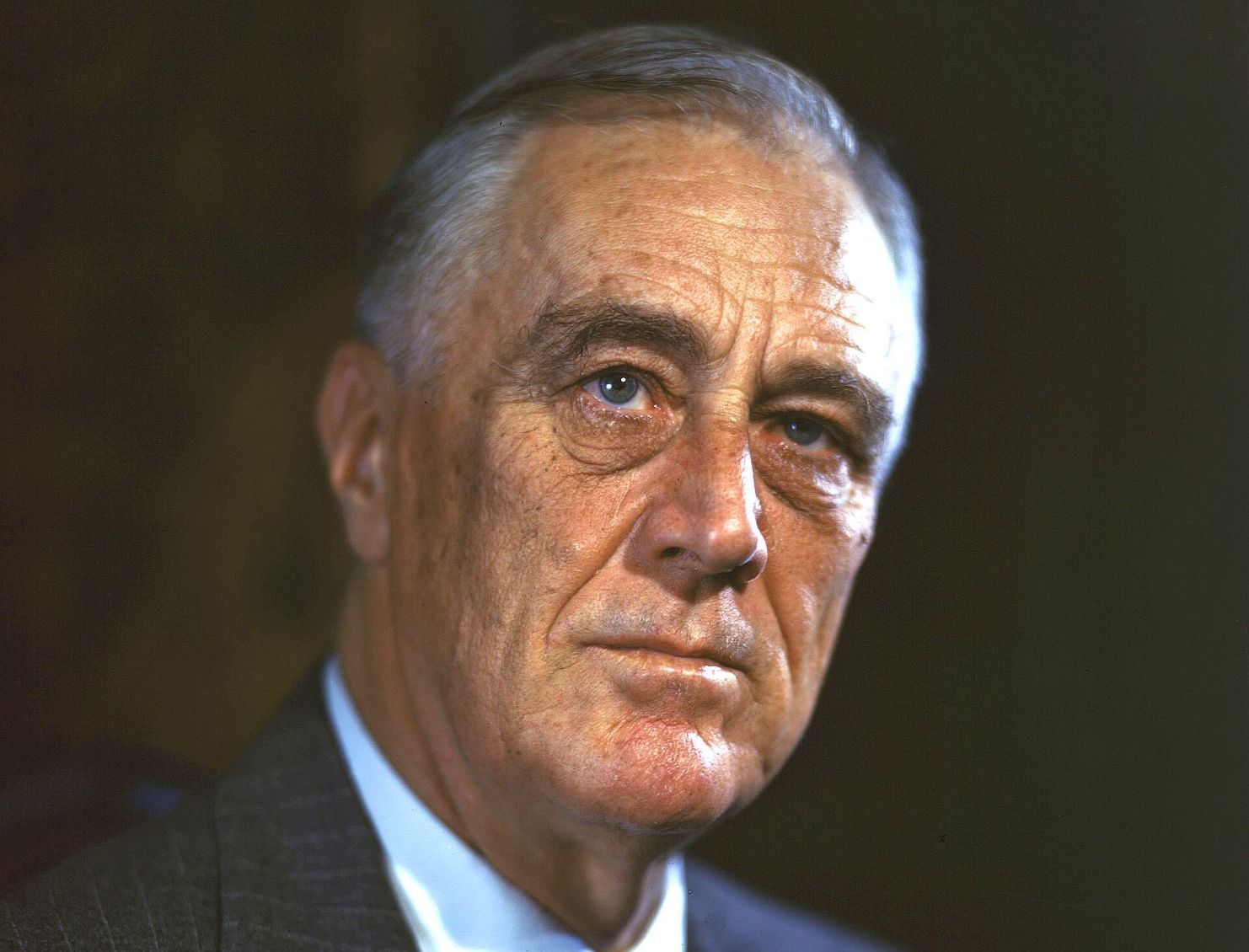
You probably know Franklin Delano Roosevelt as the president who guided America through the Great Depression and World War II, launched the New Deal, and helped create Social Security. But that's only part of the story. This was also the president who served hot dogs to the British royal family, became the first commander in chief to fly while in office, relied on lucky charms, and never lost his love of practical jokes. He was related to more presidents than you might realize and had a few surprising quirks that rarely make it into history books. Here are 10 fascinating facts about FDR that they didn't teach you in school.

1
He served hot dogs to British Royalty

Image: Harris & Ewing, photographer, Public domain, via Wikimedia Commons

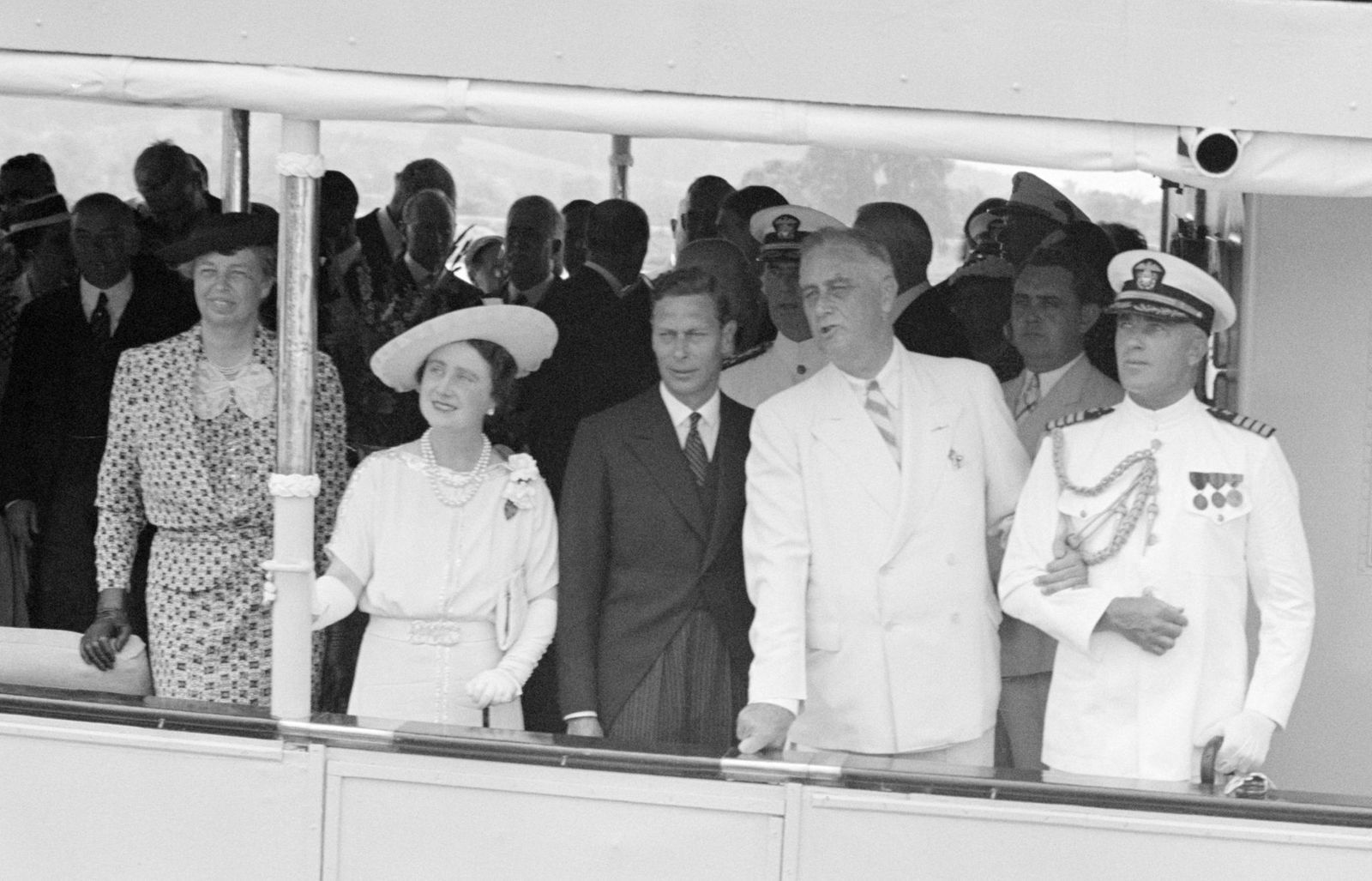
In 1939, for the first time ever, a sitting US president hosted the reigning British monarchs on American soil. And it wasn’t just a formal state meeting; it was a picnic.

On June 11 of that year, President Franklin D. Roosevelt and First Lady Eleanor Roosevelt welcomed King George VI and Queen Elizabeth to their home in Hyde Park, New York. Instead of an elaborate diplomatic banquet, the menu was unexpectedly simple and quintessentially American: hot dogs and beer. According to FDR, the queen politely tried hers with a knife and fork, while the king ate several with his hands and seemed to enjoy them. Behind the scenes, the visit was more than symbolic, yet folksy hospitality. With war already looming in Europe, both sides were quietly strengthening ties that would soon become crucial during WWII.

2
The first sitting president to fly on a plane

Image: National Museum of the U.S. Navy, Public domain, via Wikimedia Commons

While FDR made history in many ways, one of his lesser-known firsts took place thousands of feet above the ground.

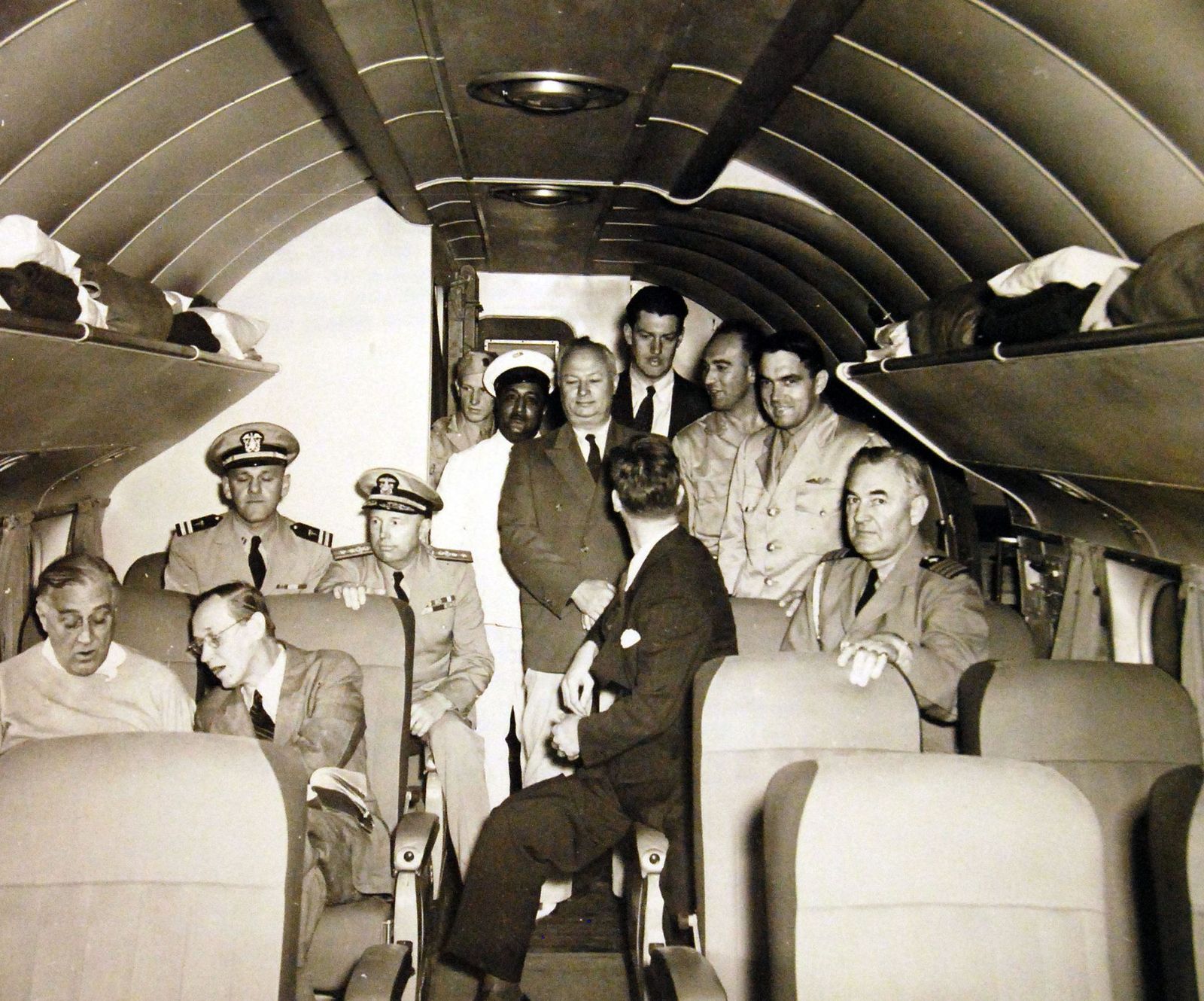
On January 11, 1943, in the middle of WWII, he became the first sitting US president to fly in an airplane. At a time when air travel was still far from routine, he embarked on a secret 7,000-mile journey from Miami, Florida, to Bathurst, Gambia, before continuing to Casablanca, Morocco. The trip wasn't taken for leisure; German U-boats had made Atlantic sea travel risky, so Roosevelt crossed the ocean aboard a Boeing 314 flying boat known as the Dixie Clipper . His destination was the Casablanca Conference, where he met with British Prime Minister Winston Churchill to discuss wartime strategy.

3
Highly superstitious

Image: Franklin D. Roosevelt Presidential Library and Museum, Public domain, via Wikimedia Commons

Are you the type to knock on wood to avoid bad luck? Or would you walk under a ladder without a second thought? If you're in the first group, you would have fit right in with Franklin D. Roosevelt.

FDR famously declared that "the only thing we have to fear is fear itself," but he also had a surprisingly superstitious side. According to people who worked with him in the White House, Roosevelt kept his desk and personal items arranged in a precise order that he believed brought good luck. He also disliked the number 13: family members and aides recalled that he avoided hosting dinners with 13 guests and was reluctant to begin important trips on Friday the 13th. He even had a lucky charm, a brown felt fedora that he wore during all four of his presidential campaigns. We can't say it didn't work.

4
He loved practical jokes

Image: Underwood & Underwood, Public domain, via Wikimedia Commons

With all his responsibilities, talents, and interests, FDR still found time to joke around.

According to his biographers, Roosevelt loved practical jokes and kept his playful streak throughout his life, even pulling pranks well into his presidency. In the tense world of politics, that sense of humor became one of his trademarks. He enjoyed classic gags, including putting bubbling powder in drinking glasses to surprise White House guests, or slipping completely made-up words into conversations and then watching with delight as his staff scrambled to check the dictionary. Friends and aides also noted that he had a unique ability to laugh off rumors, criticism, and political attacks that might have rattled other leaders.

5
Peculiar work schedules

Image: Franklin D. Roosevelt Presidential Library and Museum, Public domain, via Wikimedia Commons

Jokes didn't distract FDR from his work. If anything, they helped him cope, and he certainly had plenty of work to do. In fact, Roosevelt was known for his unusual working hours.

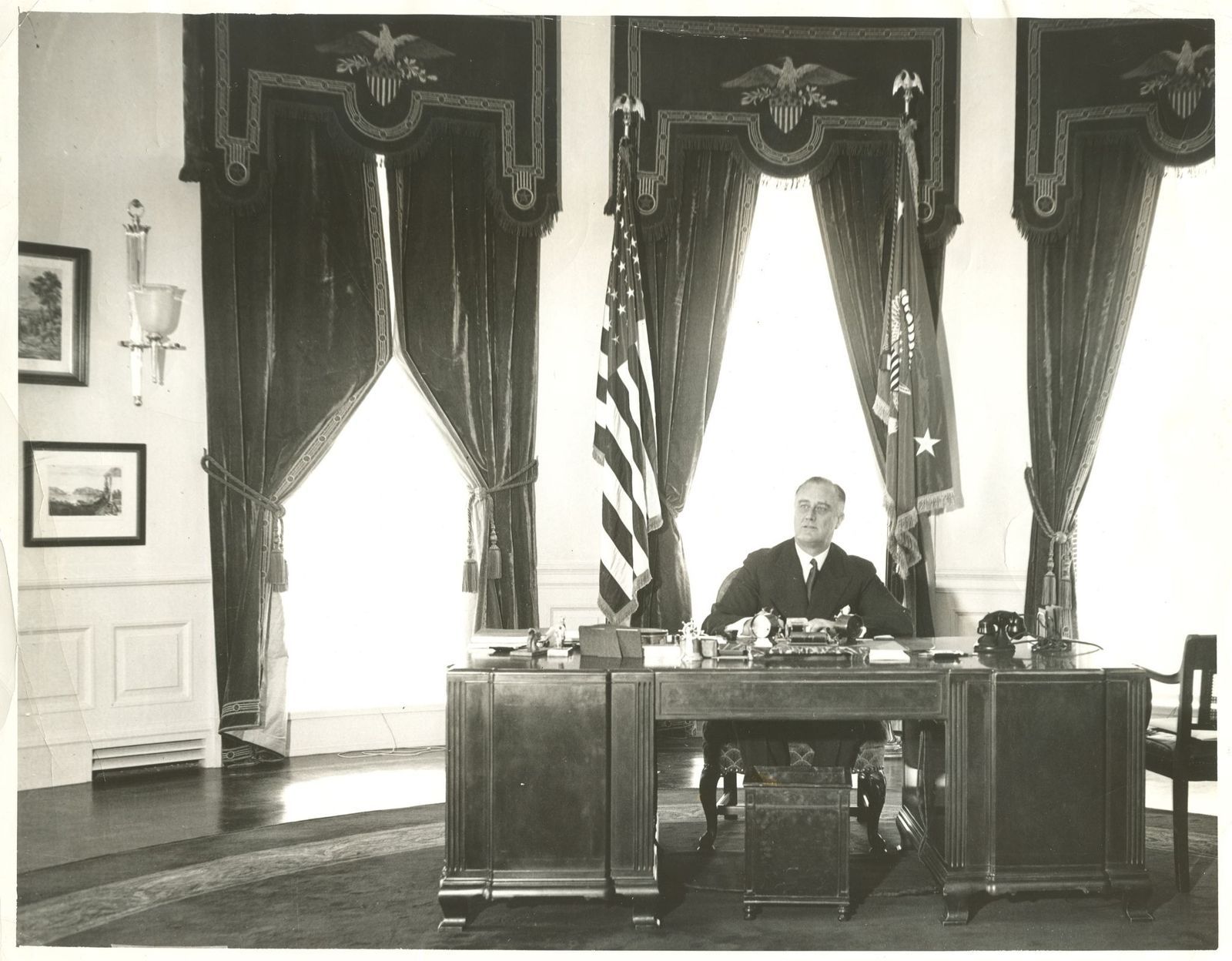
Unlike many other presidents who were early risers, he often worked late into the night and typically didn't begin his day until around 9 am. During WWII, while overseeing a global conflict, he regularly spent his evenings reviewing reports, making decisions, and meeting with advisers long after most Americans had gone to bed. What makes this even more impressive is that he maintained this pace as his health steadily declined. Doctors urged him to slow down and limit his workload, but Roosevelt frequently ignored that advice. For a wartime commander-in-chief, there was always one more decision to make.

6
He appointed the first female cabinet member

Image: Los Angeles Daily News, CC BY 4.0, via Wikimedia Commons

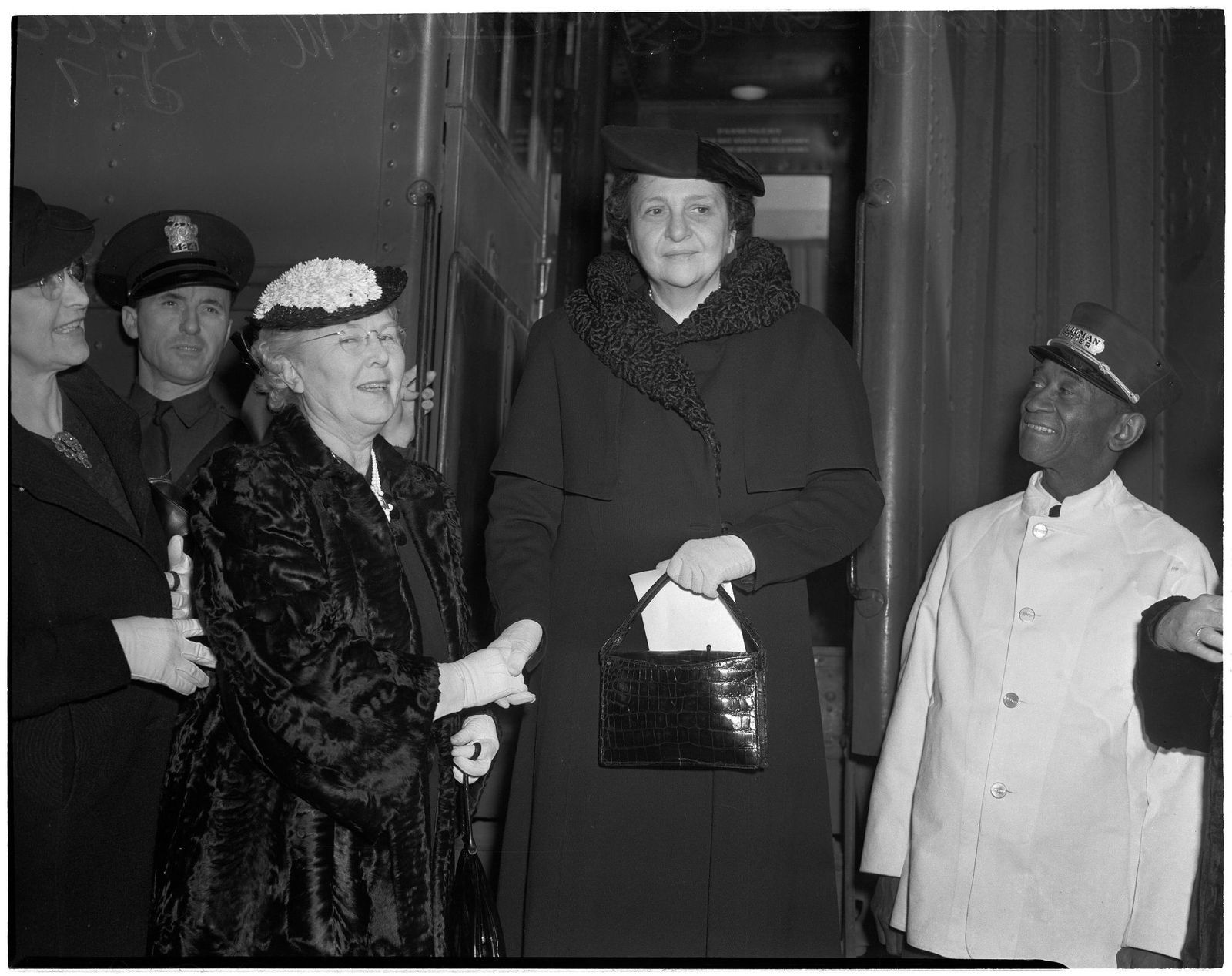
Among his many historic firsts, FDR was the inaugural POTUS to appoint a woman to a Cabinet position, a decision that reflected both his political instincts and his willingness to recognize talent and intelligence where he found it.

In 1933, he chose labor advocate Frances Perkins as Secretary of Labor. It turned out to be one of the most consequential appointments of his presidency. Perkins served from 1933 to 1945, making her the longest-serving Secretary of Labor in American history. And as if that weren't enough, she became one of the chief designers of the New Deal.

7
11 presidential relatives

Image: Franklin D. Roosevelt Presidential Library and Museum, Public domain, via Wikimedia Commons

Most people know that Franklin D. Roosevelt and Theodore Roosevelt were related: the 32nd president was a distant cousin of the 26th. But few realize just how extensive FDR’s presidential family tree really was.

In fact, genealogists have traced Franklin Roosevelt’s family connections to at least 11 US presidents. FDR was not only related to Theodore Roosevelt and his own wife, Eleanor Roosevelt (his fifth cousin once removed), but also to an impressive number of other commanders in chief. Among those connected to him by blood were George Washington (with whom he shared ancestors from English nobility and the early settlers of Virginia), John Adams, John Quincy Adams, James Madison, and William Harrison. Through marriage and extended family ties, he was also related to Ulysses S. Grant, Benjamin Harrison, Zachary Taylor, Martin Van Buren, and William Howard Taft.

8
His illness may not have been polio

Image: Leon Perskie, CC BY 2.0, via Wikimedia Commons

As is well known, FDR was struck by a serious illness in 1921 at age 39 that left him permanently unable to walk unaided. But during his presidency, he worked hard to keep public attention focused on his leadership rather than on his body, so while Americans understood he had been diagnosed with polio, few knew about the paralysis.

To stand at public events, Roosevelt relied on heavy steel leg braces and canes that helped him project confidence and strength throughout his presidency. However, although doctors at the time diagnosed him with polio, some modern medical researchers have suggested that his symptoms may have been more consistent with Guillain-Barré syndrome (GBS), a rare autoimmune disorder.

9
He didn’t graduate from law school

Image: National Archives and Records Administration, Public domain, via Wikimedia Commons

FDR was a bright and curious man who threw himself into subjects that fascinated him, but when something failed to hold his interest, he wasn't afraid to move on.

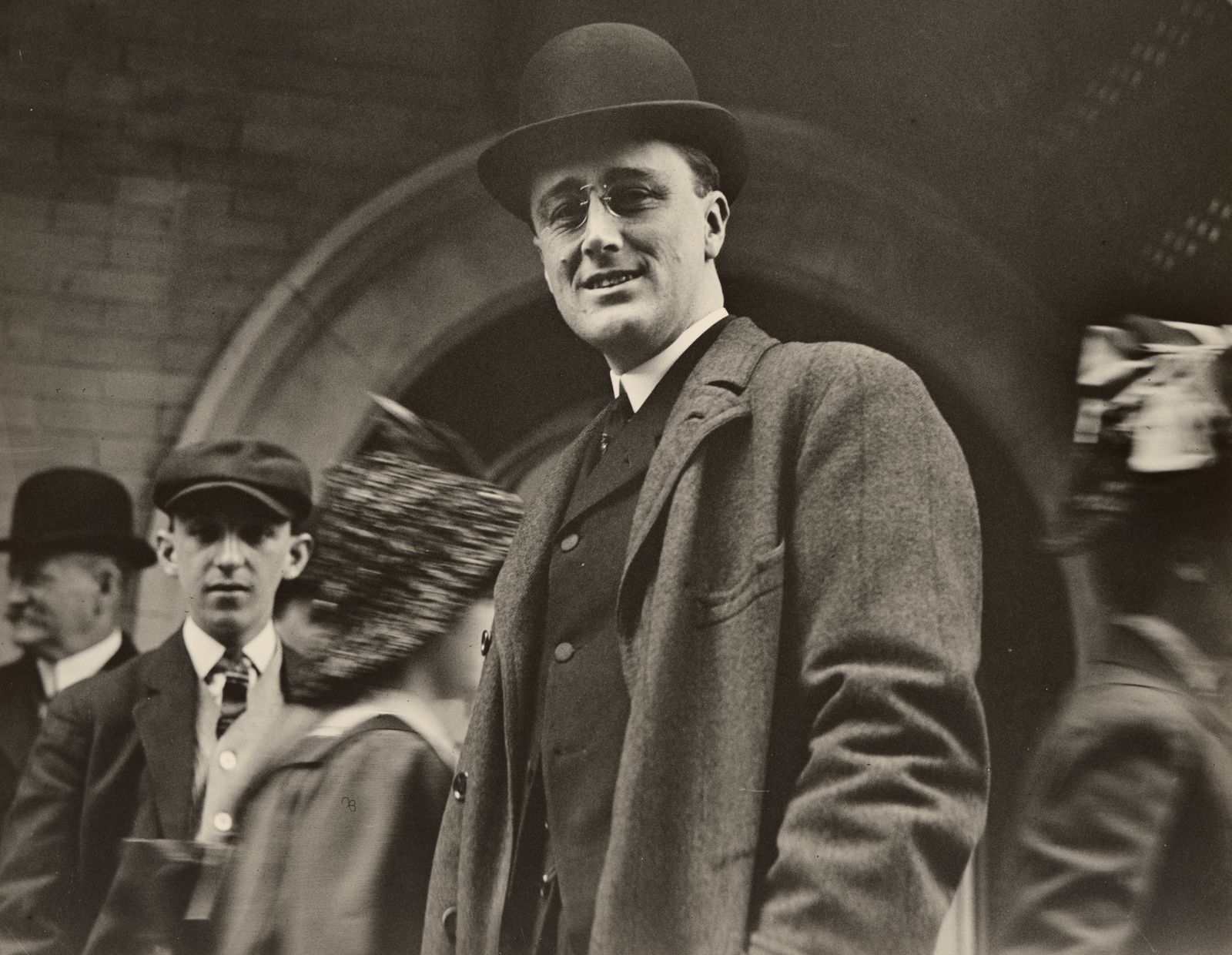
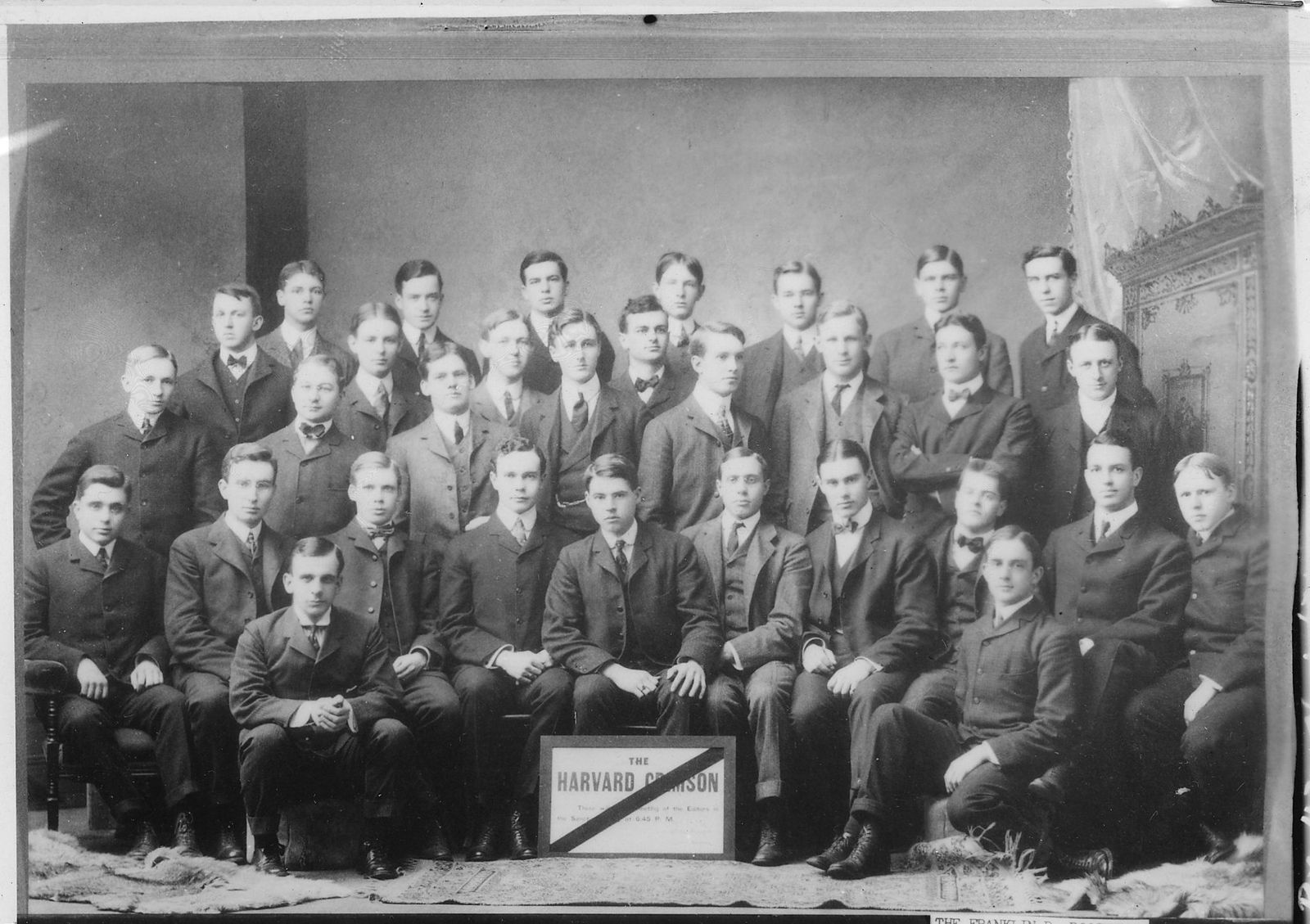
After earning a History degree from Harvard University in 1903, he enrolled at Columbia Law School, but he found that he simply didn't enjoy it. According to the Miller Center at the University of Virginia, Roosevelt showed little enthusiasm for the legal profession, and maybe that’s why he never achieved a Law degree. Even so, he passed the New York bar exam and began practicing after it, but the experiment lasted only a few years. Then, in 1910, an opportunity came along that interested him far more: local Democrats in New York asked him to run for the state Senate. Roosevelt eagerly accepted, and his political career was underway.

10
Expert in many fields

Politics and wartime strategy weren't FDR's only talents. Long before he entered the White House, he acquired a deep interest in nature.

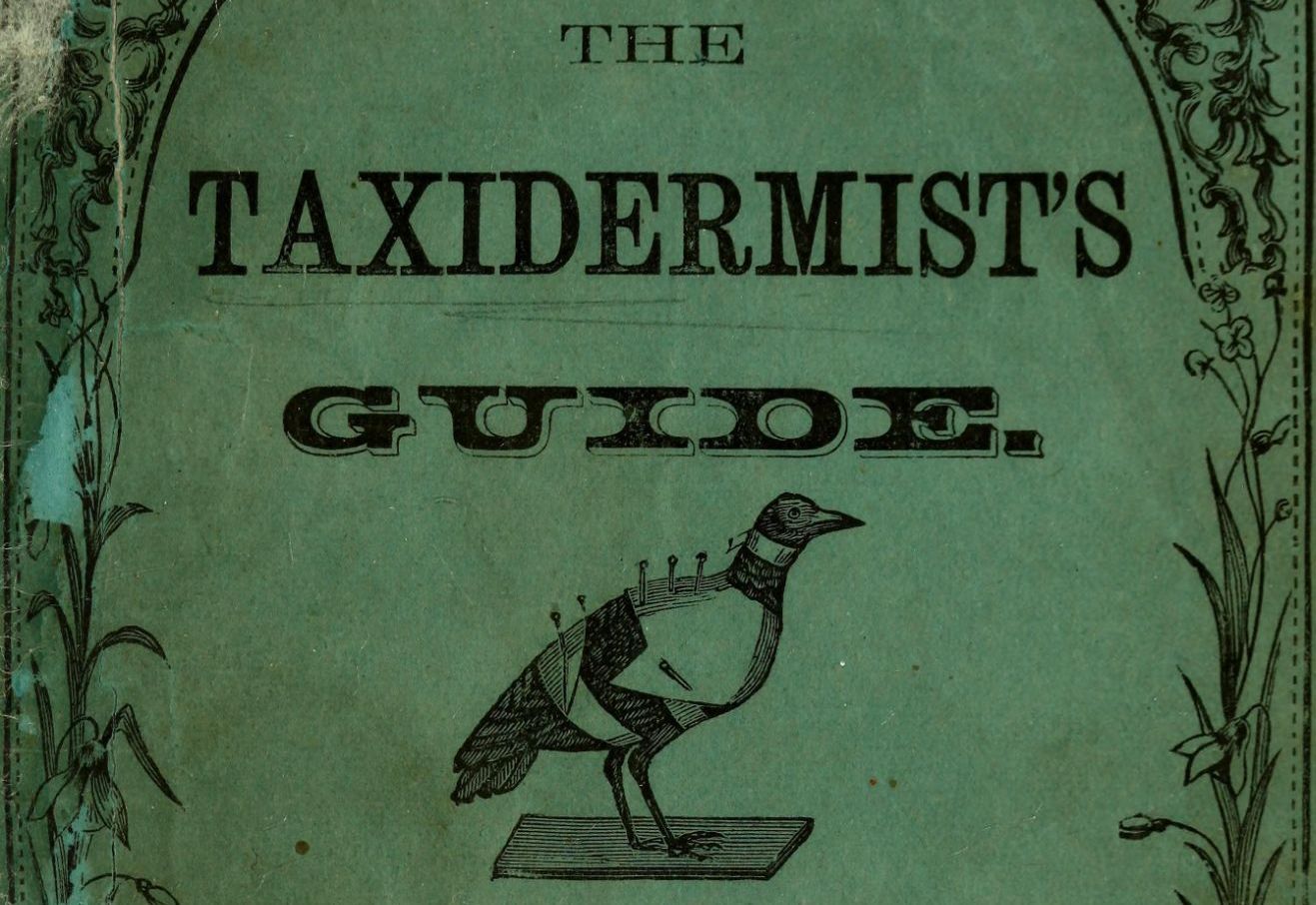
Growing up in Dutchess County, New York, Roosevelt developed a fascination with birds that went far beyond a childhood hobby. By age 11, he was already learning taxidermy, eventually becoming a skilled self-taught naturalist and bird expert. Over the years, he identified and cataloged roughly 300 bird species. His detailed field journals and collection of more than 300 Dutchess County specimens are still considered some of the most complete records of local bird life from that era.

Explore more American facts

Choose your favorite category!

General
General

As American as apple pie—the very best America has to offer!

Culture
Culture

Delve into the astounding richness of American lore.

Geography
Geography

Hop in and explore vast and diverse American landscapes.

History
History

Discover the key moments that shaped the United States.