General General 4 min read

Timeless classics

Once iconic, now gone: 10 beloved brands that disappeared
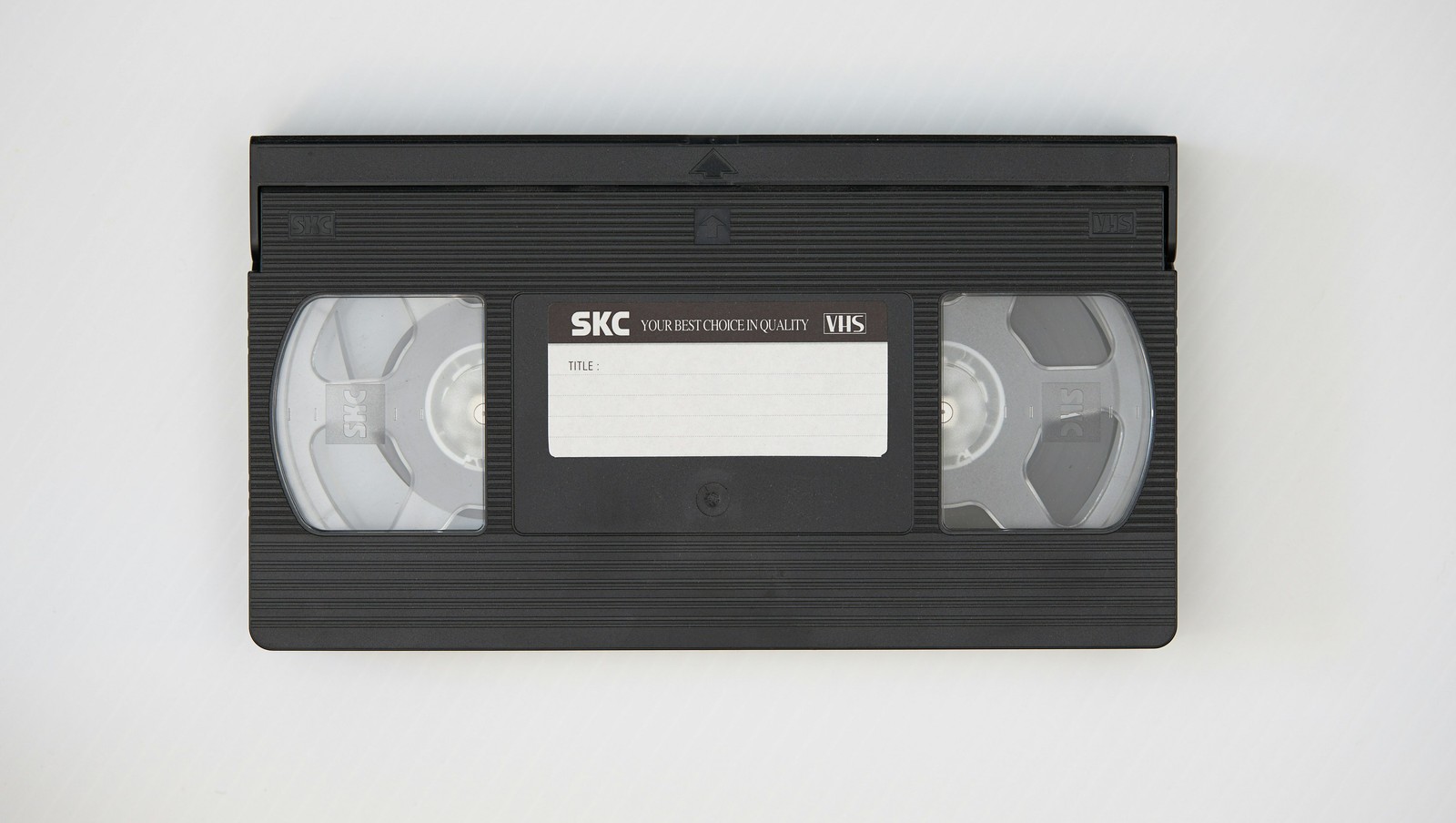
Image: RegionalQueenslander, CC BY-SA 4.0, via Wikimedia Commons

The world is full of brands, logos, and slogans. But some names from the past hold a special place in our memories. They shaped our childhoods and teenage years, and even though they’ve vanished, we’ll never forget them. From the once successful Sears to childhood favorites like Blockbuster and Burger Chef, today we’re taking a look back at 10 beloved American brands that are gone.

1
Blockbuster
Image: Blockbuster LLC, Public domain, via Wikimedia Commons

During the ’80s and ’90s, Friday nights had an almost mandatory stop: Blockbuster. Founded in Dallas, Texas, the blue-and-yellow giant brought Hollywood into Americans’ living rooms with its VHS. At its peak, it had nearly 10,000 stores worldwide.

But something happened in 1997: Netflix. First a DVD-by-mail competitor, Netflix became a streaming service in 2007, and that was one of the main events that helped bring Blockbuster down. By 2010, the iconic brand had filed for bankruptcy. There is only one remaining store located in Bend, Oregon.

2
Sears
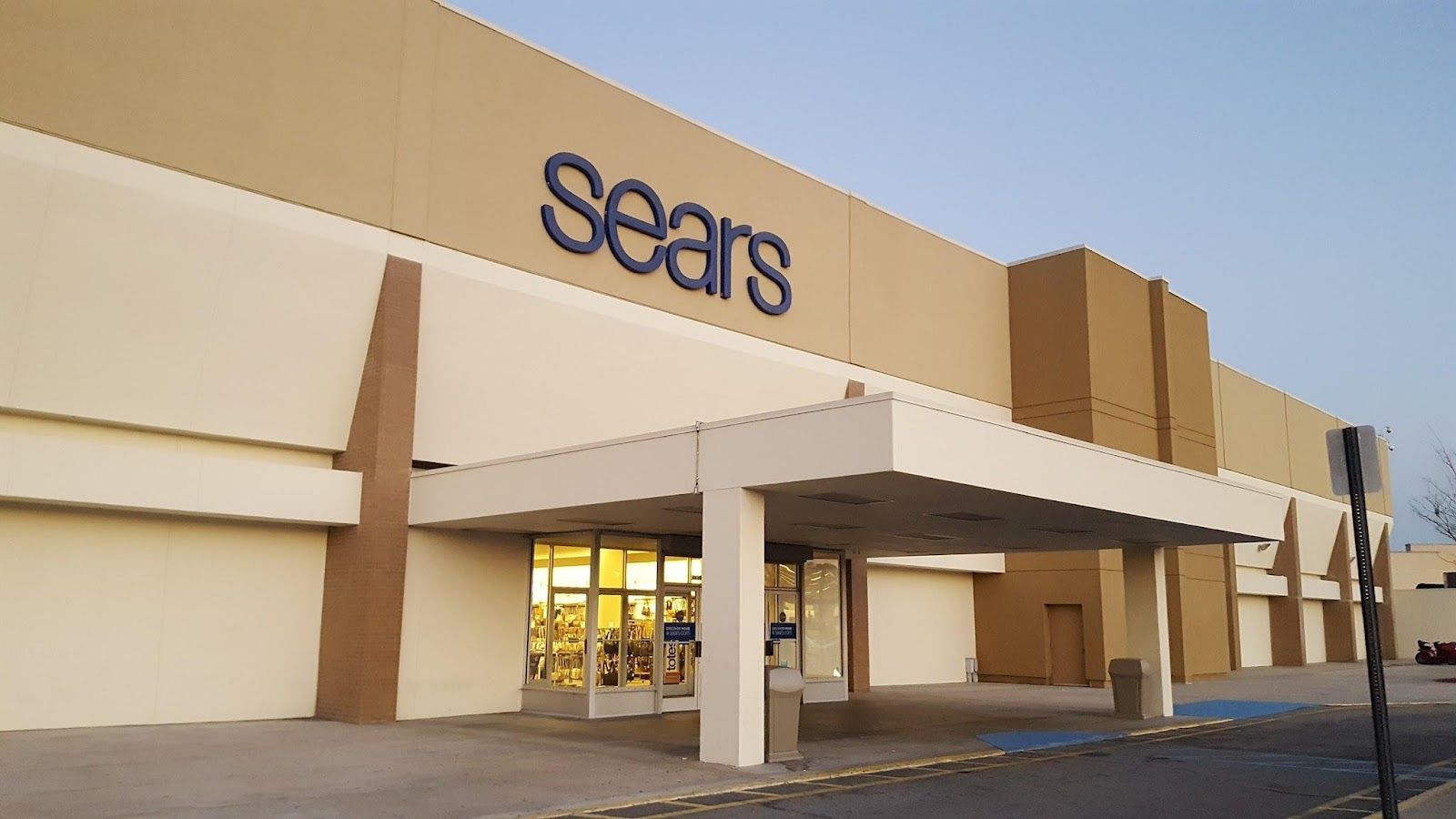
Image: Mike Kalasnik from Jersey City, USA, CC BY-SA 2.0 <https://creativecommons.org/licenses/by-sa/2.0>, via Wikimedia Commons

We’ve all spent an afternoon at Sears. From clothes and accessories to home goods and tools, Sears simply had it all. Founded in 1892 as a mail-order company, it grew throughout the 20th century into a retail powerhouse with hundreds of stores, becoming the shopping stop for many American families.

But as shopping habits changed and competition from giants like Walmart intensified, Sears failed to reinvent itself. After years of decline, the company filed for bankruptcy in 2018. Today, only a handful of stores remain.

3
Pontiac
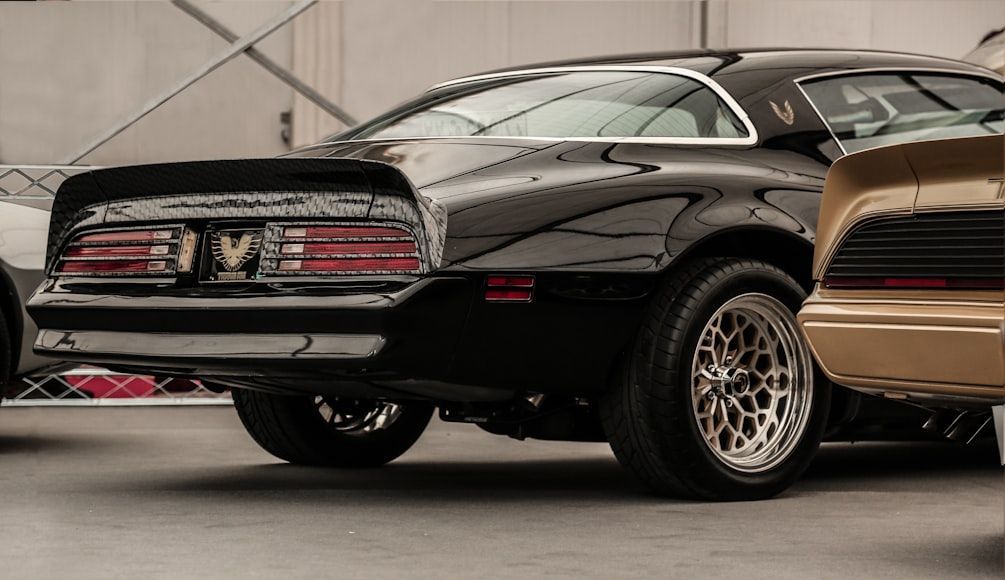
Image: Ali Moharami

If we say GTO, Firebird, or Trans Am, you know exactly what we’re talking about, right? Of course you do! Pontiac was once one of America’s most iconic car brands, reaching its peak of fame between the 1950s and 1970s.

But after a financial crisis, General Motors decided to discontinue Pontiac in 2010 as it struggled to keep pace with other divisions like Chevrolet and Cadillac.

4
Oldsmobile
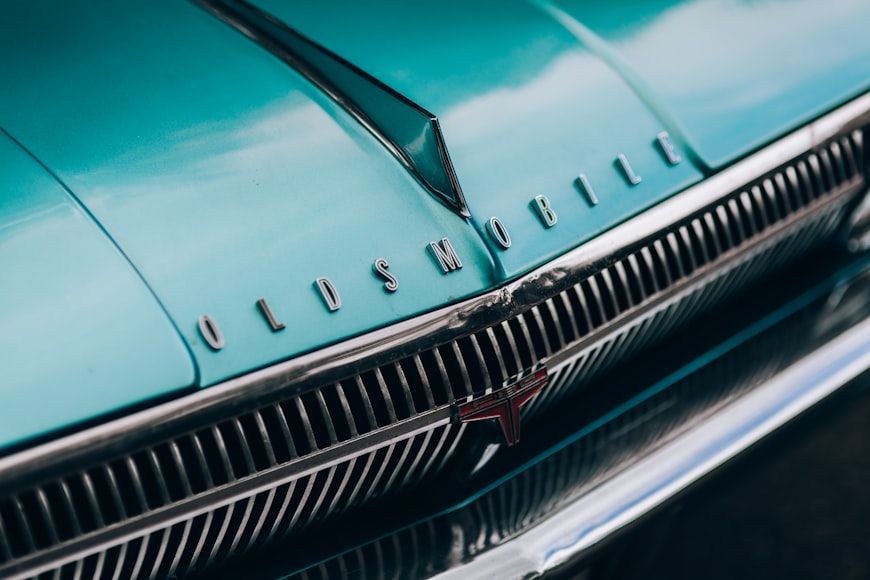
Image: Hombre

Pontiac wasn’t the only big name General Motors said goodbye to. Many of us still remember Oldsmobile, founded in 1897 and once a symbol of American innovation. But as sales began to decline through the 1990s and early 2000s, the brand slowly faded and was discontinued in 2004.

5
Woolworth’s
Image: Mike Petrucci

Do you remember Woolworth’s? Founded in New York in 1879, it introduced a revolutionary idea for its time: everyday items at low, fixed prices.

As a pioneer of the five-and-dime store, it grew into one of the largest retail chains in the world. But, much like what happened with Sears, fierce competition had a huge impact, and the brand eventually closed its last American stores in 1997.

6
Compaq

Image: Brian R. Lueck, Public domain, via Wikimedia Commons

Many of us had a Compaq at some point. Founded in 1982 in Houston, Texas, this personal computer brand quickly became one of the biggest names in the tech world. However, as new competitors filled the market in the 1990s, sales began to decline. Over time, the brand faded away, and by the early 2010s, Compaq was gone.

7
Pan Am
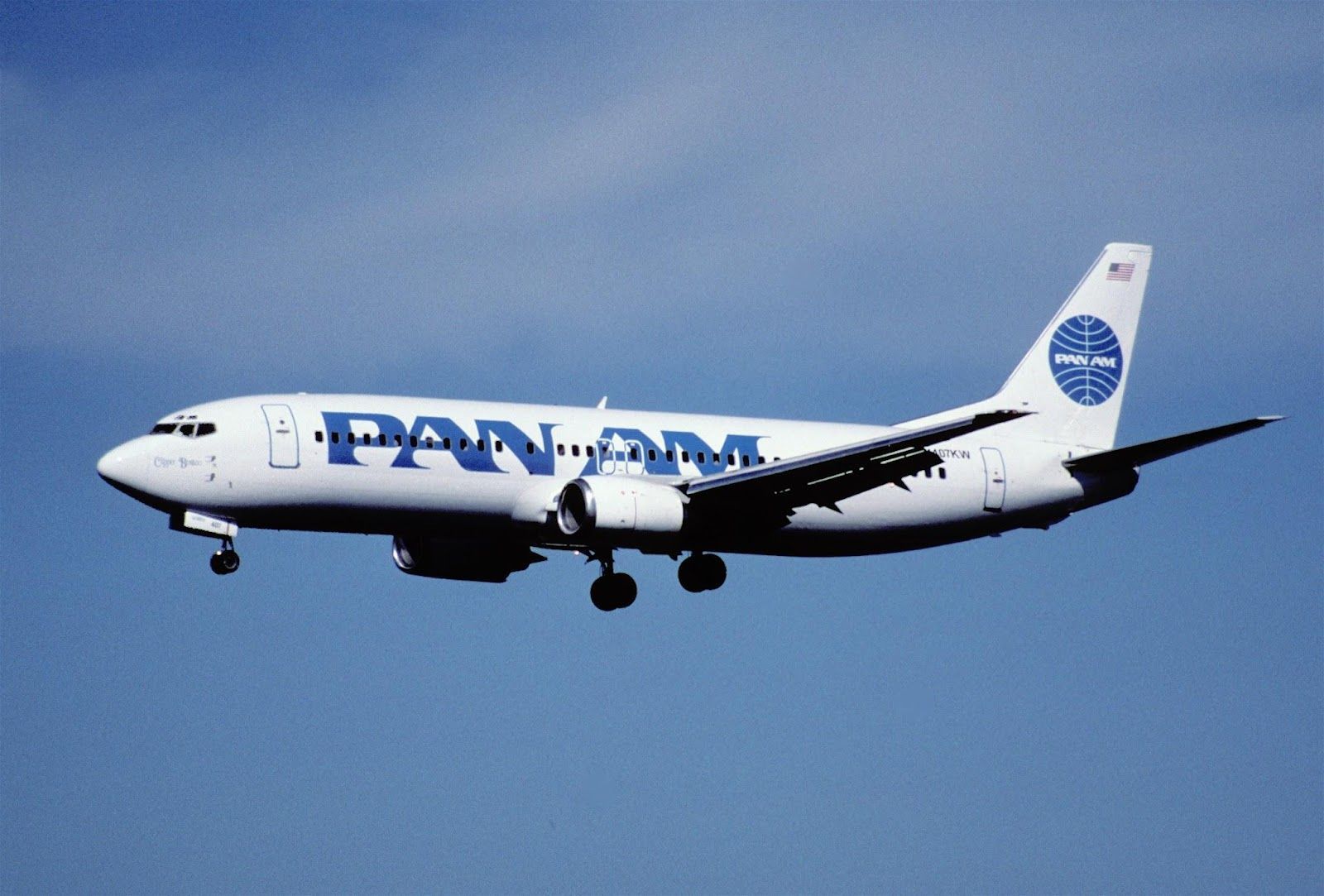
Image: Aero Icarus from Zürich, Switzerland, CC BY-SA 2.0 <https://creativecommons.org/licenses/by-sa/2.0>, via Wikimedia Commons

Whether you loved flying or not, everyone knew Pan Am. Founded in 1927 as a small mail carrier, it grew into one of America’s most famous airlines, serving millions of passengers around the world.

Until the 1970s, it was practically synonymous with air travel. But the 80s arrived with a mix of rising fuel costs, competition, and financial troubles that led to its bankruptcy in 1991. Did you ever fly with them?

8
TaB
Image: luthfi alfarizi

In the 1960s, the concept of "diet soda" gained popularity, and that’s when Coca-Cola introduced TaB, which claimed to be "sugar-free!" on its famous pink can. But when Diet Coke arrived, TaB’s sales collapsed, and the competition was over. Still, during the ’70s and ’80s, TaB had its big moment in the spotlight: You either loved it or hated it, no in-between. Which side were you on?

9
Borders
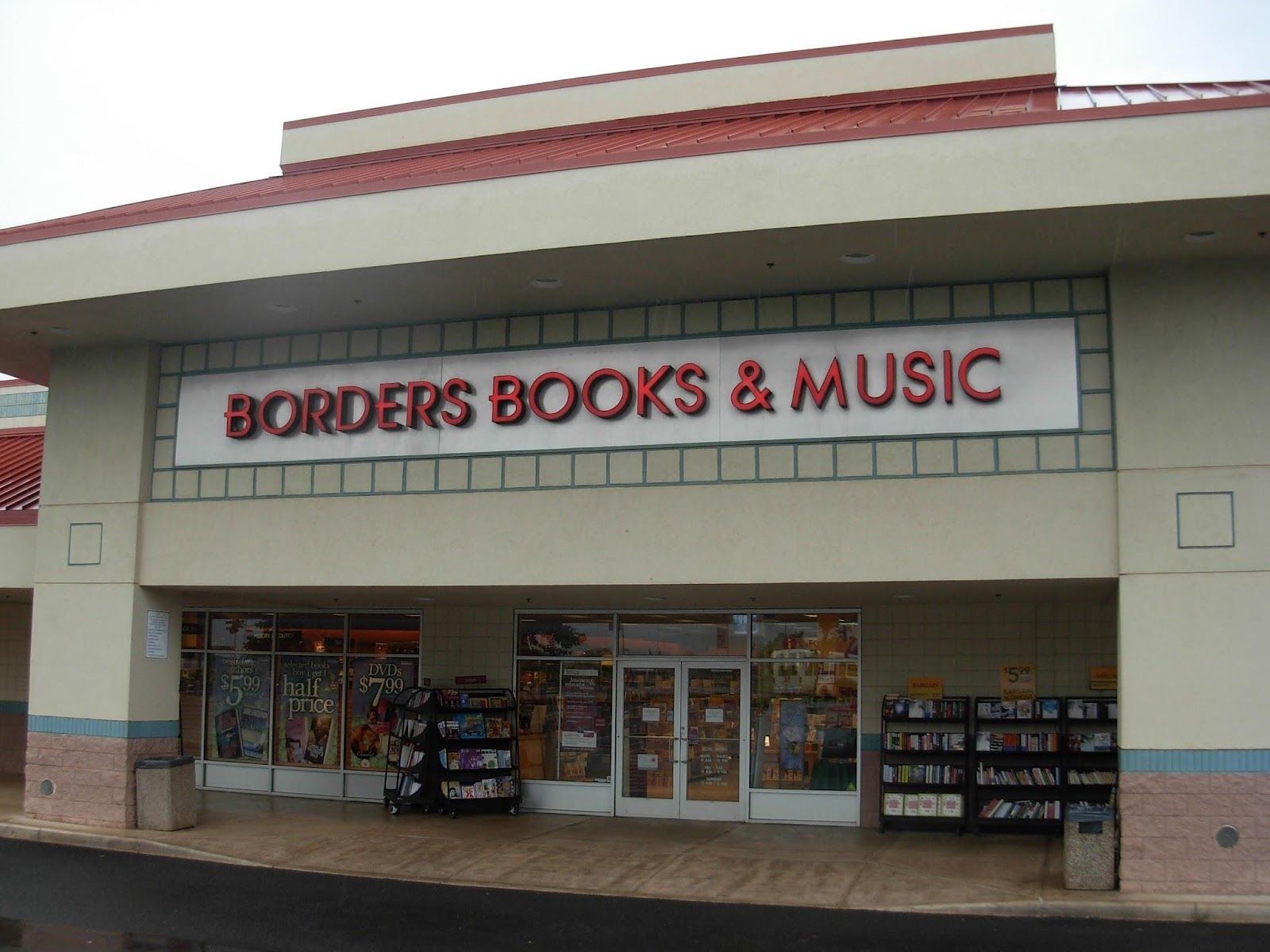
Image: brewbooks from near Seattle, USA, CC BY-SA 2.0 <https://creativecommons.org/licenses/by-sa/2.0>, via Wikimedia Commons

In recent decades, digital technology has become a major part of our lives. And while it has brought many benefits, it has also hurt certain industries. Borders was one of them.

The rise of online retailers, the emergence of e-readers like Amazon’s Kindle, and the growing popularity of digital books caused the bookstore chain to lose ground. Unable to keep up with the competition, sales declined so badly that the company declared bankruptcy in 2011.

10
Burger Chef
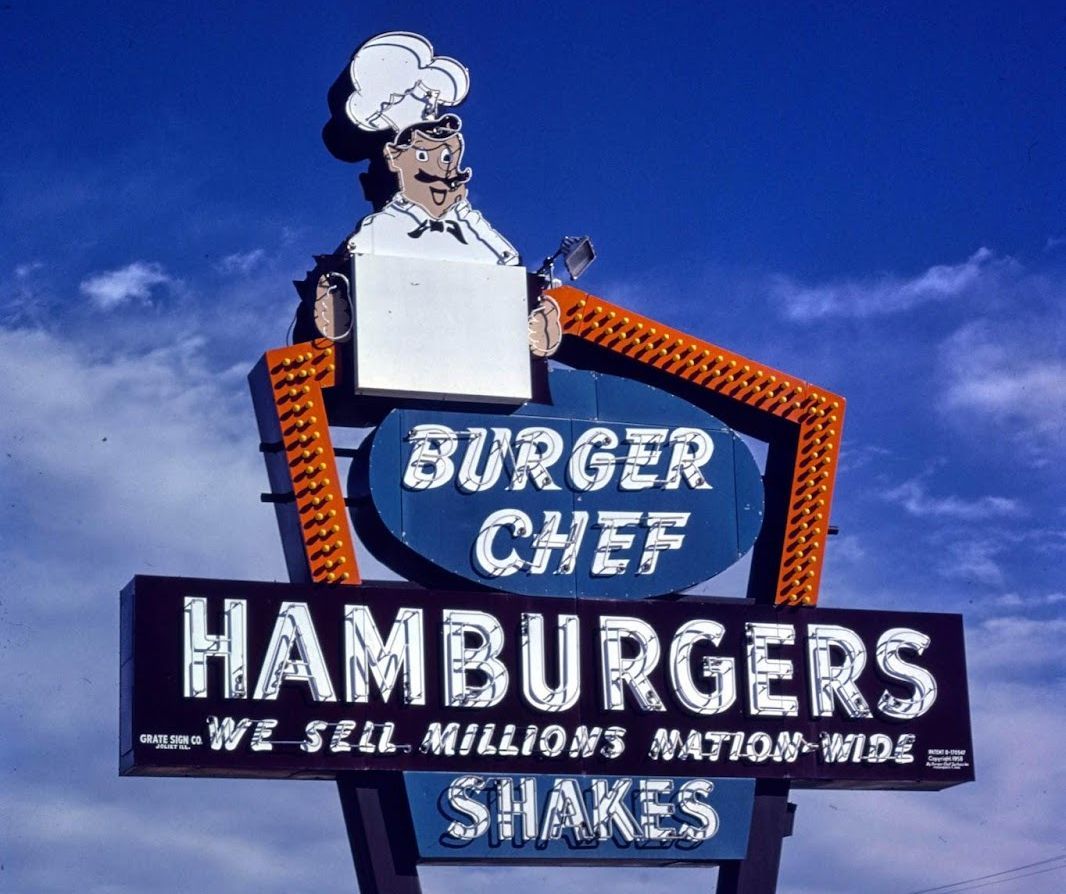
Image: John Margolies, Public domain, via Wikimedia Commons

Some may say that McDonald’s has no competition. But it did: Burger Chef. Founded in 1954 in Indianapolis, it was one of the first fast-food restaurants and quickly gained a huge customer base.

By the 1970s, it had become one of the Golden Arches’ biggest competitors, reaching more than 1,200 locations nationwide. It was even the first to introduce the "kids’ meal." However, everything changed in the 1980s, when the company was bought out, and many of its restaurants were converted to other brands. Its last remaining store closed in 1996.
Geography Geography 4 min read

Behind tall faces

Mount Rushmore hides many secrets. Did you know all of these?

Image: Jake Leonard

What famous woman’s face almost became the fifth face on Mount Rushmore? Did the sculptor Gutzon Borglum really intend to just carve out the heads? Why is the mount named that, and not Borglum? The answers to these questions are some lesser-known facts about one of the most famous landmarks and sights in our country. Let’s dive into these stories!

1
The original plan included full-body figures

Image: Thomas Shockey

Mount Rushmore was supposed to be even more colossal than it already is. Sculptor Gutzon Borglum envisioned the four presidents carved from the waist up .

He even made plaster models showing Abraham Lincoln's coat folds and Teddy Roosevelt’s hand clutching his lapel. But as costs went up, Congress said: "heads only, please."

2
Charles Rushmore was just a curious New Yorker

Image: Maarten van den Heuvel

Back in 1925, when the mount was about to be carved into a monument, Charles Rushmore wrote a letter explaining why the peak bore his name. He recalled that in the 1880s he was a young New Yorker working in the area, and fell fond of that particular granite peak .

When he asked the locals about it, they informed him that it had no name, but that if he wished so, they would just start calling it Rushmore Peak, or Mount Rushmore, or the likes. Years later, that very name had been inscribed in the public domain to designate the peak.

3
Yes, there’s a hidden room behind Lincoln’s head

Image: Laura Nyhuis

Behind Abraham Lincoln’s hairline lies a hidden chamber, part of Borglum’s lofty idea for a "Hall of Records." This room was meant to house foundational American documents like the Constitution or the Declaration of Independence.

Instead of that, in 1998, a titanium box was placed inside, filled with copies of important documents and biographies, as a time capsule to preserve the treasure of knowledge for future generations.

4
Thomas Jefferson was moved

Image: Dave Baraloto

Jefferson was originally supposed to go to Washington’s right, but after 18 months of chiseling , the granite betrayed them. Cracks and flaws made the site unworkable.

Borglum made the painful decision to blast Jefferson’s half-formed face clean off and start anew on Washington’s left.

5
The mountain was almost a monument to western heroes

Image: Timberly Hawkins

Before presidents took over, the mountain was pitched as a giant tribute to the Wild West . South Dakota historian Doane Robinson wanted to see frontier legends like Lewis & Clark carved into the Black Hills.

But when Borglum came aboard, he had a grander (and more politically bankable) idea: four presidents to symbolize national unity and expansion.

6
A woman’s face was almost added

Image: Tom Fournier

In the 1930s, there was serious talk of honoring Susan B. Anthony alongside the Founding Fathers, as a nod to the women’s suffrage movement.

Borglum wasn’t opposed to the idea, but Congress quickly nixed it, stating that only U.S. presidents could be included.

7
The workers were mostly local miners and loggers

Image: Pixabay

They were neither sculptors nor artists. Most of the workforce came from nearby Keystone, South Dakota: miners, loggers, and hard-up laborers looking for work during the Great Depression.

Borglum trained them himself. There were no safety harnesses, and yet, remarkably, no one died on the job.

8
Dynamite did 90% of the work

Image: Alexander Paramonov

To carve the faces of Washington, Jefferson, Roosevelt, and Lincoln, workers used carefully timed dynamite blasts to remove over 450,000 tons of rock. They got so precise, they could blast within inches of where the final surface would be.

The last details, like wrinkles, pupils, or Roosevelt’s glasses, were done with jackhammers and chisels.

9
The noses are disproportionate

Image: Dudubangbang Travel

Standing in front of the mountain, the faces seem alright. But that’s a trick of perspective. Each presidential nose is a whopping 20 feet long .

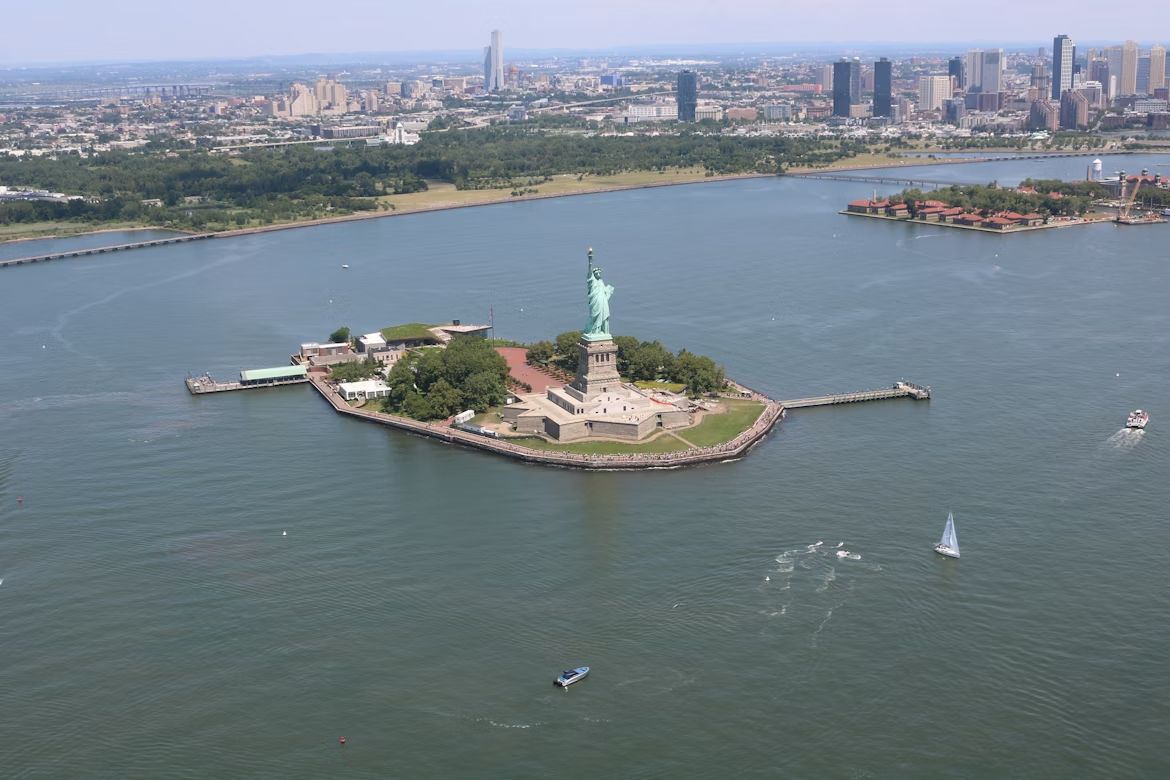
If the sculptures had included full bodies as planned, each figure would have stood 465 feet tall. That’s taller than the Statue of Liberty and most downtown skyscrapers.

10
Teddy Roosevelt was the most controversial pick

Image: Dudubangbang Travel

Washington, of course. Jefferson, made sense. Lincoln, sure. And Teddy? Some critics raised their eyebrows at Borglum’s fourth choice. Roosevelt had only recently passed away in 1919, and many questioned whether he'd stood the test of time.

But Borglum defended the decision Roosevelt’s role in breaking up monopolies, conserving national parks, and engineering the Panama Canal. Plus, Borglum had met him personally and was a fan.

11
It was supposed to have inscriptions

Image: Dan Pick

Borglum had grander plans than just four giant heads. He wanted to carve a massive inscription next to them, a timeline of America’s most important milestones , chiseled straight into the mountain. In time, the idea was scrapped for practical and aesthetic reasons.

12
The visionary died before completion

Image: Lisa Reichenstein

Gutzon Borglum, the visionary behind it all, didn’t live to see his masterpiece finished. He died in March 1941, just as the construction was reaching its end. His son, Lincoln Borglum (yes, named after that Lincoln), took over the project.

Still, with WWII drawing resources elsewhere, funding was slashed, and Lincoln had to wrap things up quickly . Some features, like Lincoln’s ear, were never fully detailed.

History History 4 min read

Old-school education

10 classroom habits that once ruled U.S. schools—but are gone for good

Image: Nicola Tolin

Many once-standard school customs in the U.S. have quietly vanished—phased out by shifting norms, safety rules, and cultural changes. These traditions shaped daily routines for generations, yet few remain today. From daily cursive drills to milk breaks , here are 10 traditions that have disappeared, along with the reasons behind their decline.

1
Home economics class

Image: Merve Sehirli Nasir

Home economics as a school subject peaked in the mid-20th century, teaching sewing, cooking, and budgeting —often aimed at girls.

By the 2000s, however, many states had folded it into a broader "family and consumer sciences" category, as shifting gender roles and changing cultural habits made the old curriculum feel increasingly outdated.

2
Woodshop in every school

Image: benjamin lehman

Lightly supervised children with access to power tools? Today, it seems hard to believe, but woodshop was a standard industrial arts course throughout the 1950s–1980s.

Declines began in the 1990s due to higher liability insurance costs, budget cuts, and a growing emphasis on college-prep academics over practical skills. Some schools still maintain limited woodworking programs, often using them as hands-on, integrated learning tools.

3
The dodgeball era

Image: Wan San Yip

Dodgeball dominated physical education classes well into the 1990s, often using hard rubber balls that were notorious for causing stingers, bruises, and occasional injuries . The game was popular because it required little equipment, could fill an entire class period, and kept large groups of students active.

By the 2000s, however, concerns about safety and bullying led many districts to restrict or replace dodgeball with more structured team sports. Some schools still play modified versions, usually with soft foam balls and strict rules.

4
Chalkboard dusting

Image: Vitaly Gariev

For over a century, green and black chalkboards were the centerpiece of American classrooms, with students regularly assigned to "clap out" erasers outside to clear the built-up dust. Chalk was cheap, durable, and easy for teachers to use in large rooms.

By the 1990s, districts began replacing chalkboards with whiteboards due to dust concerns linked to asthma and indoor air quality. The shift accelerated as overhead projectors, digital displays, and interactive whiteboards provided cleaner surfaces and reduced inhalation hazards.

5
Daily milk breaks

Image: ROBIN WORRALL

Mid-morning milk breaks became common in American elementary schools after the USDA expanded dairy subsidies through programs like the Special Milk Program in 1954. For decades, students lined up for small cartons—usually whole milk—intended to boost childhood nutrition and support U.S. dairy producers during periods of surplus.

By the 1990s and 2000s, milk breaks declined as updated nutrition guidelines shifted schools toward broader meal programs rather than standalone milk service.

6
In-school smoking lounges

Image: Andres Siimon

The idea of teens openly smoking on school grounds would be almost unimaginable under today’s health and liability standards. But through the 1960s and into the early 1980s, many American high schools—especially in the Midwest and Northeast—maintained designated smoking areas for students.

The practice disappeared quickly as federal and state regulations tightened, beginning with widespread adoption of indoor smoking bans in the late 1980s and early 1990s. The 1994 Surgeon General’s report and anti-tobacco campaigns further pushed districts to eliminate student smoking sections altogether.

7
Daily cursive drills

Image: Aaron Burden

For most of the 20th century, daily cursive drills were a nonnegotiable part of American schooling , often reinforced by specific handwriting manuals. Teachers devoted significant class time to perfecting loops, slants, and connected strokes, because cursive was considered essential for legibility, speed, and personal discipline.

The decline accelerated after the rollout of the Common Core State Standards in 2010, which omitted cursive entirely in favor of keyboarding and digital literacy benchmarks. With shrinking instructional time, cursive was often one of the first skills removed from early-grade schedules.

8
Class pet enclosures

Image: Minjae Cho

From the 1960s through the 1990s, class pets—hamsters, guinea pigs, turtles, goldfish, and even the occasional lizard—were staples of American elementary classrooms. Teachers used them to teach responsibility, empathy, and basic biology , and many classes created rotating "pet helper" charts for feeding and tank cleaning.

Today, the idea of a live animal in a crowded classroom, handled daily by students, feels out of step with modern safety, allergy, and sanitation standards. Maintenance costs, humane-treatment rules, and the challenge of caring for animals during breaks led schools to retire these longtime classroom mascots.

9
Student hall monitors

Image: Christopher Ryan

For much of the mid-20th century, student hall monitors were a fixture in American schools. Selected students—often upper-grade or high-performing—wore badges or sashes and were tasked with checking hall passes, reporting loitering, and keeping noise down between classes.

By the 1990s, the role faded as schools adopted professional security staff, stricter attendance protocols, and legal liability rules that made peer enforcement impractical. As districts invested in cameras, campus supervisors, and centralized discipline systems, the traditional hall monitor quietly disappeared from most American schools.

10
Morning physical calisthenics

Image: Philip White

From the 1950s through the early 1970s, influenced by Cold War fitness campaigns, many American schools began the day with school-wide calisthenics —jumping jacks, toe touches, and arm circles—led over the PA system.

The practice faded as schedules tightened and PE moved into dedicated class periods, with research favoring structured fitness over brief daily routines. Today, the idea of entire schools performing synchronized drills feels almost militaristic.

Explore more American facts

Choose your favorite category!

General
General

As American as apple pie—the very best America has to offer!

Culture
Culture

Delve into the astounding richness of American lore.

Geography
Geography

Hop in and explore vast and diverse American landscapes.

History
History

Discover the key moments that shaped the United States.