General General 4 min read

Plenty to be proud about

Not what you think: these are 10 things foreigners love about America
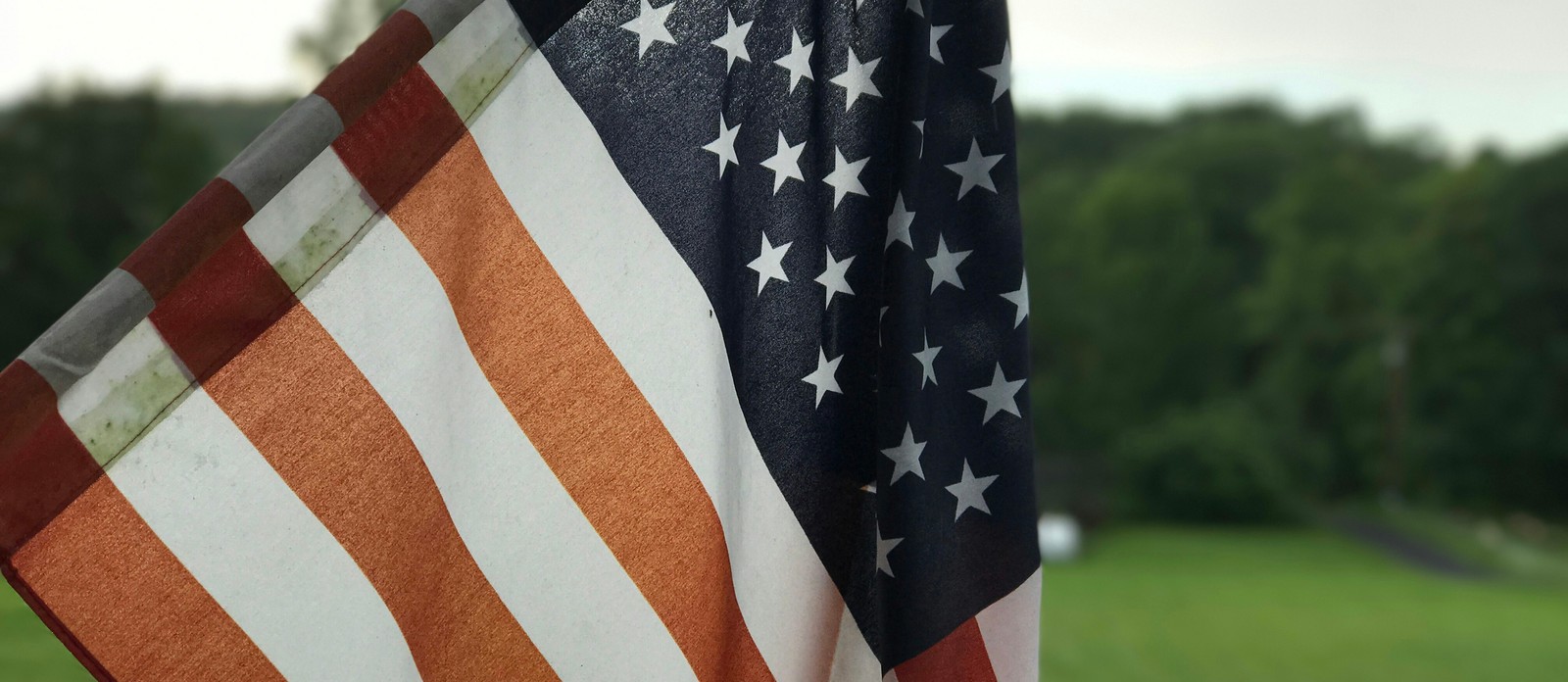
Image: Rob Martinez

People around the world often criticize the U.S. for different reasons, but many also admire much about America’s culture and personality. And, often, these qualities come as a surprise to Americans, who take them for granted. Visitors mention that we seem welcoming, ambitious, and energetic compared to people in other countries, while others are amazed at the country’s size, scenery, and global cultural influence.

1
Friendly to strangers

Image: Priscilla Du Preez 🇨🇦

Many foreigners are surprised by how casually Americans talk to strangers. Small talk in elevators, stores, restaurants, or even while waiting in line feels unusual to visitors from countries where people tend to be more reserved in public. Smiling at strangers is also much more common in the U.S.

Travelers often mention how Americans quickly offer directions, recommendations, or help without being asked. Even cities with "rude" reputations, like New York, are regularly praised by tourists for how helpful locals can be once someone needs assistance.

2
The national parks system
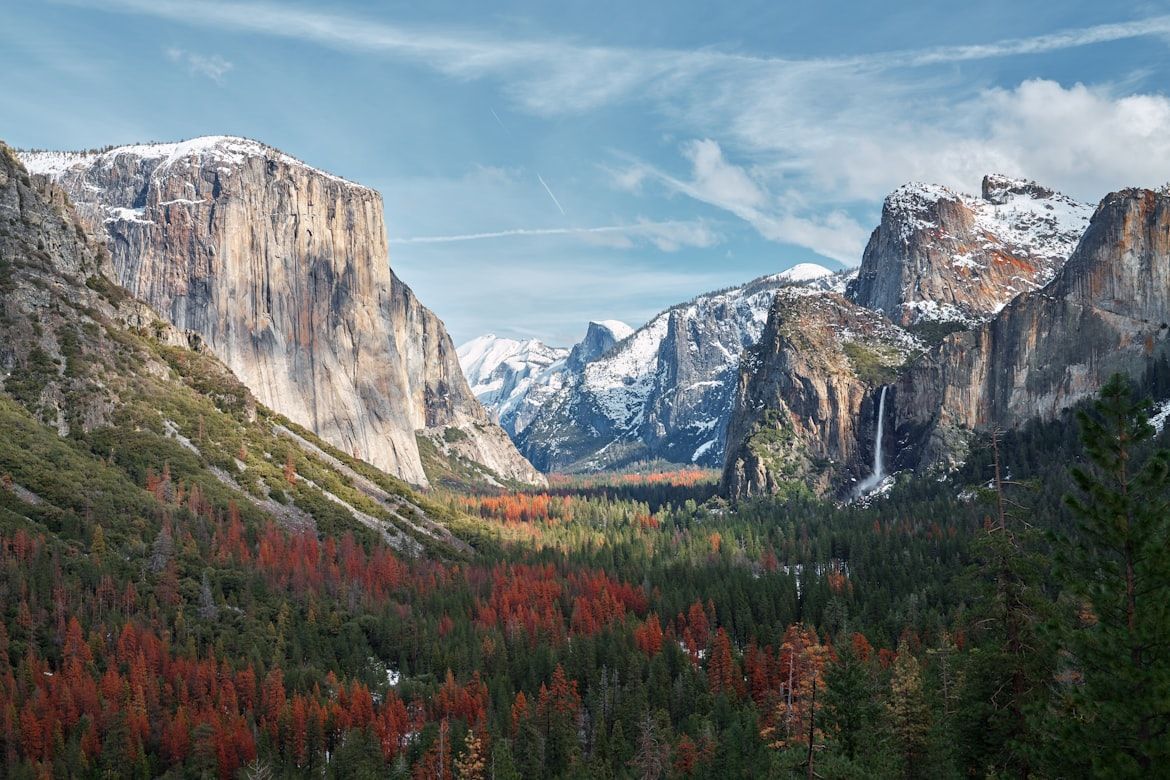
Image: Aniket Deole

The U.S. created the world’s first national park when Yellowstone opened in 1872. Today, the National Park System includes more than 400 protected sites, including famous places like Yosemite, Grand Canyon, Zion, and Glacier National Park.

Foreign visitors often admire how accessible these parks are through scenic roads, visitor centers, campgrounds, and hiking trails . Many international tourists specifically plan American vacations around road trips through the parks of California, Utah, Arizona, and Wyoming.

3
Optimism and positivity

Image: Madison Oren

Visitors from abroad frequently describe Americans as unusually optimistic. Expressions like "follow your dreams" or "you can do it" are deeply connected to American culture and are often more openly encouraged than in other countries.

Foreigners also notice how Americans tend to show enthusiasm in everyday situations , whether in schools, workplaces, or sports. Even critics of the U.S. often admit that Americans are generally comfortable encouraging ambition and celebrating success.

4
Innovation and entrepreneurship

Image: Kvalifik

The U.S. became home to some of the world’s most influential companies, including Apple, Microsoft, Google, Amazon, and Tesla. Silicon Valley in California became internationally famous as a center for startups, technology, and innovation.

Many foreigners admire how American culture encourages people to start businesses and take risks . Entrepreneurs from around the world move to places like California, Texas, and New York, hoping to find investment, opportunities, and professional connections.

5
Confidence and directness
Image: Jordan Donaldson | @jordi.d

Americans are often seen as more direct and confident people from cultures where communication is more formal or indirect. Visitors frequently notice how comfortable Americans are in introducing themselves and openly expressing opinions .

International students and workers also mention that Americans tend to speak clearly about goals, plans, and expectations. While some cultures view this as overly bold, others admire how straightforward conversations can make social and business situations easier.

6
Customer service

Image: Ashlyn Ciara

Tourists are often surprised by the level of customer service in the U.S. Restaurant servers regularly check on tables, stores allow generous return policies, and many businesses operate customer support services late into the night or even 24 hours a day.

Foreign visitors especially notice the friendliness and attentiveness of American service workers. While tipping culture can seem confusing at first, many travelers still praise the speed, convenience, and customer-focused attitude common across the country.

7
The scale of the country and its road trips
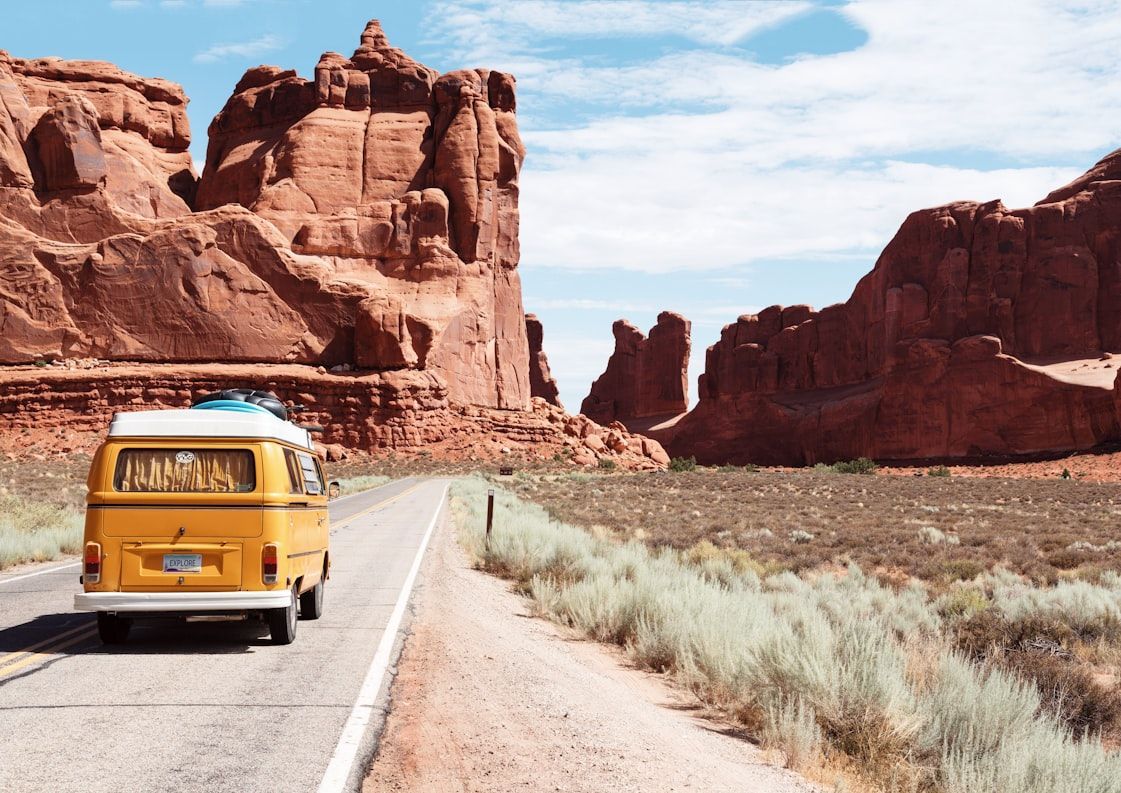
Image: Dino Reichmuth

The enormous size of the U.S. fascinates many visitors. The country stretches about 2,800 miles from coast to coast and includes deserts, mountains, forests, beaches, giant cities, and small rural towns.

American road trip culture became famous worldwide thanks to Route 66, the Interstate Highway System often mythologized in movies and music. Many foreigners dream of driving through places like the Pacific Coast Highway, the Southwest deserts, or the Deep South .

8
American universities and research centers
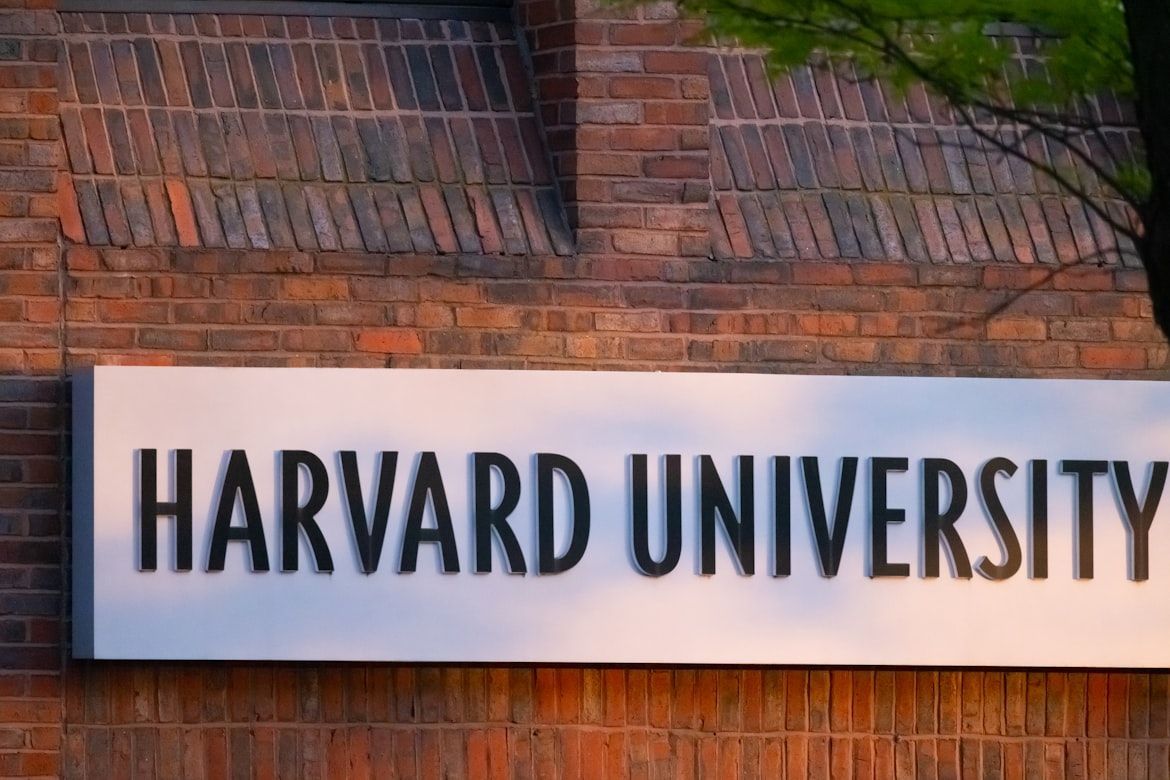
Image: Xiangkun ZHU

American universities attract hundreds of thousands of international students every year. Schools like Harvard, MIT, Stanford, Princeton, and Yale became globally respected for science, medicine, engineering, business, and technological research.

Foreign students also admire the large campuses, sports culture, and research funding available in the U.S. American universities helped produce major scientific discoveries and a large number of Nobel Prize winners across many different fields.

9
Entertainment and pop culture
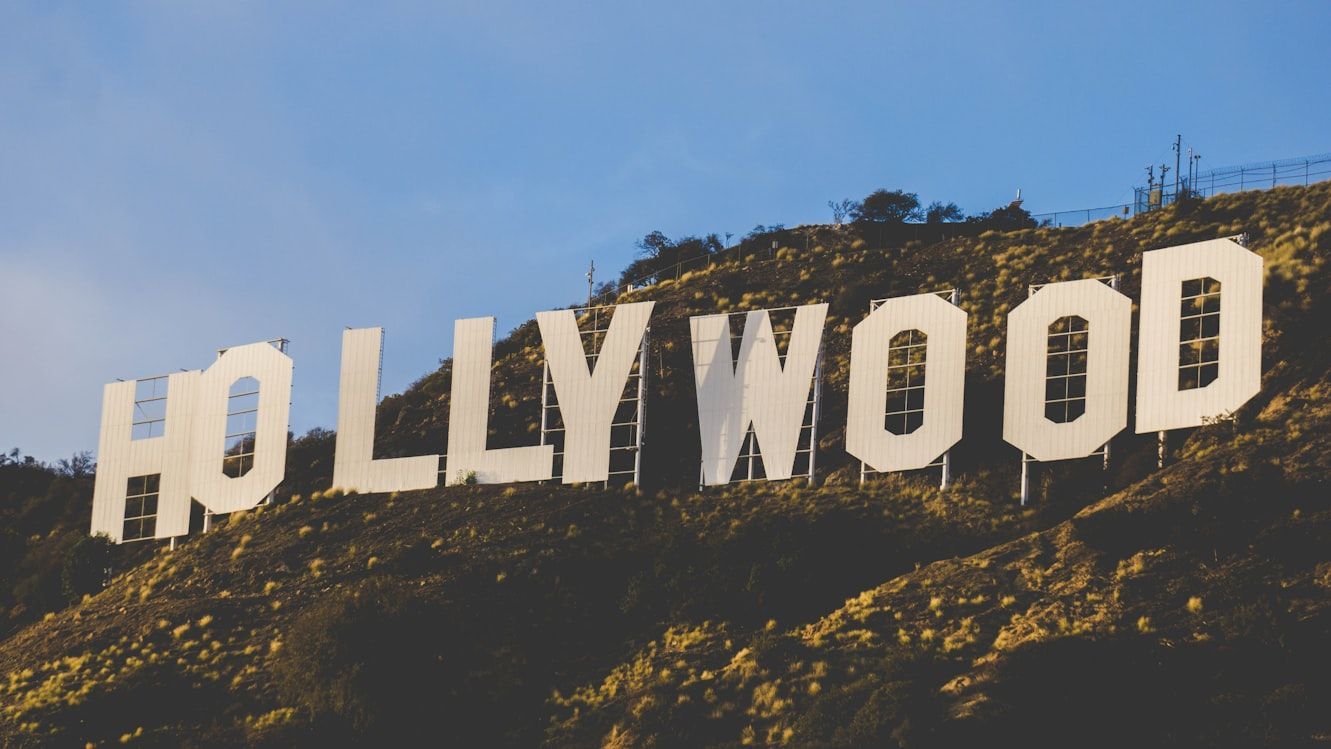
Image: De'Andre Bush

American entertainment has influenced cultures all over the world for decades. Hollywood movies, jazz, rock music, hip-hop, television shows, and sports leagues like the NBA became internationally recognizable symbols of American culture.

Many foreigners grow up watching American movies and listening to American music long before ever visiting the country . Shows like Seinfeld , Friends , and blockbuster films from Disney helped shape how millions of people imagine the U.S.

10
Ambitious dreams and personal goals
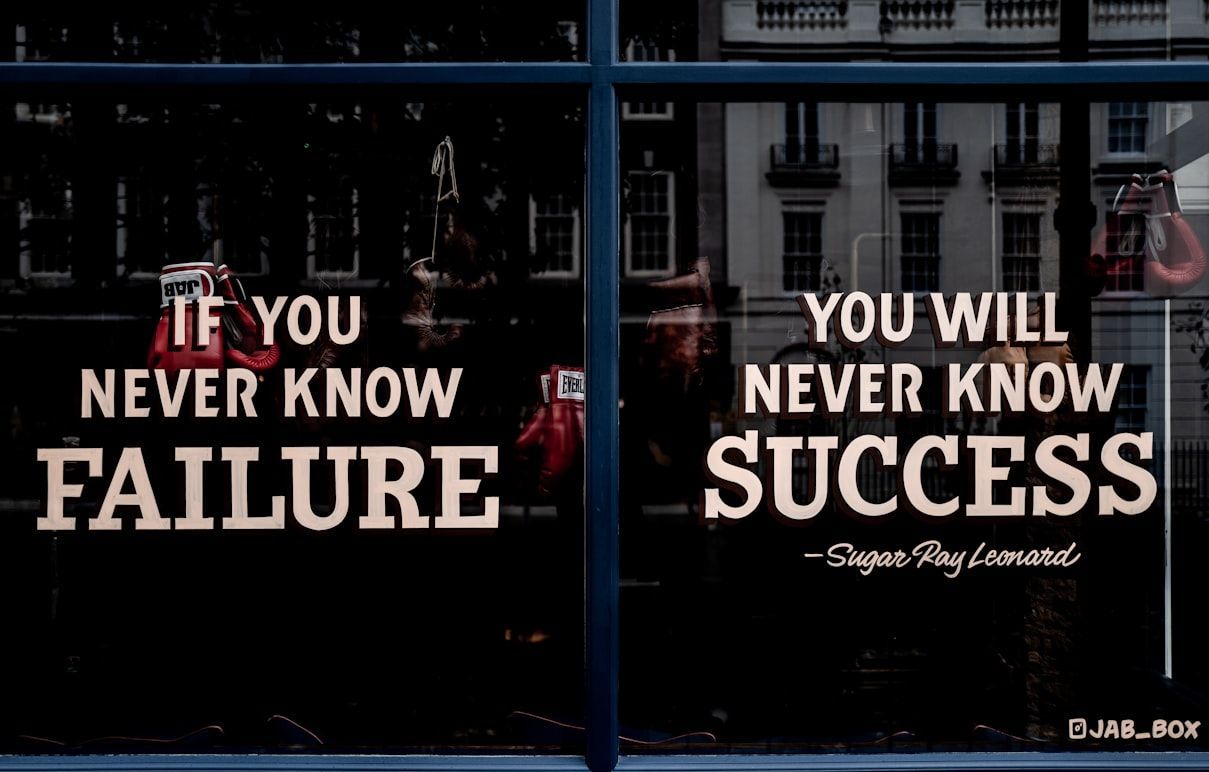
Image: the blowup

The idea of the "American Dream" remains iconic around the world. Many foreigners admire how strongly Americans believe people can reinvent themselves, build successful businesses, or achieve major goals through hard work and determination .

For generations, immigrants moved to the U.S. searching for opportunity, education, or freedom. That history helped create an international image of Americans as highly ambitious people who are constantly working toward bigger personal goals.

History History 6 min read

10 American milestones that didn't happen where you think

Image: DS stories

When we think of the great milestones of American history, we often think of the obvious: the signing of the Declaration of Independence in Philadelphia, the Wright brothers’ flight in North Carolina, or the Gold Rush in California. However, the fabric of modern American life was woven all over the map. Many of the conveniences we take for granted today didn’t originate in massive tech hubs or political capitals. Instead, they were born in quiet college towns, military outposts, and colonial settlements. Here are ten unexpected "firsts" from across the United States.

1
Alabama: The first 911 call

Image: Anna

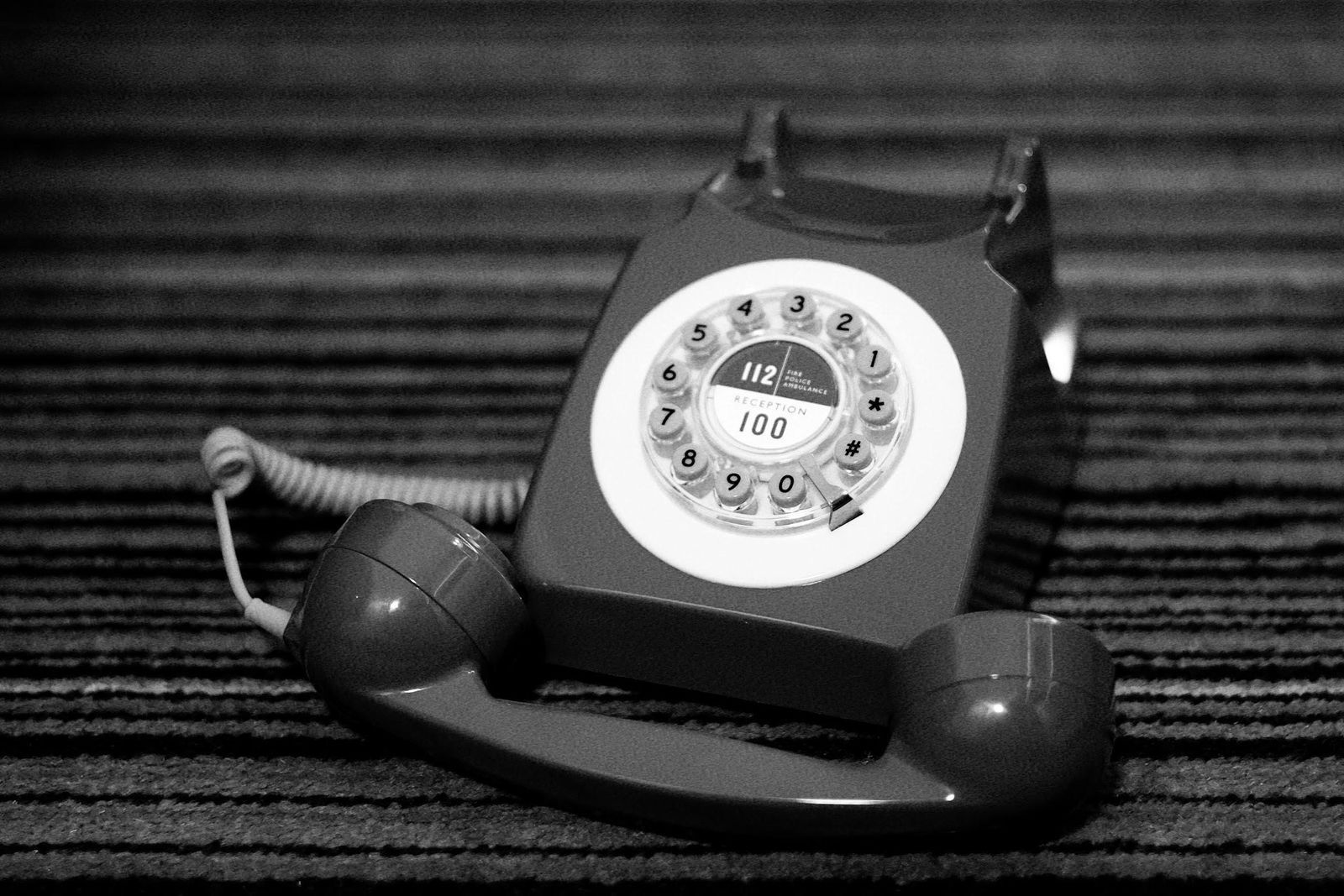
Today, the number 911 is synonymous with emergency assistance. Yet, before 1968, there was no universal number to call for help. In fact, citizens had to remember specific ten-digit numbers for their local police, fire department, or ambulance service.

Contrary to what you may think, the first 911 call didn’t take place in a metropolis like New York or Los Angeles. The Alabama Telephone Company developed the system to prove that a universal emergency number was a good idea. So, on February 16, 1968, Alabama Speaker of the House, Rankin Fite, made the inaugural call from the mayor’s office in the small town of Haleyville.

2
Florida: The first sunscreen

Image: www.kaboompics.com

Florida is famously known as the Sunshine State, so it’s no wonder that it’s the birthplace of the world’s first effective sunscreen. That said, the invention wasn’t driven by beachgoers looking for a tan, but by the war.

In 1944, during World War II, a Florida pharmacist named Benjamin Green was concerned about the severe sunburns suffered by soldiers stationed in the Pacific. So, he developed a substance known as "red vet pet", a thick, red, petroleum product. While it was sticky and messy, it worked by physically blocking UV rays. After the war, Green refined the formula, added coconut oil and cocoa butter, and eventually founded the world-famous Coppertone brand.

3
Iowa: The first electronic digital computer

Image: See page for author, Public domain, via Wikimedia Commons

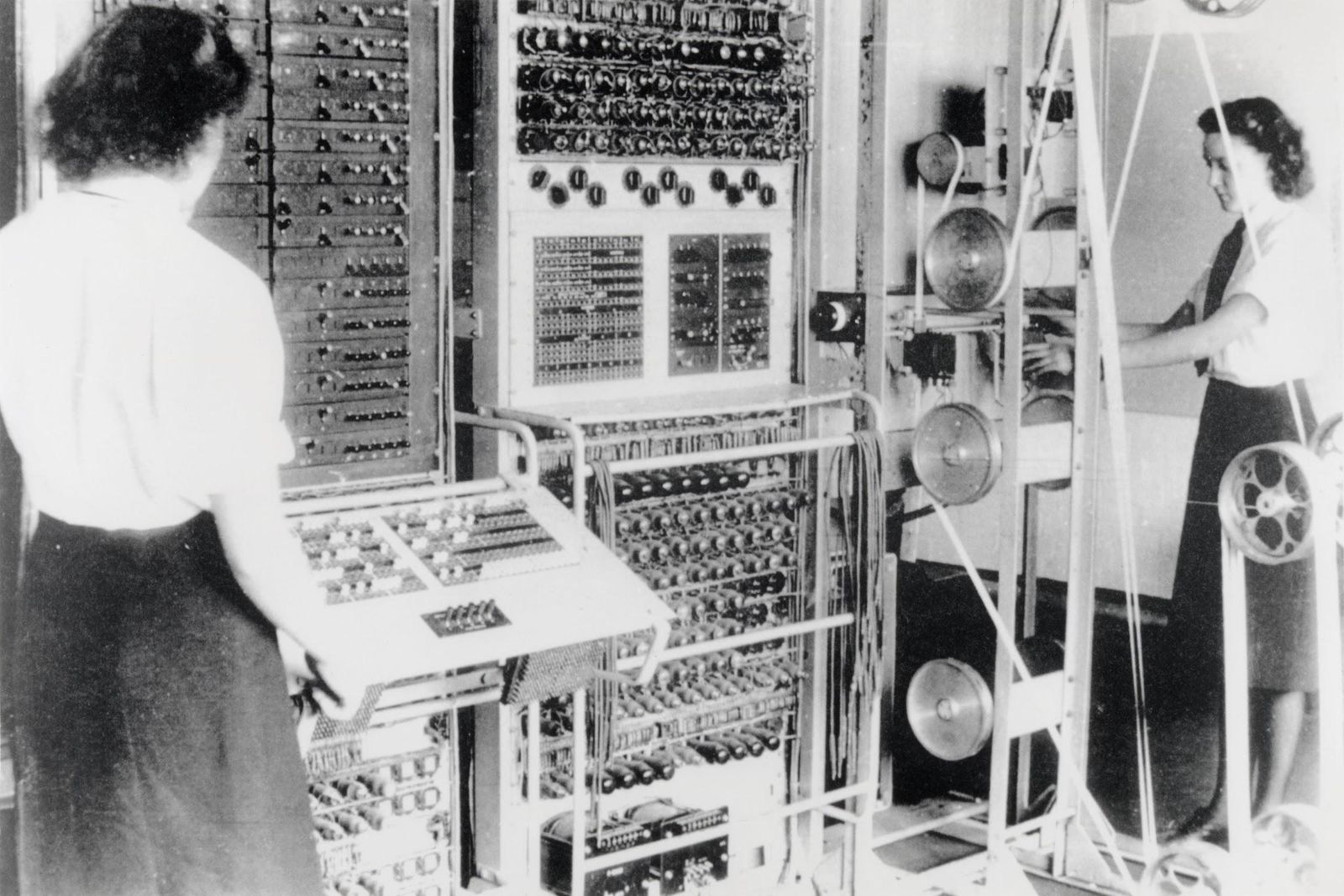
If you think of the birth of computers, the first thing that comes to mind is probably Silicon Valley or the ENIAC machine in Pennsylvania. However, the world’s first electronic digital computer was built in the basement of the physics building at Iowa State University.

Between 1937 and 1942, Professor John Vincent Atanasoff and graduate student Clifford Berry developed the Atanasoff-Berry Computer (ABC). Unlike previous mechanical calculators, the ABC used vacuum tubes and binary math, and it was the first to separate the memory from the processor.

4
New York: The first commercial brewery

Image: Vladimir Kudinov madbyte, CC0, via Wikimedia Commons

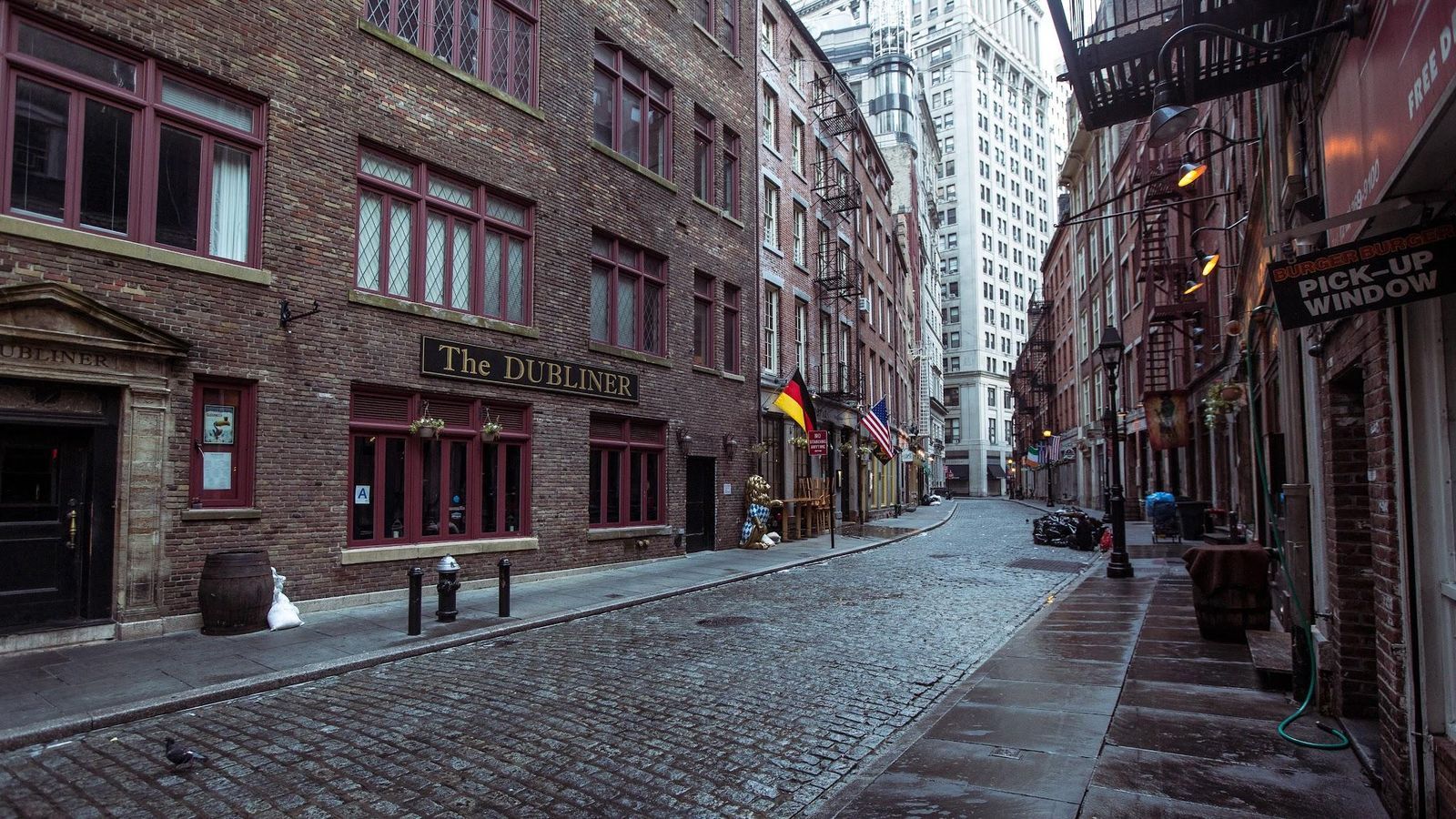
New York City may be the mecca of finance, but in the 1600s, its primary concern was refreshment. Long before the craft beer craze, the first commercial brewery in the New World was established in New Amsterdam (now Manhattan) in 1632.

The brewery was built by the Dutch West India Company on what is now named Stone Street, near Wall Street. At a time when water was often unsafe to drink, beer was a dietary staple for both adults and children. This early industry laid the foundation for New York’s long relationship with brewing, which would eventually make the state a global powerhouse for beer production in the 19th century.

5
South Carolina: The first opera performance

Image: Leo Heisenberg

While the high arts are typically associated with the Northeast, the first opera performed in the American colonies took place in Charleston, South Carolina.

In the colonial era, Charleston was a wealthy, culturally vibrant port city, and its citizens loved European entertainment. So, on February 18, 1735, the British ballad opera Flora premiered at a makeshift theater built in a courtroom. Needless to say, this performance predated the formal theaters of Philadelphia and New York.

6
Maryland: The first dental school

Image: Scranton Postoffice, Public domain, via Wikimedia Commons

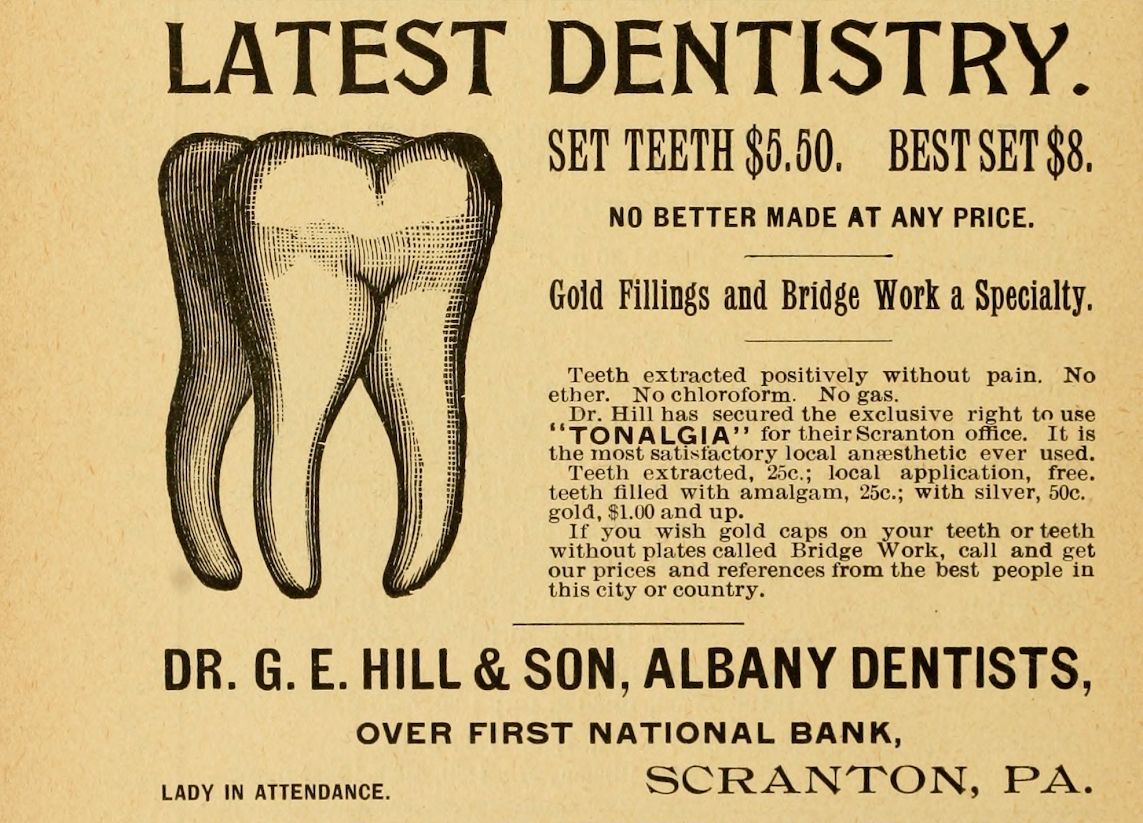
For centuries, dentistry was a trade practiced by blacksmiths and barbers who had no formal medical training. This changed in 1840 in Baltimore, Maryland, with the founding of the Baltimore College of Dental Surgery.

Established by dentist Horace Henry Hayden and doctor Chapin A. Harris, it was the first school in the world to offer a formal degree in dental surgery. The founders had initially approached the University of Maryland’s medical school to include dental instruction, but they were dismissed by physicians who claimed dentistry wasn’t that important. They didn’t give up and eventually started their own college, which still exists today as the University of Maryland School of Dentistry.

7
Maine: The first city

Image: Kerani

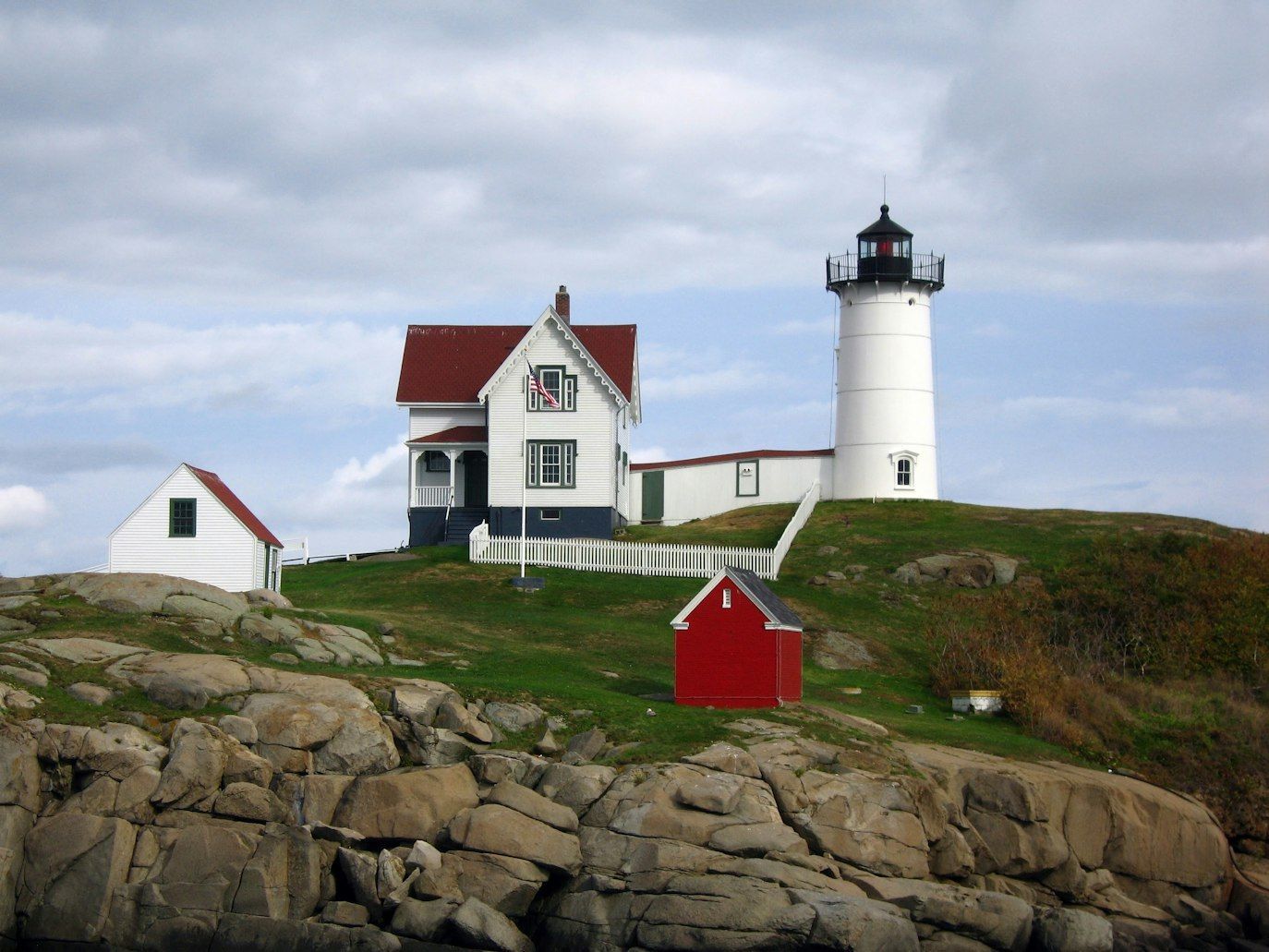
There are many really old cities in America. However, the first place to be officially chartered as a city in the English colonies was located in what is now York, Maine. In 1642, English military commander and proprietor of the Province of Maine, Sir Ferdinando Gorges, granted a charter to a settlement then known as Gorgeana. He even envisioned it as a grand capital for his new territory. While the city’s status was eventually revoked when the Massachusetts Bay Colony took control of the area, the charter remains the first of its kind in American history.

8
Michigan: The first paved road

Image: Curt Teich & Co., Chicago., Public domain, via Wikimedia Commons

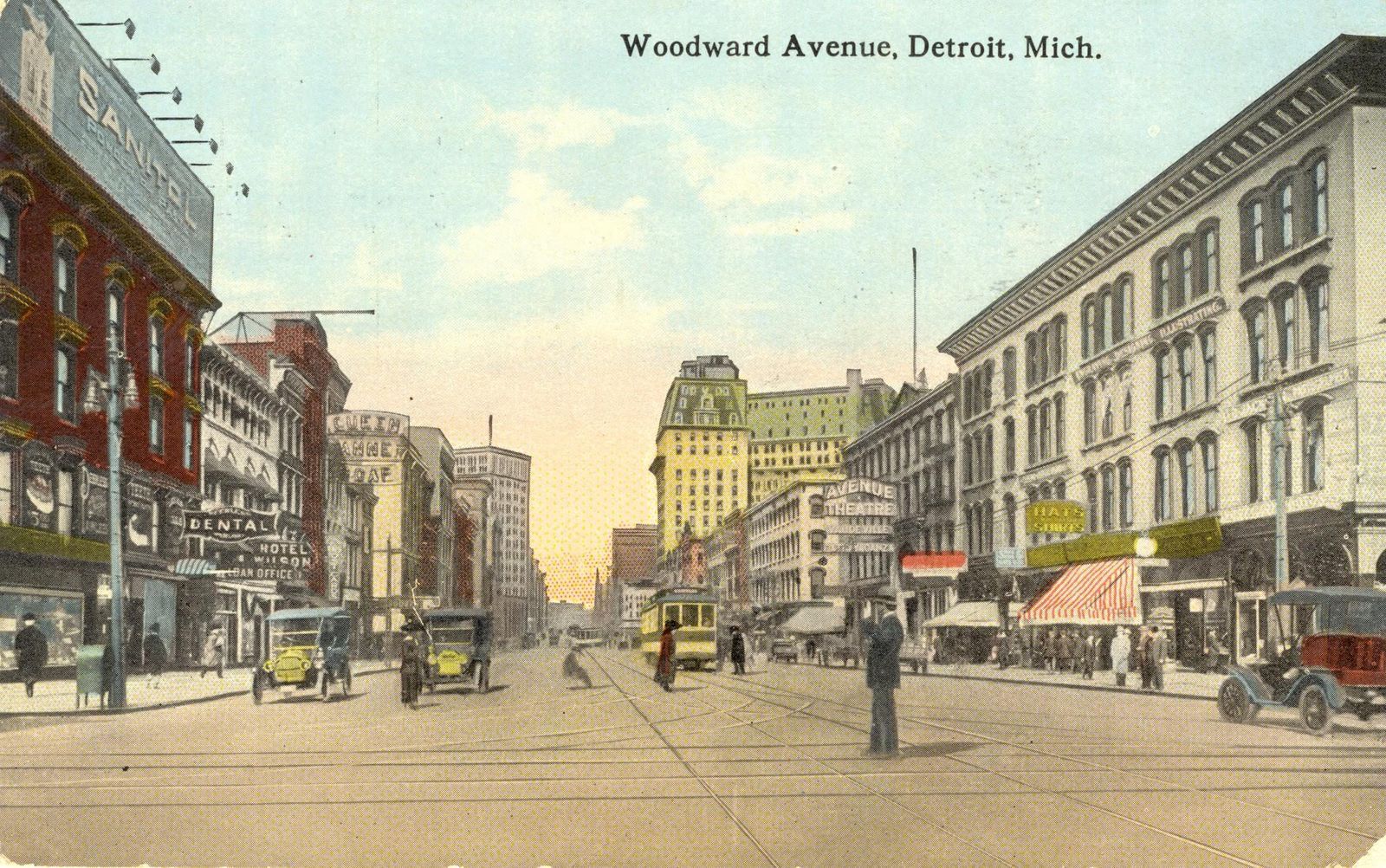
As the home of the American automotive industry, it is only fitting that Michigan would be the birthplace of the modern road. Before the beginning of the 20th century, most American roads were made of dirt, gravel, or bricks, which were ill-suited for the weight and speed of the newly invented automobile.

In 1909, the Wayne County Road Commission paved a one-mile stretch of Woodward Avenue in Detroit with concrete. It was the first time cement had been used to create a long-distance road surface. The experiment was so successful—costing less to maintain and providing a smoother ride—that it became the global standard for road construction.

9
Minnesota: The first shopping mall

Image: Hennepin County Library, Public domain, via Wikimedia Commons

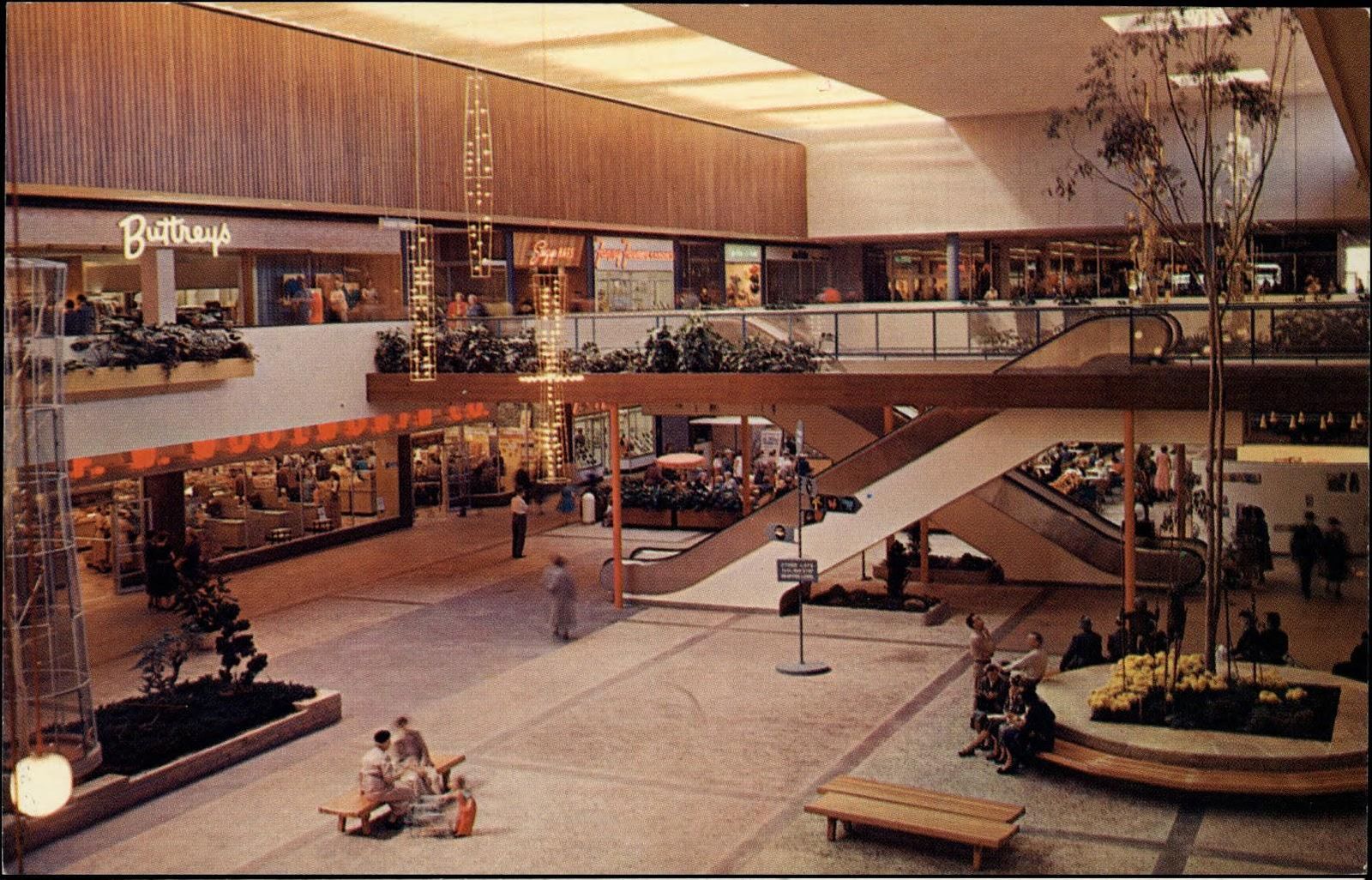
The American shopping mall is a cultural icon, but did you know it was born of a desire to escape the brutal winters of the Midwest? In 1956, the Southdale Center opened in the Minneapolis suburb of Edina, Minnesota, becoming the first fully enclosed, climate-controlled shopping mall in the U.S.

The mall was intended to be a town square that would foster community interaction regardless of the weather outside. It featured two levels of shops and a central atrium. The design was so revolutionary that it served as the blueprint for thousands of malls across the globe. Fun fact: Minnesota is also home to the largest shopping mall in the world, the Mall of America, which opened in 1992 in Bloomington.

10
Arizona: The first McDonald’s drive-thru

Image: Macarena Ollarzú

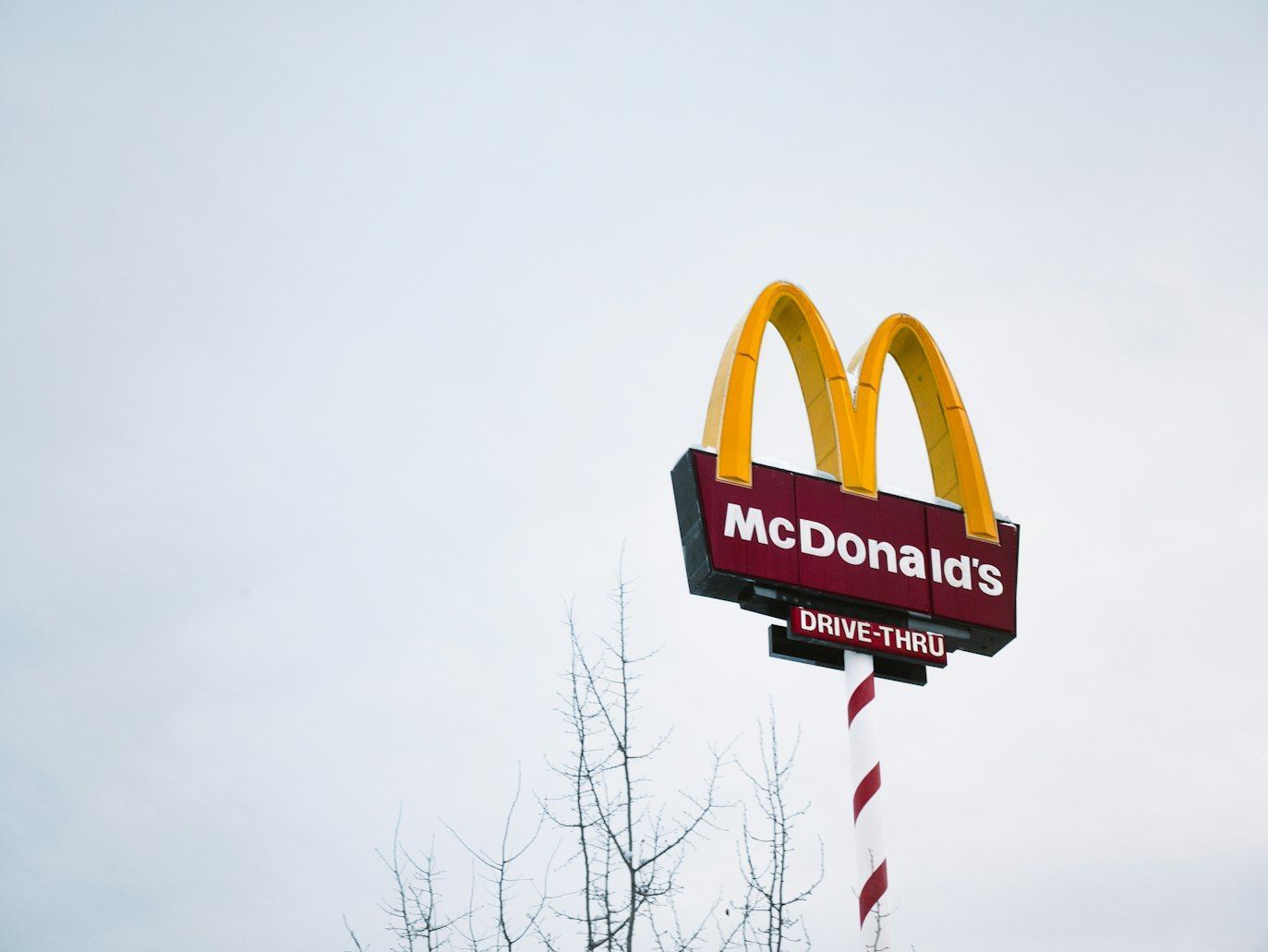
The drive-thru is a staple of fast food culture. Yet, contrary to what you may think, the first one wasn’t created for convenience but for military compliance. In 1975, a McDonald’s in Sierra Vista, Arizona, installed a service window to feed soldiers from the nearby Fort Huachuca.

At the time, soldiers were forbidden from wearing their military uniforms in public establishments. However, they were allowed to remain in their vehicles while in uniform. To capture the business of the hungry soldiers who couldn’t legally walk inside the restaurant, the owner installed a sliding window in the wall. The concept was an immediate success, quickly adopted by the rest of the venues.

Culture Culture 6 min read

Wives of democracy

From Martha Washington to Betty Ford: 10 facts about the First Ladies

Image: Florida Memory / Cristina Staver

The contributions of America’s First Ladies are often overlooked. But every woman who has held the role has left a meaningful mark on the nation’s history. For that reason, we have decided to commemorate 10 First Ladies by bringing to the spotlight their achievements, their marriages, and their many strengths. While we would love to feature every single First Lady in this article, we would need much more space to do so. However, these 10 iconic women are often referred to as examples of the amazing characteristics that all First Ladies share. Without further ado, enjoy!

1
Martha Washington

Image: Boston Public Library, CC BY 2.0

Let’s begin with the inaugural first lady of our country. In May 1789, Martha Washington inaugurated the role of First Lady of the United States when she arrived in New York City to meet her husband, George Washington. Interestingly, the name "First Lady" wouldn’t be used until some time later. Instead, Martha was simply referred to as "Lady Washington".

As you would expect, Martha Washington installed practices that went on to become traditions held by many future First Ladies, including receptions to the general public on New Year’s Eve. Furthermore, President Washington asked Martha to hold special drawing room events at their residence. These social gatherings became instrumental in forming what was known as the "Republican Court" , an influential group of American intellectuals and politicians.

2
Rosalynn Carter

Image: Tatiana V. Konokotina, CC BY 4.0

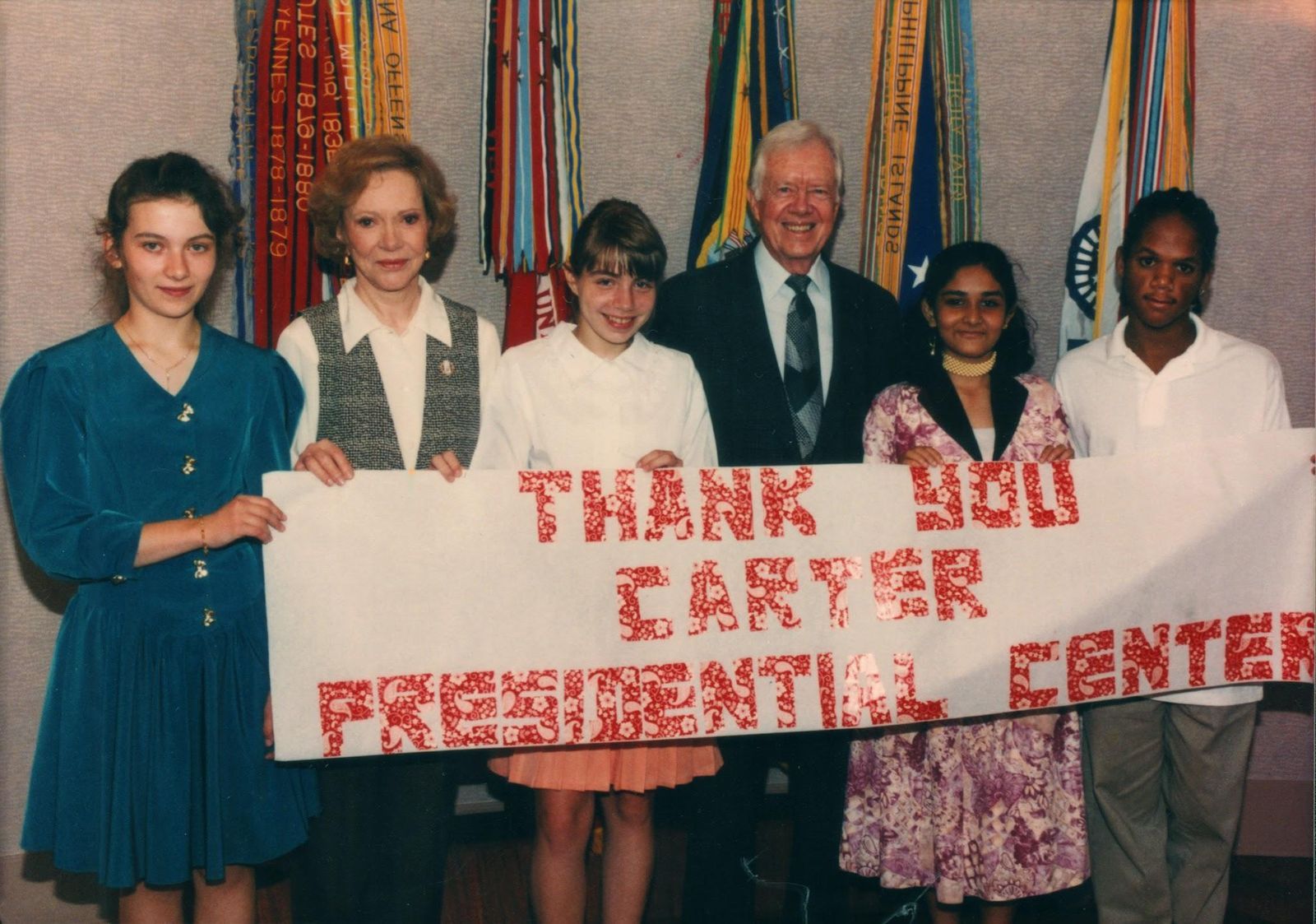
According to Rosalynn Carter , she first became attracted to her husband, future president Jimmy Carter, when she saw him in a photograph dressed in his U.S. Navy uniform. What followed is a long and prosperous love story, which only ended in 2023 after Rosalynn passed away at the age of 96 years old.

During her tenure as First Lady, Rosalynn became an advocate for mental health and women’s rights, and she continued to support these causes through her work in the Carter Center. Both Rosalyn and President Carter were awarded the Presidential Medal of Freedom in 1999.

3
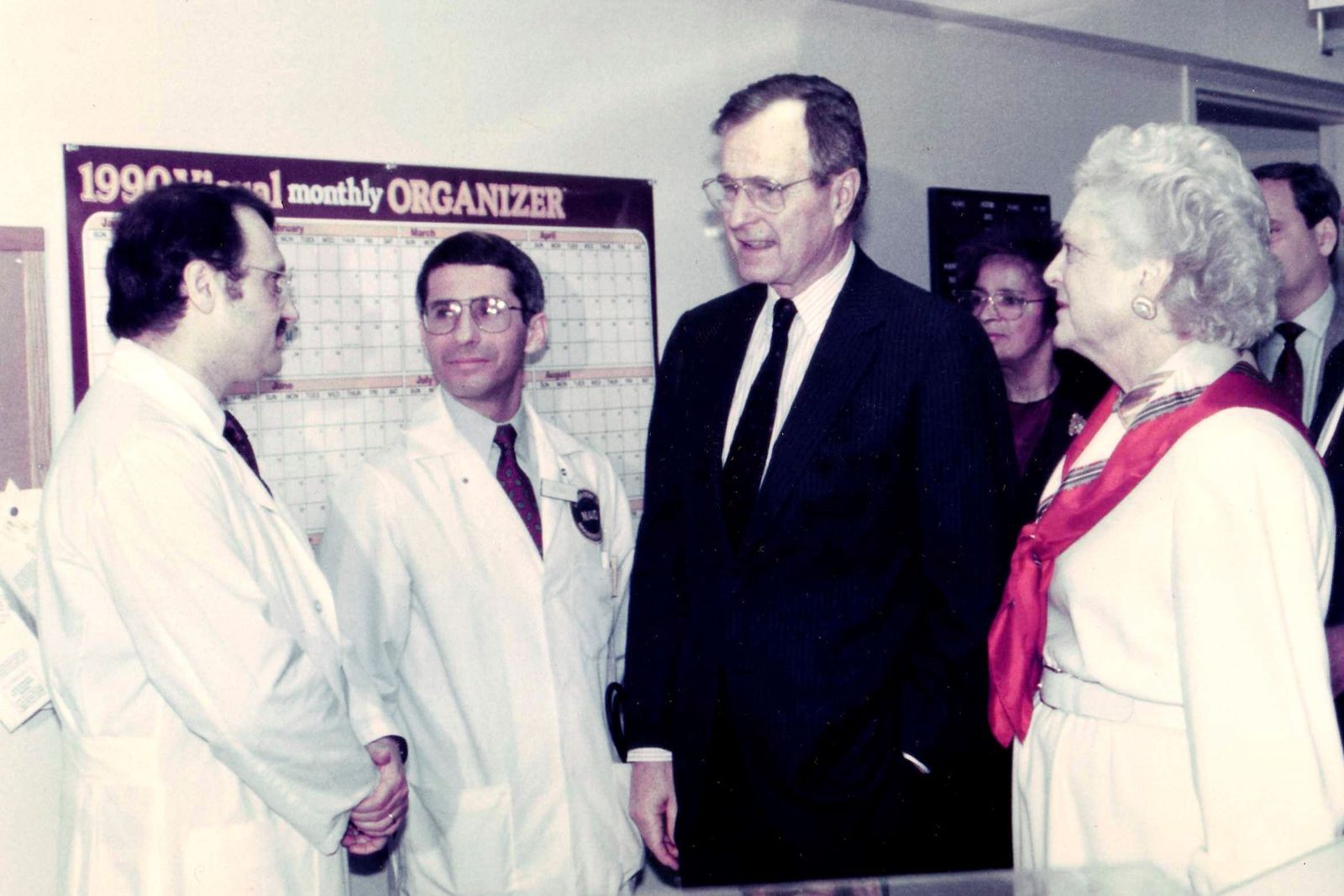
Barbara Bush

Image: NIAID, CC BY 2.0

Few First Ladies hold the honor of being both the wife and the mother of a U.S. President, and Barbara Bush is one of them. She served as the First Lady during the presidency of George H. W. Bush, who acted as the 41st U.S. President from 1989 to 1993.

Although she presented herself in an almost apolitical manner, Barbara often engaged in charity work, most notably in campaigns to fight illiteracy. After her husband’s presidency ended, she continued to work in campaigning for her sons, including our 43rd President, George W. Bush.

4
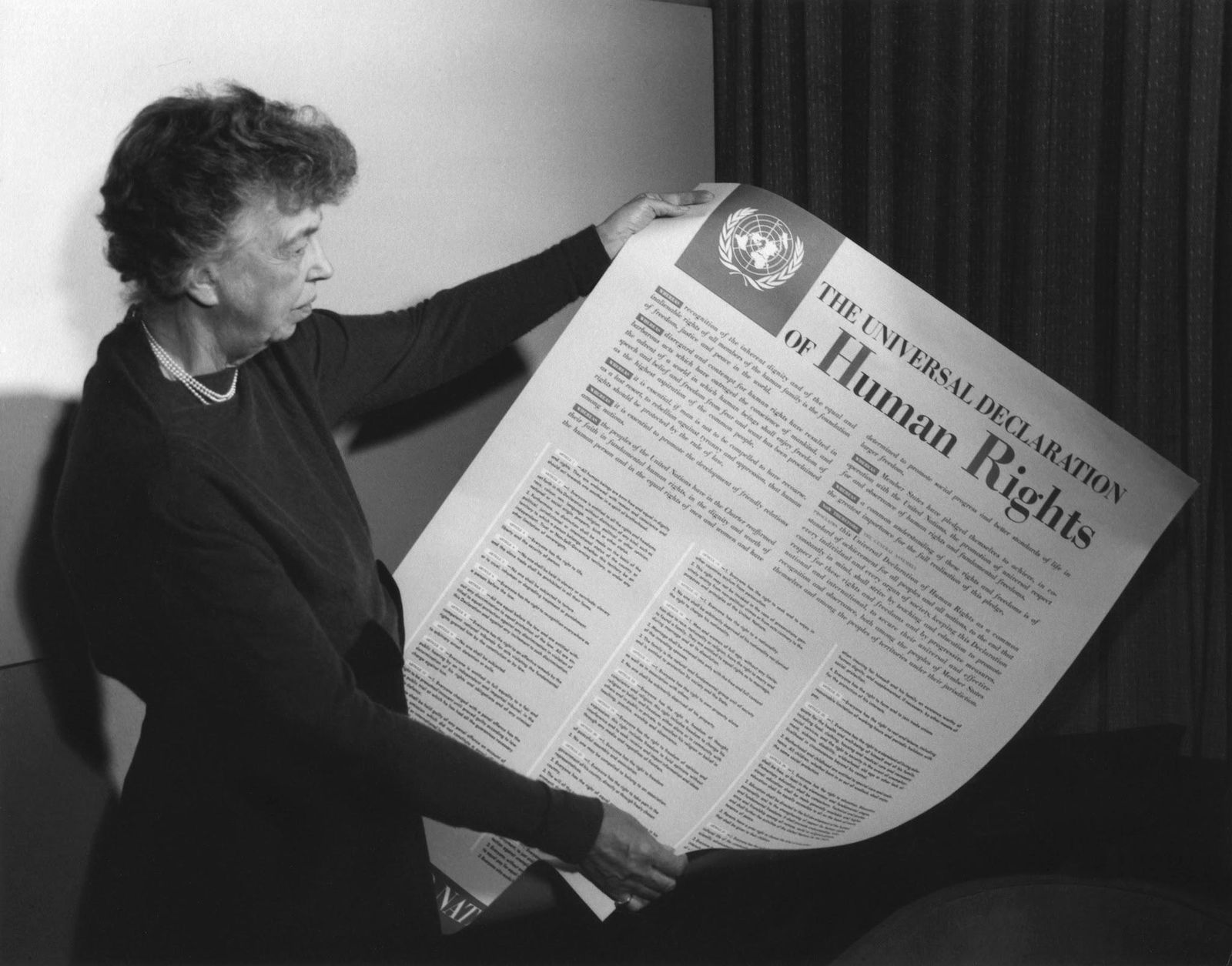
Eleanor Roosevelt

Image: FDR Presidential Library & Museum, CC BY 2.0

Eleanor Roosevelt is remembered as the longest-serving First Lady in U.S. history. However, the legacy of this amazing figure is not limited to this fact. Roosevelt is considered to be one of the most groundbreaking First Ladies in history, completely revolutionizing the function.

Roosevelt took an active role during her husband’s terms, actively engaging in public events, travels, and cultural activities. Not only that, she was instrumental in President Roosevelt’s involvement with the then-newly formed United Nations. Eleanor served as a delegate to the U.N. General Assembly, acting as the leading figure behind the drafting of the Universal Declaration of Human Rights.

5
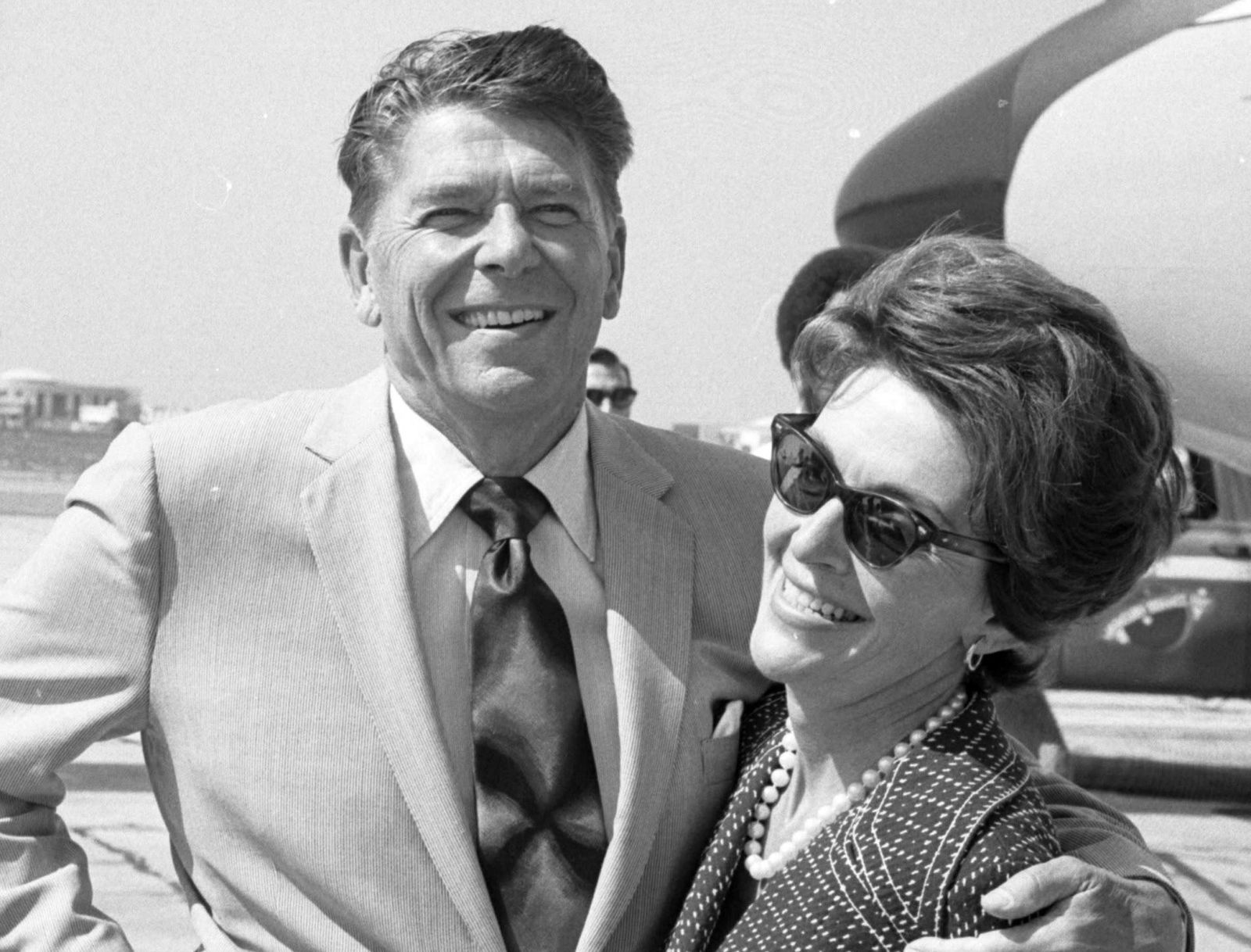
Nancy Reagan

Image: Bill Varie, Los Angeles Times, CC BY 4.0

Just like her husband, Nancy Reagan’s career before the White House was filled with the glamour and excitement of Hollywood. Between the 1940s and 1950s, she starred in several blockbusters such as "The Next Voice You Hear...", "Night into Morning", and "Donovan ’ s Brain", acting under her maiden name, Nancy Davis.

In 1952, she married then-fellow actor Ronald Reagan, the president of the Screen Actors Guild at the time. Nancy first served as First Lady of California when her husband was governor of the state, and later on as First Lady of the country in 1981.

6
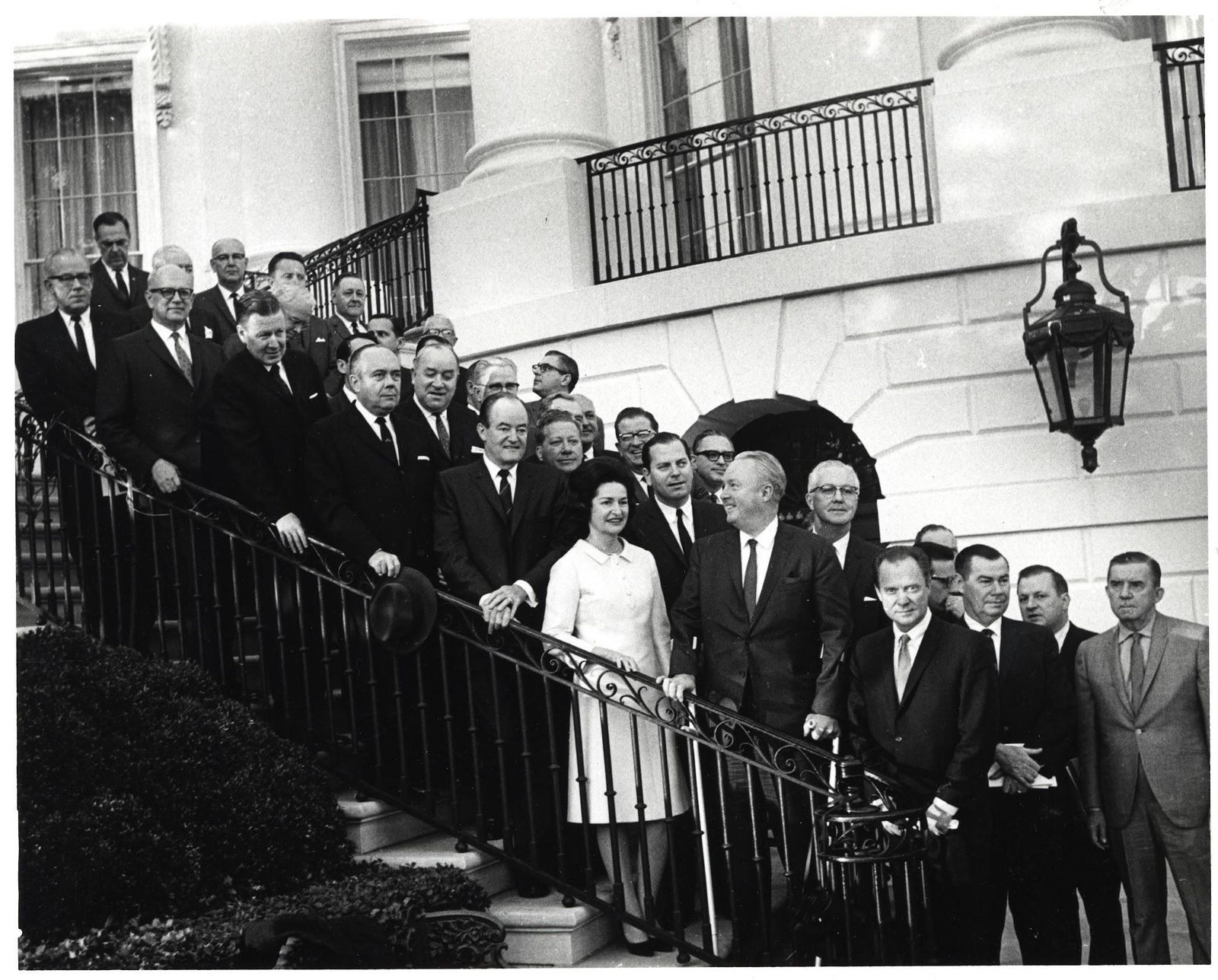
Lady Bird Johnson

Image: City of Boston Archives from West Roxbury, United States, CC BY 2.0

Some First Ladies (although not many) are better known by their nicknames, and that’s certainly the case with " Lady Bird" Johnson . Born Claudia Alta Taylor in Karnack, Texas, this First Lady’s nickname comes from the fact that her nursemaid apparently stated that young Claudia was "as pretty as a ladybird".

When she was in her early 20s, Lady Bird met a young congressional aide named Lyndon B. Johnson after a mutual friend introduced them. The First Lady would later declare that she felt "like a moth drawn to a flame" on that first meeting. A few weeks after their first dates, the couple married and went on to have two daughters, Lynda Bird and Luci Baines.

7
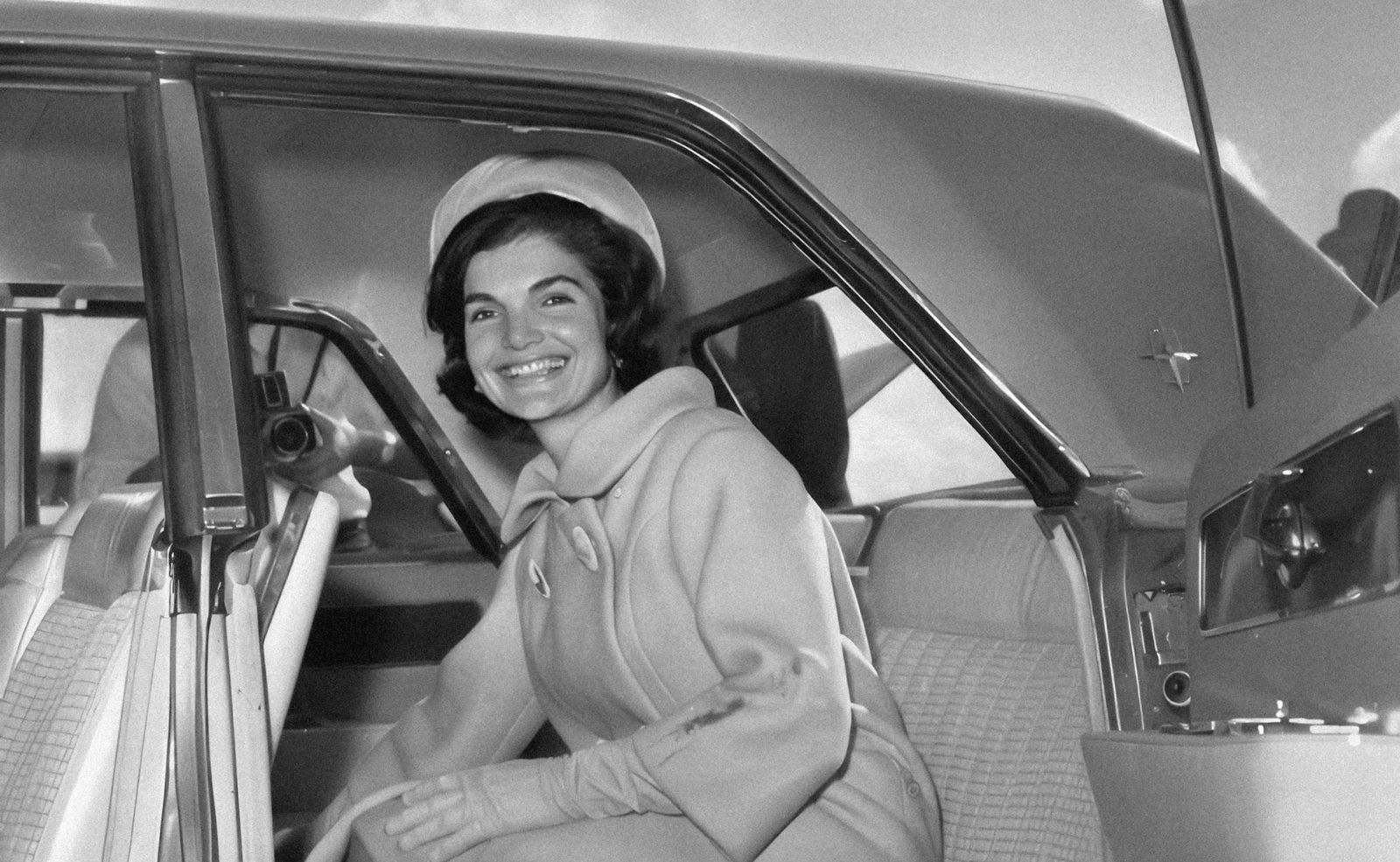
Jackie Kennedy

Image: Florida Memory

For many Americans, First Ladies are the pinnacle of glamour. Their impeccable manners and warm personalities perfectly match their classy outfits. In that sense, Jacqueline "Jackie" Kennedy is considered to this day an international icon, known for her daring yet elegant attire and her devotion to their family and her country.

Jackie met President Kennedy, then U.S. Representative for Massachusetts, at a dinner party held by journalist Charles L. Bartlett. A year later, in 1953, the couple married in an event that was listed as the social event of the season. Jackie took a rather active role in her duties as First Lady. She conducted a massive restoration process of the White House and often joined her husband on many trips abroad, becoming a beloved cultural ambassador for America.

8
Hillary Clinton

Image: Hillary for Iowa, CC BY 2.0

Hillary Clinton is definitively the person on this list with the most political experience. She was Secretary of State, Senator for the State of New York, and presidential candidate. However, we shouldn’t overlook the fact that she dutifully served as First Lady of the United States while her husband was in the White House.

While the world knew her as Hillary Rodham, she entered Yale Law School in the early 70s, where she met a fellow law student by the name of William "Bill" Clinton. They married in 1975 and welcomed their only daughter, Chelsea, in 1980.

9
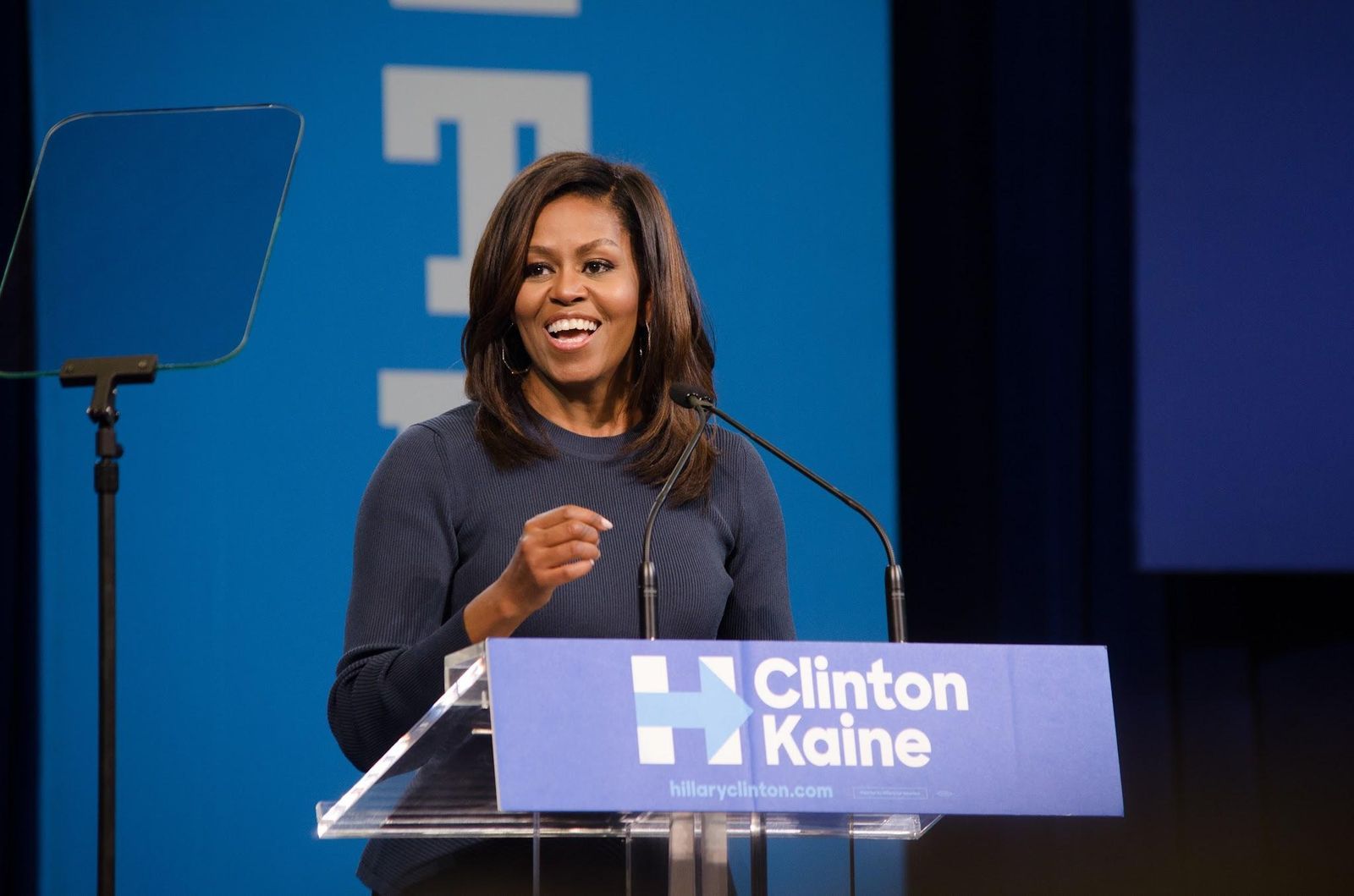
Michelle Obama

Image: Tim Pierce from Berlin, MA, USA, CC BY 2.0

Following her graduation from Princeton University, a young lawyer by the name of Michelle LaVaughn Robinson started working in a Chicago law firm, focusing on marketing and intellectual property law. During her time in this office, she met another young lawyer named Barack Obama. Did any of them know that they were meeting their future spouse?

Let’s now jump to the year 2009: Barack Obama was the first African-American President of our country, and Michelle Obama became the First Lady of the United States. During her time in the White House, Michelle took a stand against many difficulties, like poverty, childhood obesity, and illiteracy.

10
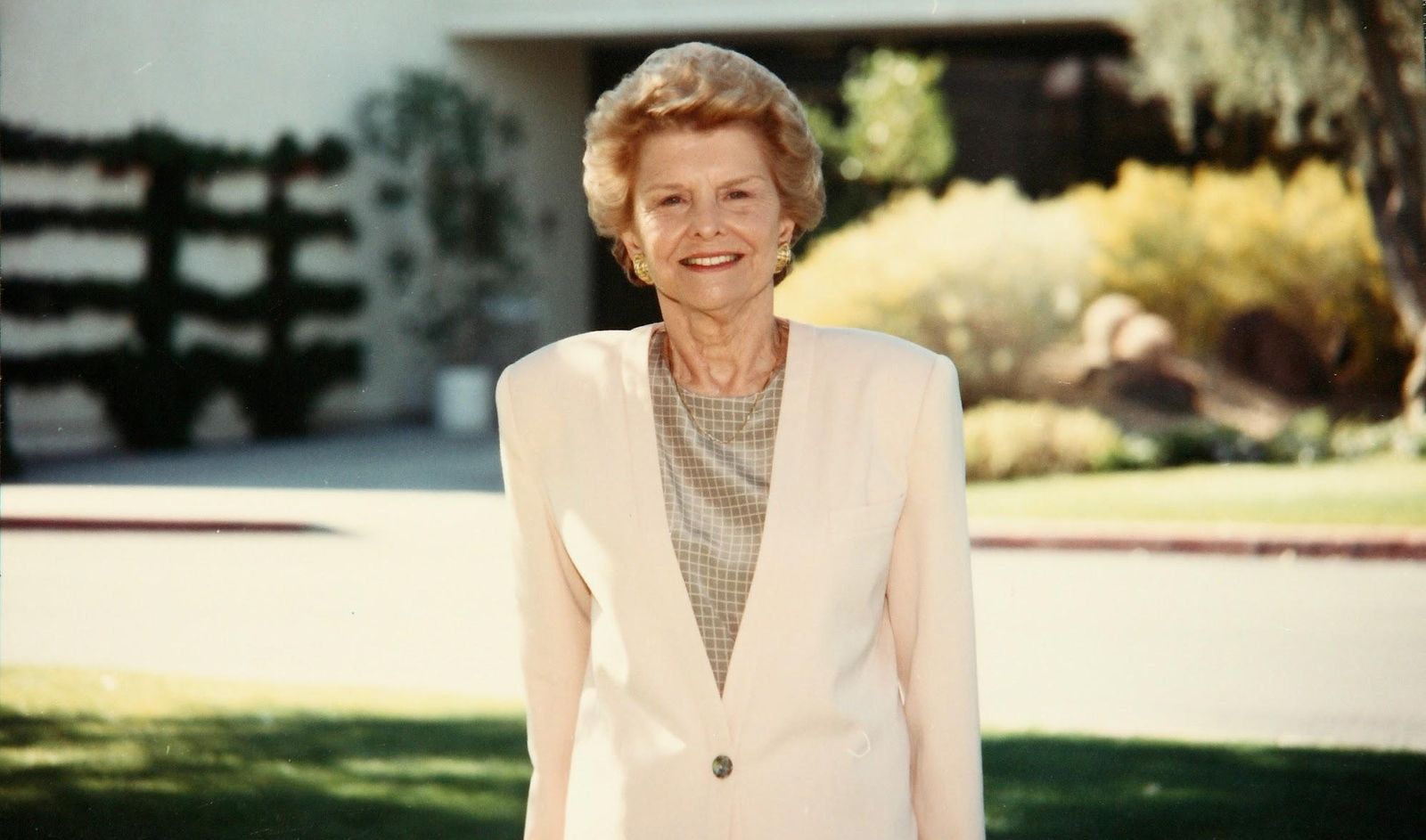
Betty Ford

Image: Image courtesy of Betty Ford Center, Attribution, via Wikimedia Commons

Elizabeth Anne "Betty" Ford assumed the role of Second Lady when her husband, Gerald Ford, served as Vice President to Richard Nixon (1973-1974), and she became the First Lady when Nixon resigned from the presidency in August 1974.

However unexpected her rise to the role was, Betty Ford is fondly remembered as one of the most courageous First Ladies of our country; she was not afraid to speak her mind and get involved in politics. During her time in the White House, she became known as a passionate defender of the Equal Rights Amendment, as well as a public spokesperson for breast cancer awareness.

Explore more American facts

Choose your favorite category!

General
General

As American as apple pie—the very best America has to offer!

Culture
Culture

Delve into the astounding richness of American lore.

Geography
Geography

Hop in and explore vast and diverse American landscapes.

History
History

Discover the key moments that shaped the United States.