History History 4 min read

Fur, feathers, and fame

The first pets: The surprising, funny, and furry side of history!
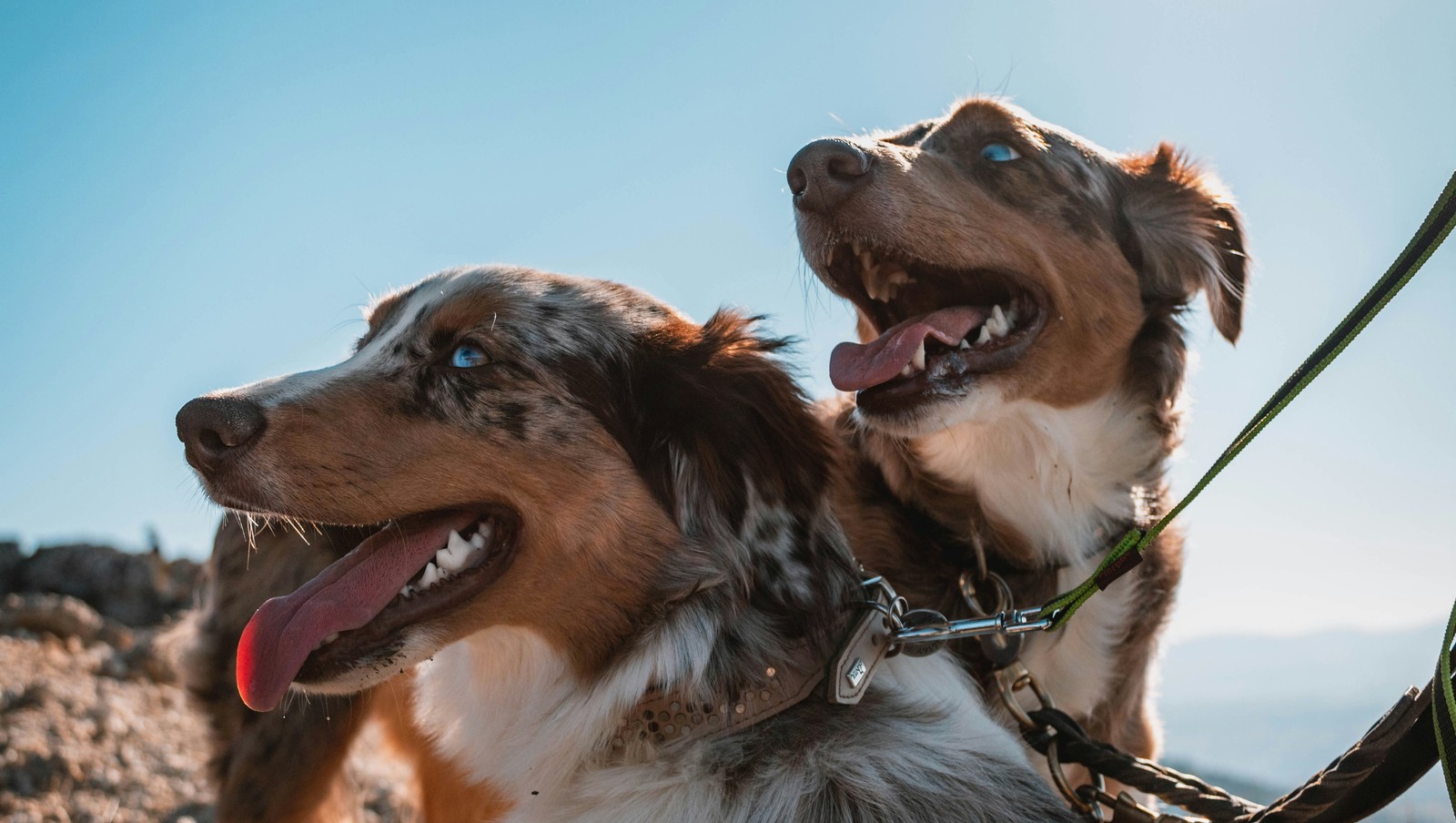
Image: Sara Kurfeß

Before social media and spin doctors, some of the most beloved figures in Washington had four legs or wings. From dogs to horses, rabbits, and even raccoons, presidents have shared the White House with a colorful parade of creatures. These pets weren’t just sidekicks; they were family, confidants, and sometimes even headline-makers.

1
George Washington’s hungry hound
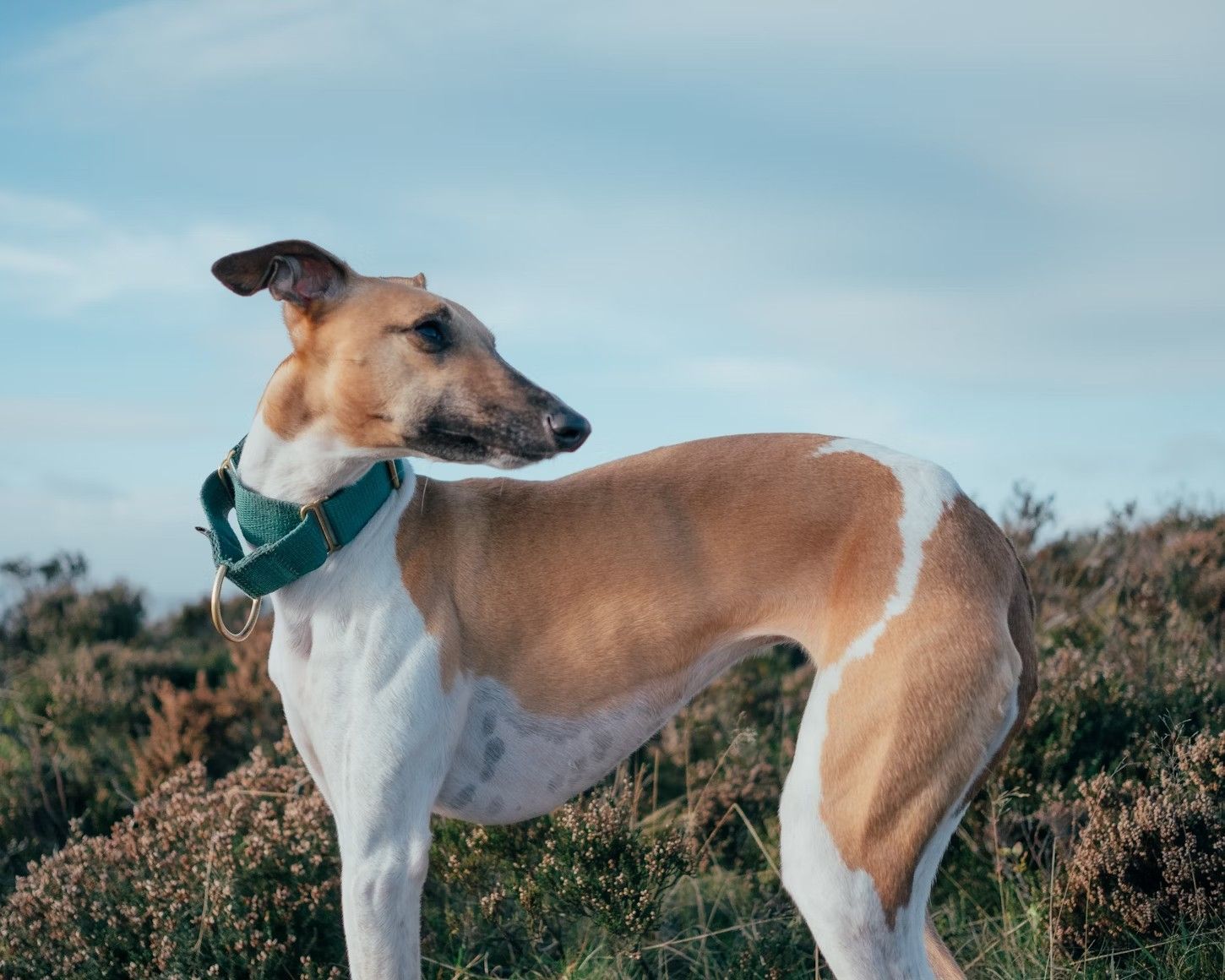
Image: Mitchell Orr

George Washington didn’t just lead a new nation; he also led a lively pack of dogs . His favorite, Vulcan, became a bit of a legend after sneaking into the kitchen and stealing a ham right before a fancy dinner party. Washington’s home was full of animals, from hounds with names like Sweet Lips and Madam Moose to strong horses such as Nelson and Blueskin, who carried him through the Revolution. The father of our country clearly had a soft spot for man’s best friend.

2
Thomas Jefferson’s exotic companions
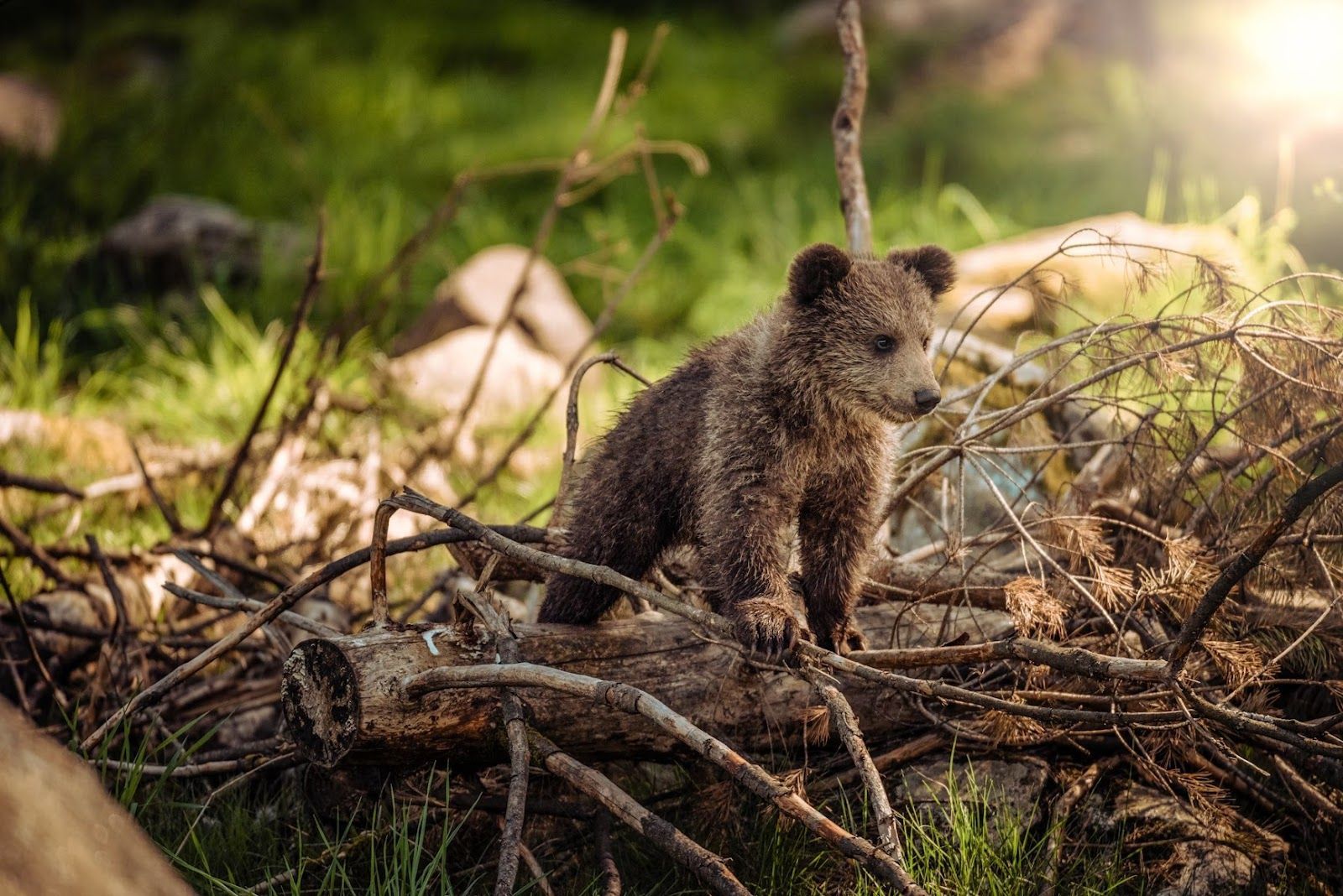
Image: 🇸🇮 Janko Ferlič

When Thomas Jefferson returned from France, he brought back more than political ideas. He also brought home a dog named Bergere, who had puppies during the voyage. Later, explorers Lewis and Clark sent him two bear cubs that lived for a time at Monticello. Jefferson also kept birds, which showed a curious and gentle side to the man remembered for serious debates and historic documents.

3
Abraham Lincoln’s family menagerie
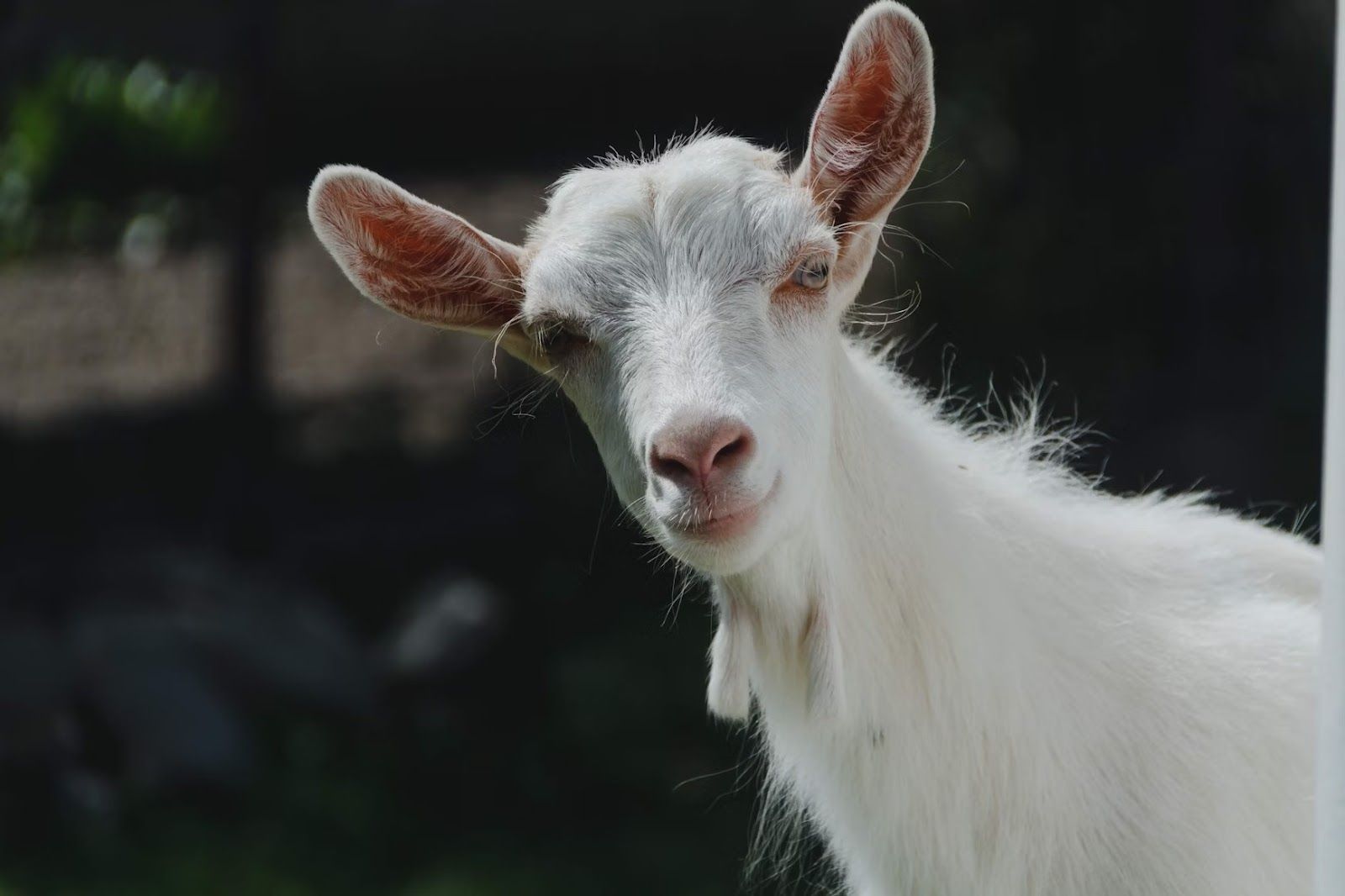
Image: Sergiu Vălenaș

Abraham Lincoln’s household was full of affection, laughter, and animals. His loyal dog, Fido, stayed behind in Springfield when the family moved to Washington, but Lincoln made sure he was cared for. The White House soon filled up with two playful goats named Nanny and Nanko , horses, cats named Tabby and Dixie, and even a few rabbits. Lincoln’s kindness toward animals mirrored his compassion for people.

4
Theodore Roosevelt’s White House zoo
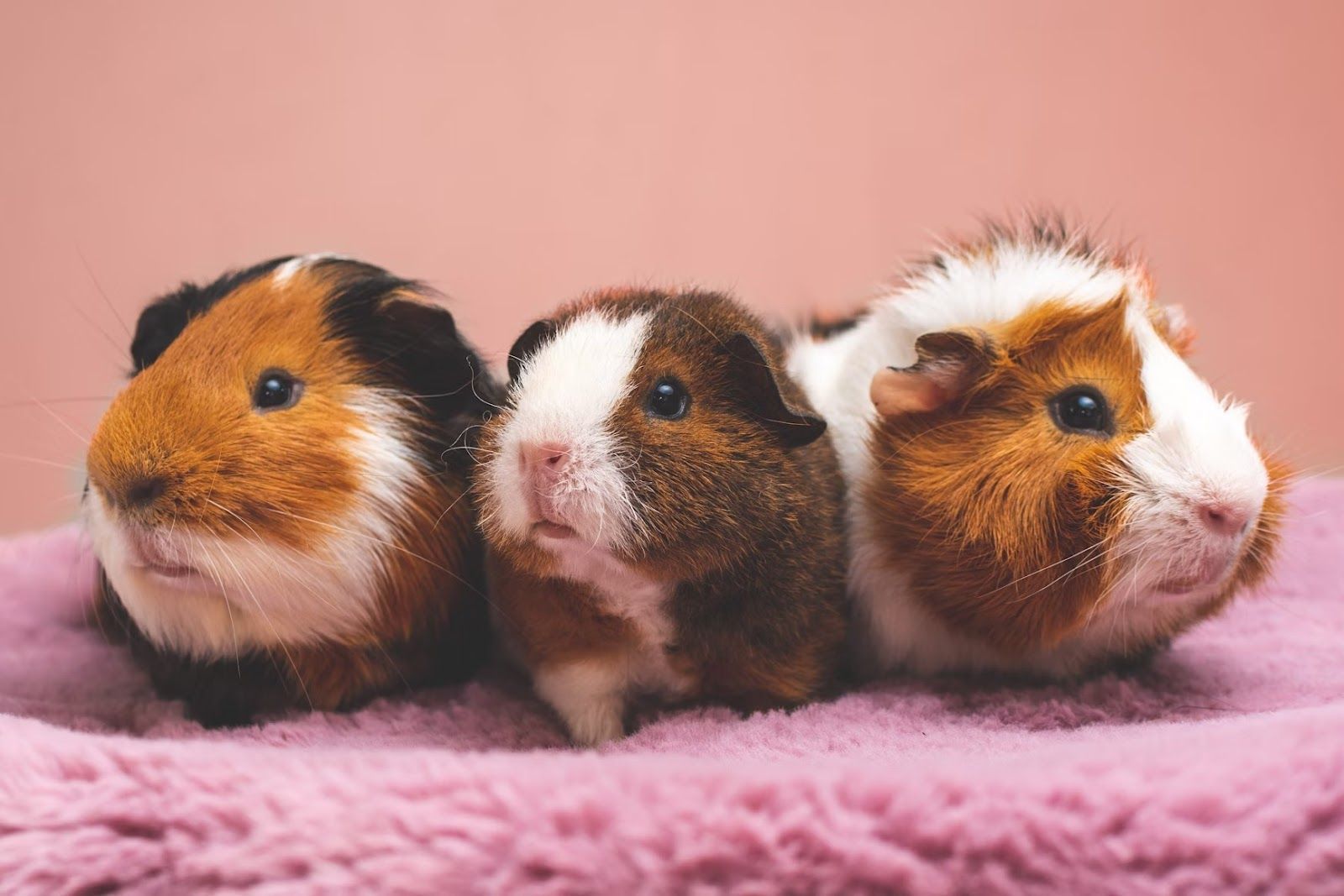
Image: Jaroslaw Slodkiewicz

Theodore Roosevelt didn’t just bring energy to politics; he brought it to pet ownership too. His home was a whirlwind of fur, feathers, and scales. Alongside horses and dogs, there were guinea pigs, a macaw, a badger, a snake named Emily Spinach, and even a bear called Jonathan Edwards. Roosevelt’s six kids were always introducing new creatures, turning the White House into a joyful, unpredictable zoo.

5
Woodrow Wilson’s tobacco-chewing ram
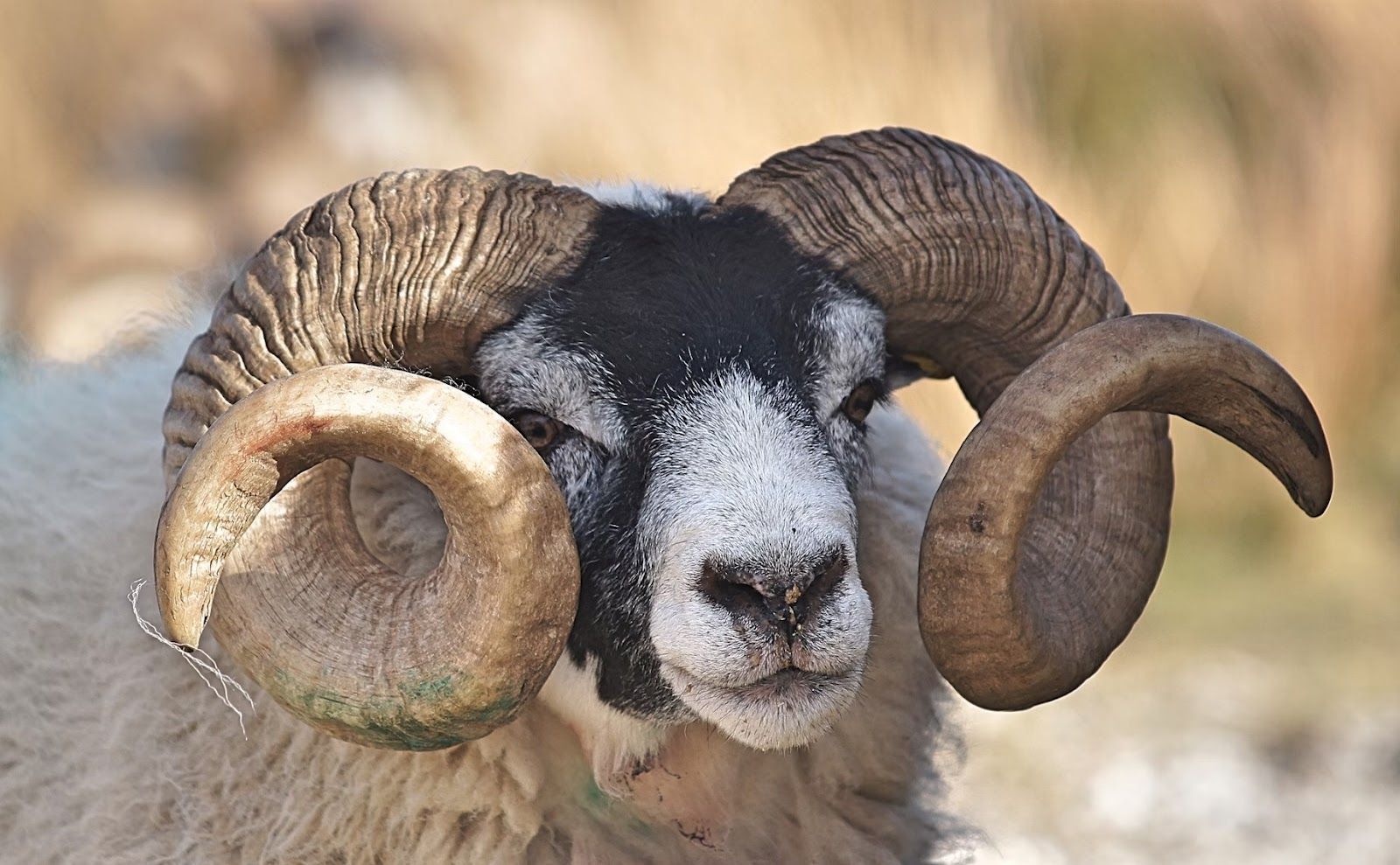
Image: Livin4wheel

Woodrow Wilson’s presidency wasn’t all about policy and world affairs. He also had a ram named Old Ike, who was known for chewing on cigars . Wilson kept a flock of sheep on the White House lawn during World War I to help raise money for the Red Cross by selling their wool. Along with dogs, birds, and a cat named Puffins, the Wilson White House looked more like a small farm than a seat of government.

6
Calvin Coolidge’s cheerful chaos
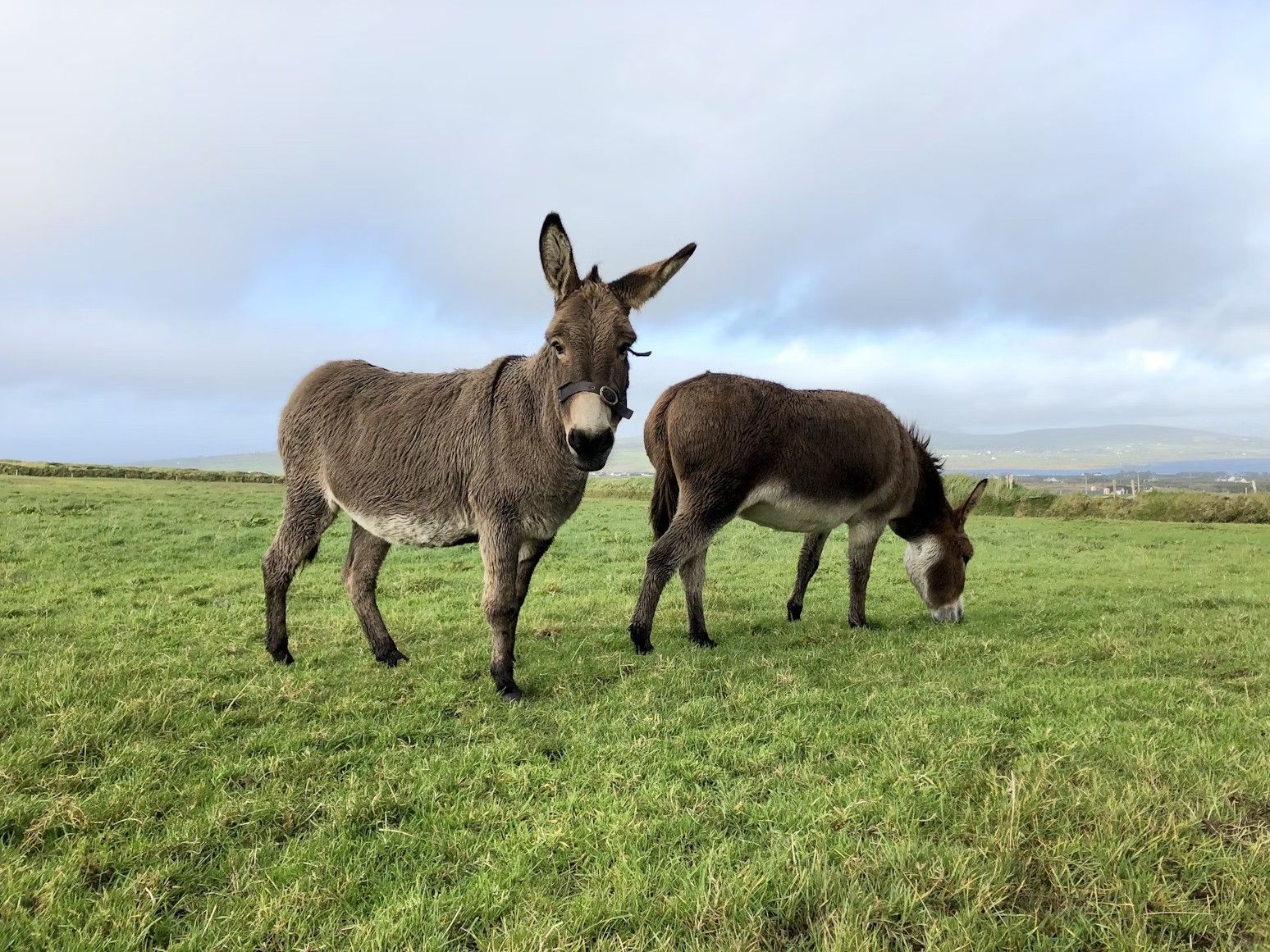
Image: Christian Hess Araya

If anyone rivaled Roosevelt’s menagerie, it was Calvin Coolidge. He and his wife, Grace, were devoted animal lovers. Their White House included twelve dogs, two cats, seven birds, a donkey named Ebenezer, two raccoons called Reuben and Rebecca, and even a bobcat named Smoky. Rob Roy, their white collie, was so beloved that he appeared in Grace Coolidge’s official portrait. With so many paws and claws around, quiet moments were rare, but laughter was constant.

7
Franklin D. Roosevelt’s loyal Fala
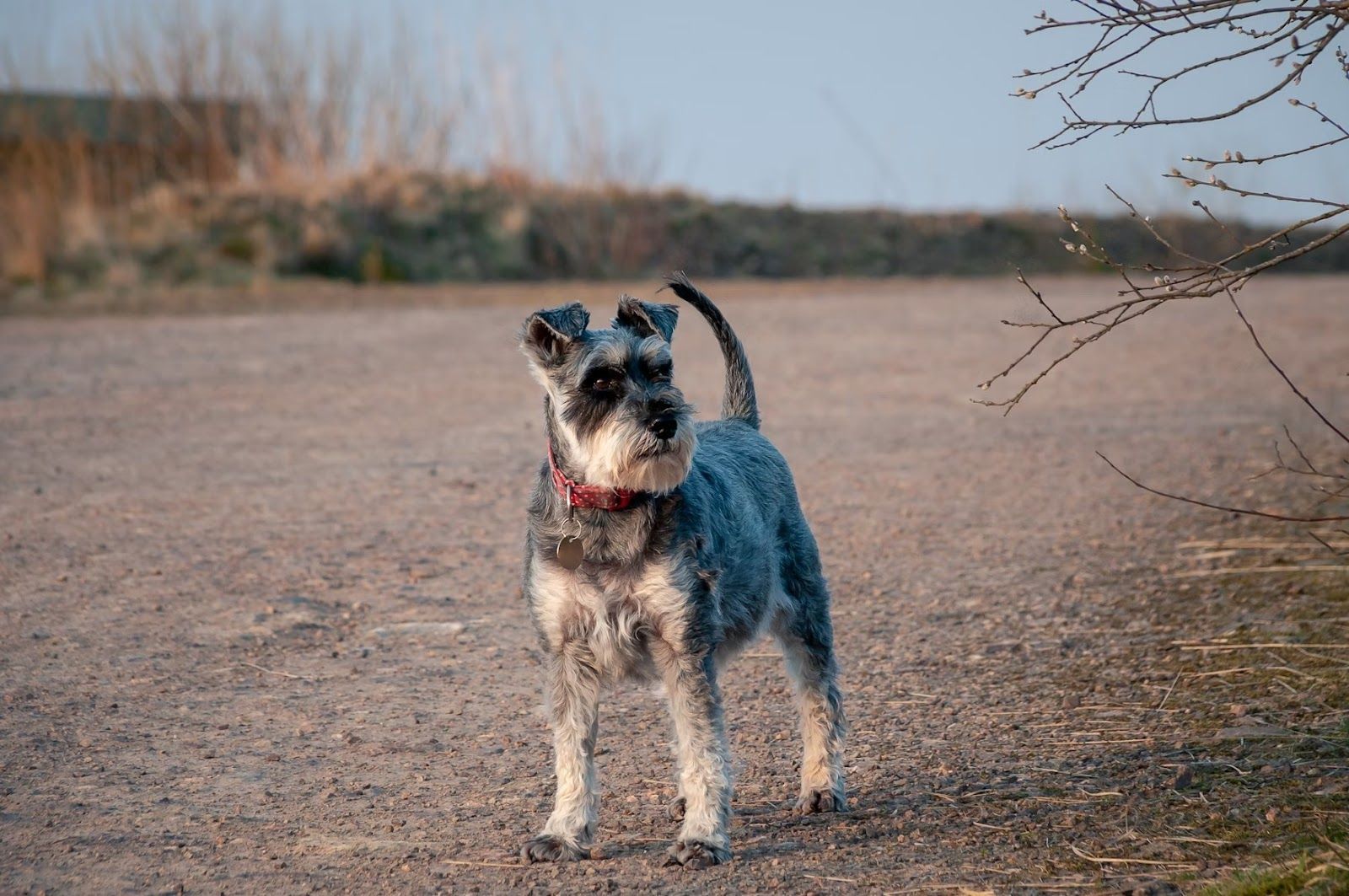
Image: Chris Arthur-Collins

Few pets have reached celebrity status quite like Franklin Roosevelt’s Scottish terrier, Fala . The little dog went everywhere with the president and even had his own fan club. When critics accused Roosevelt of forgetting Fala during a trip to Alaska, the president jokingly denied it in a speech that won over the crowd. Fala stayed faithfully by his side through good times and bad, a symbol of loyalty during some of the nation’s hardest years.

8
John F. Kennedy’s household of charm
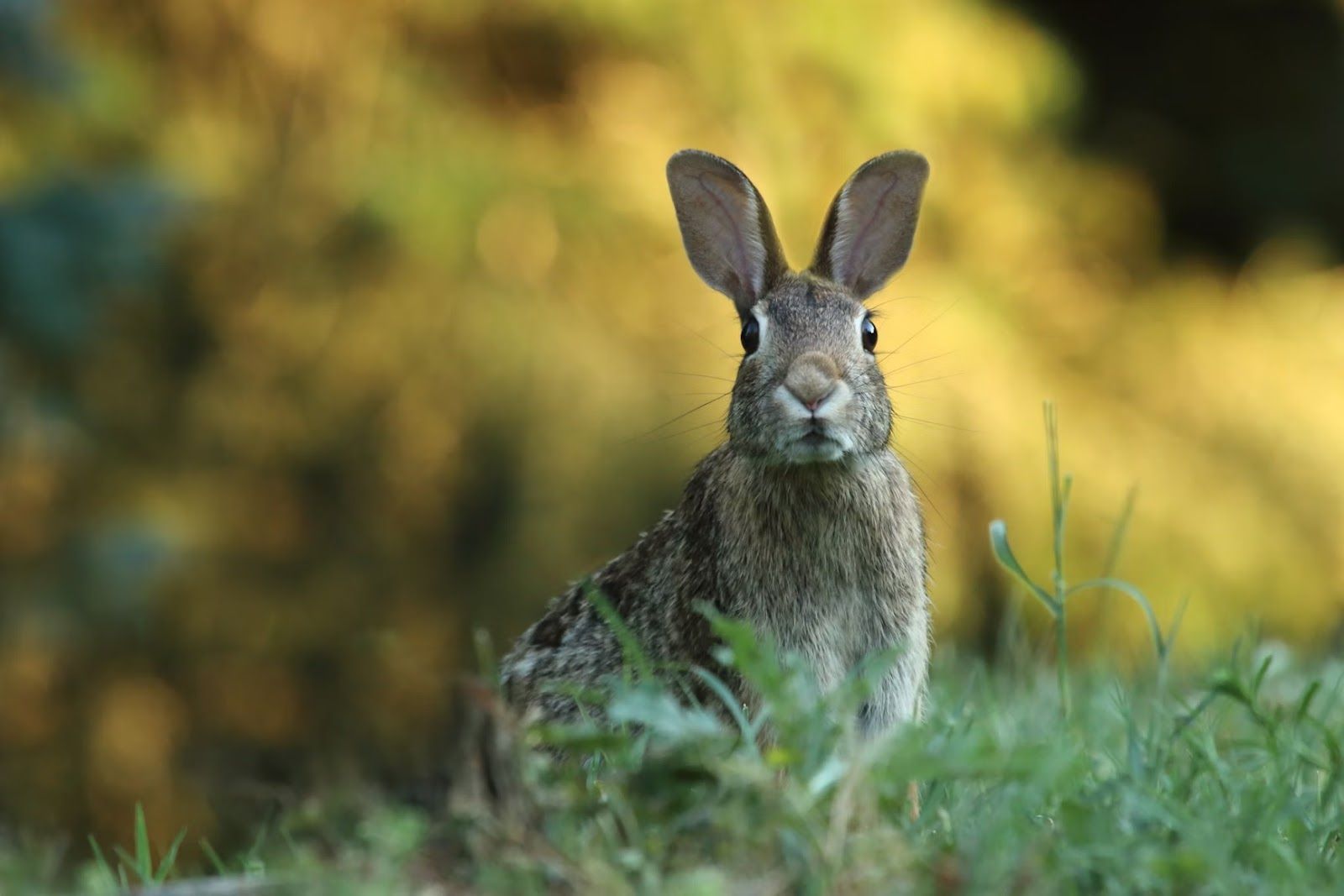
Image: Gary Bendig

The Kennedys filled the White House with laughter and animals. Their pets included Pushinka, a gift from Soviet leader Nikita Khrushchev, who had puppies with the family’s dog, Charlie. The Kennedys gave the puppies to children who wrote to them. They also had horses, cats, birds, hamsters, and even a rabbit named Zsa Zsa . Caroline’s pony, Macaroni, became a favorite of photographers and fans, perfectly matching the family’s youthful, warm image.

9
Lyndon B. Johnson’s famous beagles
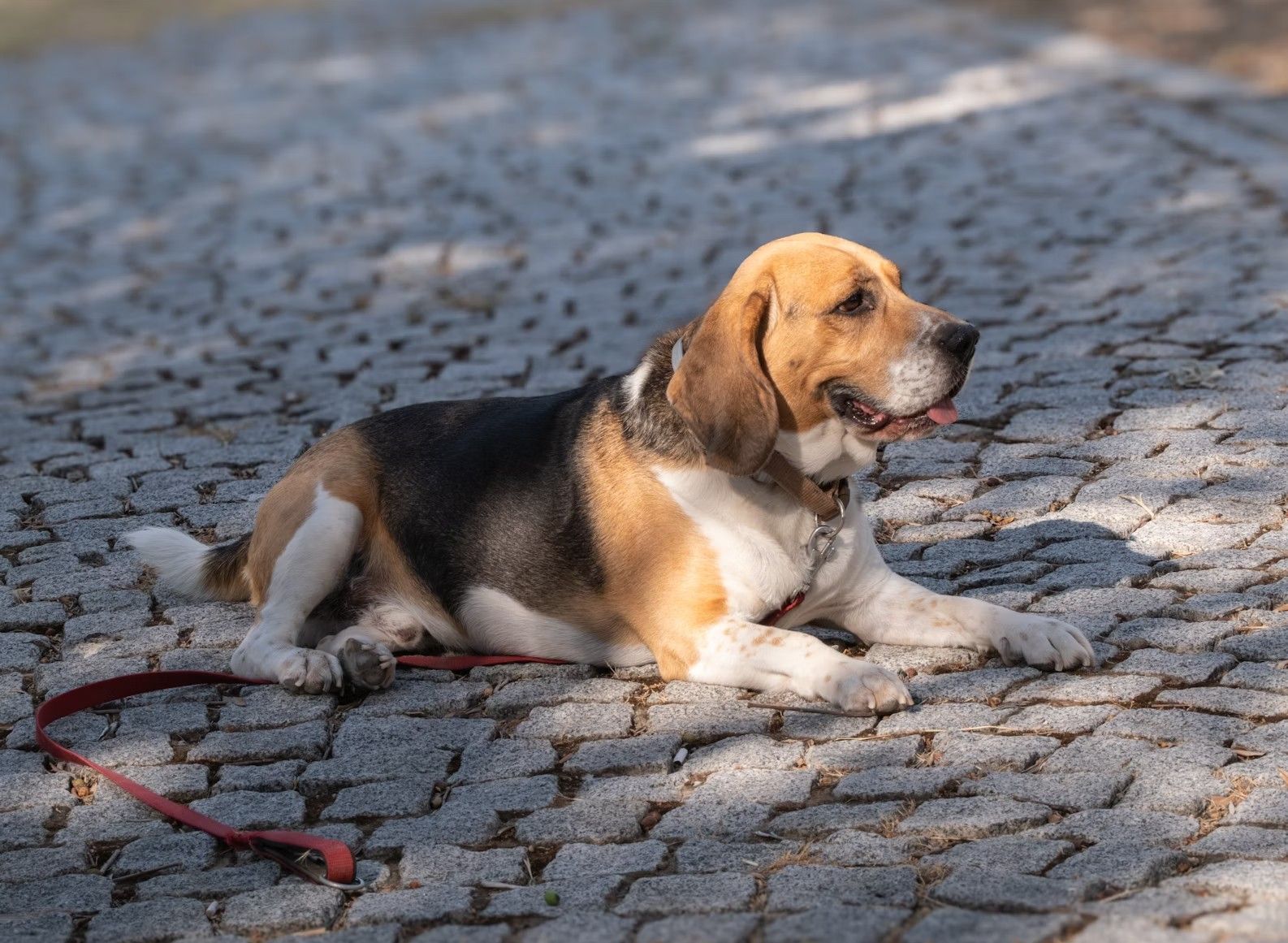
Image: Doğan Alpaslan DEMİR

Lyndon B. Johnson’s dogs, Him and Her, became almost as well known as their owner. Johnson once caused a stir by lifting one of them by the ears for a photo, but he truly loved his pets. He kept several dogs, along with birds and hamsters that entertained his family. Johnson was the last president to keep anything beyond the usual cats and dogs at the White House, marking the end of a particularly lively era for presidential pets.

10
Ronald Reagan’s ranch companions
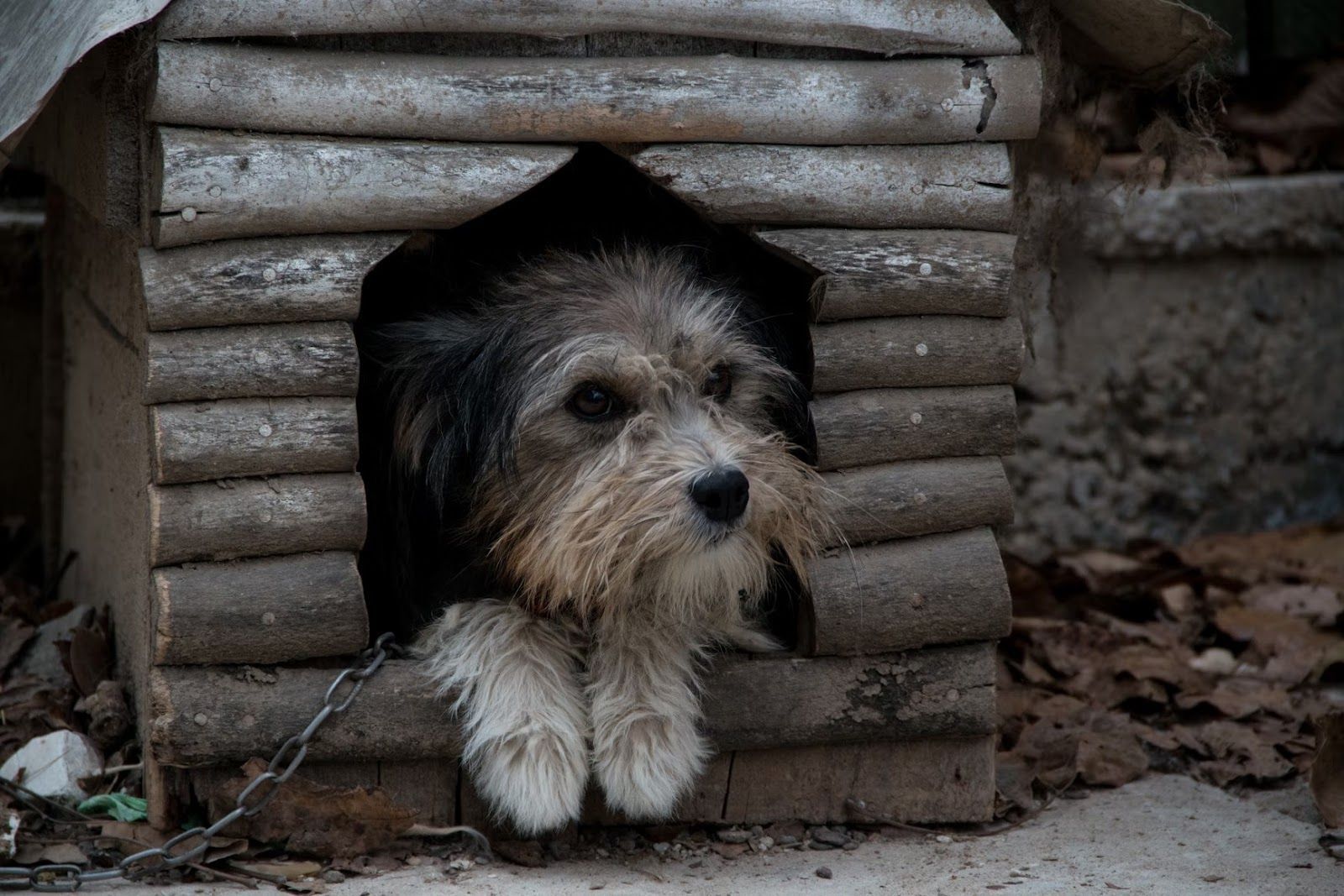
Image: Florin Palamarciuc

For Ronald Reagan, animals were part of the good life. His dogs, Lucky and Rex, often joined him at the family ranch, where he could ride horses and enjoy the open air away from Washington. Rex even had his own miniature White House doghouse . The Reagans saw their pets as family and often talked about how much joy they brought to their lives, proof that even presidents need a wagging tail to make a house feel like home.

History History 5 min read

Leading the way

Can you guess who was the first US president to visit the 50 states?

Image: Mohan Nannapaneni

We all know that George Washington was the very first President of the United States. But throughout history, many other US presidents have achieved memorable "firsts." Who was the first Chief Executive to inhabit the White House? Who was the first to make a phone call from there? And who was the first Commander-in-Chief to appear on TV? If you want to know the answers to these and other exciting questions, don't miss this article on 10 iconic presidential "firsts"!

1
First president to live in the White House

Image: Raymond M.E. Aguirre

In 1790, President George Washington signed an act of Congress declaring that the government would reside in a district "not exceeding ten miles square […] on the river Potomac." Today, we all know what stands at 1600 Pennsylvania Avenue NW in Washington, DC. That's right! We're talking about the White House, an enduring symbol of the US presidency.

But it hasn't always been that way. The construction of the White House began in 1792 and only had its first resident 8 years later. He was President John Adams, who moved into the Executive Mansion with his wife Abigail in 1800.

2
First president with telephone in Office

Image: Carlos Eduardo

Nowadays, many of us can’t imagine getting anywhere without our cell phones. But in the 19th century, things were entirely different.

The landline telephone arrived at 1600 Pennsylvania Avenue in the late 1870s, during the presidency of Rutherford B. Hayes, shortly after Alexander Graham Bell had unveiled the communication device. It's said that President Hayes was interested in the technology and recognized its potential.

However, because the invention was so new, calls from the White House were rare. The first president to use the telephone frequently and regularly is considered to be William McKinley, who took office in 1897.

3
First president to serve two non-consecutive terms

Image: Josh Carter

Several men have had the honor of serving as president of the United States on more than one occasion, starting with none other than George Washington. Thomas Jefferson, James Madison, and others have served two consecutive terms.

But there was someone who, for the first time, served two non-consecutive terms as president: Grover Cleveland. That's right, Cleveland first took office in 1885 after defeating Republican candidate James G. Blaine in the election. In 1888, he lost the presidency to Benjamin Harrison. However, in 1892, Cleveland won again, assuming his second mandate in 1893.

4
First president to win the Nobel Peace Prize

Image: Sunguk Kim

Winning a Nobel Peace Prize is not something that happens every day, right? Fortunately, four US presidents have achieved this remarkable recognition.

The first was Theodore Roosevelt, who received the Nobel Peace Prize in 1906 for his role in negotiating the end of the Russo-Japanese War. The other three presidents who received the Nobel were Woodrow Wilson, Jimmy Carter (who was awarded the prize after leaving office), and Barack Obama.

5
First president born in the 20th century

Image: Florida Memory

The turn of the century is always a momentous and exciting event, and the first decades of the last century were quite... shall we say, "busy." The first president to serve during the 20th century was William McKinley, who was already in office at the turn of the century. But here’s a different question: who was the first future president born in the 20th century?

We're referring to none other than John F. Kennedy, who was born on May 29, 1917, in Brookline, Massachusetts. At the age of 29, he won a seat in the House of Representatives, and six years later, he secured a position in the Senate.

Finally, in 1961, JFK was inaugurated as the 35th president of the United States.

6
First president to light the National Christmas Tree

Image: Gaby Dyson

The lighting of the National Christmas Tree by the president of the country has become a cherished tradition that beautifully reflects the American Christmas spirit.

This tradition began on December 24, 1923, when President Calvin Coolidge became the first to light the National Christmas Tree located at the Ellipse near the White House. The imposing tree stood 48 feet tall and was decorated with over 2,500 electric lights. Beautiful!

Fortunately, the presidents who followed Coolidge have continued this delightful Christmas custom, keeping the tradition alive for generations to enjoy.

7
First president on TV

Image: Yle Archives

In the 1930s, it wasn't common to see the president's face on TV. In fact, before 1939, no president had ever appeared on television while in office.

The first American president on TV was Franklin D. Roosevelt, who made his television debut on April 30, 1939, at the New York World's Fair. Although this might not seem so revolutionary today, at the time, it marked a turning point in political communication and how leaders connected with citizens. His speech is remembered for addressing important issues, such as the future of the nation and the world.

8
First president on color TV

Image: Aleks Dorohovich

Yes, Franklin D. Roosevelt was the first US president to appear on TV, but Dwight D. Eisenhower was the first sitting US president who was lucky enough to appear on color television!

This detail, which seems trivial today, was a radical change at the time. When color TV arose, everything people watched on their living room screens began to better reflect the reality outside. Eisenhower made his color TV debut during the 1950s , delivering a speech as part of his re-election campaign—a moment that symbolized the merging of politics and modern technology.

9
First president to visit all 50 states

Image: David Lusvardi

We know that the United States of America is a big country. In fact, we're one of the largest countries in the world in terms of territory. For this reason, it can be a challenge to get to visit all 50 states that make up our nation in a short period of time. However, one president managed to accomplish this feat for the first time.

The president who achieved this milestone was Richard Nixon, the 37th president (1969-1974), when he visited Maine on October 22, 1972, marking the completion of his goal.

It’s worth noting, in fairness to all previous presidents, that Hawaii and Alaska didn’t become states until 1959.

10
First president on the internet

Image: Anthony Massaro

Although the origins of the Internet can be traced back to the 1960s, it wasn’t until the late 1980s that it became a widely popular and accessible phenomenon.

In line with global technological advances, the White House decided to incorporate the use of the Internet during the presidency of Bill Clinton, who officially became the first president to use the Internet for work purposes while in office.

But that wasn't all! Clinton also hosted an event that seemed unimaginable before —he organized a live chat from the White House. With that, Clinton was establishing the first direct communication between a US president and the public through the Internet.

History History 3 min read

Got mail?

Did you know these 12 facts about the evolution of mail delivery?

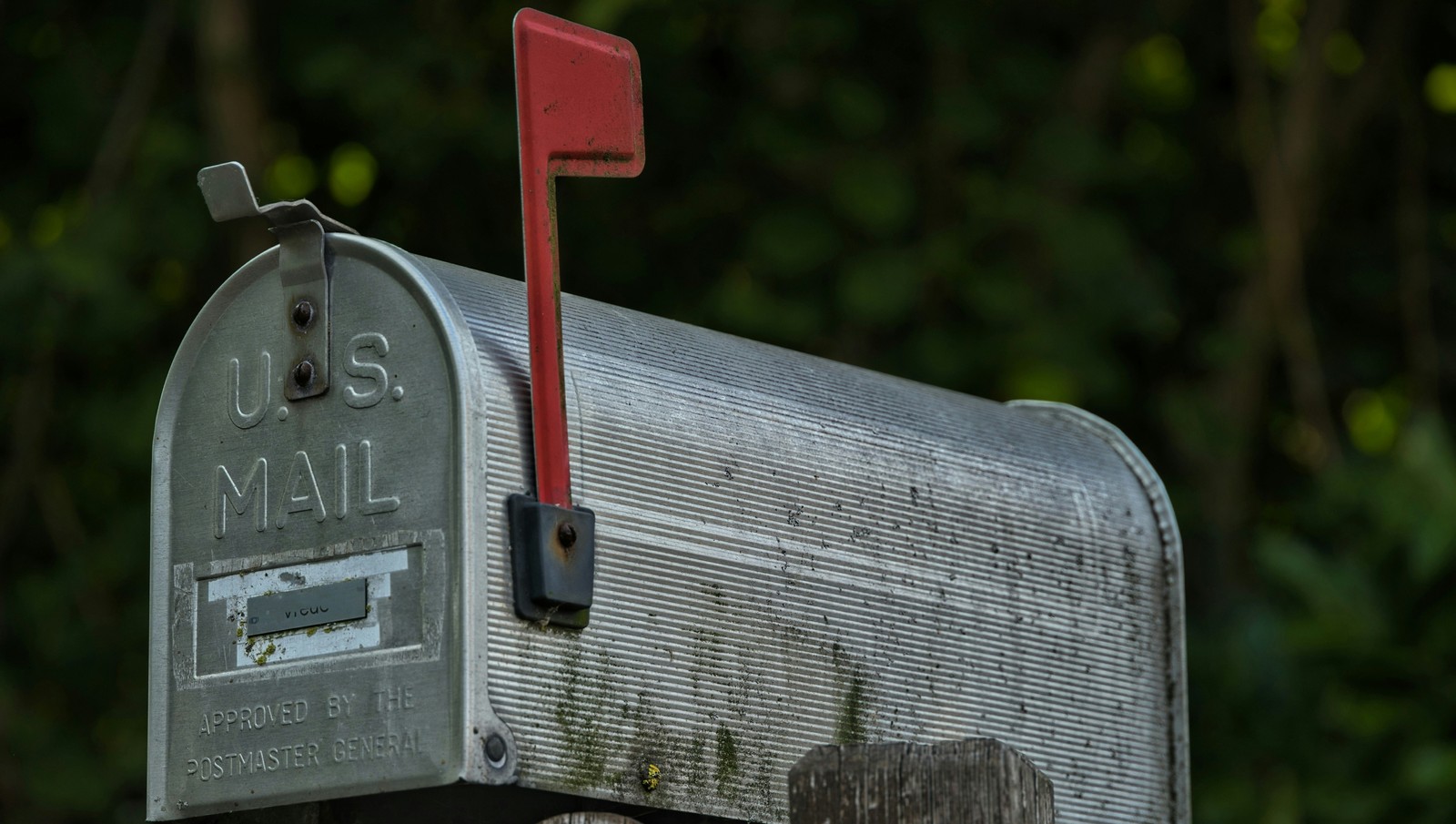
Image: Wolfgang Vrede

We take many things for granted, especially when they have been around forever. Their stability is reassuring and commanding. But everything has to start somewhere, and mail delivery certainly has had an interesting history in America. From humble tavern-based post offices to airplanes and ZIP codes, the postal service has a few stories to share. Did you know about these 12?

1
The first post office? A Boston tavern

Image: Mick Haupt

In 1639, the first organized mail service in British North America started at Richard Fairbank’s tavern . The owner collected and distributed mail brought by ship.

Although informal and modest by today’s standards, this post office laid the foundation for communal mail collection and delivery.

2
Enter Benjamin Franklin

Image: Brett Wharton

From 1753, Franklin served as joint Postmaster General for the colonies and undertook a sweeping reform: he organized delivery routes, aligned them with major roads and rivers, and cut the mail travel time between Philadelphia and New York to about 33 hours .

He also introduced the first rate chart, standardizing delivery costs based on weight and distance, turning what had been a scattered courier network into a more reliable, structured mail system.

3
National Postal System founded

Image: David Trinks

With the American Revolution underway, the Second Continental Congress established the first national postal agency in 1775 , appointing Benjamin Franklin as the first Postmaster General.

This new postal service initially handled mostly military and diplomatic correspondence, but the agency laid the groundwork for what would become a national communications service.

4
The Age of Steam: mail by steamboat

Image: mandylin

In 1813, Congress authorized the Postmaster General to contract steamboat companies to carry mail. Soon, steamboats were ferrying mail up and down the East Coast and the Mississippi River .

By 1848, mail even traveled to California via steamship and across the Isthmus of Panama, a three-week voyage.

5
Overland stagecoaches and the Butterfield Overland Mail

Image: Ricky BiggsSr

Between 1858 and 1861, the Butterfield Overland Mail stagecoach service carried U.S. mail across the western frontier, from eastern posts like Memphis and St. Louis to San Francisco .

This service helped connect the eastern U.S. with rapidly growing western settlements long before the completion of the transcontinental railroad.

6
Railroads enter the picture

Image: Jay Kettle-Williams

As railroads expanded, the postal service started to use this new technology: in 1832, the first mail deliveries by train were made.

Rail transport vastly improved speed and reliability compared to horse and stagecoach travel , and became a key advance as mail traffic increased and the nation expanded westward.

7
First U.S. postage stamps

Image: The New York Public Library

In 1847, the first official U.S. postage stamps were issued: a 5-cent stamp featuring none Ben Franklin and a 10-cent stamp featuring George Washington .

Prepaid stamps simplified payment and collection of postage, removing complications from pay-on-delivery systems and helping the postal system function more efficiently.

8
The Pony Express

Image: The New York Public Library

In 1860, the Pony Express started its overland mail route between Missouri and California, nearly 1800 miles of relay horseback riding . The mail took 10 days between endpoints.

Although short-lived (it ended in 1861), the Pony Express demonstrated the demand for rapid cross-country communication.

9
City-wide home delivery

Image: Lesli Whitecotton

In 1863, free city mail delivery began , allowing residents in major cities to receive letters directly at their homes rather than picking them up at a post office.

This represented a major shift: mail became a part of everyday domestic life, not just something dropped off and picked up by hand.

10
Pneumatic tube mail in NYC

Image: The New York Public Library

In 1897, a pneumatic-tube mail system began operation in New York City. Mail could travel underground at high speeds, from the General Post Office to other offices in Manhattan within minutes .

At its peak, the system carried thousands of letters daily: at one point, nearly 30% of New York City mail went through this immense underground network.

11
Parcel post service launches

Image: Olivier Rouge

On New Year’s Day 1913, the U.S. Post Office inaugurated the first official parcel post service , allowing packages, not just letters, to be sent through the mail.

The impact was immediate: within the first five days, millions of packets passed through post offices, fueling mail-order business and expanding commerce everywhere.

12
First airmail route

Image: Qihao Wang

In 1918, the postal service launched the first regularly scheduled air mail route between Washington, D.C., and New York , marking the beginning of mail carried by airplane.

Airplane mail allowed far faster coast-to-coast and long-distance communication, a major leap from sailboats, stagecoaches, or railroads.

Explore more American facts

Choose your favorite category!

General
General

As American as apple pie—the very best America has to offer!

Culture
Culture

Delve into the astounding richness of American lore.

Geography
Geography

Hop in and explore vast and diverse American landscapes.

History
History

Discover the key moments that shaped the United States.