General General 4 min read

Which one are you?

Beatniks, hippies, yuppies, and beyond: 10 subcultures decoded

Image: Cottonbro Studio

Unlike generations, which can be easily grouped by years, social labels attached to groups of people with similar interests are not as rigid. Their boundaries blur into each other, and intersections appear. Aesthetic reasons, like music and clothing, bind some of these groups, philosophical reasons bring together others, and some, like hipsters, don’t even recognize themselves as such. Do you recognize yourself as a member of one of the following subcultures?

1
Bohemians

Image: Kinga Howard

Bohemianism, an original subculture that ended up lending its name as an adjective often used to describe other subcultures, is a social and cultural movement that embraces a way of life away from society's conventional norms and expectations . The term comes from the French bohème , and it was used to describe mid-19th-century non-traditional lifestyles, especially those of artists, writers, journalists, musicians, and actors.

Today, the term is used to describe anyone who shows disdain for money, dresses in hippie fashion (more on this later), and appreciates everything art-related.

2
Greasers

Image: Alberto Bigoni

Think John Travolta in _Grease_—yes, Grease . Think Biff Tannen in the 1950s segment of Back to the Future . Greasers emerged in the 1950s and early 1960s from predominantly working-class and lower-class teenagers and young adults in the United States and Canada.

An interest in cars, motorcycles, leather jackets, jeans, and rock music was the common theme among greasers. According to some sources, the subculture’s name was applied to its members partly because of their characteristic greased-back hair.

3
Beatniks

Image: Clem Onojeghuo

The first subculture on this list to adopt the adjective "bohemian," beatniks were a mid-20th-century social movement that embraced an anti-materialistic lifestyle, rejecting consumerism and expressing themselves through art, spirituality, drugs, and sexuality.

The term "beat" was first used by Jack Kerouac in 1948 to describe his group of friends and fellow writers, including Allen Ginsberg, William S. Burroughs, and Neal Cassady. Kerouac said that "beat" had multiple meanings, such as "beaten down," "beatific," "beat up," and "beat out." Beatniks are often stereotyped as wearing black clothing, and speaking in hip slang that incorporates words like "cool," "dig," "groovy," and "square."

4
Hippies

Image: Trevar Skillicorn-Chilver

One of the most famous countercultures of all time, hippies are deeply associated with the 1960s. The term "hippie" originally came from "hipster" (more on this later) and was used to describe the aforementioned Beatniks, who were "hip" to all things sophisticated and fashionable. In fact, early hippies adopted much of the language and values of the Beat Generation.

The festivals of Human Be-In (1967), Monterey (1967), and Woodstock (1969) popularized hippie culture, with its fashion and values influencing culture, popular music, television, film, literature, and the arts. Since the 1960s, mainstream society has assimilated many aspects of Hippie culture.

5
Mods

Image: Michael Schofield

The Mods were a group of stylish, London-based young men and women in the late 1950s, named for their preference for modern jazz. This subculture was known for its distinctive fashion, including tailor-made suits, as well as its love for music and scooters.

By the mid-1960s, their musical tastes had shifted toward rock and blues, with bands like The Who and Small Faces gaining popularity among Mods. Mod fashion was a defining element of the "Swinging London" era, and during this time, the subculture spread to other countries, becoming emblematic of the larger youth culture of the period.

6
Punks

Image: Viktor Forgacs

Another popular subculture, thanks in no small part to its striking visual component, is the punk movement, which encompasses music, fashion, ideologies, dance, film, and visual arts, among other forms of expression. Its strong anti-establishment views, stances on individual freedom, and DIY ethic make punks easy to identify.

Punk fashion includes T-shirts, leather jackets, boots, distinctive hairstyles such as brightly colored hair and spiked mohawks, as well as cosmetics, tattoos, jewelry, and even body modification.

7
Yuppies

Image: Nick Fewings

Anyone who has seen the movies Wall Street (the one with Charlie Sheen and Michael Douglas) or American Psycho knows what a yuppie is. The term stands for "young urban professional" and was coined in the early 1980s as a way to describe young professionals living in a city.

Those labeled as yuppies generally dislike the association, because this characterization often suggests a very materialistic approach to life in general and a cutthroat attitude towards the workplace environment.

8
Skaters

Image: Parker Gibbons

An offshoot of the punk subculture, skater culture rose to prominence in the 1980s when a massive drought in California left numerous empty pools, which skaters used to practice their sport. The rise of magazines like Thrasher and stars like Tony Hawk helped the movement transition from an underground scene to a mainstream sport.

Its aesthetics centered around the preferred type of clothes for skateboarding: baggy and sturdy pants, sneakers, and oversized shirts. Its music was shared by the punk and hardcore movements.

9
Straight Edge

Image: Evgeniy Smersh

Going deeper down the rabbit hole, we encounter the Straight Edge subculture, an offshoot of both skater and hardcore punk cultures. Its followers reject the excesses of the punk scene by abstaining from alcohol, tobacco, and recreational drugs . Many also refrain from casual sex, follow a vegetarian or vegan diet, and avoid caffeine or prescription drugs. The name "Straight Edge" was inspired by the 1981 song "Straight Edge" by the hardcore punk band Minor Threat.

Overall, Straight Edge culture promotes a lifestyle of self-discipline, health, and community, and it continues to evolve while maintaining its roots in the hardcore punk scene.

10
Hipsters

Image: John Fornander

The final entry on the list is dedicated to the most modern subculture in it: the hipsters. Mostly associated with perceived upper-middle-class white young adults who gentrify urban areas , hipster culture has been critiqued for lacking authenticity and focusing on consumption.

As mentioned earlier, members of this subculture typically do not self-identify as hipsters, as the term’s connotations are often unflattering. It is no coincidence that the term evokes the previously mentioned Beatniks, as that subculture can be seen as an early precursor to hipster culture.
General General 4 min read

Icons of the 80s

Rediscover the top 10 trends from the 80s that should make a comeback!

Image: Cottonbro Studio

The 1980s were marked by ambition, progress, and reinvention. It was a decade that vibrated with the chimes of the New York Stock Exchange, the rise of cable TV, and the sound of personal computer keyboards. Fashion, of course, was not far behind: leg warmers, shoulder pads, and big hair were all the rage. In this article, we are covering ten years in which technological advances, finance, and pop culture reigned supreme in America. Ready for a flashback?

1
Bright colors

Image: Yaritza

In the 80s, neon was absolutely everywhere, and let’s be honest, it was very hard to miss. Found in clothes, accessories, makeup, signs, and posters, blindingly bright colors became a new style statement. From hot pink to acid green, neon yellow to electric blue, this color palette could be found in pop culture, on the streets, and everywhere in between.

2
Bold fashion

Image: cottonbro studio

There's only one word to describe 80s fashion: bold . B old hair, bold accessories, bold colors, bold everything! Fashion during this decade was strongly influenced by pop music and new rock subgenres such as New Wave. For the first time, different styles began to mix, combining formal garments with rebellious accents —like pairing suits with sneakers, mind you. Whether it was shoulder pads, multicolored leg warmers, or those striking Miami Vice suits, fashion in the 80s was all about vibrancy and an aura of success.

3
Big hair, strong makeup

Image: Gustavo Cerati, Public domain, via Wikimedia Commons

In the 80s, crazy cuts and dramatic makeup became an everyday thing, a way of expressing one’s personality and style everywhere you went. From musicians like Madonna to leading ladies like Demi Moore or Julia Roberts, the stars led the way with their perms, pumped-up hair volume, tanned faces, and bright eyeshadows.

But let's not forget the guys! They also introduced the iconic mullet, popularized by celebrities like Rod Stewart, tennis player Andre Agassi, and Patrick Swayze, just to name a few.

4
Rise of yuppie culture

Image: MART PRODUCTION

In a nutshell, Yuppie culture was characterized by slicked-back hair, V-neck sweaters, and a condescending attitude. The term yuppie , an acronym for "young urban professional," emerged in 1980 in an article in Chicago magazine. It described a young person in their 20s or 30s who was part of the middle to upper class, a socioeconomic group that became the forefront of the decade.

From the beginning, this label sparked divided opinions: For some, it represented ambition and success; for others, it symbolized superficiality, an excessive materialism, and an apparent superiority complex. Accurate or not, the trend eventually faded away after the 1987 Wall Street Crash.

5
Toys on TV

Image: cottonbro studio

The 1980s were marked by spending Saturday mornings watching ads on cartoon commercial breaks. How did this happen? From this decade onwards, companies were finally allowed to market directly to kids. The result was hundreds of all kinds of toy ads. They advertised everything from creative games like the Rubik's Cube or Lego to cute and cuddly toys like Care Bears and My Little Pony. This era also saw the beginnings of the must-have toy trend, with Cabbage Patch dolls leading the pack.

6
Music on the go

Image: cottonbro studio

During the 80s, it was common to see people walking down the street with a Walkman on their hips or a boombox to their ears. Although the boombox gained popularity in the 70s, it became mainstream in the 80s thanks to hip-hop and breakdancing culture. Yet, the Walkman would soon steal its thunder. This revolutionary new audio player allowed people to bring their music with them anywhere without bothering everyone around. And that’s also how mixtapes became a thing!

7
Personal computers

Image: Tomas Martinez

The 80s were a prominent decade for electronics development. In 1981, IBM introduced its first personal computer, and everyday life and work would never be the same again. More affordable computers were created thanks to the introduction of powerful, smaller, and cheaper processors, reaching a wider audience and creating greater demand. Models such as the IBM PC, the Commodore 64, and the Apple Macintosh became household names, paving the way for the era of domestic computing.

8
Rise of video games

Image: cottonbro studio

Thanks to technological advances in graphics and gameplay over the decade, video games finally became undeniably popular. With the rise of arcade machines and home consoles, a series of iconic games managed to capture the attention of a wider audience, igniting a cultural phenomenon that would influence music, film, and television. Titles such as Super Mario Bros., The Legend of Zelda, Space Invaders, Pac-Man, and Donkey Kong became classics that defined an era.

9
Cable TV goes mainstream

Image: Coline Haslé

When cable TV hit the mainstream, it not only gave the big three American networks a run for their money, but it also allowed the world access to specialized shows that better suited their tastes. Whether your interest was sports, comedy, or music, cable had something for everyone.

CNN and HBO definitely changed television forever, but it was perhaps MTV that left the most indelible mark by offering greater insight into contemporary bands and musicians via live performances and music videos.

10
Fitness fever

Image: Ron Lach

The 1980s were the golden age of fitness, a trend that reflected society's growing interest in health and wellness. Exercise routines were not just a workout, but a cultural phenomenon that turned our living rooms into mini gyms.

Major clothing brands began designing exercise-specific apparel and accessories, such as leotards, crop tops, and headbands. Celebrities also capitalized on the fitness craze. Jane Fonda, for example, became a massive hit in 1982 with her iconic workout videos, some of the best-selling VHS of all time.

Geography Geography 5 min read

CROSS-COUNTRY ADVENTURES

Discover America: The 10 most scenic routes in the U.S.A.

Image: Sean McArthur

For those with a thirst for adventure, America's vast and diverse landscape offers some of the most breathtaking road trips in the world. From challenging mountain roads to exhilarating scenic highways, the open roads of the United States beckon both locals and tourists alike. Exploring our country can be one of the most rewarding experiences within reach, and you don’t need much—just a bit of courage (and a lot of gas!). Whether you're planning a weekend getaway, an epic cross-country journey, or just feeling curious, we've gathered in this article 10 of the most beautiful roads in the country.

1
Pacific Coast Highway

Image: Joe Pilié

The Pacific Coast Highway , officially known as California State Route 1, runs along the stunning California coastline. This iconic route stretches from Dana Point in Orange County to Leggett in Mendocino County, offering breathtaking views of the Pacific Ocean, rugged cliffs, and charming coastal towns.

Designated by the United States Department of Transportation as an All-American Road , the Pacific Coast Highway also serves as a vital artery for residents in the Greater Los Angeles Area and the San Francisco Bay Area. Unfortunately, the route is also known for its frequent coastal landslides, which often cause sections of the road to be closed or redirected inland, so if you are planning to take this route, be sure to check conditions and plan ahead.

2
Blue Ridge Parkway

Image: Angela Bartosh

For those who love bluish mountains and epic landscapes, this route is a must-visit. Winding through the Appalachian Mountains, the Blue Ridge Parkway connects Shenandoah National Park in Virginia to the Great Smoky Mountains National Park in North Carolina.

This 469-mile drive is renowned for its fall foliage, lush scenery, and panoramic vistas. Whether you plan to hike some of its many trails, explore historic sites, or simply enjoy the views from the comfort of your vehicle, the Blue Ridge Parkway offers a truly rewarding experience. Just be aware that the road is not maintained in winter, and certain sections and high passes may be closed from late fall through early spring.

3
Route 66

Image: Nikolai Justesen

Famously dubbed the "Mother Road" by Steinbeck in The Grapes of Wrath , Route 66 embarks on an epic cross-country journey from Chicago to Santa Monica, stretching a total of 2,448 miles. Immortalized in songs and media, this historic road has achieved legendary status, not only as one of the country’s most celebrated routes but also as a symbol of the United States around the world.

This iconic route takes you through picturesque small towns, vast deserts, and quintessential Americana. Though the original road was supplanted by the Interstate Highway System in 1985, much of the historic route has been preserved as a National Scenic Byway , now known as "Historic Route 66."

4
Great River Road

Image: Mitchell Kmetz

Following the course of the Mississippi River , the Great River Road stretches 2,340 miles through ten states, from Minnesota to Louisiana. The term "Great River Road," however, refers not only to the official network of roadways that follow the river's path but also to a broader region of historical and touristic significance.

Originally extending north into Canada, it once connected with the provinces of Ontario and Manitoba. Notable stops along the route include the Twin Cities, Mark Twain's hometown of Hannibal, Missouri, and the Delta Blues Museum in Clarksdale, Mississippi.

5
Going-to-the-Sun Road

Image: Tevin Trinh

Located in Montana's Glacier National Park, the Going-to-the-Sun Road is a 50-mile engineering marvel, with sections carved into steep rock faces. This alpine route traverses the Continental Divide through Logan Pass at an elevation of 6,646 feet, offering jaw-dropping views of glaciers, waterfalls, and wildlife.

The road is named after Going-to-the-Sun Mountain, which dominates the eastbound view beyond the high pass. According to a Native American legend, a deity called Sour Spirit descended from the sun to teach the Blackfeet tribe how to hunt, giving the mountain its name.

6
Overseas Highway

Image: Ilse Orsel

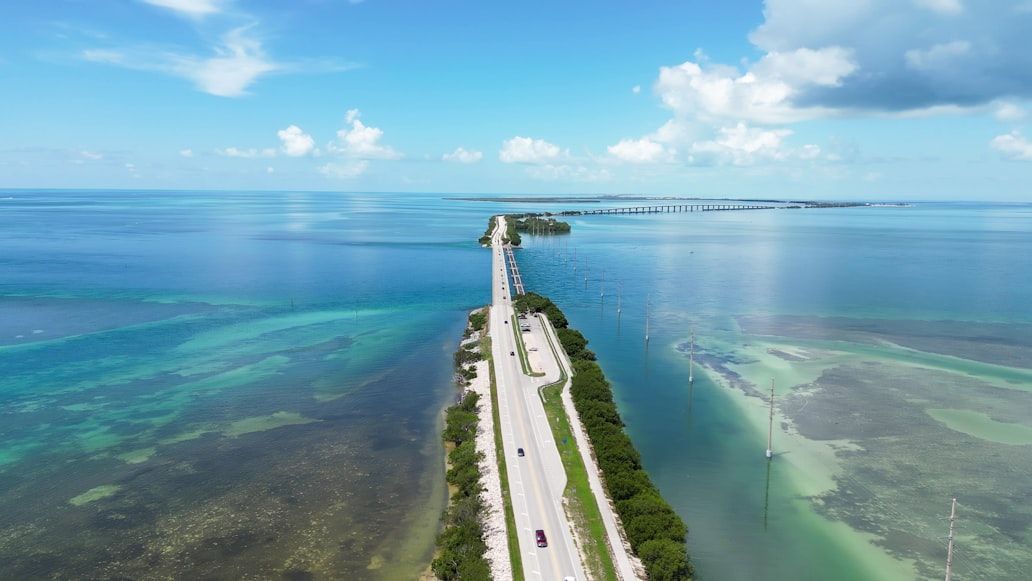
Connecting mainland Florida to Key West, the Overseas Highway is a 113-mile journey across a series of bridges and tropical islands. Much of the route was built on the remnants of the Overseas Railroad , which was severely damaged and partially destroyed by the 1935 Labor Day hurricane. In the 1950s, the Overseas Highway was revamped into a major coastal route linking Miami to Key West.

This exotic drive not only offers spectacular views of turquoise waters and coral reefs but also provides the opportunity to spot local wildlife such as American alligators, American crocodiles, and Key deer.

7
Tail of the Dragon

Image: Stephen Cook

Deals Gap , a thrilling mountain pass along the North Carolina–Tennessee state line, is famously known as the Tail of the Dragon due to its astonishing 318 curves in just 11 miles. This legendary stretch of U.S. Route 129 is a global favorite among motorcyclists and sports car enthusiasts, who often come to challenge their vehicles and driving skills on its winding curves.

As the road forms part of the southwestern boundary of the Great Smoky Mountains National Park , the 11-mile stretch remains free from urban development and features numerous scenic overlooks and pull-off points.

8
Hana Highway

Image: Claude Piché

Also known as The Road to Hana, the Hana Highway on Maui, Hawaii, is a 64.4-mile stretch of Hawaii Routes 36 and 360 that traverses through rainforests, cascading waterfalls, and seascapes. As it meanders across the island, the road features over 600 curves , leading to the charming town of Hana, one of the most isolated communities in the state.

Before you get too excited, though, be prepared for a journey that can take nearly three hours. Although the distance may seem short on paper, the highway's winding, narrow nature and its 59 one-lane bridges can significantly extend travel time.

9
Natchez Trace Parkway

Image: Mika Matin

Stretching 444 miles from Natchez, Mississippi, to Nashville, Tennessee, the Natchez Trace Parkway is a journey rich in history and natural beauty. This scenic drive follows the ancient Native American trail of the same name, even preserving sections of the original path.

This historical route offers peaceful landscapes and numerous recreational opportunities for visitors. Notable stops include archaeological treasures like Emerald Mound , several abandoned towns and historic settlements, and the Meriwether Lewis Monument and Grave Site.

10
U.S. Route 50

Image: Paddy Kumar

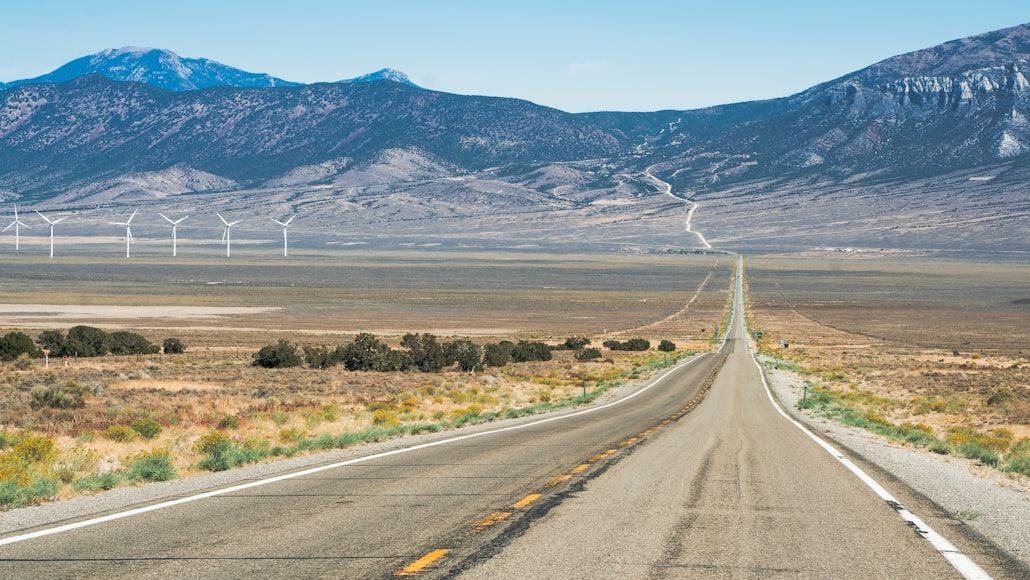
U.S. Route 50 is a major highway that spans the width of the United States, connecting Ocean City, Maryland, on the East Coast to Sacramento, California, on the West Coast. Stretching 3,073 miles, this route traverses diverse landscapes but is most renowned for its rural desert and mountainous scenery in the western United States.

Particularly notable is its Nevada segment, famously dubbed "The Loneliest Road in America" due to its sparse traffic and lengthy, isolated stretches. Established in 1926 as part of the original U.S. Highway system, US 50 initially extended from Wadsworth, Nevada, to Annapolis, Maryland. The original route incorporated several historic trails, including the Lincoln Highway, Midland Trail, and the National Old Trails Road.

Explore more American facts

Choose your favorite category!

General
General

As American as apple pie—the very best America has to offer!

Culture
Culture

Delve into the astounding richness of American lore.

Geography
Geography

Hop in and explore vast and diverse American landscapes.

History
History

Discover the key moments that shaped the United States.