History History 4 min read

Stories of fire

Facts you probably didn't know about the 1814 White House fire
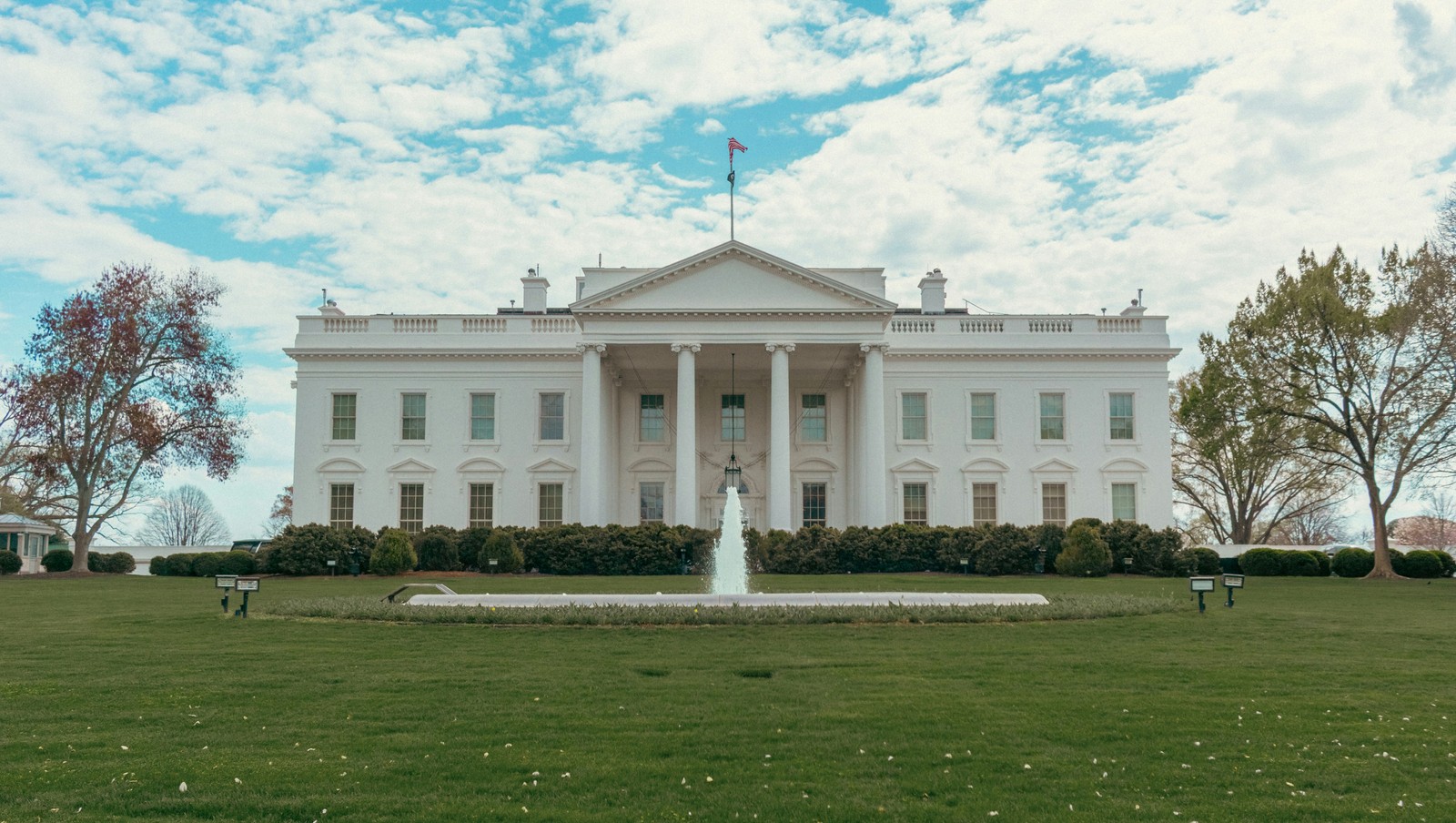
Image: Zihao Wang

How much do you know about the night the White House was set on fire ? Maybe you’re familiar with some basic details: that it took place during the War of 1812, or that some foundational documents were lost. But did you know that First Lady Dolley Madison rushed to save a George Washington portrait, or that the U.S. government temporarily relocated to a local tavern? Read on to explore some lesser-known facts about a perilous moment in American history.

1
It was the only foreign occupation of Washington
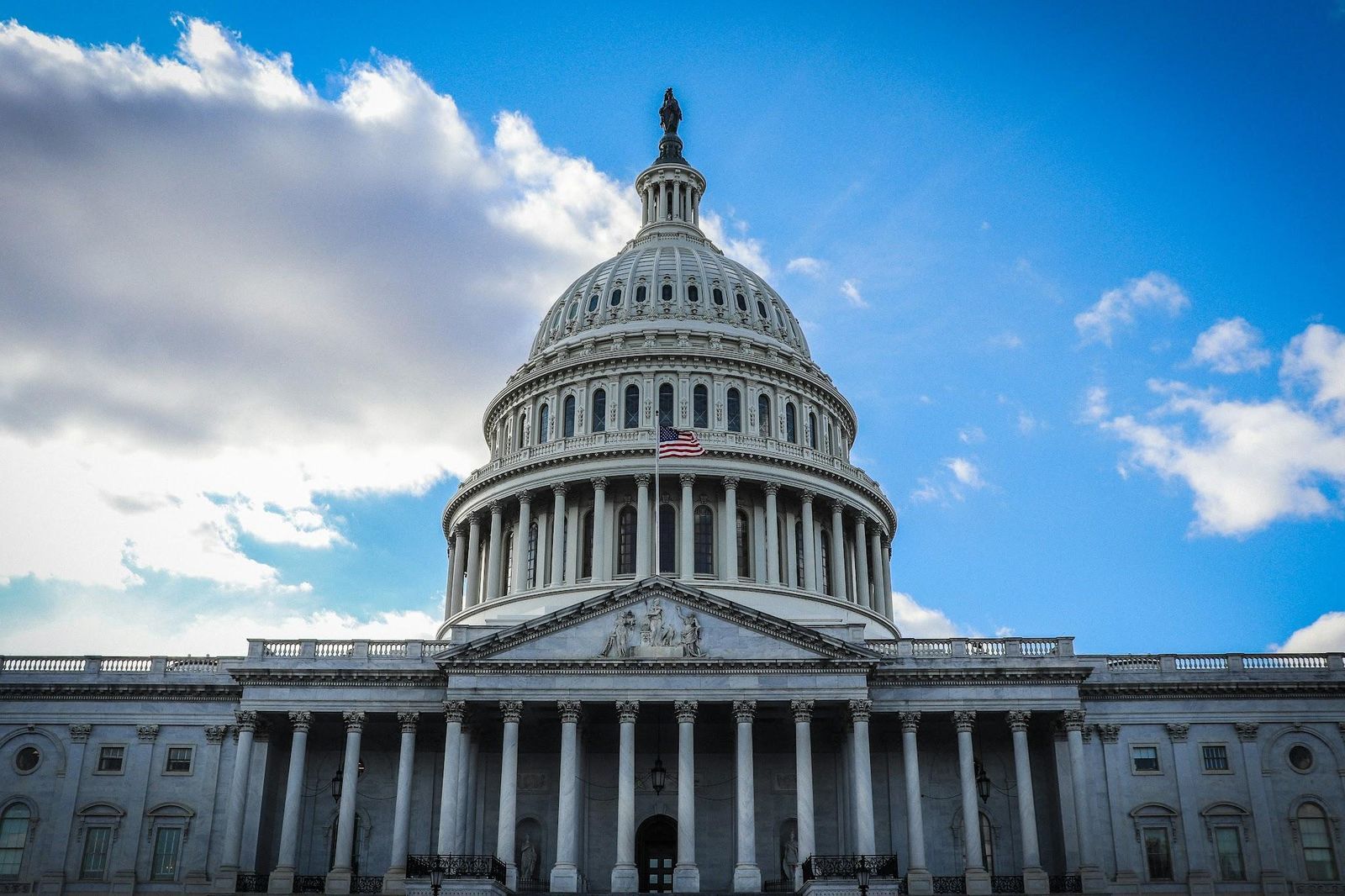
Image: PartTime Portraits

In August 1814, Washington, D.C. fell under British control during the War of 1812, marking the only time in history that a foreign army has captured the U.S. capital.

The British quickly descended upon and moved into the city, and for one tense night, the American government and its symbols (like the Capitol and the Presidential Mansion) were at the mercy of foreign soldiers.

2
Planned retaliation for American raids
Image: William Krause

The British attack was not random. The year before, American troops had burned York, the capital of Upper Canada (now Toronto), and destroyed homes in Port Dover.

Historians explain that, through this invasion, the British hoped to humiliate the United States on the world stage and force it to accept peace negotiations .

3
Who were the key British commanders?
Image: Maksim ŠiŠlo

The attack on Washington was carried out under the leadership of Major General Robert Ross and Rear Admiral George Cockburn. Ross commanded the land forces that marched directly into the city after defeating the Americans at Bladensburg.

Cockburn even posed for sketches in the Capitol’s chamber before ordering it set ablaze.

4
Iconic buildings were targeted and destroyed
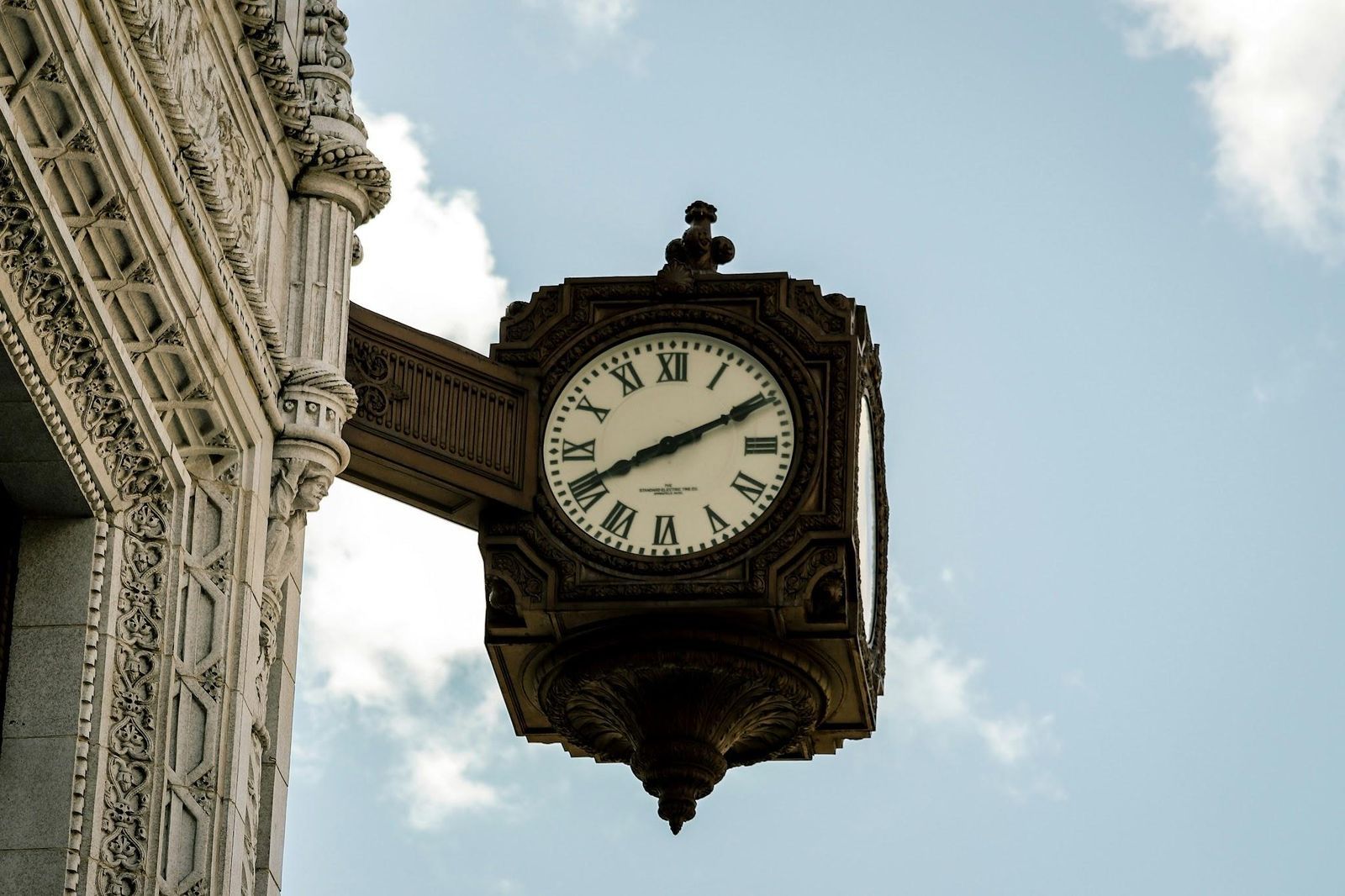
Image: Sonder Bridge Photography

Once inside Washington, the British struck at the heart of the nation’s institutions. The Capitol building , a symbol of American democracy, was set on fire, and its chambers, library, and even the Supreme Court room were consumed in flames.

The Presidential Mansion, which would later earn the name "White House" — then occupied by President James Madison — was also targeted. Other damaged key government buildings were the Treasury and the War Department.

5
The original Library of Congress was lost
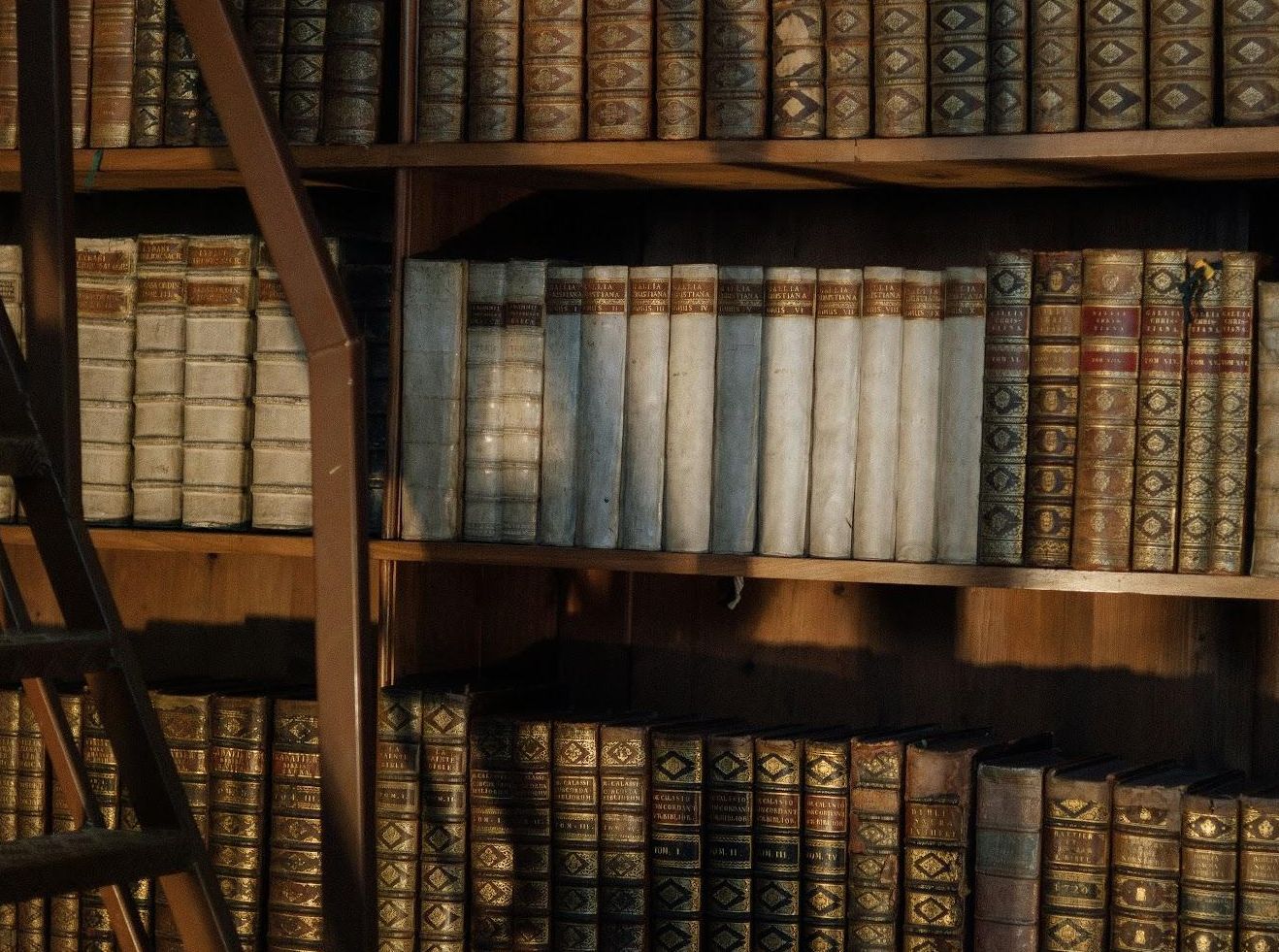
Image: Ciocan Ciprian

Among the greatest cultural losses was the destruction of the Library of Congress. Housed in the Capitol’s north wing, its collection contained about 3,000 volumes. Unlike today’s collection, which spans every human subject imaginable, this original library was mostly practical. It consisted of documents, like British common law records or international laws and treaties, carefully gathered to serve lawmakers.

In just a few hours, all of that had been reduced to ashes. The loss was so devastating that Congress later purchased Thomas Jefferson’s personal library (6,487 books) to rebuild the national collection. Jefferson was a true polymath; his collection included books on architecture, agriculture, chemistry, philosophy, and literature in multiple languages. This new foundation shifted the idea of what a national library should be.

6
A valuable ledger was stolen and later returned
Image: Mishaal Zahed

Not everything was destroyed in the fire; some items were simply stolen. Rear Admiral Cockburn seized a large financial ledger from the Treasury, reportedly amused by the idea of plundering the Americans’ accounting books.

He later gifted it to his brother in England, where it remained as a curious war trophy for more than a century. In 1940, the ledger was returned to the United States and today rests in the Library of Congress.

7
Dolley Madison performed a daring rescue
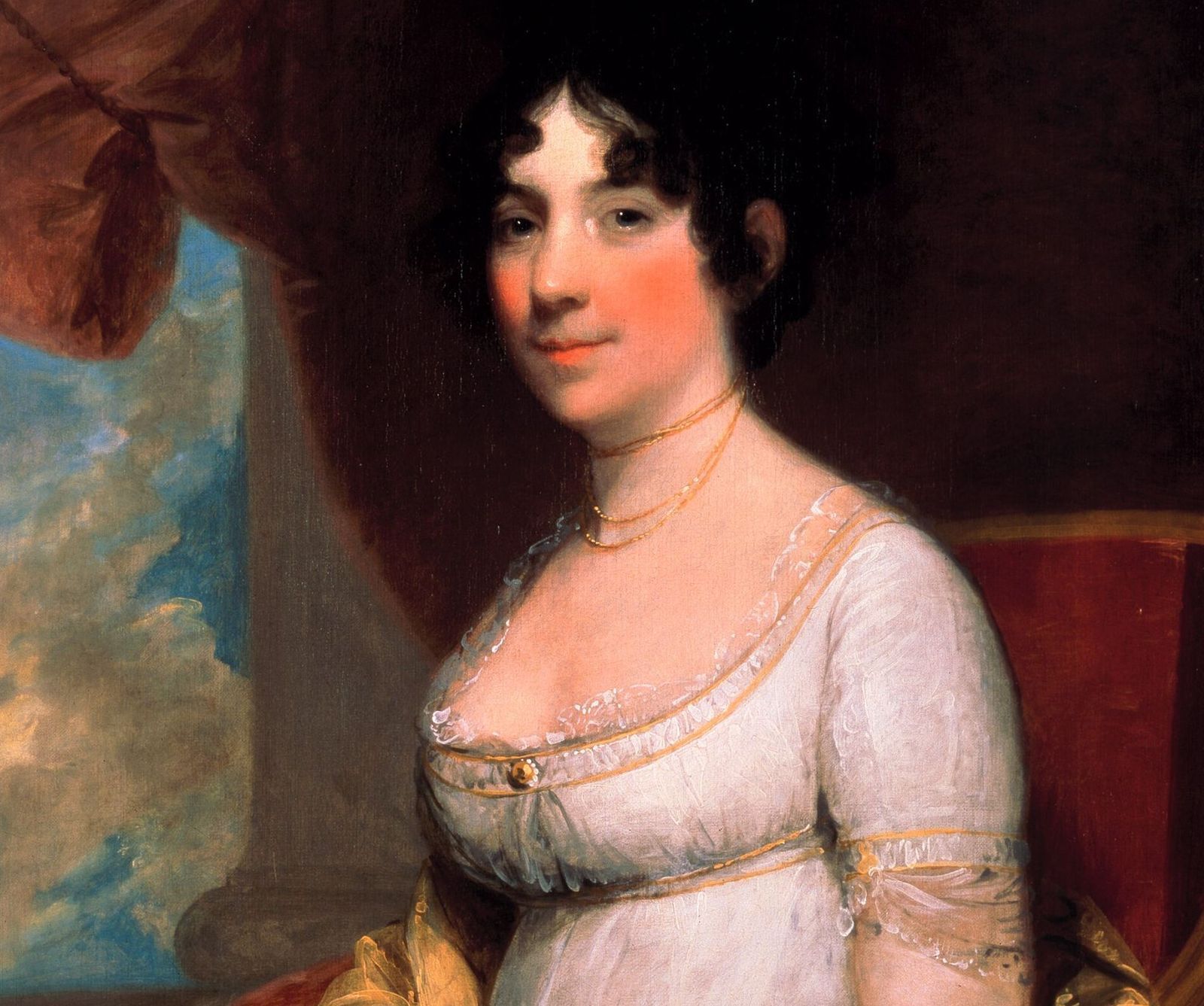
Image: Gilbert Stuart, Public domain, via Wikimedia Commons

Amid the chaos, First Lady Dolley Madison became a heroine ; reports claim that, before fleeing the Presidential Mansion, she insisted on saving the full-length portrait of George Washington that hung in the dining room. The canvas was too firmly screwed to the wall to move quickly, so staff aided in smashing its frame to rescue it.

Thanks to her foresight, the portrait survives today and still hangs in the White House.

8
British troops dined at the White House
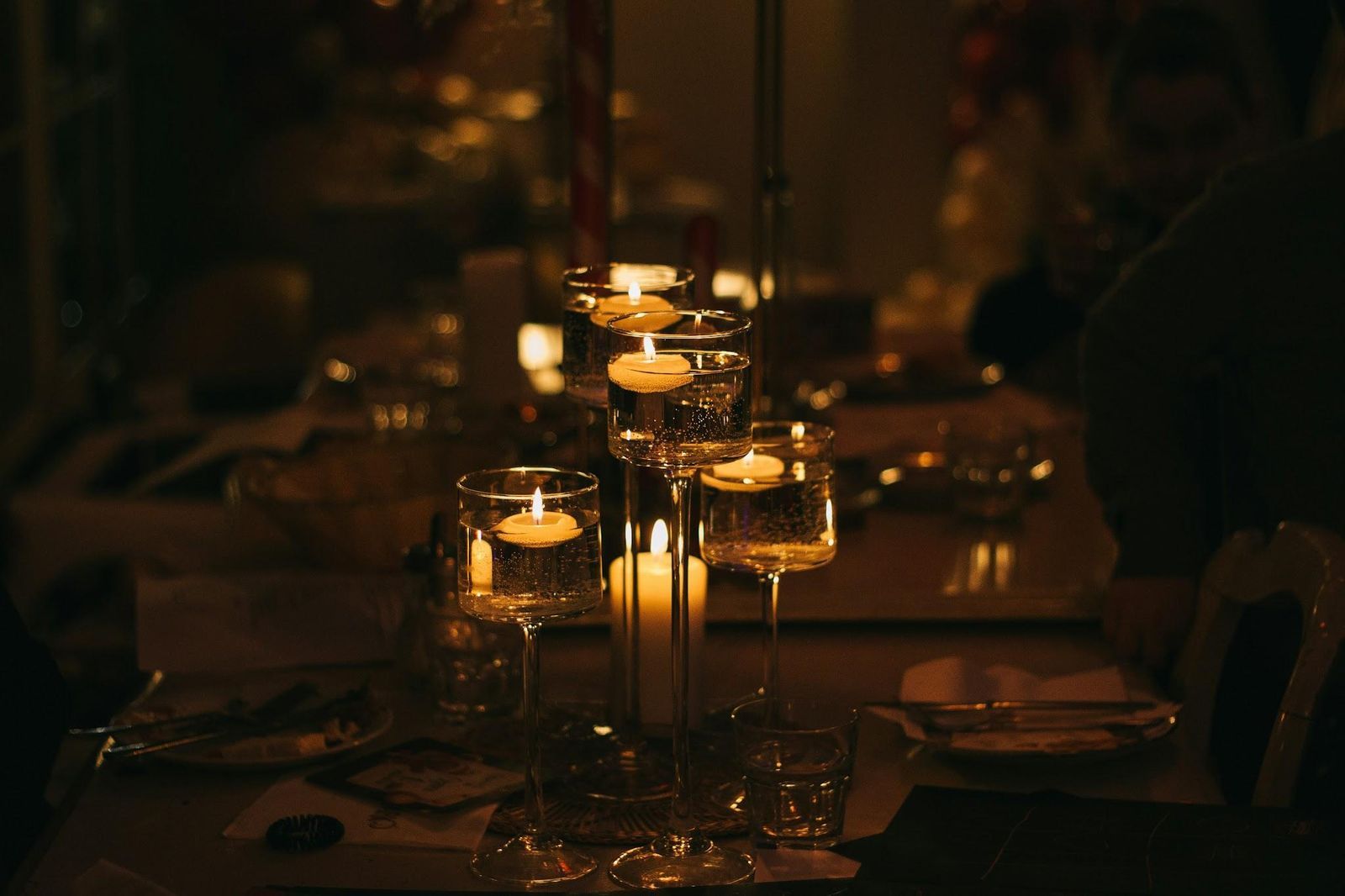
Image: Tamara Govedarovic

Before setting the mansion alight, the British paused for a rather theatrical stunt. Finding a meal that President Madison had left behind on the dining table, they sat down to feast, eating from the presidential china and drinking wine.

9
A devastating storm intervened
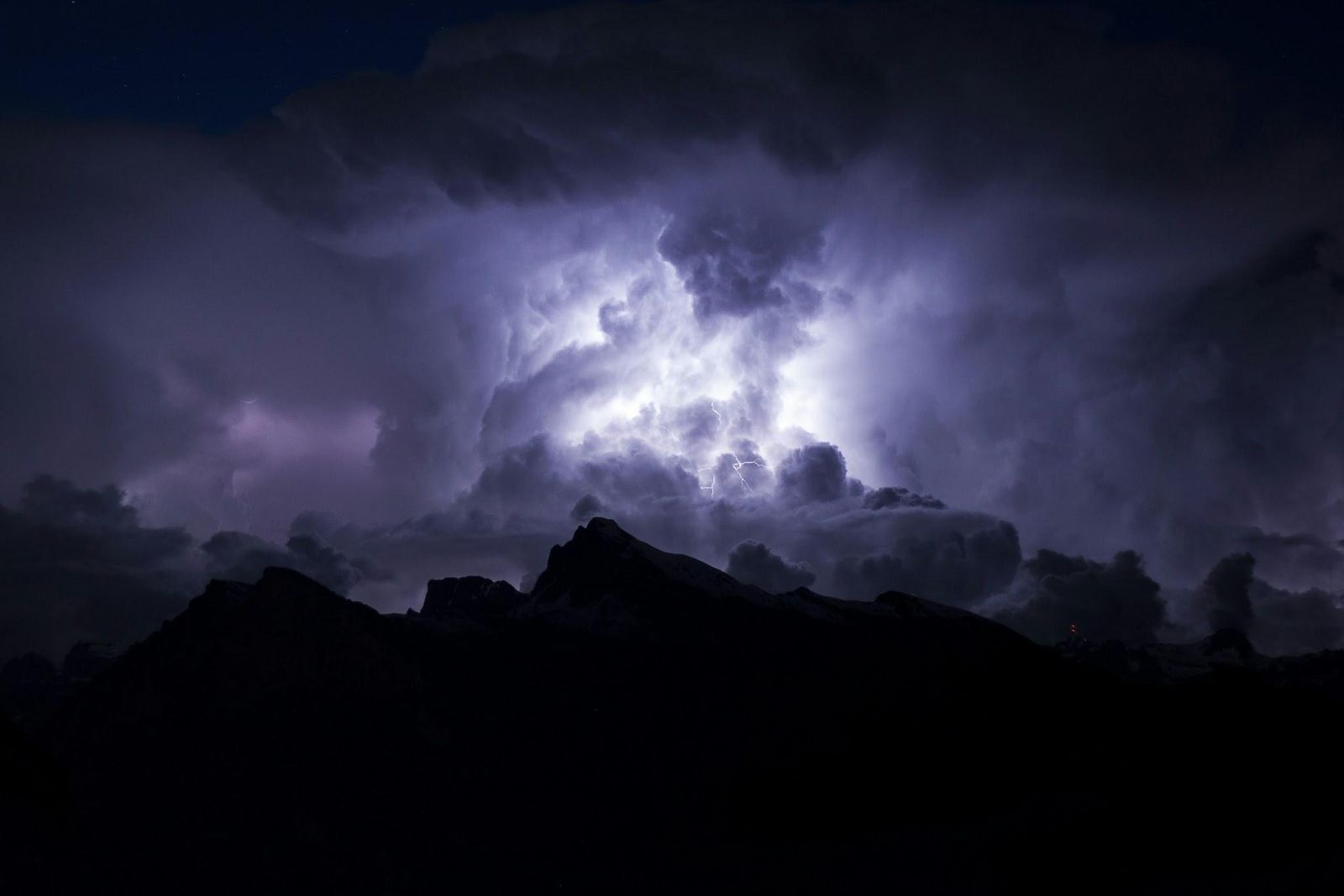
Image: Marc Wieland

Shortly after the fires were set, a thunderstorm swept into the city . This helped douse some of the flames, but hardly helped; witnesses described winds strong enough to lift cannons and topple buildings, killing soldiers on both sides. This forced the British to retreat for safety.

10
Capital for a day: Brookeville’s role
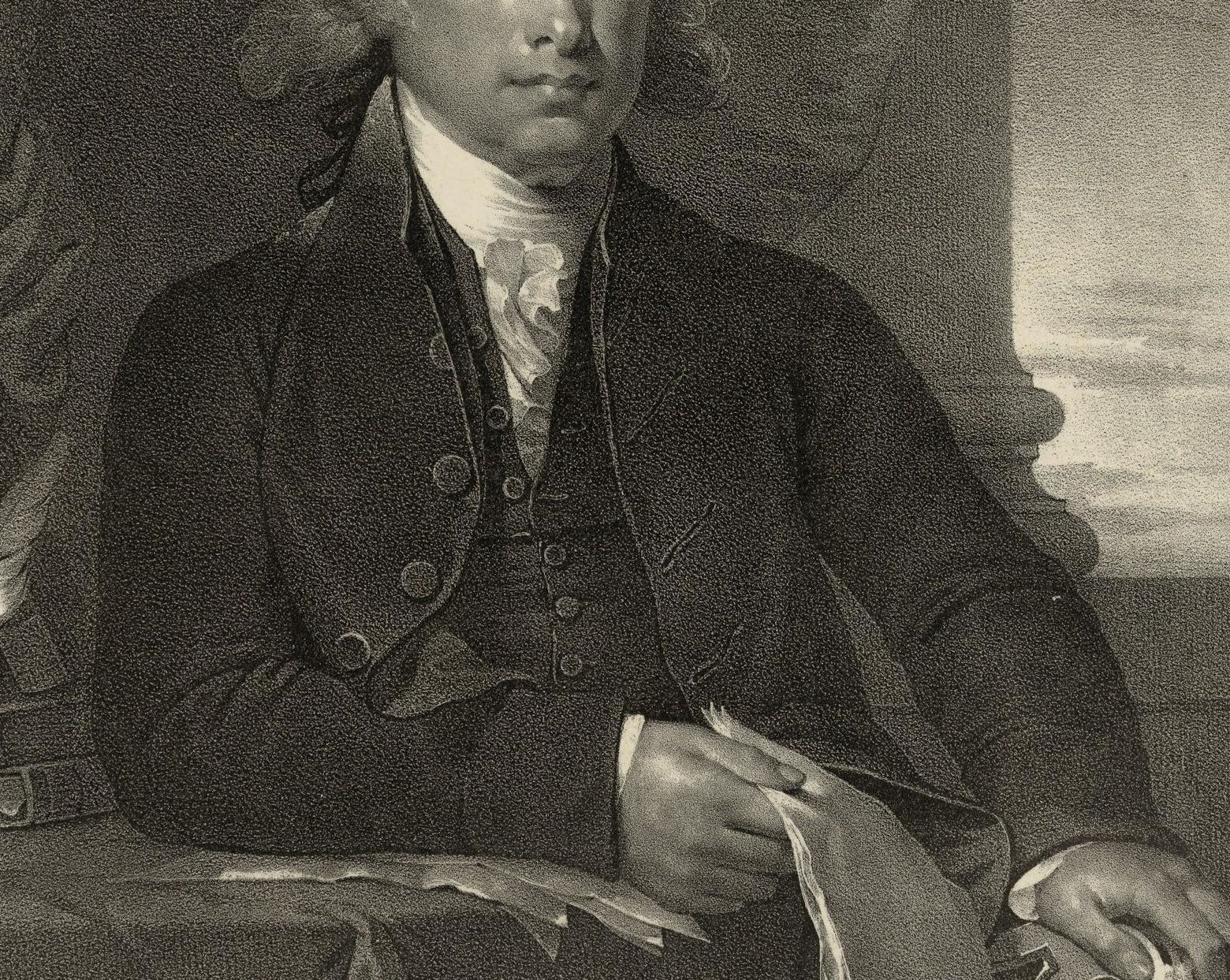
Image: Library of Congress

During the invasion, President James Madison sought refuge outside the city. He ended up in Brookeville, a small Quaker town in Maryland, where he spent the night at the home of a local silversmith.

For that brief period, the quiet village earned the nickname "United States Capital for a Day."

11
The government regrouped in the Patent Office, which had been spared
Image: Sergiu Vălenaș

With the Capitol burned and government records destroyed, Congress needed a new place to meet. They turned to Blodgett’s Hotel, a tavern that also housed the Post and Patent Office. Legend has it that it had survived only because its clerk convinced the British not to burn it.

12
The events were turned into a symbol of national unity
Image: Anthony Garand

For Americans, the sight of their capital in ruins was deeply humiliating. Newspapers at the time described widespread panic and shame, and the event seemed to have exposed the young republic before the world.

But in the months that followed, the destruction sparked a renewed sense of unity among citizens. They rallied behind the effort to rebuild, and the nation’s leaders treated the task as symbolic of America’s resilience.

Geography Geography 6 min read

ON THE ROAD

From Magnificent Mile To Ocean Drive: 10 Iconic Streets In The U.S. Magnificent Mile To Ocean Drive : 10 Iconic Streets In The U.S.

Image: Marf Fanelli-Isla

Thanks to its vast territory and diverse cultural history, the United States has a large number of paradigmatic streets worth knowing . Whether you've visited them at some point or seen them in a movie, the 10 streets selected in this article will surely not surprise you. However, you may find one or two fun facts you didn't know about. For example, did you know that the Las Vegas Strip is not in Las Vegas? It’s always worth knowing a little more! Read on to learn this and other secrets about America's most iconic streets.

1
Sunset Boulevard, Los Angeles

Image: Nathan Dumlao

Sunset Boulevard is a famous Los Angeles street that spans approximately 24 miles. It runs through districts such as Hollywood, West Hollywood, Beverly Hills, and Bel Air. This iconic street's best-known section is the Sunset Strip , where you can find restaurants, hotels, boutiques, colorful billboards, comedy clubs, and nightclubs.

Today, Sunset Boulevard is synonymous with luxury and glamour, but it wasn't always the case. In the first decades of the 20th century, Sunset Strip was home to illegal casinos and was the go-to place to find alcohol during Prohibition. Then, in the 1930s and 1940s, the new restaurants and clubs were packed with the rich and famous . In the 1960s Sunset Strip became a meeting point for rock musicians and the hippie counterculture, who were later forced to leave when prices rocketed in the ‘80s.

2
Bourbon Street, New Orleans

Image: Kristina Volgenau

Bourbon Street is a historic street in the heart of New Orleans' French Quarter. Stretching 13 blocks from Canal Street to Esplanade Avenue, it is one of the wildest and rowdiest streets in the world . Famous for its numerous bars, restaurants, and art galleries, Bourbon Street is best known for hosting the annual Mardi Gras carnival.

But it has not always been a place for partying and madness. During colonial times, it was mostly a residential area and one of the most populous streets in the city. Contrary to popular belief, this street is not named after the famous liquor. It was actually named after the French royal family that reigned in 1721 when French engineer Adrien de Pauger designed the layout of New Orleans. Now, was the liquor named after the street? That, my friends, is a story for another article.

3
Lombard Street, San Francisco

Image: NISCHAL MALLA

Although it's known as "the crookedest street in the world," Lombard Street isn't even the steepest street in San Francisco . That title technically belongs to Vermont Street, between 20th and 22nd Streets in Potrero Hill.

Those curves on that 40-degree incline may seem dangerous to you now, but they were actually built to increase the safety of the street. The natural incline was considered too unsafe, so in the 1920s, a resident suggested creating a series of zigzag curves that would not only add scenic appeal to the street but also make it safer for pedestrians . Today, it is a major tourist attraction for the two million people who visit San Francisco every year.

4
Pennsylvania Avenue, Washington D.C.

Image: Library of Congress

Pennsylvania Avenue is known throughout the world as the heart of the nation's capital , as America's Main Street . American history has paraded, marched, strolled, and protested along this avenue since its creation. It is not just another street. This is where the country’s history and all the political power are concentrated: it is where the White House and the Capitol are located.

Pennsylvania Avenue, like the entire city of Washington, was specially designed in the late 18th century by French-American artist and engineer Pierre Charles L'Enfant at the request of George Washington. For many years, this diagonal street inspired by the Champs Elysees in Paris, was a graceless dirt road. That changed when Thomas Jefferson ordered rows of Black Poplar trees to be planted along it. Finally, in 1832, it was paved to best fight the dust and dirt.

5
Michigan Avenue, Chicago

Image: Jonathan J. Castellon

The most famous portion of Michigan Avenue is known as the Magnificent Mile . Crowned by tall skyscrapers, it has hundreds of luxury stores and restaurants . It is also filled with famous landmarks such as Millennium Park, Chicago Water Tower, and the Art Institute of Chicago, among other buildings.

The Magnificent Mile began construction during the 1920s as part of the Burnham Plan of Chicago, which recommended adding wider streets, parks, and new buildings. In 2007 it was chosen as one of the 10 Great Streets by the American Planning Association. Nowadays, the Magnificent Mile has become a favorite destination for more than 22 million tourists who visit Chicago annually.

6
Wall Street, New York City

Image: Uwe Conrad

Wall Street is undoubtedly one of the most famous and well-known streets in the United States and the world. Located in Lower Manhattan, it is considered the "Financial District" because it houses multiple financial institutions and large banks , such as the Central Bank of the United States, the Federal Reserve, and the New York Stock Exchange.

But did you know why it's called like this? The Wall Street name refers to a wooden wall built by Dutch settlers to defend against possible attacks by British pirates during the Anglo-Dutch wars in the 17th century. Originally known in Dutch as Het Cingel —"the Belt" in English—, the wall was more than 2,340 feet long and approximately 9 feet high. It also had two gates, known today as the corner of Wall Street and Pearl Street.

7
Beale Street, Memphis

Image: Heidi Kaden

Beale Street in Downtown Memphis, Tennessee, is a street developed in the 1840s. Today it is best known for its pivotal role in the history of blues music, but was originally named after Edward Fitzgerald Beale, a military hero from the Mexican–American War. Part commercial, part suburbs, in the 1860s Beale Street was the go-to place for African American traveling musicians to perform.

Since then, blues and jazz legends such as Louis Armstrong, Muddy Waters, and Albert King have played on Beale Street, contributing to the development of the style known as Memphis Blues . In fact, B.B. King was once known as "the Beale Street Blues Boy." In 1977 this historic street was officially declared "Home of the Blues."

8
Newbury Street, Boston

Image: Aline Sales

Considered the "Rodeo Drive of the East," Newbury Street in Boston is one of the most expensive streets in the world . But did you know that once upon a time most of it was underwater? Until the mid-1800s, Newbury Street was part of Boston Harbor until it was filled in with dirt from neighboring communities. Back then, it was mostly a residential area with very little charm.

It wasn’t until the 1980s that Newbury Street started to become the trendy shopping mecca we know and love today. Surrounded by 19th-century brownstones turned into high-end boutiques and restaurants, nowadays you can find modern art galleries and concept stores that still retain the sophisticated style of its glory days.

9
Ocean Drive, Miami

Image: Dennis Rochel

The Ocean Drive boardwalk, located in the South Beach area, is probably the most popular street in Miami and one of the most famous in the world. Known for its white sand beaches, turquoise sea, and colorful Art Deco architecture , here you will find some of the best restaurants, bars, and hotels in the entire city.

Ocean Drive's history is full of reinventions. Originally, in the early 20th century, it was a dusty street. In the 1920s, Miami Beach became a tourist destination and the area began to develop. From the 1930s on, Ocean Drive was nicknamed the "Great White Way" and played host to big stars such as Frank Sinatra and Jimmy Durante . Today, after a remodeling that cost millions of dollars, the mythical street has been modernized and reborn.

10
Las Vegas Boulevard, Clark County

Image: David Vives

Did you know that the famous Las Vegas Strip is not within Las Vegas city limits? The Strip is a stretch of Las Vegas Boulevard, one of the most filmed and photographed streets in the United States. However, contrary to what many people think, it is located in the unincorporated town of Paradise , in Clark County.

Originally, the Strip was nothing more than a highway with a few nightclubs and motels. With the construction of the Flamingo Hotel in 1946, the Strip began to change and develop into what it is today. Regardless of its exact location, today the Strip is home to the most iconic hotels and casinos , including Caesars Palace, the Bellagio, and the Venetian, and is a must-stop for anyone visiting Sin City.

Culture Culture 4 min read

It’s not a small world

You are not supposed to know this about Disney Parks

Image: Capricorn song

What keeps the Happiest Place on Earth running smoothly? It involves even more gears and spinning plates than you could imagine. In this article, we’ll explore both legendary and lesser-known facts about the behind-the-scenes operations of Disney Parks. Rest assured, it’s much more than just underground tunnels and hidden Mickeys!

1
The parks are designed to disorient you

Image: Craig Adderley

Streets curve, landmarks are strategically placed, and sightlines are carefully controlled to keep you exploring. The goal? To encourage you to take in every detail of the park. And if you don’t have enough time to do that, good news—you can always come back !

Walt Disney famously said, "I don’t want the public to see the world they live in while they’re in Disneyland."

2
The smell of freshly baked cookies is not entirely real

Image: Andrijana Bozic

One of Disneyland’s signature details is the smell of vanilla and freshly baked cookies wafting through Main Street, U.S.A. Guests might assume it comes from the snacks others are buying and enjoying, but that’s only part of the source.

The parks use a strategy called "smellitizing," which involves hidden scent-producing systems designed to create an ambiance of coziness and nostalgia.

3
There’s a secret underground tunnel system

Image: Steve DiMatteo

You wouldn’t want to see a cowboy or a pirate casually strolling through Tomorrowland, breaking the illusion of magic! Well, at least Walt Disney wouldn’t want you to. That’s why he proposed a system of underground tunnels to allow cast members to move around unseen.

The Utilidor System is a sprawling network of tunnels in Magic Kingdom that has been in operation since 1971.

4
There’s a secret apartment in Disneyland

Image: Steven Beyer

Above the fire station on Main Street, U.S.A., in Disneyland, there’s a small apartment where Walt Disney himself used to stay. He designed it as a place to oversee the park and host guests. Today, a light is always kept on in the window as a tribute to him.

The apartment is off-limits to the public, though VIPs occasionally get a rare glimpse inside.

5
The height of the castle is an illusion

Image: Martin Robles

Sorry to break it to you, but Disney’s castles are shorter than they appear! Engineers use a technique called forced perspective to create this illusion. The bricks at the top are smaller than those at the bottom, making the castle seem taller and more majestic as you walk in front of it.

Cinderella Castle in the Magic Kingdom, for example, stands at just 189 feet—short enough to avoid FAA regulations for structures over 200 feet.

6
Disney parks are a no-fly zone

Image: Zhen Yao

Speaking of the FAA, Disney Parks have been designated no-fly zones for years . This prevents aircraft from flying overhead, ensuring guest safety and preserving the park’s magical atmosphere. Disney argues that the absence of planes is essential for full immersion.

7
The Hidden Mickey Trend

Image: steven lozano

Hidden Mickeys are scattered throughout Disney parks—in ride designs, architecture, and even landscaping. These subtle Mickey Mouse shapes have become a beloved scavenger hunt for guests.

The trend began in the 1980s when Imagineers started hiding Mickeys as inside jokes. Some fans take the hunt so seriously that they’ve created entire guidebooks to track them.

8
The parks are spotless for a reason

Image: kaleb tapp

Disney’s cleanliness is legendary, thanks to a small army of custodial staff and a clever trick: trash cans are placed every 30 steps . This distance is based on research showing how long the average person will hold onto trash before deciding to litter.

Interestingly, Walt Disney once considered using robots for cleaning but ultimately decided that humans were more reliable—not to mention friendlier!

9
The Secret Club in Disneyland

Image: Steven Beyer

Oh, there’s a secret club—you didn’t know? Club 33, located above the Pirates of the Caribbean ride , is Disneyland’s most exclusive spot. Originally designed as a private lounge for Walt Disney’s VIP guests and sponsors, it has since become a members-only club with a hefty price tag.

Membership costs tens of thousands of dollars, and the waitlist is years long.

10
Not all trees are real

Image: Brian McGowan

We are sad to announce that not all trees in Disney parks are real. Take the iconic Tree of Life in Disney’s Animal Kingdom —it’s actually an enormous sculpture built around a repurposed oil rig, featuring over 300 intricate animal carvings.

Guests probably aren’t surprised to learn it’s not a living tree, but most agree it’s a masterpiece. Interestingly, Disney once considered using real trees for the structure but ultimately decided against it. Can you imagine the maintenance?

11
The parks have their own wildlife

Image: Brian McGowan

Disney World is home to a sizable population of feral cats that help keep the rodent population in check. These cats are cared for by Disney’s animal care team and even have their own feeding stations. Few guests can say they’ve spotted one—they are the true hidden celebrities of the parks.

12
A secret basketball court?

Image: Szabo Viktor

Unfortunately, it’s not accessible to the public, but hidden inside Disneyland’s Matterhorn Bobsleds ride there’s a hidden basketball court. It was built for cast members to use during breaks. The court was added during a refurbishment in the 1970s.

13
They have a "Kiss Goodnight"

Image: Victoria Orozco

After the park closes, the Magic Kingdom plays a special farewell message called the "Kiss Goodnight." This short sequence of music and lights thanks guests for visiting and signals the end of the day.

Some guests stay just to experience it, while others are too tired to notice as they head for the exit!

Explore more American facts

Choose your favorite category!

General
General

As American as apple pie—the very best America has to offer!

Culture
Culture

Delve into the astounding richness of American lore.

Geography
Geography

Hop in and explore vast and diverse American landscapes.

History
History

Discover the key moments that shaped the United States.