General General 4 min read

Game night favorites

The board game that started family arguments

Image: Shutterstock.AI Generator

Gathering around a table and playing a board game is one of the funnest activities to do with friends and family. Board games make us think and talk to each other until we are so immersed that we lose track of time. There are all-time favorites like Monopoly , Scrabble , and The Game of Life , each bringing something different to the table depending on what you enjoy most. Is it negotiation, wordplay, or resource management? Let’s take a look at some classic board games that still make us happy.

1
Monopoly
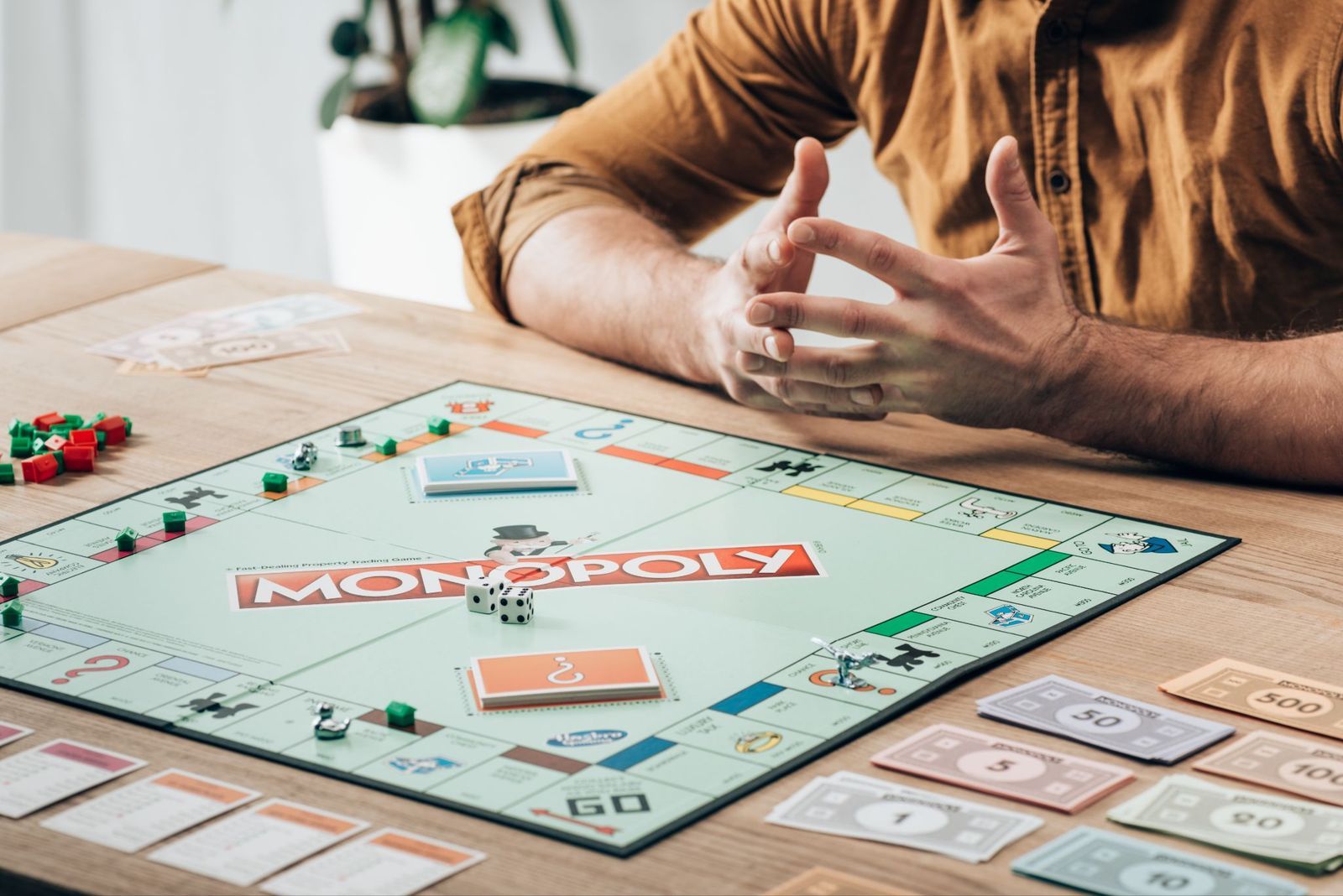
Image: LightField Studios

Monopoly is iconic. Almost everybody has played it at least once. Monopoly was created in 1935 and has since remained popular worldwide . The goal is to become the wealthiest player. How? Well, you have quite a few options.

You can buy properties, build houses and hotels, and collect rent. And you must avoid bankruptcy. Monopoly encourages you to use strategic thinking, though you’ll need a bit of luck as well. It also triggers tons of conversations and negotiations with other players, which makes playing it really fun.

2
Scrabble
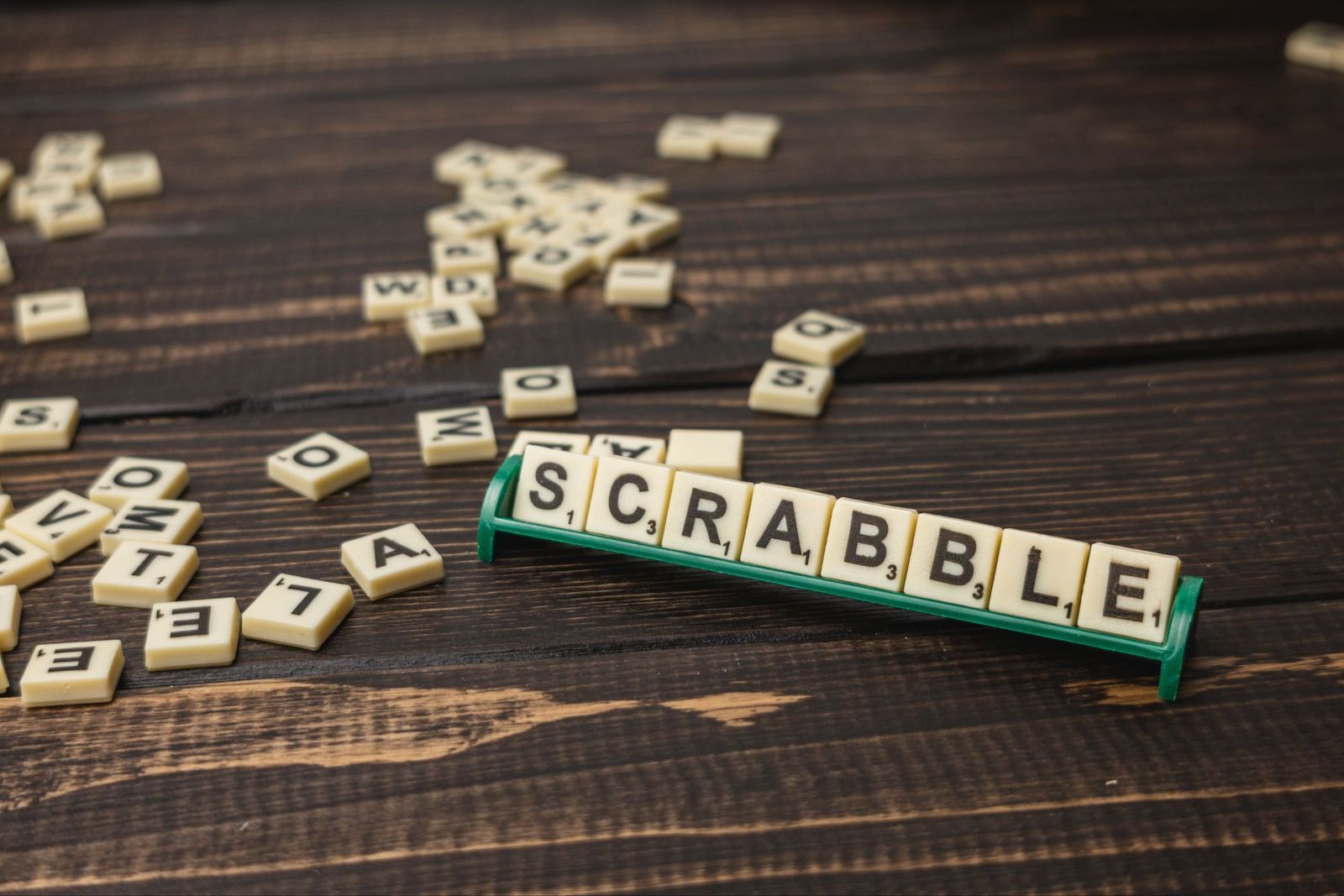
Image: Mykhailo Repuzhynskyi

If you like word games, you’ve played Scrabble. Although the game is about words, you have to think strategically with your use of allotted letter tiles. It’s the typical "easy to learn, difficult to master" situation. One of the best things about Scrabble is that, even though its rules are simple, every game feels different and you can replay it endlessly.

3
The Game of Life
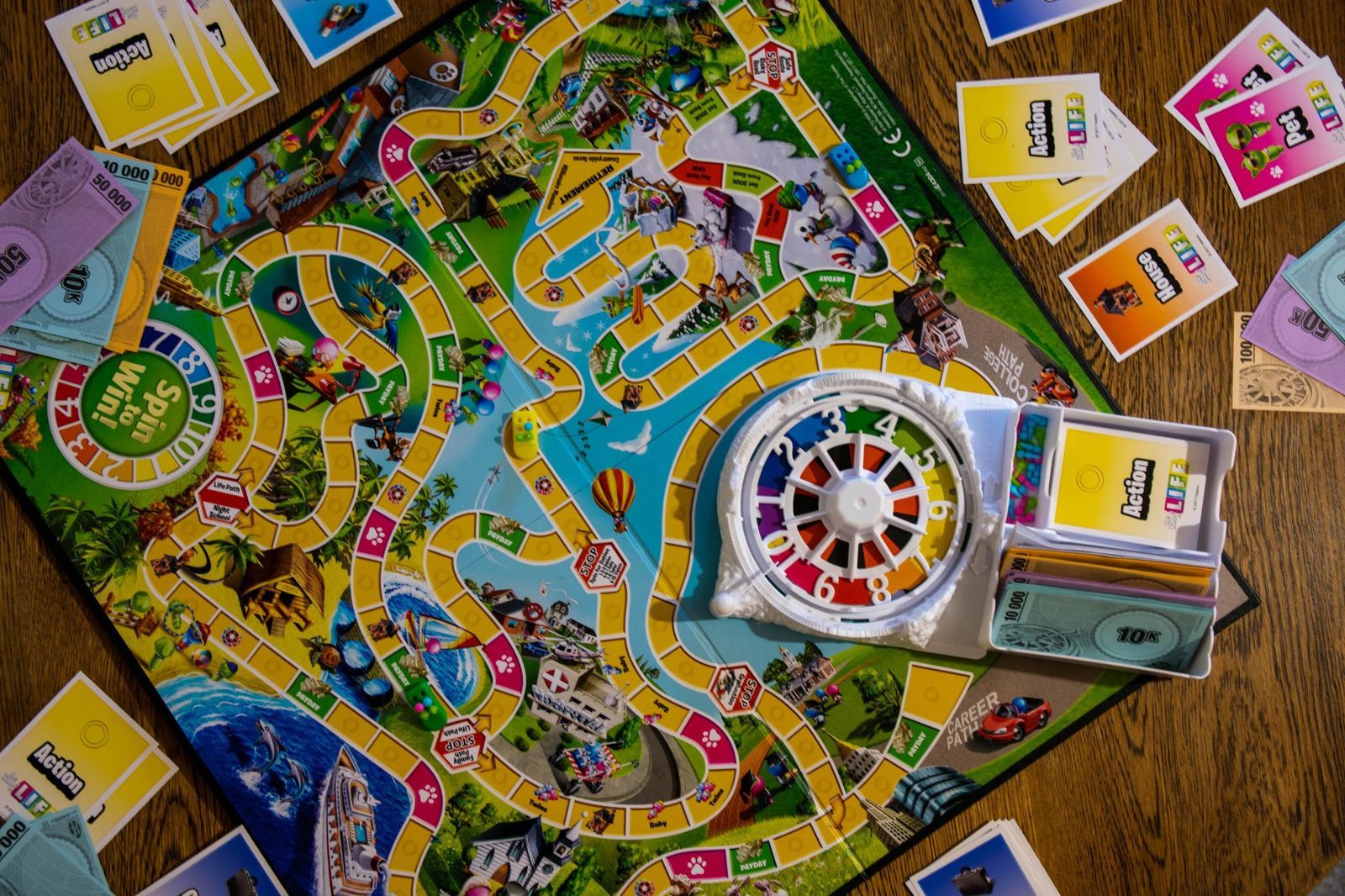
Image: KerrysWorld

The Game of Life is another staple and one of the best-selling board games in the country . The concept that its creator, Milton Bradley, came up with was pretty unique: experiencing life’s different milestones through a board game.

This means things like choosing a career, getting married, buying a home, retiring, etc. You just need to spin the colourful wheel and face the different events, making decisions that will impact your life in the game as you get closer to retirement.

4
Clue

Image: Jeff Whyte

Clue has been a family favorite for generations. It was created in 1949, inviting players to step into the shoes of a detective who has to solve a murder . Clue can offer tons of fun, as you and other players move around a mansion trying to find different clues to determine who committed the crime. Unlike other games on this list, you don’t need to be lucky here. Clue is all about studying the clues carefully, taking notes, and using your deduction skills.

5
Battleship

Image: Esich Elena

Who didn’t love Battleship as a kid? There was nothing like pretending to be a naval commander and trying to sink your opponent's ships. Battleship was originally a pencil-and-paper game, but in 1967, Milton Bradley released the plastic board game. The game is simple: you and the opposing player arrange your fleet of ships on a hidden grid, and then take turns calling out coordinates to try to locate and sink each other's vessels . Once all your ships have been sunk, you lose.

6
Sorry!
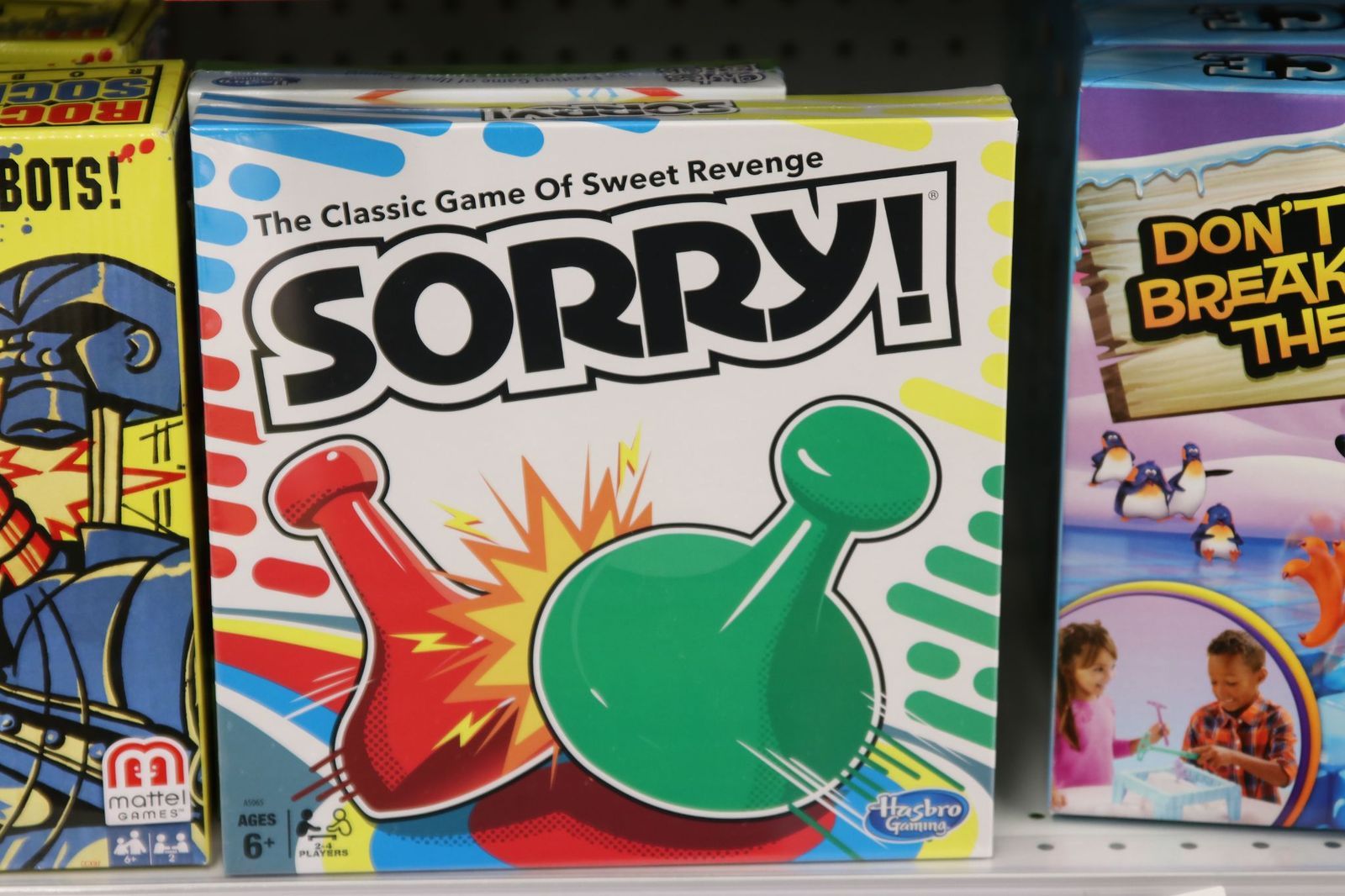
Image: Eric Glenn

Hearing "sorry" while playing Sorry! was very frustrating but fun. Created by Parker Brothers in 1934 and based on the older game Ludo, the premise of Sorry! is simple: draw cards and be the first player to get all three of your pawns to their "home." But it’s not that easy, because if another player lands on your tile, they’ll say "sorry" and your pawn is sent back to its own start . It's a perfect game to play with kids and have a laugh with the whole family.

7
Risk
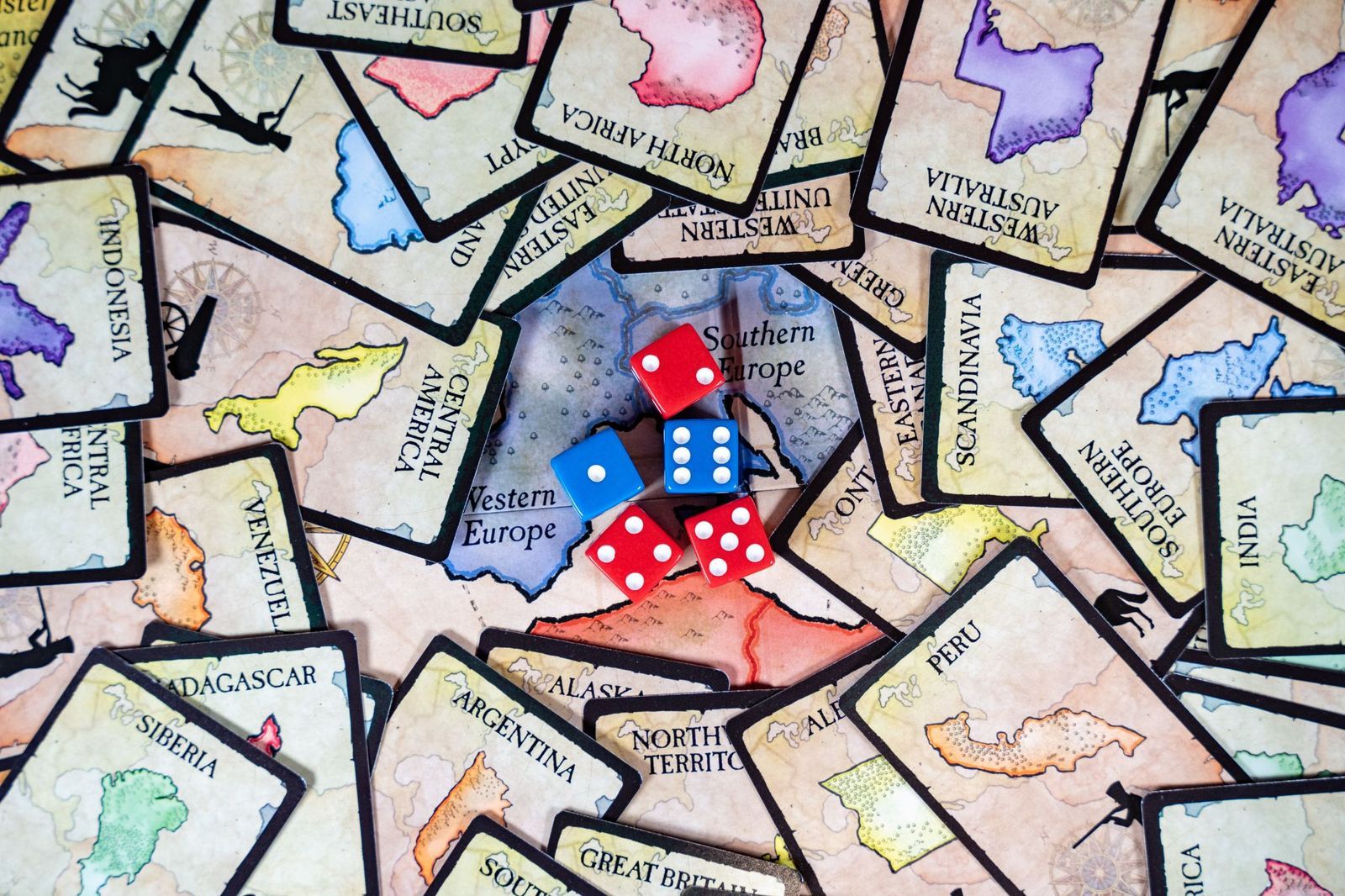
Image: Erman Gunes

If you like war-themed games, you probably played Risk. When it was released in America in 1959 by Parker Brothers, Risk became the definitive world-conquest game , allowing you to build armies and engage in battles against other players to conquer territories across the world map. Risk is all about knowing when to establish alliances, when to betray your allies, and when to attack. It can get a little complex, especially in longer games that can sometimes take several hours to finish.

8
Connect Four
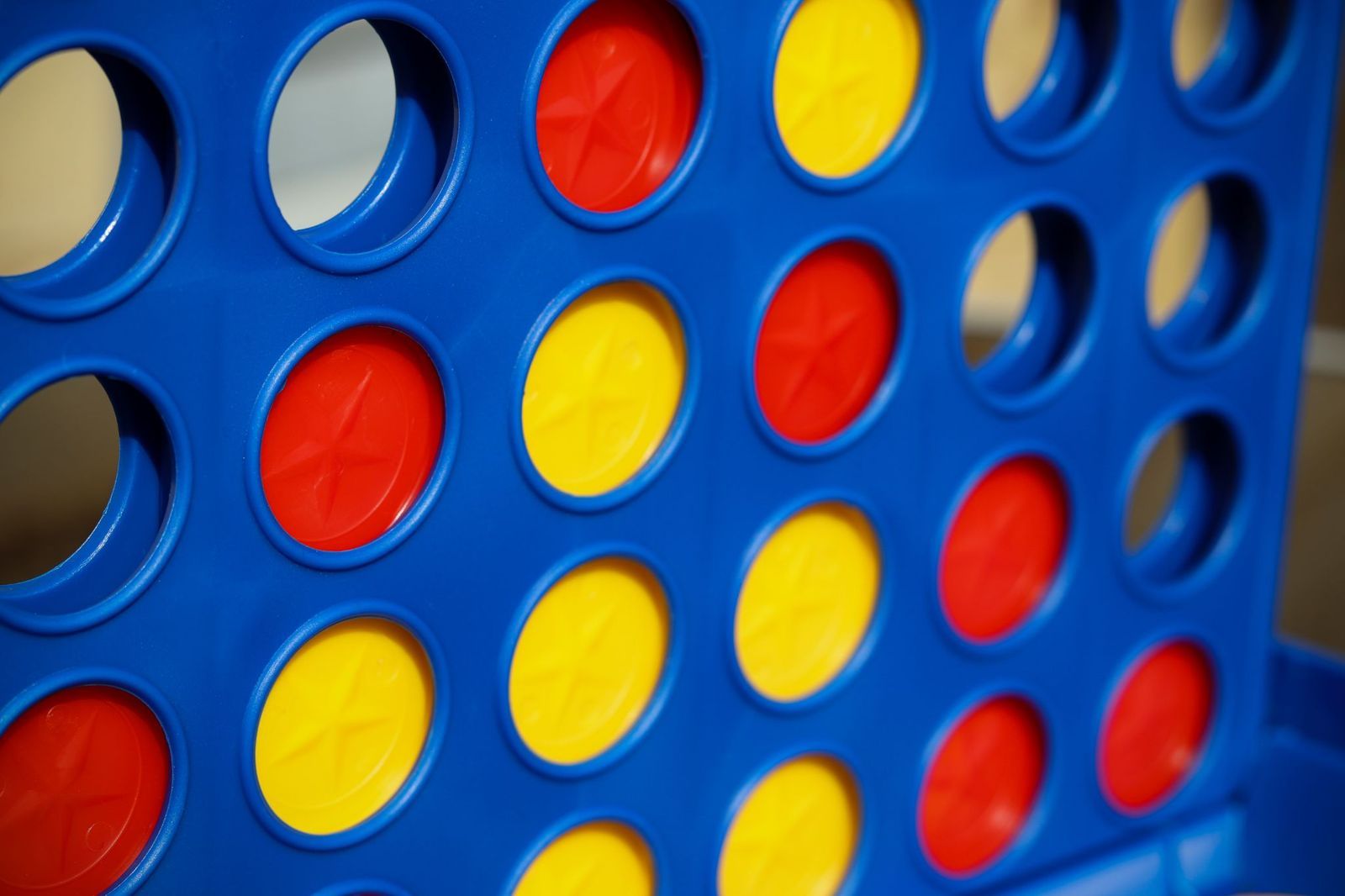
Image: Leon Woods

Connect Four can be learned in minutes, though it can have more depth than it initially seems. It was released in 1974 by Milton Bradley, and the goal is simple: dropping colored discs into a vertical grid to try to connect four in a row . It’s perfect for a quick game if you don’t want to spend time explaining rules. But the game becomes a little more complex when you realize that the key to winning is planning several moves ahead, making it almost a mathematical challenge.

9
Trouble

Image: KerrysWorld

You may remember Trouble because of the iconic Pop-O-Matic Bubble . Unlike other games where you normally roll the dice with your hands, Trouble (released in 1965 by Kohner Brothers) had this plastic dome that was not only satisfying to press but also very practical. It was in the middle of the board, which gave the game a faster pace. Trouble’s rules were similar to Sorry!, where players have to move their four pawns around the board until the finish, though with plenty of unexpected twists along the way.

10
Mouse Trap
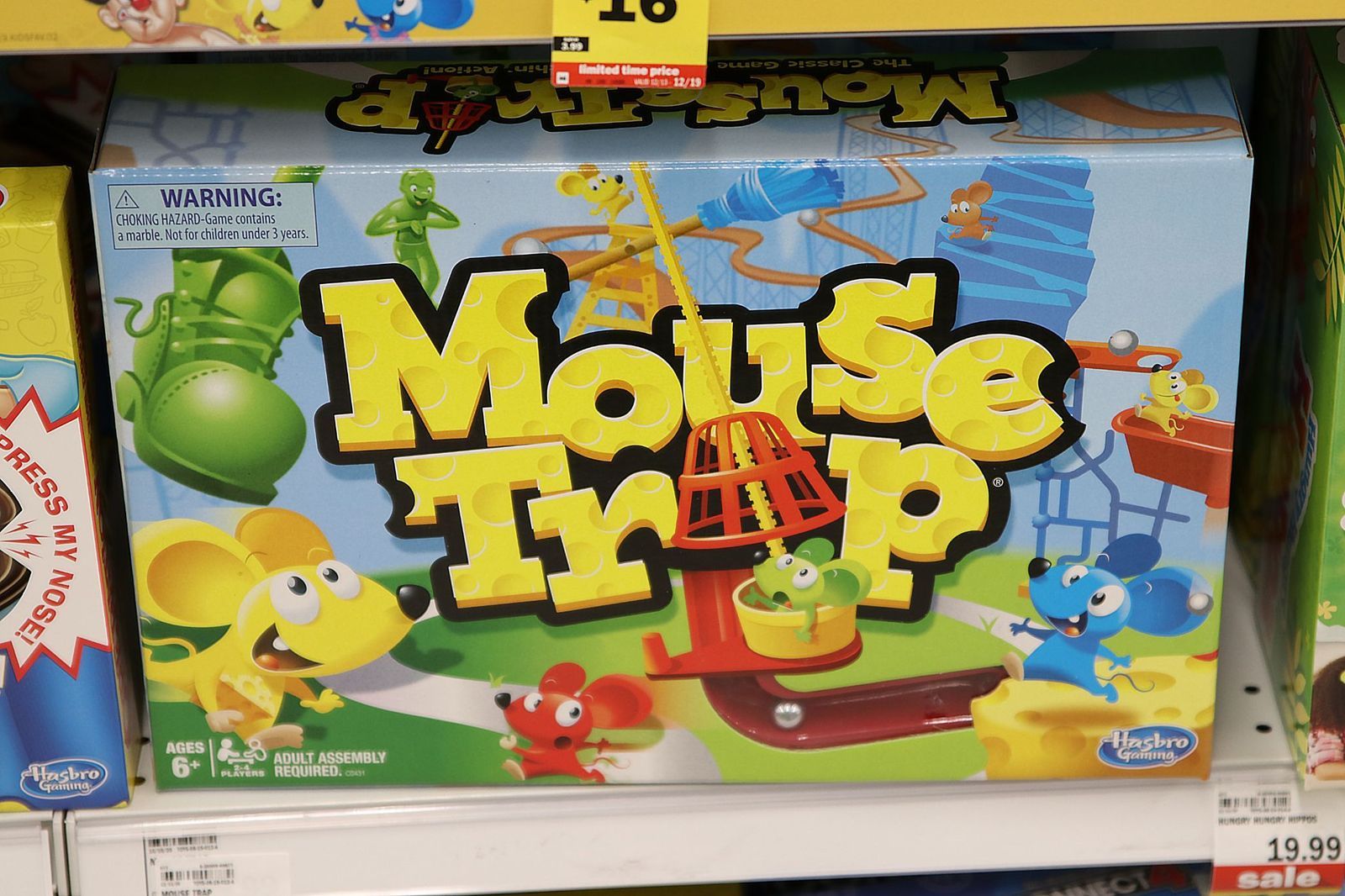
Image: Eric Glenn

Released in 1963 by Ideal Toy Company, Mouse Trap was a board game that felt like a giant toy . Perfect to play with kids, this game works a little differently than most board games. The goal is to assemble different parts to capture other players’ mice. The last remaining player with an uncaught mouse wins. What made Mouse Trap actually fun was not only playing the game, but playing with the different parts and assembling and triggering the chain-reaction, Rube Goldberg-like machine.
Geography Geography 5 min read

Extraordinary secrets about the capitals of the United States

The only state capital without a McDonald's and 11 other fun facts

Image: AmericanBenchCraft

Can you guess which is the only U.S. capital built on top of an extinct volcano? What about which is the oldest state capital, the least populated, or the one with the coldest temperature? If you're dying to know the answers to these questions, read on to discover 12 fun facts about our state capitals that you probably didn't know!

1
Jackson, Mississippi

Image: Engineers' office, department of Tennessee, Public domain, via Wikimedia Commons

Did you know Jackson, Mississippi, is named after the 7th U.S. President, Andrew Jackson? It is one of the four state capitals named after American presidents —the other three are Jefferson City (Missouri), Lincoln (Nebraska), and Madison (Wisconsin).

Jackson is the only U.S. capital built on top of an extinct volcano. Interestingly, during the Civil War, the city was burned by Union troops, giving it the nickname "Chimneyville". In addition, Jackson is best known for being the center of the civil rights movement during the 1950s and 1960s.

2
Santa Fe, New Mexico

Image: Wendy Shervington

In 1610, Spanish settlers established Santa Fe as the capital of New Mexico, making it the oldest state capital in the country. But that's not the only peculiarity of this quaint city with a temperate climate and a unique historical and cultural richness. At 7,000 feet above sea level, Santa Fe is also the highest U.S. capital.

3
Honolulu, Hawaii

Image: Daniel Lee

Known for its spectacular beaches and rich cultural heritage, Honolulu is the only state capital not on the North American mainland. Considered the birthplace of modern surfing, it also has the highest average annual temperature of any U.S. state capital.

But those aren't the only interesting facts about Hawaii's capital. Here are a few equally (or more) crazy ones: it hosts the only royal palace in the United States (Iolani Palace), the island is made up of volcanic soil, and it houses the world's largest open-air shopping mall (Ala Moana Center).

4
Annapolis, Maryland

Image: Terry Granger

Annapolis is a historic city on the shores of the Chesapeake Bay, known for its colonial architecture, nautical tradition, and academic value. But did you know it is also the smallest U.S. capital by land size? Just 6.7 square miles!

Annapolis was also one of the nine capitals the United States has had throughout its history. For nine months during the Revolutionary War, Maryland's current state capital served as the seat of the Confederation Congress.

5
Bismarck, North Dakota

Image: NASA Astronaut, Public domain, via Wikimedia Commons

If you thought Juneau, Alaska, had the lowest average winter temperature of all state capitals, think again! It's actually Bismarck, North Dakota, where the coldest temperature ever recorded was -45°F. Imagine that!

Bismarck was founded in 1872 on the banks of the Missouri River. The city was named after Otto von Bismarck, the chancellor of Germany, to attract German investors. Another fun fact? In 1930, Bismarck and Fargo had a dispute, known as the "Capitol Tower War," over which city should be the state capital.

6
Charleston, West Virginia

Image: Carol M. Highsmith, Public domain, via Wikimedia Commons

Did you know that the original name of West Virginia's capital was Charles Town in honor of the father of Colonel George Clendenin, one of the first settlers?

Charleston is best known for offering a unique combination of history, culture, and outdoor adventure.

7
Hartford, Connecticut

Image: Balazs Busznyak

Founded in 1635, Connecticut's capital is one of the oldest cities in the U.S. Hartford is known for being a key cultural center in New England. It was the home of writer Mark Twain and is home to historic sites such as the State Capitol, the Harriet Beecher Stowe House, and Bushnell Park, the oldest public park in the country.

Hartford is also called the "insurance capital of the world" due to the presence of major insurance companies. But the city's most curious fact is that it was where Teddy Roosevelt, aboard the Columbia Electric Victoria Phaeton, took the first presidential automobile ride in history!

8
Harrisburg, Pennsylvania

Image: Katherine McAdoo

Pennsylvania's capital city is best known for its role in the Civil War and the Underground Railroad. Located on the banks of the Susquehanna River, Harrisburg has been an important center of transportation and commerce. Today, it is known for its historic architecture, museums, and special events.

Harrisburg is also home to the longest stone arch bridge in the world, the Rockville Bridge, built in 1902. Oh, and in 1979, it came close to a nuclear disaster due to the accident at the Three Mile Island plant, the worst in U.S. history —but that's a longer story for another article!

9
Olympia, Washington

Image: Peter Robbins

Located at the southern tip of Puget Sound, Washington's state capital is known for its natural beauty and vibrant culture. But did you know Olympia is the northernmost state capital in the contiguous U.S.?

Oh, and it's also a great place to try some of the best craft beer in the country.

10
Salt Lake City, Utah

Image: Cong Wang

Utah's state capital is popular for being one of the best places to ski in the United States. But that's not all! Salt Lake City is also the only state capital with three words in its name. Have you ever thought about that?

It has the largest Mormon population in the country and is the world headquarters of the Church of Jesus Christ of Latter-day Saints. Another fun fact? Salt Lake City is home to more plastic surgeons per capita than any other state capital!

11
Montpelier, Vermont

Image: John Holm

Named after the French city of the same name, Montpelier is the least populated state capital, with a population of just 7,900. Probably for that reason, Vermont's capital prides itself on its small local businesses: it is the only state capital that doesn't have a McDonald's or a Starbucks. Could you live without these fast food chains? It doesn't have a Walmart store either!

12
Topeka, Kansas

Image: Nils Huenerfuerst

Topeka, Kansas’s state capital, has several interesting tidbits. For example, did you know its name, of Native American origin, means "a good place to dig potatoes"? Interesting, don’t you think?

In 2010, Topeka temporarily changed its name to "Google, Kansas" to attract the attention of the internet giant and become the capital city of fiber optics. Frivolous facts aside, Topeka was also very important in the history of the civil rights movement.

Geography Geography 4 min read

Around the world

A Statue of Liberty in Paris? 10 Landmarks with clones around the world!

Image: Darryl Brooks

The world is full of iconic landmarks: Mount Rushmore, the Colosseum, and the Eiffel Tower, just to name a few. These majestic monuments are rich in history and reflect the societies that built them. But what if we told you there's a Leaning Tower of Pisa in Tennessee or a Statue of Liberty in France? It may seem like the world is upside down, but they do exist! Join us as we explore 10 fascinating replicas of the world's most famous landmarks.

1
The Statue of Liberty in France

Image: Tom Corbett

Europe may seem like a different world from the United States, but surprisingly, some things bring us closer. Did you know there's a replica of the Statue of Liberty in Paris? Unveiled in 1889 —just three years after the original in New York—it was created to honor the strong ties between the US and France. It stands along the banks of the iconic Seine River . At about 37 feet tall , it’s quite a bit smaller than the original, which stands at 151 feet.

2
The Leaning Tower of Pisa in Illinois

Image: davide ragusa

Ahhh... the Leaning Tower of Pisa, one of the most famous and instantly recognizable landmarks in the world. Have you seen that classic picture of tourists "holding up" the tower? Well, you don't need to travel all the way to Italy to take one, because Illinois has its very own replica!

The Leaning Tower of Niles, Illinois, is about half the size of the original (94 feet vs. 183 feet), but it's just as fascinating. Next time you're in the Prairie State, you’ll know where to stop!

3
The White House in China

Image: Raymond M.E. Aguirre

The White House in Washington, DC, is a powerful symbol of America—but it's not the only one of its kind! Believe it or not, replicas of this iconic mansion can be found in various parts of the world, including China. In fact, China has not just one, but several replicas of the historic American building. And that’s not all—there’s also a life-size replica of the US Capitol Building in Beijing. Pretty wild, right? We'd love to visit these replicas!

4
Trevi Fountain in Nevada

Image: Michele Bitetto

Las Vegas, Nevada, is definitely one of the places in the US with the most replicas of international landmarks. One of the most celebrated is the Trevi Fountain at Caesars Palace, with its amazing resemblance to the original.

If you've been to the Trevi Fountain in Rome—or even if you've just seen pictures of it—you know that the details of its sculptures are incredibly intricate, so creating a replica is no small feat. Fortunately, Las Vegas pulled it off quite well. Although their fountain is much smaller than the original, it’s no slouch when it comes to beauty!

5
The Hollywood Sign in Ireland

Image: De'Andre Bush

The huge and famous Hollywood sign attracts millions of visitors each year. Fortunately, people living in Europe don’t need to travel all the way to California to get their own " Hollywood " photo —there’s a replica of the legendary sign in Ireland !

But here's the crazy fact: there's a city called Hollywood in Ireland, which is believed to have inspired the name of the Los Angeles film district.

6
The Eiffel Tower in Texas

Image: Malgorzata Frej

Paris isn’t just the famous city of love in France. There's another charming Paris, and it's located here in the US, more specifically, in Texas!

As a way to celebrate its name, the city of Paris, Texas, built a replica of the splendid Eiffel Tower in 1993. The Texan version stands at about 65 feet tall , compared to the original’s 1,083 feet. While it may not reach the same height, it has a unique twist that makes it special: the tower is topped with a big red cowboy hat !

7
The Mount Rushmore in China

Image: Brandon Mowinkel

Mount Rushmore is definitely one of America’s most iconic landmarks, with the faces of Lincoln, Washington, Roosevelt, and Jefferson carved into a massive granite mountainside.

Incredibly, there's a replica of this monument in China ! The Chinese version closely resembles the original, although it was created using much more modern techniques—and, of course, it’s considerably smaller in scale than the original.

8
The Parthenon in Tennessee

Image: Joshua Woods

A former temple in Greece dedicated to the goddess Athena, the Parthenon is one of the most famous monuments in the world. Although much of the original has fallen into ruins, you can still see what it looked like when it was complete right here in Tennessee!

That’s right! The city of Nashville has a full-scale replica of the incredible temple. Built in 1897, it still stands today as a stunning tribute to classical architecture.

9
The Stonehenge in Washington

Image: K. Mitch Hodge

Stonehenge is that famous prehistoric monument in England, made up of massive 25-ton stones —each standing about 13 feet tall and 7 feet wide—arranged in a mysterious circle. But here's the great news: You don't have to travel to Europe to experience it up close because we have our very own replica right here in Washington State!

Known as the Maryhill Stonehenge , this version was created as a memorial to those who died in World War I. It took 11 years to complete, from 1918 to 1929, and instead of ancient stone, it’s made entirely of concrete .

10
The Pyramid in Nevada

Image: Simon Berger

In the incredible city of Las Vegas, you also have the chance to see a replica of one of the Seven Wonders of the Ancient World ! We’re talking, of course, about the Great Pyramid of Giza—recreated at the Luxor Hotel and Casino . Built in 1993, the Las Vegas pyramid rises an impressive 30 stories high!

Explore more American facts

Choose your favorite category!

General
General

As American as apple pie—the very best America has to offer!

Culture
Culture

Delve into the astounding richness of American lore.

Geography
Geography

Hop in and explore vast and diverse American landscapes.

History
History

Discover the key moments that shaped the United States.