General General 5 min read

Americans superstar foods

No pork? No problem: The mistake that gave us the American burger
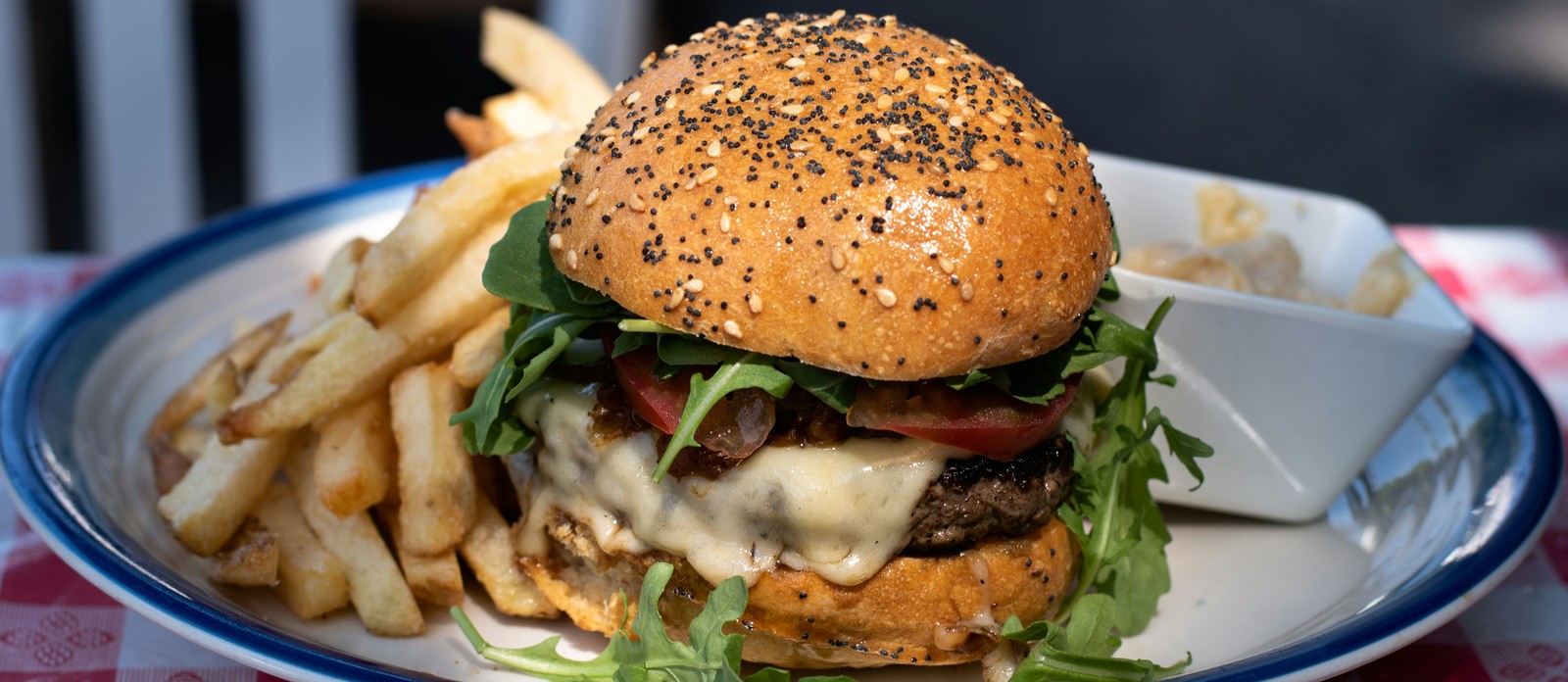
Image: Kelly Visel

Food and drink represent much more than the nutrition and hydration we need to survive — they’re part of a nation’s culture and history. Just as Hemingway and JFK loved drinking daiquiris, which were supposedly invented as a worker's "medicine" , these 10 iconic foods and drinks all carry surprising stories behind their names, recipes, and rise to fame.

1
Daiquiri
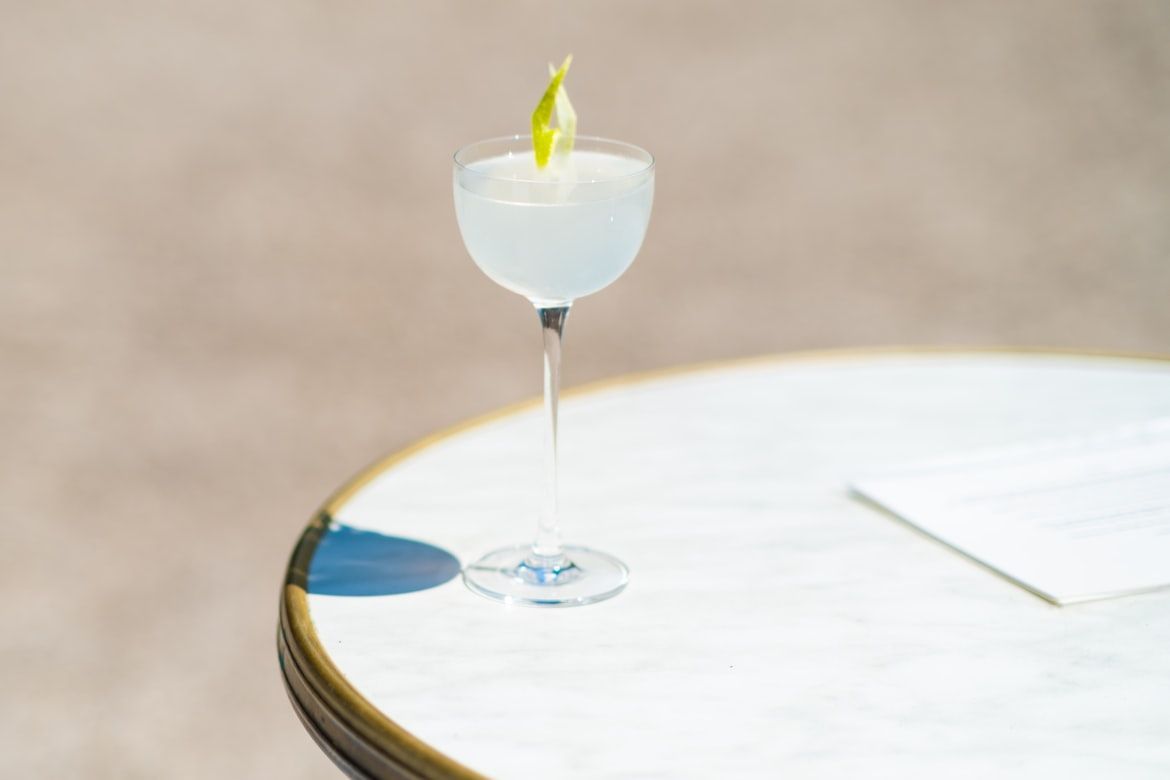
Image: Timothé Durand

Is it possible that our favorite vacation cocktail was originally a "medicine"? Back in 1898, an American mining engineer named Jennings Cox was working in the village of Daiquiri, Cuba. He mixed local rum, lime, and sugar to keep his workers refreshed and to ward off yellow fever.

This drink migrated to the States, becoming popular during the 1940s and 1950s, and a favorite of Ernest Hemingway and President John F. Kennedy . While Hemingway famously drank daiquiris in Havana, JFK later helped make the cocktail fashionable in American political circles. Rum brands like Bacardi and Captain Morgan helped make the cocktail a summer favorite, and the original recipe started to vary among bars and vacation spots.

2
Hamburger
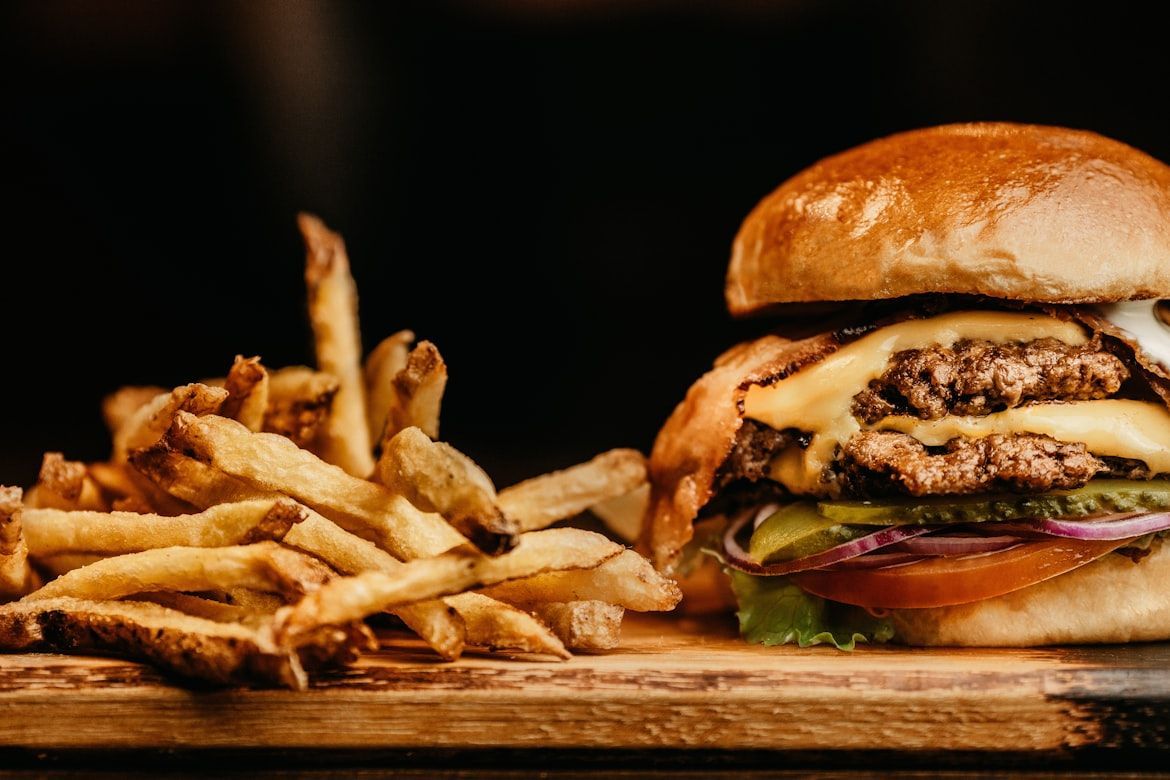
Image: Jonathan Borba

Did you know one famous hamburger origin story points to a small town in New York? According to the Menches family legend, brothers Frank and Charles Menches were selling pork sausage sandwiches at the 1885 Erie County Fair in Hamburg, New York, when they ran out of pork . A local butcher suggested ground beef instead. The brothers reportedly seasoned the beef with coffee, brown sugar, and other ingredients, then served it between bread with ketchup and sliced onions. The sandwich was said to be a hit, so they named it the "hamburger" after the town where the fair was held.

3
German Chocolate Cake
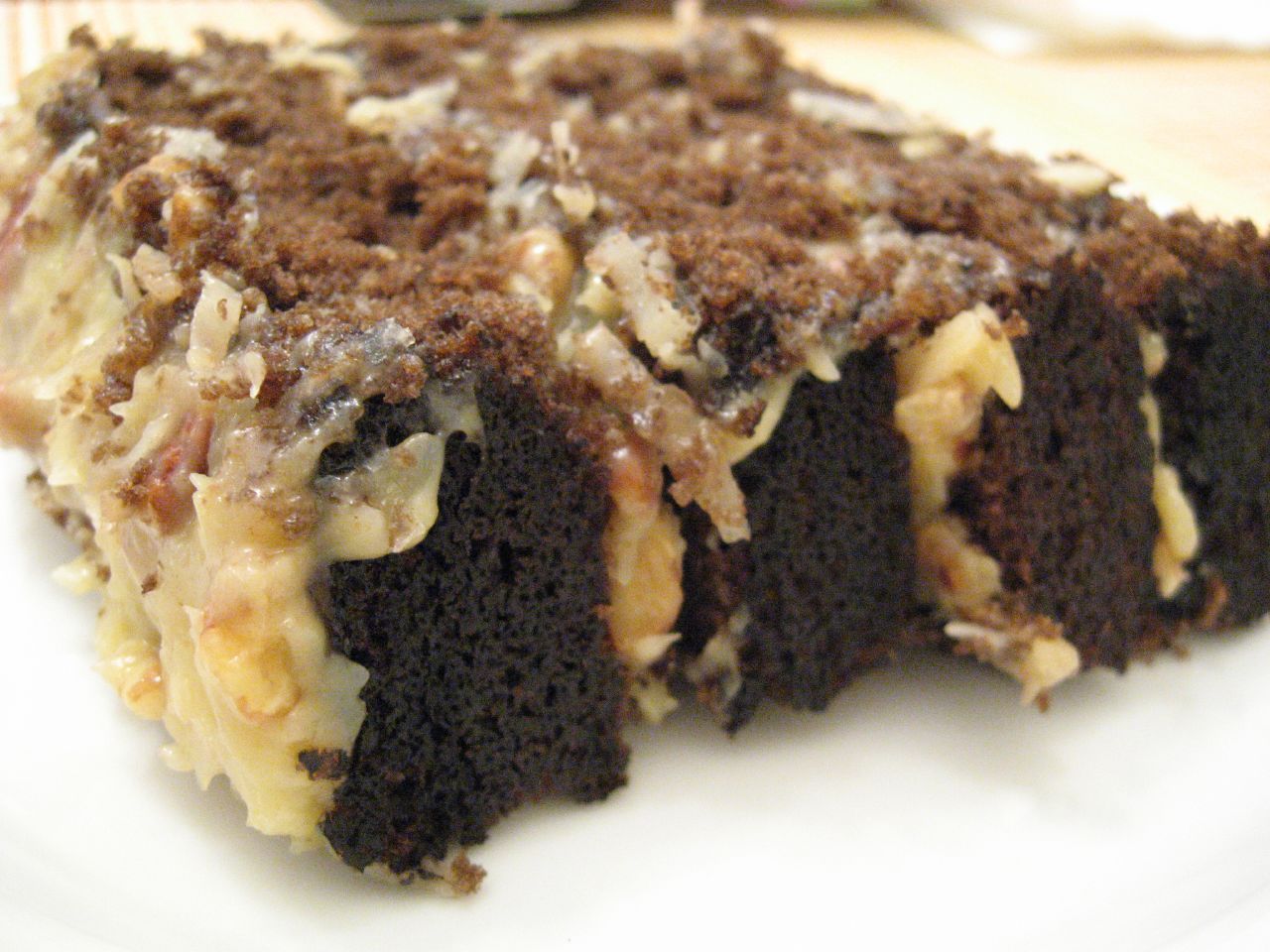
Image: Kimberly Vardeman

Don’t let the name fool you into thinking this recipe comes from overseas. This dessert was actually born in Dallas in 1957 when Mrs. George Clay sent the recipe to the local newspaper, the Dallas Morning News . The German part actually comes from Sam German, the man who developed the dark baking chocolate for Baker’s Chocolates Company back in the 1850s.

This cake quickly became a sensation at birthdays and other celebrations thanks to its coconut-pecan frosting. The confection eventually inspired similar cupcakes, brownies, and even an ice cream flavor.

4
Philly Cheesesteak
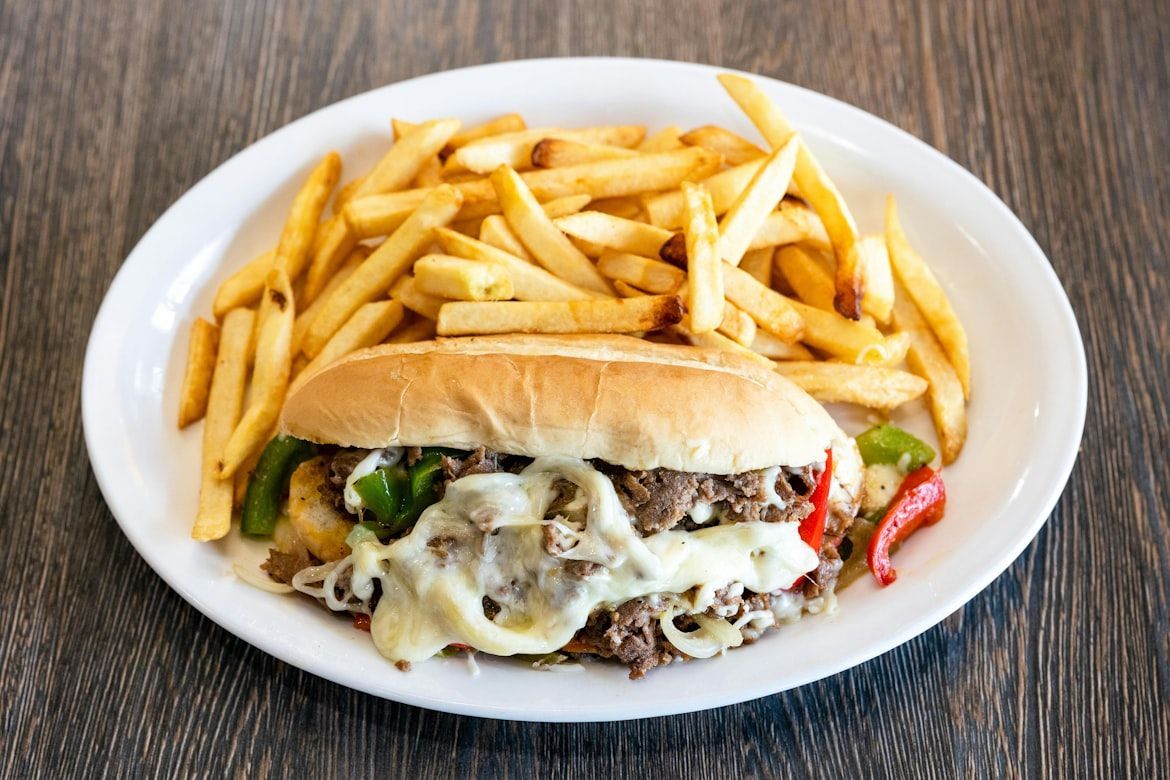
Image: Snappr

One of Philadelphia’s most famous foods started almost by accident. In 1930, Pat Olivieri was running a hot dog stand in South Philly when he decided to grill some chopped beef and place it inside an Italian roll for himself. A taxi driver nearby smelled it, asked for one too, and legend follows that the word spread quickly around the city .

Shortly after, melted cheese became part of the recipe —usually Cheez Whiz, provolone, or American cheese. Today, locals debate whether the best version is sold at Pat's King of Steaks or Geno's Steaks.

5
Hot Dog
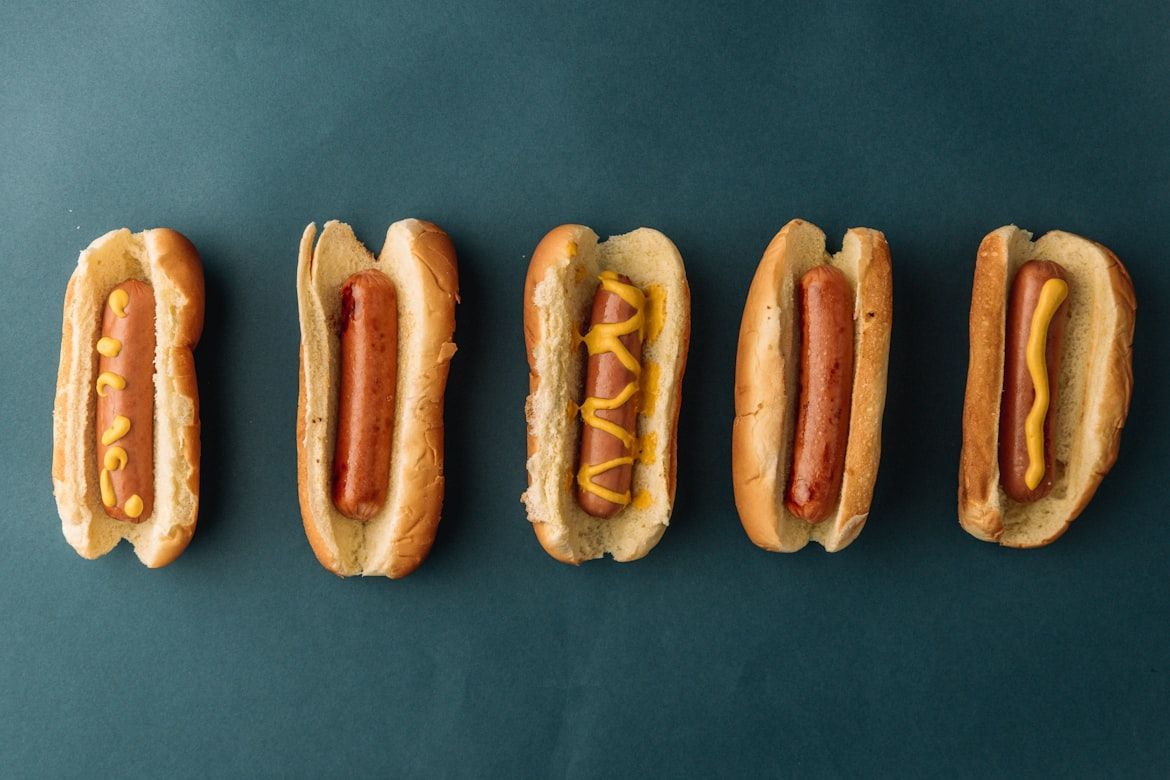
Image: Ball Park Brand

Just like the hot dog itself has two main ingredients, its origin story also comes in two parts. Some people say the sausage came from Frankfurt, Germany, while others believe the wieners of Vienna, Austria, inspired it. Frankfurt even celebrated the sausage’s 500th anniversary in 1897 to strengthen its claim.

But how did the hot dog become an American favorite? Before the 1850s, people in New York usually ate frankfurters between two slices of bread. Around that time, Austrian baker Ignatz Frischman arrived near Coney Island, and he noticed how much the crowds loved the sandwiches. After opening his bakery, he created a long, soft roll made especially for the sausages, and street vendors quickly started using them .

6
S'mores
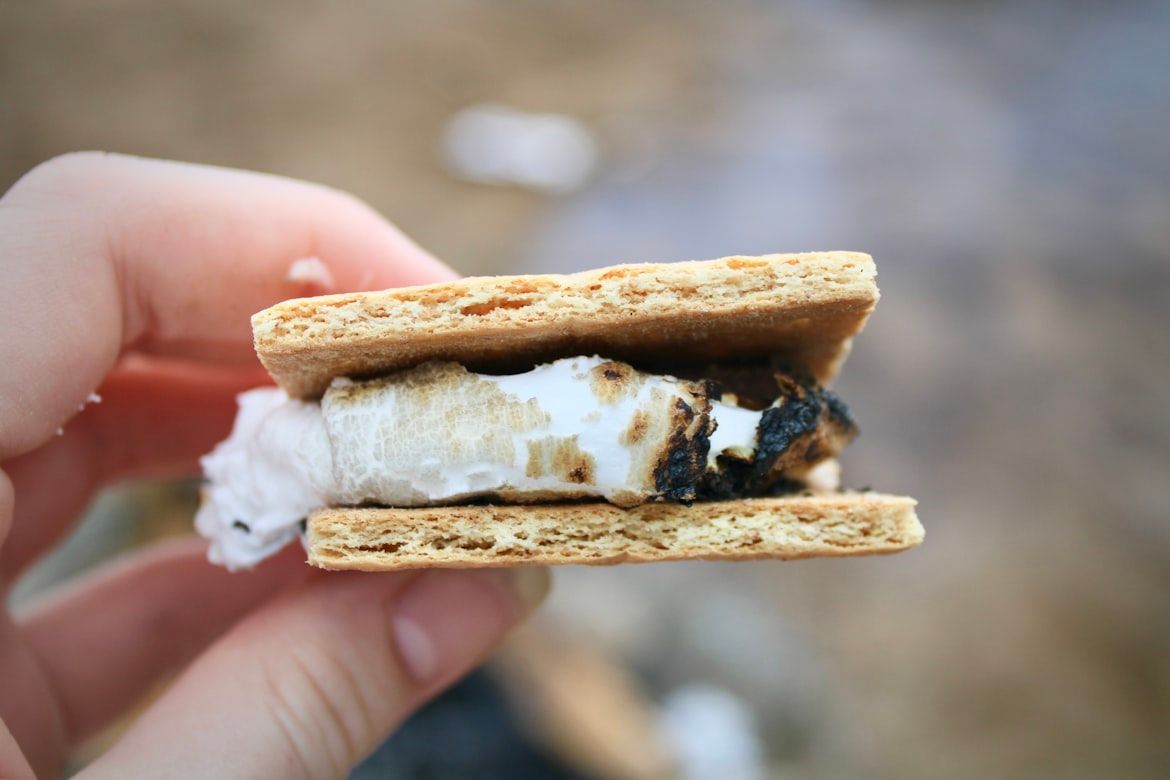
Image: Ava Tyler

The first known recipe for the summertime classic appeared in a 1927 Girl Scout handbook, where campers were taught to roast marshmallows over a fire and sandwich them between graham crackers and chocolate.

Companies like Hershey's, Jet-Puffed, and Honey Maid helped turn s’mores into a must for campfire treats, and now, they can be made in ovens or microwaves with peanut butter or flavored chocolate.

7
Corn Dog
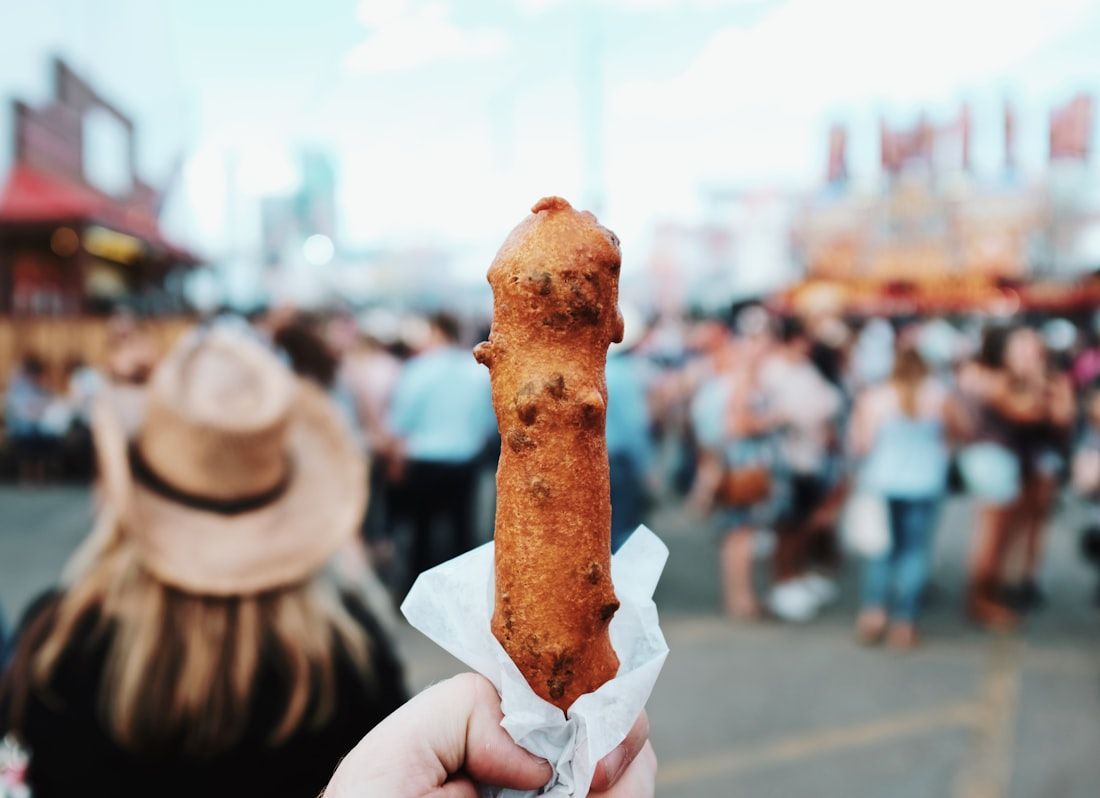
Image: Blake Guidry

A hot dog dipped in cornmeal batter, placed on a stick, and deep-fried until golden brown. That is how a classic corn dog is made. During the late 1920s, one Minnesota family sold their version of the corn dog at the Oregon local fairs under the name "Pronto Pup" because they disliked the term "corn dog." Even so, "corn dog" became the most recognized name, especially after state fairs in Texas and the Midwest helped popularize it throughout the country.

They are staples at carnivals, baseball games, and amusement parks, and are usually adorned with mustard or ketchup . Also, newer versions use spicy sausages, cheese-filled batter, or mini bite-sized pieces for easy snacking.

8
Lobster Roll
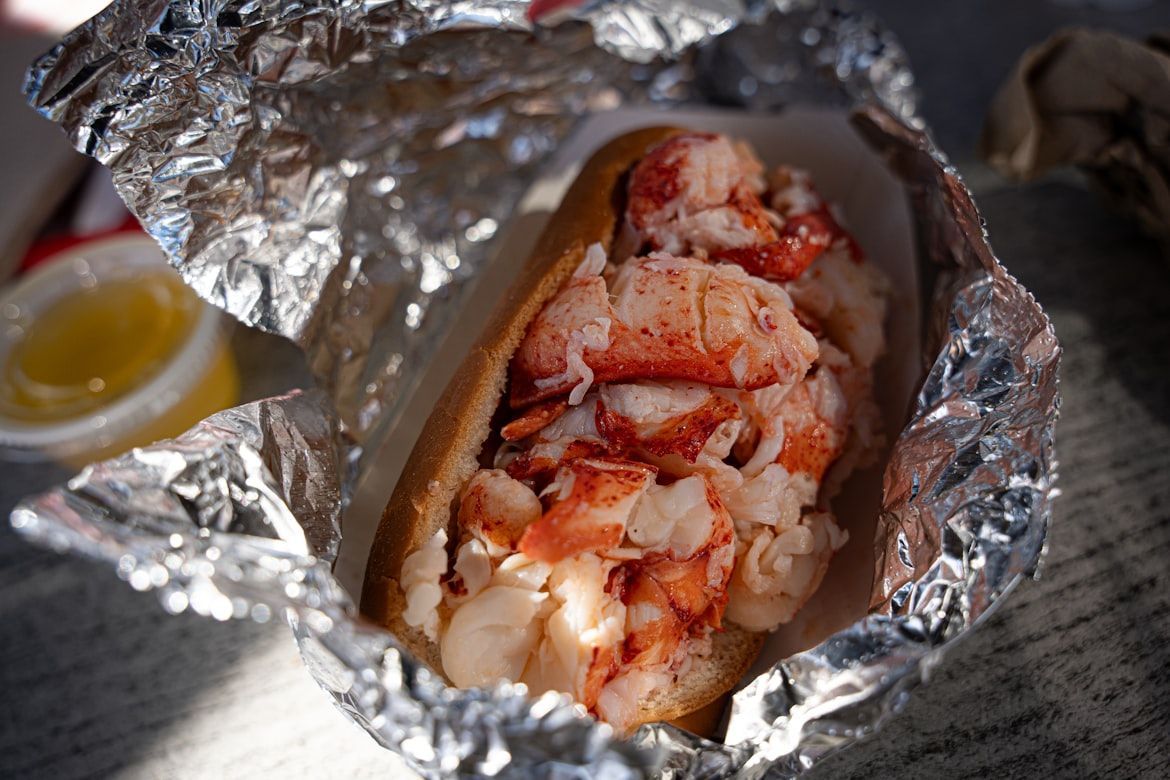
Image: Will Ma

One early story places its birth in a Connecticut restaurant during the 1920s, where warm lobster soaked in butter was served inside a toasted roll. Years later, Maine helped popularize a different version with cold lobster mixed with mayonnaise, and the debate between the two styles continues.

By the 1970s, lobster rolls had turned into a symbol of seaside vacations across the Northeast. People have them at seafood shacks, harbor towns, and summer festivals. Famous spots like Red's Eats became famous for lobster meat rolls, while others, such as Luke's Lobster, helped introduce the sandwich to the rest of the country.

9
Reuben Sandwich
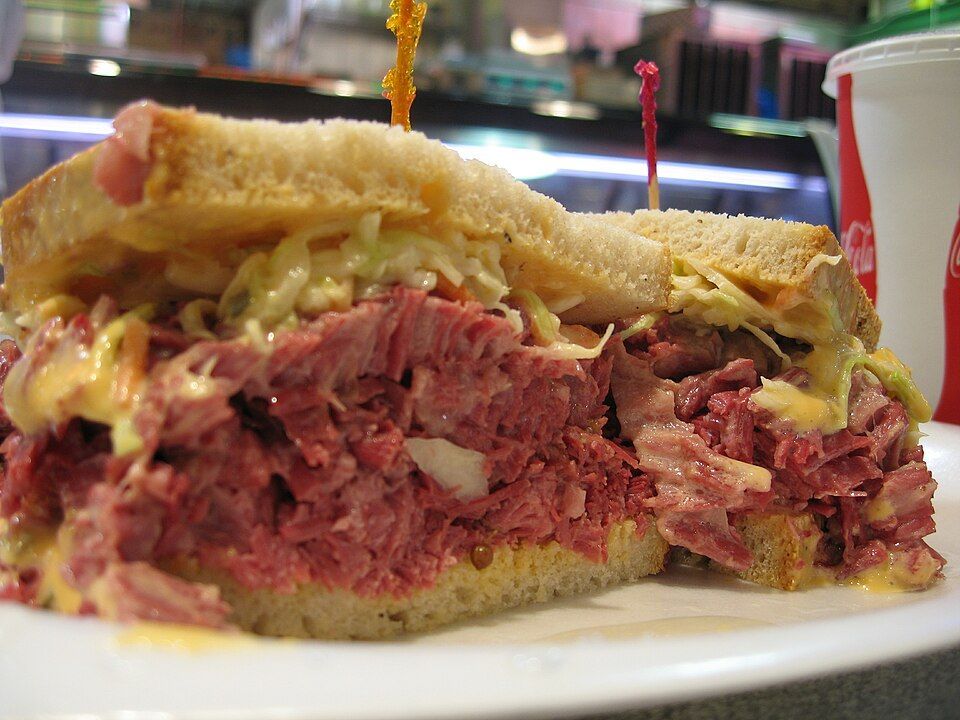
Image: Michaela den

The Reuben Sandwich has been part of a food debate for nearly a century. One version takes us to the 1920s, Omaha, Nebraska, where grocer Reuben Kulakofsky asked for a special sandwich during late-night poker games at a hotel . The other one says a New York deli owner was already serving something very similar around the same time.

No matter the truth, the sandwich was already appearing on menus by the 1930s with its mix of corned beef, Swiss cheese, sauerkraut, and Russian dressing on rye bread. It is a classic choice at American diners and Jewish-style delis.

10
Piña Colada
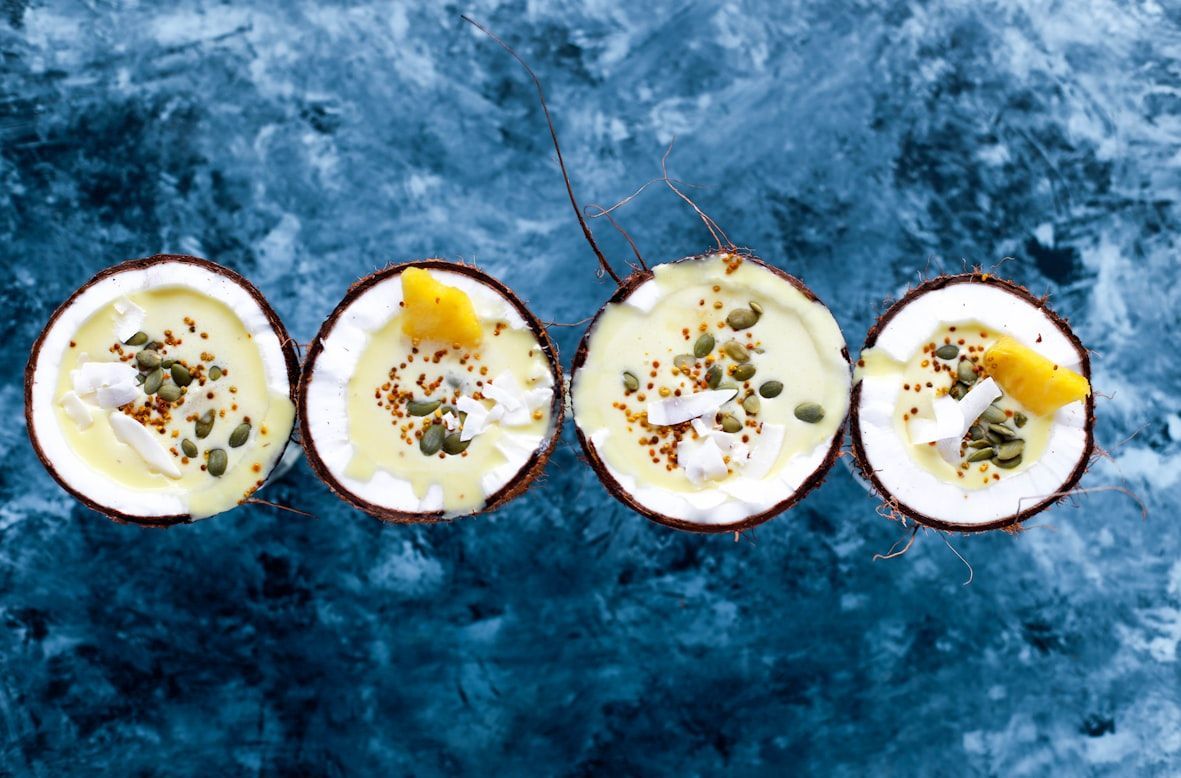
Image: Brenda Godinez

It first appeared in 1954 at the Caribe Hilton. Bartender "Monchito" Marrero, after trying different recipes, finally arrived at the rum, coconut, pineapple juice fusion we enjoy today.

Coco López and Malibu, both liquor brands, helped turn the drink into an easy, homemade one, enabling more flavors like strawberry, mango, or even banana. Also, as Caribbean vacations and cruise trips became popular during the second half of the 20th century, the piña colada started showing up at beach bars and resorts all over the country.

General General 5 min read

Second look

Lost in history: 10 forgotten presidents who changed America

Image: Library of Congress

Be honest—how many U.S. Presidents can you name off the top of your head? Great leaders like Washington and Lincoln often steal the spotlight, and with legacies as groundbreaking as theirs, it's totally understandable. However, this also means the work of many lesser-known—but no less important—figures in American history is often overlooked. From controversial characters to underrated statesmen, join us as we unravel the stories of 10 forgotten U.S. presidents.

1
Martin Van Buren (1837-1841)

8th President

Image: Library of Congress

Van Buren, the first president born after the American Revolution, inherited an economic crisis shortly after taking office, known as the Panic of 1837 . The market crash, caused by speculative banking practices, led the country into a severe economic depression.

Van Buren’s quick response was to establish an independent treasury system, which effectively separated federal funds from private banks. This system helped stabilize the currency and laid the foundation for modern federal financial management. Furthermore, Van Buren was also a key figure in the development of the two-party system that continues to shape American politics today. Quite the legacy for an often-overlooked figure!

2
John Tyler (1841-1845)

10th President

Image: Library of Congress

John Tyler became president in 1841 following William Henry Harrison’s death, marking the first time a vice president succeeded a sitting president. Although this might seem unremarkable today, Tyler asserted the constitutional authority of the presidency by doing so, setting an important precedent for the peaceful transfer of power and solidifying the role of the vice presidency in American democracy.

However, Tyler is mostly remembered for championing westward expansion and overseeing the initial negotiations for the annexation of Texas—a move that literally reshaped the nation. Though this ultimately led to tensions with Mexico and the Mexican-American War, his efforts to settle a peaceful border treaty between the United States and Canada helped balance his legacy.

3
James K. Polk (1845-1849)

11th President

Image: Library of Congress

James K. Polk, the 11th president, is often called the "expansionist president" due to his aggressive territorial policies. Under his leadership, the United States expanded significantly, acquiring more than a million square miles of land through various treaties and the victory in the Mexican-American War.

His presidency fulfilled the concept of Manifest Destiny, extending the nation's reach to the Pacific Ocean. However, his legacy remains somewhat controversial, as many of his actions exacerbated the divide between the northern and southern states, setting the stage for the American Civil War.

4
Zachary Taylor (1849-1850)

12th President

Image: Library of Congress

Zachary Taylor, a hero of the Mexican-American War, became president in 1849 with little political experience. Despite being a Southern slave owner, he opposed the expansion of slavery into the newly acquired western territories, a stance that put him at odds with many in the South.

While Taylor's presidency was cut short by his sudden death in 1850, his role in opposing the spread of slavery into new states set the stage for future debates. Though brief, his actions as president are often praised for their conciliatory nature, as he sought compromises in an attempt to prevent the looming conflict.

5
Millard Fillmore (1850-1853)

13th President

Image: Library of Congress

Millard Fillmore took over after Zachary Taylor's untimely death in 1850, inheriting a fractured nation on the brink of civil war. His most controversial act was signing the Compromise of 1850, which included the Fugitive Slave Act, requiring the return of escaped slaves to their owners.

This somewhat ham-fisted attempt to maintain the fragile peace between the North and South only deepened the divisions that eventually led to the Civil War. On a lighter note, Fillmore was the first president to initiate trade relations with Japan, marking the start of Japan’s modernization and its integration into the global economy.

6
Franklin Pierce (1853-1857)

14th President

Image: Library of Congress

Franklin Pierce, elected in 1852, faced an increasingly divided nation over the issue of slavery. His signing of the Kansas-Nebraska Act in 1854 allowed new territories to decide for themselves whether to permit slavery, leading to violent confrontations between pro- and anti-slavery factions in what became known as "Bleeding Kansas."

Despite his troubled domestic policies, Pierce followed his predecessor's path of expanding U.S. influence abroad. He pushed for new trade routes and even attempted to negotiate the acquisition of Cuba from Spain, though his efforts ultimately failed.

7
James Buchanan (1857-1861)

15th President

Image: Library of Congress

James Buchanan’s inability to resolve the tensions between North and South is often criticized, but he faced a nearly impossible task. He sought to avert conflict through diplomacy but was hesitant to overstep states' rights, arguing that the Constitution did not grant him the authority to prevent secession.

Despite his efforts, South Carolina seceded in December 1860, just weeks after Abraham Lincoln’s election, setting the stage for war. In foreign policy, Buchanan strengthened U.S. relations abroad, securing trade agreements with China and managing tense relations with Great Britain.

8
Rutherford B. Hayes (1877-1881)

19th President

Image: Library of Congress

Rutherford B. Hayes is often remembered for his controversial election in 1876, which was decided by a congressional commission after a disputed vote count. His administration is also known for effectively ending the Reconstruction Era by withdrawing federal troops from the South.

While this helped bring stability to the South, it also allowed the rise of segregationist policies. On the other hand, Hayes was one of the first presidents to advocate for civil service reform, arguing that a merit-based government workforce was necessary to reduce corruption and ensure efficiency within the federal system.

9
Chester A. Arthur (1881-1885)

21st President

Image: Library of Congress

Initially seen as a product of the corrupt political machine system, Chester A. Arthur surprised many by becoming a champion of civil service reform. In 1883, he signed the Pendleton Civil Service Reform Act, which mandated that government jobs be awarded based on merit rather than political connections.

This act significantly reduced the influence of patronage in American politics, a practice that had long fueled corruption. Arthur also modernized the U.S. Navy, which had been neglected since the Civil War. His administration helped lay the foundation for the powerful naval force that would emerge in the 20th century.

10
Benjamin Harrison (1889-1893)

23rd President

Image: Library of Congress

Though almost forgotten today, Harrison’s administration was marked by significant legislative accomplishments. In particular, the Sherman Antitrust Act aimed at curbing the power of monopolies and promoting competition, and is considered the first major attempt by the federal government to regulate corporate power.

Harrison pushed to secure federal funding for education and voting rights for African Americans, but many of his efforts were blocked by Congress. Despite these setbacks, he remained a vocal advocate for African American civil rights, consistently addressing the issue in his speeches to Congress.

Culture Culture 5 min read

Heroines of the American Revolution

Discover 10 amazing Founding Mothers who often get forgotten

Image: Gerald R. Ford Presidential Museum, Public domain, via Wikimedia Commons

Stories about the American Revolution are usually about battles, generals, and soldiers. Since most women did not fight in battles, they are often left out of this period in history. But they did contribute to the struggle for American freedom, just in less conventional ways. From influential politicians' wives to journalists, artists, and spies, this article about revolutionary heroines is a reminder that women's patriotism and bravery also helped to win American independence.

1
Abigail Adams

Image: Christian Schussele, Public domain, via Wikimedia Commons

Women in the 1770s were not supposed to be concerned about politics. But Abigail Adams, wife of the second president of the United States, talked and wrote about politics with extraordinary insight. She was one of the earliest supporters of independence, and her ideas influenced the Founding Fathers.

Often ill as a child, Abigail educated herself in her father’s library. Her studies prepared her for a life of public service in which she fought for freedom from England and women’s rights, and stood firmly against slavery. She even wrote the famous "Remember the ladies" letter 150 years before women were allowed to vote. Abigail’s influence over John Adams was so great that some rival politicians nicknamed her "Mrs. President."

2
Mary Katherine Goddard

Image: Thomas Jefferson, Public domain, via Wikimedia Commons

Mary Katherine Goddard was the director of the Baltimore Post Office and one of the world's first female publishers. Her greatest contribution to the Revolution, however, was the printing of the first copy of the Declaration of Independence that included the names of all signatories.

During the war, she ran the Providence Gazette and Maryland Journal , two newspapers that actively supported the American patriots' efforts. Despite the challenges she faced as a woman trying to make her way in a male-dominated society, Mary Katherine Goddard left an invaluable legacy as a pioneering woman in journalism and federal government work.

3
​​Martha Washington

Image: Billy Hathorn, CC0, via Wikimedia Commons

During her lifetime, she was known as Lady Washington, but Martha Dandridge Custis Washington will always be remembered as the first in a long line of first ladies of the United States. Martha married George Washington in 1759 and would be by his side in private and public life, even joining him on the battlefield.

While Washington was in office, Martha was in charge of the Presidential galas held to entertain members of the administration and foreign dignitaries. Although at that time she had no official duties or title, her warm temperament and classy poise laid the foundations for a key role that continues to this day.

4
Esther de Berdt Reed

Image: National Portrait Gallery, Public domain, via Wikimedia Commons

Even though Esther was born and raised in England, she sided with her husband, an aide to General Washington, in the American fight for independence. Five years into the war, Esther felt it was time for women to support the Continental troops in a more active way.

Esther's group, the Philadelphia Association, went door to door to ask for contributions. They ended up raising a large sum of money, which they used to supply soldiers in desperate need of provisions. Eventually, they stitched over 2,000 shirts by hand. Esther's vision and the group's dedicated efforts helped remind the men fighting the American Revolutionary War how much they were appreciated.

5
Elizabeth Schuyler Hamilton

Image: Ralph Earl, Public domain, via Wikimedia Commons

Elizabeth Hamilton, sometimes called "Eliza" or "Betsey," was the daughter of one of New York State's wealthiest and most politically influential families. In 1780, Eliza married Founding Father Alexander Hamilton. During their more than 20 years of marriage, she helped Hamilton write his letters and newspaper contributions and accompanied him on numerous historic events.

Strong-willed but caring, Eliza would devote her long widowhood to charity, helping to found New York's first private orphanage. In addition, she worked tirelessly to spread her husband's legacy and ensure that Hamilton had the place he deserved in American history.

6
Patience Lovell Wright

Image: William Faden, Public domain, via Wikimedia Commons

Did you know that during the American Revolutionary War, the Patriots had an American spy in the heart of King George's court? More interestingly, it was a woman! Famous for molding incredible wax sculptures, Patience Lovell Wright had to move to England after her New York studio caught fire.

Her friend, Benjamin Franklin, introduced her to London society. Soon enough, word of her talent reached King George III, who invited her to Buckingham Palace. But she remained loyal to her "dear America," as she called it, and when trouble started back home, Patience decided she could help America's fight for independence by providing decisive information her prominent clients revealed while posing for her.

7
Mercy Otis Warren

Image: John Singleton Copley, Public domain, via Wikimedia Commons

At a time when women were expected not to air their views on political issues, Mercy Otis Warren was a poet, playwright, and activist.

During the American Revolution, Warren not only maintained a close relationship with leading political figures such as George Washington, Thomas Jefferson, and John Adams, but she also became a historian and outspoken commentator, as well as the leading female intellectual of the early republic.

8
Penelope Barker

Image: Attributed to Philip Dawe, Public domain, via Wikimedia Commons

In the 18th century, women had no public outlet to express their convictions or to take a stand. Rebellion was considered men's business. Yet, the courageous Penelope Barker proved to everyone that women could contribute a great deal to the efforts for independence.

In 1774, in Edenton, North Carolina, a group of fifty-one women signed a declaration by Penelope, stating they would not drink tea or wear clothes made in England. The British press called it the "Edenton Tea Party" and ridiculed them. But soon enough, women all over the colonies were boycotting British products. Thanks to Penelope Barker's declaration, every woman in America discovered a smart and original way to rebel against the colonists.

9
Mary Norris Dickinson

Image: Prateek Katyal

The daughter of wealthy Pennsylvania Quakers, Mary Norris Dickinson was well-educated and owned one of the largest libraries in the colonies. She believed in a life without violence and in equal rights for men and women, ideas that she did not shy away from voicing in public to the dismay of some more conservative individuals.

For her fundamental role in political thought, influence on other women, and involvement in events related to the Constitutional Convention, the wife of Founding Father John Dickinson definitely deserves her place in history.

10
Phillis Wheatley

Image: Phillis Wheatley, CC0, via Wikimedia Commons

Brought to America as a slave, Phillis Wheatley became the first African-American author. Her poems celebrated learning and virtue and described a yearning for freedom. She also wrote a number of patriotic verses on subjects like the peace treaty of 1783 that ended the American Revolutionary War.

Her most famous piece was a poem to George Washington, in which she refers to him as "first in peace." The poem was published several times during the war to promote the Patriot cause, and Washington liked it so much that he asked to meet her. A true patriot and later a symbol for the abolition of slavery, Phillis Wheatley will always be known as a key contributor to freedom.

Explore more American facts

Choose your favorite category!

General
General

As American as apple pie—the very best America has to offer!

Culture
Culture

Delve into the astounding richness of American lore.

Geography
Geography

Hop in and explore vast and diverse American landscapes.

History
History

Discover the key moments that shaped the United States.