General General 4 min read

SAVORING THE PAST

The Great American Menu: 10 Hearty Meals That Shaped a Nation

Image: Annie Spratt

Isn’t the fastest way to the heart of a nation through its stomach? From coast to coast, the United States has a rich tapestry of culinary traditions that reflect its diverse history and cultural influences. These hearty meals not only fill our bellies but also help tell a vital part of our history , where the blend of innovation and tradition has produced both fresh takes on classic recipes and completely new culinary creations. Let's embark on a savory journey through 10 iconic dishes that are as American as… well…

1
Apple Pie

Image: Patrick Fore

No dessert is more synonymous with American culture than the humble apple pie. Dating back to the colonial era, this sweet treat has evolved from simple fruit-filled pastries to an unofficial symbol of the United States. Whether served à la mode with a scoop of vanilla ice cream or enjoyed on its own, apple pie remains a beloved classic for Americans of all ages.

2
Cheeseburger

Image: Christian Wiediger

While the two basic ingredients that make a hamburger—bread and beef— have been present in the cuisine of most cultures for millennia, historical evidence suggests that the first country where the two were combined into a "hamburger sandwich" was the United States.

However, it was the addition of cheese that catapulted this culinary creation to legendary status. Whether topped with cheddar, American, or blue cheese, the cheeseburger represents the spirit of affordability and innovation that defines American cuisine.

3
Clam Chowder

Image: Louis Hansel

Consumed by Americans at least since the early 19th century, clam chowder is a creamy soup brimming with fresh clams, potatoes, and onions. Although the most popular version of this dish hails from the shores of New England , there are many other regional variations like the Manhattan or Rhode Island clam chowder.

Served in a bread bowl or alongside oyster crackers, this comforting dish has warmed the hearts of generations, earning its place as a regional favorite.

4
Fried Chicken

Image: Shardar Tarikul Islam

Crispy on the outside and tender on the inside, fried chicken is a Southern staple that has captured the hearts (and taste buds) of food lovers nationwide. The origin of this popular dish in the Southern states has been linked to similar recipes from Scottish and West African cuisines.

Today, thanks in part to brands like Kentucky Fried Chicken (KFC) and Popeyes, fried chicken has become a beloved classic enjoyed across the country and around the world, while still retaining its deep-rooted popularity in the South.

5
Jambalaya

Image: stu_spivack, CC BY-SA 2.0

Hailing from the Louisiana bayou, jambalaya is a flavorful one-pot dish that combines rice with an array of meats, seafood, and vegetables. According to linguists, its curious name comes from the Provençal language —spoken in modern southeastern France—meaning something like a mixup.

While there is some evidence that points to the origin of this dish being the French Quarter of New Orleans, what is certain is that it reflects the complex cultural tapestry of the South , with influences from French, Spanish, and West African cuisines.

6
Pot Roast

Image: charlesdeluvio

A quintessential Sunday supper, pot roast is a slow-cooked marvel that transforms tough cuts of beef into melt-in-your-mouth perfection. Simmered alongside hearty vegetables—often carrots, potatoes, and onions—in a savory broth, this comforting dish has been bringing American families together for generations.

Similar recipes are found in many cultures, but the origin of the "Yankee pot roast," is often thought to be a local variation of the French dish boeuf à la mode ****, also influenced by German sauerbraten and traditional Jewish cuisine.

7
Shepherd's Pie

Image: JIP, CC BY-SA 4.0

Shepherd's pie, with its comforting layers of seasoned ground meat, vegetables, and creamy mashed potatoes, has long been a staple of American comfort food. Originally hailing from the British Isles—where it was made of lamb meat— this hearty dish found its way to American tables, where it quickly became a timeless classic.

Whether enjoyed on a cold winter's night or as a crowd-pleasing potluck dish, shepherd's pie warms the soul with its hearty flavors and rustic charm.

8
Cornbread

Image: Nik Owens

Cornbread holds a special place in American cuisine, particularly in the South, where it's considered a culinary cornerstone. Made from a simple mixture of cornmeal, flour, milk, and eggs, cornbread is a versatile accompaniment to countless meals , from barbecue ribs to fried chicken.

With origins in Native American cuisine , the role of cornbread as a pillar of the Southern diet emerged mostly out of necessity, as the heat and humidity of the region made it almost impossible to store wheat for long periods of time.

9
Macaroni and Cheese

Image: Ronaldo de Oliveira

Few dishes evoke nostalgic memories quite like macaroni and cheese. By simply combining tender pasta with a creamy cheese sauce, this childhood favorite has been delighting taste buds for generations.

While its origins can be traced back to Europe, macaroni and cheese became an American household staple during the 20th century , thanks in part to its convenience and affordability.

10
Meatloaf

Image: 4marknelson, CC BY-SA 4.0

Meatloaf, with its hearty blend of ground meat, breadcrumbs, and savory seasonings, is the epitome of classic American food. Originating in traditional German, Scandinavian, and Belgian cuisines , the dish as we know it today was likely first prepared in colonial Pennsylvania, using a mixture of ground pork and cornmeal.

This humble but nourishing dish has graced dinner tables all across the nation, and to this day remains a favorite for its simplicity and budget-friendly ingredients.

General General 4 min read

Championed bestsellers

Can you guess the most famous books set in these states?

Image: lil artsy / Morgan Lane

Books surely transport us. Particularly those with stories entwined with the landscapes and culture of real places. Some novels have become so famous that they are the top-of-mind when

we think of certain U.S. states. Which book do you remember when we mention Alaska, Alabama, or Missouri? Let’s see if you can guess which titles are the most famous set in these states!

1
Alaska – Into the Wild

Image: Joris Beugels

Surely a top choice! Into the Wild recounts the real and tragic story of Christopher McCandless, who ventured to the north Alaskan wilderness seeking freedom and self-discovery.

As thought-provoking as heart-breaking, this non-fiction by Jon Krakauer takes readers on a journey with vivid descriptions of Denali and the Stampede Trail.

2
Colorado – The Shining

Image: Luke Scarpino

Maybe not the most flattering, but consensus says that the most famous novel set in Colorado is Stephen King’s iconic The Shining .

After all, the story about troubled Jack Torrance and his family unravels inside the fictional Overlook Hotel, imagined as a high-altitude, secluded retreat in Colorado. King was inspired to write it after his stay at Stanley Hotel, in the same state.

3
Kansas – The Wonderful Wizard of Oz

Image: V

Is it fair? Most of the action in Frank L. Baum’s novel occurs in Oz, not Kansas. But the one famous line, made unforgettable by the movie, was enough to link The Wonderful Wizard of Oz to the state forever.

"Toto, I have a feeling we are not in Kansas anymore " and later on "There’s no place like home" have made people resolve that Kansas is underlying in the plot of the famous fantasy.

4
Louisiana – Interview with the Vampire

Image: Katelyn Greer

The luxurious vampires created by Anne Rice for Interview with the Vampire would not be the same if not draped in Louisiana’s gothic mystique. That’s why people defend this as the Pelican State’s most famous book.

From shadowy bayous to grand Creole mansions, the stories of Louis and Lestat redefined vampire lore and turned them into rock stars of literature.

5
Missouri - The Adventures of Tom Sawyer

Image: Lawrence Chismorie

Mischievous Tom Sawyer might be the quintessential American boy, and he certainly was from the Show-Me State.

Mark Twain's classic tale, set in the fictional town of St. Petersburg, Missouri, follows Tom and his pals, Huckleberry Finn and Becky Thatcher. Who could forget the iconic fence-painting scene or the thrilling cave exploration?

6
Georgia - Gone with the Wind

Image: Ника Алексеева

Frankly, we do give a damn about this sweeping epic set in Georgia during the Civil War and Reconstruction era. Margaret Mitchell's Pulitzer Prize-winning novel, Gone with the Wind , tells the story of Scarlett O'Hara, a headstrong Southern belle.

From the grand plantation of Tara to the bustling streets of Atlanta, the novel paints a vivid portrait of a bygone and controversial era.

7
Vermont - Pollyanna

Image: Tuyen Vo

Sweet Pollyanna was voted the most famous novel set in Vermont, known for its picturesque landscapes and charming towns.

Eleanor H. Porter's children’s classic tells the story of an optimistic girl who invents a "glad game", which teaches herself and her neighbors to find joy in every situation.

8
Washington - Twilight

Image: Alex Moliski

The craze set on by Stephenie Meyer’s Twilight saga was hard to miss. But few people remember that this vampire romance was distinctly set in Forks, Washington.

Unraveling in a misty, rainy city lined by looming forests, the series of novels lodged itself in the memory of millions of fans as an emblem of this northern state.

9
Texas - No Country for Old Men

Image: Damien Snyers

Another Pulitzer Prize-winner: No Country for Old Men is set in the desolate landscape of West Texas. This work by Cormac McCarthy was the first that many mentioned when asked about the state.

It follows a Vietnam veteran turned hunter, who stumbles upon a drug deal gone wrong. The film adaptation, directed by the Coen brothers, was also critically acclaimed, earning four Academy Awards and more fame to the title.

10
Oregon - One Flew Over the Cuckoo's Nest

Image: Aleksandar Pasaric

Author Ken Kesey used to work the graveyard shift at a mental facility in California. But this did not stop him from setting One Flew Over the Cuckoo's Nest in Oregon, where he grew up.

This powerful novel, a satire of the mental healthcare system, also became a multi-awarded film starring Jack Nicholson.

11
Alabama – To Kill a Mockingbird

Image: Brian Forsyth

Who could forget the story of Atticus Finch, the moral compass of Maycomb, Alabama? Harper Lee’s classic told from the perspective of young Scout Finch is a moving tale of justice and humanity.

Although Maycomb is fictional, this Pulitzer Prize-winning novel has enough renown to turn it into the most famous set in Alabama, even internationally.

12
New York - The Great Gatsby

Image: Billy Huynh

Surely New York state had many strong contenders —from Breakfast at Tiffany’s to The Catcher in the Rye . But the winner was F. Scott Fitzgerald's The Great Gatsby .

This iconic novel captures the glamour and excess of the Roaring Twenties, as well as a version of the American Dream gone awry. It’s not only New York’s most famous fiction , some have gone so far as to call it the quintessential American novel!

Geography Geography 4 min read

Landmarks have secrets

Why can't you go to Lady Liberty's torch: Facts about iconic buildings

Image: Zoshua Colah

Did you know that the Golden Gate Bridge wasn’t supposed to stay that color? Or that the White House wasn’t meant to have that name? Could you guess which of our iconic buildings shows a map of the stars that’s, err… wrong? We think we are somewhat acquainted with the basic facts about the most famous structures in our country. But here is a list of some behind-the-scenes stories you probably hadn’t heard before!

1
How the White House gained its name

Image: Suzy Brooks

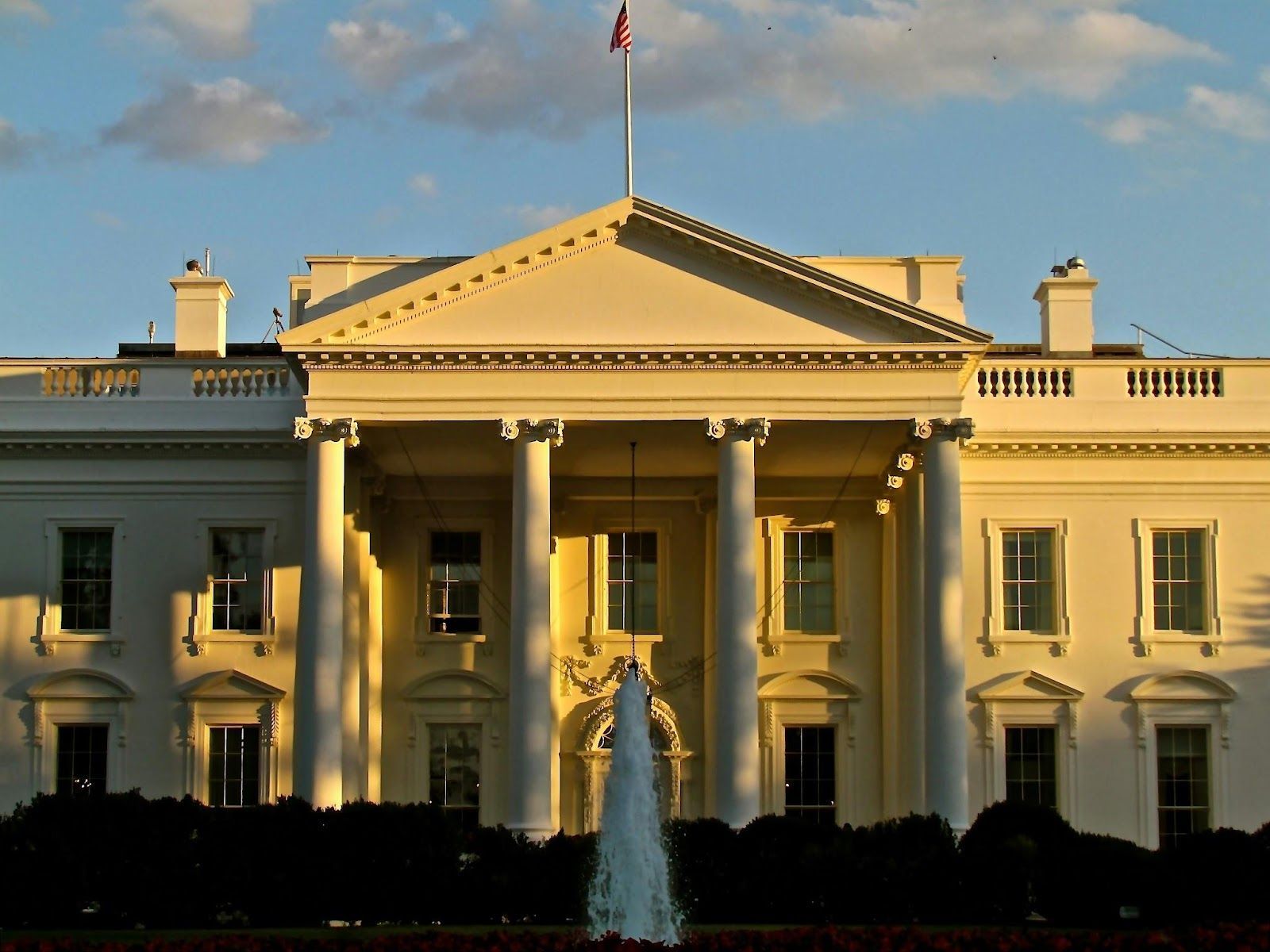
Originally, the building was called the "President’s House." That only changed after the 1814 fire. During the War of 1812, British troops marched into Washington and set many buildings on fire, including the main one.

Walls were scorched, and smoke damage lingered inside and outside the building. When repairs began, painters coated the building white to cover the burn marks . This resulted in the "White House" nickname. Nearly a century later, Theodore Roosevelt made it official.

2
A hidden underground beneath America’s books

Image: Stephen Walker

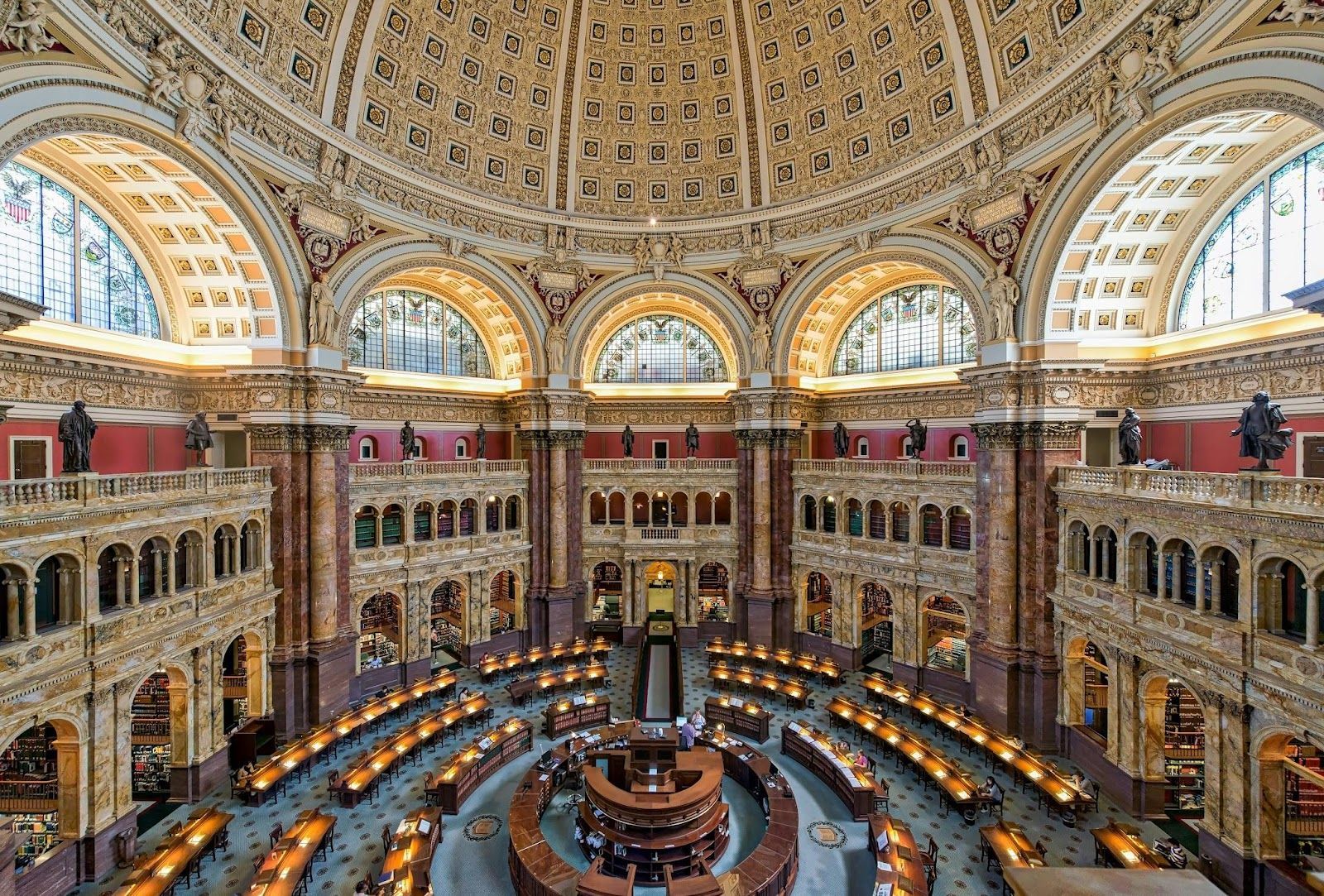
Have you ever heard of the Library of Congress's underground tunnels? Most visitors never see them or learn about them. They connect their buildings, allowing staff to transport rare books and documents safely and efficiently. Fragile, valuable materials had better be protected from the weather, the sunlight, and, well, the people!

3
The Golden Gate Bridge wasn’t supposed to stay red

Image: Trent Erwin

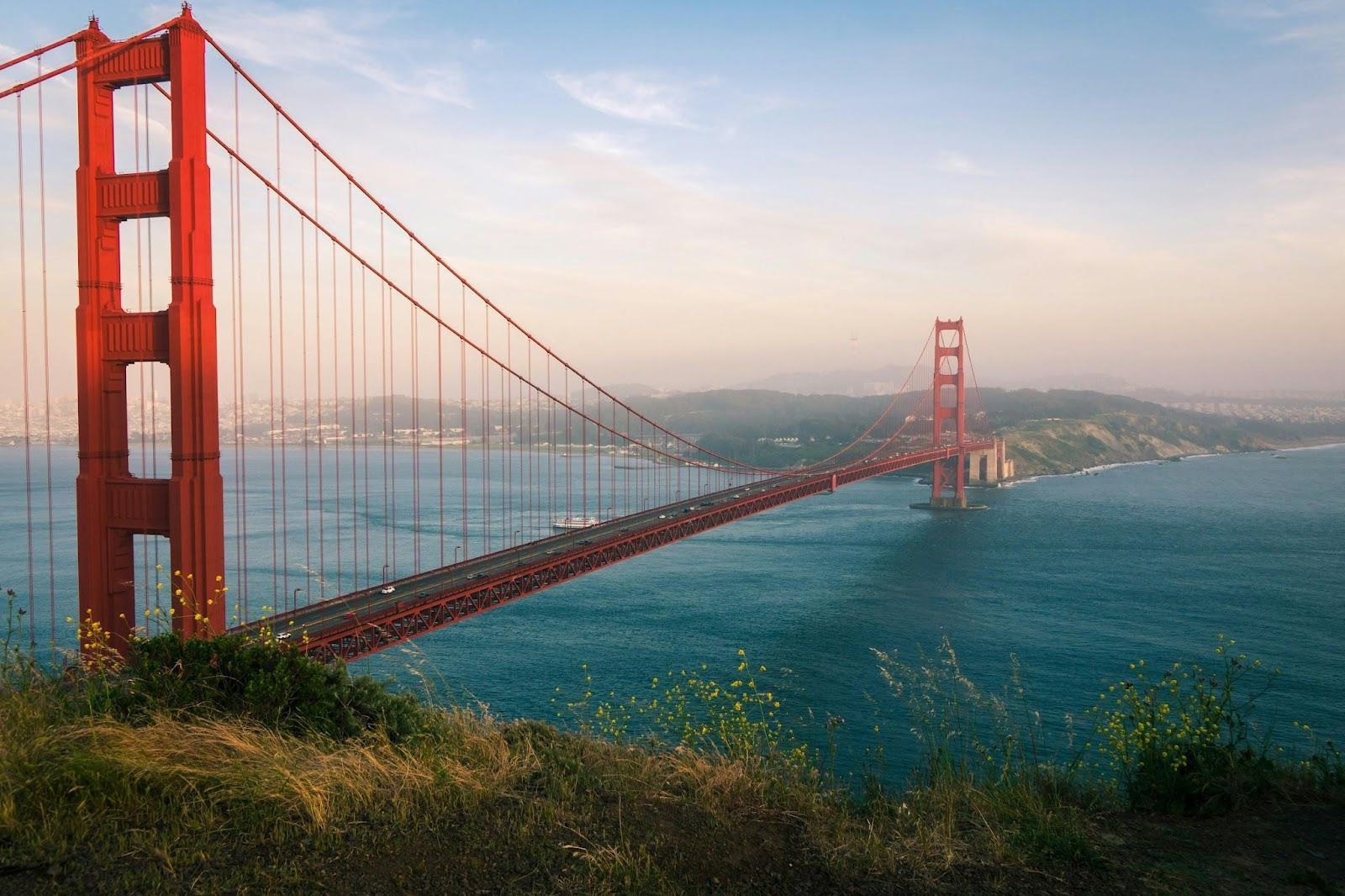
The reddish color of the Golden Gate Bridge (officially named "International Orange") was supposed to be a temporary priming coat to protect the steel.

However, when engineers looked at the bright color peeking through the fog against the stunning blue and green of the San Francisco Bay, they said, "You know what?" It should stay like that. The Navy proposed painting it black and yellow, but it was never done. The stunning color turned it into one of the most iconic buildings in the world.

4
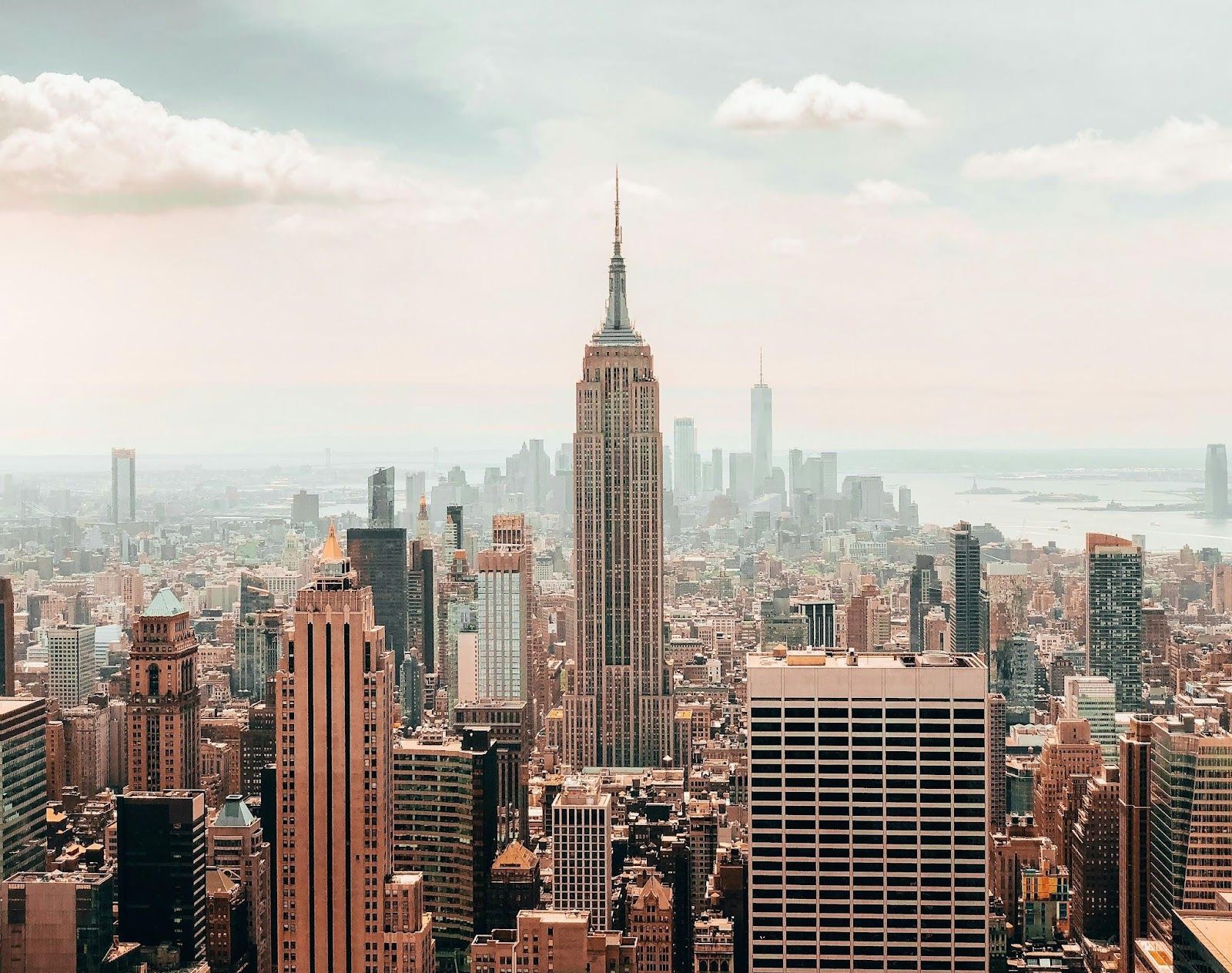
The Empire State Building wanted to welcome airships

Image: Christian Ladewig

Back in 1931, the Empire State Building’s spire was intended as a mooring mast to serve as a docking station for airships. The idea was that passengers should be able to step directly into Manhattan from the sky!

Sure, it was a futuristic plan, but it was eventually dismissed for being wildly dangerous. Passengers would have had to climb out at dizzying heights in strong winds. Not ideal! And certainly not glamorous.

5
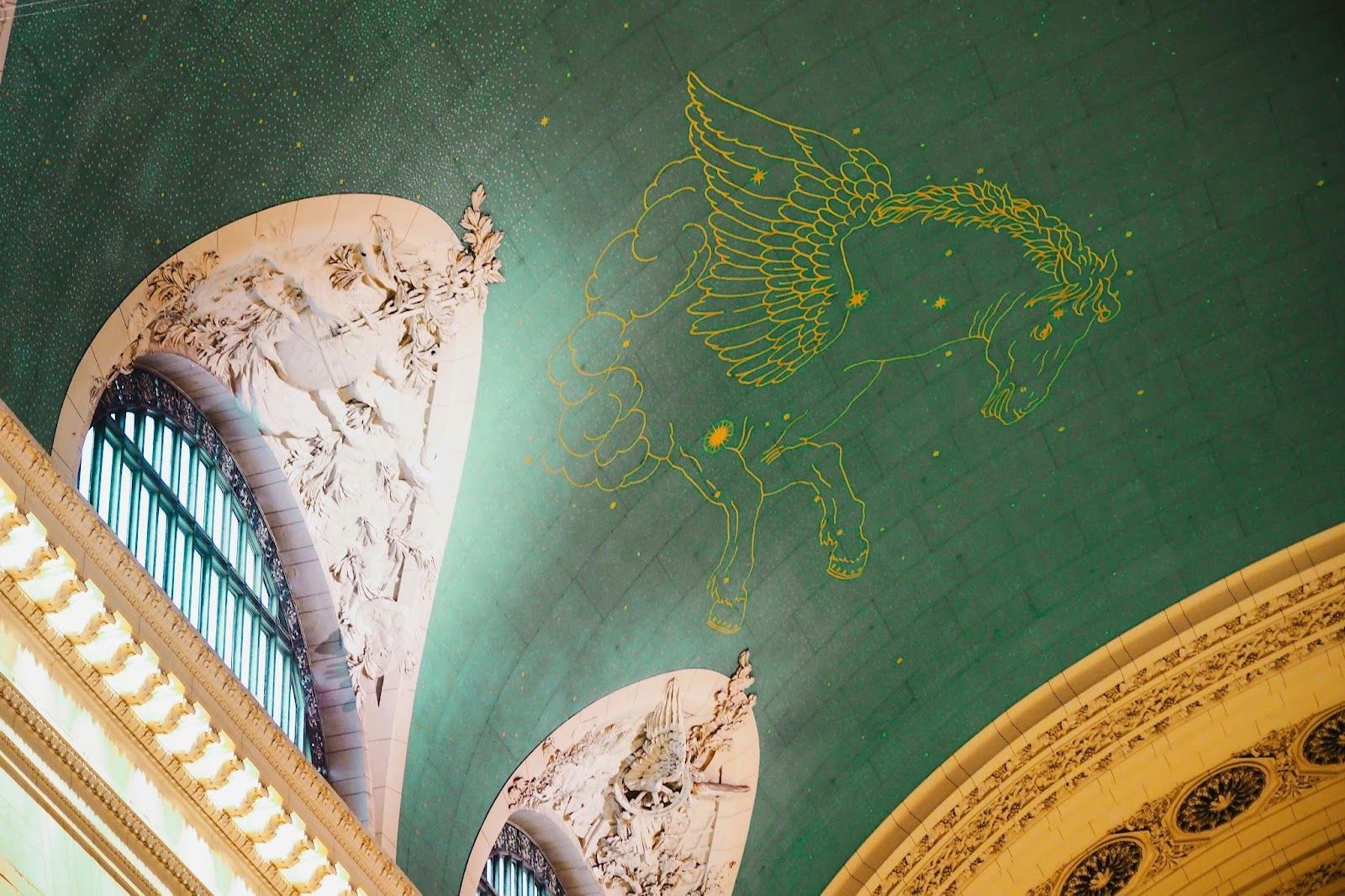
The famous ceiling that got the stars wrong

Image: Alexa Soh

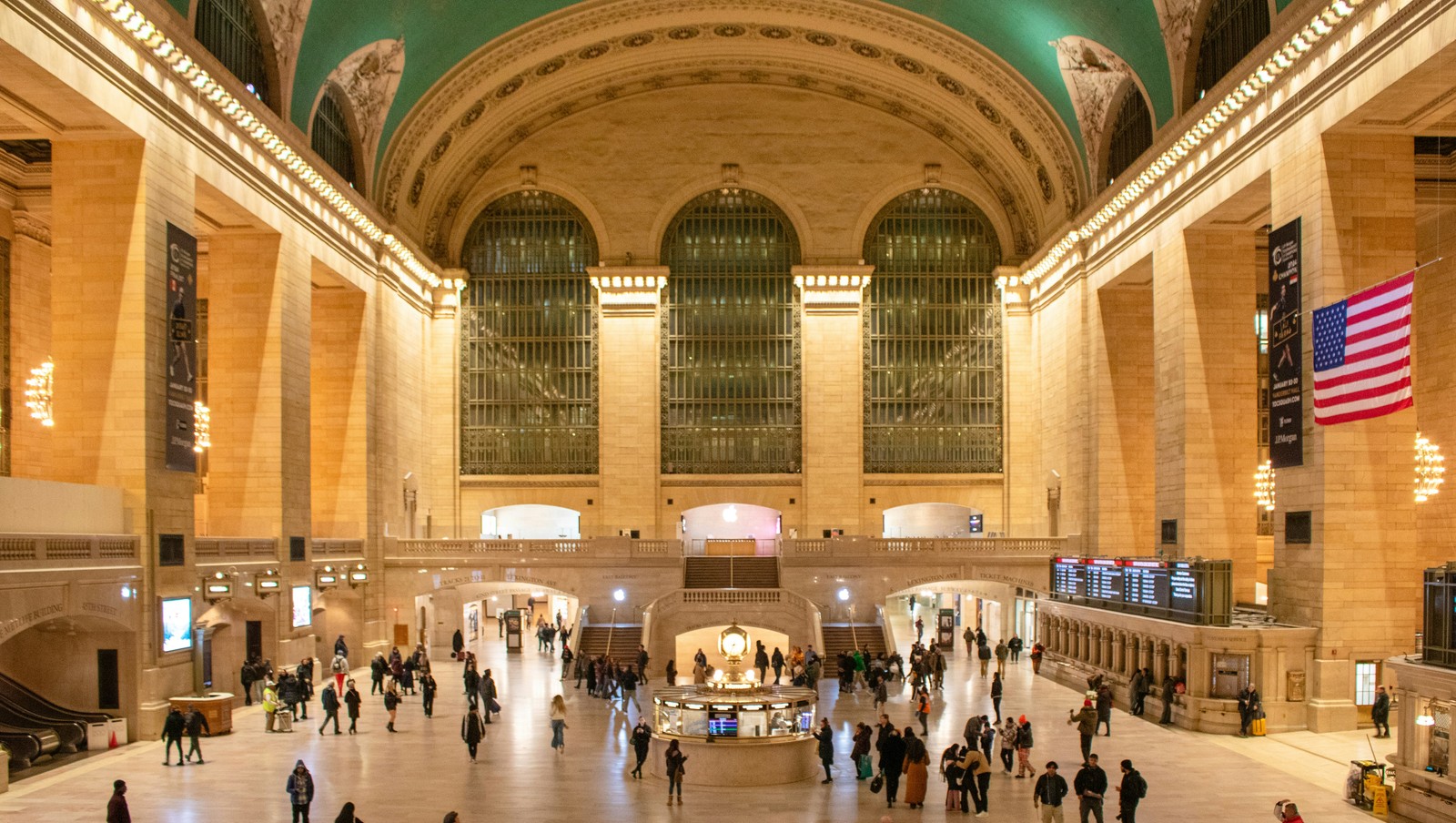
You may have seen images of Grand Central Terminal’s celestial ceiling —or seen it with your own eyes. But there’s a twist: Did you know that the constellations in it are painted backward?

The way they are represented is as if viewed from outside the universe, rather than from Earth. Whether it was a mistake by the artist or it was an intentional reverse on cosmic perspective, the terminal ceiling has looked like this since its opening in 1913.

6
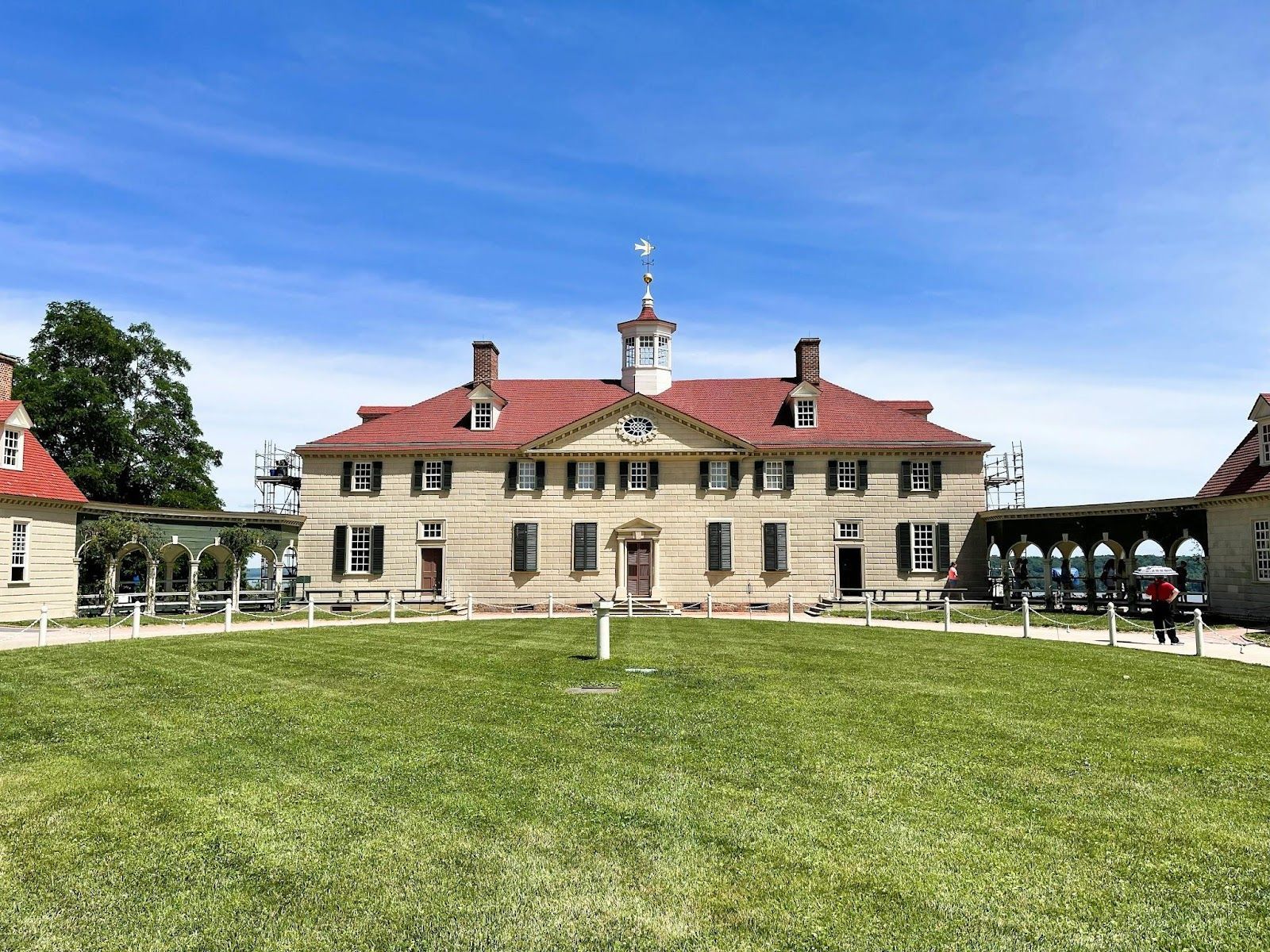
The president who quietly ran a whiskey empire

Image: Antonella Vilardo

George Washington is remembered as a general and a president, of course. But he was also a major whiskey producer. Hidden on the grounds of Mount Vernon was a fully functioning distillery, built in the late 1790s.

By the time of Washington’s death, it was producing nearly 11,000 gallons of whiskey a year. That made him one of the largest distillers in the young United States!

7
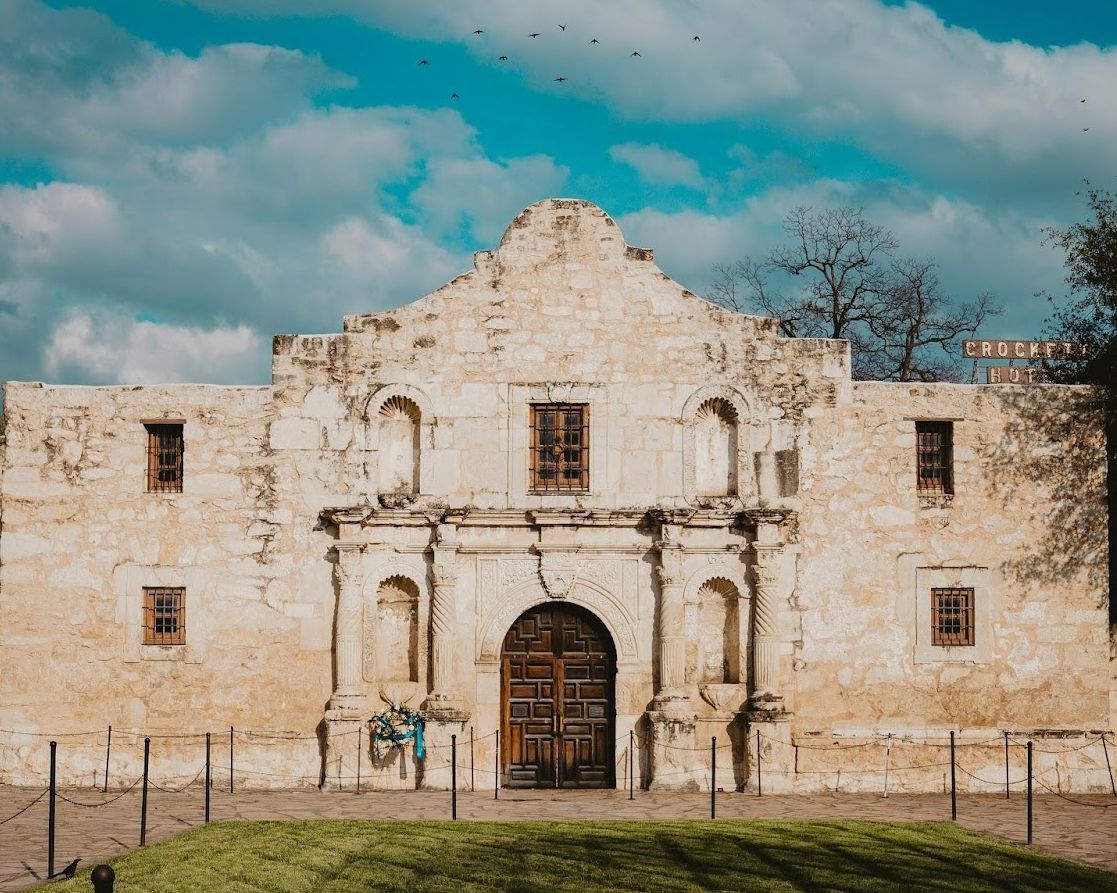
The iconic façade didn’t exist during the battle

Image: Eric Francis

When you think of the Alamo, you surely picture its iconic façade. However, that structure was not part of the original mission!

During the famous 1836 battle, the building looked far simpler, and it lacked its now-famous curved top. That façade was added decades later by the U.S. Army when the structure was used as a supply depot

8
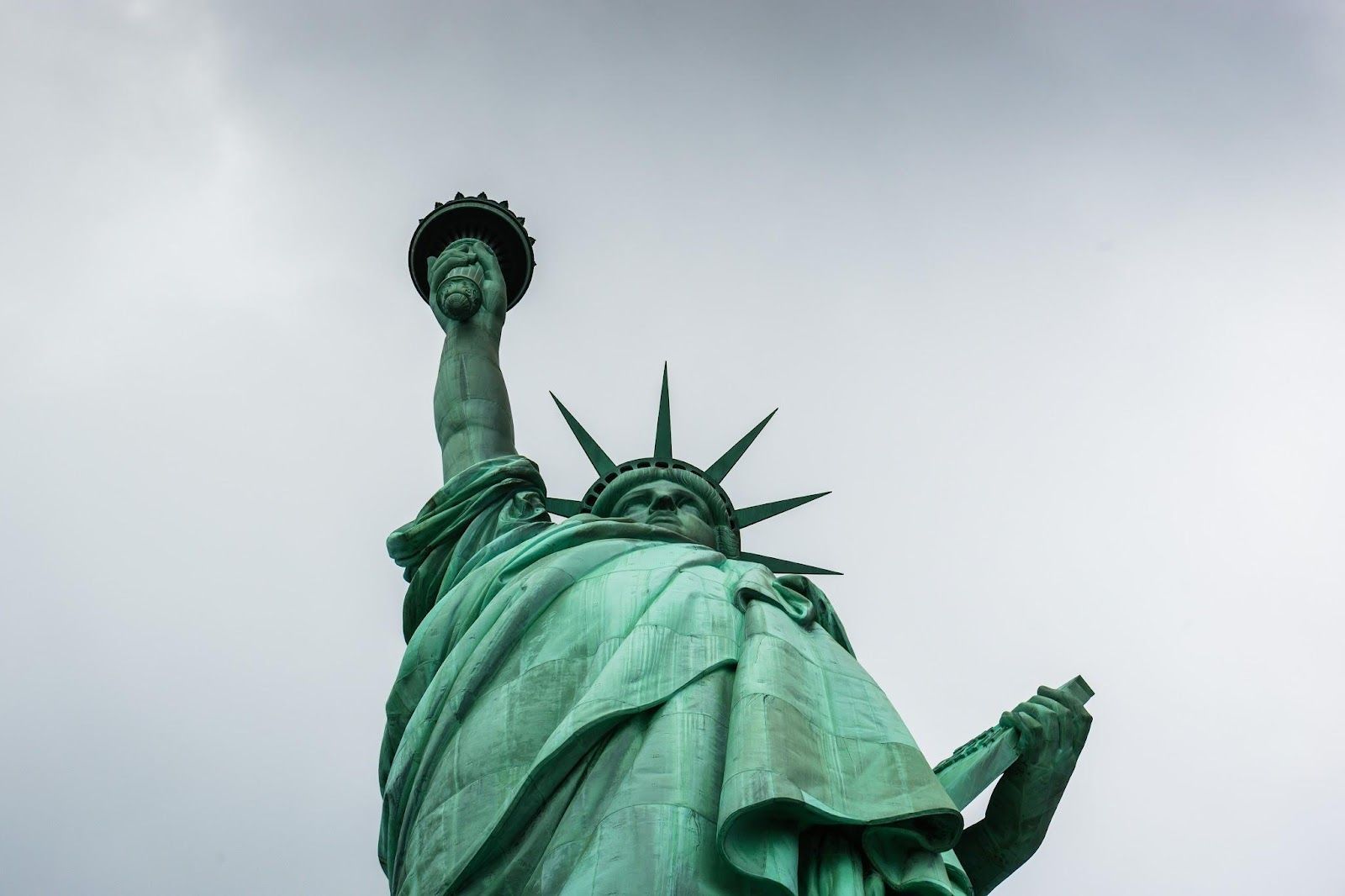
Why visitors can no longer climb to the torch

Image: Jason Krieger

Did you ever hear some old relative’s anecdote ot climbing all the way to the top of Lady Liberty’s torch? They weren’t lying: Up until 1916, visitors could. However, around that time, some explosions in a nearby munitions depot sent shockwaves through the statue.

The blast damaged the torch and weakened its structure. For safety reasons, access was permanently closed to the public.

9
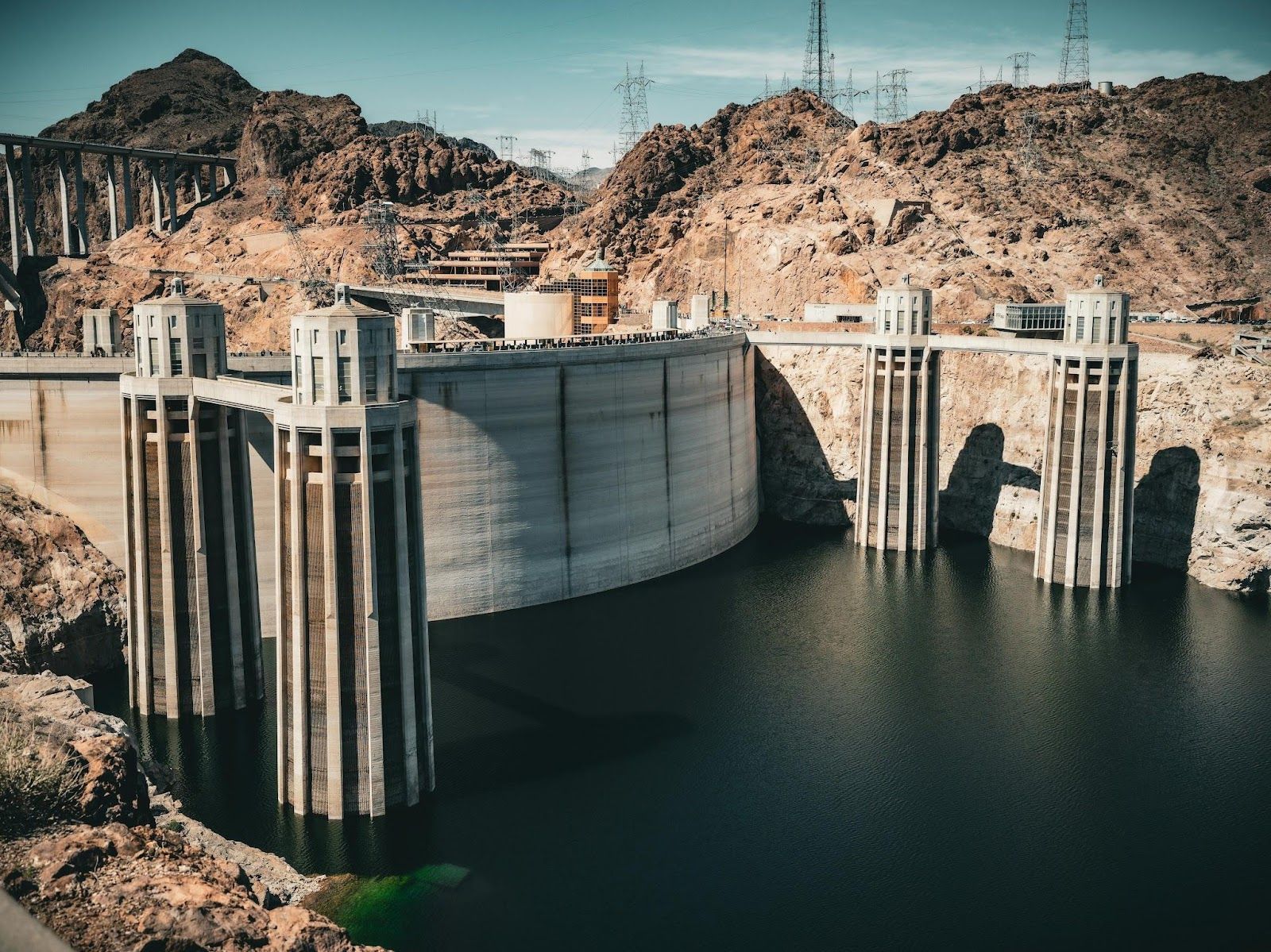
The concrete that is still hardening today

Image: Chase T

The Hoover Dam contains so much concrete that it generates heat as it cures. Engineers knew that if poured as one solid mass, it would take more than a century to cool and could crack.

Instead, they built it using interlocking concrete blocks, each cooled with circulating water. Even so, parts of the dam are still slowly curing today.

10
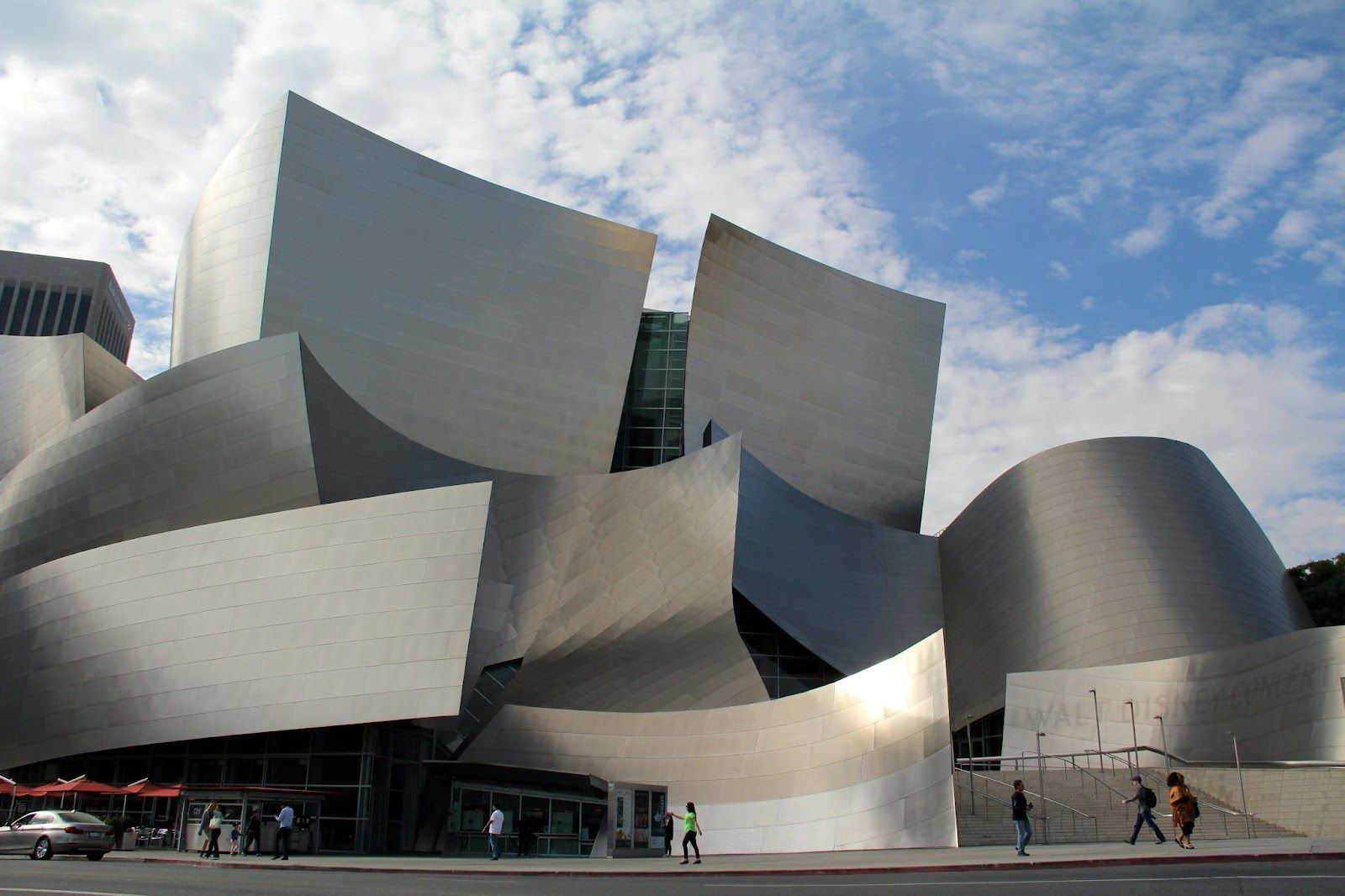
The building that accidentally cooked its neighbors

Image: Michael Beener

When the Walt Disney Concert Hall opened in Los Angeles, its gleaming metal exterior stunned visitors. But it also caused an unexpected problem…

The highly reflective steel panels bounced sunlight onto nearby sidewalks and apartments. In some spots, the glare was so intense that it melted materials! As a result, engineers eventually had to dull parts of the surface.

11
The Capitol’s dome isn’t stone

Image: Sins S

The grand, massive dome atop the U.S. Capitol looks like solid stone, doesn’t it? But, in fact, it is made of cast iron.

In the mid-1800s, stone was considered too heavy and expensive for such an ambitious structure. Cast iron allowed builders to create a taller, more ornate dome that weighs nearly nine million pounds.

Explore more American facts

Choose your favorite category!

General
General

As American as apple pie—the very best America has to offer!

Culture
Culture

Delve into the astounding richness of American lore.

Geography
Geography

Hop in and explore vast and diverse American landscapes.

History
History

Discover the key moments that shaped the United States.