General General 3 min read

What’s in a nickname?

Did you know the stories behind the nicknames of these Americans?
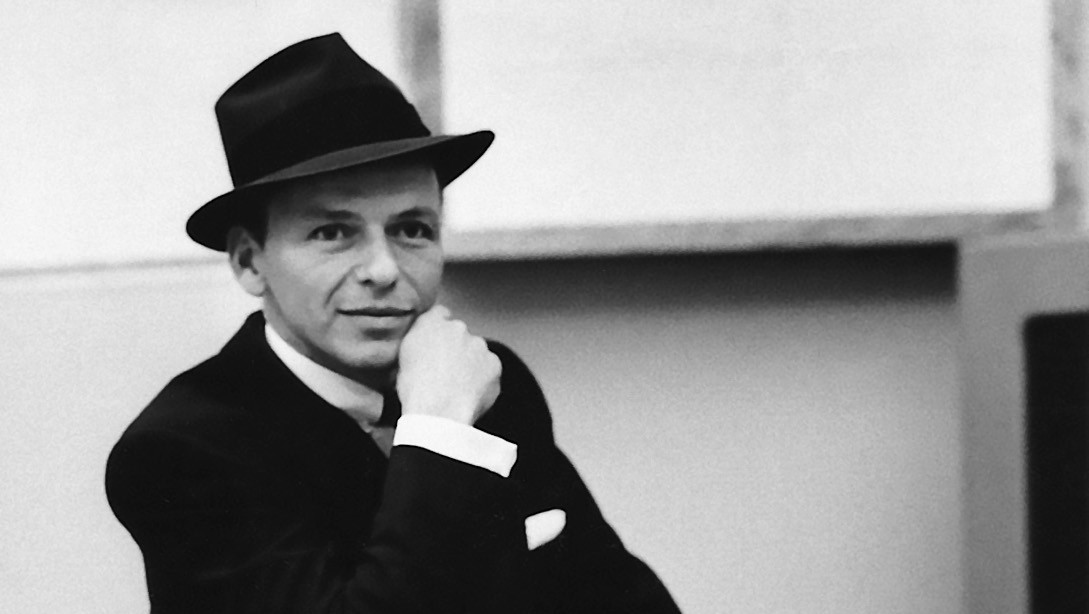
Image: Capitol Records (File No. 3860-25)

Nicknames can be affectionate, teasing, intriguing—or all of these at once. Who comes up with the labels that remarkable people end up carrying forever, and what makes them stick? Here, we explore a list of quirky stories behind some of the most colorful nicknames in American history.

1
"The Chairman of the Board" – Frank Sinatra
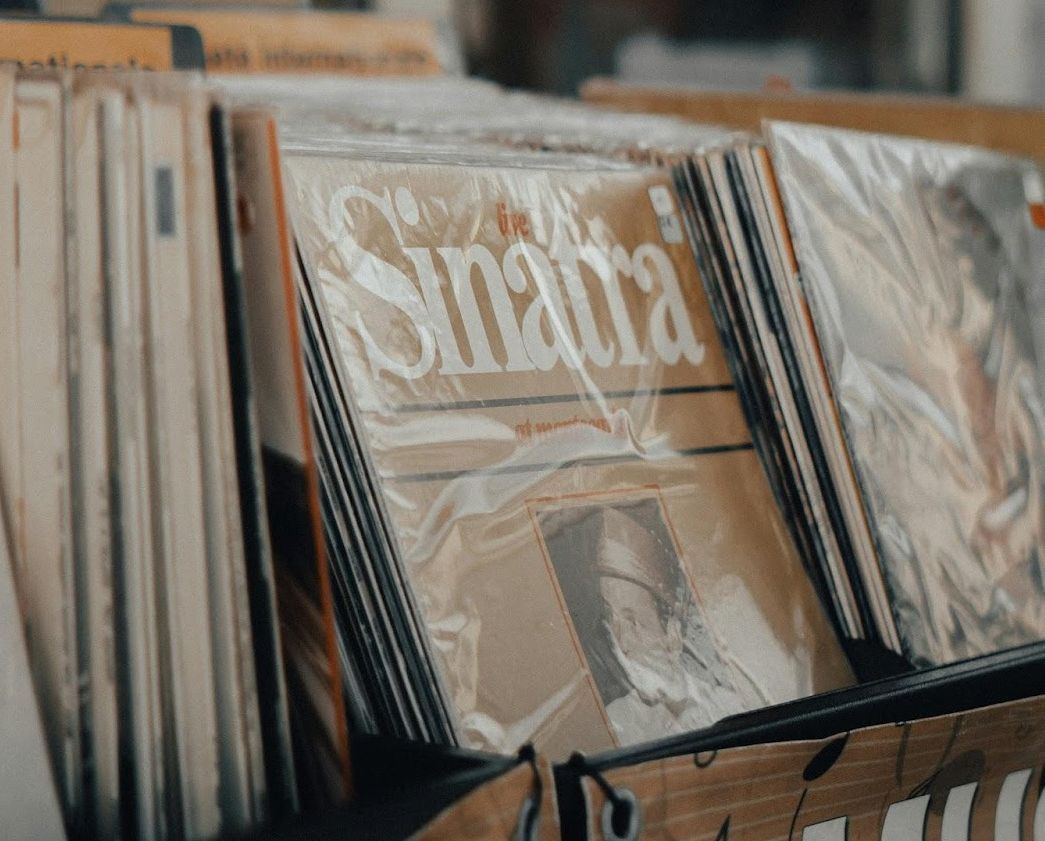
Image: Ethan Rougon

Frank Sinatra co-founded Reprise Records in 1960, giving him full creative control over his music. The nickname "Chairman of the Board" was first used by radio host William B. Williams and quickly caught on. Although Sinatra didn’t particularly love it, the nickname came to symbolize his power and influence in the music industry.

2
"His Accidency" – John Tyler
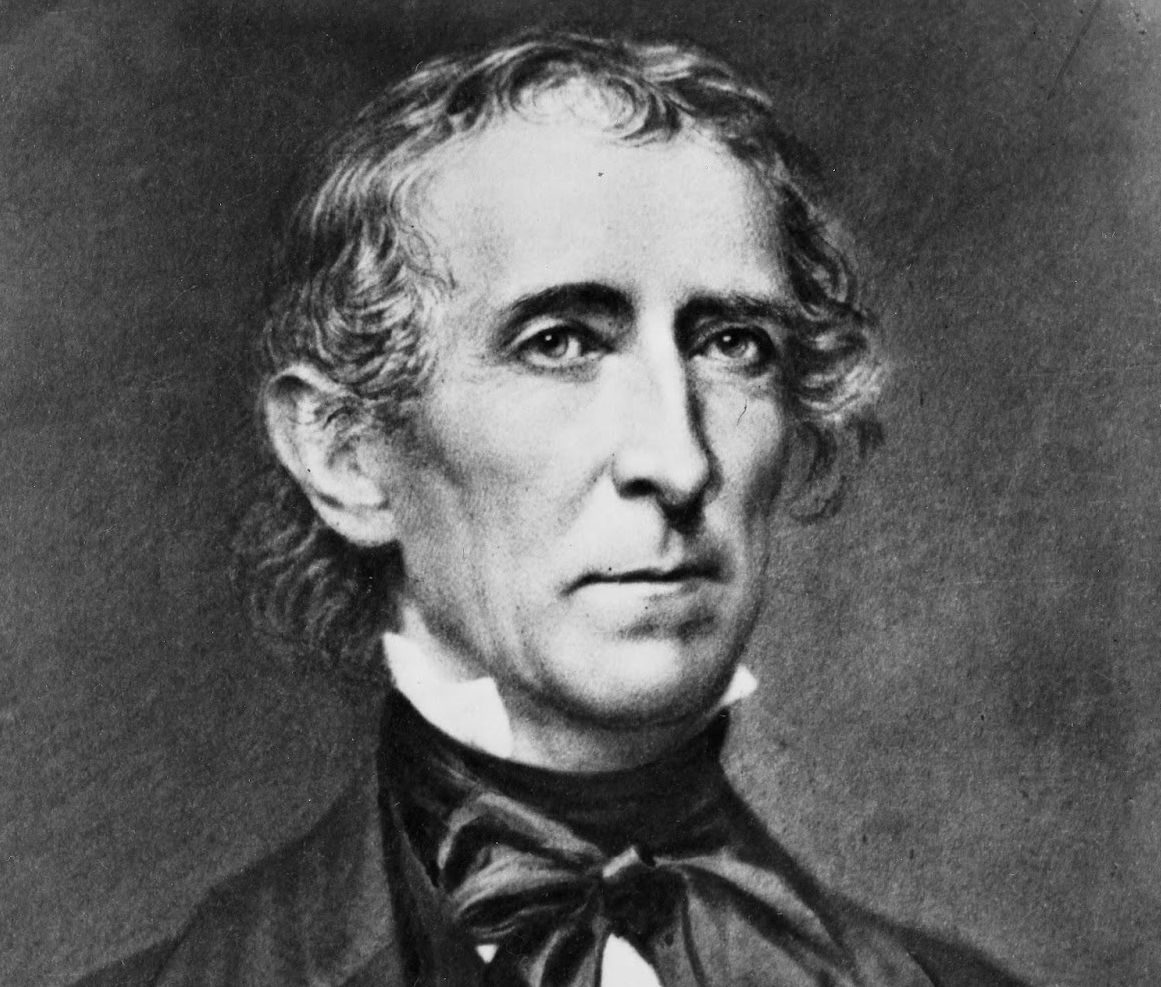
Image: Library of Congress

The 10th U.S. president earned this snarky nickname after unexpectedly taking office in 1841, when William Henry Harrison died just one month into his term.

It was the first time a vice president had assumed the presidency due to a president’s death, and many questioned the legitimacy of his authority. His critics called him "His Accidency," a somewhat unfriendly pun that stuck.

3
"The Sphinx of the Potomac" – Calvin Coolidge
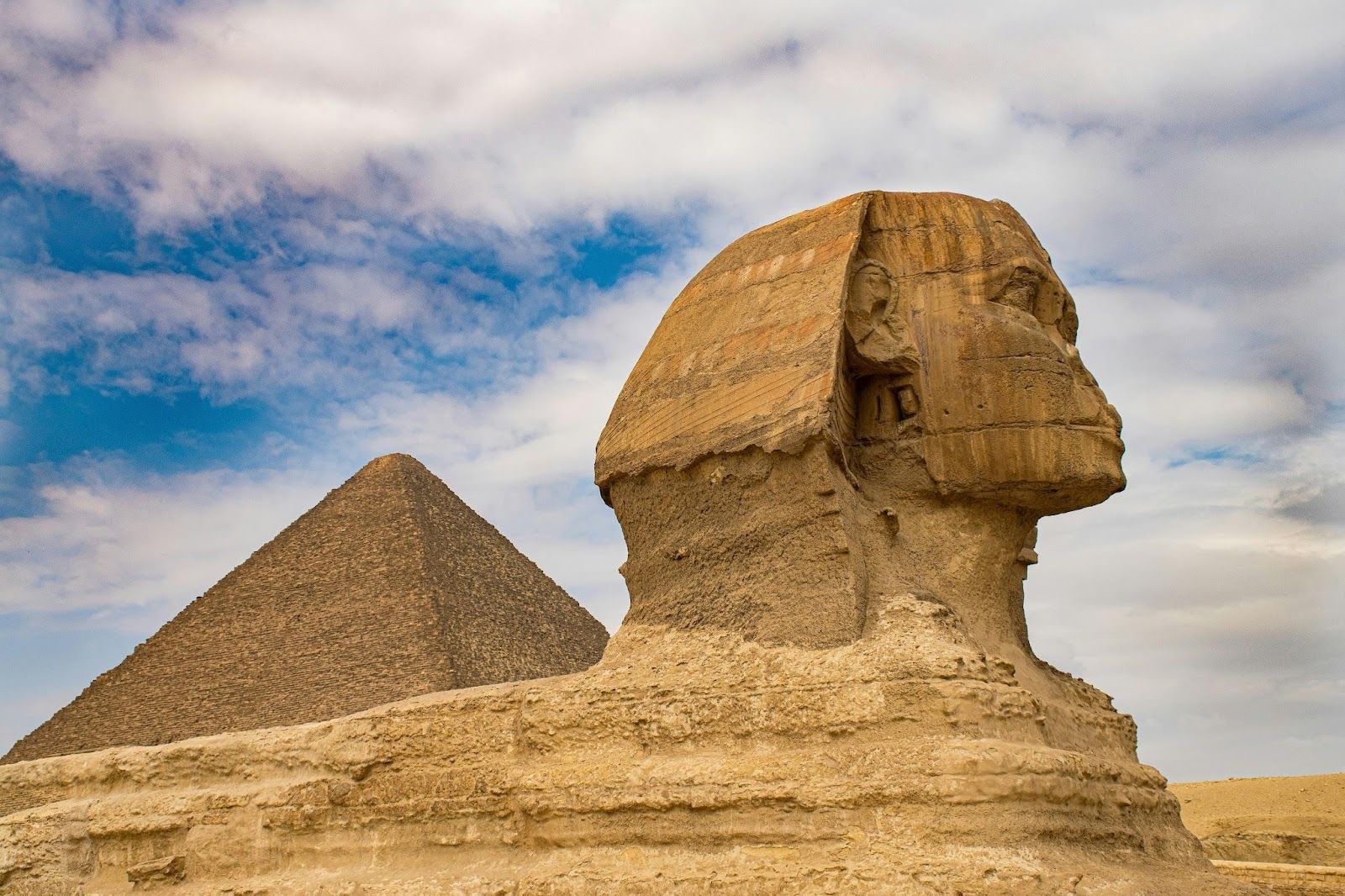
Image: Lea Kobal

President from 1923 to 1929, Coolidge was notoriously silent and stoic. His reluctance to speak in public and his poker-faced demeanor earned him the nickname "The Sphinx of the Potomac," a nod to the famous Egyptian statue and his Washington, D.C. post. One oft-repeated anecdote claims he once remarked, "I have nothing to say."

4
"The Boss" – Bruce Springsteen
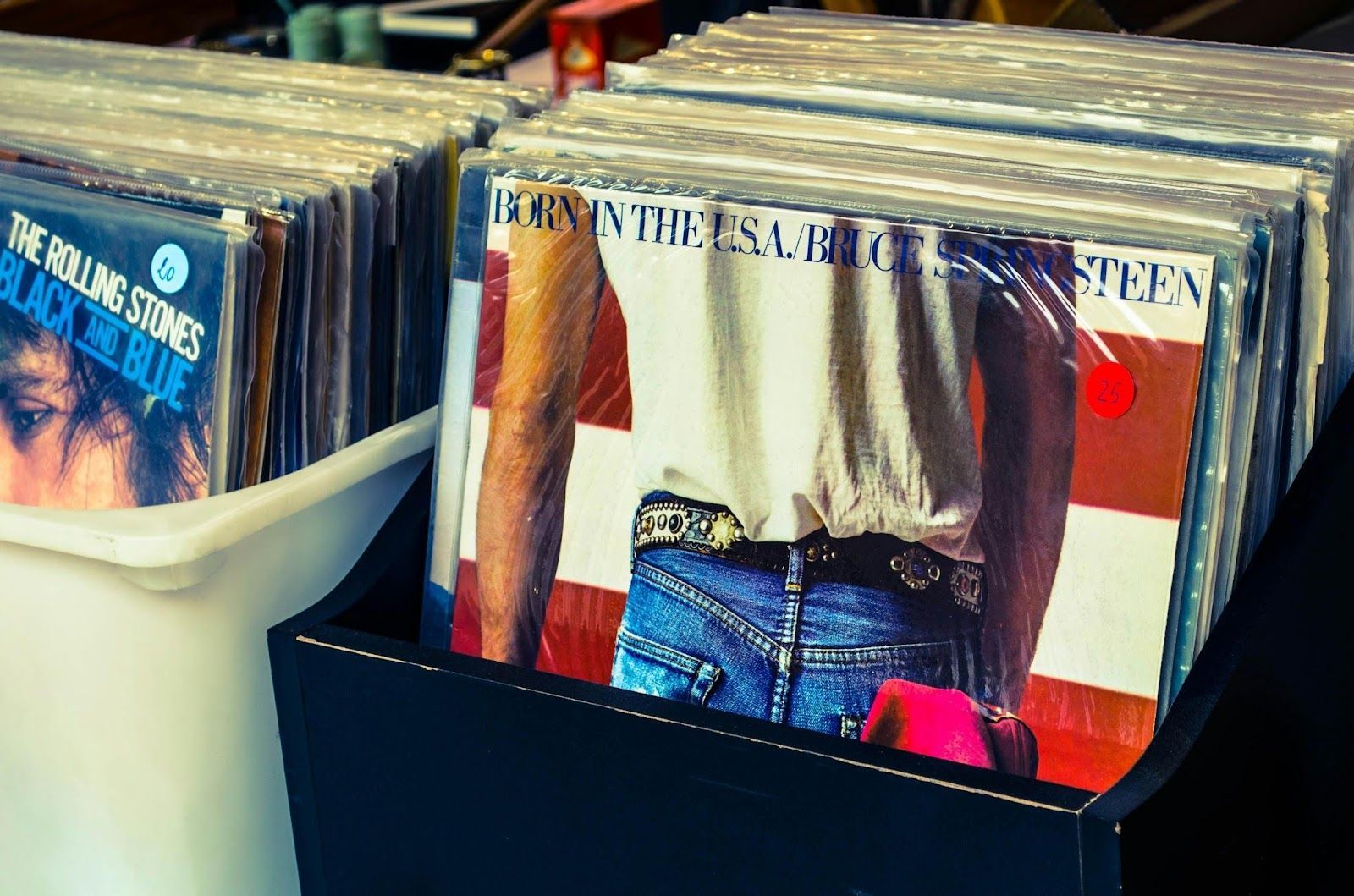
Image: Jose Antonio Gallego Vázquez

Bruce Springsteen earned this nickname in the early days of playing Jersey Shore clubs, where he was responsible for collecting and distributing gig money to his band. Originally an internal nickname within the group, it quickly caught on with the media. Ironically, Springsteen has admitted that he’s never really liked being called "The Boss."

5
"The Mad Stork" – Ted Hendricks
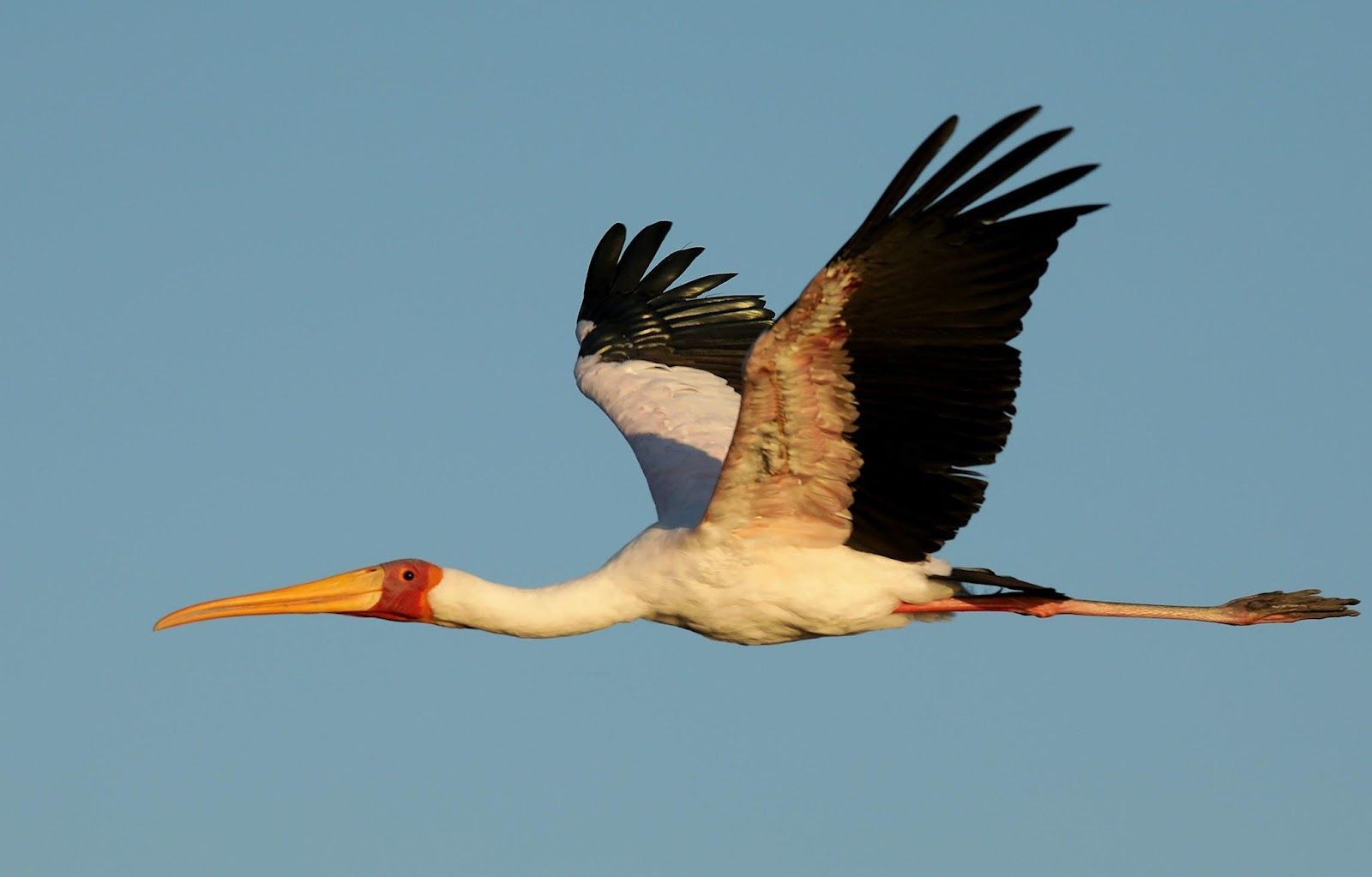
Image: Wynand Uys

This Hall of Fame linebacker for the Raiders stood 6’7" and had a long, lanky build. His towering figure and unpredictable style of play earned him the nickname "The Mad Stork." Despite the unusual moniker, he was a feared and legendary player in the NFL.

6
"The Snake" – Ken Stabler
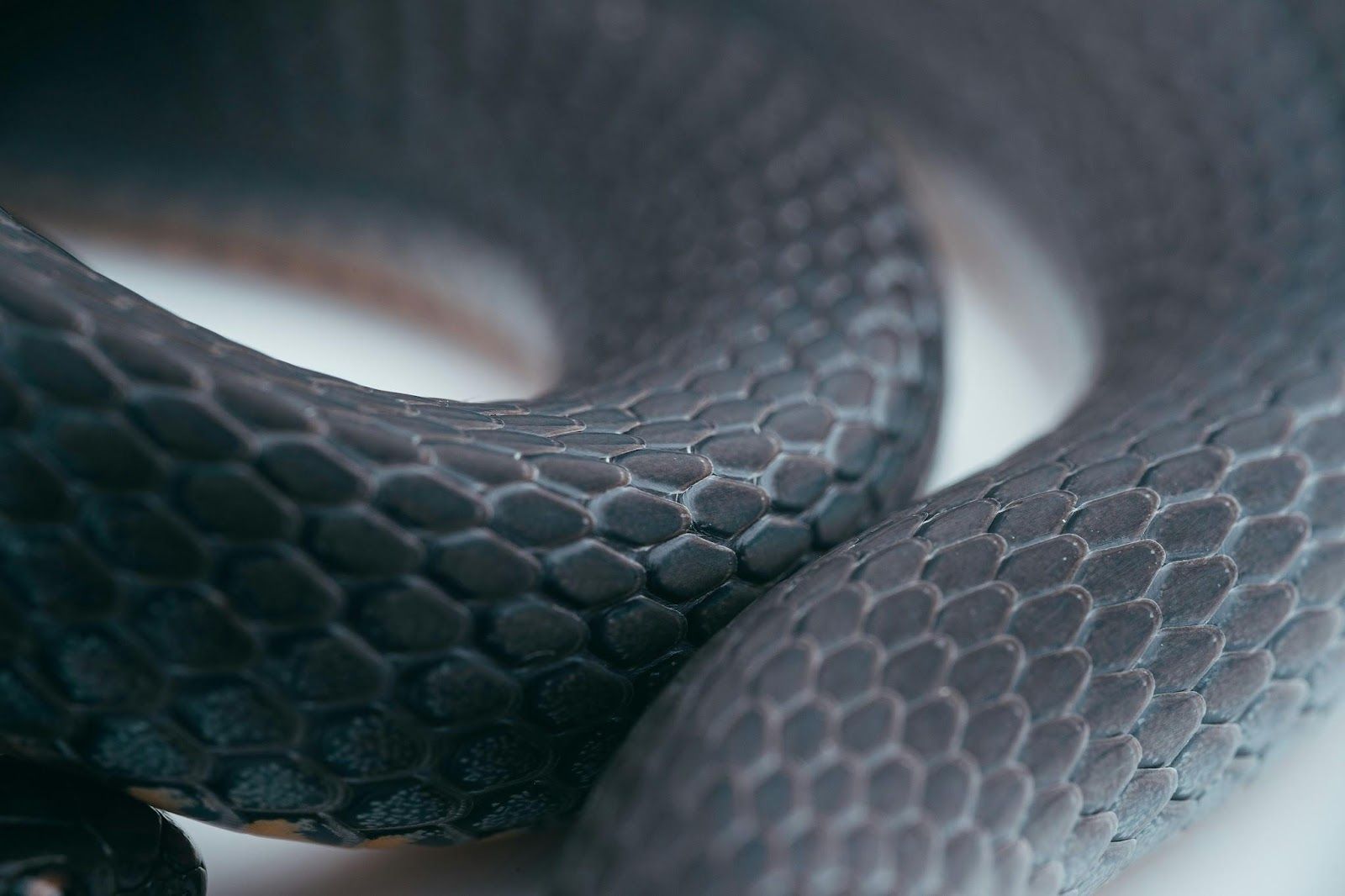
Image: Timothy Dykes

Another Raiders legend, quarterback Ken Stabler, earned the nickname "The Snake" from his college coach after a long, twisting touchdown run. The name stuck because he became known for his slippery, cool-headed play under pressure.

7
"Jane the Grabber" – Hester Jane Haskins
Image: sombre

A dark figure in 19th-century New York, Hester Jane Haskins was a "procuress," luring women with promises of work and then forcing them into brothels. Her nickname, "Jane the Grabber," became infamous in the press.

8
"The Black Swallow of Death" – Eugene Bullard
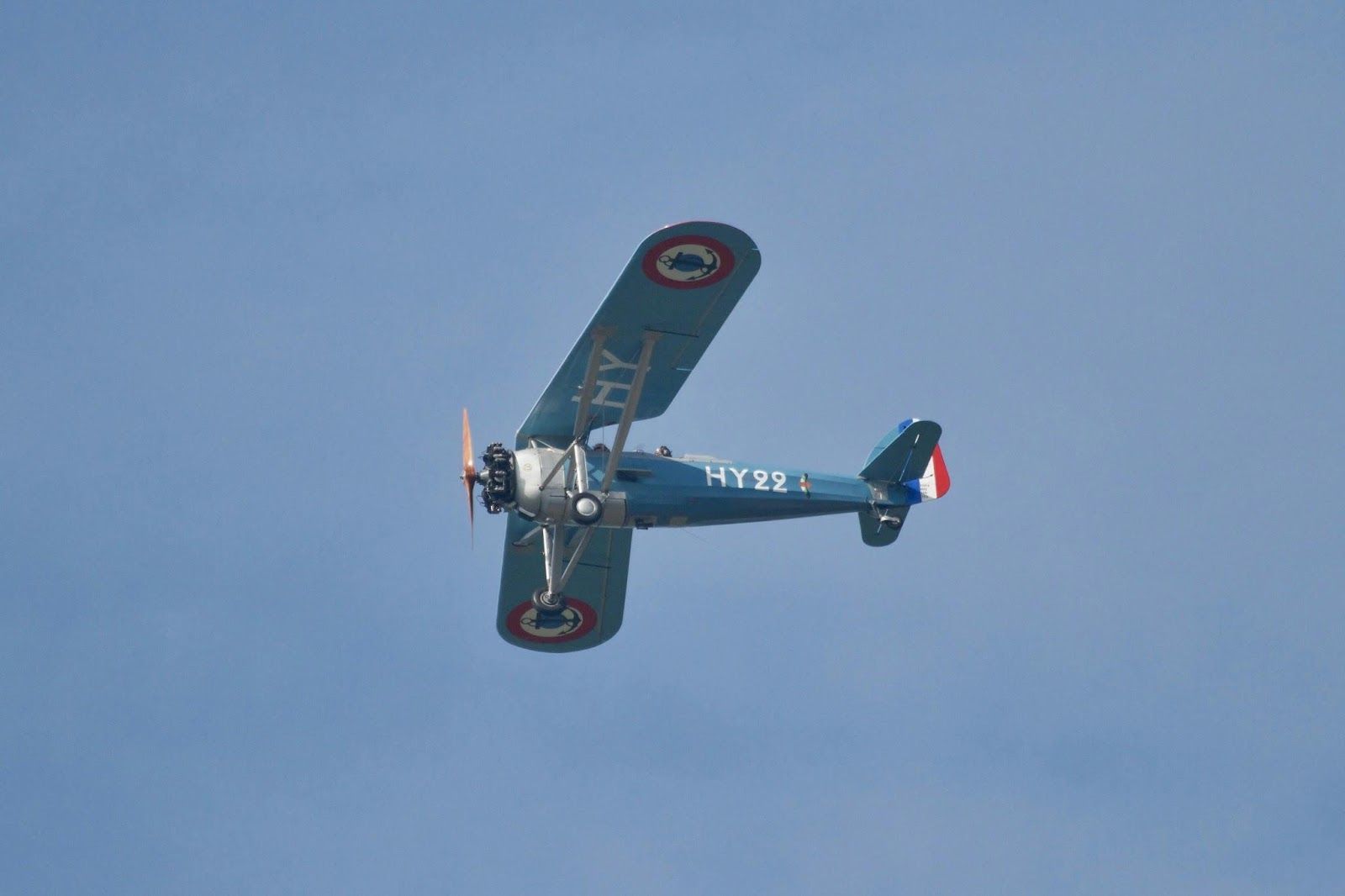
Image: Heather Wilde

Born in Georgia and later a French WWI pilot, Eugene Bullard was the first African American military pilot. He earned the nickname "The Black Swallow of Death" for his fearless flying and deadly accuracy. Despite his heroism, he still faced racial discrimination upon returning to the U.S.

9
"Little Miss Sure Shot" – Annie Oakley

Image: Jp Valery

Annie Oakley was a folk heroine and a famed sharpshooter from an early age. She earned the nickname "Little Miss Sure Shot" from the Native American leader Sitting Bull, who bestowed it after watching her flawless shooting in Buffalo Bill’s Wild West show.

10
"Kid Gloves" – Benjamin Harrison
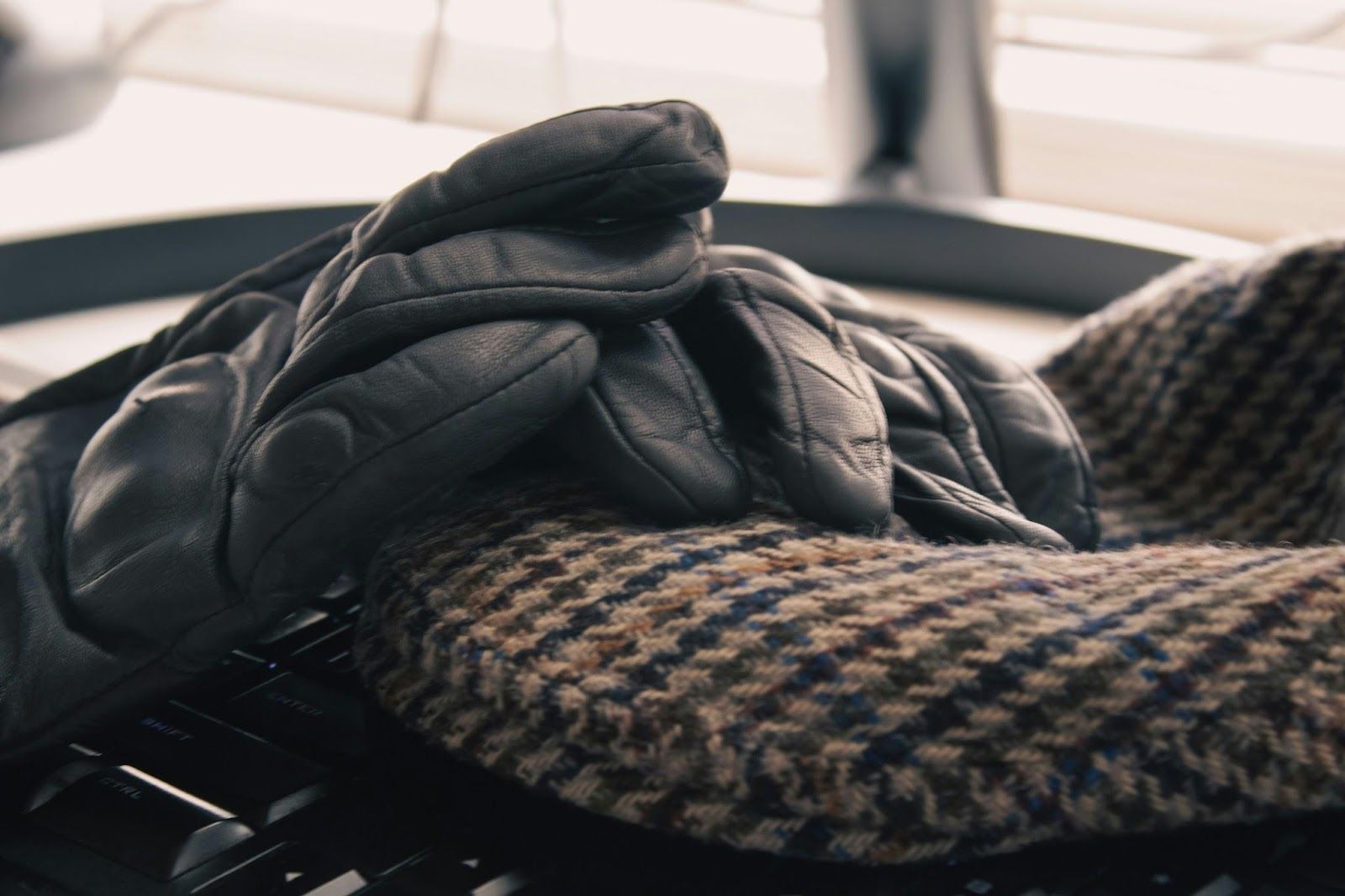
Image: Aaron Lefler

Benjamin Harrison, the 23rd president, frequently wore soft kid-leather gloves in public due to hand ailments. Political opponents seized the opportunity to mock his stiff demeanor and perceived elitism, dubbing him "Kid Gloves." The nickname pointed not only to his physical appearance but also to his aloof attitude.
History History 4 min read

Olympic legacy

United States at the Olympics: Gold, Glory and Greatness

Image: Anna Shvets

Team USA has dominated the Olympics for over a century. Our athletes have racked up medals, broken records, and hosted the most events. From teen champions (do you know how old the youngest athlete was?) to historic gold medal sweeps, American athletes have made their mark. From swimmers to gymnasts to track stars, they have brought speed, skill, and power to the Olympic Games. We're here to explore some of the coolest records and achievements that make the US an Olympic powerhouse!

1
The US: The ultimate Olympic host

Image: Obed Hernández

If hosting the Olympics were a sport, the US would take home the gold medal, as America has welcomed the Games eight times —more than any other country.

The Summer Olympics have taken place in St. Louis (1904), Los Angeles (1932, 1984), and Atlanta (1996), while the Winter Olympics have been held in Lake Placid (1932, 1980), Squaw Valley (1960), and Salt Lake City (2002).

And that’s not the end—Los Angeles is gearing up for 2028, so it’s safe to say the torch never stays away for too long!

2
Winning more medals than anyone else

Image: Ethan Wilkinson

If there’s one thing Team USA knows how to do, it’s win medals—a lot of them. As of 2024, the US has claimed a staggering 2,765 Summer Olympic medals (including 1,105 golds) and 330 Winter Olympic medals . No other country even comes close.

Whether on the track, in the pool, or on the ice, American athletes have consistently outperformed the competition.

3
Dominating track, field, and the pool

Image: Austris Augusts

Certain sports just seem to bring out the best in American athletes . From Jesse Owens on the track to Katie Ledecky in the pool to Carl Lewis soaring through the air, American athletes have rewritten the record books time and time again.

In track and field, for example, the US holds the record for the most gold medals, with over 400.

When it comes to swimming, Team USA has made an even bigger splash, earning more than 570 total Olympic medals—the most in any single sport.

4
Michael Phelps: The GOAT of the Olympics

Image: Braden Egli

Speaking of rewriting the record books, we need to talk about Michael Phelps—the most decorated Olympian of all time.

With 28 medals (23 gold, 3 silver, 2 bronze) , the legendary swimmer dominated the pool across five Olympic Games. His eight gold medals at Beijing 2008 were a record-breaking feat, proving that when it comes to Olympic greatness, no one comes close. Phelps didn’t just set records—he shattered them, leaving behind a legacy that may never be topped.

5
Winter Games greatness: Apolo Ohno’s record run

Image: Filip

While the Summer Olympics have clearly brought in the most medals, the US has had its fair share of Winter Olympic heroes.

The most decorated of them all? Apolo Ohno , the short-track speed skating sensation. Ohno raced to eight Olympic medals, cementing his place as America’s greatest Winter Olympian. You simply had to watch him dodge crashes, make last-second moves, and celebrate with his signature goatee.

6
When the US brought home 83 golds in one year

Image: Viktor Forgacs

The 1984 Los Angeles Olympics marked a golden era for Team USA—and we mean that quite literally.

With the Soviet Union and several other countries boycotting the Games, American athletes dominated, winning 83 gold medals —the most ever at a single Summer Olympics.

7
The only time the US won just one gold

Image: Matthew Fournier

But it wasn’t always like that—there were times when the story went differently for Team USA. While 1984 was all about collecting golds, 1980 was a different story.

That year, Team USA won only one gold medal… but what a gold it was! The US men’s hockey team, made up of young college players, pulled off the famous "Miracle on Ice , " defeating the heavily favored Soviet team before going on to win gold. One gold medal? Sure. But it was one of the greatest moments in Olympic history.

8
A medal sweep like no other

Image: Mia de Jesus

The 1904 St. Louis Olympics were unlike any other—and not just because it was the first time the Games were held in the US.

Due to travel difficulties and a lack of international participation, Team USA won over 80% of all medals awarded . While it wasn’t exactly a fair fight, it still stands as the biggest medal sweep in Olympic history. Sometimes, just showing up is half the battle, you know?

9
Youngest US champion: A 13-year-old diving prodigy

Image: Austrian National Library

Most Olympic champions train for years before making their mark—but that wasn’t the case for Marjorie Gestring , who won a gold medal in diving at just 13 years and 268 days old at the 1936 Berlin Olympics. While most kids her age were just starting middle school, she was standing atop the Olympic podium. To this day, she remains the youngest US Olympic champion ever.

10
Simone Biles: The queen of US gymnastics

Image: Brian Wangenheim

When it comes to American gymnastics, Simone Biles is in a league of her own. With 11 Olympic medals (7 gold, 2 silver, 2 bronze), she is the most decorated US female gymnast in history.

Her powerful routines, gravity-defying skills, and unmatched mental toughness have made her an icon, inspiring future generations of gymnasts. Whether she’s flipping, twisting, or making history, Biles continues to raise the bar—literally.

History History 4 min read

Fur, feathers, and fame

The first pets: The surprising, funny, and furry side of history!

Image: Sara Kurfeß

Before social media and spin doctors, some of the most beloved figures in Washington had four legs or wings. From dogs to horses, rabbits, and even raccoons, presidents have shared the White House with a colorful parade of creatures. These pets weren’t just sidekicks; they were family, confidants, and sometimes even headline-makers.

1
George Washington’s hungry hound

Image: Mitchell Orr

George Washington didn’t just lead a new nation; he also led a lively pack of dogs . His favorite, Vulcan, became a bit of a legend after sneaking into the kitchen and stealing a ham right before a fancy dinner party. Washington’s home was full of animals, from hounds with names like Sweet Lips and Madam Moose to strong horses such as Nelson and Blueskin, who carried him through the Revolution. The father of our country clearly had a soft spot for man’s best friend.

2
Thomas Jefferson’s exotic companions

Image: 🇸🇮 Janko Ferlič

When Thomas Jefferson returned from France, he brought back more than political ideas. He also brought home a dog named Bergere, who had puppies during the voyage. Later, explorers Lewis and Clark sent him two bear cubs that lived for a time at Monticello. Jefferson also kept birds, which showed a curious and gentle side to the man remembered for serious debates and historic documents.

3
Abraham Lincoln’s family menagerie

Image: Sergiu Vălenaș

Abraham Lincoln’s household was full of affection, laughter, and animals. His loyal dog, Fido, stayed behind in Springfield when the family moved to Washington, but Lincoln made sure he was cared for. The White House soon filled up with two playful goats named Nanny and Nanko , horses, cats named Tabby and Dixie, and even a few rabbits. Lincoln’s kindness toward animals mirrored his compassion for people.

4
Theodore Roosevelt’s White House zoo

Image: Jaroslaw Slodkiewicz

Theodore Roosevelt didn’t just bring energy to politics; he brought it to pet ownership too. His home was a whirlwind of fur, feathers, and scales. Alongside horses and dogs, there were guinea pigs, a macaw, a badger, a snake named Emily Spinach, and even a bear called Jonathan Edwards. Roosevelt’s six kids were always introducing new creatures, turning the White House into a joyful, unpredictable zoo.

5
Woodrow Wilson’s tobacco-chewing ram

Image: Livin4wheel

Woodrow Wilson’s presidency wasn’t all about policy and world affairs. He also had a ram named Old Ike, who was known for chewing on cigars . Wilson kept a flock of sheep on the White House lawn during World War I to help raise money for the Red Cross by selling their wool. Along with dogs, birds, and a cat named Puffins, the Wilson White House looked more like a small farm than a seat of government.

6
Calvin Coolidge’s cheerful chaos

Image: Christian Hess Araya

If anyone rivaled Roosevelt’s menagerie, it was Calvin Coolidge. He and his wife, Grace, were devoted animal lovers. Their White House included twelve dogs, two cats, seven birds, a donkey named Ebenezer, two raccoons called Reuben and Rebecca, and even a bobcat named Smoky. Rob Roy, their white collie, was so beloved that he appeared in Grace Coolidge’s official portrait. With so many paws and claws around, quiet moments were rare, but laughter was constant.

7
Franklin D. Roosevelt’s loyal Fala

Image: Chris Arthur-Collins

Few pets have reached celebrity status quite like Franklin Roosevelt’s Scottish terrier, Fala . The little dog went everywhere with the president and even had his own fan club. When critics accused Roosevelt of forgetting Fala during a trip to Alaska, the president jokingly denied it in a speech that won over the crowd. Fala stayed faithfully by his side through good times and bad, a symbol of loyalty during some of the nation’s hardest years.

8
John F. Kennedy’s household of charm

Image: Gary Bendig

The Kennedys filled the White House with laughter and animals. Their pets included Pushinka, a gift from Soviet leader Nikita Khrushchev, who had puppies with the family’s dog, Charlie. The Kennedys gave the puppies to children who wrote to them. They also had horses, cats, birds, hamsters, and even a rabbit named Zsa Zsa . Caroline’s pony, Macaroni, became a favorite of photographers and fans, perfectly matching the family’s youthful, warm image.

9
Lyndon B. Johnson’s famous beagles

Image: Doğan Alpaslan DEMİR

Lyndon B. Johnson’s dogs, Him and Her, became almost as well known as their owner. Johnson once caused a stir by lifting one of them by the ears for a photo, but he truly loved his pets. He kept several dogs, along with birds and hamsters that entertained his family. Johnson was the last president to keep anything beyond the usual cats and dogs at the White House, marking the end of a particularly lively era for presidential pets.

10
Ronald Reagan’s ranch companions

Image: Florin Palamarciuc

For Ronald Reagan, animals were part of the good life. His dogs, Lucky and Rex, often joined him at the family ranch, where he could ride horses and enjoy the open air away from Washington. Rex even had his own miniature White House doghouse . The Reagans saw their pets as family and often talked about how much joy they brought to their lives, proof that even presidents need a wagging tail to make a house feel like home.

Explore more American facts

Choose your favorite category!

General
General

As American as apple pie—the very best America has to offer!

Culture
Culture

Delve into the astounding richness of American lore.

Geography
Geography

Hop in and explore vast and diverse American landscapes.

History
History

Discover the key moments that shaped the United States.