History History 5 min read

A LESSON IN CULTURE HISTORY

Travel back in time to the fads and movements that defined America!

Image: Florida Memory

Do you remember the fads from your childhood and teenage years? Think back on those toys, objects, and clothing items that were once so dear to you: They might seem tacky or downright ridiculous now, but they surely hold a special place in our memories. America has gone through some rather spectacular fads and movements in the past century, so we have selected 10 of the most era-defying fads in our country’s history. We hope they bring back some good memories! Enjoy!

1
The Roaring Twenties

Image: Carrie Borden

We’ll begin with one of the first fads invented right here in America. The 1920s in America were characterized by a period of prosperity and well-being that resulted in a dynamic and distinct cultural rise in major American metropolises. There’s a reason why this period was known as "The Roaring 20s": It signified an upheaval in American music, arts, and fashion.

The 20s saw the birth of avant-garde art forms like jazz music, as well as groundbreaking novels by authors like F. Scott Fitzgerald and Ernest Hemingway. This era is also remembered for the surge of the "Flapper" subculture: Modern, young women with a more carefree attitude toward entertainment.

2
Pin-up models

Image: Florida Memory

Who do you think about whenever you think of the word "pin-up model"? Chances are your answer is Marilyn Monroe or Betty Grable : After all, they both got their start as pin-up models, portrayed in thousands of mass-produced photographs. However, these actresses helped cement the notion of what defines a pin-up model, now considered to be an essential icon in American pop culture history.

Pin-ups defined the aesthetic of an entire period, present in everything from movies to advertisements. Not only that, pin-up models were often depicted on the side of American fighter planes during World War 2, helping raise the morale of our troops.

3
Greasers

Image: Sümeyye Candan

Although the word "greaser" definitively got its start as a derogatory term for this subculture, it ended up being the name of one of America’s most beloved periods. The 1950s are still revered as a golden age by millions of Americans, particularly because of the surge of many icons that make our country so wonderful: Things like Cadillacs, Rock N’ Roll music, and soda fountains were all born in this era.

In that sense, the "Greaser" look was heavily influenced by musicians and actors like Elvis Presley and James Dean . Greasers would showcase their fast motorcycles, stylish hairstyles, and leather jackets wherever they went. By the 1970s, this style was so well-known that it provided the basis of one of America’s favorite TV characters: Fonzie, perhaps now considered the quintessential greaser.

4
The Hippie movement

Image: Jamie Street

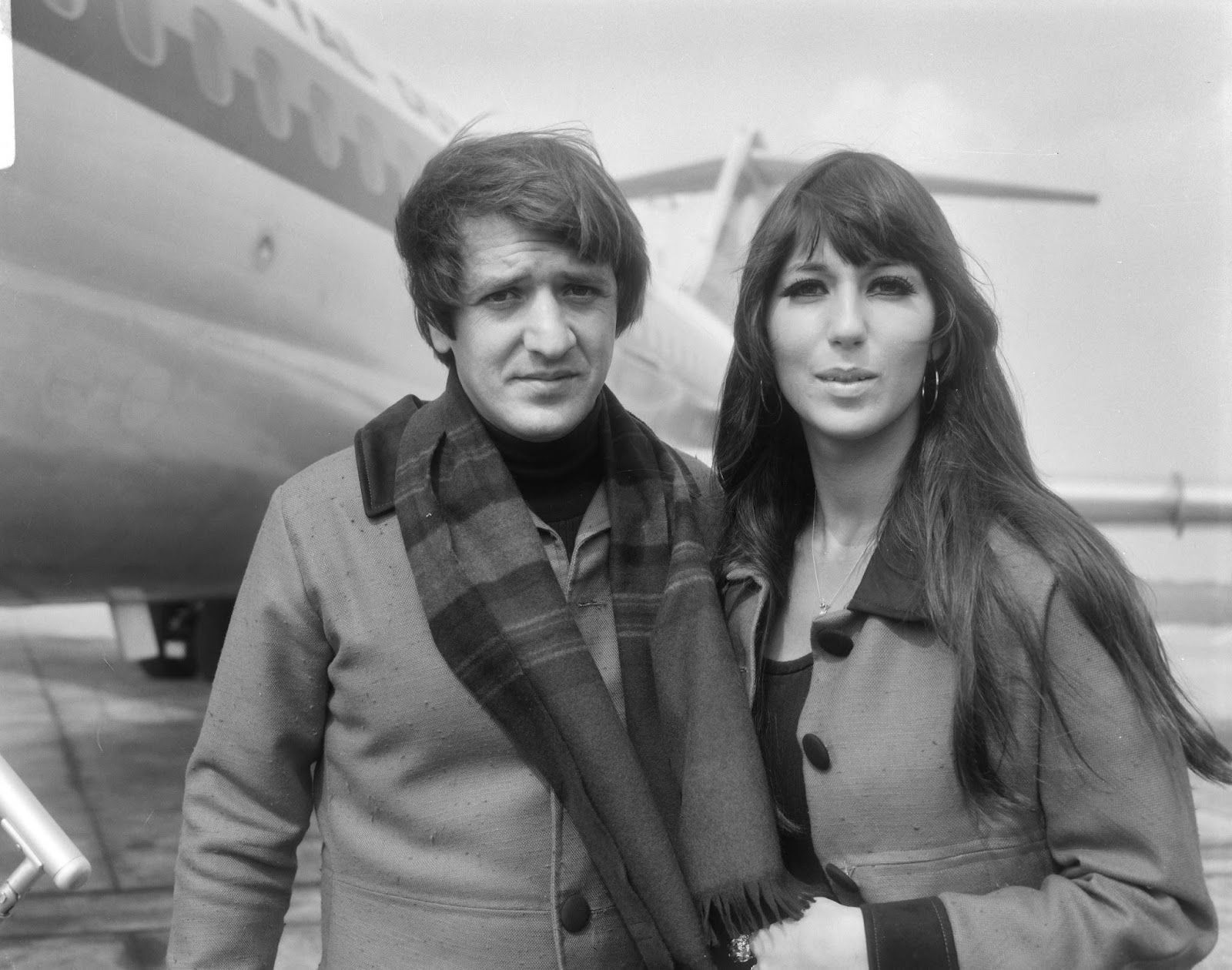
The Hippie movement is synonymous with 1960s America: This subculture influenced almost every art form during this period, from music to television, film, and literature. While it is nowadays mostly looked at as an aesthetic or cultural movement, the influence of hippies in American politics and society shouldn’t be overlooked.

Perhaps the biggest representatives of the hippie movement are those groundbreaking bands and musicians aligned with this movement, like Jimi Hendrix, Janis Joplin, or Jefferson Airplane. Hippies were also characterized by their groundbreaking fashion, which featured bell-bottom jeans, sunglasses, and colorful shirts.

5
Beatnik movement

Image: Pereanu Sebastian

Speaking of hippies, let’s take a little detour and focus on an American artistic movement that laid the foundation from which the hippie movement emerged. Much like with "greaser," the term "beatnik" was first coined as an insult, aimed at followers of the "Beat Generation," a literary movement that included names like Jack Kerouac or William S. Burroughs.

The beatnik subculture had a defining image, often exaggerated by detractors: Think about the caricature of a modern poet, complete with a black turtleneck, beret, and bongos, and you’ll be thinking about a stereotypical beatnik. Regardless, historians believe that the term "hippie" comes from "hipsters," which is a term first used to describe the beatnik subculture.

6
The 80s

Image: Eric Nopanen

Fashion during the 1980s can be best summed up by this phrase from Charles Dickens's "A Tale of Two Cities": "It was the best of times, it was the worst of times." While it can’t be denied that this decade brought forward groundbreaking styles to music, films, and culture, it should also be noted that some of these changes were extreme, to say the least. At the end of the day, whether the 80s were good or bad will ultimately depend on who you are asking.

Personally, we would like to focus on those 80s things that we absolutely love: Things like synthesizer music, mullet hairstyles, and neon-bright clothing. This decade was also the birthplace of several subcultures, including the post-punk, preppy, and new-wave movements.

7
The 90s

Image: Panos Sakalakis

If the 70s and 80s were characterized by their loud and flamboyant styles, the 90s were defined by a more minimalist approach: Bands like Nirvana or Pearl Jam helped promote the "grunge" aesthetic, which featured simple items of clothing like jeans, flannel shirts or hoodies.

Although definitively minimalist, the 90s were also the birthplace of subcultures like the goth movement. During this era, numerous extreme sports like skateboarding gained popularity, in line with this decade’s alternative outlook on culture.

8
Disco

Image: Dustin Tramel

Ready to dance "The Hustle"? The late 60s and early 70s were determined by the emergence of one of America’s most remembered subcultures. While disco music first appeared in New York City and Philadelphia, it quickly swept over the nation: Think of a tornado filled with disco balls, roller skates, and nightclubs, and you might be able to paint a picture of how influential this subculture was.

Although disco got its start in iconic nightclubs like Studio 54, it soon expanded to other mediums like movies and television. Most notably, shows like "Soul Train" helped promote this genre’s appeal, while films like "Saturday Night Fever" cemented the ultimate aesthetic of the disco subculture.

9
Digital age

Image: Xiong Yan

We have now arrived at our modern times ! The advent of the internet represented such a groundbreaking innovation in our everyday lives that it stands to reason that the digital age also influenced many of our fads and movements. The late 2000s and early 2010s were determined by this new massive access to information, which completely changed the way we consume culture and entertainment.

In that sense, this new, instant way to share information immediately meant that culture was now not only limited to geographical locations: Your favorite band or fashion icon could easily live on the other side of the world. This cultural exchange resulted in a rich and diverse movement, which is still developing to this very day.

10
All those wonderful memories…

Image: COSMOH LOVE

We have reserved the final entry on this list for the many objects that defined each of these decades. It is sometimes easier to picture an era through a specific item: Think about the 50s and their timeless jukeboxes, or the 90s and the above-mentioned flannel shirts.

In that sense, we have selected a few of our top picks. Some, like the Hula Hoop or the Frisbee, have truly transcended time: Although they were created decades ago, they are still thoroughly enjoyed by children and adults alike. Time hasn’t been that kind with others, though, like with the now practically extinct Tamagotchi. This digital pet was all the rage during the late 90s and early 2000s, but it ultimately fell into obscurity thanks to other digital mediums.


History History 4 min read

History class is in session!

Follow this red line in Boston and end up in history class!

Image: BookBabe

Wanna take a stroll through the heart of American history? The Boston Freedom Trail is exactly that! With red bricks guiding your way, every step brings you closer to some of the most important moments that shaped the nation. So lace up those walking shoes (comfort is key for this one!), and let’s explore some surprising truths about one of the country’s most iconic trails.

1
Start here, end there: Boston Common to Bunker Hill

Image: Roger Starnes Sr

There’s no official rule about where to begin, but most people kick things off at Boston Common. From there, the trail snakes through the heart of the city and ends at the Bunker Hill Monument in Charlestown. That final stretch leads to one of the most symbolic sites of the American Revolution. Of course, if you’d rather do it backwards, nobody’s stopping you—it’s your patriotic pilgrimage! Either way, the journey between these two iconic spots is packed with stories.

2
Where the trail begins: Boston Common’s surprising start

Image: Yassine Khalfalli

Boston Common might be a peaceful green escape today, but it began with a much more practical purpose. Established in 1634, it’s the oldest public park in the US, and it was originally used for grazing livestock, not lounging on park benches.

The land was purchased from Anglican minister William Blackstone and soon transformed into a communal area by the Puritans. Over time, it has witnessed protests, public speeches, and even British troops setting up camp.

3
Short and sweet: the 2.5-mile trail

Image: Naoki Suzuki

The Freedom Trail may only stretch 2.5 miles, but don’t let that fool you—it’s packed with history. The route winds through downtown Boston, passing 16 official landmarks. Most of the trail is flat and fully accessible, making it friendly for everyone. Just remember to bring comfy shoes!

4
Follow the red-brick road

Image: Yassine Khalfalli

No need for a map or GPS—just follow the red-brick line! That bright path under your feet is the Freedom Trail’s signature feature. It weaves its way from site to site, keeping you on track with zero guesswork.

The trail’s design was first suggested by a local journalist in the 1950s, who wanted to link all the key historical spots. It’s Boston’s version of a historical yellow brick road—minus the flying monkeys, of course!

5
Millions make the trip every year

Image: Aubrey Odom

More than 4 million people walk the Freedom Trail each year—and not just tourists. Locals, history lovers, and school groups all flock to this living museum. It’s one of the most popular attractions in Boston, and for good reason.

From Paul Revere’s House to the Boston Tea Party site, each stop tells a story. Even if you’ve walked it before, there’s always something new to notice. So go ahead—join the crowd.

6
No need to go in order

Image: Vika Chartier

Unlike history books, the Freedom Trail doesn’t follow a strict timeline. It’s organized by geography, not chronology, which means you can hop around without feeling lost. For instance, Boston’s North End has a cluster of must-see sites close together. It’s totally fine to explore them first and double back later. Just follow your curiosity—and your feet—along the red bricks.

7
Oldest this, oldest that, it’s a record-breaker

Image: Kelly Sikkema

The Freedom Trail is a goldmine of American "firsts." You’ll find the country’s oldest public park (Boston Common), its oldest public building (the Old State House), and even the site of the first major battle of the Revolutionary War (Bunker Hill Monument).

Paul Revere’s House is the oldest building still standing in Boston. And the Old North Church? That’s right—it’s the oldest church still standing in the country!

8
Rest in peace, revolutionaries

Image: Wenhao Ruan

Cemeteries might not sound exciting, but on the Freedom Trail, they can be. The Granary Burying Ground is the final resting place of Paul Revere and victims of the Boston Massacre.

Over at Copp’s Hill Burying Ground, you’ll find figures connected to the Salem Witch Trials and shipbuilders like Edmund Hartt. These aren’t just graves—they’re chapters in America’s story. And you’ll be walking right through them.

9
No replicas here

Image: Liubov Ilchuk

Every building and site along the Freedom Trail is the genuine article. Thanks to meticulous preservation, nothing is a recreation or reimagining—you’re standing where revolutionaries stood, seeing what they saw.

There’s something special about touching the same walls and walking the same halls. It’s as close to time travel as you’re going to get. How great is that?

10
Past meets present in every step

Image: Brett Wharton

Sure, you're here for the history, but Boston’s modern charm is hard to miss. Between historic stops, you'll find lively markets, cozy restaurants, and the buzz of city life all around. Grab a cannoli in the North End or sip coffee where patriots once plotted revolts. The Freedom Trail offers a perfect blend of old and new.

Culture Culture 5 min read

The top 12 most beloved cartoon characters in comic strip history

Image: Elsa Tonkinwise

Comic strips are way more than just cute cartoons on a page—they’ve been the heartbeat of American newspapers for decades. Morning routines often aren’t complete without flipping to the "funnies." In just a few panels, they manage to bottle up humor and creativity while reflecting everyday life in ways that feel both simple and profound. For generations of readers, these characters have grown into familiar companions, as real and reliable as neighbors down the street. What follows is a look back at some of the most beloved comic strip icons—characters whose charm hasn’t faded with time.

1
Thelma from The Family Circus

Image: Angel Sanchez

Here’s a little bit of trivia: cartoonist Bil Keane didn’t just imagine Thelma—he sketched her straight from life, inspired by his own wife. Far from being a background character, she stands as an anchor in a house full of wild little adventurers. College-educated and quick on her feet, she is the quiet balance that keeps the comic’s playful family from tipping over.

Since its debut in 1960, fans of The Family Circus have seen in Thelma not just a mother, but the steady rhythm that turns chaos into charm. She reminds everyone that even in the middle of a circus, there’s always someone holding the tent poles steady.

2
Snoopy from Peanuts

Image: somecomputer

What if a simple old beagle could slip into the role of a daring fighter pilot or a famous novelist without ever leaving his doghouse? That’s the magic of Snoopy.

From the 1950s onward, Charles Schulz gave this iconic, innocent dog a wildly imaginative life, where a simple nap on the roof could turn into a trip across the skies. He rarely speaks, yet every tilt of his ear and twitch of his eyebrow says more than words ever could. Snoopy shows readers that the biggest adventures often happen in our heads, proving that silence can tell a story louder than any punchline.

3
Garfield

Image: Jim Davis, Public domain, via Wikimedia Commons

Who would have guessed that a fat, sleepy cat introduced in 1978 would become one of the sharpest minds in comic strip history? Garfield never bothers chasing mice or protecting the house—he lets others do the hard work while he perfects the art of comfort.

Fueled by lasagna and armed with sarcasm, he turns laziness into a lifestyle. His famous dislike of Mondays isn’t just a joke—it’s a philosophy. Why suffer through the grind when you can nap through it? In his own sly way, Garfield teaches readers that brains sometimes triumph over brawn, especially when pasta is involved.

4
Calvin from Calvin and Hobbes

Image: Michał Turkiewicz

What happens when childhood curiosity meets mischievous behavior? Calvin happens. Bill Watterson’s rebellious and cynical six-year-old, born in the 1980s, can transform an ordinary backyard into a galaxy of adventures.

One moment, he’s a space explorer dodging aliens; the next, a philosopher debating life with a stuffed tiger. All his alter egos are playful but also surreal monuments of imagination. Beneath the pranks and wild schemes, Calvin reminds us that messy questions often lead to the brightest discoveries.

5
Wednesday from The Addams Family

Image: Jon Tyson

Imagine a child who never giggles at the obvious but instead tilts her head and asks the questions no one else dares. That’s Wednesday. When Charles Addams first sketched her in the 1930s, she wasn’t just another character in a gothic family—she was the sharp thinker in braids.

While her relatives reveled in the bizarre, Wednesday cuts straight to the harsh reality with calm precision. Her curiosity is fearless, her observations unflinching, and her wit so dry it makes readers smirk. In a household full of quirks, she is the quiet compass pointing toward reason.

6
Nancy Ritz from Nancy

Image: Tip Top Comics / United Features / Ernie Bushmiller, Public domain, via Wikimedia Commons

Long before "less is more" became a fashion motto, Ernie Bushmiller’s Nancy was already proving the point. With just a few lines, Bushmiller built a character who could provoke laughs sharper than most elaborate gags. Nancy’s jokes landed fast, like little surprise jabs, and her clean, minimalist style made her humor feel universal. Decade after decade, her zingers have stayed as fresh as if they were written yesterday.

7
Popeye the Sailor Man from Thimble Theatre

Image: E. C. Segar, Public domain, via Wikimedia Commons

Believe it or not, a cartoon sailor managed to change America’s dinner plates. When Popeye appeared in 1929, kids suddenly wanted to eat spinach, and sales of the leafy green soared by nearly a third.

With his anchor tattoos, squinty eye, and gravelly mumble, Popeye wasn’t exactly polished—he was tough, funny, and unforgettable. Every can of spinach he cracked open turned into instant muscle, proving that strength, humor, and even vegetables could be downright heroic.

8
Dick Tracy

Image: R Jangaard

Imagine picking up a newspaper in 1931 and spotting a hard-boiled detective with a futuristic radio strapped to his wrist. For readers of the day, it looked like pure science fiction. Chester Gould’s Dick Tracy wasn’t only solving crimes—he was predicting the kind of technology that wouldn’t appear in real life for decades.

Sharp as a tack, with a no-nonsense style, Tracy blends American gothic with futuristic flair, making every strip feel like a peek into tomorrow’s world.

9
Dennis from Dennis the Menace

Image: Alexandra_Koch

On the surface, Dennis seems like every parent’s headache: a freckle-faced kid with a knack for trouble. But dig a little deeper, and you’ll find a sharp mind hiding behind that mischievous grin.

Since the 1950s, his pranks have been less about chaos and more about clever planning and outsmarting the grown-ups. While Mr. Wilson might sigh in defeat, readers can’t help but laugh, knowing Dennis exposes truths adults often tiptoe around. Mischief is his tool; curiosity is his true engine.

10
Archie Andrews from Archie Comics

Image: Al Fagaly, Public domain, via Wikimedia Commons

Picture a small town where jukeboxes hum, soda fountains buzz, and Friday night dances are packed with teenagers. That’s the world Archie Andrews introduces us to. With his bright red hair and everyday charm, Archie isn’t a superhero—he’s the kid next door.

Yet, he manages to shine thanks to his relatable stumbles, from juggling homework to choosing between Betty’s sweetness and Veronica’s sparkle. His stories are funny snapshots of small-town America, frozen in time like a favorite old record.

11
Mooch and Earl from MUTTS

Image: PNW Production

At first glance, they’re just a cat and a dog. But look closer, and Mooch and Earl are small philosophers wrapped in fur. Patrick McDonnell gave Mooch his playful "Yesh" and Earl his gentle kindness, creating a duo that speaks volumes in just a few words.

MUTTS isn’t about big adventures, it’s about simple, tender moments: a nap in the sun, a wagging tail, a shared silence that feels like music. Through their quirks and quiet humor, Mooch and Earl remind readers that wisdom often comes from uncomplicated friendship.

12
Private Carl James "Beetle" Bailey from Beetle Bailey

Image: Mort Walker, Public domain, via Wikimedia Commons

When Mort Walker introduced Private "Beetle" Bailey in 1950, he proved that not every comic hero needs ambition—sometimes a nap is enough. Beetle isn’t just lazy; he turns slacking into a survival skill. While others march, plan, or panic, Beetle drifts away with a smirk, always finding the shortest route around hard work.

Although Camp Swampy is a tough setting, the punchline is clear: Beetle’s effortless way of avoiding obligations is almost genius. Somehow, doing nothing becomes his greatest talent.

Explore more American facts

Choose your favorite category!

General
General

As American as apple pie—the very best America has to offer!

Culture
Culture

Delve into the astounding richness of American lore.

Geography
Geography

Hop in and explore vast and diverse American landscapes.

History
History

Discover the key moments that shaped the United States.