Culture Culture 6 min read

Wives of democracy

From Martha Washington to Betty Ford: 10 facts about the First Ladies

Image: Florida Memory / Cristina Staver

The contributions of America’s First Ladies are often overlooked. But every woman who has held the role has left a meaningful mark on the nation’s history. For that reason, we have decided to commemorate 10 First Ladies by bringing to the spotlight their achievements, their marriages, and their many strengths. While we would love to feature every single First Lady in this article, we would need much more space to do so. However, these 10 iconic women are often referred to as examples of the amazing characteristics that all First Ladies share. Without further ado, enjoy!

1
Martha Washington

Image: Boston Public Library, CC BY 2.0

Let’s begin with the inaugural first lady of our country. In May 1789, Martha Washington inaugurated the role of First Lady of the United States when she arrived in New York City to meet her husband, George Washington. Interestingly, the name "First Lady" wouldn’t be used until some time later. Instead, Martha was simply referred to as "Lady Washington".

As you would expect, Martha Washington installed practices that went on to become traditions held by many future First Ladies, including receptions to the general public on New Year’s Eve. Furthermore, President Washington asked Martha to hold special drawing room events at their residence. These social gatherings became instrumental in forming what was known as the "Republican Court" , an influential group of American intellectuals and politicians.

2
Rosalynn Carter
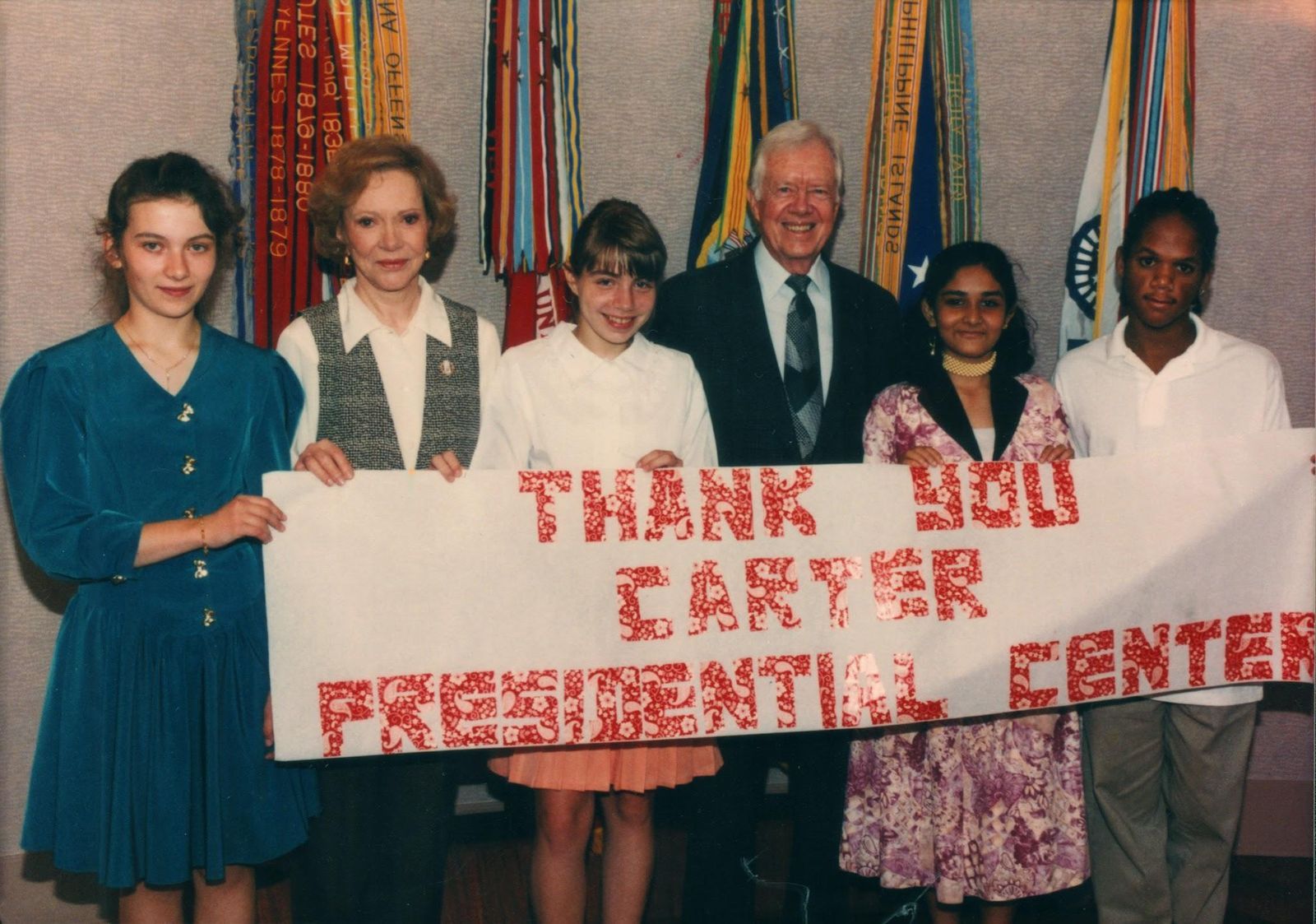
Image: Tatiana V. Konokotina, CC BY 4.0

According to Rosalynn Carter , she first became attracted to her husband, future president Jimmy Carter, when she saw him in a photograph dressed in his U.S. Navy uniform. What followed is a long and prosperous love story, which only ended in 2023 after Rosalynn passed away at the age of 96 years old.

During her tenure as First Lady, Rosalynn became an advocate for mental health and women’s rights, and she continued to support these causes through her work in the Carter Center. Both Rosalyn and President Carter were awarded the Presidential Medal of Freedom in 1999.

3
Barbara Bush
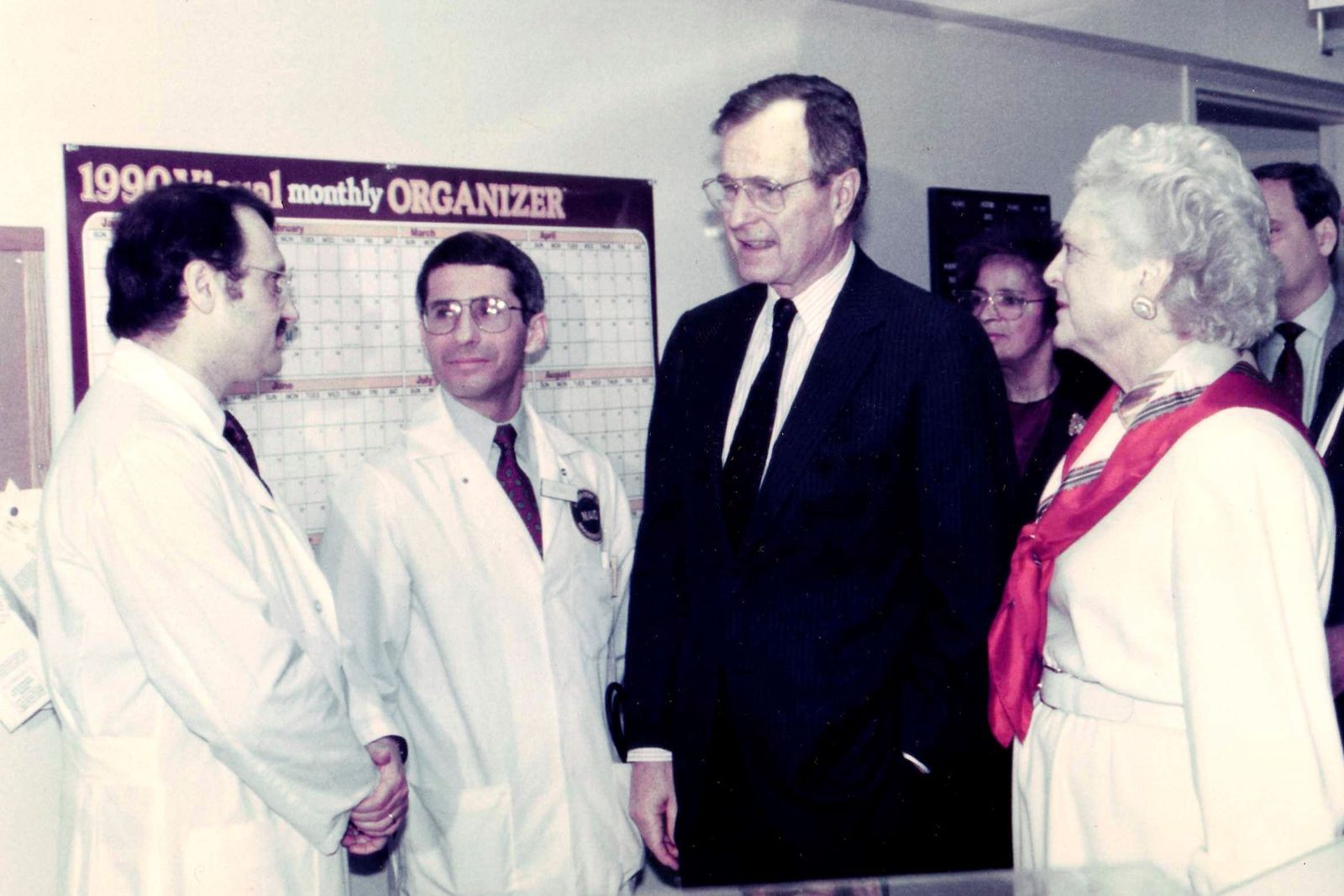
Image: NIAID, CC BY 2.0

Few First Ladies hold the honor of being both the wife and the mother of a U.S. President, and Barbara Bush is one of them. She served as the First Lady during the presidency of George H. W. Bush, who acted as the 41st U.S. President from 1989 to 1993.

Although she presented herself in an almost apolitical manner, Barbara often engaged in charity work, most notably in campaigns to fight illiteracy. After her husband’s presidency ended, she continued to work in campaigning for her sons, including our 43rd President, George W. Bush.

4
Eleanor Roosevelt
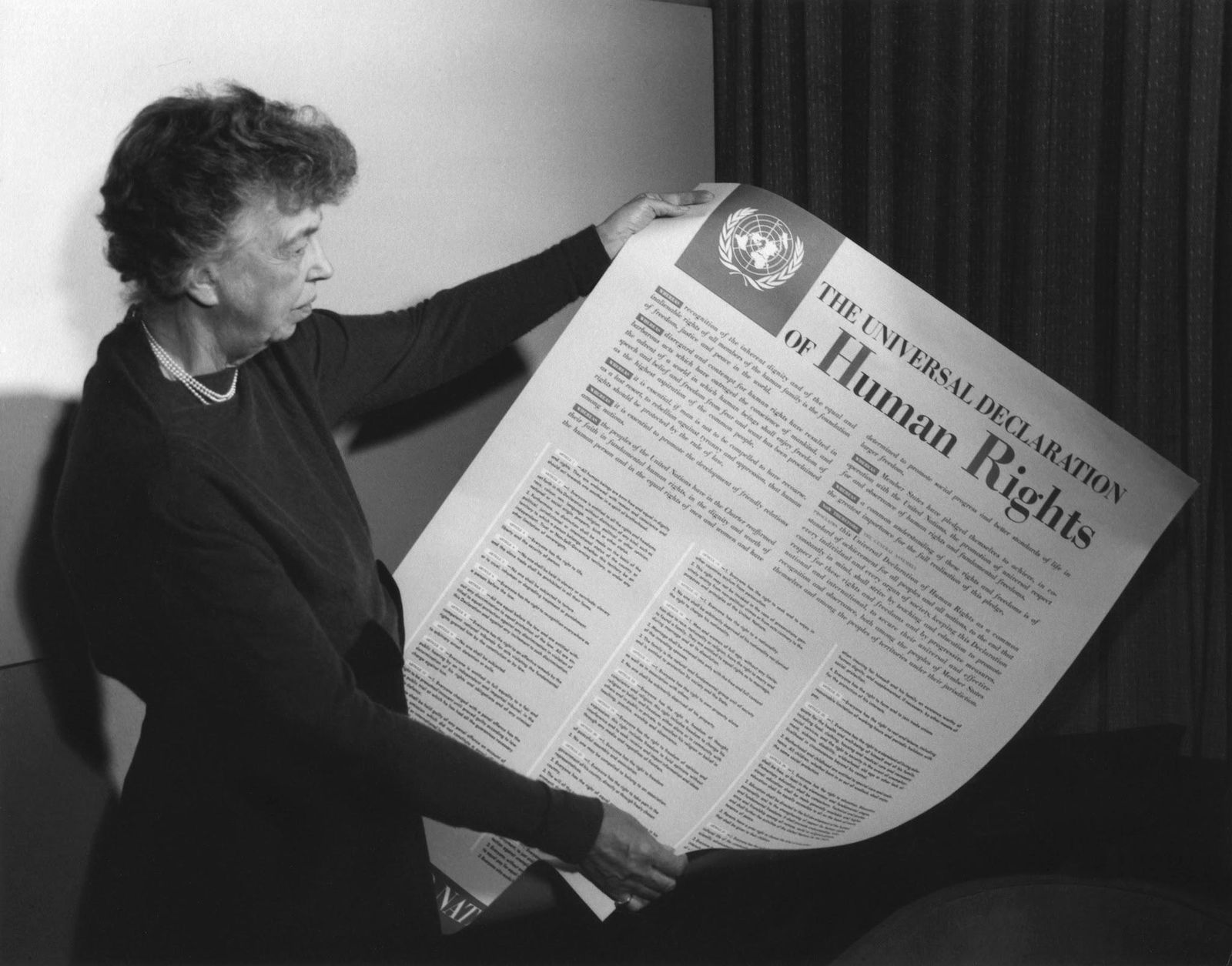
Image: FDR Presidential Library & Museum, CC BY 2.0

Eleanor Roosevelt is remembered as the longest-serving First Lady in U.S. history. However, the legacy of this amazing figure is not limited to this fact. Roosevelt is considered to be one of the most groundbreaking First Ladies in history, completely revolutionizing the function.

Roosevelt took an active role during her husband’s terms, actively engaging in public events, travels, and cultural activities. Not only that, she was instrumental in President Roosevelt’s involvement with the then-newly formed United Nations. Eleanor served as a delegate to the U.N. General Assembly, acting as the leading figure behind the drafting of the Universal Declaration of Human Rights.

5
Nancy Reagan
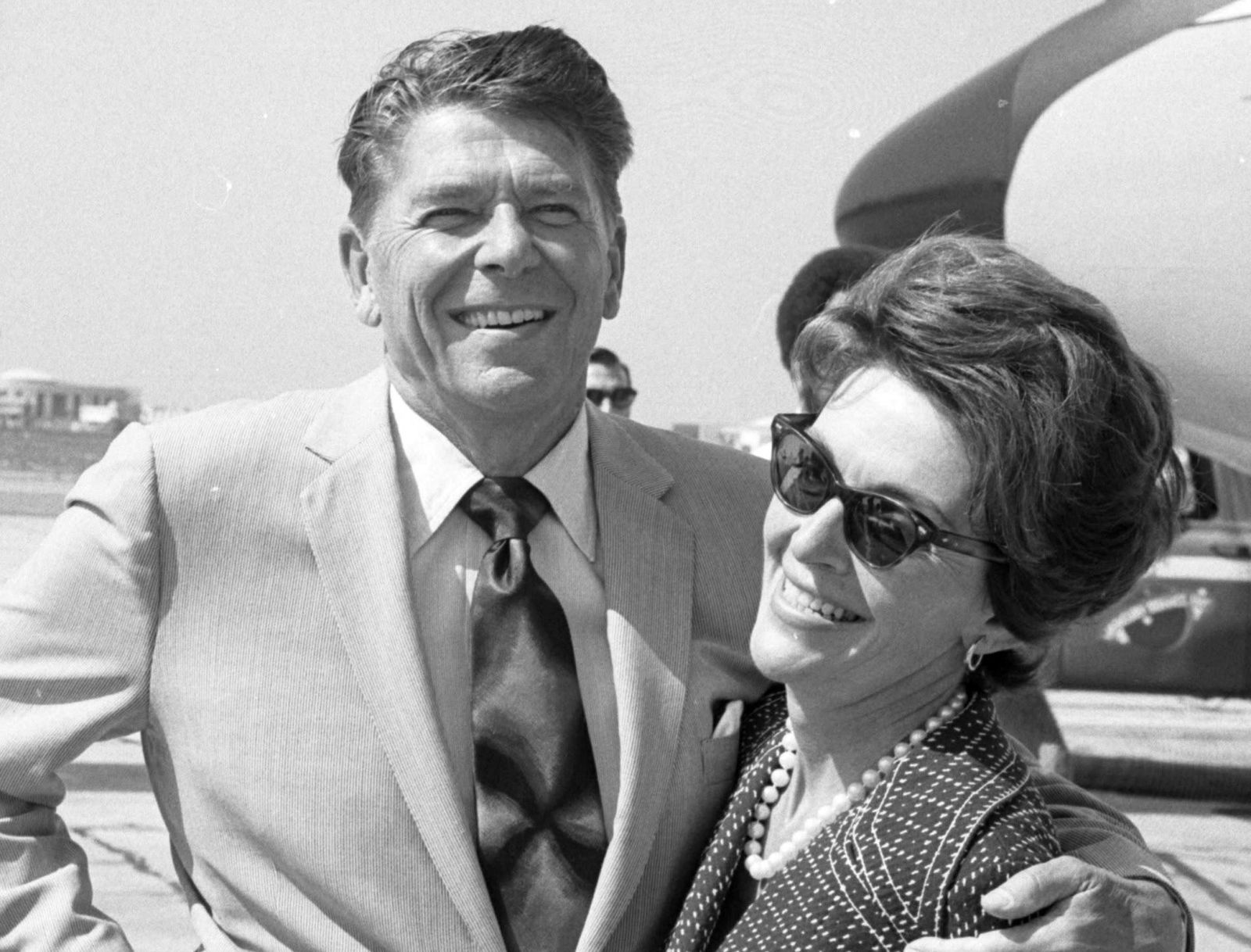
Image: Bill Varie, Los Angeles Times, CC BY 4.0

Just like her husband, Nancy Reagan’s career before the White House was filled with the glamour and excitement of Hollywood. Between the 1940s and 1950s, she starred in several blockbusters such as "The Next Voice You Hear...", "Night into Morning", and "Donovan ’ s Brain", acting under her maiden name, Nancy Davis.

In 1952, she married then-fellow actor Ronald Reagan, the president of the Screen Actors Guild at the time. Nancy first served as First Lady of California when her husband was governor of the state, and later on as First Lady of the country in 1981.

6
Lady Bird Johnson
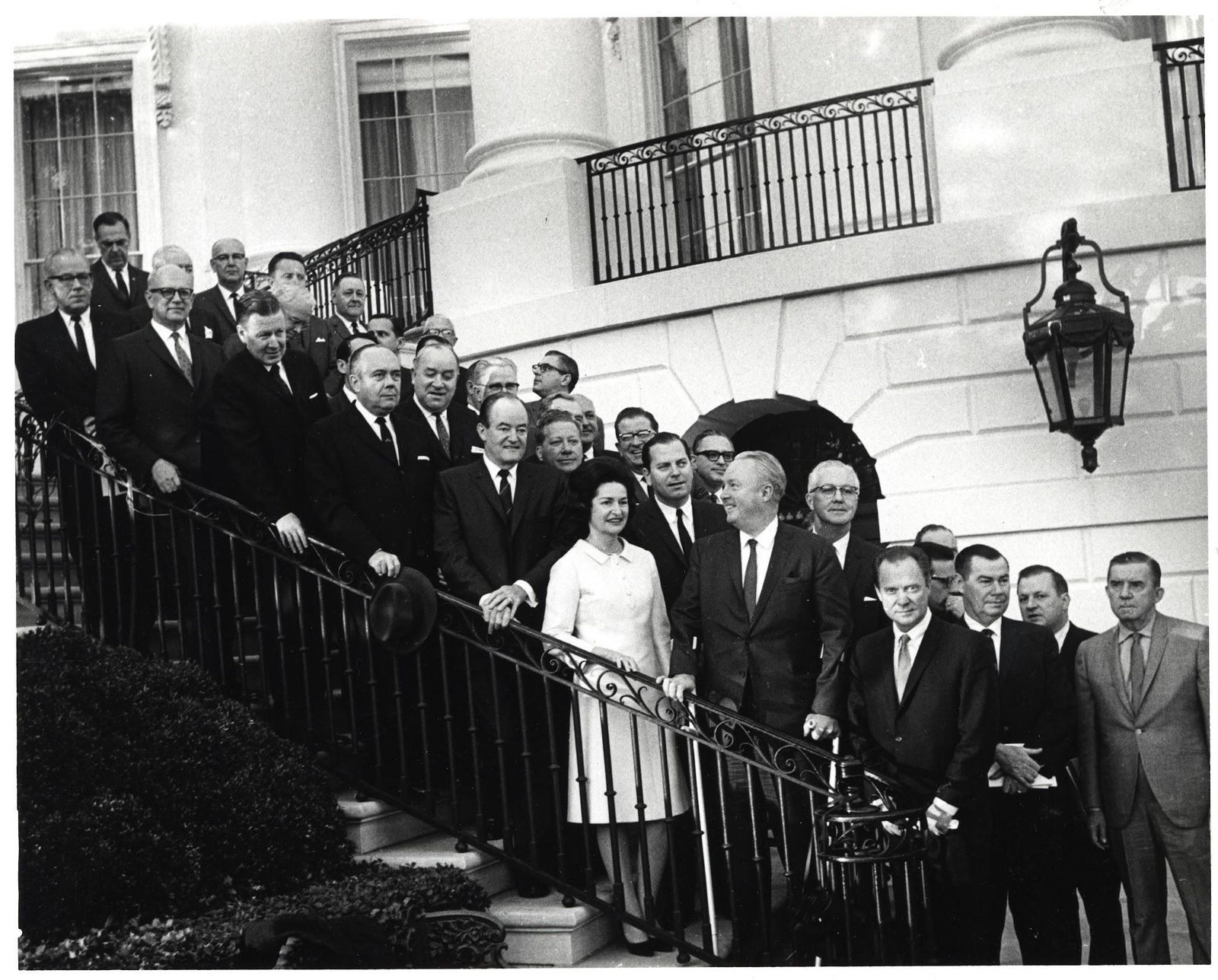
Image: City of Boston Archives from West Roxbury, United States, CC BY 2.0

Some First Ladies (although not many) are better known by their nicknames, and that’s certainly the case with " Lady Bird" Johnson . Born Claudia Alta Taylor in Karnack, Texas, this First Lady’s nickname comes from the fact that her nursemaid apparently stated that young Claudia was "as pretty as a ladybird".

When she was in her early 20s, Lady Bird met a young congressional aide named Lyndon B. Johnson after a mutual friend introduced them. The First Lady would later declare that she felt "like a moth drawn to a flame" on that first meeting. A few weeks after their first dates, the couple married and went on to have two daughters, Lynda Bird and Luci Baines.

7
Jackie Kennedy
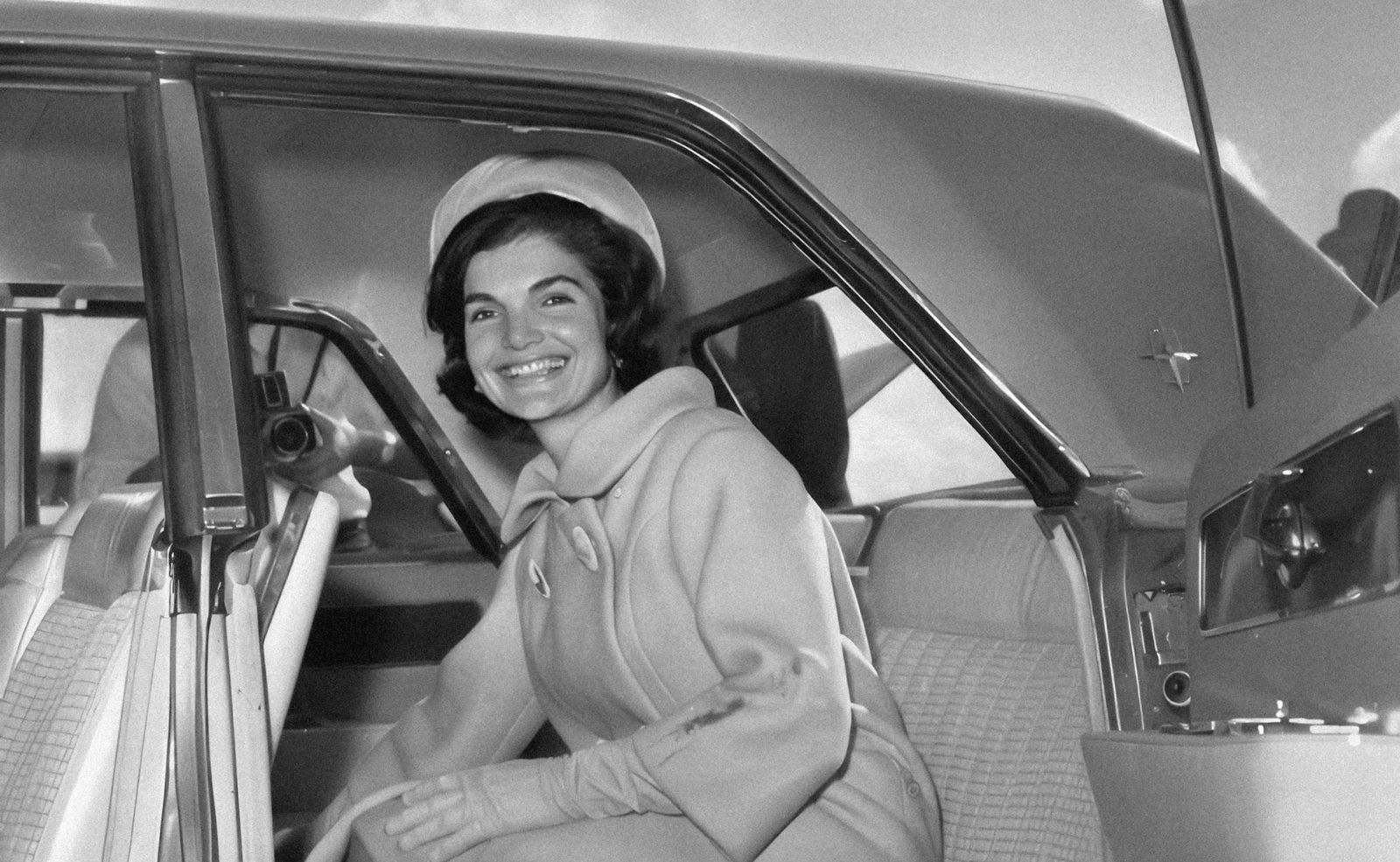
Image: Florida Memory

For many Americans, First Ladies are the pinnacle of glamour. Their impeccable manners and warm personalities perfectly match their classy outfits. In that sense, Jacqueline "Jackie" Kennedy is considered to this day an international icon, known for her daring yet elegant attire and her devotion to their family and her country.

Jackie met President Kennedy, then U.S. Representative for Massachusetts, at a dinner party held by journalist Charles L. Bartlett. A year later, in 1953, the couple married in an event that was listed as the social event of the season. Jackie took a rather active role in her duties as First Lady. She conducted a massive restoration process of the White House and often joined her husband on many trips abroad, becoming a beloved cultural ambassador for America.

8
Hillary Clinton

Image: Hillary for Iowa, CC BY 2.0

Hillary Clinton is definitively the person on this list with the most political experience. She was Secretary of State, Senator for the State of New York, and presidential candidate. However, we shouldn’t overlook the fact that she dutifully served as First Lady of the United States while her husband was in the White House.

While the world knew her as Hillary Rodham, she entered Yale Law School in the early 70s, where she met a fellow law student by the name of William "Bill" Clinton. They married in 1975 and welcomed their only daughter, Chelsea, in 1980.

9
Michelle Obama

Image: Tim Pierce from Berlin, MA, USA, CC BY 2.0

Following her graduation from Princeton University, a young lawyer by the name of Michelle LaVaughn Robinson started working in a Chicago law firm, focusing on marketing and intellectual property law. During her time in this office, she met another young lawyer named Barack Obama. Did any of them know that they were meeting their future spouse?

Let’s now jump to the year 2009: Barack Obama was the first African-American President of our country, and Michelle Obama became the First Lady of the United States. During her time in the White House, Michelle took a stand against many difficulties, like poverty, childhood obesity, and illiteracy.

10
Betty Ford
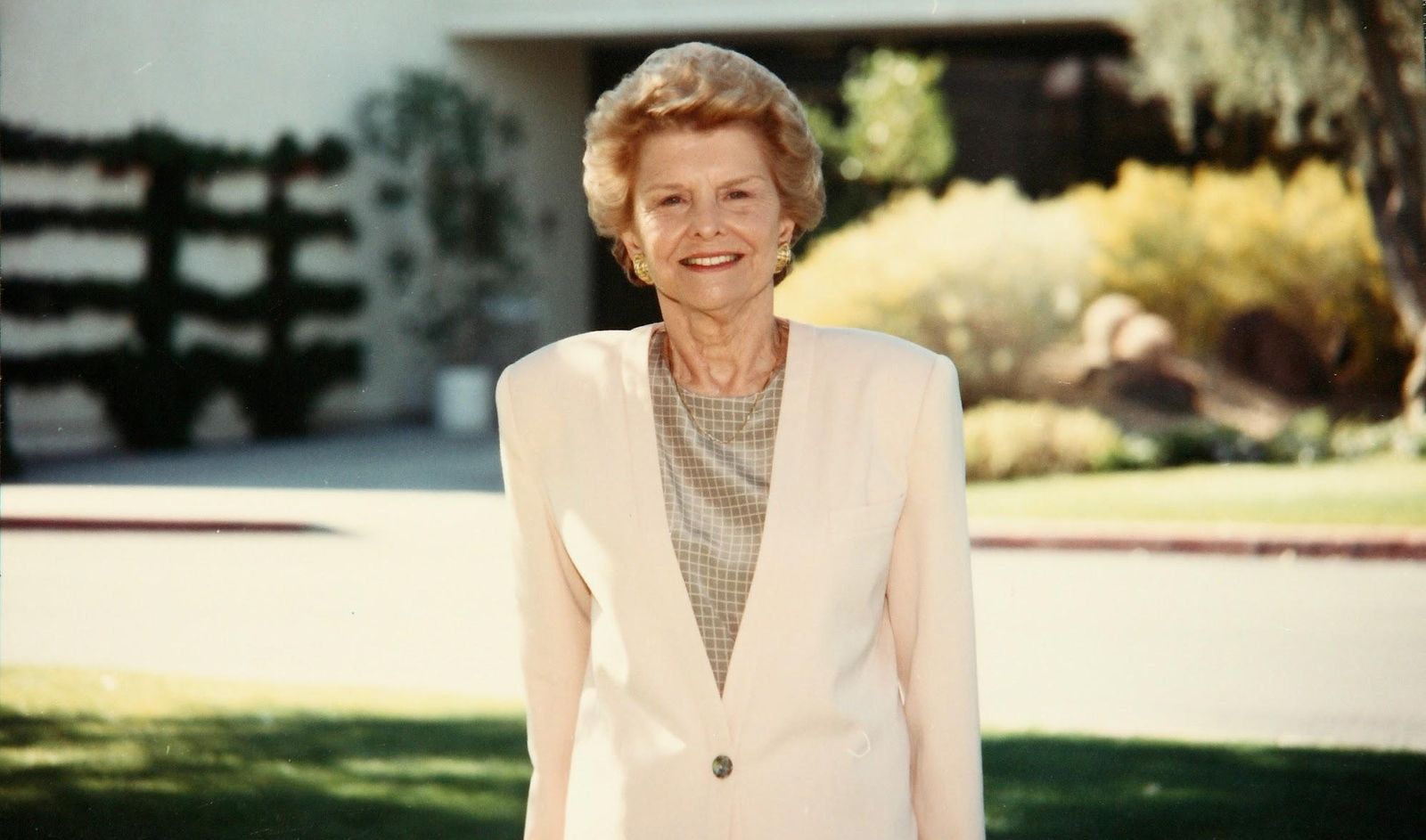
Image: Image courtesy of Betty Ford Center, Attribution, via Wikimedia Commons

Elizabeth Anne "Betty" Ford assumed the role of Second Lady when her husband, Gerald Ford, served as Vice President to Richard Nixon (1973-1974), and she became the First Lady when Nixon resigned from the presidency in August 1974.

However unexpected her rise to the role was, Betty Ford is fondly remembered as one of the most courageous First Ladies of our country; she was not afraid to speak her mind and get involved in politics. During her time in the White House, she became known as a passionate defender of the Equal Rights Amendment, as well as a public spokesperson for breast cancer awareness.
Geography Geography 4 min read

Discovering America

What's the easternmost point of the US? If you say Maine, think again!

Image: Jon Sailer

We’ve all picked up "facts" about the fifty states somewhere along the way, but not all of them hold up. Some are half-truths passed around for generations , others are just plain wrong. So, in an attempt to set the record straight once and for all, we’ve gathered some fun truths that clear up the biggest mix-ups about our states.

1
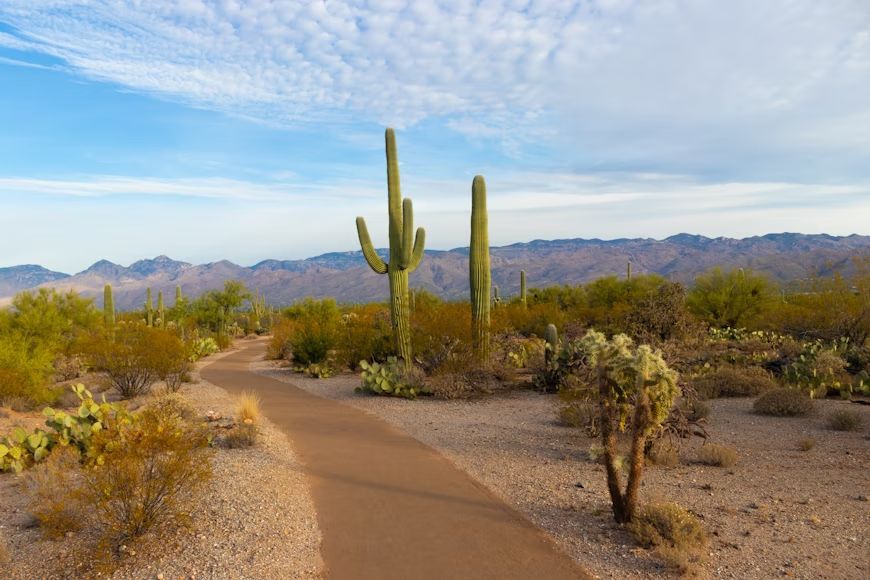
Arizona skips Daylight Saving Time

Image: Christoph von Gellhorn

This is partly true because most of the state doesn’t bother with Daylight Saving Time . They stopped changing the clocks back in 1967. The exception is the Navajo Nation, which stretches into Utah and New Mexico and keeps DST so all its communities stay on the same schedule. Now, as for the smaller Hopi reservation, inside the Navajo Nation, it sticks with Arizona time… Yes, quite confusing if you’re not a local.

2
Georgia isn’t really the Peach State

Image: Jessica Furtney

Georgia loves its peaches, sure, but the state’s top fruit money-maker is actually blueberries . In recent years, blueberries have brought in several times more cash for farmers than peaches. Meanwhile, California grows far more peaches than Georgia ever has. The nickname stuck from the old days when Georgia peaches were famous for their flavor, not their volume. So while the pride is real, the peaches aren’t quite the powerhouse people may think.

3
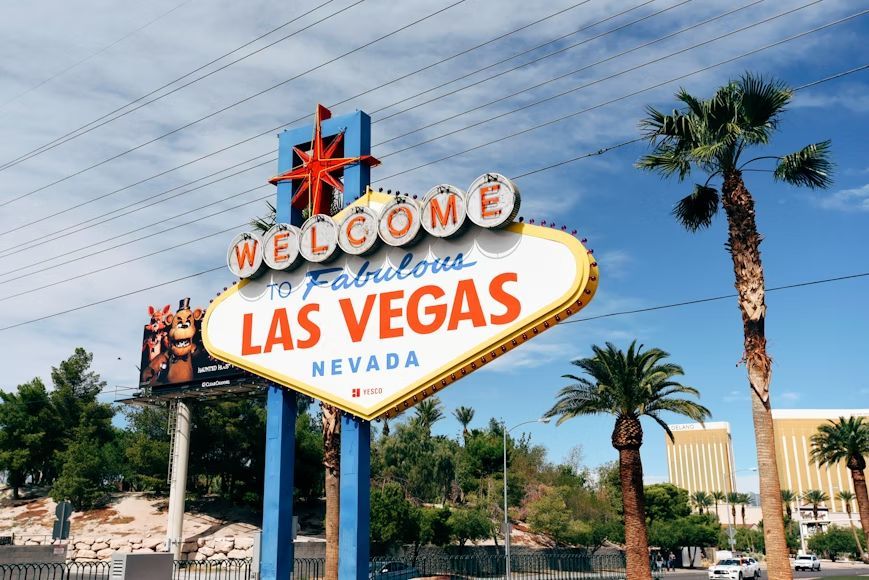
Nevada didn’t record the hottest US temperature

Image: tommao wang

You probably think of Nevada’s desert heat as unmatched, but the all-time record belongs to California’s Death Valley . In July 1913, it hit a mind-melting 134 degrees Fahrenheit, the hottest temperature not only in America but the hottest ever recorded on Earth!

4
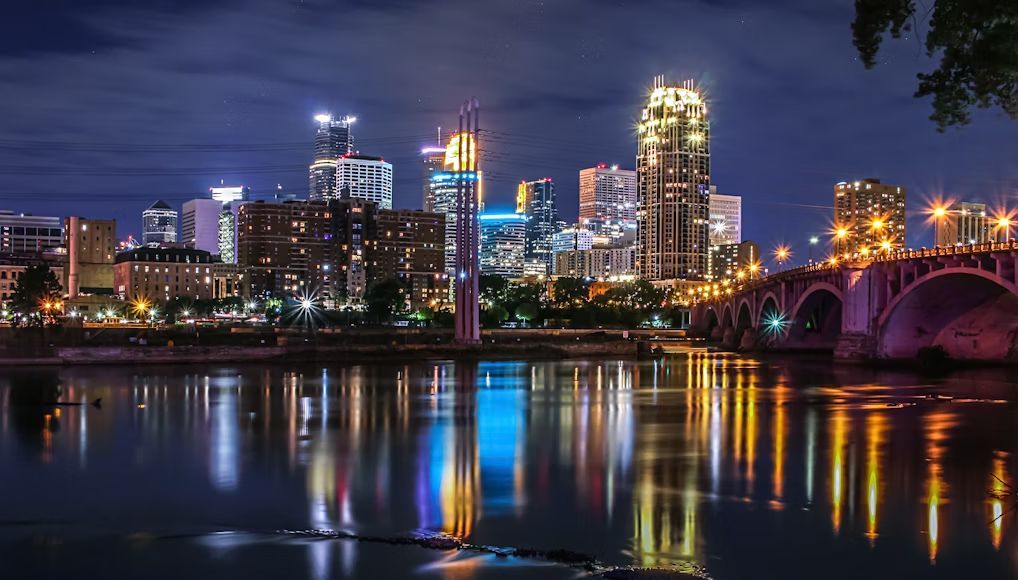
Minnesota doesn’t have the most lakes

Image: Tom Conway

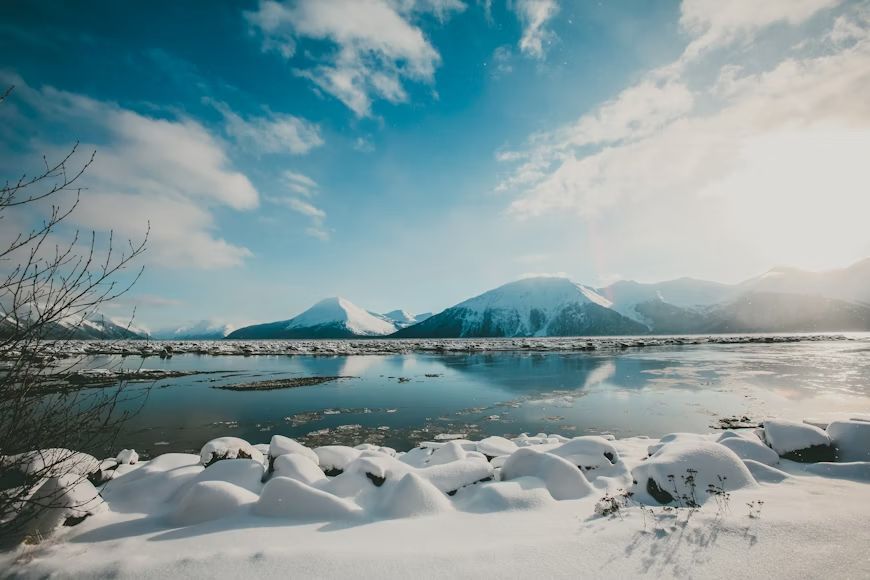
Minnesota proudly calls itself the "Land of 10,000 Lakes," but that’s selling itself short… The real number is closer to 12,000. However, Alaska wins this battle . The state has more than 3 million lakes over five acres in size. In fact, Alaska contains over 40 percent of the nation’s surface water. If you love fishing, kayaking, or just staring at a quiet stretch of water, the true lake capital of America is far up north.

5
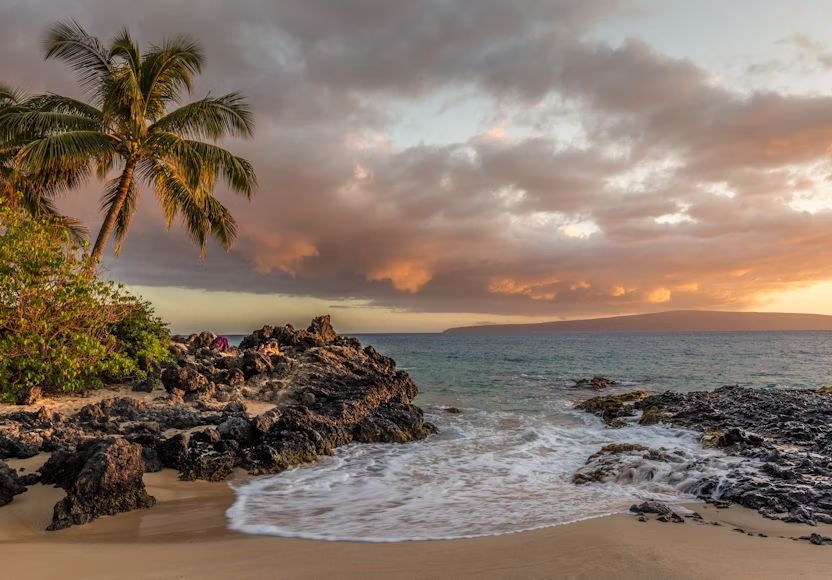
Pineapples aren’t native to Hawaii

Image: Christian Joudrey

Pineapples are everywhere in Hawaiian imagery, but the plant actually comes from South America , mainly Paraguay and southern Brazil. Spanish explorers likely brought them to Hawaii in the 1500s after spreading them across the Pacific to places like the Philippines and Guam. Hawaii’s climate turned out to be perfect for growing them and by the 1900s, the islands were producing so many pineapples that the fruit became a symbol of Hawaii itself.

6
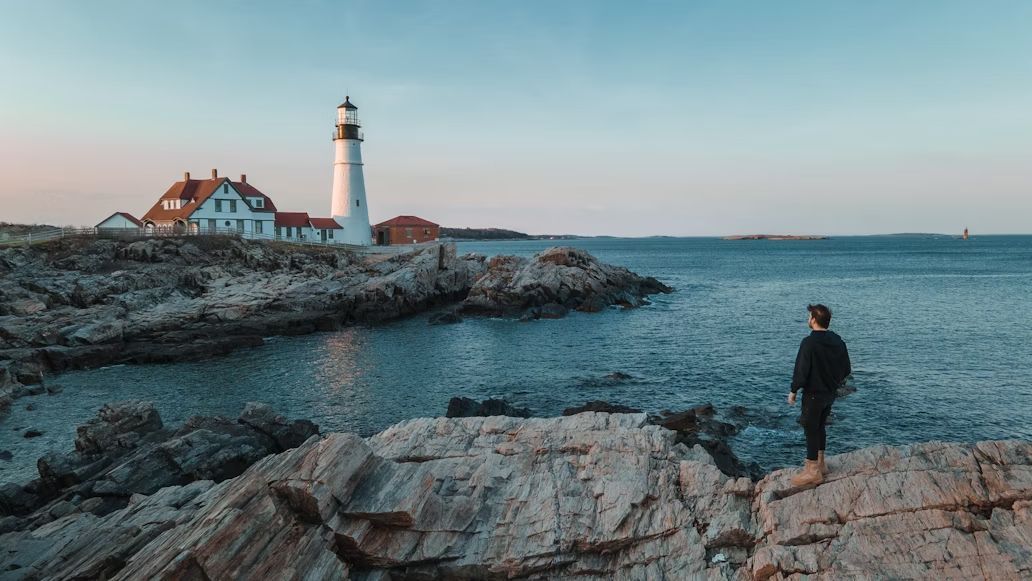
Maine isn’t the country’s easternmost point

Image: Chris Henry

If you’re a Geography geek, you’ll love this one. You might picture Maine’s rocky coast as the eastern tip of America, but the actual easternmost point is thousands of miles away, on Alaska’s Semisopochnoi Island in the Aleutians. How is that possible? Well, that’s because it crosses the 180th meridian, putting it in the Eastern Hemisphere. That means part of Alaska technically sits farther east than anywhere in Maine.

7
The biggest US earthquake didn’t happen in California

Image: Lala Miklós

California has suffered some big earthquakes in its history, but the most powerful earthquake in America struck Alaska in 1964 . It hit Prince William Sound with a magnitude of 9.2. It was so strong it shook the ground for four and a half minutes and triggered massive tsunamis. In today’s dollars, the damage would total more than $2 billion. Alaska sits on a collision zone of tectonic plates, making it one of the world’s most seismically active regions.

8
The Everglades isn’t America’s biggest swamp

Image: Joshua J. Cotten

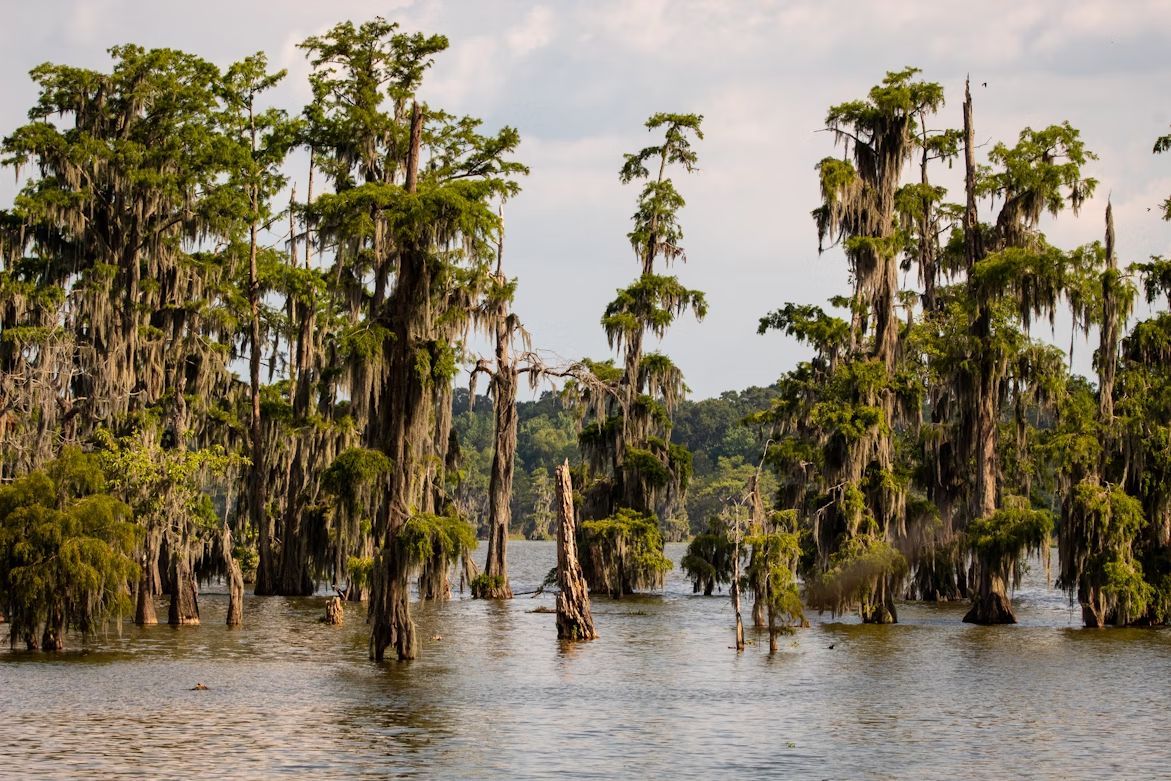
A lot of people picture the Florida Everglades when they think of swamps, but technically, the Everglades isn’t a swamp at all. The real title of the largest swamp in the United States goes to Louisiana’s Atchafalaya Basin , which spans about 1.4 million acres. This swamp has a vast mix of cypress forests, bayous, and marshes, and it’s more than twice as productive as the Everglades when it comes to wildlife and plant life.

9
Big cities aren’t always capitals

Image: Mackenzie Cruz

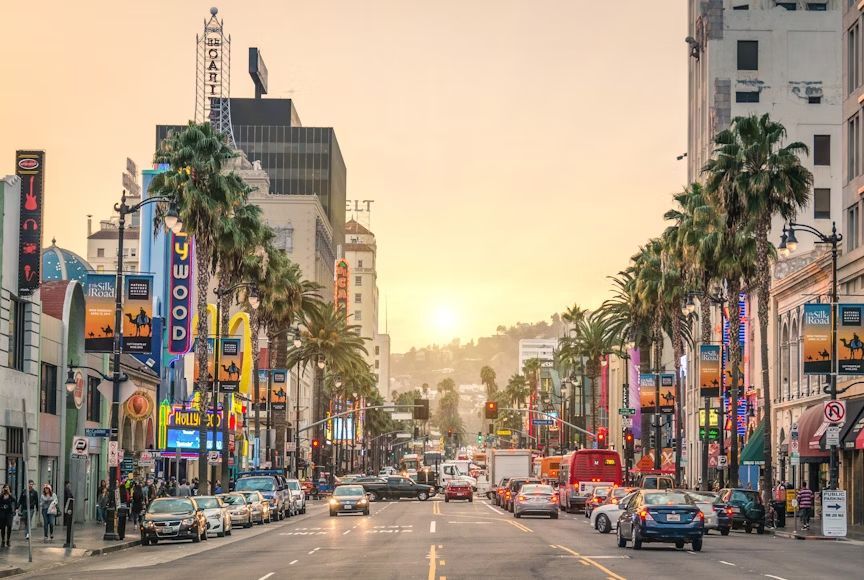
It surprises people how often the biggest city isn’t the state capital . New York City? Not the capital… Albany is. Chicago? Nope, that honor goes to Springfield. Pennsylvania’s capital isn’t Philly or Pittsburgh, it’s Harrisburg. Even California’s capital isn’t L.A. or San Francisco, it’s actually Sacramento. Out of fifty states, only seventeen have their most populous city as the capital.

10
Alaska isn’t divided into counties

Image: Rod Long

Alaska likes to do things its own way. Instead of counties, it’s split into boroughs , and a massive area known as the Unorganized Borough has no local government at all. People out there don’t pay property taxes, but that freedom comes with challenges, limited services, fewer job options, and tough living conditions.

Culture Culture 6 min read

The Five-Sided Puzzle Palace

A man lived there secretly? Stunning facts about the Pentagon

Image: Touch Of Light, CC BY-SA 4.0, via Wikimedia Commons

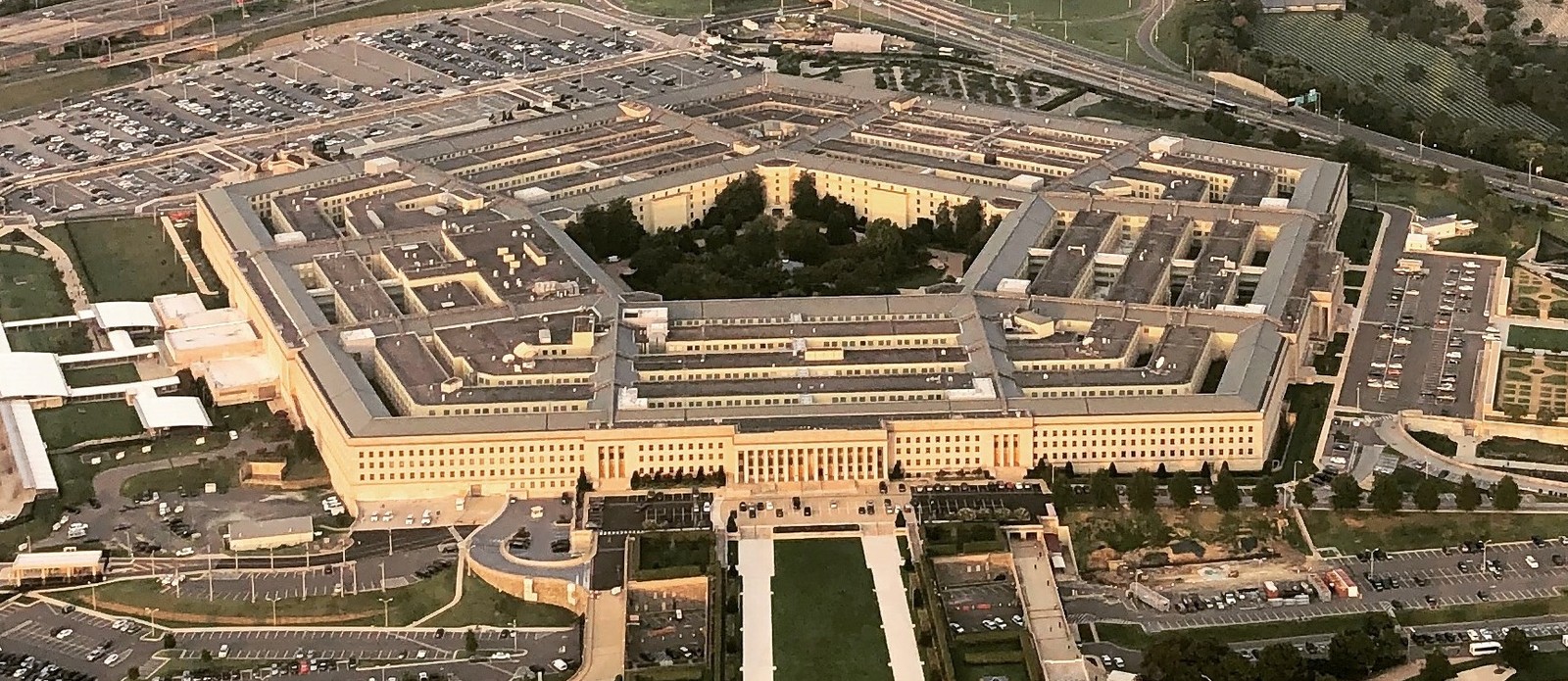
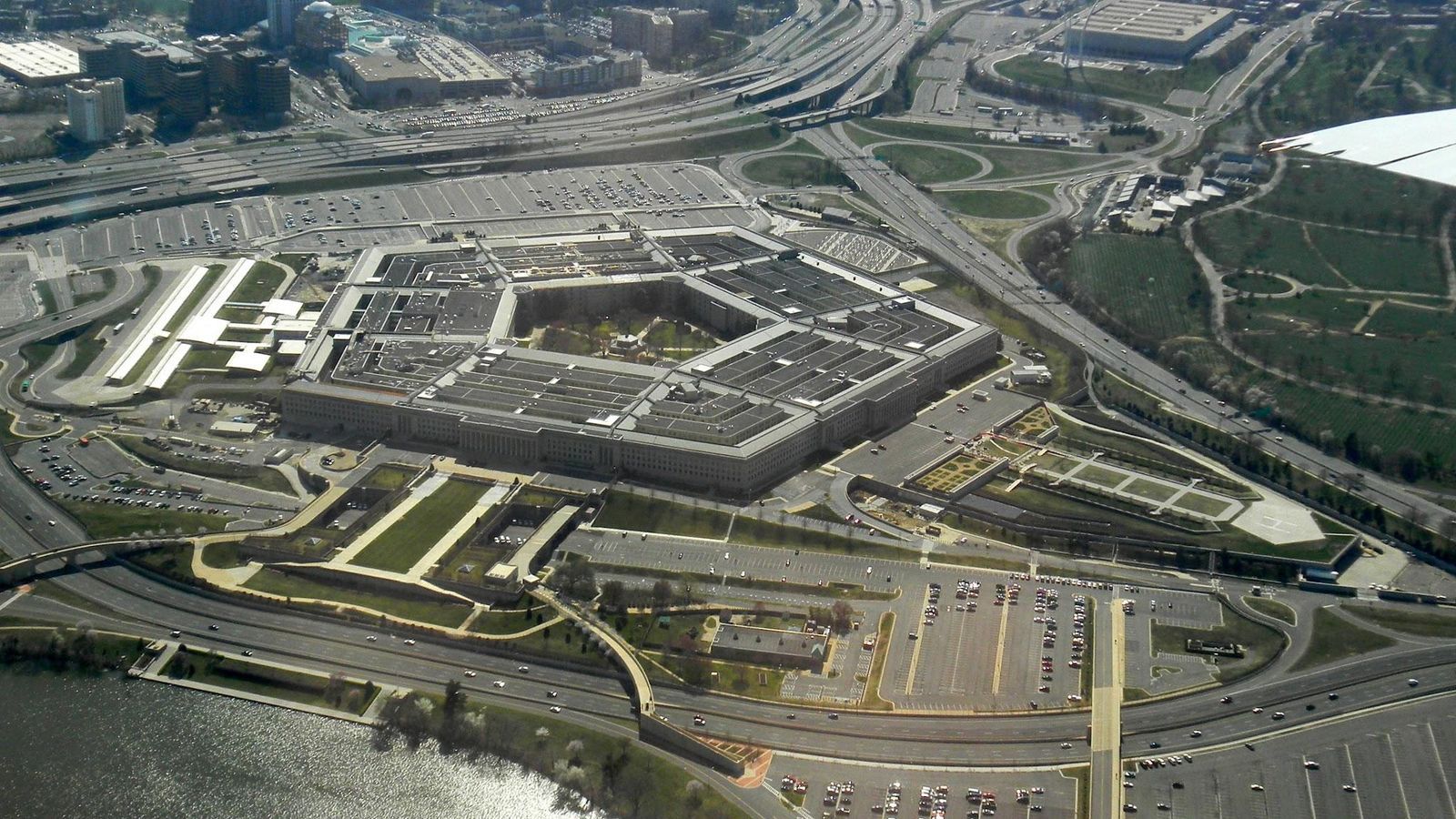
Did you know that construction on the Pentagon building began on September 11, 1941, exactly 60 years before it was attacked? The home of the US Department of Defense has stood for more than 80 years. Although its iconic shape is intriguing in itself, it hides deeper secrets that many Americans have never heard of. Did you know it feeds 26,000 people a day—at a McDonald's, a Five Guys, a Taco Bell, and over 30 other restaurants? Or that a man secretly lived inside its walls for years? Let’s dive into the Pentagon building’s secrets.

1
A renovation project saved thousands of lives on 9/11

Image: Office of the Secretary of Defense - Public Affair, Public domain, via Wikimedia Commons

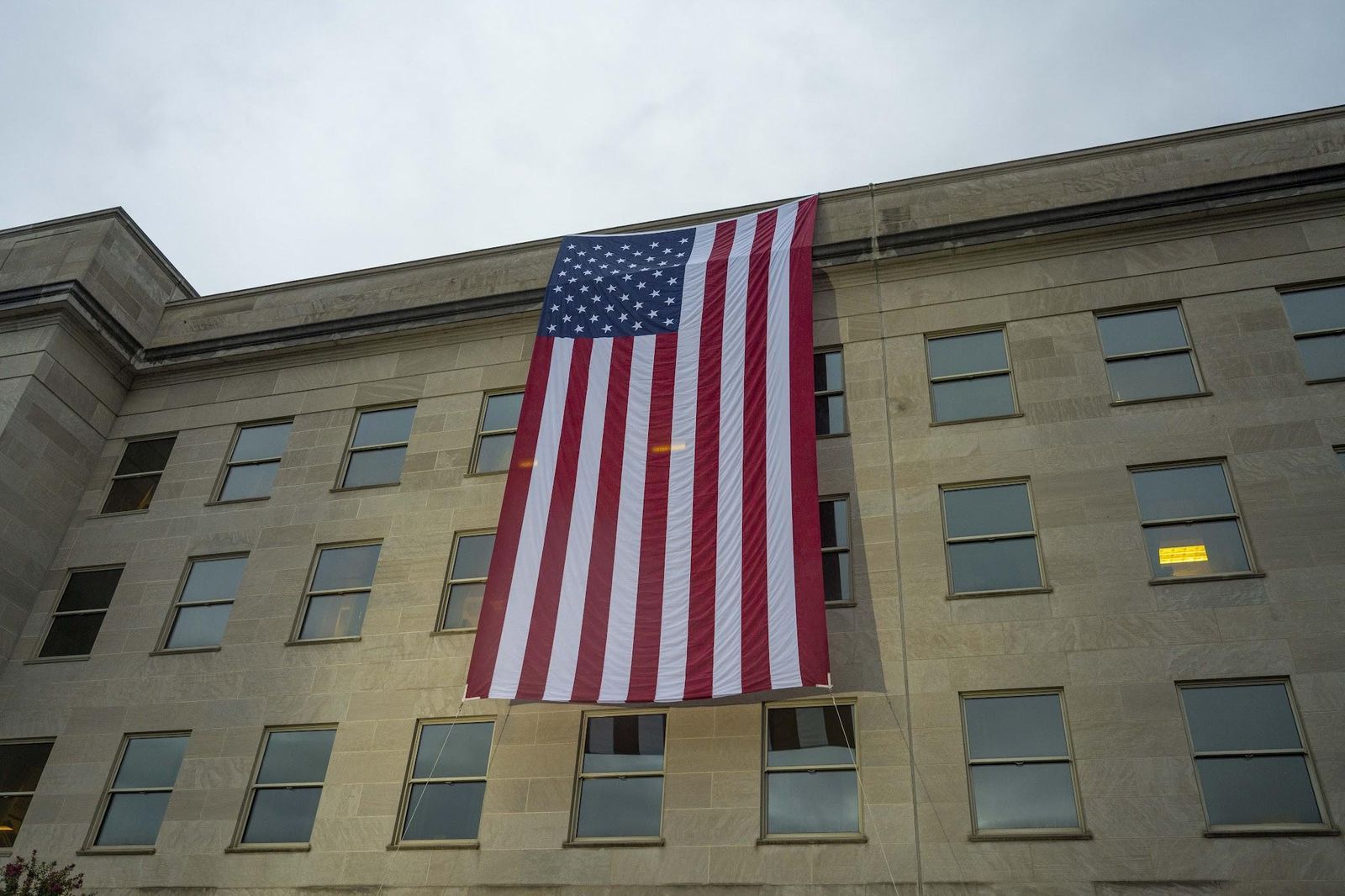
On September 11, 2001, American Airlines Flight 77 struck the Pentagon at 9:37 a.m., killing 189 people. Few people know this part: the death toll could have been much higher. But there was a renovation project underway at the time of the attacks.

The Pentagon’s five-sided structure is divided into five "wedges," and workers had been renovating them one at a time. Flight 77 struck the wedge that had just been completed. Of the 4,500 people who normally worked in that section, only about 800 had moved back in. Without the reinforced construction and the incomplete occupancy, experts believe the casualties would have been catastrophically higher.

2
The Cold War and the hot dog stand

Image: Anete Lusina

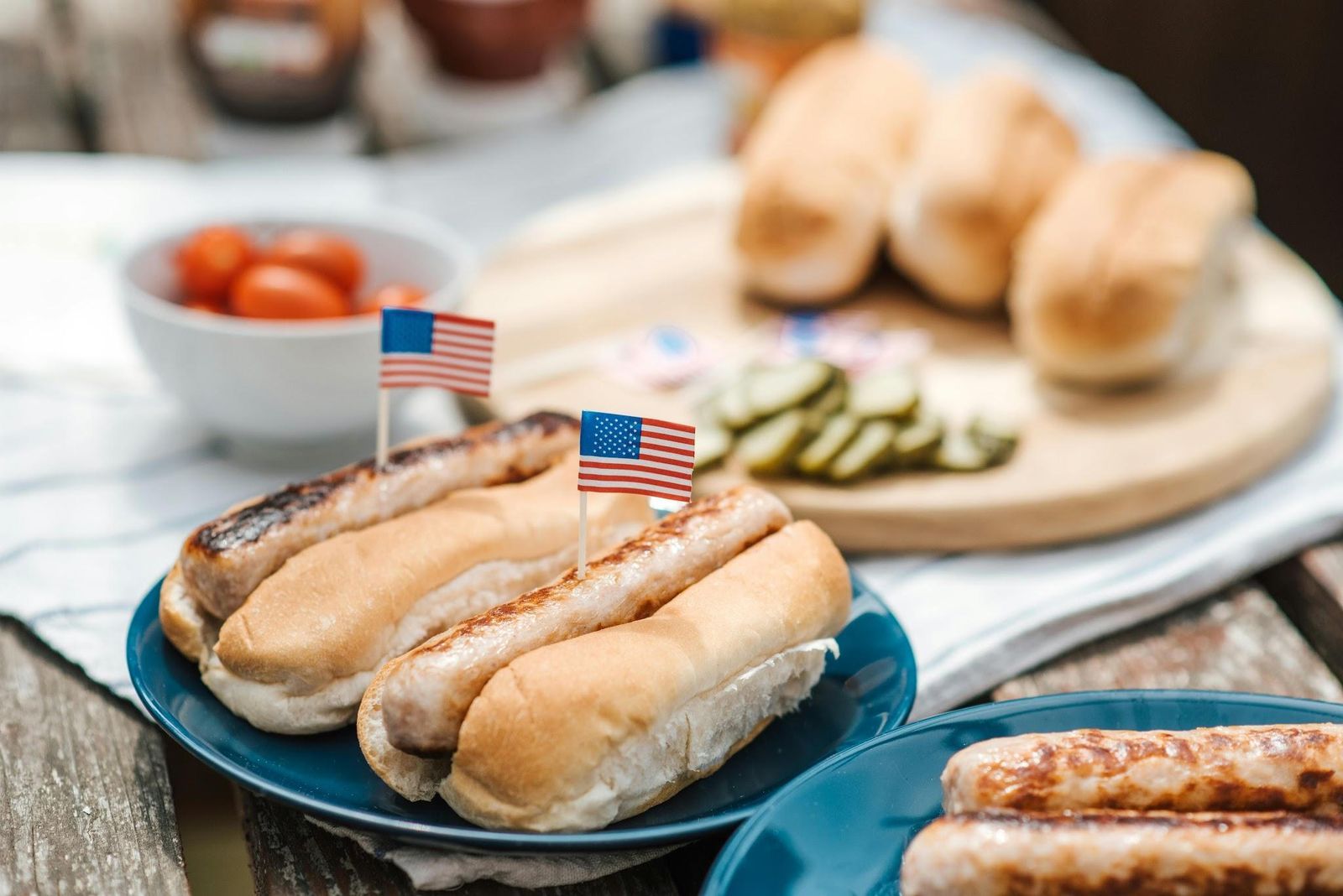
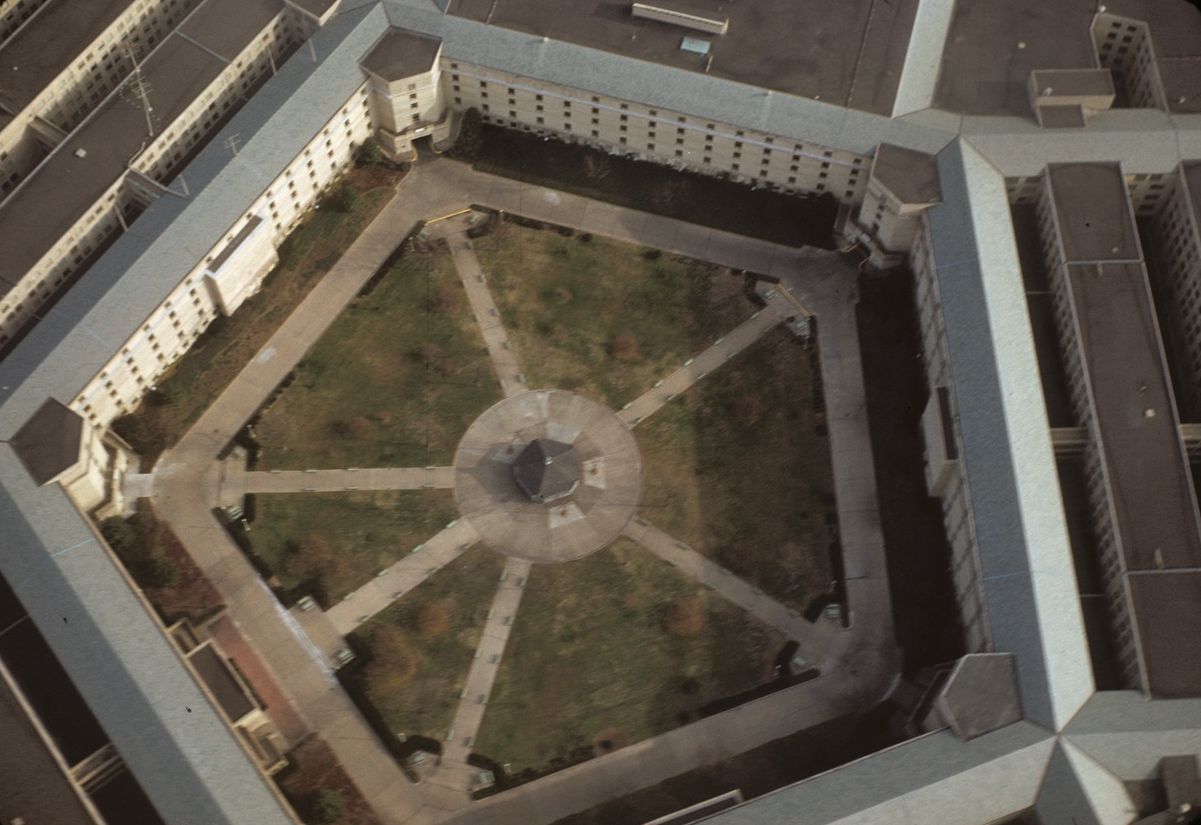
In the middle of the Pentagon’s five-acre center courtyard once stood a modest hot dog stand. According to a Cold War legend (one still retold by official Pentagon tour guides on every public tour), between the 60s and the 80s, Soviet satellite images tracked large groups of high-ranking military officials converging on that small building at the same time every day.

Soviet intelligence reportedly concluded the structure must be the entrance to some underground bunker in America. In reality, all it did was sell lunch. In 2006, the original stand was torn down, and a sandwich shop was built in its place.

3
Its construction began on September 11th, exactly 60 years before the attack

Image: Aber, Marilyn K., Public domain, via Wikimedia Commons

Builders broke ground on the Pentagon on September 11, 1941. That was exactly 60 years to the day before the September 11, 2001, terrorist attacks that would strike the same building.

Construction had been ordered by Army Brigadier General Brehon Somervell, who wanted a permanent headquarters for the Defense Department to replace its then-17 scattered offices across Washington, D.C.

The project was extraordinarily ambitious: plans called for the world’s largest office building to be completed in just 16 months. In the end, the conception, design, and construction of the entire Pentagon building took a total of 15 months.

4
The same person oversaw its construction and the Manhattan Project

Image: U.S. Army, Public domain, via Wikimedia Commons

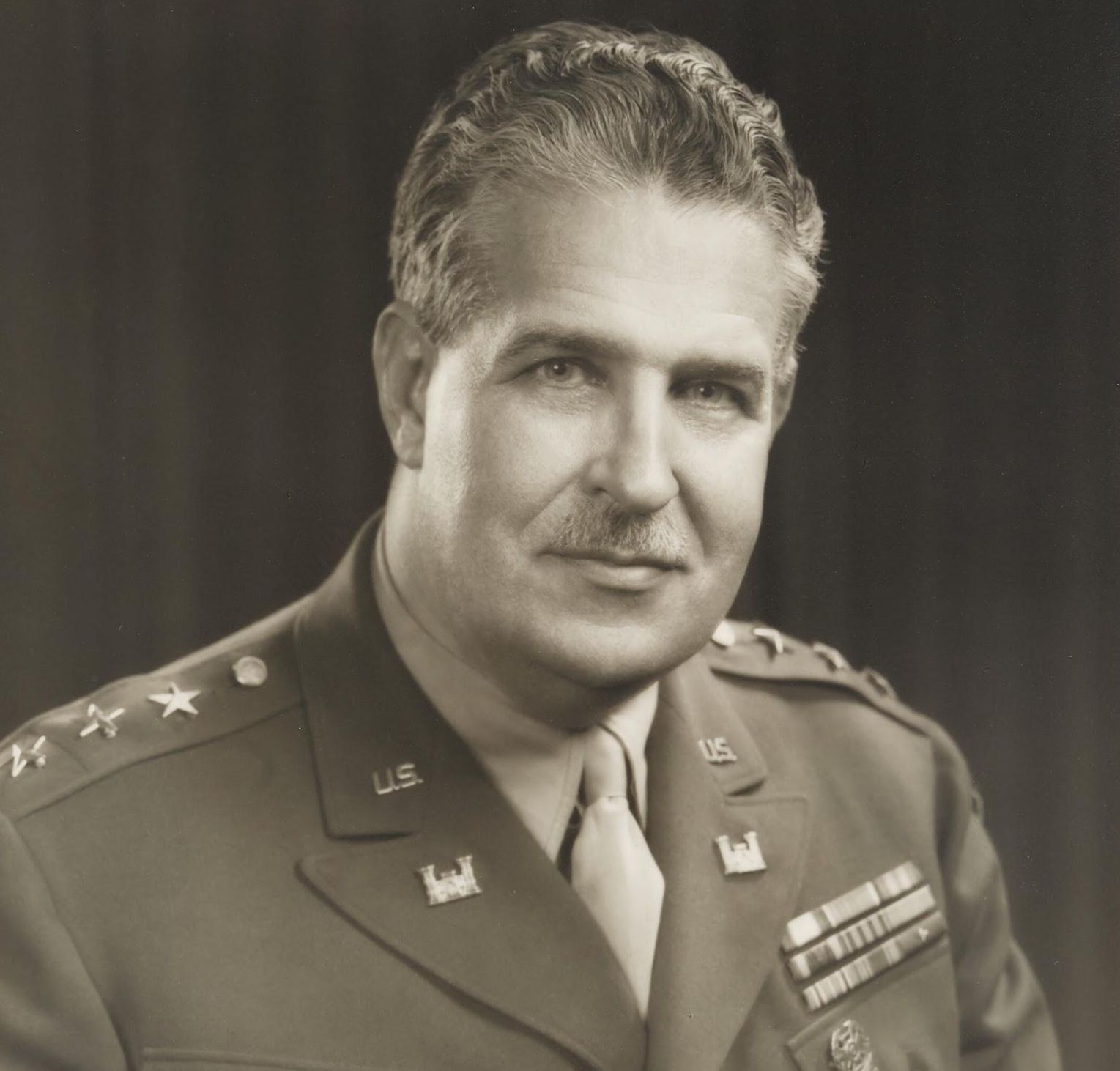
Colonel Leslie Groves of the Army Corps of Engineers took charge of Pentagon construction in August 1941. He worked six days a week and drove his team relentlessly, at one point employing more than 15,000 workers around the clock.

When the Pentagon was finished in January 1943, Groves was assigned to lead the Manhattan Project, America’s secret program to build the atomic bomb . His deputy, Captain Robert Furman, followed him into the Manhattan Project as chief of foreign intelligence. Together, the men who built the world’s largest office building went on to produce the weapon that ended World War II.

5
Why is it shaped like that?

Image: Boston Public Library, CC BY 2.0, via Wikimedia Commons

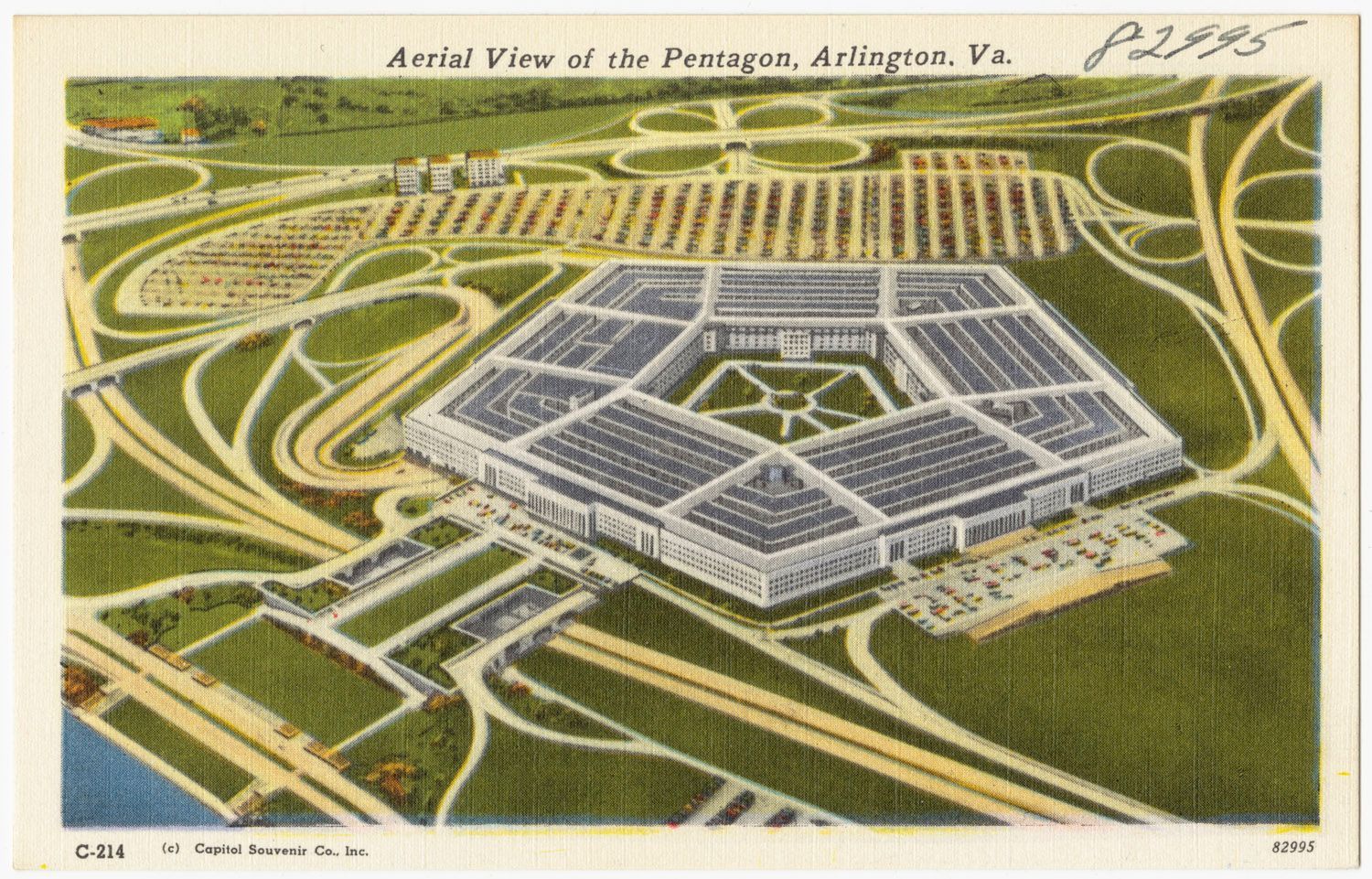
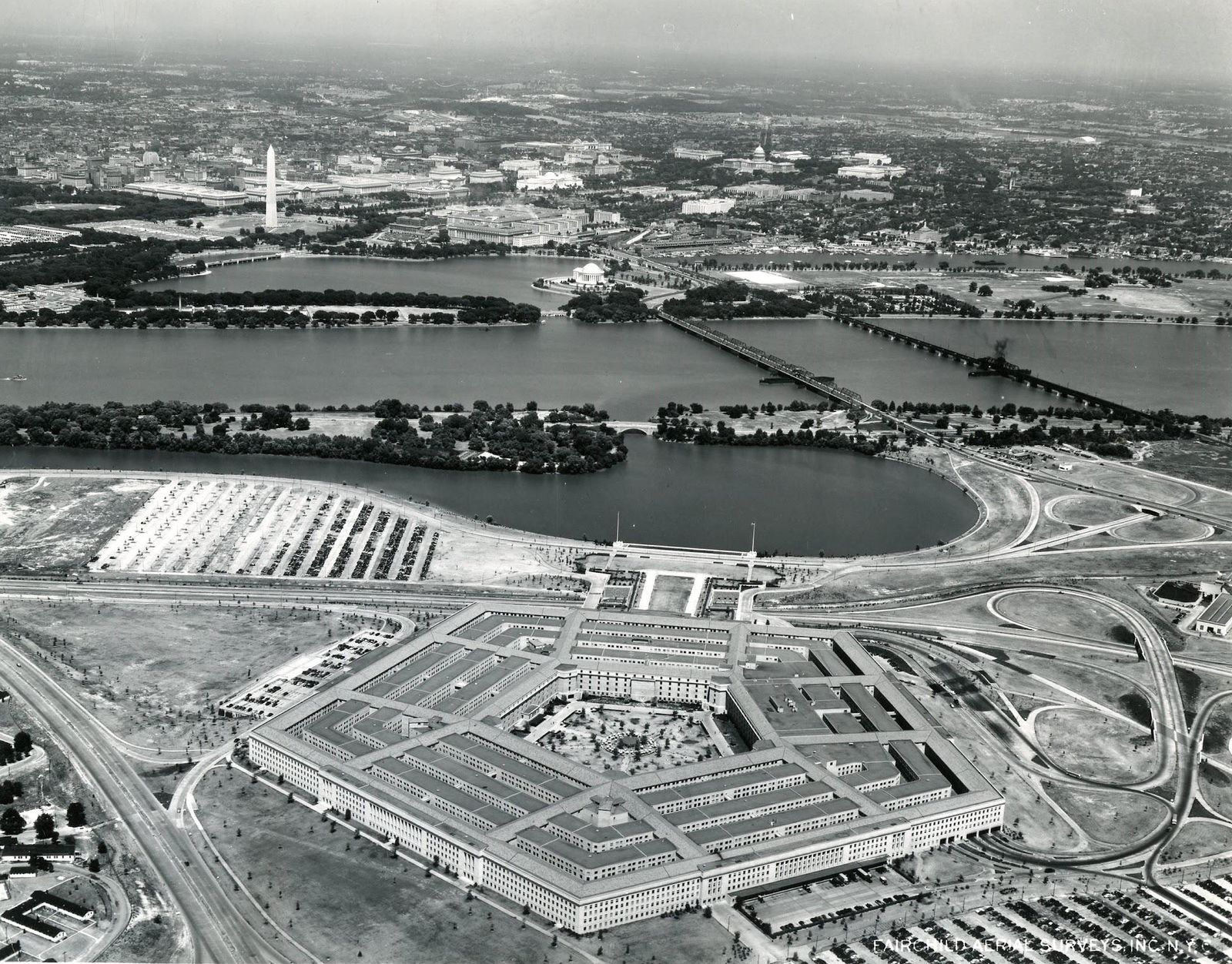
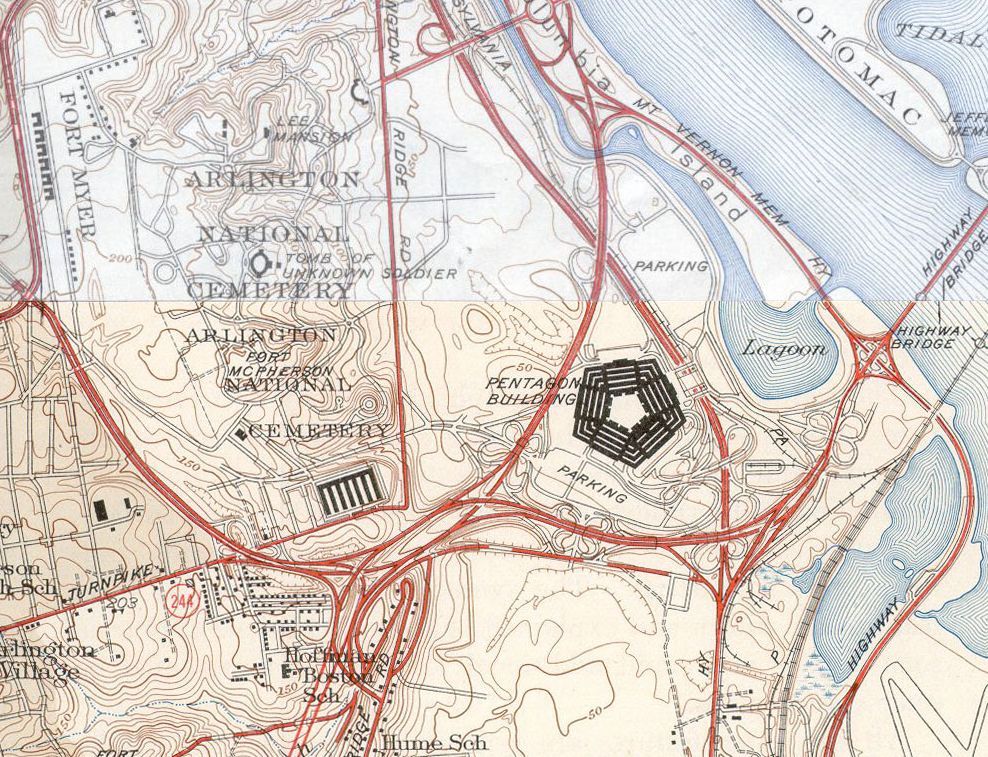
The Pentagon’s iconic five-sided shape was the consequence of a geographic accident. The original site selected for the building, near Arlington Cemetery, **happened to be bordered on five sides by roads. **Architects designed the structure to fit those boundaries, producing a pentagonal floor plan. Then President Franklin D. Roosevelt intervened: worried the massive building would obstruct the view of Washington, D.C. from Arlington, he ordered the site moved to its current location along the Potomac River. But the five-sided design had already been drawn up, and nobody changed it.

6
It was the first desegregated building in Virginia

Image: https://ddotlibrary.omeka.net/items/show/100, Public domain, via Wikimedia Commons

When the Pentagon was designed in 1941, segregation was the law in Virginia. Original plans called for doubled bathroom facilities: separate ones for Black and white employees, as required by Virginia statute. But President Roosevelt had signed Executive Order 8802 in June 1941, prohibiting racial discrimination in federal employment and government contracting.

As a federal building, the Pentagon was exempt from Virginia law. It became the only building in the state where segregation was not enforced. A fully desegregated federal workplace that opened in 1943. The doubled bathrooms were built anyway, as the plans were too far along to revise, but were never used as separately designated spaces.

7
Its construction was surprisingly frugal and incredibly fast

Image: See page for author, Public domain, via Wikimedia Commons

Ground broke on September 11, 1941, and construction finished on January 15, 1943, just 16 months later. More than 15,000 workers were on site around the clock. Wartime office shortages were so severe that employees moved into completed wings before the rest of the building was finished. Steel was too scarce to use extensively, so builders relied almost entirely on reinforced concrete. The 689,000 tons of sand and gravel required came directly from the nearby Potomac River, cutting transportation costs. The project was budgeted at $35 million, but the final bill was $63 million, which would translate to over $900 million in today’s dollars.

8
You can walk between its farthest points in only 7 minutes

Image: Bea A Carson, CC0, via Wikimedia Commons

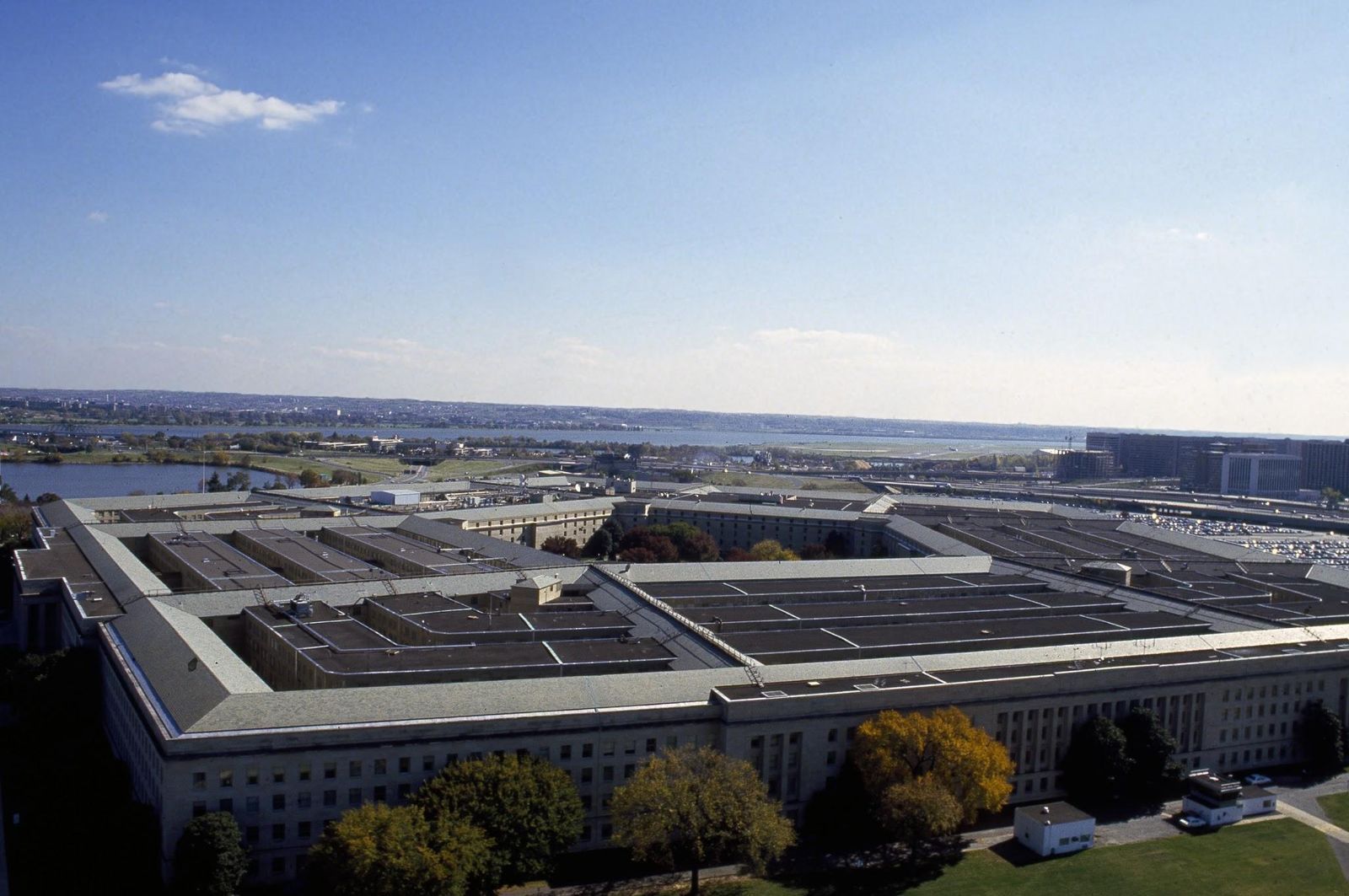
The Pentagon is the world’s largest low-rise office building: 6.5 million square feet of space, which is three times the total floor area of the Empire State Building. Each of its five outer walls is 921 feet long. It has 7,754 windows and 17.5 miles of corridors. Approximately 26,000 military and civilian employees report for work there every day.

Despite that scale, the building’s concentric ring design is so efficient that it takes only about seven minutes to walk between its two farthest points.

9
The man who secretly lived inside its walls

Image: Carol M. Highsmith, Public domain, via Wikimedia Commons

During construction, Colonel Groves drove his deputy, Captain Robert Furman, so relentlessly that Furman rarely left the building. To cope, Furman had contractors build him a small, windowless apartment hidden inside the walls of the Army’s Ordnance Division. In this private room, he could sleep and shower without leaving the premises.

When construction ended and personnel dispersed, knowledge of the hidden room was never passed on to building management. Months later, when Furman returned to Washington on Manhattan Project intelligence business, he found the apartment undiscovered and exactly as he’d left it.

For over a year, he would slip back to the Pentagon, pop open a wall panel, spend the night, and emerge in the morning with his suitcase. He was finally caught in 1943 and forced to surrender the keys. It was never disclosed whether the secret apartment was maintained or eventually absorbed back into the official floor plans.

10
It houses over 30 restaurants, including everyone's favorite chains

Image: Harrison Keely, CC BY 4.0, via Wikimedia Commons

The Pentagon feeds roughly 26,000 people a day, and its dining options read less like a military headquarters and more like a mall food court. The main Concourse Food Court, which opened in September 2009 and seats 875 people, is the largest of several dining areas.

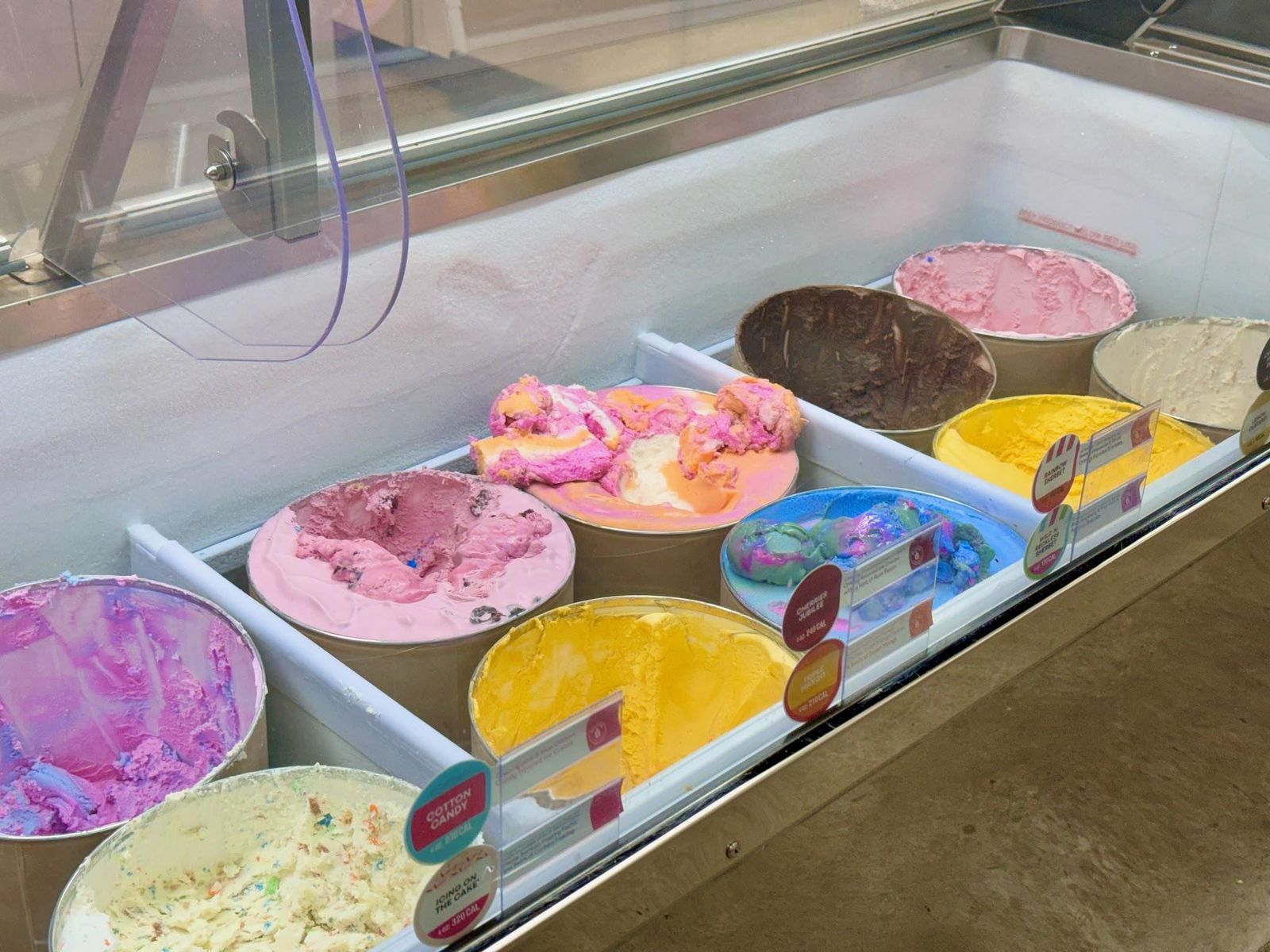
Confirmed chains currently inside the building include McDonald’s, Five Guys, Subway, Popeyes, Starbucks (multiple locations), Dunkin’ (two locations), Panera Bread, Taco Bell, Panda Express, Baskin-Robbins, Potbelly, Jamba Juice, and Moe’s Southwest Grill, among others. The building also houses a CVS pharmacy, a florist, a jeweler, and a dry cleaner. In the summer of 2024, Potbelly became the first restaurant to open in the center courtyard. Yes, the very spot where the legendary Cold War hot dog stand once stood.

Explore more American facts

Choose your favorite category!

General
General

As American as apple pie—the very best America has to offer!

Culture
Culture

Delve into the astounding richness of American lore.

Geography
Geography

Hop in and explore vast and diverse American landscapes.

History
History

Discover the key moments that shaped the United States.