History History 7 min read

First ladies’ secrets

She was the First Lady, but she never set foot in the White House
Image: Casimiro PT

You may know the names of the women who stood beside America’s presidents, but what about their backstories? First ladies are full of surprises: One never made it to the White House, another controlled what reached her husband after a devastating stroke, and one was so committed to preserving American heritage that she saved a portrait of George Washington from a fire. From a first lady who married and gave birth in the White House to the woman who helped bring Washington’s famous cherry blossoms to life, these stories reveal a side of presidential history you may never have heard.

1
Anna Harrison
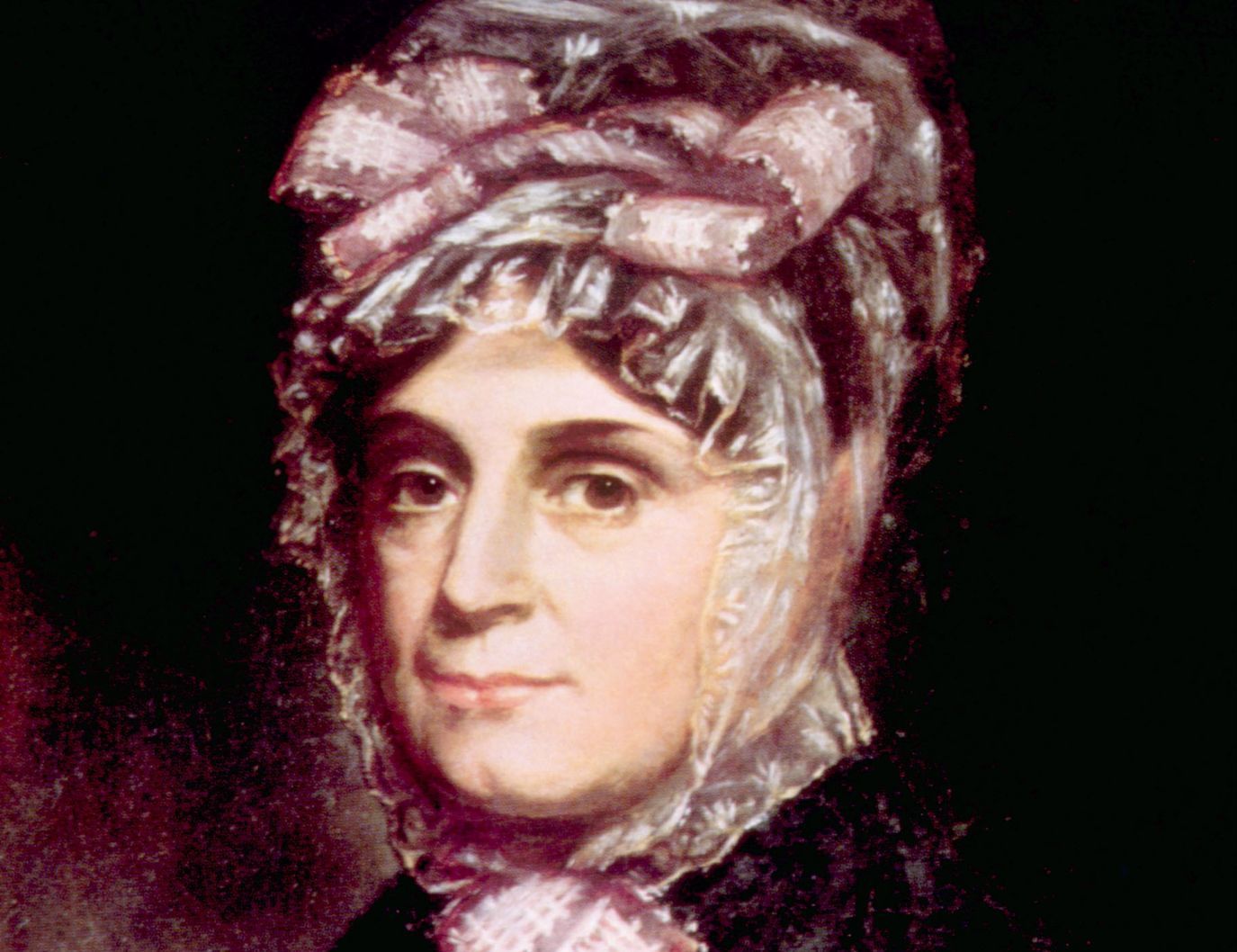
Image: Everett Collection

Anna Harrison was preparing for her belated move to the White House in 1841, when her plans were shattered by some devastating news.

That March, Anna, then 65, was too ill to travel from Ohio to Washington for her husband William Henry Harrison’s inauguration. She was expected to recover and join him later that spring, so her daughter-in-law, Jane Irwin Harrison, served as White House hostess in the meantime. But just one month after taking office, President Harrison died at 68 of a mysterious illness. Anna never made the journey and became the shortest-serving first lady in American history , despite never actually occupying the official role in the capital itself.

2
Edith Kermit Carow Roosevelt
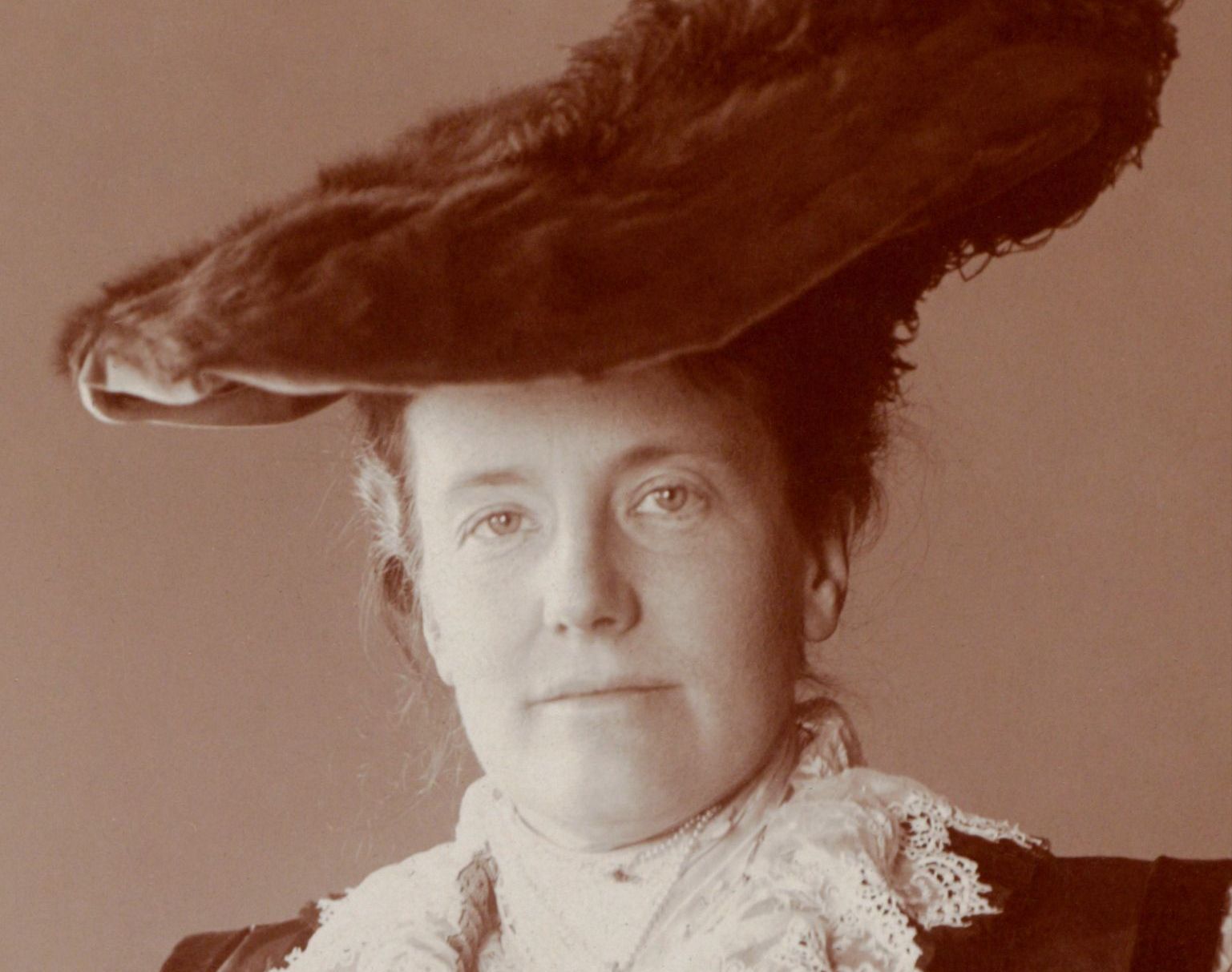
Image: Indopug

The White House may look like a historic home, but by 1901 it was struggling to keep up with presidential life. By 1902, Theodore and Edith Roosevelt’s family had outgrown the cramped residence. Theodore Roosevelt had six children, a growing staff, and too little room for official work.

His second wife, Edith Kermit Carrow Roosevelt, helped shape the major 1902 renovation, working with architect Charles McKim to reorganize the building and its furnishings. The family quarters on the second floor were expanded, and the West Wing was built to move much of the president’s staff out of the residential floor. The project also introduced a more coordinated Colonial Revival style, replacing mismatched décor with a more unified look. Edith’s influence went beyond choosing curtains or furniture: the changes helped separate family life from government business, laying the groundwork for the White House layout people recognize today.

3
Frances Cleveland
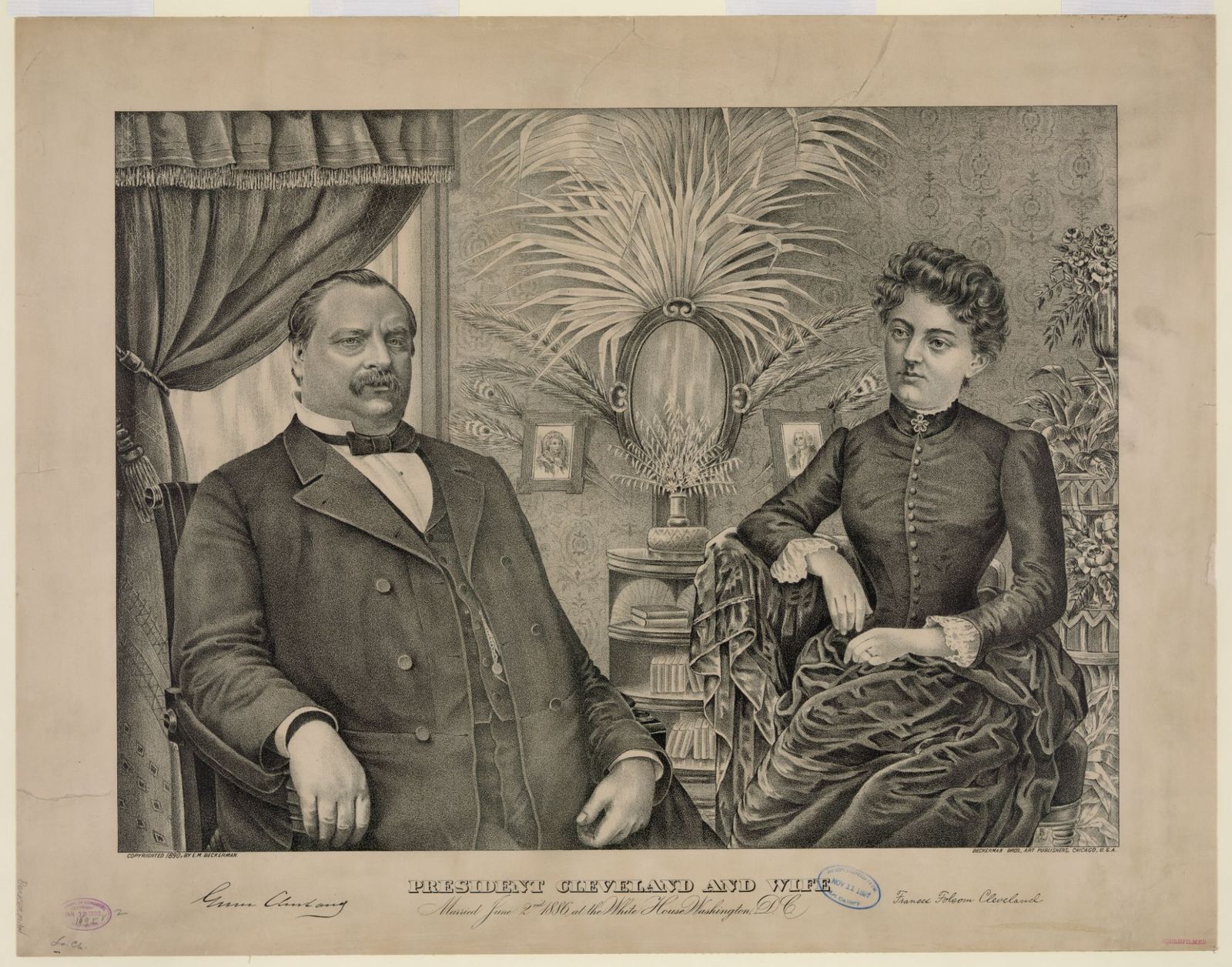
Image: Popular Graphic Arts, Public domain, via Wikimedia Commons

It’s not common to see weddings inside the White House, but President Grover Cleveland made it happen in 1886.

On June 2, he married Frances Folsom in the Blue Room, making her the only first lady to marry a president inside the mansion. Their relationship attracted enormous public interest due to the difference in age: s he was 21, while Cleveland was 49. Frances also remains the youngest first lady in American history— and that’s not all. On September 9, 1893, Frances gave birth to their daughter Esther at the White House, the only child of a president ever born there. With a young family in the Executive Mansion, Frances also worked to protect her children’s privacy, including restricting access to the press to the grounds when needed.

4
Dolley Madison
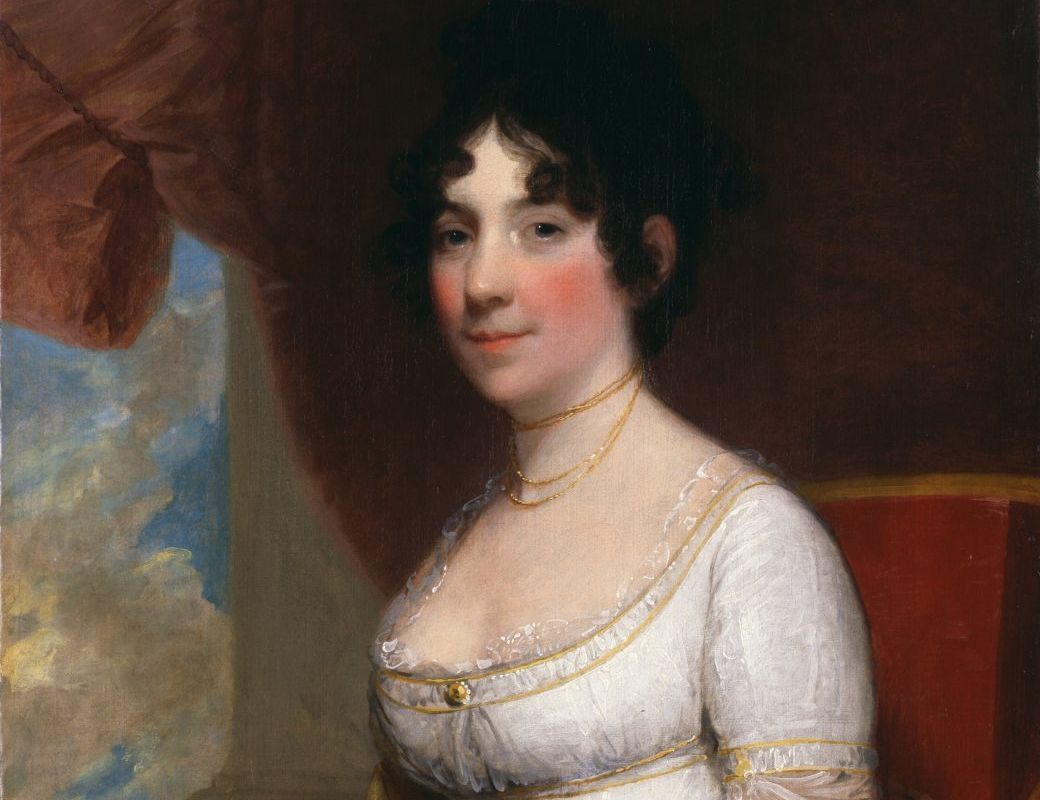
Image: Gilbert Stuart, Public domain, via Wikimedia Commons

In August 1814, British troops marched into Washington, D.C., during the War of 1812, and the White House was in danger. President James Madison had left the capital, but First Lady Dolley Madison stayed long enough to help arrange the removal of important belongings.

That includes a portrait of George Washington painted by Gilbert Stuart in 1797, the first artwork brought into the White House. The story has become one of the best-known episodes in first lady history, although later illustrations sometimes dramatized the rescue. The portrait was a large, framed likeness, not something she could simply tuck under her arm. Official accounts describe the frame being removed so the canvas could be carried away. British forces later set fire to the presidential mansion on August 24, 1814. The painting survived, and Dolley’s quick action helped preserve a powerful symbol of the young republic.

5
Edith Wilson
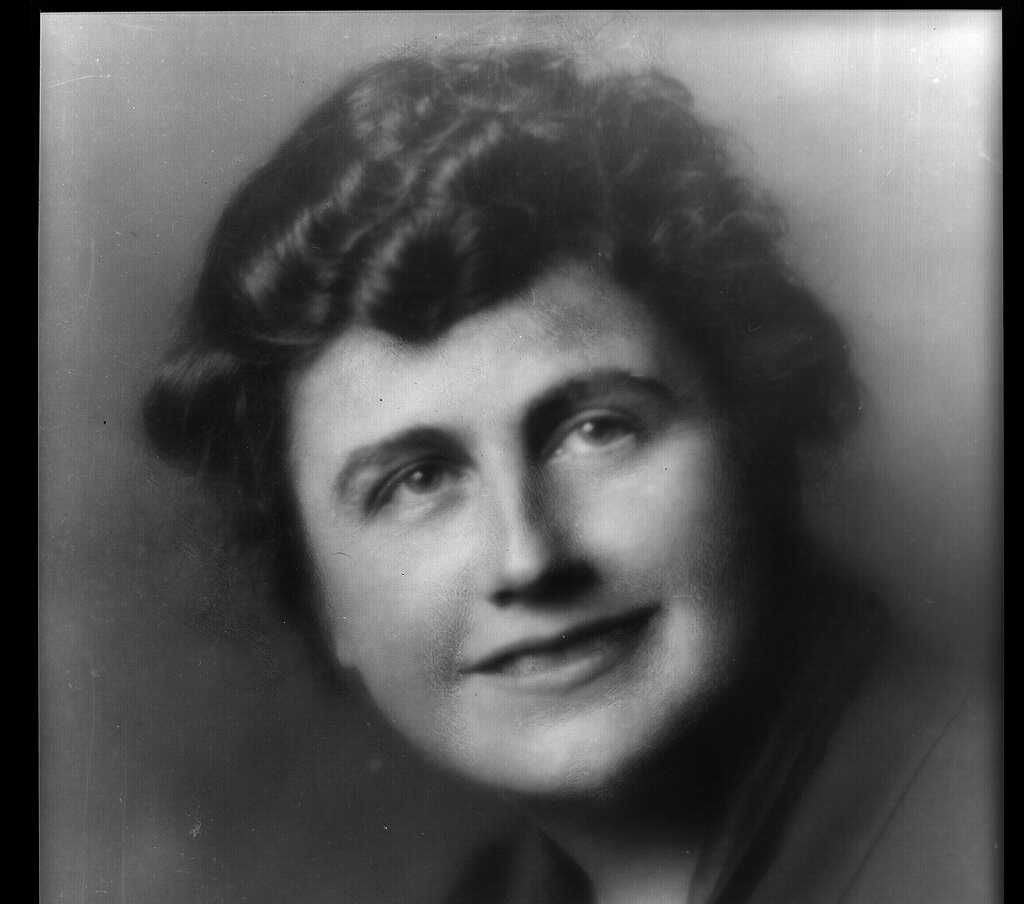
Image: Miscellaneous Items in High Demand, PPOC, Library of Congress, Public domain, via Wikimedia Commons

When a president becomes seriously ill, doctors and advisers step in. But after Woodrow Wilson suffered a major stroke on October 2, 1919, his wife, Edith, became the gatekeeper to the Oval Office’s most important decisions.

Edith, working alongside the president’s physician, Dr. Cary Grayson, screened documents and decided which matters were important enough to bring to her husband. She insisted that Wilson remain in office rather than resign, while limiting access to him. Critics later described her as an unelected ruler, although she maintained that she never made public-policy decisions herself.

6
Helen Taft
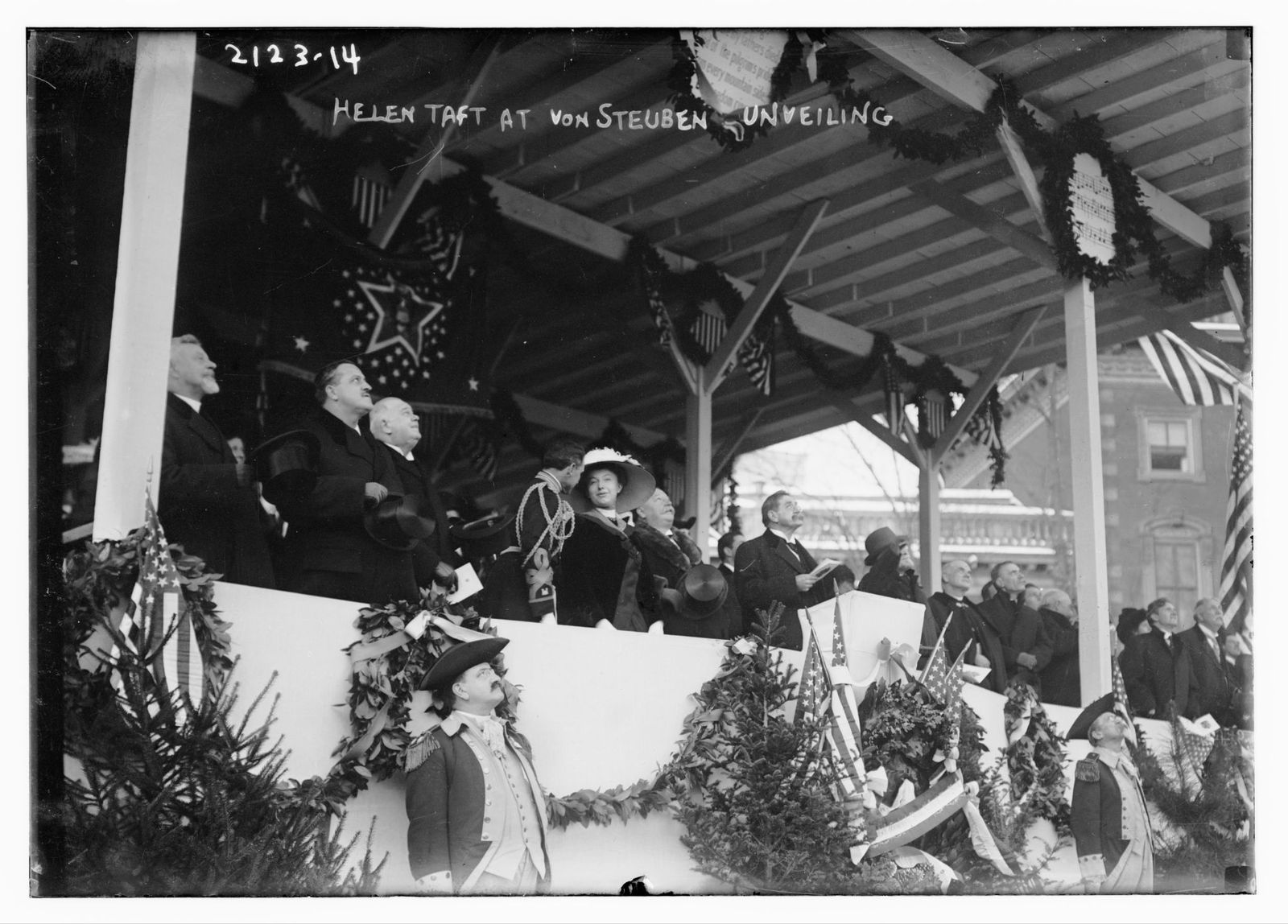
Image: Bain News Service, publisher, Public domain, via Wikimedia Commons

If you’ve ever seen photographs of Washington, D.C., covered in pink cherry blossoms, you can thank a first lady with an eye for natural beauty.

Helen Herron Taft became first lady in 1909 and supported plans to transform Potomac Park into a tree-lined promenade. She worked with writer and Japan traveler Eliza Scidmore, who had advocated for Japanese cherry trees for nearly 25 years. An initial shipment of 2,000 trees arrived in 1910, but inspectors found them so infested with insects that they were destroyed. Tokyo sent a replacement gift of 3,020 trees, and on March 27, 1912, Helen Taft and Iwa Chinda, wife of the Japanese ambassador, planted the first two beside the Tidal Basin.

7
Sarah Polk
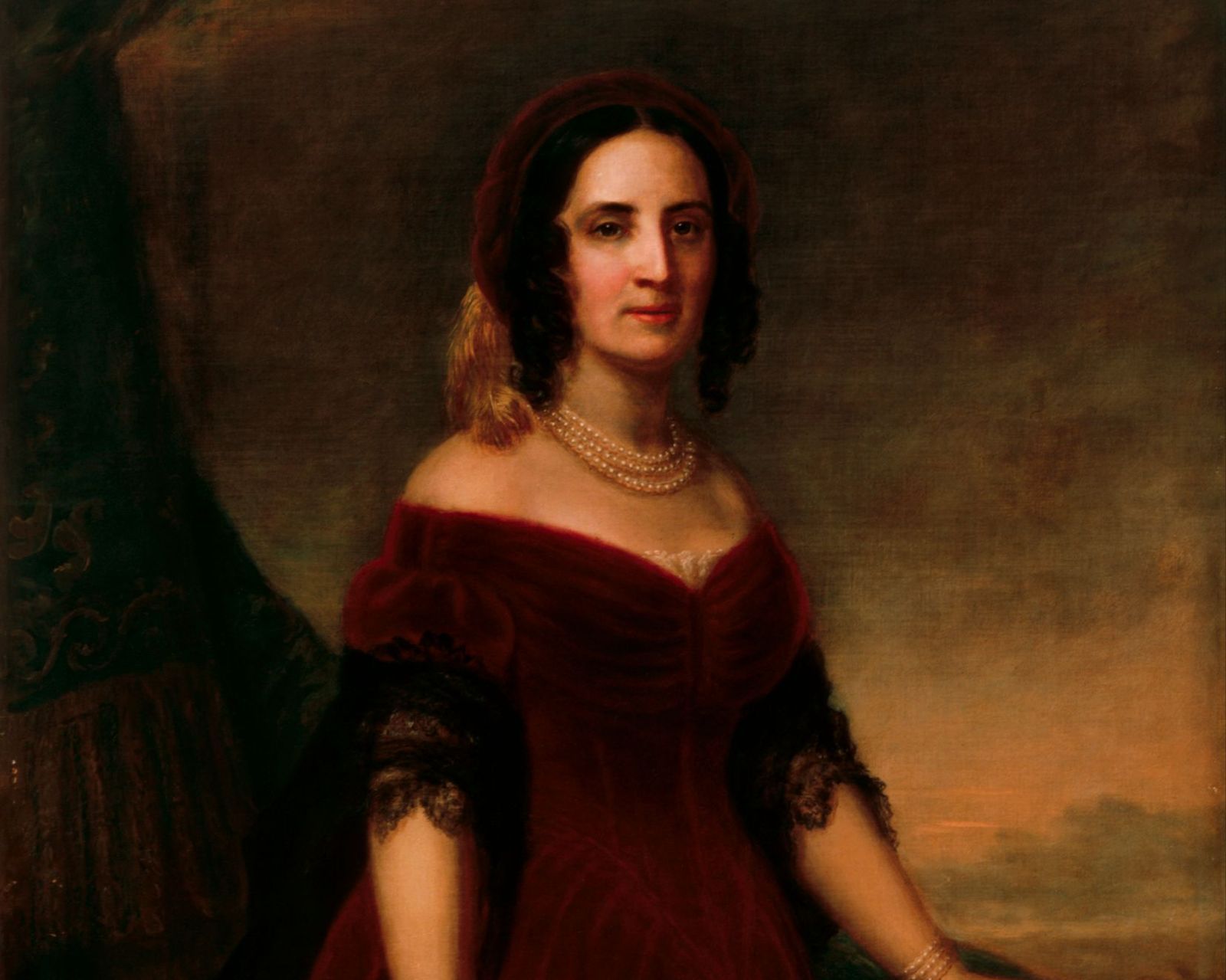
Image: George Dury, Public domain, via Wikimedia Commons

Sarah Childress Polk was no carefree hostess; when she was first lady, there were some strict rules for guests inside the White House.

When her husband, James K. Polk, became president in 1845, she took her responsibilities seriously, paid close attention to politics, and helped manage the household with a firm hand . She was also deeply religious and opposed drinking, so alcohol was not served at White House receptions during the Polk Administration. Some accounts say disgruntled staff members nicknamed her "Sahara Sarah" because they found her rules and strict manners dry and joyless. The nickname makes for a good story, but there are no firmly documented records of this being true. Sarah’s influence wasn’t limited to social rules: she was an educated political partner who discussed public affairs with her husband and followed the news closely.

8
Abigail Adams
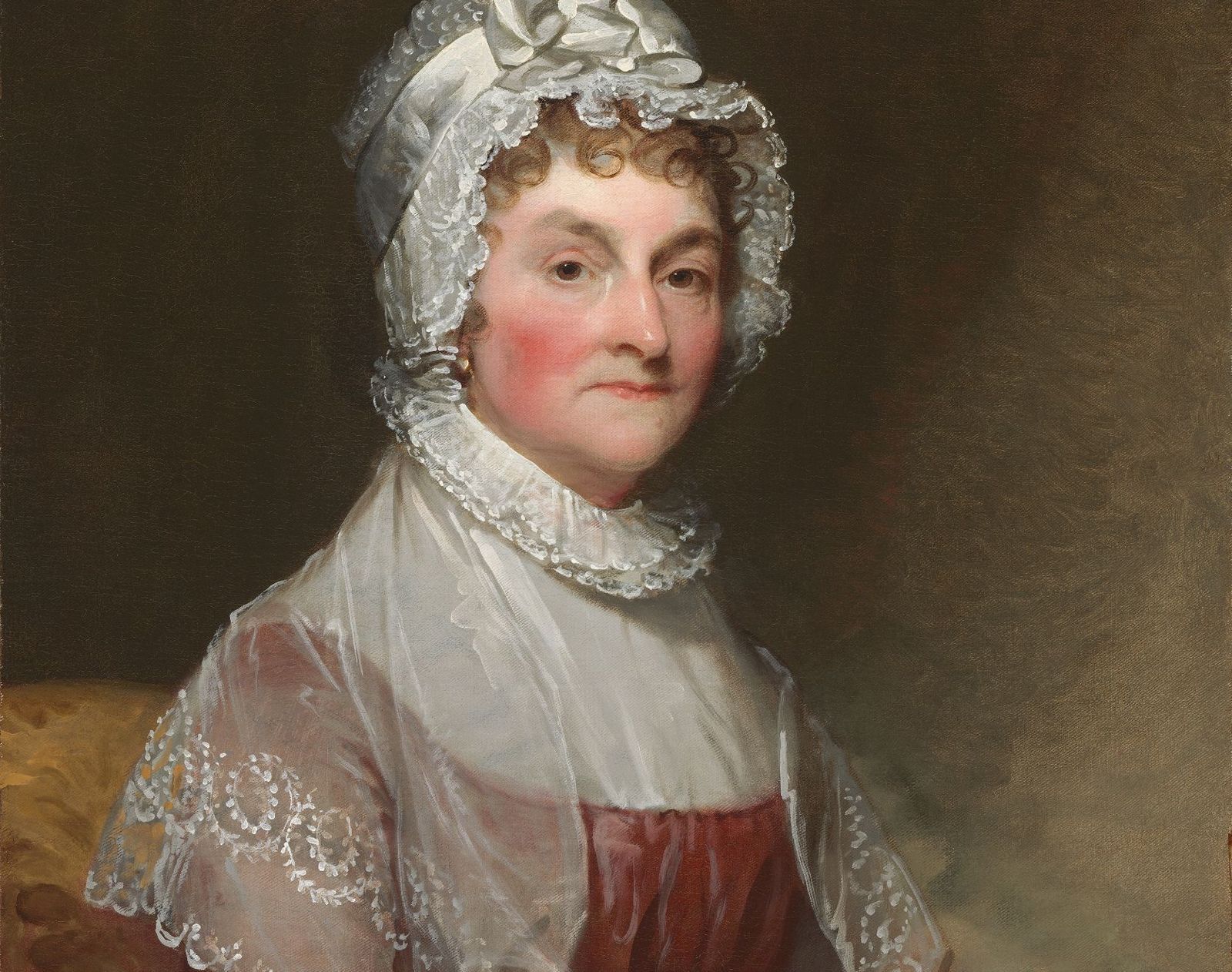
Image: Gilbert Stuart, Public domain, via Wikimedia Commons

Long before women could vote in national elections, Abigail Adams was already pushing her husband to consider their rights.

In a letter dated March 31, 1776, while John was attending the First Continental Congress in Philadelphia, she urged her husband John Adams, then helping shape the new nation’s political future, to "Remember the Ladies, and be more generous and favourable to them than your ancestors," when establishing laws for the emerging republic. She warned against giving husbands unlimited power over their wives and argued for greater fairness. John replied playfully, but the new country’s laws did not deliver the changes Abigail wanted. When John became president in 1797, Abigail served as a trusted adviser and White House hostess. More than a presidential spouse, she was a sharp political thinker who made her views known at a time when women were largely excluded from formal power.

9
Letitia Tyler
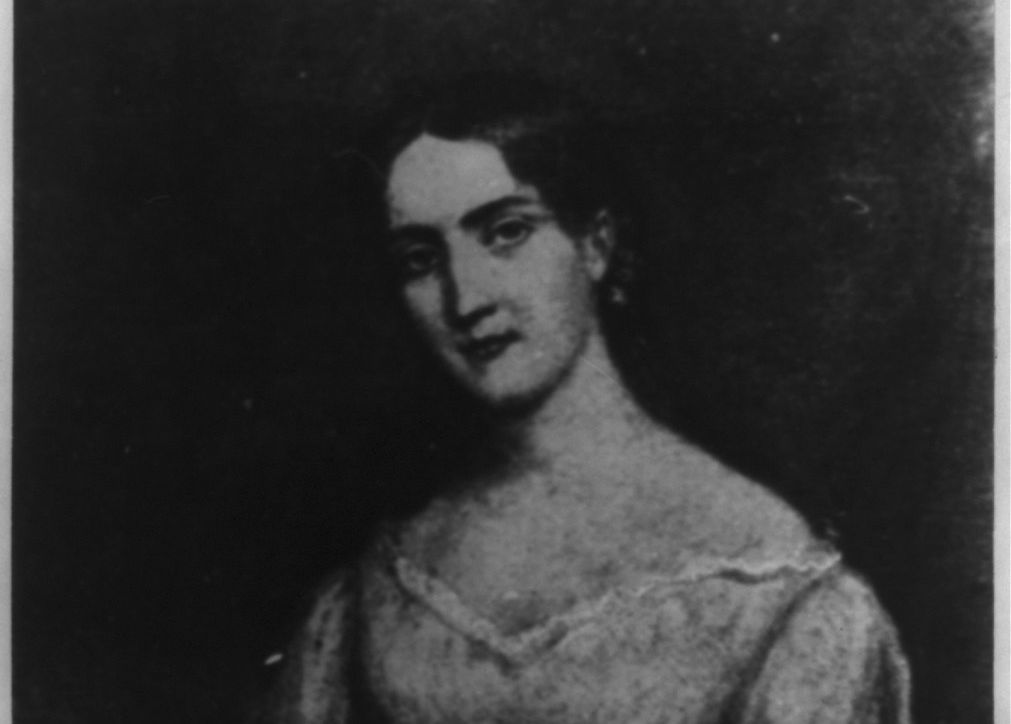
Image: Miscellaneous Items in High Demand, PPOC, Library of Congress, Public domain, via Wikimedia Commons

The White House is usually associated with ceremonies, celebrations, and political history, but it has also been the scene of private grief. At the age of 51, Letitia Christian Tyler, wife of President John Tyler, became the first first lady to pass away inside the mansion due to a fatal stroke on September 10, 1842.

She had been in poor health after a first stroke that left her confined to a chair upstairs, and led a quiet life. It was her daughter-in-law, Priscilla Cooper Tyler, who took on many hostess responsibilities, welcoming guests and organizing social events. Letitia’s death left the president and their large family mourning in the very place where the country conducted its business. She was buried in Virginia, at the plantation where she had been born.

10
Martha Washington
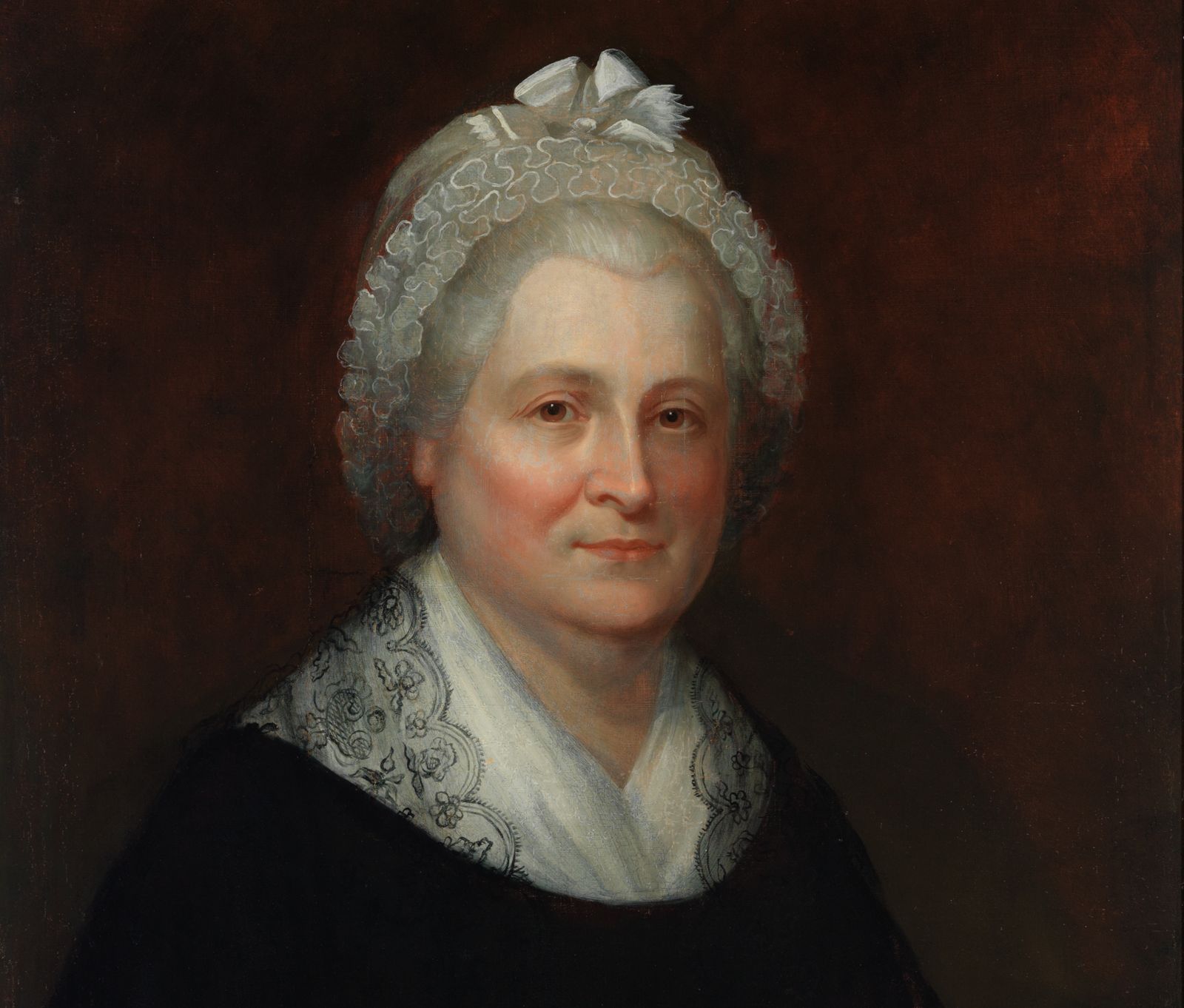
Image: Rembrandt Peale, Public domain, via Wikimedia Commons

Today, seeing a woman’s portrait on money might not seem unusual, but for much of the country’s history it was rare.

Martha Washington, the nation’s inaugural first lady, became the first and, to date, only woman whose portrait appeared on a U.S. paper currency note in her own right. Her likeness was featured on silver certificates issued in 1886, 1891, and 1896, decades after her death in 1802. The 1806 note, held in the Smithsonian’s National Museum of American History collection, shows her bust on the front of a one-dollar silver certificate. These notes were not the same as today’s familiar Federal Reserve bills: they represented silver held by the U.S. Treasury and could be redeemed under the rules of the time.
Geography Geography 4 min read

Discovering America

What's the easternmost point of the US? If you say Maine, think again!

Image: Jon Sailer

We’ve all picked up "facts" about the fifty states somewhere along the way, but not all of them hold up. Some are half-truths passed around for generations , others are just plain wrong. So, in an attempt to set the record straight once and for all, we’ve gathered some fun truths that clear up the biggest mix-ups about our states.

1
Arizona skips Daylight Saving Time

Image: Christoph von Gellhorn

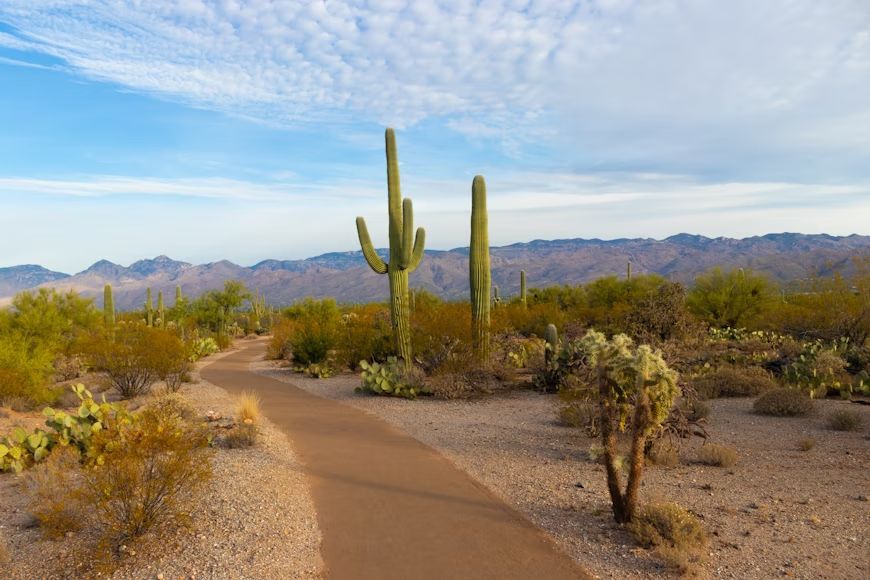
This is partly true because most of the state doesn’t bother with Daylight Saving Time . They stopped changing the clocks back in 1967. The exception is the Navajo Nation, which stretches into Utah and New Mexico and keeps DST so all its communities stay on the same schedule. Now, as for the smaller Hopi reservation, inside the Navajo Nation, it sticks with Arizona time… Yes, quite confusing if you’re not a local.

2
Georgia isn’t really the Peach State

Image: Jessica Furtney

Georgia loves its peaches, sure, but the state’s top fruit money-maker is actually blueberries . In recent years, blueberries have brought in several times more cash for farmers than peaches. Meanwhile, California grows far more peaches than Georgia ever has. The nickname stuck from the old days when Georgia peaches were famous for their flavor, not their volume. So while the pride is real, the peaches aren’t quite the powerhouse people may think.

3
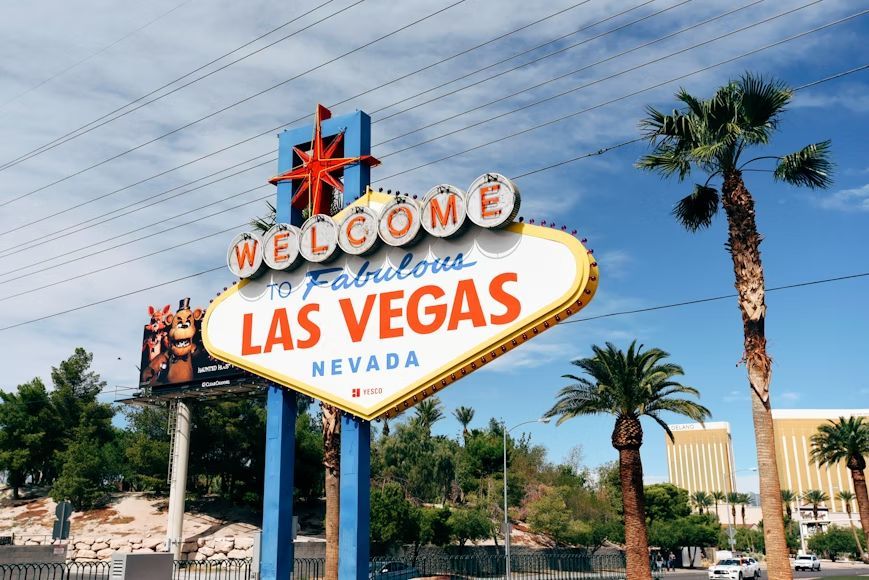
Nevada didn’t record the hottest US temperature

Image: tommao wang

You probably think of Nevada’s desert heat as unmatched, but the all-time record belongs to California’s Death Valley . In July 1913, it hit a mind-melting 134 degrees Fahrenheit, the hottest temperature not only in America but the hottest ever recorded on Earth!

4
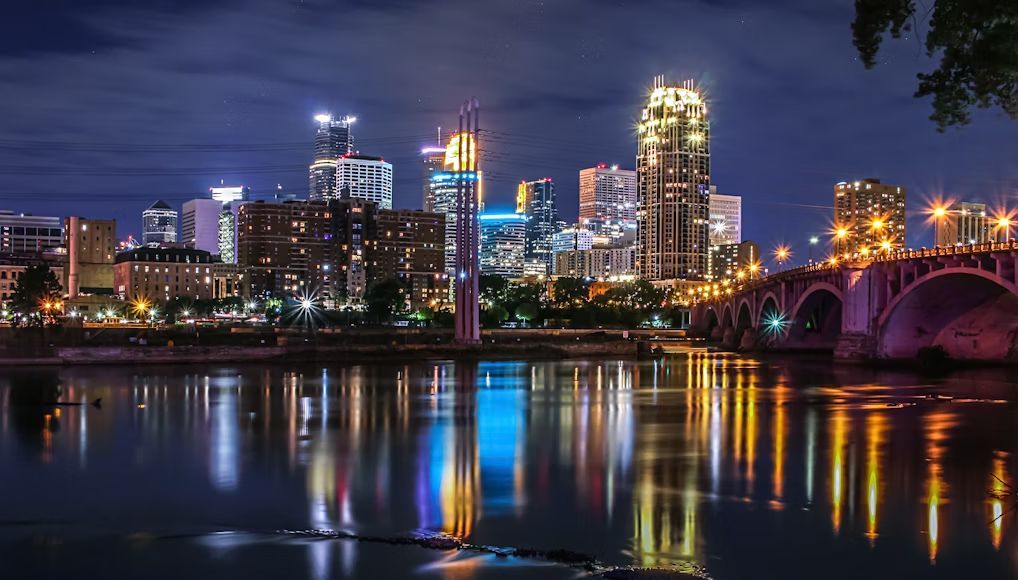
Minnesota doesn’t have the most lakes

Image: Tom Conway

Minnesota proudly calls itself the "Land of 10,000 Lakes," but that’s selling itself short… The real number is closer to 12,000. However, Alaska wins this battle . The state has more than 3 million lakes over five acres in size. In fact, Alaska contains over 40 percent of the nation’s surface water. If you love fishing, kayaking, or just staring at a quiet stretch of water, the true lake capital of America is far up north.

5
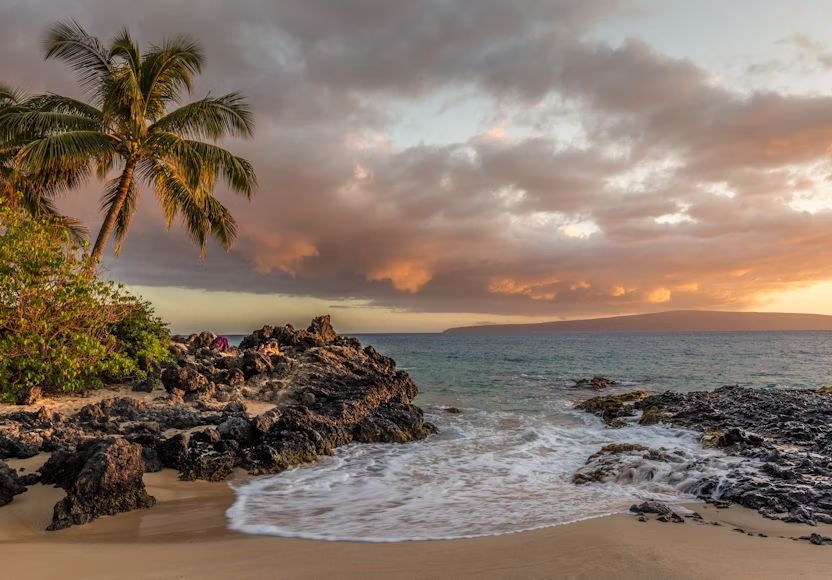
Pineapples aren’t native to Hawaii

Image: Christian Joudrey

Pineapples are everywhere in Hawaiian imagery, but the plant actually comes from South America , mainly Paraguay and southern Brazil. Spanish explorers likely brought them to Hawaii in the 1500s after spreading them across the Pacific to places like the Philippines and Guam. Hawaii’s climate turned out to be perfect for growing them and by the 1900s, the islands were producing so many pineapples that the fruit became a symbol of Hawaii itself.

6
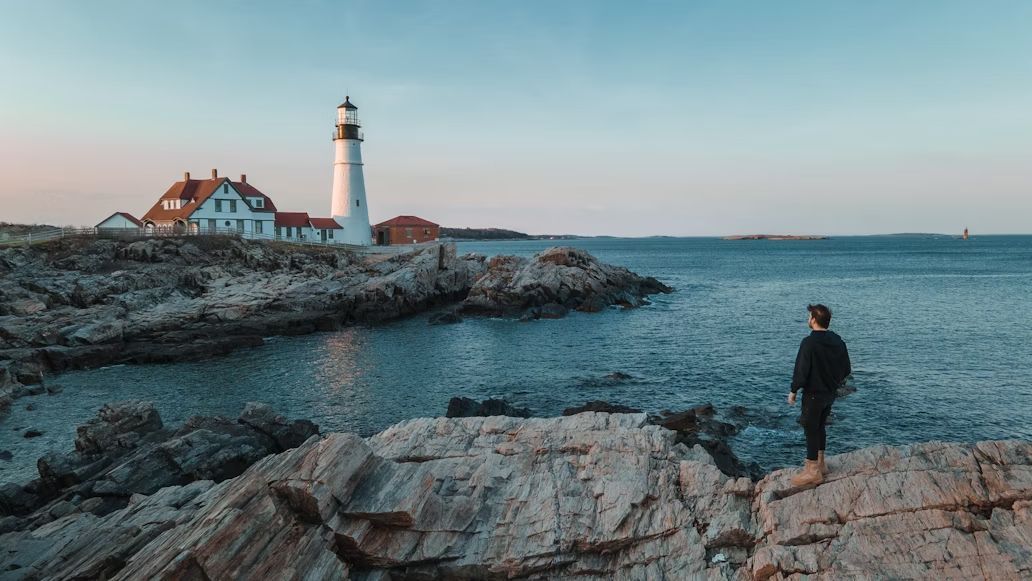
Maine isn’t the country’s easternmost point

Image: Chris Henry

If you’re a Geography geek, you’ll love this one. You might picture Maine’s rocky coast as the eastern tip of America, but the actual easternmost point is thousands of miles away, on Alaska’s Semisopochnoi Island in the Aleutians. How is that possible? Well, that’s because it crosses the 180th meridian, putting it in the Eastern Hemisphere. That means part of Alaska technically sits farther east than anywhere in Maine.

7
The biggest US earthquake didn’t happen in California

Image: Lala Miklós

California has suffered some big earthquakes in its history, but the most powerful earthquake in America struck Alaska in 1964 . It hit Prince William Sound with a magnitude of 9.2. It was so strong it shook the ground for four and a half minutes and triggered massive tsunamis. In today’s dollars, the damage would total more than $2 billion. Alaska sits on a collision zone of tectonic plates, making it one of the world’s most seismically active regions.

8
The Everglades isn’t America’s biggest swamp

Image: Joshua J. Cotten

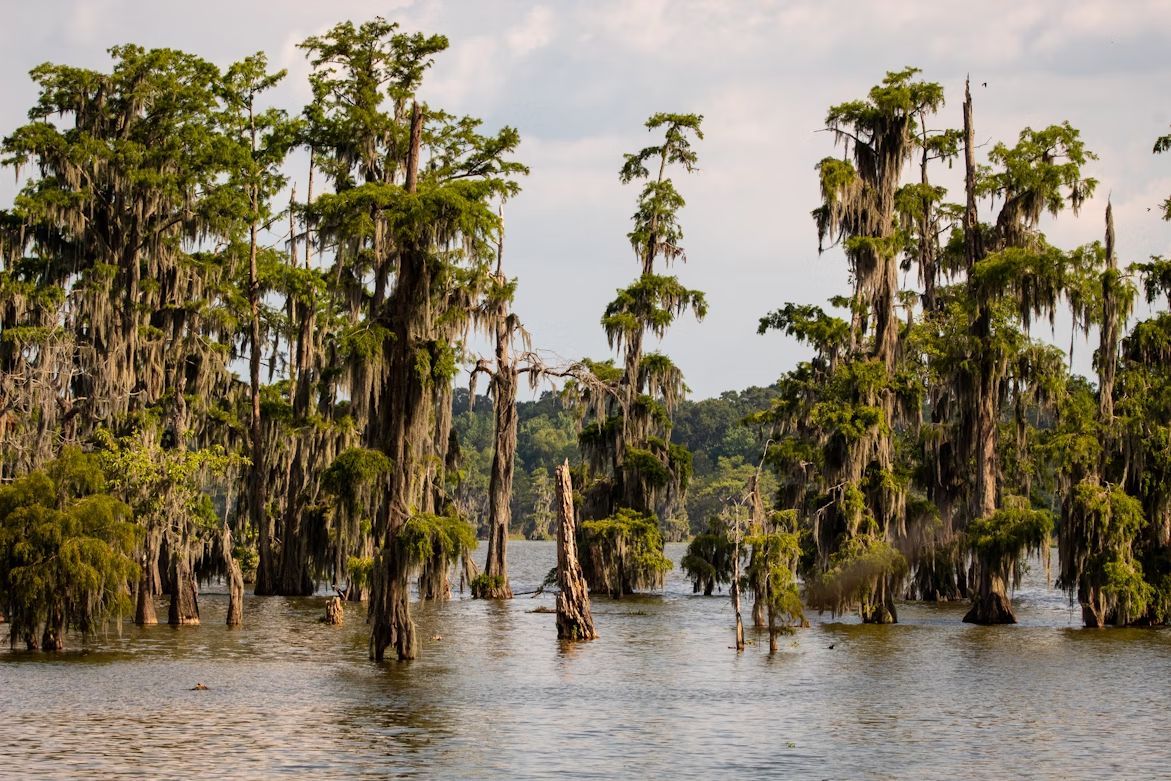
A lot of people picture the Florida Everglades when they think of swamps, but technically, the Everglades isn’t a swamp at all. The real title of the largest swamp in the United States goes to Louisiana’s Atchafalaya Basin , which spans about 1.4 million acres. This swamp has a vast mix of cypress forests, bayous, and marshes, and it’s more than twice as productive as the Everglades when it comes to wildlife and plant life.

9
Big cities aren’t always capitals

Image: Mackenzie Cruz

It surprises people how often the biggest city isn’t the state capital . New York City? Not the capital… Albany is. Chicago? Nope, that honor goes to Springfield. Pennsylvania’s capital isn’t Philly or Pittsburgh, it’s Harrisburg. Even California’s capital isn’t L.A. or San Francisco, it’s actually Sacramento. Out of fifty states, only seventeen have their most populous city as the capital.

10
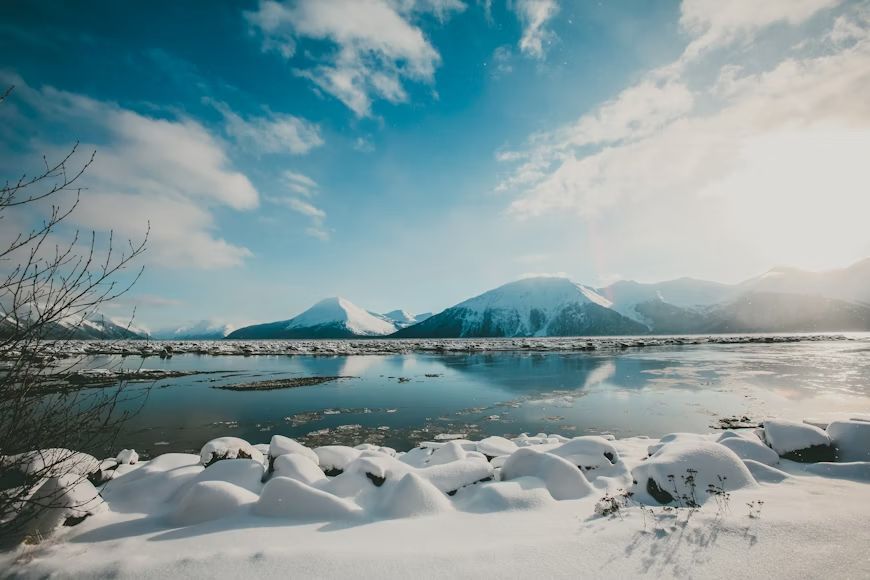
Alaska isn’t divided into counties

Image: Rod Long

Alaska likes to do things its own way. Instead of counties, it’s split into boroughs , and a massive area known as the Unorganized Borough has no local government at all. People out there don’t pay property taxes, but that freedom comes with challenges, limited services, fewer job options, and tough living conditions.

Culture Culture 6 min read

The Five-Sided Puzzle Palace

A man lived there secretly? Stunning facts about the Pentagon

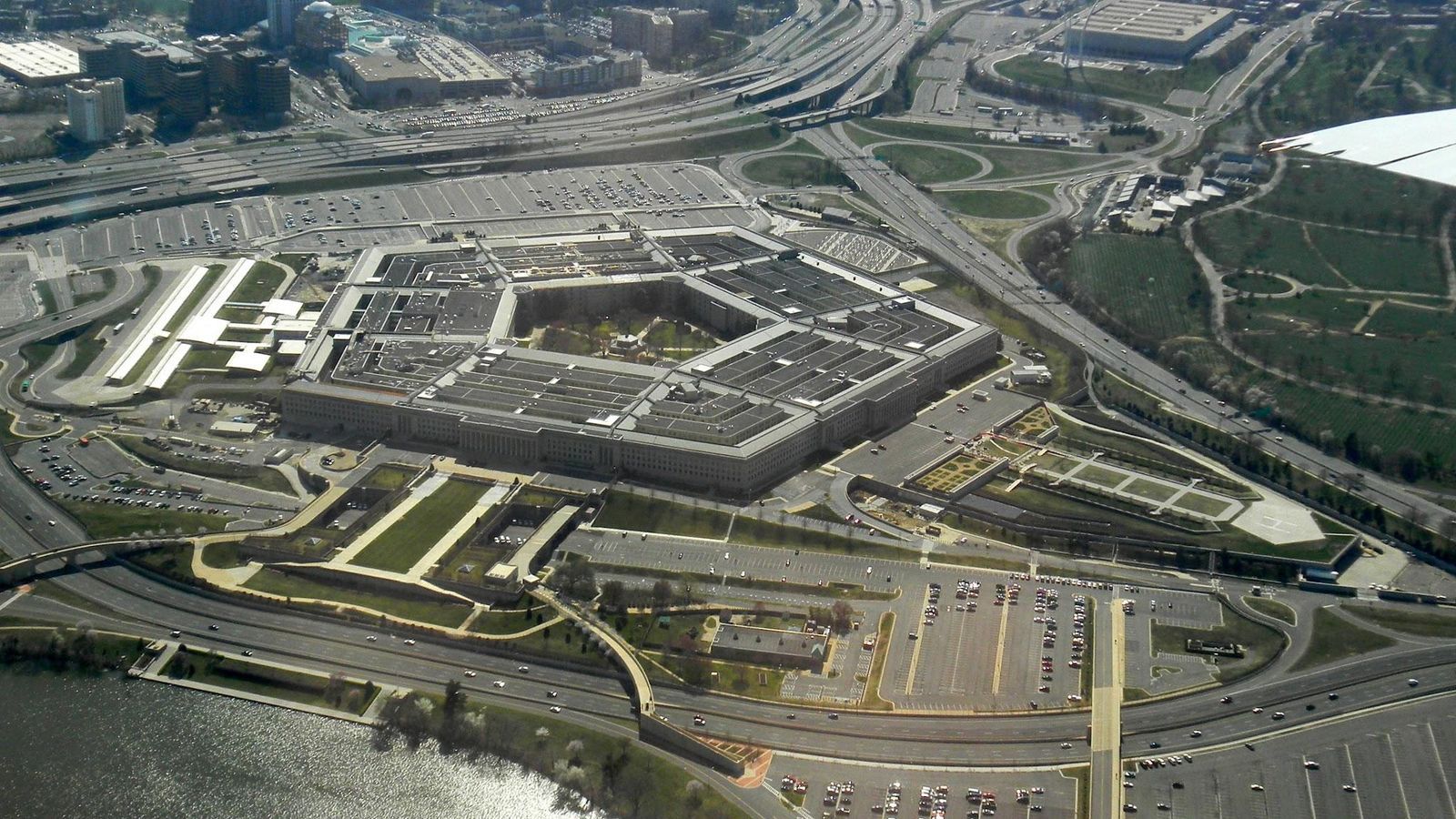
Image: Touch Of Light, CC BY-SA 4.0, via Wikimedia Commons

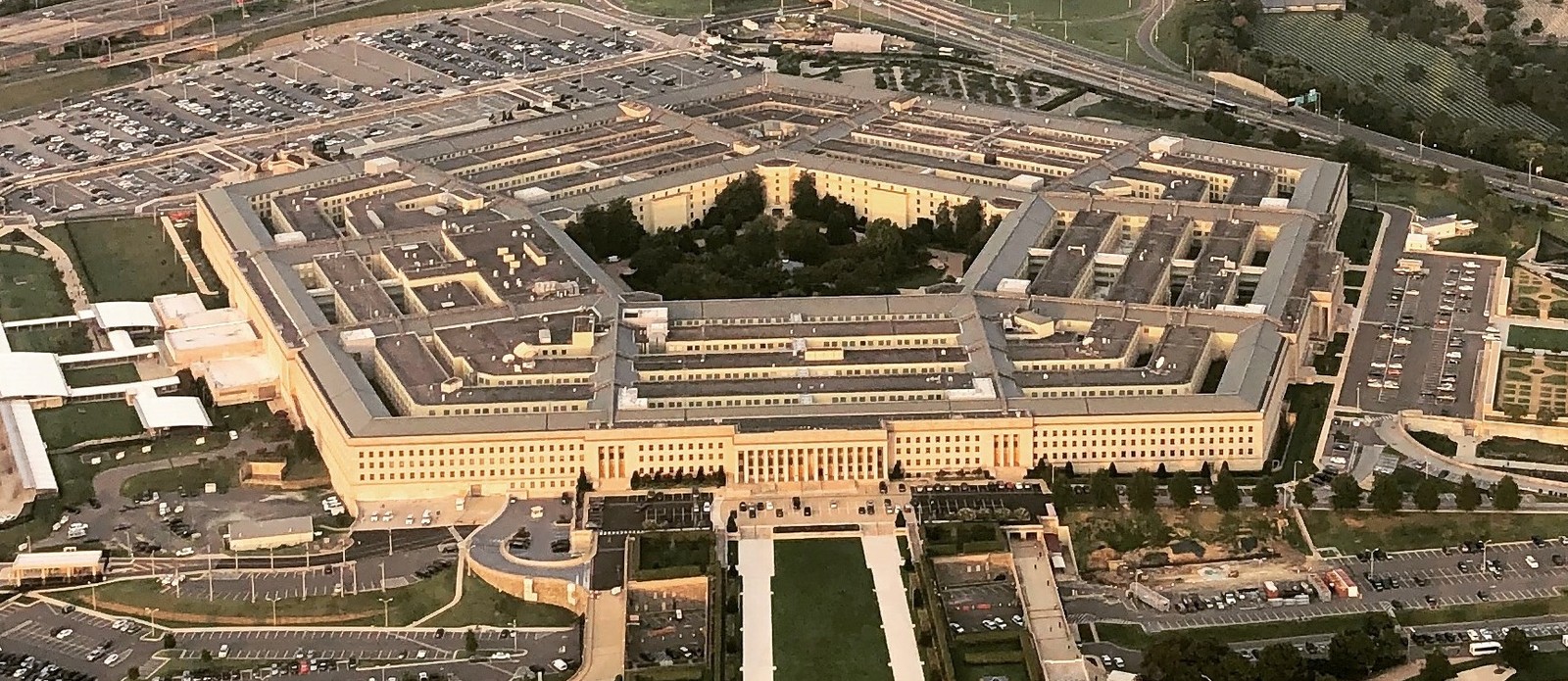
Did you know that construction on the Pentagon building began on September 11, 1941, exactly 60 years before it was attacked? The home of the US Department of Defense has stood for more than 80 years. Although its iconic shape is intriguing in itself, it hides deeper secrets that many Americans have never heard of. Did you know it feeds 26,000 people a day—at a McDonald's, a Five Guys, a Taco Bell, and over 30 other restaurants? Or that a man secretly lived inside its walls for years? Let’s dive into the Pentagon building’s secrets.

1
A renovation project saved thousands of lives on 9/11

Image: Office of the Secretary of Defense - Public Affair, Public domain, via Wikimedia Commons

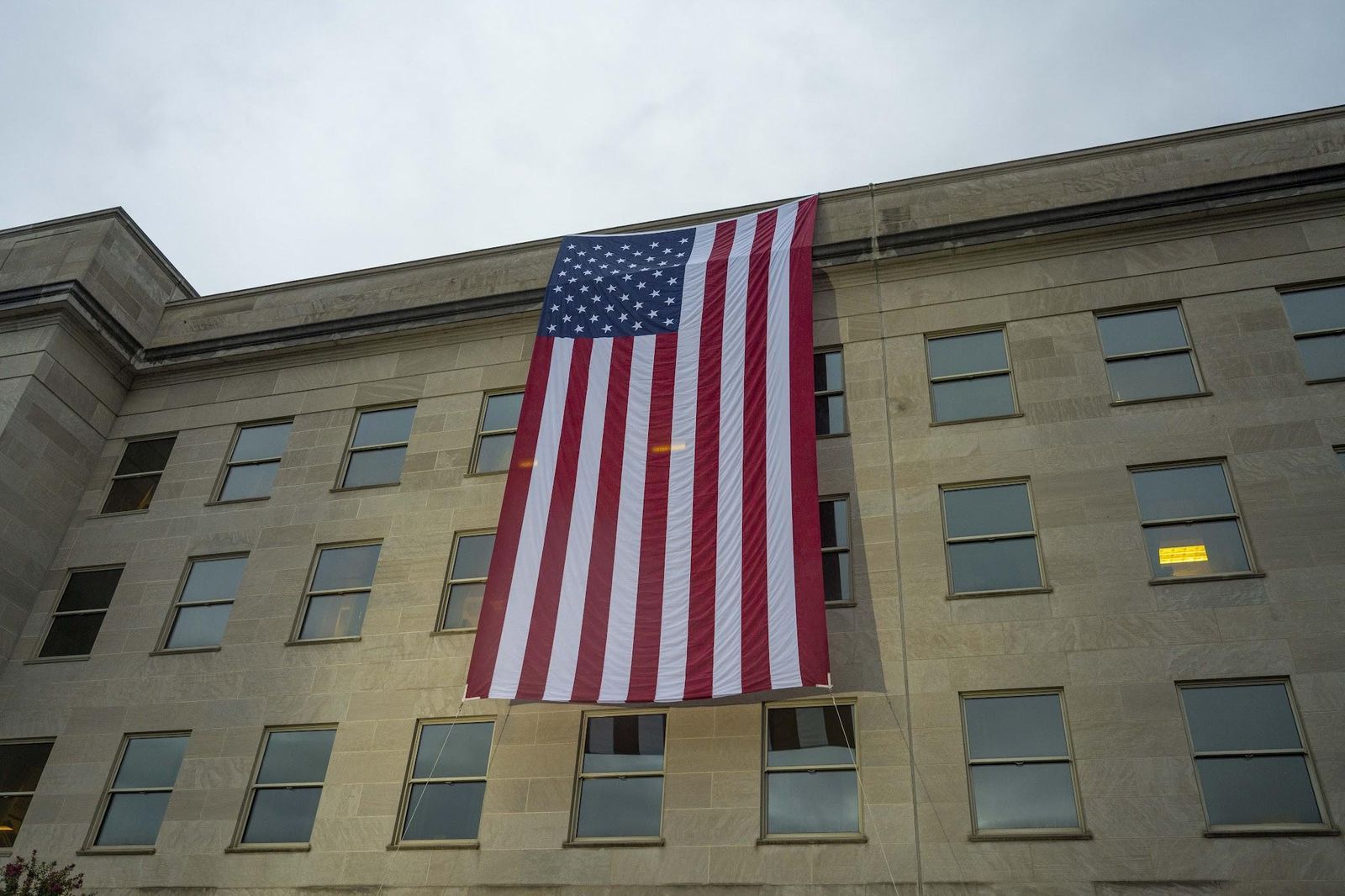
On September 11, 2001, American Airlines Flight 77 struck the Pentagon at 9:37 a.m., killing 189 people. Few people know this part: the death toll could have been much higher. But there was a renovation project underway at the time of the attacks.

The Pentagon’s five-sided structure is divided into five "wedges," and workers had been renovating them one at a time. Flight 77 struck the wedge that had just been completed. Of the 4,500 people who normally worked in that section, only about 800 had moved back in. Without the reinforced construction and the incomplete occupancy, experts believe the casualties would have been catastrophically higher.

2
The Cold War and the hot dog stand

Image: Anete Lusina

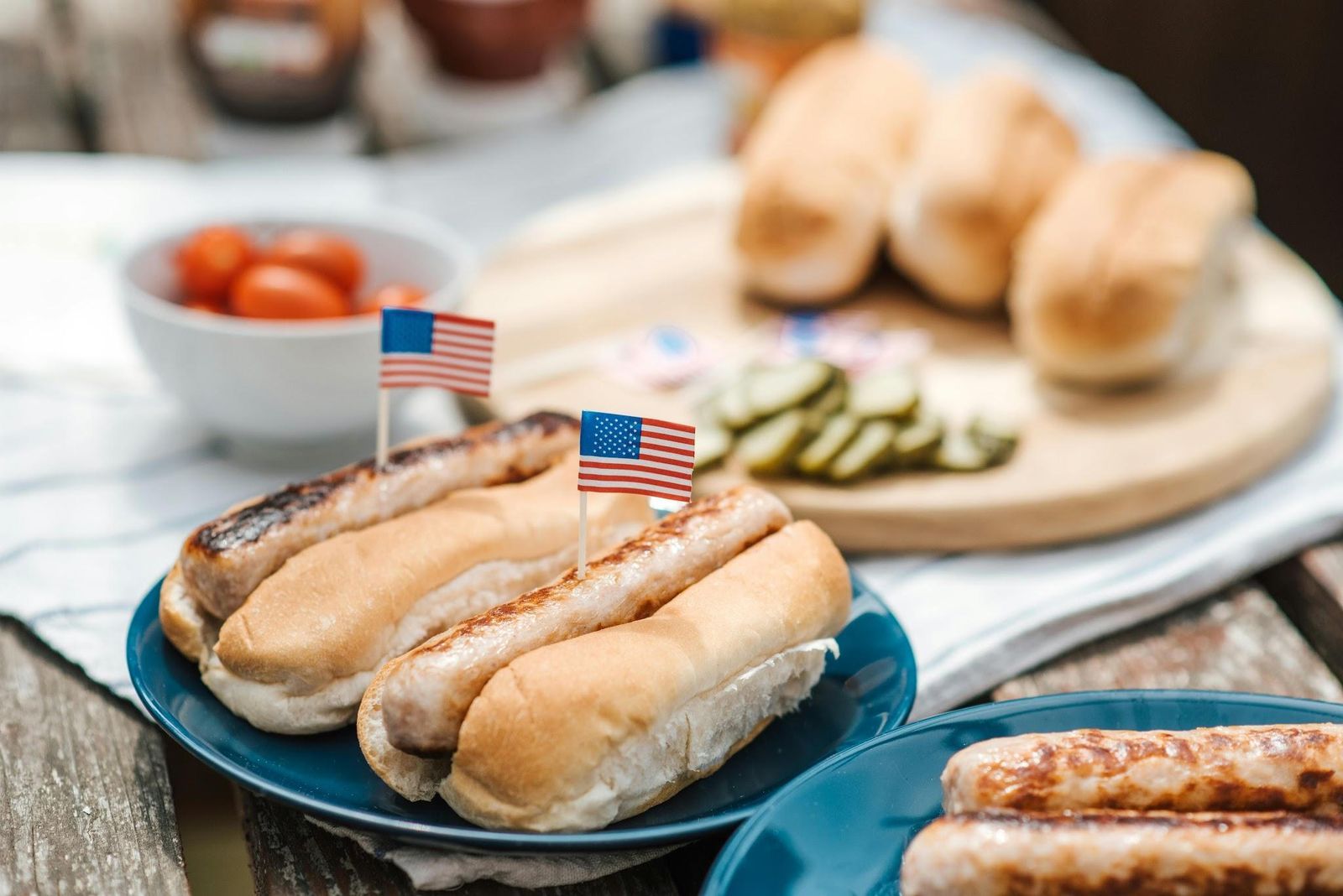
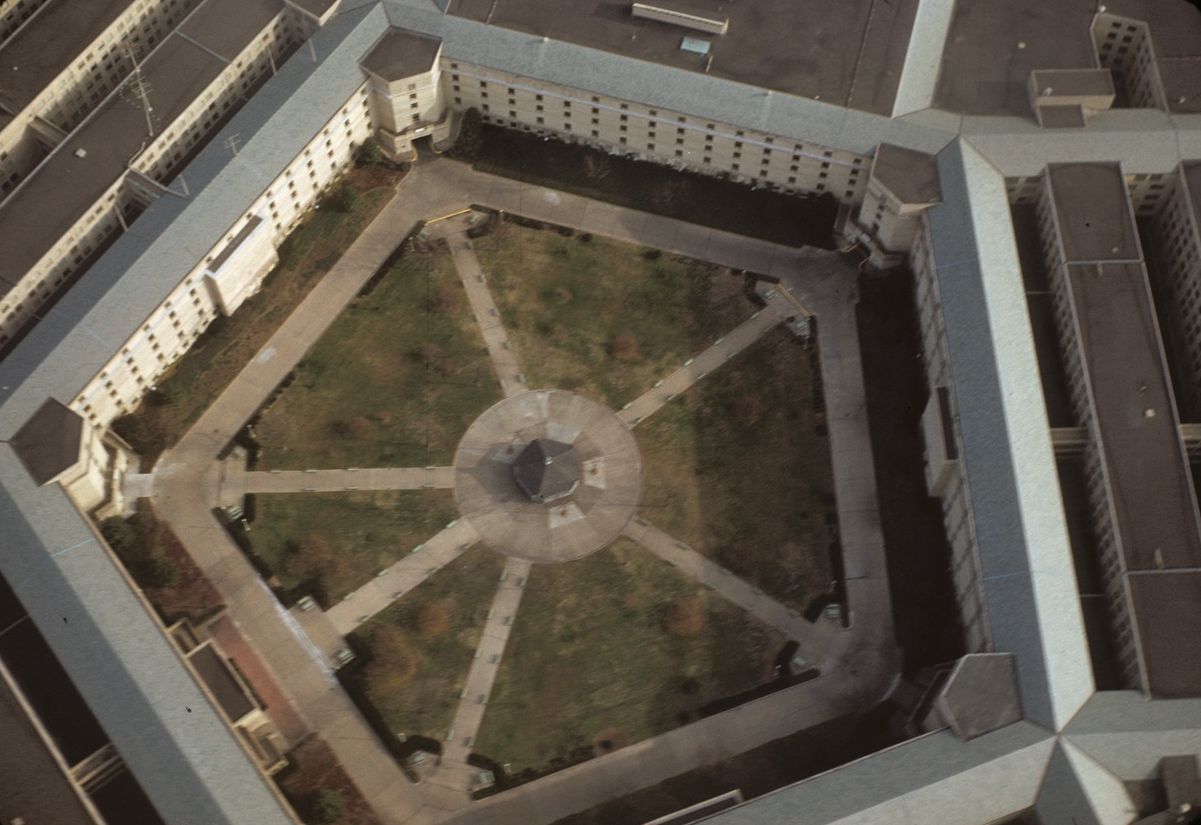
In the middle of the Pentagon’s five-acre center courtyard once stood a modest hot dog stand. According to a Cold War legend (one still retold by official Pentagon tour guides on every public tour), between the 60s and the 80s, Soviet satellite images tracked large groups of high-ranking military officials converging on that small building at the same time every day.

Soviet intelligence reportedly concluded the structure must be the entrance to some underground bunker in America. In reality, all it did was sell lunch. In 2006, the original stand was torn down, and a sandwich shop was built in its place.

3
Its construction began on September 11th, exactly 60 years before the attack

Image: Aber, Marilyn K., Public domain, via Wikimedia Commons

Builders broke ground on the Pentagon on September 11, 1941. That was exactly 60 years to the day before the September 11, 2001, terrorist attacks that would strike the same building.

Construction had been ordered by Army Brigadier General Brehon Somervell, who wanted a permanent headquarters for the Defense Department to replace its then-17 scattered offices across Washington, D.C.

The project was extraordinarily ambitious: plans called for the world’s largest office building to be completed in just 16 months. In the end, the conception, design, and construction of the entire Pentagon building took a total of 15 months.

4
The same person oversaw its construction and the Manhattan Project

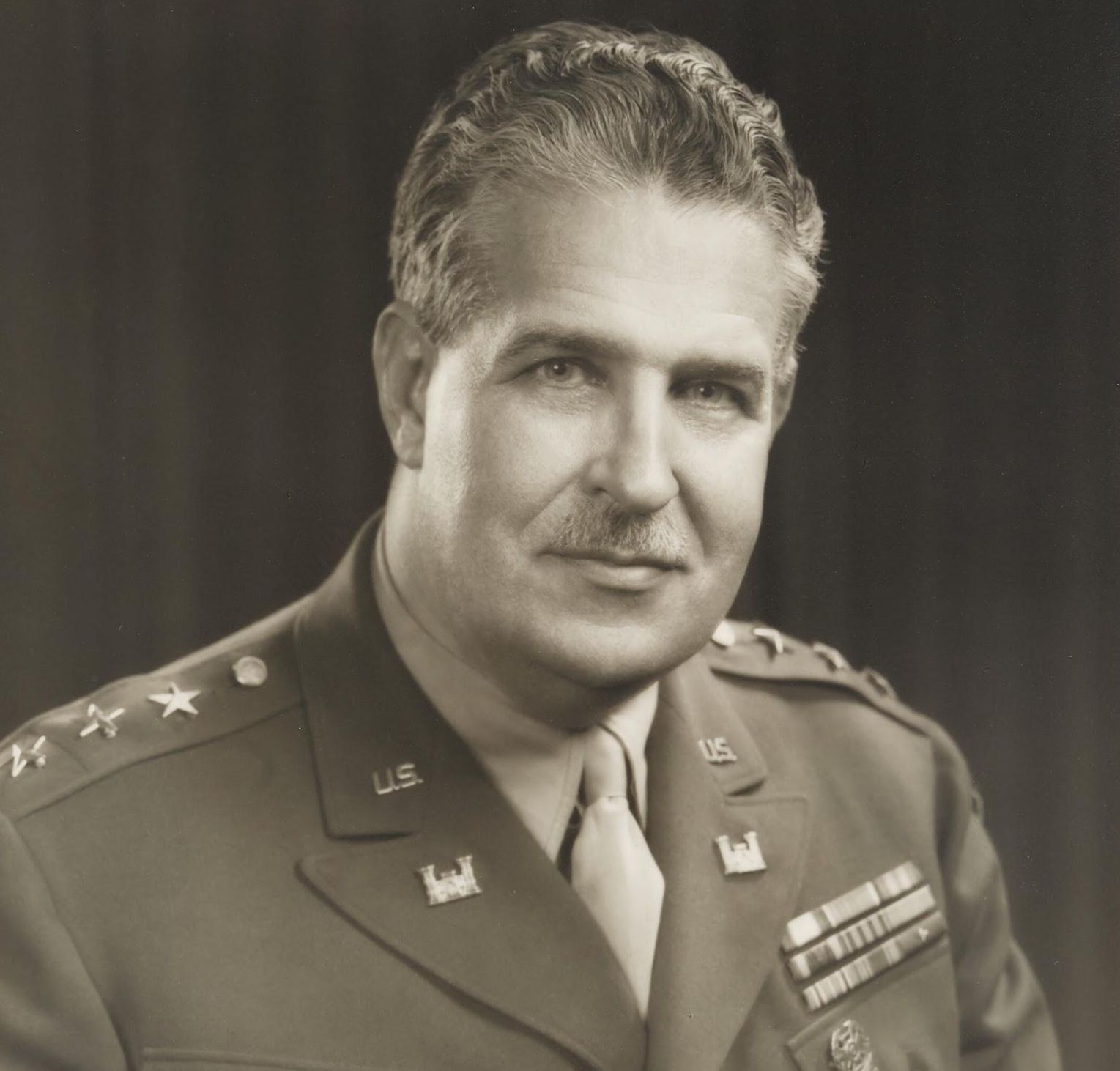
Image: U.S. Army, Public domain, via Wikimedia Commons

Colonel Leslie Groves of the Army Corps of Engineers took charge of Pentagon construction in August 1941. He worked six days a week and drove his team relentlessly, at one point employing more than 15,000 workers around the clock.

When the Pentagon was finished in January 1943, Groves was assigned to lead the Manhattan Project, America’s secret program to build the atomic bomb . His deputy, Captain Robert Furman, followed him into the Manhattan Project as chief of foreign intelligence. Together, the men who built the world’s largest office building went on to produce the weapon that ended World War II.

5
Why is it shaped like that?

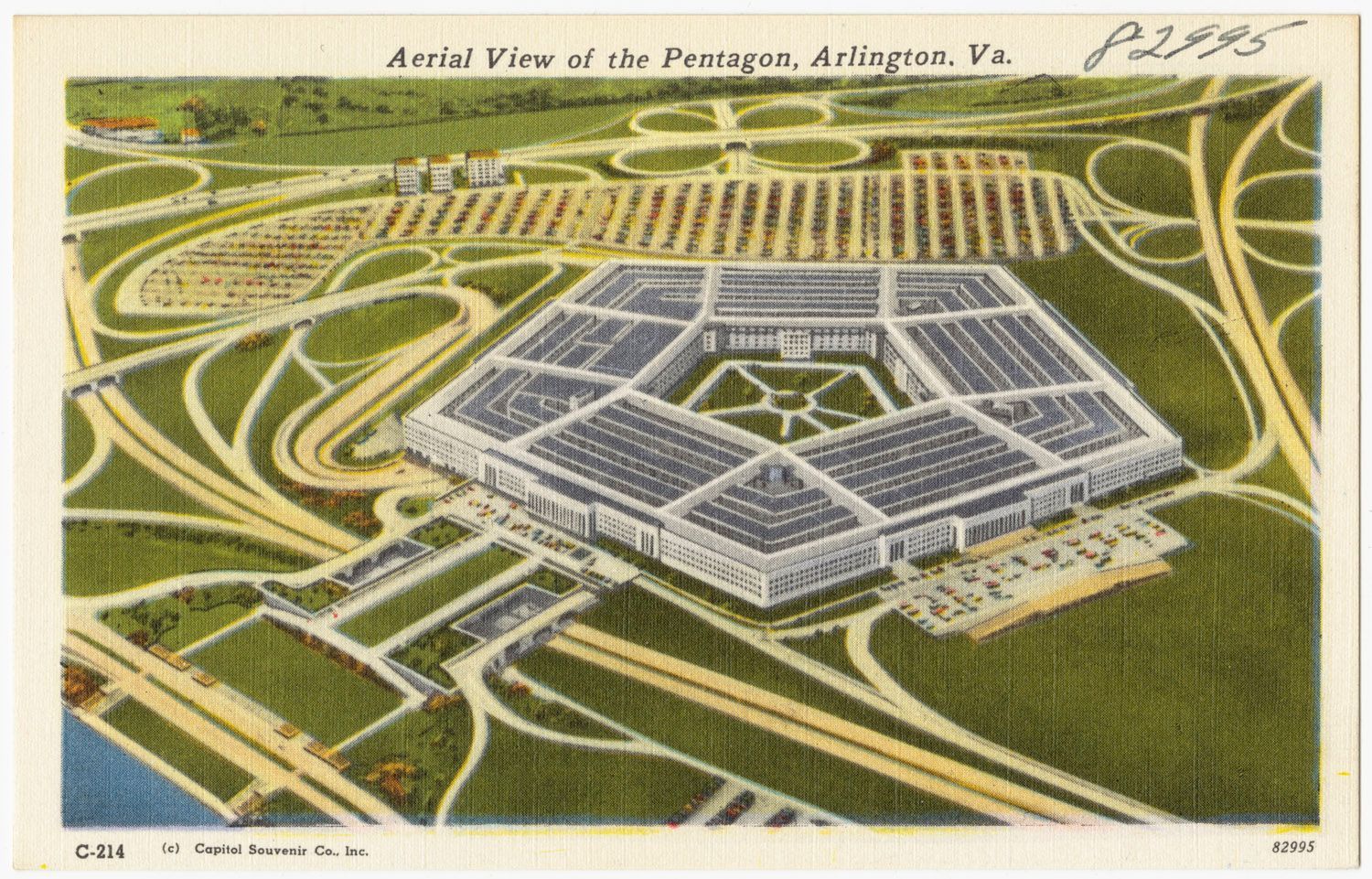
Image: Boston Public Library, CC BY 2.0, via Wikimedia Commons

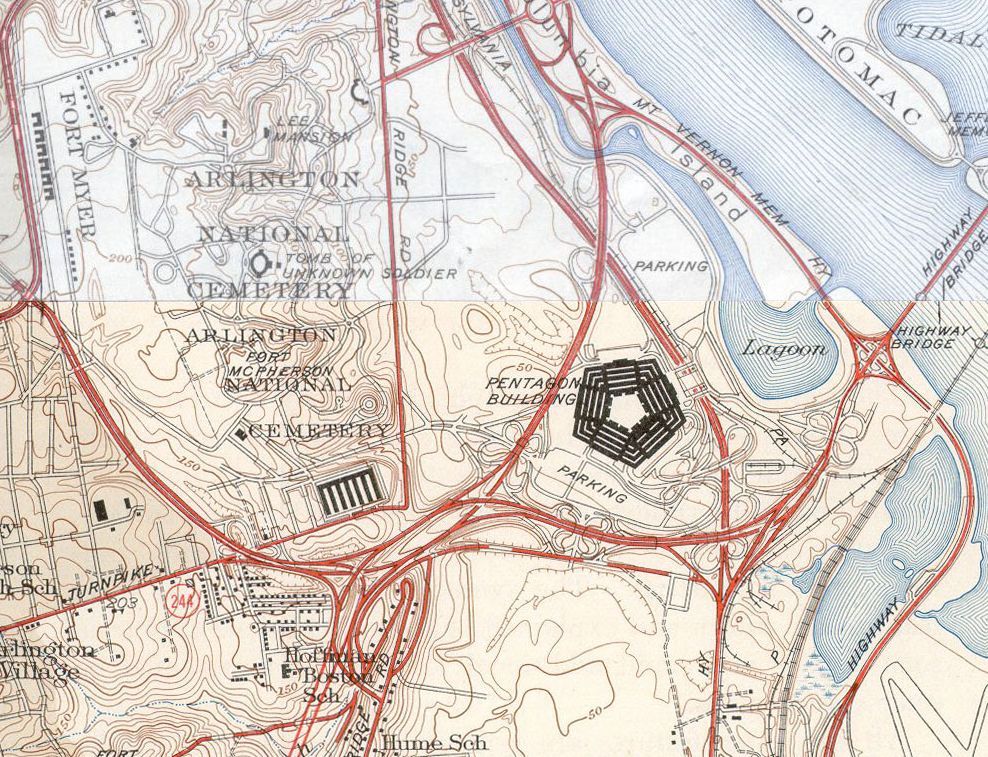
The Pentagon’s iconic five-sided shape was the consequence of a geographic accident. The original site selected for the building, near Arlington Cemetery, **happened to be bordered on five sides by roads. **Architects designed the structure to fit those boundaries, producing a pentagonal floor plan. Then President Franklin D. Roosevelt intervened: worried the massive building would obstruct the view of Washington, D.C. from Arlington, he ordered the site moved to its current location along the Potomac River. But the five-sided design had already been drawn up, and nobody changed it.

6
It was the first desegregated building in Virginia

Image: https://ddotlibrary.omeka.net/items/show/100, Public domain, via Wikimedia Commons

When the Pentagon was designed in 1941, segregation was the law in Virginia. Original plans called for doubled bathroom facilities: separate ones for Black and white employees, as required by Virginia statute. But President Roosevelt had signed Executive Order 8802 in June 1941, prohibiting racial discrimination in federal employment and government contracting.

As a federal building, the Pentagon was exempt from Virginia law. It became the only building in the state where segregation was not enforced. A fully desegregated federal workplace that opened in 1943. The doubled bathrooms were built anyway, as the plans were too far along to revise, but were never used as separately designated spaces.

7
Its construction was surprisingly frugal and incredibly fast

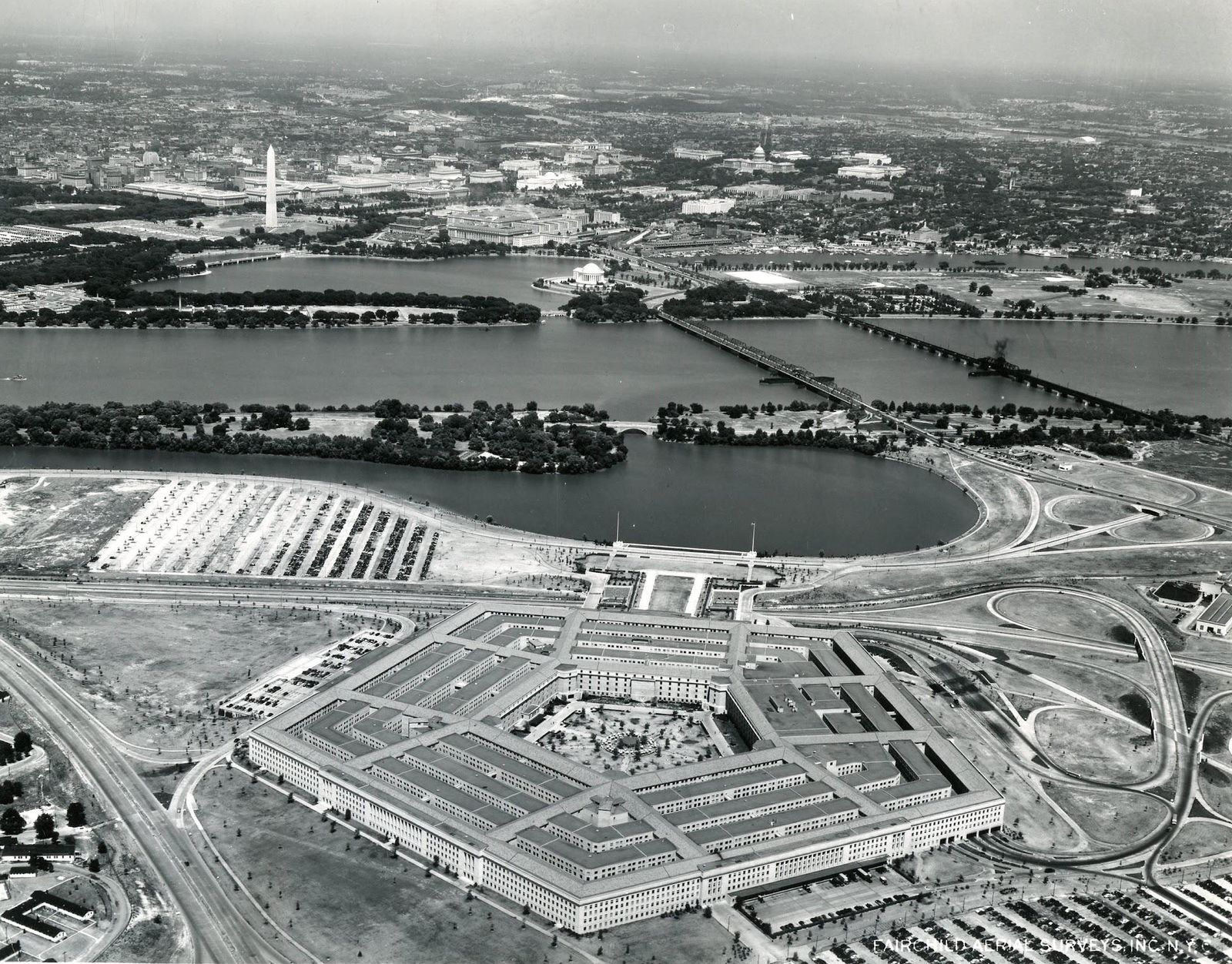
Image: See page for author, Public domain, via Wikimedia Commons

Ground broke on September 11, 1941, and construction finished on January 15, 1943, just 16 months later. More than 15,000 workers were on site around the clock. Wartime office shortages were so severe that employees moved into completed wings before the rest of the building was finished. Steel was too scarce to use extensively, so builders relied almost entirely on reinforced concrete. The 689,000 tons of sand and gravel required came directly from the nearby Potomac River, cutting transportation costs. The project was budgeted at $35 million, but the final bill was $63 million, which would translate to over $900 million in today’s dollars.

8
You can walk between its farthest points in only 7 minutes

Image: Bea A Carson, CC0, via Wikimedia Commons

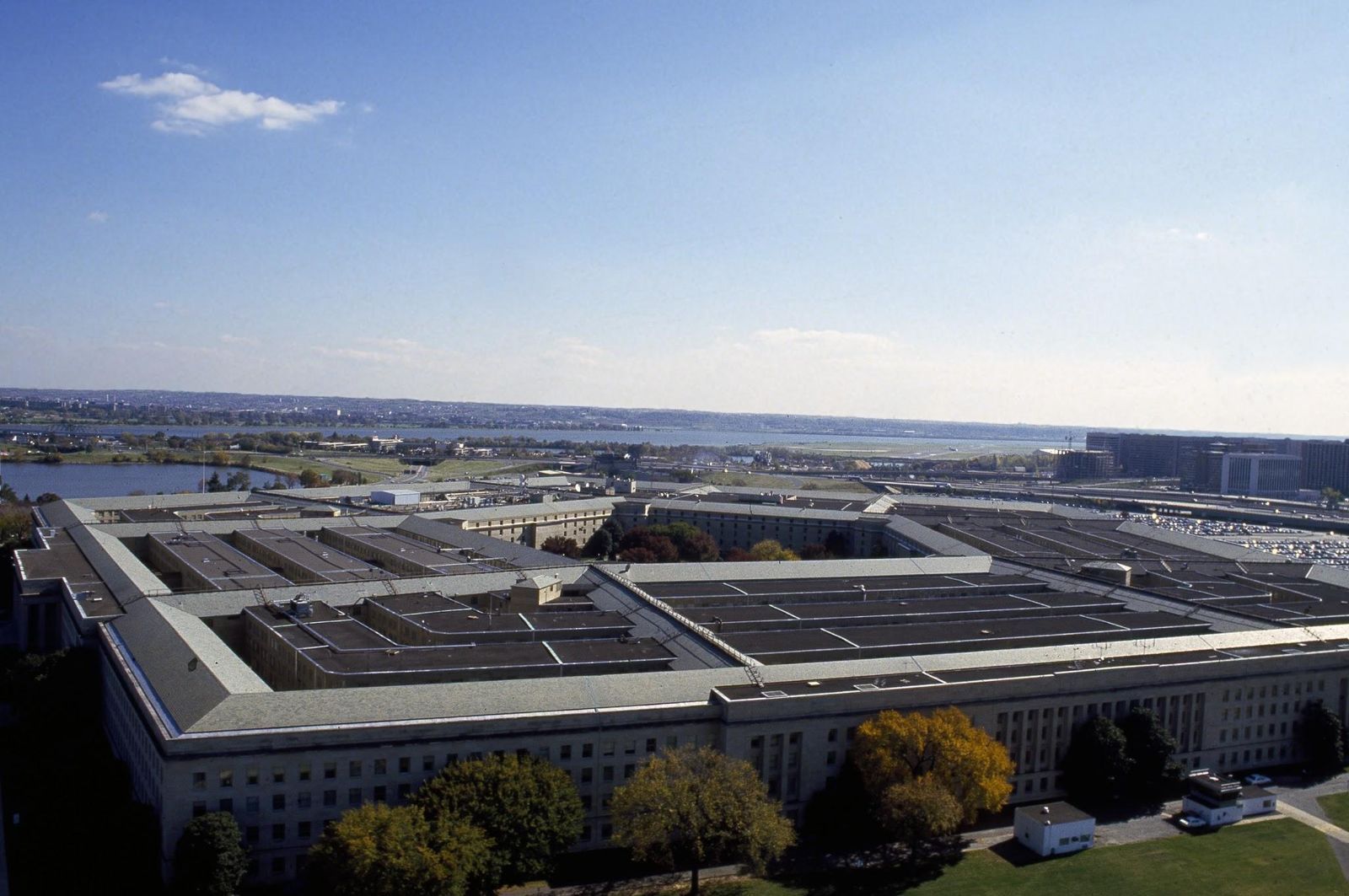
The Pentagon is the world’s largest low-rise office building: 6.5 million square feet of space, which is three times the total floor area of the Empire State Building. Each of its five outer walls is 921 feet long. It has 7,754 windows and 17.5 miles of corridors. Approximately 26,000 military and civilian employees report for work there every day.

Despite that scale, the building’s concentric ring design is so efficient that it takes only about seven minutes to walk between its two farthest points.

9
The man who secretly lived inside its walls

Image: Carol M. Highsmith, Public domain, via Wikimedia Commons

During construction, Colonel Groves drove his deputy, Captain Robert Furman, so relentlessly that Furman rarely left the building. To cope, Furman had contractors build him a small, windowless apartment hidden inside the walls of the Army’s Ordnance Division. In this private room, he could sleep and shower without leaving the premises.

When construction ended and personnel dispersed, knowledge of the hidden room was never passed on to building management. Months later, when Furman returned to Washington on Manhattan Project intelligence business, he found the apartment undiscovered and exactly as he’d left it.

For over a year, he would slip back to the Pentagon, pop open a wall panel, spend the night, and emerge in the morning with his suitcase. He was finally caught in 1943 and forced to surrender the keys. It was never disclosed whether the secret apartment was maintained or eventually absorbed back into the official floor plans.

10
It houses over 30 restaurants, including everyone's favorite chains

Image: Harrison Keely, CC BY 4.0, via Wikimedia Commons

The Pentagon feeds roughly 26,000 people a day, and its dining options read less like a military headquarters and more like a mall food court. The main Concourse Food Court, which opened in September 2009 and seats 875 people, is the largest of several dining areas.

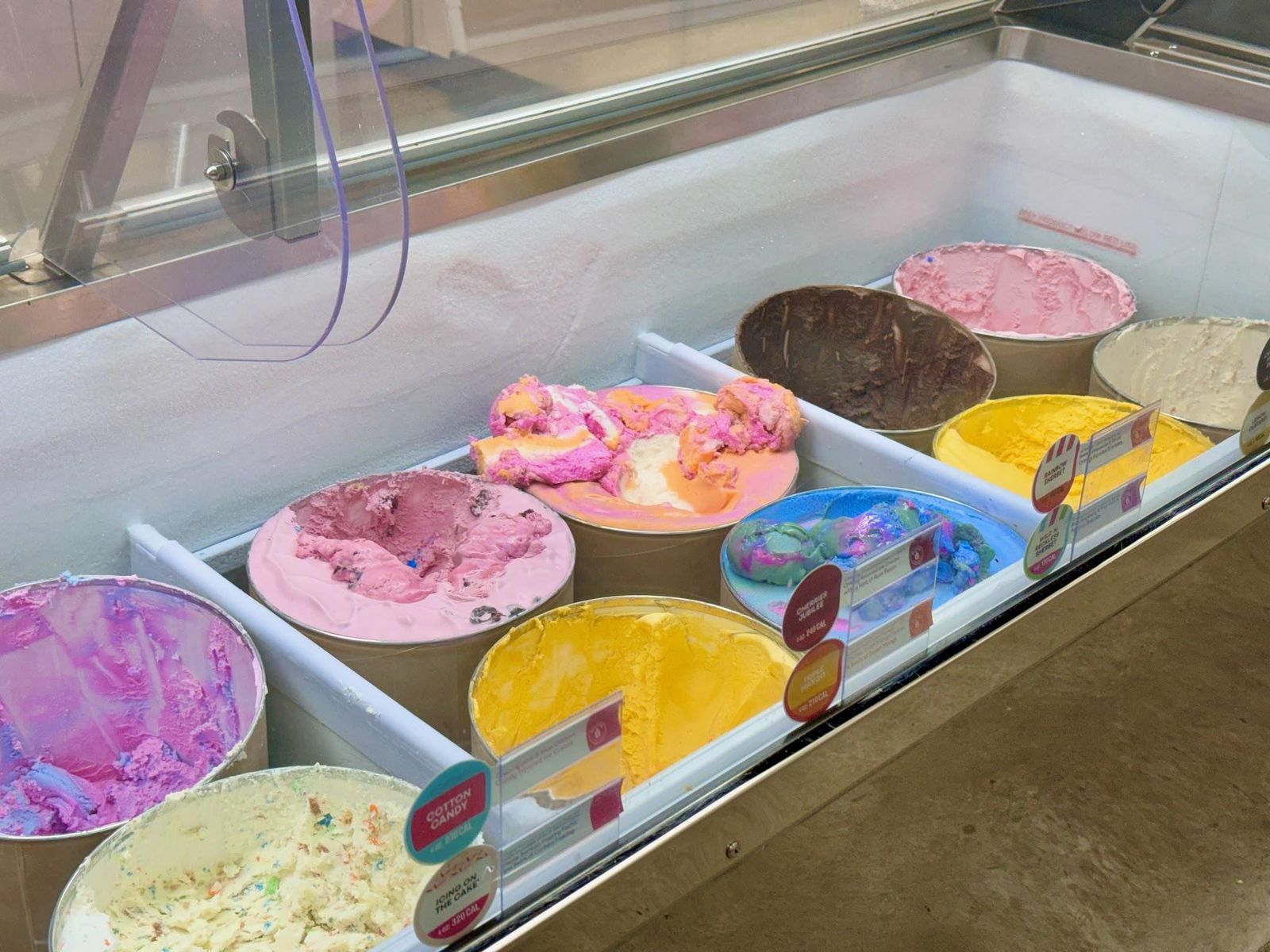
Confirmed chains currently inside the building include McDonald’s, Five Guys, Subway, Popeyes, Starbucks (multiple locations), Dunkin’ (two locations), Panera Bread, Taco Bell, Panda Express, Baskin-Robbins, Potbelly, Jamba Juice, and Moe’s Southwest Grill, among others. The building also houses a CVS pharmacy, a florist, a jeweler, and a dry cleaner. In the summer of 2024, Potbelly became the first restaurant to open in the center courtyard. Yes, the very spot where the legendary Cold War hot dog stand once stood.

Explore more American facts

Choose your favorite category!

General
General

As American as apple pie—the very best America has to offer!

Culture
Culture

Delve into the astounding richness of American lore.

Geography
Geography

Hop in and explore vast and diverse American landscapes.

History
History

Discover the key moments that shaped the United States.