What really happened to Woolworth’s?

Image: Shutterstock AI Generator
Remember grabbing school supplies or a milkshake at Woolworth’s ? Stopping by Blockbuster to rent a movie for the weekend? Or doing your grocery shopping at A&P ? What happened to these once-ubiquitous stores we thought we couldn't live without? Keep reading to find out why these beloved chains disappeared.
1
Woolworth’s
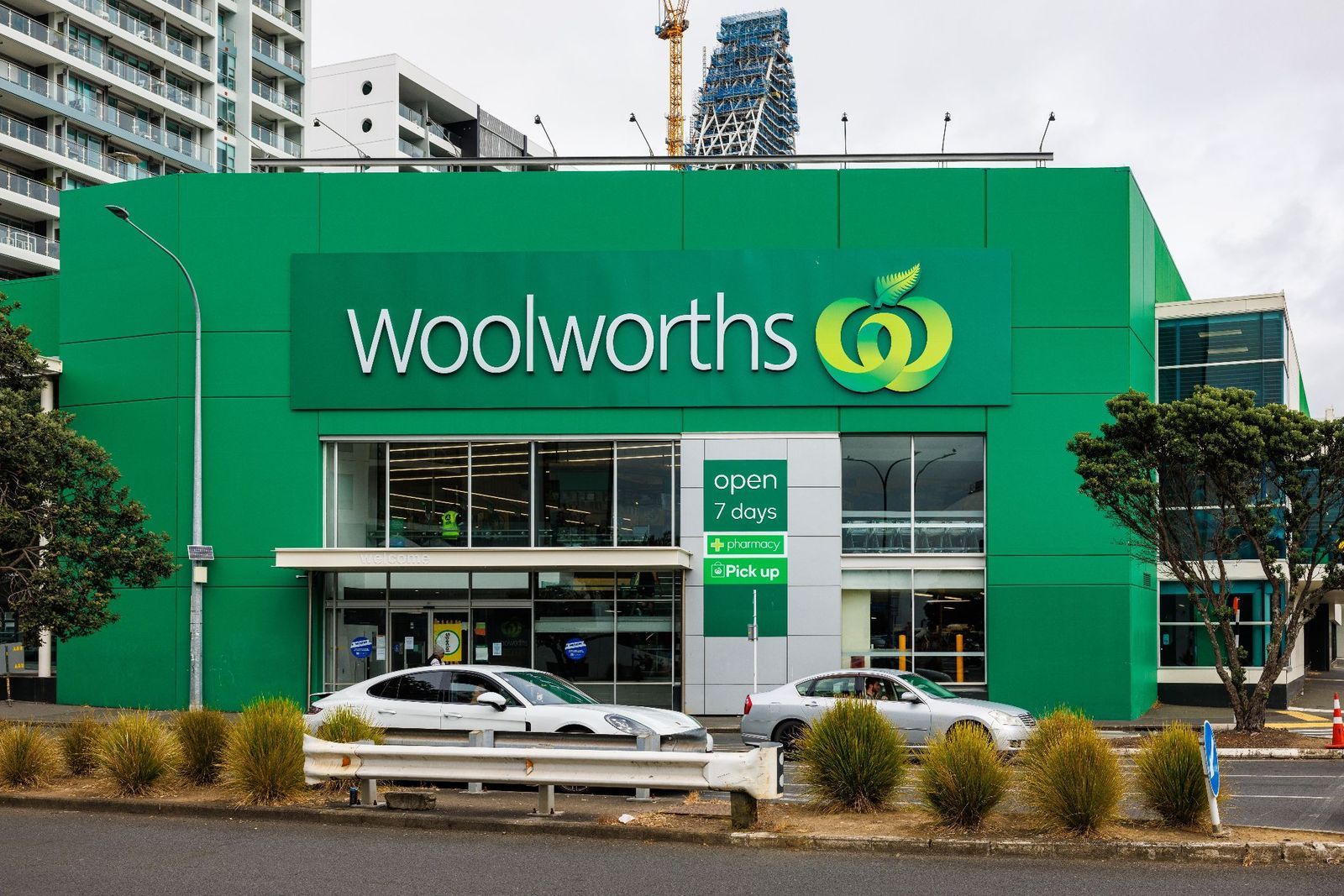
Woolworth’s was the place to buy everything from school supplies and toys to household goods and candy—or even to grab lunch. The first store opened its doors in Lancaster, Pennsylvania, in 1879. It was a five-and-dime shop, and the chain soon became one of America’s most recognizable retail names, with over 3,000 stores nationwide at its peak. So, why did it disappear?
With the steady rise of suburban shopping centers and large discount stores, Woolworth’s couldn’t keep up and began a slow decline in the 1960s that culminated in 1997, when it closed its final stores for good.
2
A&P

A&P used to be the spot to get everyday groceries. It began as a tea and coffee business in 1859 and later evolved into one of America’s biggest supermarkets with more than 16,000 stores in the country at its peak. But despite pioneering high-volume retailing, A&P couldn’t stick around.
Over the decades, newer competitors entered the market, and grocery shopping became more and more competitive. Walmart, Target, Aldi, Whole Foods—A&P failed to adapt and filed for bankruptcy twice, first in 2010 and again in 2015, and finally shut down in November 2015.
3
Blockbuster
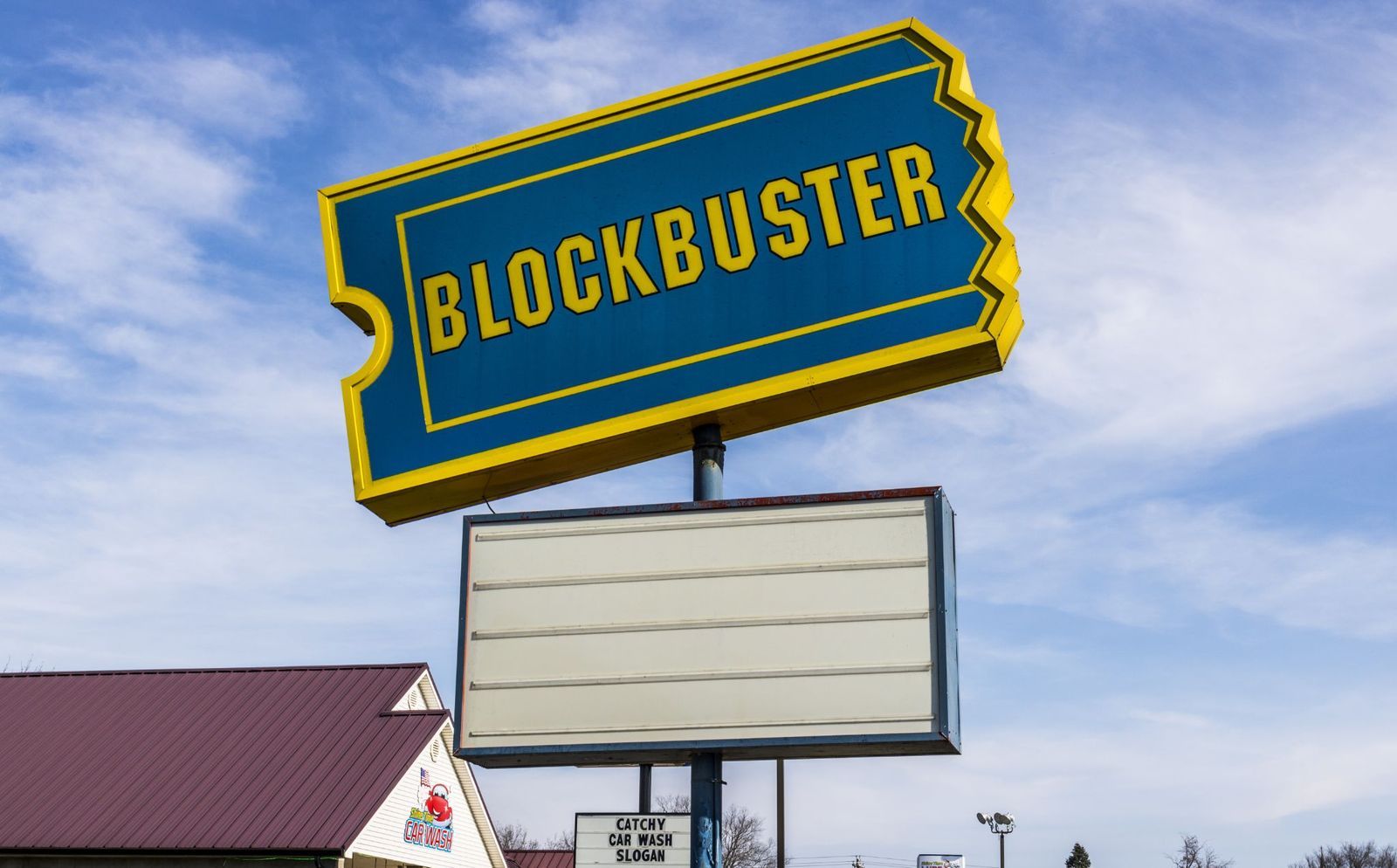
Blockbuster was the go-to for movie rentals . It dominated the market with 9,100 stores worldwide by 2004, about $6 billion in revenue, and thousands of movies to choose from—it was hard to imagine Blockbuster ever falling, but it did.
The rapid advancement of technology hit Blockbuster hard, with newer options like DVD-by-mail services, Redbox kiosks, and the final blow: streaming services like Netflix, Amazon Prime Video, Disney+, and more. All Blockbuster corporate-owned stores closed by January 2014; however, you can still visit one holdout location in Bend, Oregon.
4
Montgomery Ward
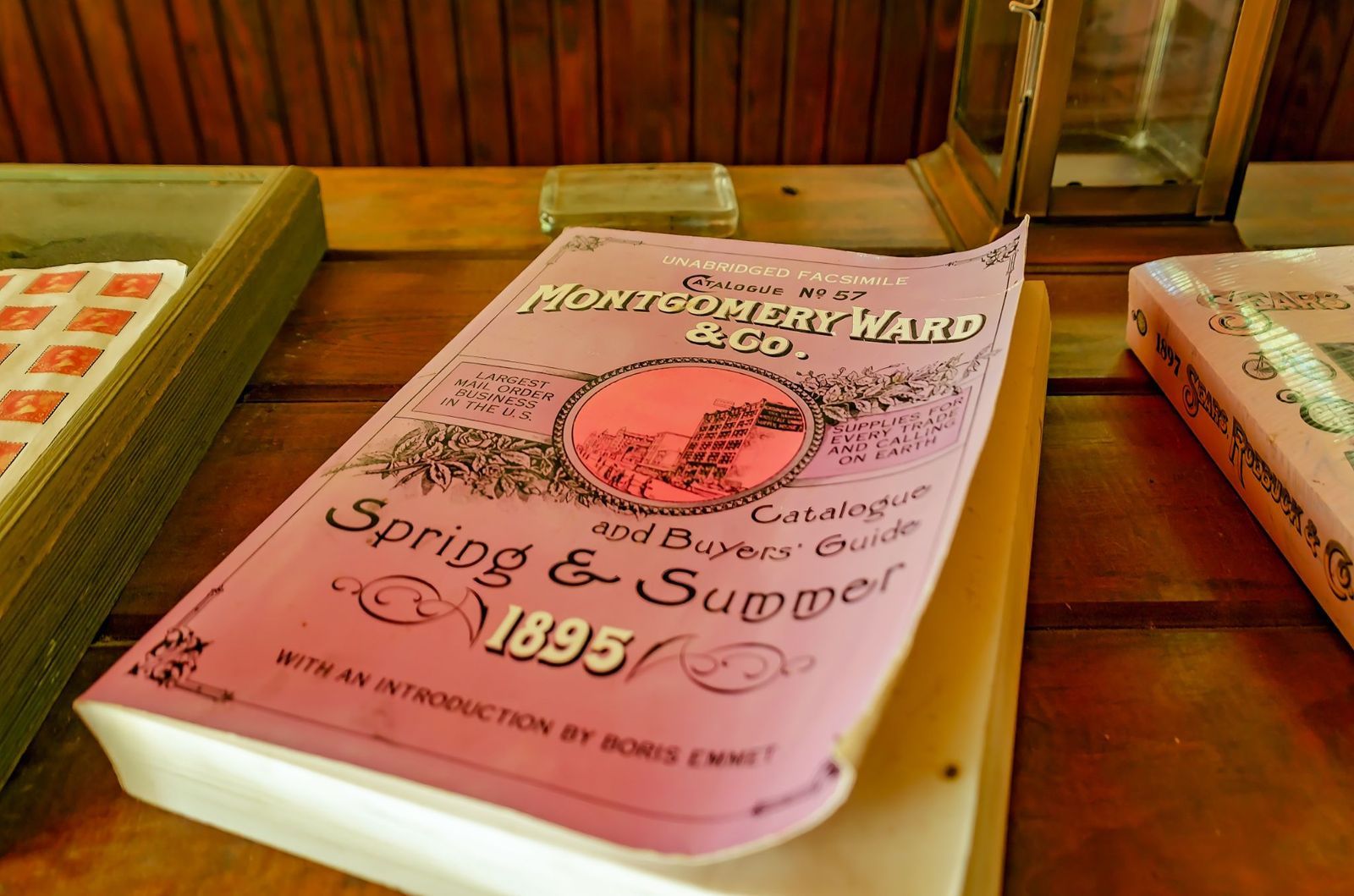
Long before Amazon, consumers could buy almost anything from Montgomery Ward from the comfort of their homes , and the company would ship it directly to them. It felt like online shopping before the internet. So why did it vanish?
To adapt to newer shopping habits, Montgomery Ward opened physical stores and started competing with brands like Sears; but once suburban malls and discount stores became widespread in the 1980s, Montgomery Ward couldn’t keep pace and eventually filed for bankruptcy in 1997 and again in 2001.
5
Circuit City
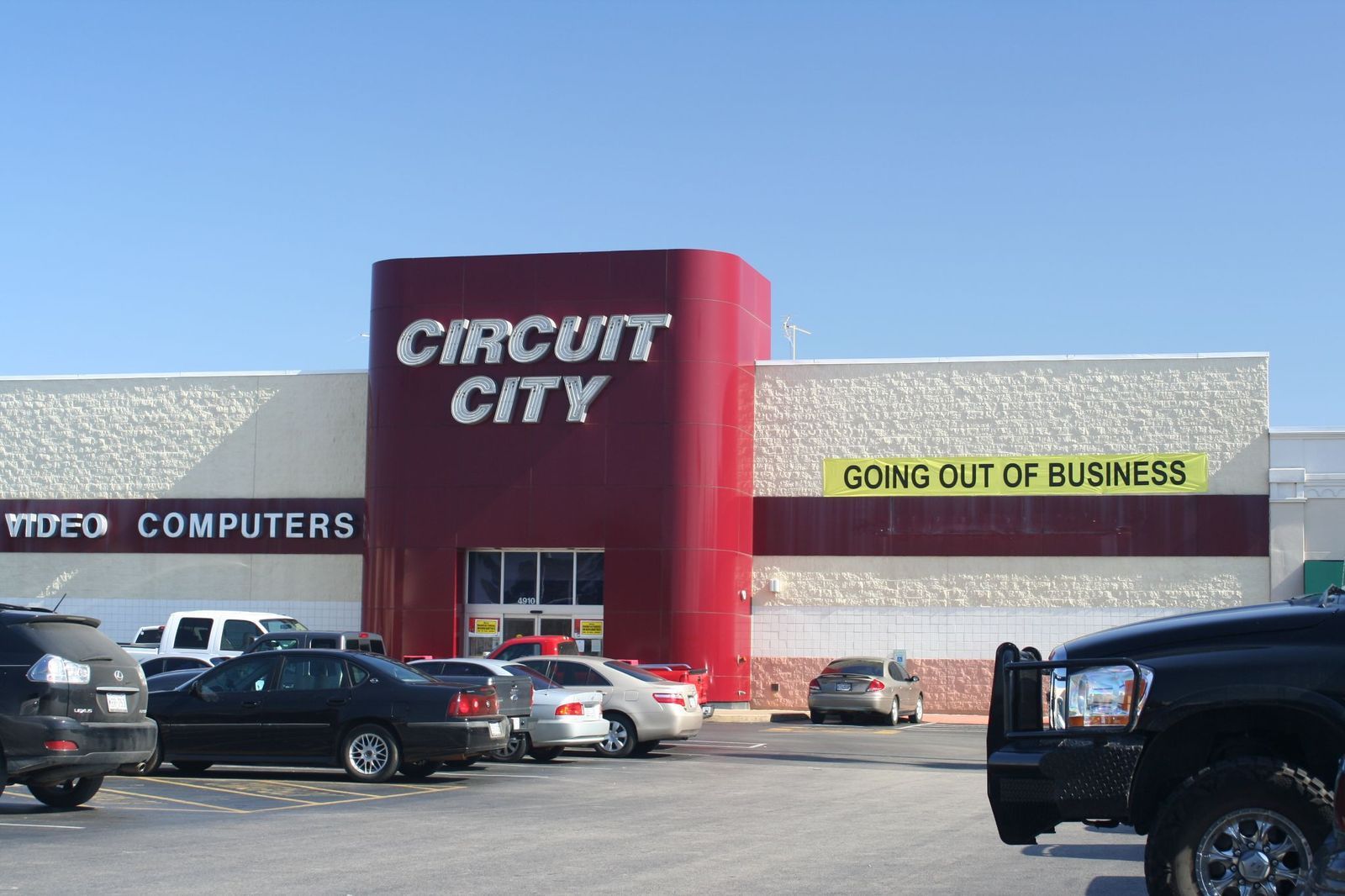
Circuit City started in 1949 and quickly became the source for TVs, stereos, VCRs, video games, and just about every kind of electronics , especially during the 1980s. The company continued growing by the early 2000s, expanding to more than 600 stores, though one controversial decision made it trip and fall.
Circuit City was already struggling to compete with Best Buy and Walmart. And in 2007, it replaced its commissioned sales staff with low-paid hourly workers, damaging customer service—often considered one of Circuit City’s biggest strategic mistakes. By March 2009, the chain was gone.
6
Caldor
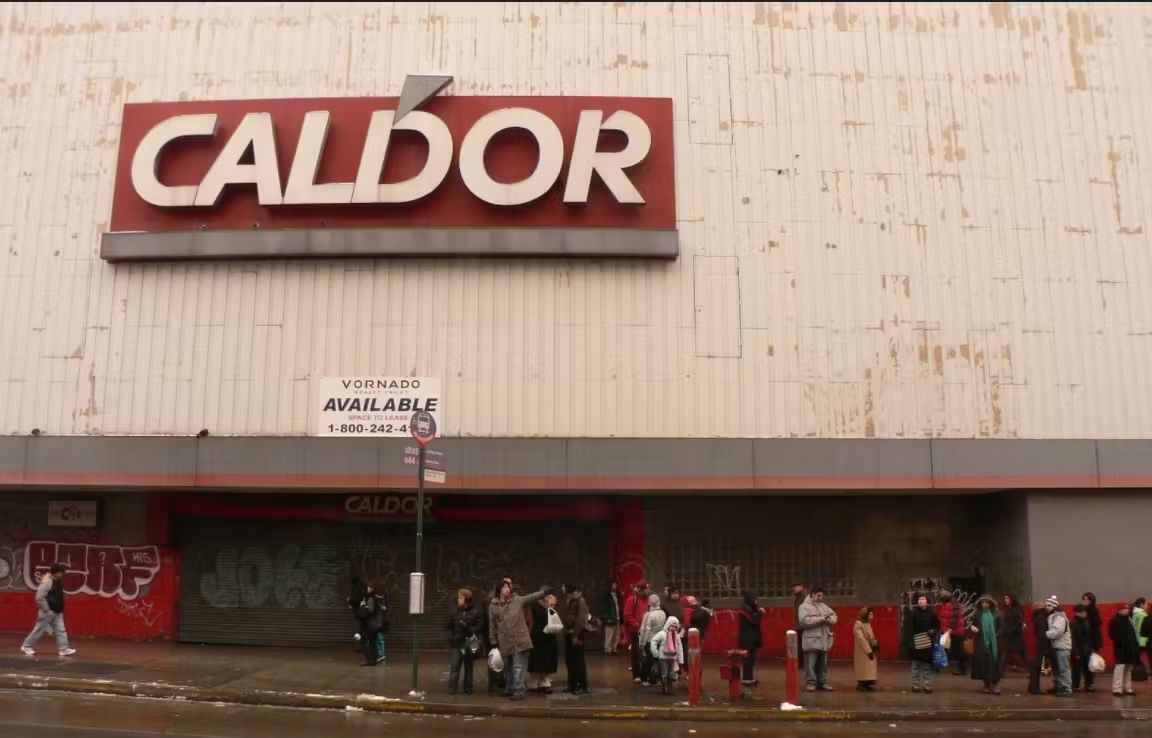
There was a time when one trip to Caldor could cover almost everything on your shopping list. Founded in 1951, it became a major one-stop discount department store . By the 1990s, it had grown to more than 150 stores across New York, Connecticut, New Jersey, and Massachusetts, but in 1995 it filed for bankruptcy. What happened in between?
Big box stores like Walmart and Target were expanding rapidly, and Caldor simply fell behind as people moved toward newer retail formats that combined department stores and supermarkets. Plus, the company took on a lot of debt in 1991, which only made things worse. Caldor finally closed for good in 1999.
7
Borders
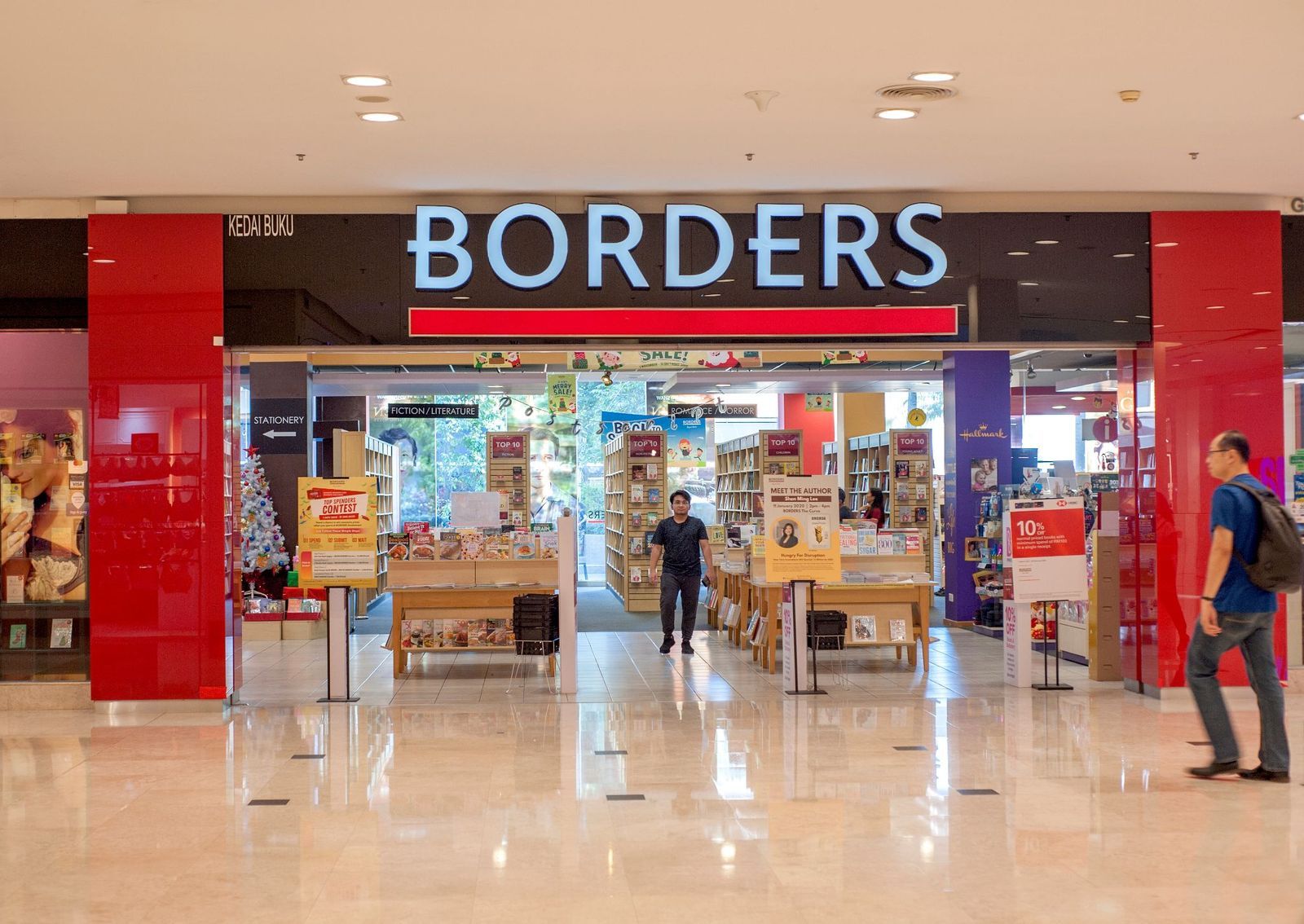
Borders is a reminder of a time when buying a book was an experience, rather than just clicking a few buttons online. It opened in 1971 and set itself apart from other modern bookstores. At Borders, you could spend an entire afternoon browsing not just books, but music and DVDs or even grabbing a coffee.
Around 2003–2004, Borders had more than 1,200 stores worldwide , but it failed to adapt to an inevitable growing trend: online book sales. Amazon eventually took over, and Borders couldn’t stay in the game, closing its final location in September 2011.
8
G.C. Murphy
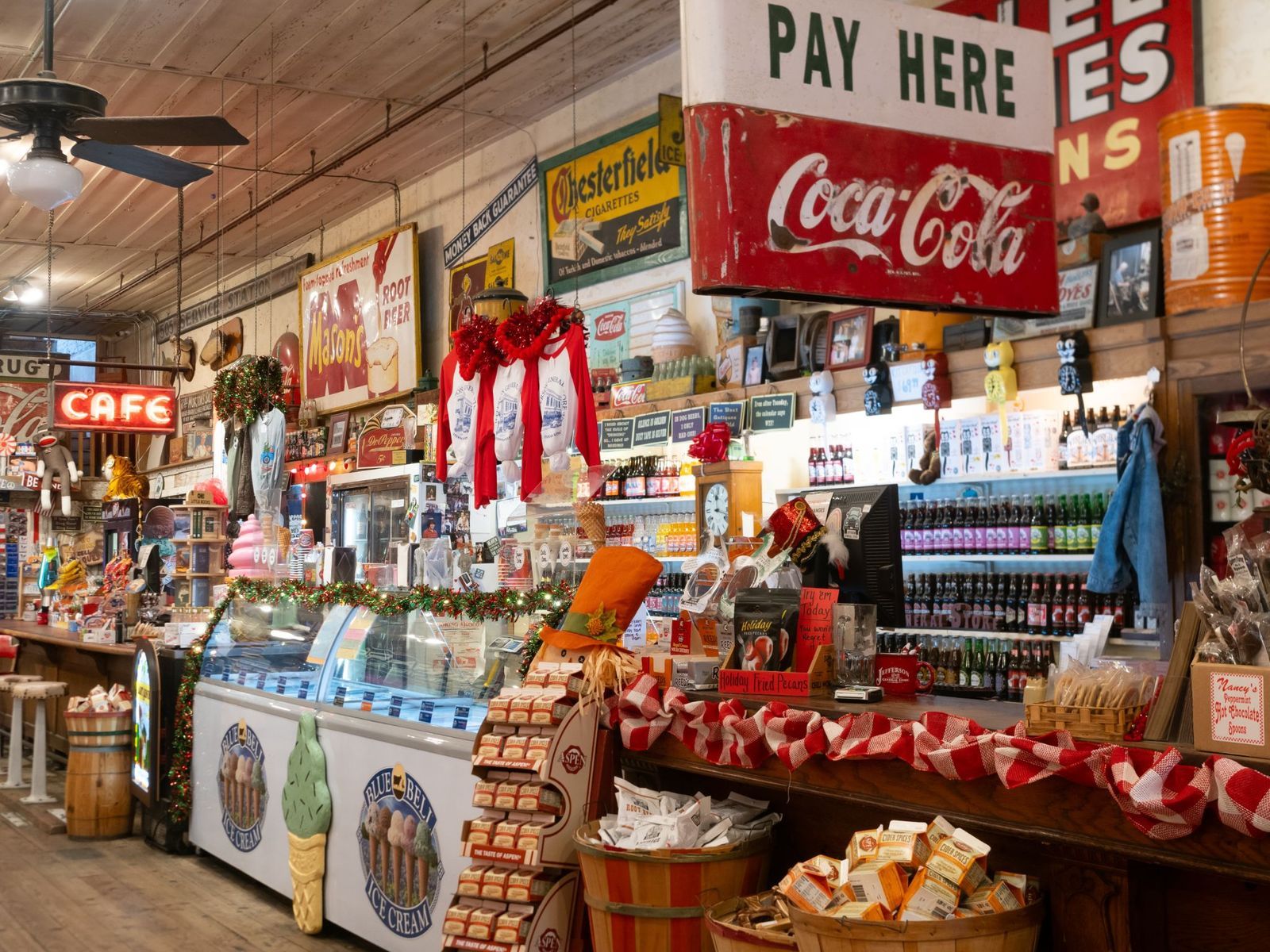
Much like Woolworth’s, G.C. Murphy was a five-and-dime store that sold a little bit of everything and had lunch counters or snack bars where people would hang out. The company opened in 1906, and it operated more than 500 stores by 1976.
But once the traditional five-and-dime model came under pressure from discount giants, G.C. Murphy was forced to adapt. The chain did make some efforts and experimented with bigger stores and different formats, but it wasn’t enough, and G.C. Murphy filed for bankruptcy in 1985.
9
Zayre
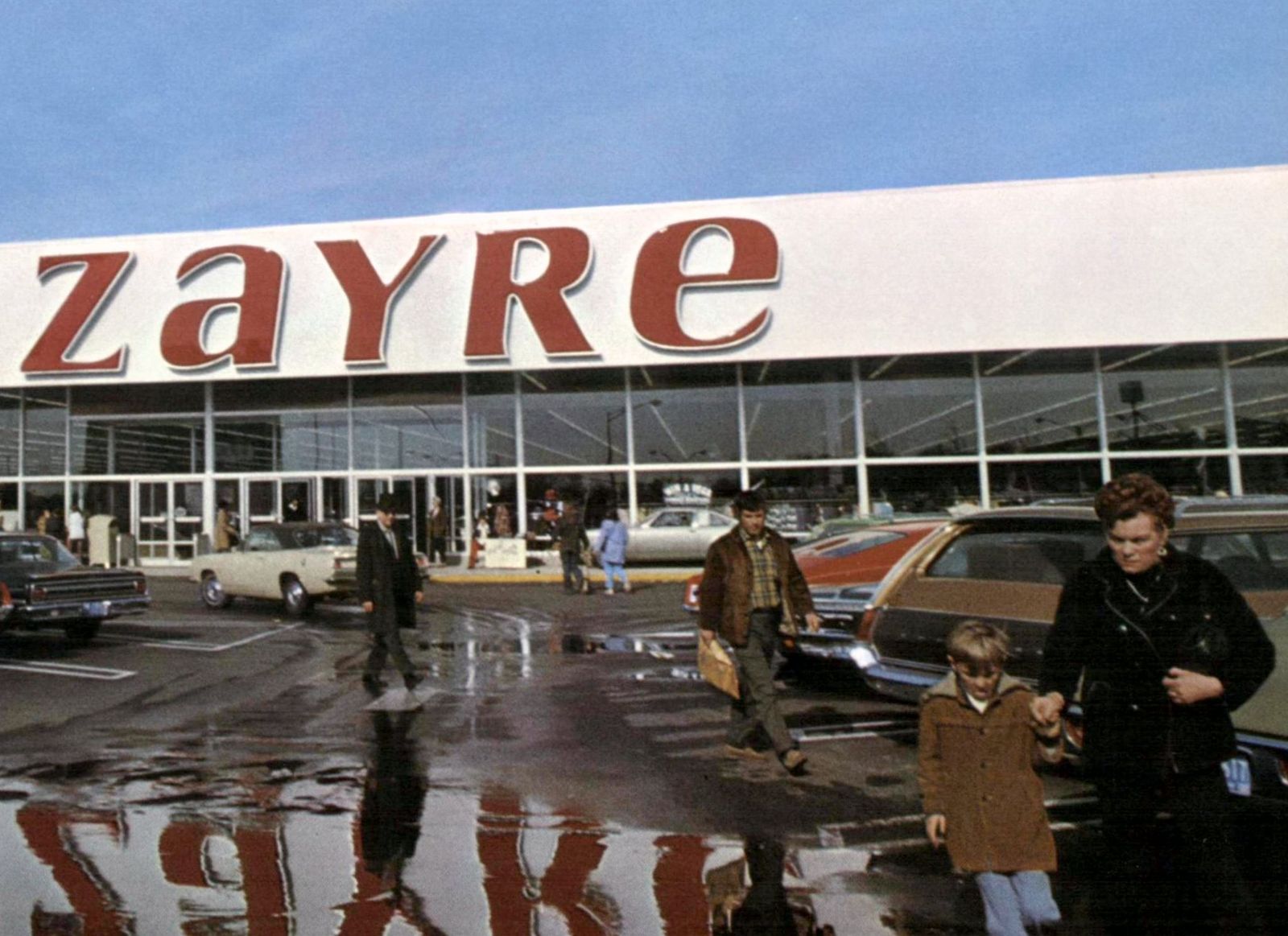
Zayre entered the market in 1956 as a classic discount department store that looked more like a warehouse . It was a no-frills, self-service shopping experience with massive stores, wide-open interiors, and exposed ceilings where you could find lots of everyday items like clothing, household goods, or appliances at low prices.
While it was pretty successful, especially across the Northeast and Midwest, Zayre struggled to keep up with giants like Target. It tried to reinvent itself by founding TJ Maxx in 1977, but eventually sold the remaining Zayre stores to Ames in 1988, and the Zayre name vanished by 1990.
10
Service Merchandise
Service Merchandise was founded in 1934 and, unlike typical retail stores, it introduced a strange new concept called the " catalog showroom " in 1960, where display floors showcased single working samples of products, and the actual inventory was stored in an adjacent backroom warehouse. Customers would look at a catalog, place an order, and an employee would bring it to them.
The concept proved successful, and Service Merchandise operated more than 400 showrooms by the mid-1990s. But Service Merchandise’s model meant longer waiting times, and traditional discount stores began offering a faster and easier shopping experience. The company tried to modernize by introducing electronic inventory systems, but it didn’t work out. By 2002, Service Merchandise was gone.