The styles that shaped the last 100 years
What was in style for American women, decade by decade
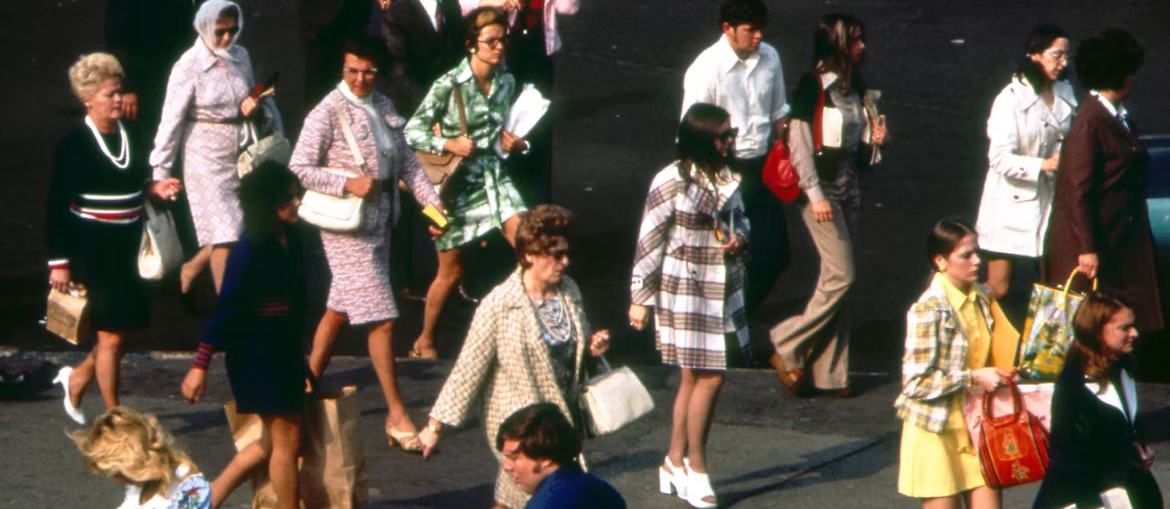
Image: Documerica
Fashion is more than what we wear; it’s a reflection of who we are, how we see ourselves, and the times we live in. Over the past 100 years, American women’s fashion has evolved from the rebellious flapper styles of the 1920s to the comfort and personal expression of the 2020s. Every decade brought its own looks and style icons, shaped by popular culture, changing lifestyles, and social attitudes. Take a journey through the decades to see how American women dressed, and how fashion reflected the spirit of each era.
1
The 1920s: Flappers and a new sense of freedom
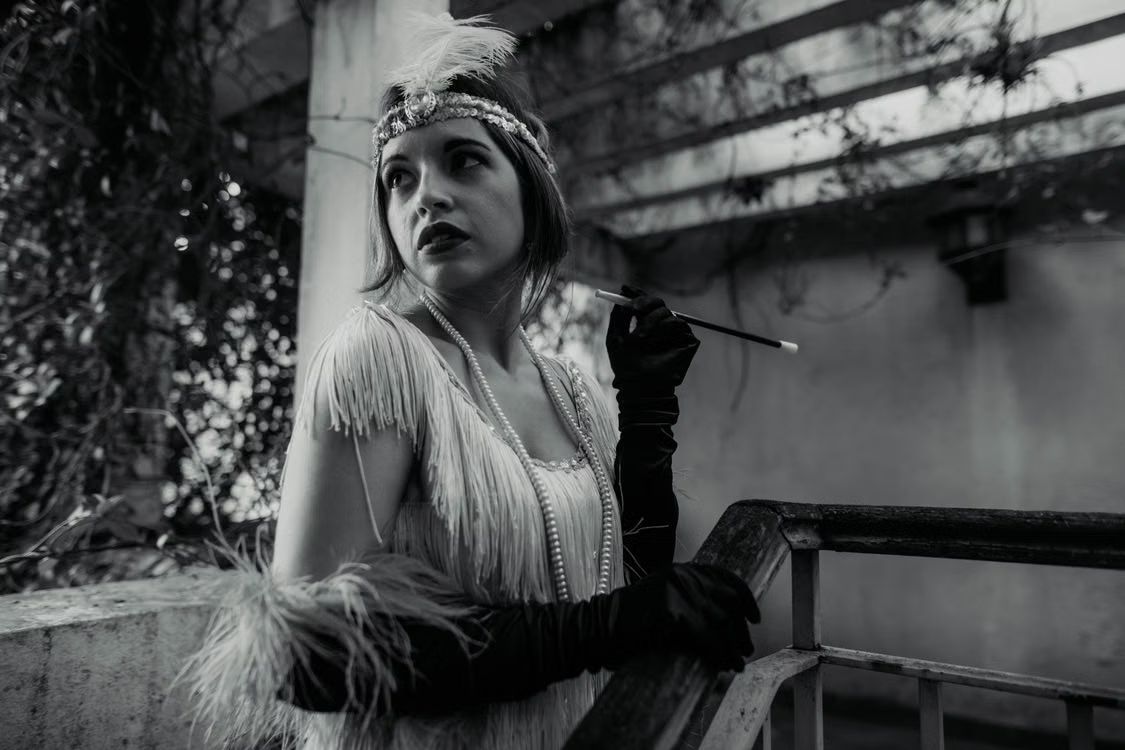
The 1920s brought a new sense of independence and modernity to American women, and fashion reflected that changing attitude. After centuries of restrictive styles, women embraced clothes that allowed greater freedom of movement and a more youthful appearance.
Flapper dresses, bobbed hair, cloche hats, Mary Jane shoes, and long strands of pearls became signatures of the decade. The rebellious flapper embodied this new attitude, with silent film star Louise Brooks becoming one of the era's most recognizable style icons.
2
The 1930s: Hollywood glamour
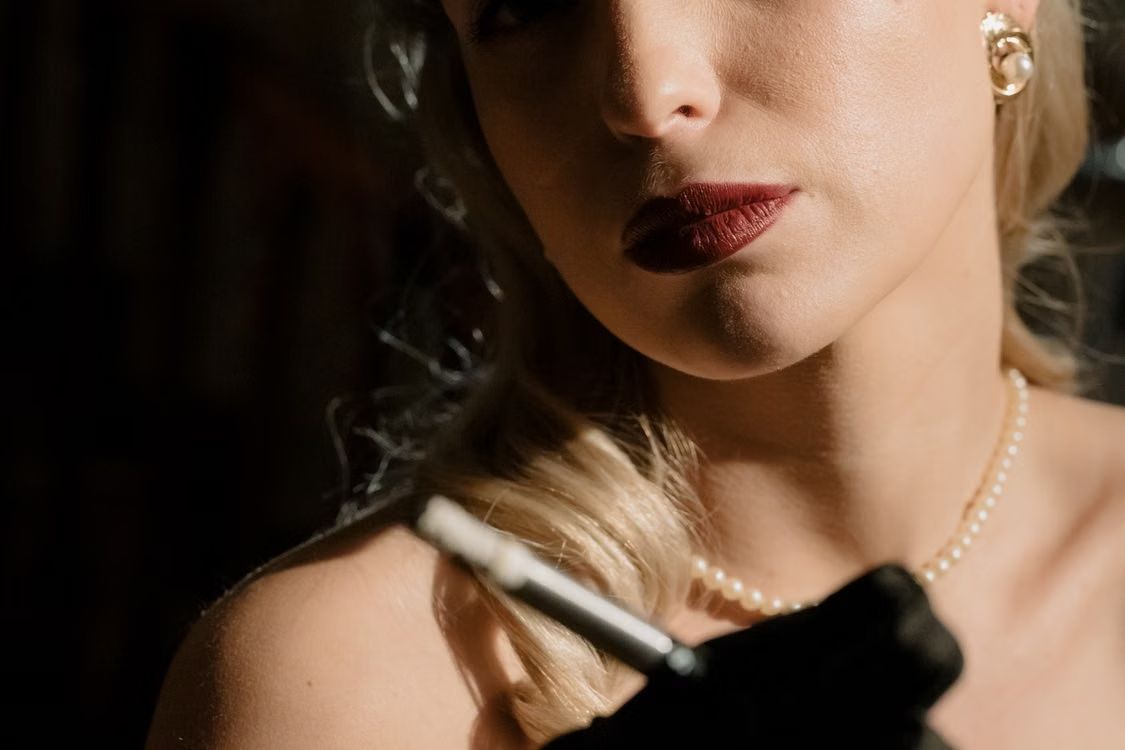
The hardships of the Great Depression contrasted sharply with the glamorous world presented on the silver screen. Hollywood offered an escape, and movie stars became powerful influences on how American women wanted to look. Fashion was elegant and feminine, with clothing designed to create a long, graceful silhouette.
Bias-cut dresses, fitted gowns, wide-leg trousers, fur-trimmed coats, and chic hats were popular, while satin and silk added a touch of luxury. Jean Harlow, known for her platinum-blonde hair and glamorous gowns, was one of the decade’s most celebrated style icons, alongside other actresses such as Carole Lombard.
3
The 1940s: Fashion during wartime
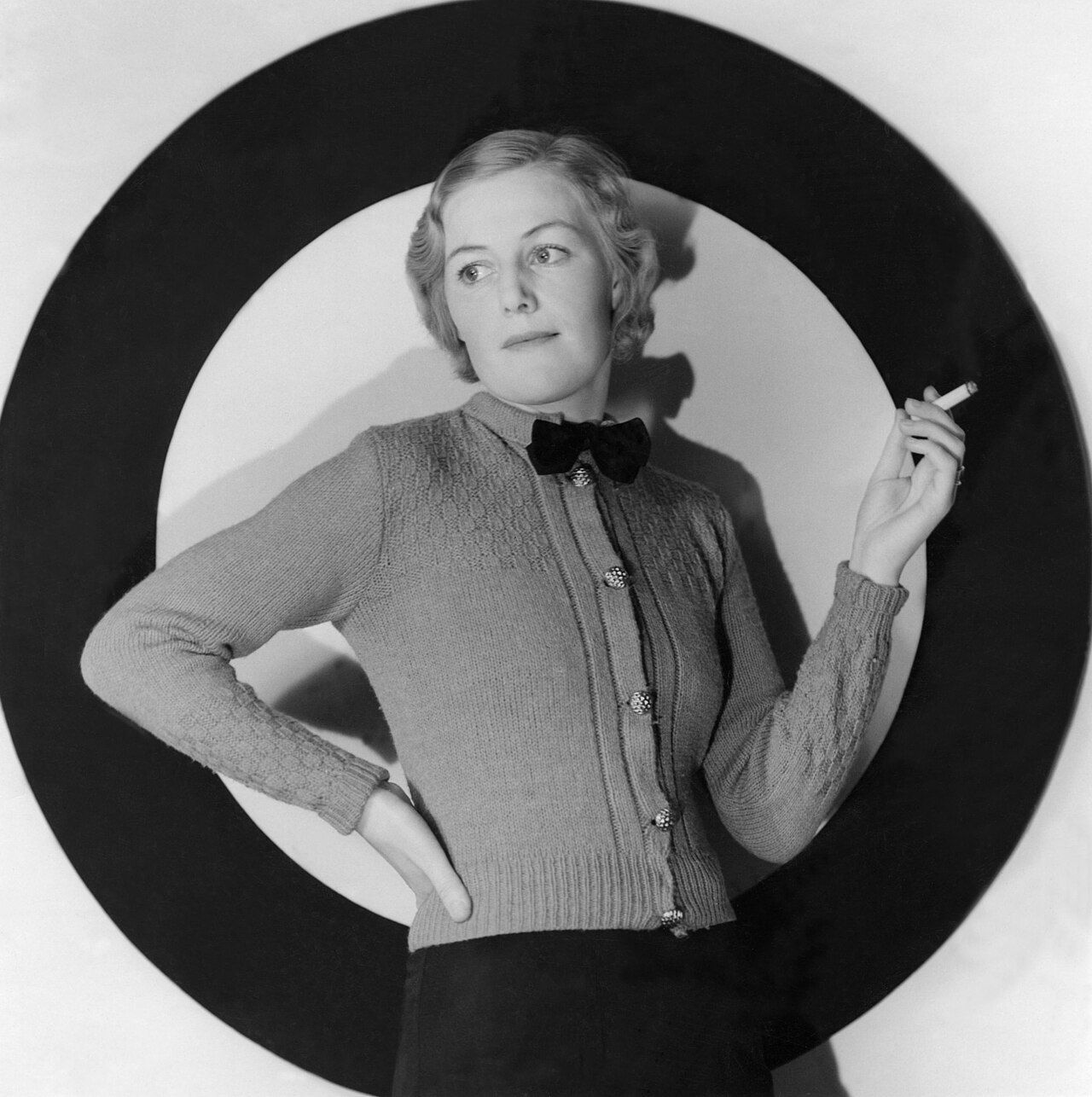
World War II brought practicality to the forefront. With fabric rationed and millions of women entering the workforce, clothing had to be functional, durable, and economical without completely sacrificing style.
Tailored suits, shorter skirts, button-up blouses, trousers, sturdy shoes, and simple dresses became everyday staples. The iconic image of Rosie the Riveter, with her work shirt, rolled-up sleeves, and headscarf, came to symbolize the capable working woman of wartime America.
4
The 1950s: The feminine silhouette returns
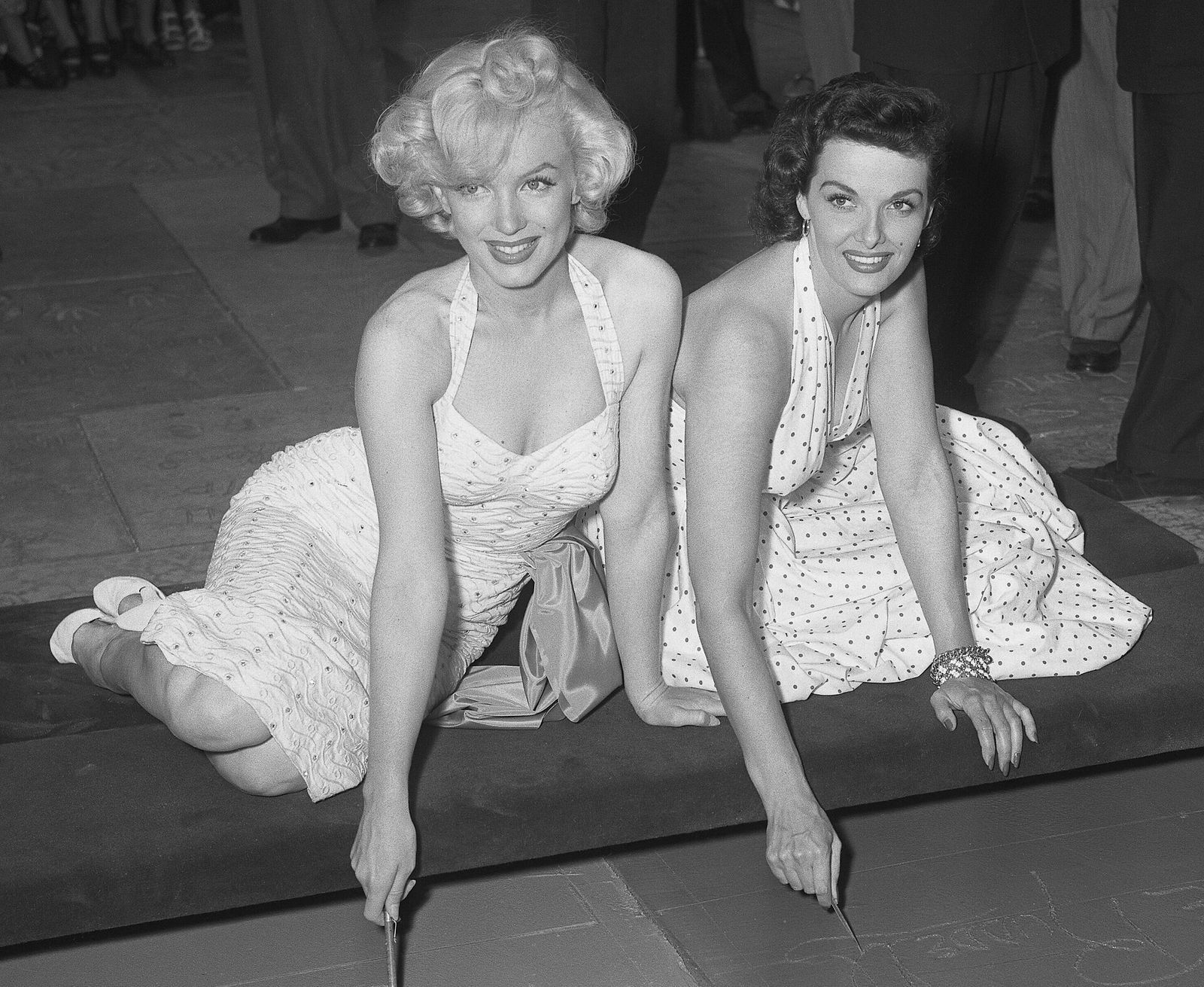
The postwar years ushered in a very different mood. As prosperity grew, fashion celebrated femininity, polish, and carefully put-together appearances. The hourglass figure became the decade's ideal silhouette.
Full skirts, cinched waists, fitted sweaters, gloves, pearls, and tailored dresses dominated women's wardrobes. Hollywood stars reinforced the look: Marilyn Monroe represented glamorous, voluptuous femininity, while Grace Kelly became synonymous with restrained, sophisticated style.
5
The 1960s: Mini skirts and mod style
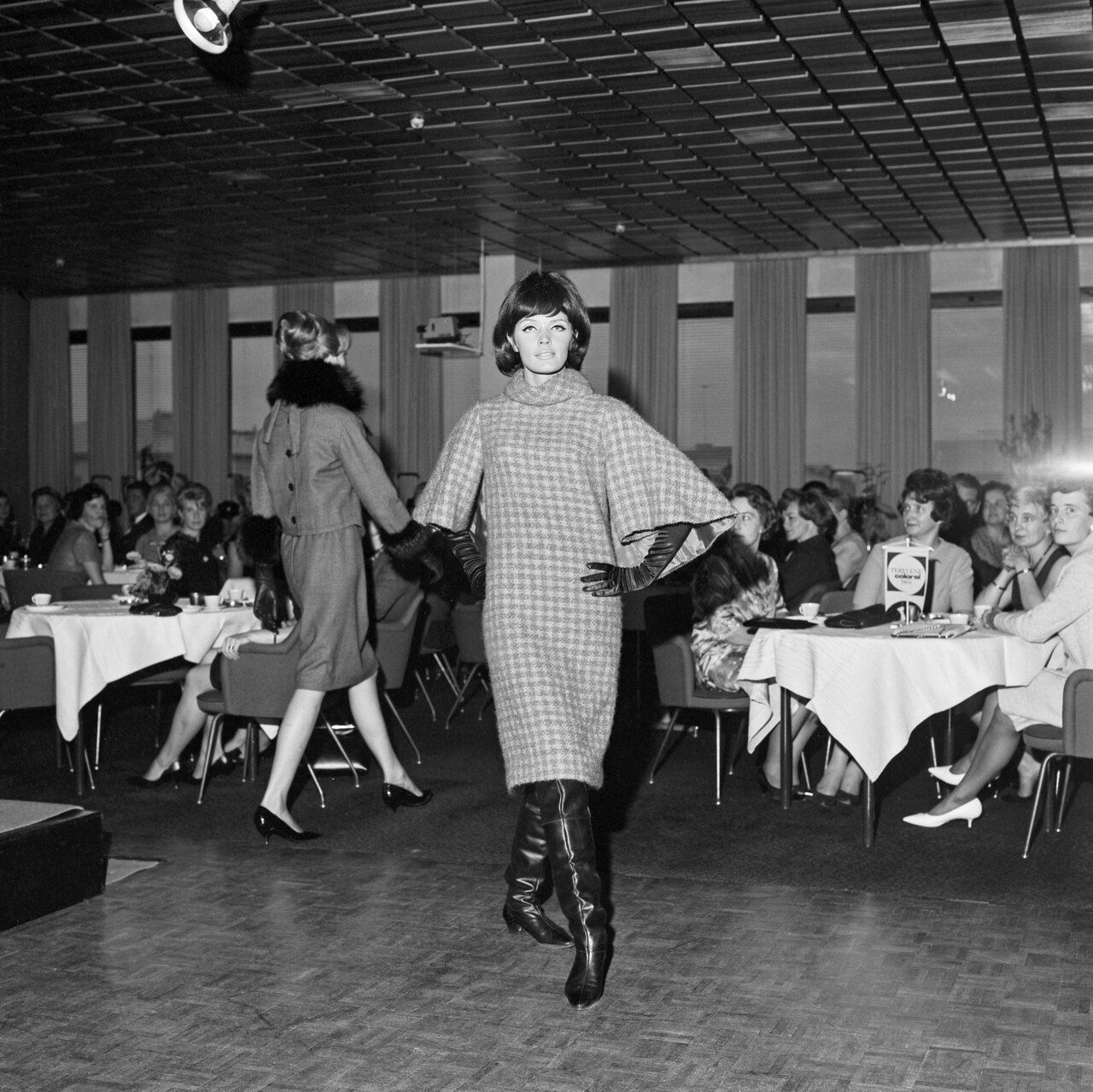
The 1960s belonged to youth culture. Younger women were challenging traditional ideas about fashion and society , and clothing became a way to express independence and a willingness to break the rules.
Mini skirts, shift dresses, go-go boots, bold geometric prints, colorful tights, and bright colors gave the decade its unmistakable look. British designer Mary Quant became closely associated with the mini skirt, while First Lady Jackie Kennedy influenced millions of women with her polished dresses, pillbox hats, and timeless elegance.
6
The 1970s: From hippie to disco
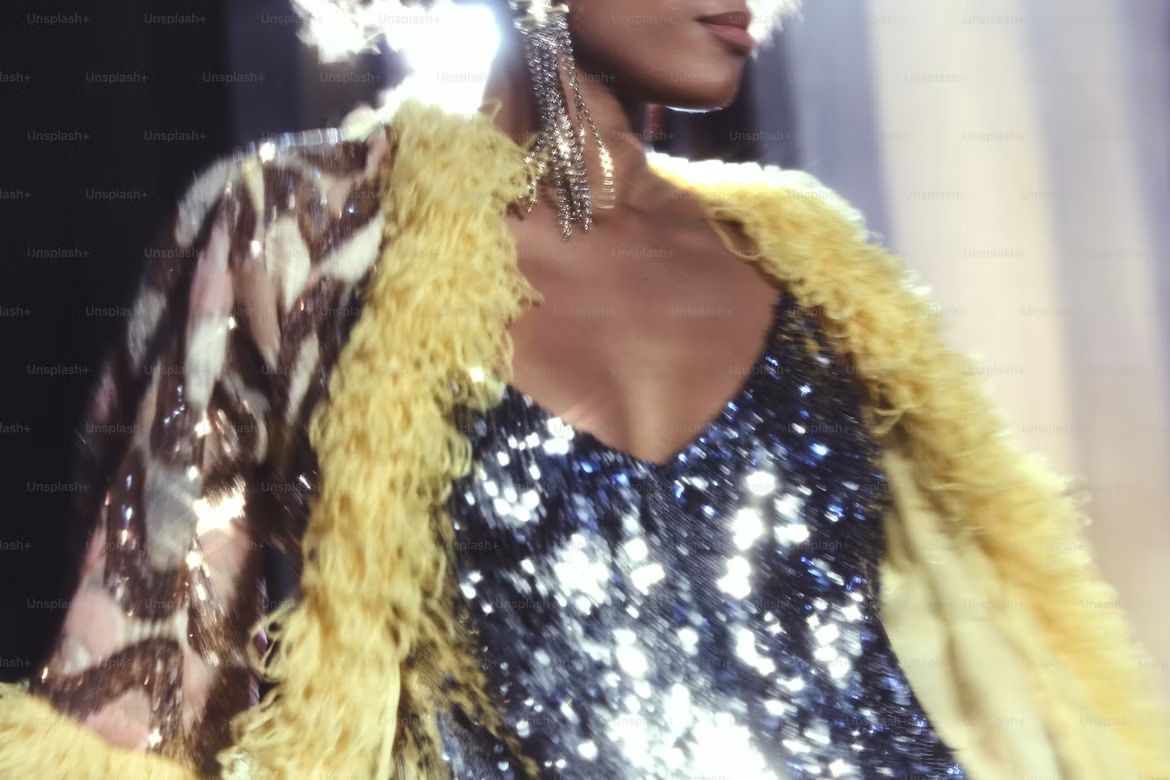
Individuality was the name of the game in the 1970s. The decade's fashion reflected everything from the counterculture and growing women's movement to the glamorous nightlife of the disco era.
Early on, bell-bottom jeans, flowing maxi dresses, peasant blouses, fringe, denim, suede, and platform shoes dominated. Later, sequined dresses, jumpsuits, halter tops, and metallic fabrics took over the dance floor. Diana Ross was one of the era's standout style icons, effortlessly embodying its glamorous side.
7
The 1980s: Big shoulders and bigger statements
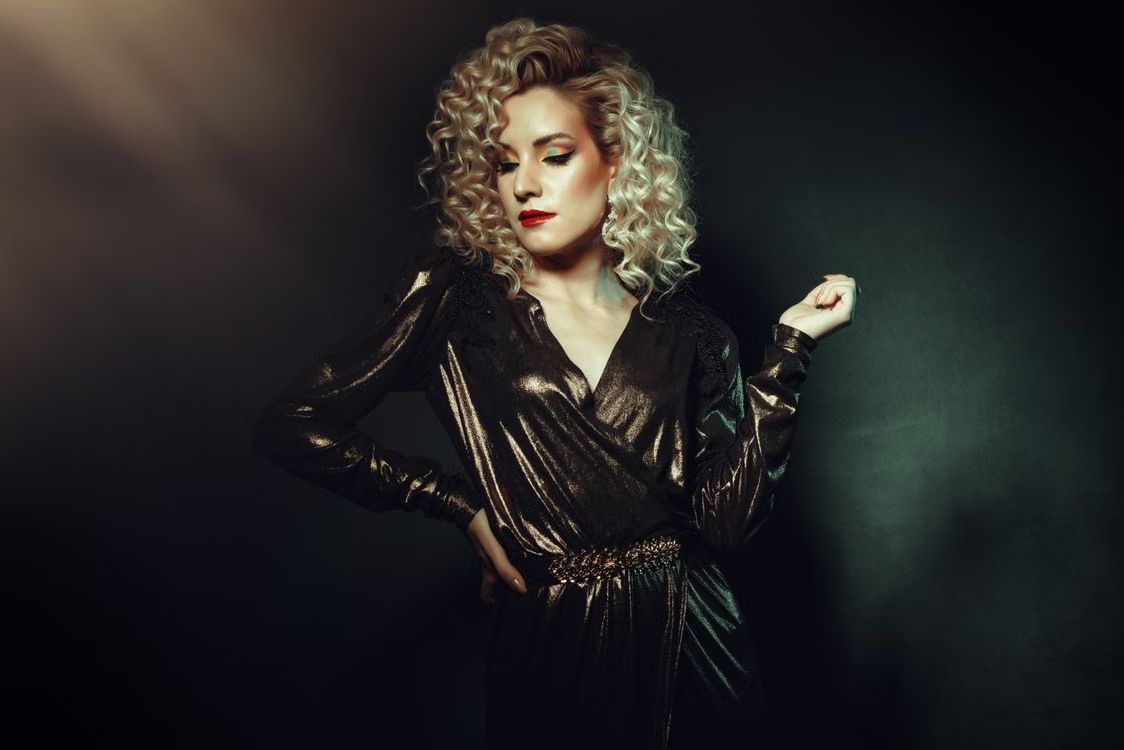
Confidence, and plenty of it, defined the 1980s. As more women entered professional and corporate environments, clothing became a way to project ambition and authority , while pop culture encouraged an equally bold approach outside the office.
Power suits, shoulder pads, oversized blazers, leggings, bright colors, statement jewelry, and wide belts captured the decade's love of excess. Madonna influenced a younger generation with lace, layered jewelry, leggings, and rebellious accessories, while Dynasty’s Joan Collins represented the decade's polished glamour.
8
The 1990s: Casual becomes fashionable

After the extravagance of the 1980s, fashion took a more relaxed turn. The idea that clothes could be stylish without looking overly polished gained ground, and casualwear moved firmly into the mainstream. Grunge also made its mark, bringing a deliberately undone attitude to everyday fashion.
Straight-leg jeans, flannel shirts, slip dresses, simple T-shirts, sneakers, and minimalist dresses became staples. Inspired by the grunge scene, many women embraced layered, oversized, and thrift-store-inspired looks. Princess Diana was a major style influence, particularly for her effortlessly chic casual outfits, while supermodel Kate Moss represented an edgy, minimalist glamour.
9
The 2000s: Low-rise jeans and celebrity style
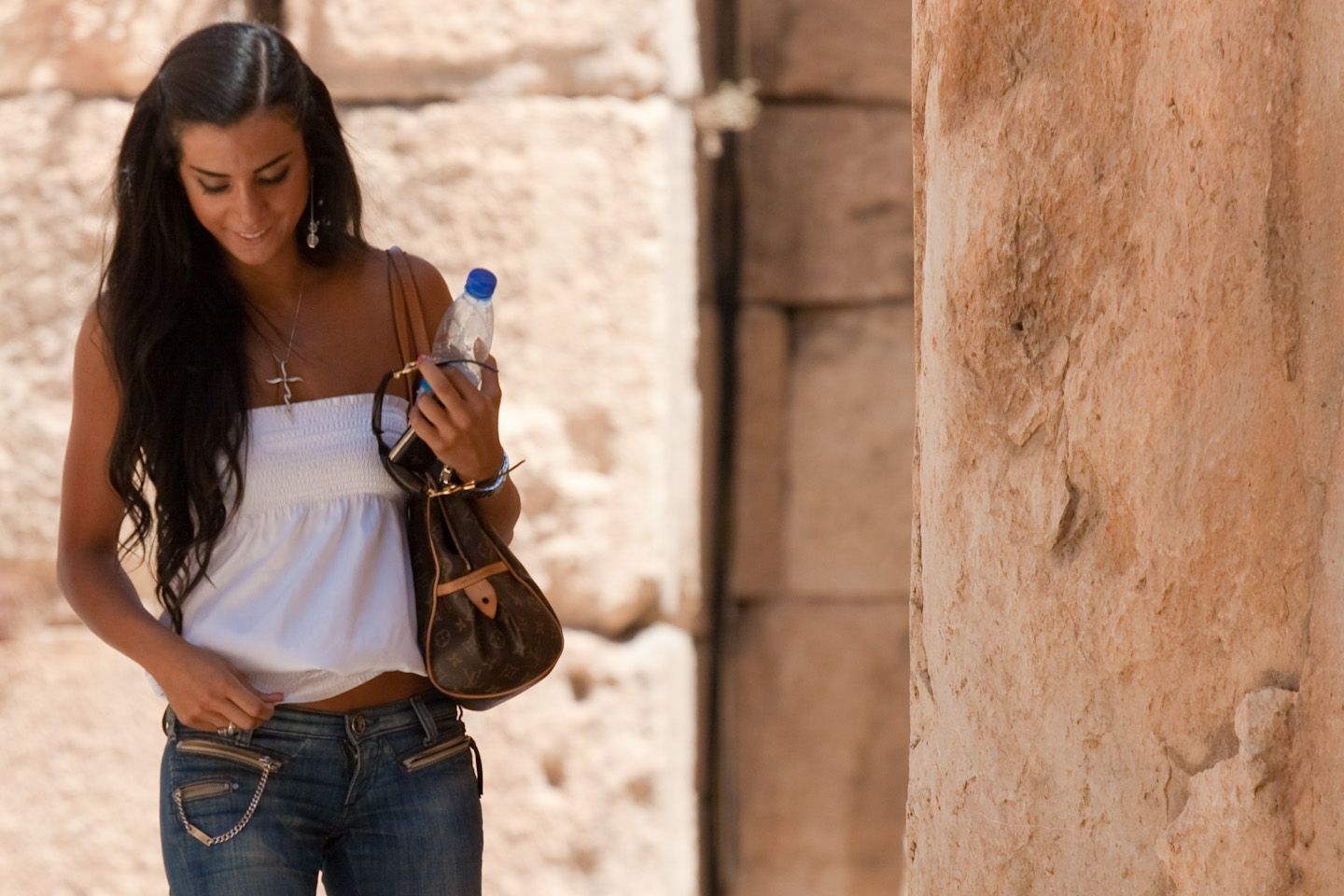
Early-2000s fashion was playful, youthful, and heavily influenced by celebrities. Low-rise jeans, cropped tops, velour tracksuits, tiny handbags, platform sandals, and logo-covered clothing were everywhere. Matching sets and highly coordinated outfits were also popular, creating some of the decade’s most recognizable looks.
Celebrities became fashion trendsetters on an unprecedented scale. Jennifer Lopez, Britney Spears, and Paris Hilton were among the decade’s most recognizable style icons, with their outfits frequently appearing in magazines, celebrity news shows, and online. For many women, keeping up with the latest celebrity looks became almost as important as following traditional fashion trends.
10
The 2010s: Social media changes fashion
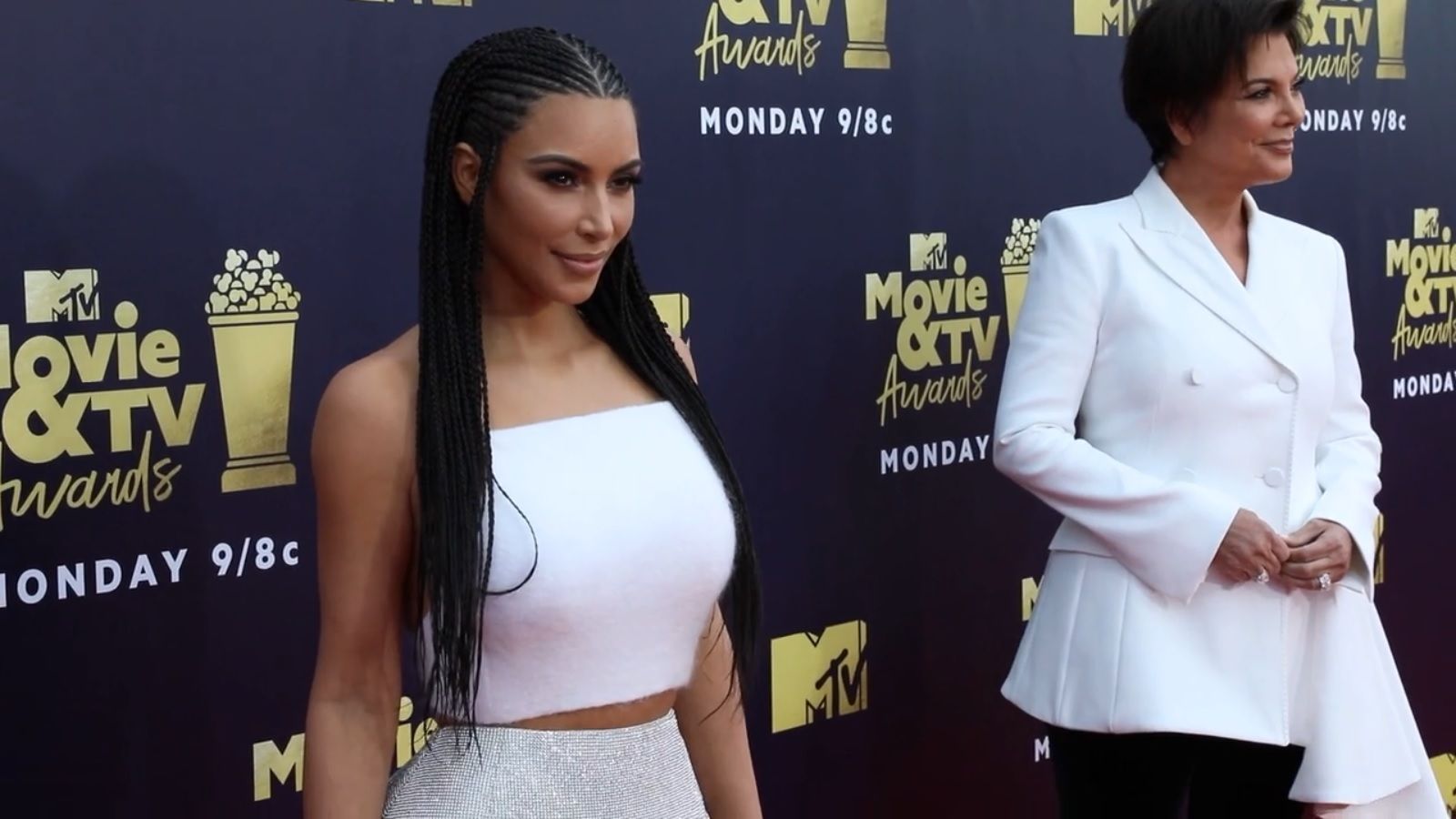
The 2010s ushered fashion into a new digital era. Instagram, fashion blogs, and social media changed how women discovered trends, while celebrities, influencers, and even everyday users could become style authorities. What people wore could suddenly reach millions of people with a single post.
Skinny jeans, leggings, statement necklaces, jumpsuits, sneakers, and athleisure became everyday favorites. Women increasingly mixed casual pieces with more polished ones, creating looks that worked just as well for running errands as they did for going out. Kim Kardashian became one of the decade’s most influential style figures, while fast fashion made it easier than ever to follow new trends.
11
The 2020s: Comfort meets personal style

The 2020s have brought a more flexible approach to fashion. Comfort has become a major priority, with wide-leg pants, oversized shirts, relaxed denim, sneakers, matching sets, and other comfortable basics becoming everyday favorites. At the same time, women have more freedom to decide what feels stylish and authentic to them.
Rather than following one dominant look, women today can mix styles from different decades, combining vintage dresses with modern sneakers or classic pieces with contemporary trends. The biggest trend of the 2020s so far may simply be personal expression.