History History 8 min read

Stories of forgiveness

The 10 most controversial presidential pardons in US history
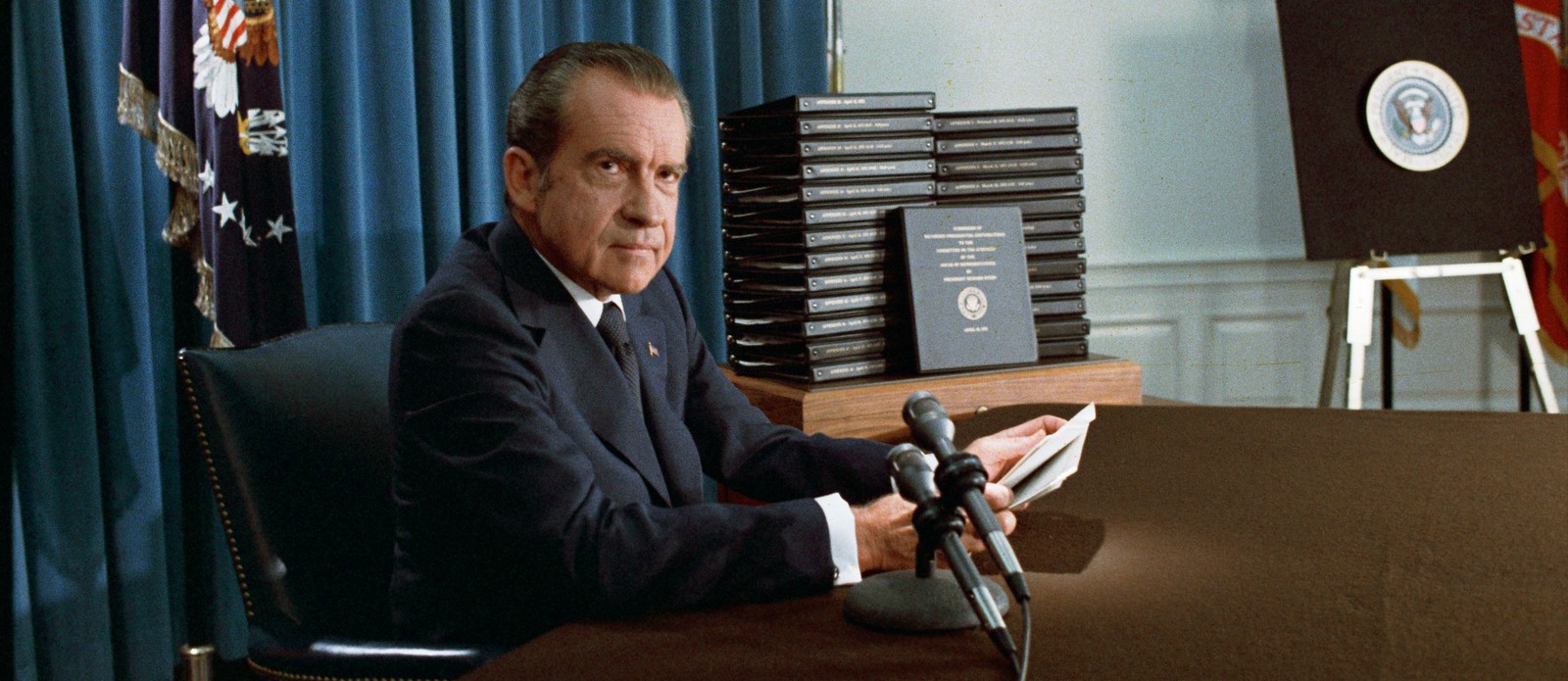
Image: National Archives & Records Administration, Public domain, via Wikimedia Commons

Most people think a presidential pardon is a simple act of mercy. But these 10 stories show that the decision goes deeper than that. Did you know a man sentenced to hang in 1830 turned down his pardon, and the Supreme Court said he had every right to? That a boxer's 1913 conviction was cleared 72 years after his death? Or that the only president ever to resign was forgiven before a single charge was filed against him? Each of these stories contains a detail many Americans ignore. Read on to learn more about these controversial cases of presidential pardons.

1
George Wilson (1830): The man who refused his own pardon
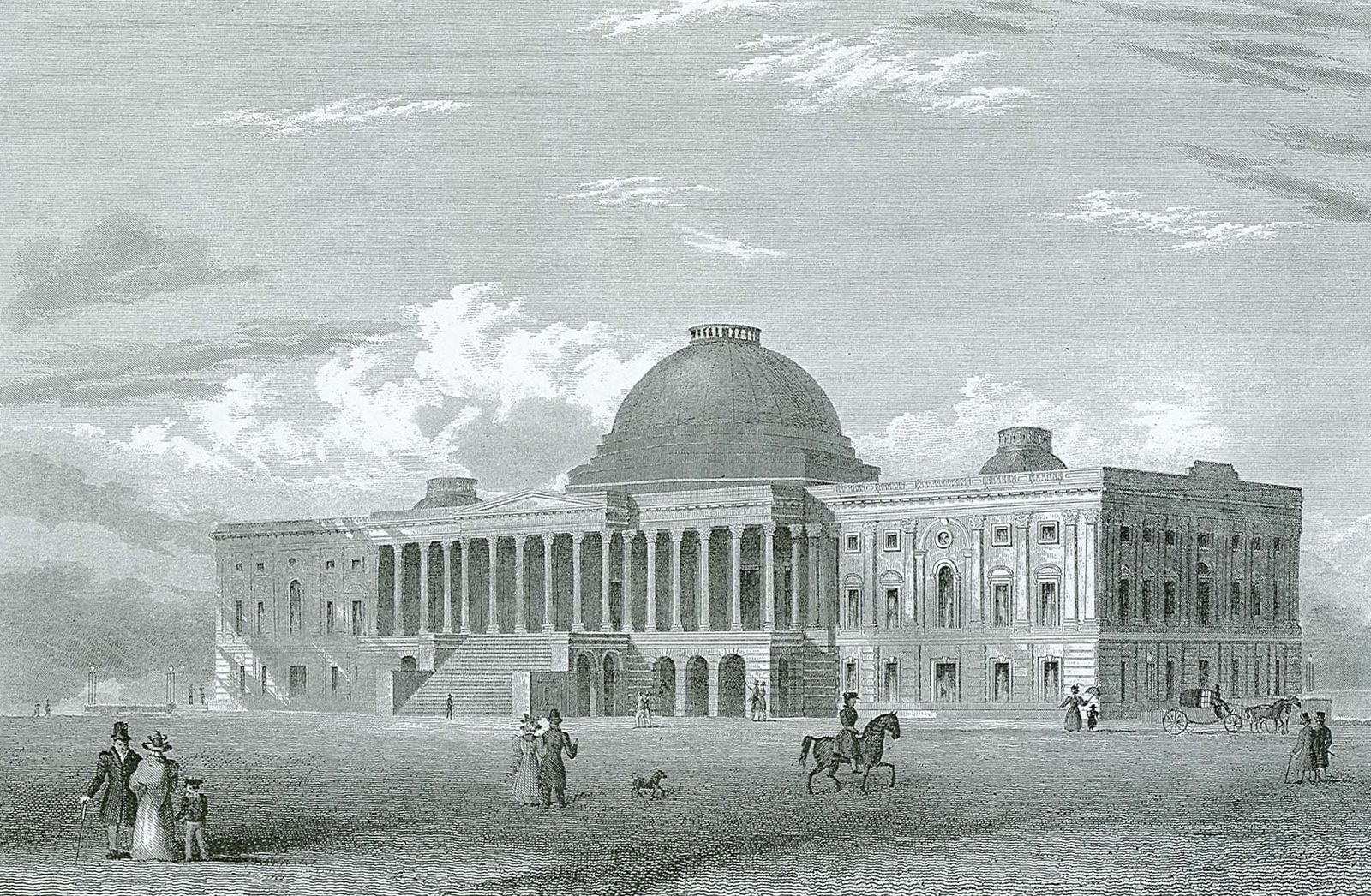
Image: WB2 23:48, 22 July 2005 (UTC) copied from en:United States Capitol, Public domain, via Wikimedia Commons

In 1829, George Wilson and his accomplice James Porter robbed a U.S. mail carrier in Pennsylvania. Both were convicted in May 1830 on six counts, including putting the carrier's life in jeopardy, and sentenced to hang within weeks.

Porter was executed on schedule. But Wilson's influential friends petitioned President Andrew Jackson, who granted Wilson a formal pardon in June 1830, saving him from the gallows. Then Wilson did something that had never happened before in American history: he refused it.

The case was so unprecedented that it reached the Supreme Court in 1833, housed at the Capitol in Washington, D.C., as illustrated above. Chief Justice John Marshall ruled that the pardon couldn’t be valid without acceptance. However, Wilson was never executed. He served his prison sentence and was eventually pardoned a second time by President Martin Van Buren in 1841.

2
Richard Nixon (1974): The only president ever pardoned
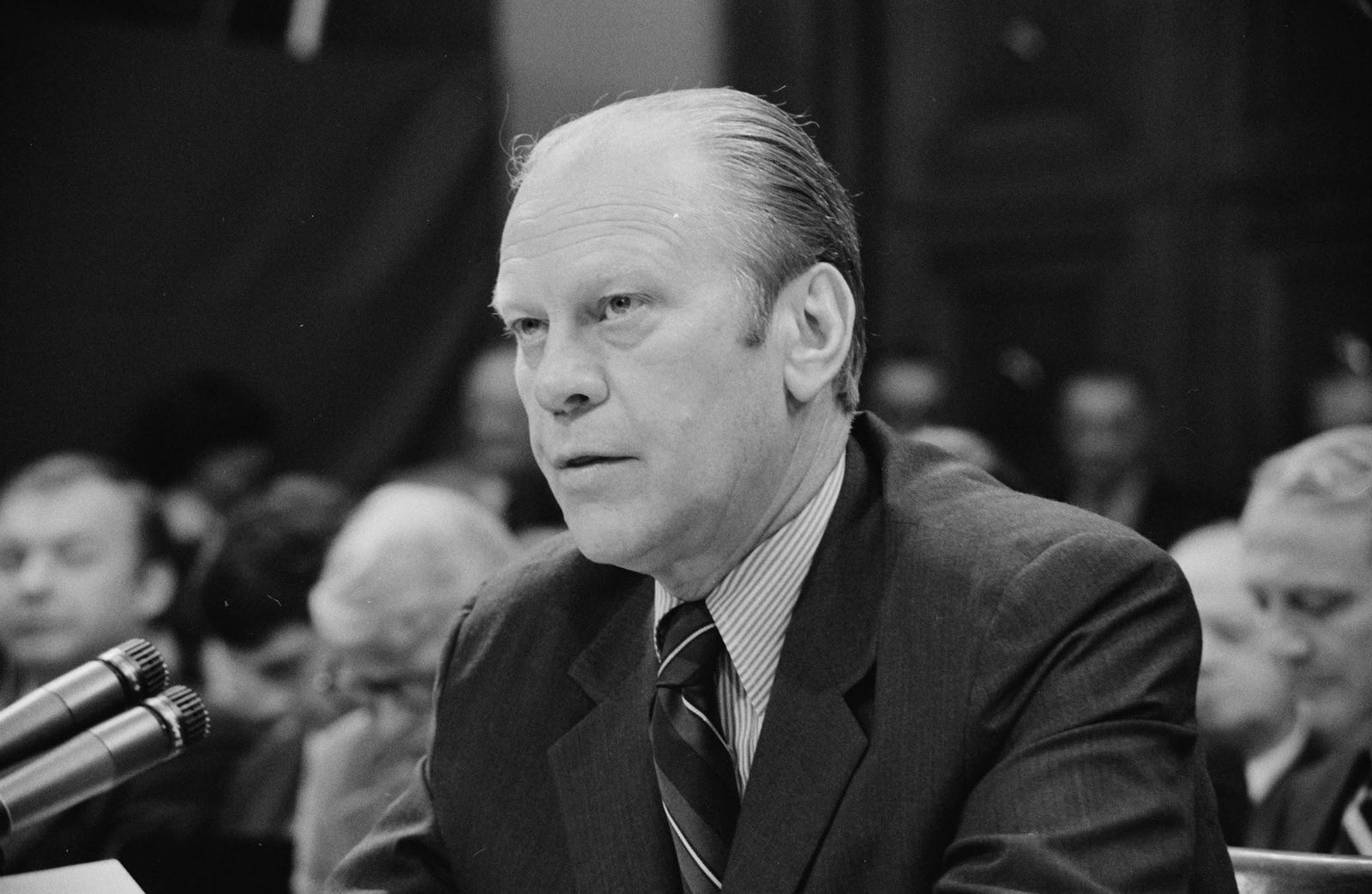
Image: pingnews.com, Public domain, via Wikimedia Commons

On the night of June 17, 1972, five operatives were arrested breaking into the Democratic National Committee offices at the Watergate complex in Washington, D.C. Investigations revealed that President Richard Nixon had known about the cover-up and actively participated in it. Facing near-certain impeachment, Nixon became the only U.S. president ever to resign from office, stepping down in 1974.

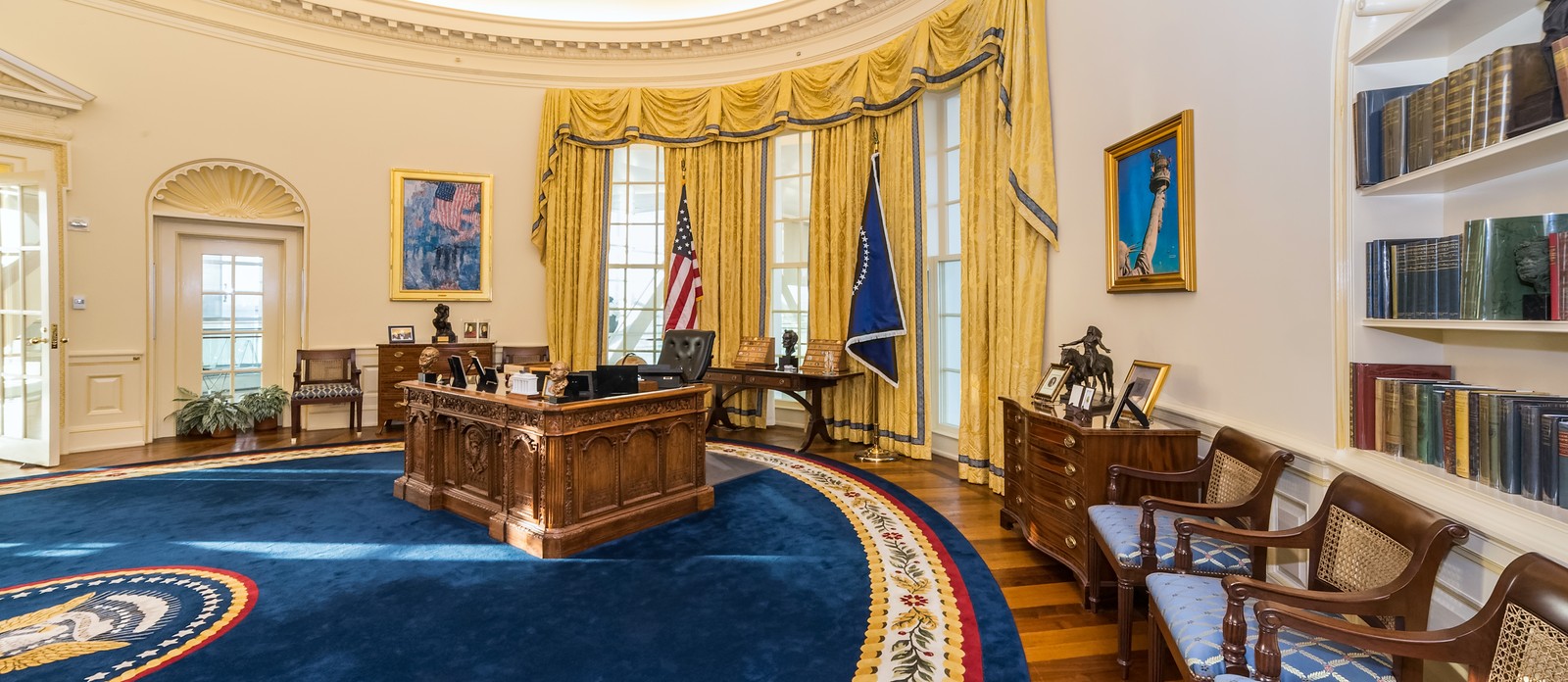
Just 30 days later, his successor Gerald Ford announced from the Oval Office that he was granting Nixon "a full, free, and absolute pardon" for all offenses against the United States committed between 1969 and 1974. No charges had even been filed. The decision was widely condemned. Many historians believe it cost Ford the 1976 presidential election to Jimmy Carter. Nixon accepted the pardon but never admitted criminal guilt, expressing only "regret" for how he had handled the situation.

3
Iva Toguri D'Aquino (1977): The woman they called "Tokyo Rose"
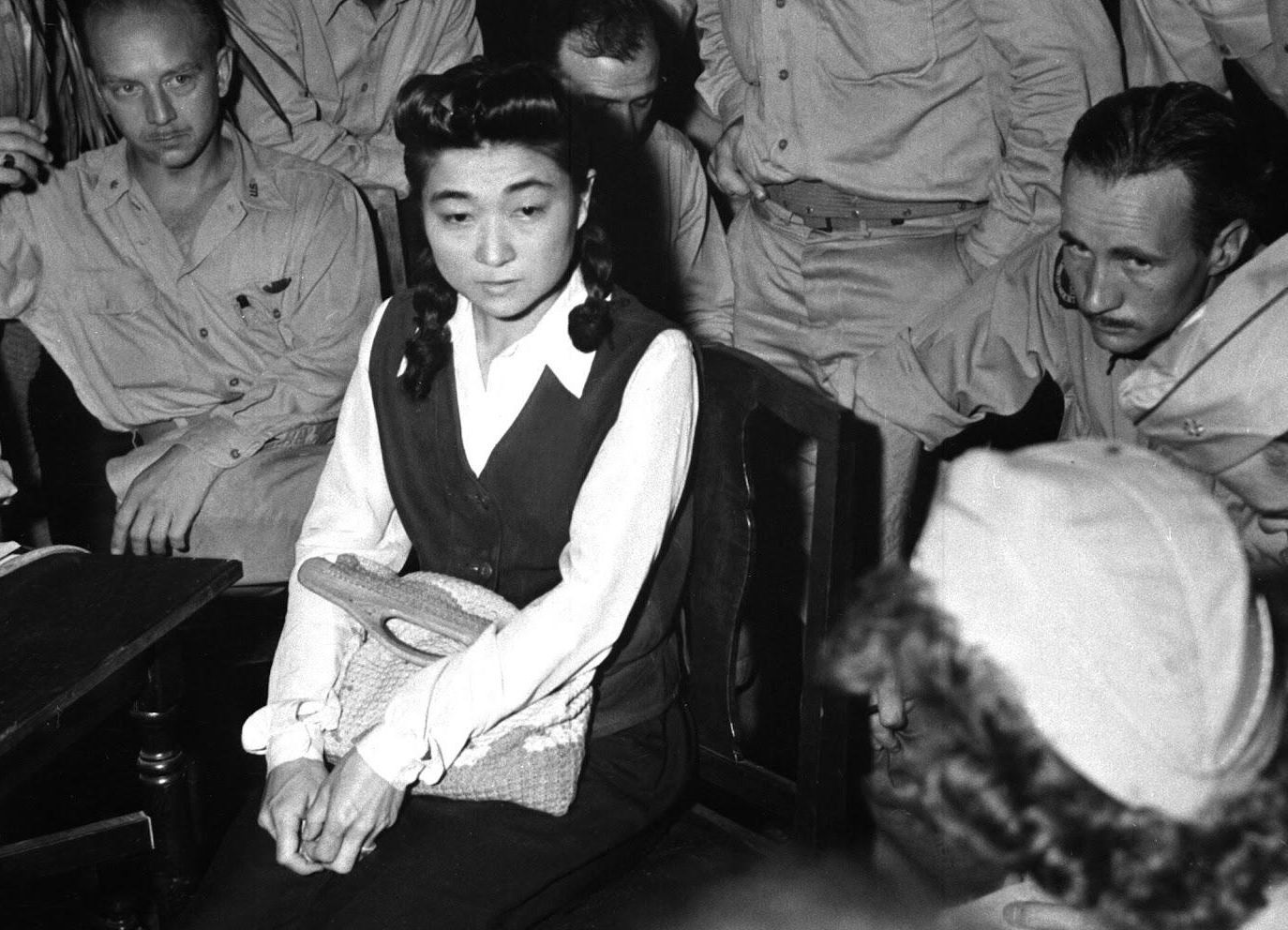
Image: See page for author, Public domain, via Wikimedia Commons

Iva Toguri D'Aquino was a Los Angeles-born 25-year-old visiting a sick relative in Japan when the attack on Pearl Harbor stranded her there in December 1941. The Japanese government declared her an enemy alien and coerced her into broadcasting on Radio Tokyo's Zero Hour program.

This was a Japanese psychological warfare strategy that utilized English-speaking women, eventually all referred to collectively as " Tokyo Rose," to broadcast demoralizing messages intended to weaken Allied troop morale. After Japan's surrender, journalists identified Toguri as one of the voices.

A jury convicted her of treason in 1949, and she was sentenced to 10 years in prison. She served six years. After a 1976 CBS 60 Minutes segment revealed key witnesses had lied, President Gerald Ford granted her a full and unconditional pardon in 1977, on his final day in office. It remains the only presidential pardon ever granted for a treason conviction in U.S. history.

4
Jack Johnson (2018): A champion pardoned 72 years after his death
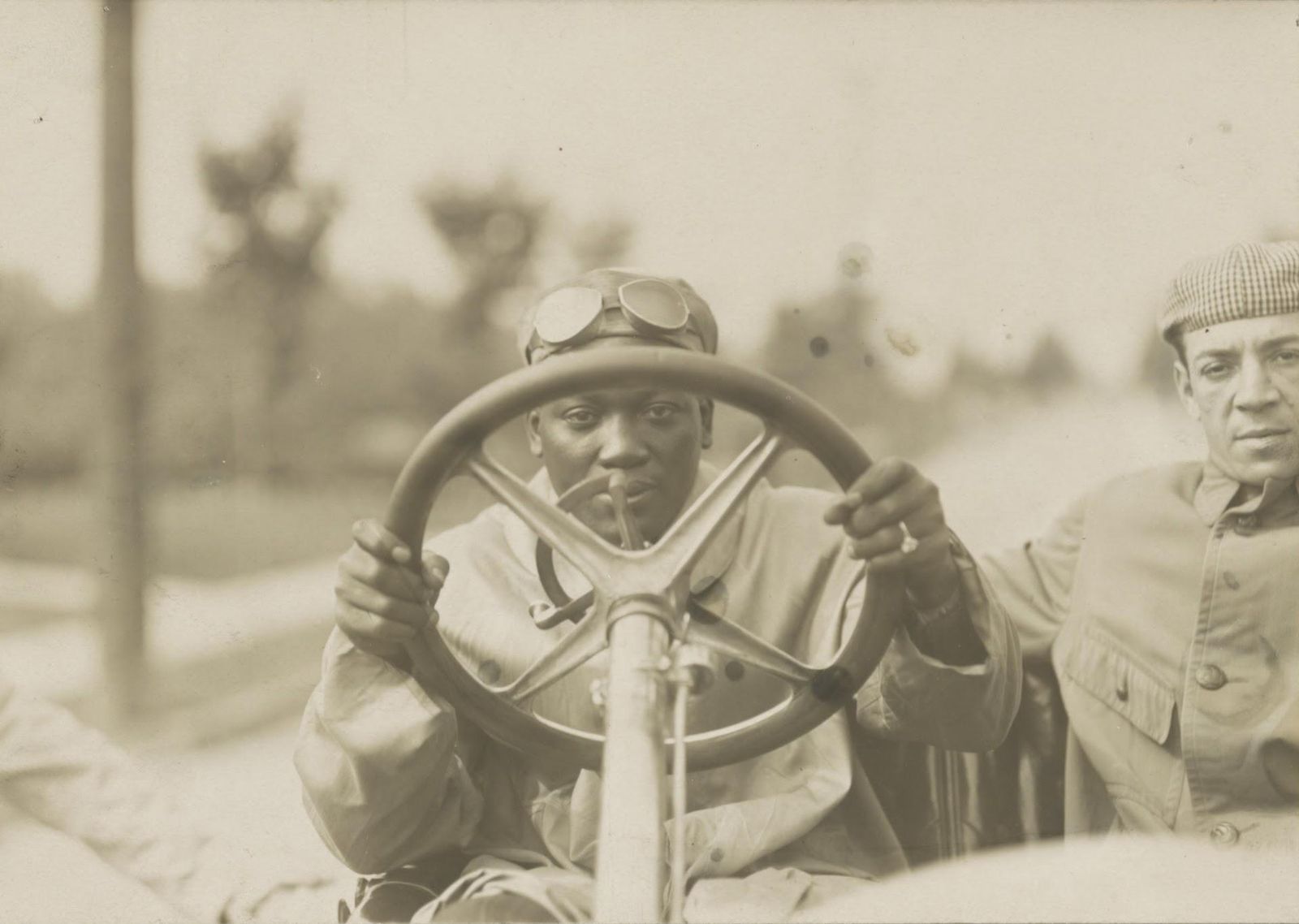
John Arthur "Jack" Johnson was the first Black man ever to hold the world heavyweight boxing championship. In May 1913, a jury convicted him under the Mann Act (a federal law against transporting women across state lines for "immoral purposes") for traveling with his white girlfriend, whom he had since married.

Johnson skipped bail, fled to Canada, and fought two world title defenses in Paris before losing the belt in Havana in 1915. He surrendered to U.S. authorities in 1920 and served nearly a year in Kansas. He died in a car crash at age 68 in North Carolina in 1946.

After years of bipartisan lobbying and a call from actor Sylvester Stallone, President Trump signed Johnson's posthumous pardon in the Oval Office in 2018, 105 years after the conviction.

5
Samuel Mudd (1869): The doctor who set the assassin's leg
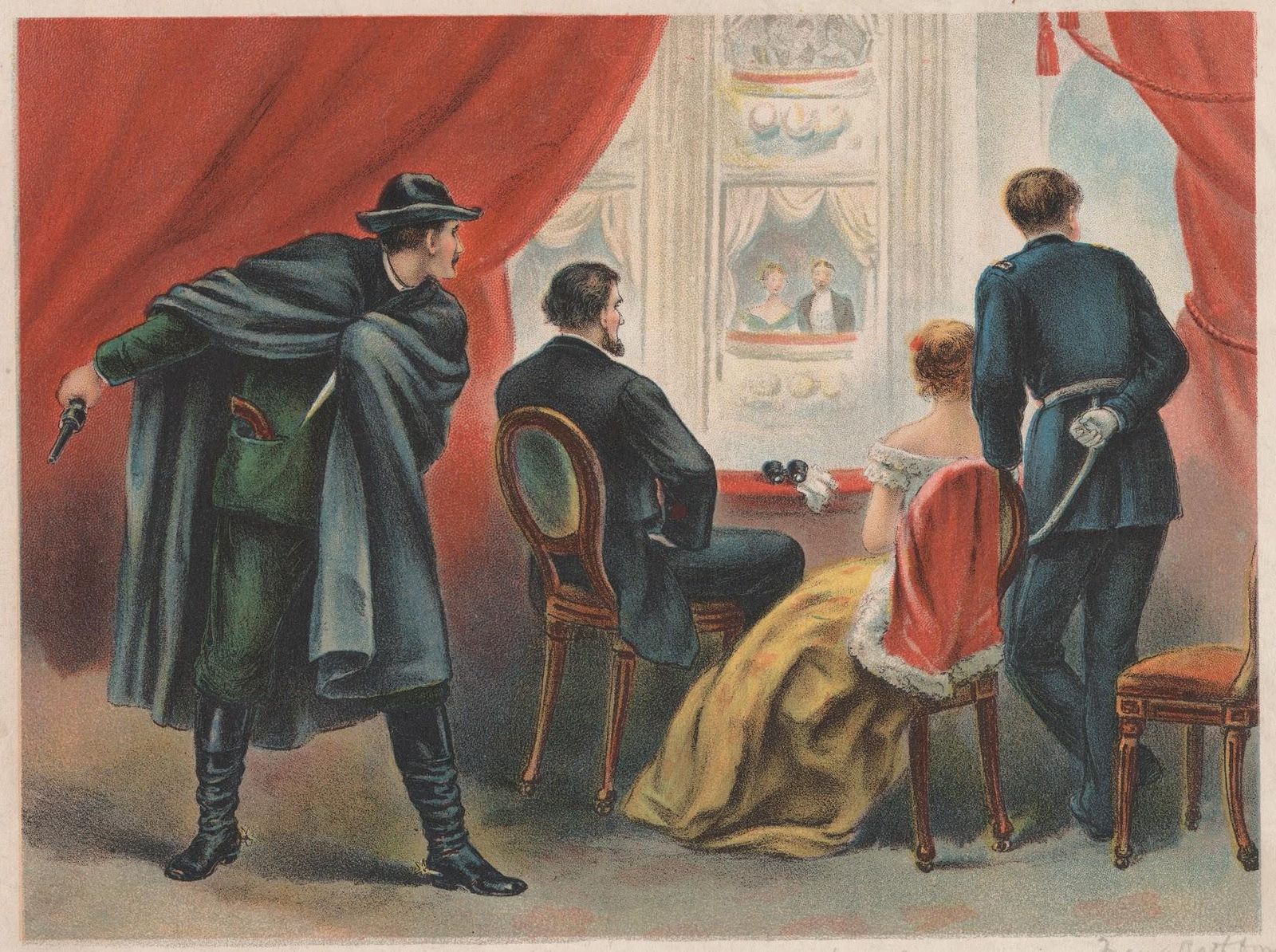
Image: unattributed, Public domain, via Wikimedia Commons

Hours after John Wilkes Booth shot President Abraham Lincoln at Ford's Theatre in Washington, D.C., one April night in 1865, Booth arrived at the Maryland farm of Dr. Samuel Mudd with a broken leg.

Mudd set the fracture and gave Booth shelter. When investigators linked Mudd to Booth, including through prior meetings in 1864, he was tried by a military commission and convicted of conspiracy. Sentenced to life imprisonment with hard labor, he was sent to Fort Jefferson, a remote military prison on an island 70 miles west of Key West, Florida.

In 1867, a deadly yellow fever outbreak killed the prison's doctor. Mudd stepped in, treating patients and helping contain the epidemic. A petition signed by 299 enlisted men and officers was sent to President Andrew Johnson praising Mudd's courage. Johnson granted Mudd a full and unconditional pardon in 1869. Mudd was released on March 8 and returned to his Maryland farm. His conviction was never overturned; the pardon freed him, but the guilty verdict stood.

6
Marc Rich (2001): A fugitive pardoned on the last day
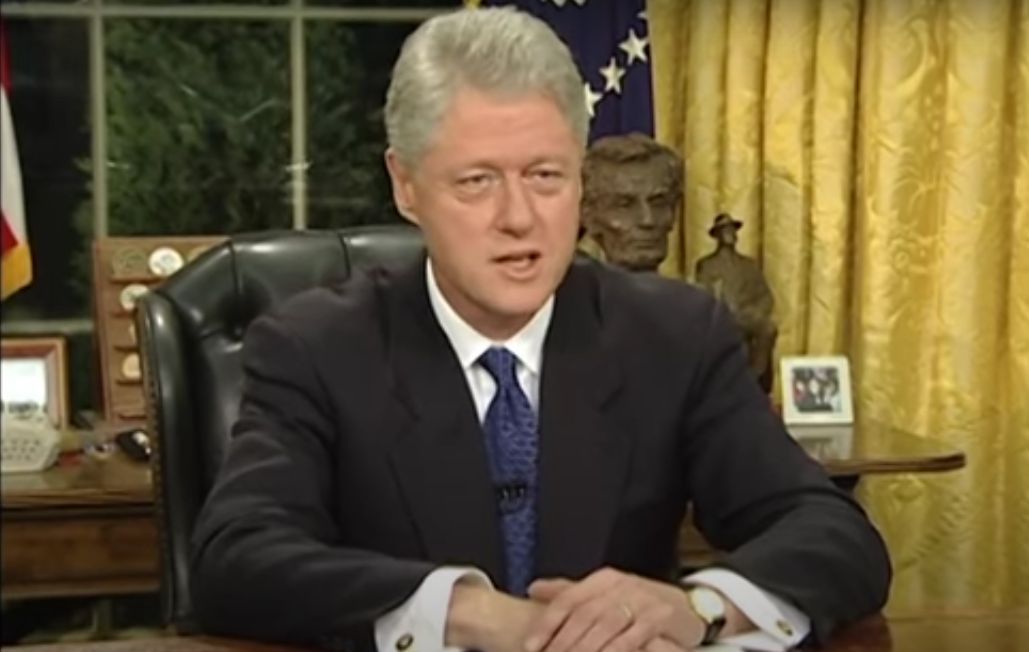
Image: William J. Clinton Presidential Library, CC0, via Wikimedia Commons

Marc Rich was a billionaire commodities trader indicted in 1983 on 65 counts, including tax evasion, wire fraud, and trading oil with Iran during the 1979–1981 hostage crisis. Before facing trial, Rich fled to Switzerland, where he remained a fugitive from U.S. justice for 17 years.

On January 20, 2001, his very last day in office, President Bill Clinton granted Rich a full pardon, bypassing the standard Justice Department review process. T he pardon ignited one of the biggest controversies of Clinton's presidency. Rich's ex-wife Denise had donated more than $1 million to Democratic causes and the Clinton Presidential Library.

A federal investigation led by prosecutor Mary Jo White was launched but ultimately found no criminal wrongdoing by Clinton. Clinton's own Justice Department had recommended against the pardon. Rich died in Switzerland in June 2013 at the age of 78, never having returned to the United States.

7
Patty Hearst (2001): From kidnapped heiress to bank robber
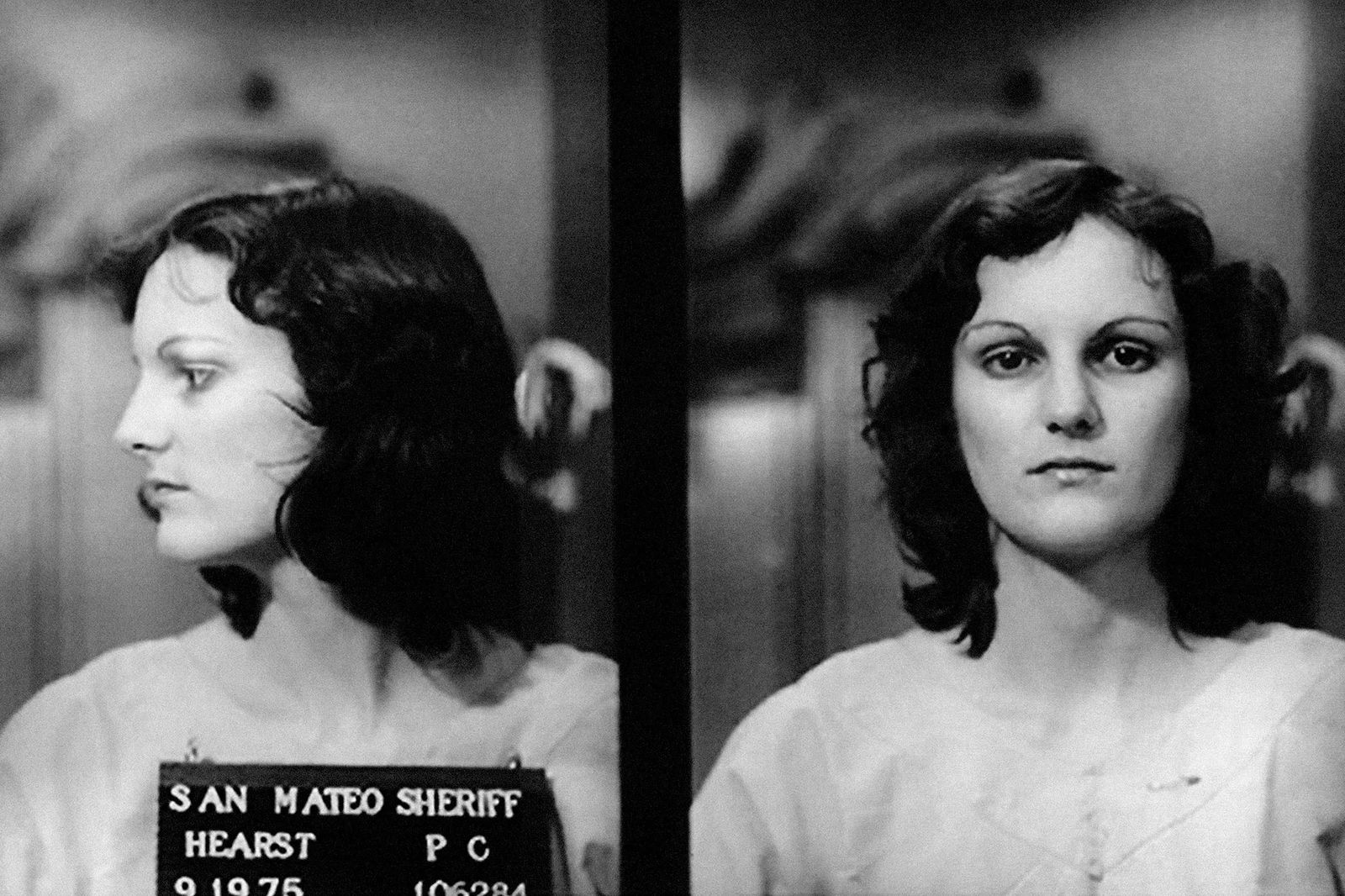
Image: See page for author, Public domain, via Wikimedia Commons

Patricia Hearst, the 19-year-old granddaughter of newspaper magnate William Randolph Hearst, was kidnapped from her apartment in Berkeley, California, in 1974. She was taken by a radical militant group called the Symbionese Liberation Army.

After weeks in captivity, in which she was kept in a closet, blindfolded, she appeared in a bank surveillance video holding a rifle and participating in the robbery of a bank in San Francisco. She was captured in September 1975. Her defense argued she had been brainwashed and acted under duress. A jury rejected that argument, and she was convicted of bank robbery in 1976 and sentenced to 7 years.

President Jimmy Carter commuted her sentence in 1979 after she had served approximately 22 months. She was released and married her former bodyguard. In January 2001, President Bill Clinton granted her a full pardon in the final hours of his presidency.

8
Vietnam Draft Evaders (1977): The biggest blanket pardon in U.S. history
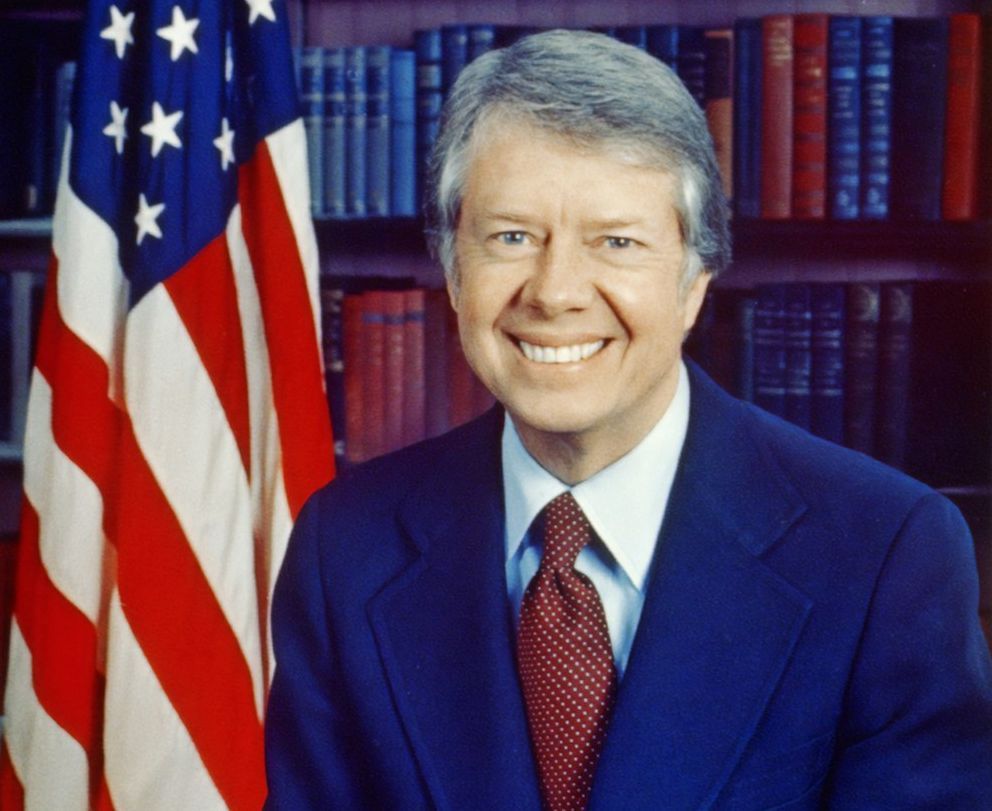
Image: Library of Congress

On his first full day as president in 1977, Jimmy Carter signed Proclamation 4483, granting an unconditional pardon to all Americans who had violated the Military Selective Service Act in the span of U.S. involvement in Vietnam.

The government estimated that approximately 210,000 men had been formally accused of draft violations , while hundreds of thousands more had never been charged. Many had fled to other countries, roughly 90% to Canada, where they had been welcomed as legal immigrants.

Carter had campaigned openly on the promise, calling it necessary to heal a nation still divided by the war. The pardon did not extend to military deserters. Veterans' organizations were furious. Despite the backlash, an estimated 50,000 of those eligible chose to remain in Canada permanently, never returning home.

9
Scooter Libby (2007 / 2018): The spy scandal at the heart of the White House
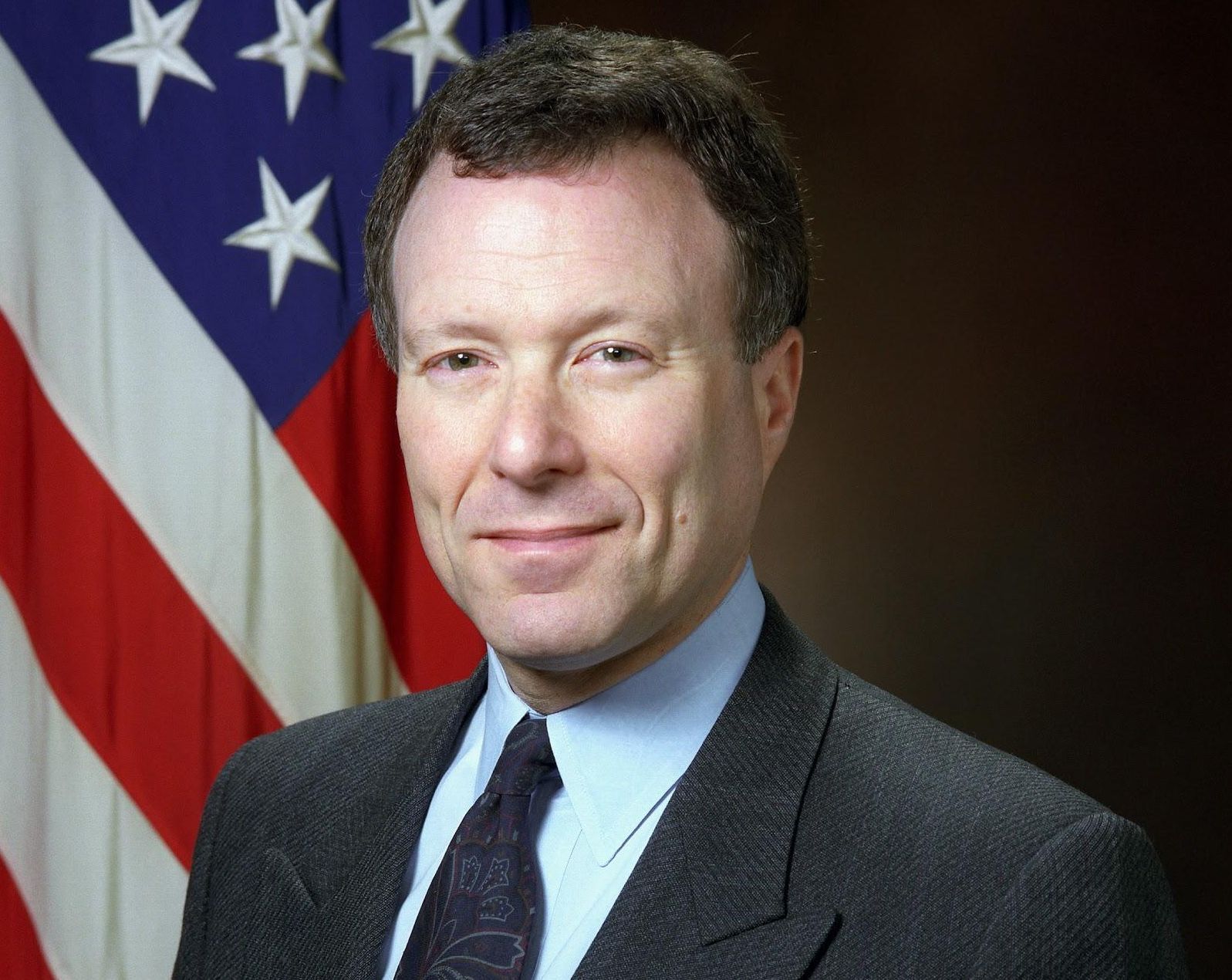
Image: Russell F. Roederer, Public domain, via Wikimedia Commons

Lewis "Scooter" Libby served as Chief of Staff to Vice President Dick Cheney during the George W. Bush administration. In 2003, the identity of Valerie Plame (a covert CIA officer) was leaked to journalists, apparently in retaliation against her husband, former Ambassador Joseph Wilson, who had publicly challenged the administration's case for the Iraq War.

Though Libby was not charged with the leak itself, he was convicted in 2007 of four felony counts: obstruction of justice, two counts of perjury, and making false statements to the FBI. He was sentenced to 30 months in prison and fined $250,000. Later that same year, President Bush commuted Libby's prison sentence, calling it "excessive," but left the conviction, fine, and probation intact; he declined to grant a full pardon. Eleven years later, in 2018, President Donald Trump issued a full pardon, completely wiping Libby's record clean.

10
Roger Clinton (2001): The president's half-brother
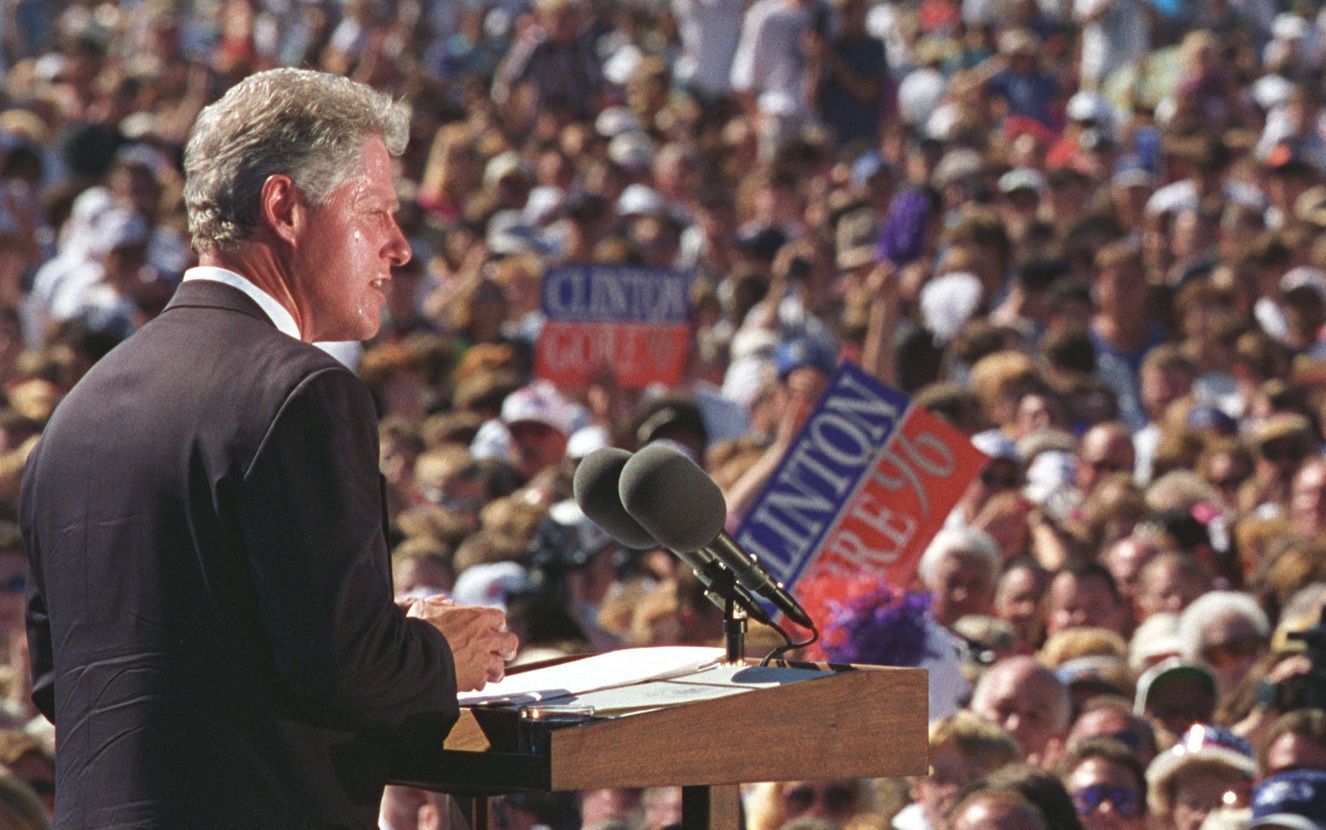
Roger Clinton is the younger half-brother of President Bill Clinton. Roger was given the Secret Service code name "Headache" during his brother's administration. In 1984, Arkansas state police ran an undercover sting operation that caught Roger selling illegal drugs to an informant. He pleaded guilty in 1985 to charges of conspiracy to distribute drugs and served approximately one year in federal prison, completing his sentence in 1986.

14 years later, on his last day in office, President Clinton granted Roger a full pardon, clearing his criminal record. The pardon drew relatively little public outrage compared to the Marc Rich case.
General General 4 min read

American uniqueness

10 things America does differently from the rest of the world

Image: Shamblen Studios

The U.S. is a unique country in many ways , but some of these might shock tourists and foreigners because they differ from how they are done in other parts of the world. From etiquette rules to cooking styles to how to record a date, America has its own way of doing certain things . Let’s have a look at some of them!

1
Measuring

Image: Annie Spratt

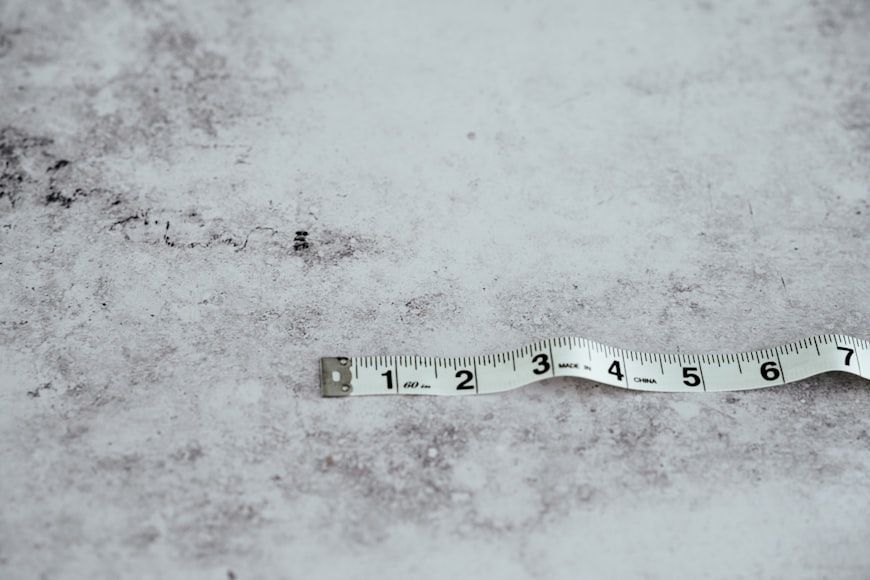
This is a difference most Americans are aware of: most countries use the metric system rather than U.S. customary units, and most use Celsius instead of Fahrenheit. Countries such as the UK and Canada still use some imperial units in everyday life, but they mainly use the metric system. Another measure that confuses foreigners is the particular way ingredients are measured in American recipes, which often use cups, tablespoons, and teaspoons rather than measurements by weight.

Fun fact: The only other countries that use the Imperial system officially are Liberia and Myanmar.

2
Sales tax

Image: Zoshua Colah

Do you find having to calculate sales taxes annoying? That’s a unique American experience. In the majority of the world, the price you see is the price you pay , because it has the sales tax already added.

Why is it different in America? Sales taxes vary across states , so retailers find it easier to showcase the base price and then calculate the total at checkout.

3
Cutlery use

Image: Anna Kumpan

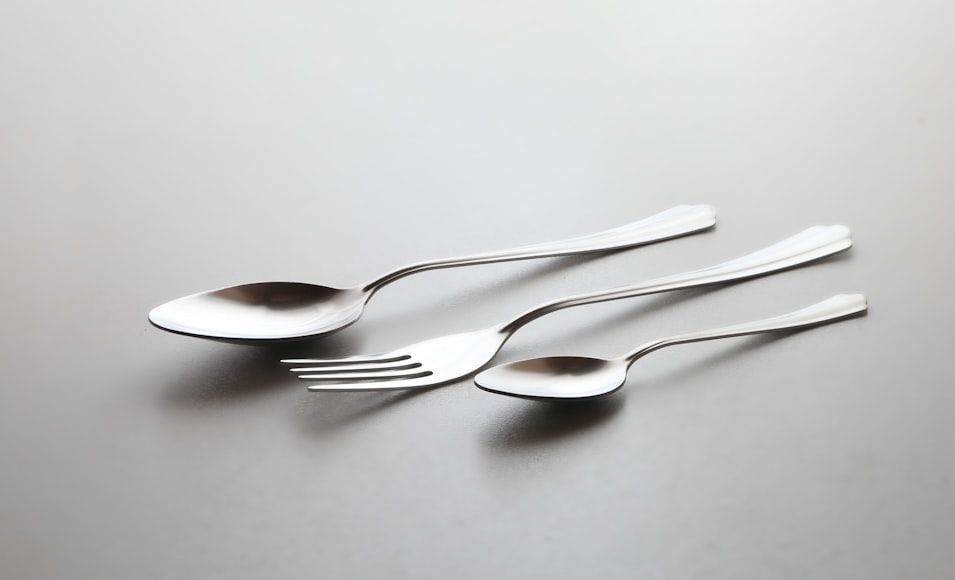
Many Americans abroad are surprised by the realization that not everyone uses a knife and fork in the same way they do . In fact, no one else does. While most Americans have learned the American style —also called the zig-zag or fork switching method— that involves using the fork in the left hand for cutting and then changing it to the right to pick up the food, European and Latin American countries don’t do this . It might seem like a small difference, but it completely changes the way you eat.

4
Iced drinks

Image: Battlecreek Coffee Roasters

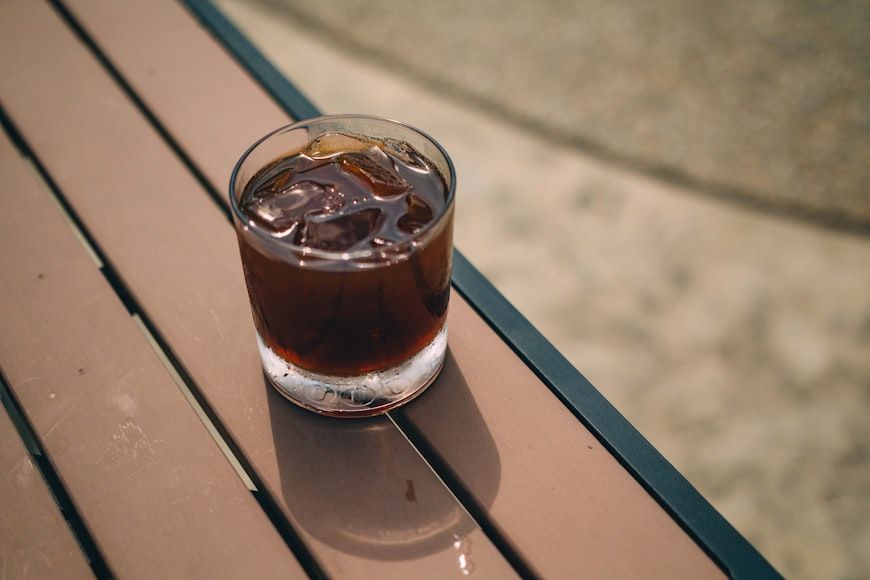
Do other countries not have ice? They do, but they don’t necessarily assume everyone will want it. While serving water and other beverages with ice is customary in America, in many other countries, you need to request it —even during the hottest of summers.

But even if you get ice, many times you will need to specify the amount : the same drink that would be filled with ice cubes in America might come to you with just two or three cubes elsewhere.

5
Date formatting

Image: Waldemar

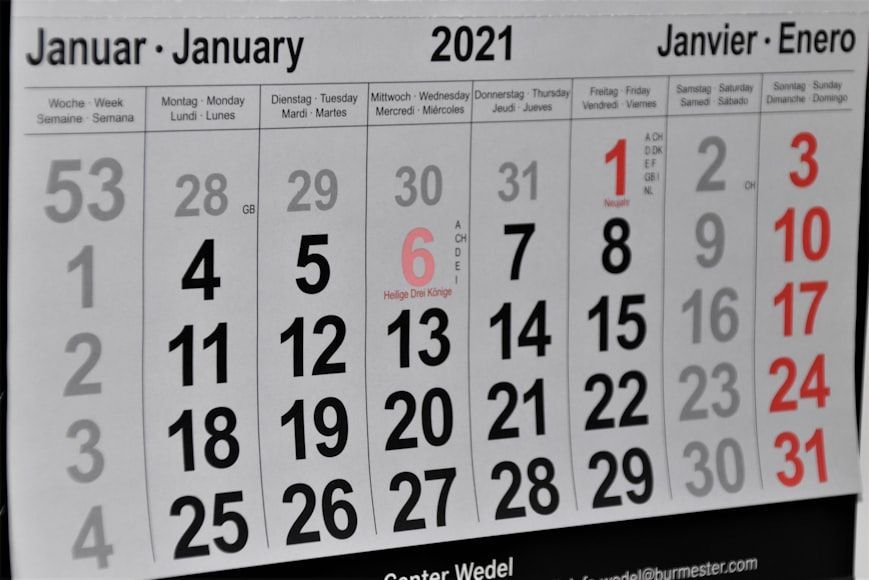
The U.S. is not completely alone on this one, but there’s a difference big enough to be worth mentioning. The standardized way of recording the date in America is month-day-year , a convention also followed by some Caribbean and Asian countries. But in the rest of the Western world, the conventional format is day-month-year , which can lead to confusion for Americans. In most Asian countries , the most commonly used format is year-month-day .

6
The word ‘American’

Image: frank mckenna

In the English language, ‘American’ is the only way to refer to people with U.S. citizenship . Other words, such as ‘Usian’ or ‘Unitedstatian’ have been proposed, but never stuck. This is why many Americans are surprised when other countries —Latin American countries in particular— use ‘American’ for anyone in the American continent , or continents, another big difference. In most European and Latin American countries, there is a different word for U.S. citizens, such as the Spanish ‘estadounidense’ or the Portuguese ‘estadunidense’ .

7
Moving out at 18 years old

Image: Dina Badamshina

This one is not so black and white, but more like a general tendency. Compared with most of Europe, Latin America, and Asia, Americans give serious consideration to the possibility of moving out after high school. Not everyone does, and not everyone can afford it, but it's fairly common.

In other countries, young adults generally move out if their job or education requires it , but they tend to stay at home a few more years if they can.

8
Driving a car as a teenager

Image: Dan Gold

America is quite car-centric , especially if you live outside of the big cities. While not everyone can afford to have a personal car —even a second-hand one—, it is common for 16 and 17-year-olds to legally drive their parents’ car, or save for their own.

In the rest of the world, the chances of high schoolers driving themselves to school are much lower, as most countries don’t allow underage kids to get a driving license .

9
Solo cups

Image: Artem Beliaikin

Do plastic cups exist outside of the U.S.? They do, but they are not as iconic or as widely used as Solo cups, introduced in the 1970s as a disposable but sturdy cup for parties and events. Many foreigners visiting America are surprised when they realize that solo cups are a real thing , and not something that just happens in movies.

10
Filing taxes

Image: Olga DeLawrence

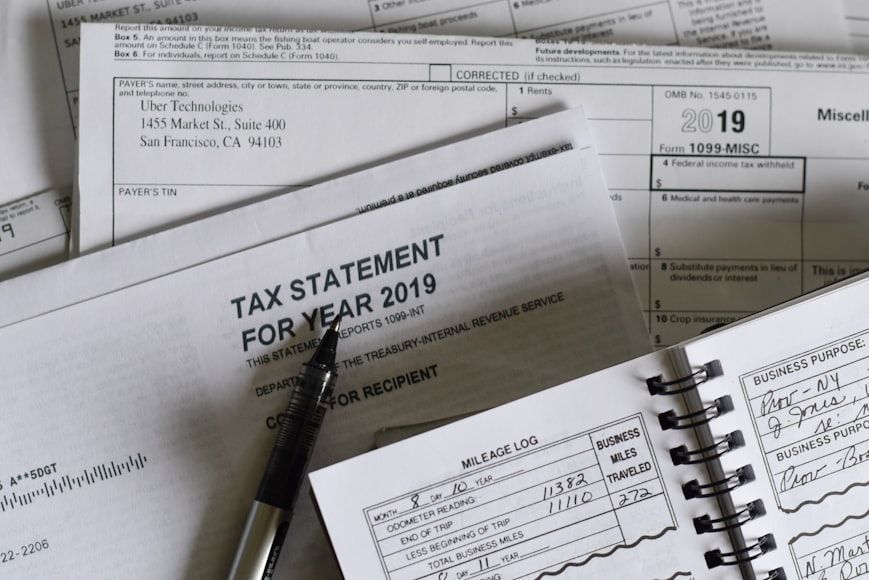
Taxes in the U.S. are not that different from taxes in other countries, except for how they are filed . During tax filing season, thousands of Americans direct their efforts to ensure they have properly reported their income and that their return will match the IRS’s data.

In other parts of the world, however, the one responsible for calculating and filing taxes is the government , while citizens merely corroborate that everything is in order.

Culture Culture 3 min read

I want to believe

11 famous hoaxes in American history that fooled everyone

Image: Hartono Creative Studio

The fact that not every little thing in our world can yet be explained makes life a bit more interesting for many of us. And that urge to believe in certain things has fostered many myths and hoaxes that continue to fool people to this day. How many of the following 11 do you know?

1
The Cardiff Giant

Image: Anton Ivanov

In 1869, workers digging a well in Cardiff, New York, uncovered what appeared to be a 10-foot-tall petrified man. Locals rushed to see the "giant," paying admission to witness history in the soil.

But, as it turned out, it wasn’t ancient at all. A man named George Hull had buried the statue as a prank and made some quick money from the curious crowd.

2
War of the Worlds Broadcast

Image: Michal Balog

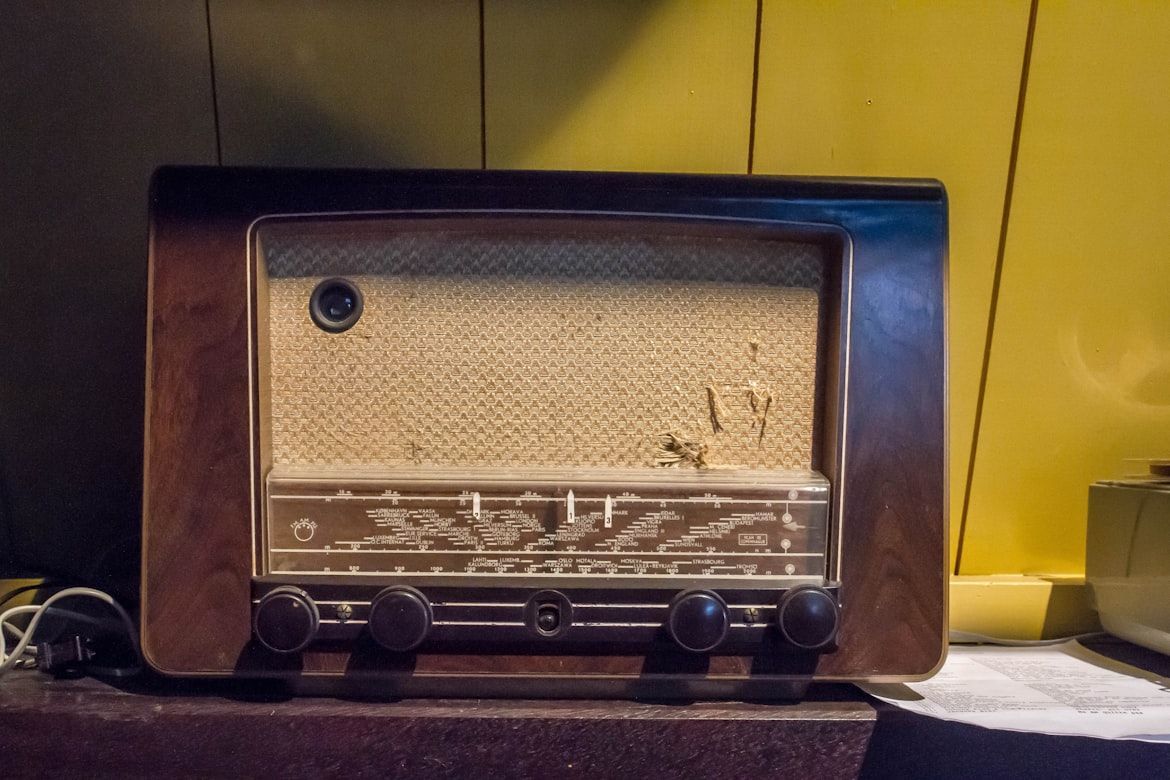
This very famous hoax took place on the eve of Halloween 1938. Orson Welles’s radio adaptation of The War of the Worlds aired as if it were breaking news . Many listeners tuning in late thought Martians had really landed in New Jersey.

Some packed up their cars or called the police in panic. Though no invasion occurred, the broadcast became a legend in media history.

3
The Balloon Boy

Image: Ankush Minda

In 2009, Americans watched live TV coverage of a silver balloon drifting across the skies of Colorado , fearing that a six-year-old boy was trapped inside . The story gripped the nation for hours.

When the balloon finally landed empty, police discovered the child hiding safely at home. His parents later admitted it was a publicity stunt gone wrong.

4
The Feejee Mermaid

Image: Nsey Benajah

In 1842, showman P. T. Barnum unveiled a marvel: a preserved "mermaid" supposedly from the South Seas . Crowds lined up to see the half-fish, half-woman curiosity.

The truth was stranger still. It was the upper body of a monkey sewn onto a fish tail and covered in papier-mâché.

5
The Great Moon Hoax

Image: Ganapathy Kumar

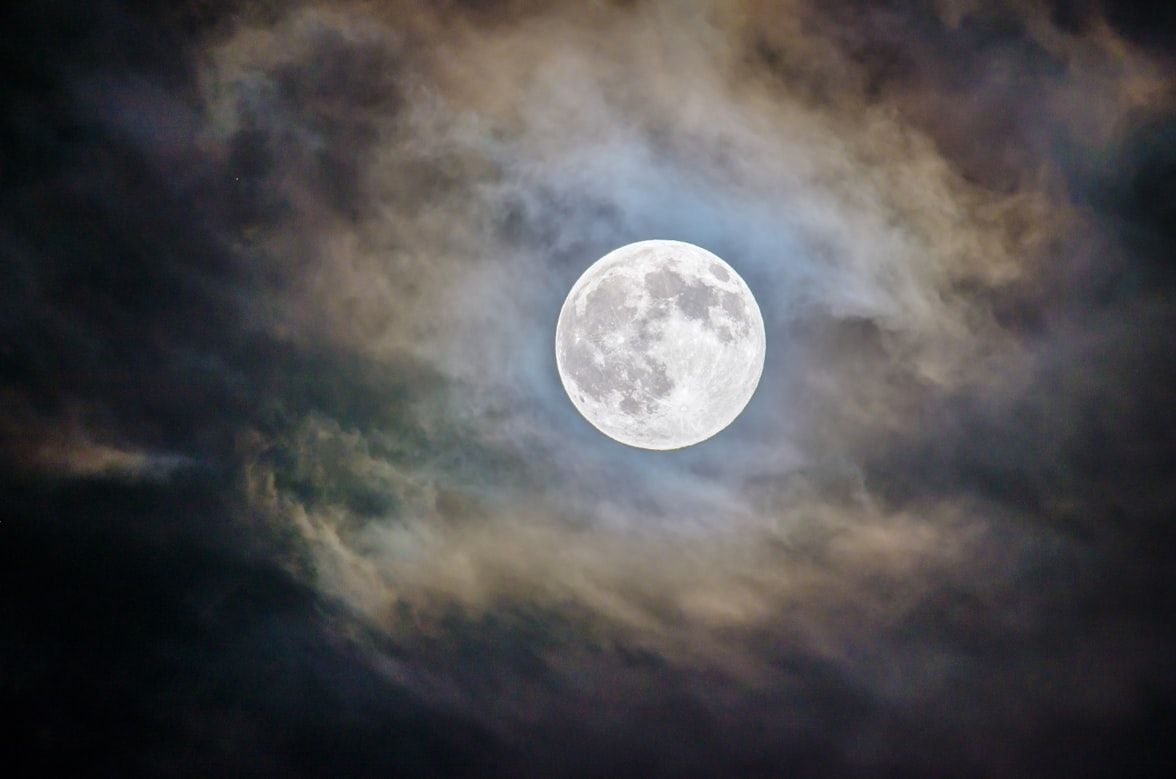
Readers of The New York Sun in 1835 were astonished by reports claiming that scientists had spotted bat-like people and crystal palaces on the Moon through a powerful new telescope.

The story was pure invention, but circulation went up. By the time the truth came out, the paper’s readership had reportedly increased dramatically.

6
The Crop Circles Craze

Image: Agent J

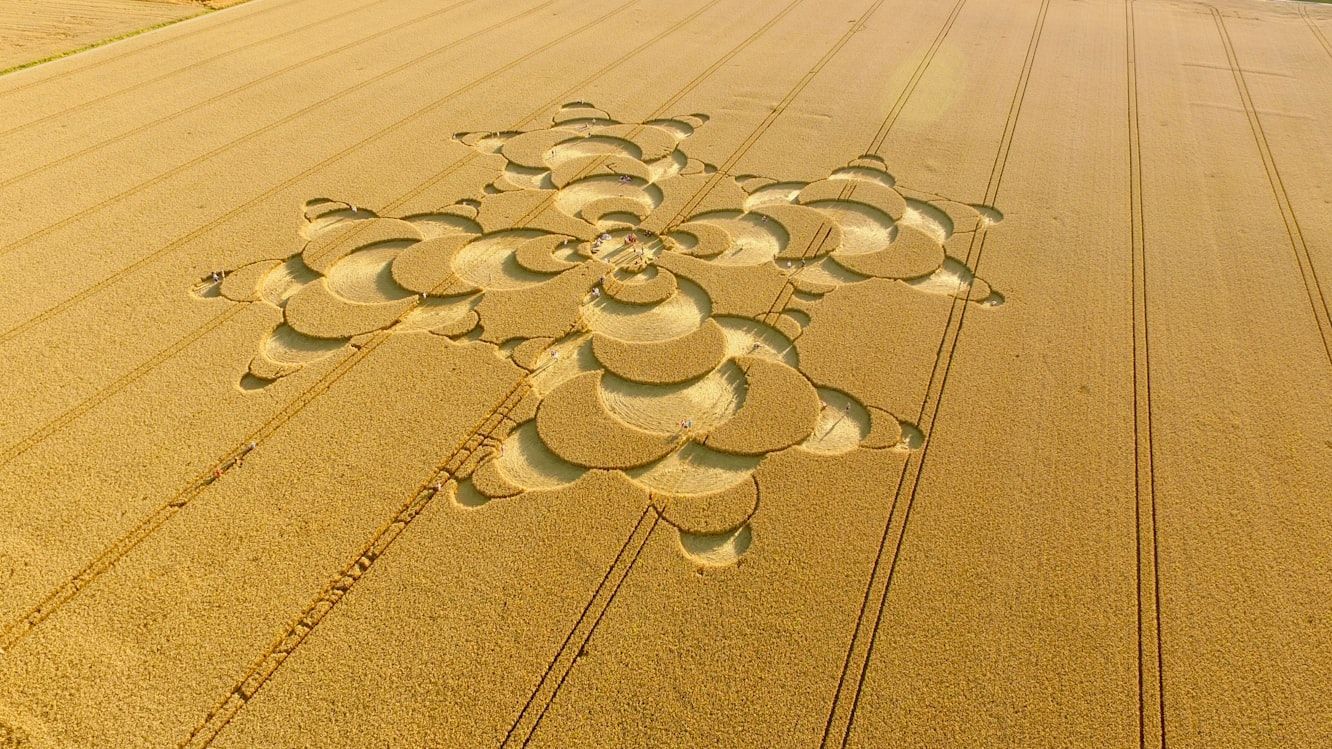
When perfect circles began appearing overnight in wheat fields , people talked about UFO landings. The shapes seemed too precise to have been made by human hands.

But, in 1991, two Englishmen confessed they’d used boards and ropes to flatten the crops. While this revelation explained many of the formations, the mystery lives on in popular imagination.

7
Alien Autopsy Film

Image: Leo_Visions

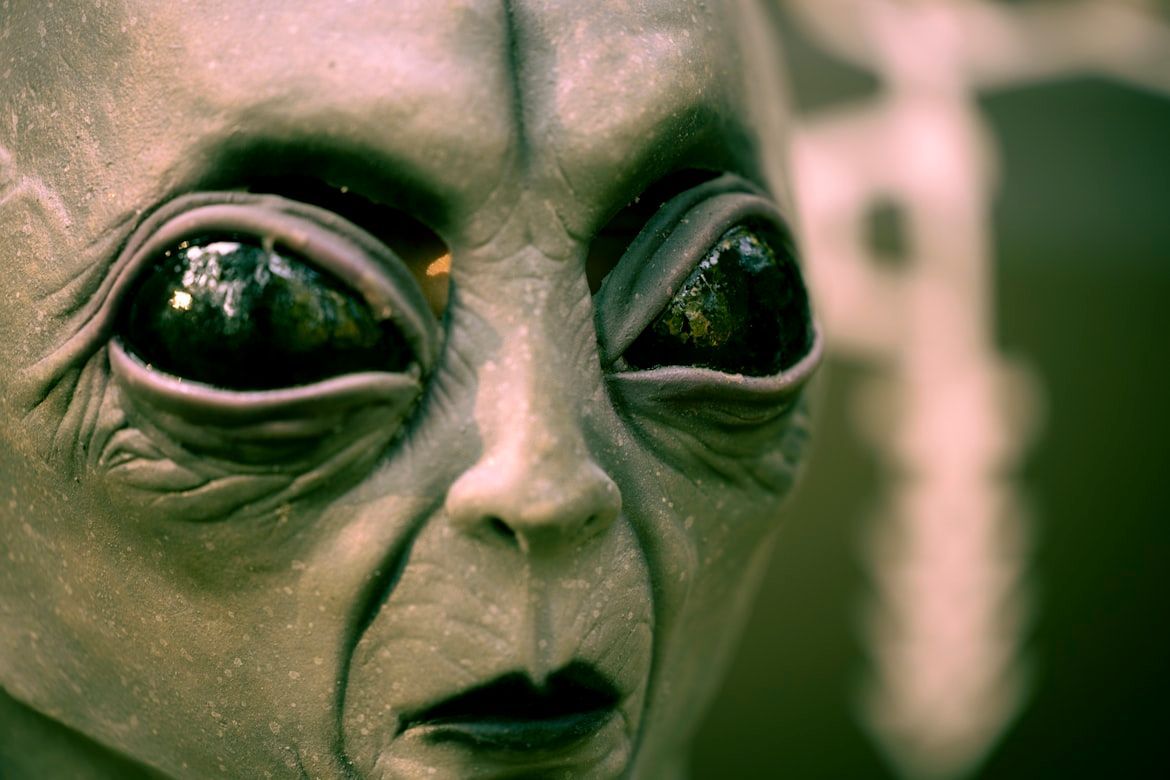
In 1995, a grainy black-and-white video surfaced, showing doctors dissecting what seemed to be an alien recovered from the 1947 Roswell crash. The footage spread quickly worldwide.

Years later, the filmmaker admitted that the film was staged, using latex models and fake organs.

8
The Manti Te’o girlfriend hoax

Image: Kaleb Becker

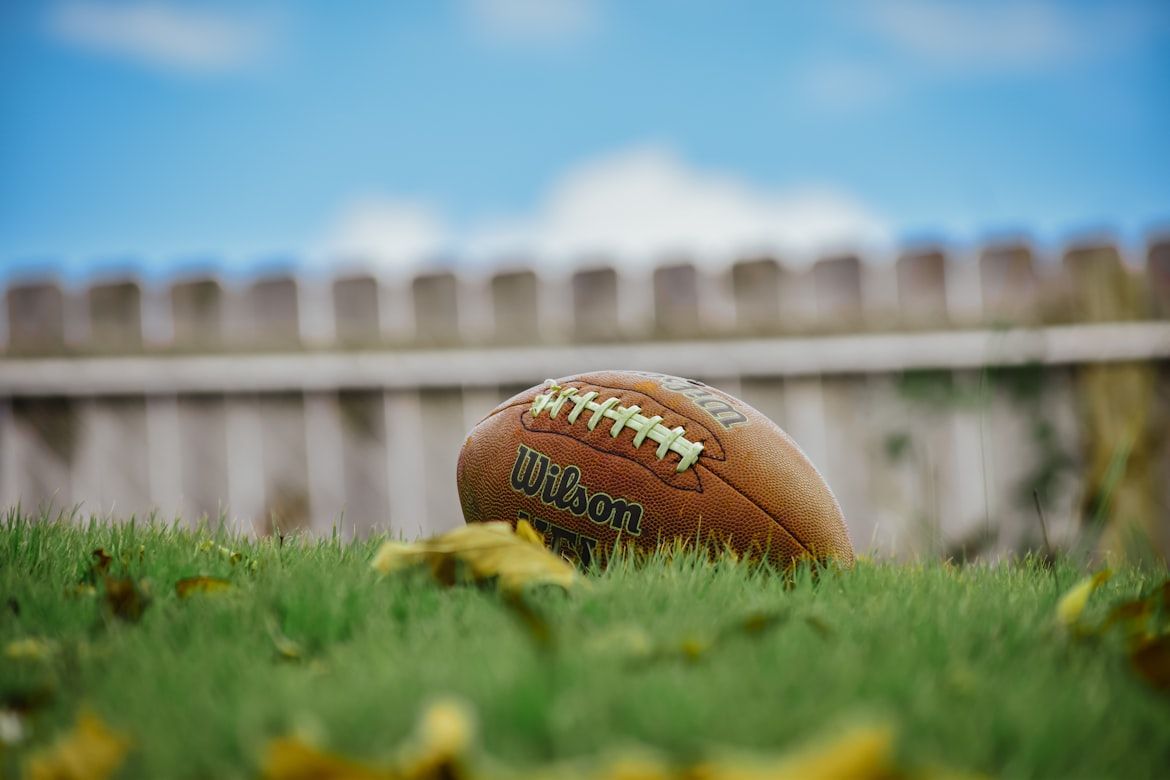
Notre Dame football star Manti Te’o captured hearts when he revealed that his girlfriend had died of leukemia . Sports fans wept over the tragic love story.

But reporters later learned that the woman never existed. It was an elaborate online catfishing scheme.

9
The Patterson–Gimlin Bigfoot film

Image: Jon Sailer

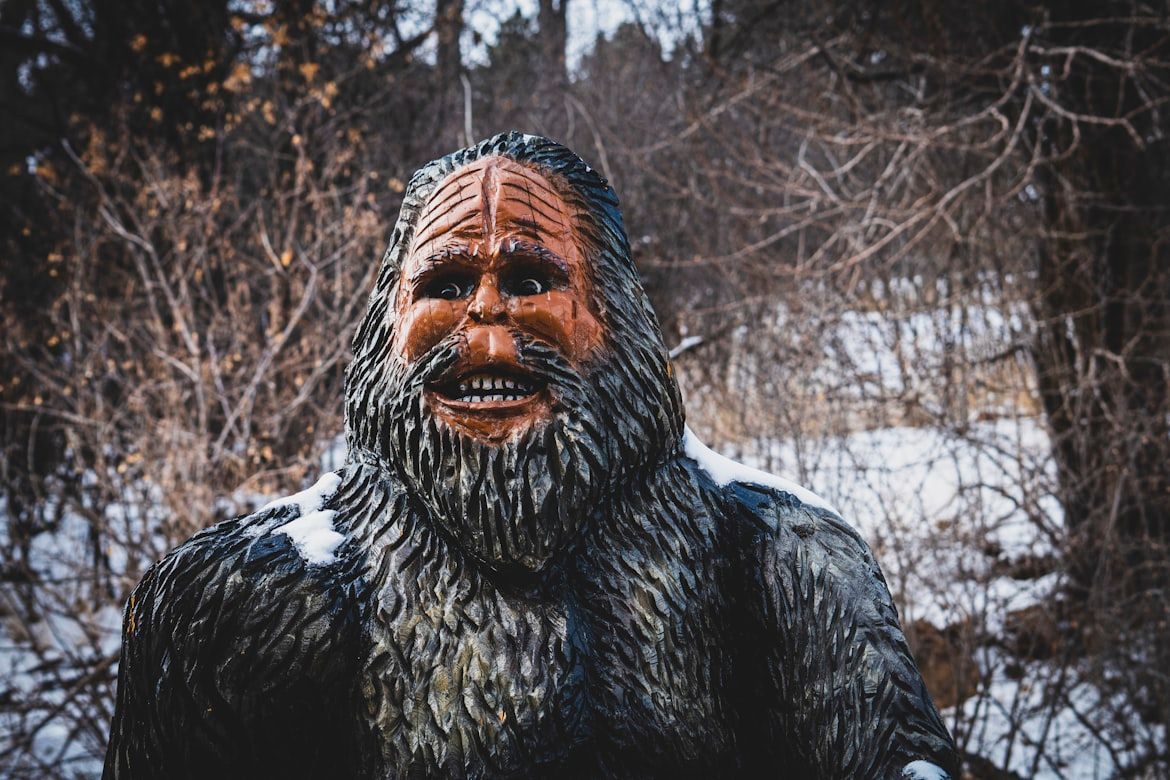
In 1967, a short film shot in California showed a large, hairy creature striding through the woods . Many viewers thought this was real proof of Bigfoot´s existence.

Decades later, one participant claimed it was a man in a gorilla suit, but that claim failed to convince many people who prefer to believe in the existence of this creature.

10
The Drake’s Plate of Brass

Image: David Dibert

In 1936, a shiny brass plate found in California seemed to confirm that explorer Sir Francis Drake had landed there in 1579. Historians called it a priceless relic.

For decades, the plate was displayed proudly, until metallurgical tests in 1977 proved it was modern . It had been made as a practical joke among historians that went too far.

11
Paul Is Dead

Image: Jiamin Huang

The final entry on our list might not be American per se, but it drew much attention on these shores. In 1969, rumors spread that Beatle Paul McCartney had died and been secretly replaced by a double . Fans scoured album covers for "clues" like hidden messages and backward songs.

Paul, very much alive, later joked about it. The bizarre theory became a lasting pop-culture phenomenon.

Explore more American facts

Choose your favorite category!

General
General

As American as apple pie—the very best America has to offer!

Culture
Culture

Delve into the astounding richness of American lore.

Geography
Geography

Hop in and explore vast and diverse American landscapes.

History
History

Discover the key moments that shaped the United States.