History History 3 min read

What would you take?

You'll never believe the things we've sent into space
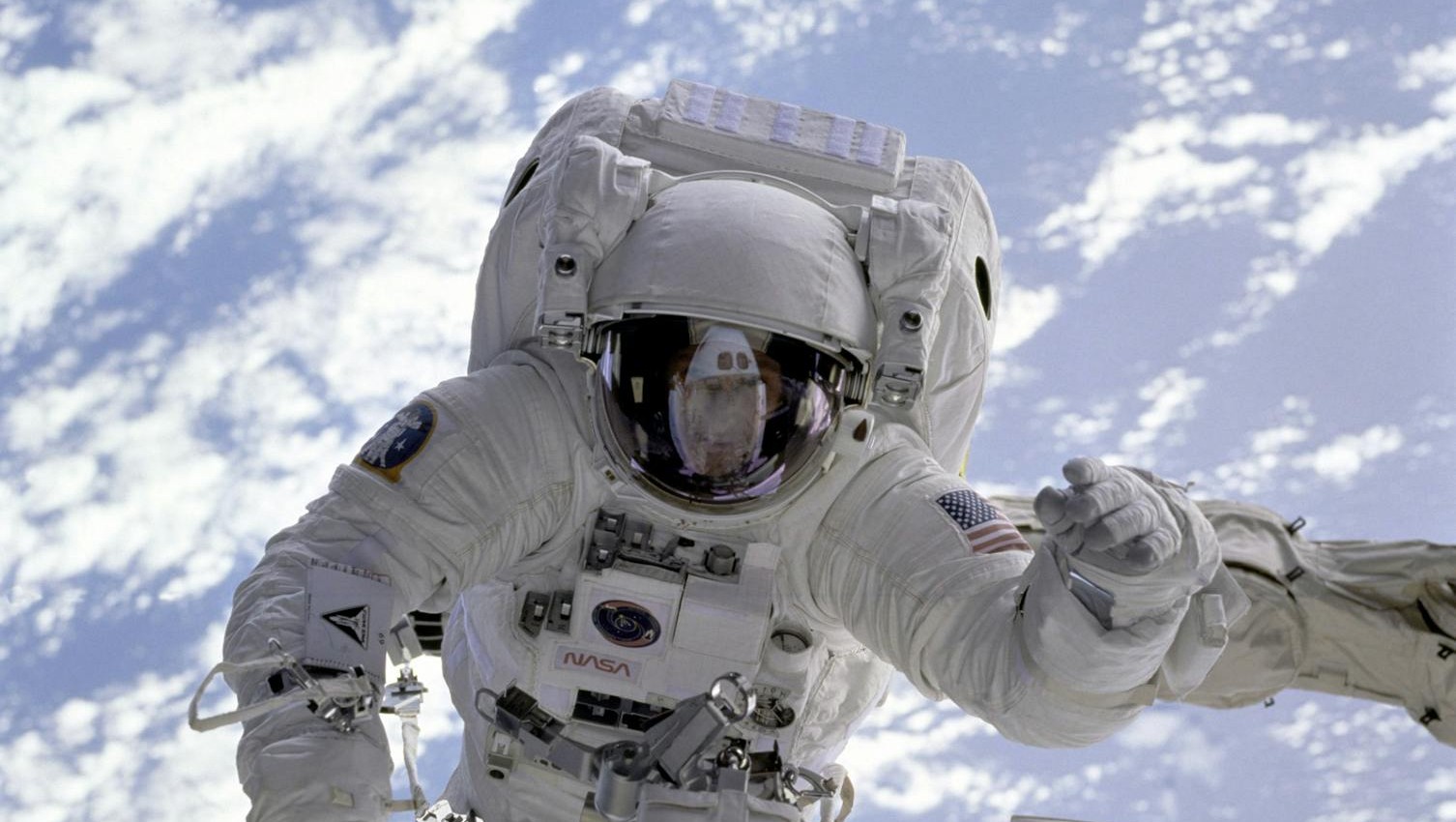
Image: Pixabay / karen_la_banda

NASA has strict rules about non-essential items. And yet, over the decades, astronauts have managed to bring along all sorts of odd objects in their Personal Preference Kits. Sure, some may have been marketing stunts—like the time Pizza Hut delivered a meal to the International Space Station—but others were personal caprices, like David Walker’s gorilla suit smuggled onboard in 1984. Read on to discover the full list!

1
A gorilla suit
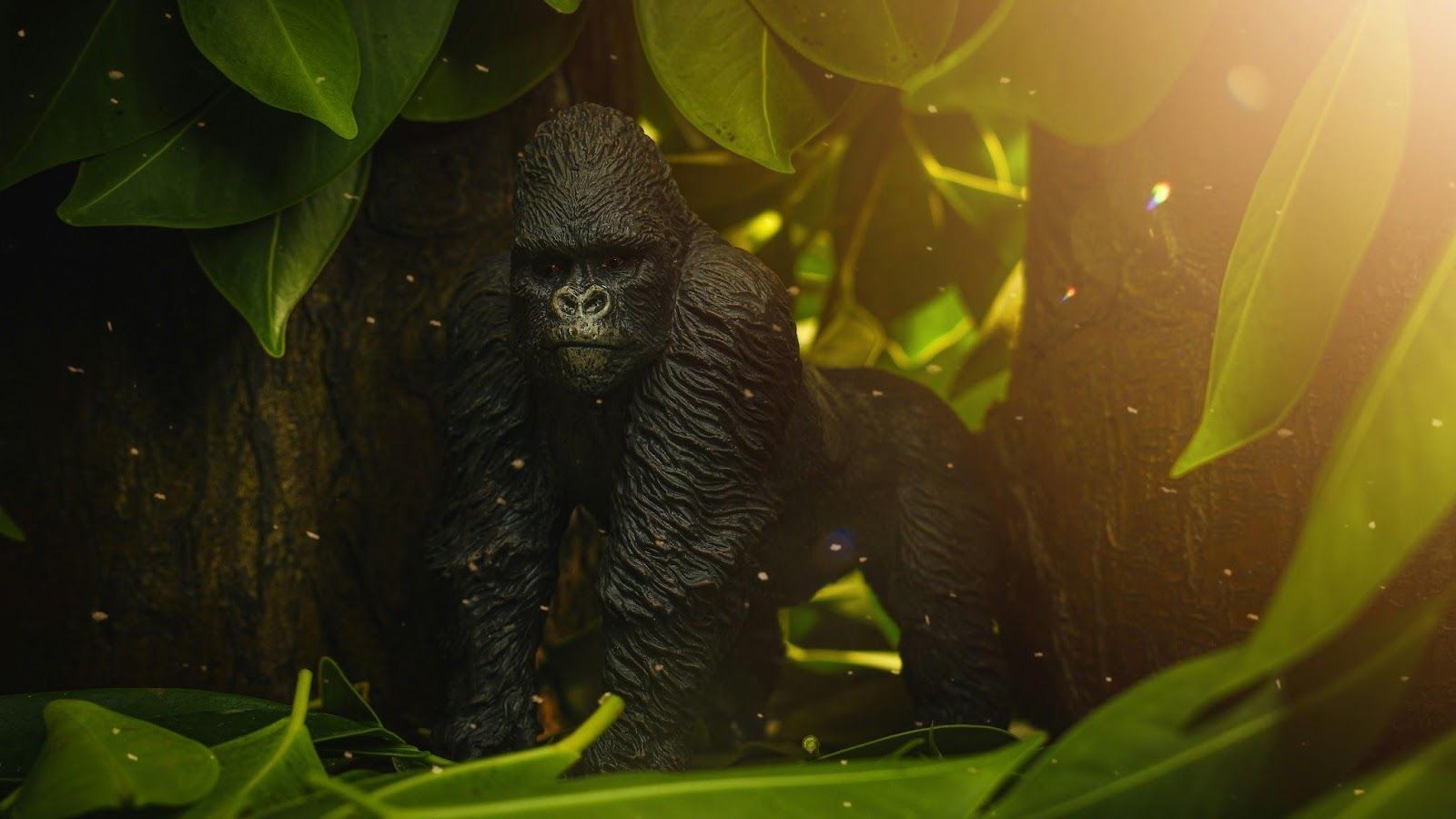
Image: ARTISTIC FRAMES

Space can get boring. It got a little more entertaining for astronaut Scott Kelly in 2016, when his twin brother, Mark Kelly, sent him a vacuum-sealed gorilla suit all the way to the ISS for his birthday.

Kelly’s crewmates didn’t know about it, so he had fun pranking them by suddenly appearing in the suit aboard the station. One of the prank videos went viral. As Kelly put it: "How can you not like space gorilla?"

2
Dirt from Yankee Stadium
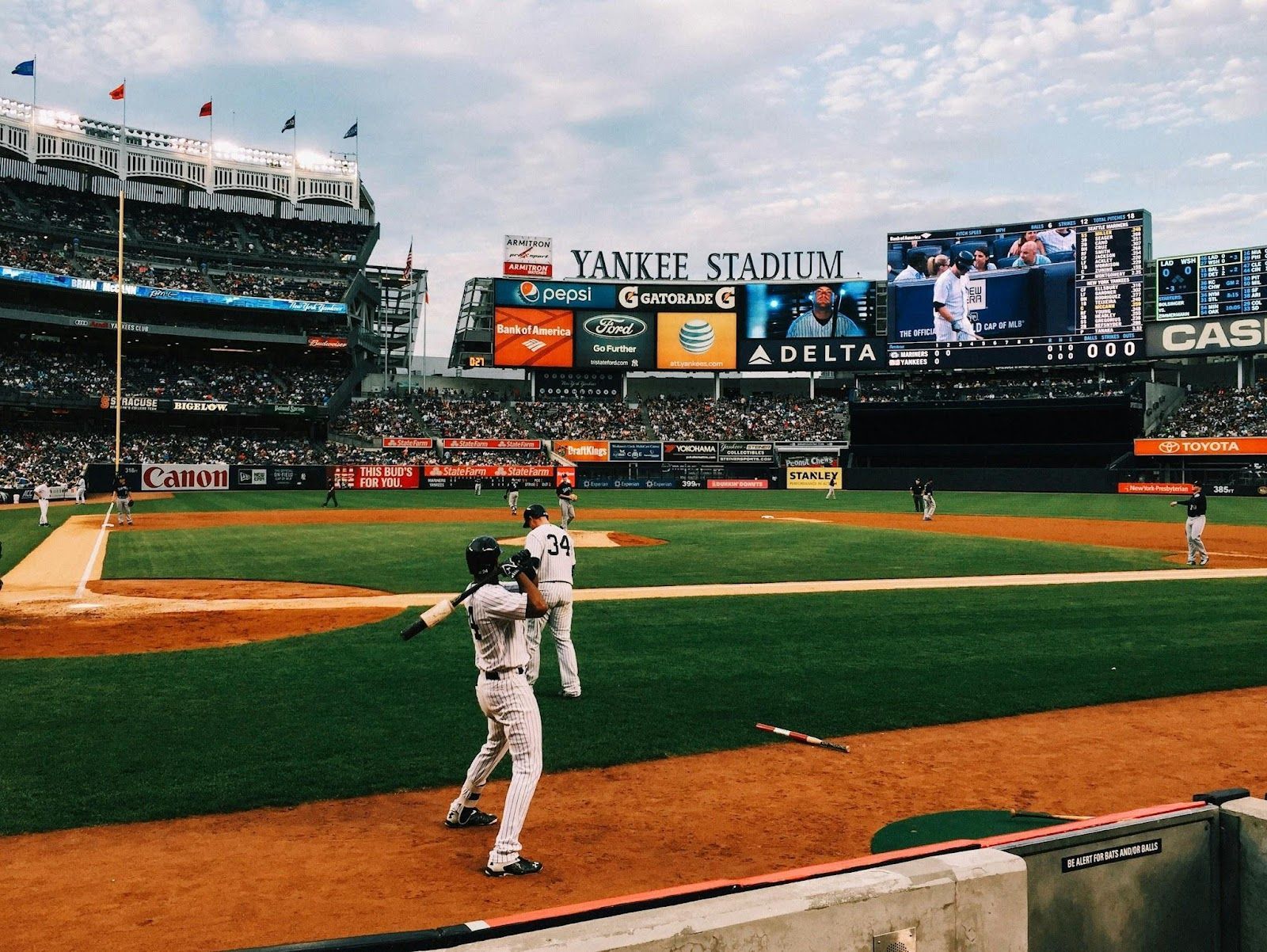
Image: Chanan Greenblatt

Astronaut Garrett Reisman, a lifelong Yankees fan, of course, took a little piece of the Bronx to orbit . In 2008, aboard Space Shuttle Endeavour on mission STS-123, he brought a vial of dirt from Yankee Stadium’s pitcher’s mound—along with other Yankees memorabilia, including items autographed by players.

3
Amelia Earhart’s watch
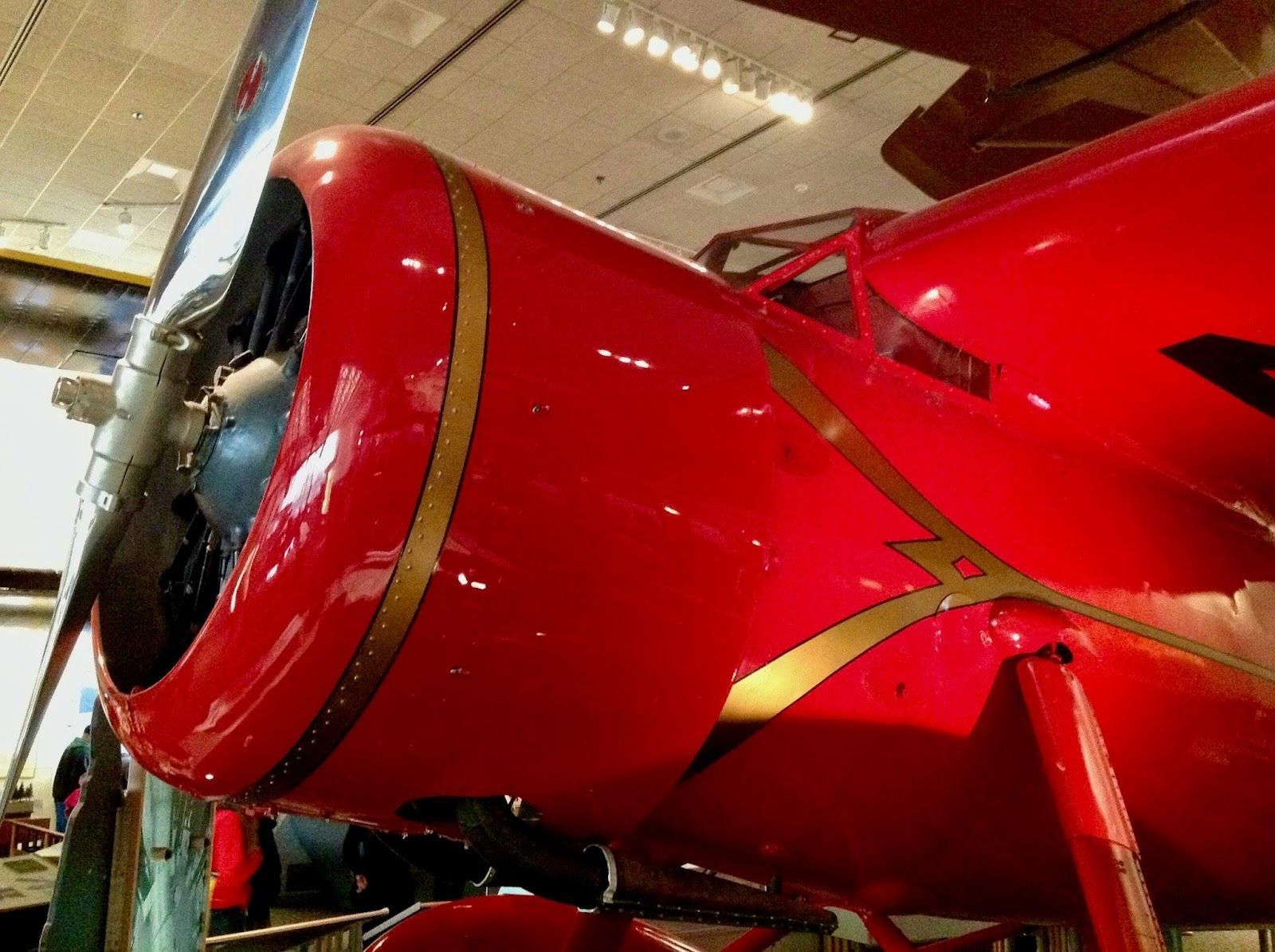
Image: Tomas Martinez

In 2010, astronaut Shannon Walker brought Amelia Earhart’s watch to the International Space Station. The legendary aviator had worn it during two transatlantic flights , and it traveled to space on the 82nd anniversary of her first historic solo flight across the Atlantic.

4
Pizza
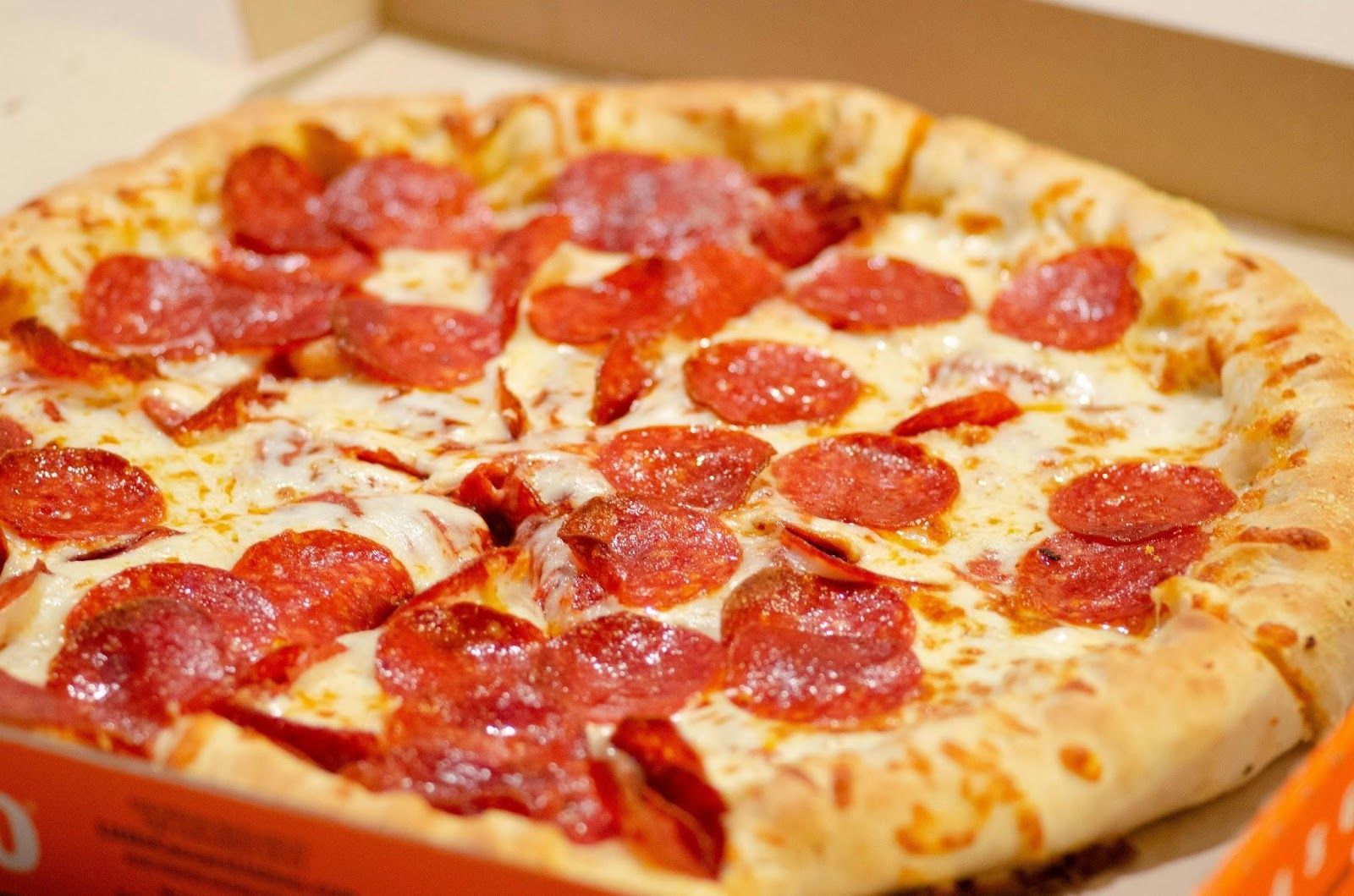
Image: Alan Hardman

Space pizza finally became a reality in 2001, when Pizza Hut paid millions to deliver a vacuum-sealed pizza to the International Space Station.

It was, quite literally, a publicity stunt out of this world . The pizza—topped with salami to withstand space conditions—was eaten by Russian cosmonaut Yuri Usachov aboard the ISS.

5
Pieces of the Wright Brothers’ first plane
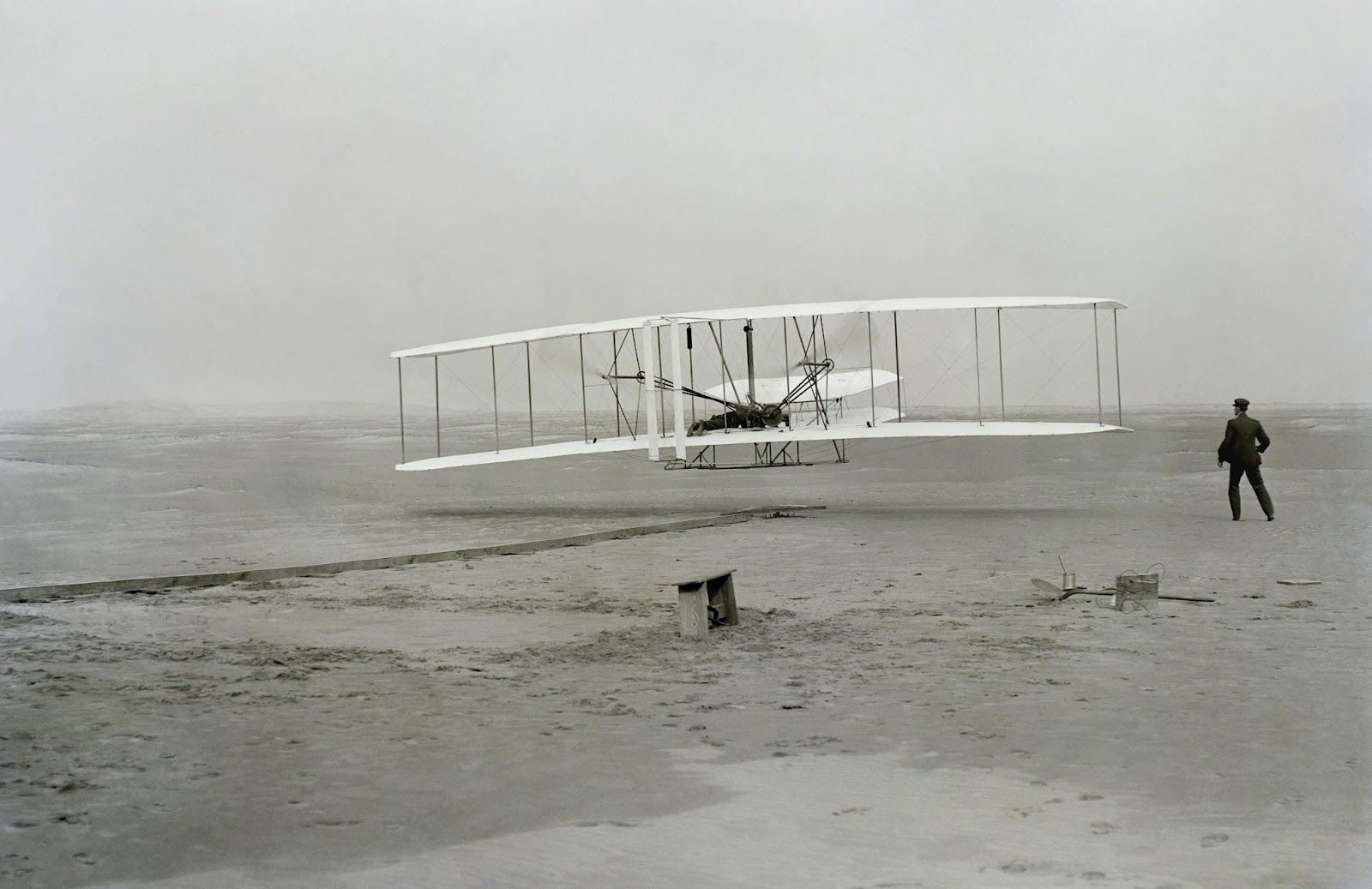
Image: History in HD

Tucked into Neil Armstrong’s spacesuit was a small piece of fabric and a fragment of wood from the Wright Brothers' 1903 Flyer—carried all the way from Kitty Hawk to the Sea of Tranquility . He took them with him as he became the first person to step onto the Moon in 1969.

6
A set of instruments to play "Jingle Bells"
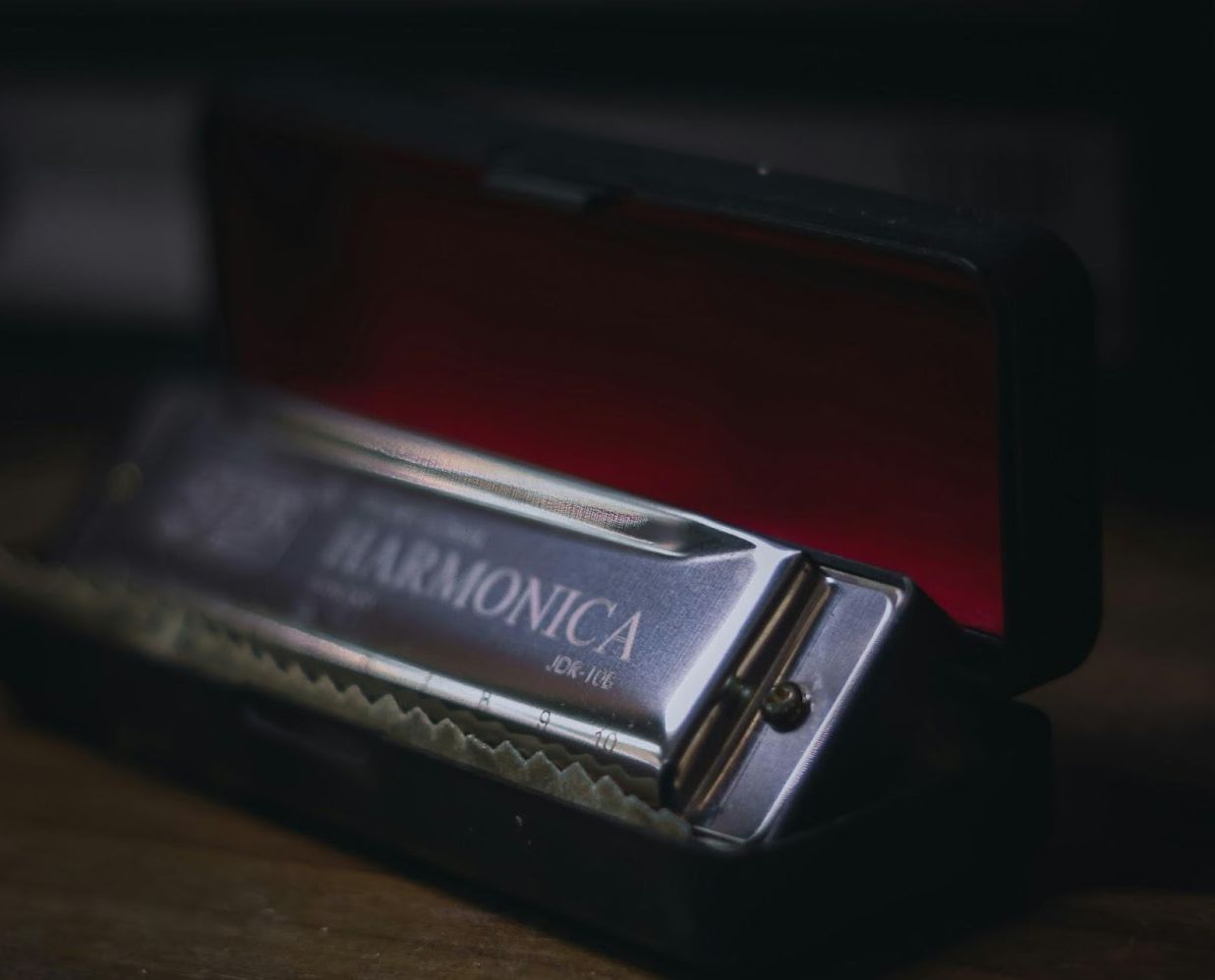
Image: Ali Rashedi

Just before Christmas in 1965, astronauts Wally Schirra and Tom Stafford pulled off a surprise serenade in space.

They had smuggled a harmonica and a set of sleigh bells aboard their Gemini 6A mission and played "Jingle Bells" for Mission Control—creating the first musical performance ever in space . The instruments are now on display at the Smithsonian Institution.

7
Several LEGO pieces
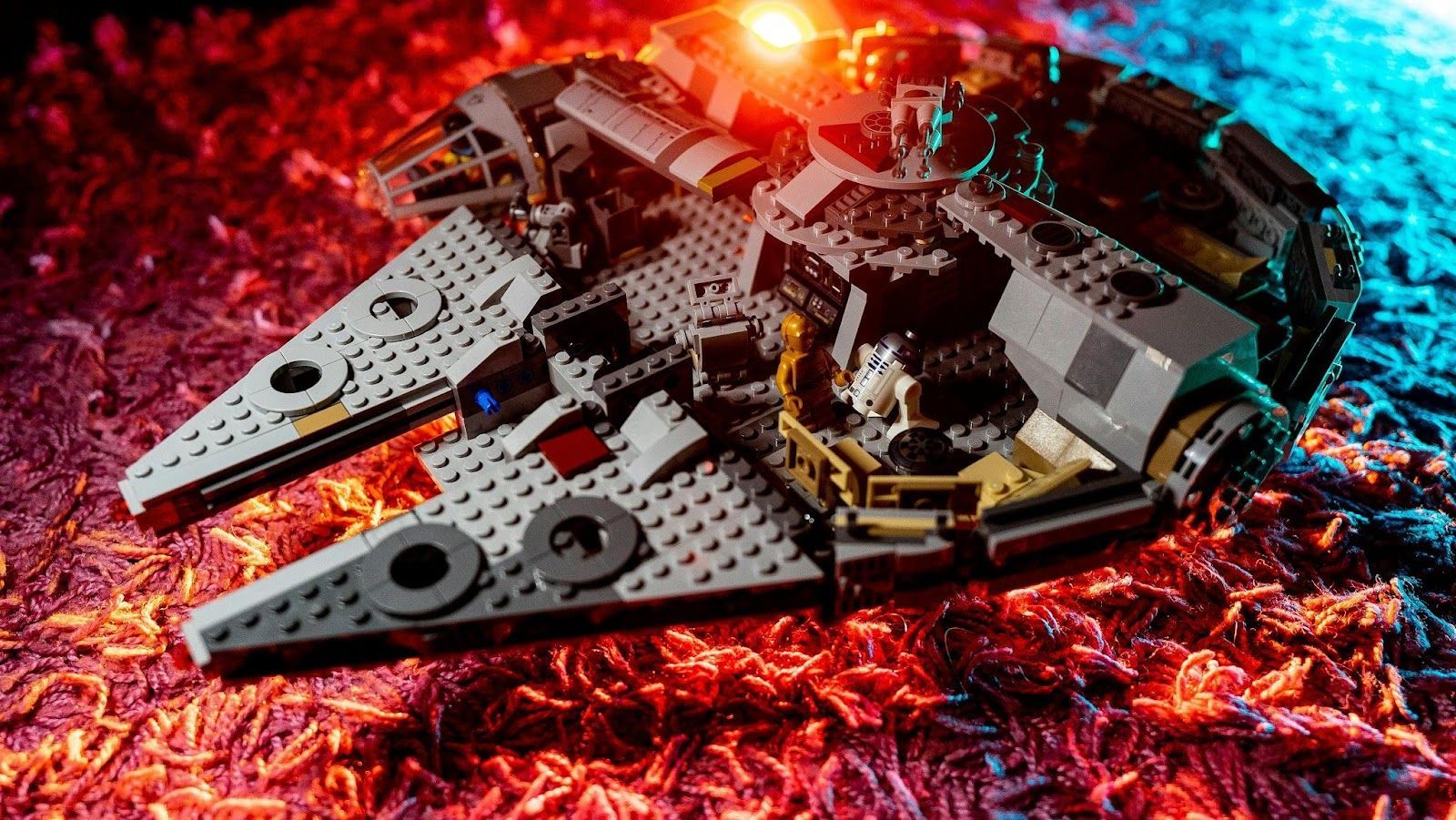
Image: Eugene Chystiakov

NASA's collaboration with LEGO took a literal leap when, in 2011, sets of LEGO bricks were sent to the International Space Station aboard mission STS-133.

Astronauts assembled models—such as the Hubble Space Telescope—in microgravity, engaging students around the world in STEM education.

8
A Buzz Lightyear toy
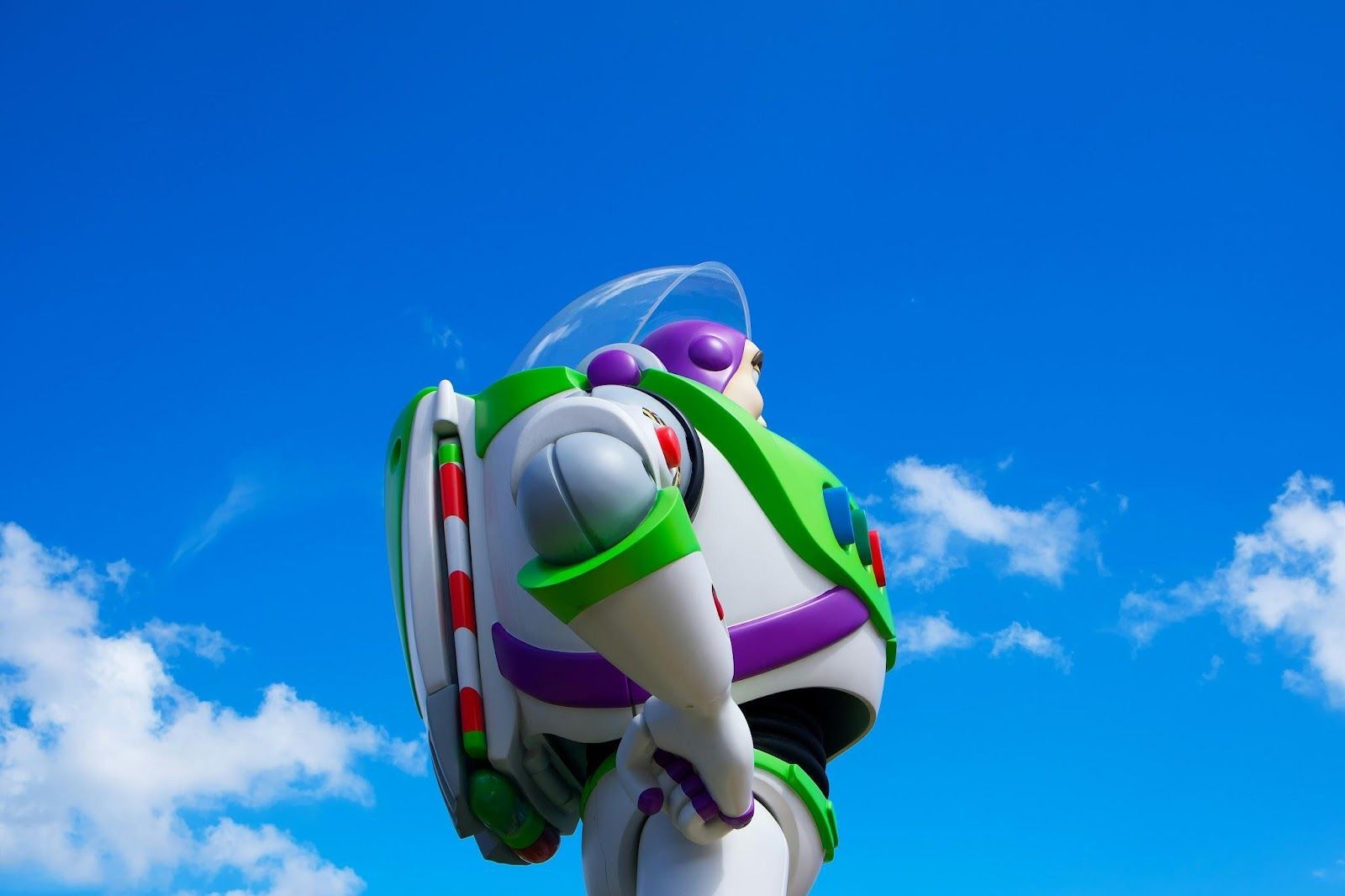
Image: Brian McGowan

Buzz Lightyear truly went " to infinity and beyond " when a 12-inch action figure flew aboard Space Shuttle Discovery in 2008. Spending 15 months on the International Space Station, Buzz was part of NASA’s educational outreach efforts.

Upon return, he was honored with a parade at Disney World and now resides in the Smithsonian’s National Air and Space Museum.

9
A lightsaber
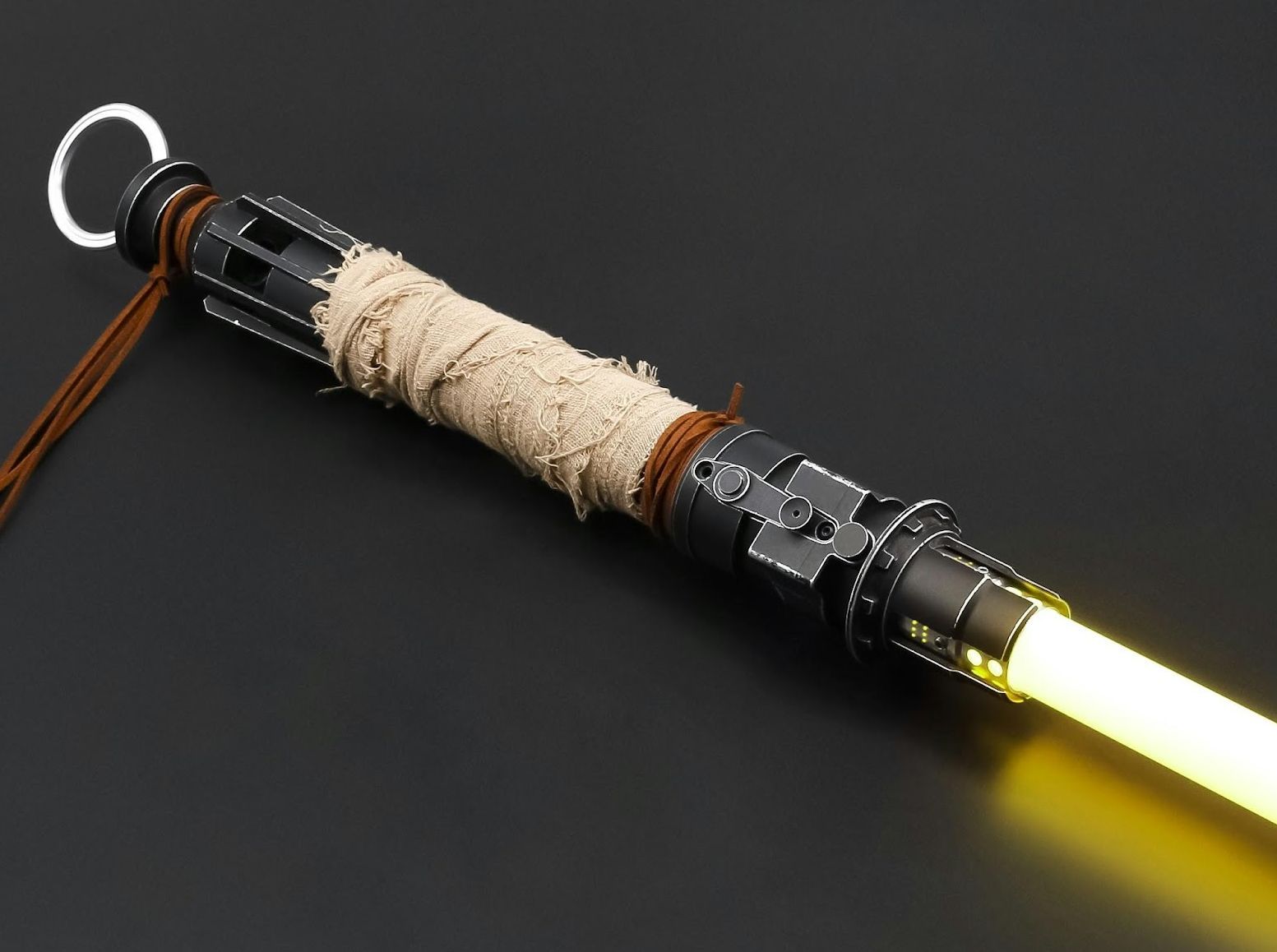
Image: superneox lightsaber

In a nod to sci-fi fandom, a lightsaber prop used by Mark Hamill in Return of the Jedi journeyed to space aboard Space Shuttle Discovery in 2007.

The initiative celebrated the 30th anniversary of Star Wars , symbolizing the intersection of science fiction and real-world space exploration.

10
Dinosaur bones
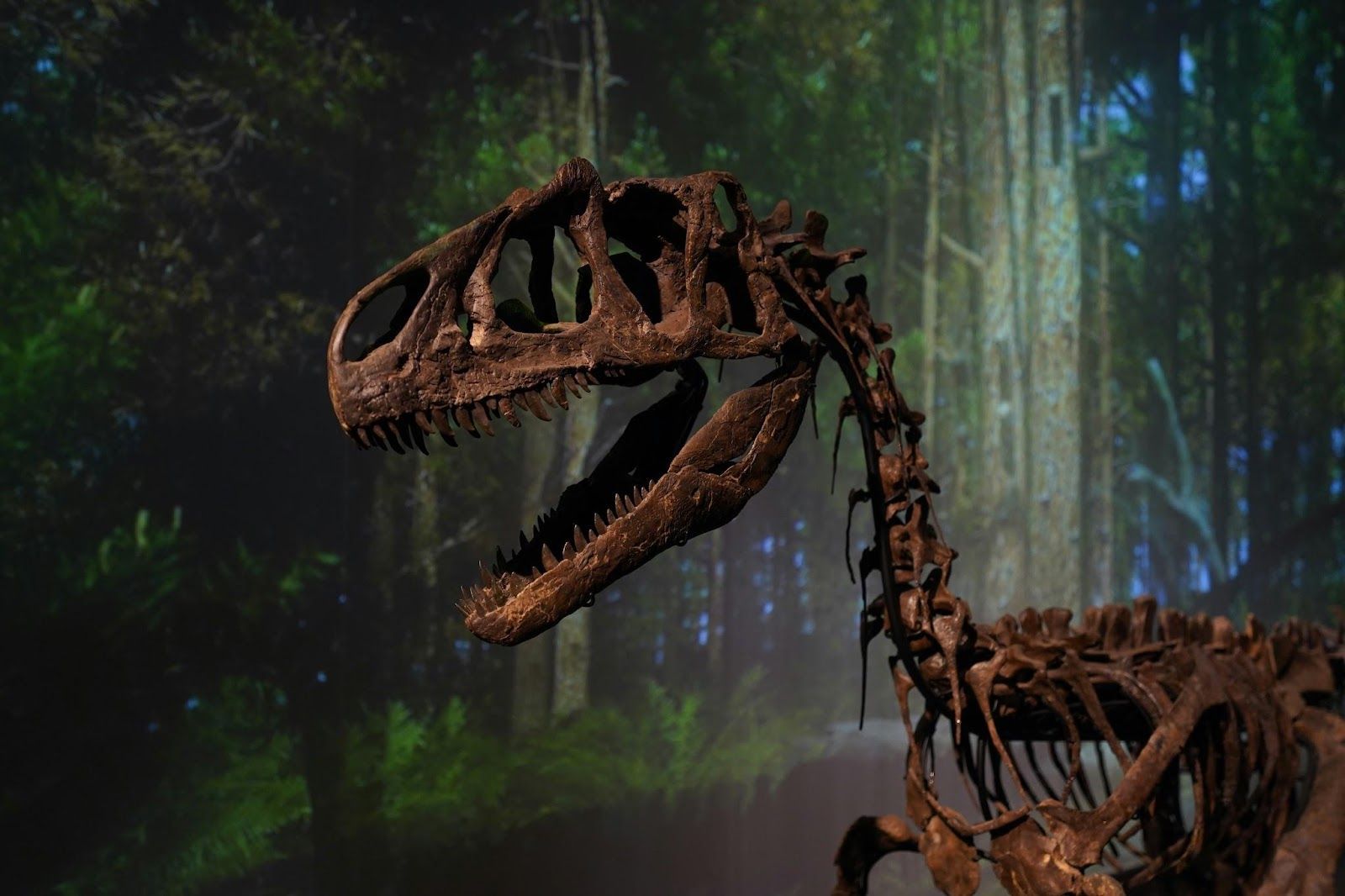
Image: Jesper Aggergaard

In 1985, during NASA's SpaceLab 2 mission, astronaut Loren Acton brought aboard a fossilized bone and a piece of eggshell from Maiasaura peeblesorum , a dinosaur species known for nurturing its young.

These fossils, discovered in Montana , were sent to space to symbolize the connection between Earth’s prehistoric life and space exploration.​

11
Communion bread and wine

Image: James Coleman

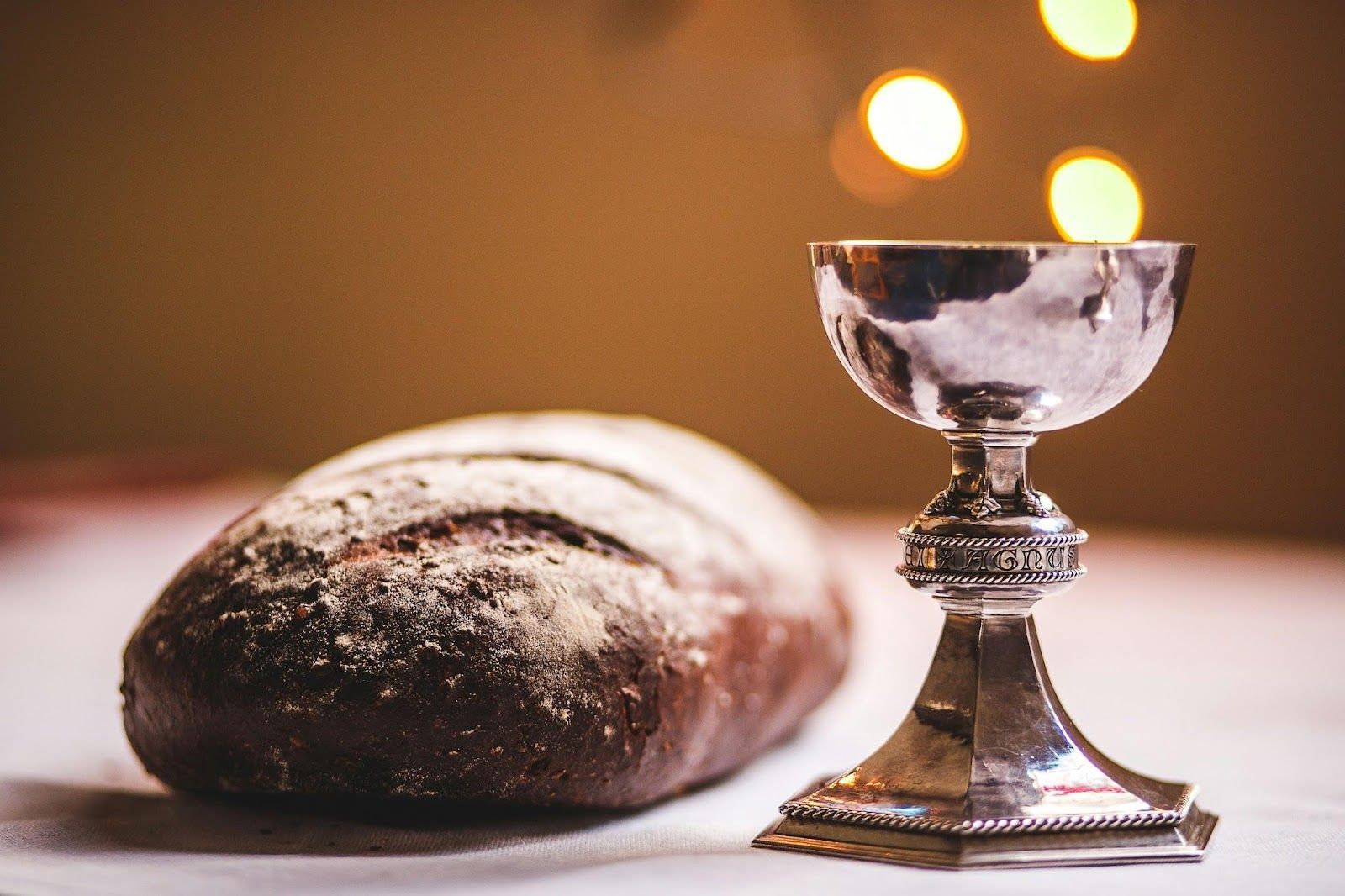
In a very profound gesture, Buzz Aldrin privately took Christian communion aboard Apollo 11. As a Presbyterian elder , he carried a tiny wafer and a small pouch of wine, blessing them while orbiting the Moon shortly after the lunar landing.

12
Golf clubs (and golf balls)
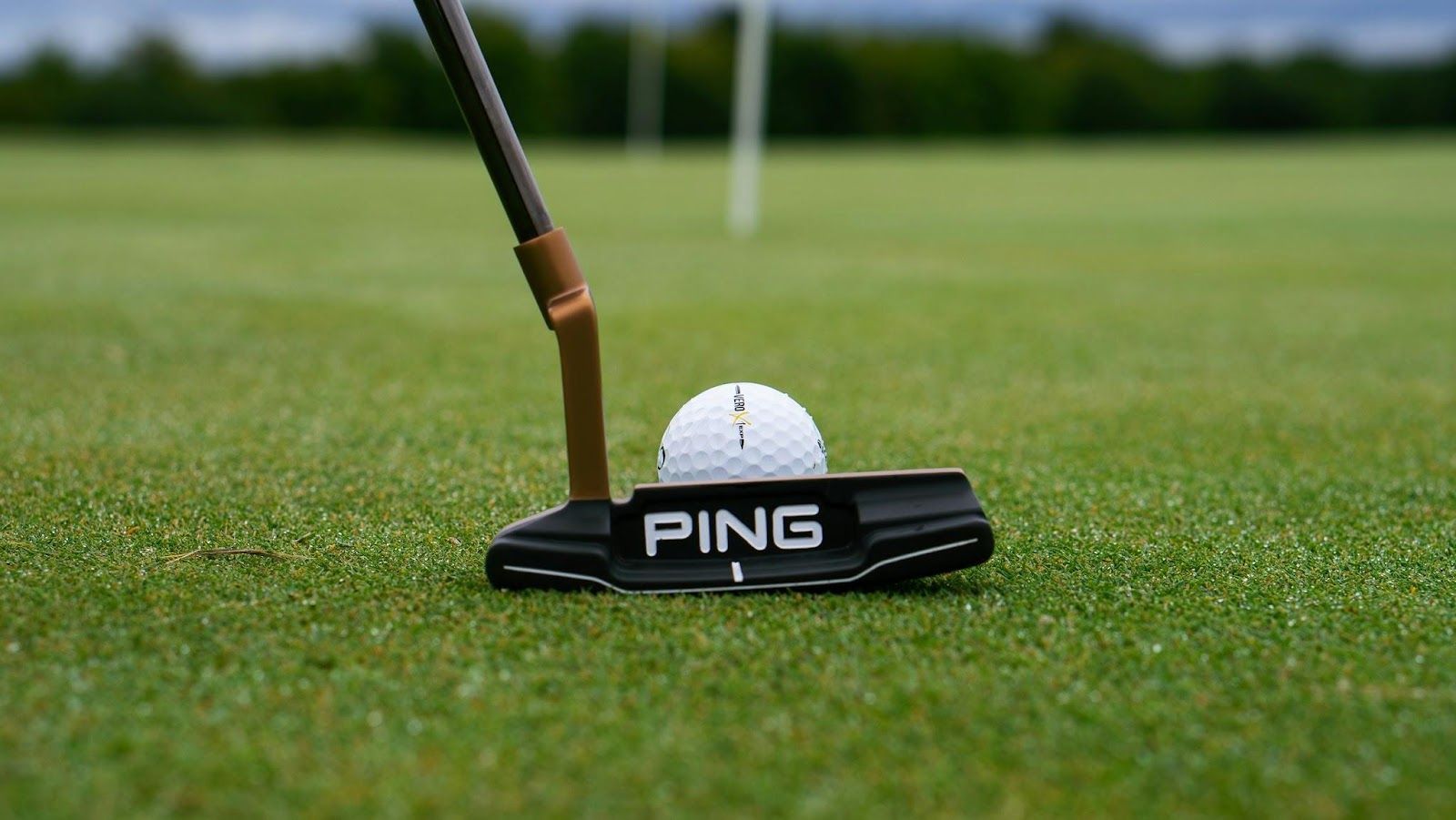
Image: Peter Drew

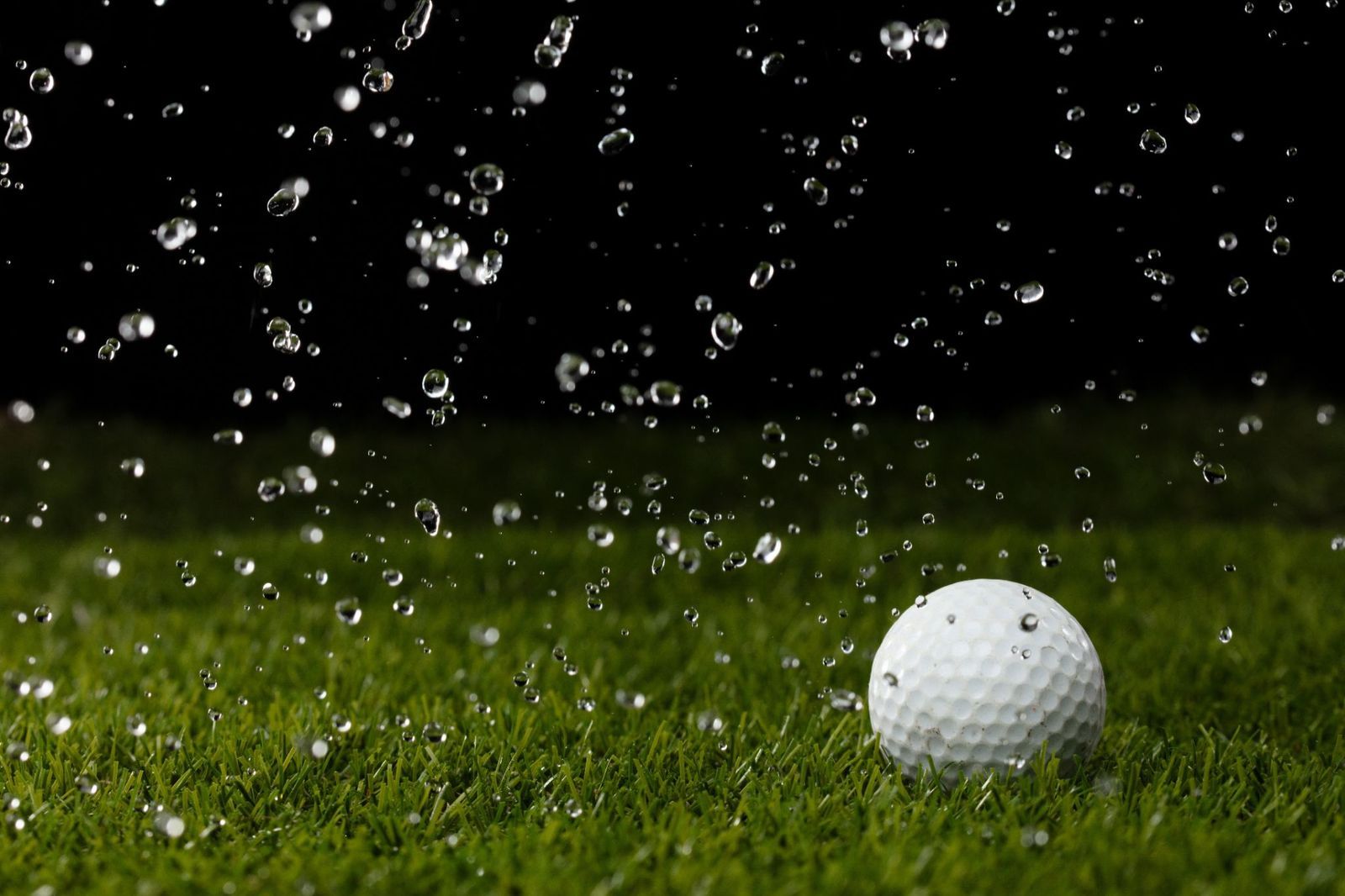
During Apollo 14, Alan Shepard secretly packed a makeshift 6-iron —a golf club head duct-taped to a lunar tool—and two golf balls.

On live TV, he took a couple of awkward, one-handed swings while wearing his stiff spacesuit. The first ball flopped; the second soared "miles and miles," Shepard joked. It actually traveled about 40 yards, which is quite impressive in lunar terms.

General General 4 min read

Do you know how to sew a button?

How prepared are you?

Image: Mariah Hewines

In a world where most of us have specialized knowledge about certain things, we often neglect to learn about other basic areas that can also affect us greatly. Knowing how to use a compass, cook some basic recipes, knowing how to sew a button, light a fire, stay fit, and keep a budget are all things that everybody should know about because they can either make your life a bit easier or, if disaster strikes, can save your life. Check out these 12 useful skills. Which ones do you already have?

1
Basic computer skills

Image: Christin Hume

An increasingly larger chunk of our world requires at least some basic form of digital literacy to interact with it. Knowing your way around a computer, your smartphone, and the Internet makes everything a little bit easier .

You don’t need to be a hacker or anything like that; just knowing the very basics allows us to access most of the advantages that modern technology provides.

2
Housekeeping skills

Image: Slaapwijsheid.nl

Living in a clean and comfortable environment is something that almost everyone can achieve with just a little bit of effort. Learn to use a vacuum cleaner, your washing machine, and the dishwasher, if you have it ; learn how to iron your clothes, make a bed, and clean your home.

3
Navigation skills

Image: Tabea Schimpf

The aforementioned basic computer and smartphone skills are a great aid in this department. But even if you have those incorporated, it is always a good idea to learn how to use a map and a compass. Ask for directions and memorize them . Just in case technology fails.

4
Survival skills

Image: Courtnie Tosana

Learn how to make a fire. Learn how to perform CPR and a Heimlich maneuver on adults, children, and infants. Learn to use a portable electricity generator. Learn a few basic knots. All of these abilities are very rarely used. But whenever you need them, you'd better know how to perform them correctly . Your life or someone else’s might depend on it.

5
Time management

Image: kylefromthenorth™️

The best way to make time is to manage it correctly. Learn to set daily and weekly goals , prioritize your tasks and responsibilities, create to-do lists, and review your schedule periodically.

6
Financial education

Image: Sasun Bughdaryan

Track your money. Learn to check, build, and repair, if necessary, your credit score . Learn how to apply for a loan or a credit card. And hire or at least consult with a tax professional to make sure that you are doing your taxes correctly.

7
Social skills

Image: Chris Liverani

While it is true that some people are born with social skills, these can be learned by anyone . The ability to accept criticism in good spirit, the ability to have a productive conversation, patience, knowing how to speak clearly and succinctly, and knowing how to negotiate are all things that can be learned and add significant benefits to whoever acquires these skills.

8
Fitness

Image: Emma Simpson

Your body is your vessel. And it is the only one you are going to get for your life. Therefore, make sure to keep it as fit as possible . Strengthen your muscles and bones with activities that suit you. Learn how to stretch properly, learn bodyweight exercises, and look for ways to stay active at any age. A fit body will always get you farther.

9
Healthy cooking

Image: Alyson McPhee

This one goes hand in hand with the previous item. Healthy cooking involves preparing nutritious and balanced meals. This is essential for maintaining good health and can be a fun and creative activity.

Learn some basic recipes that you can make at home, quickly, with a few ingredients, and you will never go hungry again.

10
Learn to keep a budget

Image: Mediamodifier

This one is related to the previous item regarding financial education, but on a more basic level. Keeping a good track of the money you earn and the money you spend helps you make ends meet and save more at the end of the month.

Create a spreadsheet and write down your expenses and your income, or use an app to help you do the same thing on your phone.

11
Sew on a button

Image: Merve Sehirli Nasir

The constantly decreasing quality of clothing makes this simple skill all the more important as time goes by. Learn how to sew on a button. It is not difficult, and it will save you a trip to the tailor or having to ask somebody else for a very easy task.

12
Change a tire

Image: Wade Lambert

If you drive a car, you should know how to change a tire. Yes, maybe you have an insurance service that can aid you, and maybe there is always someone around who can help until there is no service available and you are all alone.

Changing a tire is very simple, and there are techniques to do so with very little physical effort . Learn how to perform this simple task, and you will be much safer when driving a car.

General General 4 min read

Behind the banners

11 U.S. state flags and their hidden meanings

Image: Drei Kubik

Flags are more than mere symbols—they tell stories, capturing the history, pride, and values of each state they represent. Every element, from colors to symbols, was thoughtfully chosen to convey a message tied to the spirit of the state. Join us on a journey across the country as we explore 11 unique state flags and the rich stories behind them.

1
Texas

Image: Joshua J. Cotten

Also known as the Lone Star, Texas’ flag features a single star on a vertical blue stripe, representing the state’s strong independent spirit. The red stripe represents courage, while the white stripe stands for purity.

In fact, the current design was adopted in 1839 during the Republic of Texas, echoing the state's history as an independent republic before joining the Union in 1845.

2
California

Image: Lesli Whitecotton

California's flag features a grizzly bear, a symbol of strength and independence. The star represents California's status as a republic in 1846 during the Bear Flag Revolt, and the red stripe signifies courage.

Interestingly, the bear depicted on the 1911 version of the flag is said to have been inspired by the last California grizzly bear held in captivity.

3
Arizona

Image: Denisse Leon

Arizona’s flag features a golden star surrounded by red and gold rays, symbolizing both the state’s arid landscape and copper mining industry. The blue and red colors are the same shade used on the flag of the United States.

The star commemorates Arizona’s statehood, achieved in 1912, while the thirteen rays symbolize the original Thirteen Colonies.

4
Colorado

Image: Courtney Cook

Colorado’s flag features blue, white, red, and yellow with a bold "C" encircling a golden disk. The blue symbolizes the sky, gold represents the state’s abundant sunshine, white the snowcapped Rockies, and red the "ruddy" earth.

The gold and white elements also honor Colorado’s gold and silver mining industries. Officially adopted in 1911, the flag stands as a tribute to the state’s natural beauty and pioneering heritage.

5
Florida

Image: Karl Callwood

Florida’s flag features a red cross with the state seal at the intersection. The cross represents the state's Spanish heritage, as it was originally founded by Spanish explorers.

The seal depicts a shoreline where a Seminole woman spreads flowers. While some suggest the woman represents the historical heroine Milly Francis, there is no evidence to support this theory. A Sabal palm and a steamboat complete the scene, reflecting Florida's vibrant scenery.

6
Maryland

Image: Gary Cole

Maryland’s flag stands out with its bold black and gold pattern, divided into quarters. The design incorporates elements from the family crest of the Calverts, the state’s founding family.

During the colonial era, Maryland used only the gold and black Calvert arms. The colors fell out of use after American independence but were reintroduced in 1854.

7
South Carolina

Image: Kelly

South Carolina’s flag features a white palmetto tree on a blue field, with a crescent moon beside it. The roots of this design have existed in some form since 1775, being based on one of the first American Revolutionary War flags.

An early version of this flag, known as the Moultrie Flag, was famously flown during the defense of a fortress on Sullivan's Island against the British fleet. The palmetto tree was later added as a symbol of the island’s successful defense.

8
Tennessee

Image: Brandon Hooper

Tennessee’s flag features three stars arranged in a triangular pattern, symbolizing the three regions of the state —East, Middle, and West Tennessee. The red, white, and blue colors align with the state’s commitment to unity and its place in the Union.

The current version, designed by Colonel Le Roy Reeves, was adopted in 1905. However, an earlier version already aimed to represent the state's three distinct regions with three slanted bars of red, white, and blue.

9
Hawaii

Image: little plant

Hawaii’s flag is unique among U.S. state flags. It features a Union Jack in the upper left corner, reflecting the historical ties between Britain and the Hawaiian Kingdom. It was first adopted in the early 19th century by the Kingdom of Hawaii and retained when the state joined the U.S. in 1959.

The eight horizontal stripes represent the eight main islands of Hawaii: Hawaiʻi, Maui, Kahoʻolawe, Lānaʻi, Molokaʻi, Oʻahu, Kauaʻi, and Niʻihau.

10
Indiana

Image: Lucas Beck

Indiana’s flag features a large gold torch, with 19 smaller stars surrounding it, representing Indiana's status as the 19th state to join the Union. The torch symbolizes enlightenment and the path to progress.

Adopted in 1917, the flag’s design was chosen through a contest offering a cash prize. The winning design, created by Paul Hadley of Mooresville, Indiana, was selected as the official flag with only minor modifications.

11
Maine

Image: Aubrey Odom

Maine’s flag features a shield with a pine tree at its center, flanked by a farmer and a sailor, representing the state’s agricultural and maritime heritage. The North Star above the shield symbolizes guidance and Maine’s motto, "Dirigo," meaning "I Lead."

The pine tree is a nod to Maine’s nickname as the Pine Tree State. Adopted in 1909, the flag’s design emphasizes Maine’s strong connection to its natural resources.

Explore more American facts

Choose your favorite category!

General
General

As American as apple pie—the very best America has to offer!

Culture
Culture

Delve into the astounding richness of American lore.

Geography
Geography

Hop in and explore vast and diverse American landscapes.

History
History

Discover the key moments that shaped the United States.