General General 5 min read

12 alternative Coca-Cola flavors that are as crazy as delicious!
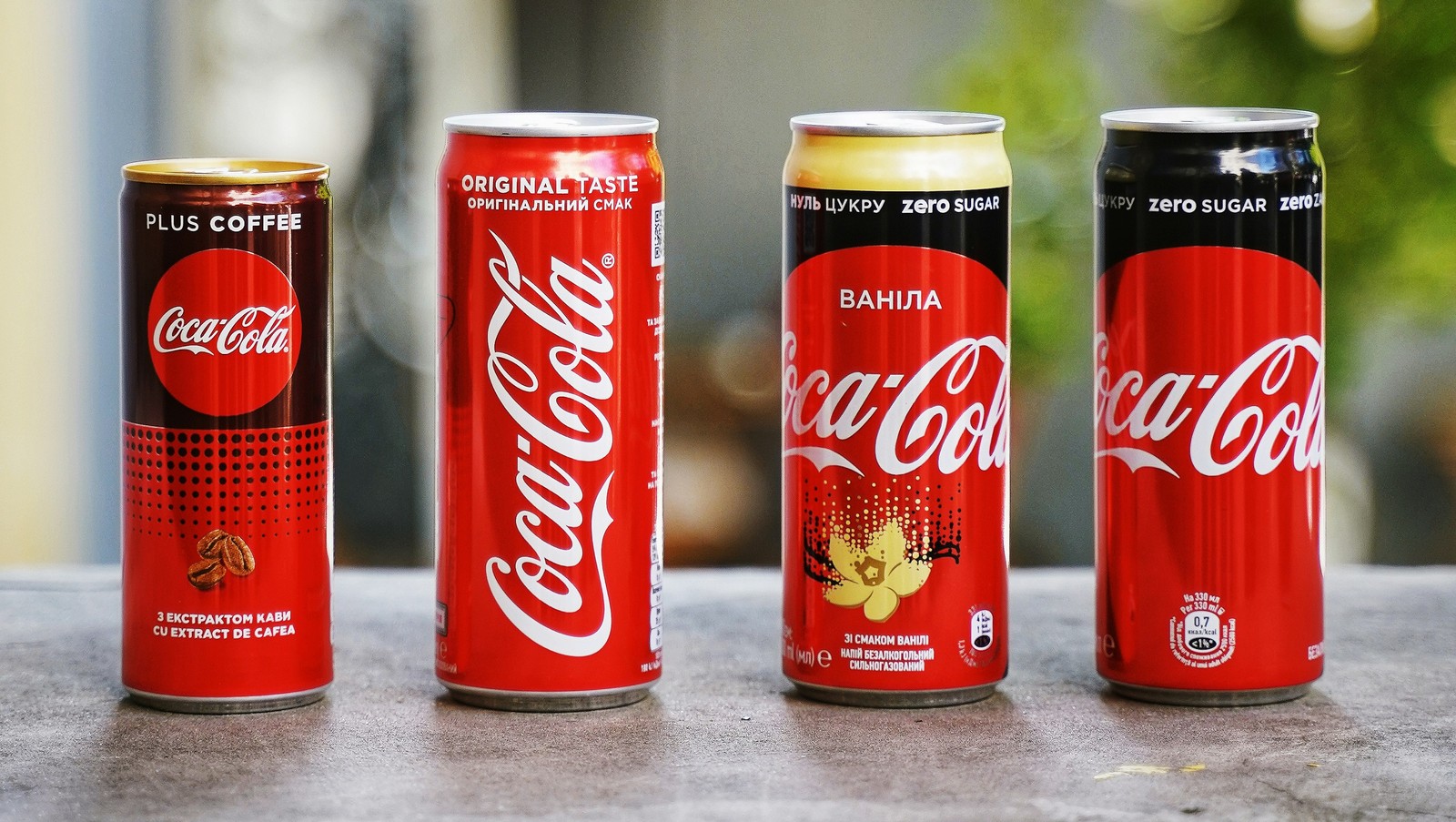
Image: Olena Bohovyk

Just when we think we know the brand like the back of our hand, Coca-Cola surprises us with a new flavor that reminds us there is always room for creativity and originality. One of the most successful American companies, Coca-Cola is so much more than just a secret recipe. Throughout its history, it has introduced different versions of its signature drink. Some were a success —as is the case with Cherry Coke and Vanilla Coke— and others were more audacious and lasted only a short time in the market. Join us as we look back at 12 alternative Coca-Cola flavors that transformed a legendary beverage into a taste adventure. Check out if your favorites made it to the list!

1
Original Coke
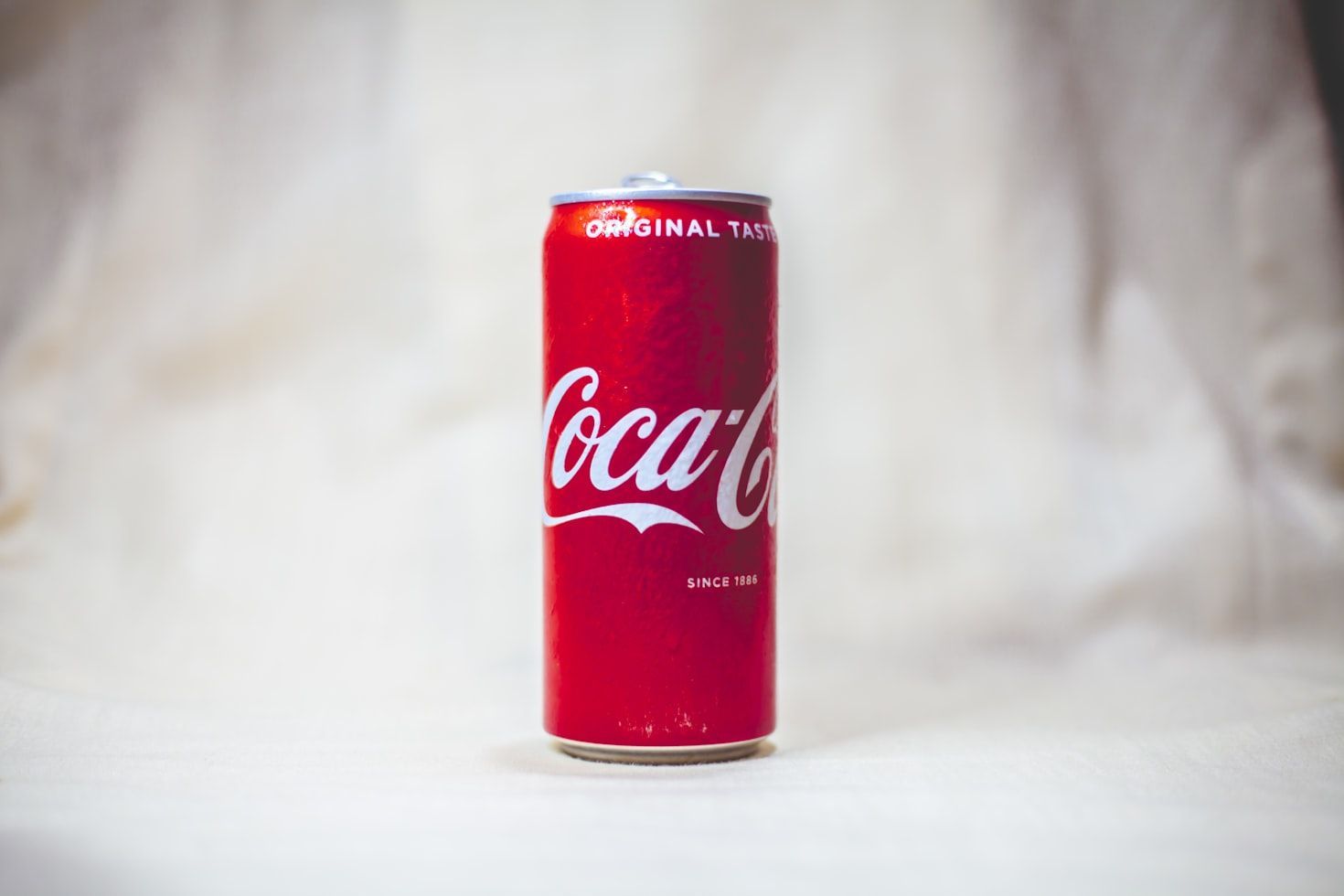
Image: Deepal Tamang

How it all started. On May 8, 1886, Dr. John Pemberton served the world's first Coca-Cola at Jacobs Drug Store in Atlanta, Georgia, and American life would never be the same again. Based on coca leaf and cola nut, the recipe for the original Coke is one of the best-kept secrets in history. Since its invention almost 140 years ago, this mysterious, dark, sweet, bubbly, and stimulating liquid has become one of the world's most widely known and consumed soft drinks.

2
Vanilla Coke
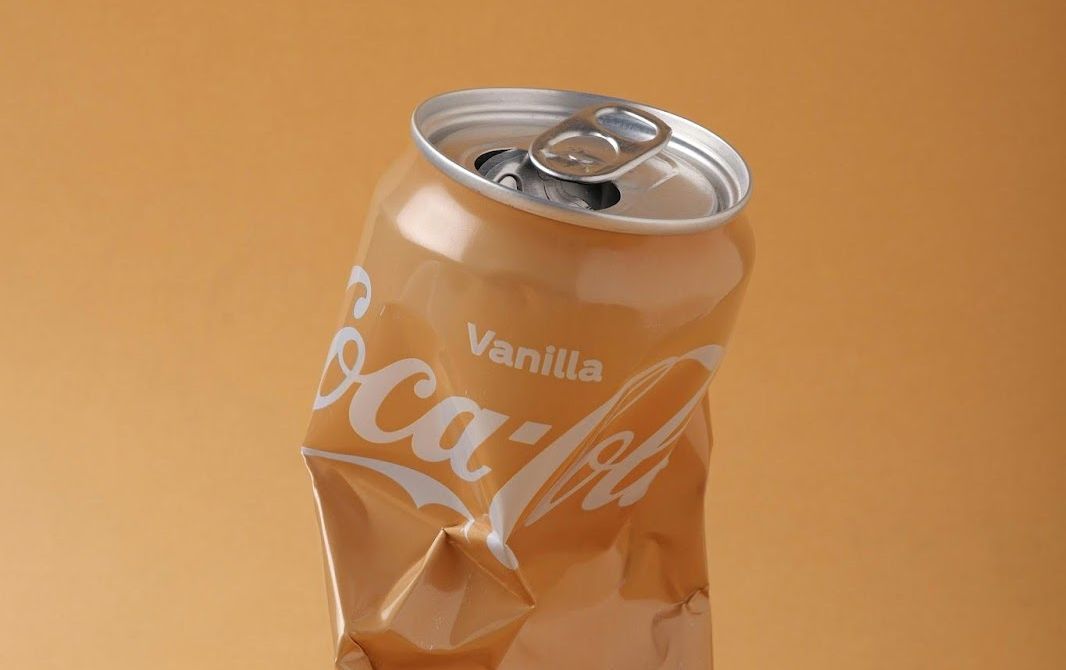
Image: kkk

Vanilla Coke was first introduced in the United States in 2002. The new drink consisted of original Coca-Cola flavor with natural vanilla extract added to the formula. Shortly after its launch, the vanilla soft drink became a success, selling millions of units. However, by 2006, sales had dropped considerably, and the product was eventually withdrawn from the market.

Yet, Vanilla Coke would not give up so easily. Its fans began to campaign online to make the company reintroduce it. Luckily for them, the drink eventually returned to the shelves in 2007.

3
Coca-Cola with Lime
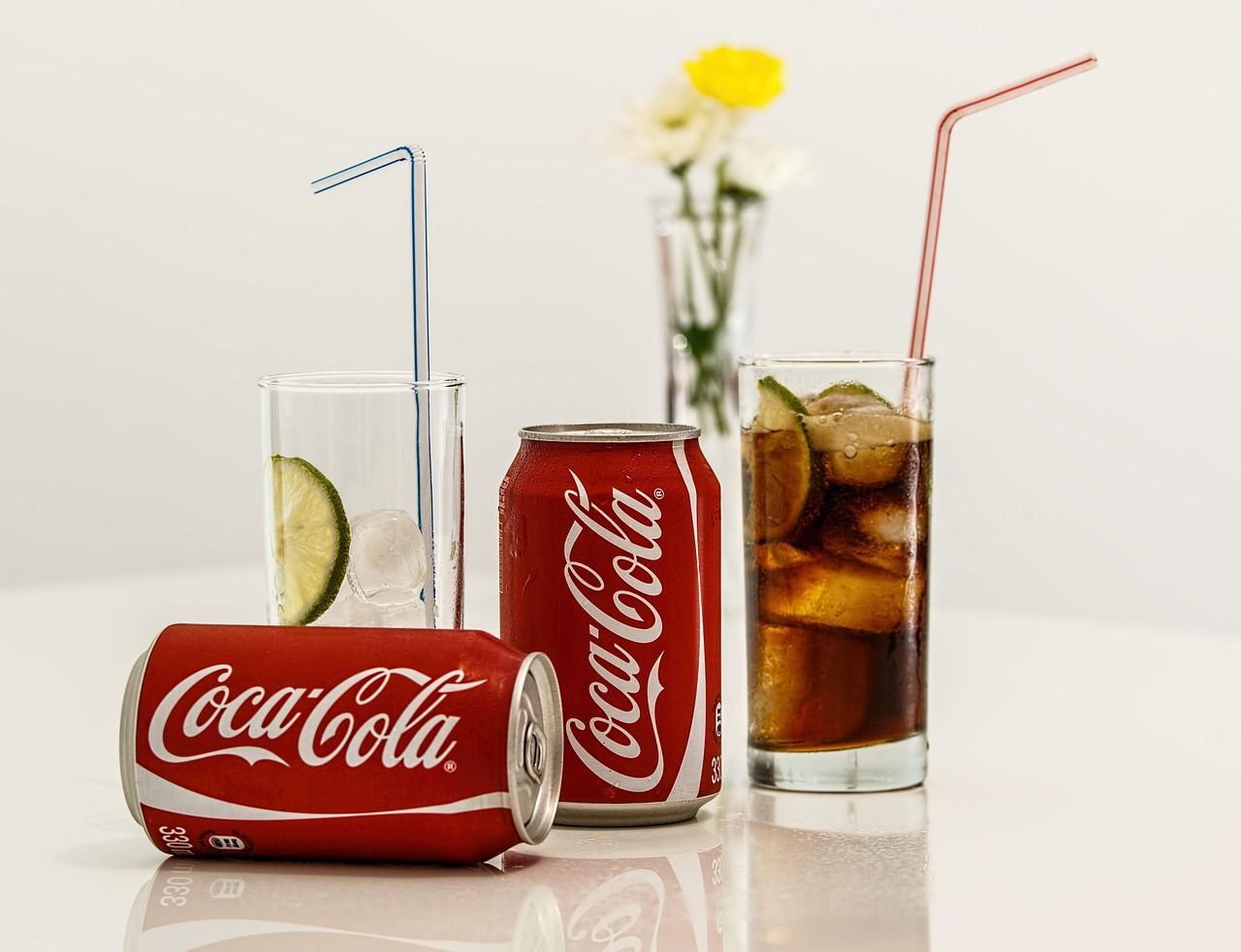
Image: stevepb

​​Many people add a few drops of lime to their glass of Coke, so why wouldn't the company launch a ready-to-drink product? Coca-Cola with Lime was first introduced in the United States in 2005 during a broadcast of American Idol. As the name suggests, it has the taste of Coca-Cola with the addition of lime flavor. Did you like it, or were you one of the many naysayers?

4
Starlight
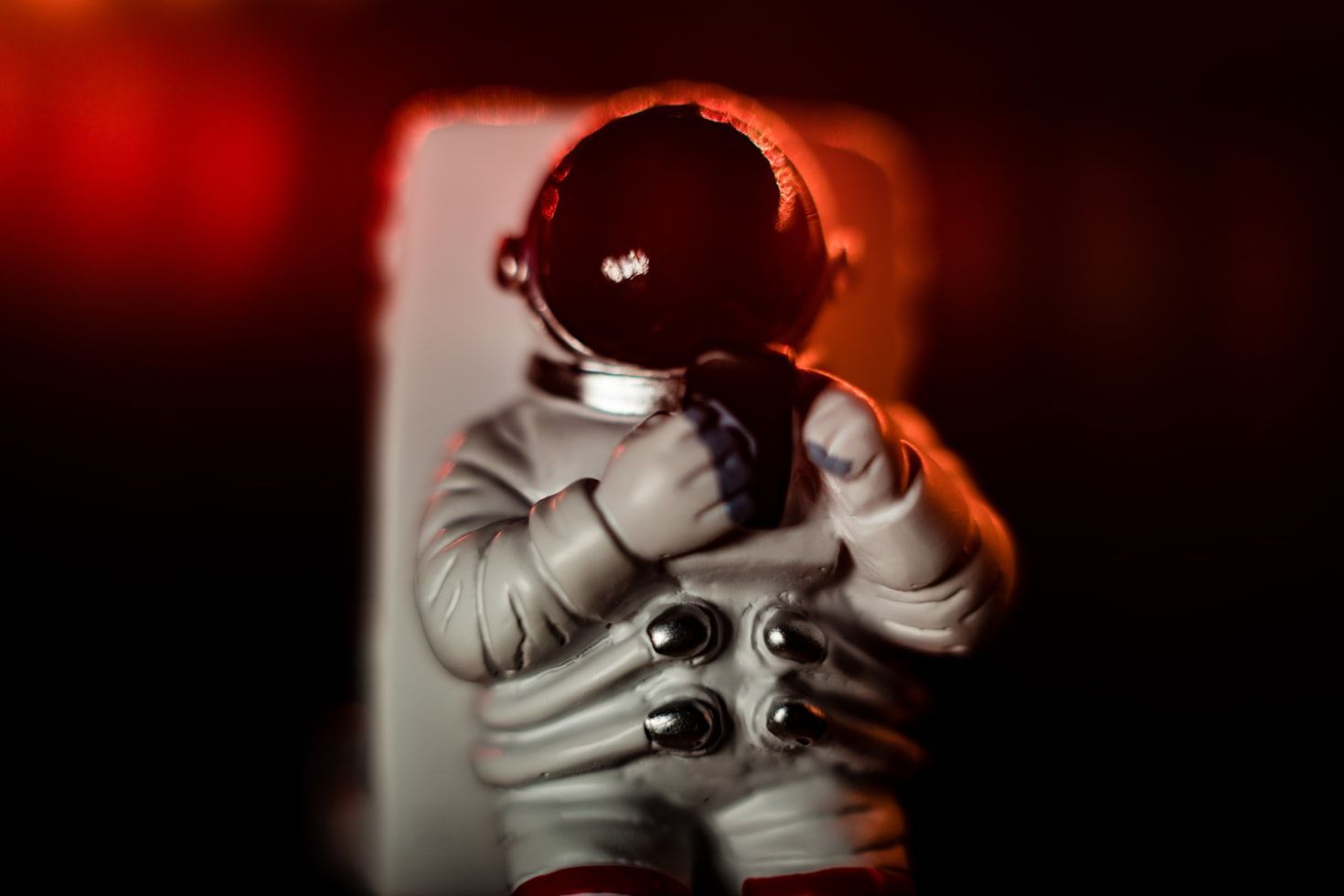
Image: Joey Csunyo

A Coke inspired by space? Believe it or not, in 2022, Coca-Cola launched —no pun intended— a variant of the drink to bring the taste of space down to Earth. You're probably wondering what it tastes like, and so are we! According to the company, Coca-Cola Starlight’s taste "includes additional notes reminiscent of stargazing around a campfire, as well as a cooling sensation that evokes the feeling of a cold journey to space." Would you dare to try it?

5
Dreamworld
Image: Marjan Blan

Like Starlight, Dreamworld was a 2022 limited edition. In this case, Coca-Cola wanted people to be able to taste dreams. We have no idea what that means exactly, but it sure has sparked our curiosity. Not convinced yet? According to the company, Coke Dreamworld "bottles up the technicolor tastes and surrealism of the subconscious." If only we could travel back in time to put it to the test!

6
Cherry Coke
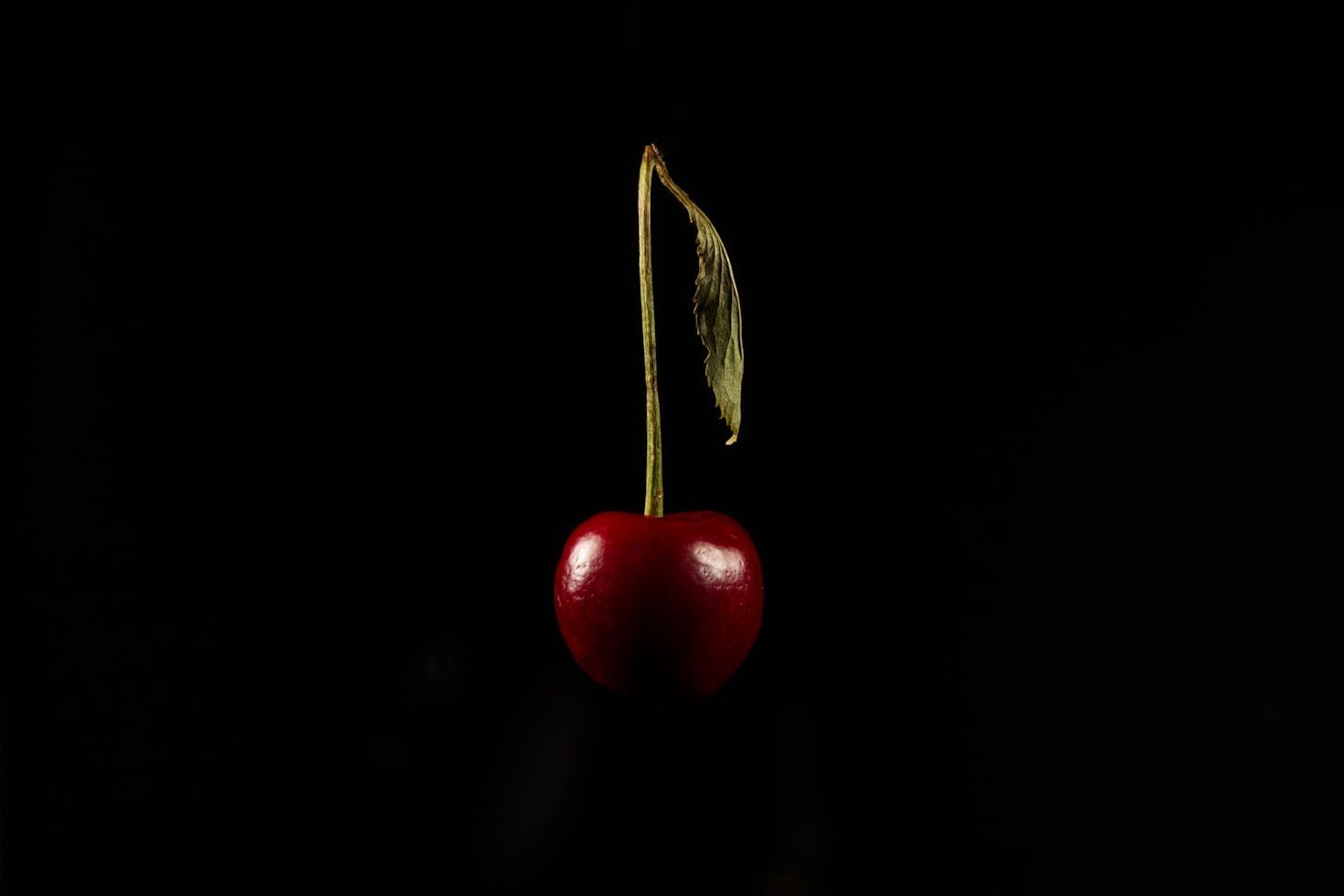
Image: Frank Tunder

Based on a mix of cherry syrup and Coca-Cola, Cherry Coke was first introduced in 1982 at the World's Fair in Knoxville, Tennessee. It wasn’t until three years later that the new soft drink officially hit supermarket shelves worldwide. Cherry Coke was the first flavored Coca-Cola, and its success was so great that in the following years not only did Light and Zero versions emerge, but it also has a large and strong cult fan base.

7
Coca-Cola Blāk
Image: himanshu Chaudhary

As if the caffeine already in Coca-Cola wasn't enough to wake up any sleepyhead, in 2006 the company launched Coca-Cola BlāK. This soft drink that blends the taste of Coke with coffee was introduced in response to the overwhelming success of the early 2000s energy drinks and coffee chains. Despite its novel and sophisticated packaging design, consumers didn't quite like the sweetener’s artificial aftertaste, and it was finally discontinued just 2 years after its launch.

8
Coke Plus Coffee
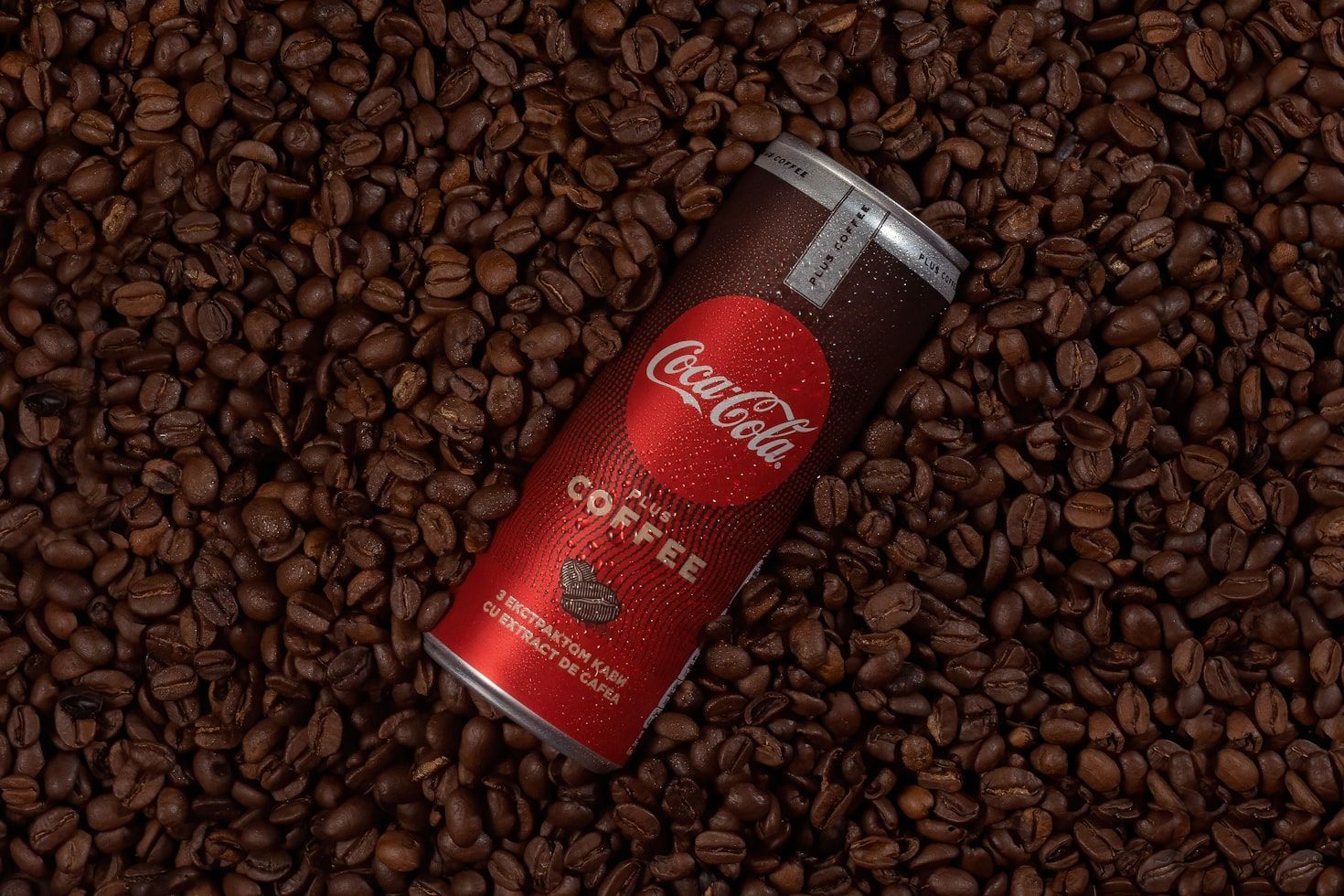
Image: Nikolai Chernichenko

Coca-Cola Wouldn’t give up and, despite Coca-Cola BlāK's fiasco, in 2021 introduced a new product that paired the legendary soft drink with coffee. The difference with its predecessor was that Coke Plus Coffee contained more real coffee, specifically 100% Brazilian coffee. If you think the company got the experiment right this time, you're wrong. Coke Plus Coffee barely lasted a year on American shelves.

9
Coca‑Cola Zero Sugar OREO
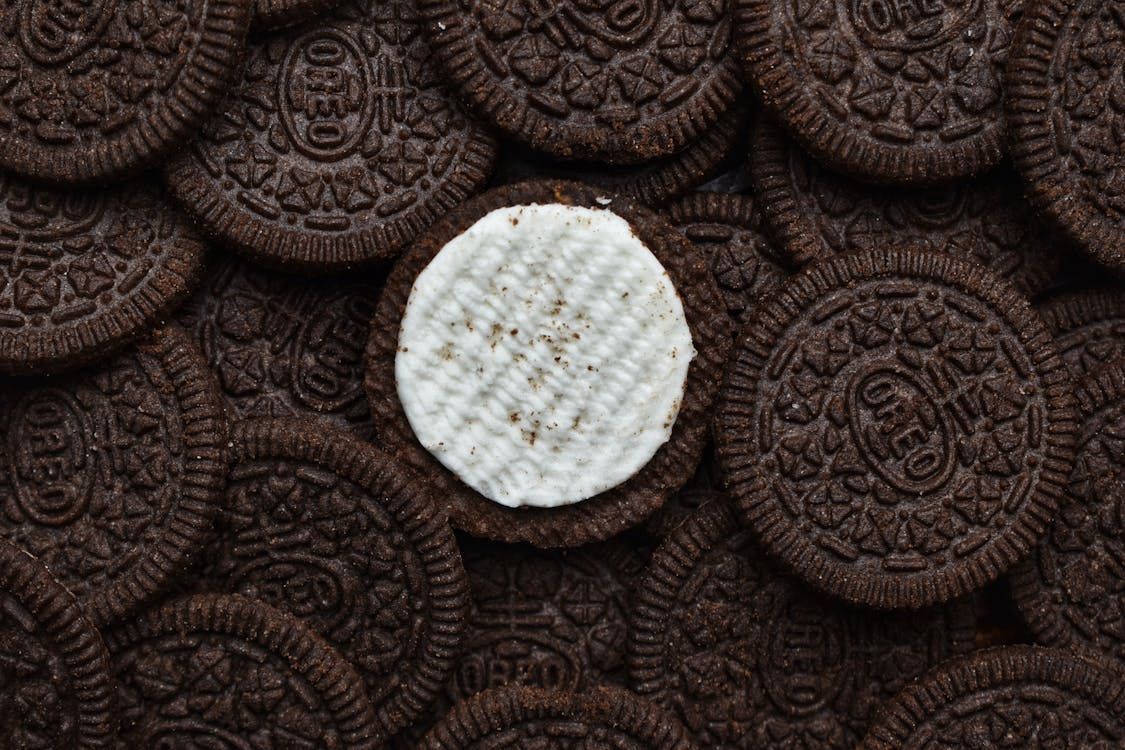
Image: Shubham Kumar

Soda that tastes like cookies and cookies that taste like soda? Coca-Cola and Oreo thought this was a good idea and in 2024 launched a limited edition collaboration that included an Oreo-flavored Coca-Cola and a Coca-Cola-flavored cookie. According to the companies, the products are "a delicious duo that celebrates friendship with every sip". Those who have tried them claim that indeed the drink tastes like Oreo and the cookies like Coke —whatever that means. The Oreos even contain popping candy for a real fizzy vibe! Would you be willing to try them?

10
Coke Cinnamon
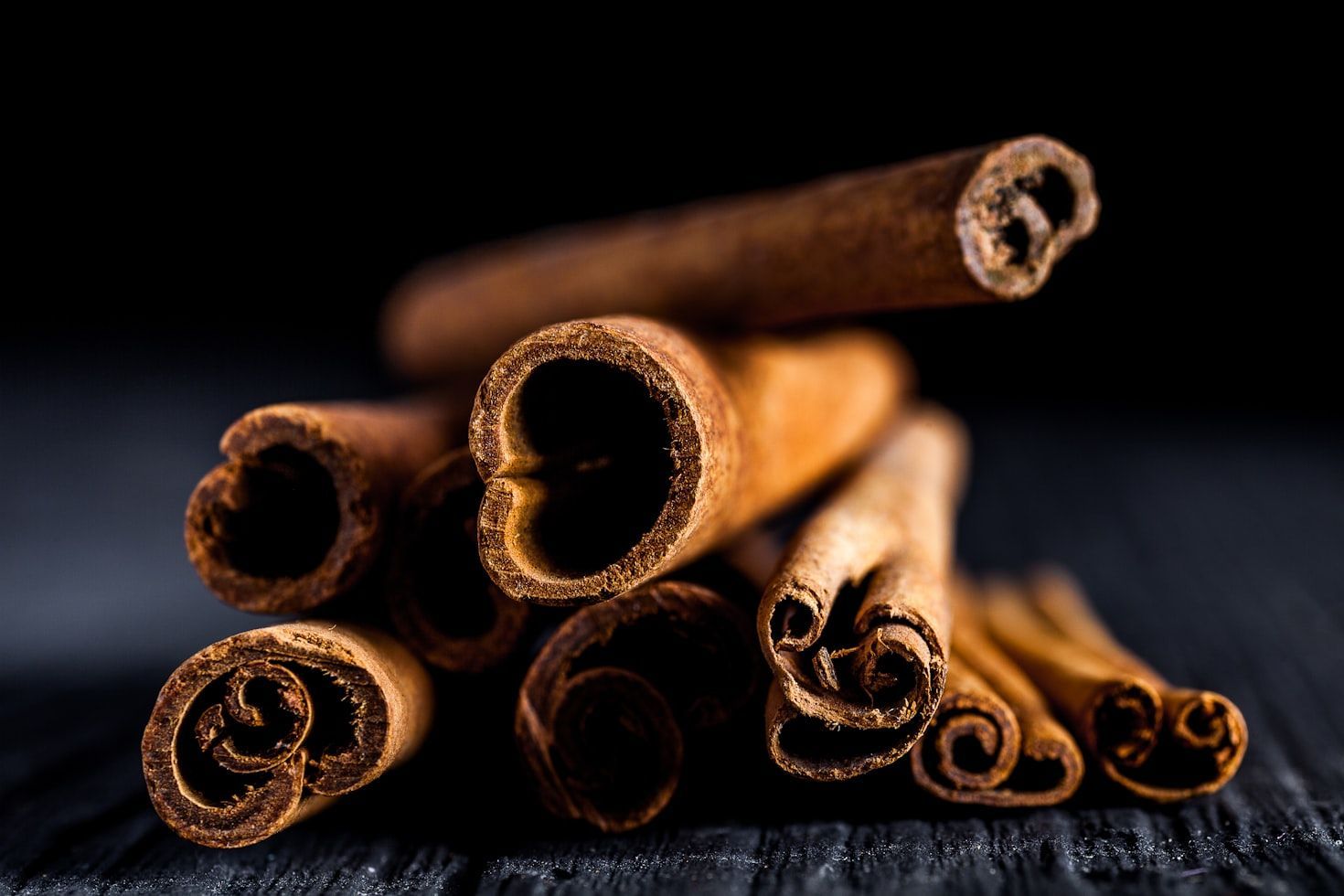
Image: Alex Bayev

If they tried cherry, lime, and vanilla, cinnamon was the obvious next step. Coca-Cola Cinnamon was introduced in September 2019, just in time for the holiday season. It was supposed to be a limited edition, but it was such a success that it was re-released the following winter. The taste? As expected!

11
Diet Coke Plus
Image: Brett Jordan

With the turn of the century, sugary drinks got a backlash from groups advocating healthier eating. In an attempt to improve its image, in 2007, Coca-Cola launched Diet Coke Plus, a drink that, they claimed, was enriched with vitamins and minerals. The attempt ended up backfiring: the United States Food and Drug Administration wrote a warning letter to the company for violating its guidelines. Coca-Cola stated that Diet Coke Plus didn’t involve any health or safety issues, but the product was eventually discontinued.

12
California Raspberry and Georgia Peach
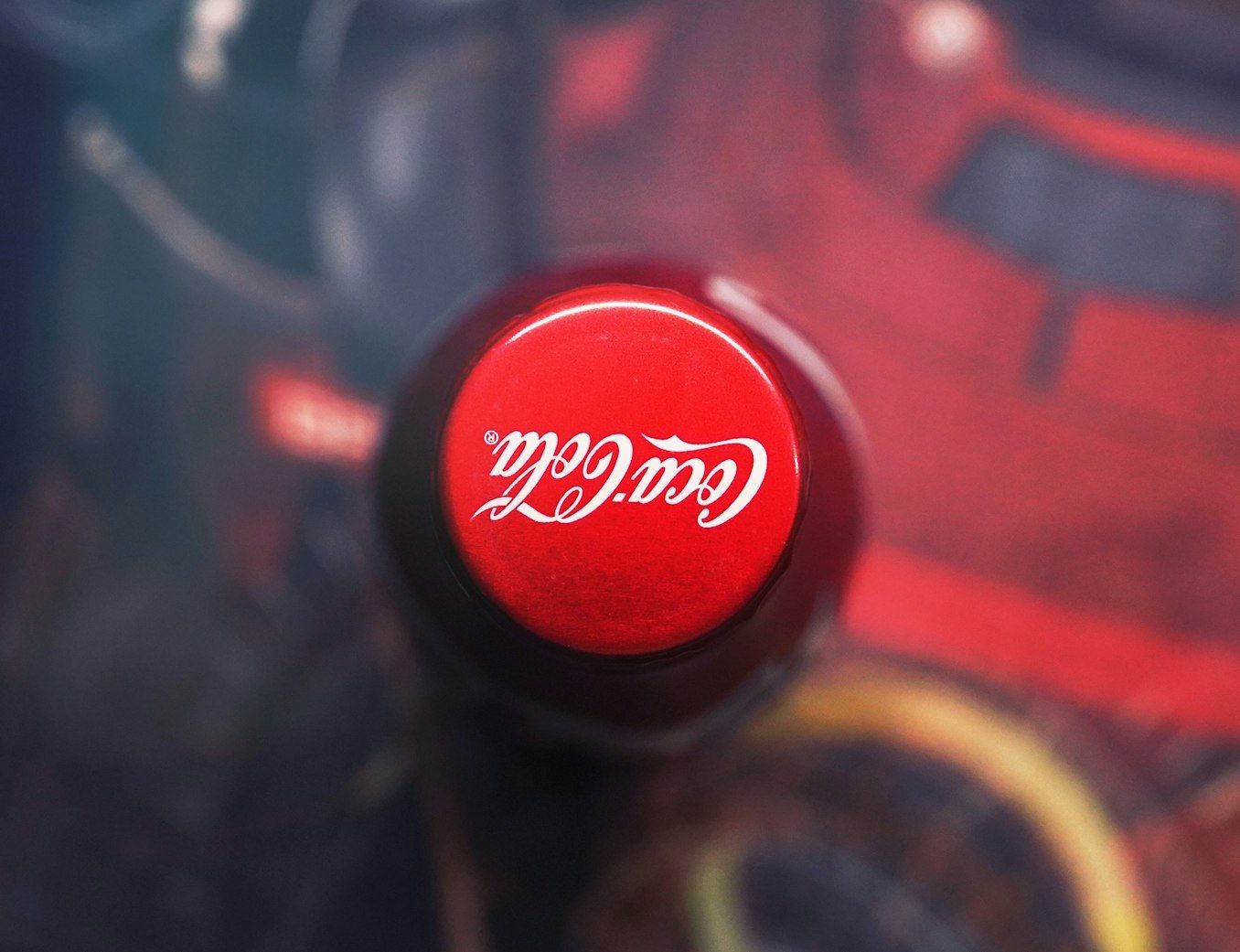
Image: One Day

Locally inspired by these states' signature fruits, California Raspberry and Georgia Peach were the first new Coca-Cola flavors since 2002. Launched in 2018 to compete with craft sodas, these new drinks promised to " add a pop of local flavor to the timeless taste you love." Although many people actually loved the new beverages, the company pulled them from the market in 2020. Ever got the chance to try them?
General General 2 min read

American wisdom

You’ve heard these American idioms—but their true origins will shock you

Image: Meelika Marzzarella

From colonial times to the modern day, American idioms reflect how the country grew, fought, worked, and talked. From quitting cold turkey to the whole nine yards, these sayings captured the spirit of each era. Some came from the battlefield, others from the frontier or factory floor. But all of these expressions here earned a place in everyday speech—and they still tell a uniquely American story.

1
Manifest Destiny

Image: Wayne Hollman

(1840s – Westward Expansion)

Coined in 1845 by journalist John L. O’Sullivan, "Manifest Destiny" justified America’s push westward, claiming it was the nation’s divine right and duty. Though sometimes controversial, it shaped the national mindset and defined 19th-century American expansionism.

2
Talk turkey

Image: Tyler Donaghy

(1800s – Rural America)

"Talking turkey" originally meant speaking plainly, especially during trade or bargaining sessions around Thanksgiving time. The phrase evolved from settlers' interactions with Native Americans and each other.

3
The whole nine yards

Image: Museums Victoria

(1940s – WWII era)

This phrase likely originated in World War II aviation. Fighter pilots reportedly gave "the whole nine yards" when they unloaded all their ammunition —about 27 feet of bullets. It now means going all out, and its roots in wartime tales made it a lasting piece of American lingo.

4
Cold turkey

Image: Andres Siimon

(1920s – Prohibition era)

"Cold turkey" first emerged in drug withdrawal circles during the 1920s, describing a sudden and complete stop, often painful and abrupt. It became more widespread during Prohibition, when people abruptly quit drinking.

5
Pull yourself up by your bootstraps

Image: Nathan Dumlao

(1930s – Great Depression)

Originally a sarcastic quip about doing the impossible, the phrase took on a new life during the Depression, urging Americans to self-rely and push through adversity. By WWII, it had become a proud motto for working-class Americans.

6
Loose lips sink ships

Image: John Kostyk

(1940s – WWII propaganda)

Created by the U.S. Office of War Information, this saying warned citizens and soldiers against careless talk that might aid enemy spies. It was one of the most effective propaganda slogans of WWII.

7
Duck and cover

Image: Stephen Cobb

(1950s – Cold War drills)

Coined in a 1951 civil defense film, this phrase taught schoolchildren to seek shelter from nuclear blasts. While its actual effectiveness was debatable, "duck and cover" captured the anxious era of nuclear tension. It’s since become shorthand for futile emergency preparedness.

8
Jump on the bandwagon

Image: Museums of History New South Wales

(19th century – American politics)

Originating in the 1848 campaign of circus showman Dan Rice, politicians literally used bandwagons to draw crowds. The term evolved as others "jumped on" to align with the popular cause. It now refers to any late but enthusiastic adoption of a trend.

9
Cut to the chase

Image: Jeremy Yap

(Hollywood – silent film era)

Early films often built up slowly, so impatient viewers and editors began saying, "cut to the chase" —the action scene. Now it means getting straight to the point.

10
Put a sock in it

Image: Denny Müller

(1920s – Gramophone era)

Before volume knobs, people muffled early gramophones by stuffing socks in the horn. The phrase quickly became slang for "be quiet."

History History 3 min read

Lesser-known tales

California's Grizzly is extinct? 10 stories behind American symbols

Image: Fr. Daniel Ciucci

It’s one thing to be acquainted with American symbols, but it’s another to learn—years later—the unexpected, hidden stories behind them! Did you know that California’s subspecies of grizzly bear (yes, the one on the flag) has been extinct for over a hundred years ? Or that Texas’s state dish was allegedly invented by prisoners? Maybe you know some of the facts listed here—but we’re sure you don’t know them all!

1
California’s state animal is extinct

Image: Levi Meir Clancy

The California grizzly bear adorns the state flag, but you won’t find one in the wild anymore. Once abundant throughout the region, this was a subspecies of Grizzly also known as "California golden bear."

By the 1920s, this majestic animal had disappeared from the wild, but it has remained a powerful symbol of the state, featured on the flag since the Bear Flag Republic’s short-lived attempt to break from Mexico in 1846.

2
The American flag was (probably) designed by a teenager

Image: Sharefaith

In 1958, around the time Alaska and Hawaii were being added to the Union, an Ohio high schooler named Robert Heft stitched a 50-star flag for a class project . His teacher gave it a B–, scoffing that the brand-new design "lacked imagination."

However, not long after, Heft’s design was selected from thousands of submissions sent to President Eisenhower to determine the official flag. That teacher later changed the grade to an A.

3
Texas’s state dish may have been invented by prisoners

Image: Zak Chapman

Chili con carne is the Lone Star State’s official dish. While its exact origins are uncertain, some say that Texan prisoners in the 1800s were the minds who concocted the dish. According to this version, the stew—made with beans, thin strips of beef, and chili peppers—was the local equivalent of bread and water: a kind of Texan gruel .

4
Alabama's state nut was once a life-saver

Image: Antoni Shkraba

Pecans aren’t just Alabama’s official nut—they’re also symbols of resilience from the Depression era. When cotton crops failed in the 1930s, families turned to harvesting pecans to survive. The nuts became a form of currency , traded for goods, and even used to make mortgage payments. Today, Alabama produces over 30 million pounds annually.

5
The Star-Spangled Banner was once a drinking song

Image: JosephHershMedia

You may know that America’s anthem has a boozy British past. The melody originated as "To Anacreon in Heaven," a raucous 18th-century tavern tune sung by a London gentlemen’s club. A relative of Francis Scott Key noticed that his poem fit perfectly with the melody—and thus, the anthem as we know it was born.

6
The Great Seal almost had a turkey

Image: Roman Manshin

Can you imagine if the Great Seal of the United States featured not a mighty eagle, but a turkey? It was none other than Benjamin Franklin who proposed the turkey as America’s symbol, calling it " a bird of courage ."

Instead, he dismissed the bald eagle as "a lazy scavenger." Congress ultimately overruled him, but Franklin did have a point: turkeys are known to be fiercely protective.

7
The flag’s colors weren’t meant to mean anything—at first

Image: Jon Tyson

Red, white, and blue may seem deeply symbolic today, but in 1775, the Continental Navy chose them simply to match the British flag’s palette. A rebellious decision, if you think about it. The "valor, purity, justice" meanings were tacked on later by poets and politicians.

8
Is South Carolina’s flag really what it seems?

Image: Jaden Dessureault

South Carolina’s flag features a blue background with a palmetto tree and what appears to be a crescent moon. But there are stories that sustain that the silver symbol isn’t a moon at all —it’s a gorget, the curved neck armor worn by 18th-century soldiers. Historians have searched for records to back this theory, but no nods to gorgets have officially been found.

9
Colorado’s flag was once a confusing disaster

Image: Olga Kovalski

When Colorado unveiled its bold "C" design in 1911, it forgot one crucial detail: specifying which shade of blue to use for the background. For 26 chaotic years, flags fluttered in everything from pale sky blue to deep navy—until officials finally standardized the hue in 1937.

10
One of Illinois’ state symbols was chosen by… kids

Image: Peter Schad

Illinois’ state snack was chosen by the most powerful lobbyists of all: children. When a group of fourth graders learned their state produced a large portion of America’s popcorn , they launched a 2003 campaign so persuasive that lawmakers had no choice but to make it official.

Explore more American facts

Choose your favorite category!

General
General

As American as apple pie—the very best America has to offer!

Culture
Culture

Delve into the astounding richness of American lore.

Geography
Geography

Hop in and explore vast and diverse American landscapes.

History
History

Discover the key moments that shaped the United States.