History History 4 min read

Presidential legacies

Did you know a president's calm decision once avoided a nuclear crisis?
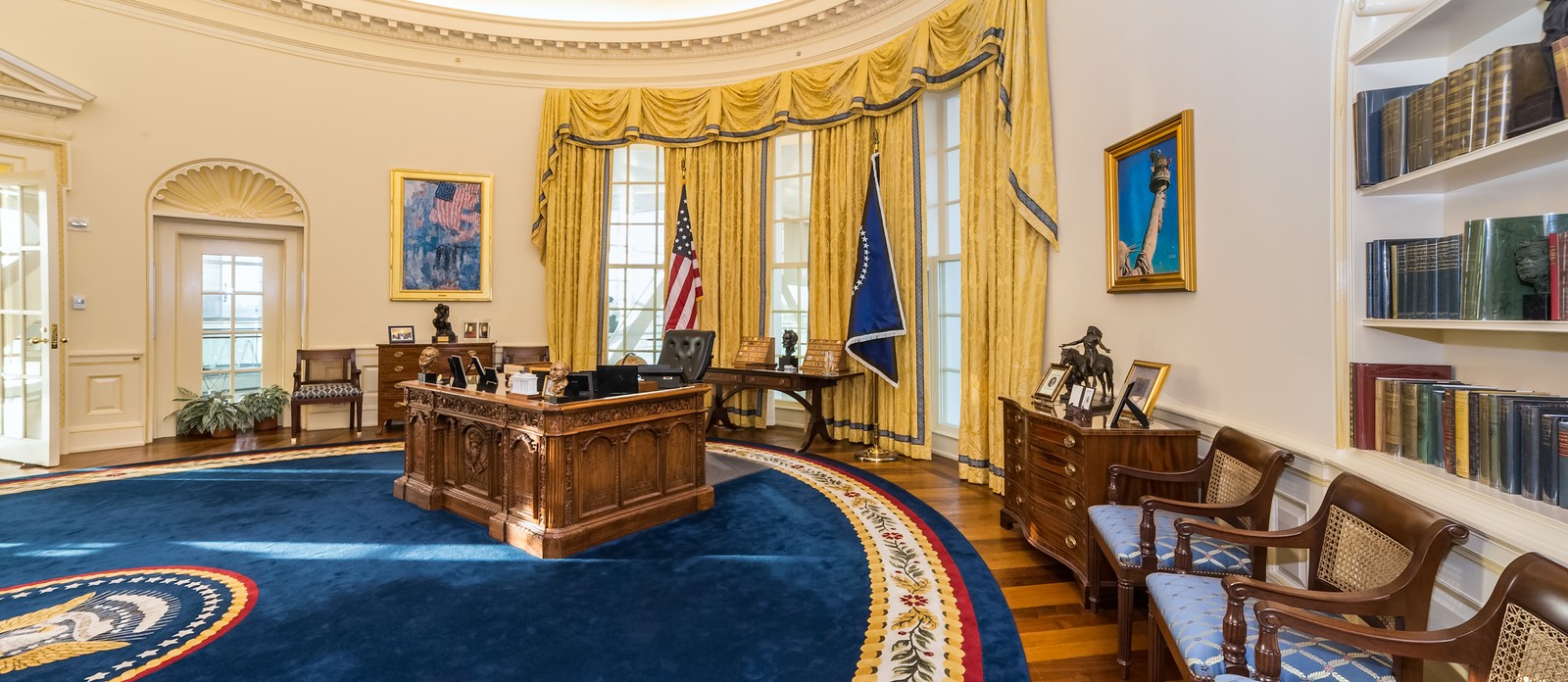
Image: amadeustx

Throughout American history, U.S. presidents have achieved many notable accomplishments that helped shape the nation. From facing down a nuclear standoff to setting our sights on the Moon, these moments have shaped the country we live in today and contributed to its overall well-being . Here are 10 presidential highlights worth remembering.

1
John F. Kennedy
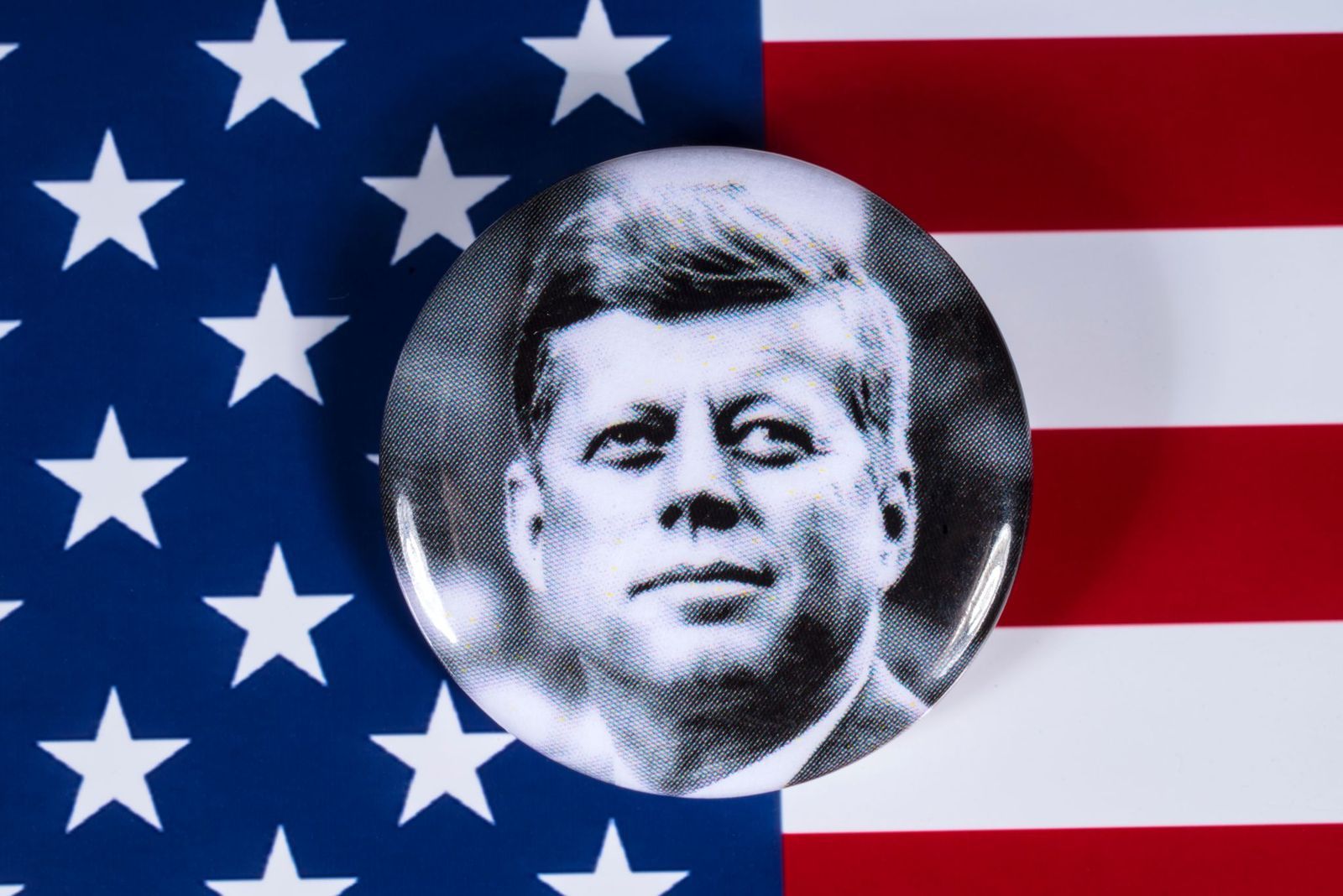
Image: chrisdorney

In October 1962, Kennedy faced the Cuban Missile Crisis, a tense standoff after the Soviet Union placed nuclear missiles just off U.S. shores. Rather than escalating things, he chose careful diplomacy and a naval blockade , and the crisis was resolved without conflict.

In that same era, Kennedy set a bold goal: landing a man on the Moon by the decade's end . Americans rallied behind the space race, and in 1969, Apollo 11 fulfilled its vision, giving the country a shared moment of pride and wonder.

2
Ronald Reagan
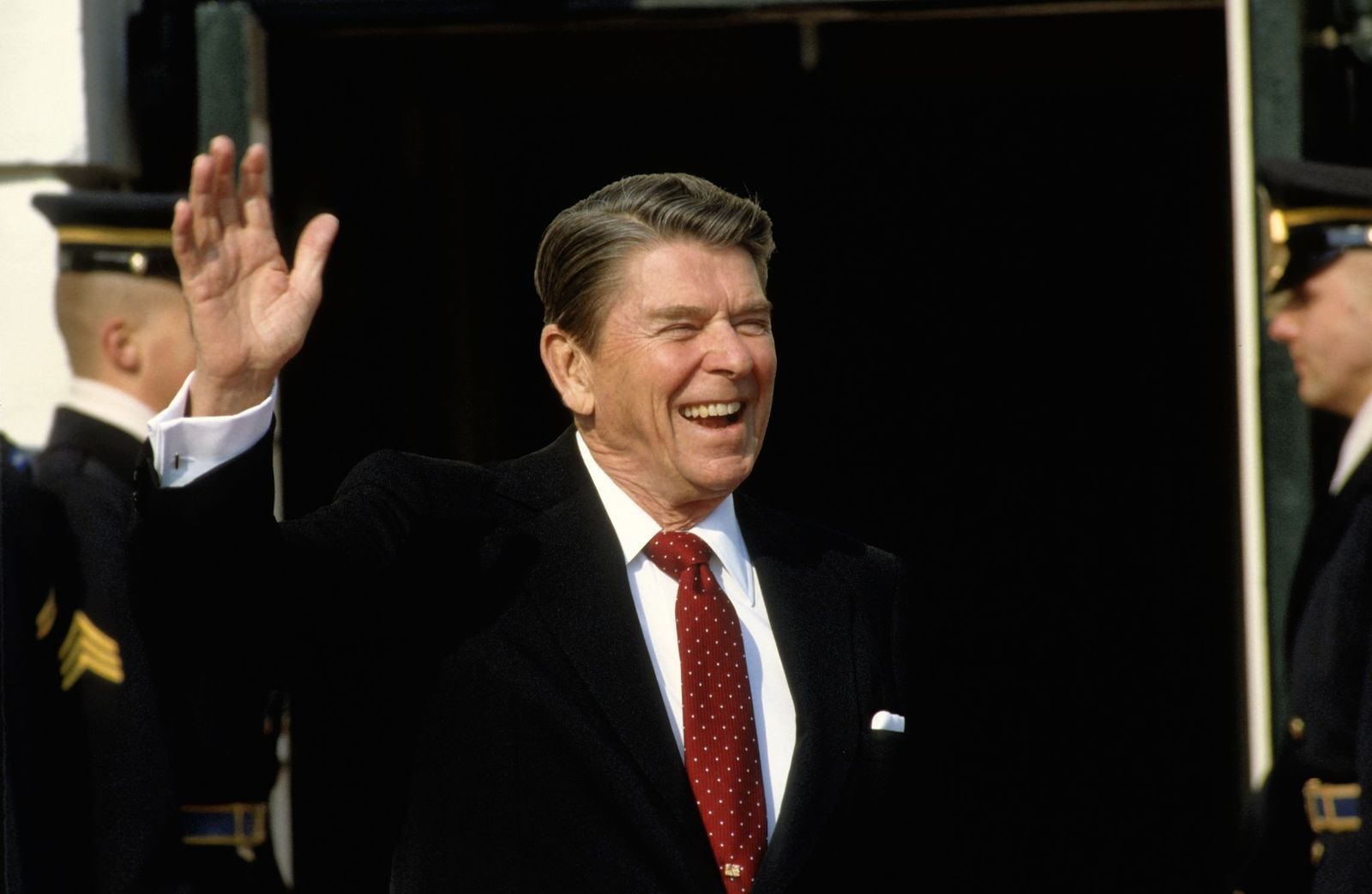
Image: mark reinstein

Throughout the 1980s, Reagan pursued a policy mixing firm diplomacy with a strong national defense, which helped ease tensions with the Soviet Union as the Cold War wound down. His approach is often credited with helping set the stage for its peaceful conclusion .

At home, Reagan pushed through major tax cuts and economic reforms aimed at boosting growth. Supporters felt renewed optimism about the economy, while the changes also sparked debate that still echoes in political conversations today.

3
Abraham Lincoln
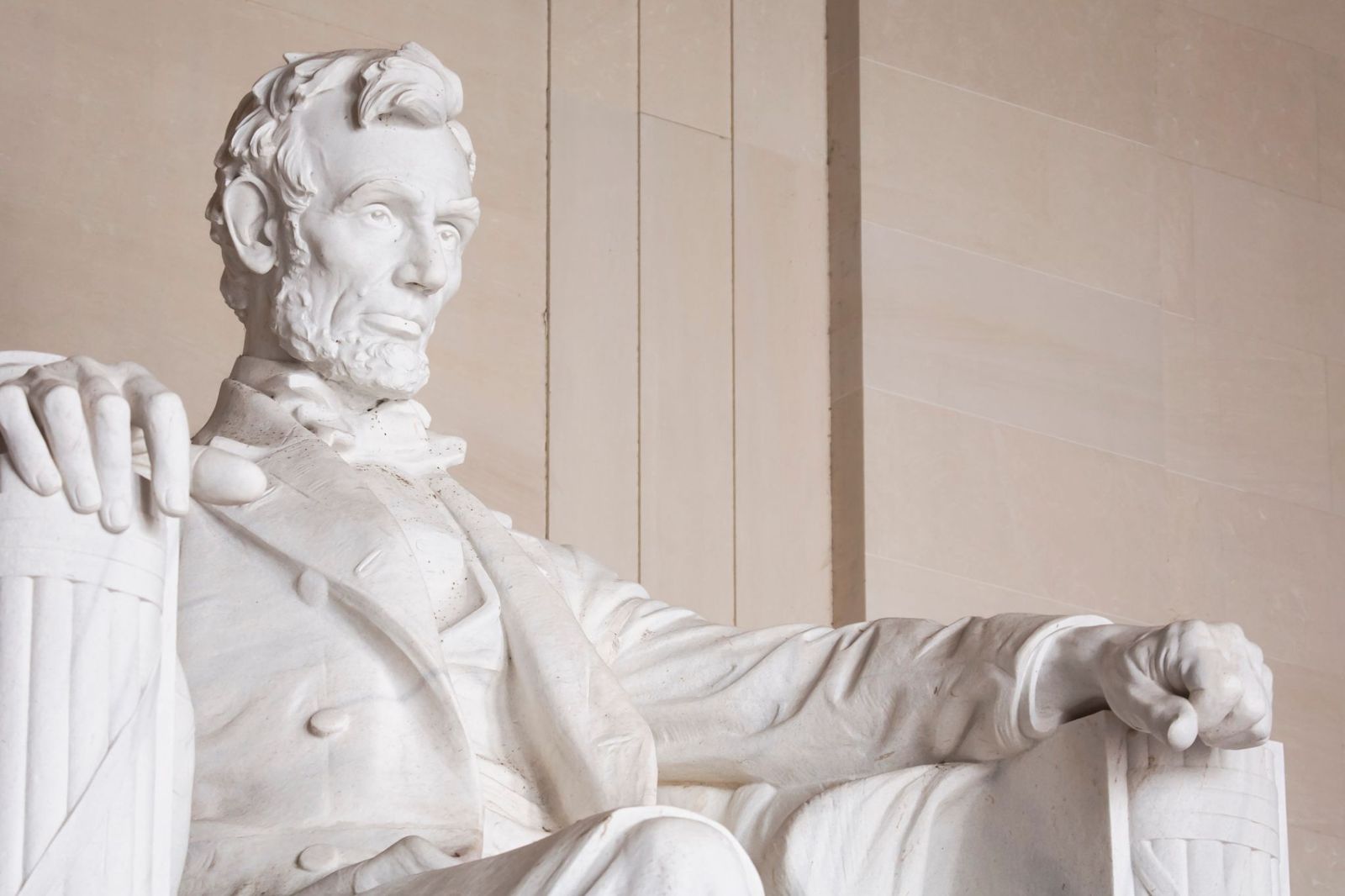
Image: Paul Maguire

During the 1860s, Lincoln worked to hold the nation together through one of its most difficult chapters. His steady leadership focused on preserving the Union at a time when the country's future felt genuinely uncertain.

In 1863, he issued the Emancipation Proclamation , declaring enslaved people in Confederate states free. It was a defining step toward a more just nation, and it remains one of the most celebrated moments in American history.

4
Richard Nixon
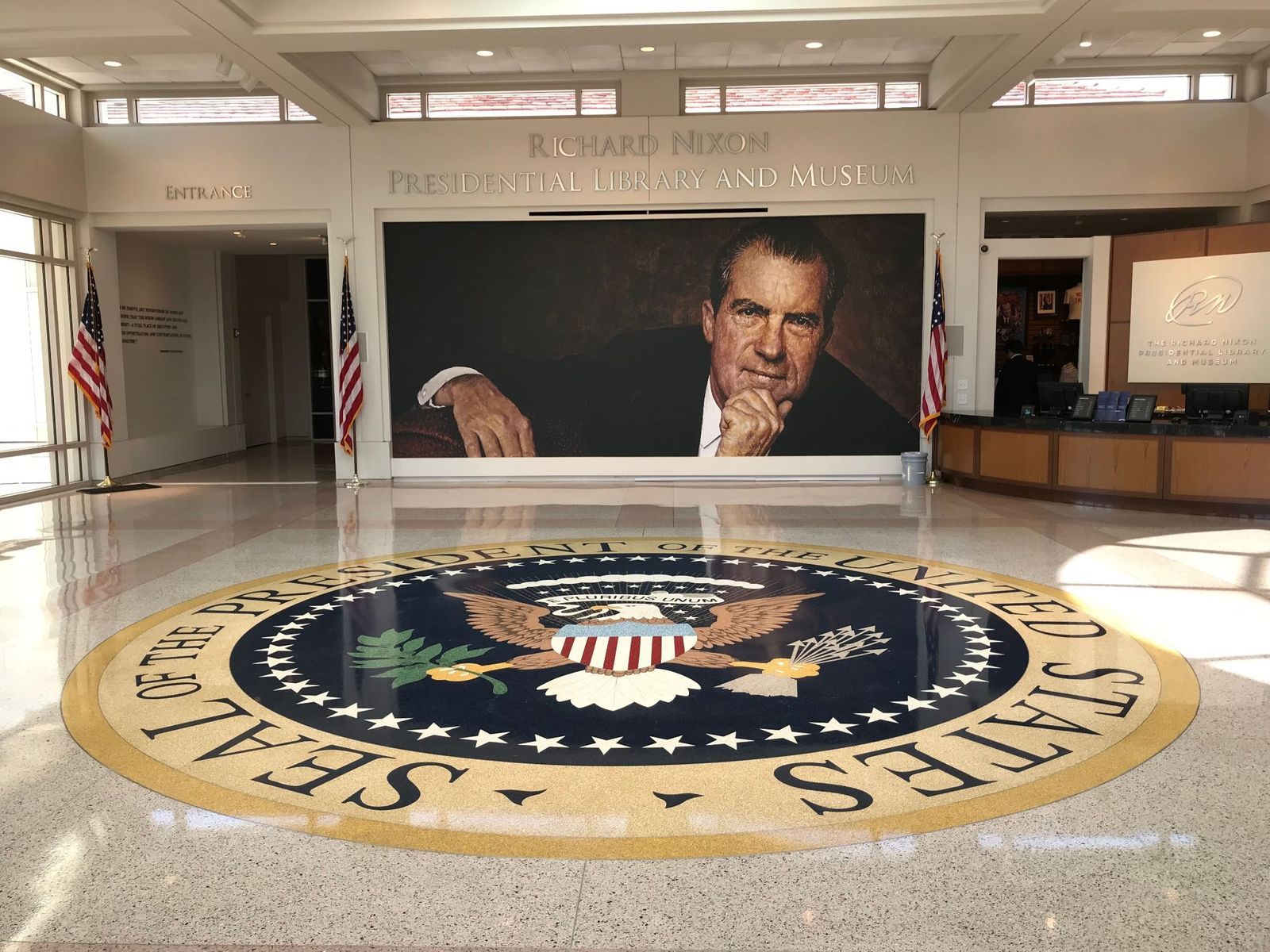
Image: Pamela Brick

In 1972, Nixon made a surprising move by traveling to China, opening diplomatic relations with a nation the U.S. had largely avoided for decades. It was a bold gesture that few expected from him.

The visit reshaped American foreign policy, and the diplomatic and trade ties it opened continue today, even as the relationship between the two countries has had its share of ups and downs over the years. At the time, many Americans were struck by the historic television images of Nixon walking along the Great Wall.

5
Franklin D. Roosevelt
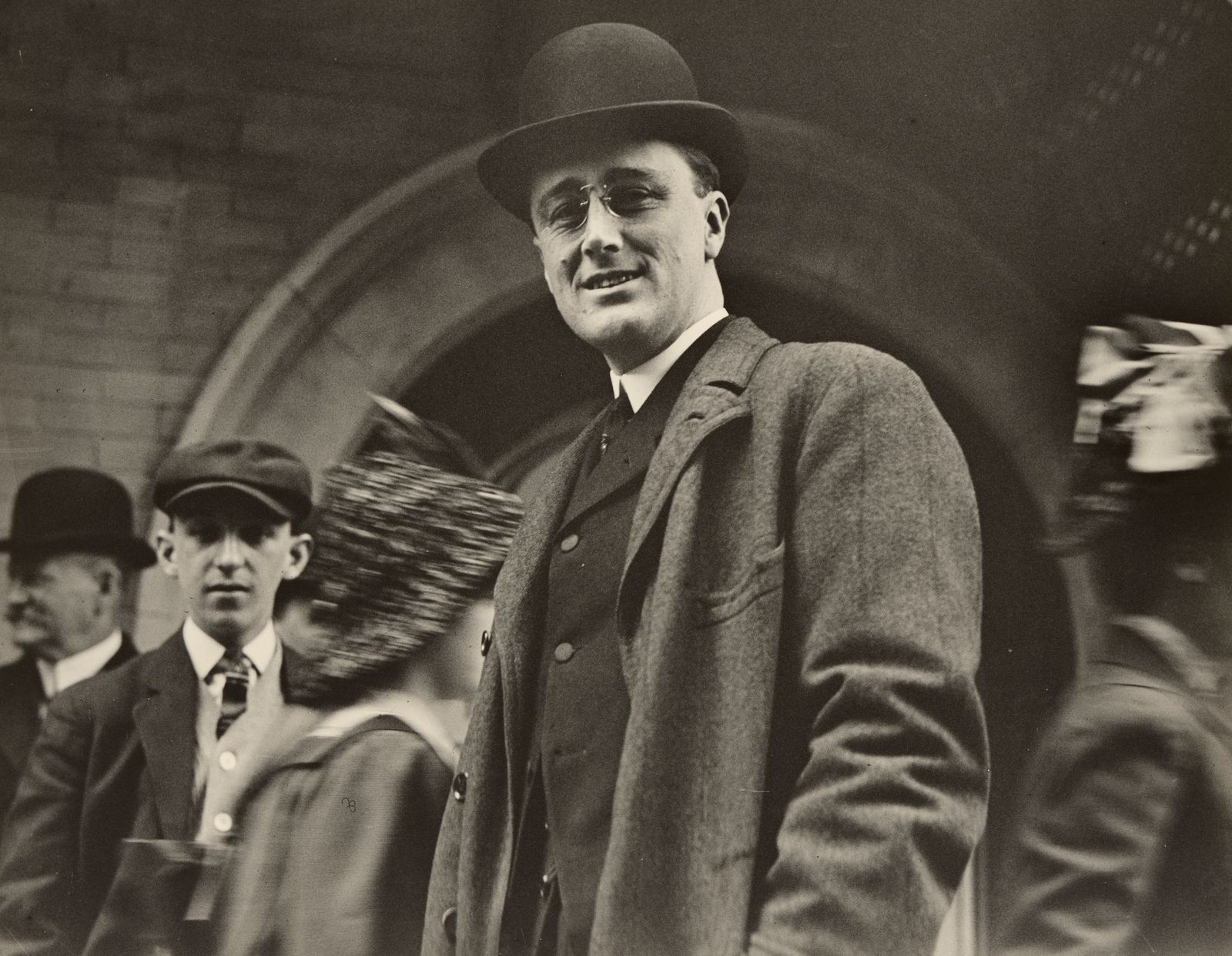
Image: Rawpixel.com

In the 1930s, facing the Great Depression, Roosevelt introduced the New Deal , a set of programs designed to create jobs and rebuild the economy. It gave many struggling families a renewed sense of hope.

He later guided the nation through most of World War II, providing steady leadership during a difficult stretch. Many Americans came to see him as a reassuring, fatherly figure during uncertain times.

6
George Washington
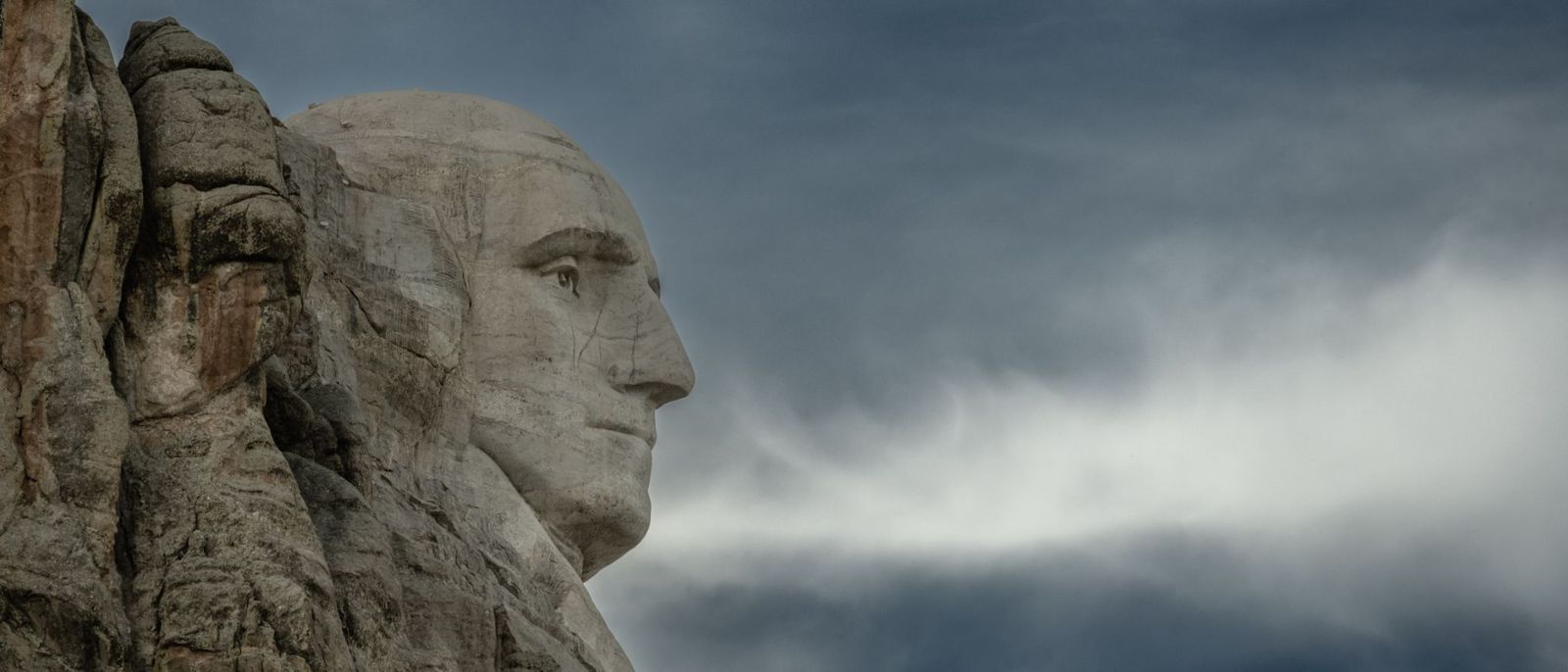
Image: Kelly vanDellen

As the nation's very first president, starting in 1789, Washington had no roadmap to follow. He had to figure out, from scratch, how the role should actually work.

He set lasting precedents, including the two-term tradition and a peaceful transfer of power. People admired his humility and restraint, and his example continues to shape how Americans think a president should lead .

7
Thomas Jefferson
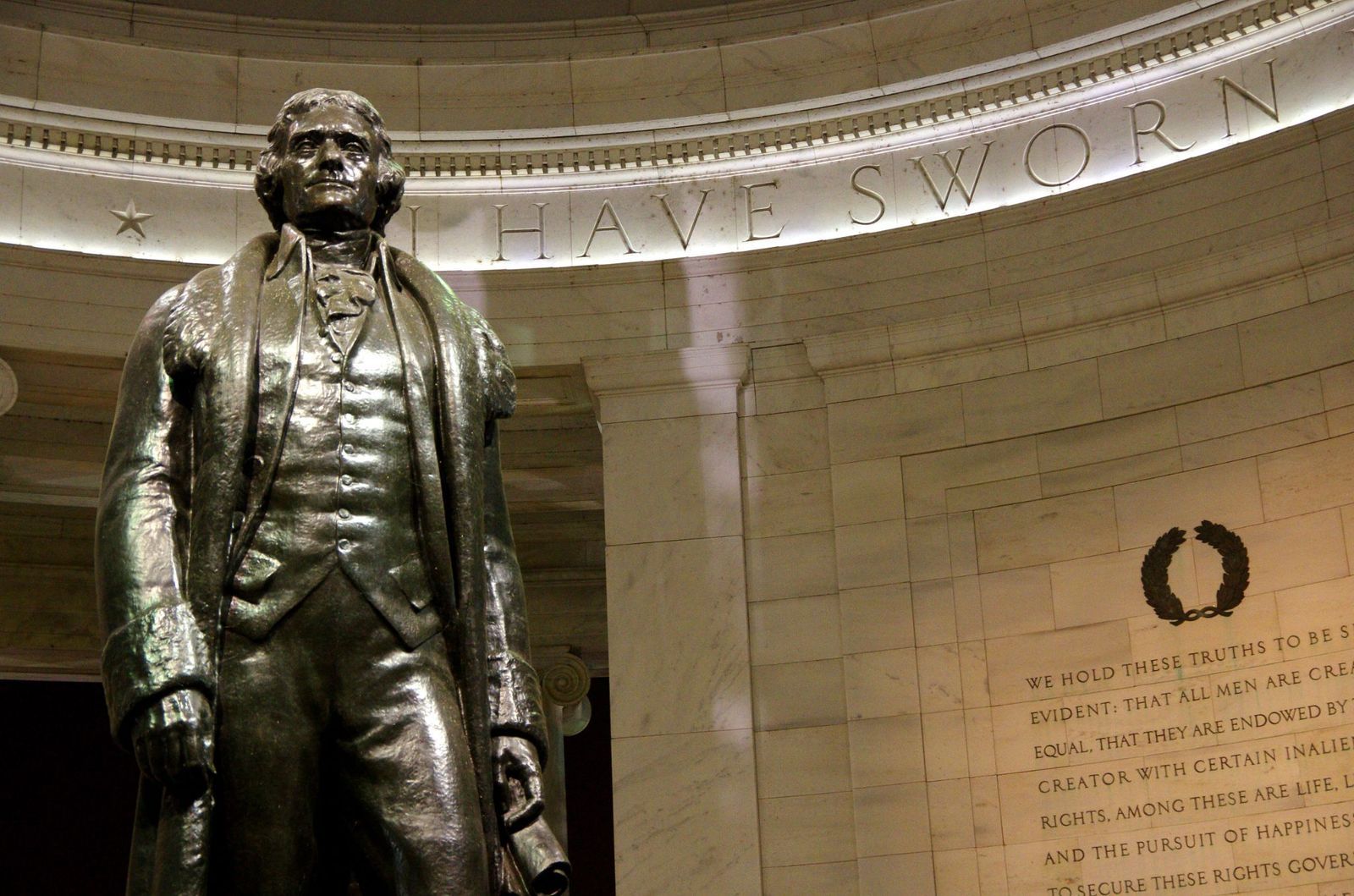
Image: LO Kin-hei

In 1803, Jefferson negotiated the Louisiana Purchase , buying a massive stretch of land from France for roughly three cents an acre. It was one of the best real estate deals in history.

The purchase doubled the size of the United States overnight, opening the door to westward expansion. Many Americans were thrilled by the sudden growth, though it also raised new questions about constitutional limits and how the growing nation would handle its new territory.

8
Harry S. Truman
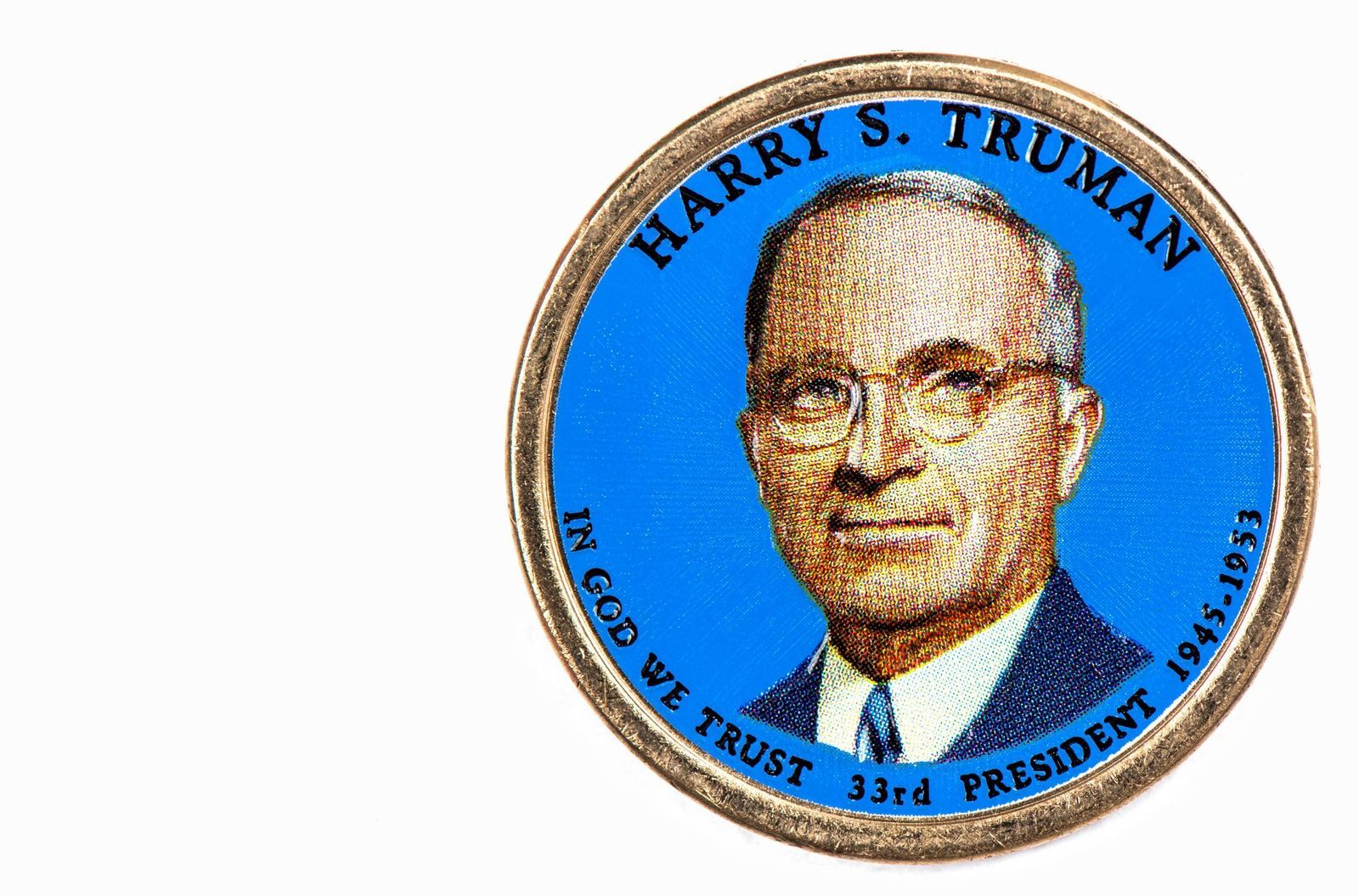
Image: Prachaya Roekdeethaweesab

As World War II wound down in 1945, Truman stepped into leadership during an enormous transition. He then turned his attention to helping Europe recover from years of hardship.

His Marshall Plan sent aid to rebuild European economies, a move widely seen as generous and forward-thinking. It helped foster goodwill abroad and positioned the U.S. as a steady partner on the world stage .

9
Dwight D. Eisenhower
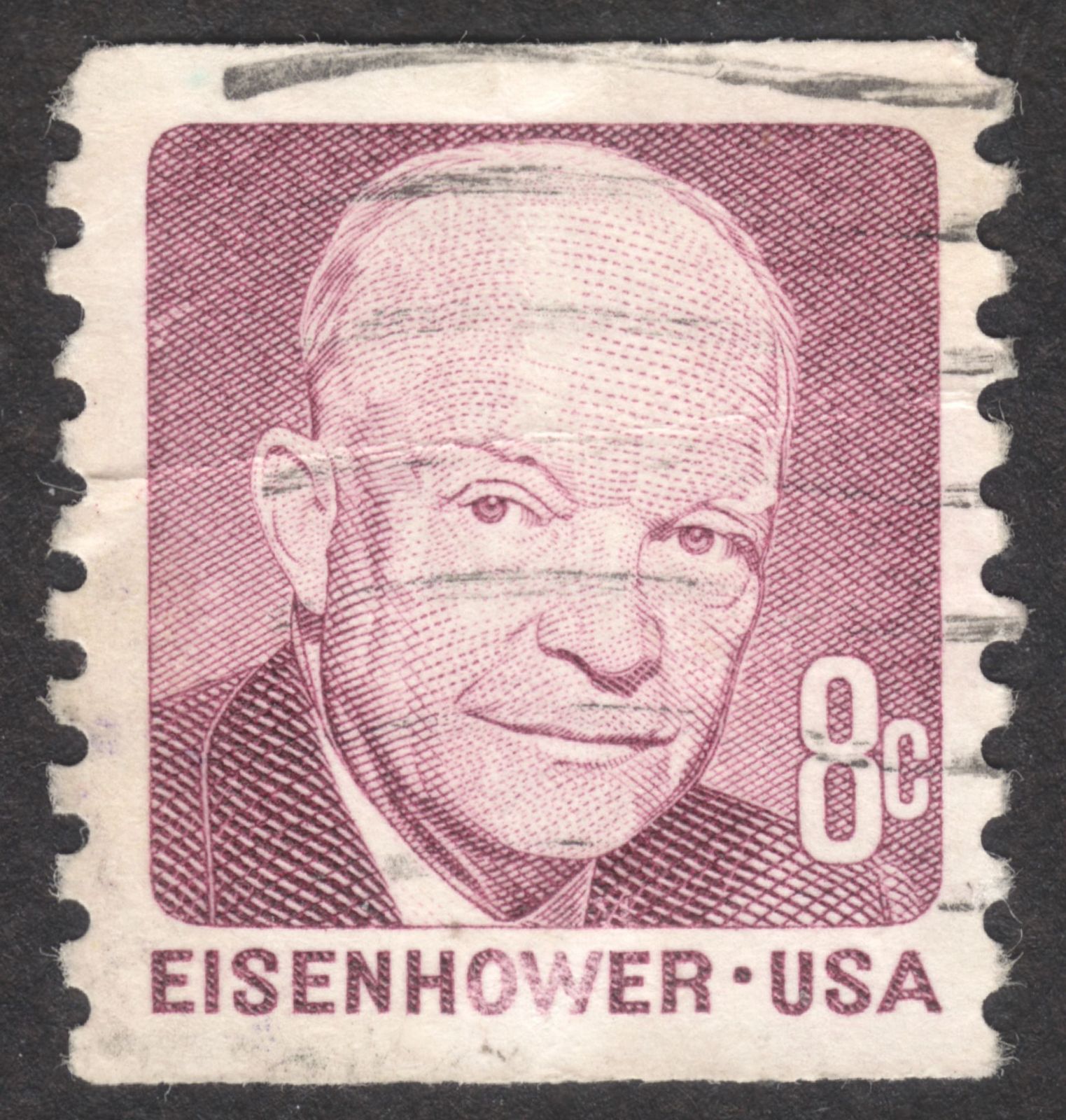
Image: Vitaly Raduntsev

In 1956, Eisenhower championed the creation of the Interstate Highway System , inspired partly by the efficient roadways he'd seen while serving in Europe years earlier. It was a massive undertaking.

The new highways transformed how Americans traveled, shipped goods, and even planned vacations. Road trips became a beloved pastime, and the system remains one of the most visible legacies of any president.

10
Theodore Roosevelt
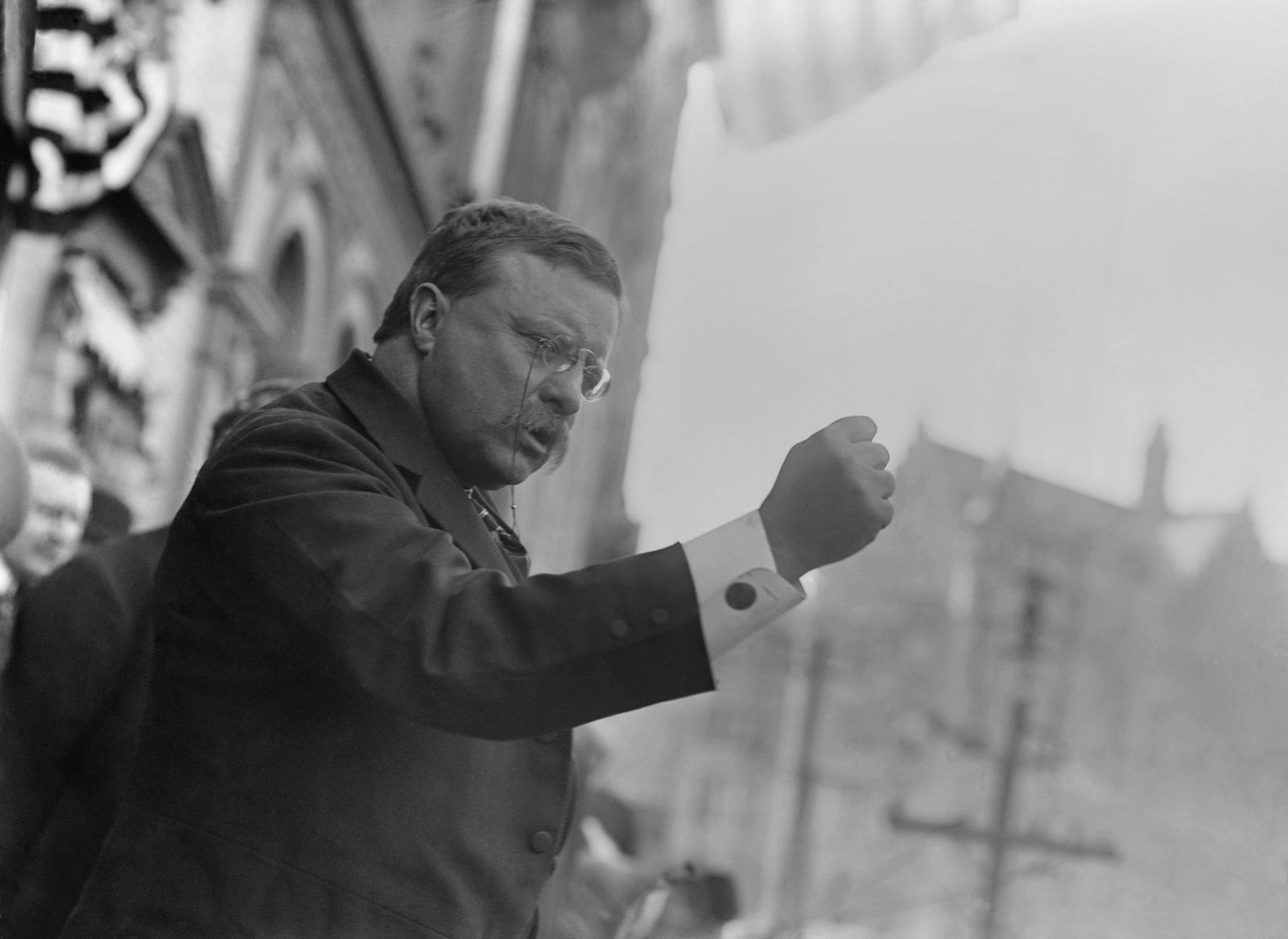
Image: Everett Collection

In the early 1900s, Roosevelt became a passionate champion of conservation, alarmed by how quickly natural landscapes were disappearing. He believed future generations deserved to enjoy them too.

He protected millions of acres, establishing national parks and forests still cherished today. Outdoor enthusiasts of his time praised him warmly, and his legacy lives on every time someone visits a national park.
Geography Geography 3 min read

Want to go for a ride?

From epic exploration to lonely road trips: the Great American Road

Image: Enric Cruz López

America has provided its majestic landscape for many different types of journeys, from the heroic to the touristic. Its infinite roads offer all kinds of experiences, and different personalities will find different adventures. The following ten journeys showcase these extremes and then some more. Which of these travelers do you identify yourself with the most?

1
Lewis & Clark

Image: James Lee

Also known as the Corps of Discovery Expedition, the Lewis and Clark Expedition crossed the newly acquired western portion of the country after the Louisiana Purchase . This group of U.S. Army and civilian volunteers under the command of Captain Meriwether Lewis and his close friend Second Lieutenant William Clark set out from Illinois, on May 14, 1804.

They crossed the Continental Divide of the Americas near the Lemhi Pass, eventually coming to the Columbia River, and the Pacific Ocean in 1805. The return voyage ended on September 23, 1806.

2
George Wheeler

Image: Alex Moliski

The leader of the Wheeler Survey, George Montague Wheeler, was an American pioneering explorer and cartographer who led one of the major geographical surveys of the western United States in the late 19th century.

In 1872, the US Congress planned to map the portion of the country west of the 100th meridian . This plan became known as the Wheeler Survey, which lasted until 1879 when the Wheeler, King, and Powell Surveys’ combined work was reorganized as the United States Geological Survey.

3
The Donner Party

Image: Naithen

The Donner Party was a group of pioneers who migrated to California in a wagon train from the Midwest. Delayed by a multitude of mishaps, they spent the winter of 1846-1847 snowbound in the Sierra Nevada .

While the journey west usually took between four and six months, the Donner Party chose to follow a new route called the Hastings Cutoff, which delayed them greatly.

4
Mark Twain

Image: Jim Strasma

Mark Twain was never one to shy away from adventure. Roughing It was published in 1872. It follows his travels through the American West from 1861 to 1867, when he joined his brother Orion Clemens, appointed Secretary of the Nevada Territory, on a stagecoach journey west.

5
John Muir

Image: Mathilda Khoo

The "Father of the National Parks" was a Scottish-born American explorer, naturalist, author, botanist, and early advocate for the conservation of the nation’s wilderness.

After spending much of his youth traveling across the country, Muir visited Yosemite and was enthralled by its natural beauty . Later on, he worked as a shepherd for a season in the valley, built a cabin, and began advocating for the creation of a national park to protect the area.

6
Jack Kerouac

Image: Ana Viegas

Probably one of the most famous entries on this list, Jack Kerouac’s 1947 cross-country hitchhiking round-trip became the basis for On the Road , a freeform travelogue that became the bible of the Beat Generation.

His roundtrip started and ended in New York, passing through Chicago on the way out to California, following the West Coast south before returning east.

7
John Steinbeck

Image: Jack Anstey

In 1960, John Steinbeck decided to travel across America setting out from his Long Island home aboard his camper van, dubbed Rocinante, and accompanied by his French poodle, Charley . In 1962, he published Travels with Charley: In Search of America .

Their 10,000-mile-long trip passed through New England, then via Niagara Falls along the Canadian border, hitting Chicago and continuing to Seattle before turning south towards the Salinas Valley, then to Texas, New Orleans, and a huge chunk of the Deep South.

8
Tom Wolfe

Image: Geio Tischler

Long before writing The Bonfire of Vanities , Tom Wolfe embarked on a trip across the country with a group of psychedelic enthusiasts known as the Merry Pranksters. The trip produced his 1968 nonfiction book, The Electric Kool-Aid Acid Test .

9
William Least Heat-Moon

Image: Aaron Huber

William Least Heat-Moon lost his wife and his job as a professor in a short period of time, which prompted him to embark on a soul-searching journey across the country . The result was 1982’s Blue Highways , a novel that describes the experiences he had during his travels, including conversations with colorful characters, the towns he visited, and his adventures on the road.

10
Michael Paterniti

Image: Tim Trad

Imagine driving across the country with the brain of one of the world’s most celebrated geniuses in the backseat . That is exactly what Michael Paterniti experienced and shared in his 2000’s Driving Mr. Albert: A Trip Across America with Einstein’s Brain .

The author started his quest in New Jersey, driving the doctor who performed Einstein’s autopsy and afterward refused to give up the brain which, eventually, was delivered to an Einstein heir in Berkeley.

History History 3 min read

Slogans that stuck

Remember "I like Ike"? 10 unforgettable campaign slogans in US history

Image: Sora Shimazaki

Election campaigns can get wild, and a big part of that is the slogans . These catchphrases stick with candidates all the way to election day—and, in many cases, long after. Few would argue with the lasting power of Eisenhower’s "I Like Ike" or Reagan’s "It’s Morning Again in America." Join us as we take a tour through 10 of the most memorable campaign slogans used by American presidents.

1
"I like Ike" – Dwight D. Eisenhower (1952)

Image: Adam Bouse

Often referenced in pop culture, "I Like Ike" was Dwight D. Eisenhower's slogan during his 1952 campaign. "Ike" was his nickname, and the slogan’s catchy and effective simplicity helped power Eisenhower to victory in '52 and again in his 1956 re-election.

2
"It's morning again in America" – Ronald Reagan (1984)

Image: Nicolas HIPPERT

In 1984, Ronald Reagan launched his re-election campaign with a slogan that was as powerful as it was optimistic: "It's morning again in America." Symbolizing a nation back on its feet, the slogan made a strong impact, helping Reagan win a landslide in the 1984 election, taking 49 out of 50 states.

3
"A chicken in every pot and a car in every garage" – Herbert Hoover (1928)

Image: John Paulsen

Herbert Hoover’s 1928 slogan, "A chicken in every pot and a car in every garage," remains one of the most memorable campaign slogans in American history. Although it wasn't official, it resonated with the middle class by promising abundance and comfort. Hoover won the election, but his administration was only a few months old when the Great Depression suddenly began in 1929.

4
"Yes we can" – Barack Obama (2008)

Image: History in HD

One of the most memorable slogans of the early 21st century is undoubtedly "Yes We Can," from Barack Obama’s 2008 campaign. Short, clear, and powerful, the phrase delivered a message of unity that resonated with millions and helped secure victory for the Democratic candidate that year.

5
"Make America Great Again" – Donald Trump (2016)

Image: History in HD

When it comes to recent history, the 2016 election was unforgettable. Without a doubt, the slogan that captured the nation’s attention was "Make America Great Again." With its strong appeal to nostalgia, the phrase helped Donald Trump secure victory over Hillary Clinton.

6
"Happy days are here again" – Franklin D. Roosevelt (1932)

Image: Element5 Digital

"Happy Days Are Here Again" was the theme song of Franklin D. Roosevelt's 1932 presidential campaign. Though not originally written as a campaign slogan, the upbeat tune became strongly associated with Roosevelt’s message of hope during the Great Depression. The song spread quickly across the country and is still remembered today. He won the election and went on to serve four terms, the only US president in history to do so.

7
"Tippecanoe and Tyler Too" – William Henry Harrison (1840)

Image: The New York Public Library

We could say this slogan started it all. Widely regarded as the first hugely successful presidential campaign slogan in US history, its message was surprisingly powerful. On one hand, "Tippecanoe" highlighted Harrison's reputation as a war hero from the 1811 Battle of Tippecanoe. While adding "Tyler too," the slogan introduced voters to his running mate, John Tyler.

8
"Keep Cool with Coolidge"- Calvin Coolidge (1924)

Image: Will Ma

Calvin Coolidge became president in 1923 after the death of President Warren G. Harding.

Coolidge’s calm, steady demeanor was one of the most memorable aspects of his first time in office. In 1924, he capitalized on this reputation by adopting the slogan "Keep Cool with Coolidge" for his re-election campaign, and it worked!

9
"Don't swap horses in the middle of the stream" – Abraham Lincoln (1864)

Image: Ed Fr

The Civil War was far from a quiet time in American history. Amid this national division, Lincoln was leading the country and running for re-election in 1864. His iconic campaign catchphrase, "Don't Swap Horses in the Middle of the Stream," encouraged voters to give his administration more time and place their trust in his vision for the country. And they did!

10
"Not just peanuts" – Jimmy Carter (1976)

Image: Tom Hermans

When critics pointed to Jimmy Carter’s background as a peanut farmer, he didn't ignore it— he turned it to his advantage. Though not an official campaign slogan, "Not Just Peanuts" helped him connect with everyday Americans while also highlighting that he brought much more to the table. The message was clear: farming was part of his story, but Carter was also experienced and capable of leading the nation.

Explore more American facts

Choose your favorite category!

General
General

As American as apple pie—the very best America has to offer!

Culture
Culture

Delve into the astounding richness of American lore.

Geography
Geography

Hop in and explore vast and diverse American landscapes.

History
History

Discover the key moments that shaped the United States.