General General 5 min read

10 TV shows that changed everything

Image: Alexander Chesarev

There’s no way you haven’t watched at least one of them. Groundbreaking, radical, and revolutionary: these TV shows are all that and more. From The Simpsons to Sex and the City, from The Sopranos to Law & Order, these series reshaped storytelling and how we think about our work, our friendships, and our love lives . Get ready to rediscover 10 beloved, incredibly entertaining shows that turned everything upside down.

1
The Simpsons
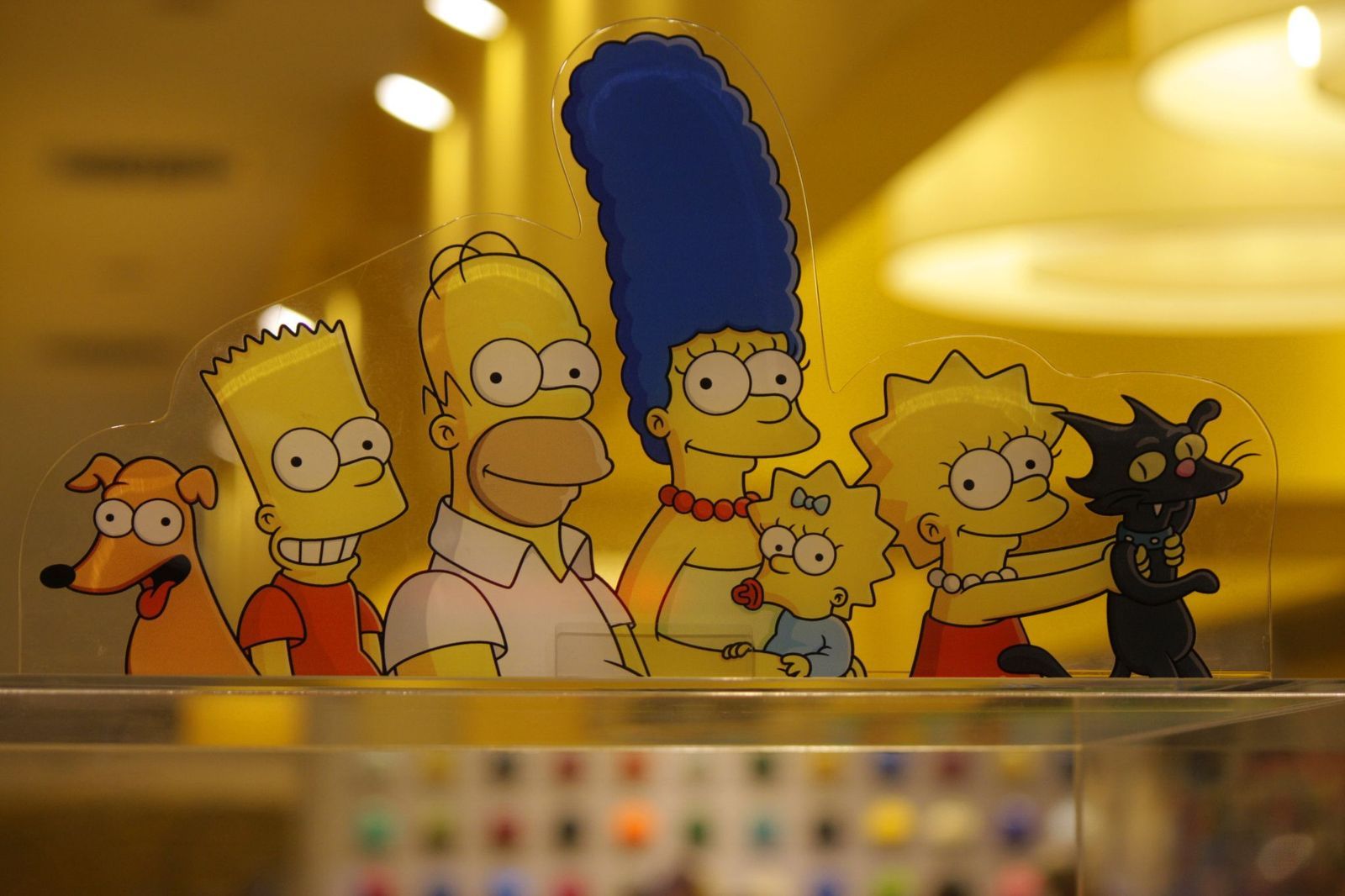
Image: 360b

The Simpsons , created by Matt Groening, premiered on Fox in 1989, starring a new family that defied conventional, picture-perfect TV norms.

Instead, an imperfect and dysfunctional family appeared — and because of that, they were relatable in profoundly new ways . The Simpsons was also a pioneer in adult animation, allowing children to follow the story while including complex political and social satire for adults. It not only coined permanent catchphrases but also had a surprising ability to predict world events.

2
The Sopranos
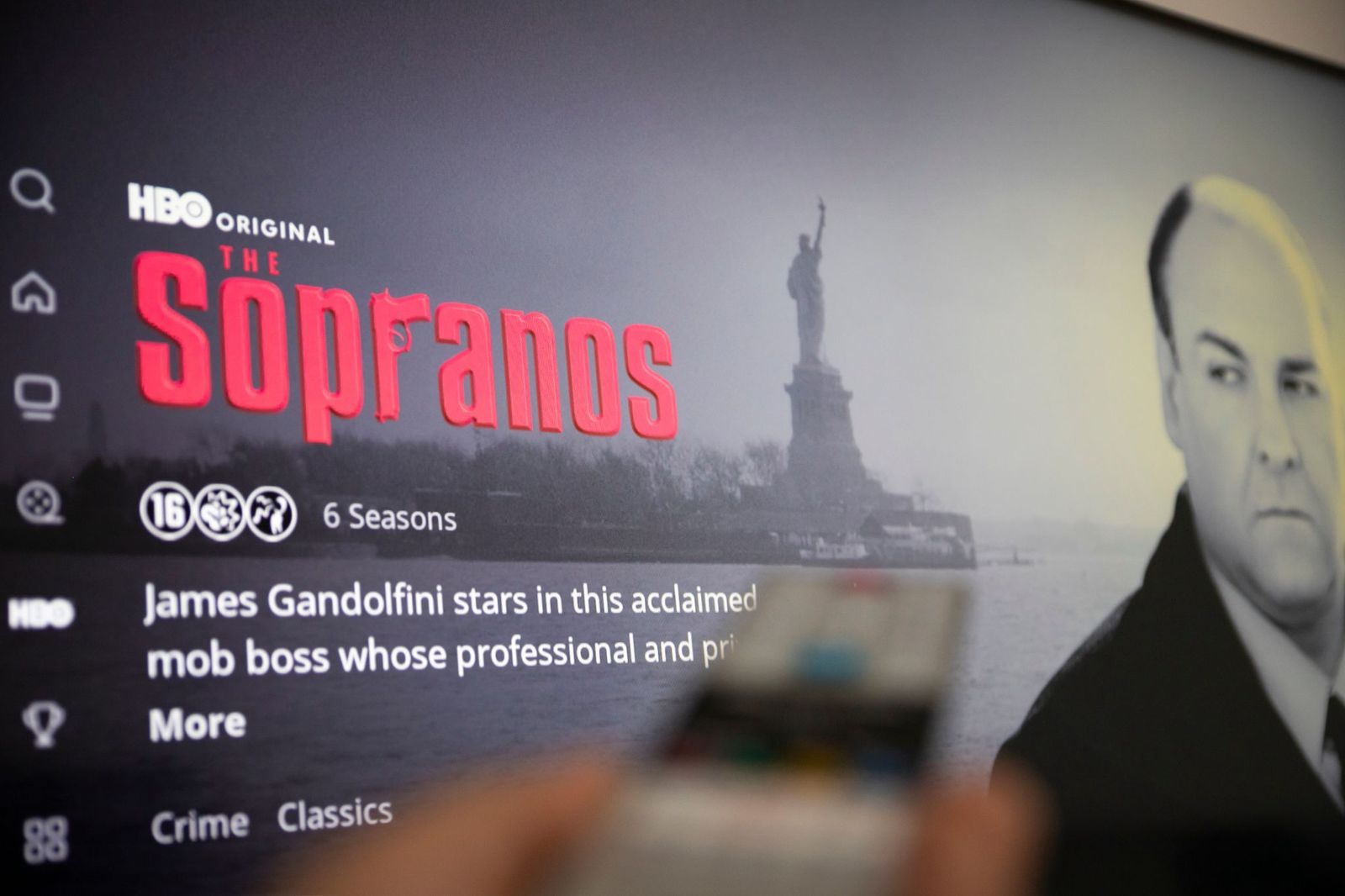
Image: ArtMediaWorx

The Sopranos, created by David Chase, debuted on HBO in 1999. It followed the life of Tony Soprano (played by the late James Gandolfini) and his struggles as a mobster and the patriarch of his dysfunctional suburban family , all analyzed by his psychiatrist, Dr. Jennifer Melfi (Lorraine Bracco).

This show was radical because, unlike previous protagonists, the central figure Tony was deeply flawed and often unlikable, paving the way for more anti-hero protagonists like Walter White and Don Draper. Alongside its complex and ambiguous morality, the cinematography of the show began to rival that of Hollywood movies.

3
Lost

Image: Erman Gunes

Lost , created by J.J. Abrams, Damon Lindelof, and Jeffrey Lieber, premiered on ABC in 2004, before streaming existed. The story follows the crash of Oceanic Flight 815 on a very peculiar tropical island. It kicked off as a gritty and character-driven survival story that eventually evolved into a sci-fi and mythological epic.

It was revolutionary because it introduced the "mystery box" trope, proposing complex questions and dropping clues that kept viewers hooked and constantly theorizing — arguably inventing modern, interactive TV fandom.

4
Sex and the City
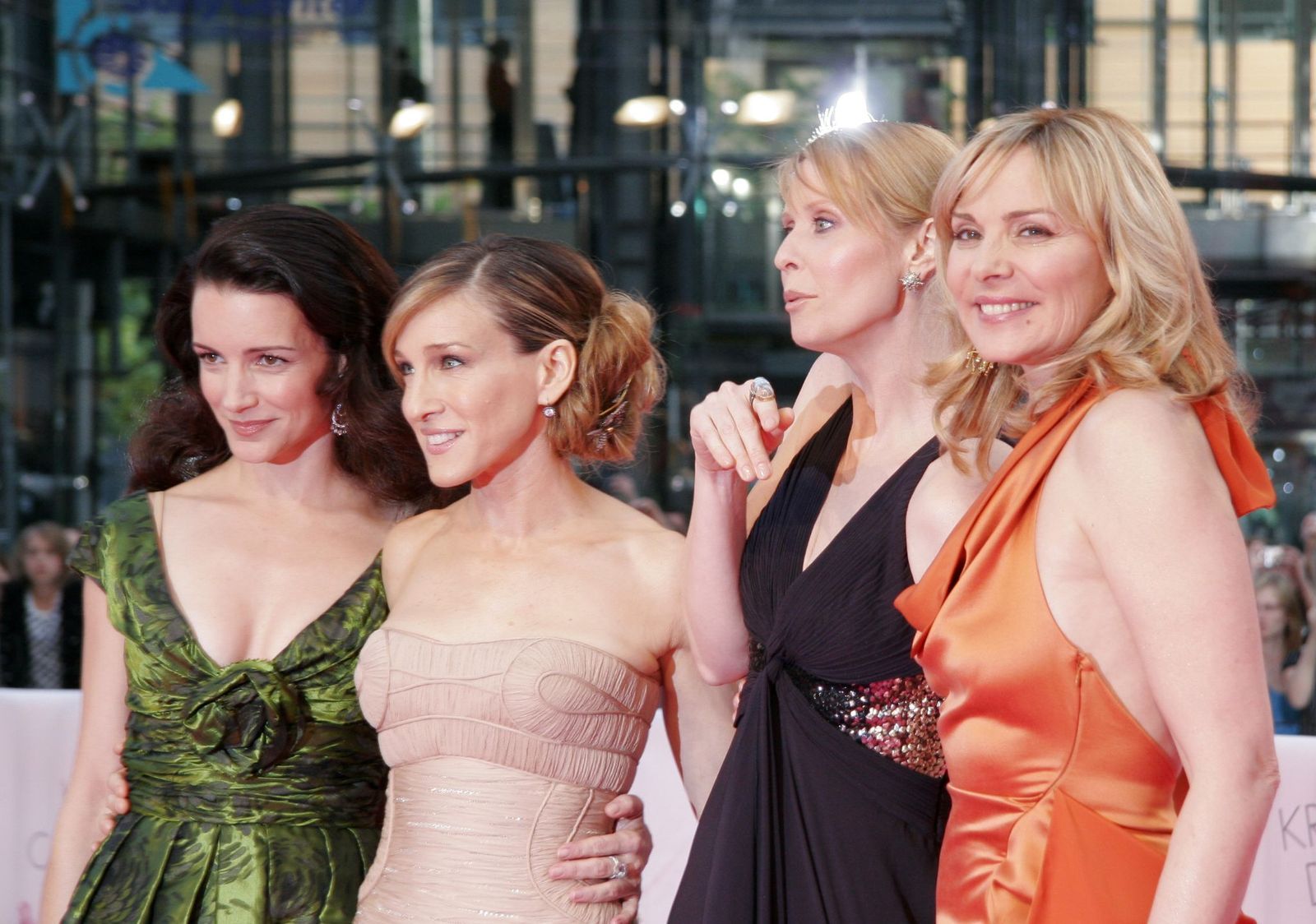
Image: vipflash

Created by Darren Starr, Sex and the City, which premiered in 1998 on HBO, changed the cultural narrative around women’s roles through the lives of four female friends (led by Sarah Jessica Parker’s Carrie Bradshaw) living and working in New York City.

It was the first mainstream hit that featured women talking frankly about sex and sexuality — and proposed that female friends can be soulmates, and that those relationships can take precedence over romantic, marital ones. Rejecting outdated "traditional" roles, the show also destigmatized being single and childless, and instead embraced female financial independence, celebrating women who focused on their careers and personal development in their 30s and 40s.

5
CSI: Crime Scene Investigation
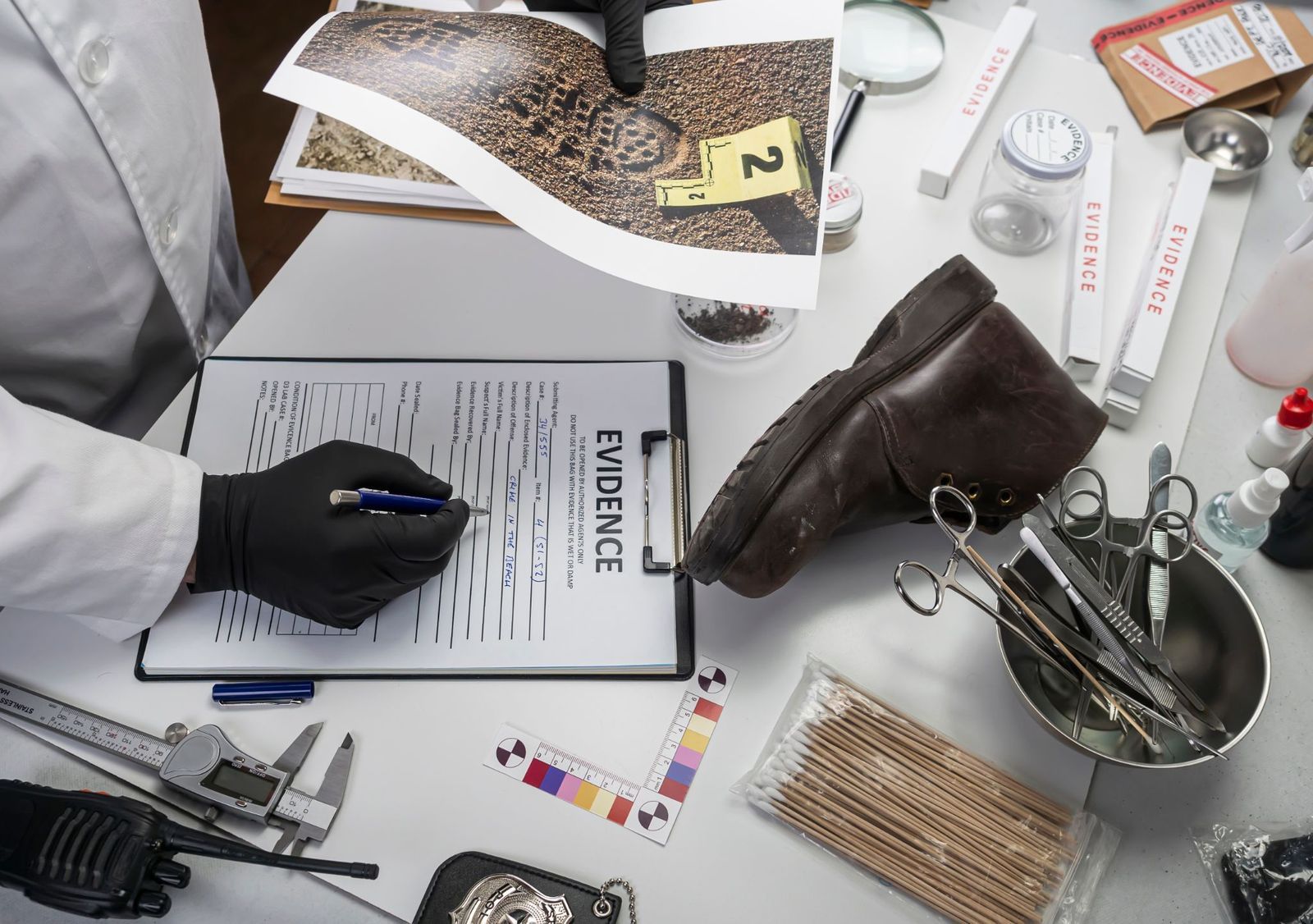
Image: digicomphoto

CSI, created by Anthony E. Zuiker and which premiered on CBS in 2000, followed the lives and work of a team from the Las Vegas Police Department (LVPD), led by Dr. Gil Grissom (William Petersen), who meticulously collected evidence to solve cases.

It shifted the focus for the first time from police and detective work on the streets to the indoor, behind-the-scenes dynamics of interrogations, forensics, and high-tech lab analysis. It also popularized the concept of "nerd squad", making lab and microscope analysis cool for the first time .

6
The X-Files

Image: Snap Spot

The X-Files, created by Chris Carter, premiered in 1993, and introduced a structure where each episode was a stand-alone story known as a "monster of the week," while also being part of an overarching mythic story that included government alien conspiracy theories and supernatural events.

This show flipped gender roles completely: the main female character, Agent Dana Scully (Gillian Anderson), was the intelligent and assertive medical doctor (inspiring many women at the time to pursue STEM careers), and the lead male character, Agent Fox Mulder (David Duchovny), was the intuitive and instinct-driven character.

7
Breaking Bad
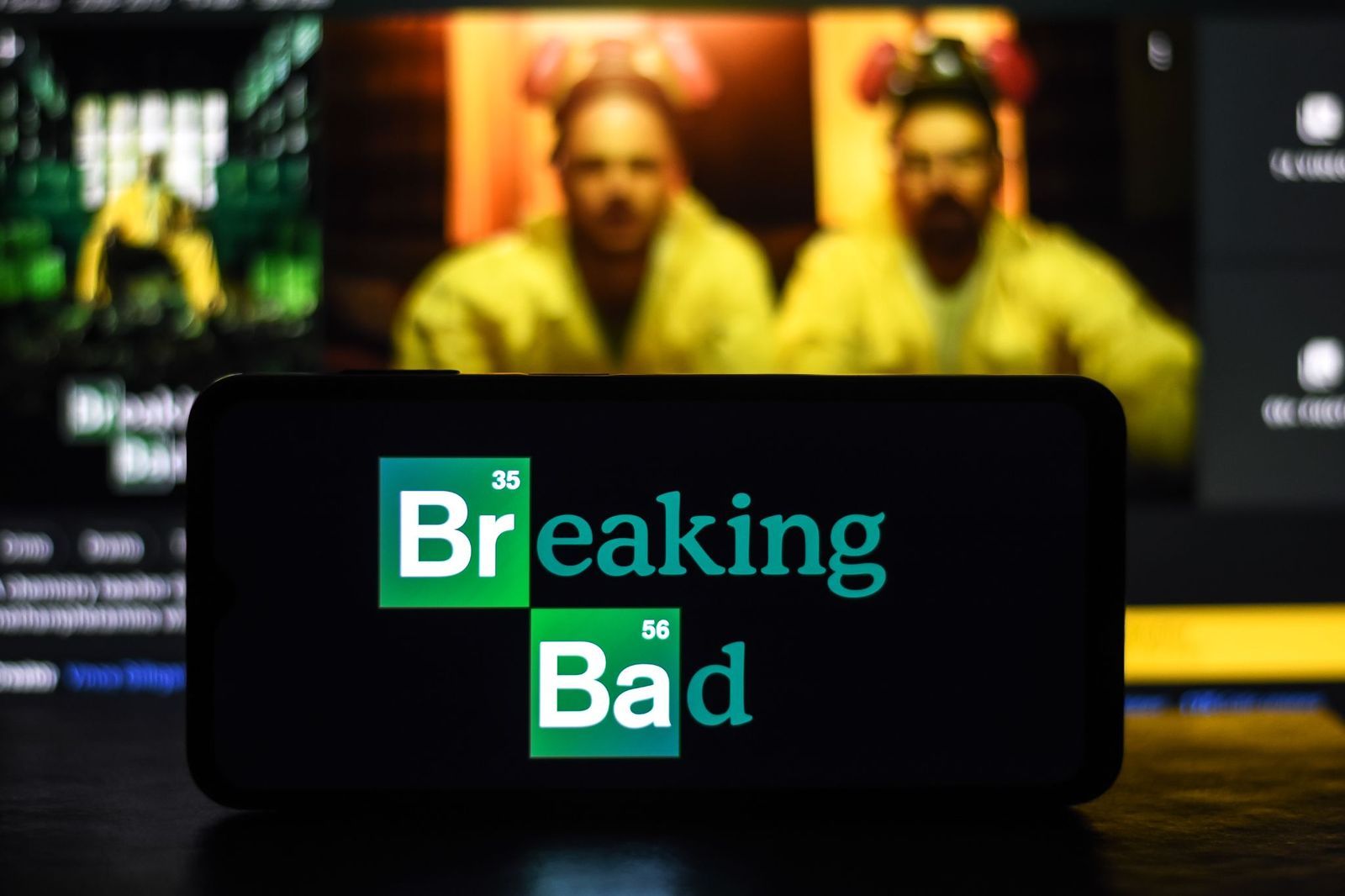
Image: ssi77

Breaking Bad, created by Vince Gilligan, premiered in 2008 and is considered by many to be the ultimate catalyst that transformed television into a cinematic experience, elevated serialized storytelling, and, once it became available on Netflix, popularized the binge-watching model so common today .

Another crucial aspect was the main character: Walter White (Bryan Cranston) changed from a sympathetic, cancer-stricken high school chemistry teacher to the ultimate drug lord villain. Before this show, characters rarely evolved; instead, here the audience became especially invested in Mr. White’s persona.

8
Mad Men
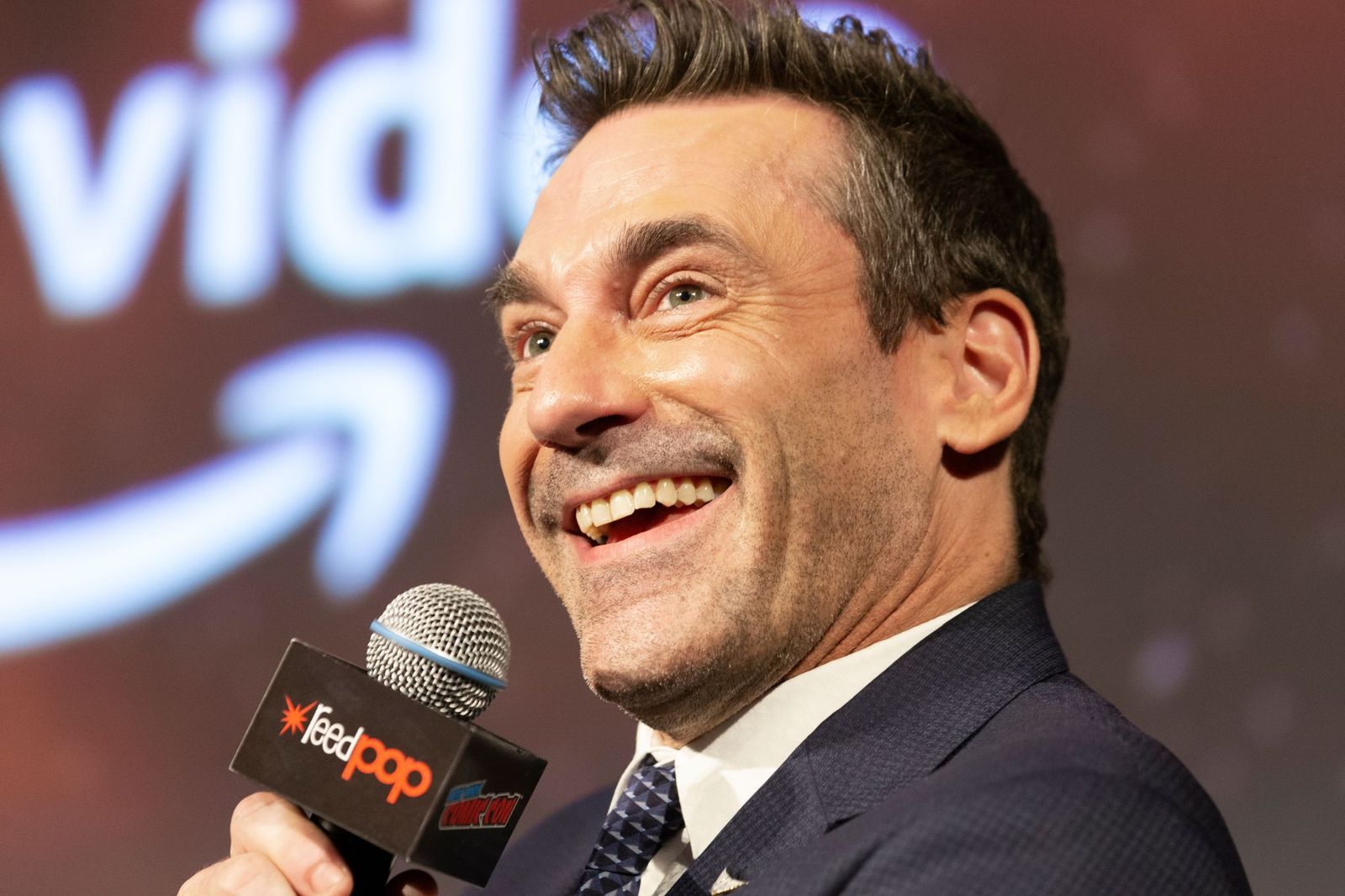
Image: lev radin

Mad Men , created by Matthew Weiner and airing on AMC from 2007 to 2015, centered on the professional and personal lives of advertising executives, including protagonist Don Draper (Jon Hamm), on Madison Avenue in New York City in the 1960s. It was the first basic cable series to win an Emmy Award for Outstanding Drama Series .

It revolutionized television at the time by proving that a sophisticated, slow-burning script with literary character development (including some of the best-written dialogue on television ever) could work. The show was also committed to historical accuracy and meticulous set design, raising the bar for visual and thematic storytelling.

9
Law & Order
Image: Tingey Injury Law Firm

Law & Order, created by Dick Wolf, premiered on NBC in 1990, flipping the usual crime drama formula on its head — splitting episodes into a two-part structure, presenting a police investigation, followed by a courtroom prosecution .

Therefore, it prioritized legal procedures over emotional drama, and the cases became the main character, presenting the difficulties and nuances of the criminal justice system, instead of the usual black-and-white representation of justice. With new episodes still airing (following a 2010-2022 hiatus), Law & Order remains one of the most successful series in TV history, launching numerous spinoffs including the popular Law & Order: SVU.

10
Grey’s Anatomy

Image: ssi77

Grey’s Anatomy, created by Shonda Rhimes, aired on TV for the first time in 2005 and became the longest-running American primetime medical series ever. It centers on a hospital in Seattle and follows surgical residents as they become surgeons, while balancing intense life-and-death emergencies with complex personal life stories .

Most notably, the series created what was described as "Grey’s Effects": the approach to joyful and defiant female sexuality and to women unapologetically taking up space in a male-dominated professional field; it even shaped medical school applications and improved the public's understanding of real-world health issues.

11
The Wire

Image: Kevin McGovern

The Wire was created by former police reporter David Simon and detective Ed Burns, and is considered by many to be one of the greatest shows ever made , airing on HBO from 2002 to 2008. It is a drama series that analyzes the systemic issues Baltimore faces, examining a different institution in each of its five seasons.

Originally pitched as the "anti-cop show," it showed police departments slowed down by piles of bureaucracy, where chasing arrests became more important than actually solving crimes or improving lives. In addition, the city was the main character, portrayed as a gray, morally complex world.
History History 6 min read

Why didn’t the British burn Monticello during the Revolutionary War?

Image: Emanuel Leutze, CC0, via Wikimedia Commons

Our history textbooks do a great job narrating the major battles and political triumphs of the American Revolution, but they often avoid the nitty-gritty details. The truth is, the fight for independence was a messy conflict fought by spies, double agents, and players with opaque motives. Even after 250 years, historians are still trying to solve some of the war’s deepest enigmas. Here are ten of the most fascinating unsolved mysteries from the American Revolution.

1
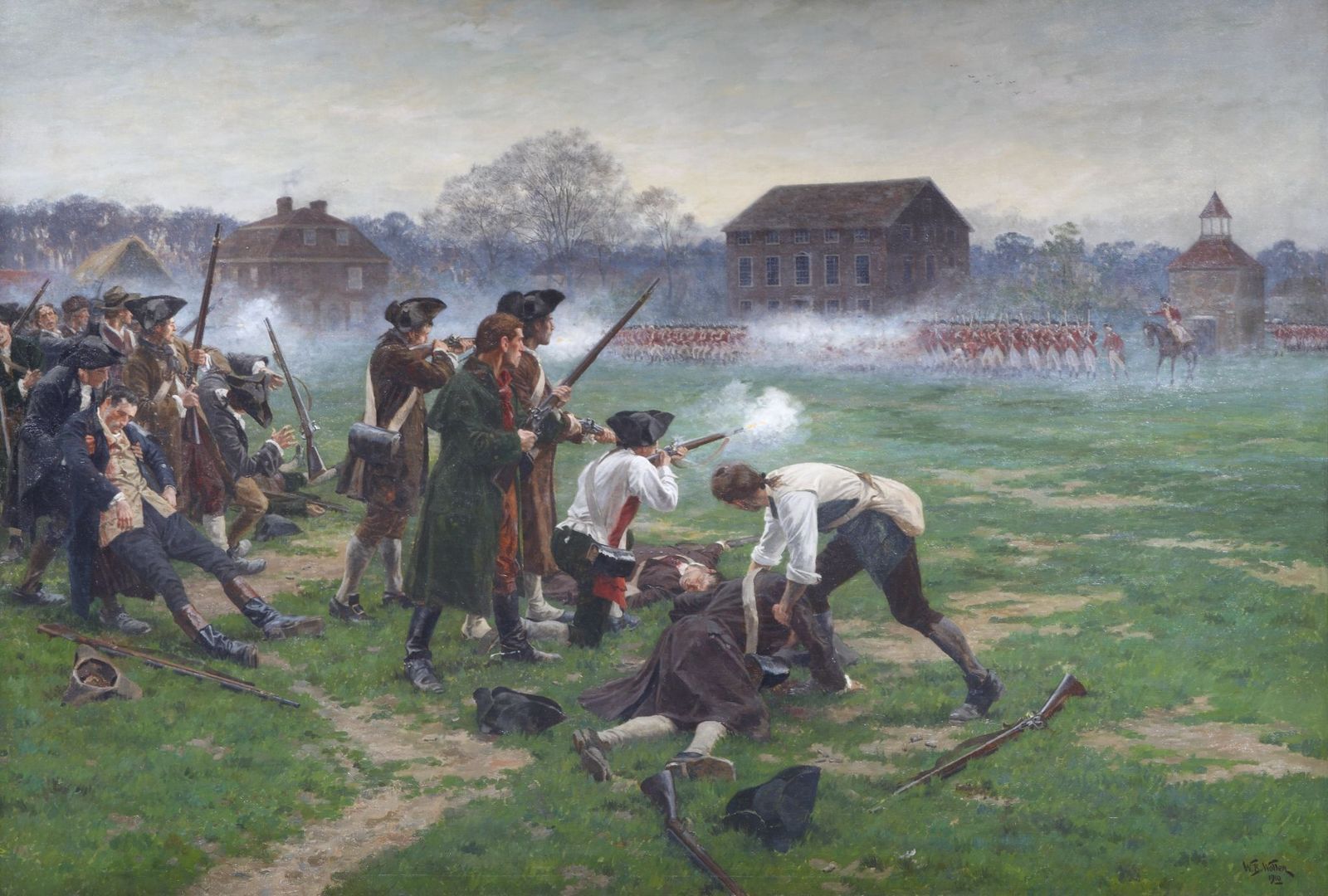
Who fired the shot heard ‘round the world?

Image: William Barnes Wollen, Public domain, via Wikimedia Commons

The war began on the morning of April 19, 1775, when a small group of local militia faced a column of British Redcoats. The American commander, Colonel John Parker, ordered his men to disperse. The British commander, Major John Pitcairn, ordered his troops to hold their fire. Both sides wanted to avoid a bloodbath.

Suddenly, a shot of gunfire was heard through the air. In the confusion, British soldiers charged with bayonets. Who pulled that first trigger? Some accounts suggest a gunman fired from behind a nearby wall. Others claim a fleeing prisoner sparked the chaos. Because both sides swore under oath that they didn’t shoot first, the catalyst of the war remains a mystery.

2
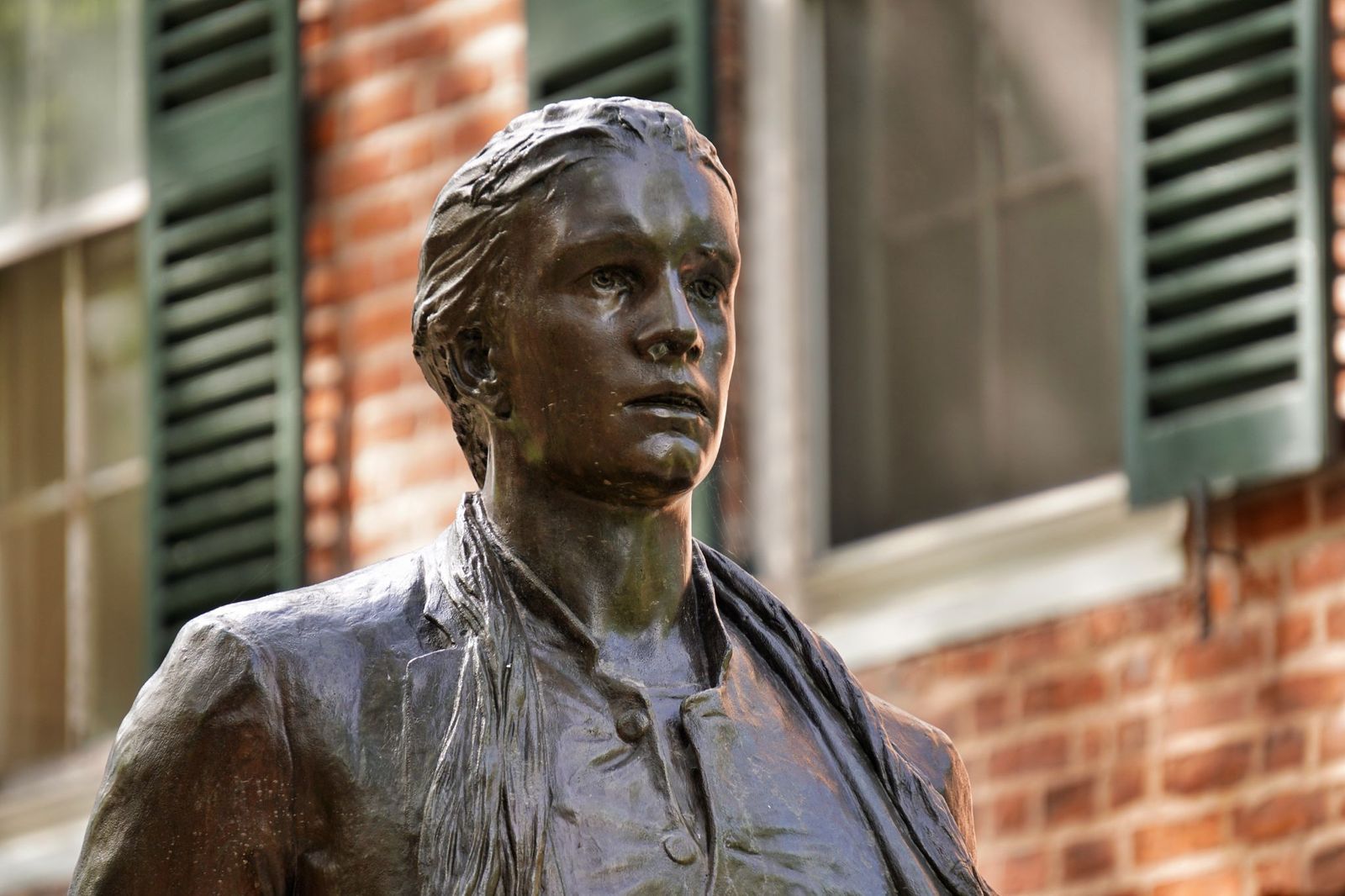
Who betrayed Nathan Hale?

Image: Helioscribe

Nathan Hale is considered one of America’s first tragic heroes. A young Connecticut schoolteacher turned army captain, Hale volunteered to infiltrate British-occupied New York City to gather intelligence. He was an amateur spy, and it didn’t take long for the enemy to catch him with compromising notes hidden in his shoes. He was hanged the next morning, at age 21.

The mystery lies in exactly how he was caught. One theory points to his own cousin, Samuel Hale, a Loyalist who allegedly spotted Nathan in a tavern and reported it to British authorities. Another theory suggests he was tricked by Major Robert Rogers, a legendary British counter-insurgency commander who supposedly suspected Hale and got him to confess his mission over drinks.

3
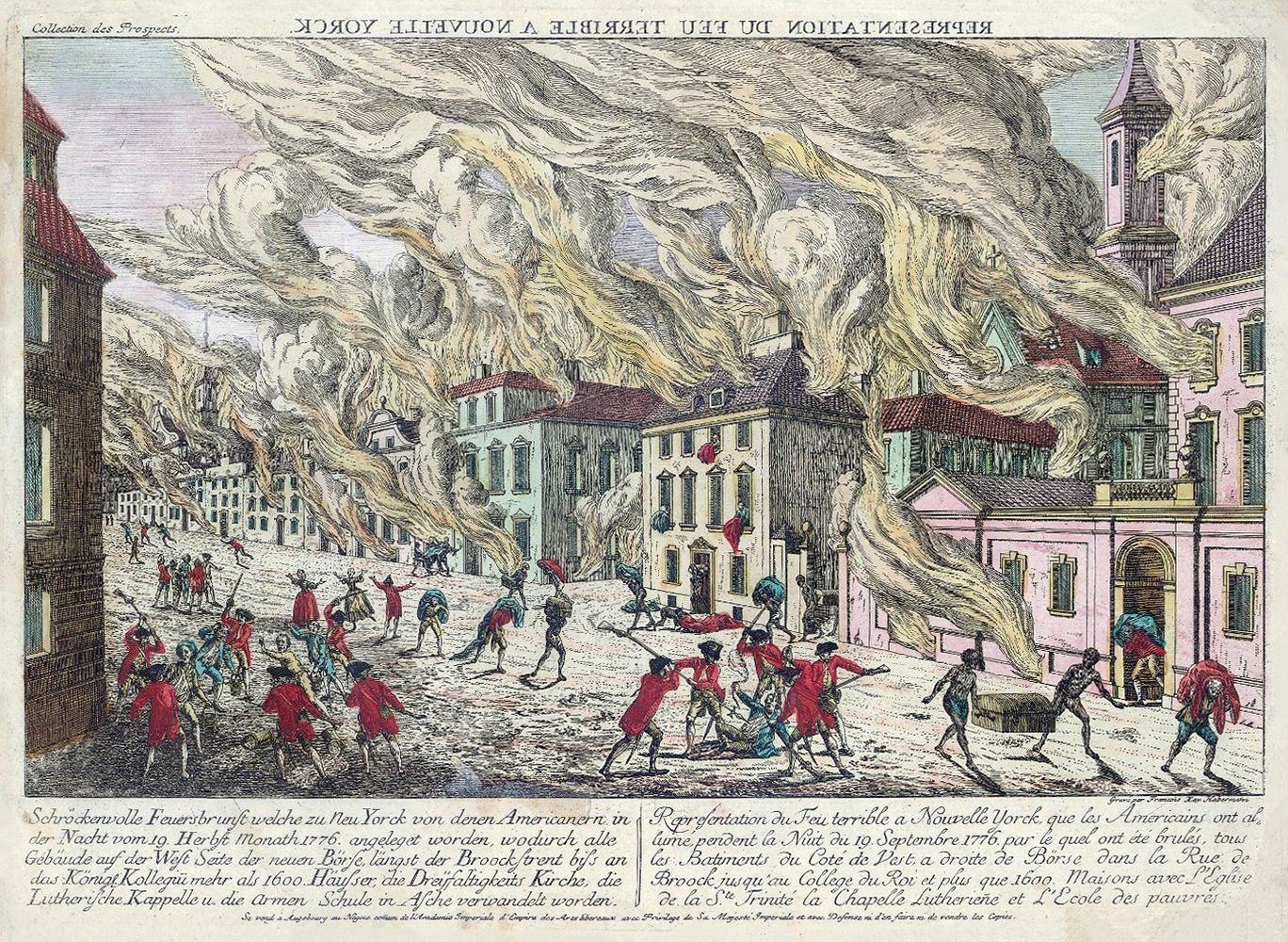
Who burned New York City in 1776?

Image: Franz Xaver Habermann, Public domain, via Wikimedia Commons

On September 21, 1776, just days after Nathan Hale’s execution, a fire broke out in the middle of the night. The Great Fire consumed a third of New York City, destroying hundreds of buildings and critical port facilities just when the British military was going to start using the city as their winter base.

The British blamed American arsonists and arrested over 200 people, but no one was ever convicted. Interestingly, George Washington and his collaborators previously debated burning the city, though the Continental Congress ultimately forbade it. Washington publicly denied any involvement, although he privately confessed that the fire was a stroke of luck. Was it a genuine accident, or did radical Patriots take matters into their own hands?

4
Who was Agent 355?

Image: ozrimoz

George Washington’s most successful intelligence network was the Culper Spy Ring, which operated in New York. The ring used an intricate system of invisible ink, hidden drop boxes, and complex ciphers. In their master codebook, the number 355 stood simply for "lady."

Agent 355 was a brilliant female operative who provided vital intelligence. Because her identity was protected by the ring’s leaders, her true name was never written down. Scholars have spent centuries debating whether she was a prominent Loyalist society woman secretly sympathetic to the Patriots, a member of the prominent Floyd family, or a composite character representing multiple female informants.

5
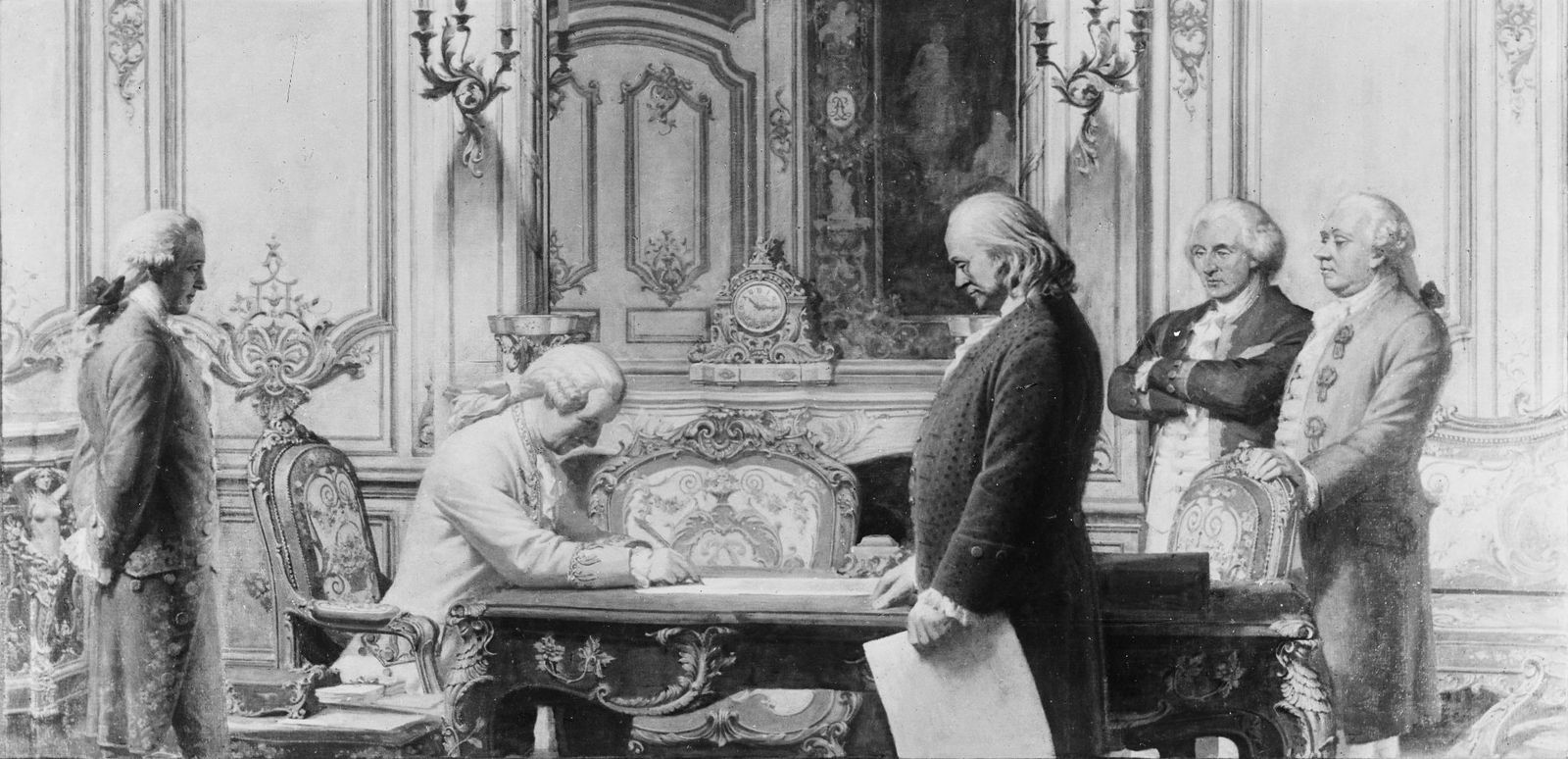
The mystery of Silas Deane

Image: Charles Elliott Mills, Public domain, via Wikimedia Commons

Silas Deane was a Connecticut merchant sent by Congress to France in 1776 as America’s first secret diplomat. He performed well at first, successfully securing shipments of French arms and recruiting foreign officers such as the Marquis de Lafayette. However, he fell into a bitter political dispute with fellow diplomat Arthur Lee, who accused Deane of financial fraud.

Totally in disgrace, a ruined Deane spent years in European exile trying to clear his name. In 1789, when he was 51, he boarded a ship to return to the United States for a congressional hearing. Hours into the voyage, he became ill and died. According to rumors, he had been poisoned. Modern historians suspect his close friend and assistant, Edward Bancroft—a British double agent—murdered Deane to keep him from exposing his wartime espionage.

6
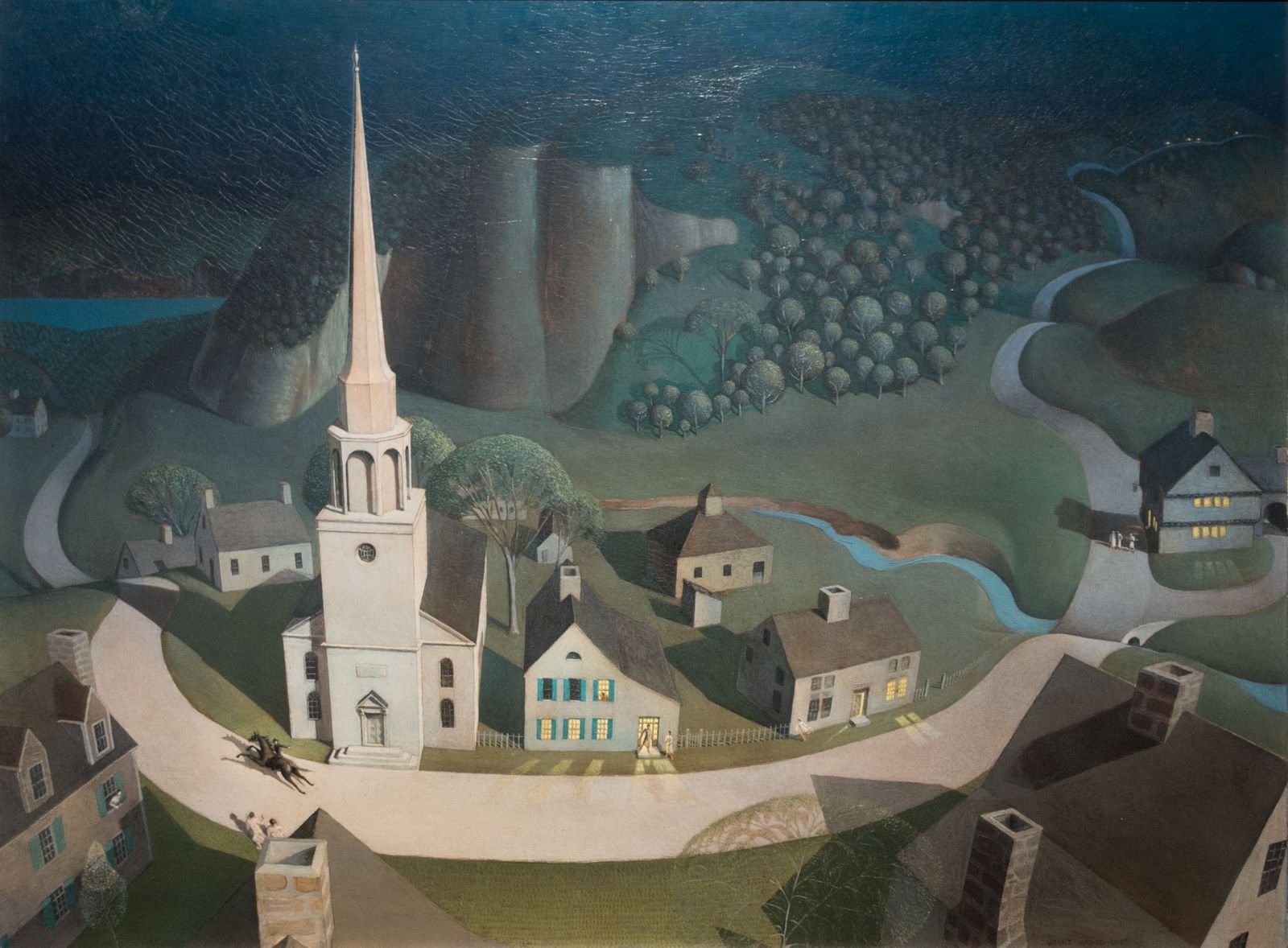
Who told the Patriots in Boston that the British were coming?

Image: Grant Wood, Public domain, via Wikimedia Commons

Before Paul Revere could take his historic midnight ride, someone had to give the Patriots the warning. On the night of April 18, 1775, Dr. Joseph Warren received precise intelligence that British troops were preparing to march on Lexington and Concord to arrest rebel leaders.

Who leaked this military plan? History has pointed to Margaret Kemble Gage, the American-born wife of the British Commander-in-Chief, General Thomas Gage. Margaret was torn between her love for her husband and her devotion to the land. While her involvement has never been proven, General Gage notably sent his wife away to England shortly after the leak.

7
Was Charles Lee a traitor?

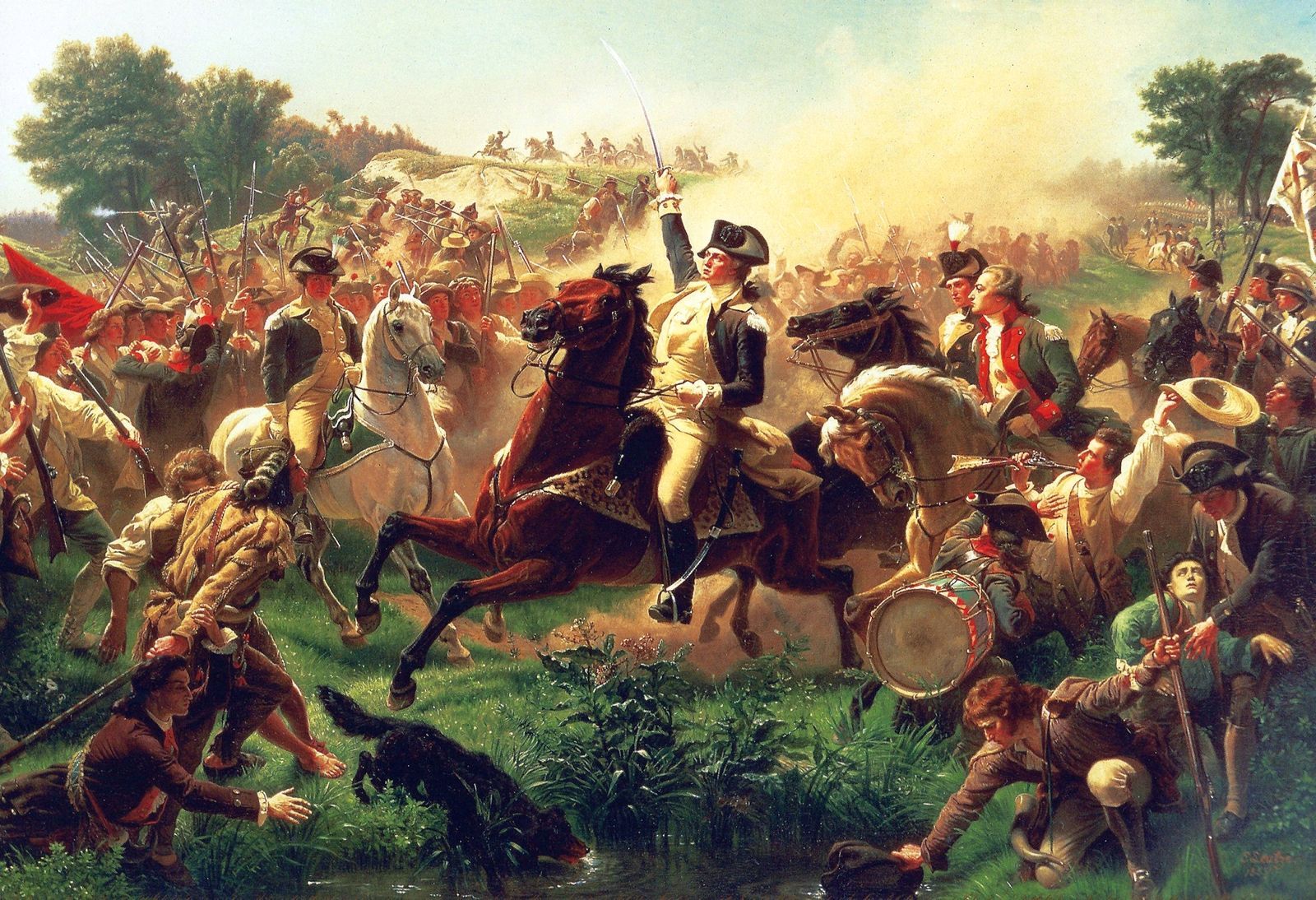
Image: Emanuel Leutze, Public domain, via Wikimedia Commons

General Charles Lee was George Washington’s second-in-command and an experienced military officer. He was also arrogant and frequently criticized Washington’s leadership. In late 1776, Lee was captured by the British in a New Jersey tavern while writing a letter complaining about Washington's deficiencies.

He was exchanged back to the Americans a year later, but his career ended after he disobeyed Washington’s orders at the Battle of Monmouth in 1778. The mystery arose 80 years later, when a lost document surfaced. The document, written in Lee’s own handwriting, outlined a detailed military strategy for the British to defeat the Continental Army. Was Lee a traitor, or was it a strategy to manipulate his captors?

8
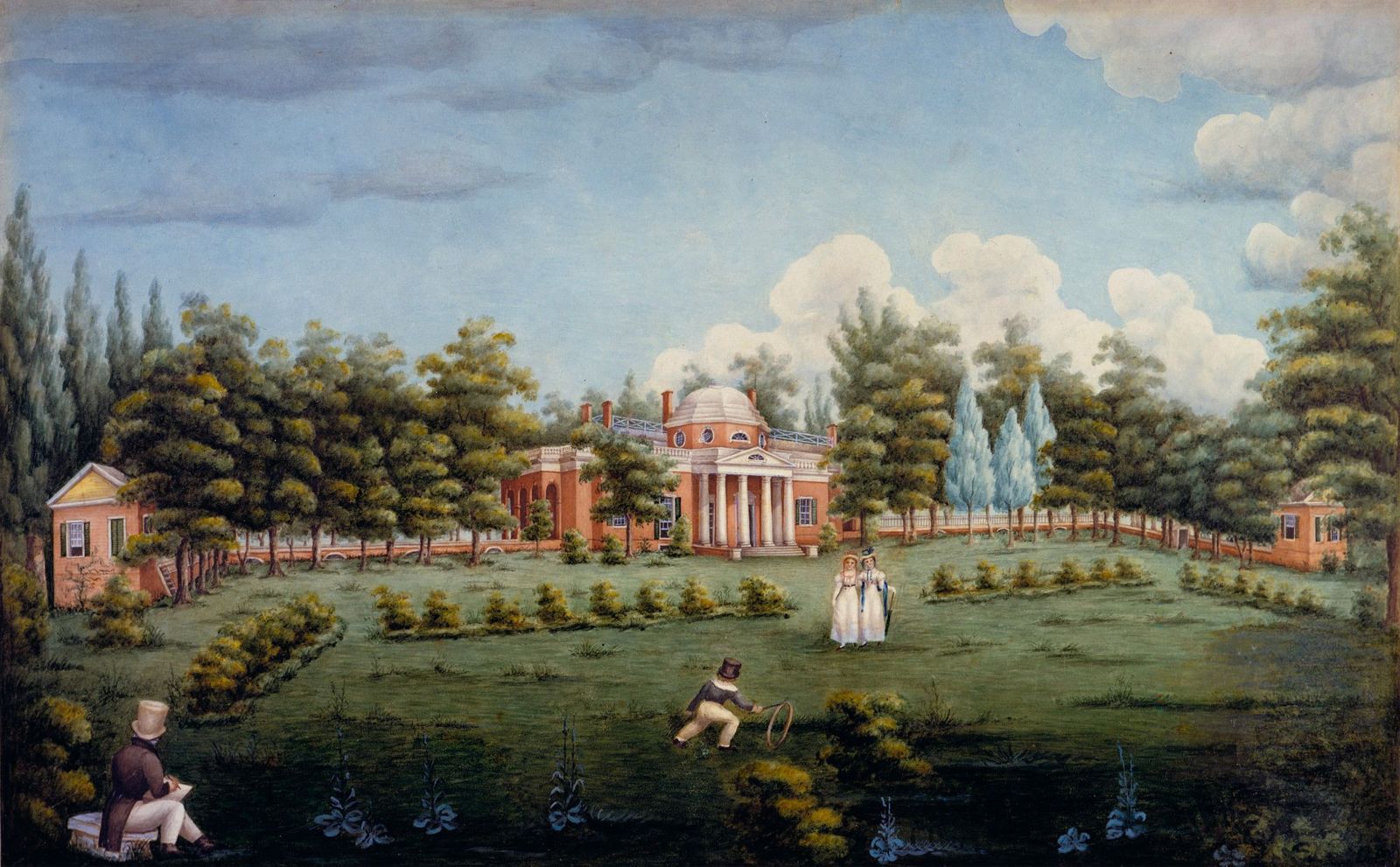
Why didn’t the British burn Monticello?

Image: Jane Pitfield Peticolas, Public domain, via Wikimedia Commons

In June 1781, the British cavalry leader Banastre Tarleton—called by Americans "Bloody Tarleton" for his brutal tactics—led a raid on Charlottesville, Virginia. His main objective was to capture Thomas Jefferson, the author of the Declaration of Independence and the state’s governor.

Jefferson managed to escape Monticello, and when Tarleton’s troops occupied his famous estate, they left it entirely untouched, as Tarleton specifically ordered his men not to damage or burn the property. Given that the British often burned the properties of prominent leaders, sparing Monticello was very unusual.

9
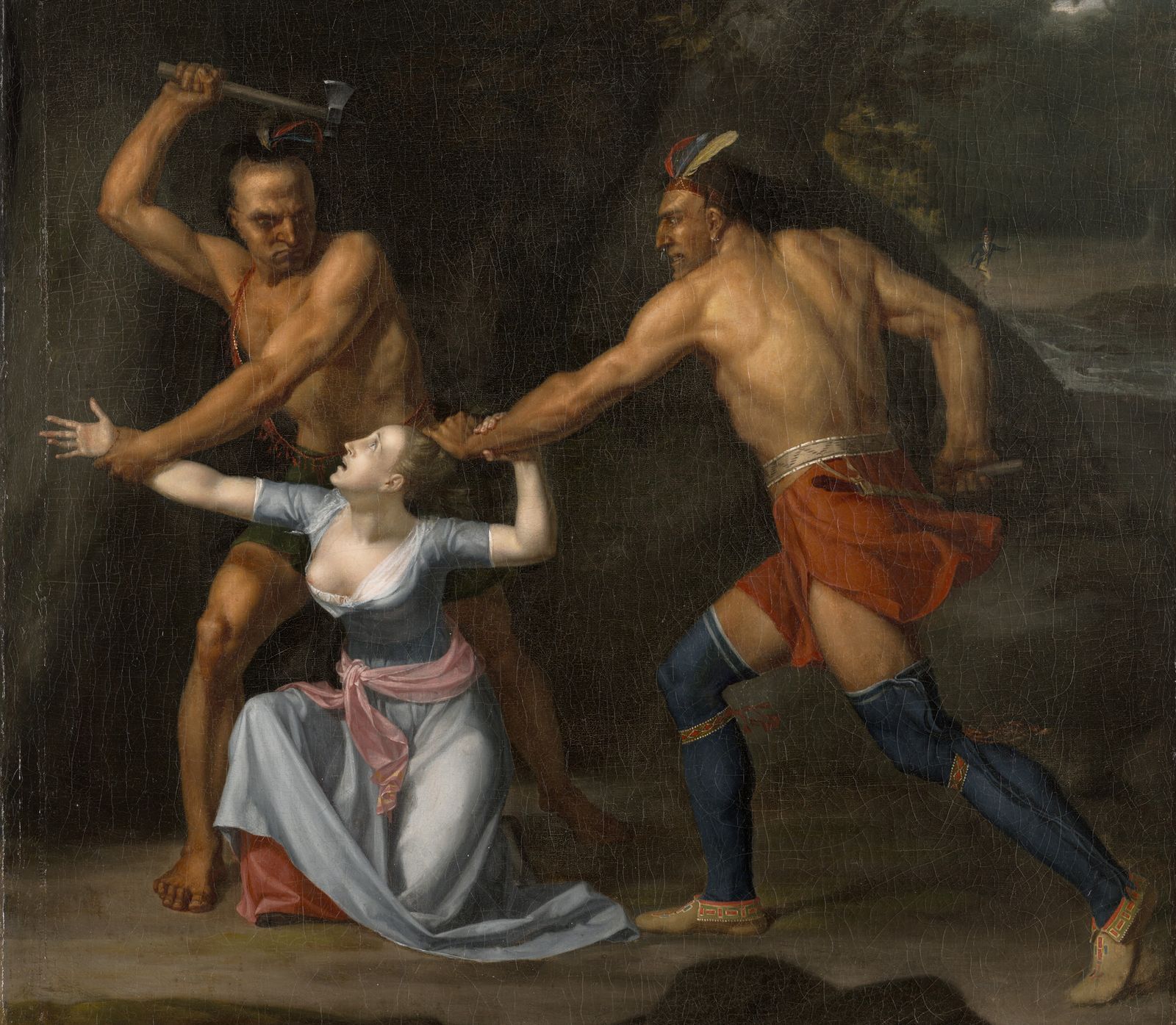
Who was Jane McCrea?

Image: John Vanderlyn, Public domain, via Wikimedia Commons

Jane McCrea was a young woman from a Loyalist family who was engaged to a lieutenant in the British army. In the summer of 1777, she was taken by Native American warriors allied with British General John Burgoyne's advancing army. Shortly after, she was found dead and scalped.

The Patriots turned her death into a propagandistic victory, using the story to terrify frontier colonists into joining the militia. But who actually killed Jane? The native scouts claimed she was accidentally shot by stray bullets fired by pursuing American soldiers. Other accounts insisted she was murdered during an argument between two native factions. The truth remains buried in the fog of war.

10
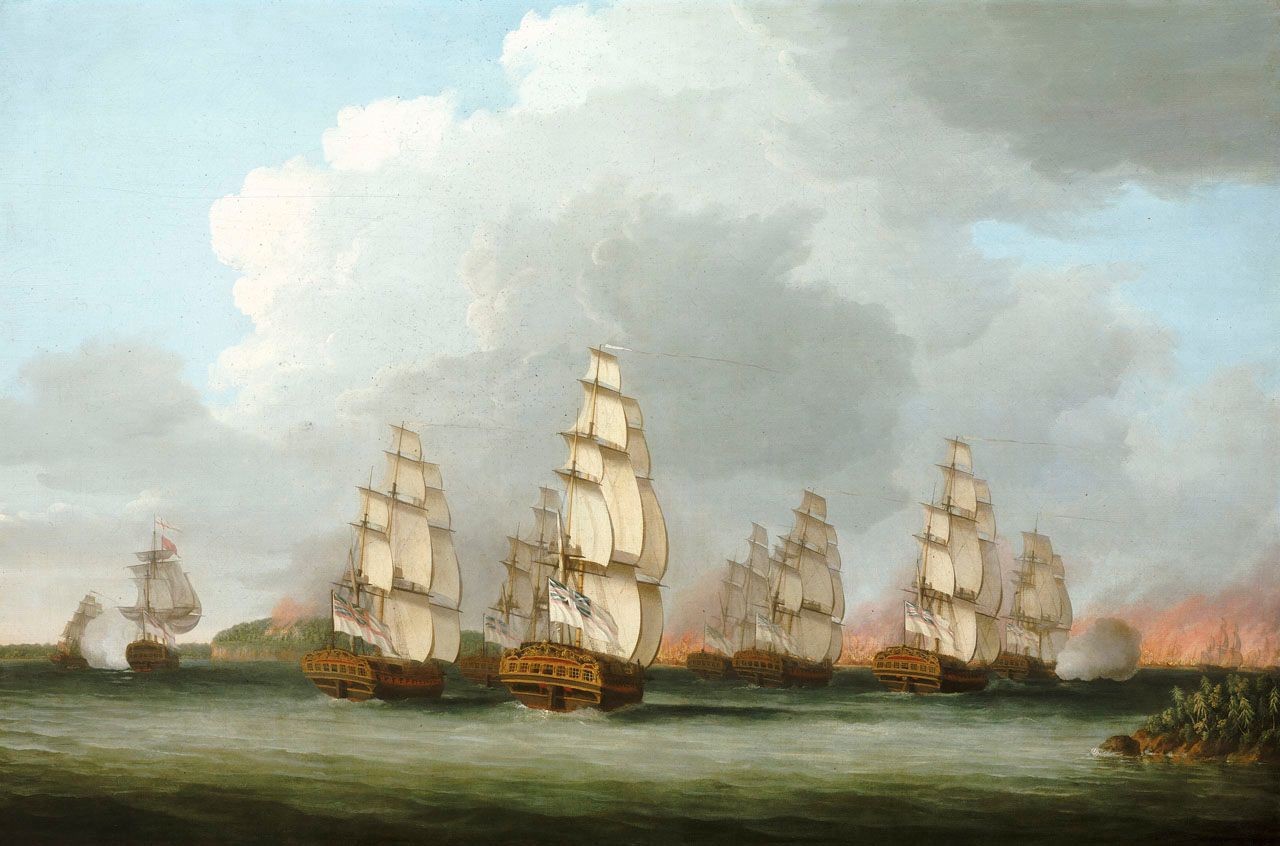
What happened to Benjamin Church?

Image: Dominic Serres, Public domain, via Wikimedia Commons

Dr. Benjamin Church was a prominent member of the Boston Sons of Liberty and served as the first Surgeon General of the Continental Army. He was also a traitor. In 1775, Washington’s intelligence team intercepted a coded letter written by Church containing vital information about American troop numbers.

Church was arrested, tried, and sentenced to confinement. In 1778, because of his poor health, he was banished from Massachusetts and boarded a merchant ship bound for the West Indies. The ship sailed into the Atlantic and was never seen again. Did the vessel sink, or did Church use his British connections to stage his disappearance and flee to Europe?

Culture Culture 6 min read

How do the most powerful blow off steam?

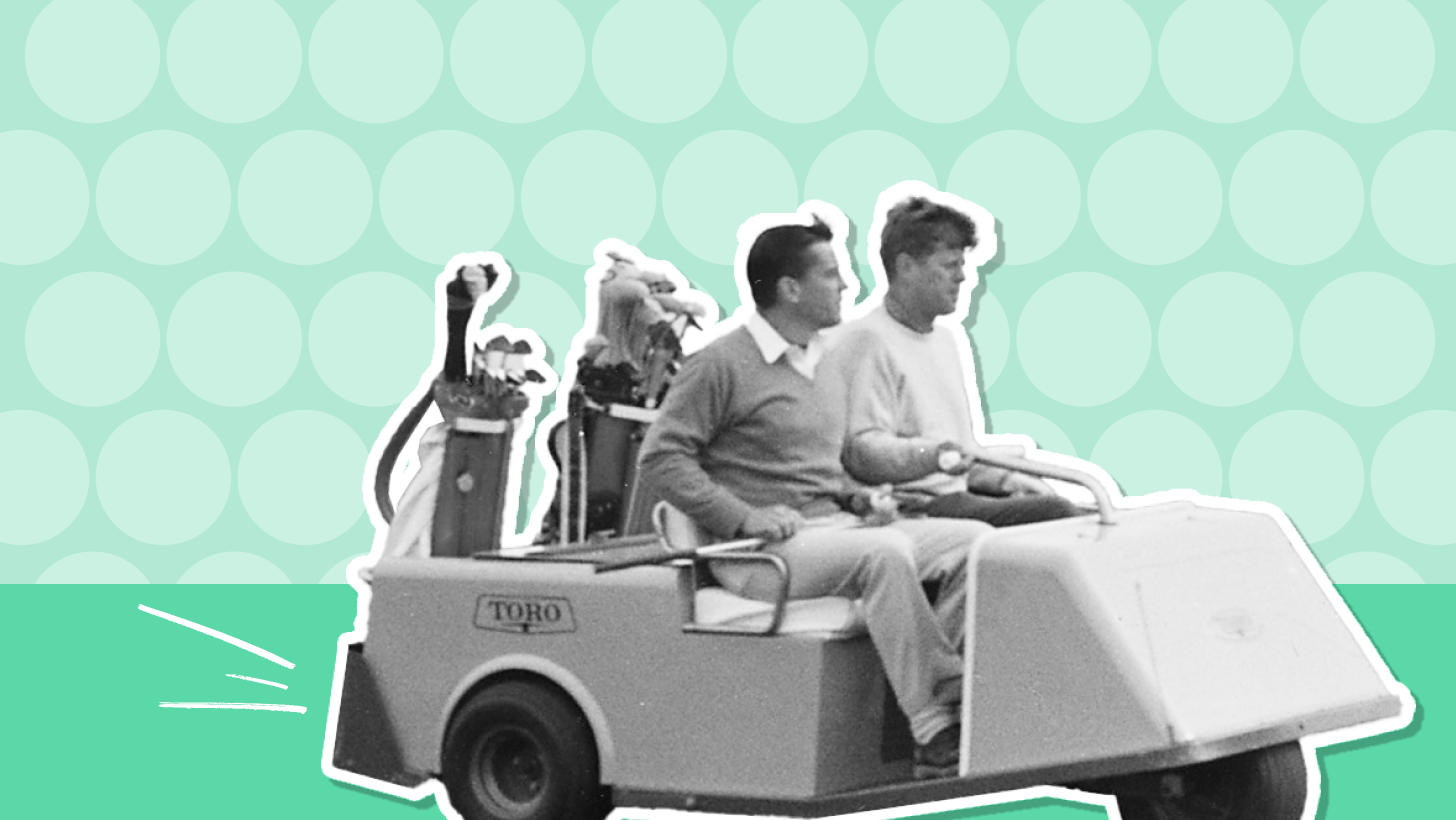
Which US President spent a quarter of his presidency at a ranch in Texas?

Image: Robert LeRoy Knudsen, Public domain, via Wikimedia Commons

Running the White House is a highly demanding job, so throughout history, many presidents have found ways to relieve the pressure and stress of leading at the highest level of government. When not shaping the path of the nation, presidents have enjoyed a variety of hobbies and pastimes that provide them with leisure time to relax, unwind, and clear their minds. From golfing and swimming to reading and painting, here are 12 U.S. Presidents who found the perfect balance between pleasure and duty.

1
George Washington

Image: Alonzo Chappel, CC0, via Wikimedia Commons

Founding Father and first president of the United States, George Washington, enjoyed many recreational activities during his free time. He was a true outdoorsman—he loved hunting and fishing and was a devoted gardener and farmer .

It’s common knowledge that after deciding not to run for a third term, he retired to his Virginia farm and dedicated the rest of his life to farming. But one fact you may not know is that, in his youth, Washington was a frequent dancer —and rumor has it, he was even extremely good at it! He considered dancing an important social interaction, describing it as "so agreeable and innocent an amusement."

2
Franklin D. Roosevelt

Image: National Archives and Records Administration, Public domain, via Wikimedia Commons

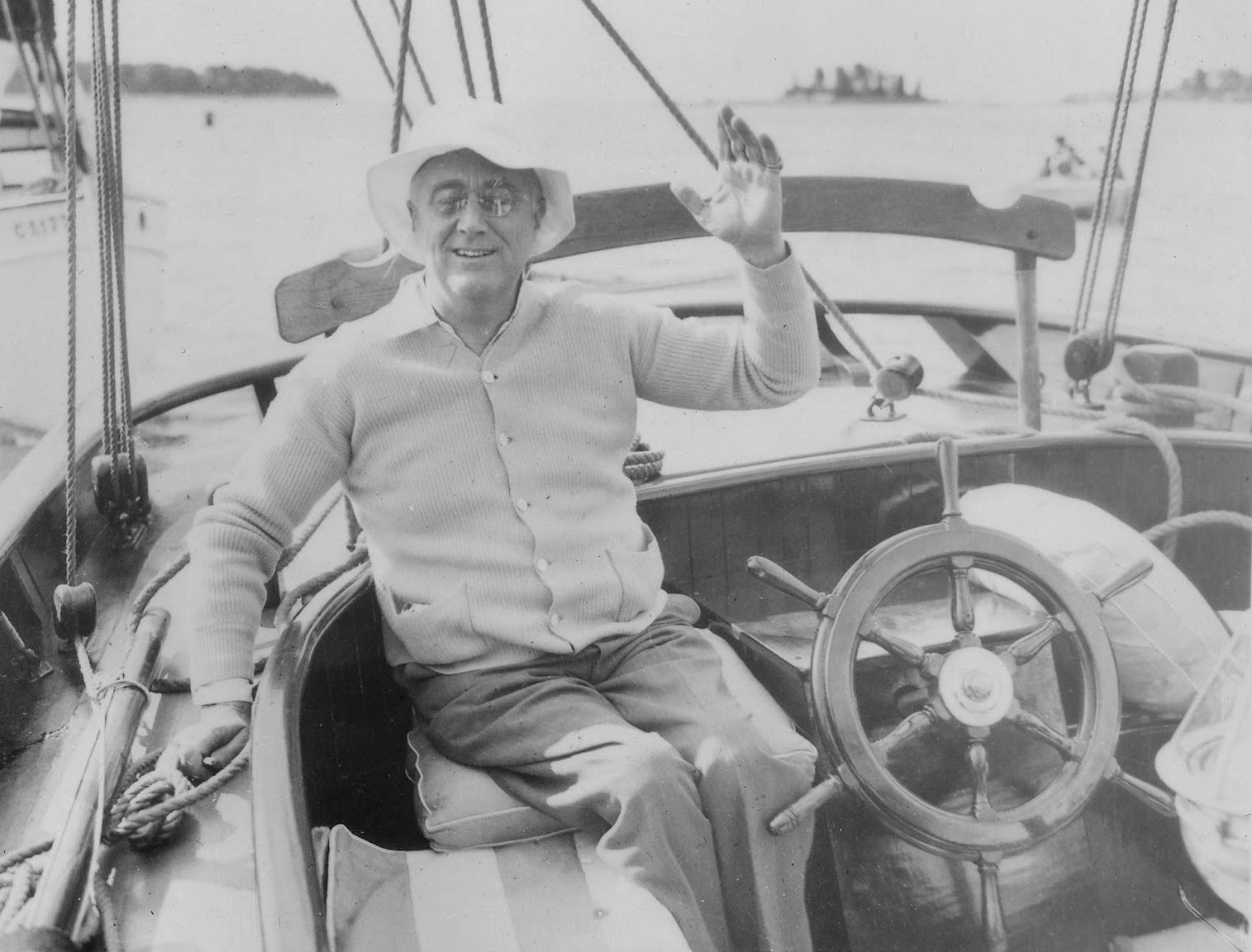
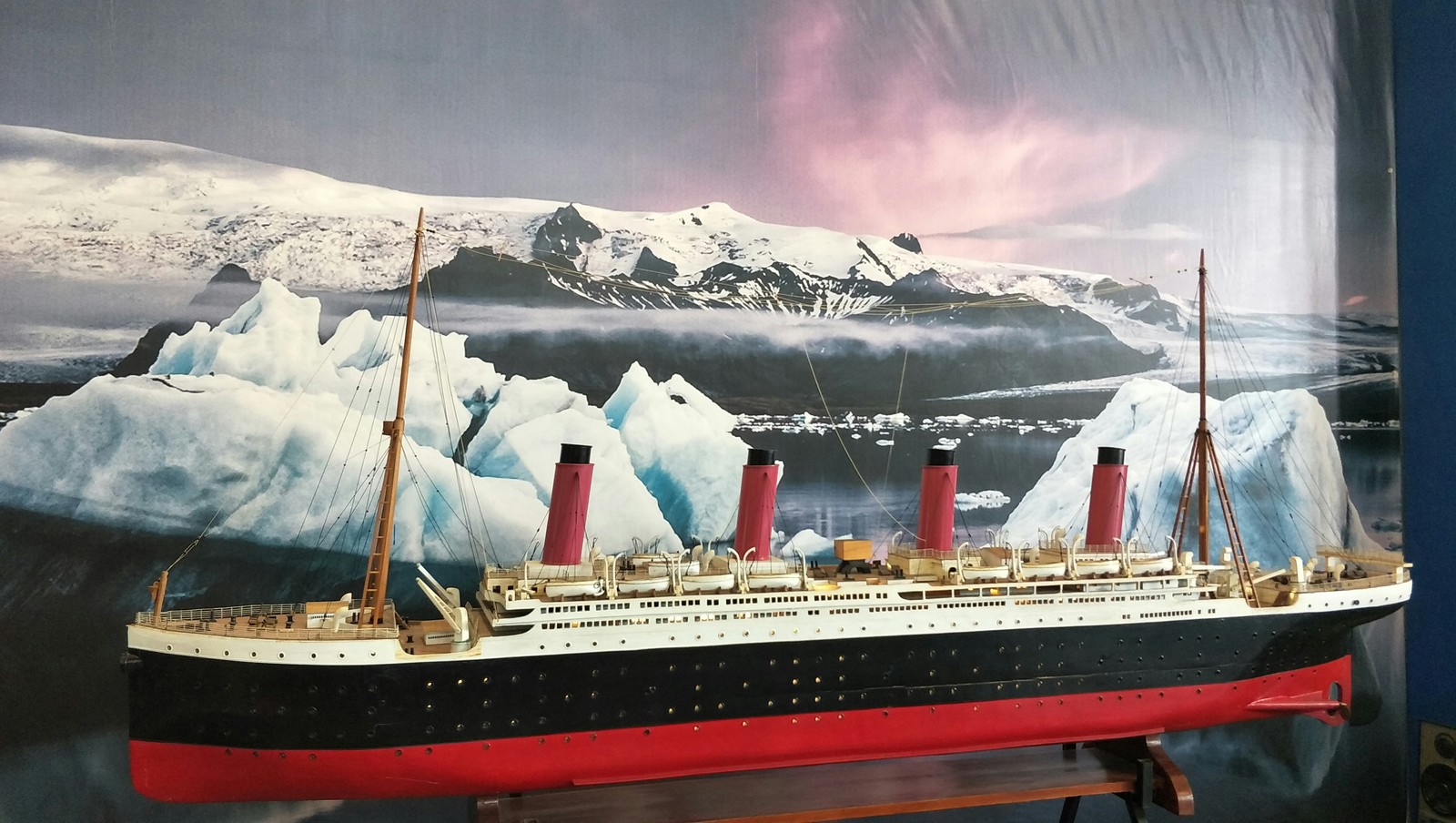
Franklin D. Roosevelt, the only president to be elected to four consecutive terms, led the country through the critical years of the Great Depression and World War II. To maintain a clear mind while navigating such tumultuous times, Roosevelt embraced a number of pastimes. He collected books , stamps , and ship models , for example.

In addition, he was an avid swimmer . After losing the ability to walk due to polio, Roosevelt began swimming three times a week to strengthen his muscles. Following his election, the New York Daily News donated a swimming pool to the White House so he could continue his practice.

3
James A. Garfield

Image: Unknown; part of Brady-Handy Photograph Collection., Public domain, via Wikimedia Commons

Before becoming the 20th president, James A. Garfield enjoyed fishing , hunting , and playing billiards . But he was also exceptionally intelligent and studious.

Though many people may know Garfield for serving just four months in office, he was also the first ambidextrous president of the United States . Not only could he write with both hands, but when asked a question, he could simultaneously write the answer in ancient Greek with one hand and Latin with the other. Pretty impressive, don’t you think?

4
Calvin Coolidge

Image: National Photo Company Collection, Public domain, via Wikimedia Commons

The 30th president of the United States liked riding horses so much that he had an electronic horse installed in the White House. The device had two speeds—trot and canter—and he rode it every day.

That said, Calvin Coolidge was a taciturn man of few words, who enjoyed taking afternoon naps, earning him the nickname "Silent Cal." He also had a very particular sense of humor . He reportedly enjoyed pressing the alarm buttons in the Oval Office or hiding in the garden shrubbery to startle his Secret Service agents.

5
Jimmy Carter

Image: Tuntematon, Valkoisen talon valokuvaajat (01/20/1977 - 01/20/1981), Public domain, via Wikimedia Commons

Throughout his life, Jimmy Carter was a curious man who never stopped doing things. He studied nuclear physics in college, could read two thousand words a minute, wrote numerous books, and even won a Nobel Peace Prize in 2002.

But what did this brilliant man like to do in his spare time? Carter had a variety of hobbies, including painting , poetry , tennis , cycling , fly fishing , and skiing . However, the one activity in which he perhaps excelled most was woodworking . After retiring, the 39th president of the United States set up a garage workshop on his Georgia ranch, where he built furniture that was later auctioned to benefit the Carter Center.

6
John Quincy Adams

Image: Pieter Van Huffel, 1769 - 1844, CC0, via Wikimedia Commons

John Quincy Adams was notoriously meticulous and kept a diary detailing his daily routine. Thanks to this, we now know that the sixth president of the United States liked to relieve the stress of the presidency with an early morning swim .

After waking up around 4 or 5 a.m., Adams would walk two miles to the Potomac River and leave his clothes on the shore before taking a swim. According to lore, one morning, a reporter named Anne Royall snatched his clothes and demanded that the president give her an interview. Adams had no choice but to answer her questions while standing deep in the river, completely naked.

7
Harry S. Truman

Image: Abbie Rowe, Public domain, via Wikimedia Commons

Harry S. Truman governed the United States from 1945 to 1953, right after World War II—a difficult and stressful time, to be sure. To blow off some steam, the 33rd president liked to immerse himself in one of his two long-time passions: reading and music .

Truman had eye problems, which prevented him from participating in sports. As a result, he became an avid reader from an early age—in fact, he once boasted of having read every book in the library by the age of 14. He was also a very skilled piano player , having started lessons at the age of seven.

8
Lyndon B. Johnson

Image: Yoichi Okamoto, Public domain, via Wikimedia Commons

Living up to the legacy of one of the most popular presidents in American history can't be easy. But it appears that the 36th president of the United States knew just how to maintain a good balance between responsibility and leisure. During his five-year administration, Lyndon B. Johnson spent 490 days —about a quarter of his presidency— at the LBJ Ranch in Stonewall , Texas, combining work and vacation so seamlessly that the place became known as "The Texas White House."

At this ranch, Johnson had an extensive collection of vehicles . Among them was the Amphicar, an amphibious passenger car built in the 1960s, which he used to play pranks on his visitors.

9
Richard Nixon

Image: White House Photographer, Public domain, via Wikimedia Commons

Not many people know this, but Richard Nixon was an artistic man. He enjoyed theater—he even met his future wife during a community theater audition—and he could play five musical instruments : piano, saxophone, violin, clarinet, and accordion.

But he was also into sports. In addition to being a huge football fan, he and First Lady Pat Nixon enjoyed bowling . In fact, the Nixons were responsible for moving the White House bowling alley back to the Executive Mansion after it had been relocated to a nearby building years earlier.

10
George W. Bush

Image: Series: Photographs Related to the George W. Bush Administration, 1/20/2001 - 1/20/2009Collection: Records of the White House Photo Office (George W. Bush Administration), 1/20/2001 - 1/20/2009, Public domain, via Wikimedia Commons

During his free time, George W. Bush enjoyed golfing, biking, attending baseball games, and reading American history. He was also a very competitive runner .

However, when the 43rd president of the United States left office, he was only 62 years old—plenty of time to acquire a new pastime. In the years following his time in the White House, Bush surprised many by turning to painting . "I’m a painter," he told Jay Leno on The Tonight Show .

11
Dwight D. Eisenhower

Image: ddd

To relieve the stress of leadership, Dwight D. Eisenhower maintained a number of hobbies that he cultivated throughout his life. One of his main passions was golf , which he played during and after his presidency. He even kept a small putting green in the White House garden and had a four-hole practice course installed at Camp David.

But that’s not all. Ike enjoyed fishing, hunting, shooting, watching Western movies, and playing bridge. He was also an avid painter who often captured natural landscapes and gave them as gifts to friends. After leaving the White House, Ike settled on a farm near Gettysburg, Pennsylvania, where he raised Black Angus show cows that won blue ribbons at state and county fairs.

12
John F. Kennedy

Image: Robert LeRoy Knudsen, Public domain, via Wikimedia Commons

John F. Kennedy was an exercise enthusiast and something of a jock. He played many sports : golf, tennis, swimming, baseball, and football. Despite being an athletic man, he enjoyed smoking between four and five cigars a day—his favorite brands were Upmanns and Monticellos!

But perhaps the hobby that most helped him relax from the tensions of the presidency was boating. Like many members of his family, John F. Kennedy loved to sail and was often photographed at sea with his wife and young children.

Explore more American facts

Choose your favorite category!

General
General

As American as apple pie—the very best America has to offer!

Culture
Culture

Delve into the astounding richness of American lore.

Geography
Geography

Hop in and explore vast and diverse American landscapes.

History
History

Discover the key moments that shaped the United States.