What bird species can recognize human faces and remember them for years?
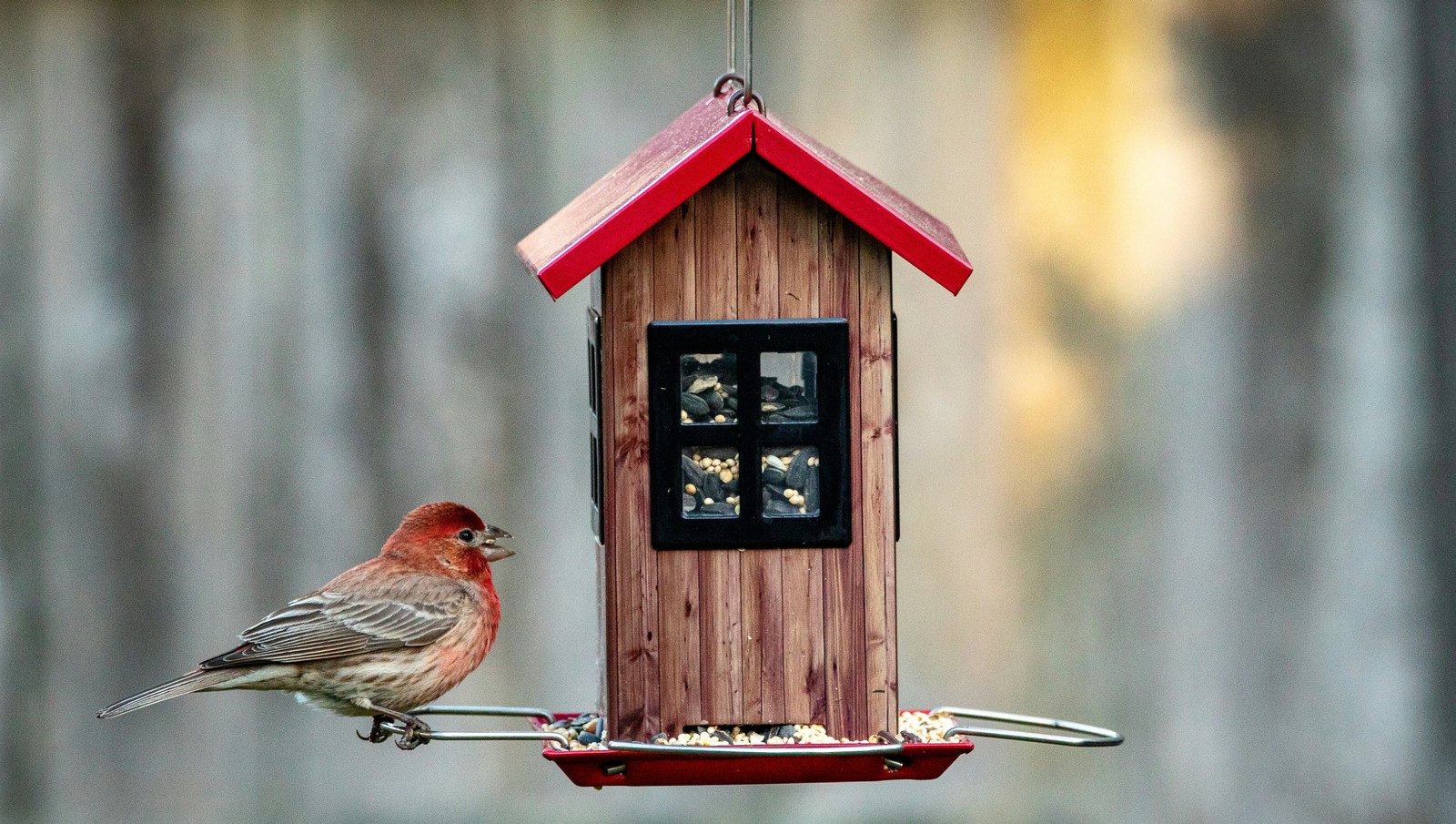
Image: Joshua J. Cotten
Backyard birding doesn’t require binoculars, special gear, or even much planning. Just a window, a cup of coffee, and a bit of curiosity. Across the United States, from the Rockies to the coastal plains, a colorful cast of familiar birds visits neighborhoods every day. Whether you catch the bright flash of a cardinal, the quick zip of a hummingbird, or the clever antics of a crow, these 12 backyard birds offer stories worth noticing. Keep reading to learn their traits and what you can do to lure them in for a closer look.
1
American Goldfinch
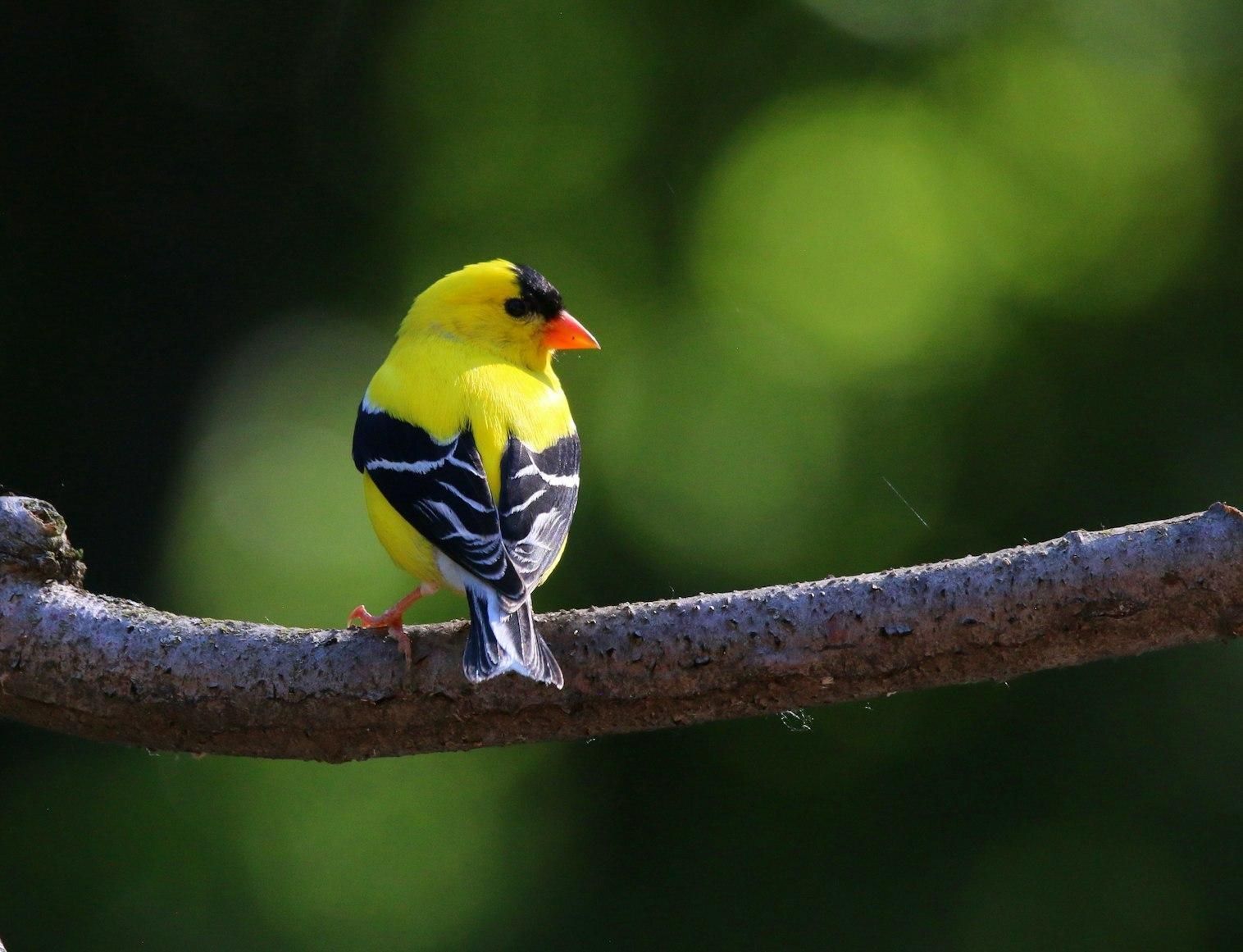
If you’ve spotted a drop of sunshine landing on your feeder sometime in the summer, that’s the American Goldfinch. Males turn a vivid yellow each year thanks to a complete molt, usually finished by late May.
They’re found coast-to-coast but are especially common in the northern and central U.S., where they favor open meadows and backyard thistle feeders. Unlike most songbirds, they nest late, often waiting until July when thistle seeds peak. If you see a tiny bird—barely 5 inches long—bouncing through the air in a roller-coaster flight pattern, you’ve found the American Goldfinch.
2
Blue Jay
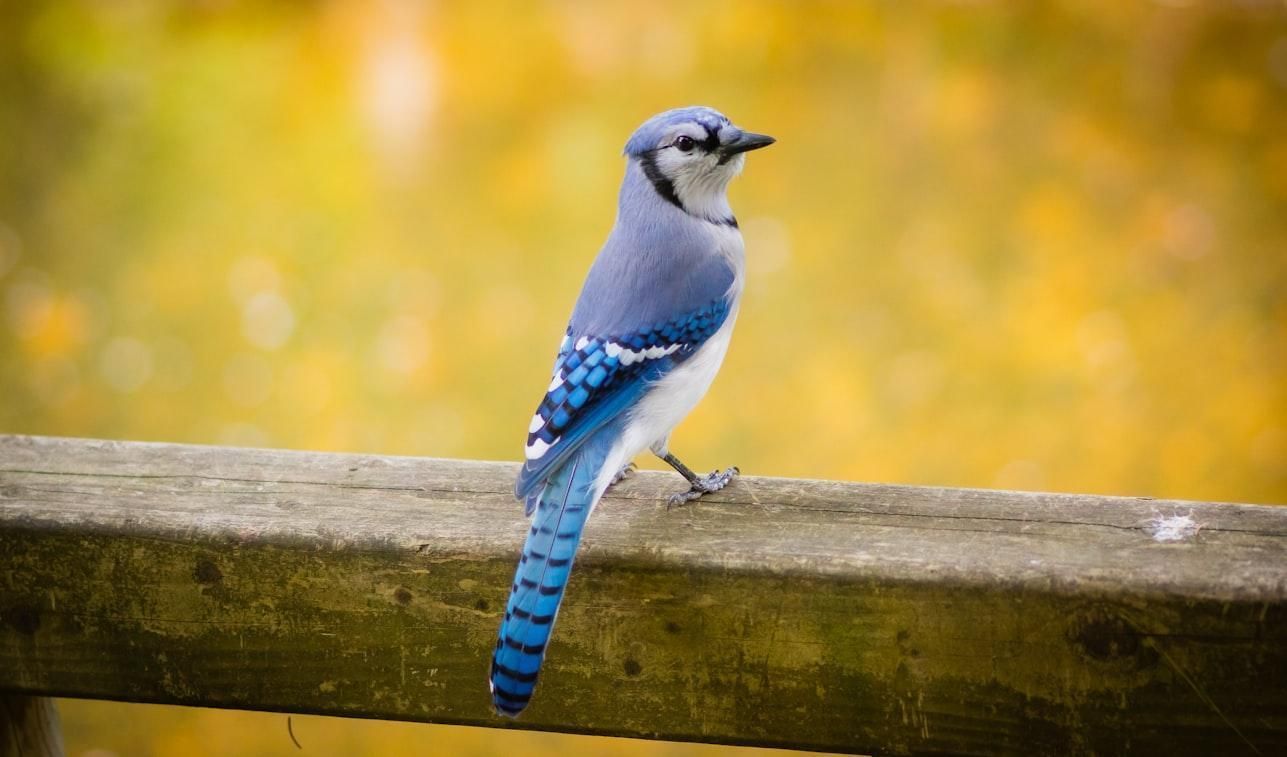
Blue Jays are known for being loud, confident, and colorful. Throughout the eastern half of the U.S., from Florida to Maine, they flash electric-blue wings marked with black "bar codes." Their blue color is actually a light trick: microscopic feather structures scatter wavelengths to create the hue. Another fun fact: back in the 1970s, researchers discovered they can mimic hawks, a clever way to scare other birds away from food.
3
American Robin
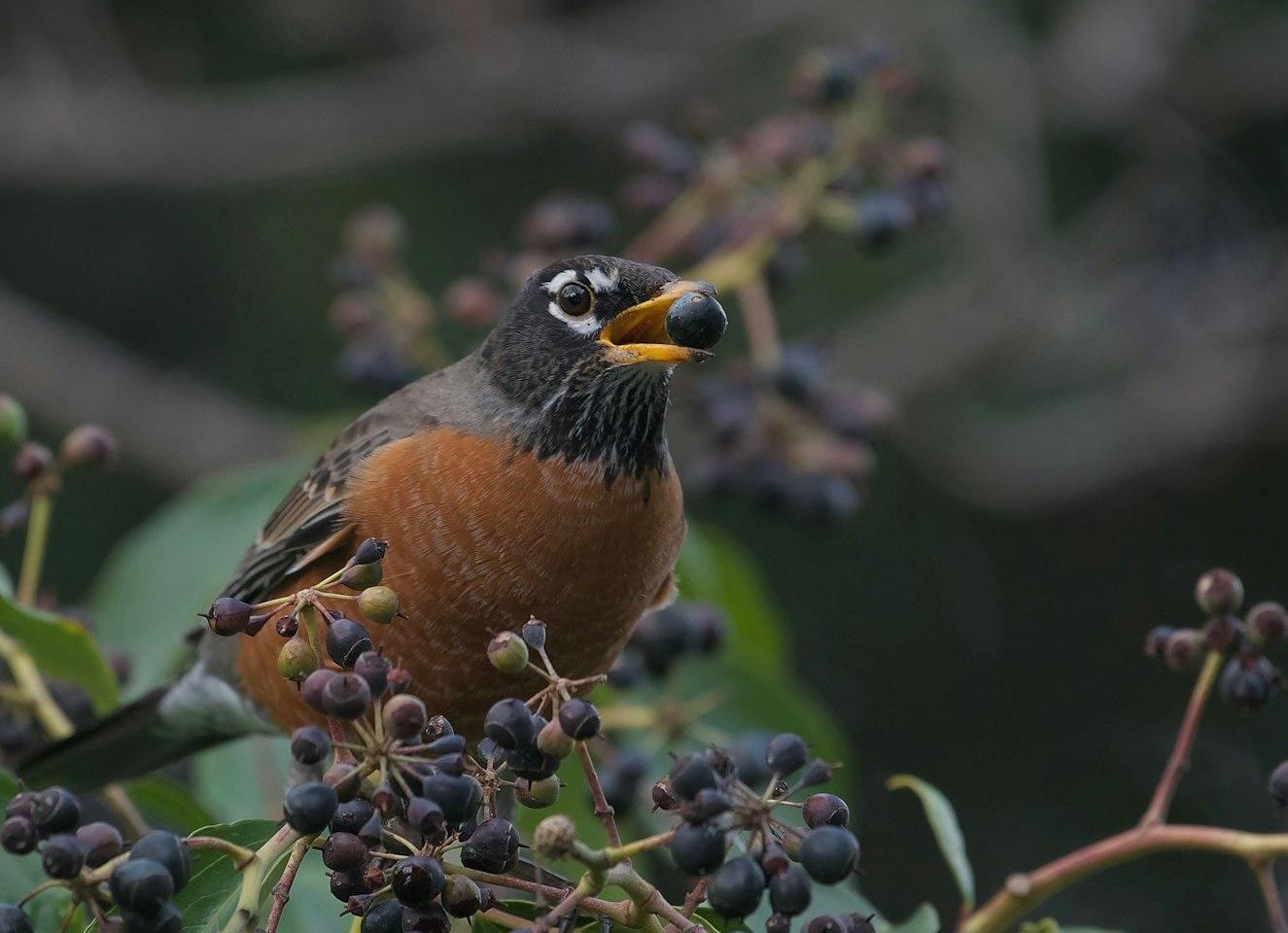
Long before digital calendars, people guessed the seasons thanks to this bird. The American Robin’s spring chorus has been recorded in journals as early as the 1800s, marking the end of winter across most of the U.S. They’re widespread, found in all lower 48 states and even in Alaska during summer. Robins stand upright, tugging worms from lawns with that unmistakable rusty-orange chest. Adults measure about 10 inches long, roughly the size of a small paperback book.
4
Ruby-Throated Hummingbird
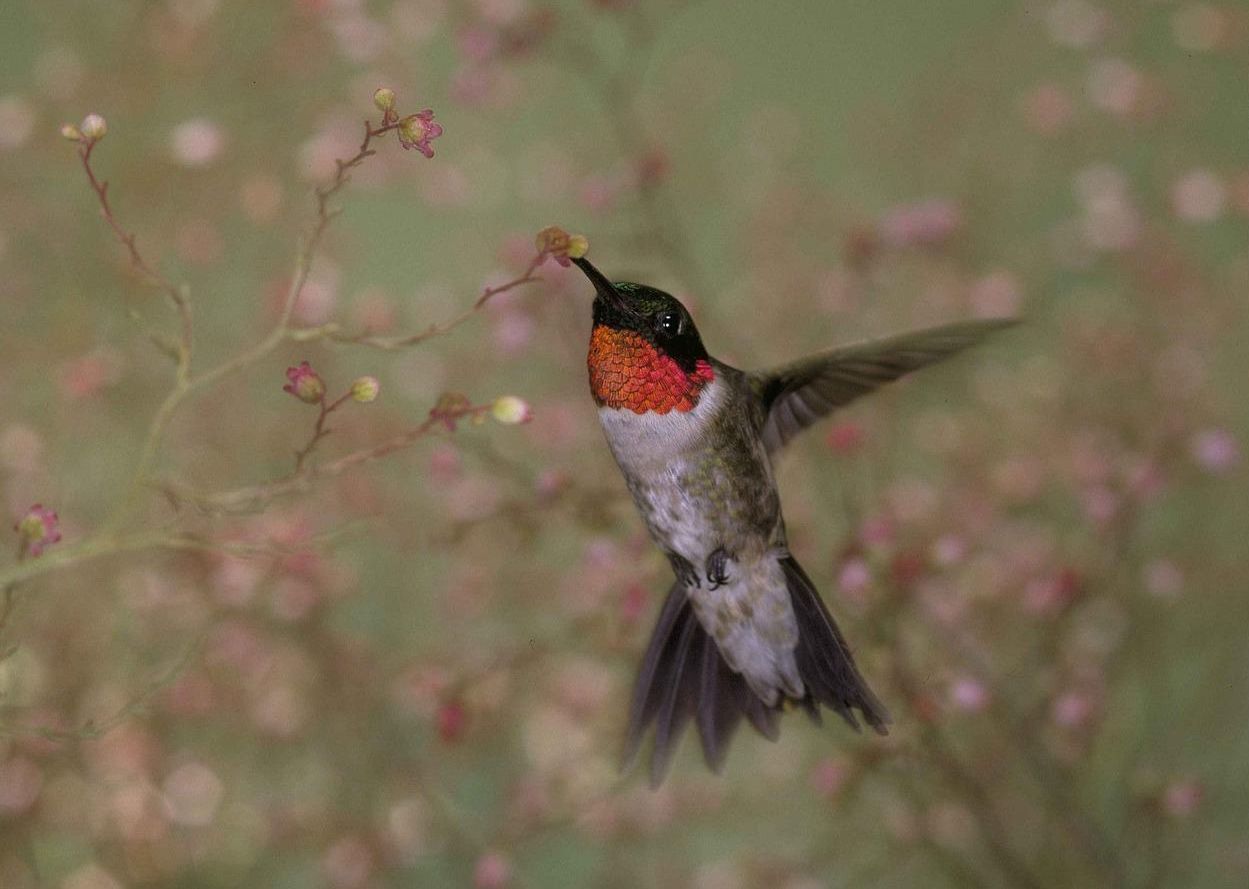
If you’ve ever seen a green flash zip past your porch faster than a camera shutter, it may have been a Ruby-throated Hummingbird. It is the only hummingbird species that breeds east of the Mississippi. It weighs 0.2 ounces—as little as a nickel!—yet crosses the Gulf of Mexico during migration. Males display an iridescent red throat that lights up when sunlight hits at the perfect angle. A single feeder with a simple sugar solution can lure them in from May through September.
5
Northern Cardinal
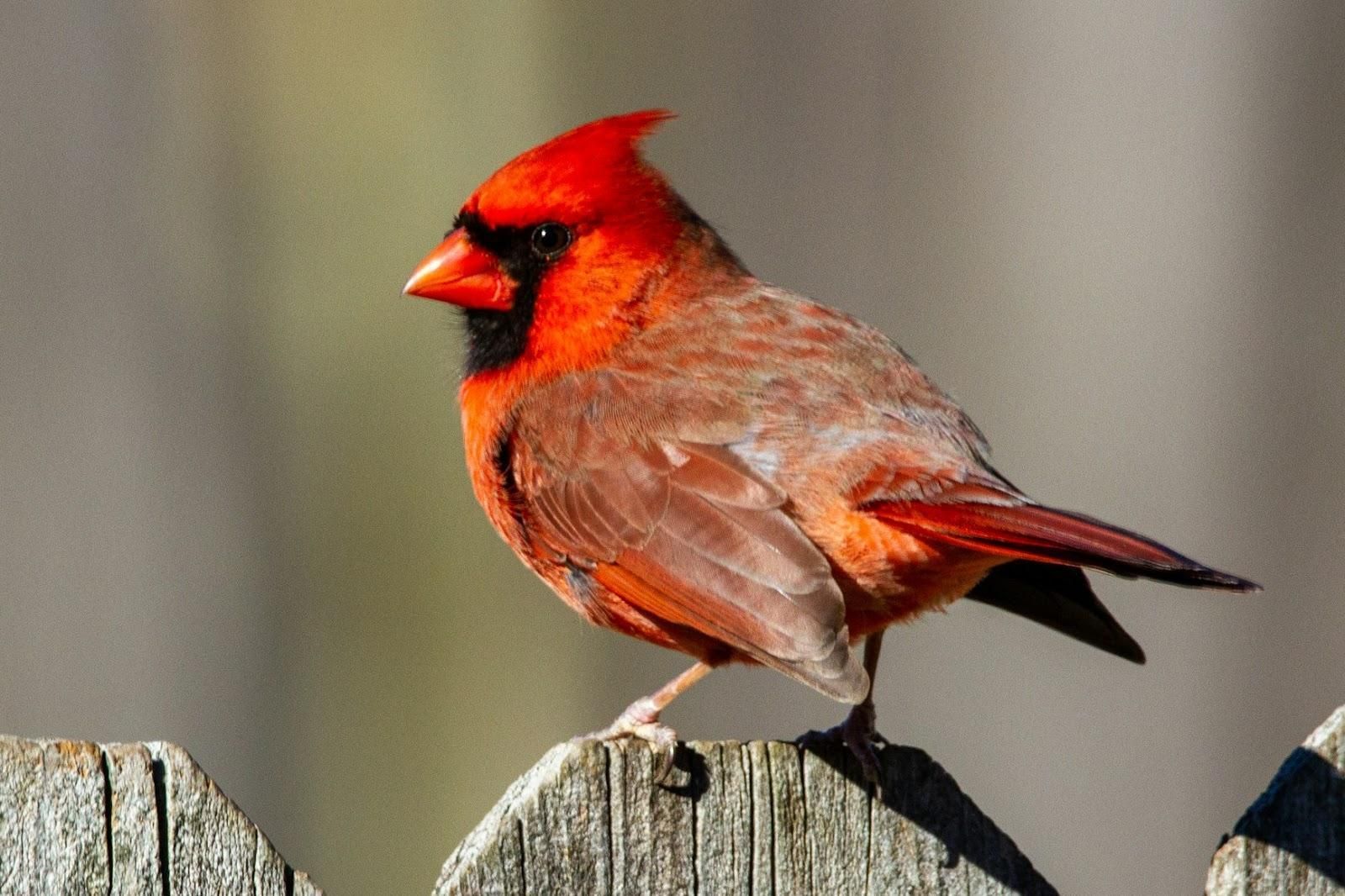
Northern Cardinals look like Christmas on wings, and it’s easy to see why. Males glow bright red, while females wear warm browns brushed with hints of red. They live year-round in the eastern and central U.S., especially in woodlots and suburban yards. Cardinals measure about 9 inches long and crack seeds with thick, powerful bills. Their "what-cheer!" call is one of the most recognized bird sounds in North America.
6
Song Sparrow
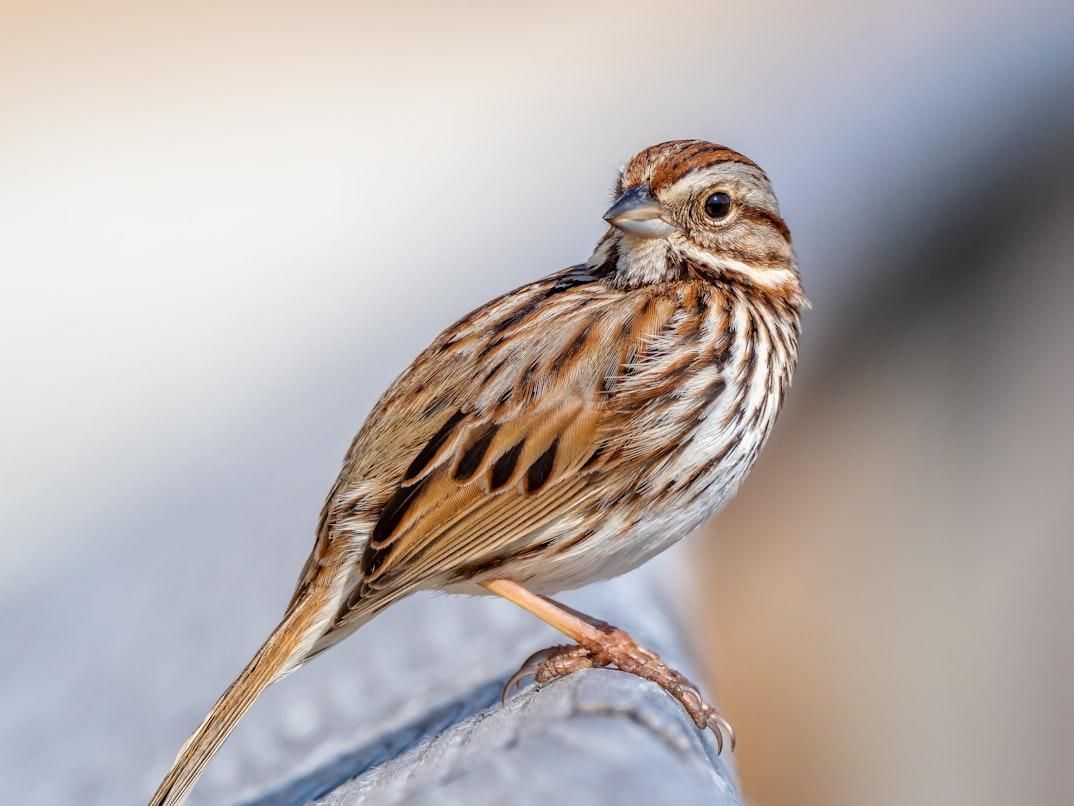
At first glance, this little brown bird might look like one of many, but listen closely. Song Sparrows have been studied for their remarkable vocal variety; a single male may sing more than 10 distinct song types. They’re common nationwide, from the Atlantic to the Pacific, but differ subtly by region. They’re small—around 6 inches—but their voice carries surprisingly far.
7
Black-Capped Chickadee
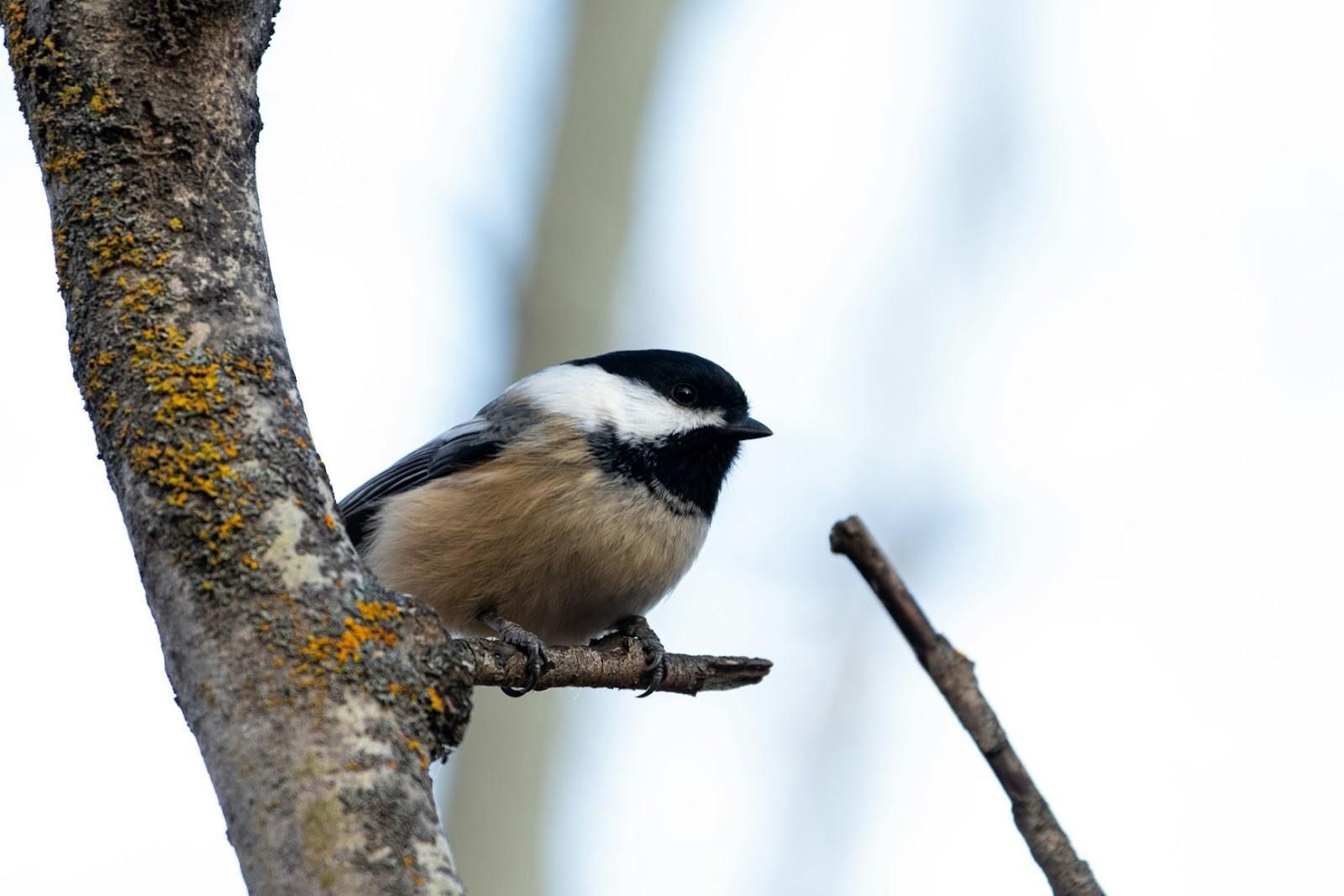
A bird the size of a tennis ball—about 0.3 ounces—with the confidence of a much larger creature: that’s the Black-capped Chickadee. They have a surprisingly sophisticated communication system. In fact, biologists discovered that the number of "dee" notes in their call changes depending on the threat level of predators.
Found across the northern U.S. and in the Rockies and Appalachians, they sport crisp black caps and snow-white cheeks. Offer sunflower seeds, and they’ll visit you all winter.
8
Northern Mockingbird
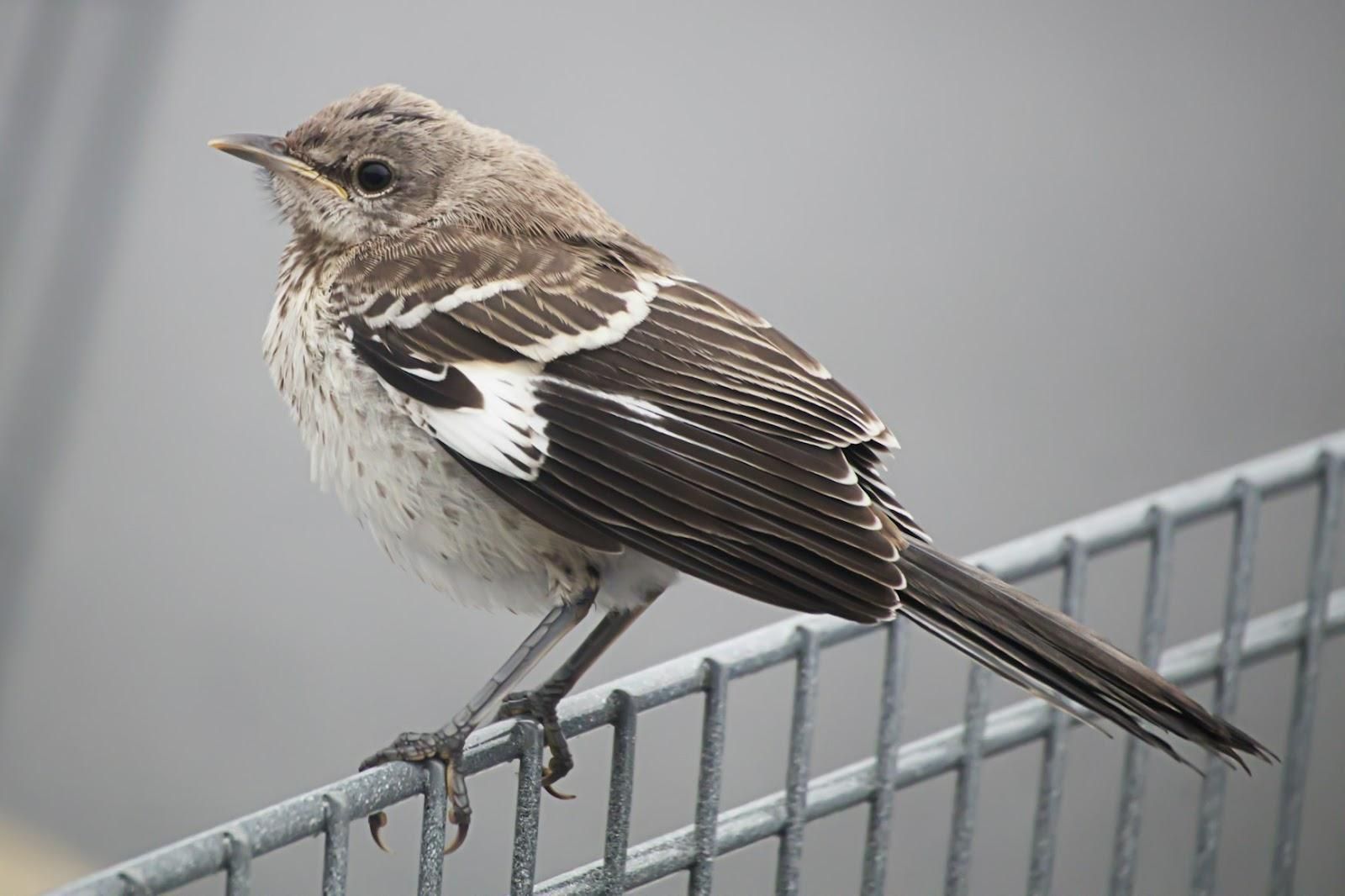
What if one bird could perform an entire playlist? Northern Mockingbirds—common throughout the South, Midwest, and many western suburbs— can mimic over 100 sounds, from other birds to squeaky gates. In the 1960s, scientists confirmed their habit of singing at night, especially males guarding territory.
They’re roughly 10 inches long, the size of a stretched-out flashlight. Their slender gray bodies and white wings make them easy to spot when they swoop from fence posts.
9
Baltimore Oriole
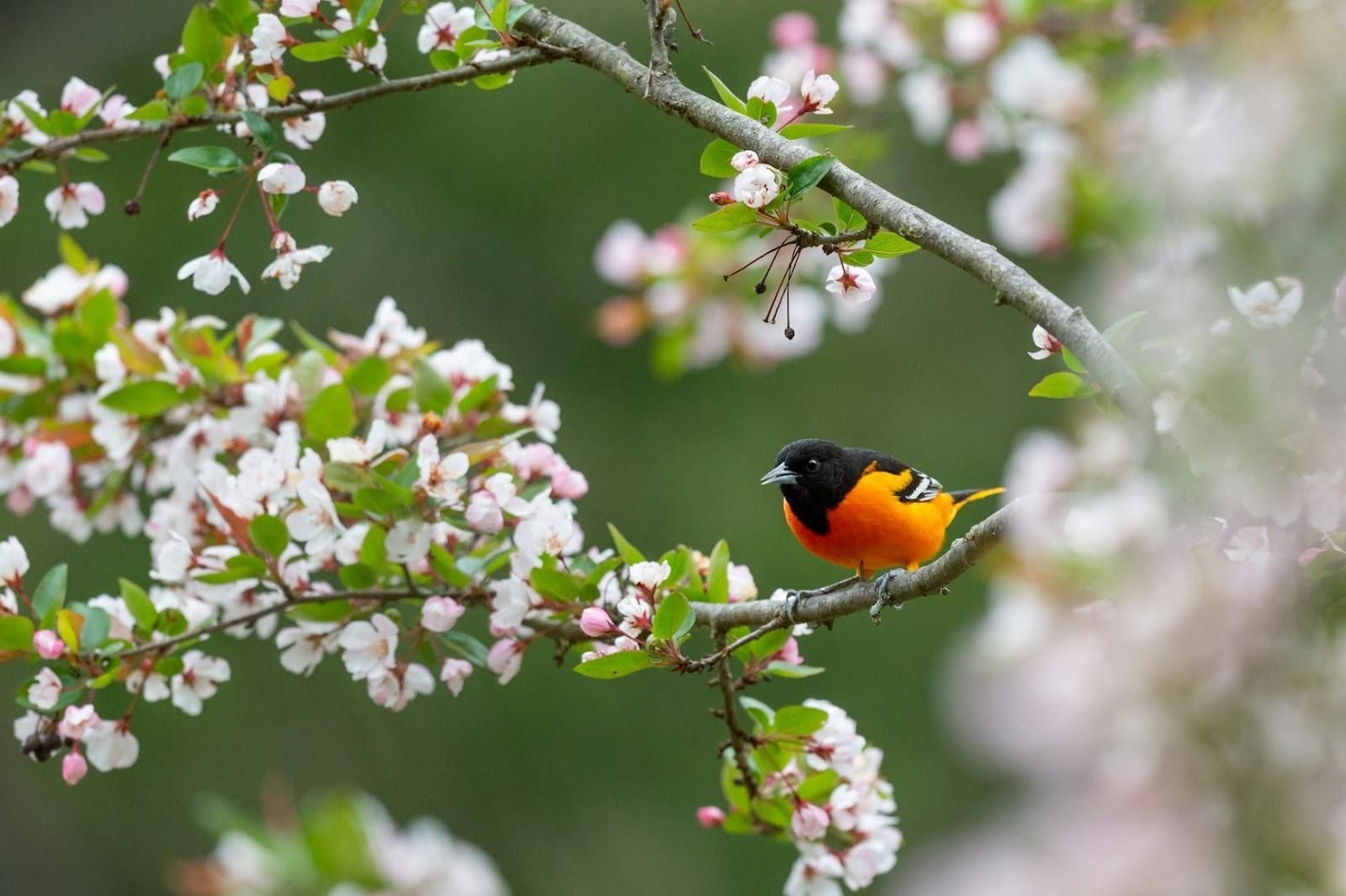
The Baltimore Oriole can be described as "a flame carried by wings", since males sport brilliant orange while females show softer yellows.
These bright orange migrants breed across the Northeast and Midwest before wintering in Central America. Their hanging pouch nests—up to 8 inches deep—are woven with fibers like tiny hammocks swaying in the breeze. Orioles love tall shade trees and can hang upside down to sip nectar or jelly.
10
American Crow
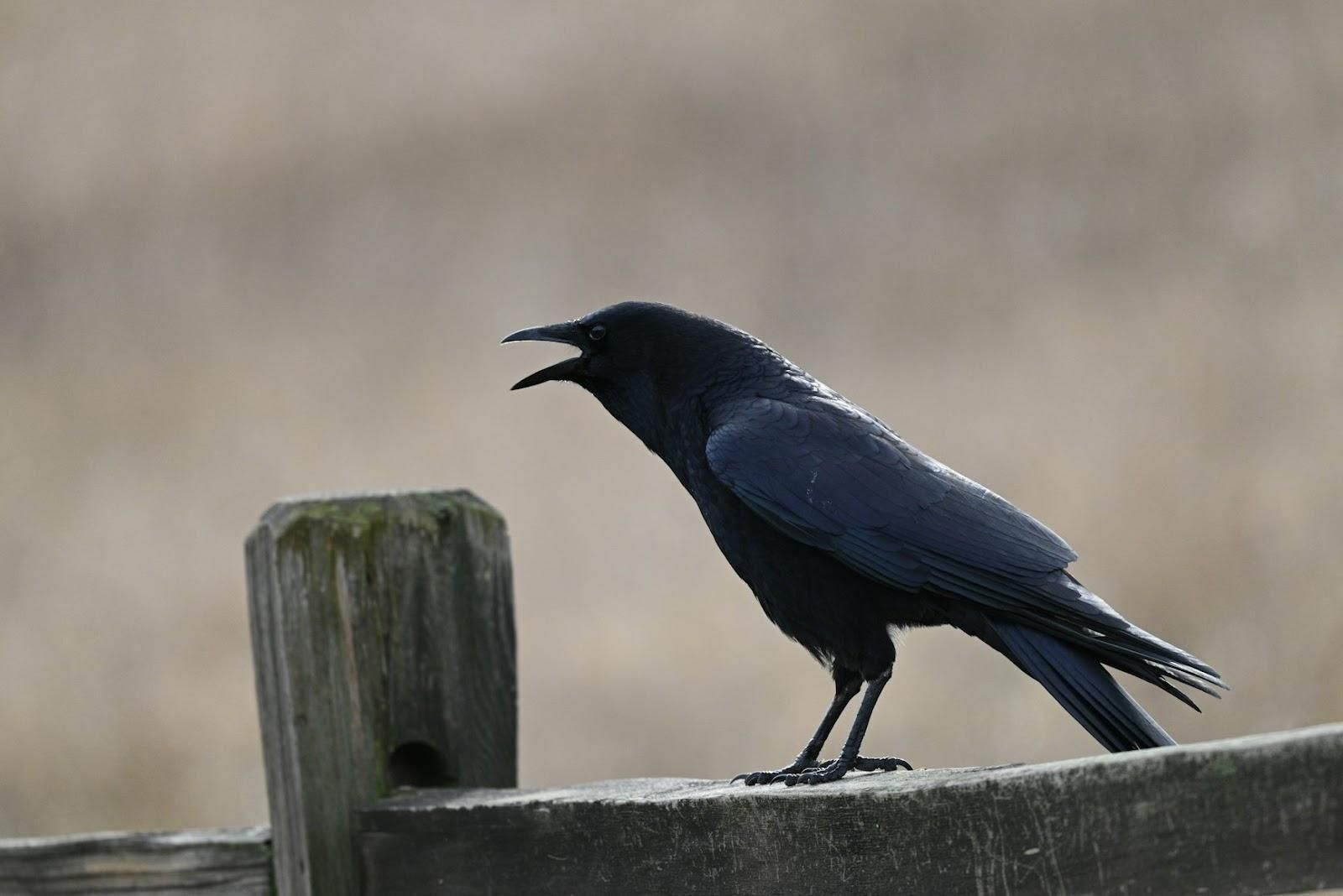
Think of crows as neighborhood detectives. Studies show they can recognize human faces and remember them for years. Found in every U.S. state except Hawaii, American Crows are large—about 17 inches long—and solid black from bill to tail. Their aerial circling and communal roosts, sometimes numbering thousands, are especially common in the Midwest. They travel in family groups and announce their presence with a clear "caw!"
11
Black-billed Magpie
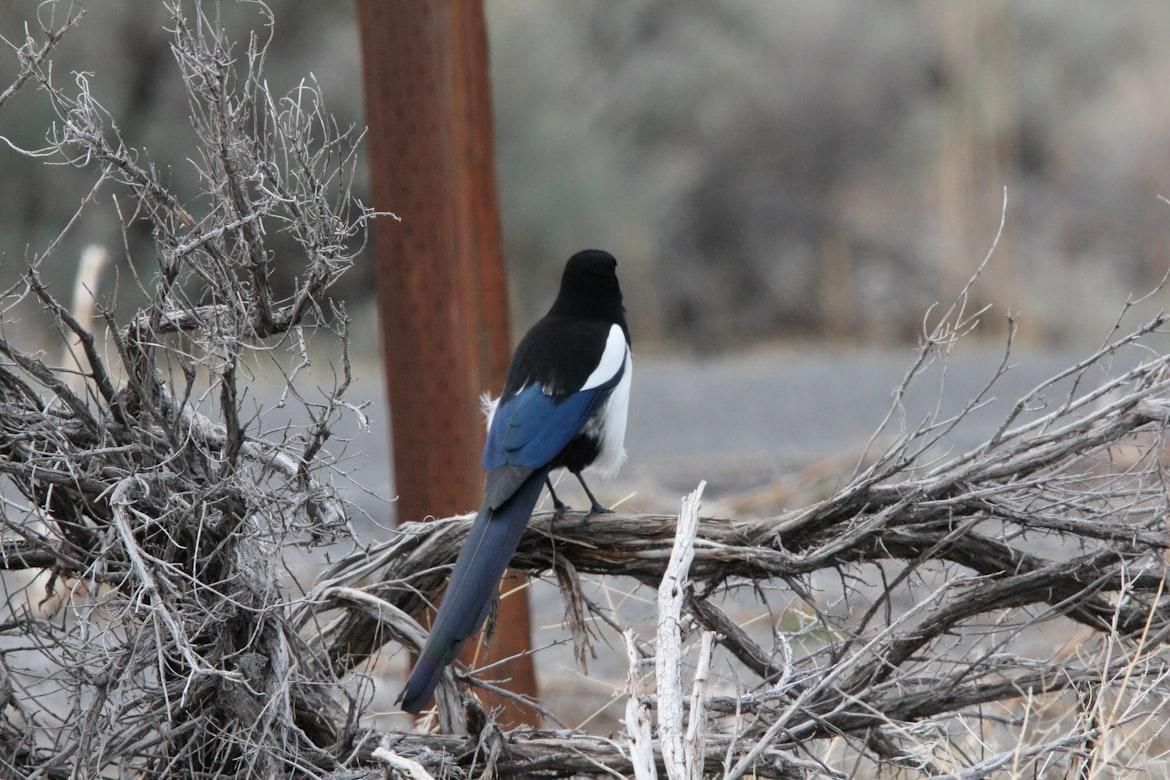
If you’ve ever driven through the Rockies or the Great Plains, you’ve likely seen this striking bird swooping low over fields. Black-billed Magpies, common from Nevada to the Dakotas, wear glossy black feathers with a blue-green sheen and long tails that can reach 12 inches—nearly half their total length. Their dome-shaped stick nests can be 3 feet across, and they thrive in open country and ranchlands.
12
Tufted Titmouse
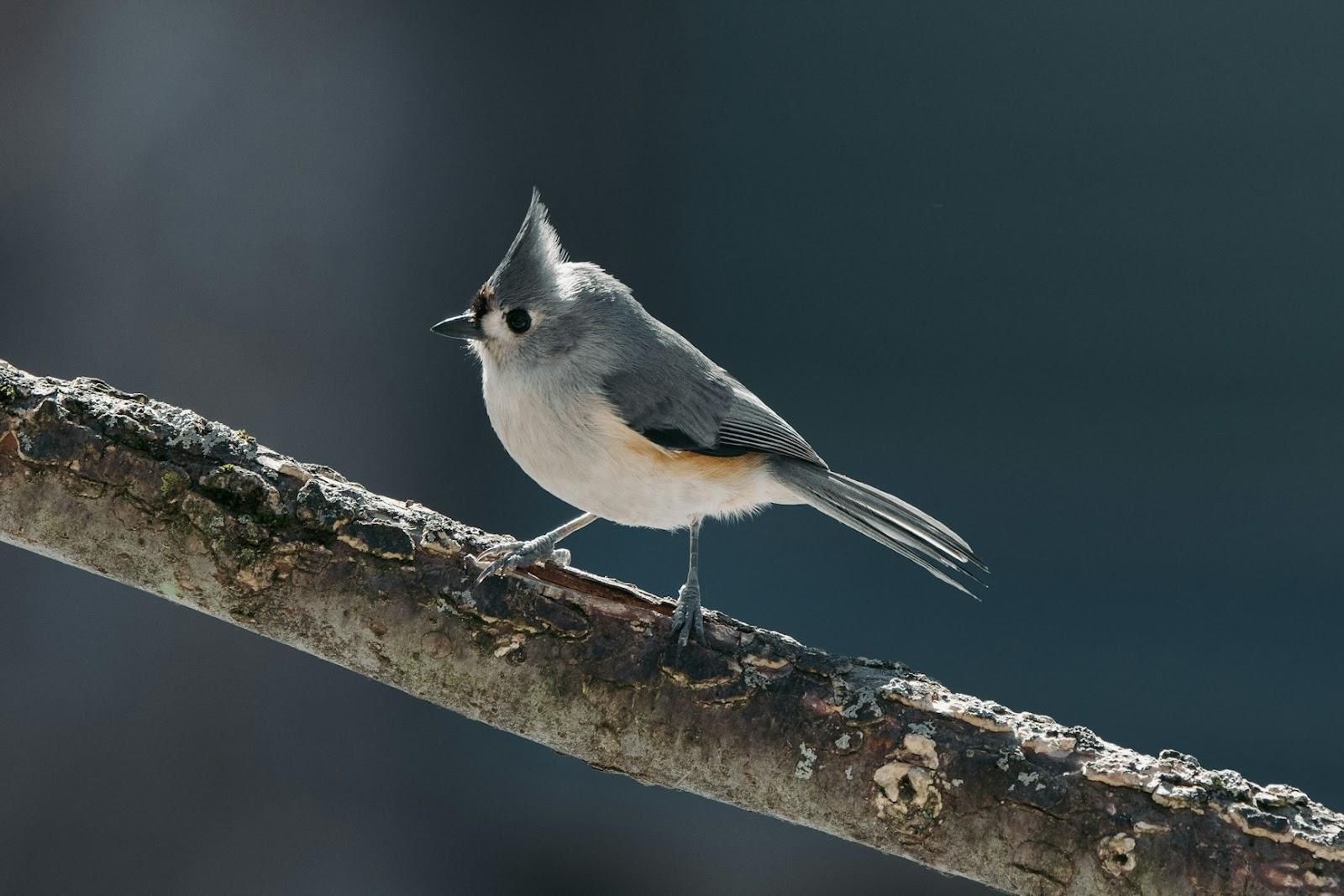
One of the most charming feeder visitors in the eastern U.S., the Tufted Titmouse has a soft gray coat, a tiny crest, and warm orange patches under the wings. Though small—around 6.5 inches—they have a bold, ringing call: peter-peter-peter . Their range has expanded steadily northward, partly thanks to backyard feeders. Another fun fact: titmice store seeds one by one in tree bark, creating "pantries" they revisit all winter.