Culture Culture 9 min read

Real connections

Some of these mafia movie scenes weren't fiction at all
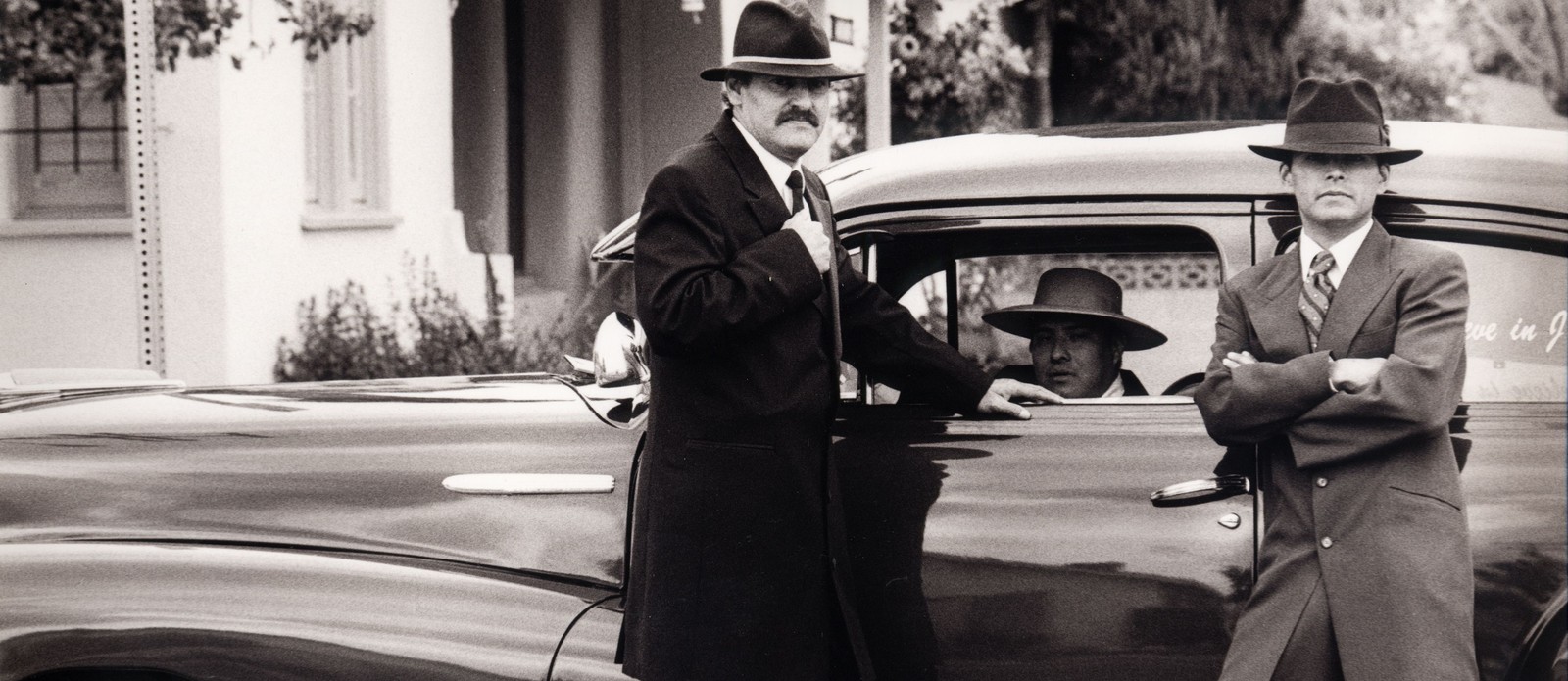
Image: Katherine Bowers

Mafia movies and TV shows have given us some of the most memorable characters in pop culture: powerful bosses like Vito Corleone, undercover agents, bootleggers, gamblers, and families such as The Sopranos caught between loyalty and betrayal. But many of these stories didn't come entirely from Hollywood's imagination. Behind the fictional characters are real mobsters, organized-crime families, and historic events. Sometimes filmmakers stayed remarkably close to the facts; other times, they took extreme creative license. Let's look at the true stories behind some of the most famous Mafia movies and TV shows.

1
The Godfather: A fictional family with real mafia influences
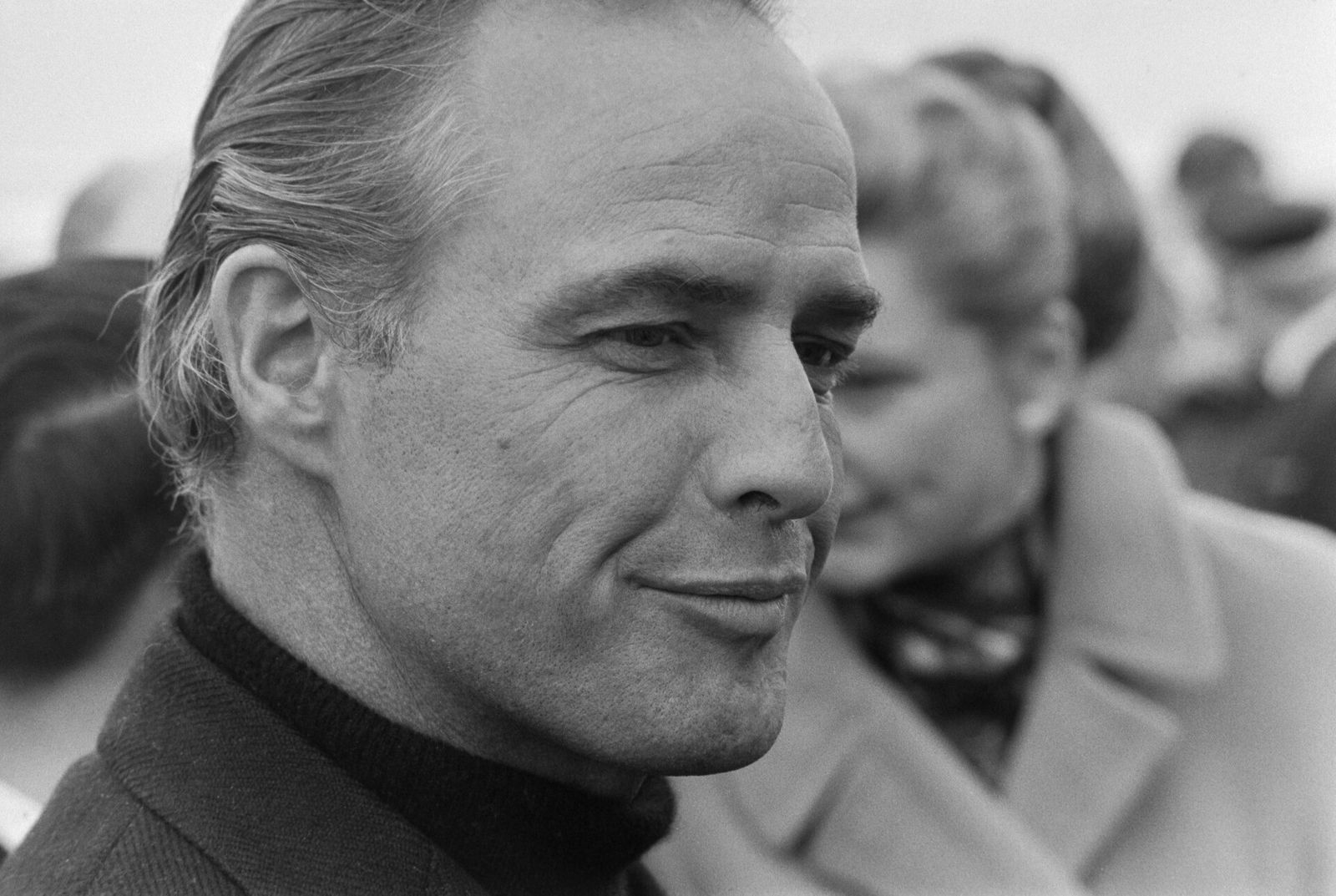
Image: Urpo Rouhiainen, CC BY 4.0, via Wikimedia Commons

The Corleone family may be fictional, but author Mario Puzo drew inspiration from several real Mafia figures and traditions . Vito Corleone (Marlon Brando), for example, has similarities to New York crime boss Frank Costello, who was known for his political connections and influence. Vito's olive-oil business also recalls real mobster Joe Profaci, who built a legitimate olive-oil business alongside his criminal activities.

One of the movie's most memorable scenes also has a real-life parallel. When Michael Corleone (Al Pacino) goes to a restaurant and secretly retrieves a gun from the bathroom before killing Sollozzo and McCluskey, the setup echoes the 1931 murder of mob boss Joe Masseria. Masseria was having lunch at a Coney Island restaurant with Lucky Luciano when Luciano briefly left the table; gunmen then entered and killed Masseria. Michael's assassination, however, is fictional, and Puzo and director Francis Ford Coppola combined real Mafia history with an invented Corleone family.

2
Goodfellas: The real life of Henry Hill
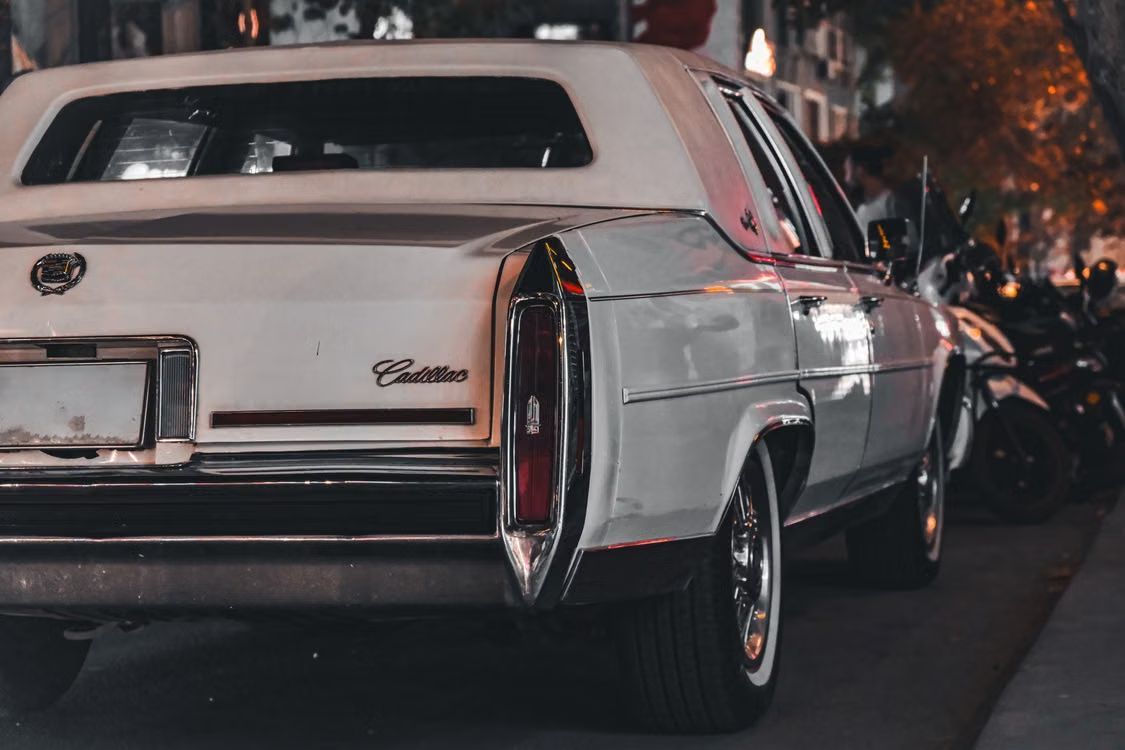
Image: Emre Gokceoglu

Unlike many Mafia movies, Goodfellas is closely tied to one man's actual experiences. The 1990 film by Martin Scorsese is based on Nicholas Pileggi's book Wiseguy , which tells the story of Henry Hill (played by Ray Liotta) and his life inside New York's Lucchese crime family. One of the movie's biggest events, the 1978 Lufthansa heist at JFK Airport, really happened: gangsters stole millions of dollars in cash and jewelry from the airline's cargo terminal.

The movie also recreates the real-life 1970 murder of William Bentvena, known as Billy Batts, who was beaten after insulting Thomas DeSimone. Even Henry Hill's drug arrest and the chaotic day depicted in the film, including his paranoia and the helicopter following him, were based on his real accounts.

3
American Gangster: The rise of Frank Lucas
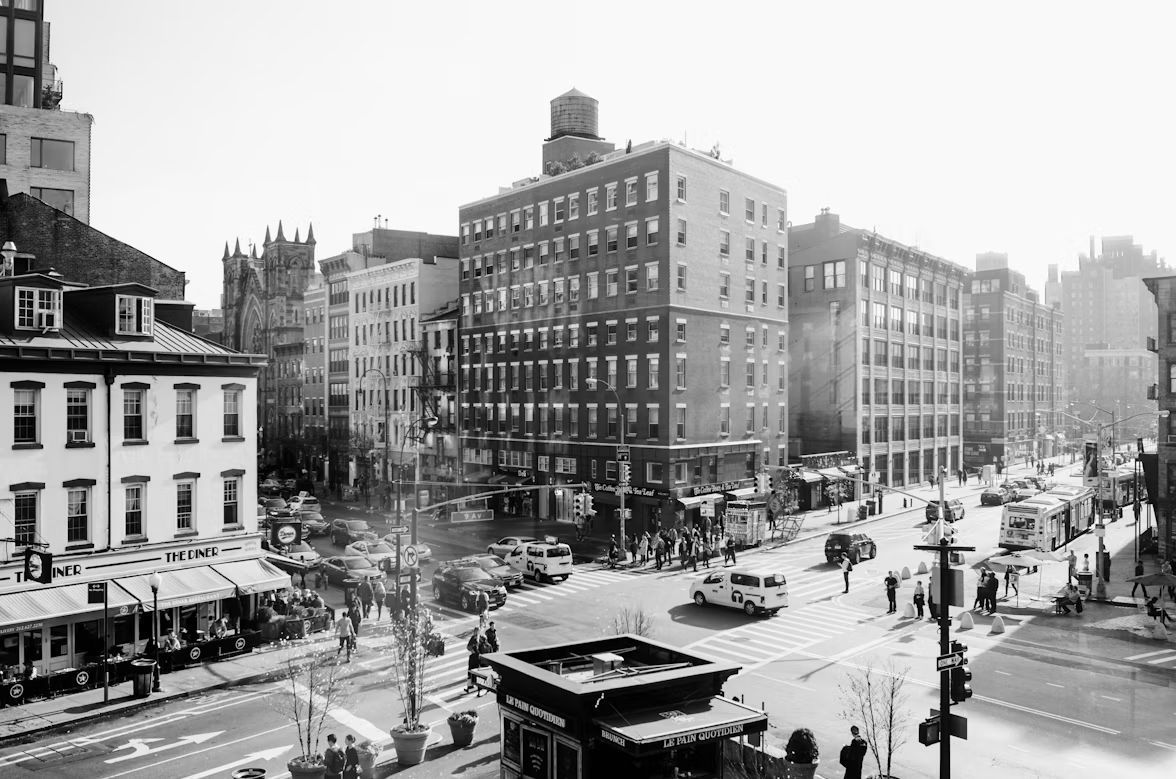
Image: Matteo Modica

American Gangster (2007) follows Frank Lucas, a Harlem drug trafficker who became one of the most powerful figures in New York's heroin trade during the 1960s and '70s. Denzel Washington's portrayal presents Lucas as a disciplined, businessman-like criminal who built his operation largely outside the traditional Mafia structure. Lucas really did build a heroin operation in Harlem under the name "Blue Magic." He also traveled to Southeast Asia to establish direct connections with heroin suppliers, cutting out intermediaries.

Richie Roberts, played by Russell Crowe, was a real New Jersey detective who investigated Lucas, and he later cooperated with authorities by providing information about corrupt police officers. However, the famous Vietnam coffin scene was not real, and the movie also fictionalized Bumpy Johnson's death and romanticized Lucas's family life.

4
Casino: When Las Vegas was run by the mob
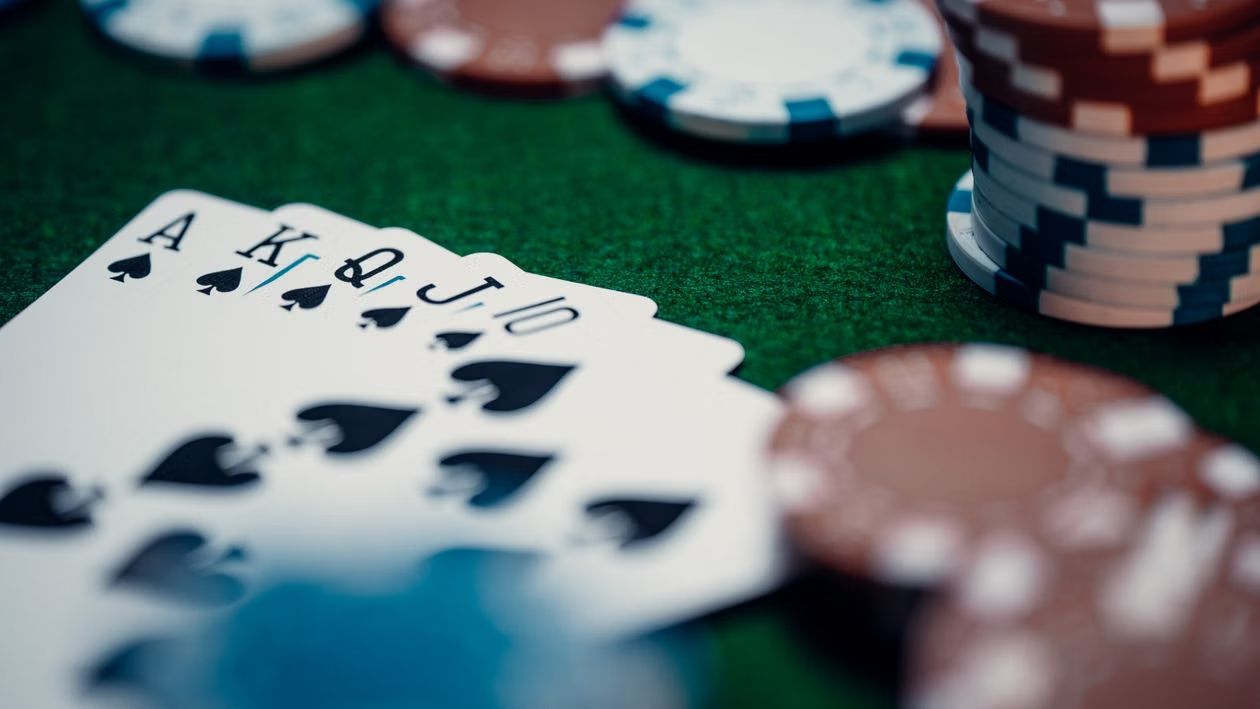
Image: Volker Thimm

The glamorous Las Vegas of Martin Scorsese’s Casino (1995) has a very real history behind it. The film was based on Nicholas Pileggi's nonfiction book Casino: Love and Honor in Las Vegas . Robert De Niro's Sam ‘’Ace’’ Rothstein was based on casino executive Frank ‘’Lefty’’ Rosenthal, while Joe Pesci's Nicky Santoro was inspired by Chicago mobster Anthony Spilotro.

Several details shown in the movie really happened . Rosenthal survived a car bombing in Las Vegas in 1982, and the attack with a pen was inspired by a real incident involving Spilotro. Ace's appearances before Nevada gaming officials, accompanied by his real attorney Oscar Goodman, were also based on actual events. Rosenthal did oversee the Stardust and other casinos for the Chicago Outfit, where the mob secretly skimmed casino revenue. Spilotro really operated in Las Vegas as the Outfit's enforcer and ran the "Hole in the Wall" Gang.

5
The Sopranos: New Jersey's mob culture comes to TV
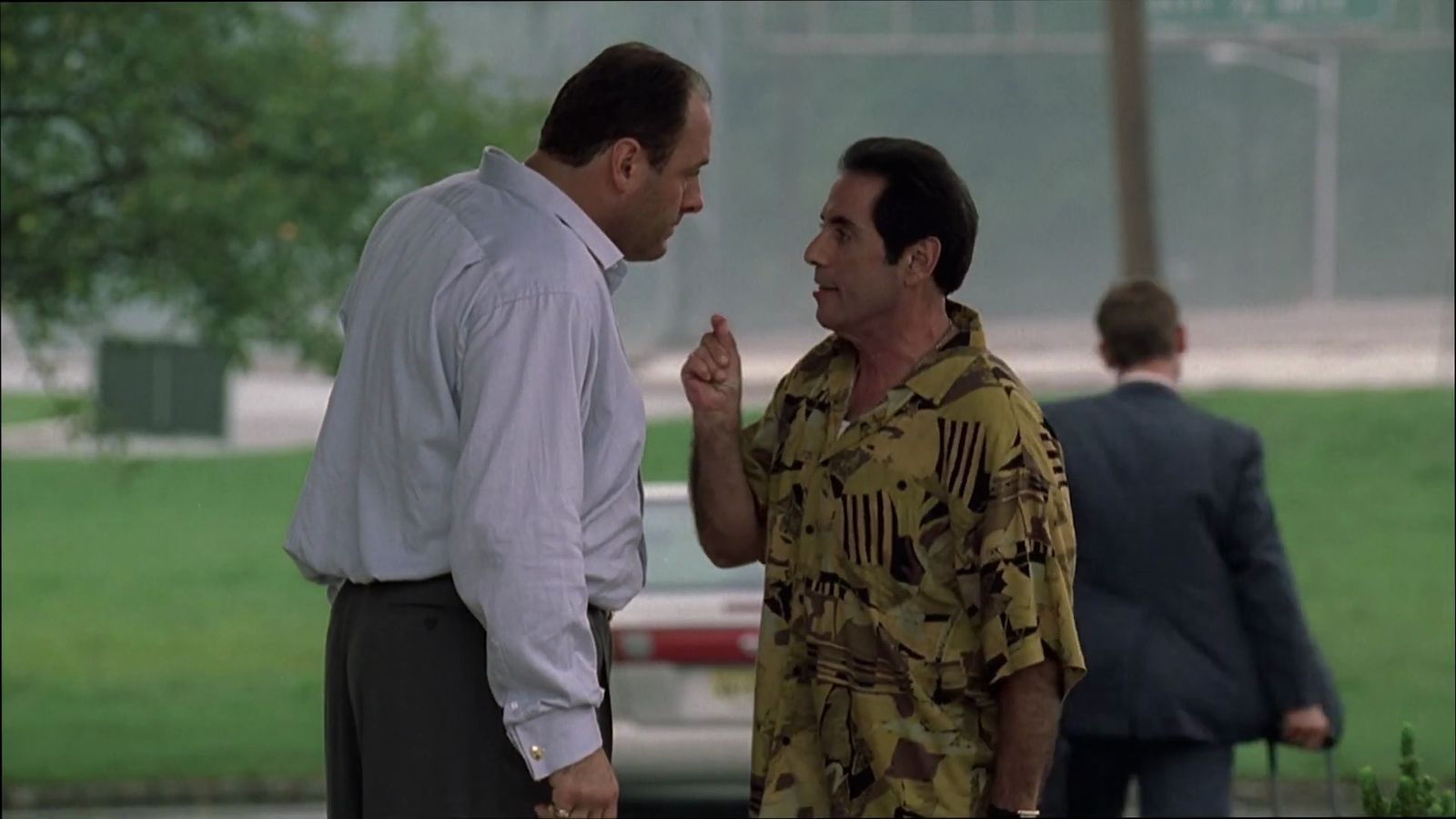
Image: HBO, CC BY 3.0, via Wikimedia Commons

Tony Soprano (James Gandolfini) and his crew were fictional, but The Sopranos (which aired on HBO from 1999 to 2007) drew heavily from the real organized-crime culture of New Jersey and New York. Creator David Chase grew up in New Jersey and was familiar with the presence of Mafia stories and figures in the region. Tony was sometimes compared to real mobster Vincent "Vinny Ocean" Palermo, although he was not based directly on him.

The show's realism went further . FBI wiretaps captured real mobsters discussing how accurately the series portrayed Mafia life. Tony Sirico, who played Paulie Walnuts, had also been involved with the Colombo crime family in his youth and agreed to take the role on the condition that Paulie would never become an informant. Livia Soprano (Nancy Marchand) was based on David Chase's own mother, while locations such as the Bada Bing and Satriale's were real New Jersey establishments used for filming.

6
The Untouchables: Eliot Ness vs. Al Capone

Image: cottonbro studio

During Prohibition, Al Capone became one of America's most notorious gangsters, while federal agent Eliot Ness (played by Kevin Costner) became famous for helping pursue him. Ness really did lead the "Untouchables," a team targeting Capone's illegal operations in Chicago. The 1987 film's baseball-bat scene also has a real-life basis: Capone (played by Robert DeNiro) reportedly had two suspected traitors, Albert Anselmi and John Scalise, brutally beaten at a dinner.

But many memorable moments are Hollywood inventions. The train-station shootout, courthouse shootout, and Canadian border raid never happened, and Ness never killed gangster Frank Nitti. Capone's eventual conviction for tax evasion was real, but the case was largely driven by the U.S. Attorney's Office and Treasury investigators rather than Ness's team.

7
Donnie Brasco: The undercover agent who really went inside
Image: David Kouakou

Donnie Brasco (1997) is based on one of the most remarkable undercover operations in FBI history. Agent Joseph Pistone really spent six years undercover as "Donnie Brasco," infiltrating the Bonanno crime family beginning in 1976. He gained the trust of mobsters who believed he was a small-time jewel thief and was even on the verge of being formally inducted into the Mafia when his true identity was discovered.

The movie's characters also have real counterparts. Johnny Depp plays Pistone, while Al Pacino's Lefty Ruggiero was a real Bonanno mobster who became one of the agent's closest Mafia contacts. The film changes and condenses some events, but the central relationship between Pistone and Ruggiero, and the danger of Pistone being exposed, was based on an actual six-year FBI operation.

8
Scarface: Tony Montana has a real predecessor
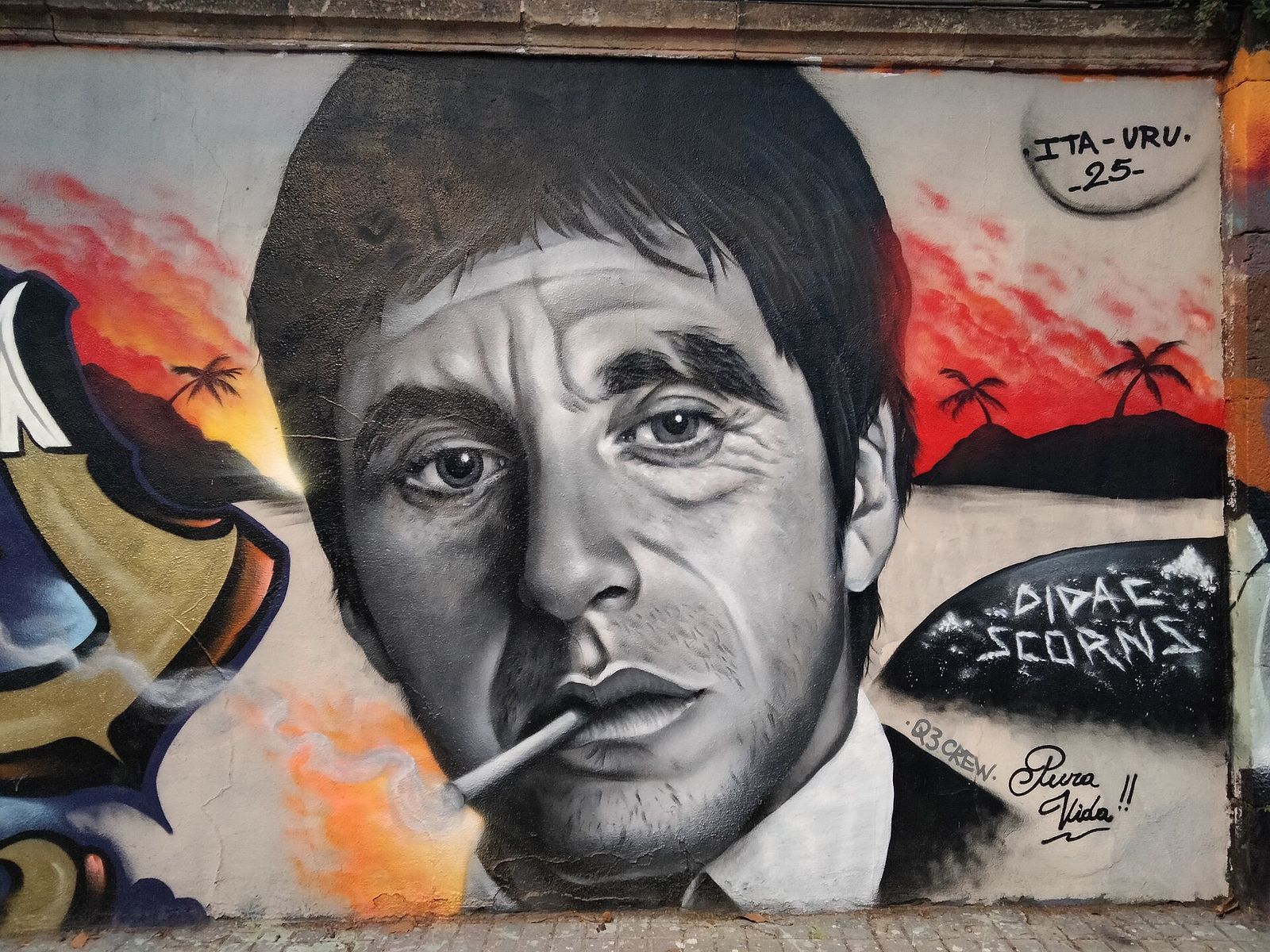
Image: Enric, CC BY 4.0, via Wikimedia Commons

Tony Montana, the cocaine-fueled gangster played by Al Pacino, is fictional. But Scarface has deep roots in real organized crime. The 1983 Brian De Palma film was a very loose remake of the 1932 Scarface , directed by Howard Hawks, which was inspired by Prohibition-era Chicago gangster Al Capone . Capone was famously nicknamed "Scarface" because of the scars on his face, and his life as a Chicago gangster helped inspire the original film.

The 1983 movie moved the story from Prohibition-era Chicago to 1980s Miami, transforming its main character into a Cuban immigrant who rises through the cocaine trade. The Miami setting was tied to the real Mariel boatlift of 1980, when more than 100,000 Cubans arrived in the United States.

9
The Irishman: A mobster's claims about Jimmy Hoffa

Image: Arturo Añez.

The Irishman is based largely on Frank Sheeran's claims about his connections to organized crime and the disappearance of Teamsters leader Jimmy Hoffa. Robert De Niro plays Sheeran, while Al Pacino portrays Hoffa in Martin Scorsese's 2019 film. Sheeran's close relationship with Hoffa and his loyalty to crime boss Russell Bufalino reflect their real-life connections. The 1975 Detroit wedding shown in the film, including the long car trip and gathering of mobsters and union leaders, was also based on a real event.

The film also recreates Sheeran's confrontation with a store owner who had mistreated his daughter Peggy, an incident that contributed to their lasting estrangement. The movie's central claim, that Sheeran killed Hoffa on Mafia orders, comes from Sheeran's own account to writer Charles Brandt, whose book I Heard You Paint Houses inspired the film. However, Sheeran's confession remains disputed, so Hoffa's disappearance is a fact, while Sheeran's role in it has never been established.

10
Bugsy: The man who saw Las Vegas differently
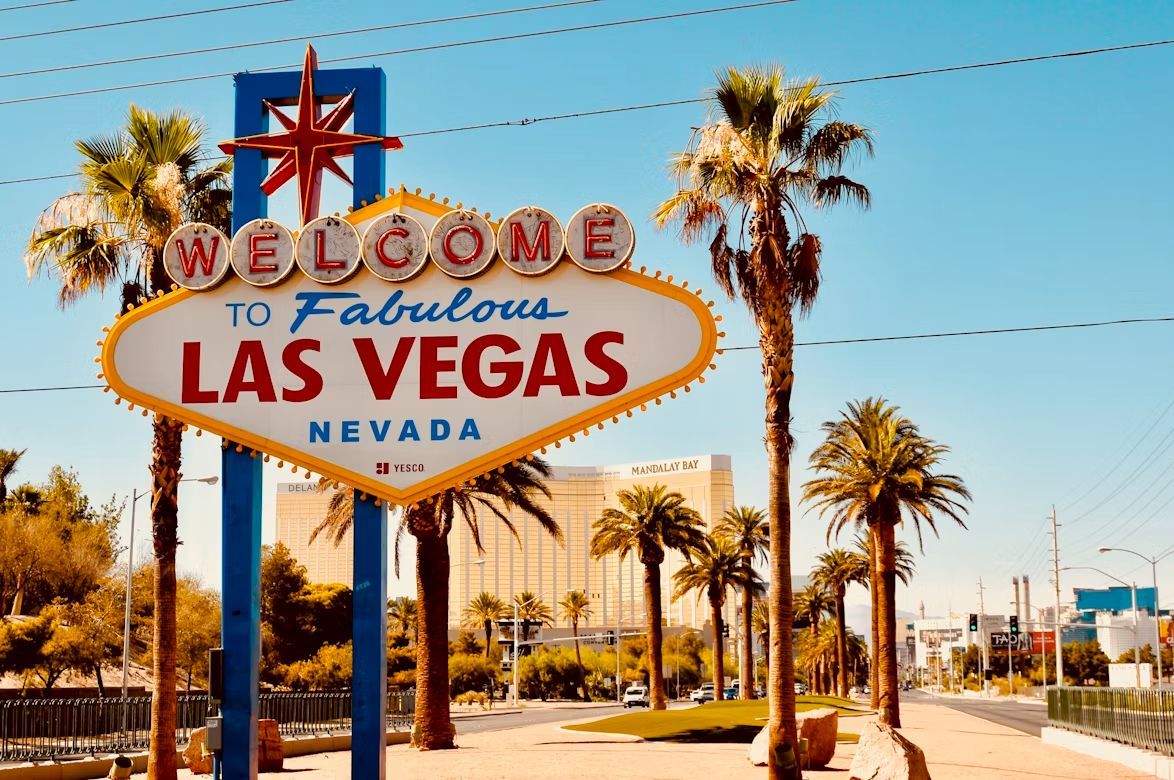
Image: Grant Cai

Benjamin "Bugsy" Siegel was a real gangster whose name became closely connected with the early history of Las Vegas . In the 1991 movie directed by Barry Levinson, Warren Beatty plays Siegel as he pursues his vision of building the Flamingo, a luxury hotel and casino in the Nevada desert. The real Flamingo opened in 1946, and Siegel was involved in the project before he was murdered in Beverly Hills in June 1947.

The film also features Siegel's real relationship with Virginia Hill, played by Annette Bening, and his connections to Meyer Lansky. Those people and relationships had real foundations, but the movie romanticizes and dramatizes parts of Siegel's personal life . Even the story behind the name "Flamingo" is disputed: one version connects it to Hill, while another traces it to Siegel's interest in the flamingos at Florida's Hialeah Park.

11
Black Mass: The dark story of Whitey Bulger
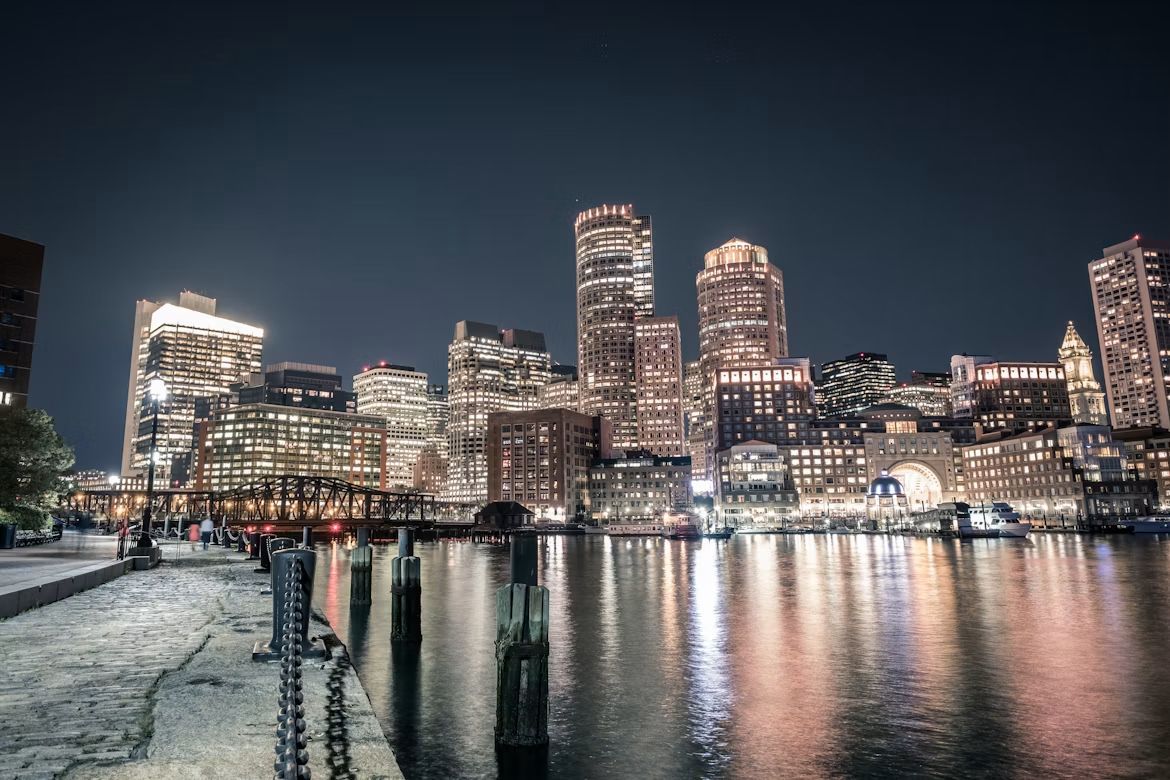
Image: Lance Anderson

The 2015 film Black Mass is based on the real story of Boston gangster James "Whitey" Bulger (played by Johnny Depp). His childhood friendship with FBI agent John Connolly (Joel Edgerton) was real, and their relationship eventually led to a deal in which Bulger provided information about the Italian Mafia in exchange for protection and immunity from prosecution. The film also recreates real events in Boston, including the murder of Brian Halloran, who was shot in broad daylight after leaving a restaurant.

Not everything happened exactly as shown . The murder of John Callahan, for example, was moved to a nightclub in Florida for the film; in reality, Callahan was killed inside a car in an airport parking lot. Kevin Bacon's FBI supervisor, Charles McGuire, was also a fictional composite rather than a real person, created to represent several FBI officials from that period.

12
Boardwalk Empire: Prohibition, politics, and real gangsters
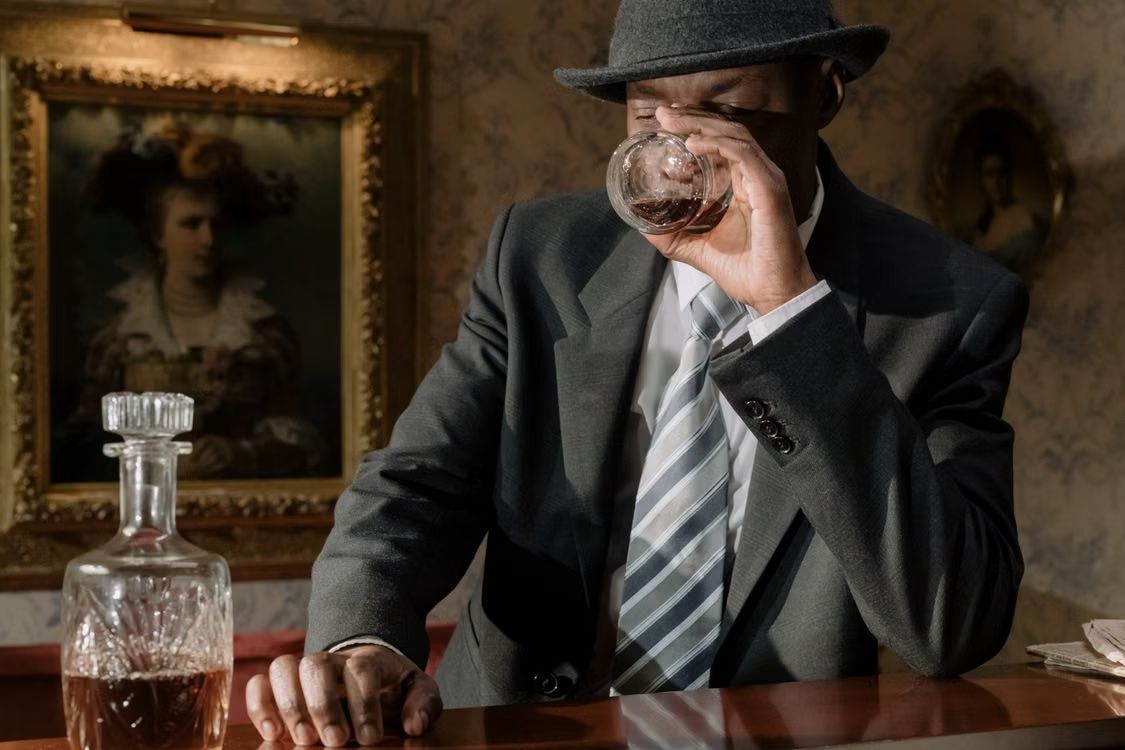
Image: cottonbro studio

The HBO series Boardwalk Empire, which aired from 2010 to 2014, takes viewers back to Prohibition-era Atlantic City, when bootlegging, gambling, politics, and organized crime could overlap. The show's central character, Nucky Thompson (played by Steve Buscemi), was inspired by real Atlantic City political boss Enoch "Nucky" Johnson. The series also features real gangsters such as Al Capone, Lucky Luciano, Meyer Lansky, Johnny Torrio, and Arnold Rothstein, whose early connections reflect the alliances that shaped organized crime in the 1920s.

Some of the show's events also have a real historical basis . Arnold Rothstein really was linked to the 1919 World Series gambling scandal, and the 1929 Atlantic City mob conference, hosted by the real Nucky Johnson, actually took place. But Nucky's fate was very different from the show's dramatic ending: the real Johnson was arrested for tax evasion, served prison time, and lived until 1968, dying at age 85.
Culture Culture 6 min read

How do the most powerful blow off steam?

Which US President spent a quarter of his presidency at a ranch in Texas?

Image: Robert LeRoy Knudsen, Public domain, via Wikimedia Commons

Running the White House is a highly demanding job, so throughout history, many presidents have found ways to relieve the pressure and stress of leading at the highest level of government. When not shaping the path of the nation, presidents have enjoyed a variety of hobbies and pastimes that provide them with leisure time to relax, unwind, and clear their minds. From golfing and swimming to reading and painting, here are 12 U.S. Presidents who found the perfect balance between pleasure and duty.

1
George Washington

Image: Alonzo Chappel, CC0, via Wikimedia Commons

Founding Father and first president of the United States, George Washington, enjoyed many recreational activities during his free time. He was a true outdoorsman—he loved hunting and fishing and was a devoted gardener and farmer .

It’s common knowledge that after deciding not to run for a third term, he retired to his Virginia farm and dedicated the rest of his life to farming. But one fact you may not know is that, in his youth, Washington was a frequent dancer —and rumor has it, he was even extremely good at it! He considered dancing an important social interaction, describing it as "so agreeable and innocent an amusement."

2
Franklin D. Roosevelt

Image: National Archives and Records Administration, Public domain, via Wikimedia Commons

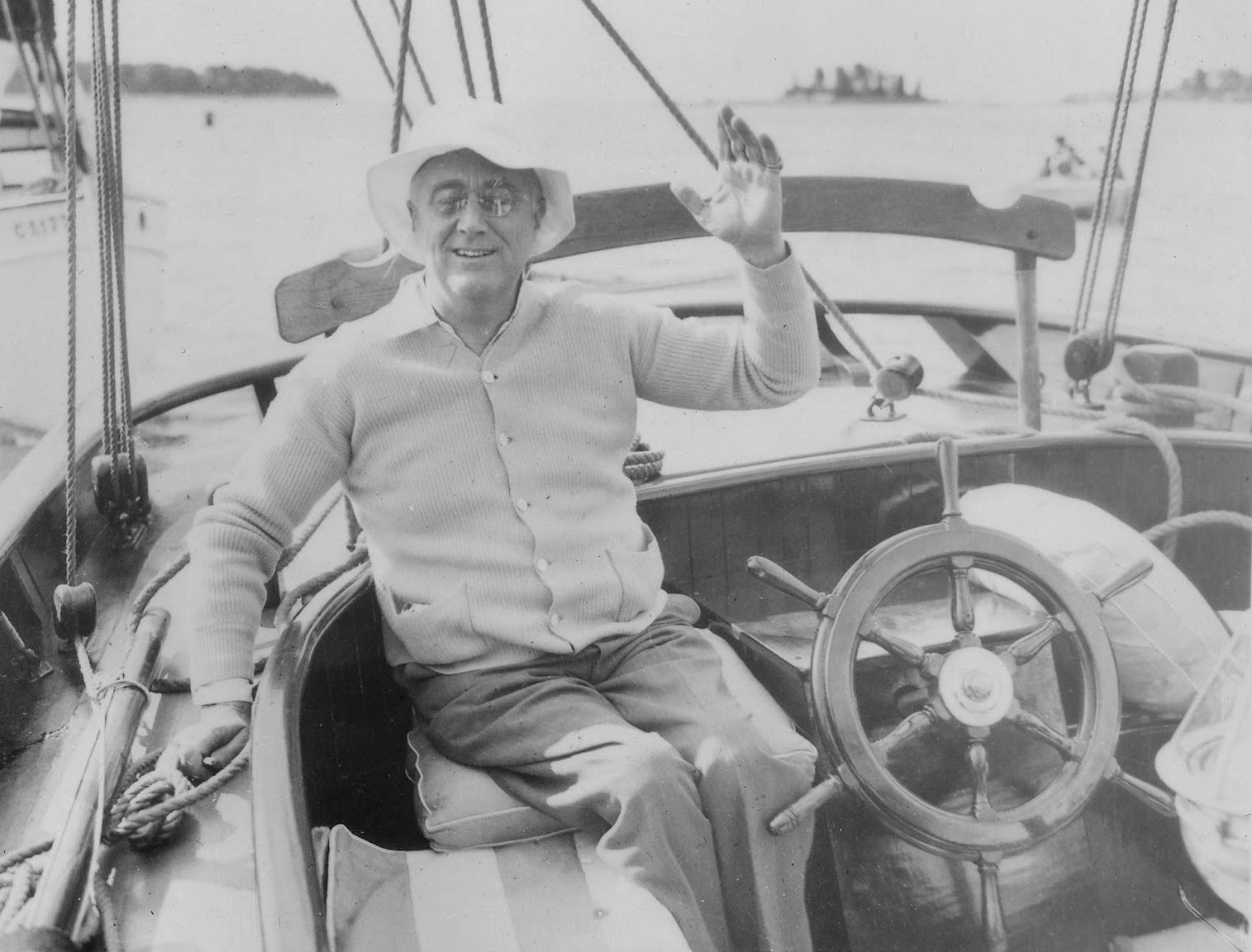
Franklin D. Roosevelt, the only president to be elected to four consecutive terms, led the country through the critical years of the Great Depression and World War II. To maintain a clear mind while navigating such tumultuous times, Roosevelt embraced a number of pastimes. He collected books , stamps , and ship models , for example.

In addition, he was an avid swimmer . After losing the ability to walk due to polio, Roosevelt began swimming three times a week to strengthen his muscles. Following his election, the New York Daily News donated a swimming pool to the White House so he could continue his practice.

3
James A. Garfield

Image: Unknown; part of Brady-Handy Photograph Collection., Public domain, via Wikimedia Commons

Before becoming the 20th president, James A. Garfield enjoyed fishing , hunting , and playing billiards . But he was also exceptionally intelligent and studious.

Though many people may know Garfield for serving just four months in office, he was also the first ambidextrous president of the United States . Not only could he write with both hands, but when asked a question, he could simultaneously write the answer in ancient Greek with one hand and Latin with the other. Pretty impressive, don’t you think?

4
Calvin Coolidge

Image: National Photo Company Collection, Public domain, via Wikimedia Commons

The 30th president of the United States liked riding horses so much that he had an electronic horse installed in the White House. The device had two speeds—trot and canter—and he rode it every day.

That said, Calvin Coolidge was a taciturn man of few words, who enjoyed taking afternoon naps, earning him the nickname "Silent Cal." He also had a very particular sense of humor . He reportedly enjoyed pressing the alarm buttons in the Oval Office or hiding in the garden shrubbery to startle his Secret Service agents.

5
Jimmy Carter

Image: Tuntematon, Valkoisen talon valokuvaajat (01/20/1977 - 01/20/1981), Public domain, via Wikimedia Commons

Throughout his life, Jimmy Carter was a curious man who never stopped doing things. He studied nuclear physics in college, could read two thousand words a minute, wrote numerous books, and even won a Nobel Peace Prize in 2002.

But what did this brilliant man like to do in his spare time? Carter had a variety of hobbies, including painting , poetry , tennis , cycling , fly fishing , and skiing . However, the one activity in which he perhaps excelled most was woodworking . After retiring, the 39th president of the United States set up a garage workshop on his Georgia ranch, where he built furniture that was later auctioned to benefit the Carter Center.

6
John Quincy Adams

Image: Pieter Van Huffel, 1769 - 1844, CC0, via Wikimedia Commons

John Quincy Adams was notoriously meticulous and kept a diary detailing his daily routine. Thanks to this, we now know that the sixth president of the United States liked to relieve the stress of the presidency with an early morning swim .

After waking up around 4 or 5 a.m., Adams would walk two miles to the Potomac River and leave his clothes on the shore before taking a swim. According to lore, one morning, a reporter named Anne Royall snatched his clothes and demanded that the president give her an interview. Adams had no choice but to answer her questions while standing deep in the river, completely naked.

7
Harry S. Truman

Image: Abbie Rowe, Public domain, via Wikimedia Commons

Harry S. Truman governed the United States from 1945 to 1953, right after World War II—a difficult and stressful time, to be sure. To blow off some steam, the 33rd president liked to immerse himself in one of his two long-time passions: reading and music .

Truman had eye problems, which prevented him from participating in sports. As a result, he became an avid reader from an early age—in fact, he once boasted of having read every book in the library by the age of 14. He was also a very skilled piano player , having started lessons at the age of seven.

8
Lyndon B. Johnson

Image: Yoichi Okamoto, Public domain, via Wikimedia Commons

Living up to the legacy of one of the most popular presidents in American history can't be easy. But it appears that the 36th president of the United States knew just how to maintain a good balance between responsibility and leisure. During his five-year administration, Lyndon B. Johnson spent 490 days —about a quarter of his presidency— at the LBJ Ranch in Stonewall , Texas, combining work and vacation so seamlessly that the place became known as "The Texas White House."

At this ranch, Johnson had an extensive collection of vehicles . Among them was the Amphicar, an amphibious passenger car built in the 1960s, which he used to play pranks on his visitors.

9
Richard Nixon

Image: White House Photographer, Public domain, via Wikimedia Commons

Not many people know this, but Richard Nixon was an artistic man. He enjoyed theater—he even met his future wife during a community theater audition—and he could play five musical instruments : piano, saxophone, violin, clarinet, and accordion.

But he was also into sports. In addition to being a huge football fan, he and First Lady Pat Nixon enjoyed bowling . In fact, the Nixons were responsible for moving the White House bowling alley back to the Executive Mansion after it had been relocated to a nearby building years earlier.

10
George W. Bush

Image: Series: Photographs Related to the George W. Bush Administration, 1/20/2001 - 1/20/2009Collection: Records of the White House Photo Office (George W. Bush Administration), 1/20/2001 - 1/20/2009, Public domain, via Wikimedia Commons

During his free time, George W. Bush enjoyed golfing, biking, attending baseball games, and reading American history. He was also a very competitive runner .

However, when the 43rd president of the United States left office, he was only 62 years old—plenty of time to acquire a new pastime. In the years following his time in the White House, Bush surprised many by turning to painting . "I’m a painter," he told Jay Leno on The Tonight Show .

11
Dwight D. Eisenhower

Image: ddd

To relieve the stress of leadership, Dwight D. Eisenhower maintained a number of hobbies that he cultivated throughout his life. One of his main passions was golf , which he played during and after his presidency. He even kept a small putting green in the White House garden and had a four-hole practice course installed at Camp David.

But that’s not all. Ike enjoyed fishing, hunting, shooting, watching Western movies, and playing bridge. He was also an avid painter who often captured natural landscapes and gave them as gifts to friends. After leaving the White House, Ike settled on a farm near Gettysburg, Pennsylvania, where he raised Black Angus show cows that won blue ribbons at state and county fairs.

12
John F. Kennedy

Image: Robert LeRoy Knudsen, Public domain, via Wikimedia Commons

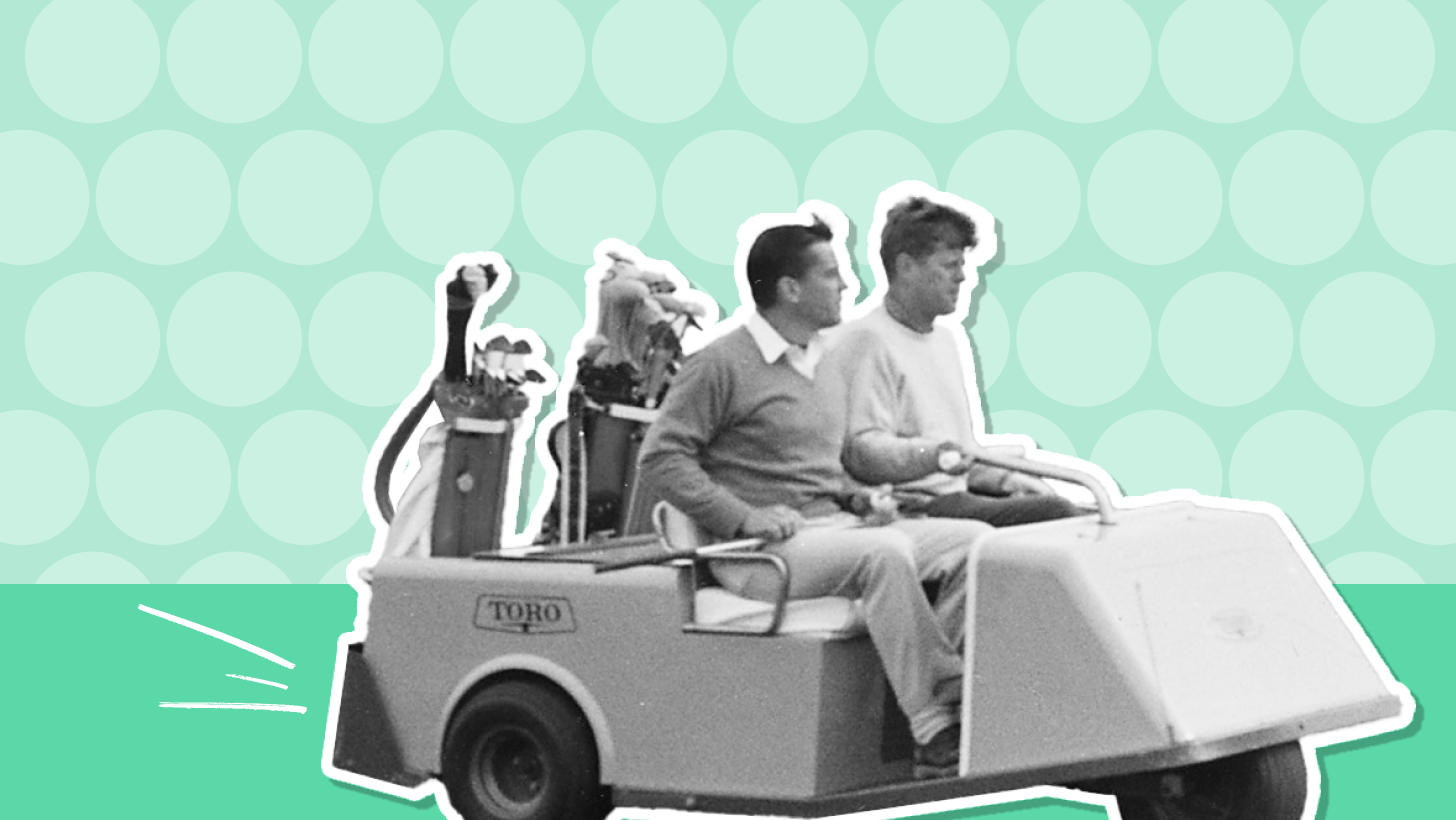
John F. Kennedy was an exercise enthusiast and something of a jock. He played many sports : golf, tennis, swimming, baseball, and football. Despite being an athletic man, he enjoyed smoking between four and five cigars a day—his favorite brands were Upmanns and Monticellos!

But perhaps the hobby that most helped him relax from the tensions of the presidency was boating. Like many members of his family, John F. Kennedy loved to sail and was often photographed at sea with his wife and young children.

History History 4 min read

Forgotten Titanic facts

It wasn’t just humans on the Titanic! 10 incredible facts you didn’t know

Image: Edwin Petrus

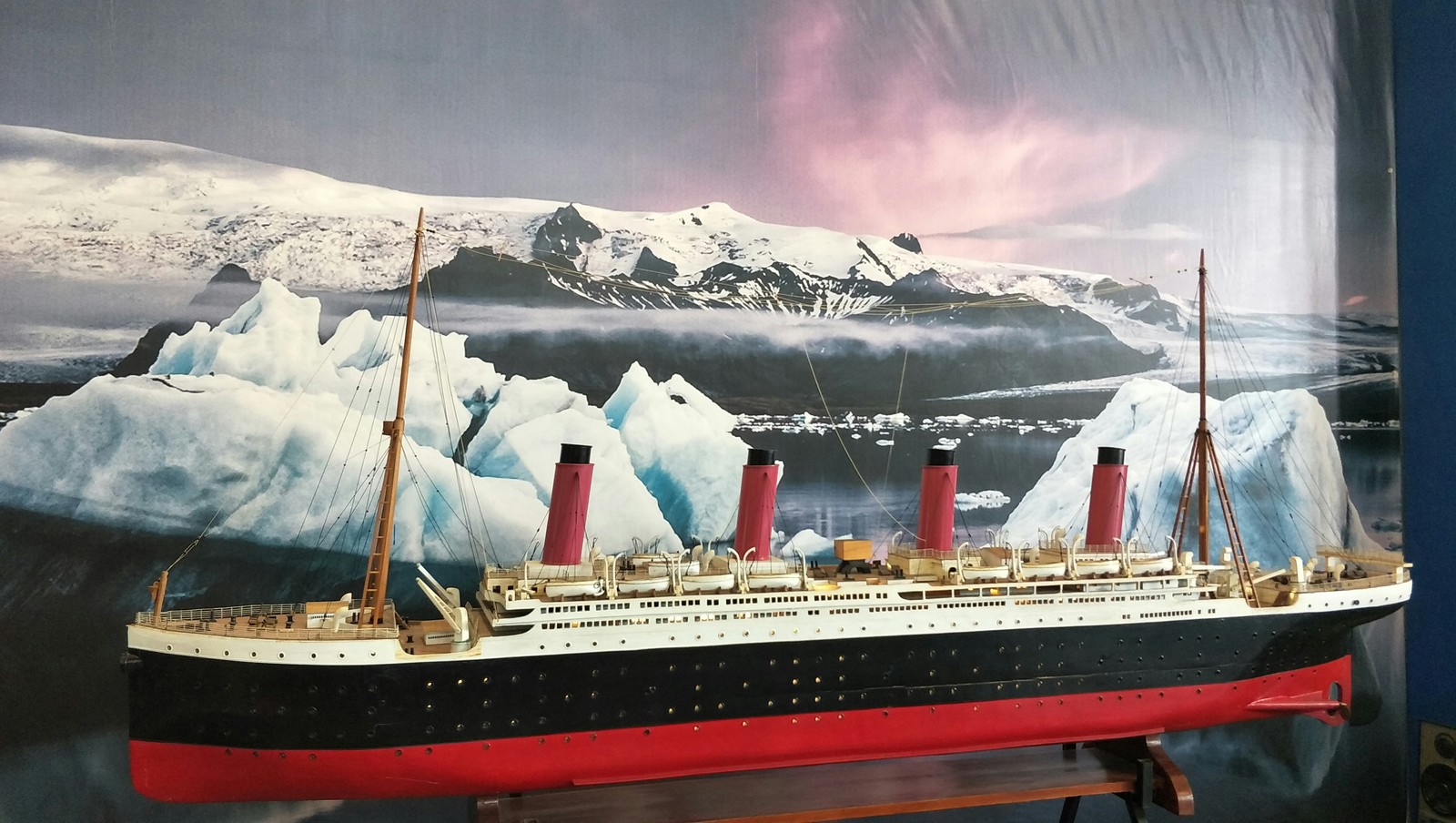
We all know the tragic story behind the Titanic, that "unsinkable" ship that didn’t make it past its first voyage. But besides the tragedy and the Hollywood movie, there are some surprising facts that never made the front page. From pups that survived and pocket watches, to hidden submarines and a tipsy worker who beat the odds, here are 12 curious facts that might just shock you.

1
Construction costs that’d make your wallet faint

Image: Jaime Labra

Back in 1912, the Titanic cost $7.5 million to build, and if you're wondering what that’d be today, it’d be over $400 million. That’s more than some sports stadiums! It took nearly three years to complete and was one of the most extravagant ships ever made.

2
Yes, there were dogs

Image: Yuki Dog

As it turns out, the Titanic wasn’t just for people. At least 12 dogs came along for the ride , lounging in a special first-class kennel. There was even a dog show scheduled for the morning of April 15. Sadly, only three tiny dogs survived, all small enough to sneak onto lifeboats tucked in coats or handbags.

3
The band really did play on

Image: Parizan Studio

Wallace Hartley, the bandleader, went down in history, and with his violin! His group kept playing as chaos unfolded around them, trying to calm passengers with music, just like the movie portrays. He didn’t make it, but his violin was found intact and later sold at an auction for $1.7 million!

4
A pocket watch frozen in time

Image: Otto Hyytiälä

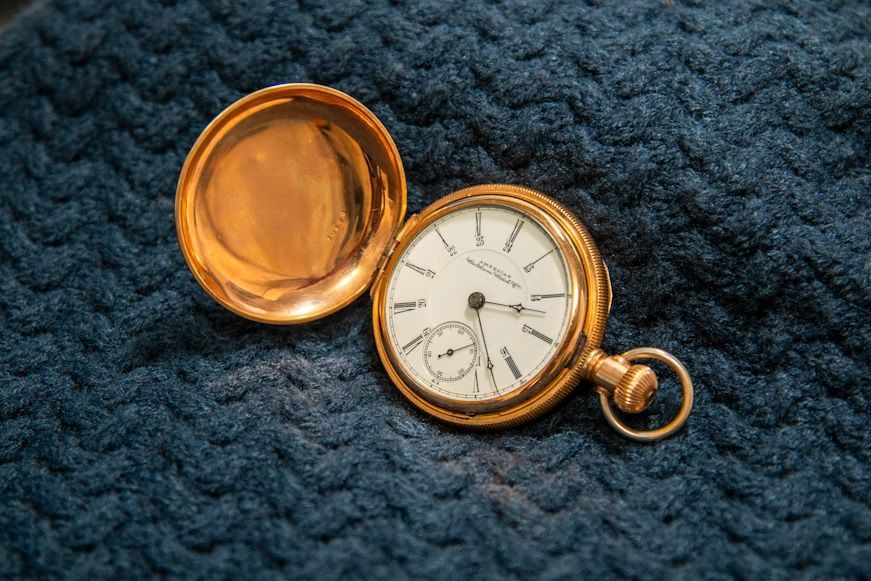
The violin was not the only treasure found. Sidney Sedunary was a young steward whose pocket watch stopped ticking at exactly 1:50 a.m. , just before the ship went under. He was last seen handing out lifejackets to third-class passengers. That same watch, rusted but intact, still tells his story.

5
A survivor with frostbitten legs and Olympic dreams

Image: Shep McAllister

Richard Norris Williams spent six hours in icy water, and doctors on the rescue ship wanted to amputate his legs. He refused . And you may think he was crazy to do so, but thank God he did! He went on to win a Wimbledon title and an Olympic gold medal. How crazy is that?

6
Finding the Titanic by accident

Image: Karl Callwood

In 1985, oceanographer Robert Ballard found the Titanic wreck. But that was just an accident ; he was actually sent by the Navy to look for two lost nuclear submarines and used the Titanic as a cover story.

7
Dishes still stacked neatly on the ocean floor

Image: Jannet Serhan

When explorers visited the Titanic wreck in 1986, they found plates still stacked like someone had just finished doing the dishes. Turns out, the wooden cabinet they were in rotted away , leaving the china perfectly arranged on the sea floor. It’s as eerie as fascinating, considering the many years that passed.

8
The ship is rusting away

Image: NOAA

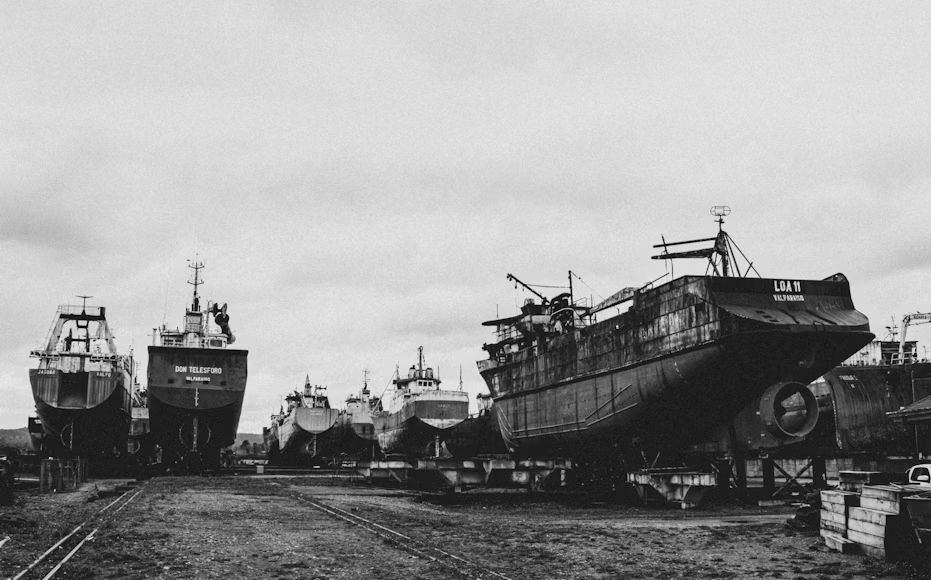
And speaking of the amount of time the Titanic has been underwater, we have to say that nature is reclaiming the Titanic bit by bit. A newly discovered bacterium is literally eating the ship. Scientists estimate it could disappear completely in 20 to 30 years. The latest expeditions have already shown evidence that pieces that were previously there are gone. So… the clock's ticking.

9
No photos of the grand staircase?

Image: Maria Orlova

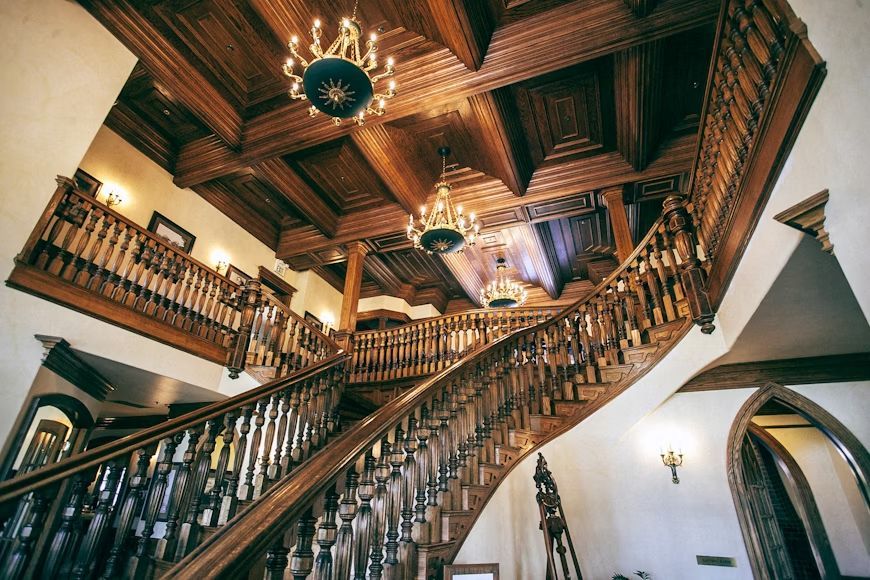
You’ve probably seen images of the Titanic’s beautiful grand staircase. We’re sorry to disappoint, but they’re not of the Titanic . They’re from her sister ship, the Olympic. No one thought to take a picture of the real deal before the maiden voyage. And they definitely didn’t think of doing it while it happened!

10
Milton Hershey almost boarded

Image: Janne Simoes

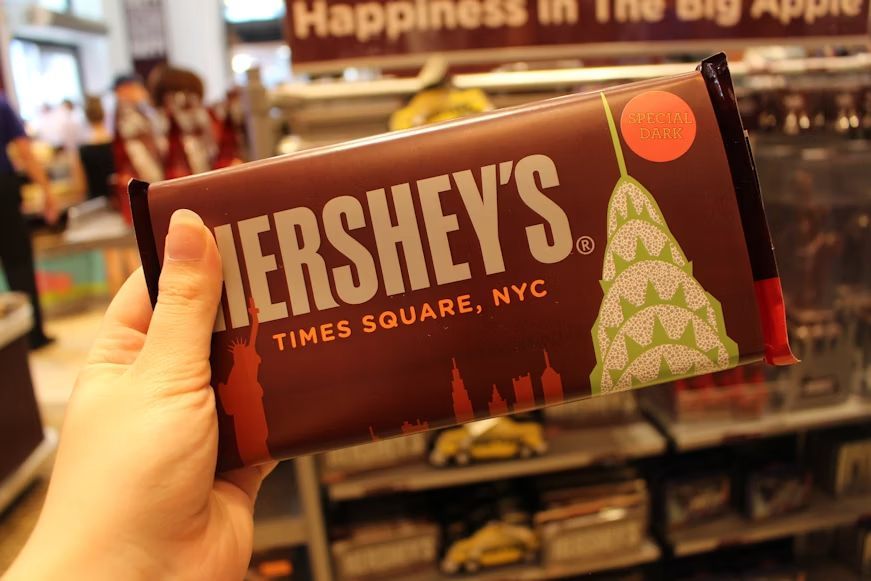
If the name rings a bell, that’s because it’s the same Hershey from the chocolate you love. The man behind Hershey’s chocolate bars almost booked a room on the Titanic . He even wrote a $300 deposit check (big money back then!). But business delayed him, and he skipped the trip. Who do we thank for that?

11
The baker who survived two hours in icy water

Image: Maxim Hopman

Here’s a fascinating fact: Charles Joughin, the Titanic’s chief baker, survived one of the worst parts of the sinking: the freezing Atlantic water. He was reportedly treading water for two hours before rescue. Wanna know how he made it? He had been sipping whiskey to face his fate, and the alcohol in his blood kept him warm enough to survive.

12
The last lunch menu went for a tasty sum

Image: Zoshua Colah

In 2015, a copy of Titanic’s last first-class lunch menu sold for $88,000 . That’s one pricey memento. The menu included grilled mutton chops, chicken à la Maryland, and corned ox tongue. Safe to say lunch on the Titanic wasn’t your average sandwich and chips.

Explore more American facts

Choose your favorite category!

General
General

As American as apple pie—the very best America has to offer!

Culture
Culture

Delve into the astounding richness of American lore.

Geography
Geography

Hop in and explore vast and diverse American landscapes.

History
History

Discover the key moments that shaped the United States.