Americans superstar foods
No pork? No problem: The mistake that gave us the American burger
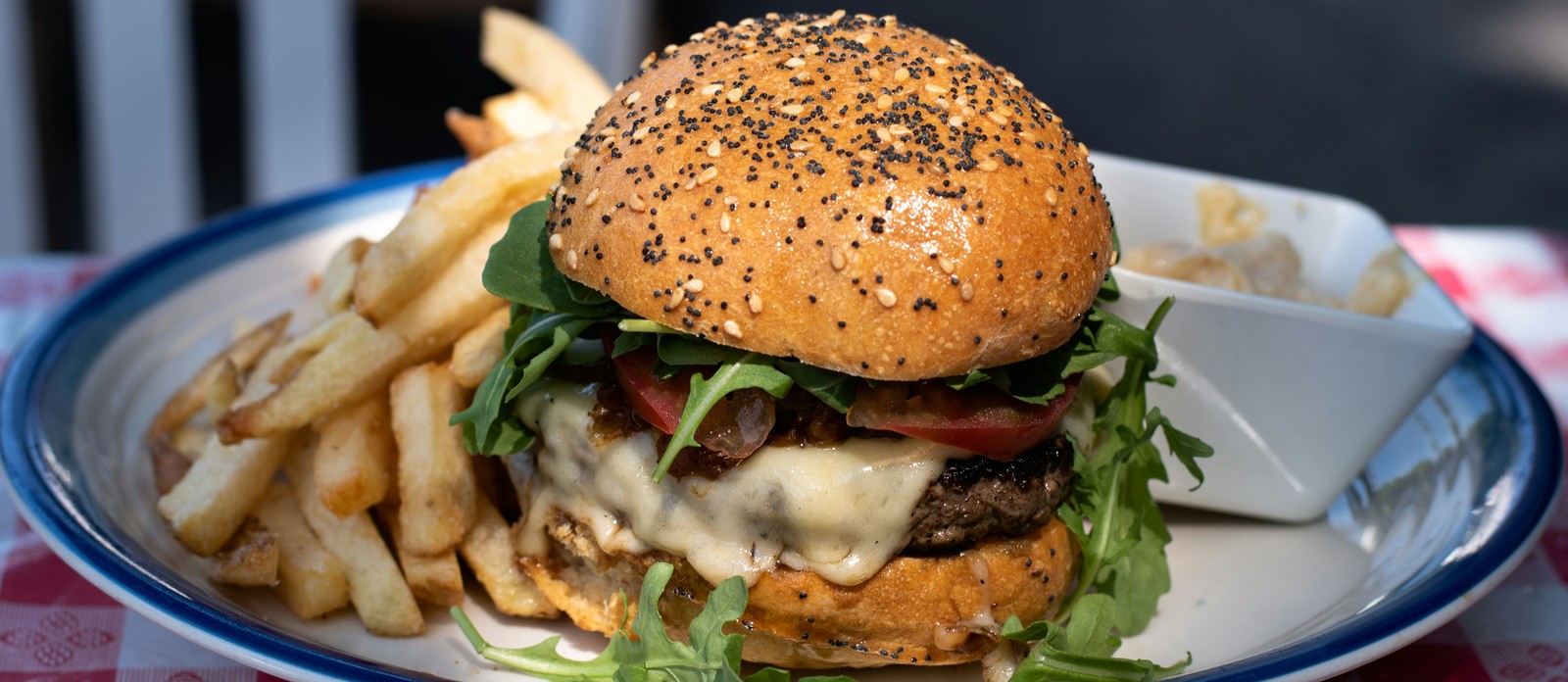
Image: Kelly Visel
Food and drink represent much more than the nutrition and hydration we need to survive — they’re part of a nation’s culture and history. Just as Hemingway and JFK loved drinking daiquiris, which were supposedly invented as a worker's "medicine" , these 10 iconic foods and drinks all carry surprising stories behind their names, recipes, and rise to fame.
1
Daiquiri
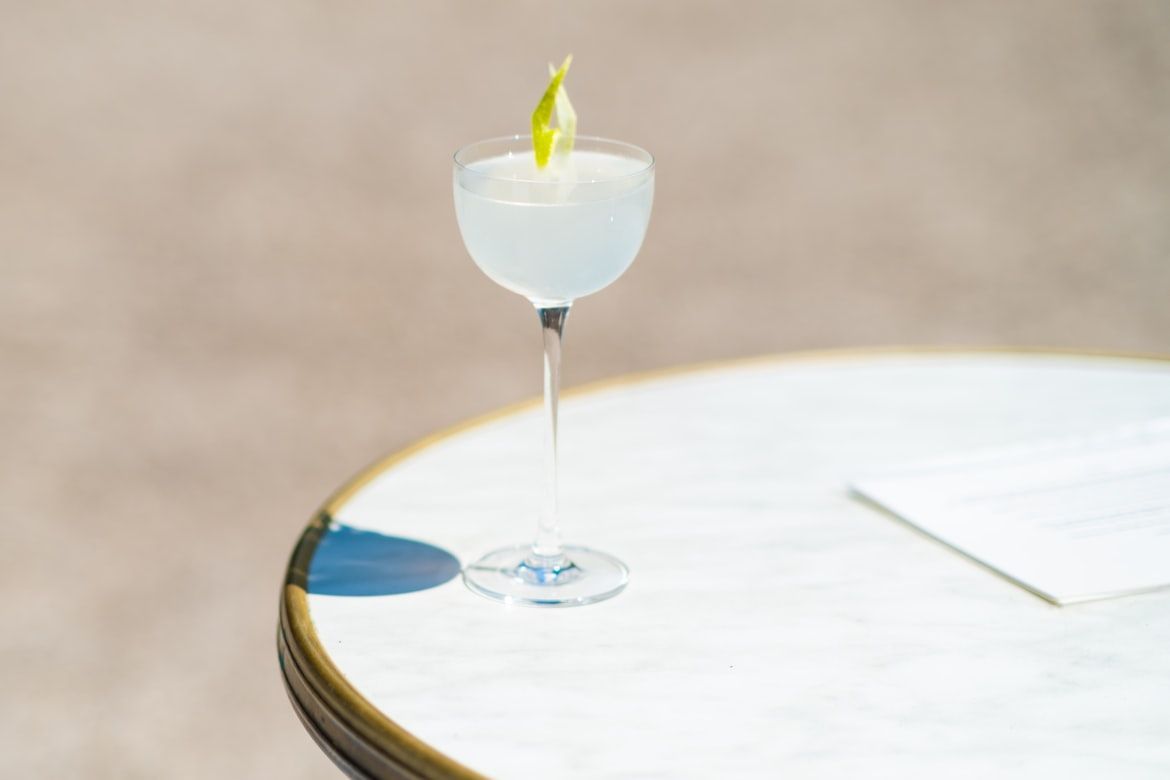
Is it possible that our favorite vacation cocktail was originally a "medicine"? Back in 1898, an American mining engineer named Jennings Cox was working in the village of Daiquiri, Cuba. He mixed local rum, lime, and sugar to keep his workers refreshed and to ward off yellow fever.
This drink migrated to the States, becoming popular during the 1940s and 1950s, and a favorite of Ernest Hemingway and President John F. Kennedy . While Hemingway famously drank daiquiris in Havana, JFK later helped make the cocktail fashionable in American political circles. Rum brands like Bacardi and Captain Morgan helped make the cocktail a summer favorite, and the original recipe started to vary among bars and vacation spots.
2
Hamburger
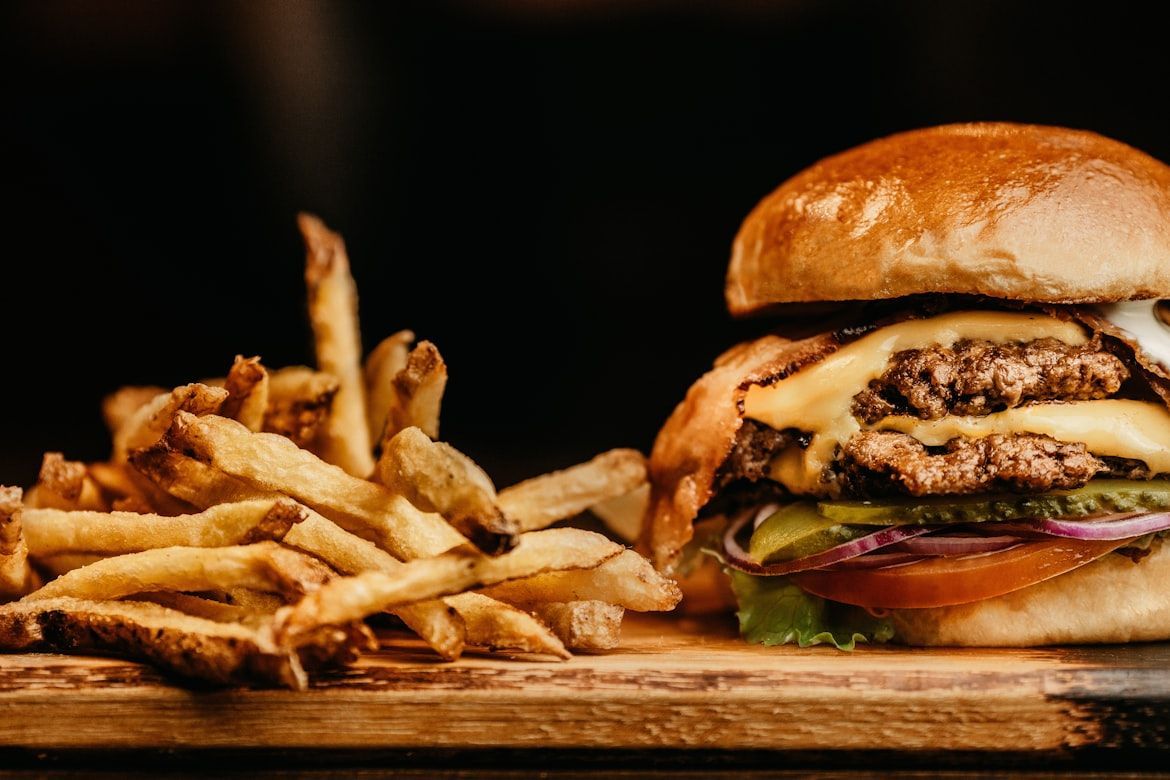
Did you know one famous hamburger origin story points to a small town in New York? According to the Menches family legend, brothers Frank and Charles Menches were selling pork sausage sandwiches at the 1885 Erie County Fair in Hamburg, New York, when they ran out of pork . A local butcher suggested ground beef instead. The brothers reportedly seasoned the beef with coffee, brown sugar, and other ingredients, then served it between bread with ketchup and sliced onions. The sandwich was said to be a hit, so they named it the "hamburger" after the town where the fair was held.
3
German Chocolate Cake
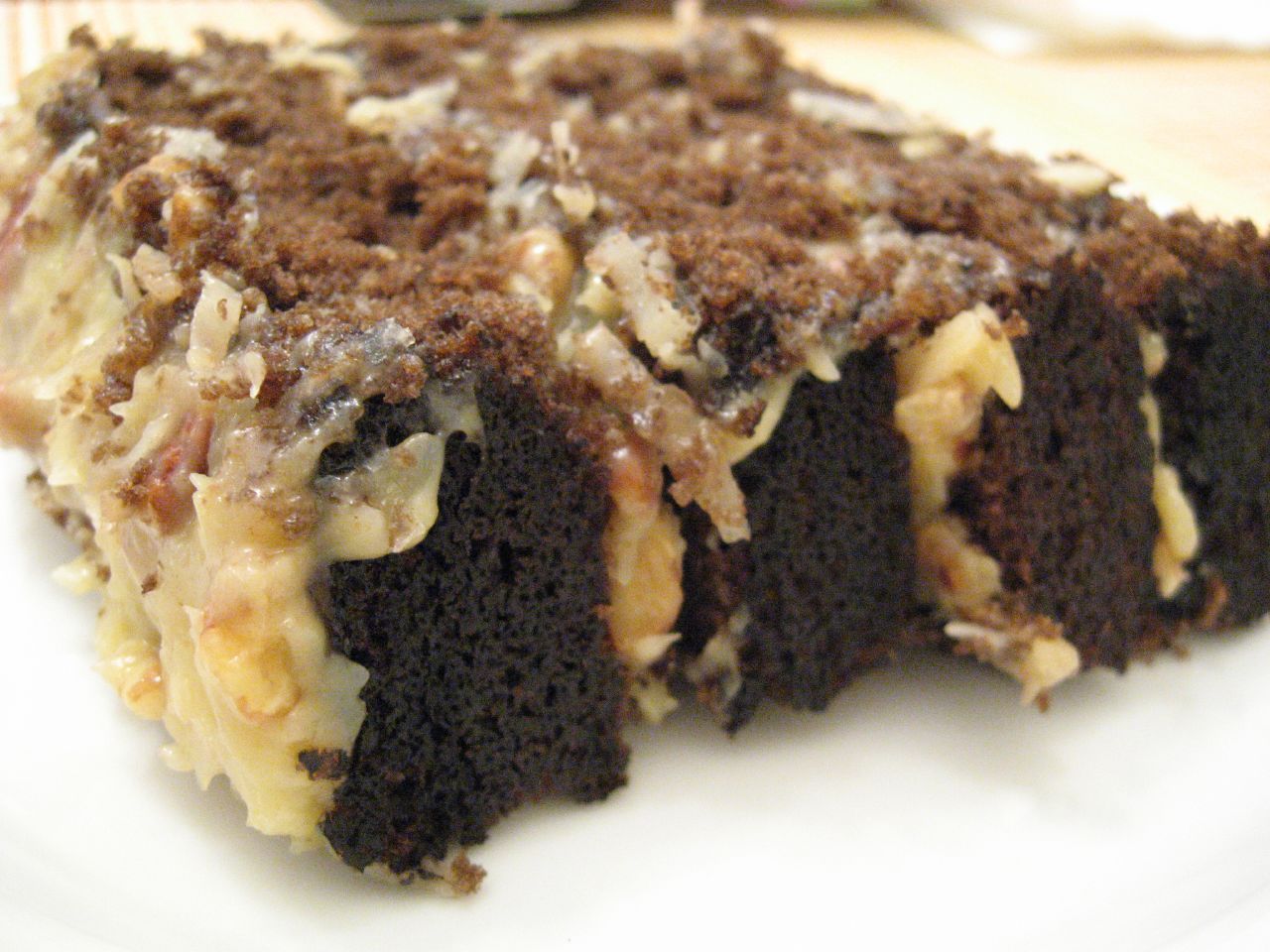
Don’t let the name fool you into thinking this recipe comes from overseas. This dessert was actually born in Dallas in 1957 when Mrs. George Clay sent the recipe to the local newspaper, the Dallas Morning News . The German part actually comes from Sam German, the man who developed the dark baking chocolate for Baker’s Chocolates Company back in the 1850s.
This cake quickly became a sensation at birthdays and other celebrations thanks to its coconut-pecan frosting. The confection eventually inspired similar cupcakes, brownies, and even an ice cream flavor.
4
Philly Cheesesteak
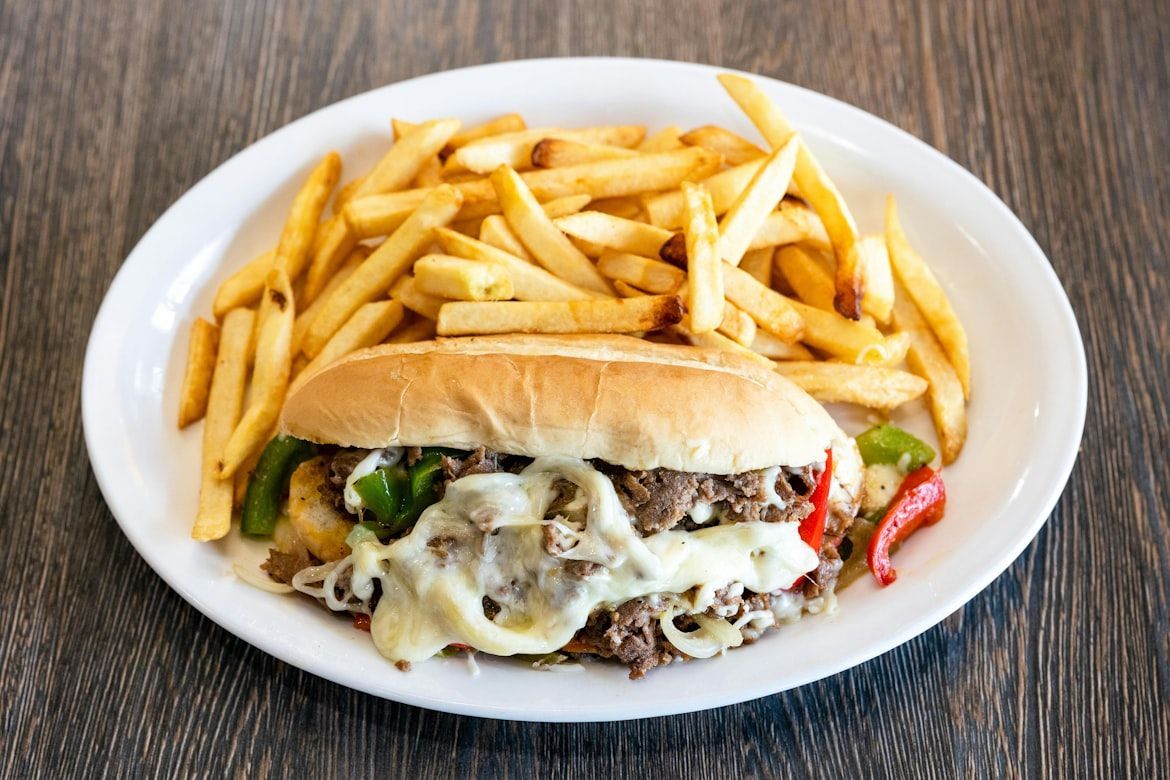
One of Philadelphia’s most famous foods started almost by accident. In 1930, Pat Olivieri was running a hot dog stand in South Philly when he decided to grill some chopped beef and place it inside an Italian roll for himself. A taxi driver nearby smelled it, asked for one too, and legend follows that the word spread quickly around the city .
Shortly after, melted cheese became part of the recipe —usually Cheez Whiz, provolone, or American cheese. Today, locals debate whether the best version is sold at Pat's King of Steaks or Geno's Steaks.
5
Hot Dog
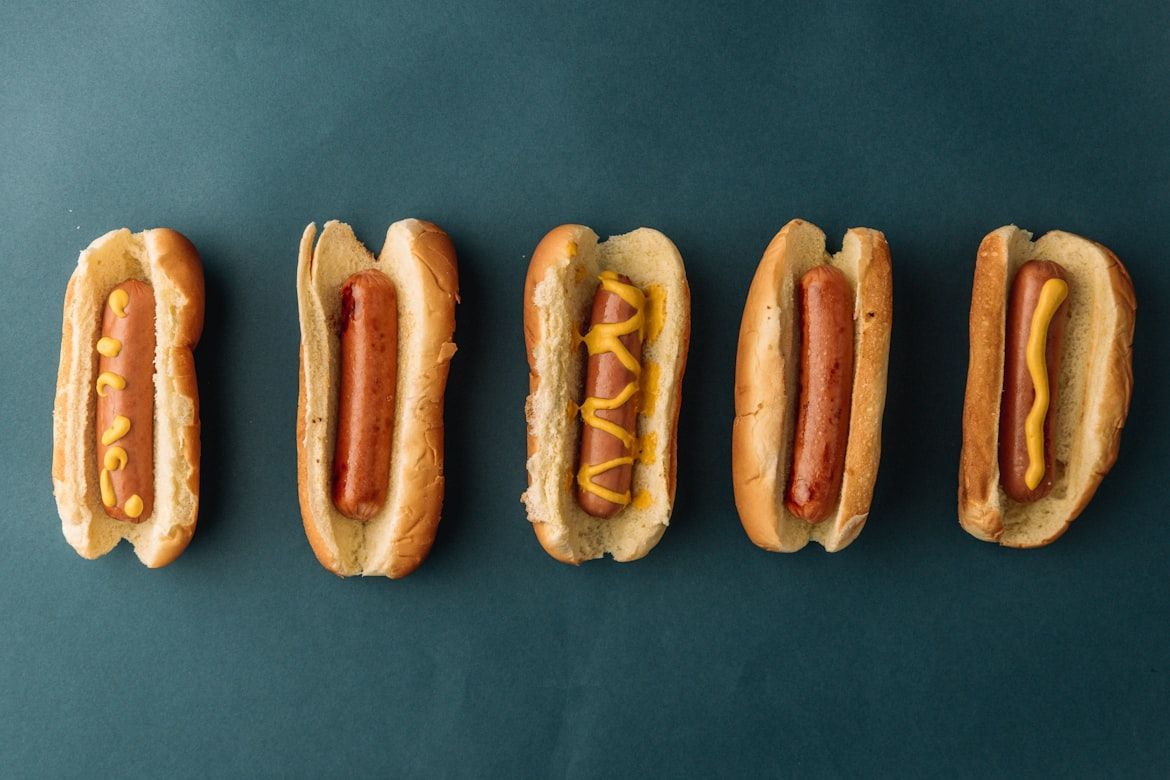
Just like the hot dog itself has two main ingredients, its origin story also comes in two parts. Some people say the sausage came from Frankfurt, Germany, while others believe the wieners of Vienna, Austria, inspired it. Frankfurt even celebrated the sausage’s 500th anniversary in 1897 to strengthen its claim.
But how did the hot dog become an American favorite? Before the 1850s, people in New York usually ate frankfurters between two slices of bread. Around that time, Austrian baker Ignatz Frischman arrived near Coney Island, and he noticed how much the crowds loved the sandwiches. After opening his bakery, he created a long, soft roll made especially for the sausages, and street vendors quickly started using them .
6
S'mores
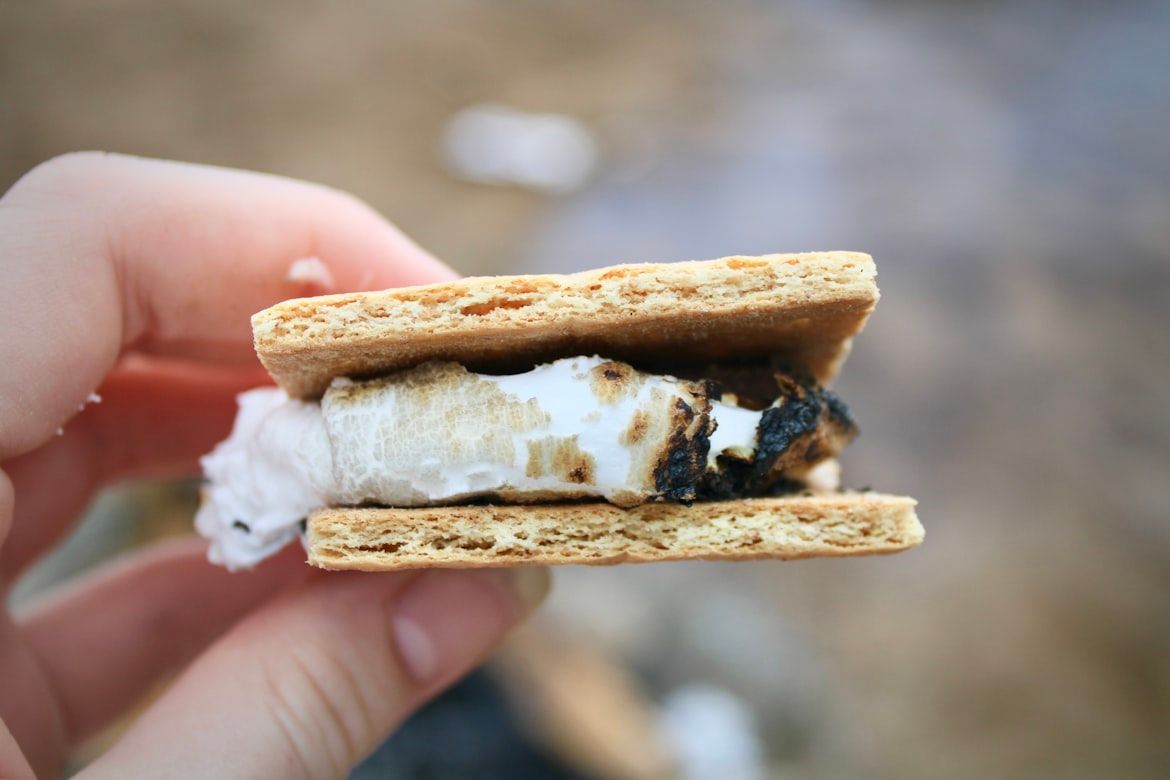
The first known recipe for the summertime classic appeared in a 1927 Girl Scout handbook, where campers were taught to roast marshmallows over a fire and sandwich them between graham crackers and chocolate.
Companies like Hershey's, Jet-Puffed, and Honey Maid helped turn s’mores into a must for campfire treats, and now, they can be made in ovens or microwaves with peanut butter or flavored chocolate.
7
Corn Dog
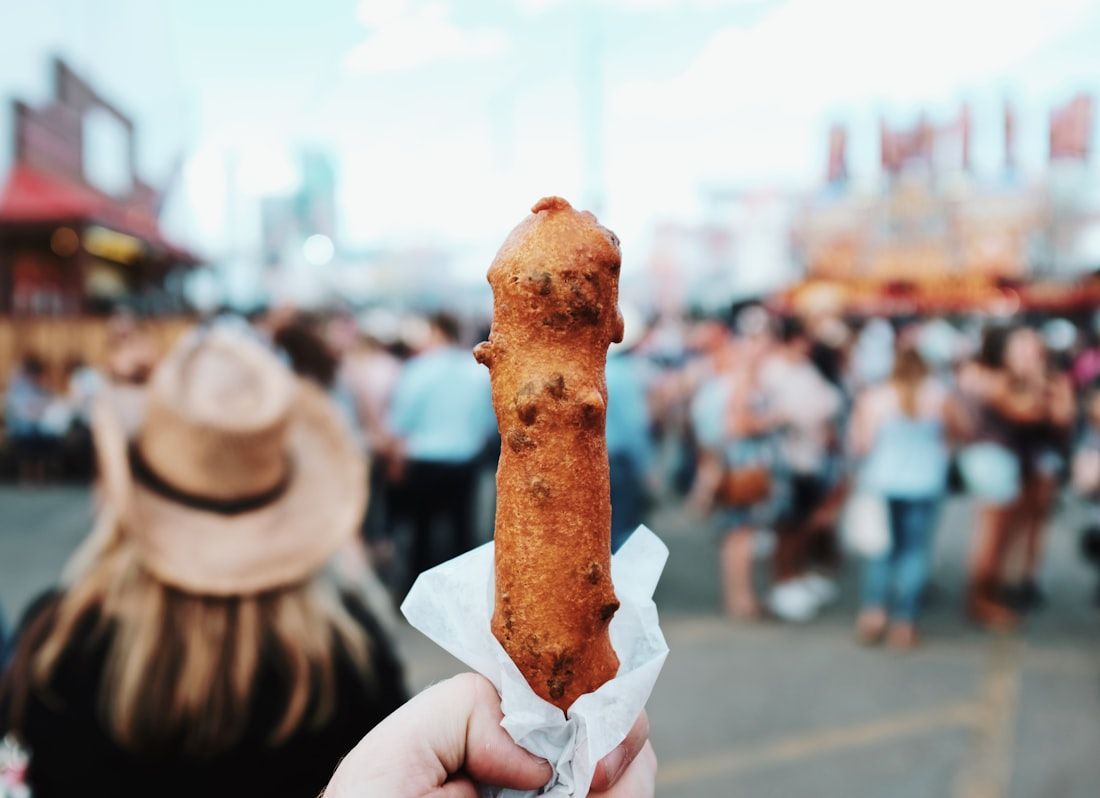
A hot dog dipped in cornmeal batter, placed on a stick, and deep-fried until golden brown. That is how a classic corn dog is made. During the late 1920s, one Minnesota family sold their version of the corn dog at the Oregon local fairs under the name "Pronto Pup" because they disliked the term "corn dog." Even so, "corn dog" became the most recognized name, especially after state fairs in Texas and the Midwest helped popularize it throughout the country.
They are staples at carnivals, baseball games, and amusement parks, and are usually adorned with mustard or ketchup . Also, newer versions use spicy sausages, cheese-filled batter, or mini bite-sized pieces for easy snacking.
8
Lobster Roll
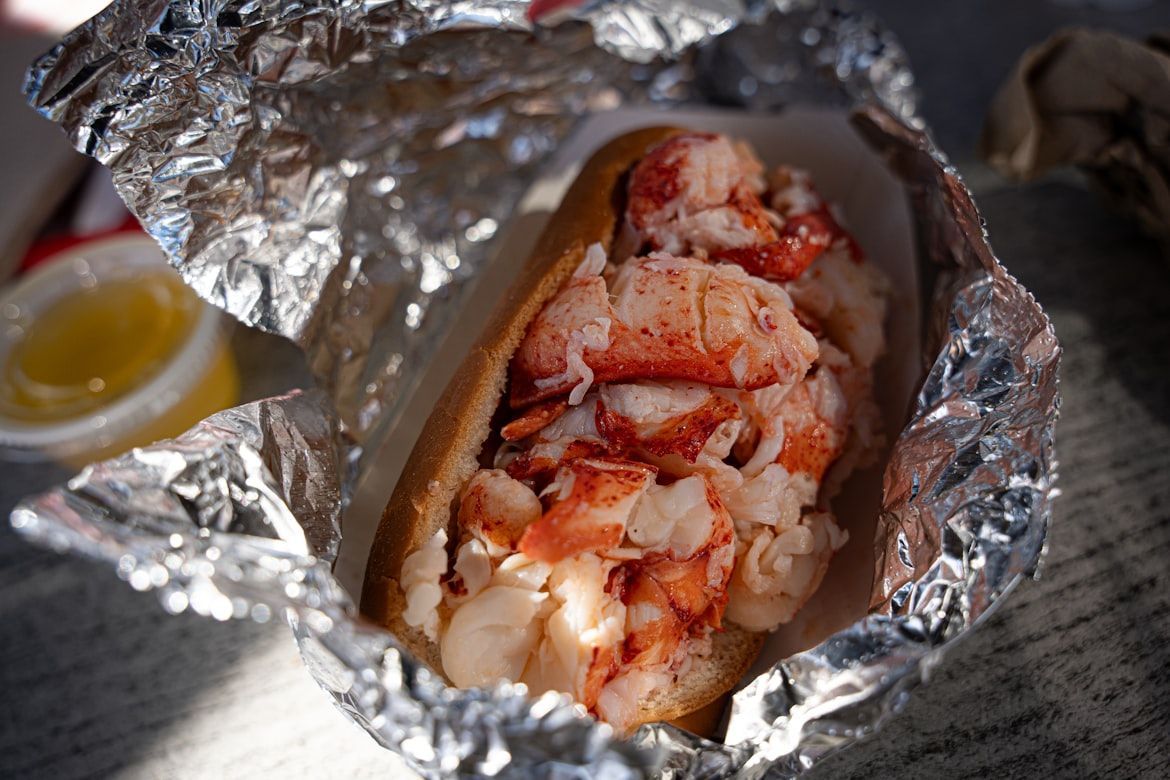
One early story places its birth in a Connecticut restaurant during the 1920s, where warm lobster soaked in butter was served inside a toasted roll. Years later, Maine helped popularize a different version with cold lobster mixed with mayonnaise, and the debate between the two styles continues.
By the 1970s, lobster rolls had turned into a symbol of seaside vacations across the Northeast. People have them at seafood shacks, harbor towns, and summer festivals. Famous spots like Red's Eats became famous for lobster meat rolls, while others, such as Luke's Lobster, helped introduce the sandwich to the rest of the country.
9
Reuben Sandwich
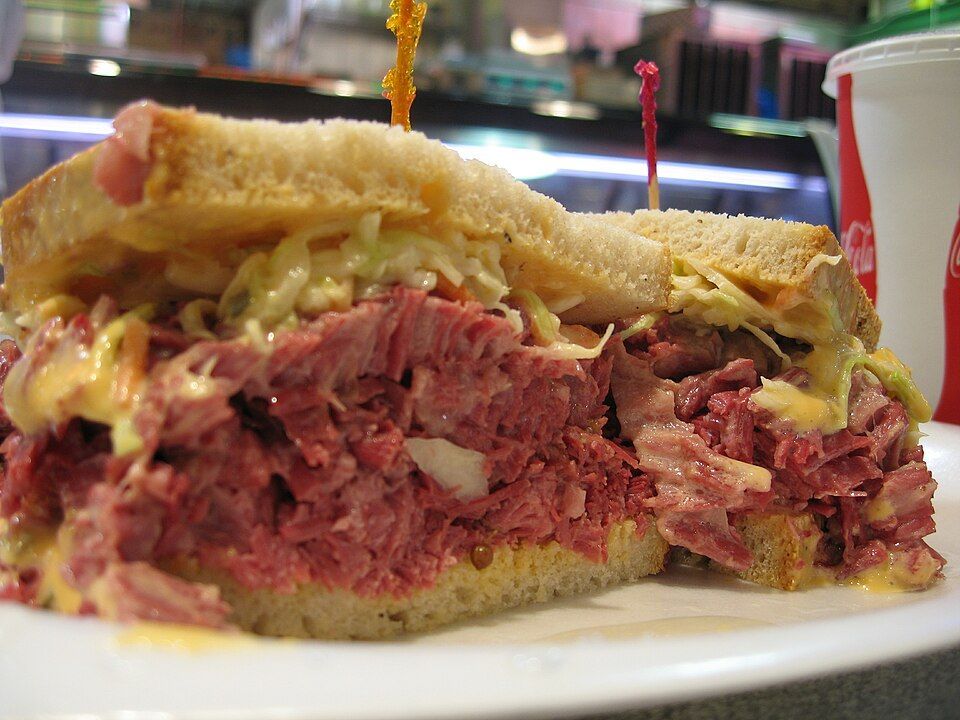
The Reuben Sandwich has been part of a food debate for nearly a century. One version takes us to the 1920s, Omaha, Nebraska, where grocer Reuben Kulakofsky asked for a special sandwich during late-night poker games at a hotel . The other one says a New York deli owner was already serving something very similar around the same time.
No matter the truth, the sandwich was already appearing on menus by the 1930s with its mix of corned beef, Swiss cheese, sauerkraut, and Russian dressing on rye bread. It is a classic choice at American diners and Jewish-style delis.
10
Piña Colada
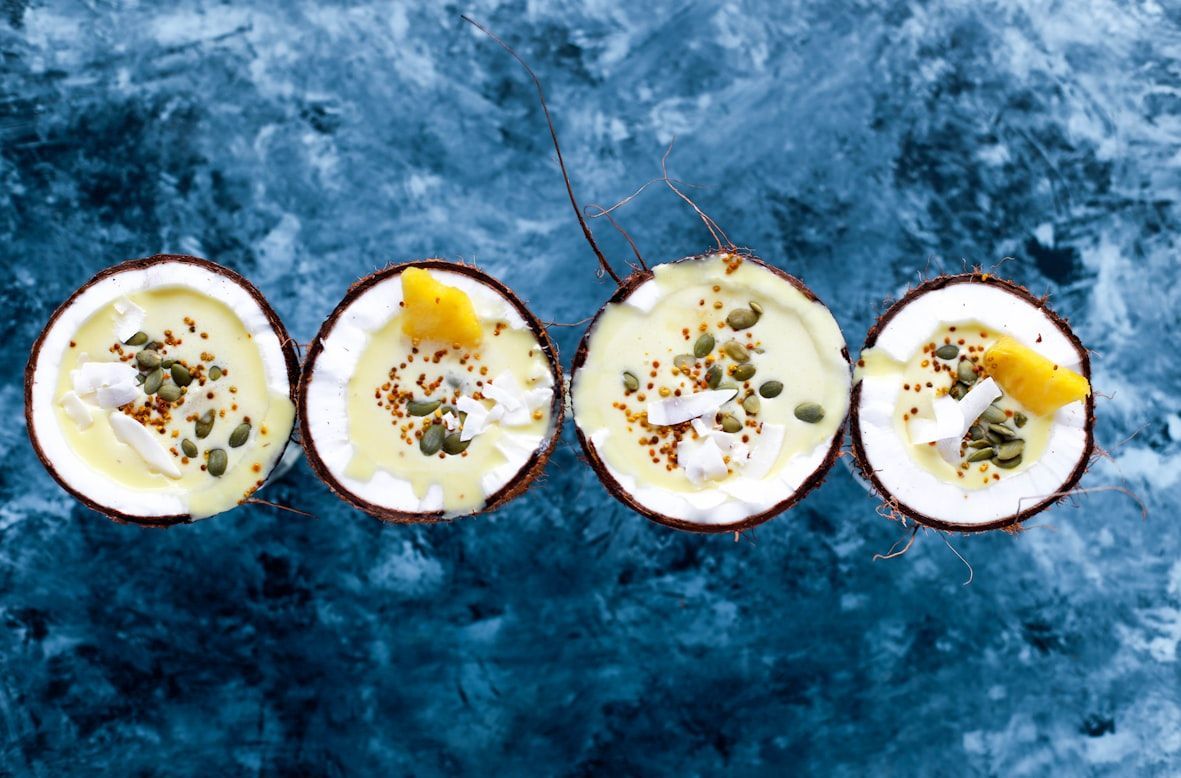
It first appeared in 1954 at the Caribe Hilton. Bartender "Monchito" Marrero, after trying different recipes, finally arrived at the rum, coconut, pineapple juice fusion we enjoy today.
Coco López and Malibu, both liquor brands, helped turn the drink into an easy, homemade one, enabling more flavors like strawberry, mango, or even banana. Also, as Caribbean vacations and cruise trips became popular during the second half of the 20th century, the piña colada started showing up at beach bars and resorts all over the country.