From blueprint to backstory
Bridges with fascinating backstories across the US
Image: Hari Manivannan
America's bridges are more than just ways to get from point A to point B—they're monuments to human ingenuity, determination, and sometimes sheer stubbornness. Underneath their steel cables and concrete pillars lie history-making stories of tragedy, triumph, and political intrigue. Let's explore ten famous bridges whose backstories are as captivating as their engineering , revealing the human drama behind these iconic structures.
1
Brooklyn Bridge, New York: A family affair with an undersung heroine
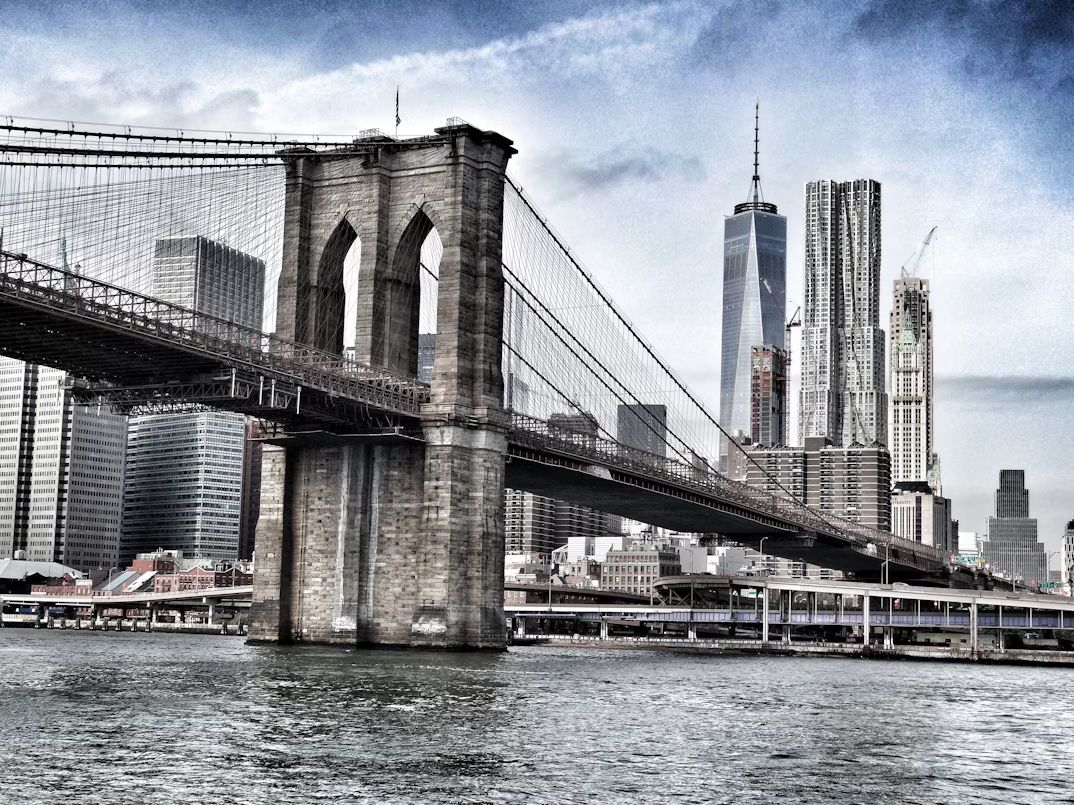
Designer John Roebling died from tetanus after his foot was crushed during the initial survey in 1869, leaving his son, Washington, to complete the project. Then Washington developed debilitating "caisson disease" (the bends) from working in the underwater pressurized chambers, leaving him bedridden and barely able to speak. For the next eleven years, he directed construction from his apartment window through a telescope, while his wife Emily became his voice , learning advanced mathematics and engineering to communicate his instructions to the workers.
Emily Roebling essentially became America's first female field engineer, though she received no official title or recognition at the time. She walked the bridge on opening day in 1883, carrying a rooster as a symbol of victory—a moment that should have cemented her place in history but was largely forgotten until recently.
2
Golden Gate Bridge, San Francisco: They said it couldn't be built
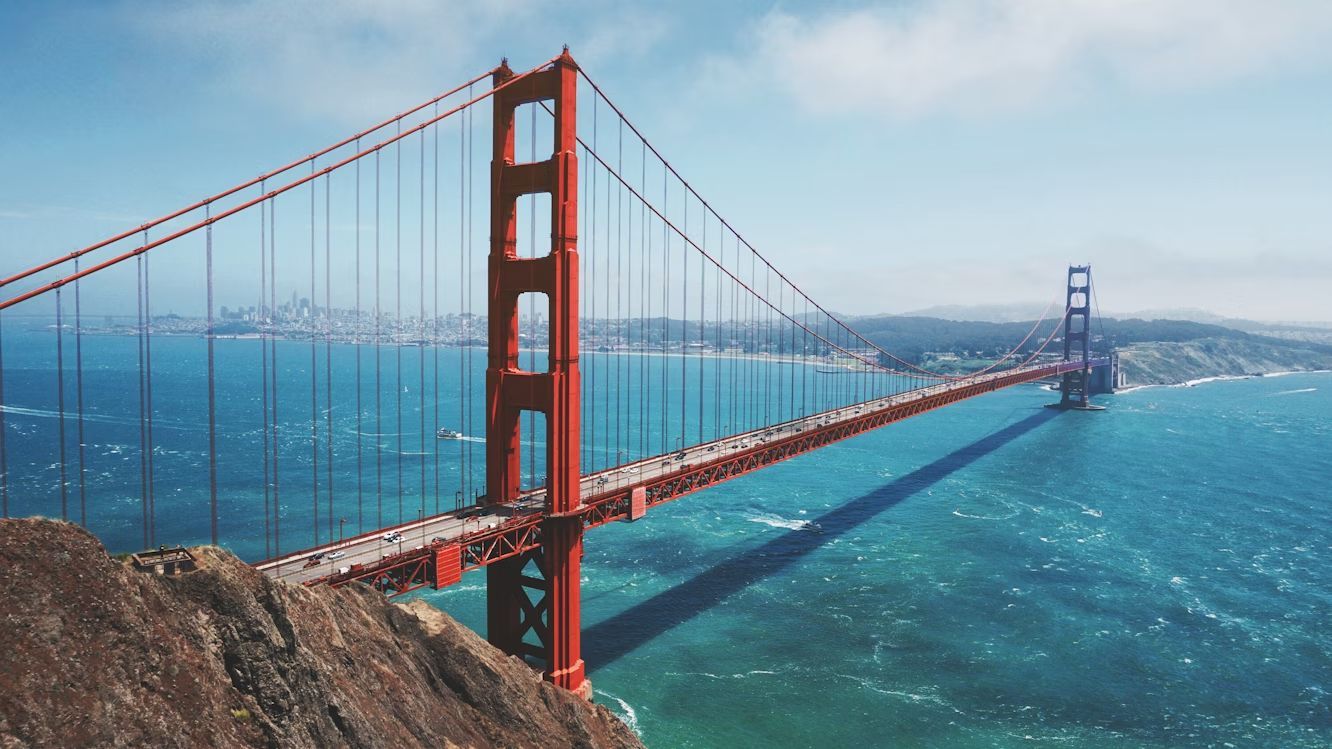
Engineers insisted it was impossible: the water was too deep, the currents too strong, the fog too thick. Joseph Strauss, the chief engineer, was mocked by colleagues who called his design "Strauss's Folly." The Navy opposed it, claiming it would obstruct their ships. Environmentalists feared it would ruin the bay's natural beauty. Ferry operators lobbied against it, worried about losing their livelihoods.
Yet construction began in 1933, during the Great Depression, providing thousands of jobs when they were desperately needed. Strauss installed a revolutionary safety net beneath the bridge, saving nineteen men who became known as the "Halfway to Hell Club." Tragically, ten other workers still died when a section of scaffolding fell through the net near the end of construction. When it opened in 1937, the bridge was the longest suspension span in the world . Strauss died just one year after the bridge opened, worn out by the battle to build his "impossible" dream.
3
Sunshine Skyway Bridge, Florida: Rising from tragedy
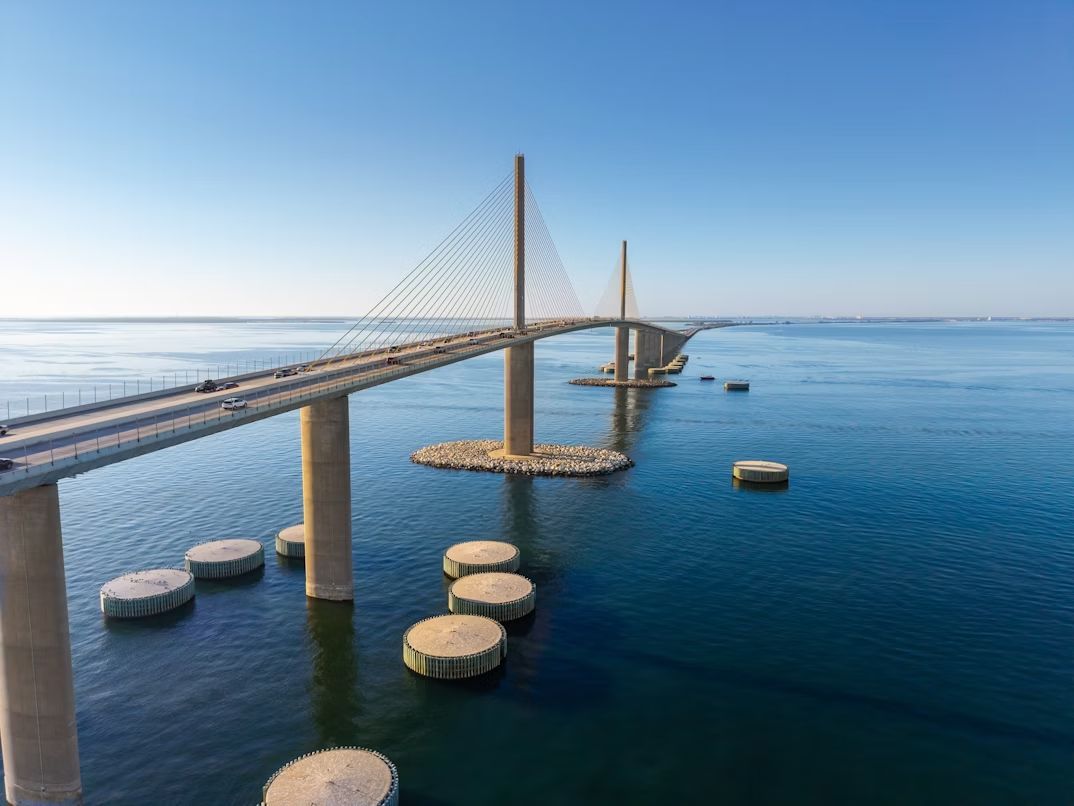
On a foggy May morning in 1980, the freighter MV Summit Venture lost radar during a violent thunderstorm and slammed into the Sunshine Skyway Bridge. A 1,400-foot section of the bridge collapsed into Tampa Bay , sending six cars, a truck, and a Greyhound bus plummeting 150 feet into the water below. Thirty-five people died instantly. The only survivor was a truck driver whose vehicle teetered on the broken edge.
Rather than simply repair the damaged bridge, Florida decided to build an entirely new one. The new Sunshine Skyway, completed in 1987, features massive concrete "dolphins"—protective barriers designed to absorb ship impacts and prevent another catastrophe. The old bridge's remaining sections were converted into fishing piers, now popular spots where anglers cast lines into the same waters where so many lives were lost.
4
Tacoma Narrows Bridge, Washington - Galloping Gertie's fatal dance
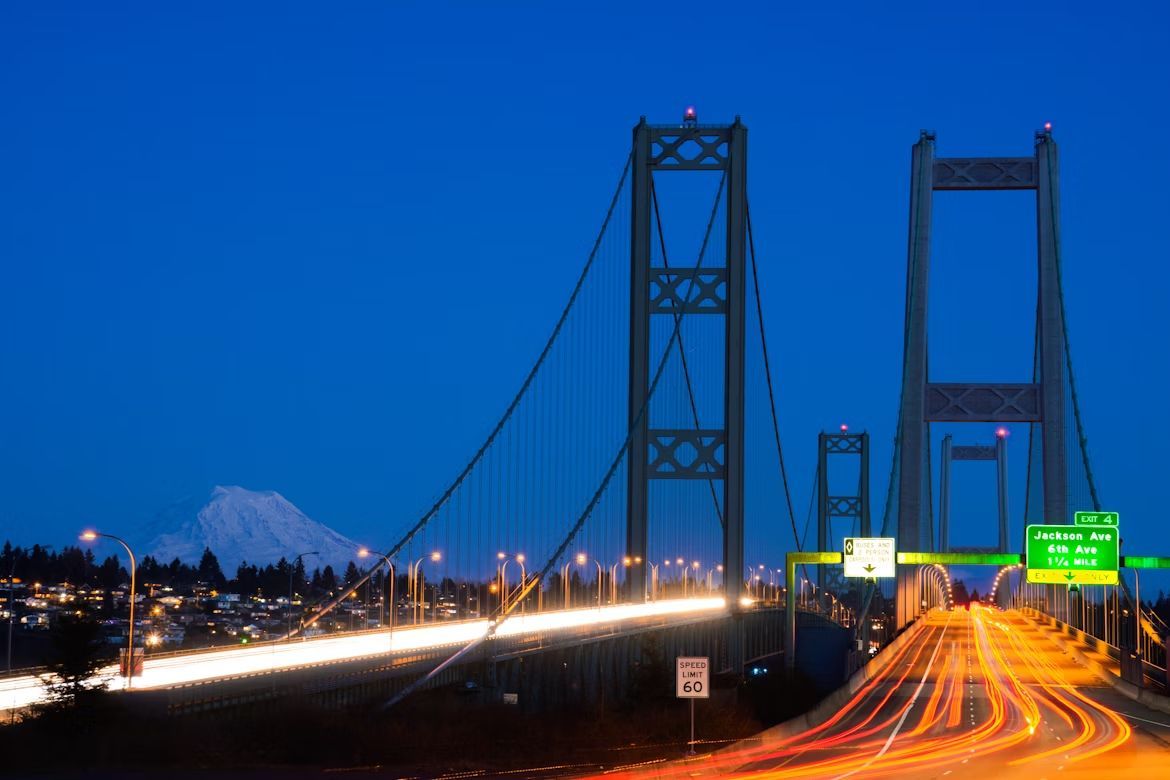
From the moment the Tacoma Narrows Bridge opened in July 1940, it moved—undulating, twisting, and bucking in the wind like a living thing. This rhythmic, vertical bouncing reminded locals of a galloping horse, thus earning the bridge the nickname 'Galloping Gertie.' Engineers knew about the movement but considered it within acceptable limits. For four months, Gertie galloped along, becoming a tourist attraction and a source of local pride. Then came November 7, 1940.
In 40-mph winds, the bridge entered an aeroelastic fluttering that tore it apart in spectacular fashion. The only casualty was a three-legged black Cocker Spaniel named Tubby, left in a car by his owner, who fled on foot. Film footage of the collapse became required viewing in engineering schools worldwide. A new bridge opened in 1950 with crucial design changes, and in 2007, a parallel span was added.
5
London Bridge, Arizona: The bridge they bought by mistake
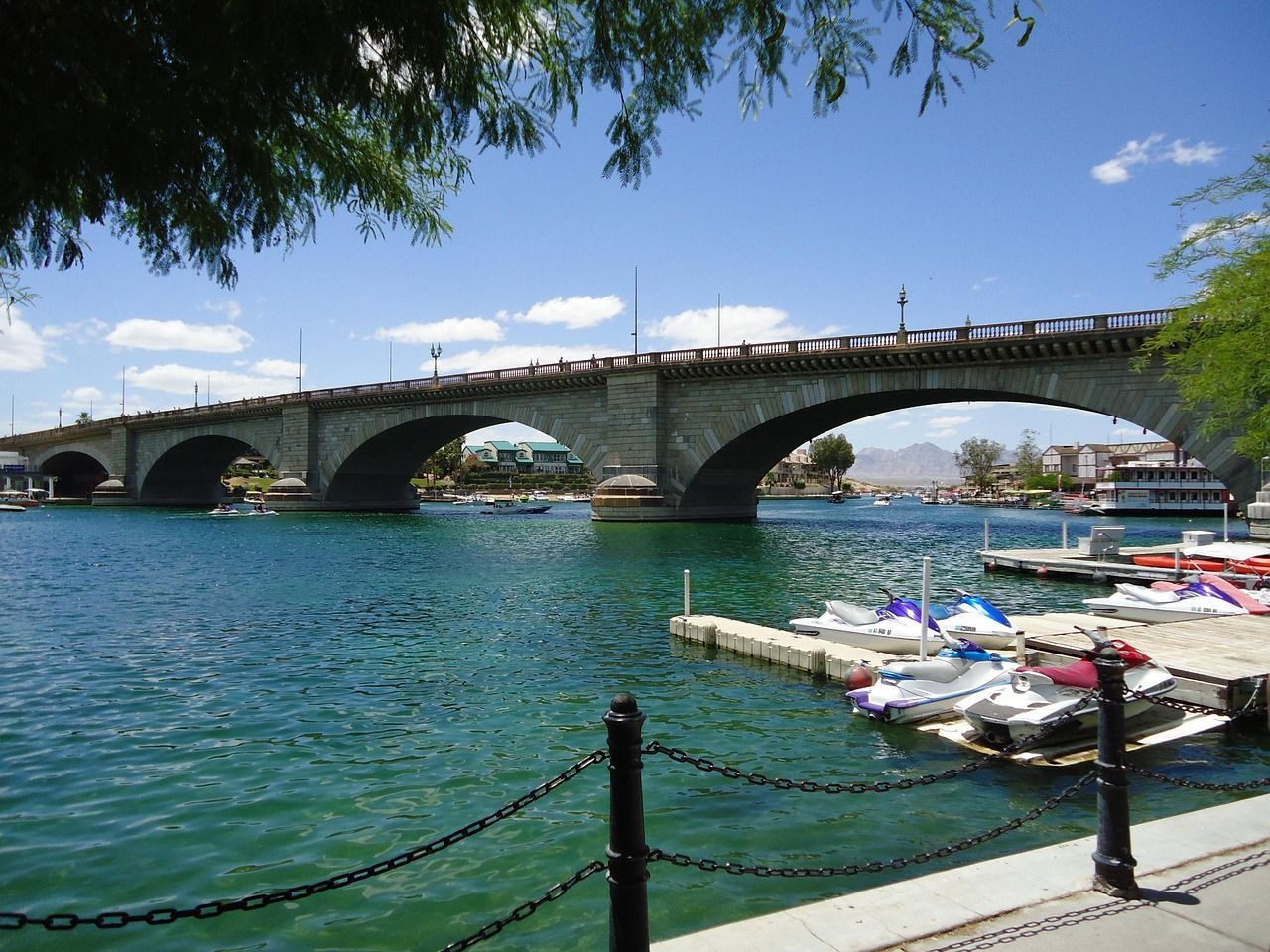
American entrepreneur Robert McCulloch bought London Bridge in 1968 for $2.46 million and had it shipped, stone by stone, from London to Lake Havasu City, Arizona . Urban legend claims McCulloch thought he was buying the iconic Tower Bridge and was disappointed when his purchase turned out to be the relatively plain London Bridge. While McCulloch denied this, the story persists because it's too good not to be true.
The bridge was disassembled into 10,000 tons of granite blocks, each numbered and shipped across the Atlantic. Workers reassembled it in the Arizona desert like a giant jigsaw puzzle, creating a channel beneath it afterward to make it an actual functioning bridge.
6
Chesapeake Bay Bridge-Tunnel, Virginia: Engineering ambition gone mad
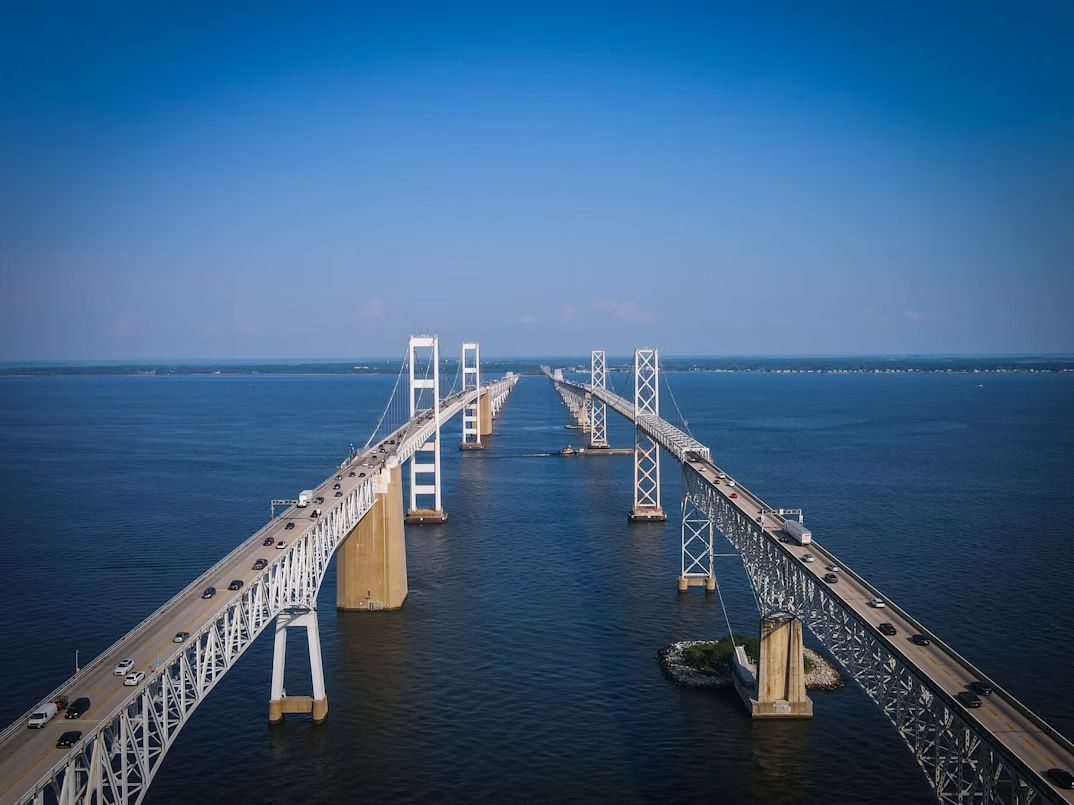
When engineers proposed building a crossing for the 17.6-mile-wide mouth of Chesapeake Bay, skeptics called it impossible. The crossing would need to accommodate massive naval and commercial ships heading to Norfolk, one of America's busiest ports, while also withstanding hurricanes and ocean storms. The solution was audacious: build a structure that would be partly bridge and partly tunnel, diving beneath the water at two points to allow ship traffic through .
The completed structure, opened in 1964, includes two mile-long tunnels, nearly 12 miles of trestle bridges, four man-made islands, and multiple high-level bridges—all exposed to the open Atlantic Ocean. It was immediately declared one of the "Seven Engineering Wonders of the Modern World."
7
Seven Mile Bridge, Florida Keys: Flagler's folly made real
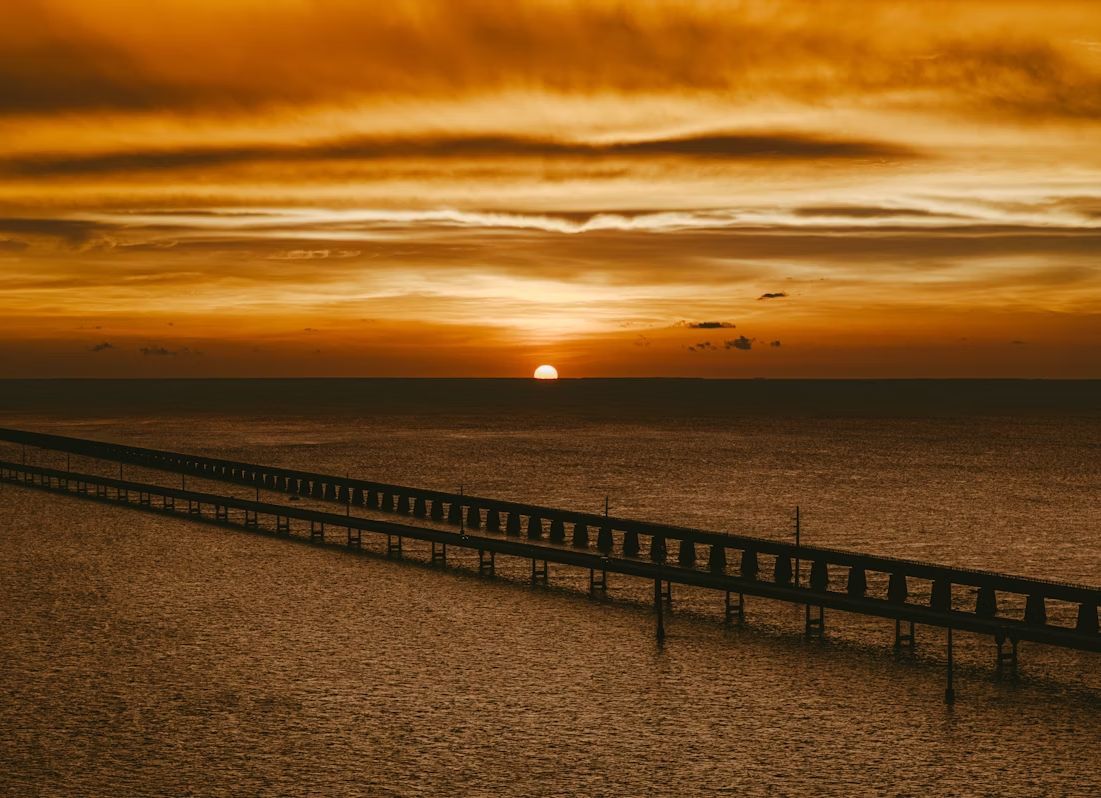
Henry Flagler's dream of extending his railroad to Key West was called "Flagler's Folly" by critics. But Flagler, already wealthy from Standard Oil, was determined to connect the Keys to mainland Florida. Construction began in 1905, facing hurricanes, mosquitoes, brutal heat, and the challenge of building in water up to 40 feet deep. The worst disaster came in 1906 when a hurricane killed over 100 workers—mostly immigrant laborers, whose tragic deaths barely made headlines at the time.
The railroad finally reached Key West in 1912, a year before Flagler's death. For 23 years, it carried tourists and freight until the monster Labor Day Hurricane of 1935 destroyed much of the track, killing hundreds. Rather than rebuild the railway, the state converted the route into the Overseas Highway, with the Seven Mile Bridge becoming its centerpiece . The original bridge served cars until 1982, when a new parallel bridge opened.
8
Mackinac Bridge, Michigan: The bridge that refused to die
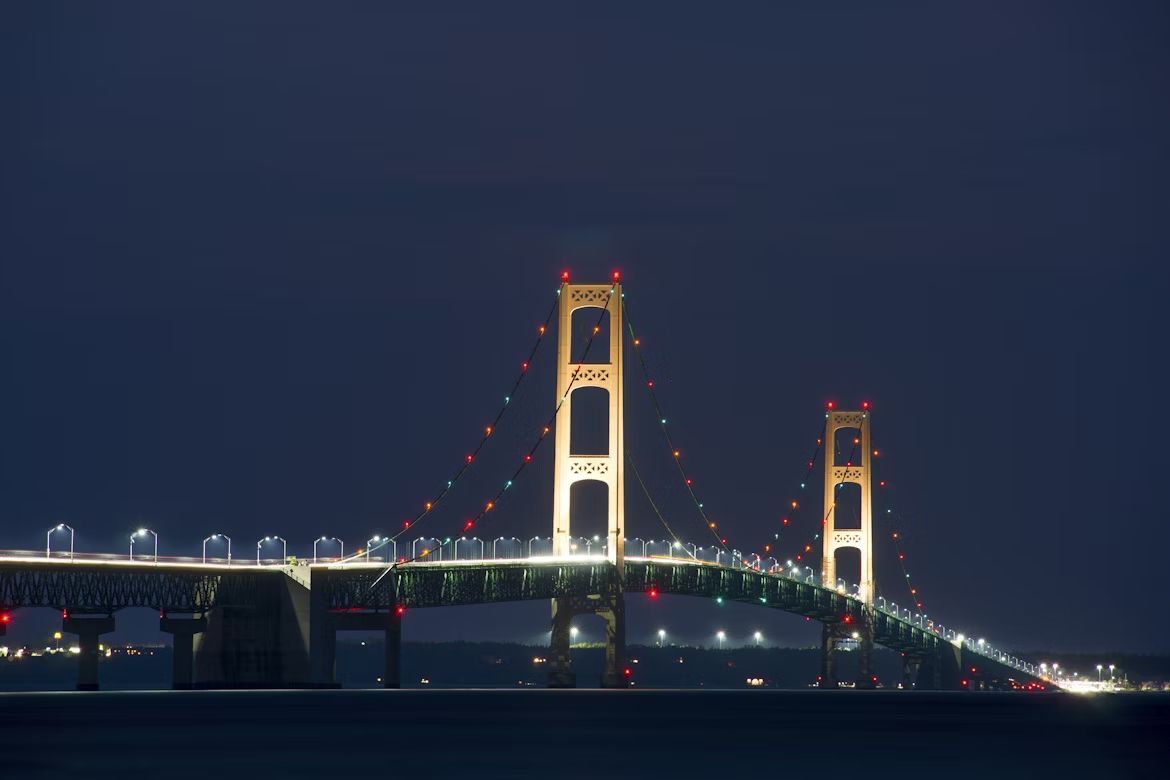
Dreams of a bridge between Michigan's Upper and Lower peninsulas dated back to the 1880s, but the five-mile strait seemed unbridgeable. The Great Depression killed early plans, and World War II delayed them further. By the 1950s, the project had died and been resurrected so many times that locals joked it would never happen. Then, engineer David Steinman took on the challenge, designing a suspension bridge that would span the straits despite brutal weather, thick ice, and deep water .
Construction from 1954 to 1957 employed 3,500 workers at its peak. Opening day in 1957 drew 50,000 people, and Governor G. Mennen Williams walked across alongside bridge workers. "Mighty Mac" became Michigan's symbol, though high winds remain dangerous—two vehicles have been blown off in separate incidents, leading to the bridge authority offering free transport for nervous drivers during storms.
9
New River Gorge Bridge, West Virginia: The bridge that became a party
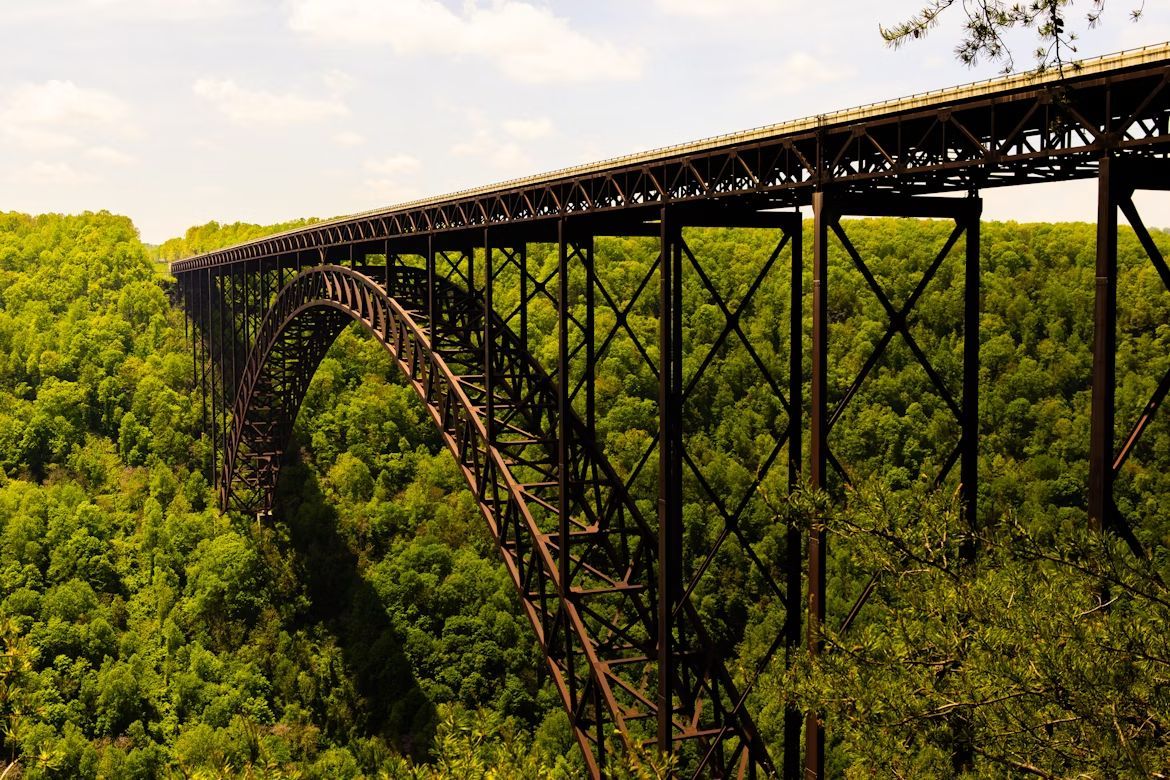
When the New River Gorge Bridge opened in 1977, it was the world's longest single-span arch bridge and the highest vehicular bridge in the Americas at 876 feet above the New River. The structure cut a 40-minute winding drive down to one minute, transforming the region's economy. But locals decided the bridge's annual achievement deserved an equally monumental celebration. Thus "Bridge Day" was born: a festival where the bridge closes to traffic and people are legally allowed to BASE jump and rappel off it.
Every third Saturday in October, up to 200,000 people descend on the tiny town of Fayetteville (population 2,800) to watch hundreds of BASE jumpers leap off the bridge . It's the largest extreme sports event in the world and the only day of the year when BASE jumping is legal in the U.S.
10
Navajo Bridge, Arizona: The bridge to nowhere that changed everything
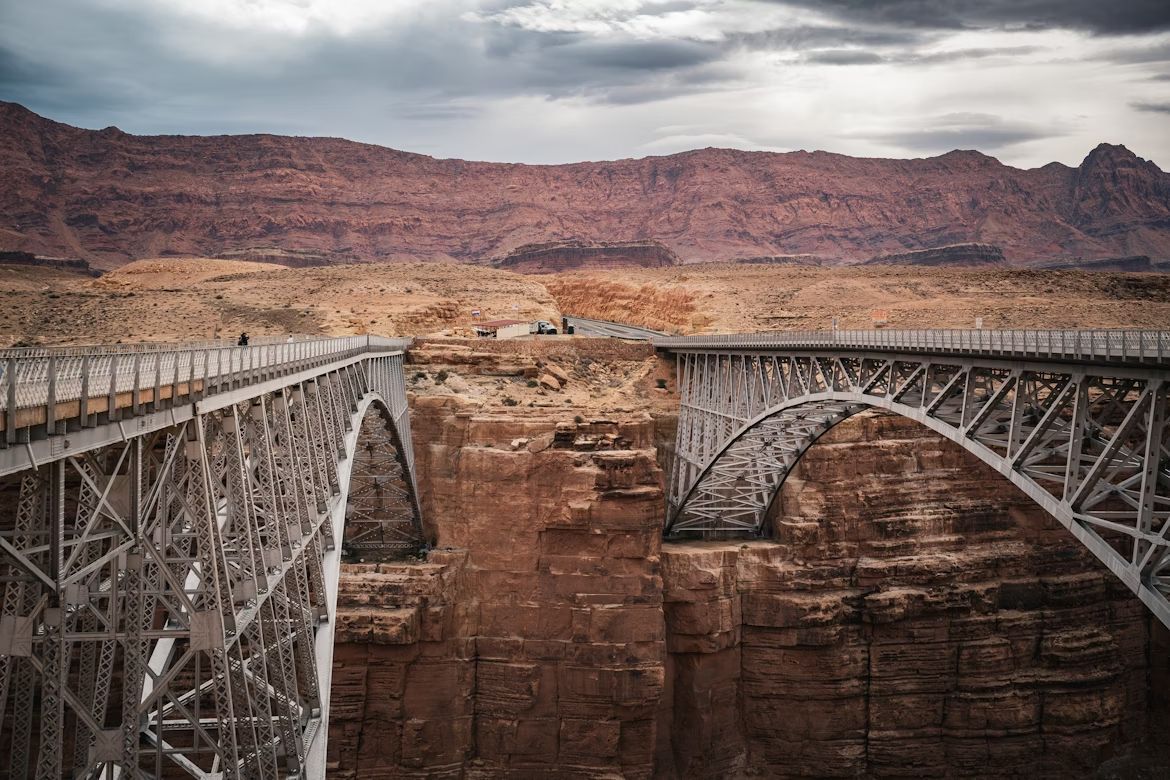
When the original Navajo Bridge opened in 1929, the closest town was 130 miles away, and the bridge spanned a remote section of the Colorado River in northern Arizona. Critics called it the "bridge to nowhere." But the bridge had a crucial purpose: it was the only crossing of the Colorado River for 600 miles, making it essential for anyone traveling between Utah and Arizona without taking a massive detour.
Over the course of decades, it became a vital link for Navajo Nation residents accessing healthcare, education, and commerce . It also opened the North Rim of the Grand Canyon to tourists, transforming the region's economy. By the 1990s, the original bridge couldn't handle modern traffic, so a parallel span opened in 1995. Rather than demolish the original, it was converted to a pedestrian bridge where you can look straight down 467 feet to the Colorado River.