General General 6 min read

One of a kind

Legal exceptions: 10 states with unique regulations

Image: Tingey Injury Law Firm

Did you know that you are legally allowed to drive without a seatbelt? That’s right, at least in New Hampshire. In the US, each state creates its own laws and regulations , which means that sometimes what’s legal in one state might be banned in another. Most regulations are similar, but once in a while, a state decides to do something unexpected , such as imposing fines on people pumping their own gas or allowing the possibility of splitting its territory into new states. Let’s see some of these laws and regulations.

1
New Hampshire: Seat belts are not mandatory
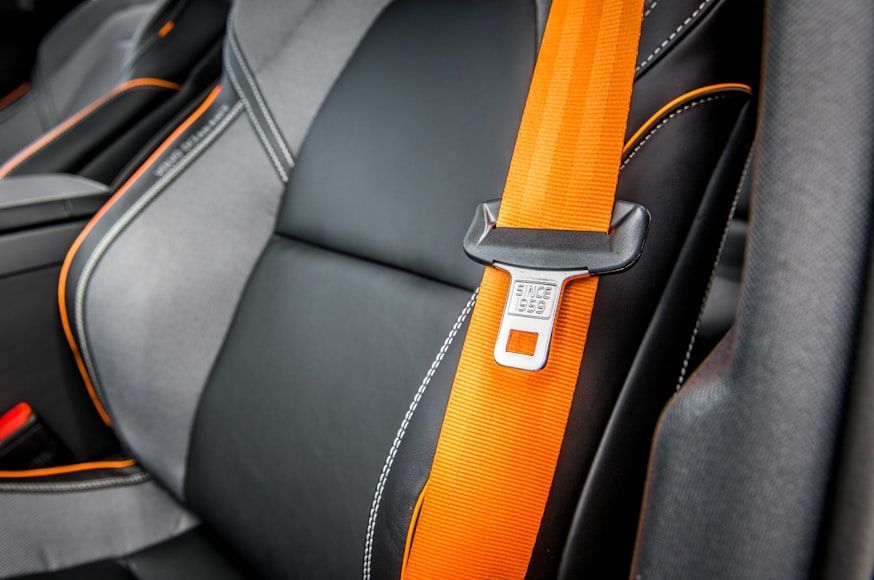
Image: Remy Lovesy

The invention of the seat belt revolutionized automobile safety, and it is not a surprise that it is a legal requirement for driving in the U.S. and many other countries . However, there is a state where it is not a requirement, provided that you are an adult.

Under New Hampshire state law, only minors are required to have a seatbelt —or a safety seat in the case of infants. Adults can do as they see fit in this matter , which follows the state’s stance on personal issues, reflected in its motto "Live Free or Die". However, while you will not be pulled over for driving without a seat belt, it can be used against you in the case of an accident or an injury lawsuit.

2
New Jersey: No pumping your own gas
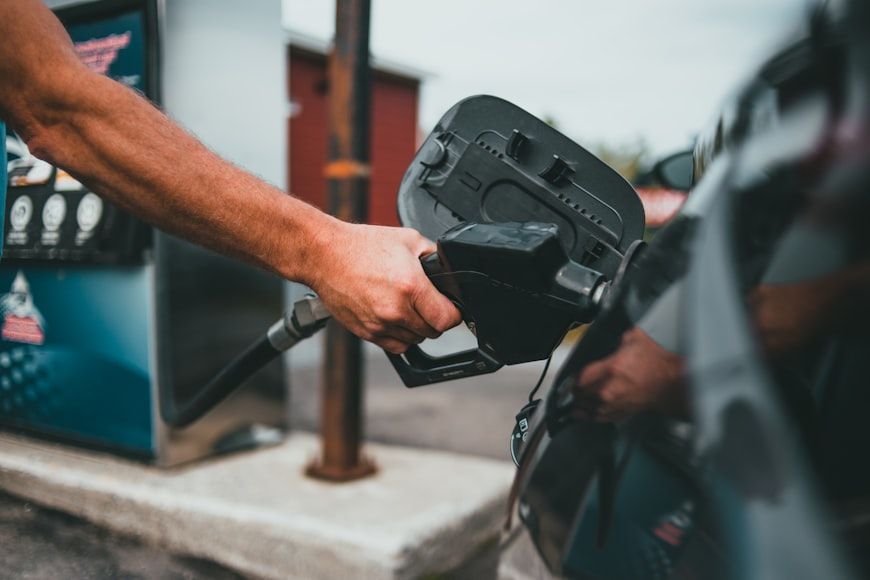
Image: Erik Mclean

A few decades ago, New Jersey was no exception in this matter, and it was just one of many states where self-service gas stations were banned due to safety concerns and pressure from full-service station owners.

Most states have repealed the ban since then —Oregon was the last state to do so in 2023; however, New Jersey still requires gas to be pumped by a trained attendant , imposing fines of up to $500 on any customer found pumping their own gas.

3
Nebraska: Unicameral legislature
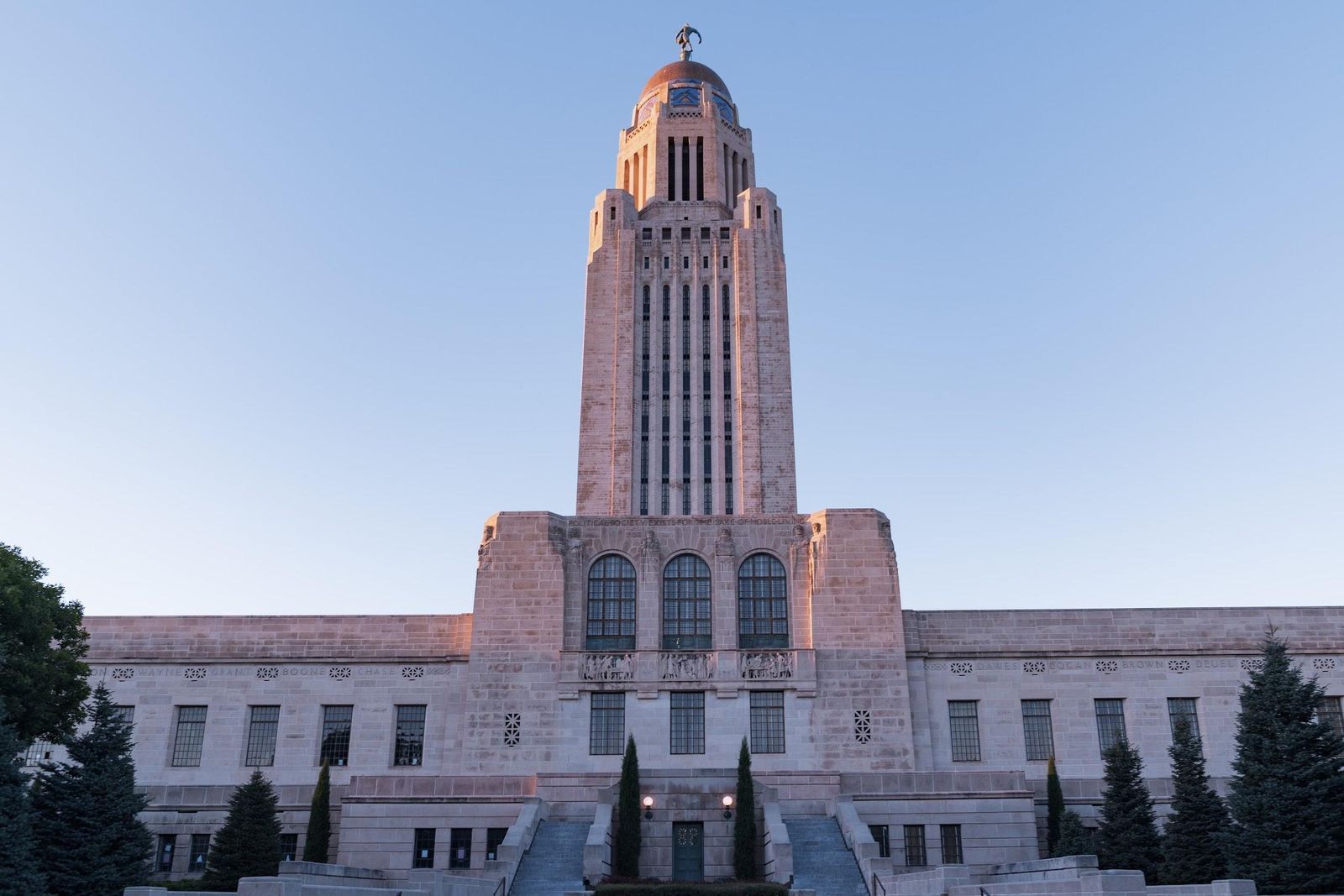
49 of the 50 states have a government comprised of two chambers, a Senate and a House of Representatives, and the state of Nebraska originally followed the same structure. Still, a mere 50 years after gaining statehood in 1867, Nebraskans had grown tired of both chambers disagreeing on most laws and started pushing for the creation of a unified chamber.

This idea became a reality in 1937, when a referendum abolished the dual-chamber system and established a single-chamber system in its stead. But it was not just that: the newly instituted Nebraska Legislature reduced the number of representatives from 133 to 49 , elected without affiliation to a political party, to ensure that state affairs and interests would be at the forefront.

4
Texas: Right to create new states
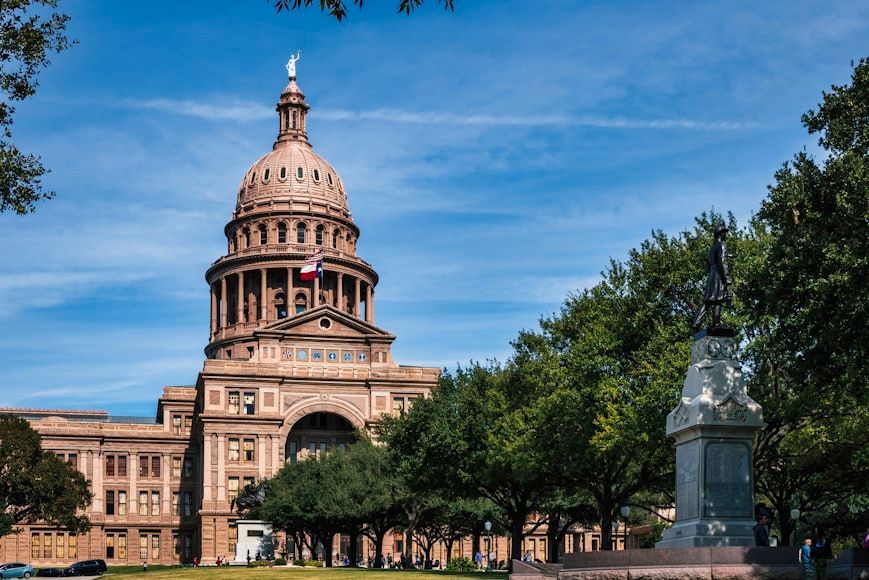
Image: Trac Vu

Although the federal system gives states the authority to create their own laws and regulations, some major changes, such as a territorial division, require the explicit approval of both the state’s legislature and the U.S. Congress . That is, unless you are the State of Texas.

At the time of Texas annexation in 1845, a special clause regarding this matter was included in the annexation resolution, granting Texas the right to create up to four new states —while maintaining the State of Texas— out of its territory and population without interference from the U.S. Congress, though it would need approval from the state’s legislature. This clause has been invoked several times, citing administrative, political, or economic reasons to divide the territory, but it has never been put to use.

5
Alaska: Annual payment to residents
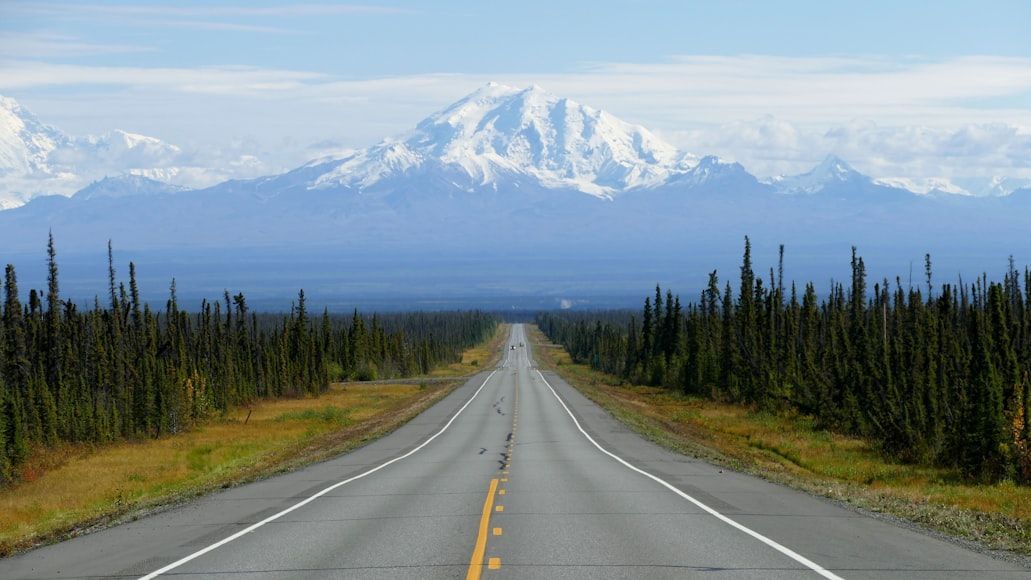
Image: Joris Beugels

Out of all American states, Alaska has historically been considered one of the most difficult to live in due to its proximity to the Arctic Circle, its limited daylight, and its isolation. These physical difficulties also result in economic hardships, which means that many Alaskans rely on federal assistance.

In 1976, the state government established the Alaska Permanent Fund Corporation to ensure that residents of Alaska would benefit from the territory’s natural resources. Through this fund, the government invests a percentage of the state oil and mineral royalties and pays permanent residents —children included— an annual benefit. Part of the investment is also used to fund essential public services such as education, infrastructure, and safety.

6
Louisiana: Napoleonic Code system
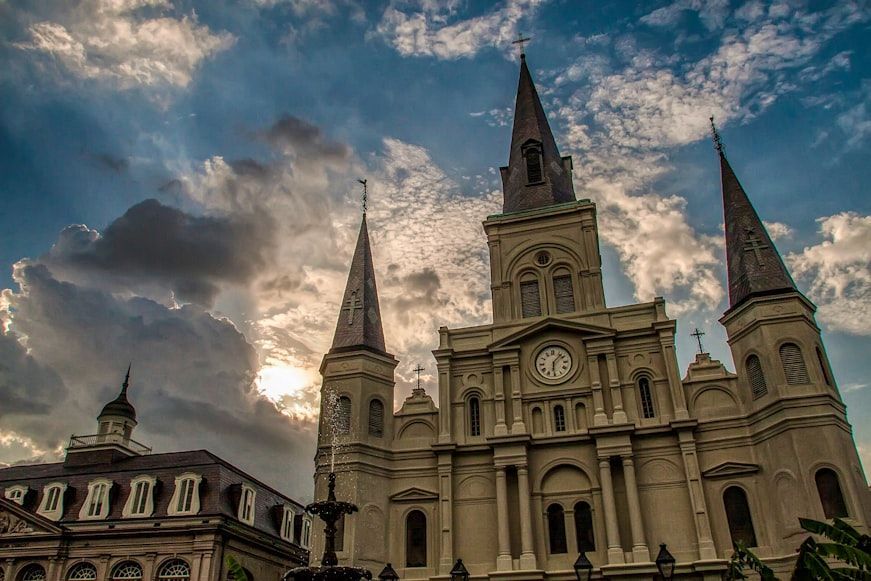
Image: Mick Haupt

As a consequence of its past as a British colony, America operates under a common law system . This means that, despite the enactment of new laws, past court and judicial decisions are extremely relevant and create a precedent.

Many states were never part of the British Empire, having belonged to France or Spain in the past, but only one has inherited a different legal system because of it. In the state of Louisiana, civil law is codified following the system of the Napoleonic Code . This means that decisions are not based on judicial precedents, but must follow the systematic laws collected in the code.

7
North Dakota: No voting registration
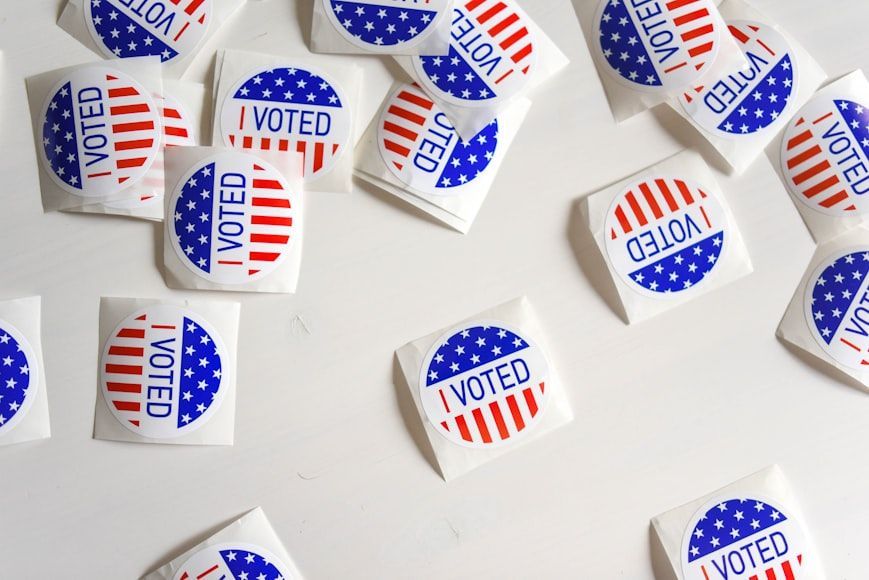
Image: Element5 Digital

Voting registration is a huge part of America’s electoral system, with campaigns focusing on registration deadlines and requirements. Although voting is not mandatory, the registration system is intended to ensure that those who desire and are eligible to vote can do so.

The state of North Dakota is the sole exception to this prerequisite, having abolished voting registration in 1951. Does this mean that anyone can vote in North Dakota? Of course not. North Dakotans are required to show proof of ID at the polls before voting . If you have been a resident of the state for more than 30 days and fulfill the general requirements, you can vote.

8
Hawaii: No independent or incorporated cities
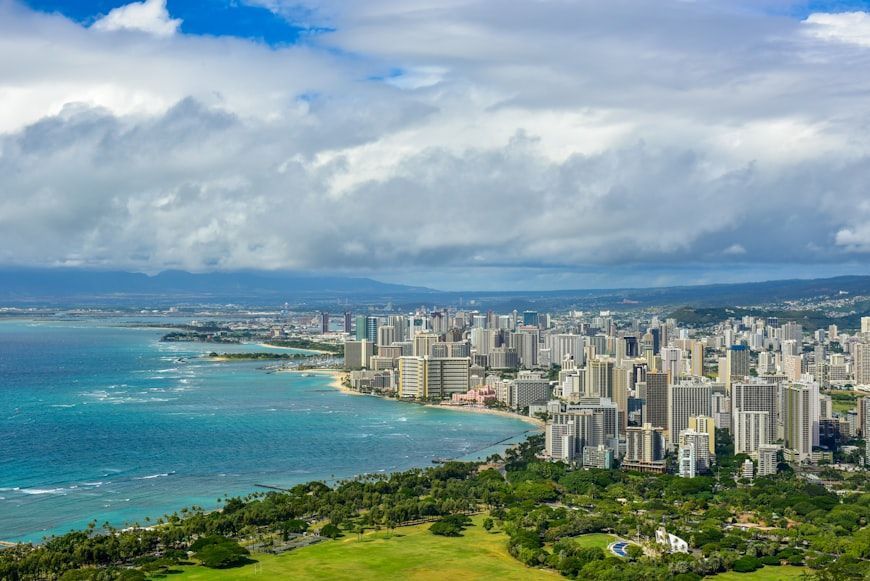
Image: Zetong Li

Not all American cities work in the same way when it comes to their governments . Cities and towns can be consolidated —meaning the city and county government is the same—, incorporated —having their own government but operating under county law—, or independent —not belonging to a county. Most states have a mix of these, but Hawaii is an exception.

The state of Hawaii is divided into four counties: Honolulu, Maui, Hawaiʻi, and Kauaʻi. While the city of Honolulu has a municipal government, it is a consolidated city, meaning that there are no cities, towns, or jurisdictions in Hawaii that have a government of their own, and all issues, public services, and regulations are handled by the respective county.

9
Washington, D.C.: Laws have to be approved by Congress
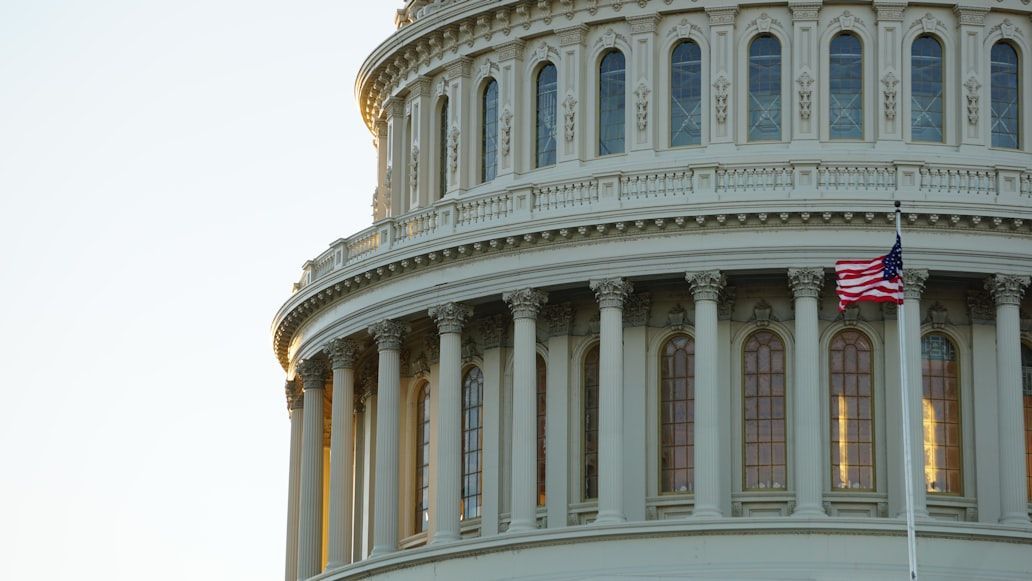
Image: Ian Hutchinson

Washington, D.C., is unique in itself because it is neither a state nor a territory, despite sharing characteristics with both. As a federal district, Washington, D.C., is part of the U.S. like the states are, but unlike them, it does not have legislative autonomy.

According to the Constitution, the jurisdiction over the city belongs to Congress, making it the de facto legislature of Washington, D.C. After the passing of the 1973 Home Rule Act, the city can elect a mayor and a city council, but all laws and regulations are ultimately subject to approval by Congress.

10
Montana: No "at-will" firing of a permanent employee

Image: Eric Prouzet

Employment laws vary from state to state, except for issues already defined by federal law. Despite the differences, most states follow the "at-will" doctrine, meaning that employers and employees can terminate the employment relationship at any time , for any legal reason, without notice, unless otherwise specified in a contract. While prohibiting discriminatory or unlawful terminations, this mode of employment gives flexibility for everyone involved.

The state of Montana, however, has a different approach to employment. State laws require a probationary period (usually 12 months), during which "at will" principles apply. After this period, employers must provide a "good cause" for termination , such as performance failures, disruption of operations, or other reasonable job-related issues.
History History 4 min read

Weird America

Prepare to be shocked: these 10 American mysteries remain unsolved

Image: Susan Q Yin

Everyone loves a good mystery, and American history is teaming with fascinating examples. From vanished aviators to secret codes and missing treasures, these real stories have puzzled experts for decades. Some are dark, others simply strange, but all remain open chapters in our past. Take a look at the following 10 unsolved mysteries. Which ones did you already know?

1
The disappearance of Amelia Earhart (1937)

Image: Job Vermeulen

The first entry on our list is dedicated to a world-renowned flight pioneer, Amelia Earhart, who vanished while attempting to become the first woman to fly around the globe , leaving behind only fragments of her plane and endless speculation. Radio failure, poor visibility, and fuel issues are speculated to be contributing factors to her disappearance.

Even with modern technology and repeated searches, no one has ever found definitive proof of what happened to Amelia or her aircraft.

2
The D.B. Cooper hijacking (1971)

Image: Christine Trefalt

In 1971, Dan Cooper, a seemingly quiet man, boarded a plane in Portland, Oregon, which he promptly hijacked when the aircraft was in the air. He demanded $200,000 over the radio.

The plane landed in Seattle, where authorities met his demands. Cooper released all 36 passengers in exchange for the cash and parachutes. He then ordered the remaining crew to fly toward Mexico City at a low altitude and slow speed. Somewhere over southwest Washington, he lowered the aircraft's aft stairs and jumped into the freezing night, never to be seen again.

3
The disappearance of Jimmy Hoffa (1975)

Image: Pavel Inozemtsev

The powerful union leader left a Detroit restaurant in 1975 and simply vanished . Witnesses last saw him standing by his car in the restaurant’s parking lot, and investigators believe he was coaxed into a car by people he recognized, thinking the meeting location had changed. He was never seen again. Searches in fields, lakes, and construction sites turned up nothing. To this day, it remains one of the most famous unsolved mysteries in American history.

Rumors range from mob connections to government cover-ups, but none have been proven. Ever since then, Hoffa’s name has become shorthand for anything that disappears without a trace.

4
The Yuba County Five (1978)

Image: Sebastian Unrau

In what came to be known as "America’s Dyatlov Pass", five friends vanished after attending a basketball game in the town of Chico, California. Months later, the bodies of four members of the group were found in the mountains under mysterious conditions .

The remaining member of the original party was never located, and their strange route into deep snow remains unexplained.

5
The Sodder Children (1975)

Image: Marita Kavelashvili

A fire destroyed the Sodder family home in West Virginia, but five children were never found among the remains of the house. Because of physical inconsistencies at the scene and strange sightings afterward, the family always believed they survived.

Over the years, strange sightings and letters fueled hope and confusion alike, but no real evidence has ever been found. Because of these clues, the Sodders never held a funeral and instead famously erected a billboard on Route 16, offering a reward for information and keeping the case in the public eye for decades.

6
The Springfield Three (1992)

Image: David Holgerson

On a warm summer night in 1992, Sherrill Sherrill Levitt, her daughter Suzie, and Suzie's friend Stacy vanished from their home in Springfield, Missouri, leaving behind their cars, purses, and even the family dog .

Friends arriving the next morning found the house empty but unlocked. Despite thousands of leads, no evidence or remains have surfaced. The case remains one of the most talked-about disappearances in small-town America to this day.

7
The Gardner Museum Heist (1990)

Image: Dannie Jing

Back in 1990, two men dressed as police officers entered Boston’s Isabella Stewart Gardner Museum and stole 13 works of art worth over $500 million .

No piece has ever been recovered. Empty frames still hang on the museum walls, a quiet tribute to one of history’s most expensive thefts.

8
The Max Headroom broadcast hijack (1987)

Image: Rubenz Arizta

1980s television viewers might remember Max Headroom as a somewhat clumsy computer AI TV personality and ad spokesperson. In 1987, Chicago viewers were startled when a strange figure wearing a Max Headroom mask interrupted TV broadcasts with odd messages .

The stunt lasted only seconds, but no one was ever caught or identified. It remains one of the strangest unsolved moments in television history.

9
The Great Lakes ghost ships

Image: Kyle Larivee

Over the years, s everal ships have vanished or been found adrift on the Great Lakes , their crews gone without explanation. Cold weather, sudden storms, and superstition all play roles in the stories, but some cases defy logic. The vast inland seas are simply too big to be accessible with the current technology.

Among the most notable unsolved cases, we can mention Le Griffon, a ship that vanished during her maiden voyage in 1679, the SS Banockburn, known as the "Flying Dutchman of Lake Superior," disappeared during a storm in 1902, or the SS Chicora, a luxury steamer lost in a violent winter gale while carrying a cargo of flour, in 1895.

10
The Dulce Base Mystery

Image: Pict4life

Beginning in the 1970s, a constant array of strange lights, unmarked aircraft, and talk of secret tunnels near the town of Dulce has fueled decades of conspiracy theories in this otherwise quiet area to this day.

While skeptics blame radar tests or imagination, locals still report odd sightings in the desert skies.

History History 7 min read

The surprising life of FDR

Why did he work late into the night? 10 surprising facts about FDR

Image: Bibliothèque nationale de France, Public domain, via Wikimedia Commons

You probably know Franklin Delano Roosevelt as the president who guided America through the Great Depression and World War II, launched the New Deal, and helped create Social Security. But that's only part of the story. This was also the president who served hot dogs to the British royal family, became the first commander in chief to fly while in office, relied on lucky charms, and never lost his love of practical jokes. He was related to more presidents than you might realize and had a few surprising quirks that rarely make it into history books. Here are 10 fascinating facts about FDR that they didn't teach you in school.

1
He served hot dogs to British Royalty

Image: Harris & Ewing, photographer, Public domain, via Wikimedia Commons

In 1939, for the first time ever, a sitting US president hosted the reigning British monarchs on American soil. And it wasn’t just a formal state meeting; it was a picnic.

On June 11 of that year, President Franklin D. Roosevelt and First Lady Eleanor Roosevelt welcomed King George VI and Queen Elizabeth to their home in Hyde Park, New York. Instead of an elaborate diplomatic banquet, the menu was unexpectedly simple and quintessentially American: hot dogs and beer. According to FDR, the queen politely tried hers with a knife and fork, while the king ate several with his hands and seemed to enjoy them. Behind the scenes, the visit was more than symbolic, yet folksy hospitality. With war already looming in Europe, both sides were quietly strengthening ties that would soon become crucial during WWII.

2
The first sitting president to fly on a plane

Image: National Museum of the U.S. Navy, Public domain, via Wikimedia Commons

While FDR made history in many ways, one of his lesser-known firsts took place thousands of feet above the ground.

On January 11, 1943, in the middle of WWII, he became the first sitting US president to fly in an airplane. At a time when air travel was still far from routine, he embarked on a secret 7,000-mile journey from Miami, Florida, to Bathurst, Gambia, before continuing to Casablanca, Morocco. The trip wasn't taken for leisure; German U-boats had made Atlantic sea travel risky, so Roosevelt crossed the ocean aboard a Boeing 314 flying boat known as the Dixie Clipper . His destination was the Casablanca Conference, where he met with British Prime Minister Winston Churchill to discuss wartime strategy.

3
Highly superstitious

Image: Franklin D. Roosevelt Presidential Library and Museum, Public domain, via Wikimedia Commons

Are you the type to knock on wood to avoid bad luck? Or would you walk under a ladder without a second thought? If you're in the first group, you would have fit right in with Franklin D. Roosevelt.

FDR famously declared that "the only thing we have to fear is fear itself," but he also had a surprisingly superstitious side. According to people who worked with him in the White House, Roosevelt kept his desk and personal items arranged in a precise order that he believed brought good luck. He also disliked the number 13: family members and aides recalled that he avoided hosting dinners with 13 guests and was reluctant to begin important trips on Friday the 13th. He even had a lucky charm, a brown felt fedora that he wore during all four of his presidential campaigns. We can't say it didn't work.

4
He loved practical jokes

Image: Underwood & Underwood, Public domain, via Wikimedia Commons

With all his responsibilities, talents, and interests, FDR still found time to joke around.

According to his biographers, Roosevelt loved practical jokes and kept his playful streak throughout his life, even pulling pranks well into his presidency. In the tense world of politics, that sense of humor became one of his trademarks. He enjoyed classic gags, including putting bubbling powder in drinking glasses to surprise White House guests, or slipping completely made-up words into conversations and then watching with delight as his staff scrambled to check the dictionary. Friends and aides also noted that he had a unique ability to laugh off rumors, criticism, and political attacks that might have rattled other leaders.

5
Peculiar work schedules

Image: Franklin D. Roosevelt Presidential Library and Museum, Public domain, via Wikimedia Commons

Jokes didn't distract FDR from his work. If anything, they helped him cope, and he certainly had plenty of work to do. In fact, Roosevelt was known for his unusual working hours.

Unlike many other presidents who were early risers, he often worked late into the night and typically didn't begin his day until around 9 am. During WWII, while overseeing a global conflict, he regularly spent his evenings reviewing reports, making decisions, and meeting with advisers long after most Americans had gone to bed. What makes this even more impressive is that he maintained this pace as his health steadily declined. Doctors urged him to slow down and limit his workload, but Roosevelt frequently ignored that advice. For a wartime commander-in-chief, there was always one more decision to make.

6
He appointed the first female cabinet member

Image: Los Angeles Daily News, CC BY 4.0, via Wikimedia Commons

Among his many historic firsts, FDR was the inaugural POTUS to appoint a woman to a Cabinet position, a decision that reflected both his political instincts and his willingness to recognize talent and intelligence where he found it.

In 1933, he chose labor advocate Frances Perkins as Secretary of Labor. It turned out to be one of the most consequential appointments of his presidency. Perkins served from 1933 to 1945, making her the longest-serving Secretary of Labor in American history. And as if that weren't enough, she became one of the chief designers of the New Deal.

7
11 presidential relatives

Image: Franklin D. Roosevelt Presidential Library and Museum, Public domain, via Wikimedia Commons

Most people know that Franklin D. Roosevelt and Theodore Roosevelt were related: the 32nd president was a distant cousin of the 26th. But few realize just how extensive FDR’s presidential family tree really was.

In fact, genealogists have traced Franklin Roosevelt’s family connections to at least 11 US presidents. FDR was not only related to Theodore Roosevelt and his own wife, Eleanor Roosevelt (his fifth cousin once removed), but also to an impressive number of other commanders in chief. Among those connected to him by blood were George Washington (with whom he shared ancestors from English nobility and the early settlers of Virginia), John Adams, John Quincy Adams, James Madison, and William Harrison. Through marriage and extended family ties, he was also related to Ulysses S. Grant, Benjamin Harrison, Zachary Taylor, Martin Van Buren, and William Howard Taft.

8
His illness may not have been polio

Image: Leon Perskie, CC BY 2.0, via Wikimedia Commons

As is well known, FDR was struck by a serious illness in 1921 at age 39 that left him permanently unable to walk unaided. But during his presidency, he worked hard to keep public attention focused on his leadership rather than on his body, so while Americans understood he had been diagnosed with polio, few knew about the paralysis.

To stand at public events, Roosevelt relied on heavy steel leg braces and canes that helped him project confidence and strength throughout his presidency. However, although doctors at the time diagnosed him with polio, some modern medical researchers have suggested that his symptoms may have been more consistent with Guillain-Barré syndrome (GBS), a rare autoimmune disorder.

9
He didn’t graduate from law school

Image: National Archives and Records Administration, Public domain, via Wikimedia Commons

FDR was a bright and curious man who threw himself into subjects that fascinated him, but when something failed to hold his interest, he wasn't afraid to move on.

After earning a History degree from Harvard University in 1903, he enrolled at Columbia Law School, but he found that he simply didn't enjoy it. According to the Miller Center at the University of Virginia, Roosevelt showed little enthusiasm for the legal profession, and maybe that’s why he never achieved a Law degree. Even so, he passed the New York bar exam and began practicing after it, but the experiment lasted only a few years. Then, in 1910, an opportunity came along that interested him far more: local Democrats in New York asked him to run for the state Senate. Roosevelt eagerly accepted, and his political career was underway.

10
Expert in many fields

Politics and wartime strategy weren't FDR's only talents. Long before he entered the White House, he acquired a deep interest in nature.

Growing up in Dutchess County, New York, Roosevelt developed a fascination with birds that went far beyond a childhood hobby. By age 11, he was already learning taxidermy, eventually becoming a skilled self-taught naturalist and bird expert. Over the years, he identified and cataloged roughly 300 bird species. His detailed field journals and collection of more than 300 Dutchess County specimens are still considered some of the most complete records of local bird life from that era.

Explore more American facts

Choose your favorite category!

General
General

As American as apple pie—the very best America has to offer!

Culture
Culture

Delve into the astounding richness of American lore.

Geography
Geography

Hop in and explore vast and diverse American landscapes.

History
History

Discover the key moments that shaped the United States.