Big cities’ secrets
There's a city buried under Seattle, and most people never see it
Image: Stefan Steinbauer
You probably think you’ve seen everything America has to offer, from the bright lights of the Big Apple to the Hollywood sites in Los Angeles. But hidden in the big cities are places that don’t get much of the spotlight but deserve more. Beneath Seattle are buried streets frozen in time. In Chicago, engineers actually made a river flow backward. And in Portland, there’s a tiny park supposedly built for leprechauns. These and more unusual spots are hiding in plain sight. Here’s the story behind them and where you can find them.
1
Seattle: The Seattle Underground
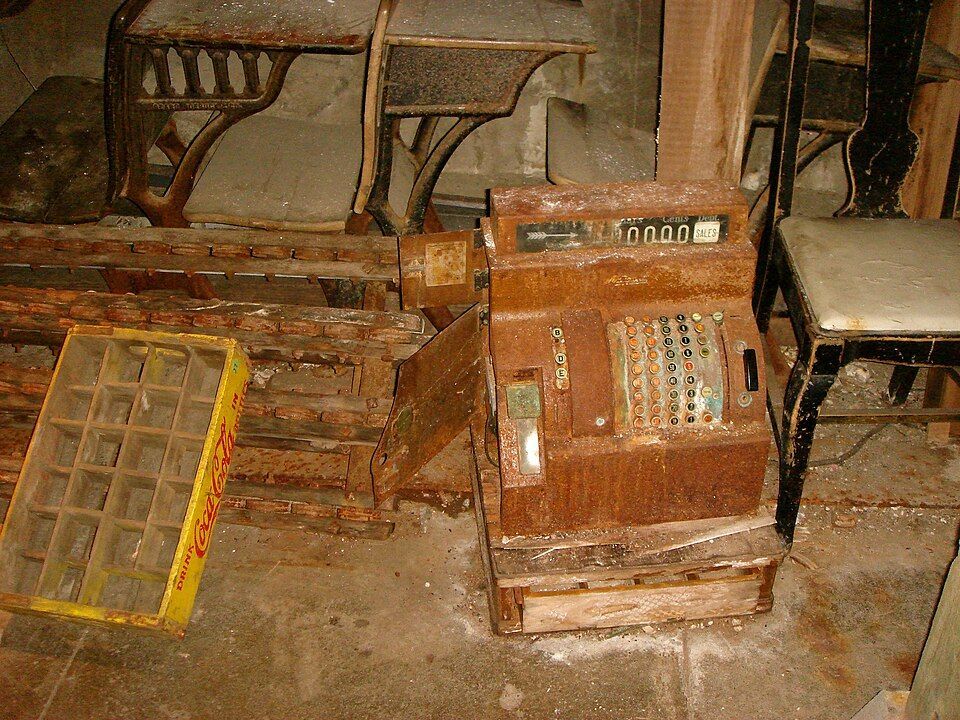
People usually visit Seattle for the seafood, waterfront views, coffee culture, and the famous Space Needle. But underneath the busy sidewalks lies part of the city most tourists never realize exists. Beneath Pioneer Square sits the Seattle Underground, a network of old streets and storefronts buried below modern Seattle.
This area dates back to the Great Seattle Fire of 1889, which destroyed much of downtown. City leaders decided to rebuild the streets one story higher to improve drainage problems that had plagued the city for years. For a while, businesses operated below street level, but eventually this lower level was abandoned. Today, guided tours take visitors through the underground passageways and old sidewalks and mix ghost stories and old city legends with the real story below Emerald City.
2
Chicago: The Chicago River
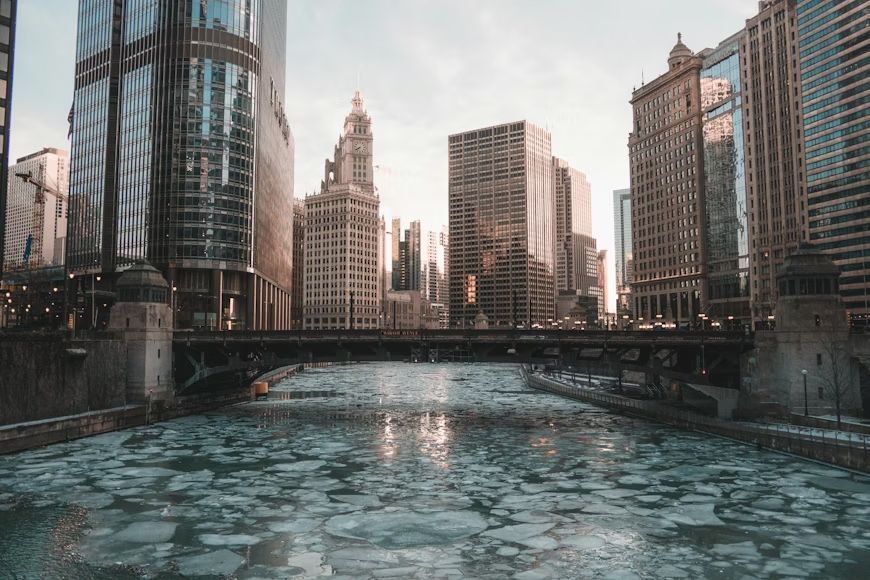
Between deep-dish pizza, Wrigley Field, jazz clubs, and the towering skyscrapers, few cities feel more American than Chicago. It’s also home to the magical Chicago River, which, in 1900, actually flowed backwards.
Back in the late 1800s, Chicago faced a dangerous problem. The river carried sewage and industrial waste into Lake Michigan, the same lake supplying the city’s drinking water. Disease outbreaks of typhoid and cholera became increasingly serious, and engineers realized something drastic had to happen. In 1900, after years of planning and digging canals, they built a series of canals and locks, like the prominent Chicago Sanitary and Ship Canal, connecting the Chicago River to the Des Plaines River, forcing the water to flow toward the Mississippi River watershed. That way, they reversed the river’s direction so the contaminated water would flow away from the lake instead of into it. The natural flow was forever altered, but it remains central to city life, especially during St. Patrick’s Day when, according to tradition, it’s dyed bright green every year.
3
New York City: NYPL hidden apartment
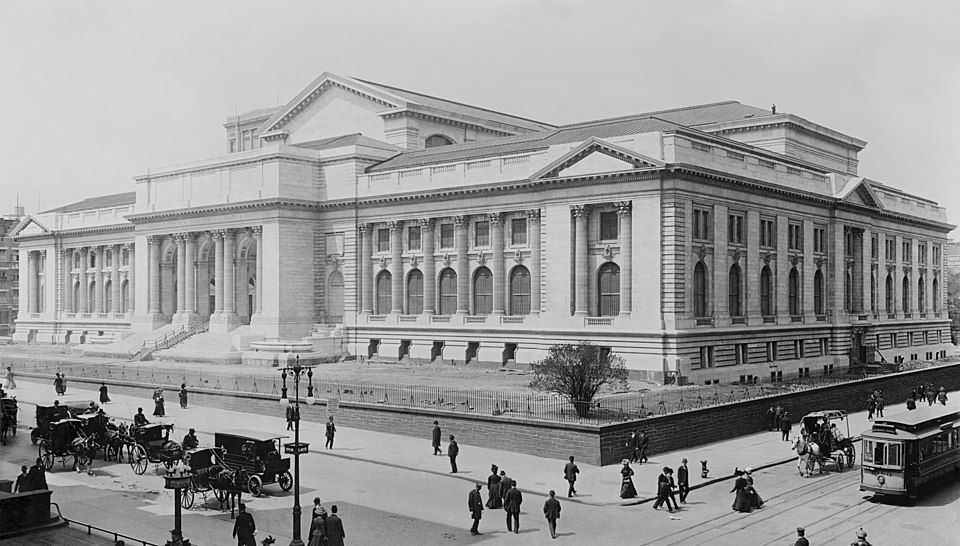
Yellow taxies, Central Park, Broadway shows, and nonstop energy have made New York City feel magical. The Big Apple hides many secrets, and the apartment inside the New York Public Library Main Branch is just one of them.
In 1910, the library superintendent, John Fedeler, and his family moved into a private eight-room apartment tucked inside the library. This was so that someone would always be available to maintain the huge building. With bedrooms, a kitchen, and a living area, a full home is hidden behind doors that most visitors passed by. The family lived there until 1941, when the space was converted into offices and storage areas. However, the library still offers tours where visitors can learn about its history.
4
Portland: Mill Ends Park
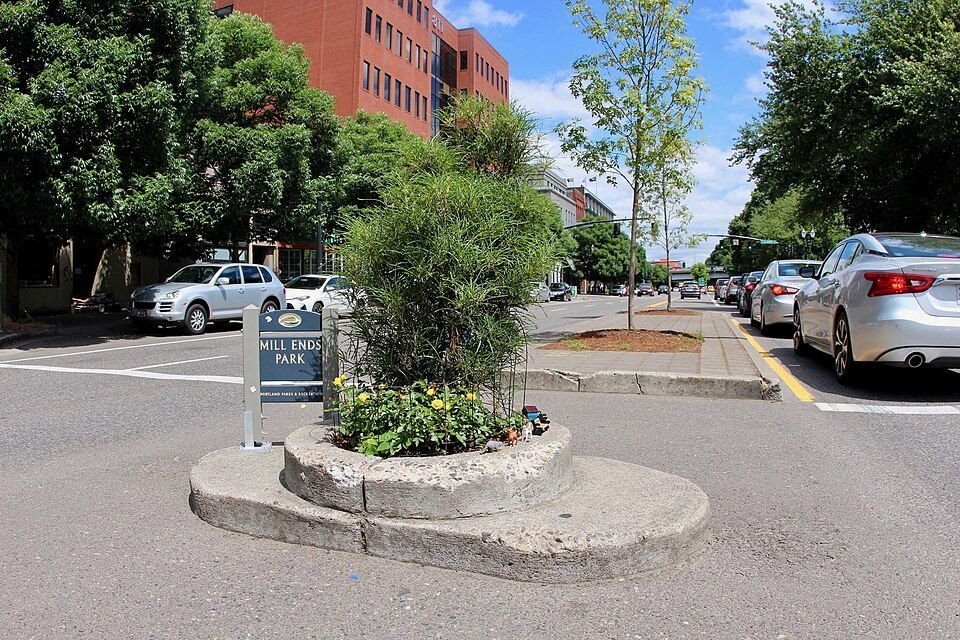
When you think of Portland, you may think of Washington Park or Forest Park. But if you pay close attention, you can also visit Mill Ends Park. At just two feet across, it holds the Guinness World Record as the world’s smallest park.
At first glance, it looks more like a flowerpot than a public landmark, but the story goes back to 1948, when journalist Dick Fagan noticed an empty hole that had been meant for a light pole. Tired of staring at it from his office window, he planted flowers there and jokingly claimed that, since it was so small, it was a park for leprechauns. The joke took on a life of its own, and in 1976, it was dedicated on St. Patrick's Day. Today, it’s a must-do for travelers going through Portland, and locals continue treating it with surprising seriousness.
5
Houston: The Beer Can House
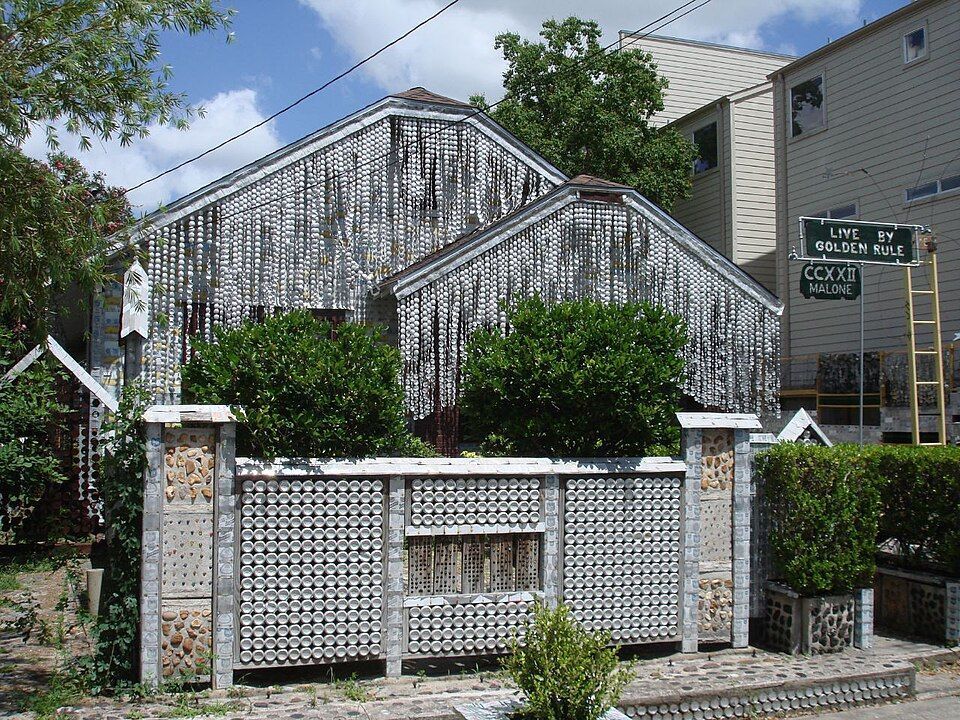
Everything is bigger in Texas, and Houston is no exception. If you’ve been there, you’ve probably visited NASA, the Museum District, and tried a local barbecue joint. But you’ve probably missed a quirky house hidden among the neighborhoods. Located at 222 Malone St, sits the Beer Can House. The name is self-explanatory, since it’s a house covered with beer cans.
In 1968, John Milkovish decided he was tired of painting and maintaining the exterior of his property. Instead, he began flattening beer cans and attaching them to the house. What started as a hobby slowly turned into a full-blown obsession involving more than 50,000 cans. The house went from being a neighborhood curiosity to a roadside attraction to finally being a protected local landmark in 2001. In 2010, Time magazine even ranked it as one of America's top 50 roadside attractions. True to his Texan blood, John Milkovish built something big.
6
San Francisco: The Wave Organ
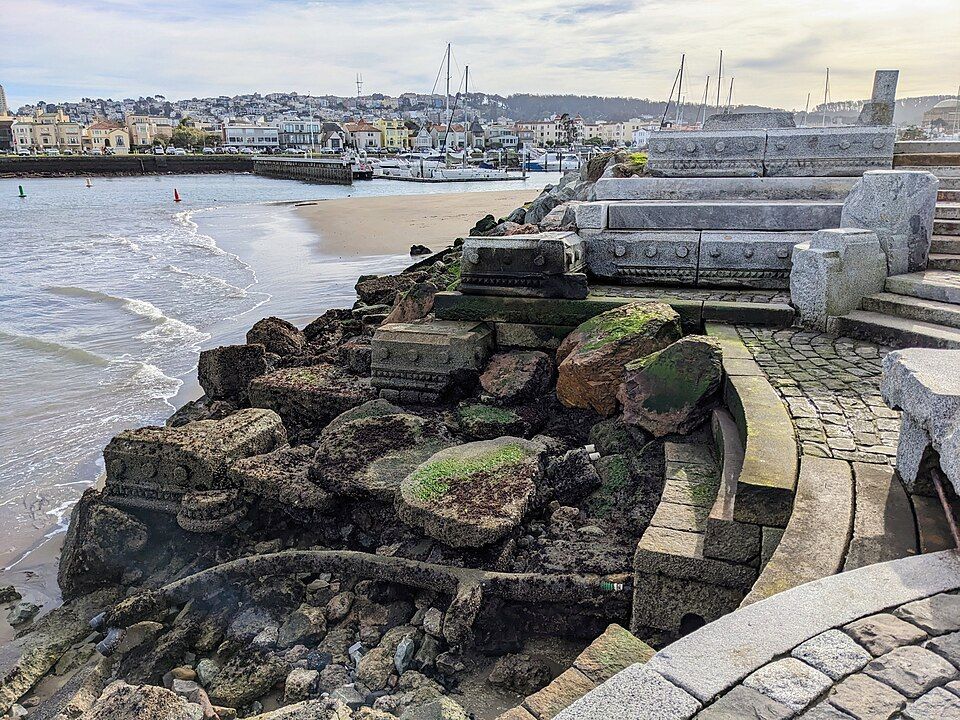
No trip to San Francisco is complete without taking the cable car or a picture at the Golden Gate. But tucked away near the Marina District is an attraction many tourists completely miss. The Wave Organ is a gigantic acoustic sculpture that turns ocean waves into music.
Completed in 1986 by artist Peter Richards, t he installation consists of a series of pipes extending into the bay. As tides rise and waves move through the pipes, they create eerie sounds ranging from soft bubbling to deep echoes. Richards was inspired by recordings of artist Bill Fontana, made of sounds coming from a vent pipe of a floating concrete dock in Sydney, Australia. In 1980, he received a grant from the National Endowment for the Arts and tested the first prototypes during the 1981 New Music Festival. Five years later, he completed this sonic sculpture that runs entirely on nature.
7
Los Angeles: La Brea Tar Pits
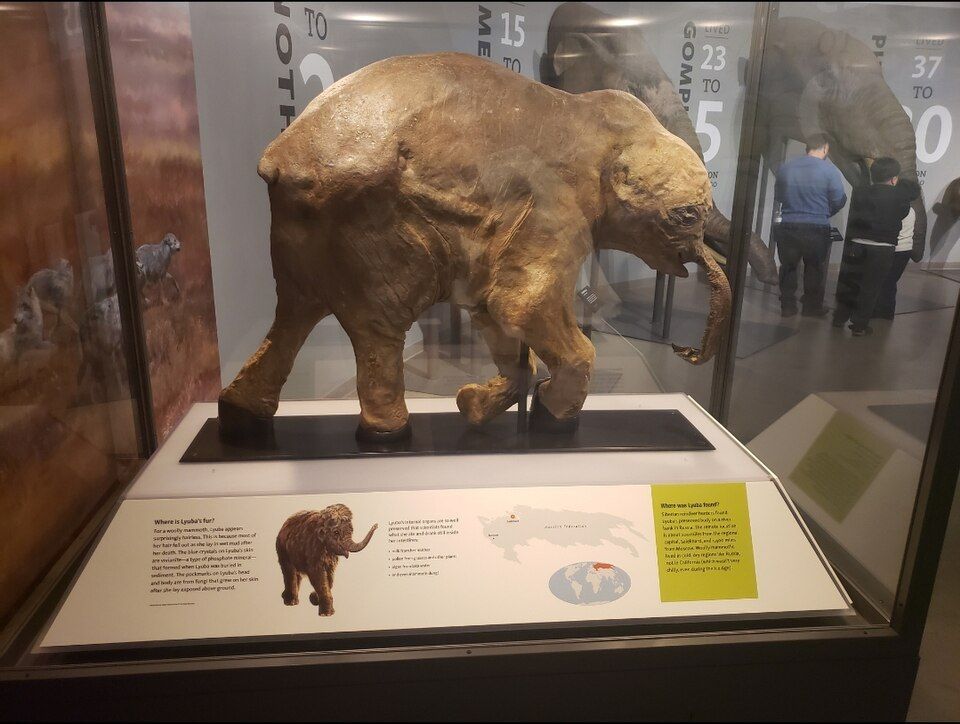
Los Angeles is all about Hollywood, palm trees, and the beaches. But it’s also home to one of the world’s most important prehistoric sites. The bubbling black pools at La Brea Tar Pits have been trapping animals for tens of thousands of years.
Long before Los Angeles was the city it is today, natural asphalt constantly came up from underground. Mammoths, saber-toothed cats, dire wolves, and other Ice Age animals became trapped there, preserving their skeletons remarkably well. Scientists began excavating fossils in the early 1900s, and discoveries continue to this day. The fossils recovered from the site are countless. Visitors can explore the museum for $18 and watch active excavations while surrounded by modern office buildings and traffic.
8
Seattle: The Giant Shoe Museum
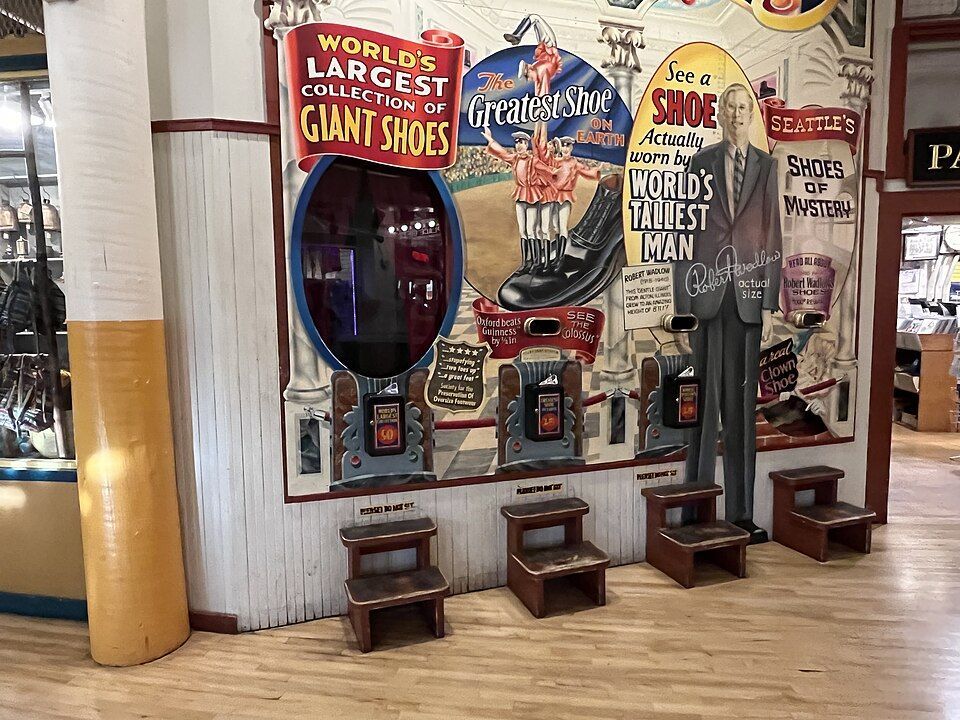
Seattle already has its share of unusual attractions, especially around Pike Place Market, where fishmongers toss salmon through the air, and crowds line up for fresh pastries. But the Giant Shoe Museum, located there, is even stranger. A single exhibit wall dedicated to oversized footwear , the museum works like an arcade peep show. Visitors drop coins into viewing slots to reveal displays featuring enormous boots, giant clown shoes, and other gigantic footwear.
The museum was founded in 1997 by Danny Eskenazi after he became obsessed with his grandfather’s missing item: the shoe of Robert Wadlow, the tallest man in history. He even offered $1,000 to anyone who could find that Wadlow shoe. Sadly, the shoe remains lost, but his obsession led to the discovery of other shoes worn by Wadlow and more footwear that is now displayed in the museum.
9
Boston: Great Molasses Flood Site
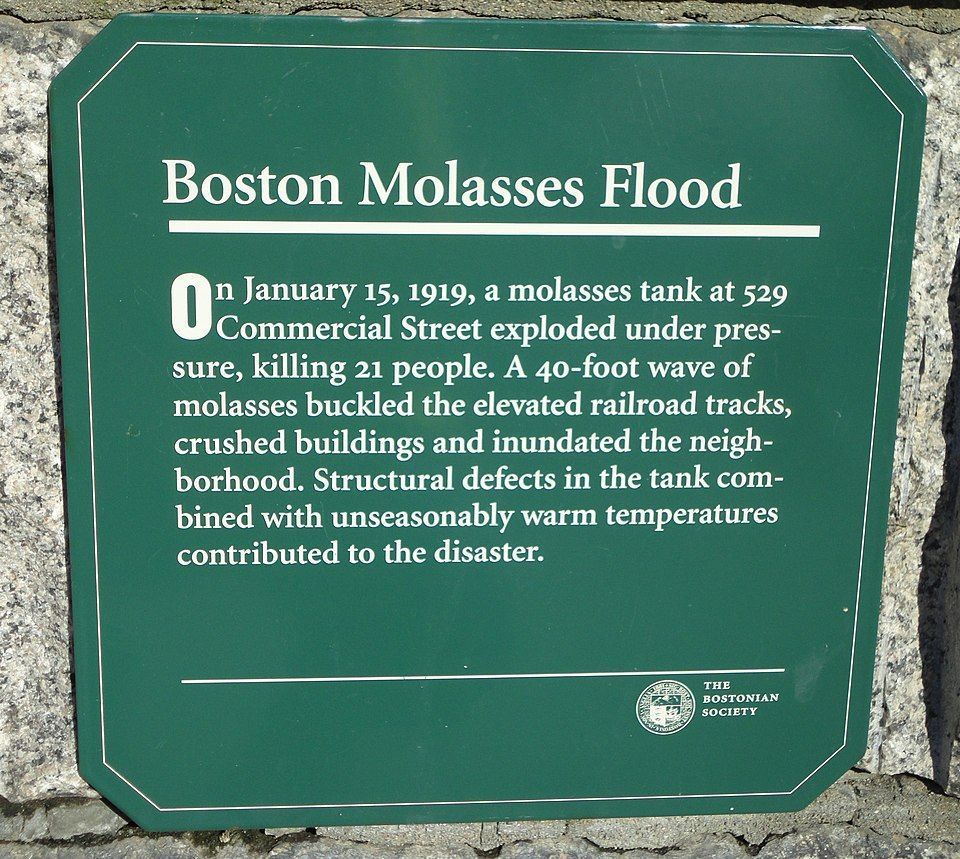
Boston's most popular spots blend colonial and Revolutionary War history with vibrant neighborhoods that feature top attractions like the Freedom Trail, Fenway Park, and the Boston Public Garden. But it’s also home to the remains of a disaster.
In 1919, Boston experienced the Great Molasses Flood. A massive molasses storage tank burst in the North End neighborhood, unleashing more than two million gallons of syrup into the streets. After 21 people lost their lives, the disaster led to stricter construction safety regulations across the country, and the tank was never rebuilt. Today, visitors can still walk through the neighborhood where it happened. There’s no giant syrup wave anymore, thankfully, but plaques and local tours continue telling the story.
10
Lake Havasu City: The London Bridge
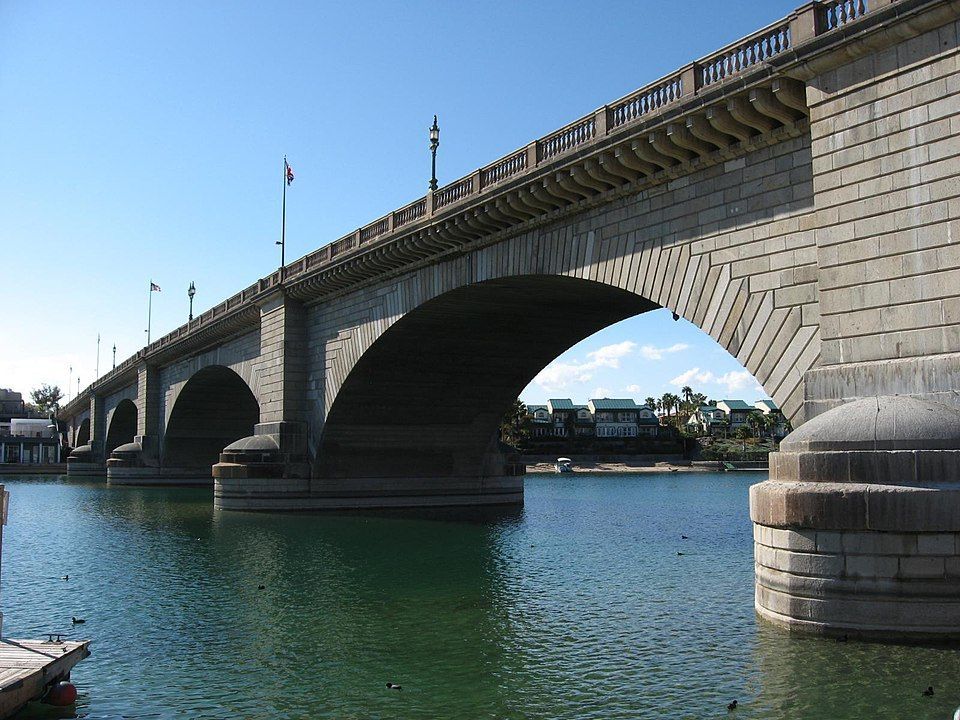
Driving through Lake Havasu City in Arizona, you expect desert landscapes, boating, and blazing summer heat. You probably don’t expect to stumble across a famous bridge from England, especially not the original London Bridge itself.
In 1831, John Rennie designed and opened the London Bridge spanning the River Thames. By the 1960s, the bridge started sinking under the weight of modern cars and traffic. Robert P. McCulloch, founder of Lake Havasu City, saw this as an opportunity and, in 1968, he purchased the bridge for $2.4 million. The bridge was dismantled and reconstructed in the Arizona desert, and completed in 1971. What once connected two sides of London now links mainland Lake Havasu City with Pittsburgh Point that visitors and locals enjoy every day.
11
Atlanta: The Center for Puppetry Arts
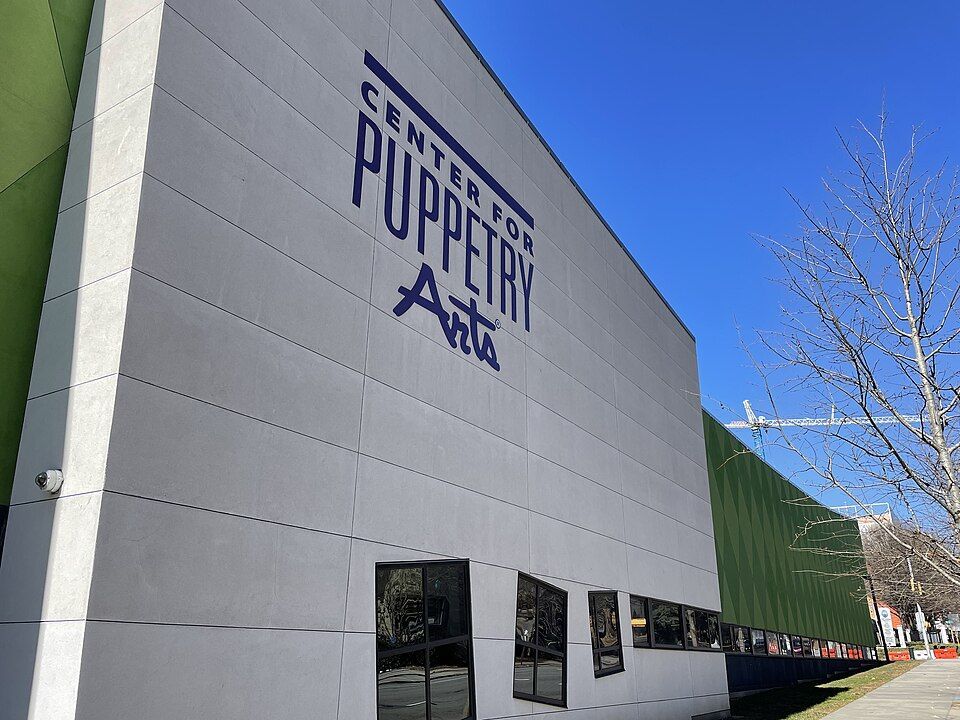
Atlanta is often associated with Southern cooking, a busy airport, and its important role in the Civil Rights Movement. But tucked inside the city is also the Center for Puppetry Arts, which houses the world’s largest collection of Jim Henson’s original Muppets.
The center opened in 1978, when puppeteer Vincent Anthony transformed a former elementary school into a home for puppet arts. From the very beginning, the project had a special connection to Jim Henson himself. He and Kermit the Frog helped inaugurate the center, and over the years, Henson became one of its biggest supporters. The center expanded significantly between 2007 and 2015, adding the permanent Jim Henson Collection and the impressive Worlds of Puppetry Museum. Unlike many museums, this place is hands-on. Guests can watch live performances, explore exhibits from puppet traditions, and revisit characters that shaped generations of childhood memories.