History History 6 min read

Tin-foil hat time!

Not all myths are false: these 12 incredible social experiments were real
Image: Lysenko Andrii

There’s a famous, funny saying that goes, "Just because I'm paranoid doesn’t mean that I’m not being followed." In other words, sometimes, strange things do happen. Human behavior can be unpredictable, which might explain why researchers have devised some truly unusual ways to study it. But psychologists weren't the only ones experimenting. During the 20th century, U.S. military and intelligence agencies conducted tests that sound more like fiction than fact. From pigeons trained to guide missiles to children trying desperately not to eat a sweet treat, these 12 experiments and research programs really happened.

1
A city became an unwilling laboratory
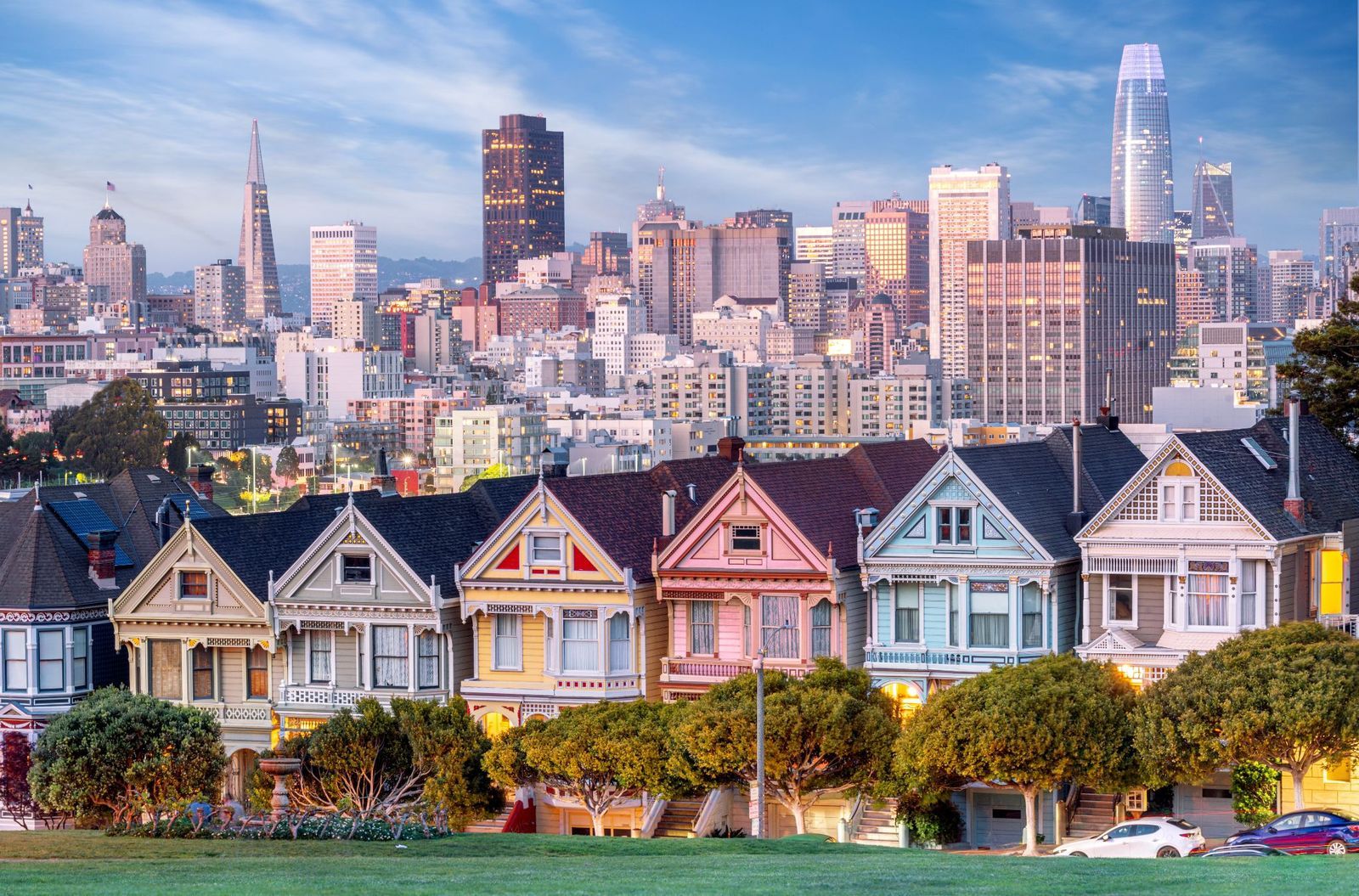
Image: anek.soowannaphoom

In September 1950, San Franciscans went about their lives without knowing that the U.S. military was conducting a biological-warfare vulnerability test around them . During Operation Sea-Spray, bacteria were released into the city’s environment to study how an airborne biological agent might spread through a major coastal city .

The organisms included Serratia marcescens , selected because researchers at the time considered it suitable as a relatively harmless stand-in for something much more dangerous that could be actually used for biological warfare. Residents weren't informed or asked for consent, an aspect of the operation that would raise obvious ethical objections today.

2
Particles were scattered across America
Image: VRVIRUS

Sea-Spray wasn't the end of large-scale military dispersion experiments. During the 1950s and 1960s, the Army's Operation LAC (Large Area Coverage)used microscopic fluorescent zinc cadmium sulfide particles to investigate how biological-warfare agents might travel through the atmosphere .

The scale was astonishing. The National Research Council later described LAC as the largest test undertaken by the Army Chemical Corps, with experiments spanning an area from the Rocky Mountains toward the Atlantic and from Canada toward the Gulf of Mexico. Related tests took place in places including Minneapolis, St. Louis, Corpus Christi, and Fort Wayne.

3
What really happened at Hawthorne?
Image: Bruno Passigatti

Between 1924 and 1933, researchers conducted a famous series of workplace studies at Western Electric's enormous Hawthorne Works, near Chicago. One early question sounded straightforward: Would changing factory lighting make employees more productive?

The answer proved surprisingly complicated. Researchers expanded their work to examine breaks, schedules, supervision, and social relationships. More than 21,000 employee interviews were eventually conducted. The studies helped inspire the idea known as the "Hawthorne effect": that people may behave differently when they know they're being observed.

4
Would you believe everyone else or your own eyes?
Image: New Africa

Psychologist Solomon Asch devised a wonderfully simple test of conformity in the 1950s. A participant looked at lines of obviously different lengths and had to identify which one matched a reference line. Under normal circumstances, the task was extremely easy.

There was just one catch: nearly everyone else in the room was secretly working for Asch . On selected trials, these confederates confidently gave the same obviously wrong answer before the real participant responded. Many participants went along with the group at least once, despite what they could plainly see. Even more revealingly, later variations showed that simply having someone else break the group's unanimity could dramatically weaken its influence.

5
Scientists created two rival tribes
Image: Pixelvario

In 1954, psychologist Muzafer Sherif and his colleagues brought 22 boys, around 11 years old, to a summer camp at Oklahoma's Robbers Cave State Park. The children didn't know that they were subjects in an elaborate experiment .

Researchers separated them into two groups, which became the Rattlers and Eagles, and allowed each to develop its own identity . Then came competitions deliberately designed to encourage rivalry. Hostility escalated quickly. Researchers eventually introduced problems neither group could easily solve alone, such as difficulties involving the camp's water supply. Working toward these shared, or "superordinate", goals helped reduce the conflict.

6
How far would you go if an authority told you to?
Image: Andrii Yalanskyi

At Yale University in the early 1960s, psychologist Stanley Milgram told volunteers they were participating in an experiment about learning. They were instructed to administer increasingly powerful electric shocks whenever another participant answered a question incorrectly .

The shocks weren't real, and the supposed victim was working with the researchers . But the person pressing the switches didn't initially know that. The machine climbed from 15 volts all the way to a menacing 450 volts, and in Milgram's famous baseline experiment, 65% of participants continued to the maximum level when prompted by the experimenter. Some showed considerable distress. Milgram conducted numerous variations with very different results, demonstrating that circumstances mattered enormously.

7
The marshmallow test wasn’t as simple as we thought
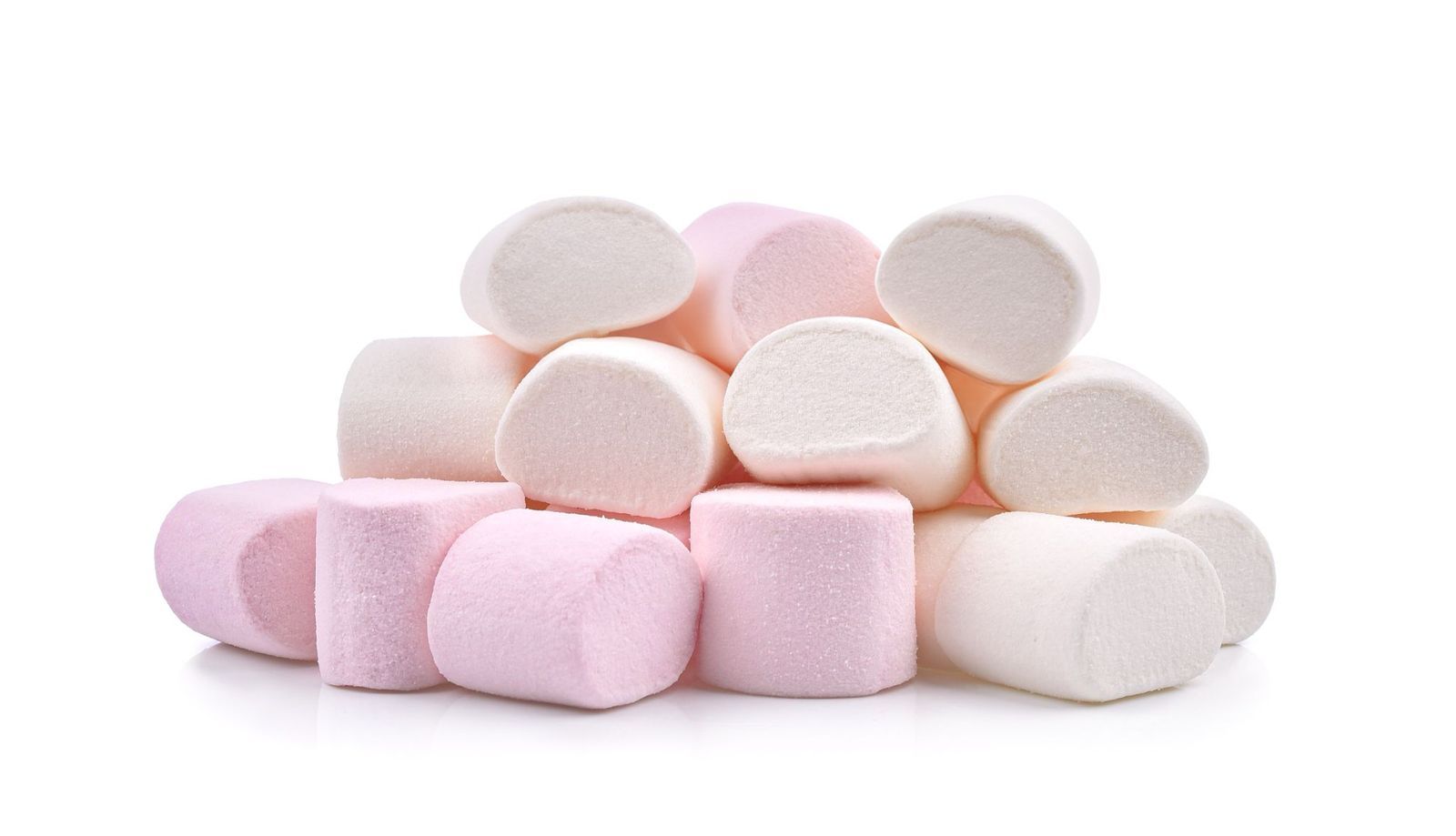
Image: PotaeRin

Imagine being a preschooler alone in a room with a delicious treat and an agonizing choice: enjoy a small reward now or wait and receive a bigger reward later . Psychologist Walter Mischel and his colleagues used variations of this setup at Stanford beginning in the late 1960s to study delayed gratification and self-control.

Later studies associated children's ability to wait with outcomes years afterward, and the experiment became a pop-psychology phenomenon . But there's an important twist. More recent research using larger and more diverse samples found that the relationship weakened substantially when researchers accounted for family background and childhood circumstances.

8
Facebook experimented with 689,000 news feeds
Image: Alex Haney

In January 2012, hundreds of thousands of people unknowingly became participants in an enormous experiment conducted through Facebook. Researchers altered the News Feeds of 689,003 English-speaking users, reducing either positive or negative emotional content and examining what those users subsequently posted .

The study, published in Proceedings of the National Academy of Sciences in 2014, found small changes consistent with "emotional contagion": altering the emotional balance of posts people encountered was associated with corresponding changes in the language they later used.

9
The military tried to build a pigeon-guided missile
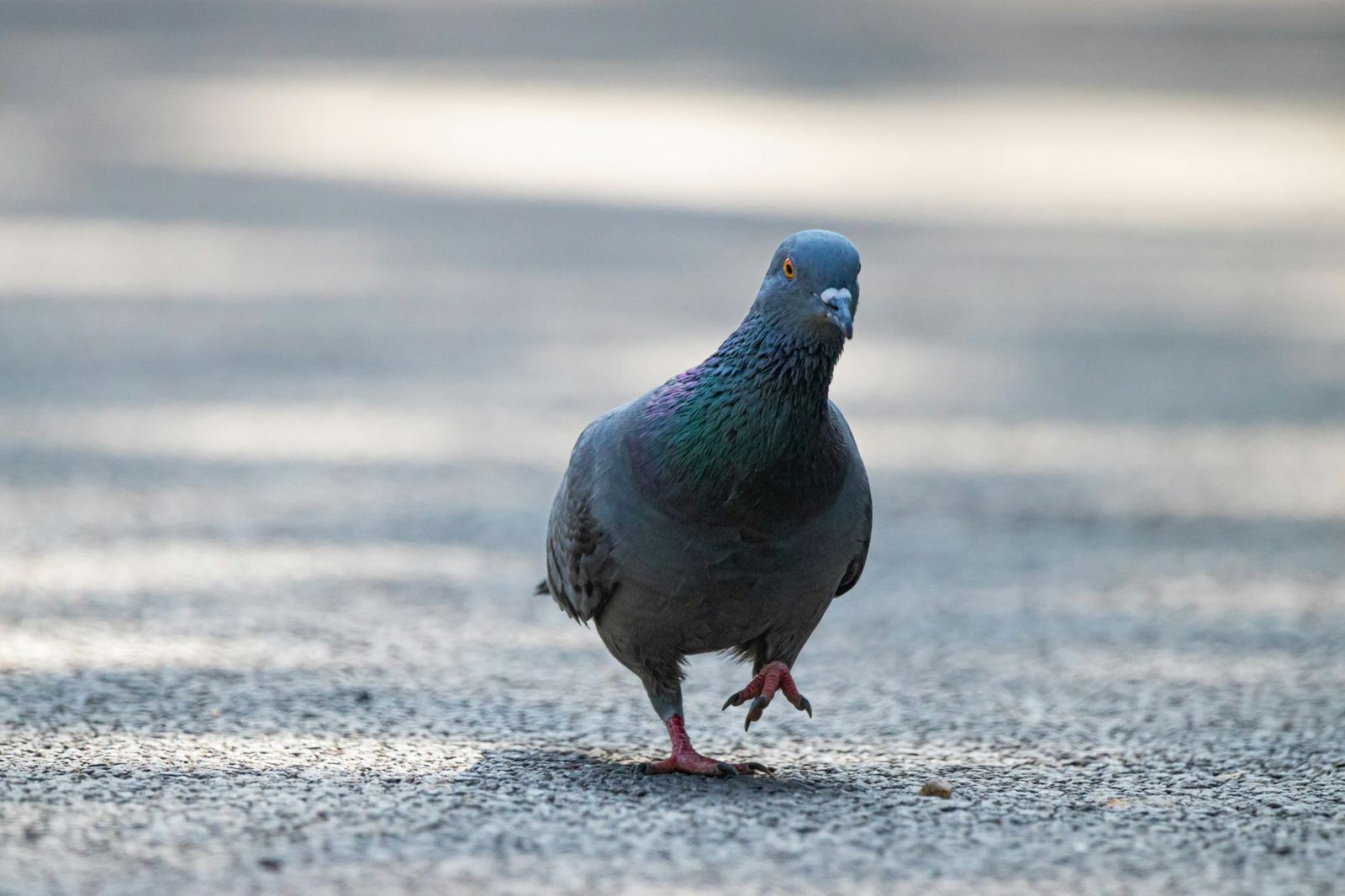
Image: Syed Ahmad

Before sophisticated computerized guidance systems, psychologist B. F. Skinner proposed an alternative with feathers. During World War II, his Project Pigeon attempted to train pigeons to help guide weapons toward targets.

The concept wasn't quite as crazy as it sounds. Pigeons could be remarkably good at recognizing visual targets . Skinner trained them to peck at an image displayed on a screen; if the weapon drifted off course, movement of the target image could produce corrective guidance signals through the bird's pecking. The National Defense Research Committee eventually provided $25,000 for the work before dropping the project in 1944. The Navy later revisited the idea as Project ORCON, short for "organic control." Electronic guidance ultimately made the avian alternative unnecessary.

10
The Government really investigated psychic spies
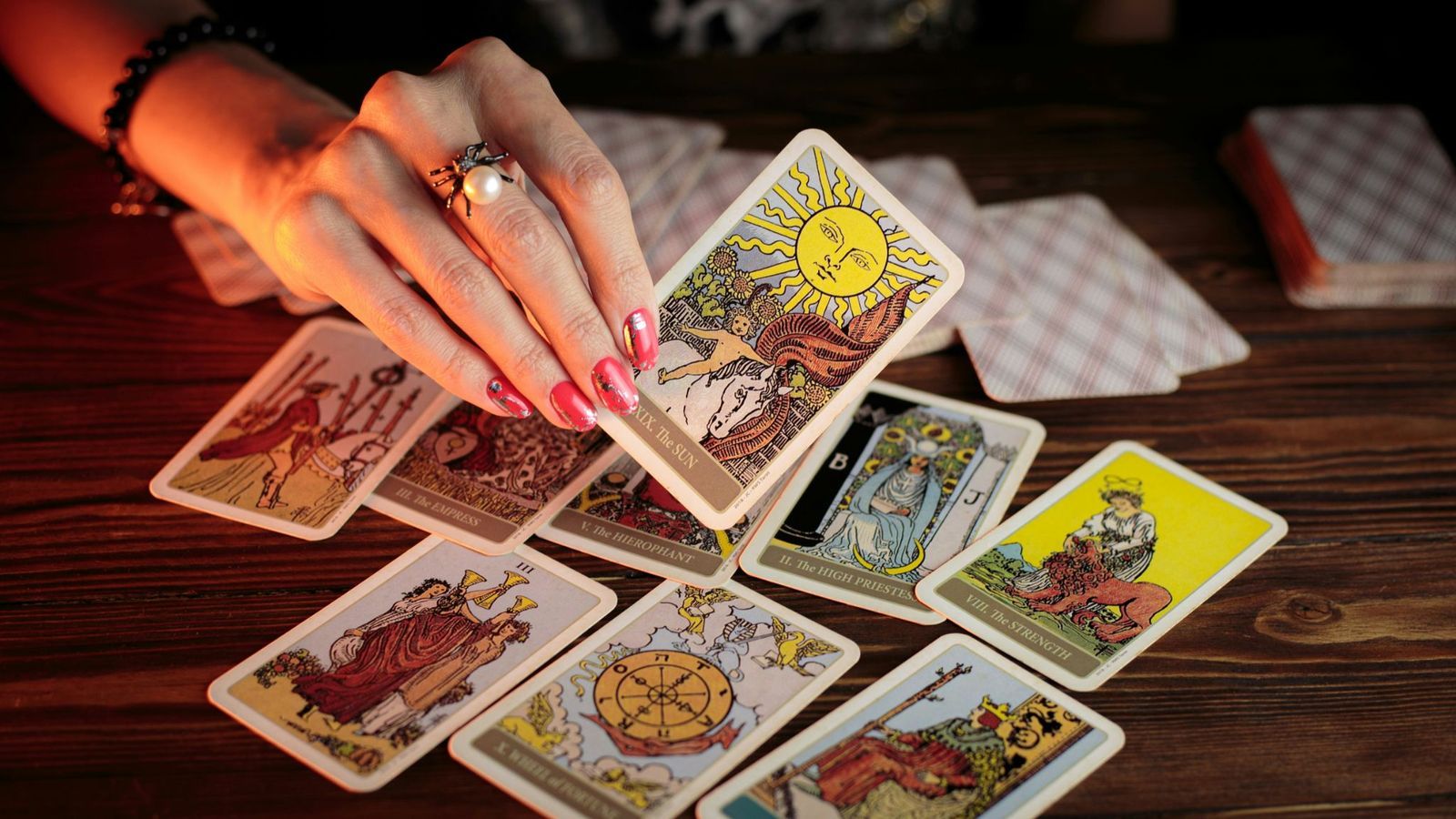
Image: petr sidorov

Beginning during the Cold War, U.S. intelligence and defense agencies really did spend years investigating "remote viewing", the supposed ability to describe distant or hidden objects and locations without using ordinary senses .

Various programs eventually became popularly associated with the name Stargate. In 1995, an outside evaluation reviewed roughly two decades of work and concluded that the program hadn't demonstrated sufficiently useful operational intelligence capabilities to justify continuing it. Stargate was terminated.

11
The CIA tried to make a spy cat
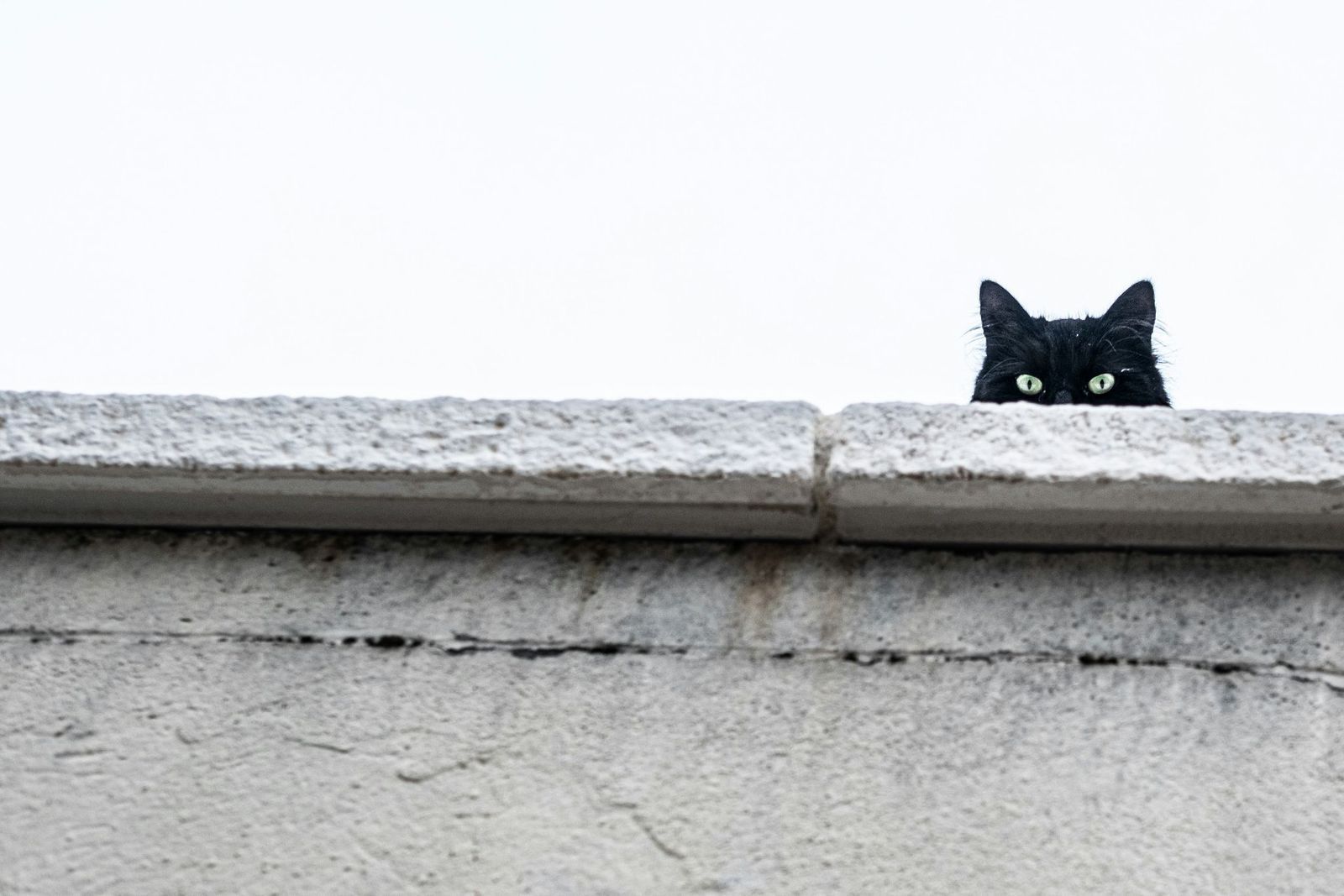
Image: Clément Falize

During the Cold War, the CIA faced a familiar espionage problem: How could an operative get close enough to secretly overhear a conversation without attracting attention? Someone came up with a decidedly unconventional answer: a cat.

The appropriately nicknamed Acoustic Kitty project investigated whether surgically implanted listening and transmitting equipment could transform an apparently ordinary feline into a mobile surveillance device . Declassified CIA records confirm the project, but officials eventually concluded that environmental and security problems made the technique impractical.

12
Would you stop to help a stranger?
Image: sulit.photos

In 1973, Princeton psychologists John Darley and C. Daniel Batson devised an experiment with an almost storybook setup. Seminary students were sent across campus to give a talk. On the way, each encountered a man slumped in an alley who appeared to need help .

Some students were told they had plenty of time; others were told they were already late. And in a brilliant touch, some were heading to give a talk about the biblical Good Samaritan itself. Yet the topic of their speech didn't significantly determine whether they stopped. Time pressure did. About 63% of those who weren’t in a hurry helped, compared with just 10% of those in the high-hurry condition . Some hurried participants passed the distressed stranger while literally on their way to discuss the Good Samaritan.
History History 8 min read

Stories of forgiveness

The 10 most controversial presidential pardons in US history

Image: National Archives & Records Administration, Public domain, via Wikimedia Commons

Most people think a presidential pardon is a simple act of mercy. But these 10 stories show that the decision goes deeper than that. Did you know a man sentenced to hang in 1830 turned down his pardon, and the Supreme Court said he had every right to? That a boxer's 1913 conviction was cleared 72 years after his death? Or that the only president ever to resign was forgiven before a single charge was filed against him? Each of these stories contains a detail many Americans ignore. Read on to learn more about these controversial cases of presidential pardons.

1
George Wilson (1830): The man who refused his own pardon

Image: WB2 23:48, 22 July 2005 (UTC) copied from en:United States Capitol, Public domain, via Wikimedia Commons

In 1829, George Wilson and his accomplice James Porter robbed a U.S. mail carrier in Pennsylvania. Both were convicted in May 1830 on six counts, including putting the carrier's life in jeopardy, and sentenced to hang within weeks.

Porter was executed on schedule. But Wilson's influential friends petitioned President Andrew Jackson, who granted Wilson a formal pardon in June 1830, saving him from the gallows. Then Wilson did something that had never happened before in American history: he refused it.

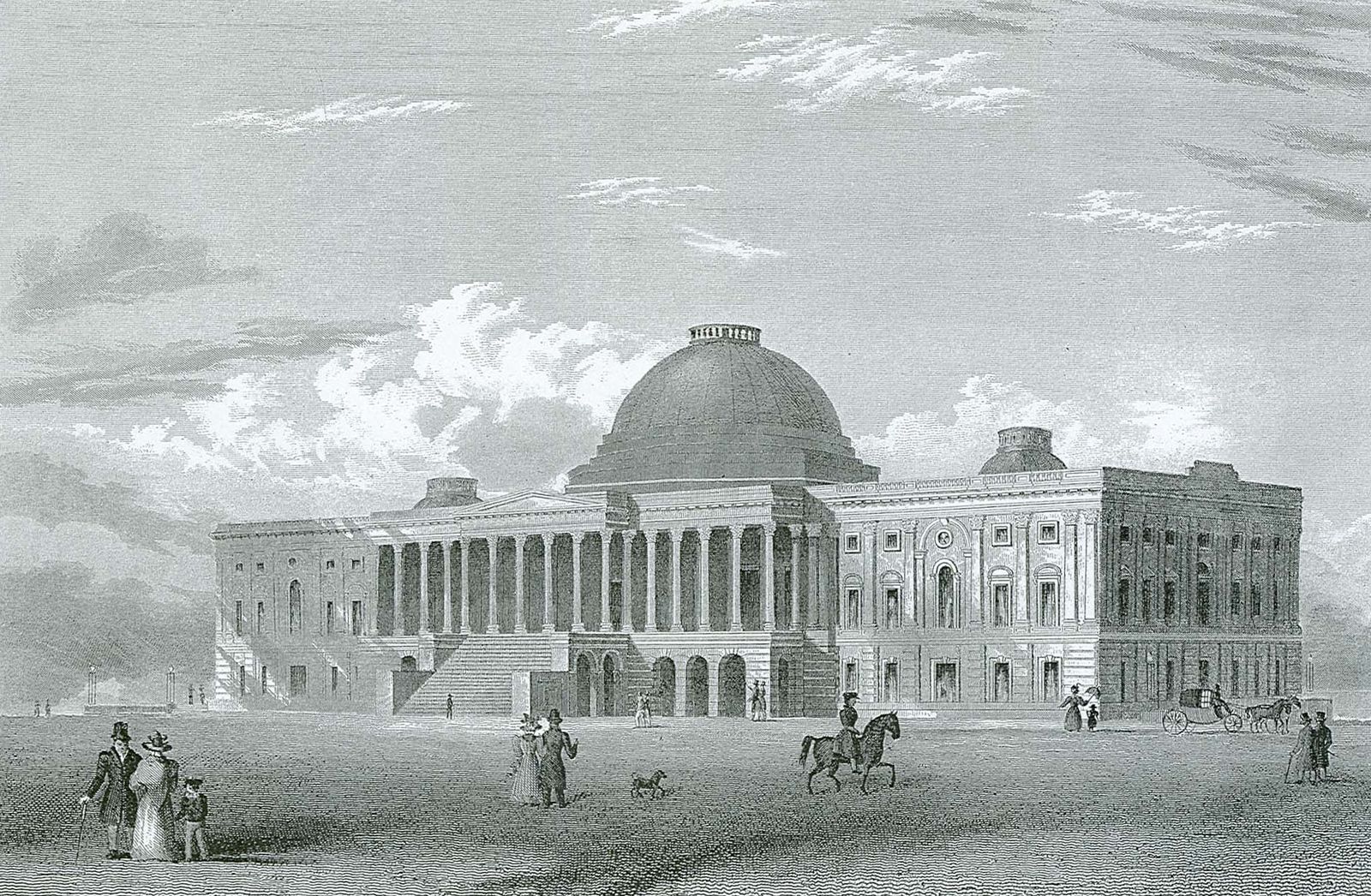
The case was so unprecedented that it reached the Supreme Court in 1833, housed at the Capitol in Washington, D.C., as illustrated above. Chief Justice John Marshall ruled that the pardon couldn’t be valid without acceptance. However, Wilson was never executed. He served his prison sentence and was eventually pardoned a second time by President Martin Van Buren in 1841.

2
Richard Nixon (1974): The only president ever pardoned

Image: pingnews.com, Public domain, via Wikimedia Commons

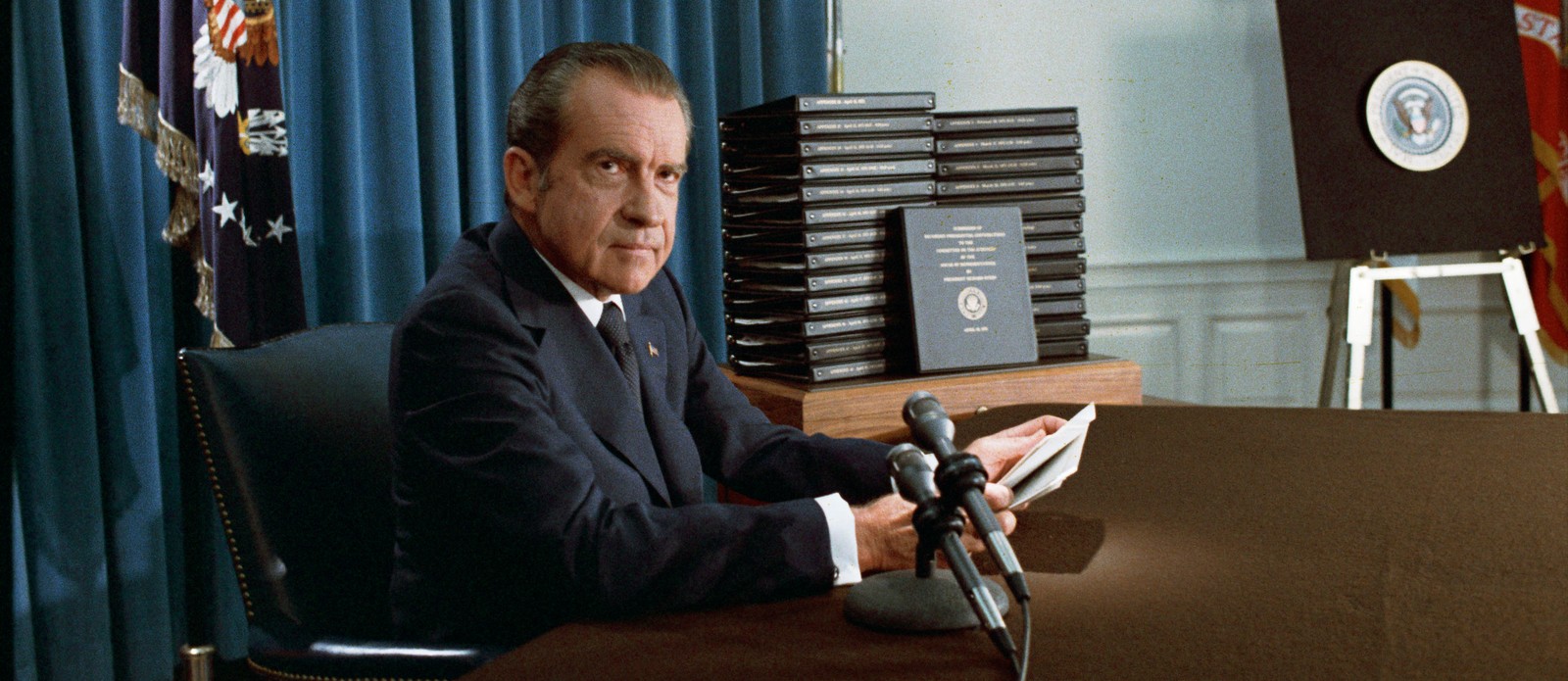
On the night of June 17, 1972, five operatives were arrested breaking into the Democratic National Committee offices at the Watergate complex in Washington, D.C. Investigations revealed that President Richard Nixon had known about the cover-up and actively participated in it. Facing near-certain impeachment, Nixon became the only U.S. president ever to resign from office, stepping down in 1974.

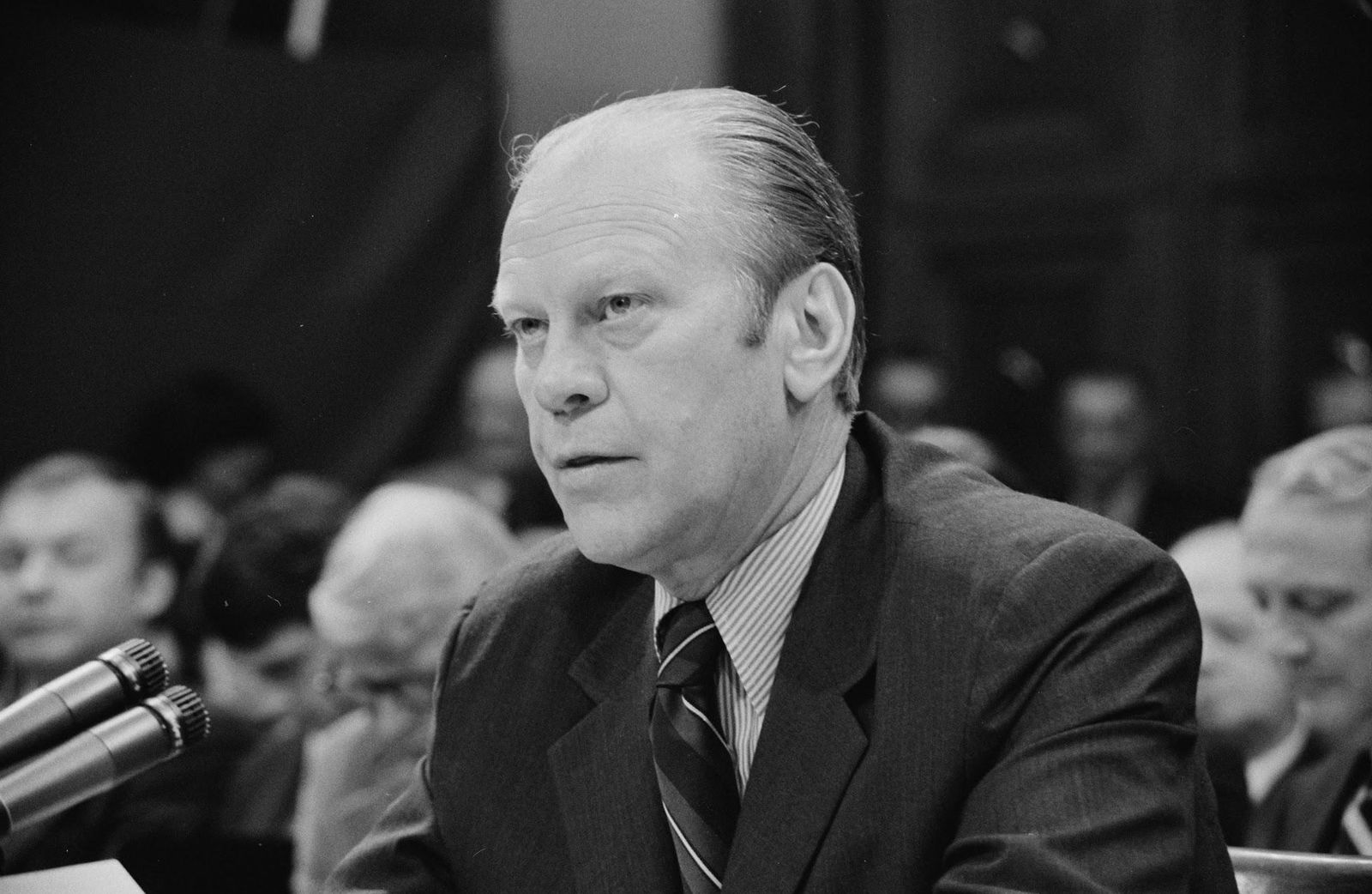
Just 30 days later, his successor Gerald Ford announced from the Oval Office that he was granting Nixon "a full, free, and absolute pardon" for all offenses against the United States committed between 1969 and 1974. No charges had even been filed. The decision was widely condemned. Many historians believe it cost Ford the 1976 presidential election to Jimmy Carter. Nixon accepted the pardon but never admitted criminal guilt, expressing only "regret" for how he had handled the situation.

3
Iva Toguri D'Aquino (1977): The woman they called "Tokyo Rose"

Image: See page for author, Public domain, via Wikimedia Commons

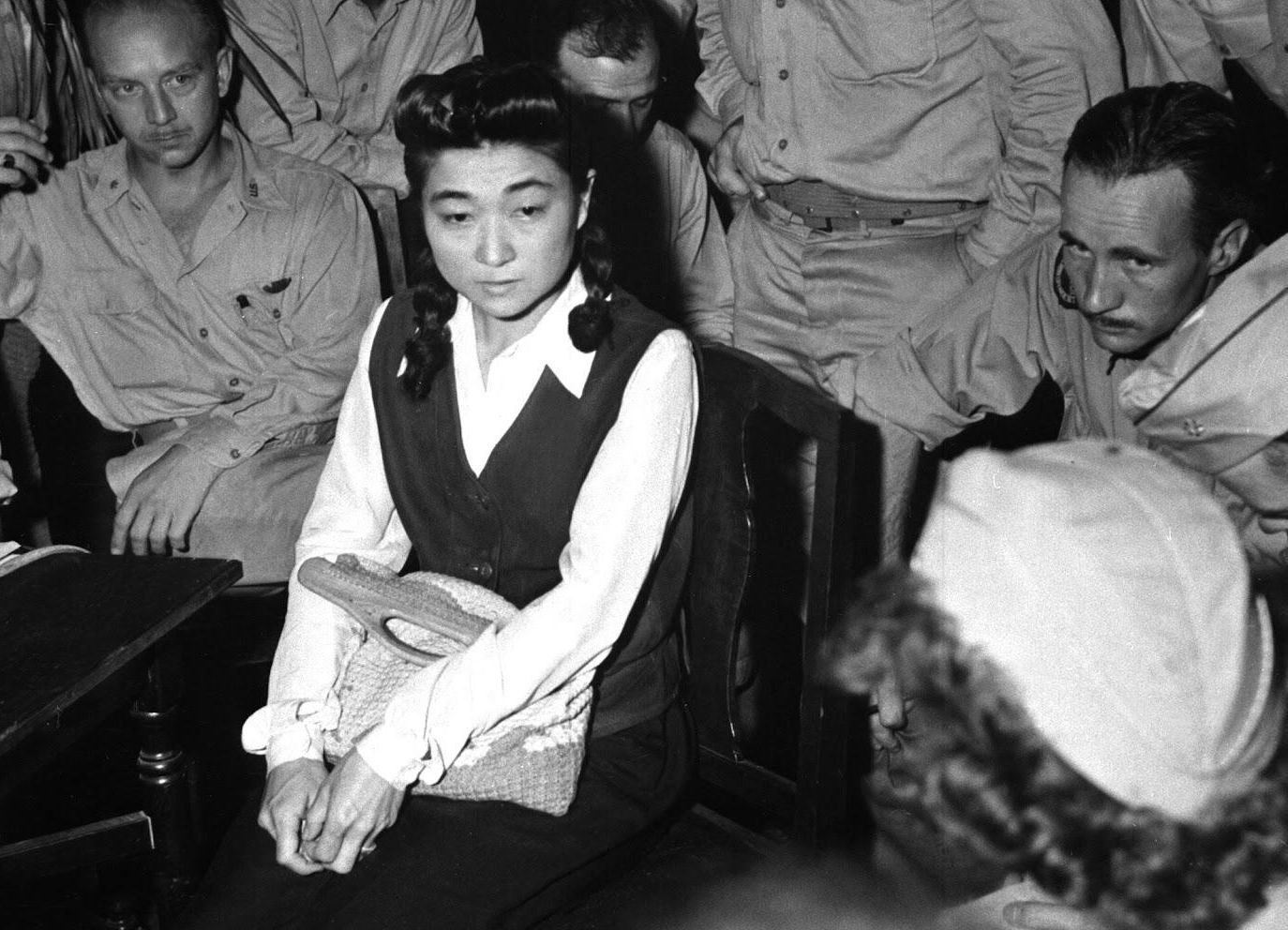
Iva Toguri D'Aquino was a Los Angeles-born 25-year-old visiting a sick relative in Japan when the attack on Pearl Harbor stranded her there in December 1941. The Japanese government declared her an enemy alien and coerced her into broadcasting on Radio Tokyo's Zero Hour program.

This was a Japanese psychological warfare strategy that utilized English-speaking women, eventually all referred to collectively as " Tokyo Rose," to broadcast demoralizing messages intended to weaken Allied troop morale. After Japan's surrender, journalists identified Toguri as one of the voices.

A jury convicted her of treason in 1949, and she was sentenced to 10 years in prison. She served six years. After a 1976 CBS 60 Minutes segment revealed key witnesses had lied, President Gerald Ford granted her a full and unconditional pardon in 1977, on his final day in office. It remains the only presidential pardon ever granted for a treason conviction in U.S. history.

4
Jack Johnson (2018): A champion pardoned 72 years after his death

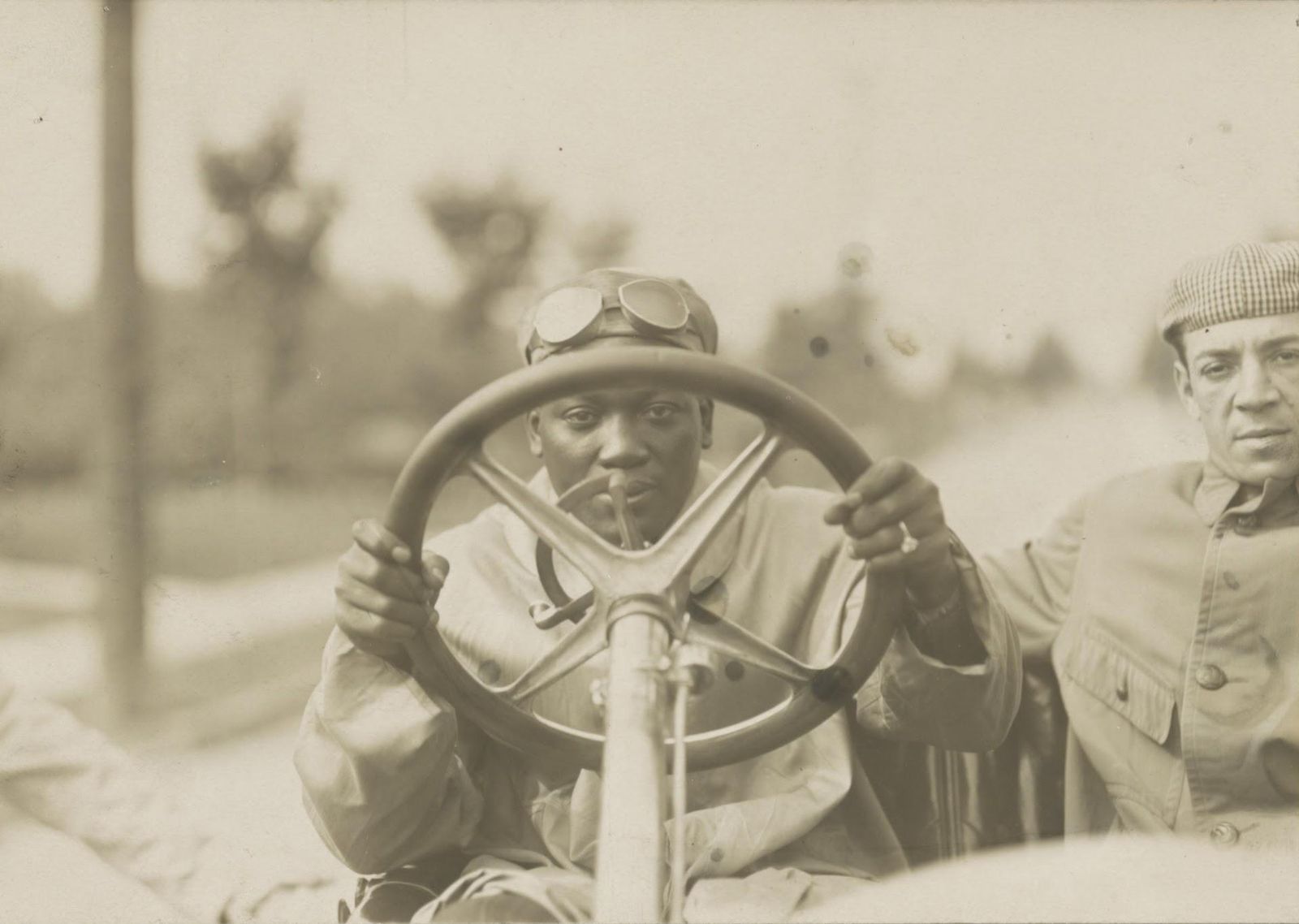
John Arthur "Jack" Johnson was the first Black man ever to hold the world heavyweight boxing championship. In May 1913, a jury convicted him under the Mann Act (a federal law against transporting women across state lines for "immoral purposes") for traveling with his white girlfriend, whom he had since married.

Johnson skipped bail, fled to Canada, and fought two world title defenses in Paris before losing the belt in Havana in 1915. He surrendered to U.S. authorities in 1920 and served nearly a year in Kansas. He died in a car crash at age 68 in North Carolina in 1946.

After years of bipartisan lobbying and a call from actor Sylvester Stallone, President Trump signed Johnson's posthumous pardon in the Oval Office in 2018, 105 years after the conviction.

5
Samuel Mudd (1869): The doctor who set the assassin's leg

Image: unattributed, Public domain, via Wikimedia Commons

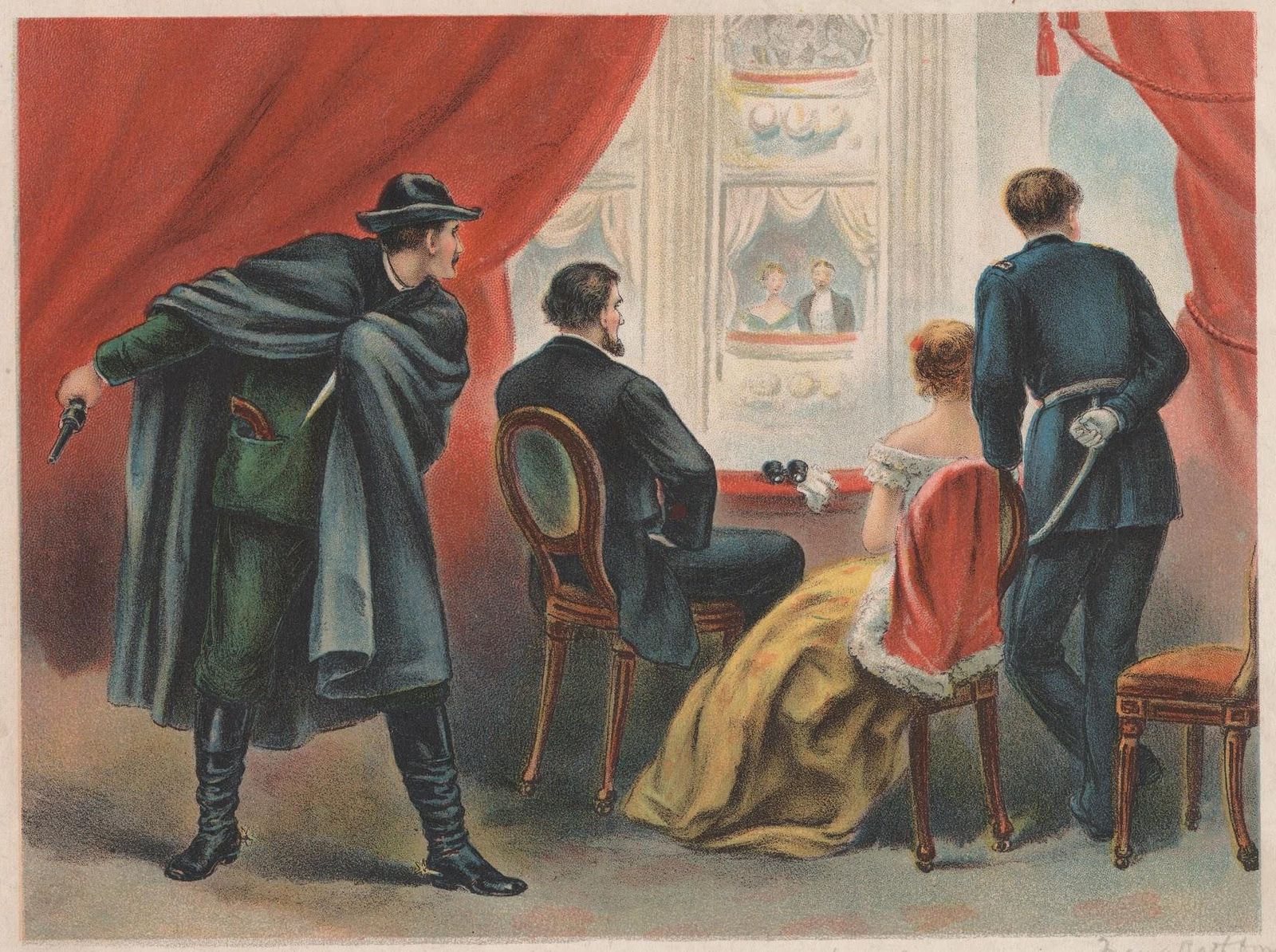
Hours after John Wilkes Booth shot President Abraham Lincoln at Ford's Theatre in Washington, D.C., one April night in 1865, Booth arrived at the Maryland farm of Dr. Samuel Mudd with a broken leg.

Mudd set the fracture and gave Booth shelter. When investigators linked Mudd to Booth, including through prior meetings in 1864, he was tried by a military commission and convicted of conspiracy. Sentenced to life imprisonment with hard labor, he was sent to Fort Jefferson, a remote military prison on an island 70 miles west of Key West, Florida.

In 1867, a deadly yellow fever outbreak killed the prison's doctor. Mudd stepped in, treating patients and helping contain the epidemic. A petition signed by 299 enlisted men and officers was sent to President Andrew Johnson praising Mudd's courage. Johnson granted Mudd a full and unconditional pardon in 1869. Mudd was released on March 8 and returned to his Maryland farm. His conviction was never overturned; the pardon freed him, but the guilty verdict stood.

6
Marc Rich (2001): A fugitive pardoned on the last day

Image: William J. Clinton Presidential Library, CC0, via Wikimedia Commons

Marc Rich was a billionaire commodities trader indicted in 1983 on 65 counts, including tax evasion, wire fraud, and trading oil with Iran during the 1979–1981 hostage crisis. Before facing trial, Rich fled to Switzerland, where he remained a fugitive from U.S. justice for 17 years.

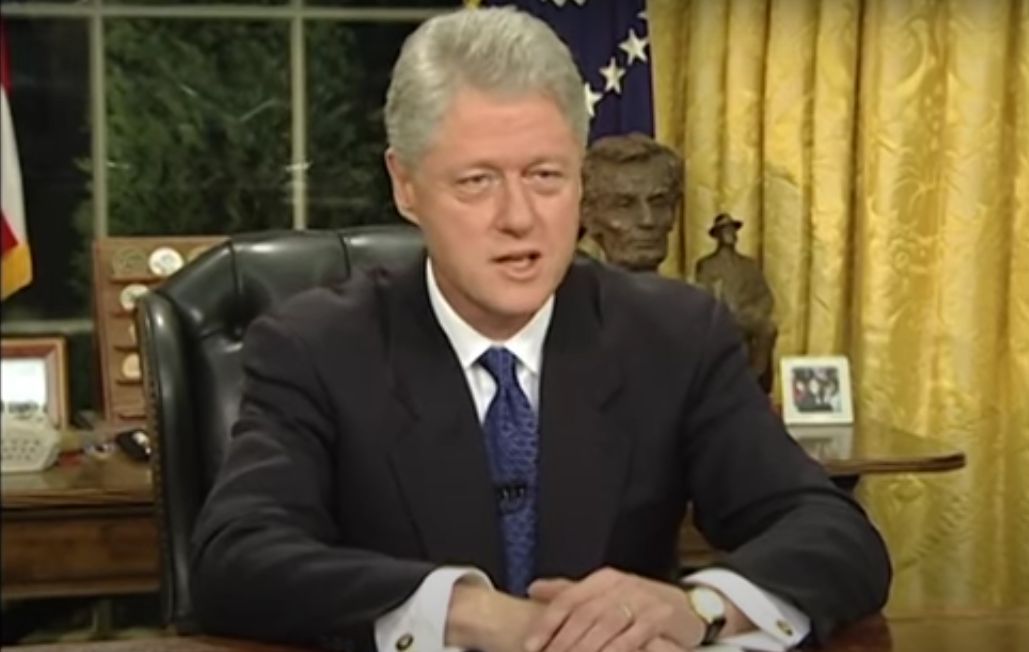
On January 20, 2001, his very last day in office, President Bill Clinton granted Rich a full pardon, bypassing the standard Justice Department review process. T he pardon ignited one of the biggest controversies of Clinton's presidency. Rich's ex-wife Denise had donated more than $1 million to Democratic causes and the Clinton Presidential Library.

A federal investigation led by prosecutor Mary Jo White was launched but ultimately found no criminal wrongdoing by Clinton. Clinton's own Justice Department had recommended against the pardon. Rich died in Switzerland in June 2013 at the age of 78, never having returned to the United States.

7
Patty Hearst (2001): From kidnapped heiress to bank robber

Image: See page for author, Public domain, via Wikimedia Commons

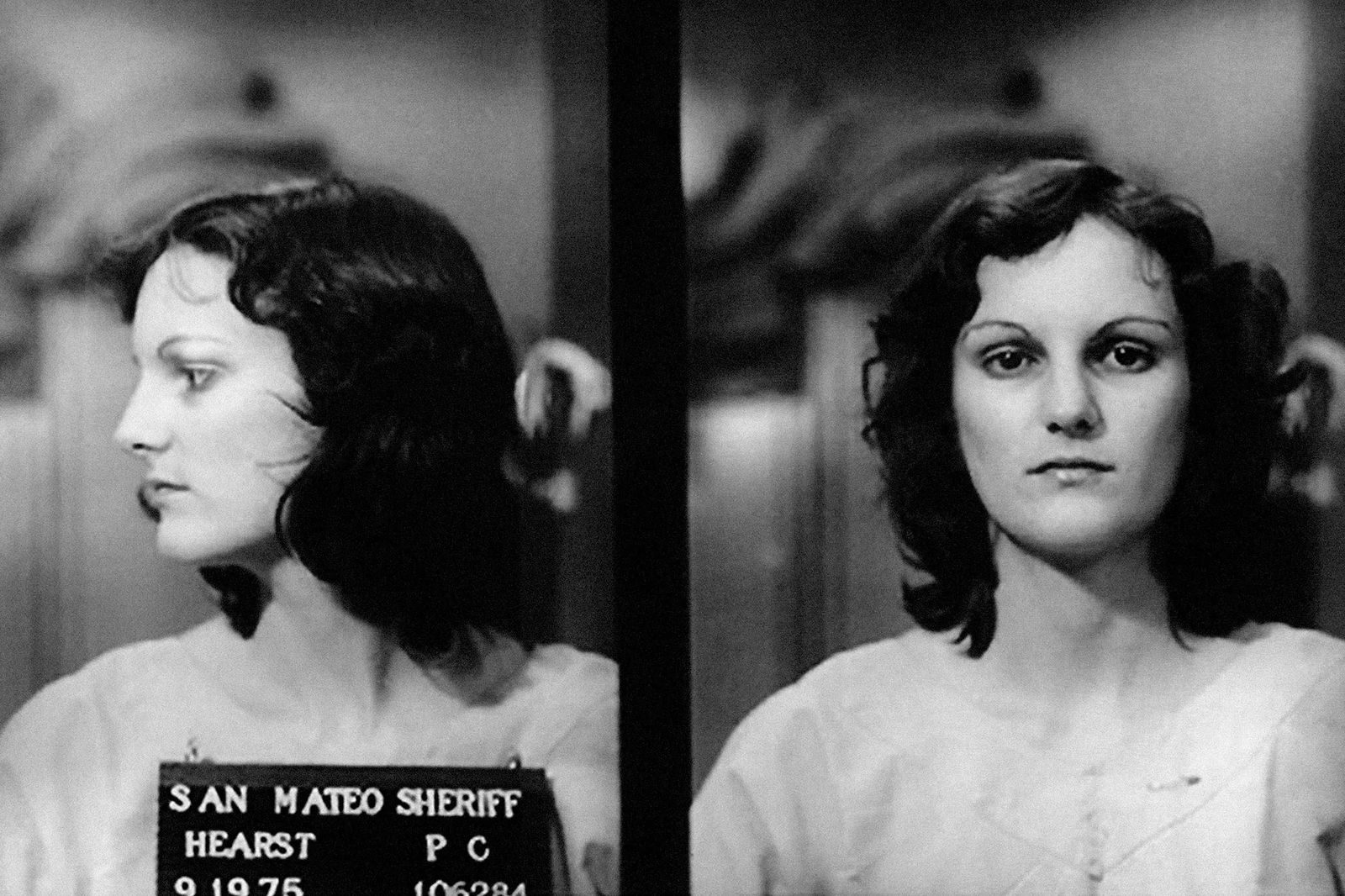
Patricia Hearst, the 19-year-old granddaughter of newspaper magnate William Randolph Hearst, was kidnapped from her apartment in Berkeley, California, in 1974. She was taken by a radical militant group called the Symbionese Liberation Army.

After weeks in captivity, in which she was kept in a closet, blindfolded, she appeared in a bank surveillance video holding a rifle and participating in the robbery of a bank in San Francisco. She was captured in September 1975. Her defense argued she had been brainwashed and acted under duress. A jury rejected that argument, and she was convicted of bank robbery in 1976 and sentenced to 7 years.

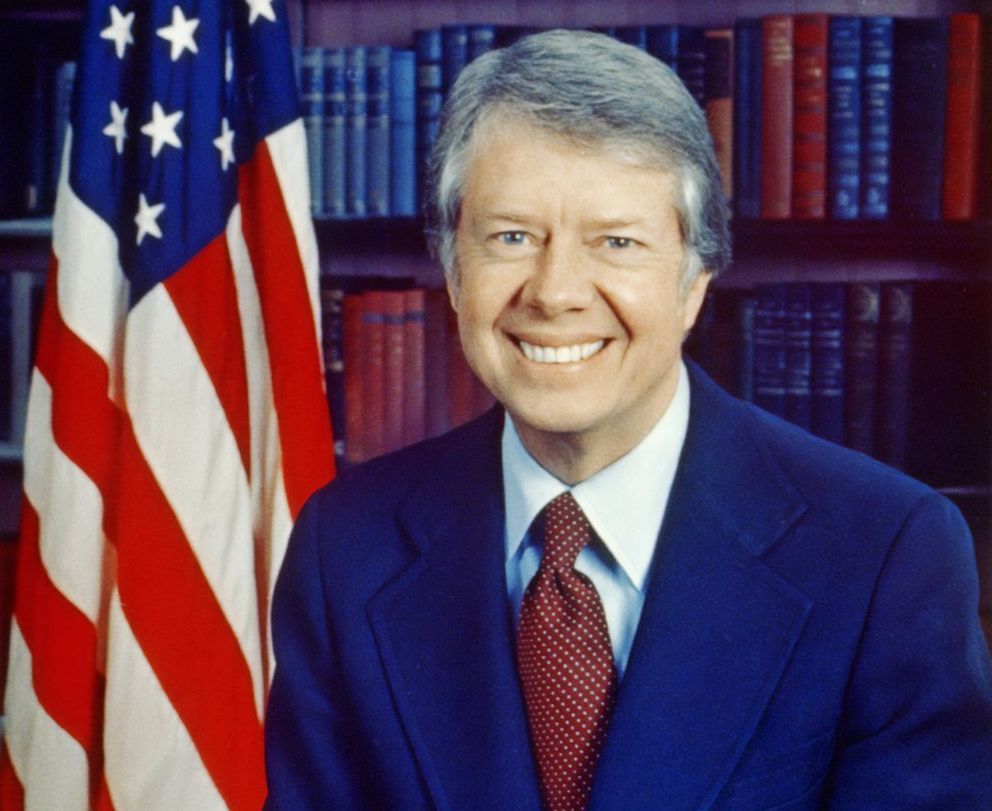
President Jimmy Carter commuted her sentence in 1979 after she had served approximately 22 months. She was released and married her former bodyguard. In January 2001, President Bill Clinton granted her a full pardon in the final hours of his presidency.

8
Vietnam Draft Evaders (1977): The biggest blanket pardon in U.S. history

Image: Library of Congress

On his first full day as president in 1977, Jimmy Carter signed Proclamation 4483, granting an unconditional pardon to all Americans who had violated the Military Selective Service Act in the span of U.S. involvement in Vietnam.

The government estimated that approximately 210,000 men had been formally accused of draft violations , while hundreds of thousands more had never been charged. Many had fled to other countries, roughly 90% to Canada, where they had been welcomed as legal immigrants.

Carter had campaigned openly on the promise, calling it necessary to heal a nation still divided by the war. The pardon did not extend to military deserters. Veterans' organizations were furious. Despite the backlash, an estimated 50,000 of those eligible chose to remain in Canada permanently, never returning home.

9
Scooter Libby (2007 / 2018): The spy scandal at the heart of the White House

Image: Russell F. Roederer, Public domain, via Wikimedia Commons

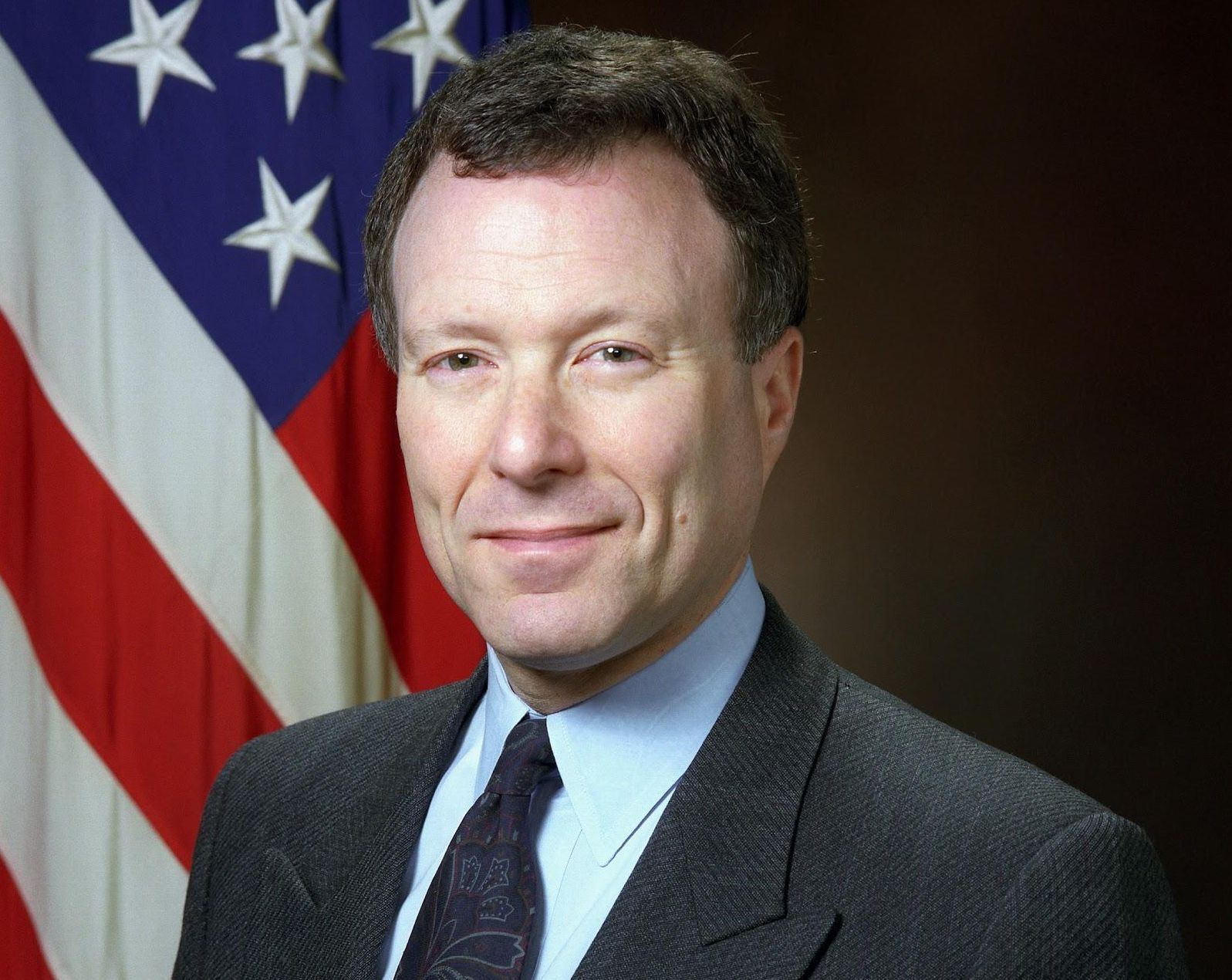
Lewis "Scooter" Libby served as Chief of Staff to Vice President Dick Cheney during the George W. Bush administration. In 2003, the identity of Valerie Plame (a covert CIA officer) was leaked to journalists, apparently in retaliation against her husband, former Ambassador Joseph Wilson, who had publicly challenged the administration's case for the Iraq War.

Though Libby was not charged with the leak itself, he was convicted in 2007 of four felony counts: obstruction of justice, two counts of perjury, and making false statements to the FBI. He was sentenced to 30 months in prison and fined $250,000. Later that same year, President Bush commuted Libby's prison sentence, calling it "excessive," but left the conviction, fine, and probation intact; he declined to grant a full pardon. Eleven years later, in 2018, President Donald Trump issued a full pardon, completely wiping Libby's record clean.

10
Roger Clinton (2001): The president's half-brother

Roger Clinton is the younger half-brother of President Bill Clinton. Roger was given the Secret Service code name "Headache" during his brother's administration. In 1984, Arkansas state police ran an undercover sting operation that caught Roger selling illegal drugs to an informant. He pleaded guilty in 1985 to charges of conspiracy to distribute drugs and served approximately one year in federal prison, completing his sentence in 1986.

14 years later, on his last day in office, President Clinton granted Roger a full pardon, clearing his criminal record. The pardon drew relatively little public outrage compared to the Marc Rich case.

History History 7 min read

America's most famous names

Bill Clinton wasn't born Bill Clinton—and that's just the start

Image: Cecil W. Stoughton, Public domain, via Wikimedia Commons

What if we told you that Bill Clinton wasn't born "Bill Clinton"? Or that Harry S. Truman's famous middle initial didn't actually stand for anything? And would you believe Lyndon B. Johnson went three months without a name? We've known about America's presidents our entire lives, so it's easy to assume there's nothing left to learn about them. But behind some of the most familiar names in U.S. history are stories stranger than fiction. From accidental initials that lasted a lifetime to surnames that changed completely, here are 10 surprising stories behind the names of American presidents.

1
Bill Clinton

Image: National Archives and Records Administration, Public domain, via Wikimedia Commons

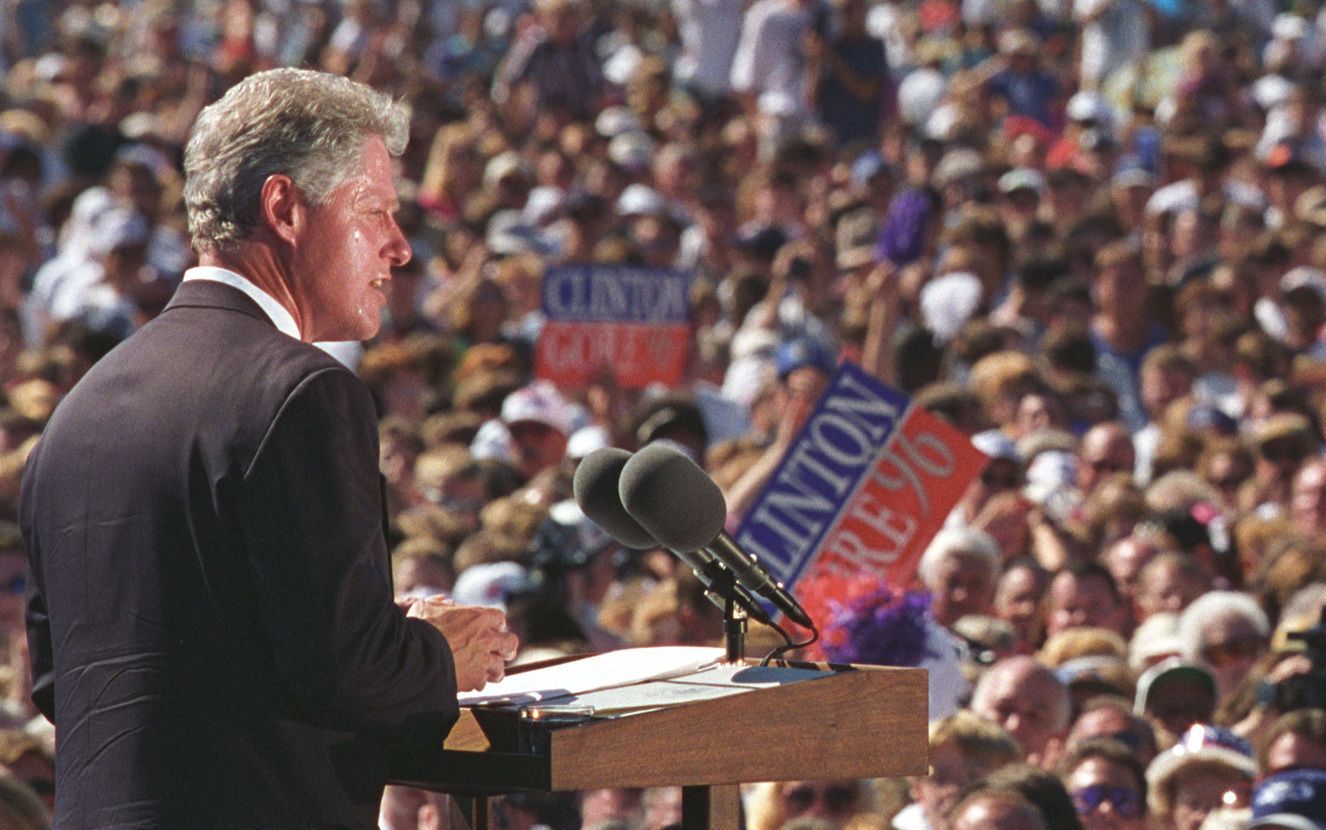
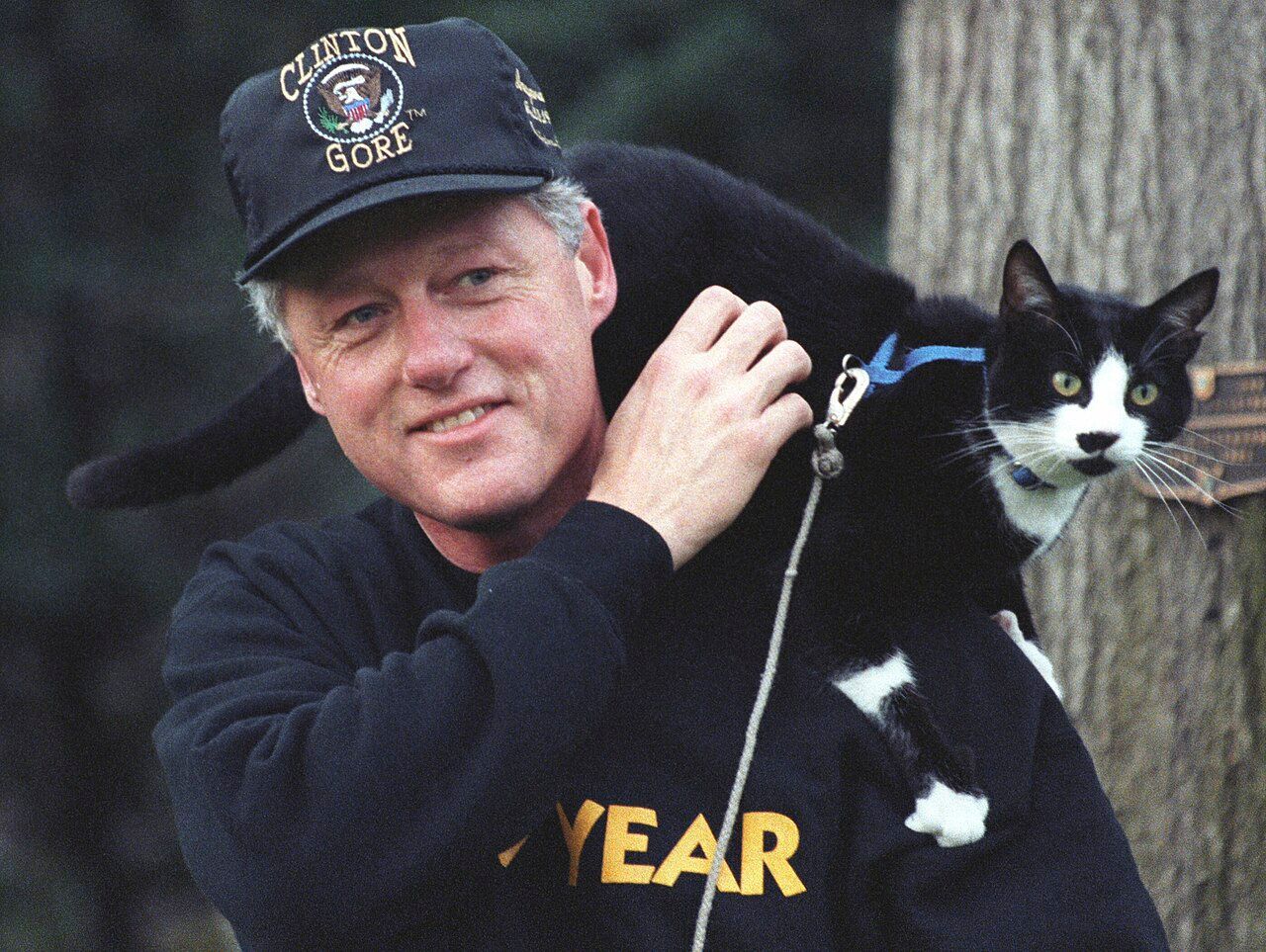
Have you heard of Bill Blythe? Probably not, but you definitely know who he is: Bill Clinton, the 42nd president of the United States.

Born William Jefferson Blythe III on August 19, 1946, in Hope, Arkansas, Clinton never knew his biological father, who passed away in a car accident three months before he was born. His mother, Virginia Cassidy Blythe, later married Roger Clinton Sr. At 15 years old, Bill chose to take the surname Clinton, adopting the name of the man who had raised him .

2
Lyndon B. Johnson

Image: Arnold Newman, Public domain, via Wikimedia Commons

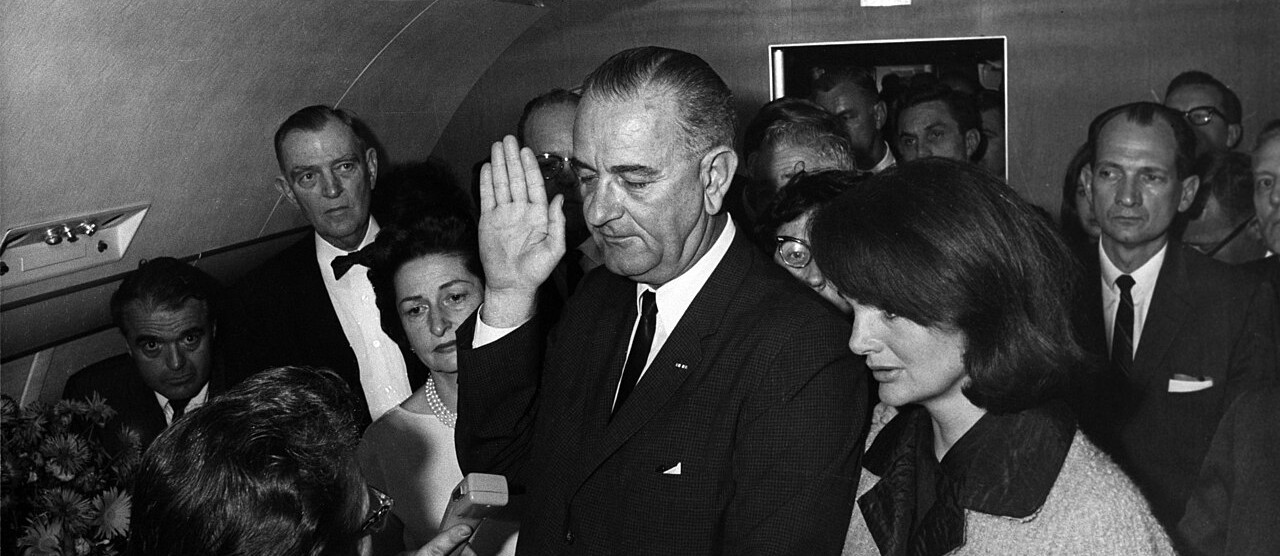
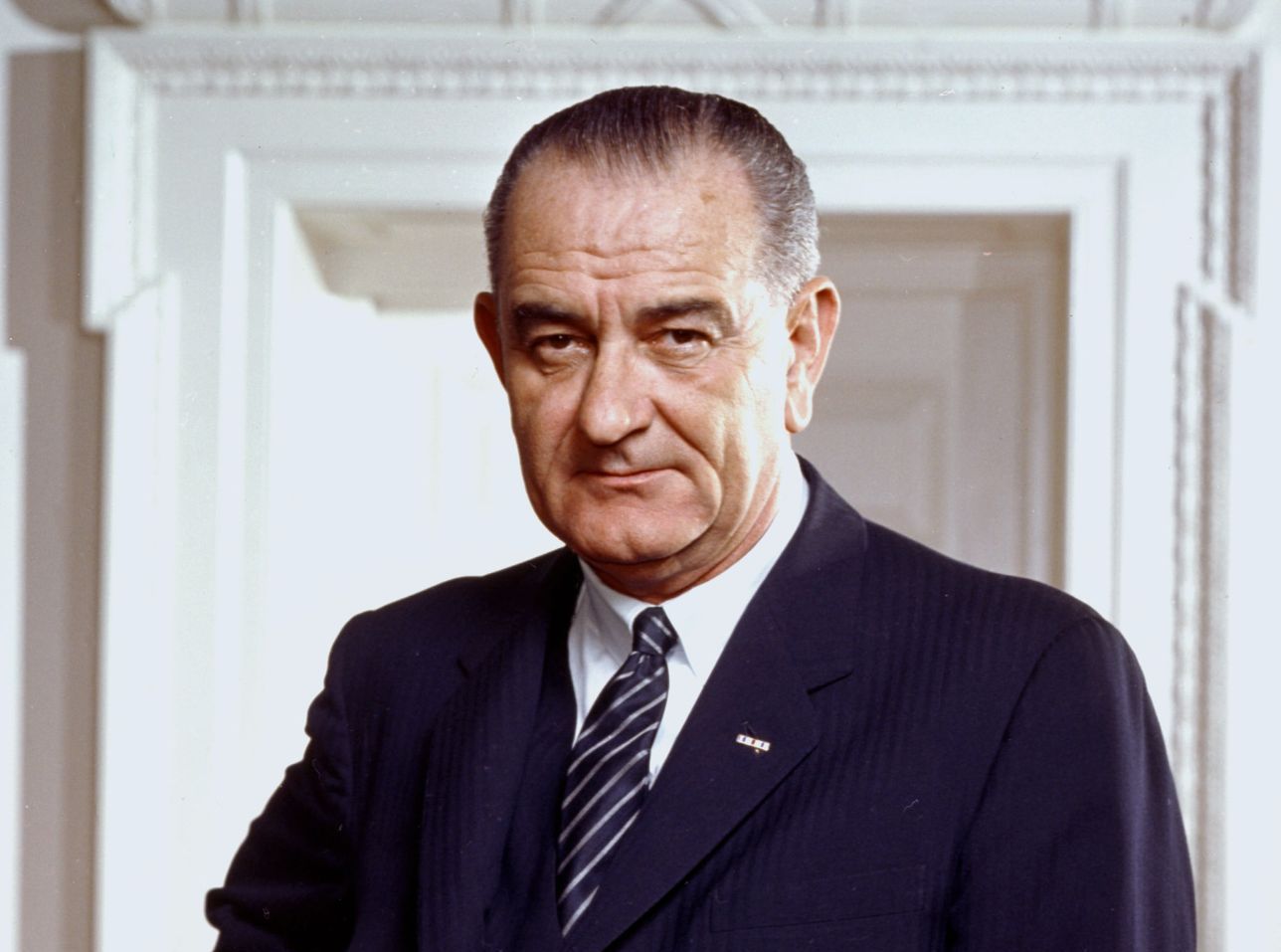
Have you ever heard of a baby who went three months without a name ? As unusual as it sounds, one US president began life exactly that way.

The future Lyndon B. Johnson was born on August 27, 1908, near Stonewall, Texas. But instead of naming their newborn son, his parents found themselves in a standoff. According to historical records from the Miller Center at the University of Virginia, his mother, Rebekah Baines Johnson, wanted to name him Clarence, while his father, Sam Ealy Johnson, wanted the baby named after himself. Unable to agree, they left him officially unnamed, and for the first three months of his life, he was simply "Baby Boy Johnson." The deadlock finally ended when his mother gave in, and the future president was named Lyndon Baines Johnson , honoring Lyndon Baines, a family friend admired by his father.

3
Ulysses S. Grant

Image: Brady-Handy Photograph Collection, Library of Congress, Public domain, via Wikimedia Commons

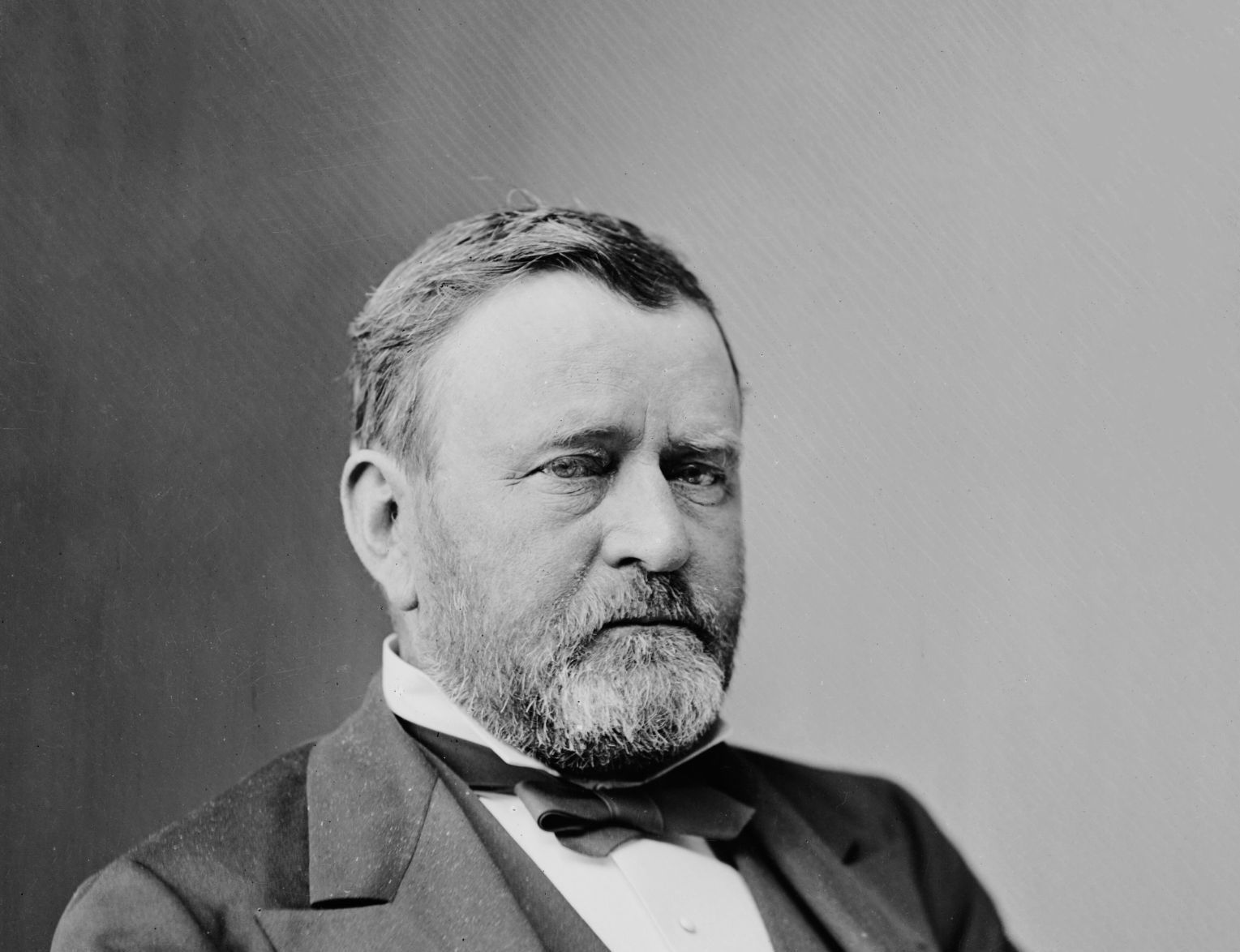
The 18th president of the United States wasn't born with the name we all know. He was born on April 27, 1822, in Point Pleasant, Ohio, as Hiram Ulysses Grant. So where did the famous "S." come from?

The answer is a paperwork mistake. In 1839, Ohio Congressman Thomas Hamer nominated the 17-year-old Grant to the US Military Academy at West Point. Knowing the young man went by Ulysses and that his mother's maiden name was Simpson, Hamer accidentally wrote "Ulysses S. Grant" on the nomination. Grant considered correcting the error, but eventually gave up, for two main reasons. He disliked the initials of his birth name, "H.U.G.", so the mistake didn't bother him much. In addition, fixing it would have meant a mountain of paperwork that could have jeopardized his appointment to West Point. So he simply let the new name stand, and the accidental middle initial stayed with him for the rest of his life.

4
Harry S. Truman

Image: Harris & Ewing, photographer, Public domain, via Wikimedia Commons

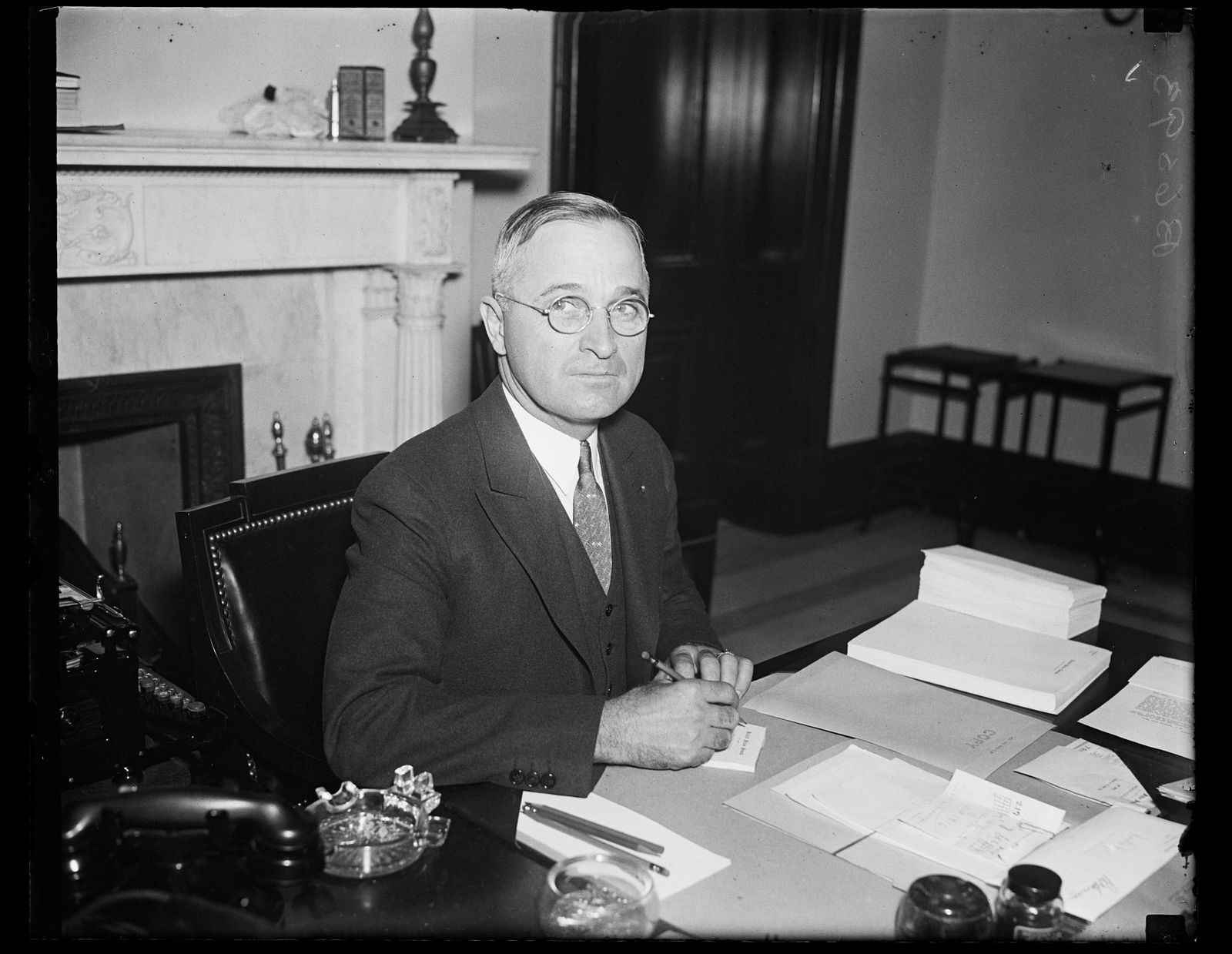
Harry S. Truman may have one of the strangest stories on this list.

His first name, Harry, honored his maternal uncle, Harrison "Harry" Young. His middle initial, however, didn't actually stand for anything. Truman's parents chose the "S" to honor both of his grandfathers, Anderson Shipp Truman and Solomon Young, without choosing one name over the other. In other words, the "S" wasn't short for Shipp or Solomon; it was simply "S". Truman himself usually wrote it without a period, since it wasn't an abbreviation. But after he became president, his staff encouraged him to add the period in official correspondence because it looked more conventional. That's why today he's almost always remembered as Harry S. Truman.

5
Dwight D. Eisenhower

Image: National Archives at College Park, Public domain, via Wikimedia Commons

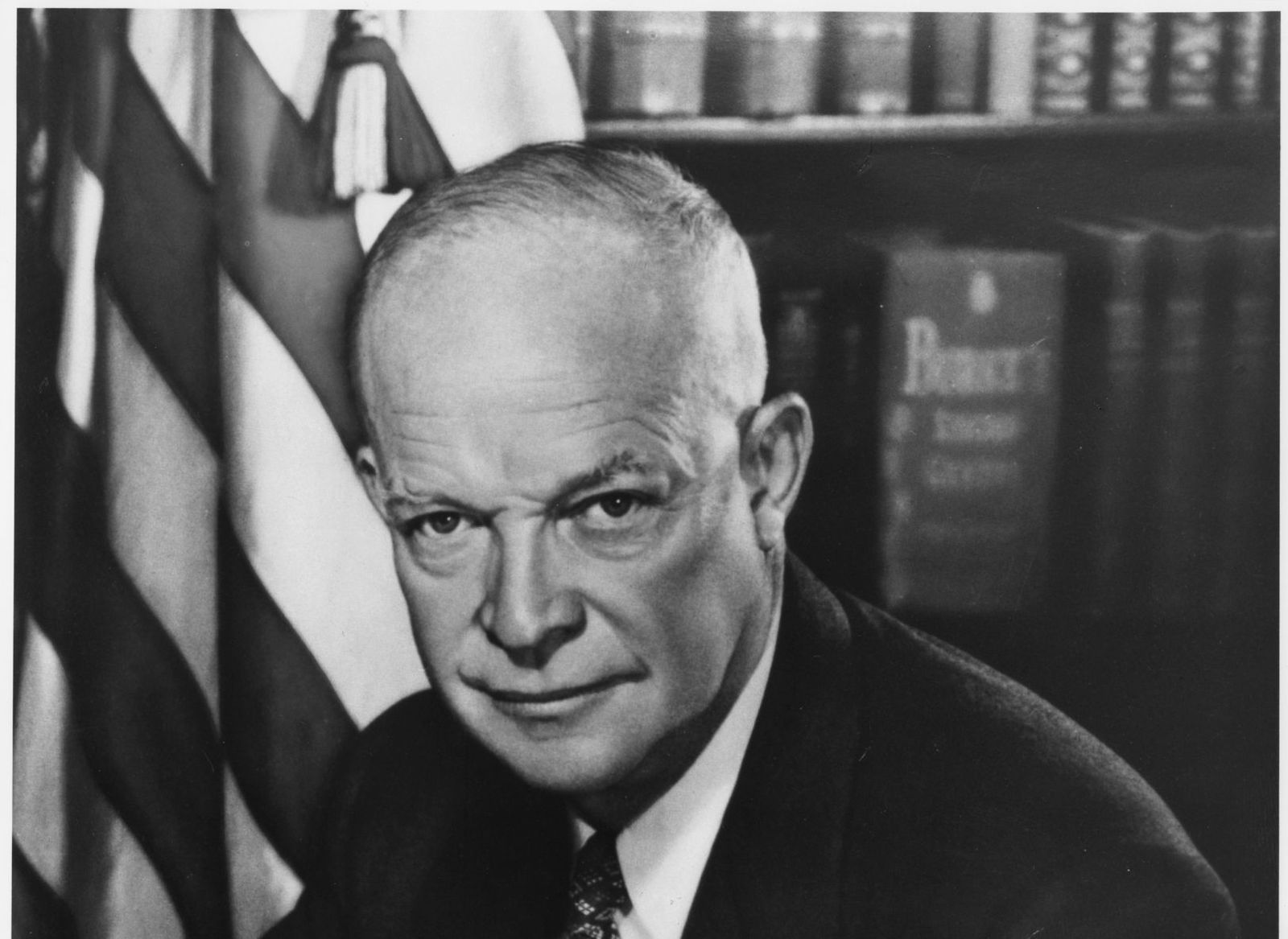
President Dwight D. Eisenhower is remembered for leading the nation through the Cold War and signing the Civil Rights Act of 1957. But there's one surprising detail about him that most people never hear.

The man we know as Dwight Eisenhower was actually born David Dwight Eisenhower on October 14, 1890, in Denison, Texas. Named after his father, David Jacob Eisenhower, he quickly ended up with a problem: there were now two Davids in the same household. To avoid the confusion, his mother, Ida, simply began calling her son Dwight instead. He went by his middle name as if it were his first for years, but the change didn't become official until he applied to West Point at age 20. Wanting his official records to match the name everyone already knew him by, he registered as Dwight David Eisenhower and made the switch permanent.

6
Gerald R. Ford

Image: Thomas J. O'Halloran, photographer, Public domain, via Wikimedia Commons

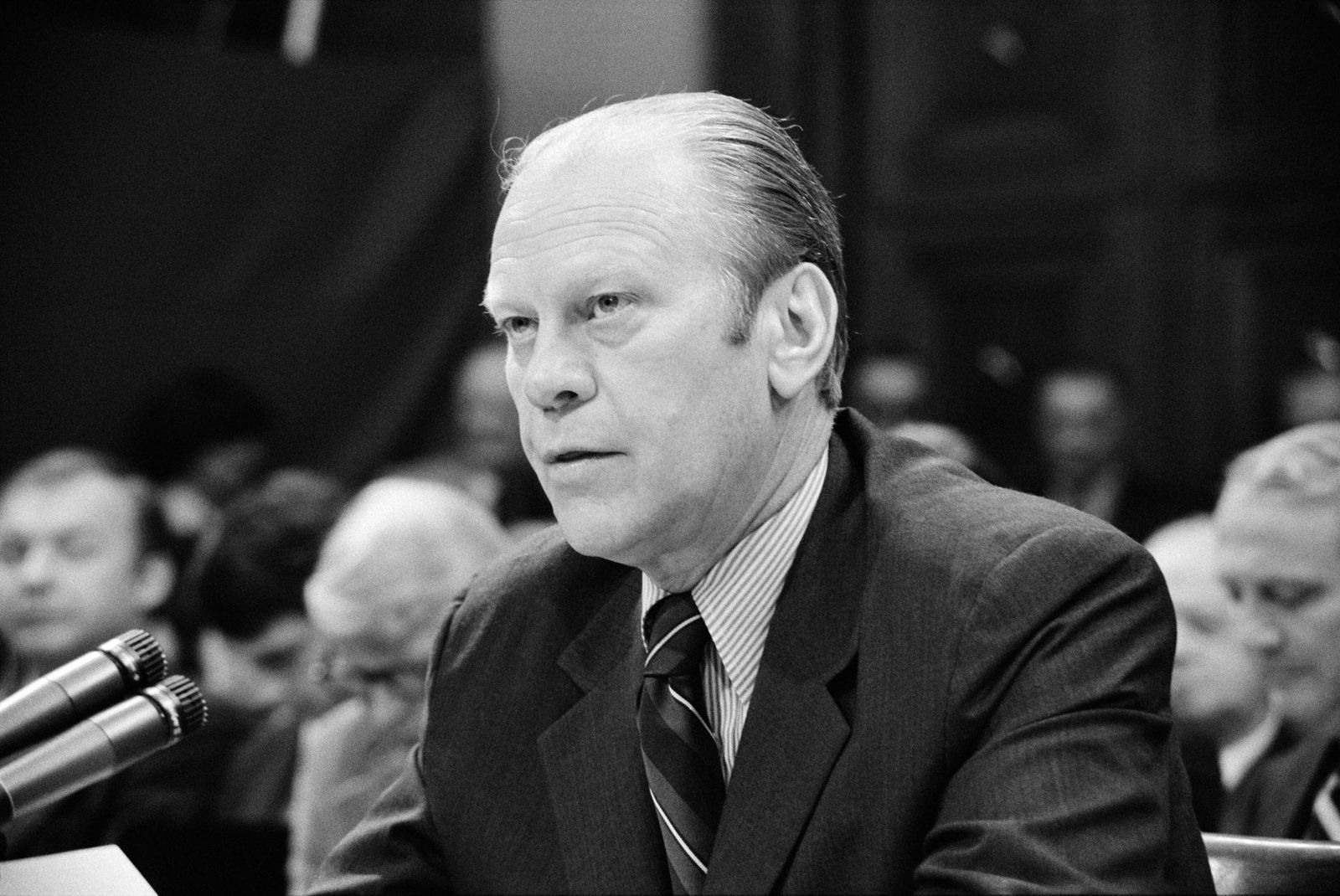
On July 14, 1913, a baby boy named Leslie Lynch King Jr. was born in Omaha, Nebraska, and 61 years later, he became the 38th president of the United States. If the name doesn't sound familiar, there's a good reason: he entered the White House under a completely different name.

Leslie Lynch King Jr. was named after his father. However, just 16 days after his birth, his mother, Dorothy, fled the marriage with her infant son to escape her abusive husband. Three years later, she divorced King and married Gerald Rudolph Ford, a paint salesman who raised the boy as his own. From then on, everyone knew him as Gerald Rudolph Ford Jr. , even though he didn't legally change his name until December 3, 1935, when he was 22 years old.

7
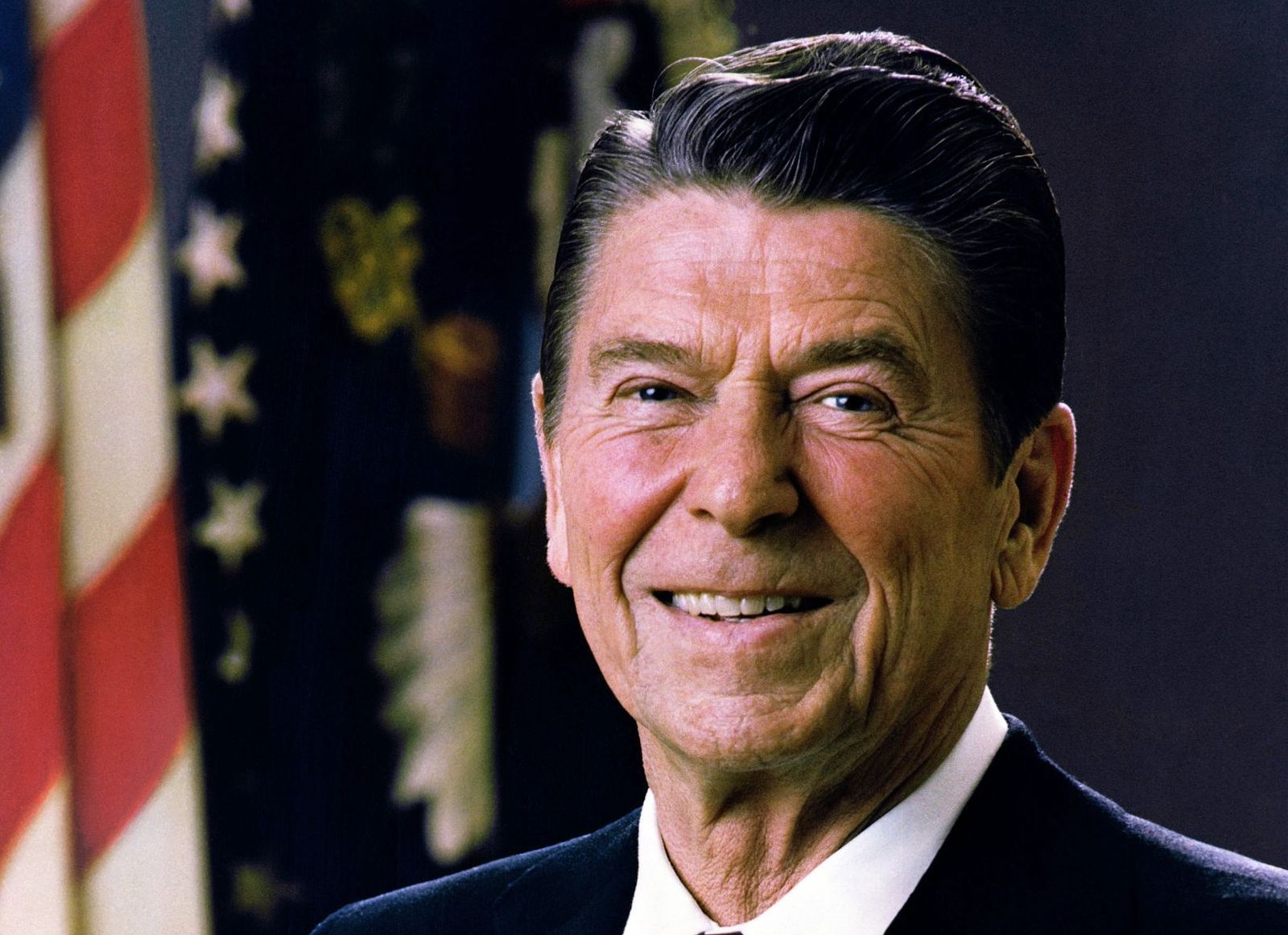
Ronald Reagan

Image: Michael Evans, Public domain, via Wikimedia Commons

Have you ever heard of "Dutch" Reagan? Perhaps not, but that was in fact the childhood nickname of Ronald Reagan, the 40th president of the United States.

Born as Ronald Wilson Reagan on February 6, 1911, in Tampico, Illinois, Reagan got his nickname from his father, who thought his newborn son looked like a "fat little Dutchman." The moniker stuck almost immediately. As a boy, Reagan embraced it so completely that, according to his autobiographies and records at the Ronald Reagan Presidential Library, he disliked being called Ronald and insisted everyone call him Dutch instead. That changed only after he arrived in Hollywood in the late 1930s, when studio executives convinced him that "Dutch Reagan" wasn't exactly leading-man material.

8
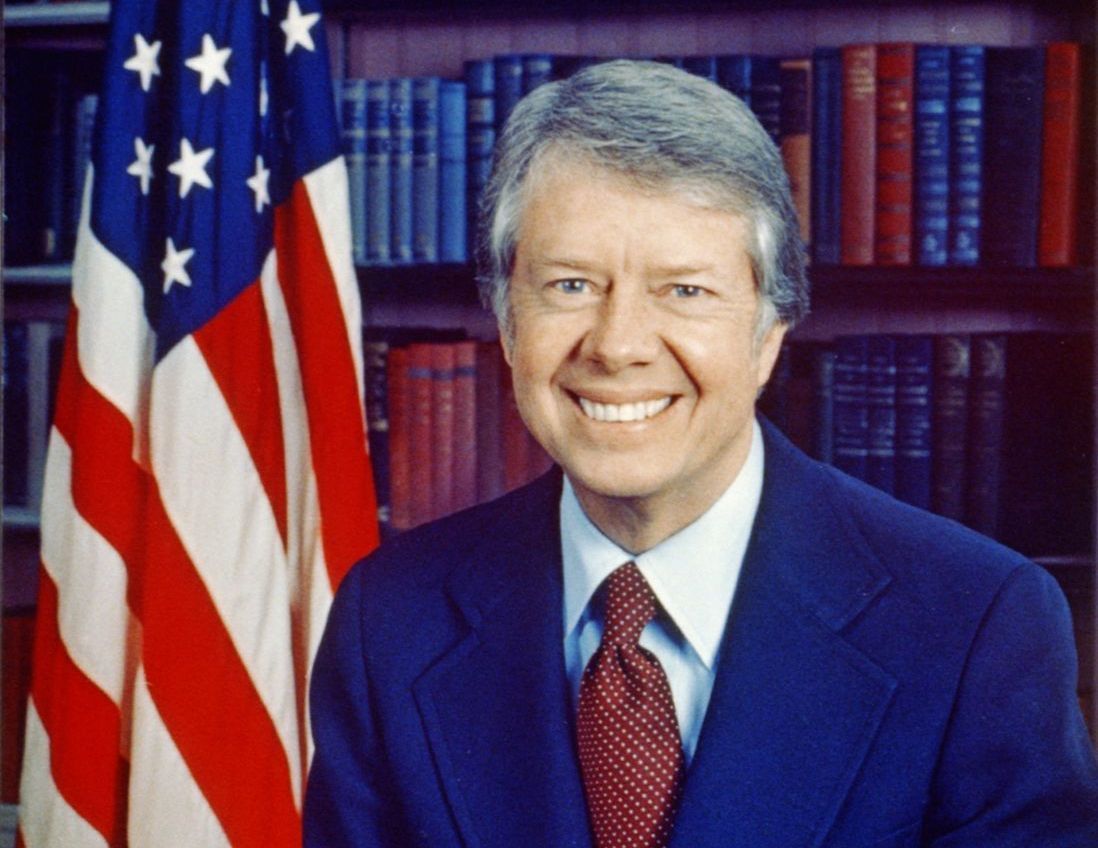
Jimmy Carter

Image: White House, Public domain, via Wikimedia Commons

Born James Earl Carter Jr. on October 1, 1924, in Plains, Georgia, and named after his father, the future president had been called "Jimmy" almost from the day he was born.

Over the years, the nickname became the name he truly identified with. So when he took the presidential oath in 1977, Carter broke with tradition. Instead of using his formal first name like all the presidents, he was sworn in as Jimmy Carter, becoming the first (and still the only) US president to take the oath of office using a nickname rather than his legal name.

9
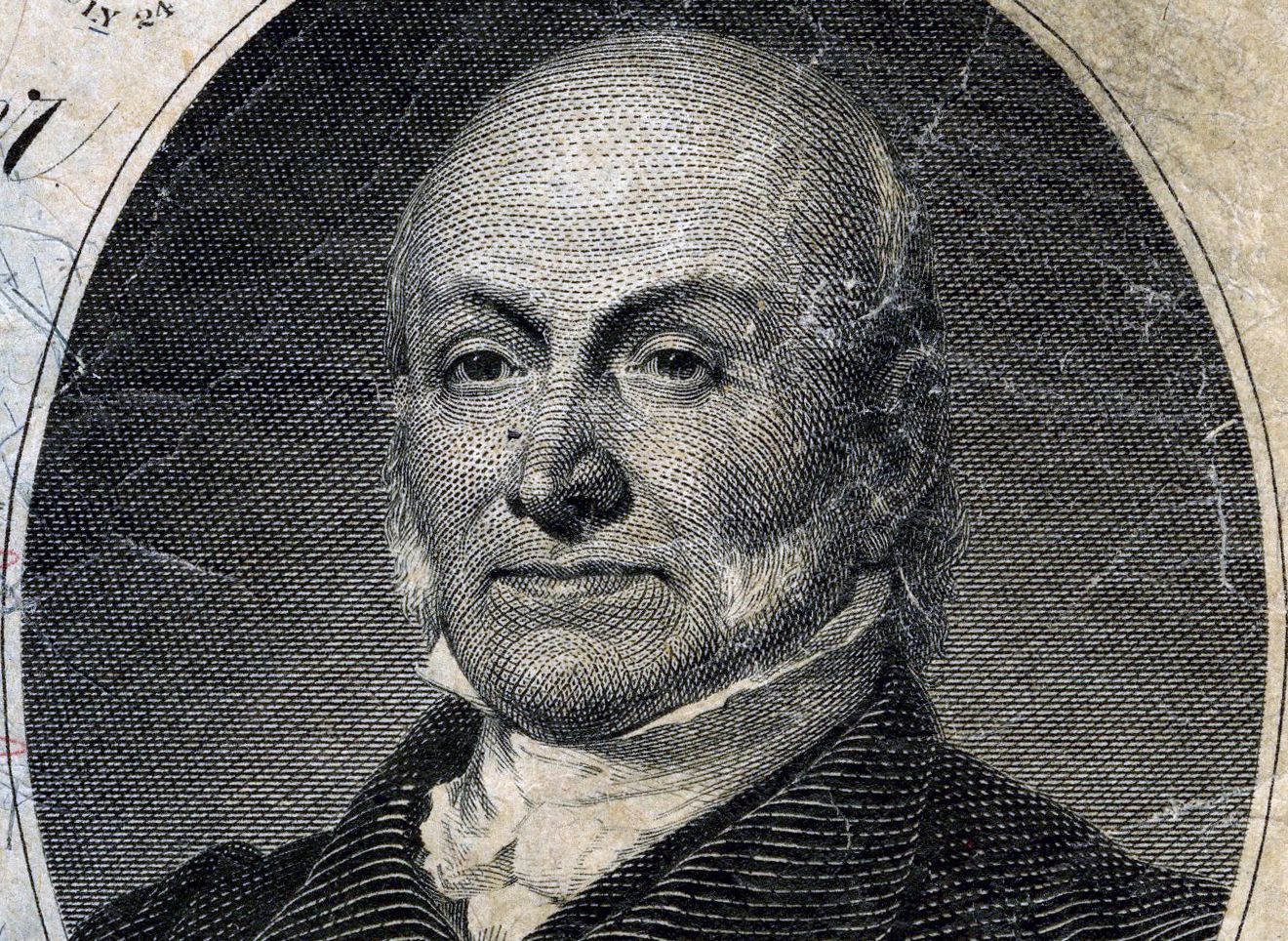
John Quincy Adams

Image: National Museum of American History, Public domain, via Wikimedia Commons

The second president of the United States, John Adams, is one of the best-known Founding Fathers. His name is instantly recognizable to most Americans, and that's exactly why his son made an important decision about what he would be called.

John Quincy Adams was born on July 11, 1767, in the North Precinct of Braintree, Massachusetts, an area that was officially renamed Quincy in 1792. The nation's sixth president and the first son of a president to become president himself carried a name with a story. He was named not only after his father, but also after his maternal great-grandfather, Colonel John Quincy, who was gravely ill when the baby was born. Although Quincy was originally a family surname, it became the baby’s middle name. As an adult, he embraced all three names, John Quincy Adams, helping distinguish himself from his famous father while honoring both sides of his family.

10
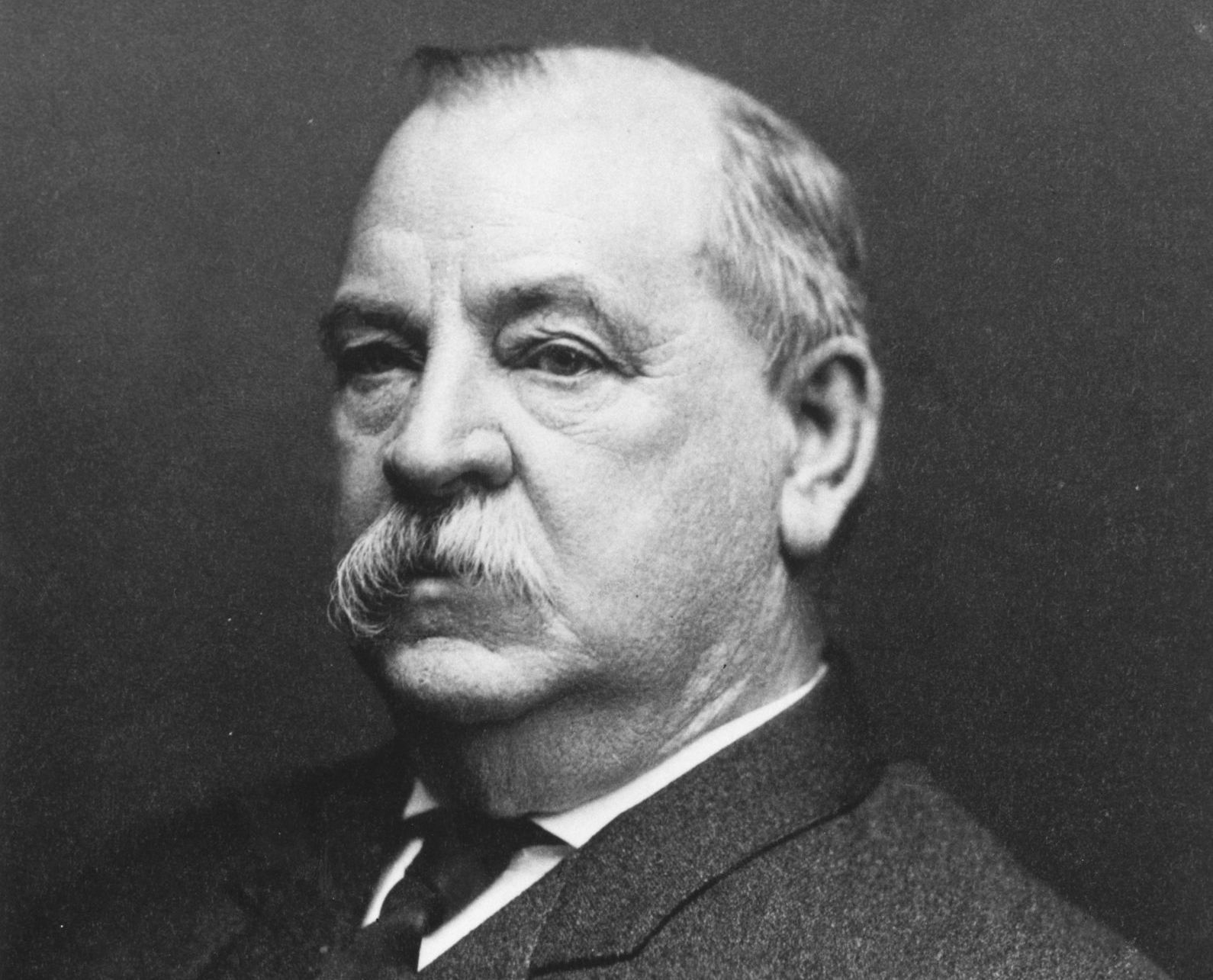
Grover Cleveland

Image: National Archives at College Park, Public domain, via Wikimedia Commons

Most people have never heard of Stephen Cleveland, but mention Grover Cleveland, and they'll know exactly who you're talking about. The thing is, they're the same person.

Born on March 18, 1837, in Caldwell, New Jersey, the future 22nd and 24th president of the United States was actually named Stephen Grover Cleveland. His father, a Presbyterian minister, chose the name to honor Reverend Stephen Grover, the first pastor of the First Presbyterian Church in Caldwell, where he was serving at the time. As he grew older, however, Cleveland made an unusual choice: instead of going by his first name, Stephen, he adopted his middle name because he simply liked the sound of "Grover Cleveland" better.

Explore more American facts

Choose your favorite category!

General
General

As American as apple pie—the very best America has to offer!

Culture
Culture

Delve into the astounding richness of American lore.

Geography
Geography

Hop in and explore vast and diverse American landscapes.

History
History

Discover the key moments that shaped the United States.