Back to the roots

10 great American trees that shaped our history—and you never knew
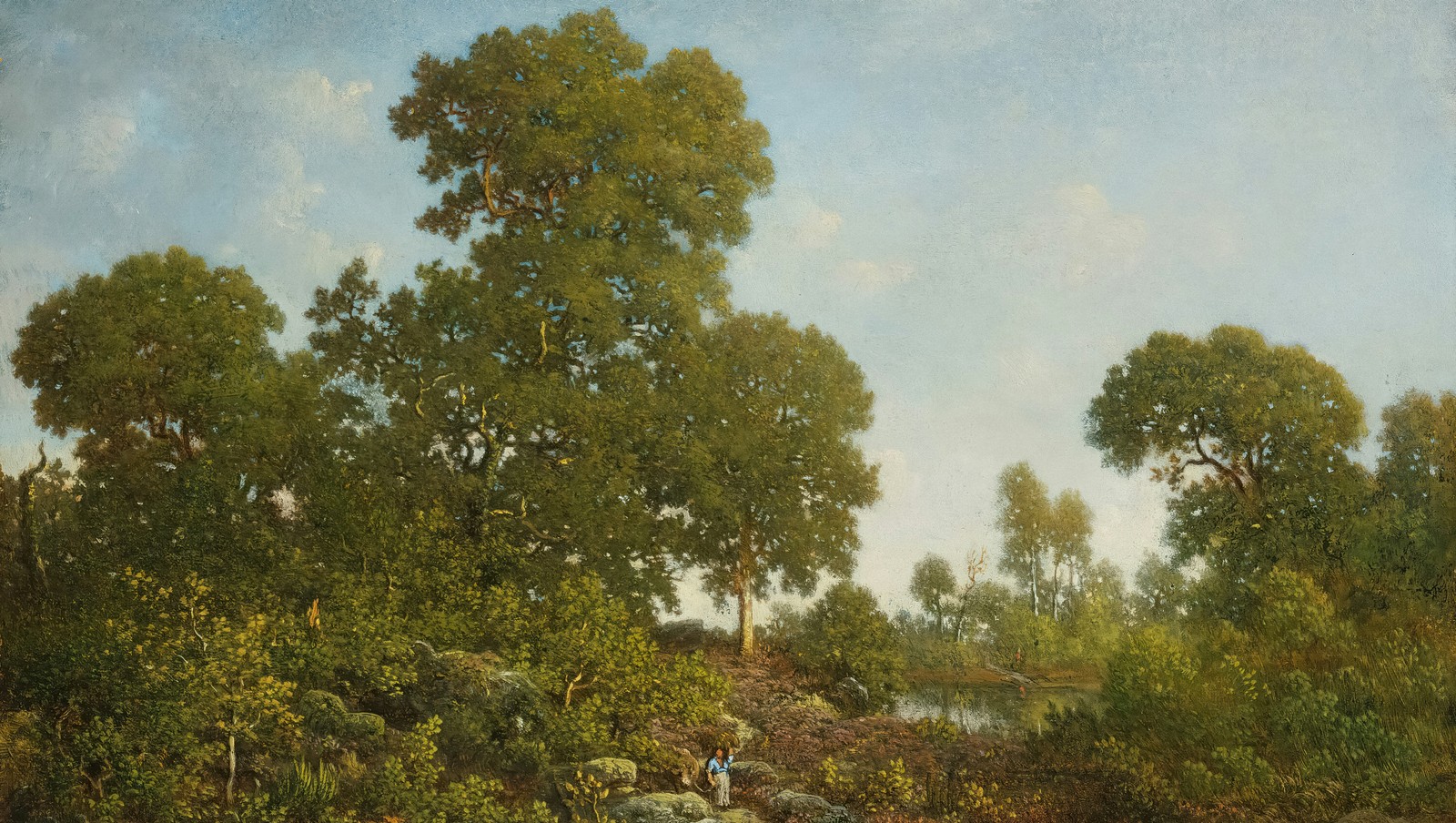
Image: Art Institute of Chicago

From towering forests to city streets, American trees have shaped culture, commerce, and the environment. Many provided food, medicine, and building materials, while others played a role in history. This list explores 10 iconic American trees and the surprising ways they’ve been used, preserved, and celebrated.

1
Sugar Maple (Acer saccharum)
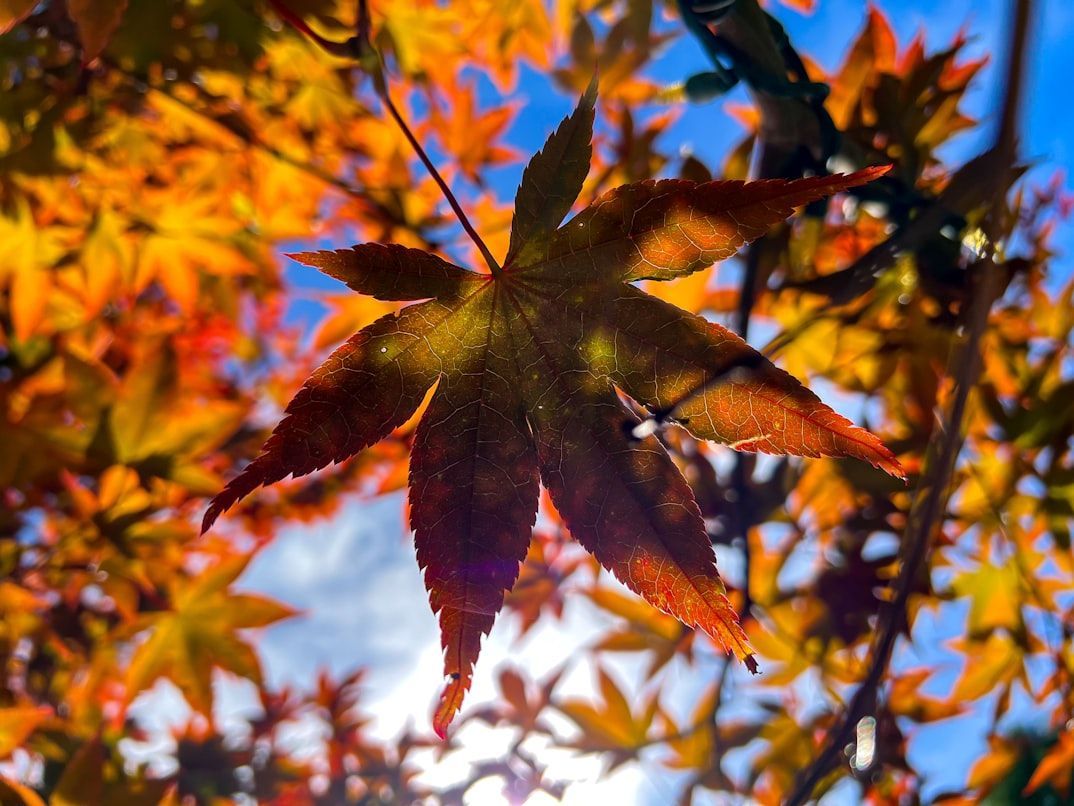
Image: GraceHues Photography

The sugar maple produces the sap that becomes maple syrup, a North American staple. Its hardwood is also prized for furniture and flooring.

Native to the northeastern U.S. and Canada, sugar maples support both culinary traditions and forestry industries. They can live for over 200 years and are crucial to fall foliage tourism.

2
White Oak (Quercus alba)
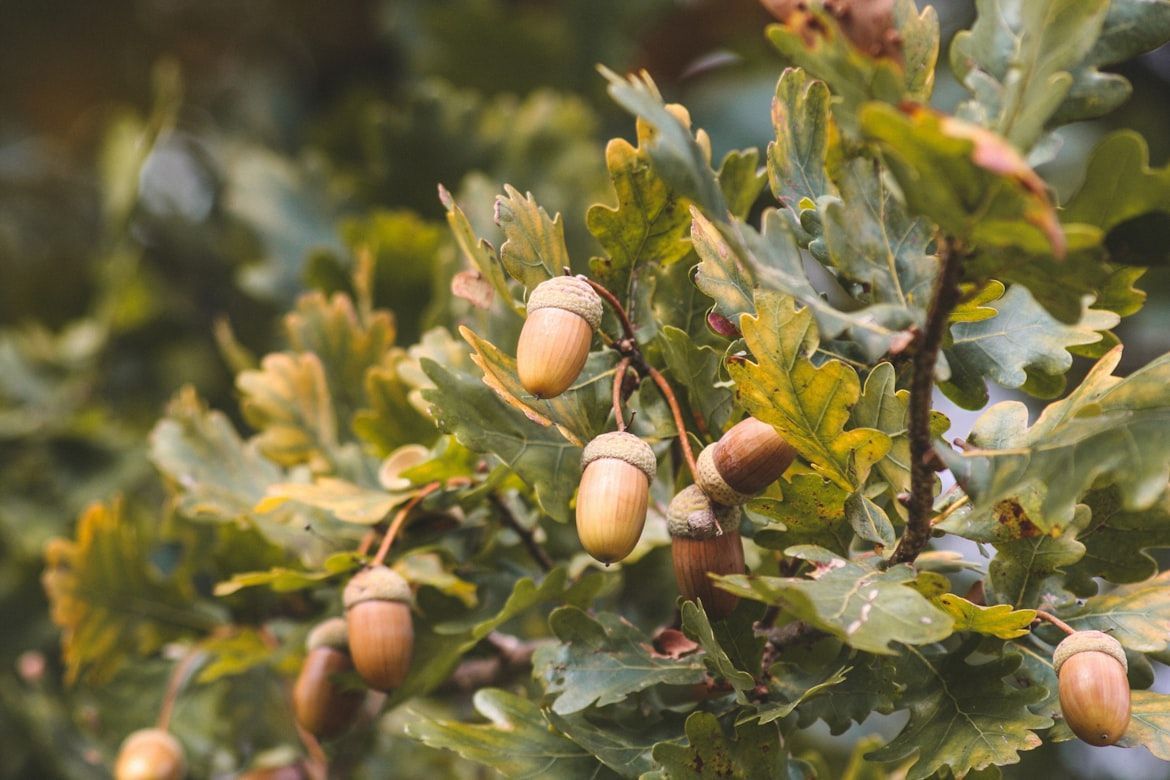
Image: Tina Xinia

White oak wood is valued for barrels, furniture, and flooring due to its strength and natural rot resistance.

Historically, it was used in shipbuilding during colonial times. White oak forests also support diverse wildlife, and their acorns feed deer, squirrels, and birds.

3
Eastern Red Cedar (Juniperus virginiana)
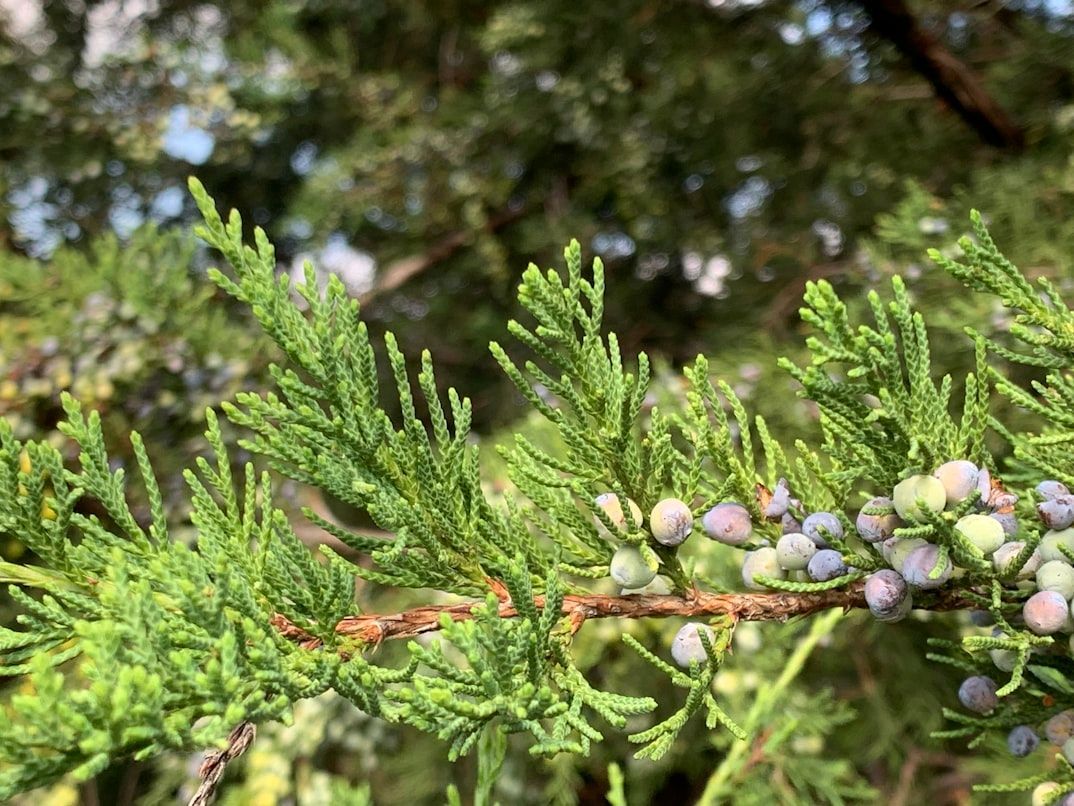
Image: Aimee Summers

This tree’s wood is aromatic and naturally repels moths, making it a good choice for closets and storage chests.

Red cedar oil was also used in medicine by Native Americans. Its dense wood has been extensively used for fence posts and small-scale construction.

4
American Chestnut (Castanea dentata)
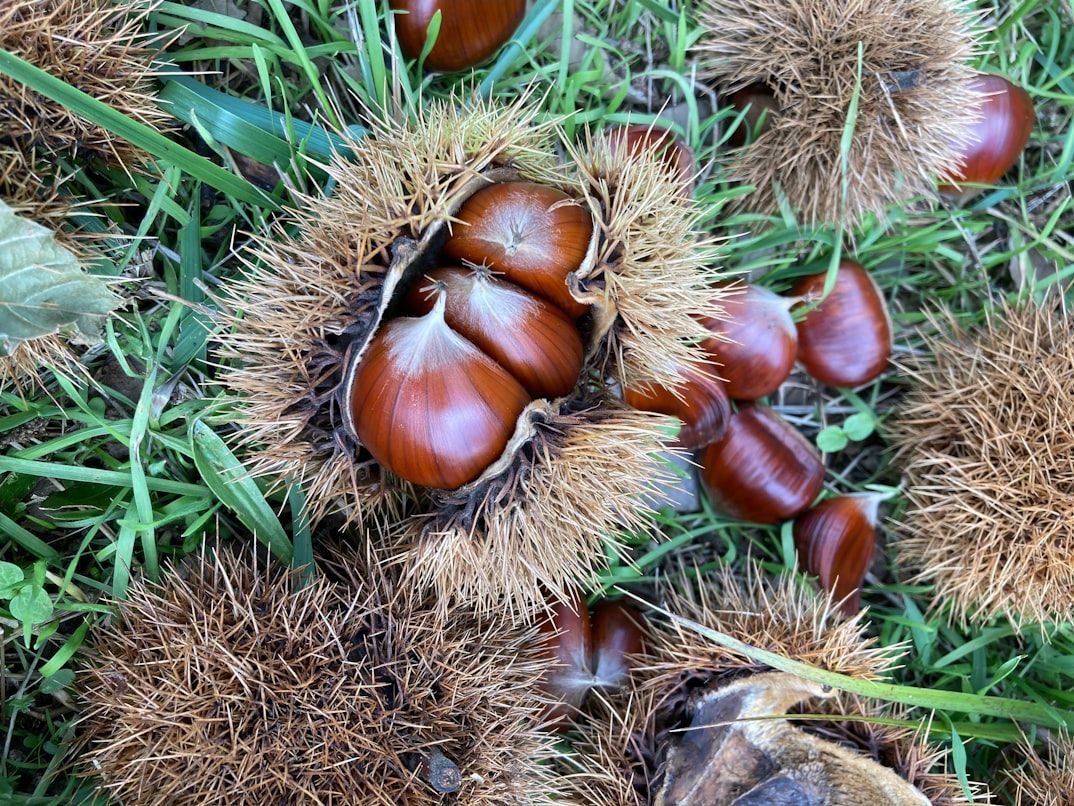
Image: Marta Reis

Once dominant in eastern forests, the American chestnut was devastated by blight in the early 20th century.

Its wood was lightweight yet strong, ideal for furniture and building. The nuts were a staple food for wildlife and humans alike. Breeding programs now aim to restore it.

5
Ponderosa Pine (Pinus ponderosa)
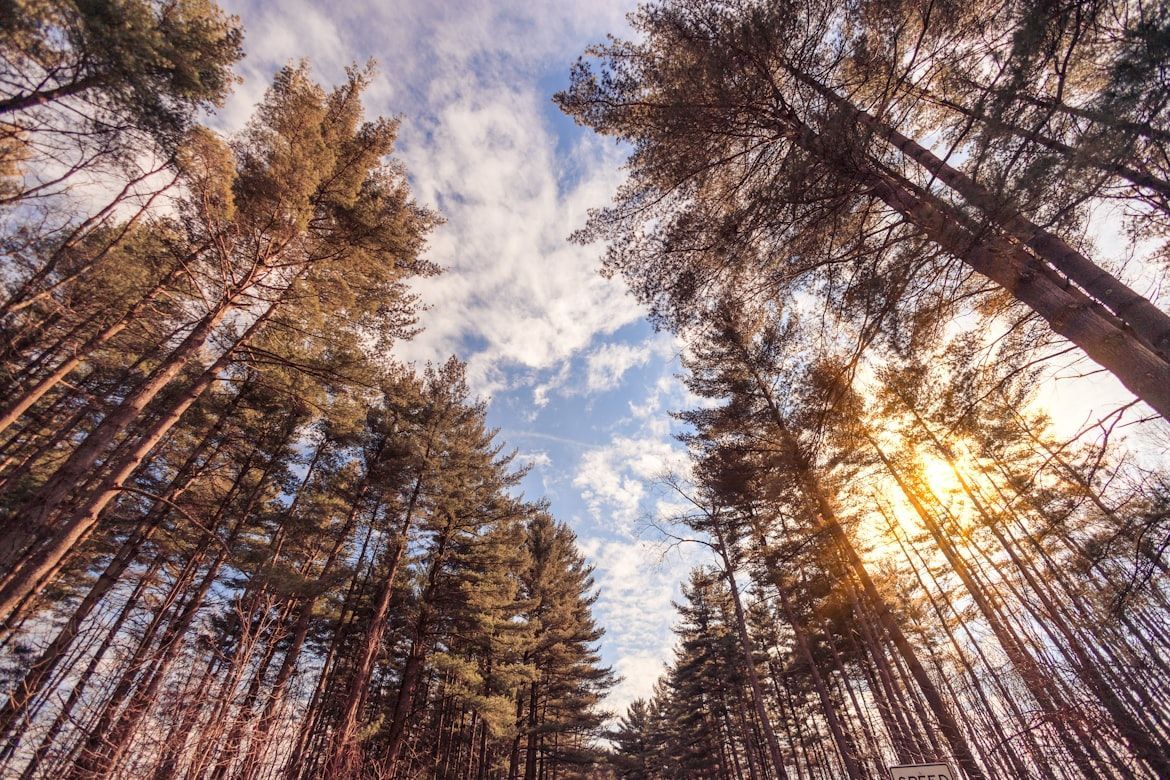
Image: benjamin lehman

Ponderosa pines dominate the western U.S. and are a major timber source.

Their wood is used for construction, paper, and fuel. Native Americans also used the bark and resin for medicinal purposes and ceremonial practices.

6
Red Maple (Acer rubrum)
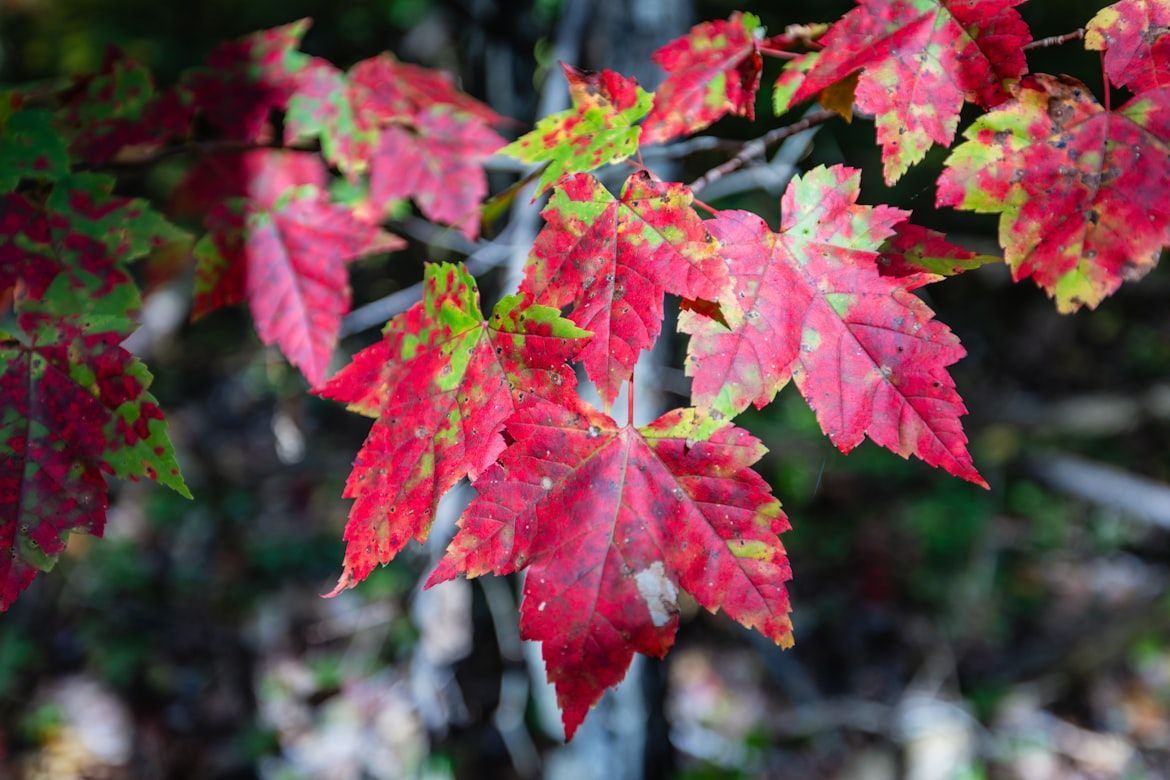
Image: Edmond Lau

Red maples are adaptable trees that provide timber and spectacular fall colors.

Like the sugar maple, their sap can also produce syrup, and the wood is used in furniture and flooring. The species thrives in wetlands, supporting a wide range of ecological diversity.

7
Douglas Fir (Pseudotsuga menziesii)
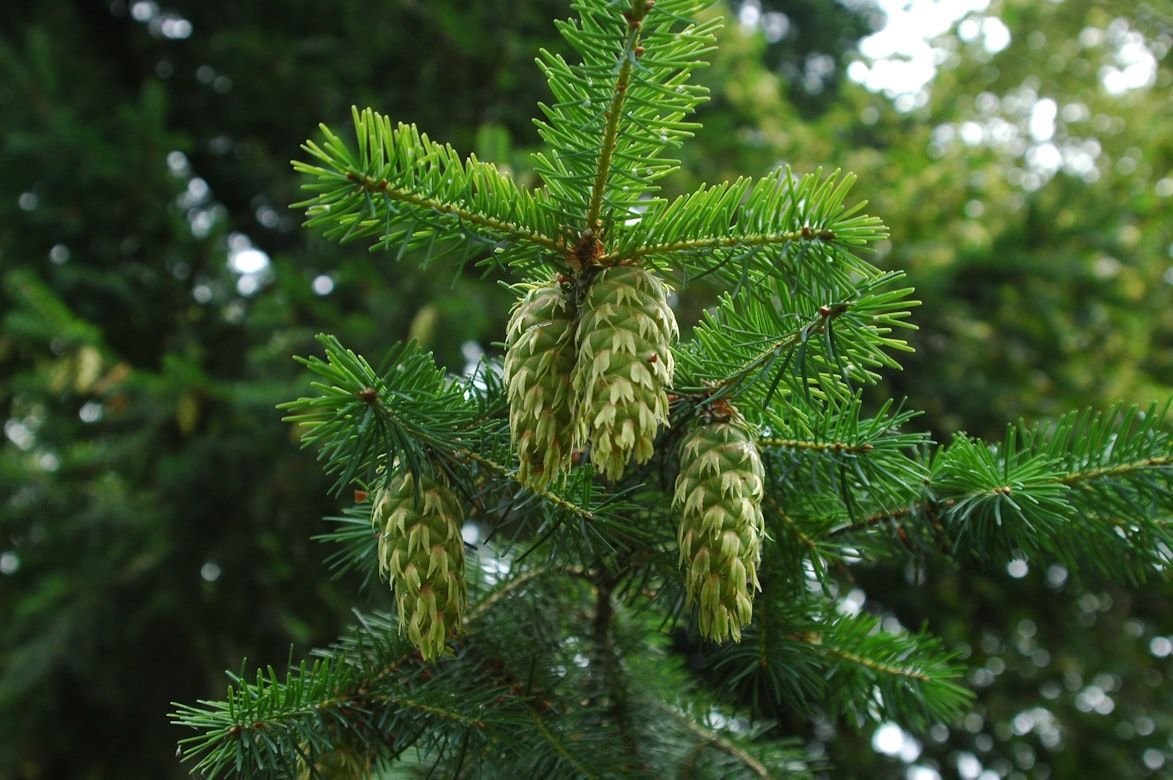
Image: Ulrike R. Donohue

A key timber species, the noble Douglas fir is used for construction, plywood, and paper.

It’s also one of the most popular Christmas trees. Native Americans used the bark and needles for medicinal purposes.

8
Black Walnut (Juglans nigra)
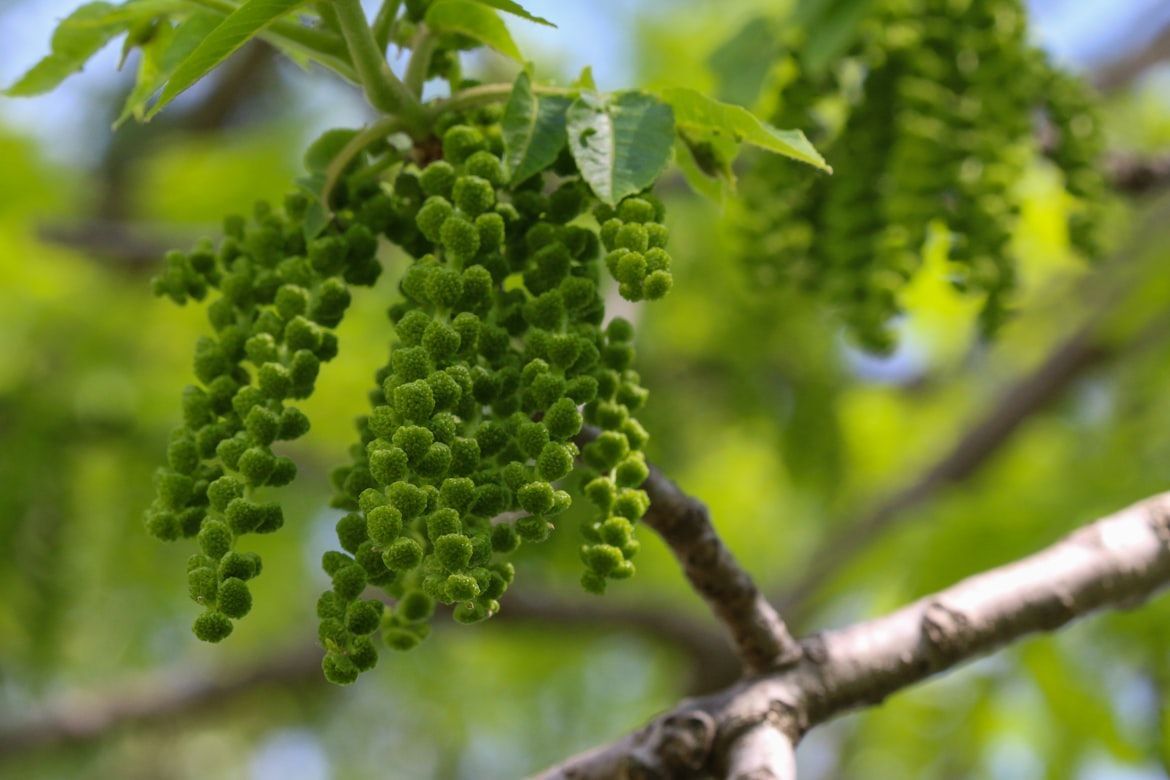
Image: Ross Domke

Black walnut produces edible nuts and dark, durable wood for furniture and gunstocks.

Its wood is highly prized by woodworkers for fine cabinetry. The nuts support wildlife, while the husks can be used for natural dye.

9
American sycamore (Platanus occidentalis)
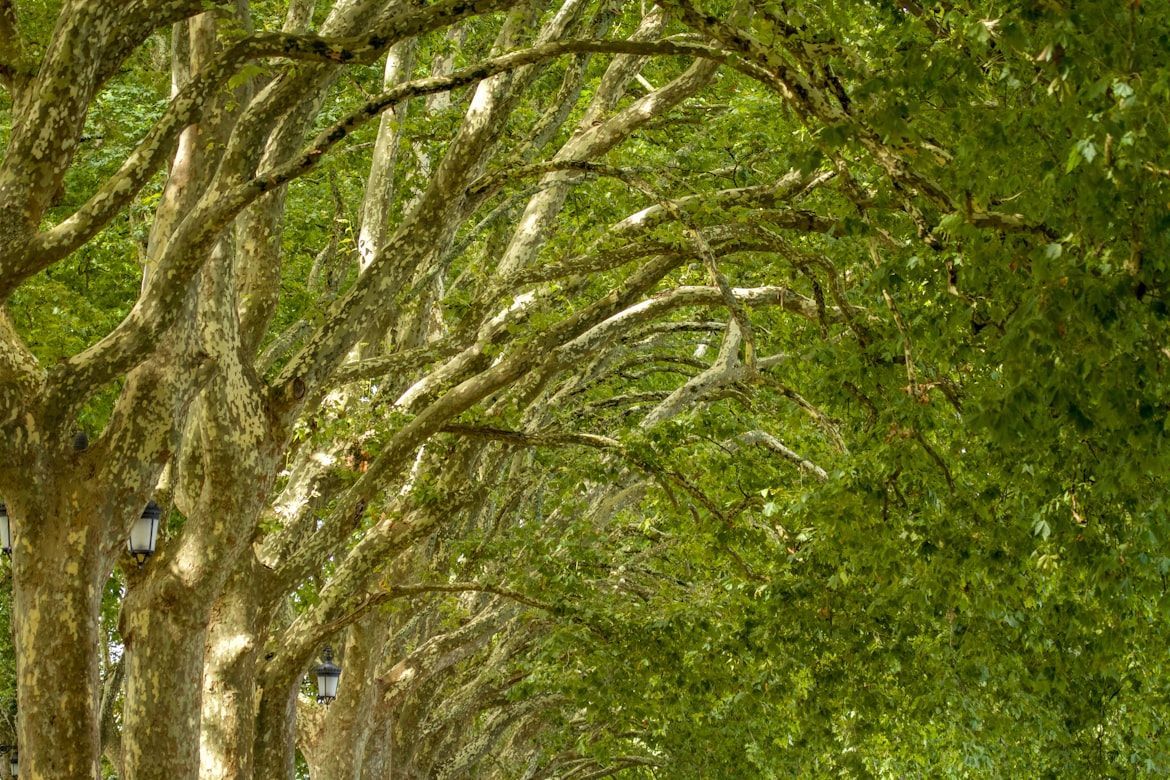
Image: Heather Wilde

American sycamores are found along rivers and lakes, stabilizing soil and preventing erosion.

Their large, patchy bark makes them visually distinctive. Historically, their wood was used for butcher blocks, furniture, and veneers.

10
White Spruce (Picea glauca)
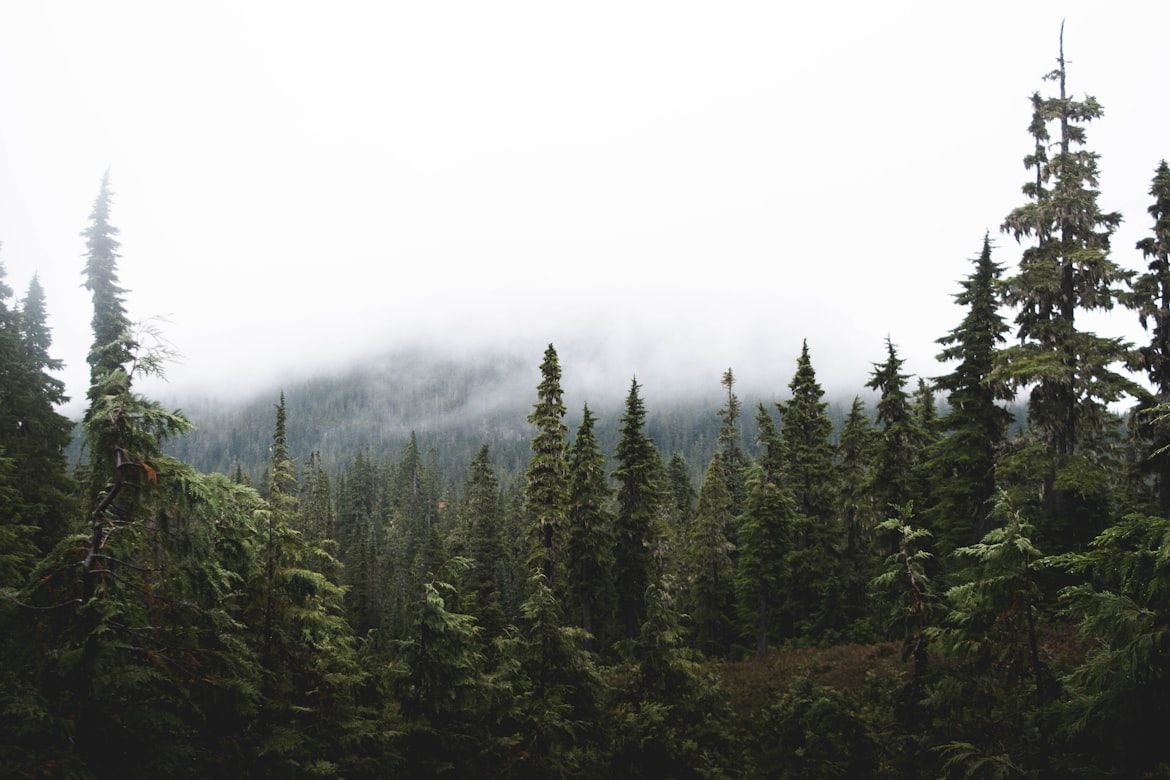
Image: Joel Cross

White spruce supports timber, paper, and pulp industries in northern forests.

Its wood is lightweight yet strong, ideal for construction and musical instruments. Spruce forests are also critical habitats for migratory birds and wildlife.
Even show business had to start somewhere

From Rudy Vallee to Screamin’ Jay Hawkins: 10 Early American pop stars

Image: Papa Yaw

Colorful singers who stand out from the rest of the music band have been around for a long time, but it wasn’t until the arrival of live microphones that their contributions could be recognized for more than just a powerful voice; their nuances could play a bigger role in their live acts. The list of these sonic pioneers is very long, and for the sake of brevity, we are narrowing it down to ten entries. If some of these names pique your curiosity, we encourage you to give them a listen. After all, they didn’t get this big for nothing!

1
Josephine Baker

Image: Richie Lugo

Josephine Baker was the first Black woman to star in a major motion picture , the 1927 French silent film Siren of the Tropics . During her early career, Baker was among the most celebrated performers to headline the revues of the Folies Bergère in Paris. Her performance in the 1927 revue Un vent de Folie caused a sensation in the city. Her costume, consisting only of a short skirt made of artificial bananas and a beaded necklace, became an iconic image and a symbol both of the Jazz Age and the Roaring Twenties.

Baker was celebrated by artists and intellectuals of the era, who variously dubbed her the "Black Venus," the "Black Pearl," the "Bronze Venus," and the "Creole Goddess." She aided the French Resistance during World War II, and after the war, she was awarded the Resistance Medal by the French Committee of National Liberation, the Croix de Guerre by the French military, and was named a Chevalier of the Legion of Honour by General Charles de Gaulle.

2
Rudy Vallée

Image: Matt Botsford

Rudy Vallée was the first male singer to rise from local radio broadcasts in New York City to national popularity as a "crooner." He had a thin, wavering tenor voice and seemed more at home singing sweet ballads than jazz songs. But his singing, saxophone playing, and the innovative arrangements he wrote for his band attracted the attention of a rapidly increasing number of listeners, especially young women.

Singers needed strong voices to fill theaters in the days before microphones. Crooners had soft voices that were suited to the intimacy of radio; the microphones, in this case, promoted direct access to "a vulnerable and sensuous interior," or, in other words, "a conjured intimacy." Vallée was one of the first celebrity radio vocalists.

3
Bobby Darin

Image: Jack Sharp

Bobby Darin was an American teen idol and, later, an adult crooner who, in 1958, co-wrote and recorded his first million-selling single, "Splish Splash," followed by "Dream Lover" and his covers of "Mack the Knife" and "Beyond the Sea," which brought him worldwide fame.

In the early 1970s, his health was beginning to fail due to a weak heart. The knowledge of Darin's vulnerability had always spurred him on to use his musical talent while still young. Darin died in 1973 at the age of 37 in a hospital recovery room after having open-heart surgery in Los Angeles.

4
Keely Smith

Image: Harry Shelton

American jazz and popular music singer Keely Smith performed and recorded extensively in the 1950s with her then-husband Louis Prima , and throughout the 1960s as a solo artist. The couple were stars in the entertainment business, including stage, television, motion pictures, hit records, and cabaret acts.

They won a Grammy in 1959, its inaugural year, for their smash hit, "That Old Black Magic," which remained on the charts for 18 weeks.

5
The Ink Spots

Image: Jorge Flores

The first band on the list, the Ink Spots was an American vocal pop group who gained international fame in the 1930s and 1940s due to their unique musical style, which predated rhythm and blues and doo-wop .

On January 12, 1939, the Ink Spots recorded "If I Didn't Care," one of their biggest hits, selling over 19 million copies and becoming the 8th-best-selling single of all time. Since they disbanded in 1954, there have been well over a hundred vocal groups calling themselves "The Ink Spots," with and without any original members of the group.

6
Ella Fitzgerald

Image: zachrie friesen

A frequent collaborator of the Ink Spots, Ella Fitzgerald was a singer, songwriter, and composer, sometimes referred to as the "First Lady of Song," the "Queen of Jazz," and "Lady Ella." She was noted for her purity of tone, impeccable diction, phrasing, timing, intonation, absolute pitch, and a "horn-like" improvisational ability, particularly in her scat singing.

Outside her solo career, she recorded music with Louis Armstrong, Duke Ellington, and the aforementioned Ink Spots. These partnerships produced songs such as "Dream a Little Dream of Me," "Cheek to Cheek," "Into Each Life Some Rain Must Fall," and "It Don't Mean a Thing (If It Ain't Got That Swing)."

7
Bing Crosby

Image: Alexander Wark Feeney

A one-man orchestra, Bing Crosby was a singer, actor, television producer, radio personality, and businessman. The first multimedia star , he was one of the most popular and influential musical artists of the 20th century worldwide.

In 1948, American polls declared him the "most admired man alive," ahead of Jackie Robinson and Pope Pius XII. That same year, Music Digest estimated that Crosby's recordings filled more than half of the 80,000 weekly hours allocated to recorded radio music in America.

Crosby is one of 33 people to have three stars on the Hollywood Walk of Fame , in the categories of motion pictures, radio, and audio recording.

8
Perry Como

Image: Oscar Sutton

Perry Como was an American singer, actor, and television personality who sold over 100 million records worldwide and pioneered a weekly musical variety television show. His weekly television shows and seasonal specials were broadcast around the world. He recorded primarily vocal pop and was renowned for his recordings in the intimate, easy-listening genre pioneered by our newly acquainted friend, Bing Crosby.

In the official RCA Records memorial in Billboard magazine, his life was summed up in these few words: "50 years of music and a life well lived. An example to all."

9
Nina Simone

Image: Artem Bryzgalov

A bigger-than-life figure, Nina Simone was a singer, songwriter, pianist, composer, arranger, and civil rights activist whose piano playing was strongly influenced by baroque and classical music, and accompanied by expressive, jazz-like singing in her contralto voice .

Early in her career, Simone played piano at a nightclub in Atlantic City, where she was told that she would have to sing to her accompaniment. This effectively launched her career as a jazz vocalist. Simone also became known for her work in the civil rights movement during the 1950s and 1960s, and she later fled the United States and settled in France following the assassination of her friend Martin Luther King Jr. in 1968.

10
Screamin’ Jay Hawkins

Image: Music HQ

The closer of this list is one of the most colorful characters in American music. "Screamin' Jay" Hawkins was a singer-songwriter, musician, actor, film producer, and boxer, best known for his powerful, shouting vocal delivery and wildly theatrical performances with macabre props onstage, making him an early pioneer of shock rock.

Screamin’ Jay’s most successful recording, "I Put a Spell on You," was created when the entire band was intoxicated during a recording session where "Hawkins screamed, grunted, and gurgled his way through the tune with utter drunken abandon." The resulting performance became his greatest commercial success and reportedly surpassed a million copies in sales.

Call them by their names!

If Chicagoans are from Chicago, where are Nutmeggers from?

Image: Pixabay

Have you ever wondered what to call someone from a different state or city? While some state or city names naturally lend themselves to demonyms (for example, someone from Chicago is called a Chicagoan ), others have taken more creative or unexpected routes. Some demonyms are historic, while others are quirky and worth a second look. So, here are some of the most interesting official (and unofficial) demonyms from across the country!

1
Connecticut - The Land of the Nutmeggers

Image: Rusty Watson

While "Connecticuter" might be the official term, most people in Connecticut prefer the more charming nickname: Nutmegger. The name dates back to colonial times, when Connecticut traders were said to sell wooden nutmegs to unsuspecting buyers.

Maybe this is just a myth, but the nickname stuck, and today, Nutmeggers wear it with pride.

2
Kansas - Jayhawkers and Kansans

Image: madeleine craine

Kansas residents have two names to choose from: the straightforward "Kansan" and the more colorful "Jayhawker."

The latter has roots in the Civil War era, when it was the term used to describe anti-slavery guerrilla fighters. Over time, it evolved into a general nickname for Kansans and is now especially associated with the University of Kansas and its sports teams.

3
Massachusetts - Bay Staters Unite

Image: Venti Views

Many state-based nicknames trace their roots to official state monikers. For example, residents of Massachusetts proudly call themselves Bay Staters, a nod to the state’s nickname, "The Bay State."

Massachusetts has a long colonial history defined by its coastal economy, from fishing to trade. So, while "Massachusettsan" technically works, you’ll rarely hear anyone use it. Bay Staters take pride in their rich Revolutionary War history, world-class universities, and, of course, their love of sports (go Sox!).

4
New Hampshire - The Granite Staters

Image: Suraj Gattani

If you’re from New Hampshire, you’re a Granite Stater—a name that reflects the state’s rugged and independent spirit. But do you know where the term comes from?

It originates from the state’s vast granite formations and quarries, which were once a major industry. But the nickname represents more than just rock; it’s a metaphor for the residents’ resilience and toughness. No wonder the state’s motto is "Live Free or Die"!

5
Ohio - The Buckeye State’s Buckeyes

Image: Matthew Bornhorst

Ohioans have an official demonym, but most people prefer Buckeye. The nickname comes from the state tree, the buckeye, whose nut resembles the eye of a deer.

It gained popularity during the 1840 presidential campaign of Ohioan William Henry Harrison, who was nicknamed the "Log Cabin and Hard Cider Candidate." Today, Buckeye is more than a demonym—it’s the name of a sports team, a state candy, and a symbol of Ohio pride!

6
Indiana - Hoosier Mysteries

Image: Ryan De Hamer

No one knows exactly where the term Hoosier comes from, but that hasn’t stopped Indiana residents from embracing it enthusiastically.

Some theories suggest it originated as an old frontier greeting ("Who’s here?"), while others trace it to hardworking laborers called "hoosiers" in the 1800s. In any case, Hoosiers are fiercely proud of their basketball legacy, farming roots, and the legendary Indy 500.

7
New Jersey - New Jerseyans or New Jerseyites?

Image: Manisha Raghunath

New Jersey residents can choose between New Jerseyan and New Jerseyite, though the former is much more common.

While the rest of the country might associate New Jersey with diners, boardwalks, and The Sopranos , New Jerseyans know their state is about much more. With its mix of beaches, suburbs, cities, and farmland, they've earned the right to choose their own demonym!

8
Hawaii - Kama‘āina, Malihini, and More

Image: Luke McKeown

In Hawaii, what you call someone often depends on how long they’ve been there. Does that make sense? It does to them!

A kama‘āina is a longtime resident, regardless of ethnicity, while a malihini is a newcomer. Yes, "Hawaii resident" is perfectly acceptable, but the island terms carry deeper meaning. Kama‘āina reflects a strong connection to the islands, traditions, and way of life, while malihini refers to those still learning and adapting. No matter whether you're kama‘āina or malihini , the aloha spirit welcomes all.

9
Michigan - Michiganians, Michiganders, or Michiganites?

Image: Brad Switzer

Michigan residents have a lot of options: Michiganians, Michiganders, or Michiganites. Let’s set the record straight: Michiganian is the official term, but Michigander is by far the most popular, thanks in part to Abraham Lincoln, who supposedly coined it to tease a political opponent from Michigan.

Some people even prefer Michiganite , though it sounds more like a type of rock than a person, right? No matter the term, they’re all part of the same mitten-shaped home.

10
Colorado - Coloradan or Coloradoan?

Image: Rich Martello

The great and final debate: Coloradan or Coloradoan? Actually, both are used, but Coloradan is the more common choice. The extra "o" in Coloradoan might seem unnecessary, but some argue it better reflects the state’s Spanish origins.

Either way, residents of Colorado are known for their love of the outdoors, craft beer, and breathtaking mountain landscapes. So, if you’re wondering what to call them, just don’t call them flatlanders!

Explore more American facts

Choose your favorite category!

General
General

As American as apple pie—the very best America has to offer!

Culture
Culture

Delve into the astounding richness of American lore.

Geography
Geography

Hop in and explore vast and diverse American landscapes.

History
History

Discover the key moments that shaped the United States.