General General 3 min read

Banned in the USA

Would you ban velvet Elvis paintings? These towns really did it
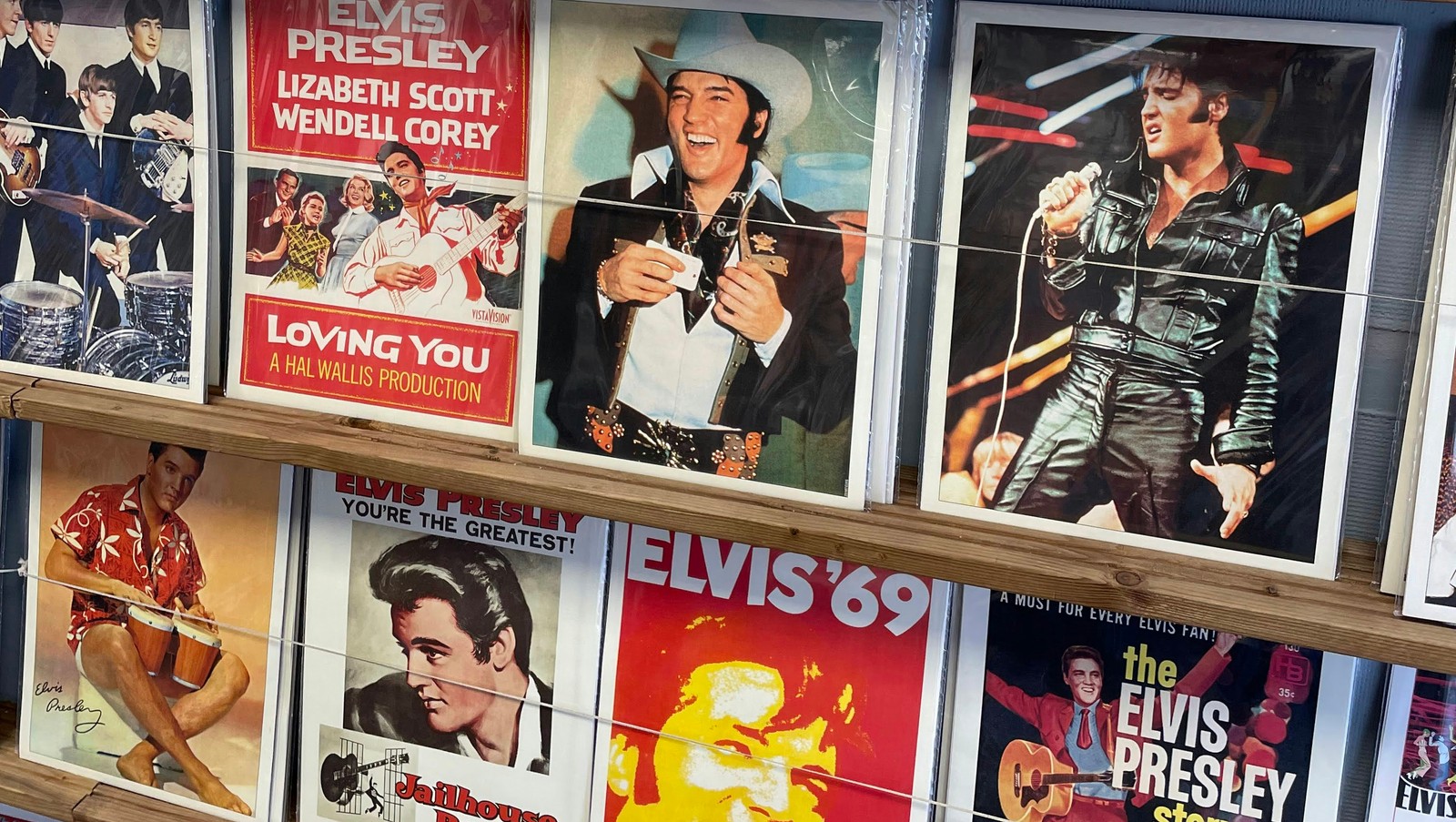
Image: Dmitry Alexandrovich

The Land of the Free has had its fair share of strange bans over the years, and not all of them make sense today. From quirky laws to outright odd restrictions, plenty of everyday things have been outlawed at one point or another. Here are 12 unusual things that, believe it or not, were once banned in the U.S.

1
Sliced bread
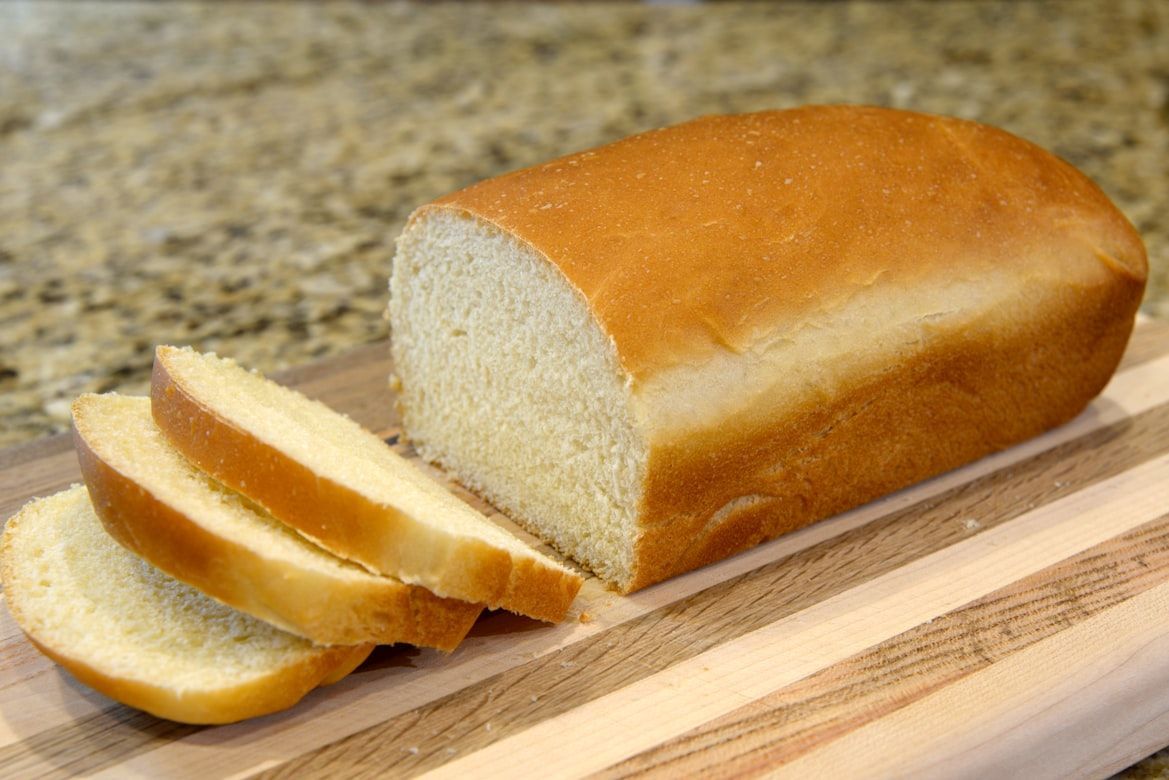
Image: Laura Ockel

Not even the best of inventions are safe from odd bans. In 1943, the U.S. government temporarily banned pre-sliced bread as part of wartime resource conservation .

Thankfully, the ban only lasted a few months. Housewives, bakeries, and even newspapers complained, arguing that sliced bread was a necessity. The ban was lifted quickly due to public backlash.

2
Pinball machines

Image: Louie Castro-Garcia

Believe it or not, from the 1940s until the mid-1970s, pinball machines were outlawed in several major cities, including New York and Chicago. Officials claimed the machines promoted gambling and corruption .

Machines were confiscated and destroyed. The ban finally ended when it was proven that pinball was more skill-based than luck, leading to its revival as a popular arcade game.

3
Yo-Yos
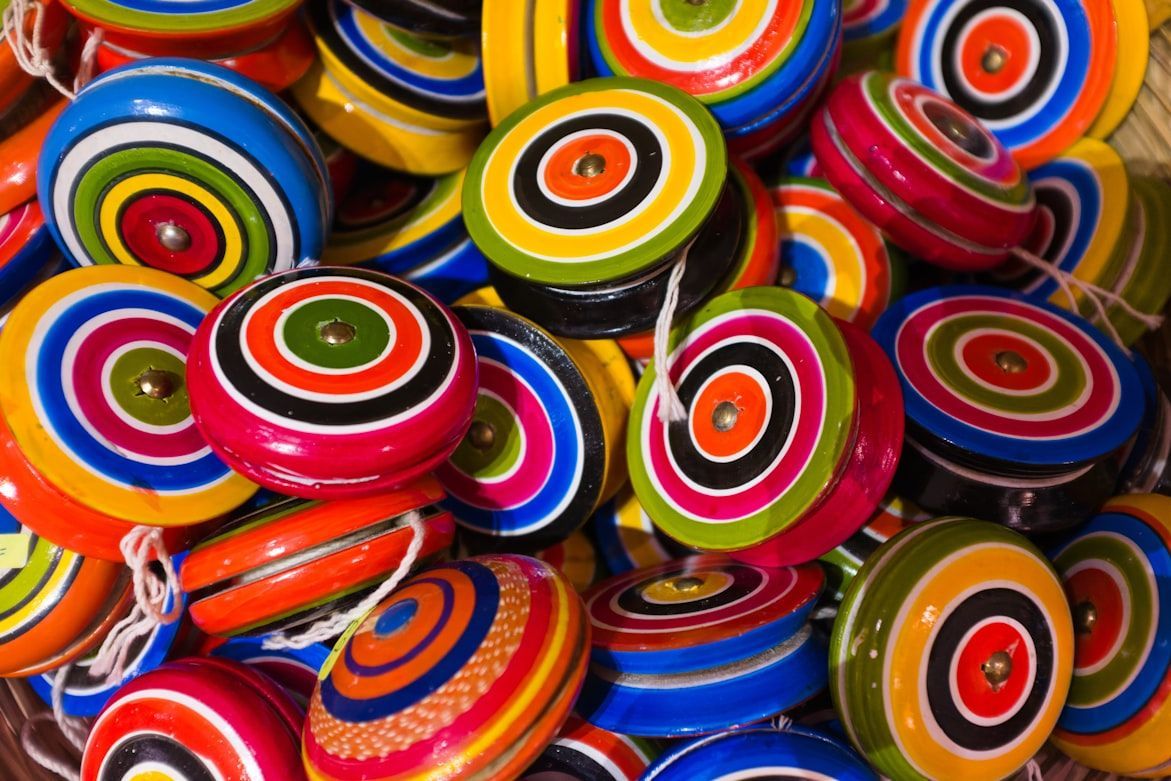
Image: Eric Prouzet

During the 1930s, some U.S. towns banned yo-yos, believing they caused bad luck and distracted children from schoolwork . The fad was seen as both frivolous and superstitious.

Though short-lived, the bans show how something as harmless as a toy could spark moral panic and strange local laws.

4
Christmas

Image: Erwan Hesry

In the 1600s, the Puritans of Massachusetts Bay Colony banned Christmas , claiming it was rooted in pagan traditions and encouraged rowdy behavior .

Anyone caught celebrating risked punishment or fines. It wasn’t until the mid-1800s that Christmas gained widespread acceptance in the U.S.

5
Dancing after midnight
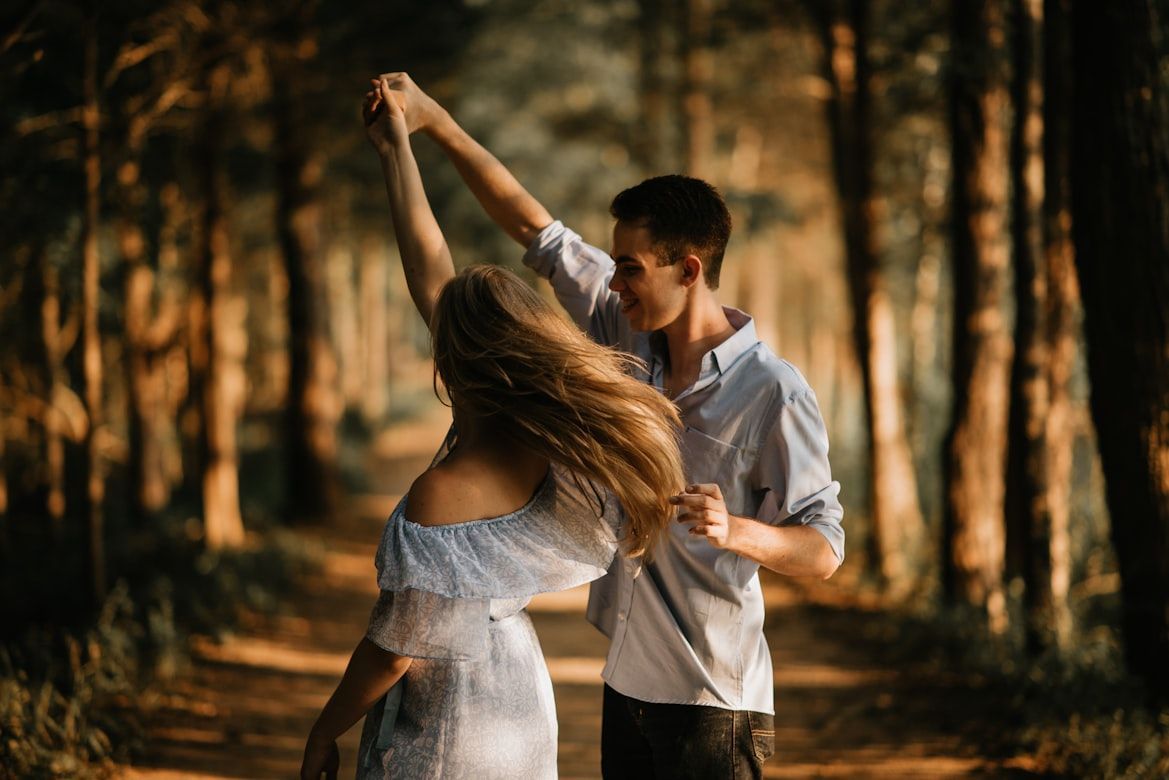
Image: Scott Broome

At different occasions during the 20th century, some cities enforced laws that restricted or outright banned late-night dancing . New York City’s "Cabaret Law" limited dancing to licensed venues only.

Authorities argued it was about maintaining order, but many saw it as cultural repression. By the 1990s, these laws faced strong opposition, and most have since been repealed, allowing nightlife to thrive.

6
Comic books
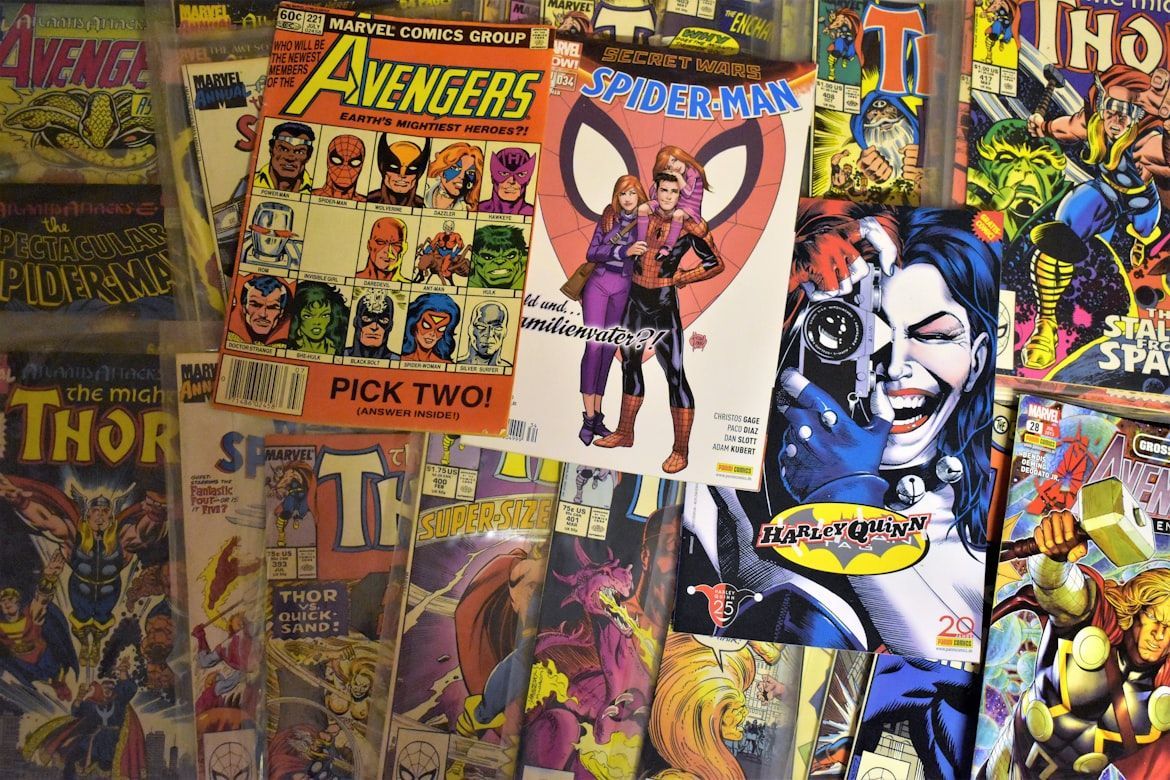
Image: Waldemar

Comic books have been a scapegoat for different things in different periods. For example, in the 1950s, they came under fire, accused of corrupting America’s youth . Parents, educators, and politicians believed violent and horror-themed comics encouraged delinquency.

Entire towns banned sales, and even public book burnings took place in different corners of the country.

7
Yellow margarine
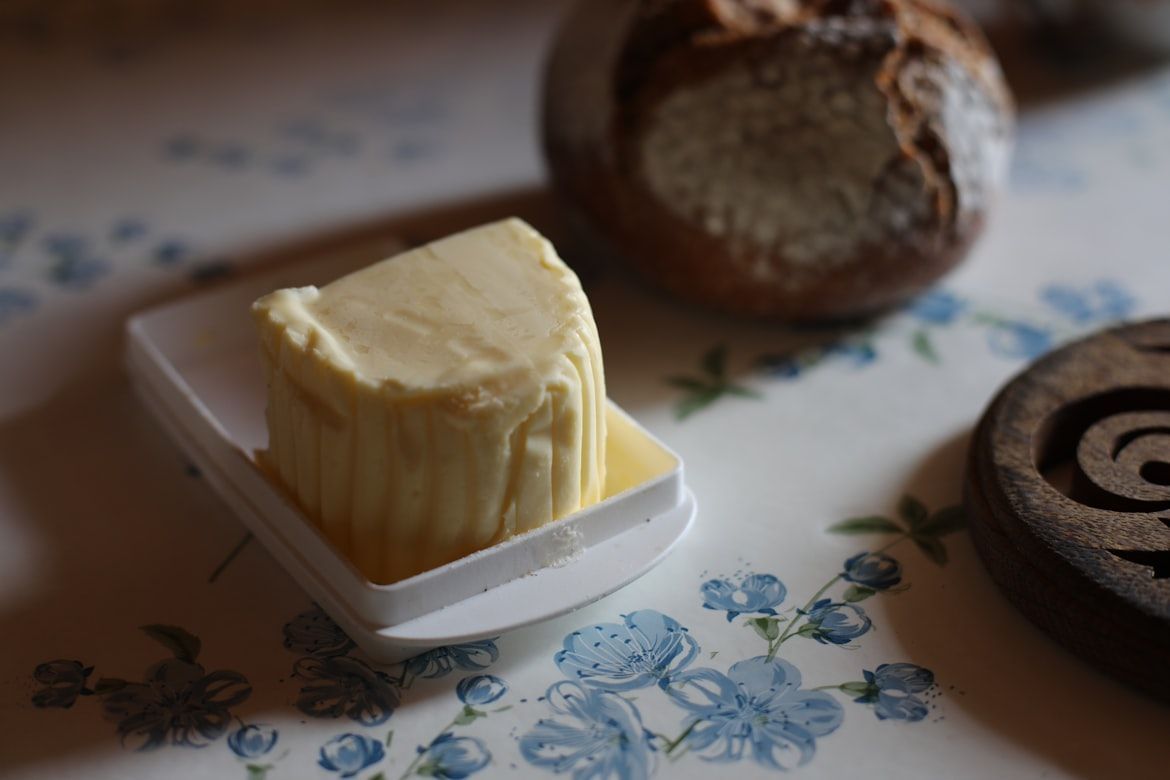
Image: Marine Le Gac

Being a substitute for butter, margarine was heavily lobbied against by dairy farmers in the late 1800s. Several states passed laws banning margarine dyed yellow to resemble butter .

As a result, margarine was sold plain white, or consumers had to mix in dye packets themselves. These odd restrictions lasted well into the mid-1900s before finally being repealed.

8
Men’s long hair

Image: Siri louis

During the 1960s and 70s, schools across the U.S. cracked down on boys with long hair . Beatles-inspired styles were viewed as rebellious, unclean, and disruptive.

Some students were suspended or expelled over hair length. These policies reflected the cultural clashes of the era.

9
Left-handed writing
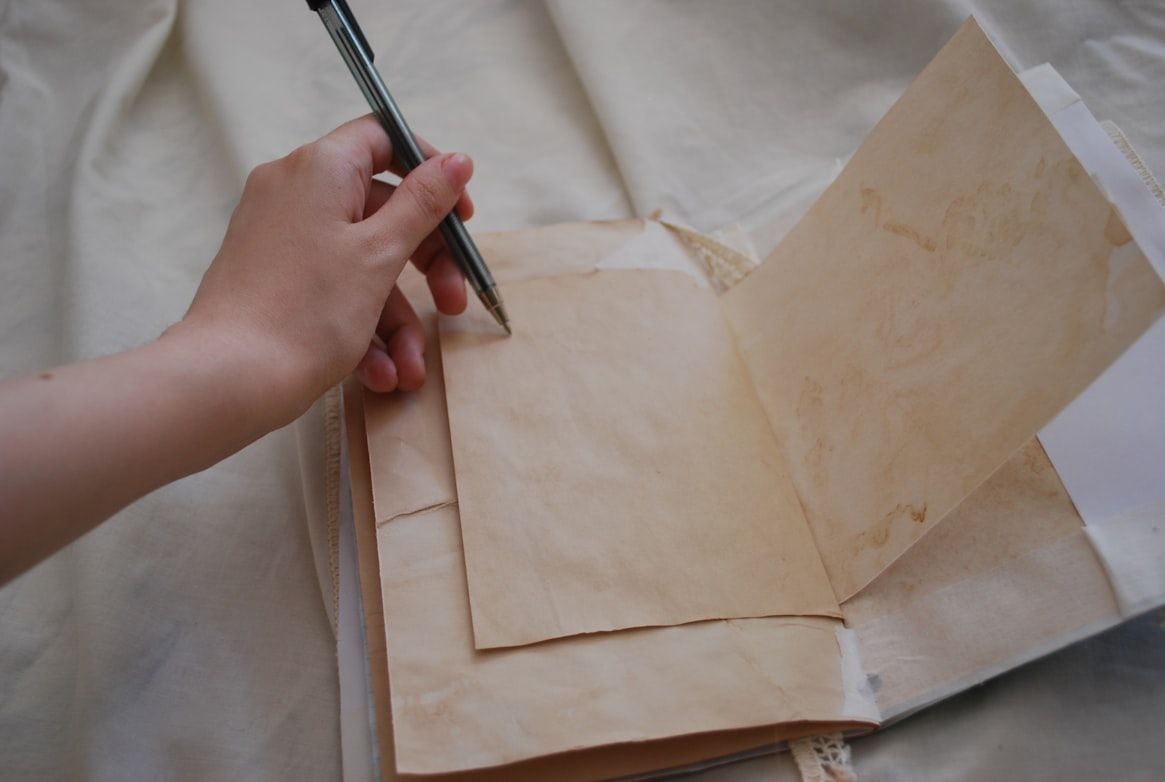
Image: Anna Savina

For much of the 19th and early 20th centuries, left-handed students were forced to switch hands . Teachers tied their left arms or punished them until they wrote with their right hand.

This practice was based on superstition and prejudice, with left-handedness considered "wrong" or even sinister.

10
Bathing suits above the knee
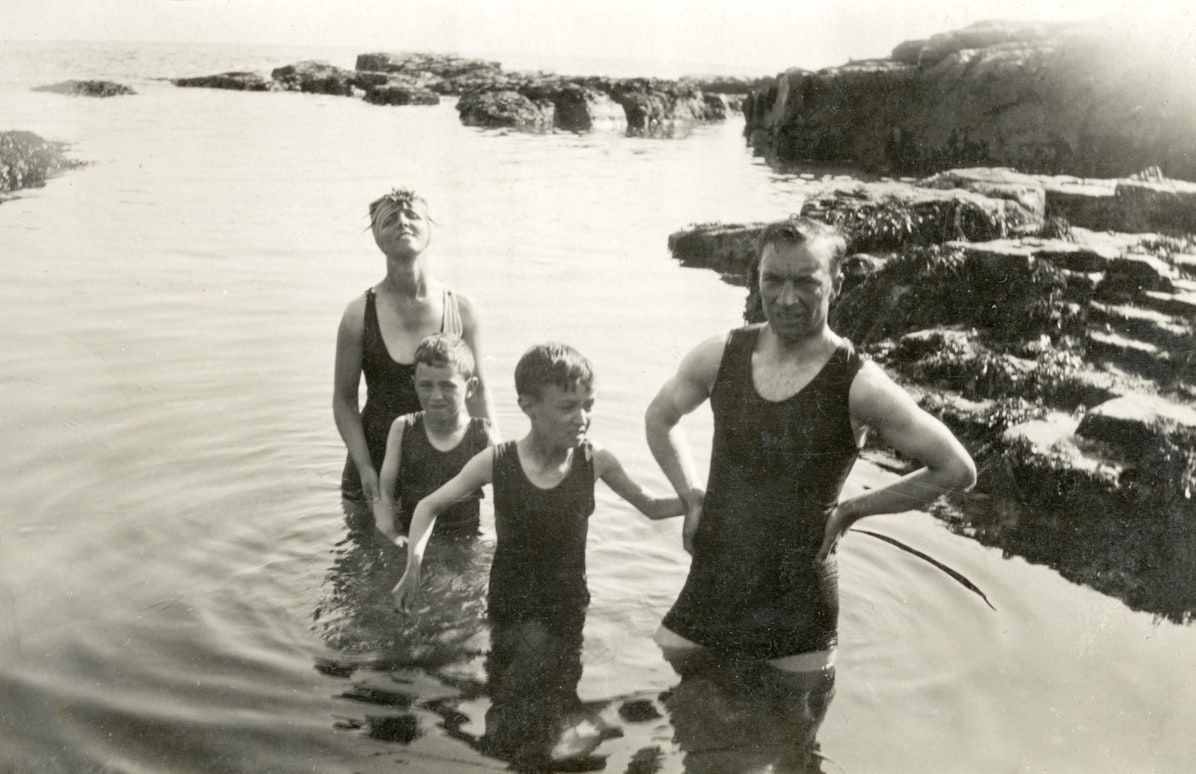
Image: Brett Jordan

In the early 1900s, strict laws dictated swimwear modesty at public beaches . Bathing suits that rose above the knee could result in fines or even arrest by "beach police."

Photographs from the time show officers measuring swimsuit lengths with rulers. The bans slowly disappeared as fashion and social norms shifted.

11
Coffee
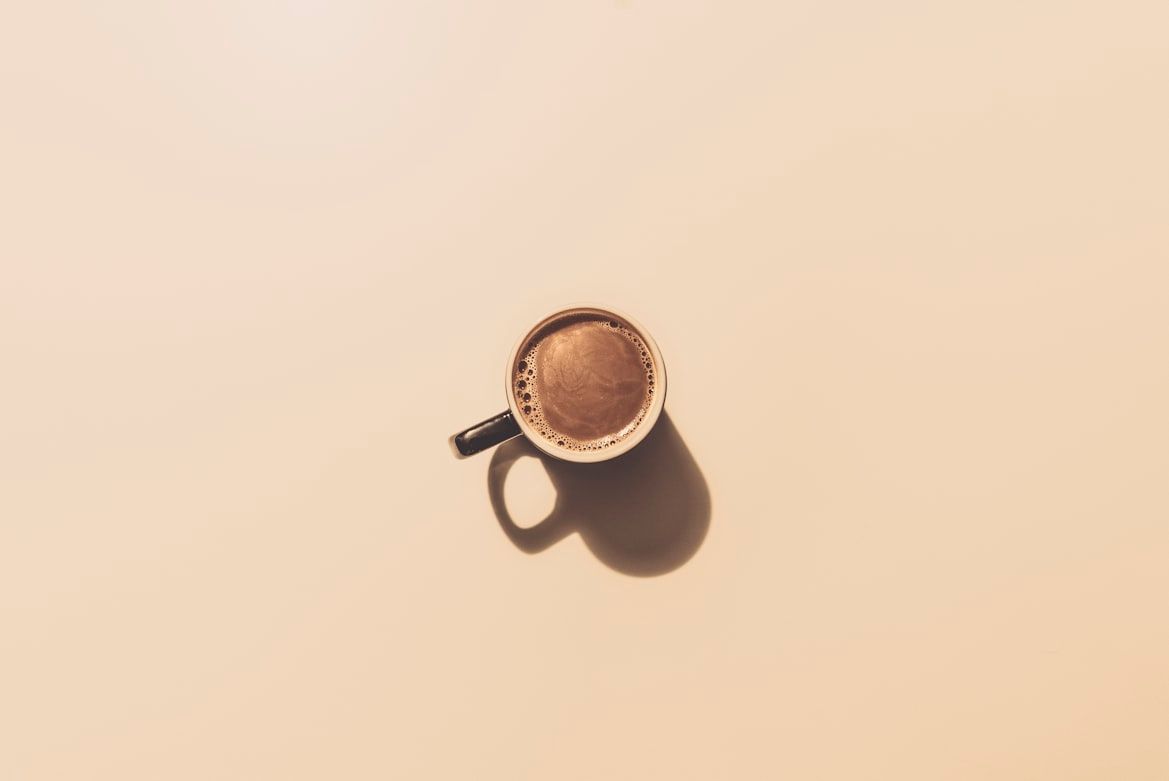
Image: Jakub Dziubak

In the late 1600s, in Boston, coffee was briefly banned for being considered dangerous and unproductive . Authorities feared it encouraged idleness and vagrancy.

Coffeehouses were seen as gathering places for gossip and dissent. The ban didn’t last long, and coffee soon became a staple of American culture, eventually surpassing tea in popularity.

12
Velvet Elvis paintings
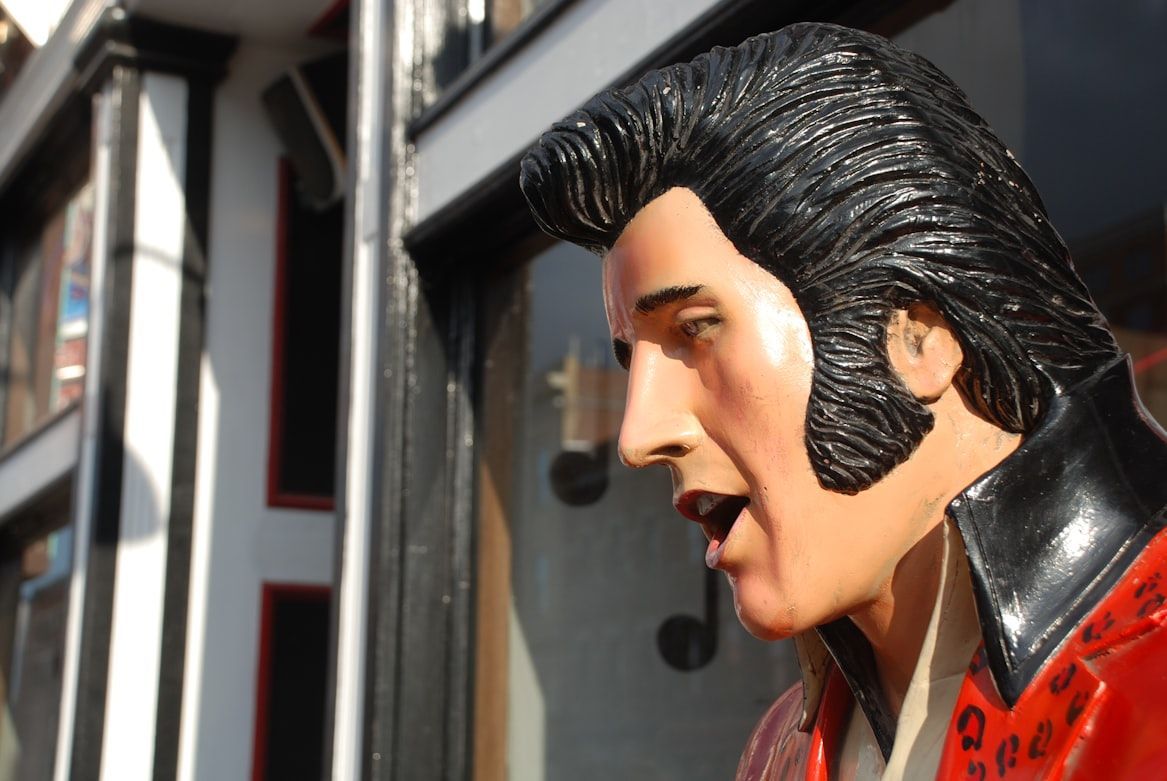
Image: Susan Mohr

In the 1970s and 80s, velvet Elvis paintings became a kitschy art craze. Some towns, embarrassed by the trend, tried banning their sale, calling them indecent or tacky .

Though the bans were rarely enforced, they reflected how taste and morality sometimes crossed into law.

Culture Culture 3 min read

Did you know?

Smoke and mirrors: Hidden truths behind old Hollywood's stars!

Image: MARIOLA GROBELSKA

A lot happened behind the cameras and flashing lights of the Golden Age of Hollywood! For instance, do you know which star had an impressive private library? Or who had to conceal his orthodontics as an adult? Read on and you might find some lesser-known stories behind legendary names like Marilyn Monroe, Frank Sinatra, or Humphrey Bogart.

1
Elvis Presley was naturally blond

Image: JR Harris

No, that jet-black pompadour wasn’t natural! Elvis entered the world with sandy blond hair, which gradually darkened to light brown as he aged.

But when he began chasing a movie career, he dyed it black, as legend has it, using shoe polish before he could afford the real dye.

2
Marilyn Monroe’s library held over 400 books

Image: pure julia

Did you know that Marilyn was a serious bibliophile? Her personal collection reportedly exceeded 400 books . It included subjects like art, history, philosophy, and classic literature, from Ulysses by James Joyce to The Portable Dorothy Parker .

She was often photographed reading between takes, and her friends described her as a genuinely curious and thoughtful woman.

3
Sinatra had a hidden knack for painting

Image: Ethan Rougon

The voice behind "My Way" also spent decades expressing himself through a brush. Through the decades, he painted hundreds of canvases , from colorful abstracts to cubist-inspired portraits, which he often signed with a simple "Sinatra."

His friends said he painted almost daily at home in Palm Springs.

4
Elizabeth Taylor once proposed marriage… and was rebuffed

Image: Katelyn MacMillan

Elizabeth Taylor famously had eight marriages and seven husbands. But even before her first one, as a teenager, she took her first bold shot at love.

According to actor and Olympic swimmer Buster Crabbe , the young star once asked him to marry her, but he politely declined, saying she was too young.

5
Cary Grant’s real name was Archie Leach

Image: Jeremy Yap

"Archibald Leach" might not read like the film star that Golden Age Hollywood would covet. Archie probably guessed this, and the poor boy from Bristol, England, decided to change his name to try his luck in the industry: He would be "Cary Grant."

Once successful, the actor famously said: "Everyone wants to be Cary Grant. Even I want to be Cary Grant."

6
Audrey Hepburn could speak Dutch, French, Italian, and English

Image: Magda Fou

Graceful, elegant, and a polyglot. Audrey Hepburn spoke six languages ! Born in Brussels and raised in the Netherlands and England, Hepburn grew up switching between tongues with ease.

This ability later served her well in diplomacy and film. Because the face of Roman Holiday was not only a charming actress; she also famously served in UNICEF as a global ambassador.

7
Lauren Bacall invented her signature "slither down" pose

Image: Ron Lach

There’s a story behind Lauren Bacall’s sultry stare. Nervous during her first screen test for To Have and Have Not , Lauren steadied her trembling chin by lowering it and gazing upward. Hence, the unforgettable look was born.

Later, she perfected a seated move ( the "slither down" ) where she’d lean forward slightly, chin low, eyes locked. That pose became her trademark.

8
Humphrey Bogart was kicked out of a boarding school

Image: Aman

There was a time in history when Humphrey Bogart’s parents were very worried about his future. As a teenager, he was expelled shortly after entering Phillips Academy in Andover, Massachusetts.

Some say he was kicked out for throwing a faculty member into a pond during a prank; others claim it was for smoking, drinking, or general "bad behavior." The true story remains private. We do know that the incident sent him straight into the U.S. Navy during World War I.

9
Marilyn Monroe stood up for Ella Fitzgerald

Image: Yoel J Gonzalez

Marilyn had moments of real principle. In 1955, she used her influence to persuade Mocambo, a high-end nightclub in Hollywood, to book Ella Fitzgerald, who had been denied access to many such venues because of racial prejudice. The story goes that, after that performance, doors started opening for Ella both literally and figuratively.

10
Marlon Brando designed Don Vito Corleone

Image: RDNE Stock project

Producers of The Godfather did not think Marlon Brando was a good choice for the mafia movie, at first. So the star took matters into his own hands.

He slicked back his hair with shoe polish, stuffed tissues inside his cheeks to create the iconic jowls of Don Corleone, and lowered his voice into a sinister murmur. The resulting homemade screen test did win the studio over. The rest is cinematic history.

Explore more American facts

Choose your favorite category!

General
General

As American as apple pie—the very best America has to offer!

Culture
Culture

Delve into the astounding richness of American lore.

Geography
Geography

Hop in and explore vast and diverse American landscapes.

History
History

Discover the key moments that shaped the United States.