General General 4 min read

Championed bestsellers

Can you guess the most famous books set in these states?

Image: lil artsy / Morgan Lane

Books surely transport us. Particularly those with stories entwined with the landscapes and culture of real places. Some novels have become so famous that they are the top-of-mind when

we think of certain U.S. states. Which book do you remember when we mention Alaska, Alabama, or Missouri? Let’s see if you can guess which titles are the most famous set in these states!

1
Alaska – Into the Wild

Image: Joris Beugels

Surely a top choice! Into the Wild recounts the real and tragic story of Christopher McCandless, who ventured to the north Alaskan wilderness seeking freedom and self-discovery.

As thought-provoking as heart-breaking, this non-fiction by Jon Krakauer takes readers on a journey with vivid descriptions of Denali and the Stampede Trail.

2
Colorado – The Shining

Image: Luke Scarpino

Maybe not the most flattering, but consensus says that the most famous novel set in Colorado is Stephen King’s iconic The Shining .

After all, the story about troubled Jack Torrance and his family unravels inside the fictional Overlook Hotel, imagined as a high-altitude, secluded retreat in Colorado. King was inspired to write it after his stay at Stanley Hotel, in the same state.

3
Kansas – The Wonderful Wizard of Oz

Image: V

Is it fair? Most of the action in Frank L. Baum’s novel occurs in Oz, not Kansas. But the one famous line, made unforgettable by the movie, was enough to link The Wonderful Wizard of Oz to the state forever.

"Toto, I have a feeling we are not in Kansas anymore " and later on "There’s no place like home" have made people resolve that Kansas is underlying in the plot of the famous fantasy.

4
Louisiana – Interview with the Vampire

Image: Katelyn Greer

The luxurious vampires created by Anne Rice for Interview with the Vampire would not be the same if not draped in Louisiana’s gothic mystique. That’s why people defend this as the Pelican State’s most famous book.

From shadowy bayous to grand Creole mansions, the stories of Louis and Lestat redefined vampire lore and turned them into rock stars of literature.

5
Missouri - The Adventures of Tom Sawyer

Image: Lawrence Chismorie

Mischievous Tom Sawyer might be the quintessential American boy, and he certainly was from the Show-Me State.

Mark Twain's classic tale, set in the fictional town of St. Petersburg, Missouri, follows Tom and his pals, Huckleberry Finn and Becky Thatcher. Who could forget the iconic fence-painting scene or the thrilling cave exploration?

6
Georgia - Gone with the Wind

Image: Ника Алексеева

Frankly, we do give a damn about this sweeping epic set in Georgia during the Civil War and Reconstruction era. Margaret Mitchell's Pulitzer Prize-winning novel, Gone with the Wind , tells the story of Scarlett O'Hara, a headstrong Southern belle.

From the grand plantation of Tara to the bustling streets of Atlanta, the novel paints a vivid portrait of a bygone and controversial era.

7
Vermont - Pollyanna

Image: Tuyen Vo

Sweet Pollyanna was voted the most famous novel set in Vermont, known for its picturesque landscapes and charming towns.

Eleanor H. Porter's children’s classic tells the story of an optimistic girl who invents a "glad game", which teaches herself and her neighbors to find joy in every situation.

8
Washington - Twilight

Image: Alex Moliski

The craze set on by Stephenie Meyer’s Twilight saga was hard to miss. But few people remember that this vampire romance was distinctly set in Forks, Washington.

Unraveling in a misty, rainy city lined by looming forests, the series of novels lodged itself in the memory of millions of fans as an emblem of this northern state.

9
Texas - No Country for Old Men

Image: Damien Snyers

Another Pulitzer Prize-winner: No Country for Old Men is set in the desolate landscape of West Texas. This work by Cormac McCarthy was the first that many mentioned when asked about the state.

It follows a Vietnam veteran turned hunter, who stumbles upon a drug deal gone wrong. The film adaptation, directed by the Coen brothers, was also critically acclaimed, earning four Academy Awards and more fame to the title.

10
Oregon - One Flew Over the Cuckoo's Nest

Image: Aleksandar Pasaric

Author Ken Kesey used to work the graveyard shift at a mental facility in California. But this did not stop him from setting One Flew Over the Cuckoo's Nest in Oregon, where he grew up.

This powerful novel, a satire of the mental healthcare system, also became a multi-awarded film starring Jack Nicholson.

11
Alabama – To Kill a Mockingbird

Image: Brian Forsyth

Who could forget the story of Atticus Finch, the moral compass of Maycomb, Alabama? Harper Lee’s classic told from the perspective of young Scout Finch is a moving tale of justice and humanity.

Although Maycomb is fictional, this Pulitzer Prize-winning novel has enough renown to turn it into the most famous set in Alabama, even internationally.

12
New York - The Great Gatsby

Image: Billy Huynh

Surely New York state had many strong contenders —from Breakfast at Tiffany’s to The Catcher in the Rye . But the winner was F. Scott Fitzgerald's The Great Gatsby .

This iconic novel captures the glamour and excess of the Roaring Twenties, as well as a version of the American Dream gone awry. It’s not only New York’s most famous fiction , some have gone so far as to call it the quintessential American novel!
General General 4 min read

Beloved products that vanished from stores

Ten discontinued American products we still miss today

Image: Natasha Connell

Remember when you could walk into any store and find your favorite snack, only to have it vanish without a trace years later? Some discontinued products become legends, living on in our memories and late-night conversations about "the good old days." Here are ten discontinued products that still make us nostalgic, and honestly, a little hungry for the past.

1
Hydrox Cookies

Image: Conor Brown

Introduced in 1908, these chocolate sandwich cookies with cream filling were the original, while Oreos followed four years later in 1912 . Hydrox had a crunchier cookie and a less sweet filling, which devoted fans absolutely loved.

Hydrox disappeared from shelves in 2003, leaving longtime fans heartbroken and insisting that they were superior to their more famous competitor. The cookie made a brief comeback in 2015 under new ownership, but it never quite recaptured its former glory or widespread availability.

2
Squeezit

Image: Haley Owens

Squeezit arrived on the scene in 1985 with its unique bottle design that you literally had to squeeze to drink from—no straw needed! The bottles came in wild colors and flavors like Chucklin' Cherry and Grumpy Grape, each with its own cartoon character printed on the label.

General Mills discontinued Squeezit in 2001, crushing the dreams of millennials everywhere who had fond memories of squeezing these bottles a little too hard and squirting juice everywhere.

3
Jell-O Pudding Pops

Image: sheri silver

Bill Cosby might have made these famous in commercials, but it was the frozen treat itself that made Pudding Pops legendary in the 1980s. Introduced in 1979, these weren't your typical popsicles— they had a creamy, mousse-like texture that was somewhere between pudding and ice cream.

Jell-O discontinued the original Pudding Pops in the early 1990s, and despite several attempted comebacks with different formulations, they've never tasted quite the same as the originals. People who remember the real deal insist that the modern versions just don't have that same creamy texture or rich flavor.

4
Crystal Pepsi

Image: Giorgio Trovato

Launched in 1992, this clear cola was supposed to represent "purity" and tap into the clear product craze of the era . It tasted almost exactly like regular Pepsi, which created a weird cognitive dissonance: your brain expected lemon-lime, but your taste buds got cola. Crystal Pepsi flopped hard and disappeared by 1994, but it achieved cult status among nostalgic millennials and Gen Xers.

5
Bonkers! Candy

Image: Edgar Chaparro

"Bonkers bonks you out!" went the commercial jingle, and this chewy fruit candy certainly made an impact when it hit stores in the early 1980s. Each piece was wrapped individually and packed an intensely fruity flavor that was almost overwhelming—in a good way . Bonkers came in flavors like grape, strawberry, and watermelon, and they had a unique texture that was chewier than Starburst but softer than taffy.

Nabisco stopped making Bonkers in the 1990s, and fruit candy lovers have been mourning ever since. There were brief periods when the candy reappeared under different ownership, but it never achieved the same widespread distribution.

6
Dunkaroos

Image: RUMEYSA AYDIN

Introduced by Betty Crocker in 1990, these snack packs came with small kangaroo-shaped cookies and a container of frosting for dipping. The concept was simple but brilliant—make cookies even more fun by turning them into an interactive snack. Flavors included chocolate chip cookies with vanilla frosting, vanilla cookies with chocolate frosting, and the ultimate combo of chocolate cookies with chocolate frosting.

General Mills discontinued Dunkaroos in the United States in 2012, sparking outrage among millennials who considered them a sacred part of their childhood. The good news? After years of petitions and social media campaigns, Dunkaroos made a triumphant return in 2020.

7
Clearly Canadian

Image: 소녀

Before sparkling water became trendy, there was Clearly Canadian— a flavored sparkling water that came in distinctive teardrop-shaped glass bottles . Launched in 1987, this Canadian import became hugely popular in the U.S. throughout the late 80s and 90s. The flavors had fancy names like Wild Cherry, Country Raspberry, and Orchard Peach, and the carbonation was more aggressive than today's LaCroix.

Clearly Canadian largely disappeared from American stores in the 2000s as other beverages dominated the market, though the company never completely shut down. Thanks to a Kickstarter campaign in 2015, it made a comeback, but it's still not as widely available as it once was.

8
P.B. Crisps

Image: Olga Nayda

Planters gave us the ultimate peanut butter snack in 1992 with P.B. Crisps— crispy shell-shaped cookies filled with peanut butter . These weren't ordinary peanut butter cookies; they had a unique, crispy texture on the outside and creamy peanut butter on the inside, creating a perfect contrast.

Sadly, P.B. Crisps were discontinued in 1995 after just three years on the market, leaving peanut butter lovers devastated. No snack has quite filled that void—Nutter Butters are too cookie-like, and peanut butter crackers are too cracker-like.

9
Altoids Sours

Image: Customerbox

These tiny, tangy candies came in flavors like Tangerine, Citrus, and Raspberry, and they packed a seriously sour punch that made your whole face scrunch up . They came in the same iconic tin as regular Altoids, which made them feel substantial and collectible.

Altoids discontinued the Sours in 2010, and fans have been petitioning for their return ever since. There have been multiple online petitions, Facebook groups, and even people hoarding old tins as collectors' items.

10
Snapple Elements

Image: Snappr

Launched in 1999, these drinks came in wide-mouthed glass bottles and had more exotic flavors than typical Snapple offerings . Rain was agave cactus, Sun was starfruit, and Fire was dragonfruit. The bottles themselves were beautiful, with distinctive designs and colors that made them stand out on store shelves.

The Elements line was discontinued in the early 2000s, though Snapple brought back a reformulated version in 2008 that wasn't quite the same. The original Elements had a devoted following who appreciated the more complex flavors and the beautiful bottle design.

History History 6 min read

Behind the everyday

Brilliant minds that changed our lives: check 10 American creations!

Image: Bruno Cervera

Let’s be real, American inventors have given us some pretty amazing stuff over the years. Consider how the Walker Method was a blessing for black women’s hair, or how praised the Kodak camera was and still is. All these things made America what it is. And the best part? Many of these creations have become so much a part of our daily routines that we don’t even stop to think about where they came from! So, grab your favorite drink, kick back, and let’s take a look at 10 American inventors whose brilliant ideas have changed the game in ways no one saw coming!

1
The Walker Method by Madame C. J. Walker

Image: TopSphere Media

It was Einstein who said that in the midst of every crisis lies an opportunity, and if he said so, it must have been for good reason. Or so thought Madam C.J. Walker, born Sarah Breedlove, who turned her personal hair loss struggles into a revolutionary business.

Do you know how hair is different for everyone? Well, she created a specialized hair care system for Black women that included pomade, a specific brushing technique, and heated combs. She called it the "Walker Method," and it was all about creating confidence while taking care of hair. Walker’s products became wildly popular because she also empowered others by training saleswomen and teaching them entrepreneurial skills.

2
Portable fridge by Frederick Jones

Image: Eric Prouzet

Frederick Jones’ brilliance lies in his ability to solve real-world problems—like the need to transport perishable goods safely (or keeping our soda cold at the beach).

During World War II, he developed portable refrigeration units, developed during World War II, made it possible to transport food, blood, and medicine to soldiers on the frontlines. This invention didn’t just change the war effort; it revolutionized how we transport essentials today.

A self-taught engineer, Jones received over 60 patents, many related to refrigeration but also to X-ray machines and engines. His cooling technologies still affect our daily lives, from grocery stores to hospital supplies. With his work, Jones quietly transformed modern logistics. He showed us that staying cool under pressure can lead to incredible things!

3
Ironing board by Sarah Boone

Image: Eric Vö

We get so used to certain everyday objects, that we usually forget (or not even think about) who was the brilliant mind behind them. Take the ironing board, for example, have you ever wondered who made ironing a little easier?

Well, the creator was Sarah Boone, a dressmaker who improved the basic ironing board design.

In the late 1800s, ironing clothes meant laying them flat on a wooden plank which was, ultimately, awkward and inefficient. Boone improved it with a design of a curved, padded board that fit better inside dresses and allowed for easier pressing.

It was collapsible for storage, a feature we still appreciate today. Boone’s 1892 patent made her one of the first Black women in America to secure such recognition. Thanks to her, ironing boards became a must in every home and, ironing, an easier task for everyone!

4
Electronic television by Philo T. Farnsworth

Image: Muhammed ÖÇAL

Philo T. Farnsworth might not be a household name, but his creation certainly is. Farnsworth is responsible for the first electronic television. As a young boy, Farnsworth’s dream was to transmit images electronically, and in 1927, that is exactly what he did.

Life was not fair with him so, although much of his career was spent in legal battles defending his invention, his technology paved the way for modern broadcasting. Beyond television, Farnsworth also contributed to radar and nuclear fusion research. While RCA eventually marketed the first home televisions, Farnsworth’s work was the true foundation of it all. So, turn your modern TV on and cheer to Philo!

5
Super Soaker by Lonnie Johnson

Image: Michael Starkie

Not all inventions are created in a lab, some of them happen by accident, like Lonnie Johnson’s Super Soaker! While working on a heat pump for NASA, Johnson came up with a new idea in his bathroom. When a powerful jet of water shot out of his experimental device, he realized he had a potential toy in his hands.

After tweaking the design, he sold it to the Larami Corporation in 1989, and the Super Soaker became a backyard sensation. Ever since, millions of kids (and adults, don’t deny it!) have enjoyed epic water fights thanks to this fun twist of fate.

6
Kodak Moments: George Eastman’s Picture-Perfect Idea

Image: britt gaiser

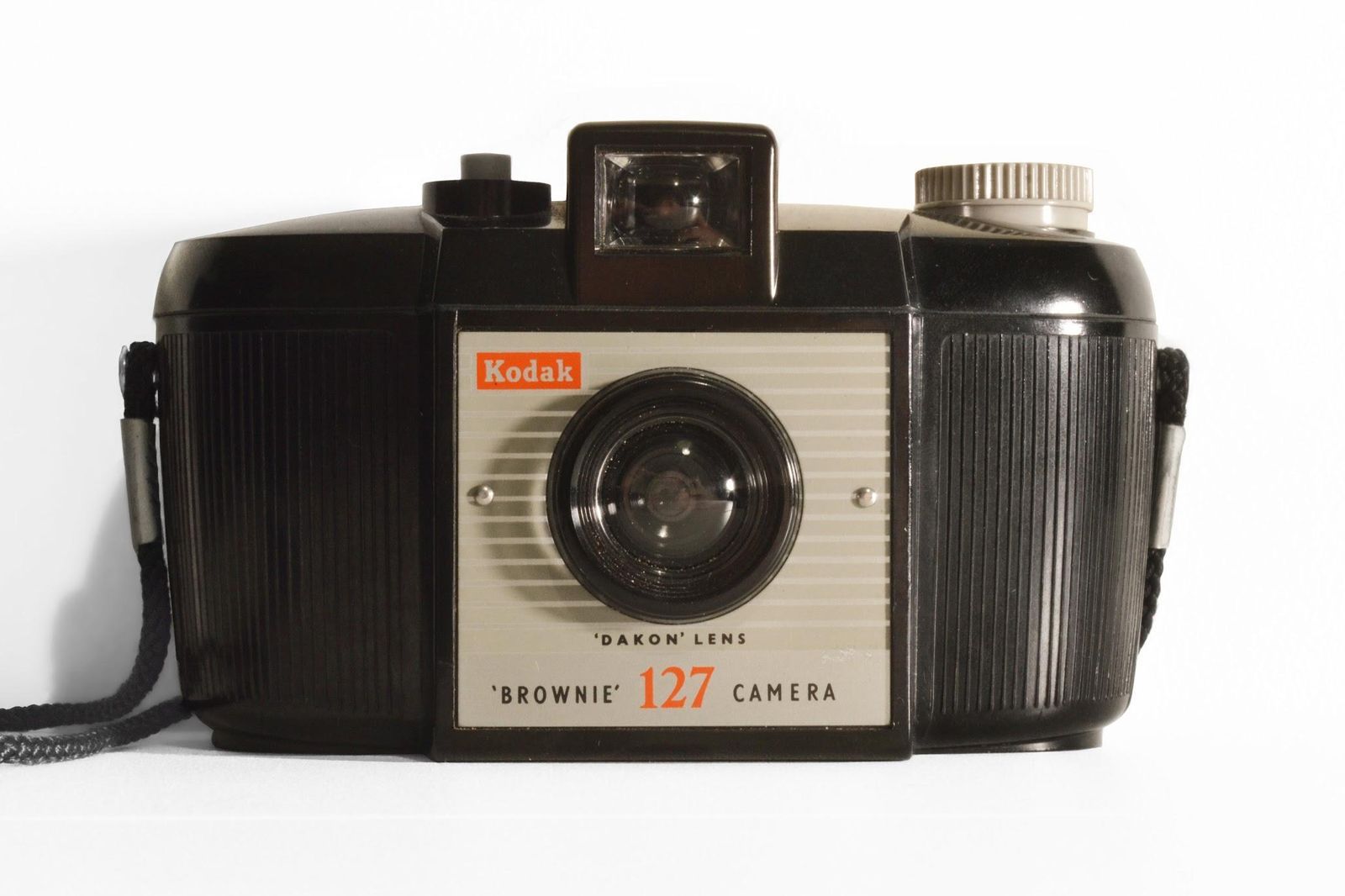
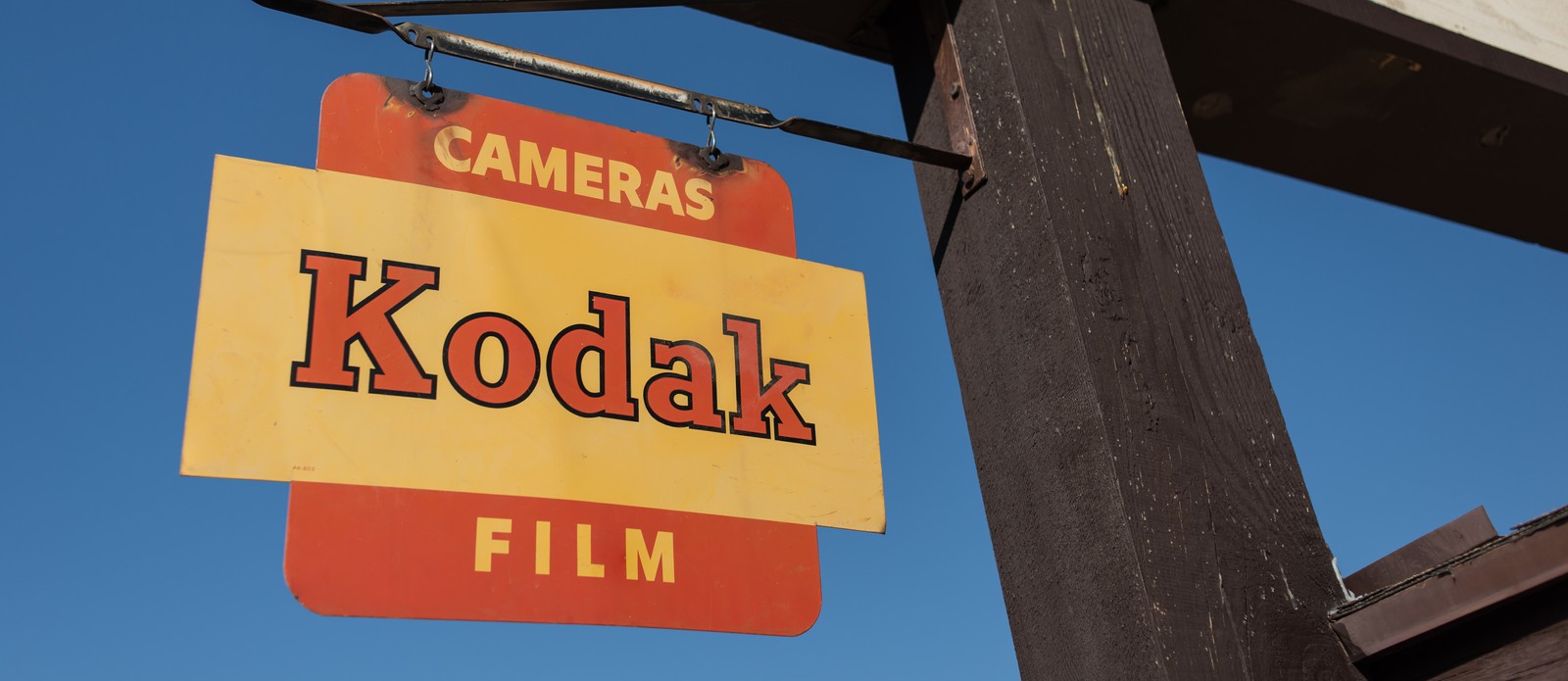
Photography wasn’t always as simple as point-and-shoot, but George Eastman changed that forever. In the late 1800s, he invented the Kodak camera and made it affordable and easy for the average person to snap photos. His invention included a roll-holder device and a new type of flexible film, which made cameras lighter and more portable. Before Eastman, photography was a complicated process reserved for professionals, as you can imagine.

But by 1900, with the launch of the Brownie camera, every man and woman could document their everyday lives. Eastman’s vision of making photography "as convenient as the pencil", as he put it, became a reality. Now, every selfie we take can be traced back to his work.

7
Handy pencil sharpener by John Lee Love

Image: Detmold

Next time you sharpen a pencil, thank John Lee Love for making it a whole lot easier. This talented carpenter and inventor patented a portable pencil sharpener that was rather similar to the ones we use today.

Originally known as the "Love Sharpener," his design was simple, yet genius: The main benefit was it could fit in your hand and didn’t require much effort. Before his invention, sharpening a pencil meant dealing with large, bulky devices. He fully understood it’s the small details that make life easier and more effective so, his invention was, as we can see today, highly popular!

8
Sewing machine by Isaac Singer

Image: Claudio Schwarz

Don’t we all have a mother or grandmother who wouldn’t just put away their Singer machine? Well, the name Singer is nothing less than its creator’s last name. Isaac Singer’s sewing machine invention didn’t just change fashion, it changed the whole industry.

His design from 1850 included a presser foot and could sew 900 stitches per minute, a huge improvement compared to previous models. Singer’s machine was versatile too, able to sew curves, not just straight lines, making it easier to tackle a wide range of garments. Now, about the company, that was the result of his connection with Edward Clark, together they turned the invention into a household name.

9
Model T by Henry Ford

Image: Nadine E

Some creations are popular worldwide, but they started in our country and no article about our inventions would be complete without mentioning the assembly line by Henry Ford. Ford invented the car, that’s right, and thanks to it he put the whole country on wheels with the Model T. This car represented the first affordable vehicle for the everyday American.

As if that wasn’t enough, Ford’s biggest breakthrough came five years later, in 1913 with the moving assembly line, which cut production time and reduced the cost of manufacturing. This meant more Americans could own cars, changing life as we knew it. Before Ford, cars were luxury items for the rich, but the Model T and the way it was manufactured made personal transportation accessible.

10
Apple computer by Steve Jobs

Image: Tetsuya Tomomatsu

Sadly, Steve Jobs was not the inventor of the first computer ever. However, alongside Steve Wozniak, they brought computers out of laboratories and into our homes.

Up until this moment, computers were not an everyday object and even if that wasn’t until later, the path’s first steps were taken by this dynamic duo.

In 1976, they started Apple Computers in Jobs’ family garage. They created machines that were more affordable and user-friendly than anything else at the time. Their first major hit was the Apple II, which helped define the personal computer market.

Jobs left the company and came back a few years later but, the rest, from the Mac, to the iPod, to the iPad and every cellphone every year, is simply history!

Explore more American facts

Choose your favorite category!

General
General

As American as apple pie—the very best America has to offer!

Culture
Culture

Delve into the astounding richness of American lore.

Geography
Geography

Hop in and explore vast and diverse American landscapes.

History
History

Discover the key moments that shaped the United States.