Geography Geography 2 min read

Back to the roots

10 great American trees that shaped our history—and you never knew
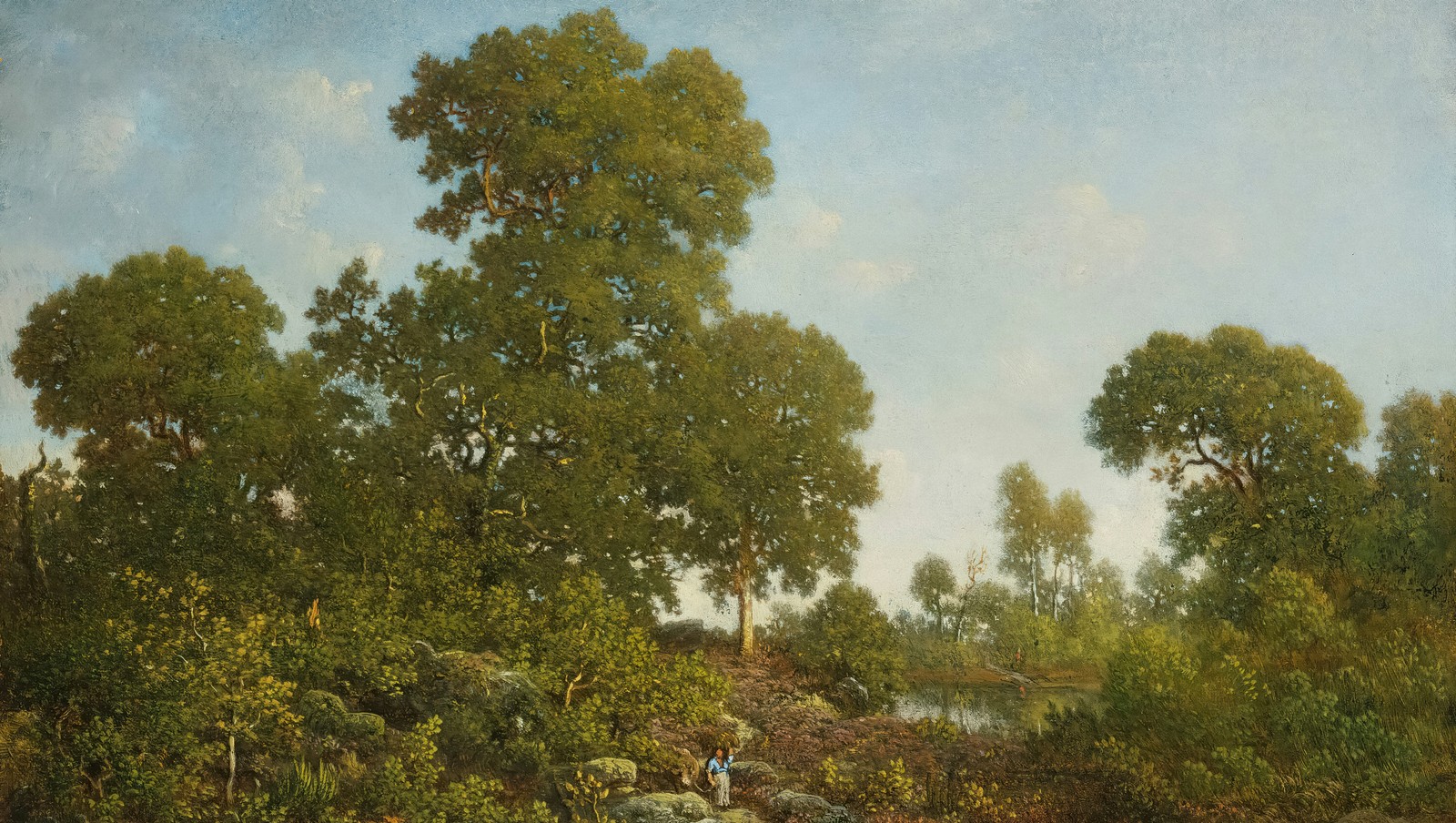
Image: Art Institute of Chicago

From towering forests to city streets, American trees have shaped culture, commerce, and the environment. Many provided food, medicine, and building materials, while others played a role in history. This list explores 10 iconic American trees and the surprising ways they’ve been used, preserved, and celebrated.

1
Sugar Maple (Acer saccharum)
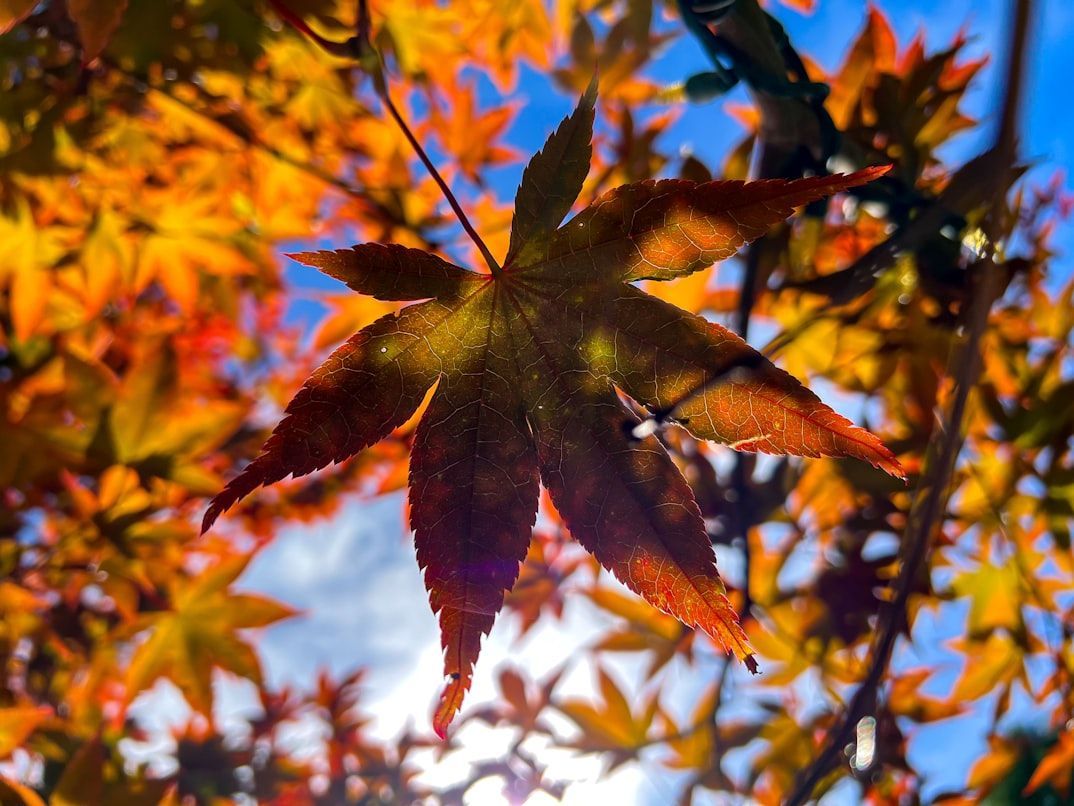
Image: GraceHues Photography

The sugar maple produces the sap that becomes maple syrup, a North American staple. Its hardwood is also prized for furniture and flooring.

Native to the northeastern U.S. and Canada, sugar maples support both culinary traditions and forestry industries. They can live for over 200 years and are crucial to fall foliage tourism.

2
White Oak (Quercus alba)
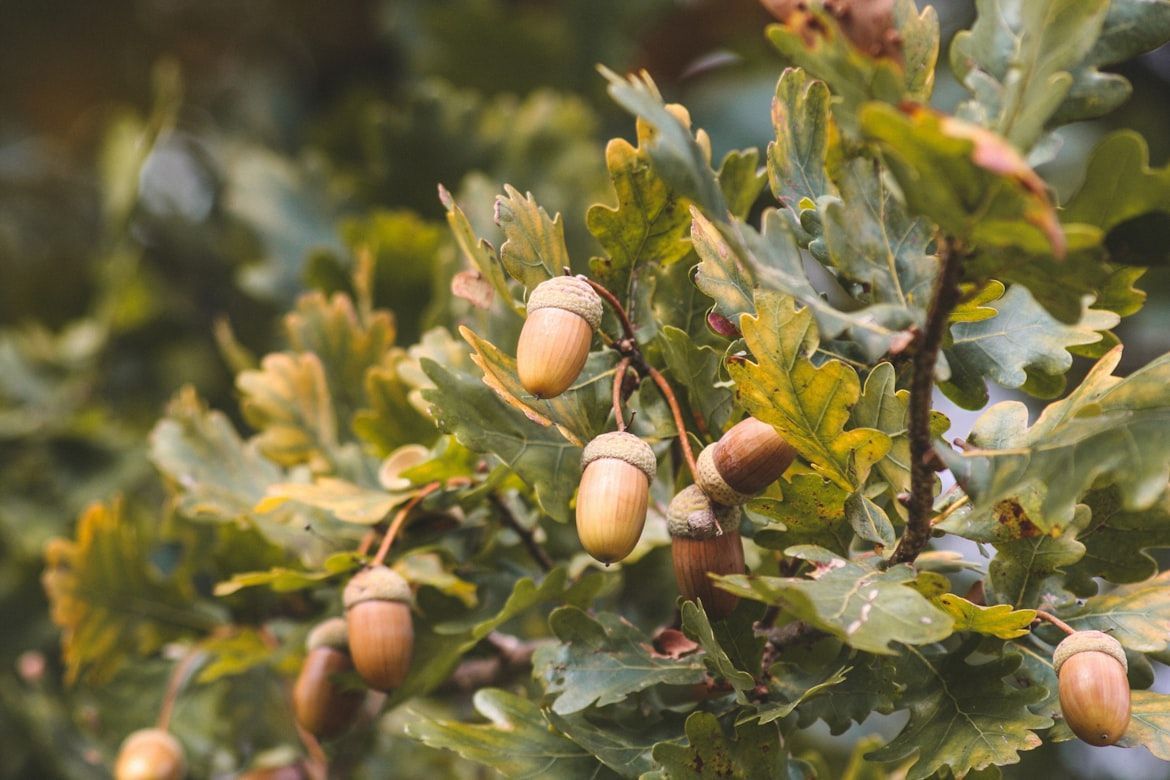
Image: Tina Xinia

White oak wood is valued for barrels, furniture, and flooring due to its strength and natural rot resistance.

Historically, it was used in shipbuilding during colonial times. White oak forests also support diverse wildlife, and their acorns feed deer, squirrels, and birds.

3
Eastern Red Cedar (Juniperus virginiana)
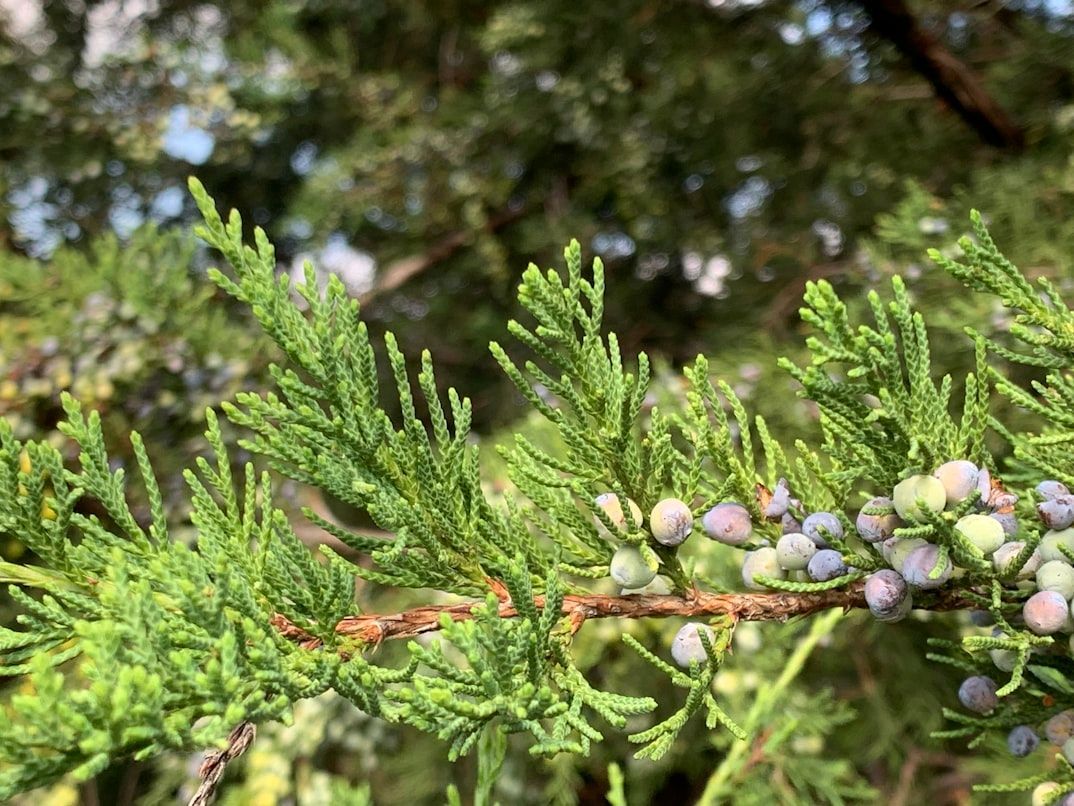
Image: Aimee Summers

This tree’s wood is aromatic and naturally repels moths, making it a good choice for closets and storage chests.

Red cedar oil was also used in medicine by Native Americans. Its dense wood has been extensively used for fence posts and small-scale construction.

4
American Chestnut (Castanea dentata)
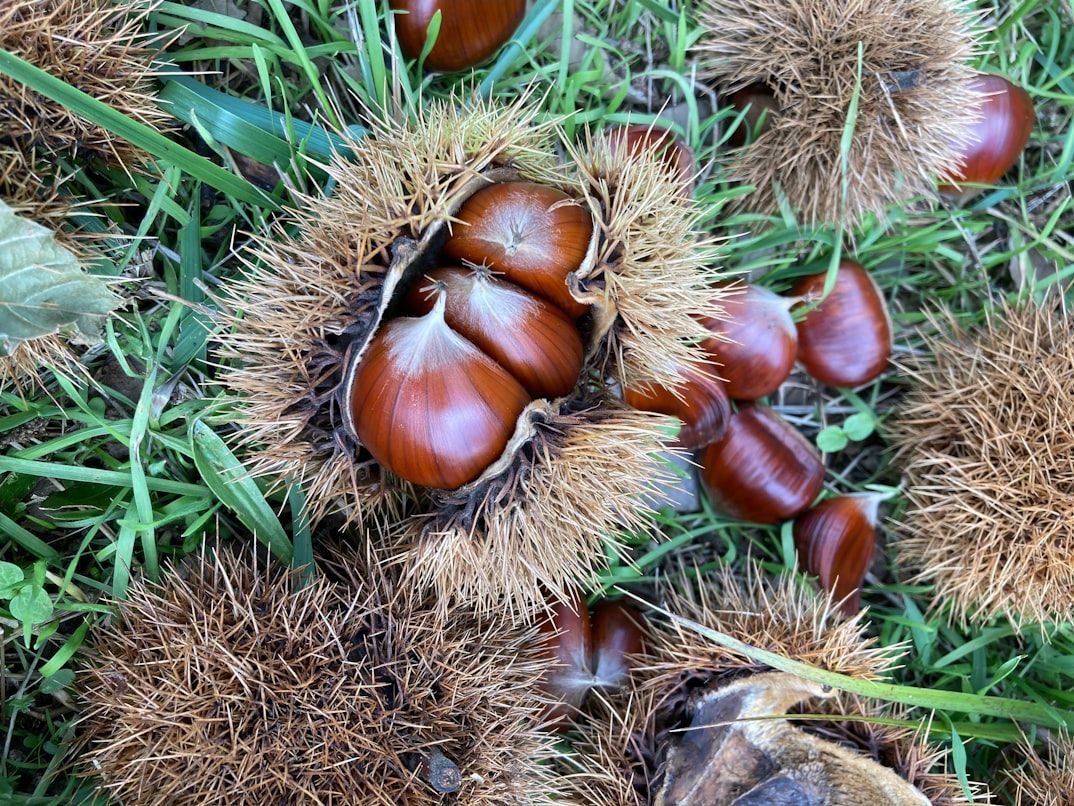
Image: Marta Reis

Once dominant in eastern forests, the American chestnut was devastated by blight in the early 20th century.

Its wood was lightweight yet strong, ideal for furniture and building. The nuts were a staple food for wildlife and humans alike. Breeding programs now aim to restore it.

5
Ponderosa Pine (Pinus ponderosa)
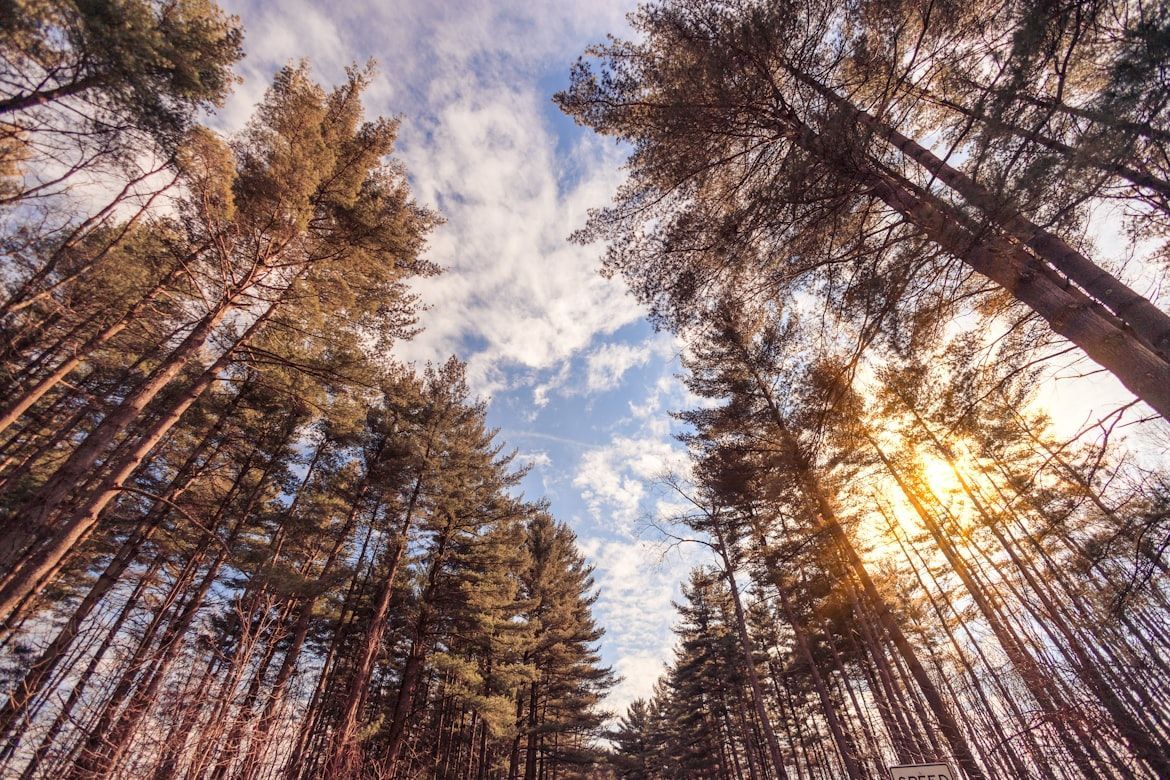
Image: benjamin lehman

Ponderosa pines dominate the western U.S. and are a major timber source.

Their wood is used for construction, paper, and fuel. Native Americans also used the bark and resin for medicinal purposes and ceremonial practices.

6
Red Maple (Acer rubrum)
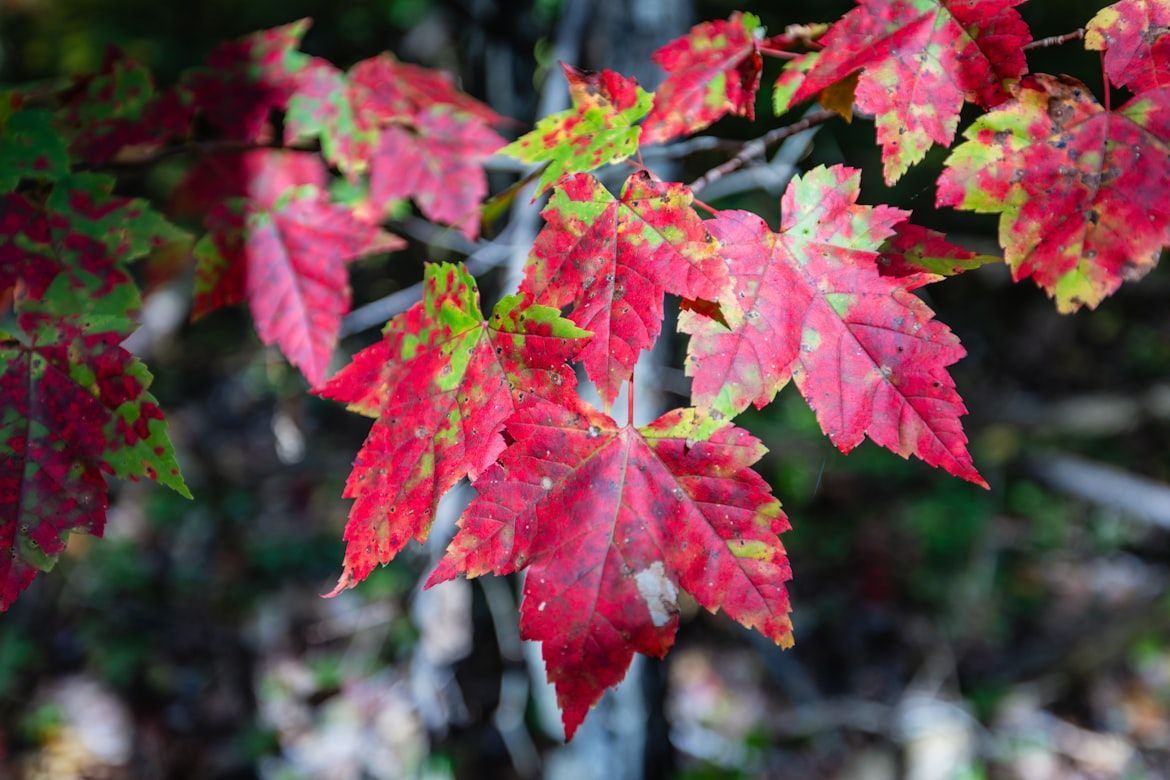
Image: Edmond Lau

Red maples are adaptable trees that provide timber and spectacular fall colors.

Like the sugar maple, their sap can also produce syrup, and the wood is used in furniture and flooring. The species thrives in wetlands, supporting a wide range of ecological diversity.

7
Douglas Fir (Pseudotsuga menziesii)
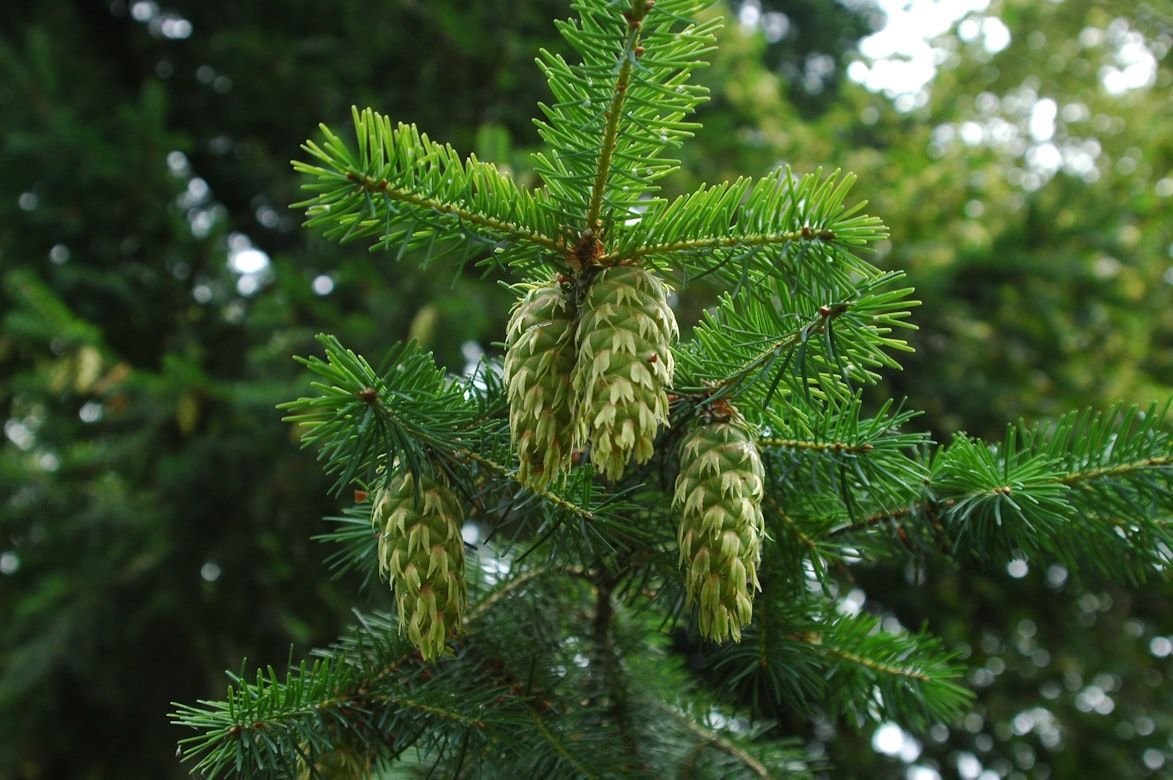
Image: Ulrike R. Donohue

A key timber species, the noble Douglas fir is used for construction, plywood, and paper.

It’s also one of the most popular Christmas trees. Native Americans used the bark and needles for medicinal purposes.

8
Black Walnut (Juglans nigra)
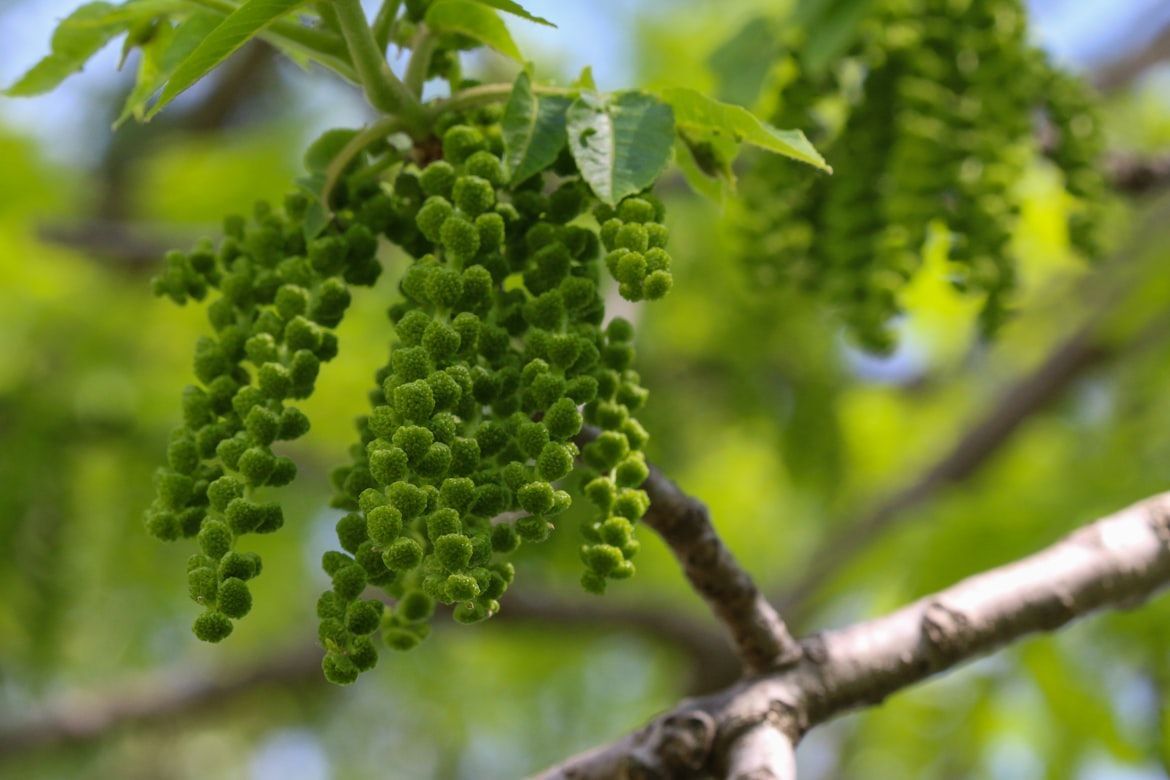
Image: Ross Domke

Black walnut produces edible nuts and dark, durable wood for furniture and gunstocks.

Its wood is highly prized by woodworkers for fine cabinetry. The nuts support wildlife, while the husks can be used for natural dye.

9
American sycamore (Platanus occidentalis)
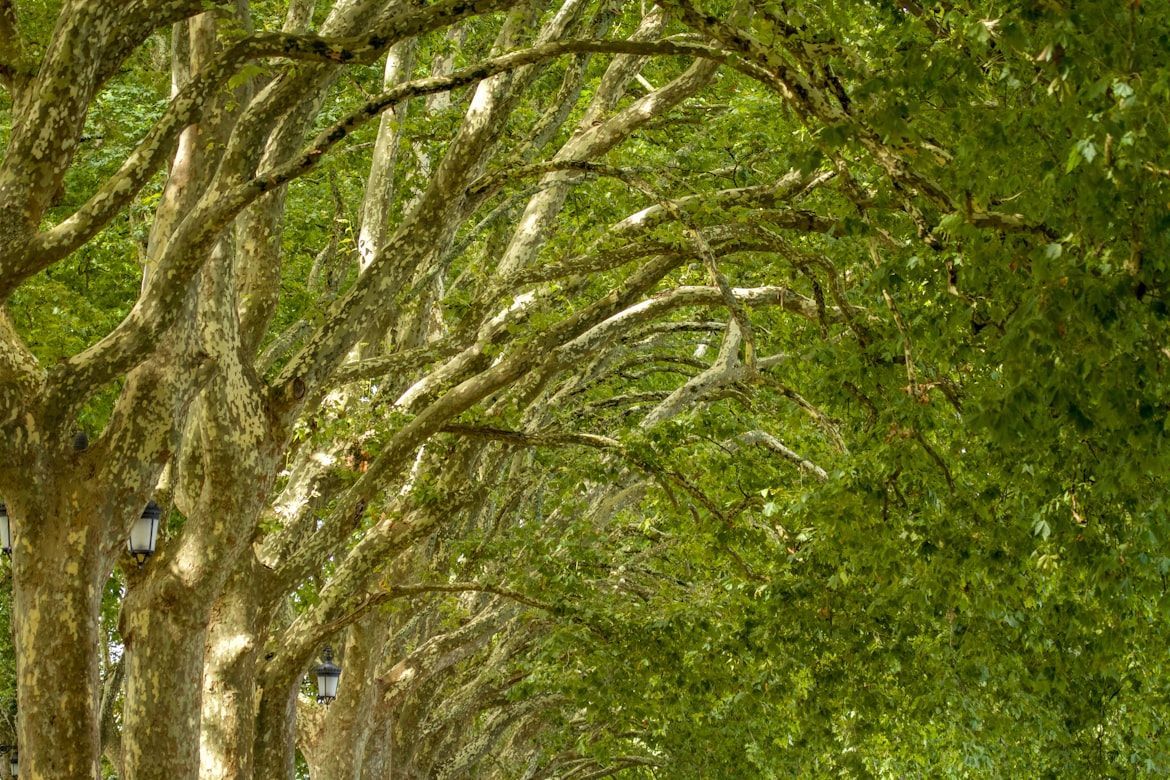
Image: Heather Wilde

American sycamores are found along rivers and lakes, stabilizing soil and preventing erosion.

Their large, patchy bark makes them visually distinctive. Historically, their wood was used for butcher blocks, furniture, and veneers.

10
White Spruce (Picea glauca)
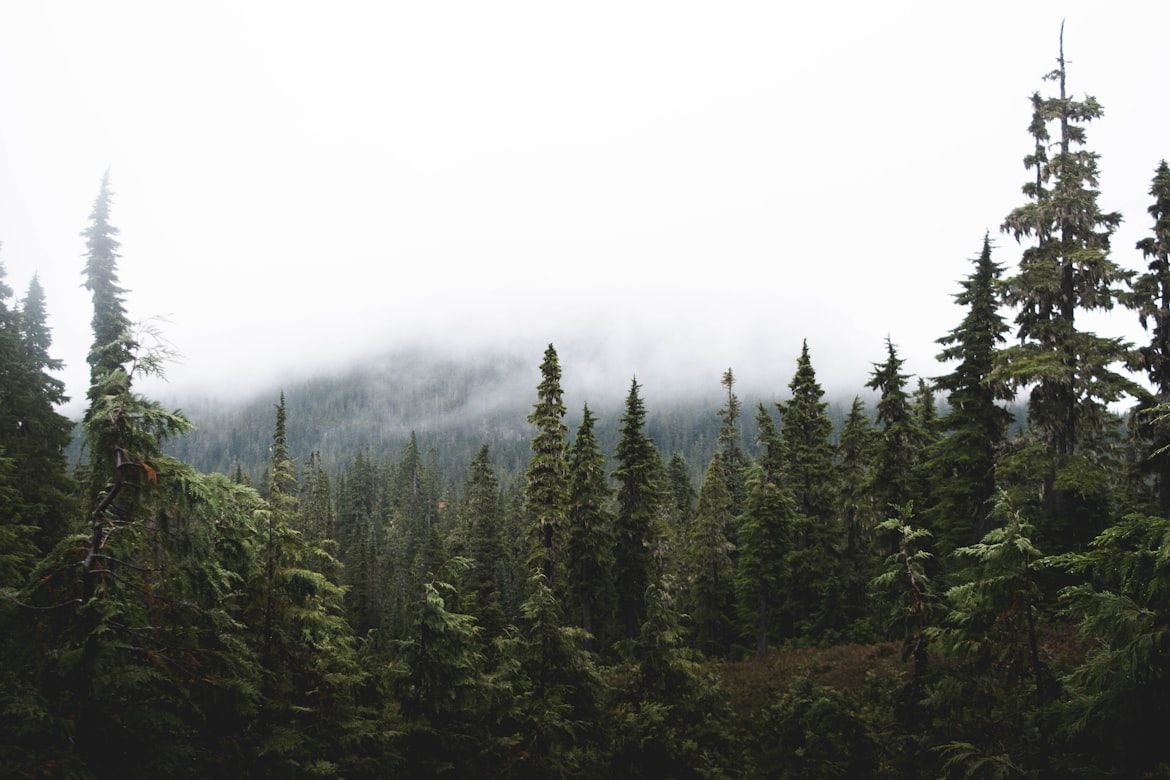
Image: Joel Cross

White spruce supports timber, paper, and pulp industries in northern forests.

Its wood is lightweight yet strong, ideal for construction and musical instruments. Spruce forests are also critical habitats for migratory birds and wildlife.


Culture Culture 5 min read

Which is your favorite music genre?

American music would not be the same without these 10 sonic pioneers

Image: Eugene Bolshem

Very rarely have musical genres been entirely created by a single individual. More often than not, when you trace the origins and environment of a musical pioneer, you will get a sense of where this person drew his or her influence from. America is rich soil for music, and the following ten artists have spearheaded genres that continue to grow and inspire to this day. Did you know any of them?

1
Ragtime - Scott Joplin

Image: Darius

The first entry on the list showcases the inventor of probably the most popular waiting-call tunes in history, Scott Joplin, the "King of Ragtime" himself. He composed over 40 ragtime pieces, one ragtime ballet, and two operas. One of his first and most popular pieces, the "Maple Leaf Rag," became the genre's first and most influential hit, later recognized as the quintessential rag.

Joplin considered ragtime to be a form of classical music meant to be played in concert halls and largely disdained the performance of ragtime as honky-tonk music, most common in saloons.

2
Blues - W.C. Handy

Image: Kelly Sikkema

Blues music can’t be traced to a single individual, but William Christopher Handy can definitely be identified as a founding figure in the genre. He was an American composer and musician who referred to himself as the "Father of the Blues."

One of many musicians who played the blues, Handy did not create the blues genre but was one of the first to publish music in the blues form , thereby taking the blues from a regional music style (Delta blues) with a limited audience to a new level of popularity.

3
Jazz - Buddy Bolden

Image: Laura Rivera

Charles Joseph "Buddy" Bolden was an American cornetist who was regarded by contemporaries as a key figure in the development of a New Orleans style of "jass," which later came to be known as jazz. Bolden was known as "King" Bolden, and he was known for his loud sound and improvisational skills, and his style had an impact on younger musicians.

Many early jazz musicians credited Bolden and his bandmates with having originated what came to be known as jazz , although the term was not in common musical use until after Bolden was musically active. At least one writer has labeled Bolden as the father of jazz.

4
Country - Jimmie Rodgers

Image: Katherine Hanlon

Widely regarded as the "Father of Country Music," James Charles Rodgers was an American singer-songwriter and musician who rose to popularity in the late 1920s. He is best known for his distinctive yodeling , which is a singing style imported from the Alps.

He has been cited as an inspiration by many artists and he has been inducted into multiple halls of fame. By 1927, he stopped working for the railroad due to health issues and decided to focus on his music career.

5
Soul - Sam Cooke

Image: Mick Haupt

Considered one of the most influential soul artists of all time, Sam Cooke is commonly referred to as the "King of Soul" for his distinctive vocals, pioneering contributions to the genre, and significance in popular music.

During his brief eight-year career, Cooke released 29 singles that charted in the Top 40 of the Billboard Pop Singles chart, along with 20 singles in the Top Ten of Billboard's Black Singles chart.

6
Rhythm & Blues - Louis Jordan

Image: Austin Neill

Known as "the King of the Jukebox," Louis Thomas Jordan was an American saxophonist, multi-instrumentalist, songwriter, and bandleader who was popular from the late 1930s to the early 1950s.

Jordan blueprinted the map of classic R&B, urban blues , and early rock-and-roll genres with a series of highly influential 78-rpm discs released by Decca Records. These recordings presaged many styles of Black popular music in the late 1940s, 1950s, and 1960s and exerted a strong influence on numerous leading performers in these genres.

7
Rock n Roll - Chuck Berry

Image: Provincial Archives of Alberta

Best known as "Chuck," Charles Edward Anderson Berry was an American singer, guitarist, and songwriter who pioneered rock and roll music. Nicknamed the "Father of Rock and Roll," he refined and developed rhythm and blues into the major elements that made rock and roll distinctive , writing lyrics that focused on teen life and consumerism and developing a musical style that included guitar solos and showmanship.

He recorded "Maybellene"—Berry's adaptation of the country song "Ida Red"—which sold over a million copies and reached number one on Billboard magazine's rhythm and blues chart.

8
Funk - James Brown

Image: iggii

"The Hardest-Working Man in Show Business," "Minister of New Super Heavy Funk," "Godfather of Soul," "Mr. Dynamite," and "Soul Brother No. 1," Mr. James Brown himself, was an American singer, dancer, and musician and the founder of funk music , as well as a major figure in 20th-century music.

In a career that lasted more than 50 years, he influenced the development of several music genres. Brown was one of the first ten inductees into the Rock and Roll Hall of Fame on January 23, 1986. His music has been heavily sampled by hip-hop musicians and other artists.

9
Disco - Donna Summer

Image: Bas Peperzak

Disco music was becoming increasingly popular in the early 1970s, but according to many historians, it was Donna Summer’s "Love to Love You Baby" that became the first "official" disco release .

The song did not have an immediate American release; it started its life with moderate success in Europe before finally gaining traction and being launched in the U.S., where it became her first number-one hit on the Hot Dance Club Play Chart.

10
Rap - DJ Kool Herc

Image: Matthew Moloney

While this name might not be as instantly recognizable as those from the previous entries, it certainly deserves to appear and close the list, as it is often cited as responsible for the birth of an extremely popular music genre. Clive Campbell, better known by his stage name DJ Kool Herc , is a Jamaican American DJ credited with being one of the f ounders of rap music in New York City in 1973.

Nicknamed the "Father of Hip-Hop," Campbell began playing hard funk records typified by James Brown. He isolated the instrumental portions of the records, emphasizing the drum beat—the "break"—and transitioned from one break to another. Campbell's announcements helped lead to the syncopated, rhythmically spoken accompaniment now known as rapping.

History History 4 min read

Stories of Hollywoodland

12 things you didn't know about the Hollywood Sign

Image: Clément Proust

The Hollywood Sign is full of history, sponsorships, drama, and reinventions. Did you know that it was originally not only a longer word but also physically larger? And like the Eiffel Tower, it was originally intended to be a temporary structure. Read on to learn more interesting facts about LA’s most famous backdrop !

1
It was originally an advertisement

Image: Emma Timmers

Have you ever wondered why the sign exists at all? After all, not many cities display neighborhood names on a nearby hill . When the sign was first erected in 1923, it was simply a billboard promoting a real estate development, and it was supposed to stand for only about 18 months.

2
It used to be longer

Image: Sarah Sheedy

The sign originally read "Hollywoodland" , the name of a new housing development that promised wealthy buyers unique views of the sunny hills of Los Angeles. So, they stuck a gigantic sign on Mount Lee. Just temporary , they said. Just for marketing .

Over 20 years later, the district had become more culturally relevant than the housing development, but people had grown used to the sight by then. So, they decided to let go of four letters. Each cost a fortune to maintain anyway.

3
It used to be bigger

Image: Eliot

The original "Hollywoodland" sign was massive. Each letter stood 43 feet tall and stretched 30 feet across. They were made from thin metal panels slapped onto wooden frames and held up by telephone poles.

It dazzled from afar, but up close, it was a wobbly mess . The construction was so flimsy that by the 1930s, some of the letters were already tilting, cracking, or sliding out of place.

4
It’s appeared in more movies than most actors

Image: Ramaz Bluashvili

Doesn’t that fact make you giggle? It’s not Bette Davis, and it’s not Anthony Hopkins—it’s the Hollywood Sign that has more movie credits .

Aliens have blown it up. Earthquakes have toppled it. Sharks have flown right through it. But it’s also been the backdrop for kisses, chases, and friendship montages. Directors love it because it screams "L.A." in three seconds flat.

5
Technically, it’s not in Hollywood

Image: RDNE Stock project

The Hollywood Sign doesn’t actually sit within the neighborhood of Hollywood—it stands atop Mount Lee, inside Griffith Park, which is managed by the City of Los Angeles . So while it may say Hollywood , it’s not technically in Hollywood.

6
It’s been rebuilt twice

Image: Gerald Schömbs

By the 1940s, the city stepped in and gave the sign a minor facelift. After the crumbling "LAND" was scrapped, the remaining letters were patched up.

But by 1978, the sign was in serious trouble again—rusted, leaning, and on the verge of collapse, it was deemed beyond repair. This time, Hollywood did what it does best: rebooted it entirely . A new sign was built from scratch, using steel beams and concrete foundations.

7
Celebrities "sponsored" letters

Image: Joseph Menjivar

When Hollywood cried for help in the late ’70s, it was Playboy founder Hugh Hefner who stepped in. The city didn’t have the funds to rebuild the sign, so Hefner threw a glitzy fundraiser to find sponsors for each of the nine letters, at $27,777 apiece.

And it worked. Alice Cooper funded the "O" in memory of Groucho Marx. Gene Autry sponsored the second "L." Even Warner Bros. chipped in.

8
No public trail leads directly to it

Image: Venti Views

Perhaps you’ve heard a disappointed tourist complain about this before: You can hike near it. You can pose below it. But actually walking up to the letters is a no-go. The trails in Griffith Park will get you close, with plenty of Instagram-worthy views. But conservation efforts mean you’ll never legally stand between the "L"s.

One reason is that decades ago, it was easier to reach the sign—and some fans even climbed the letters.

9
The land surrounding it was once nearly sold for development

Image: izayah ramos

In the early 2000s, developers had their eyes on the land behind the sign. The plan was to construct luxury homes in the hills with killer views. But the public response was pure outrage.

Enter Hugh Hefner (again), along with celebrities and conservation groups , who raised over $12 million to save the land. Today, those hills are permanently protected.

10
It has its own security team

Image: Lukas Geck

As mentioned earlier, you can’t get a selfie next to the "H" because the sign is off-limits to the public. It’s monitored 24/7 with infrared cameras, motion sensors, microphones, and regular patrols. Some hikers still try their luck, but trespassing can lead to citations, fines, and in some cases, arrest.

11
It’s copyrighted; you can’t just slap it on a T-shirt

Image: Simon Ray

Call a lawyer before you print the Hollywood Sign on your merch. Some trademark rights to the sign are owned by the Hollywood Chamber of Commerce. That means any commercial use—like shirts, mugs, or movie scenes— requires a license . Even photographers have to tread carefully.

12
Helicopters were used to move the letters

Image: Somchai Kongkamsri

The letters have been helicoptered off before. In 1978, when the new sign was being installed, the old, rusted letters had to go. But since you can’t exactly wheel 50-foot steel slabs down a hiking trail, helicopters came to the rescue.

One by one, the original letters were airlifted off the mountain in a strange, sky-high farewell. It was quite an event, and crowds gathered to watch.

Explore more American facts

Choose your favorite category!

General
General

As American as apple pie—the very best America has to offer!

Culture
Culture

Delve into the astounding richness of American lore.

Geography
Geography

Hop in and explore vast and diverse American landscapes.

History
History

Discover the key moments that shaped the United States.