History History 5 min read

Blast from the past

10 things from the '70s and '80s kids no longer do today
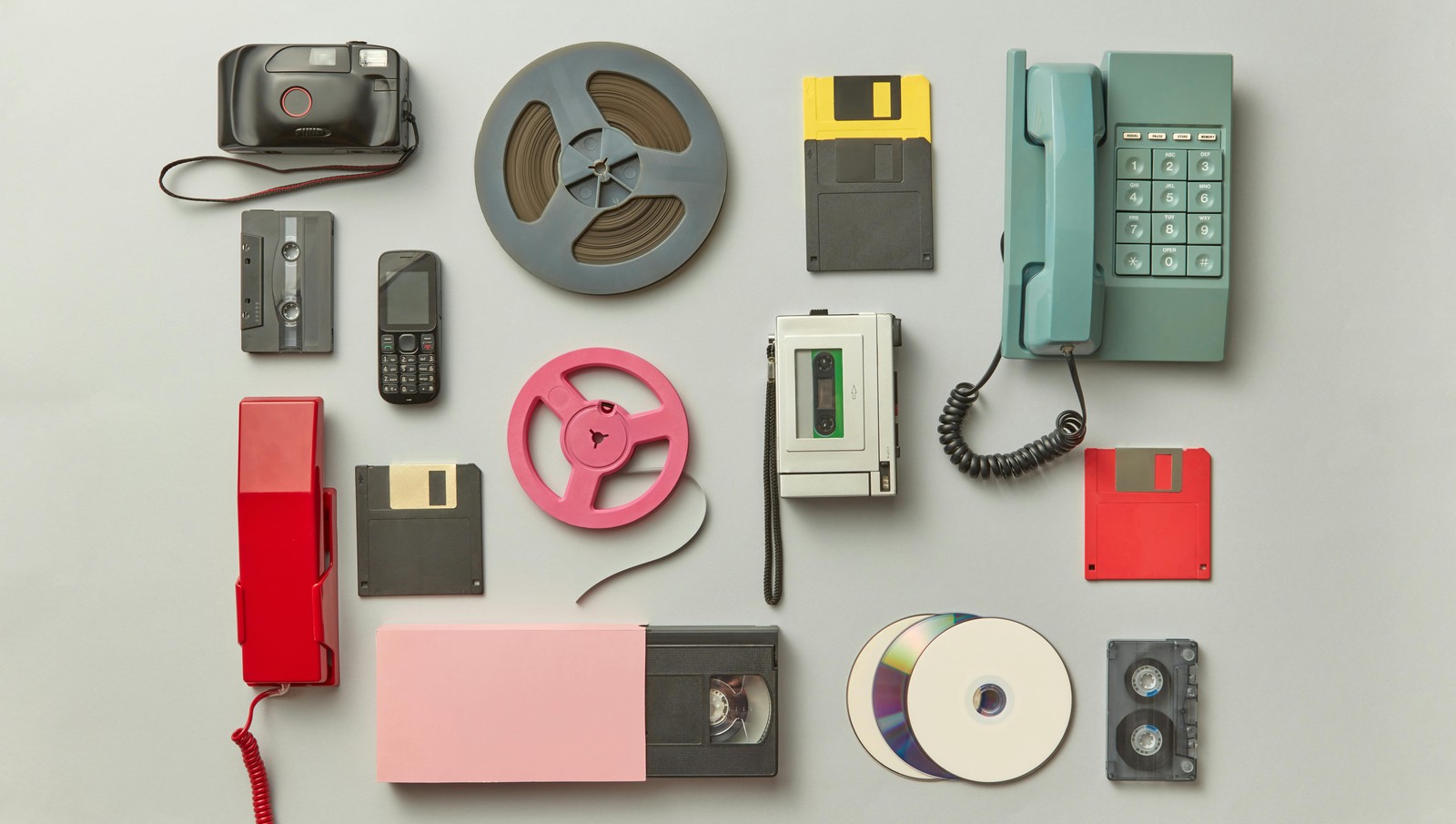
Image: DS Stories

The 1970s and 1980s were a golden era of innovation, quirky habits, and simple pleasures. However, as technology and society have evolved, many of those activities and experiences have gradually disappeared from our daily lives. While some customs are still practiced today, there are plenty of other things we used to do that we can no longer enjoy. Take a stroll down memory lane and discover 10 things that younger generations may never get to experience.

1
Calling on the go
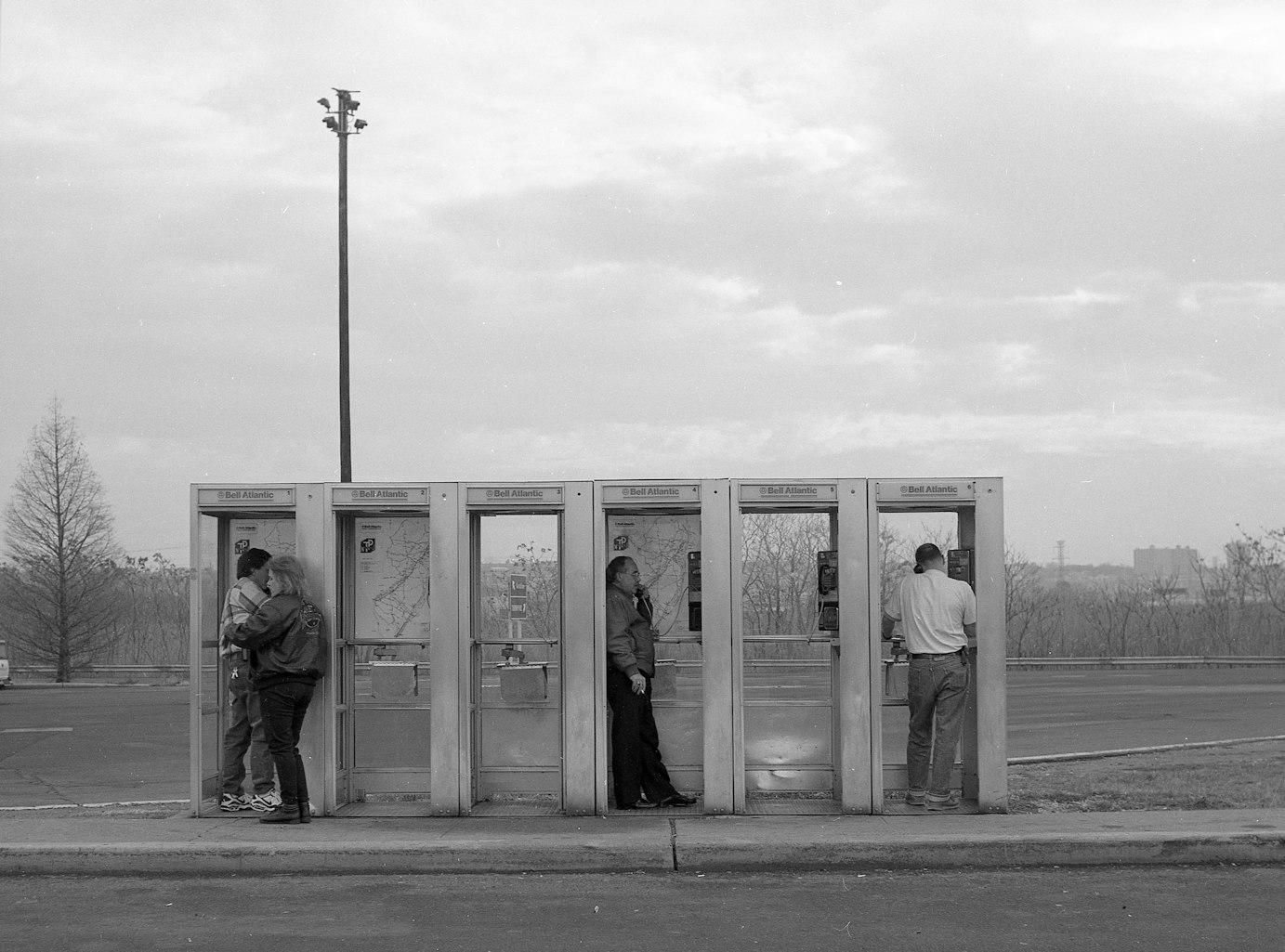
Image: Peter Conrad

Remember scrambling for a few coins just to make a call? Payphones were once the only option when we were out and about. Stepping into that narrow booth, shutting the door behind you, and enjoying a moment of privacy in the middle of a busy street—there was something almost comforting about it. It was like entering your own little world, at least for a couple of minutes. These days, all we need is a quick tap on our smartphones, and we're instantly connected, texting or calling without a second thought. It’s hard to imagine how reliant we once were on those old, clunky machines.

2
Renting movies

Image: Lucas Pezeta

The thrill of stepping into a bustling video store was unlike anything today’s streaming services can replicate. You’d wander down aisles packed with vividly colored VHS tapes , each promising a new adventure. Flipping over the box to study the cover art, reading the credits on the back, and debating with a friend about which one to choose was a delightful experience. Even the faint scent of plastic immediately meant you were in for a treat! That simple ritual of holding a tape in your hands created a sense of anticipation and excitement that no algorithm could ever replace.

3
Inflight smoking

Image: Willem van de Poll, CC0, via Wikimedia Commons

In the past, flying meant more than just traveling from one city to another—it also came with the freedom of lighting up a cigarette at 30,000 feet. Airplanes had designated smoking sections where passengers could relax, chat, and enjoy a puff as the clouds drifted past the windows. It wasn’t limited to a cramped bathroom stall; entire rows of seats were reserved for smokers, allowing a haze of cigarette smoke to linger in the cabin. Today, someone flicking a lighter mid-flight feels downright impossible, but back then, it was a part of air travel, blending seamlessly into the normal routines of passengers and crew alike.

4
Watching TV shows at specific times
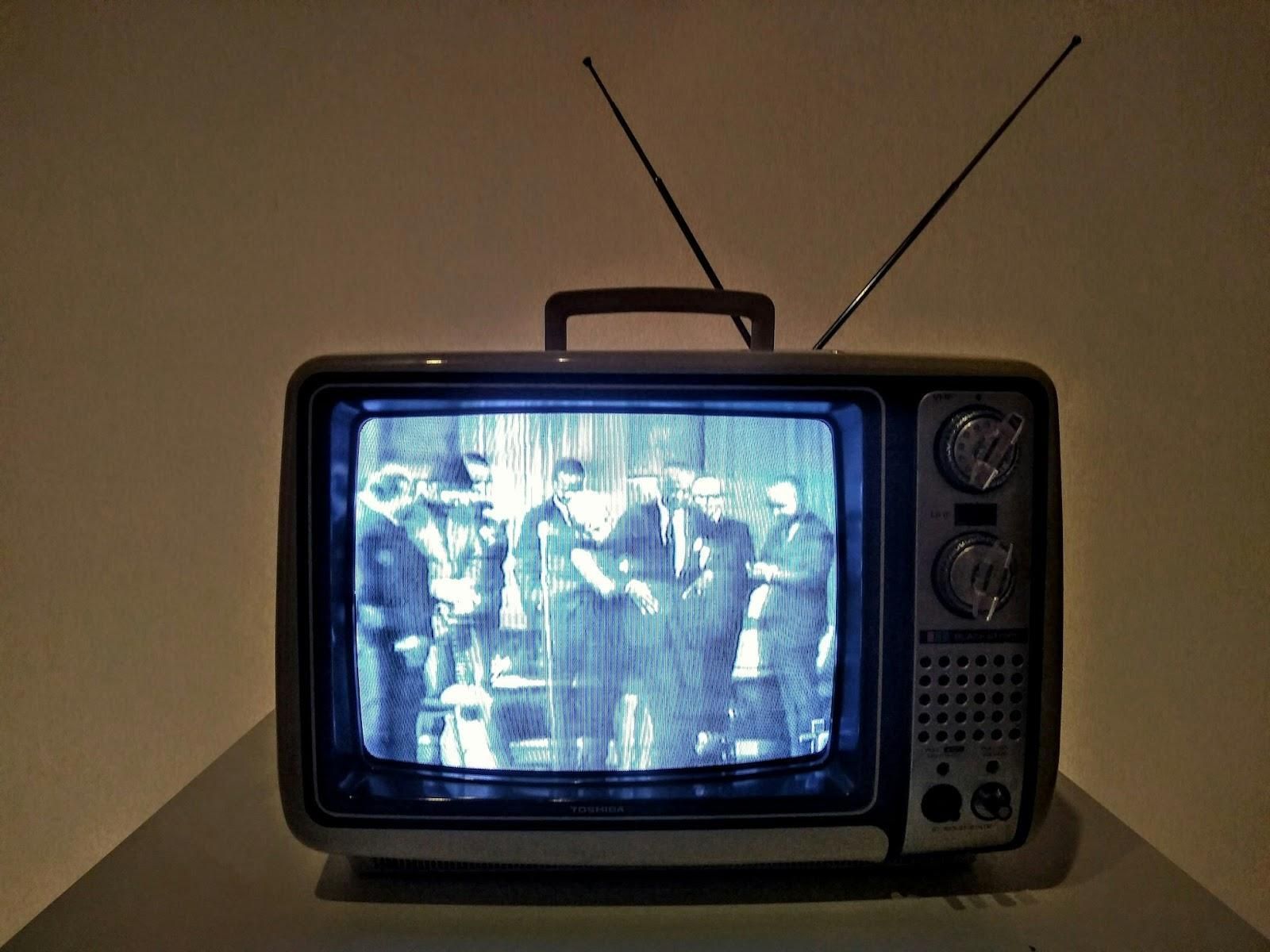
Image: Bruna Araujo

Back in the ’60s, ’70s, and ’80s, the television set was the heart of the home. Evenings were carefully planned around the networks’ schedules, with everyone rushing to grab a spot on the couch to catch their favorite shows. There were no streaming platforms, DVRs, or on-demand options—if you missed an episode of M A S H or Dallas , you had to wait for a rerun . The ritual of sitting together, passing the popcorn, and reacting in unison to every twist and punchline created shared experiences that shaped conversations at school, at work, and across society.

5
Recording songs off the radio

Image: Jon Tyson

Before iPods and Spotify playlists, listening to music was a hands-on, almost ritualistic experience. If you wanted to capture that perfect song, you had to park yourself next to the radio, finger poised over the record button, ears straining to catch the opening notes before the DJ’s voice intruded. Each recording you made became a personal treasure, a handcrafted collection of melodies carefully curated to match your mood or even remind you of your secret crush. These homemade mixtapes weren’t just recordings; they were little time capsules, unique expressions of your feelings, created with patience, care, and a touch of magic that no digital playlist could ever fully imitate.

6
Hitting up the arcade

Image: Roger Ce

During the 1980s, video arcades were the ultimate playground . Stepping inside those dark rooms meant entering a world of blinking lights, beeping machines, and the unmistakable clatter of buttons being mashed in furious competition. Dropping a token into a machine carried such a thrill! The energy—the smell of popcorn and soda, the laughter echoing across the room— created an immersive social experience. Modern home consoles and online gaming may be more convenient, but they rarely capture that electric, face-to-face camaraderie and the pure sensory joy of an arcade packed with neon lights and catchy sound effects.

7
Navigating paper maps
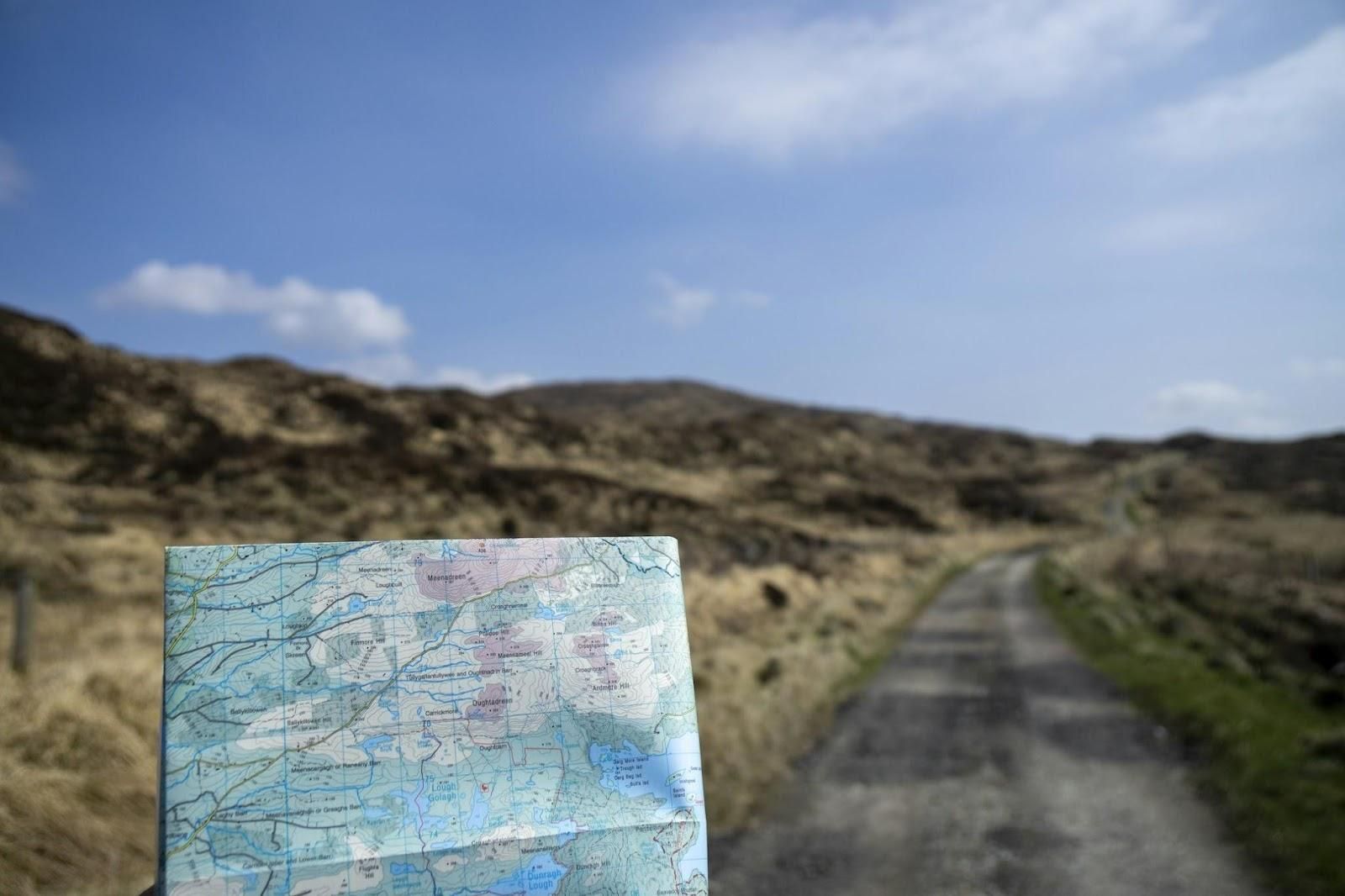
Image: Hendrik Morkel

Before the age of GPS and smartphones, road trips relied on good old-fashioned physical maps. Those oversized sheets of paper stretched across car seats and dashboards, as everyone tried to find the best route. Planning a trip meant carefully studying every road, estimating distances, and hoping you didn’t make a wrong turn. And when you inevitably did? You’d pull over, wave down a stranger, and ask for directions—sometimes discovering hidden diners, quirky roadside attractions, or scenic shortcuts along the way. Getting lost wasn’t just a misfortune; it was part of the adventure, turning every detour into a memorable story, something today’s satellite navigation could never give you.

8
Reading newspapers
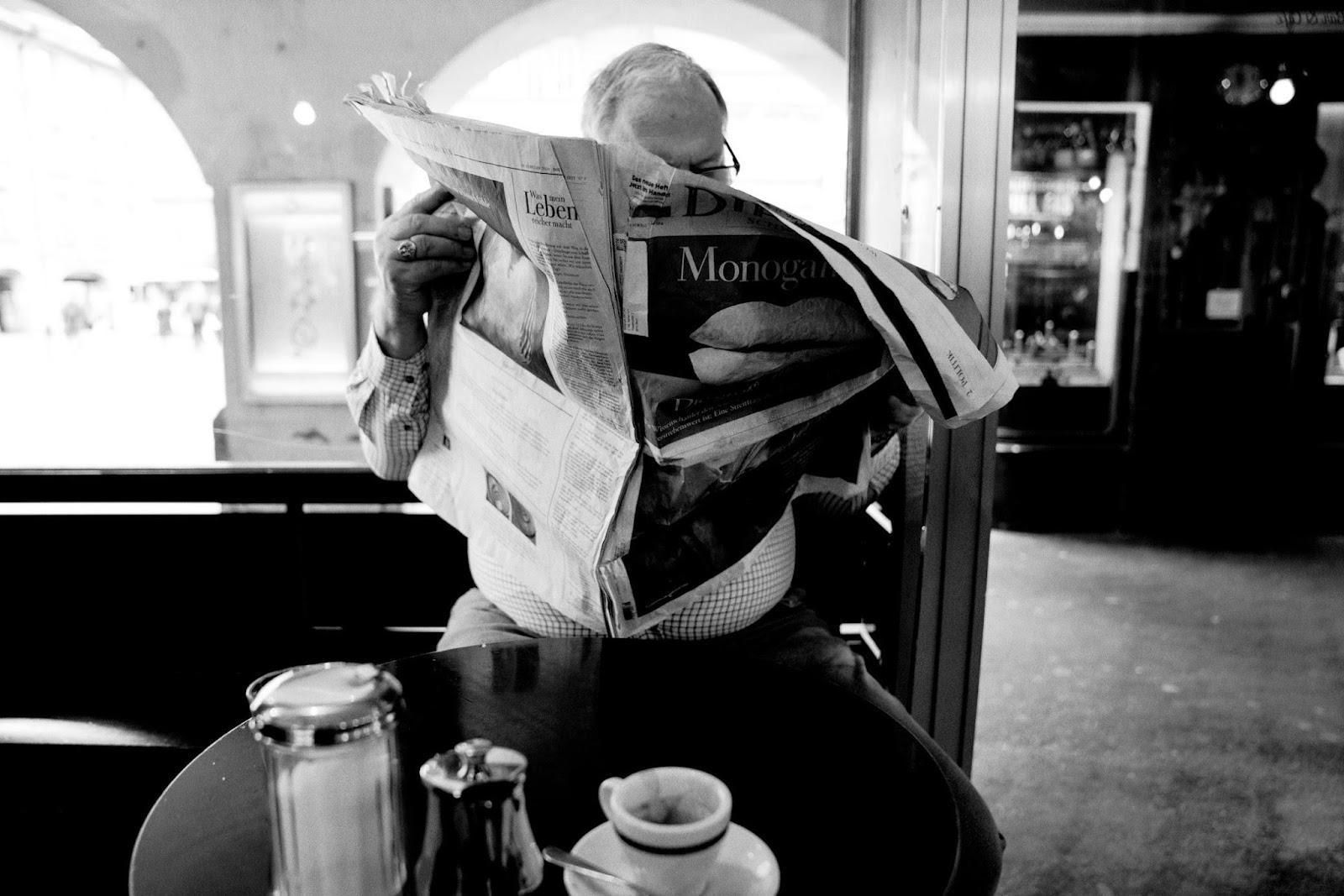
Image: Claudio Schwarz

Settling into your favorite chair with a steaming cup of coffee and unfolding the paper was the ultimate morning ritual. It wasn’t just about catching up on the news— it was about the experience itself. Turning each page carefully, scanning headlines, lingering over the sports scores, chuckling at the comics, and sometimes discussing the day’s stories with family or neighbors made it a shared tradition. Today, with news available instantly on our phones and tablets, that slow, deliberate connection—the feeling of being present with the world as it woke up—has virtually disappeared.

9
Listening to music on a Walkman
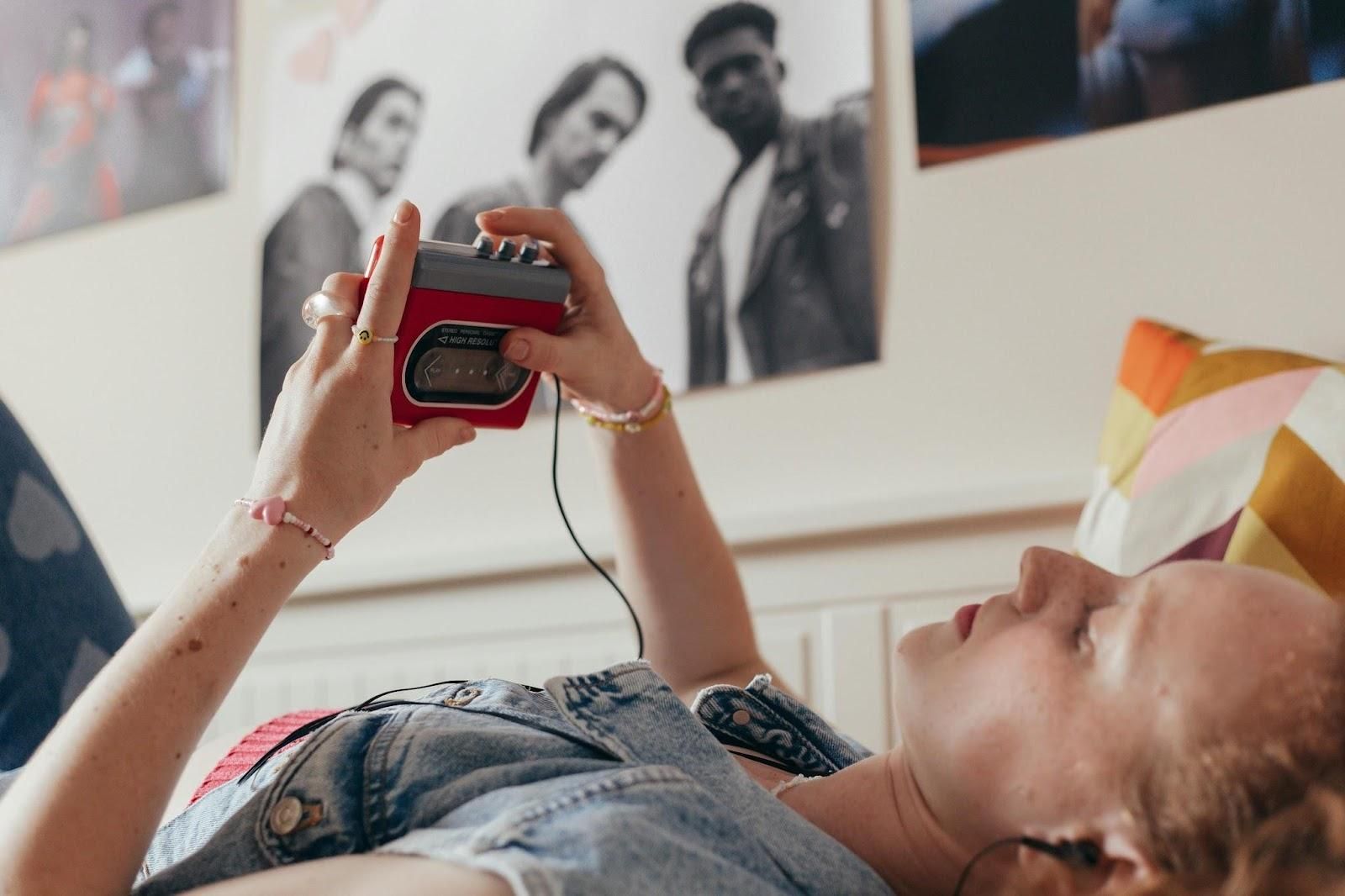
Image: cottonbro studio

Ah, the Walkman—that small rectangular marvel encapsulating the world of music right inside your pocket. You could carry an entire collection of albums with you, from Elvis to Sinatra, and listen wherever you went. Whether strolling to school, waiting for the bus, or just wandering around the neighborhood, your personal soundtrack followed you everywhere. Popping in a cassette, pressing play, and letting the songs sweep you away, drowning out the outside world and turning every ordinary moment into a private concert, was pure magic.

10
Hanging out at the mall

Image: Jeyakumaran Mayooresan

Before the internet transformed the way we shop, malls were bustling social hubs . In the ’70s and ’80s, they weren’t just places to buy things. At shopping centers, you ate pizza and spent hours wandering around, window-shopping, or trying on clothes that were probably out of your budget. The mall was the ultimate hangout spot—whether you were meeting new people, catching up with old friends, or simply enjoying the cool air conditioning on a sweltering summer day.

General General 4 min read

What is your city known for?

There's a Toilet Paper Capital of the World (here in the USA)?

Image: Alexas_Fotos

From toilet paper to corn cob pipes to farm toys, all across the U.S., many small towns have long taken pride in being the "world capital" of something—sometimes expected, sometimes completely surprising. Whether it’s about local history, a booming industry, or just a clever marketing move, each one has its own story. Let’s take a tour of 12 of the most memorable "capitals" around.

1
Toilet paper capital of the world

Image: Erik Mclean

It may sound like a peculiar thing to be proud of, but if the first splinter-free toilet paper in the world had been created in your town, chances are you would be just as delighted by this local achievement.

Until the early 1900s, cheap mail-order publications were the economical wipe of choice. But in 1935, a Green Bay paper producer developed a method of "linenizing" paper, which made toilet paper both softer and "splinter-free."

2
Leap year capital of the world

Image: Waldemar

While it might seem like a good reason, the twin towns of Anthony, New Mexico, and Anthony, Texas, were not actually founded on February 29.

In 1988, a member of the local Chamber of Commerce who had a February 29 birthday proposed a community festival on that date . Since then, the celebration has grown each year to include events and a popular parade.

3
Earmuff capital of the world

Image: Jad M.

Earmuffs are essential in cold climates, and the citizens of Farmington, Maine, are well aware of this. That’s why the town celebrates Chester Greenwood Day every first Saturday in December, honoring the local inventor of the handy device.

4
Lost luggage capital of the world

Image: Marija Zaric

Did you know that all lost and unclaimed luggage from U.S. airlines ends up in a single location? Scottsboro, Alabama, is home to the Unclaimed Baggage Center , which, since 1970, has sold, donated, or recycled these items for the public, making it the only lost-luggage retailer of its kind in the country.

5
Speed capital of the world

Image: Marc-Olivier Jodoin

If speed is the measure by which a place is judged, being called the "world capital of speed" might not be such an unreasonable claim. Northwestern Utah is home to a massive, 30,000-acre expanse of barren salt flats where the Bonneville Speedway is located.

This stretch is used for extreme motorsports, and several land speed records have been set here, earning the area its famous title.

6
Shark attack capital of the world

Image: Wai Siew

This infamous title goes to New Smyrna Beach, Florida. According to the International Shark Attack File—a scientifically verified database of global shark attacks—this town is indeed the Shark Attack Capital of the World, and anyone who has swum here has likely been within 10 feet of a shark.

Fortunately, shark attacks along this central Florida coastline rarely prove fatal, and the number of incidents has declined in recent years, likely due to changing migration patterns of the blacktip shark.

7
Barbed wire capital of the world

Image: Daniel Eledut

Barbed wire was not invented in La Crosse, Kansas, but it certainly plays a significant role in the town’s history. Much of this product passed through the midwestern town after its invention in the late 1800s, becoming an important part of La Crosse’s settlement and agricultural development.

By the 1960s, La Crosse had become a major hub for barbed wire collectors , leading to the establishment of the Kansas Barbed Wire Museum .

8
Corn cob pipe capital of the world

Image: Daniel Gregoire

While pipes may not be as ubiquitous as they once were, corn cob pipes are even rarer these days. But in Washington, Missouri, these corncob products are still a popular item.

In 1869, a local woodworker invented the pipe , and its success led to a whole roster of corn cob pipe manufacturers. Today, the only factory in the world still solely dedicated to making these pipes is located in Washington, Missouri.

9
Decoy capital of the world

Image: Susan Weber

It took a lot of wooden ducks to earn this town the title of Decoy Capital of the World. At one point, more wooden ducks and geese were carved here than anywhere else on Earth.

Originally used strictly to lure waterfowl for hunters, these decoys have since become collectors’ items and treasured works of art. In 1986, the Havre de Grace Decoy Museum opened to preserve the town’s historical and cultural legacy.

10
Carpet capital of the world

Image: Juli Kosolapova

If you think most carpets are still made in the Middle East, think again. Approximately 90% of the world’s carpet comes from the city of Dalton, Georgia . More than 30,000 people are employed in its massive carpet industry—impressive considering the city’s population is just under 35,000.

11
Cow chip throwing capital of the world

Image: Jonas Koel

If tossing a piece of dried cow manure like a Frisbee sounds like your idea of fun, Beaver, Oklahoma, is the place to be. Every April, the town hosts the world’s largest cow chip throwing competition.

12
Farm toy capital of the world

Image: tommao wang

Farm toys may disappear once there are no kids in the house—but not in Dyersville, Iowa, the Farm Toy Capital of the World. This town is home to the National Farm Toy Museum , which houses the largest collection of its kind and attracts approximately 30,000 visitors each year.

General General 3 min read

Is the customer always right?

These 11 golden rules of customer service are slowly dying, and it’s sad

Image: Frankie Cordoba

Before apps, chatbots, and self-checkout lanes, American customer service followed a quiet code. These unwritten rules shaped how stores, diners, hotels, and service counters operated for decades. Many of these rules aren’t posted on walls or included in training manuals, but customers expect them all the same. Many older Americans still remember a time when good service felt personal, patient, and proudly human.

1
Every customer deserves a warm greeting

Image: Fotos

It might sound strange these days, but there was a time when walking into a store without acknowledgment was once considered bad service . Clerks were expected to smile, make eye contact, and greet customers promptly.

That greeting also set expectations. It told customers help was available and that their presence mattered. For many Americans, being welcomed was just as important as the product itself.

2
Anticipating needs before being asked

Image: SERGEI BEZZUBOV

Good service meant paying attention. A waiter refilled the water before the glasses were empty. A clerk offered assistance before confusion set in. Anticipation showed experience and pride in the job, not pushiness .

Customers noticed these small gestures. They made interactions smoother and more personal, creating the feeling that service was thoughtful rather than reactive or scripted.

3
Quick service shows respect for time

Image: Brad Rucker

Old-school service emphasized quick acknowledgement, even if immediate help wasn’t possible. Letting customers wait without explanation was considered rude . A simple "I’ll be right with you" went a long way.

Speed mattered, but calm mattered more. The goal was efficiency without rushing, making customers feel valued rather than hurried through an interaction.

4
Courtesy is non-negotiable

Image: Vitaly Gariev

"Please" and "thank you" were mandatory words in customer service. These phrases weren’t optional politeness, they were expected standards that showed mutual respect between employee and customer.

Their absence was noticeable. Courtesy made transactions feel human and cooperative, reminding customers they were being served by people and not being processed by a system.

5
Eye contact means attention

Image: Petr Sevcovic

Maintaining eye contact was a core part of service etiquette. It showed that the employee was listening and engaged , not distracted or indifferent. Customers felt acknowledged simply by being looked at.

Avoiding eye contact suggested boredom or disinterest. In traditional service culture, body language carried as much weight as spoken words.

6
Know the product by heart

Image: Lefteris kallergis

Employees were expected to know their products or menus thoroughly. Having to constantly check references or ask others weakened customer confidence and slowed service.

Product knowledge signaled competence and pride . Customers trusted businesses more when employees spoke clearly and confidently about what they sold.

7
Personal conversations stay private

Image: Vitaly Gariev

Chatting about personal matters within earshot of customers was strongly discouraged. Service time belonged to the customer, not coworkers’ off-duty lives .

This rule reinforced focus and professionalism. Customers expected attention, not background noise that suggested distraction or disinterest.

8
Complaints are handled calmly

Image: Amir mohammad jafari

Arguing with customers was seen as a failure of service. Employees were trained to listen first, apologize when appropriate, and resolve issues without defensiveness .

Even when customers were wrong, maintaining calm preserved dignity of both sides. The goal was always resolution, never confrontation.

9
Regular customers are remembered

Image: Vitaly Gariev

Recognizing repeat customers by name or preference was common practice . It made people feel valued and turned routine visits into familiar experiences.

This personal recognition built loyalty long before reward cards existed. Customers returned because they felt known, not tracked.

10
Cleanliness is godliness

Image: Alexander Mils

A clean counter or dining area signaled care and attention. Customers assumed that if visible areas were clean, unseen operations were handled in the same manner .

Cleanliness wasn’t just decorative, it was reassuring. It quietly communicated reliability and professionalism.

11
Customer privacy is sacred

Image: Taylor Davidson

What happened during a transaction stayed there . Discussing customers outside the interaction was considered extremely unprofessional and disrespectful.

Trust was part of the service experience. Customers expected discretion, especially in smaller communities where word traveled quickly.

Explore more American facts

Choose your favorite category!

General
General

As American as apple pie—the very best America has to offer!

Culture
Culture

Delve into the astounding richness of American lore.

Geography
Geography

Hop in and explore vast and diverse American landscapes.

History
History

Discover the key moments that shaped the United States.