General General 3 min read

Banned in the USA

Would you ban velvet Elvis paintings? These towns really did it
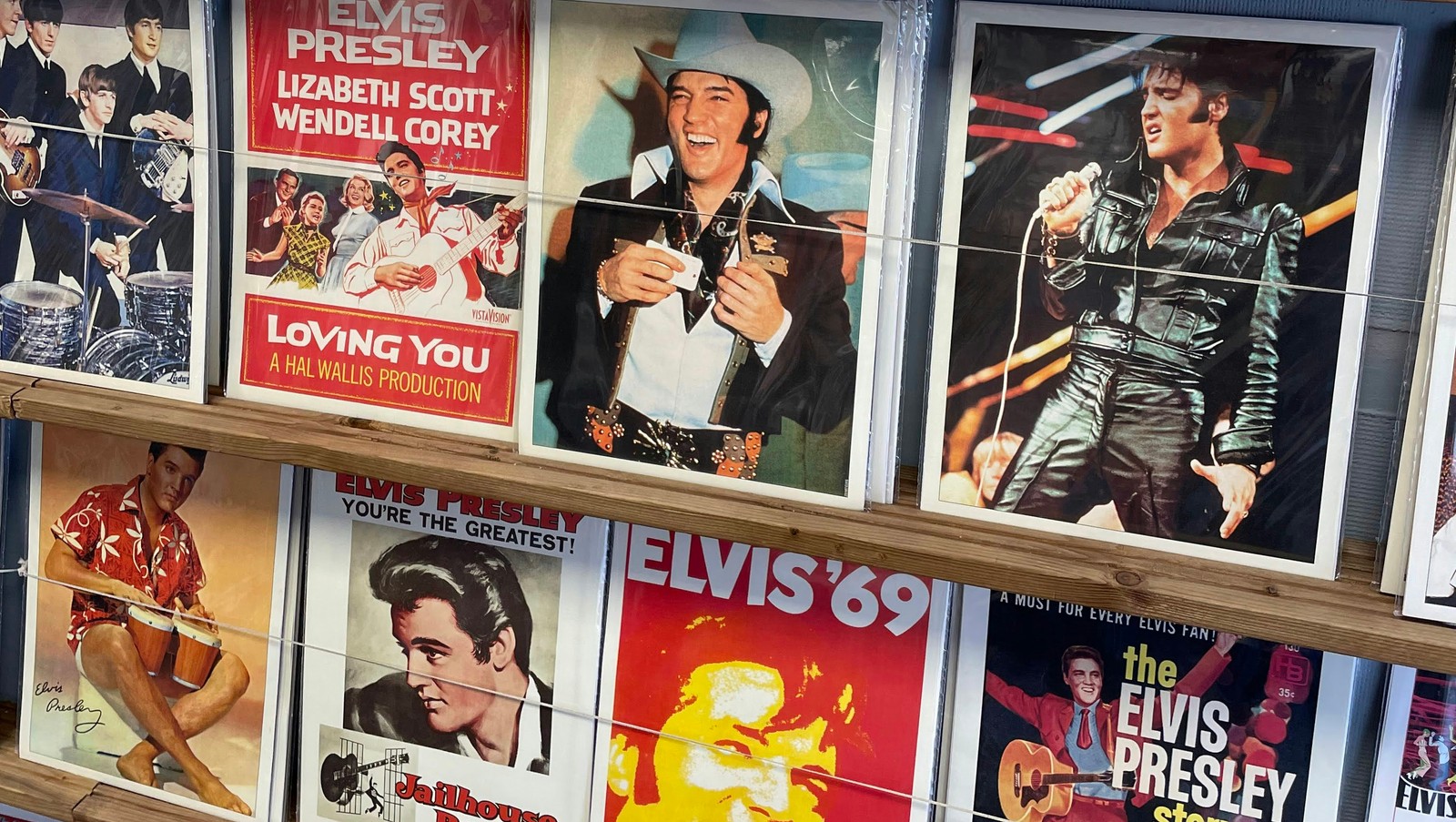
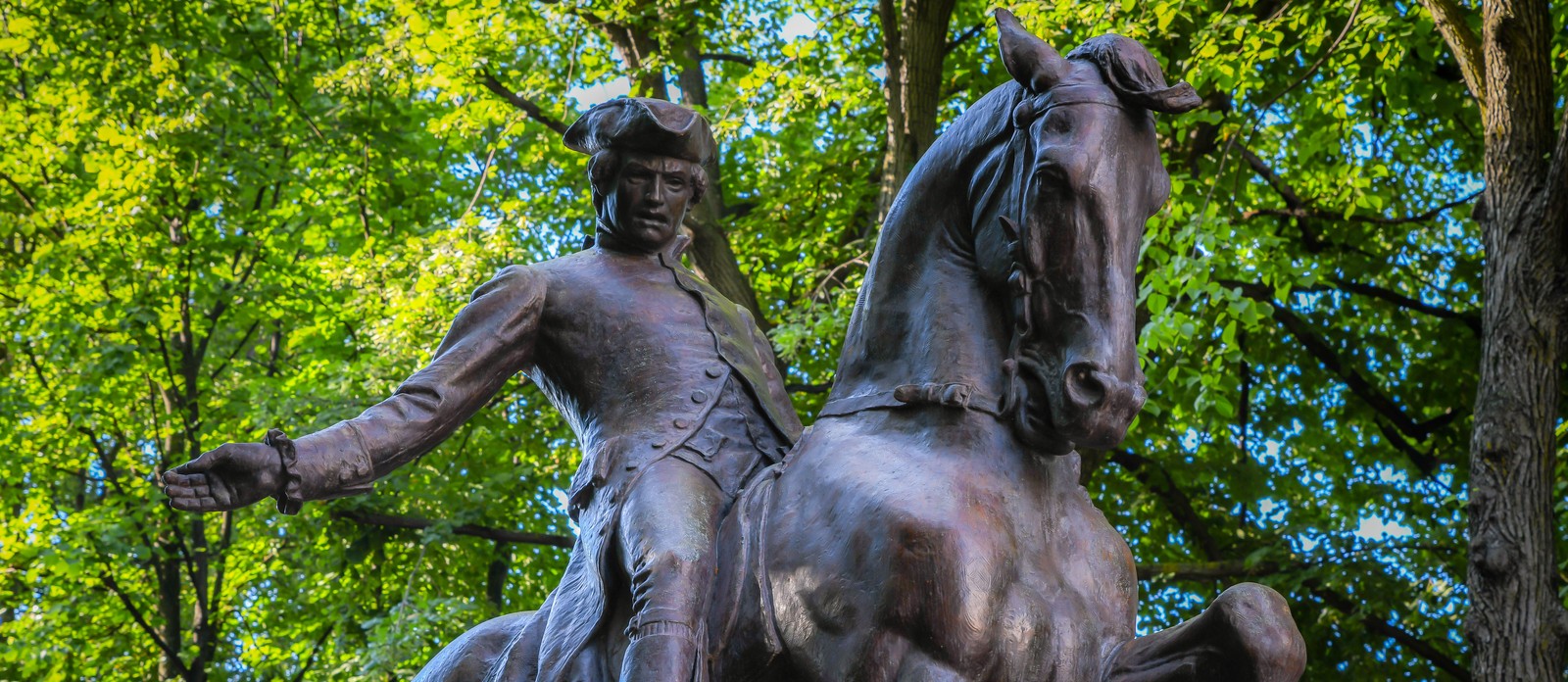
Image: Dmitry Alexandrovich

The Land of the Free has had its fair share of strange bans over the years, and not all of them make sense today. From quirky laws to outright odd restrictions, plenty of everyday things have been outlawed at one point or another. Here are 12 unusual things that, believe it or not, were once banned in the U.S.

1
Sliced bread

Image: Laura Ockel

Not even the best of inventions are safe from odd bans. In 1943, the U.S. government temporarily banned pre-sliced bread as part of wartime resource conservation .

Thankfully, the ban only lasted a few months. Housewives, bakeries, and even newspapers complained, arguing that sliced bread was a necessity. The ban was lifted quickly due to public backlash.

2
Pinball machines
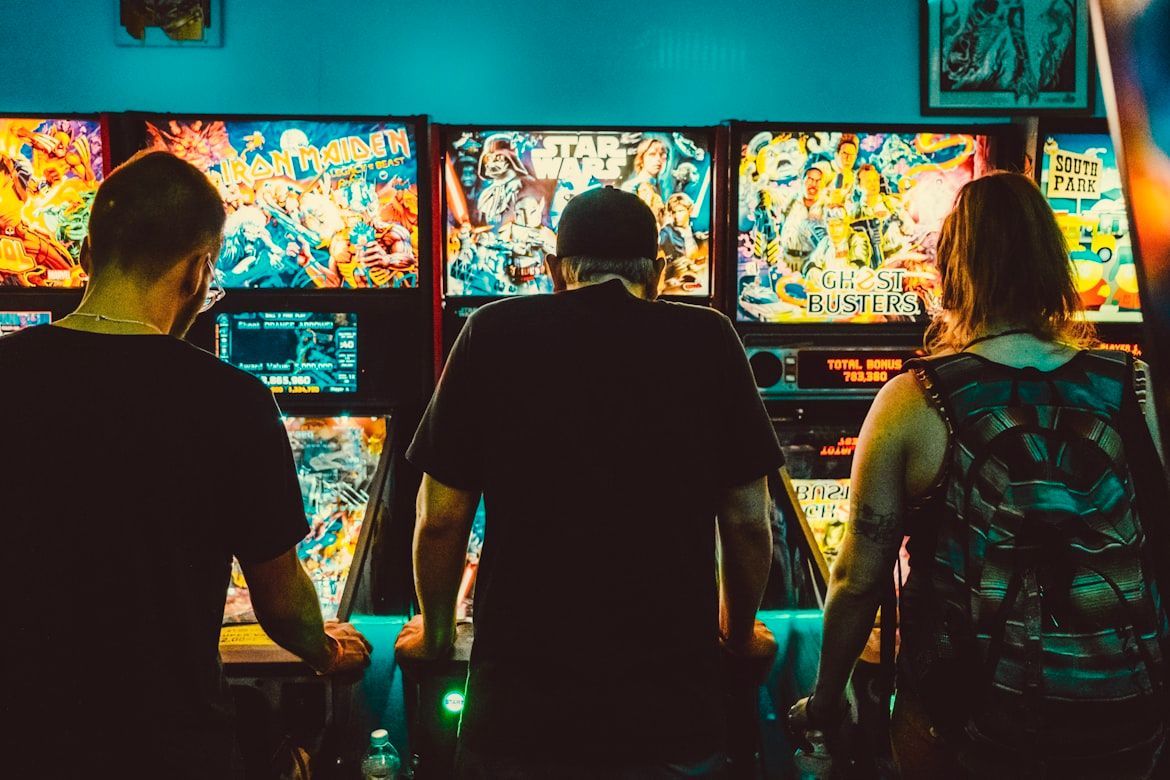
Image: Louie Castro-Garcia

Believe it or not, from the 1940s until the mid-1970s, pinball machines were outlawed in several major cities, including New York and Chicago. Officials claimed the machines promoted gambling and corruption .

Machines were confiscated and destroyed. The ban finally ended when it was proven that pinball was more skill-based than luck, leading to its revival as a popular arcade game.

3
Yo-Yos
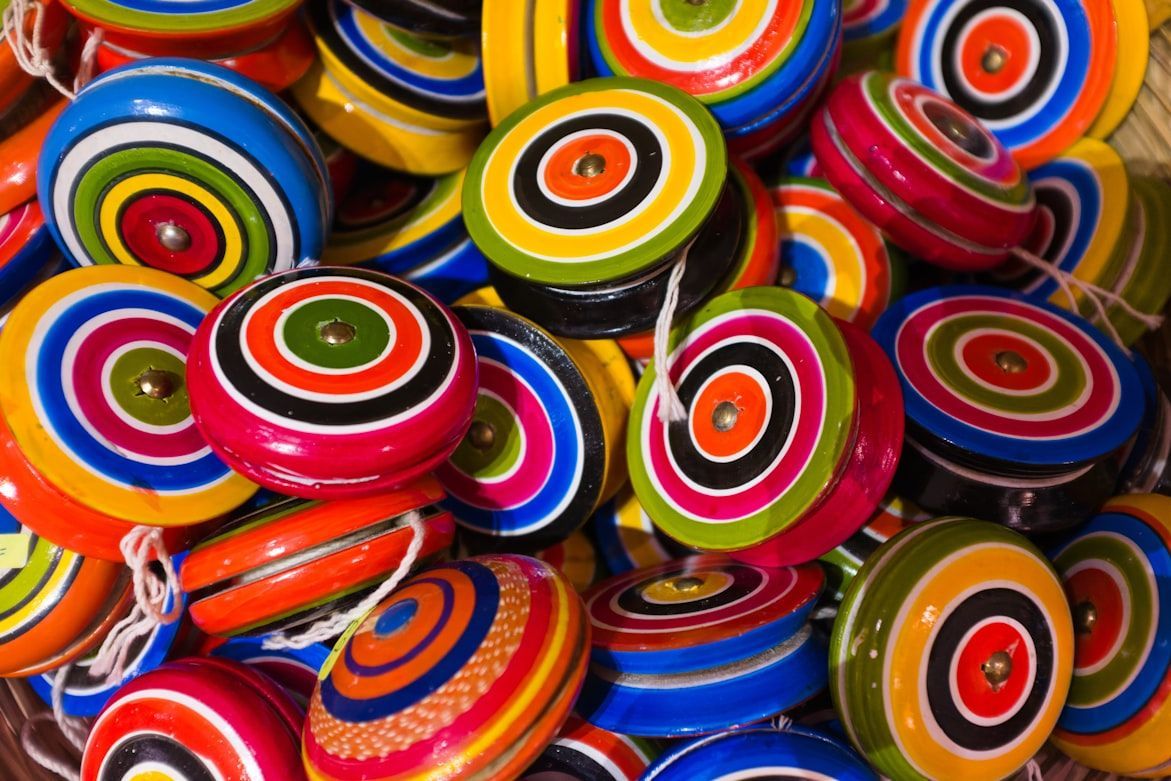
Image: Eric Prouzet

During the 1930s, some U.S. towns banned yo-yos, believing they caused bad luck and distracted children from schoolwork . The fad was seen as both frivolous and superstitious.

Though short-lived, the bans show how something as harmless as a toy could spark moral panic and strange local laws.

4
Christmas

Image: Erwan Hesry

In the 1600s, the Puritans of Massachusetts Bay Colony banned Christmas , claiming it was rooted in pagan traditions and encouraged rowdy behavior .

Anyone caught celebrating risked punishment or fines. It wasn’t until the mid-1800s that Christmas gained widespread acceptance in the U.S.

5
Dancing after midnight
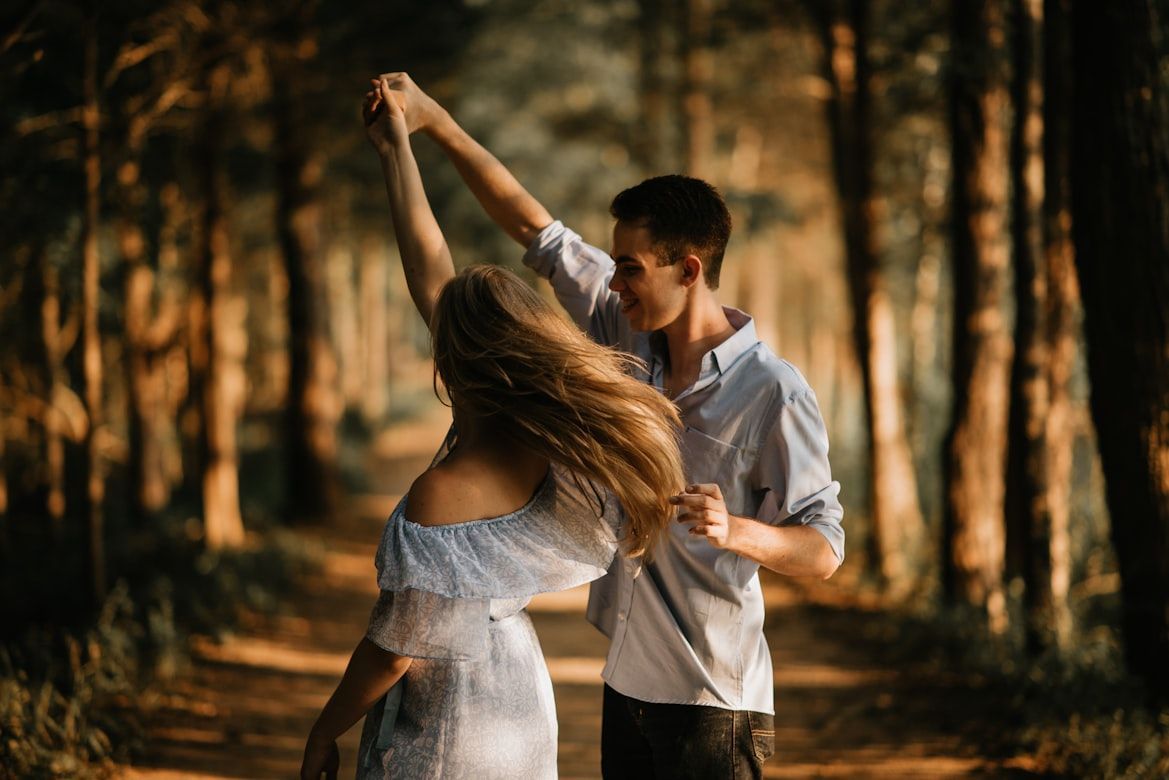
Image: Scott Broome

At different occasions during the 20th century, some cities enforced laws that restricted or outright banned late-night dancing . New York City’s "Cabaret Law" limited dancing to licensed venues only.

Authorities argued it was about maintaining order, but many saw it as cultural repression. By the 1990s, these laws faced strong opposition, and most have since been repealed, allowing nightlife to thrive.

6
Comic books
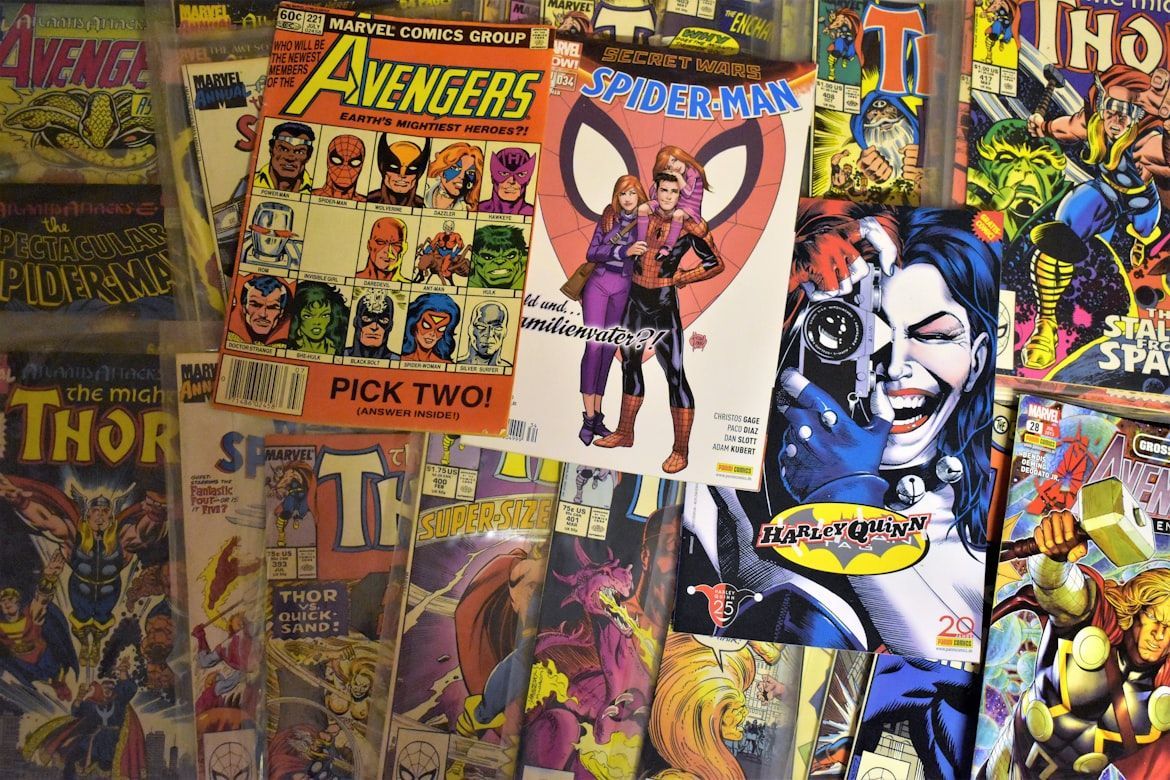
Image: Waldemar

Comic books have been a scapegoat for different things in different periods. For example, in the 1950s, they came under fire, accused of corrupting America’s youth . Parents, educators, and politicians believed violent and horror-themed comics encouraged delinquency.

Entire towns banned sales, and even public book burnings took place in different corners of the country.

7
Yellow margarine
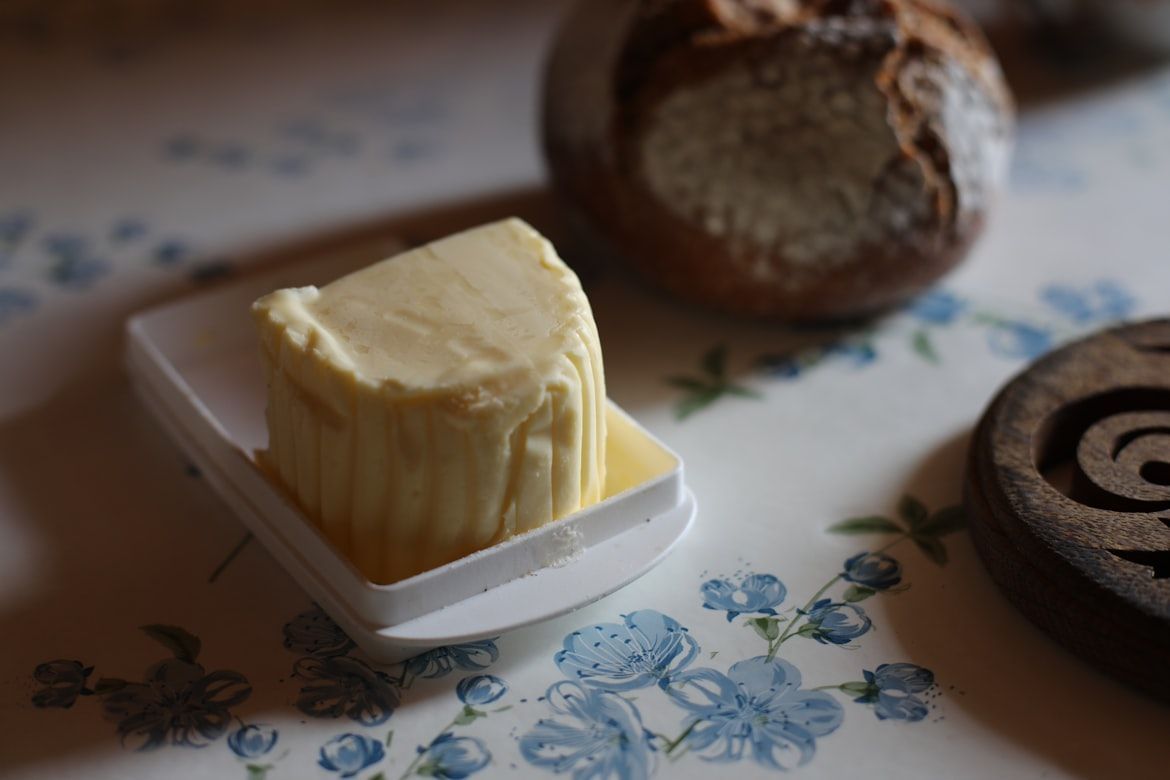
Image: Marine Le Gac

Being a substitute for butter, margarine was heavily lobbied against by dairy farmers in the late 1800s. Several states passed laws banning margarine dyed yellow to resemble butter .

As a result, margarine was sold plain white, or consumers had to mix in dye packets themselves. These odd restrictions lasted well into the mid-1900s before finally being repealed.

8
Men’s long hair
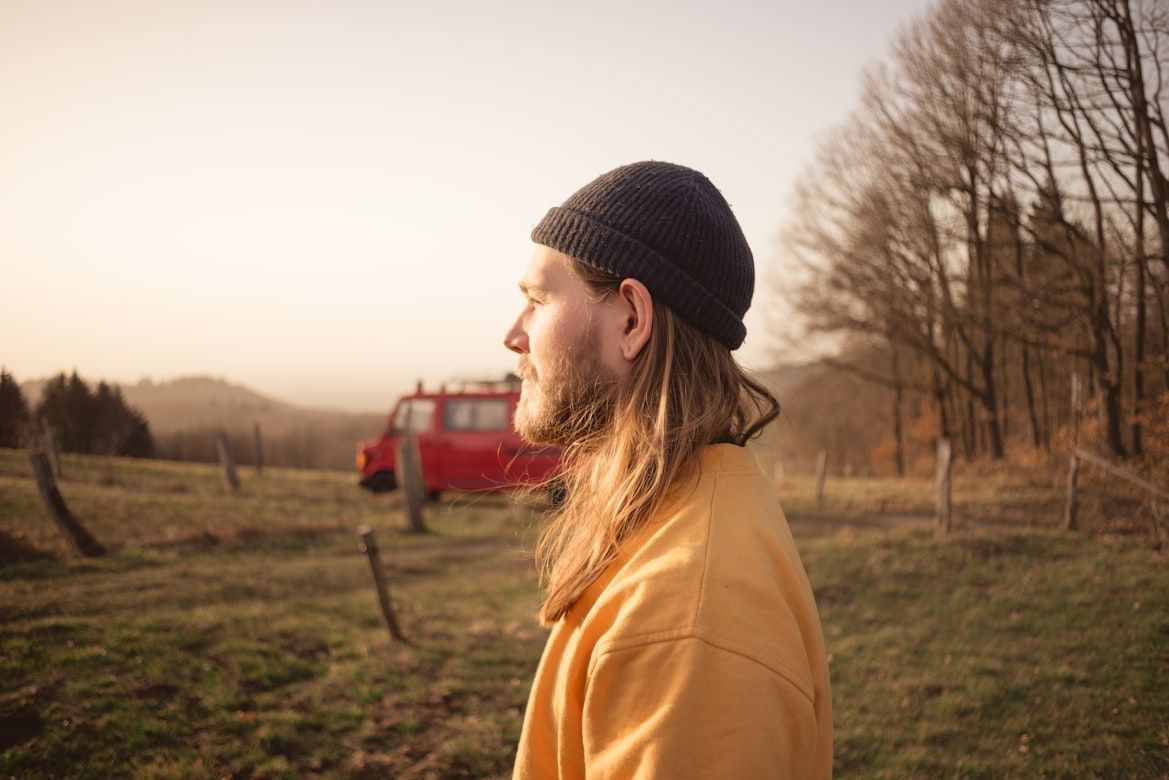
Image: Siri louis

During the 1960s and 70s, schools across the U.S. cracked down on boys with long hair . Beatles-inspired styles were viewed as rebellious, unclean, and disruptive.

Some students were suspended or expelled over hair length. These policies reflected the cultural clashes of the era.

9
Left-handed writing
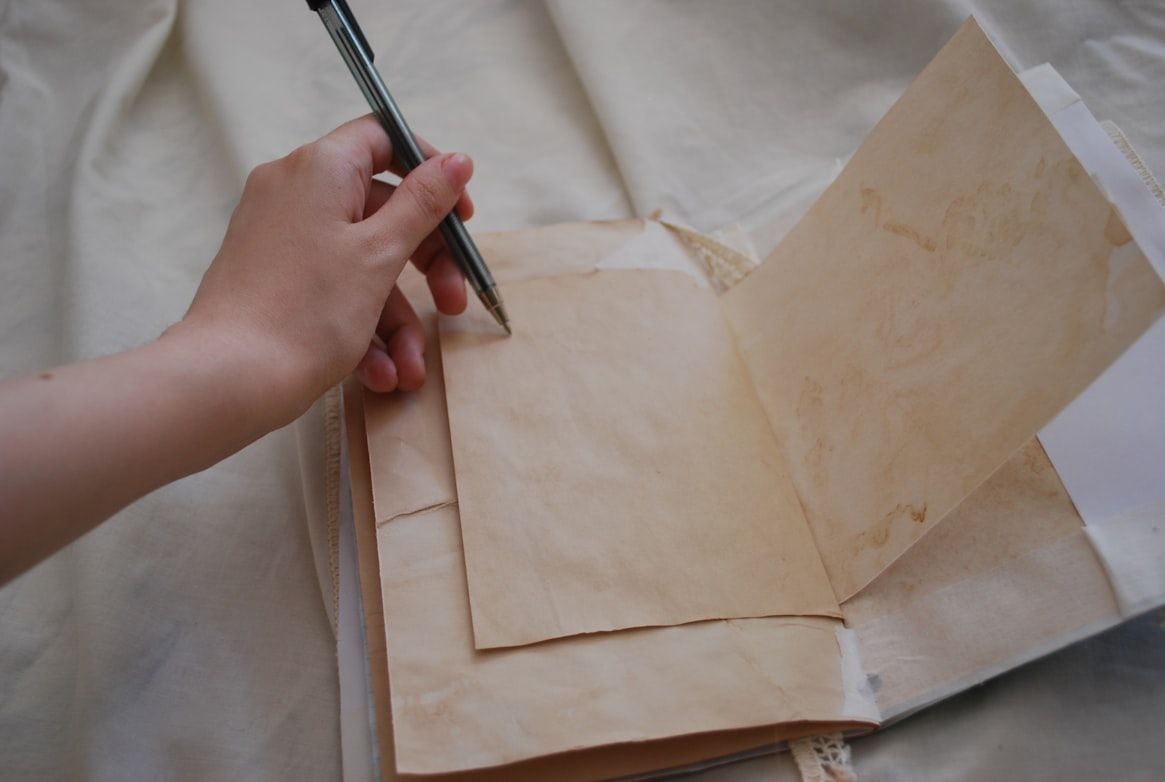
Image: Anna Savina

For much of the 19th and early 20th centuries, left-handed students were forced to switch hands . Teachers tied their left arms or punished them until they wrote with their right hand.

This practice was based on superstition and prejudice, with left-handedness considered "wrong" or even sinister.

10
Bathing suits above the knee
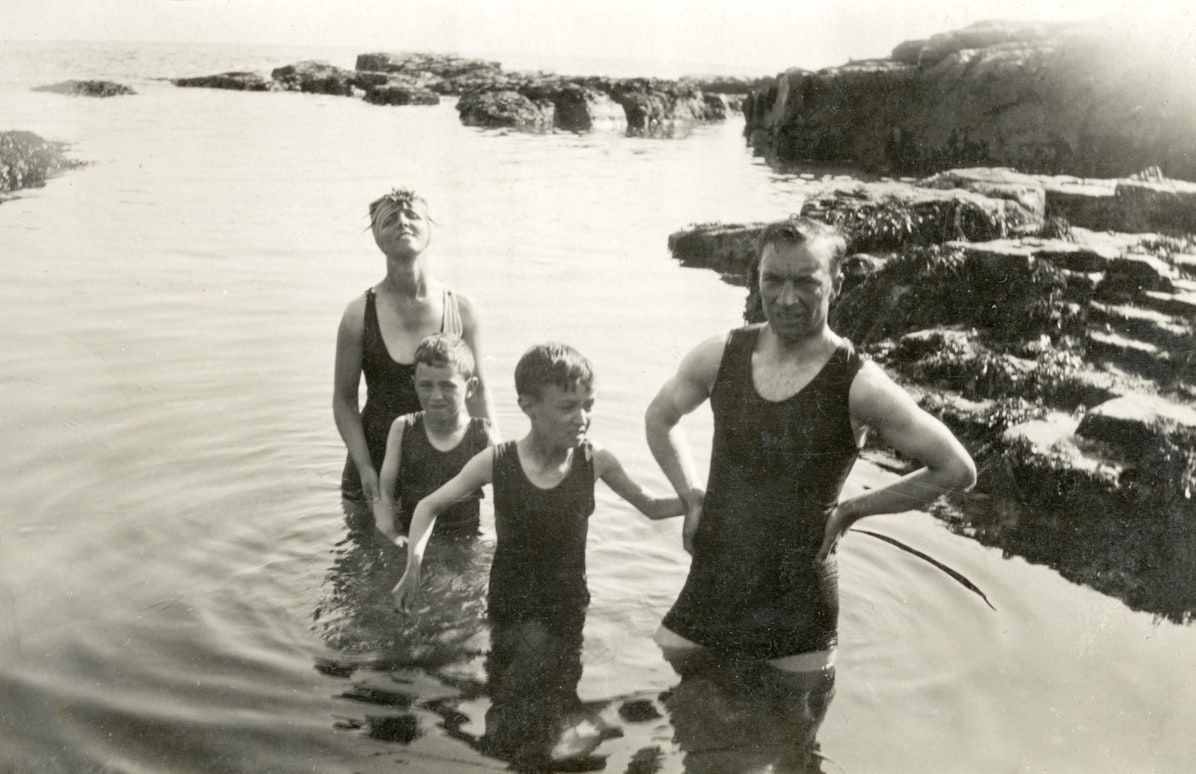
Image: Brett Jordan

In the early 1900s, strict laws dictated swimwear modesty at public beaches . Bathing suits that rose above the knee could result in fines or even arrest by "beach police."

Photographs from the time show officers measuring swimsuit lengths with rulers. The bans slowly disappeared as fashion and social norms shifted.

11
Coffee

Image: Jakub Dziubak

In the late 1600s, in Boston, coffee was briefly banned for being considered dangerous and unproductive . Authorities feared it encouraged idleness and vagrancy.

Coffeehouses were seen as gathering places for gossip and dissent. The ban didn’t last long, and coffee soon became a staple of American culture, eventually surpassing tea in popularity.

12
Velvet Elvis paintings
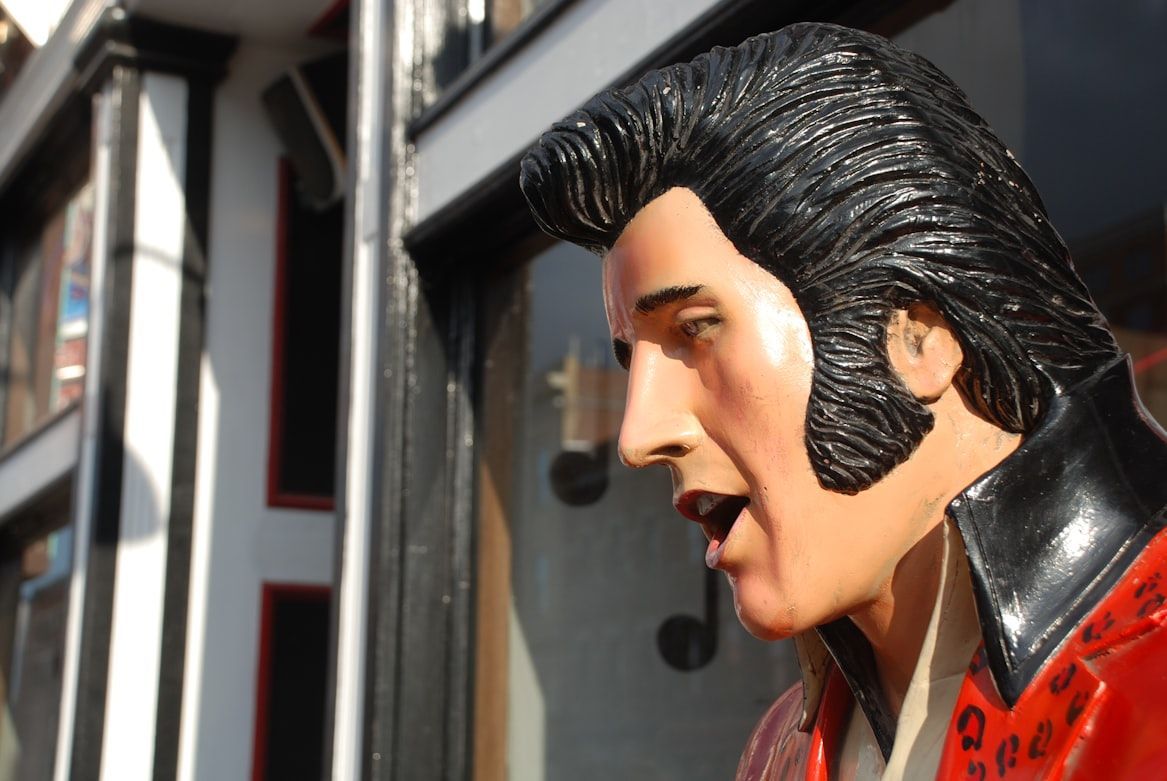
Image: Susan Mohr

In the 1970s and 80s, velvet Elvis paintings became a kitschy art craze. Some towns, embarrassed by the trend, tried banning their sale, calling them indecent or tacky .

Though the bans were rarely enforced, they reflected how taste and morality sometimes crossed into law.

General General 5 min read

Historic ghost towns open for visitors

One ghost town has a fire that's burned for 60 years

Image: jean wimmerlin

Ever wondered what happened to those Wild West towns after the gold rush ended? Or where all those miners went when the silver ran out? Across America, dozens of ghost towns sit frozen in time, waiting for curious travelers like you to explore their dusty streets . Get ready to explore ten of America's most fascinating ghost towns that are still standing and open for visitors.

1
Bodie, California

Image: Michael & Diane Weidner

This former gold-mining hub in the Sierra Nevada once boasted nearly 10,000 residents, dozens of saloons, and a reputation for being one of the wildest towns in the West. Today, it's preserved in a state of "arrested decay," meaning the buildings are maintained exactly as they were found, complete with dishes still on tables and goods still on store shelves .

The California State Parks system manages Bodie, which means it's well-maintained but authentically eerie. About 200 buildings still stand, including a church, schoolhouse, and that infamous red-light district (though considerably quieter now).

2
Jerome, Arizona

Image: Strange Happenings

Perched impossibly on Cleopatra Hill in central Arizona, Jerome has pulled off the ultimate comeback story. This former copper mining town was literally sliding down the mountain in the 1950s, but instead of becoming a pile of rubble at the bottom, it reinvented itself as an artist colony and tourist destination. Today, it's one of the few ghost towns where you can actually spend the night, grab dinner, and browse art galleries .

The town's steep streets are lined with buildings that seem to defy gravity, and many claim the place is seriously haunted: the Jerome Grand Hotel, a former hospital, supposedly has particularly active spirits. Whether you believe in ghosts or not, you'll definitely believe in the impressive engineering it took to build a town on a 30-degree slope.

3
Rhyolite, Nevada

Image: Dino Reichmuth

In 1905, this place exploded from nothing to a town of 5,000 people in just two years, complete with electric lights, a stock exchange, and even an opera house. Then the financial panic of 1907 hit, the mines proved less profitable than hoped, and by 1916, the lights went out for good.

What makes Rhyolite especially photogenic are the ruins themselves—massive concrete structures and the famous Bottle House, built entirely from beer and liquor bottles . The three-story bank building and the remnants of the jail are particularly impressive, showing just how convinced everyone was that this town would last forever.

4
St. Elmo, Colorado

Image: Arturo Rivera

Tucked in the Sawatch Range at 10,000 feet, St. Elmo is Colorado's best-preserved ghost town and one of the most visited. Founded in 1880 as a mining and rail hub, it once had a population of 2,000 people and all the amenities a Victorian-era miner could want.

What really sets St. Elmo apart is accessibility and atmosphere. It's an easy drive from nearby towns, and during the summer months, a few seasonal residents actually run the general store, selling snacks and souvenirs .

5
Bannack, Montana

Image: Donald Merrill

Montana's first territorial capital, Bannack, sprang up in 1862 after gold was discovered in Grasshopper Creek. Within a year, it had 3,000 residents and a serious problem with road agents (fancy term for bandits). The town's sheriff, Henry Plummer, turned out to be secretly leading the gang of robbers—one of the West's great scandals. After Plummer was hanged by vigilantes in 1864, Bannack settled down, but eventually, the gold ran out, and so did the people. The last residents left in the 1970s.

Now a well-preserved state park, Bannack features over 60 structures you can explore, including the hotel, church, schoolhouse, and Plummer's old jail . They even host a popular "Bannack Days" event each July with period costumes, demonstrations, and activities.

6
Grafton, Utah

Image: Arturo Rivera

This tiny Mormon settlement near Zion National Park has been featured in dozens of movies and commercials, most famously in "Butch Cassidy and the Sundance Kid." Founded in 1859, Grafton struggled with flooding from the Virgin River, conflicts with Native Americans, and general isolation. By 1944, the last resident had left, but unlike many ghost towns, Grafton's buildings were later restored and maintained by preservation groups.

Today, only a handful of structures remain—a schoolhouse, a church, and a few cabins—but they're set against absolutely spectacular red rock canyon scenery . The Grafton Cemetery, still maintained by descendants, sits on a hill with jaw-dropping views. It's free to visit, though donations are encouraged for preservation efforts.

7
Terlingua, Texas

Image: Glen Carrie

Once a thriving mercury mining town with 2,000 residents, it collapsed in the 1940s when the mines closed. Today, it's home to about 60 full-time residents, plus a rotating cast of artists, wanderers, and people who just couldn't handle civilization anymore.

The original townsite features impressive ruins of the Chisos Mining Company headquarters, a crumbling movie theater, and a cemetery with elaborate Mexican grave decorations . But the real attraction is the eccentric present-day community that's grown up around the ruins. You can stay in unique lodgings, eat at the famous Starlight Theatre, and experience some of the darkest night skies in the continental US.

8
Garnet, Montana

Image: Natalie Nicks

Located deep in Montana's mountains about 35 miles from Missoula, this gold mining town boomed in the 1890s with about 1,000 residents. The last 11 miles are on a rough dirt road that's impassable in winter, but that difficulty is exactly why Garnet remains so well-preserved and authentic. Casual tourists don't make the trek, which means you'll likely share the site with only serious ghost town enthusiasts.

About 30 buildings still stand, including the surprisingly intact Kelly's Saloon, complete with bar and furnishings . The Bureau of Land Management maintains the site and even offers rustic cabin rentals if you want to spend the night.

9
Centralia, Pennsylvania

Image: Megs Harrison

This isn't a Wild West mining town—it's a modern ghost town with an underground coal fire that's been burning since 1962 and could continue for another 250 years. At its peak, Centralia had over 1,000 residents. Today, fewer than five people remain in what's become one of America's most surreal abandoned places. The fire releases toxic gases through cracks in the ground, and the heat has buckled roads into impossible angles.

The most famous feature is the graffiti-covered section of abandoned Route 61, where smoke sometimes rises through cracks in the pavement . Most buildings have been demolished, but the street grid remains, marked by empty lots and crumbling foundations. It inspired the video game and film "Silent Hill," and it's easy to see why—the place feels genuinely otherworldly. Technically, Centralia is off-limits, and Pennsylvania has tried to discourage visitors due to safety concerns about the underground fire.

10
Calico, California

Image: Volodymyr Hotsyk

Founded in 1881 after a major silver strike, it boomed to 1,200 residents before the silver price crash killed it in the 1890s. Unlike other ghost towns on this list, Calico was reconstructed and restored as a theme-park-style attraction in the 1950s by Walter Knott.

Today, Calico is a San Bernardino County park with restored buildings, shops, restaurants, and even staged gunfights on weekends . You can tour a genuine silver mine, pan for "gold" (spoiler: you'll find some), and ride a narrow-gauge railroad. About half the buildings are original, and half are reconstructions, giving you the ghost town experience without the sadness of actual decay.

Culture Culture 4 min read

Echoes from History

Who said, "I'm losing"? Discover the last words of American figures!

Image: WikiImages

Some icons in our history stood out for their wisdom or wit, even in their final moments. And their clever, wise, profound, funny, or unexpected last words are proof of that. Read on to discover the final words of American figures that will definitely leave you thinking!

1
Frank Sinatra

Image: Dushawn Jovic

Frank Sinatra was one of America’s—and the world’s—most recognized artists, and even today, his name remains an unmistakable icon. We’ll never forget hits like "New York, New York," "My Way," "Fly Me to the Moon," and many others. And his last words were no less poetic than his life: "I'm losing," he allegedly said.

2
Groucho Marx

Image: Alan Hardman

They say humor follows comedians in all aspects of their lives—even to the very end. This was true for the great Groucho Marx, who passed away in 1977 at the age of 86 after bringing laughter to millions during his lifetime. As for his last words, there are two versions of the story, and both are funny! One version claims he said, " Die, my dear? That’s the last thing I’ll do! " while the other has him exclaiming, "This is no way to live!"

3
Buddy Rich

Image: Katherine Hanlon

Bernard "Buddy" Rich was a legendary American drummer renowned for his unique improvisational ability. He passed away at age 69 after brain surgery. Reportedly, his last words were a witty response to a nurse who asked if he was allergic to anything: "Yeah, country music," he said.

4
Donald O'Connor

Image: Nikko Balanial

Some artists never separate themselves from their work. Perhaps that’s what was going through the mind of dancer, singer, and actor Donald O’Connor—famous for his role in Singin’ in the Rain —when heart failure caused his death. His last words were, "I'd like to thank the Academy for my lifetime achievement award that I will eventually get." He still hasn’t received one.

5
George Washington

Image: Priscilla Gyamfi

George Washington will always be remembered as the Father of his Country, who led the Continental Army to victory in the Revolutionary War and served as the first president of the United States. In 1799, George Washington fell ill with respiratory infections that grew more severe over time. He passed away that year at the age of 67 at his Mount Vernon estate. According to historical accounts, his last words were an expression of acceptance: "Tis well."

6
T.S. Eliot

Image: anotherxlife

T.S. Eliot, the famous Missouri-born writer known for works such as The Waste Land and Four Quartets, passed away on January 4, 1965, at the age of 76. It's said that, in his last moments, the poet was reflective and serene, and his last word was the name of his love: "Valerie."

7
Joan Crawford

Image: Noom Peerapong

The great American actress Joan Crawford was much more than a pretty face. Her talent and complex personality were evident throughout her fruitful career, which was crowned with films such as Mildred Pierce . She died in 1977 of a heart attack. According to a biography, while a nurse was praying at her bedside, the actress exclaimed her last words: "Don't you dare ask God to help me!"

8
Humphrey Bogart

Image: JOSHUA COLEMAN

Say Casablanca, The Treasure of the Sierra Madre, and The Maltese Falcon, and one face automatically comes to mind: the iconic Humphrey Bogart. He was 57 years old when he died of cancer in 1957. According to sources, his wife, Laura, was leaving the hospital to pick up their children from school when he uttered his last words: "Goodbye, kid. Hurry back."

9
Eugene O'Neill

Image: Gwen King

Eugene O'Neill, the celebrated American playwright, faced numerous health issues throughout his life, which worsened in his later years. He passed away in 1953 at the age of 65. As one might expect from a talented playwright, his dramatic last words were full of intensity: "I knew it, I knew it! Born in a goddamn hotel room and dying in a hotel room."

10
Emily Dickinson

Image: Gülfer ERGİN

The famous poet Emily Dickinson is one of our country’s literary prides, known for beautiful works such as "Because I could not stop for Death" and "Hope is the thing with feathers." She was born in 1830 and died in 1886 in Massachusetts. Her last words were as poetic as her life: "I must go in, the fog is rising."

Explore more American facts

Choose your favorite category!

General
General

As American as apple pie—the very best America has to offer!

Culture
Culture

Delve into the astounding richness of American lore.

Geography
Geography

Hop in and explore vast and diverse American landscapes.

History
History

Discover the key moments that shaped the United States.