General General 2 min read

More than just books

Discover 12 things your neighborhood library offers aside from books
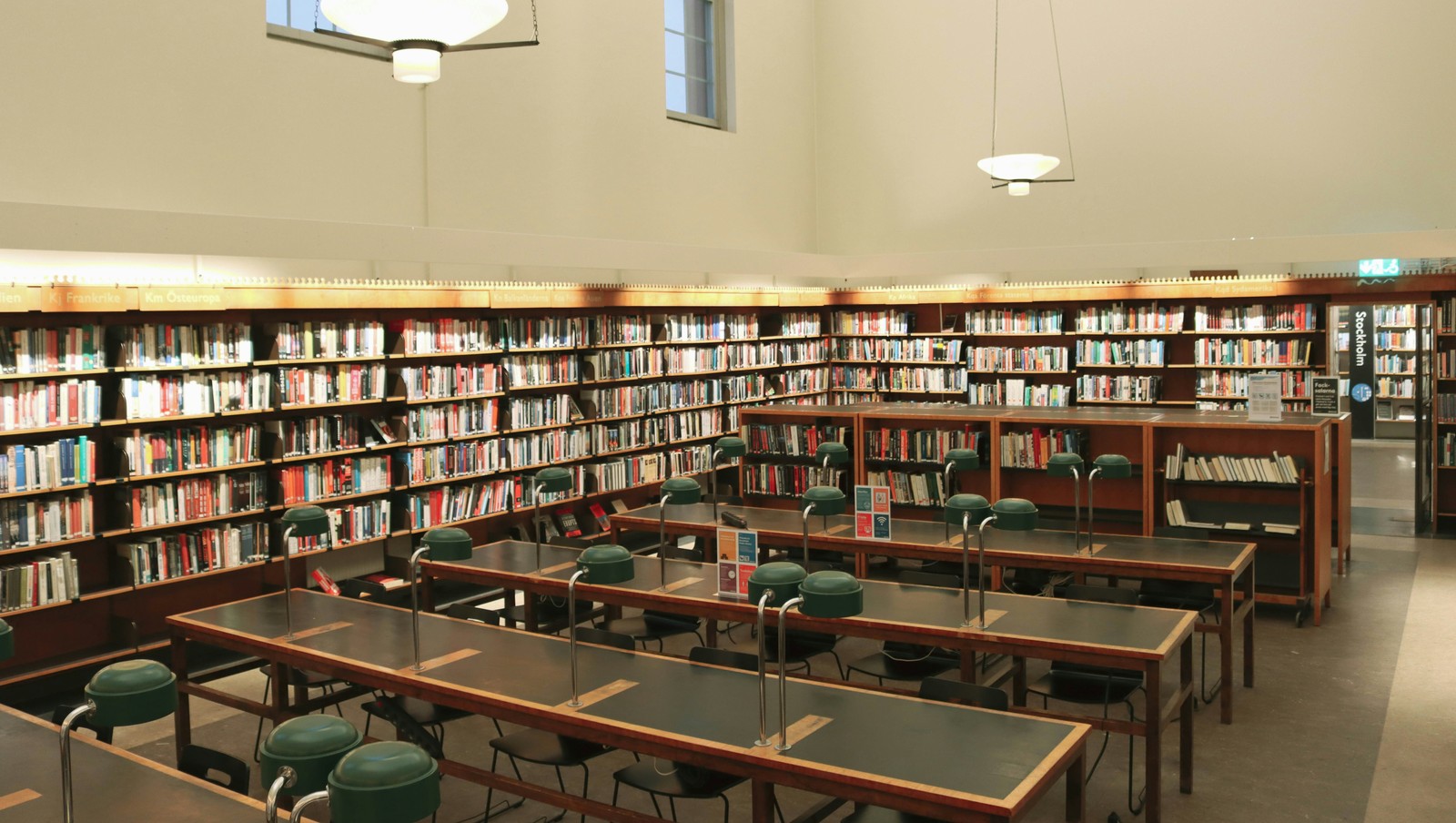
Image: chris robert

Think a library’s just for borrowing books? Think again. These days, libraries offer much more than shelves of novels and encyclopedias. From live music recitals and foreign language classes to free Wi-Fi and cozy workspaces, there’s something for everyone. Check out these 12 features that might be waiting for you at your local library!

1
Museum tickets
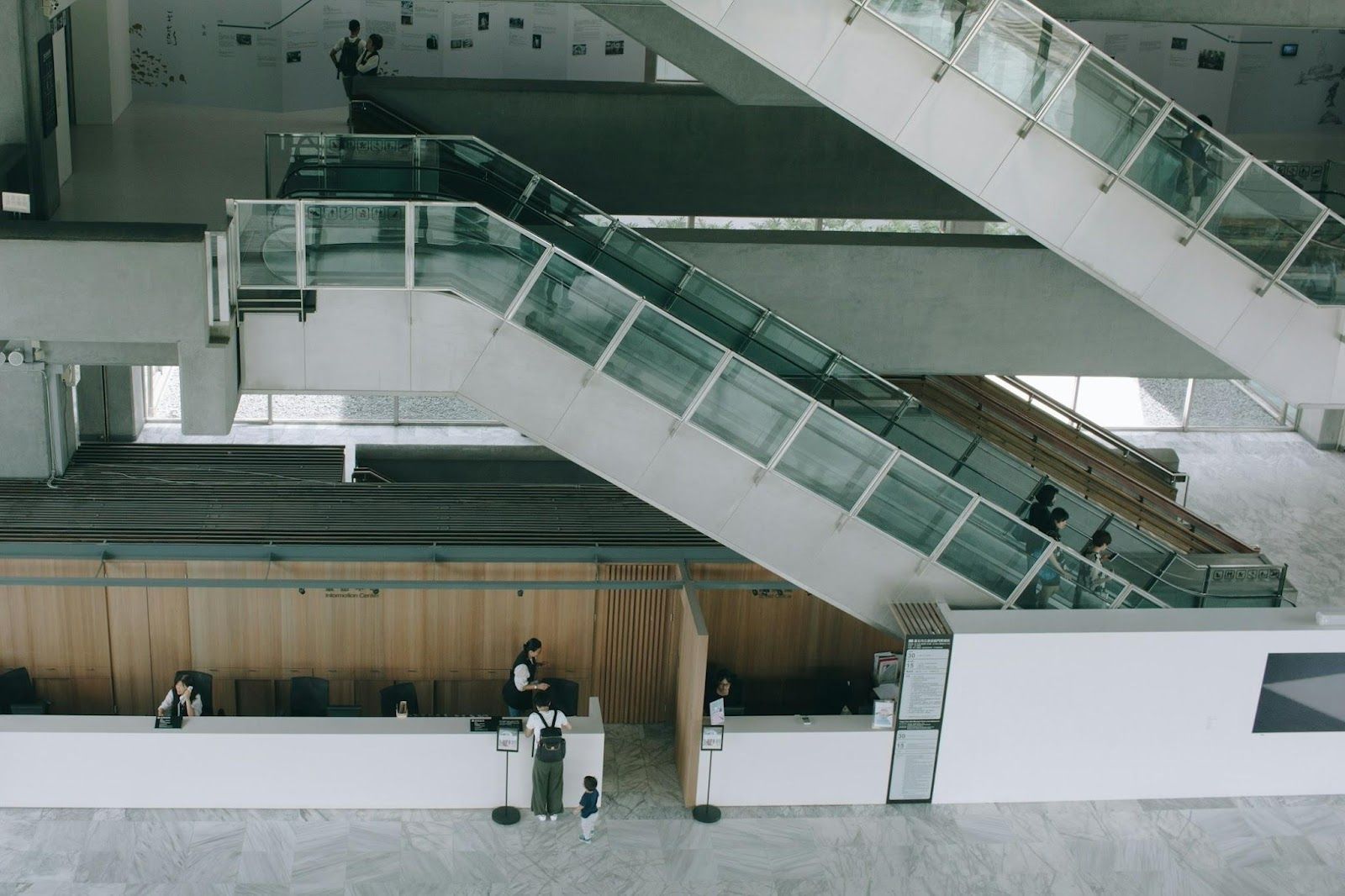
Image: Moralis Tsai

Many libraries in the U.S. and worldwide offer free passes to museums, zoos, and cultural centers . It's a great way to explore local attractions without spending any money.

Check with your local library to see what’s available. Some even let you reserve passes online.

2
Language classes
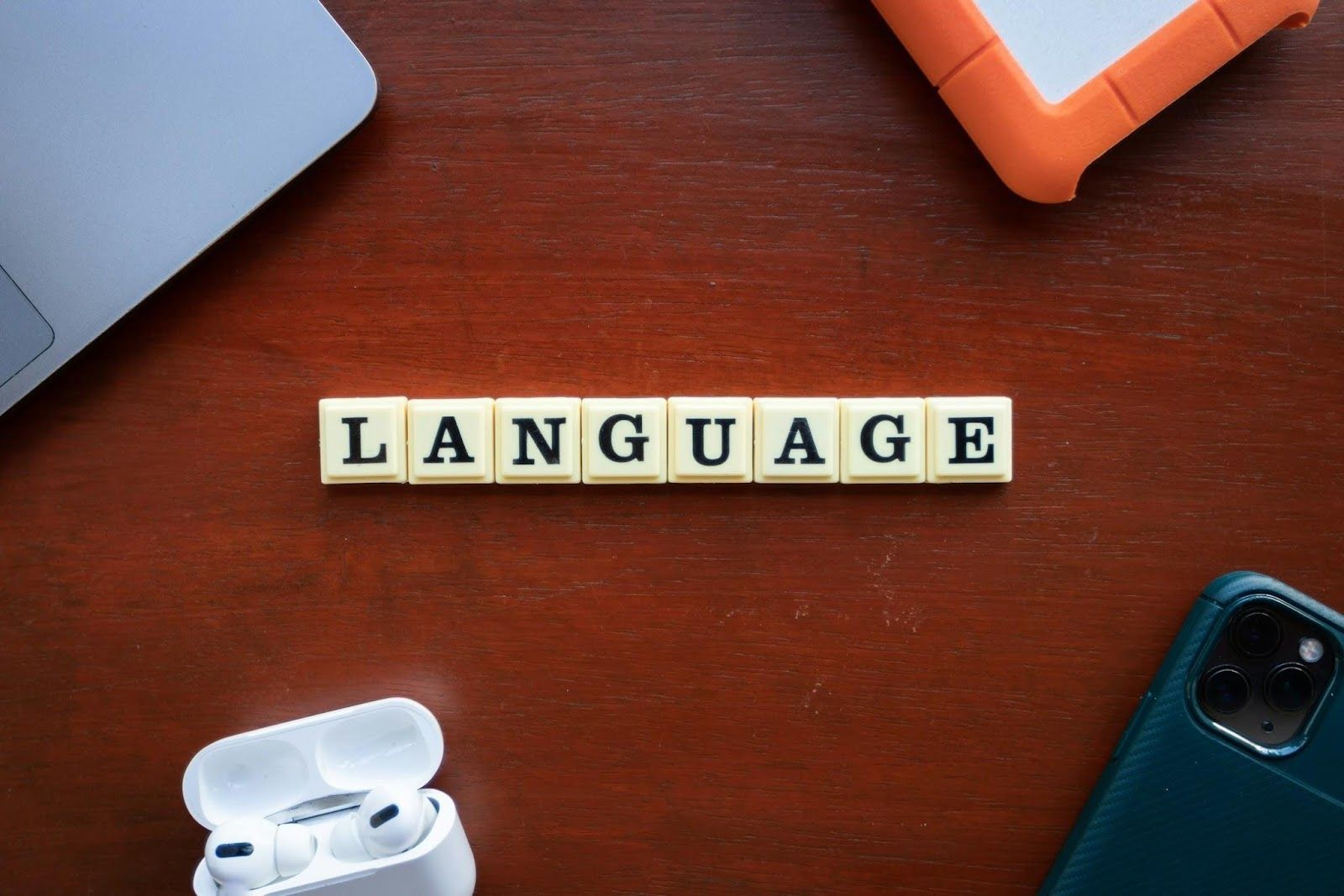
Image: Ling App

Many libraries offer free language classes, either in person or through online platforms .

It's a great way to start learning a new language or improve your existing skills. Be sure to check what your local library offers.

3
Wi-Fi
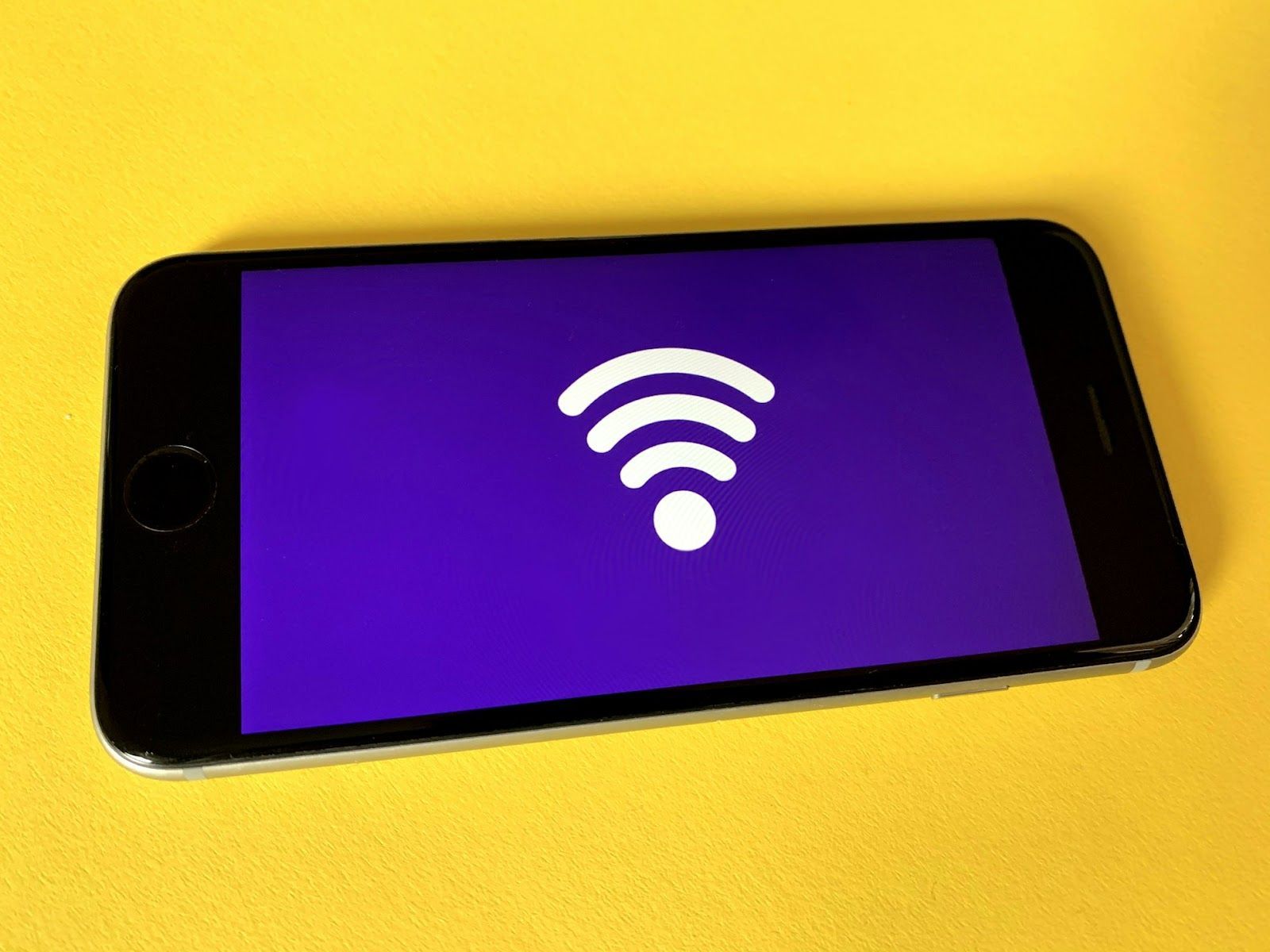
Image: Franck

Many public libraries have partnered with companies like Verizon to offer Wi-Fi hotspots for checkout, helping those without internet access at home or travelers stay connected.

This service helps bridge the digital divide and ensures patrons can access important online resources and services.

4
State Park passes
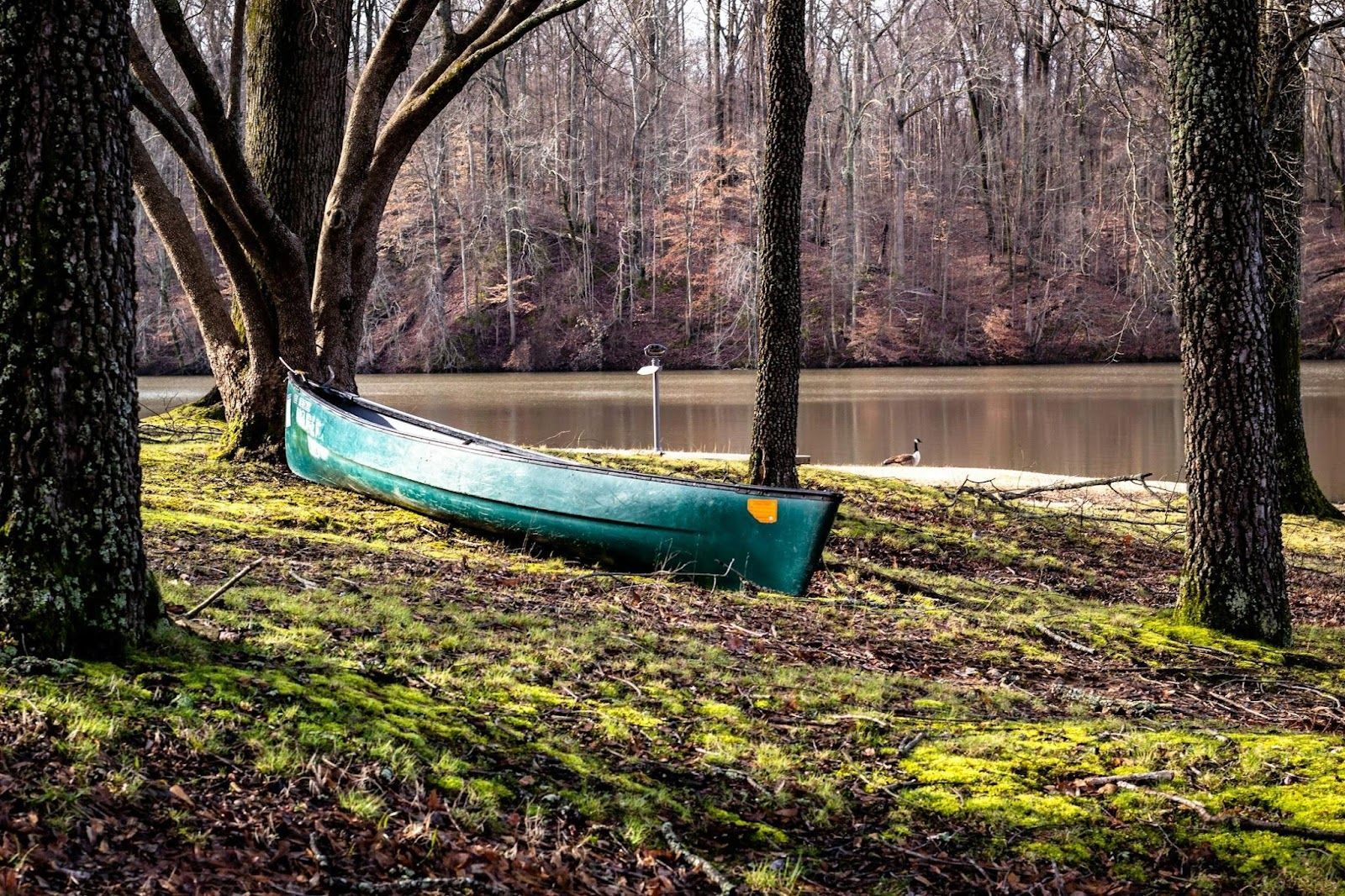
Image: Joshua J. Cotten

Several libraries across the U.S. offer free passes to local and state parks . This is a great way to explore nature without the added cost.

5
Telescopes
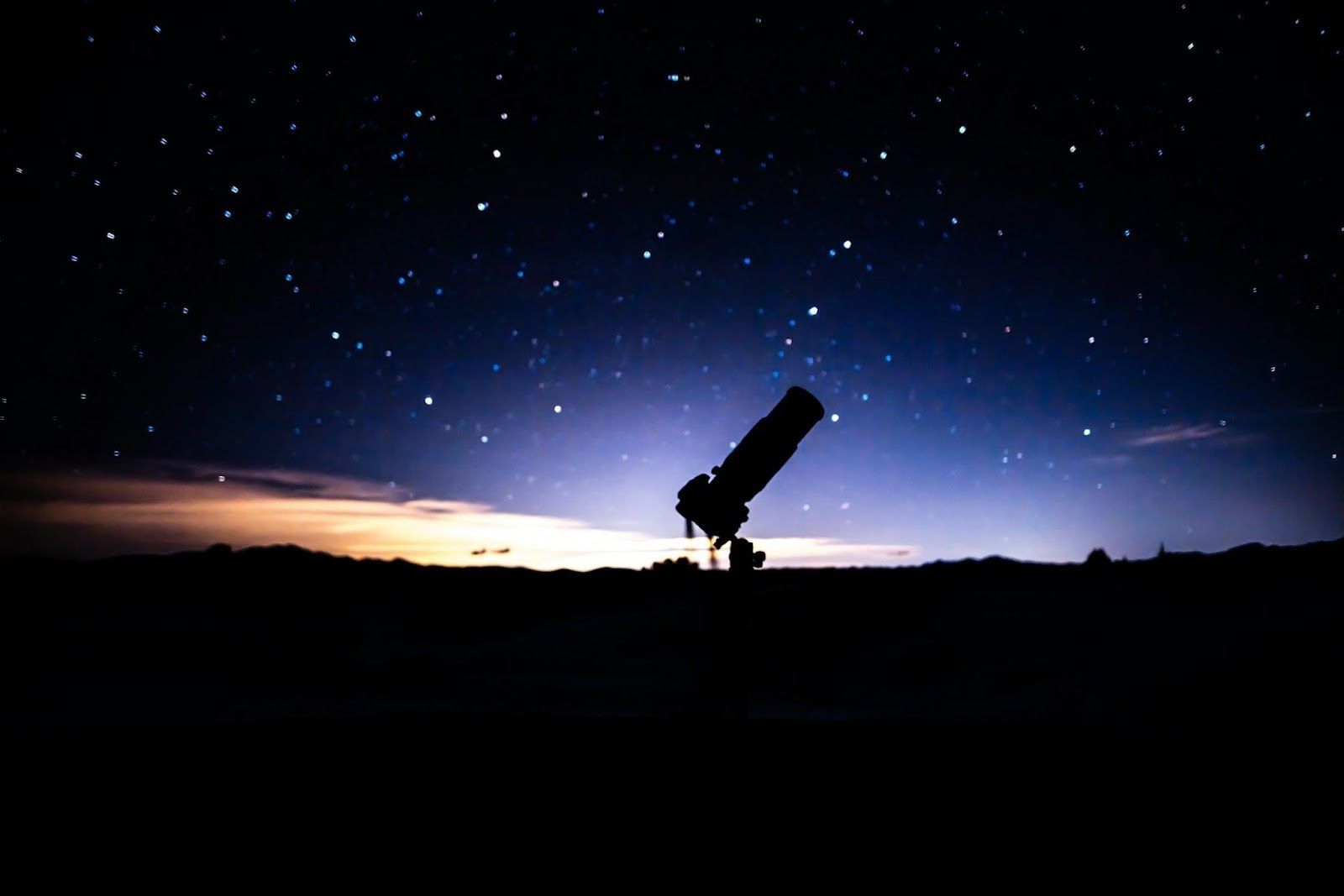
Image: Patrick Hendry

Local astronomical societies and clubs have teamed up with libraries to offer telescopes , just like books.

This gives visitors the chance to explore the night sky in remarkable detail—perfect for beginners and astronomy enthusiasts alike.

6
Video and board games
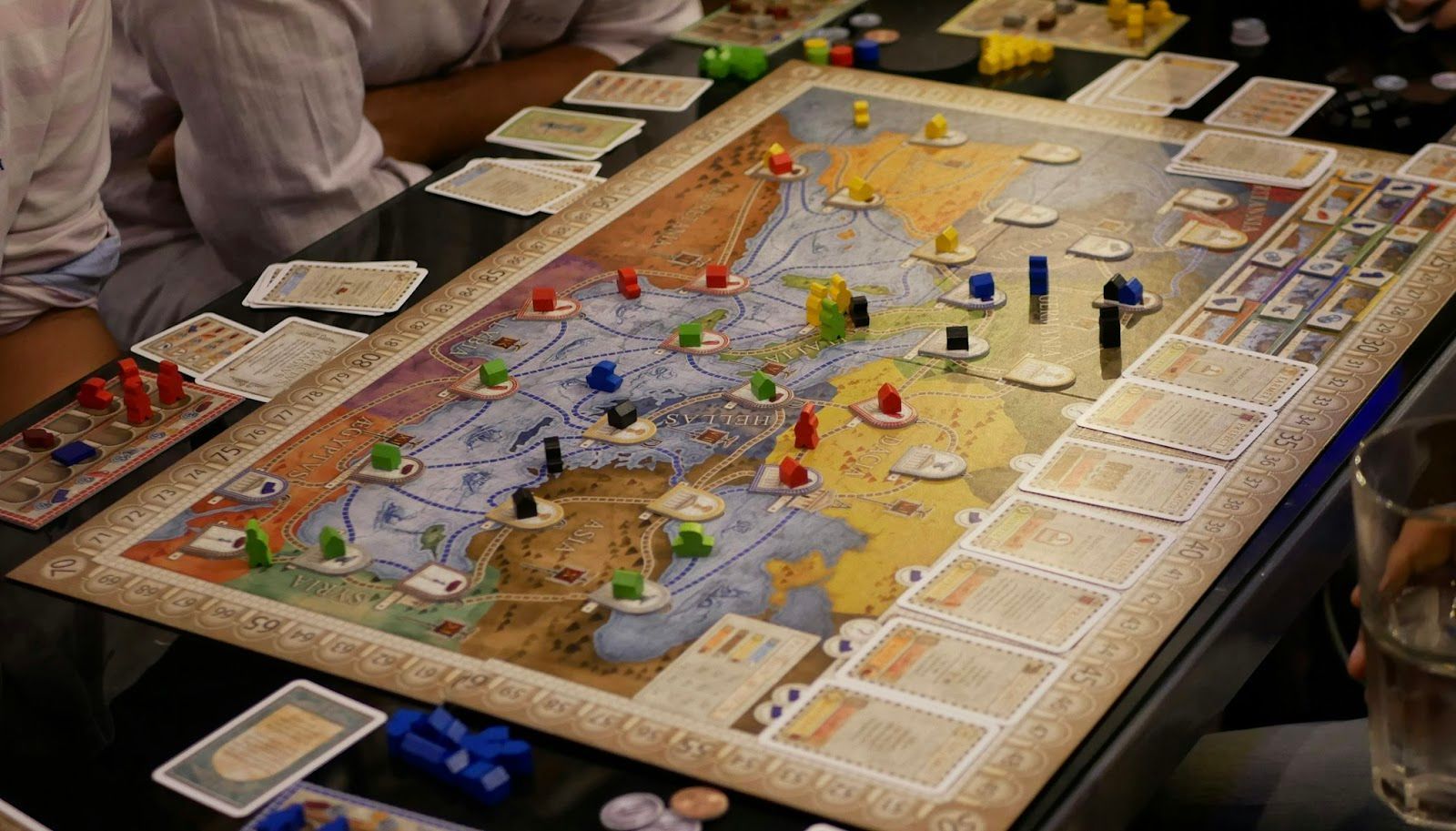
Image: Karthik Balakrishnan

Many libraries offer game collections to their visitors, including both classic board games and popular video games .

This provides a fun, free way for patrons to enjoy games without needing to buy them.

7
Early literacy programs
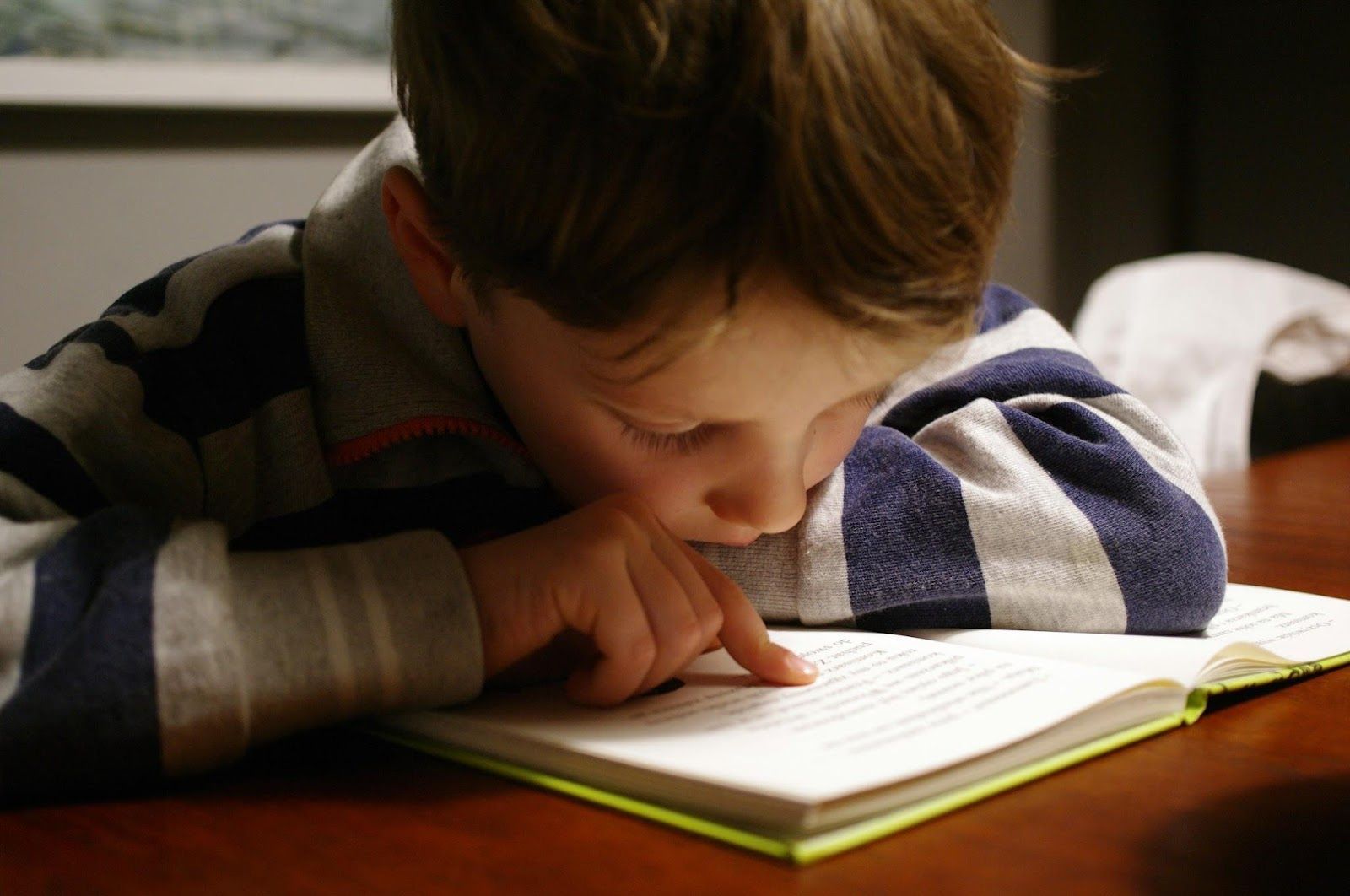
Image: Michał Parzuchowski

Librarians are passionate about promoting early literacy and getting kids excited about reading. Many libraries offer age-specific programs at different times, often featuring fun themes and activities to keep young readers engaged.

8
Concerts
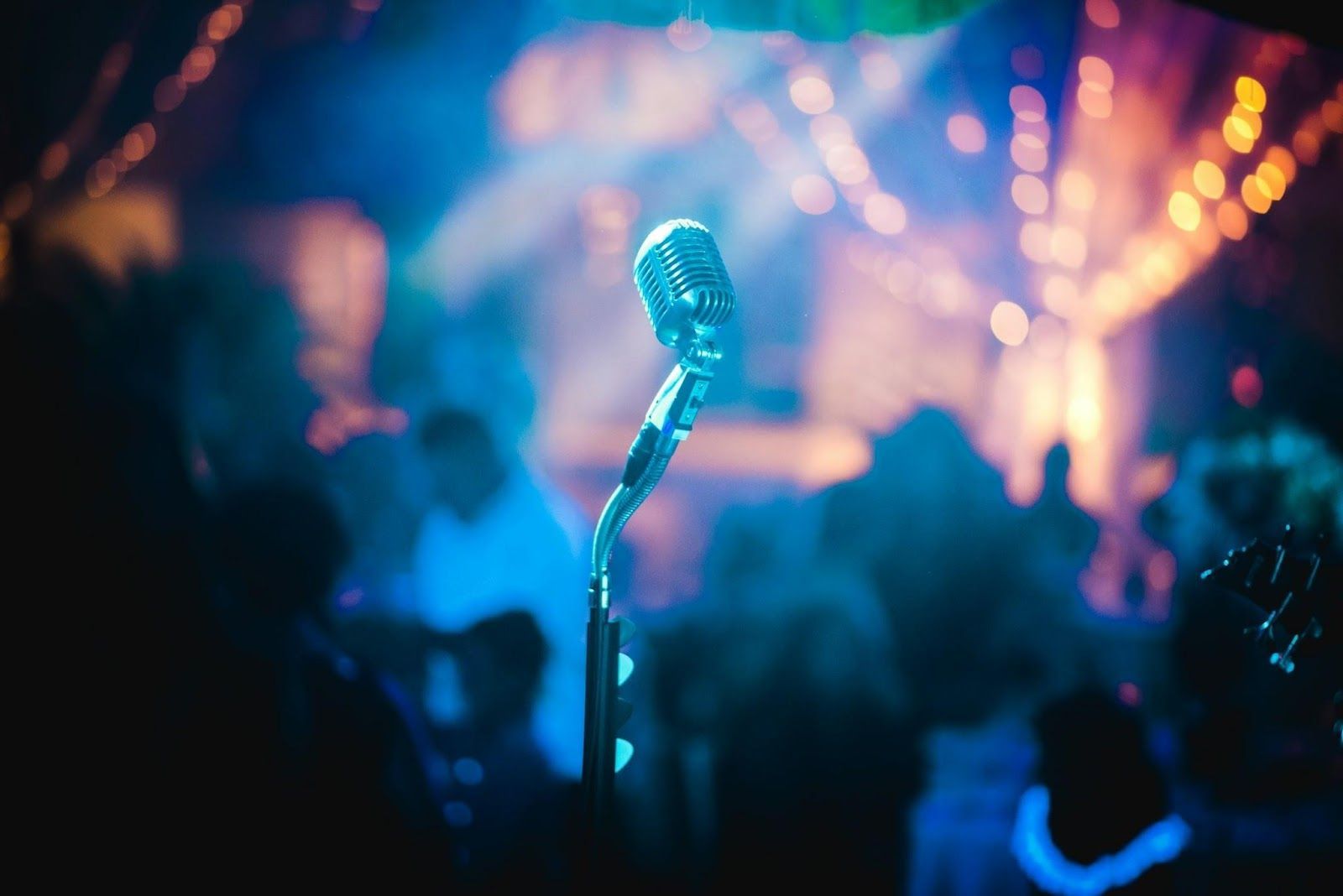
Image: BRUNO CERVERA

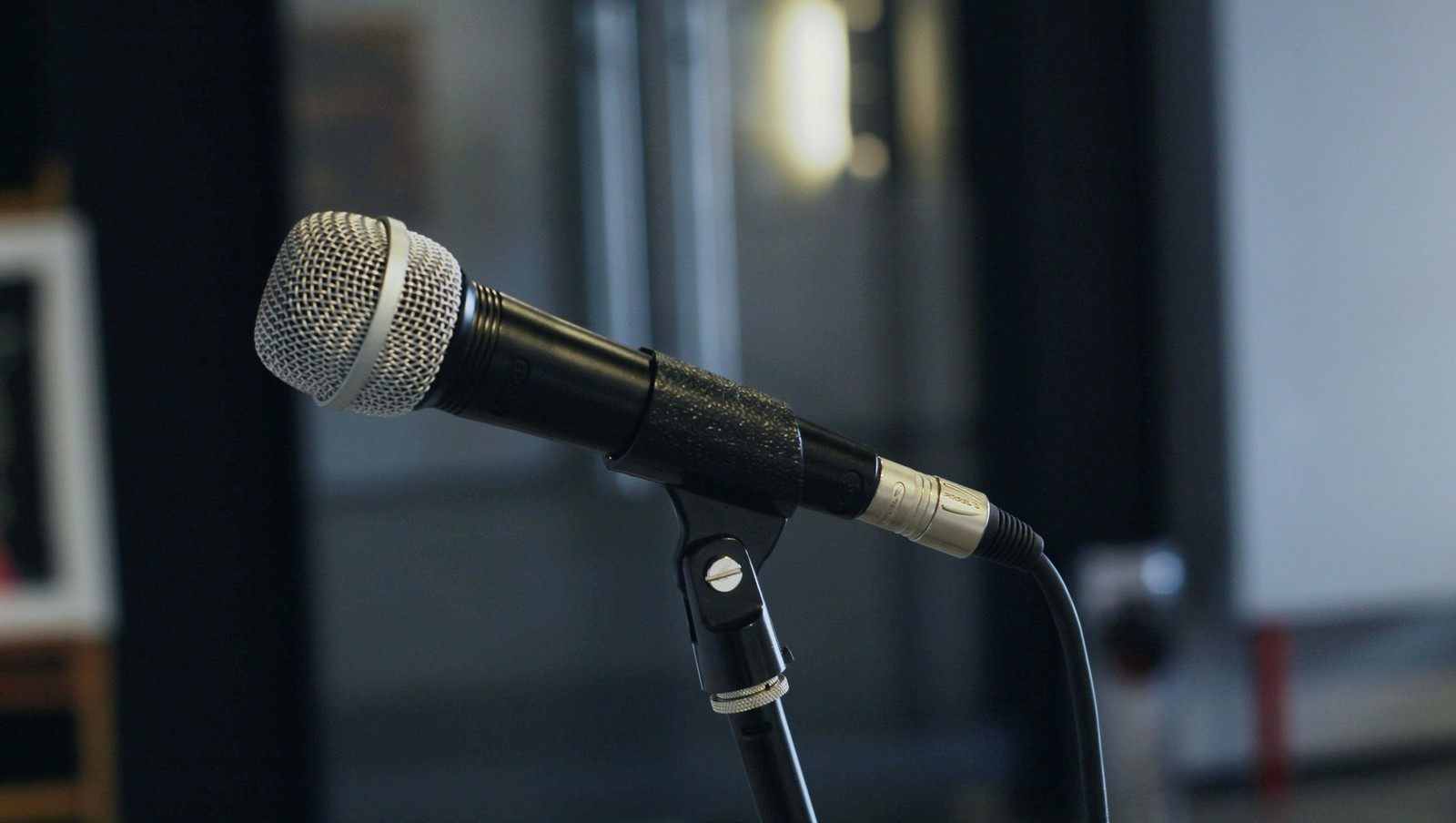
Many libraries host free concerts throughout the year, featuring a variety of musical genres.

These performances cater to different audiences, providing a great way to enjoy live music without spending a dime .

9
Genealogy
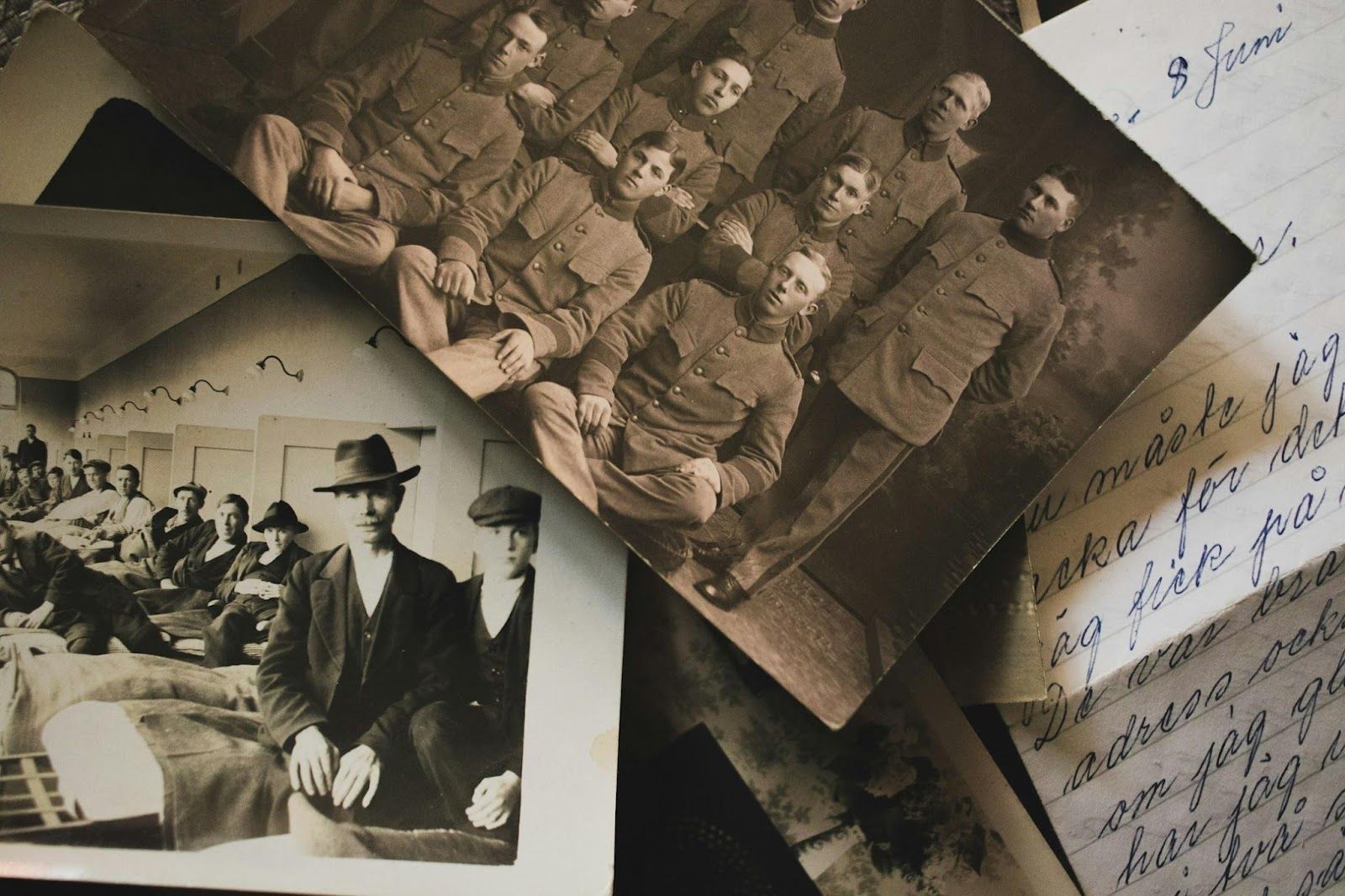
Image: June Hansen

Some libraries offer free access to the library edition of Ancestry.com, allowing users to explore their family history .

Available on-site, it provides the same features as a personal subscription, including access to global records and historical documents.

10
Movies
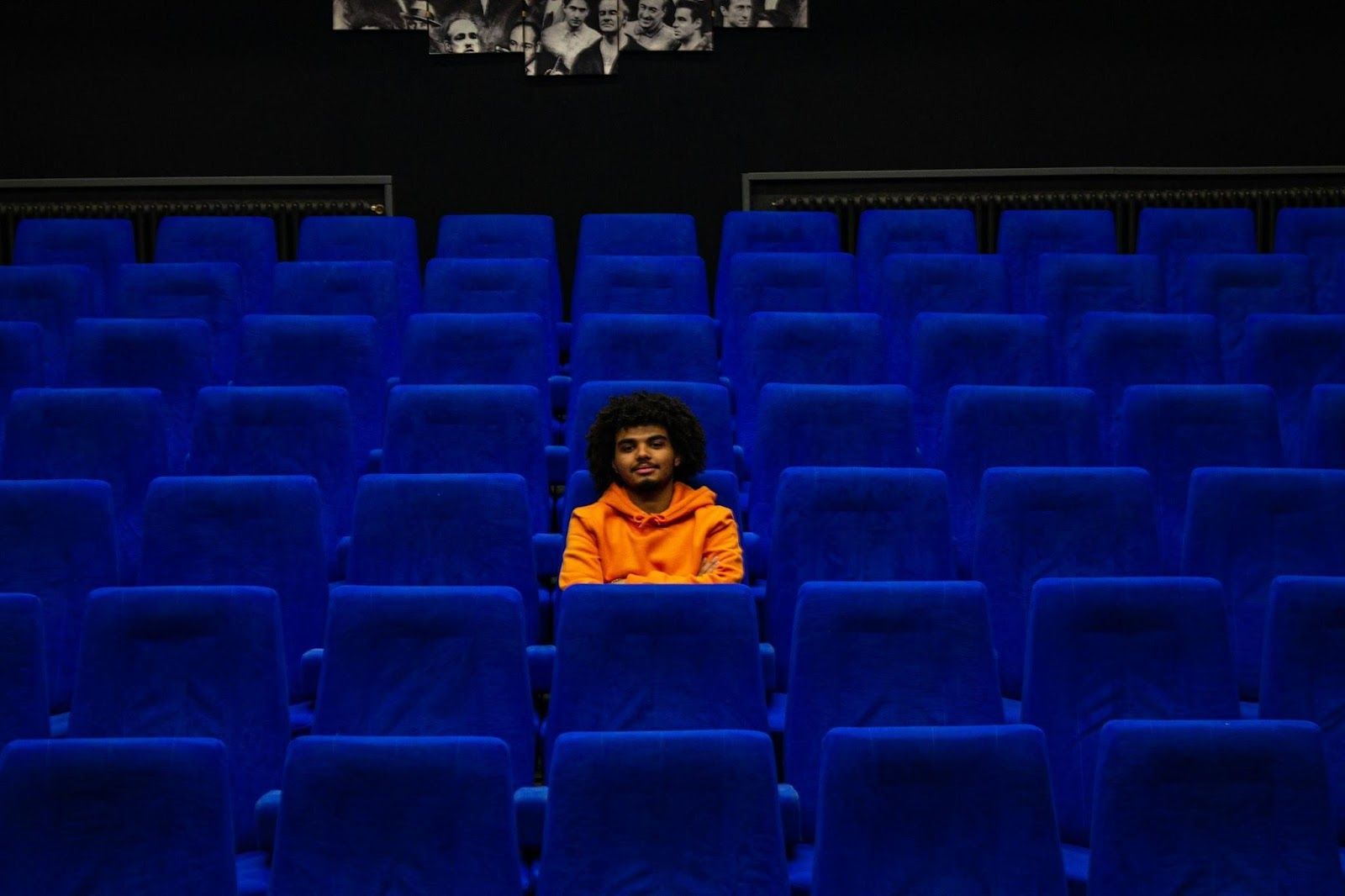
Image: Marius GIRE

Many libraries not only lend movies but also host free movie screenings. These events often include kids' films during school breaks, holiday specials, and midday showings for all ages .

11
Printers
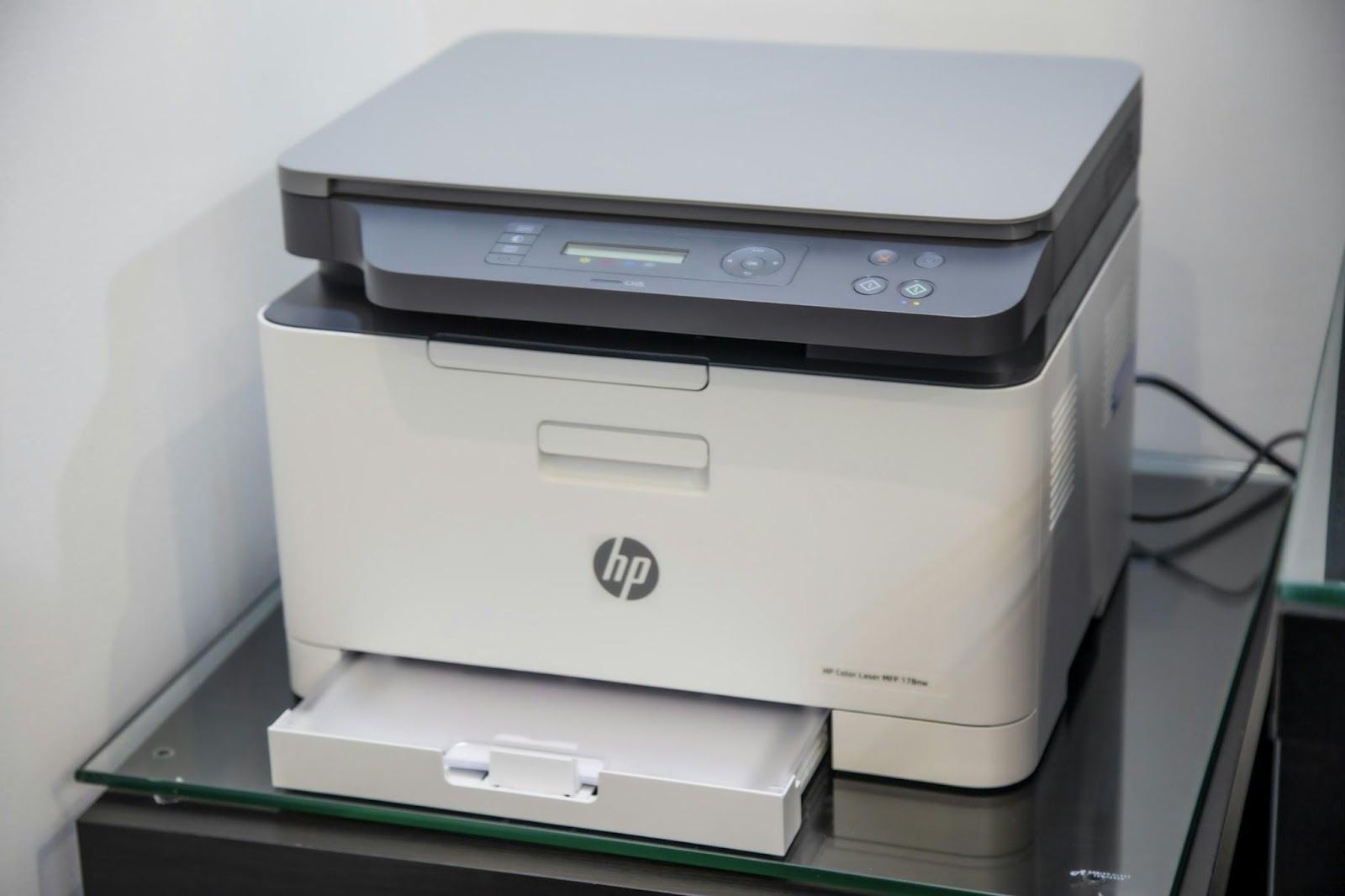
Image: Mahrous Houses

No printer at home? Some libraries let you email documents for printing at a small fee . They may also offer faxing and copying services. Additionally, many libraries provide access to a range of tools, such as 3D printers, scanners, and more.

12
Computers
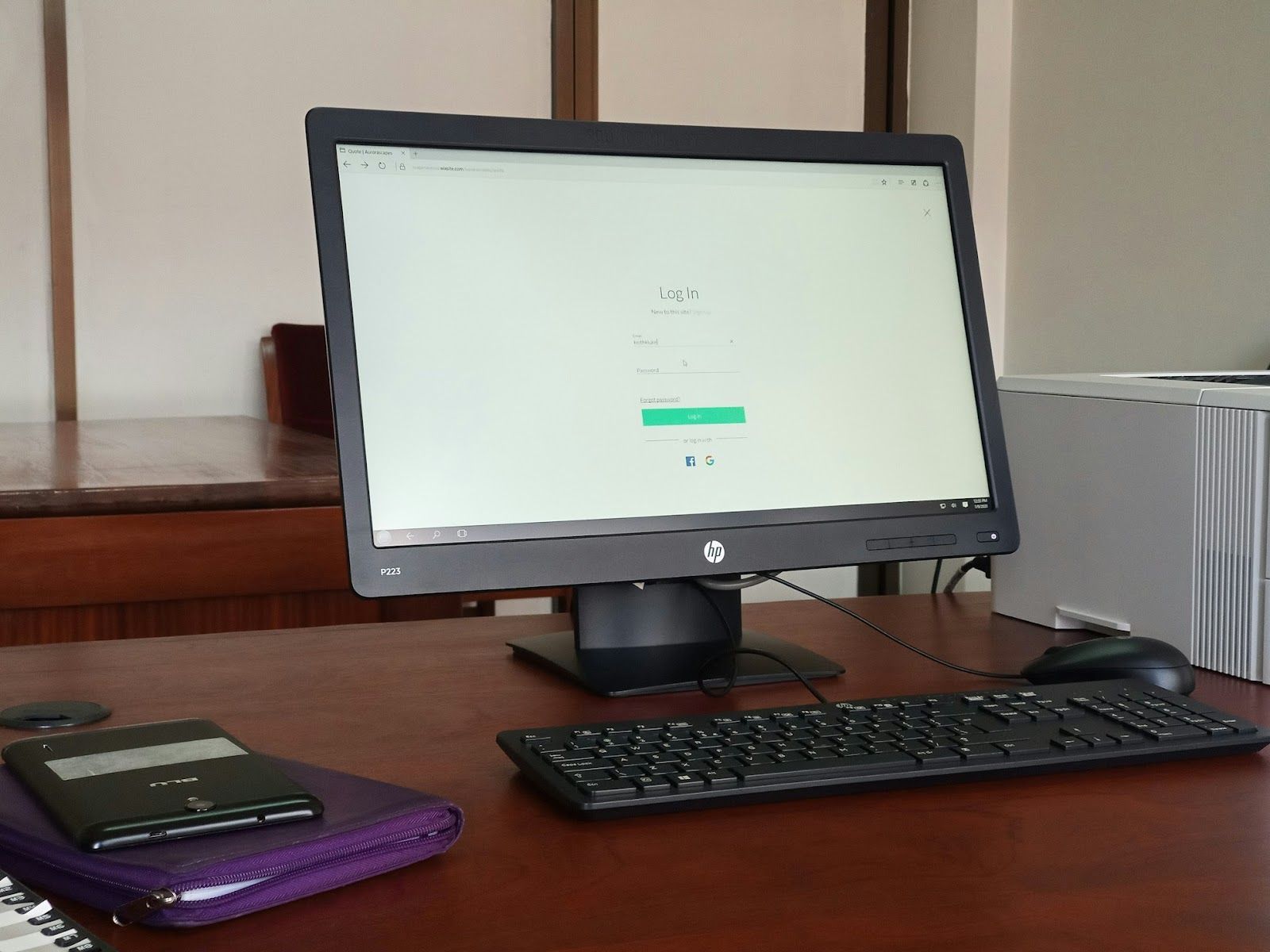
Image: Keith Kasaija

Many libraries offer desktop computers with internet access for their patrons to use, free of charge. These stations give visitors a quiet space to complete online tasks, work, or study.
Culture Culture 5 min read

Awe-inspiring facts

The First Influencer: 10 times Eleanor Roosevelt was groundbreaking

Image: Yousuf Karsh, Public domain, via Wikimedia Commons

Eleanor Roosevelt led an exciting life and was a groundbreaking figure in many ways. She redefined the role of First Lady and went on to become the U.S. delegate to the newly created United Nations. Her lifetime achievements are almost too numerous to list, yet these 10 facts serve as a reminder of why she's still celebrated as one of America's most influential First Ladies and diplomats. Keep reading to learn more!

1
Early childhood

Image: National Archives and Records Administration, Public domain, via Wikimedia Commons

Despite being born into a prominent family, Eleanor Roosevelt’s childhood was not easy. She became an orphan when she was still very young. Her mother, Anna Hall, passed away in 1892, and her father died in 1894 from injuries sustained during a suicide attempt.

Following these tragic events, young Eleanor was left in the care of her maternal grandmother, Valentine Hall, before she was sent to a school for girls in England at the age of 15.

2
Family ties

Image: Public domain, via Wikimedia Commons

Eleanor had presidential connections way before her marriage to FDR. Her father was Elliott Roosevelt, the younger brother of former President Theodore Roosevelt. Franklin D. Roosevelt, in turn, comes from a different branch of the Roosevelt family. The family was divided into two distinct clans, both based in New York, each with its own unique culture. Franklin belonged to the Hyde Park Roosevelts and was Theodore Roosevelt’s fifth cousin, while Eleanor was Theodore’s fifth cousin once removed .

Theodore was very fond of his niece and treated Eleanor like a daughter. In fact, in 1905, just a few months into his second term, the president gave her away at her wedding to Franklin D. Roosevelt. There’s nothing like keeping the name in the family!

3
American Red Cross volunteer

Image: National Archives and Records Administration, Public domain, via Wikimedia Commons

From a young age, Eleanor Roosevelt was actively involved in volunteer work. In 1917, when the United States entered World War I, women’s roles shifted dramatically. For Eleanor, this meant volunteering with the Red Cross and visiting wounded naval soldiers.

During her husband’s presidency, in the midst of World War II, Eleanor would inspire others to join the Red Cross and help raise funds to improve care and assistance for soldiers and their families. In August 1943, she even embarked on a month-long journey through the South Pacific to visit hospitals and infirmaries on military bases and ships.

4
An adventurous First Lady

Image: National Portrait Gallery, CC0, via Wikimedia Commons

Despite being an introvert, Eleanor Roosevelt was an adventurer at heart. She liked to travel and throughout her life practiced different sports. What did Eleanor consider the happiest day of her life? The day she made the field hockey team at her private school!

During the 1930s, she became close to American aviator Amelia Earhart . The pilot took the First Lady on a flight from Washington, D.C., to Baltimore in 1933 and even inspired Eleanor to apply for her own pilot’s license. After Earhart vanished during her attempt to fly around the world, Roosevelt told reporters, "I am sure Amelia’s last words were ‘I have no regrets.’"

5
Women's advocate

Image: National Archives and Records Administration, Public domain, via Wikimedia Commons

When Franklin D. Roosevelt was elected President of the United States, Eleanor redefined the role of the First Lady. Unlike her predecessors, she led a very active political life, participating in a multitude of events advocating for women's rights.

For example, before FDR’s presidency, female journalists were often excluded from media events at the White House. Eleanor helped reverse this injustice by hosting a series of women-only press conferences . This courageous and revolutionary act eventually pressured newspapers to hire more female reporters and helped Eleanor win over female voters on behalf of her husband.

6
Newspaper columnist

Image: Douglas Chandor, Public domain, via Wikimedia Commons

Did you know Eleanor Roosevelt wrote a syndicated newspaper column for 27 years? From 1935 until her death in 1962, Roosevelt penned six articles a week about her political views and personal life.

Simply titled "My Day," the column featured her thoughts on hot topics such as prohibition, Pearl Harbor, and Joseph McCarthy’s communist witch hunt. In all that time, Eleanor missed only a single week's worth of deadlines after her husband died in 1945.

7
Civil rights activist

Image: National Archives at College Park, Public domain, via Wikimedia Commons

Eleanor Roosevelt was notably more progressive on civil rights than her husband. During the era of segregation, the First Lady became a crucial ally to the African-American community .

For example, she regularly invited African-American guests to the White House, breaking established protocols. In 1938, she even attended the inaugural meeting of the Southern Conference for Human Welfare in Birmingham, Alabama. On that occasion, after learning that segregationist policies prohibited white and African-Americans from sitting together at public functions, Eleanor protested. "They were afraid to arrest her," one witness recalled.

8
J. Edgar Hoover's public enemy

Image: National Archives and Records Administration, Public domain, via Wikimedia Commons

Because of her support for civil liberties and promotion of social programs, Eleanor Roosevelt was labeled a communist by the most conservative wing of American society. She was especially unpopular with J. Edgar Hoover’s FBI, which viewed her as a threat to the status quo.

In fact, the First Lady was the subject of one of the largest single FBI files, totaling around 3,000 pages . She publicly criticized Hoover’s abusive tactics, calling them "Gestapo-ish."

9
The first influencer

Image: Evert F. Baumgardner, Public domain, via Wikimedia Commons

In 1959, Eleanor Roosevelt made a surprising appearance in a TV commercial that helped popularize margarine as a preferred spread in America.

Her endorsement of the product not only had a significant impact on consumer choices but also earned her a substantial income of $35,000. As evidence of her commitment to social causes, Eleanor used the earnings to purchase 6,000 care packages for families in need , providing critical support and assistance.

10
Universal Declaration of Human Rights

Image: Franklin D. Roosevelt Presidential Library and Museum, Public domain, via Wikimedia Commons

In 1946, President Harry S Truman appointed Eleanor Roosevelt as the U.S. representative to the United Nations Human Rights Council. In this influential role, she played a key part in shaping the Universal Declaration of Human Rights.

Along with 50 other members, Eleanor worked tirelessly to establish a comprehensive framework that protected and upheld the fundamental rights and dignity of individuals worldwide. Her dedication to this important endeavor marked a significant milestone in the advancement of human rights on a global scale. The Universal Declaration of Human Rights remains, without a doubt, one of Eleanor Roosevelt’s greatest legacies.

General General 3 min read

Served on a plate!

Tasty beginnings: food firsts that took place in America!

Image: Steven Giacomelli

From campfire snacks to sizzling skillets, America has cooked up some iconic dishes that people around the world now crave. But where did these familiar favorites come from? You might be surprised to learn that many were invented right here in the US. Let’s take a tasty stroll down memory lane and discover the unexpected hometowns of some of your favorite bites.

1
Pecan pie: the South’s nutty masterpiece

Image: Keighla Exum

This rich, sticky dessert has deep Southern roots. French settlers in New Orleans encountered Native Americans who introduced them to pecans, and that’s when the magic began. Texas cookbooks helped spread the word, and Karo syrup sealed the deal in the 1930s with its bottle-side recipes. Today, pecan pie is a holiday must-have.

2
The California roll’s West Coast switch-up

Image: Ben Lei

Sushi purists may scoff, but the California roll is what got a lot of Americans eating sushi. Well, kind of. Created in Los Angeles (though Vancouver, Canada, also claims the credit), this roll swapped raw tuna for avocado and imitation crab, making sushi less scary and way more approachable.

3
Fajitas, from cattle hands to cast iron

Image: Nadine Primeau

Back in the day, ranch workers along the Texas-Mexico border made the most of tough skirt steak by grilling it and tossing it into tortillas. That no-frills meal eventually became the sizzling skillet spectacle we now call fajitas. Toss in onions, peppers, and a dollop of guac, and boom! Tex-Mex gold.

4
Corn dogs and the mystery on a stick

Image: Taylor

A hot dog on a stick sounds simple—we know—but getting to the modern corn dog took some trial and error. Patents were filed, batter recipes tweaked, and somewhere between a beach shack in Illinois and a fairground in Texas or Oregon, the corn dog was born. One thing’s for sure: once Americans figured out how to deep-fry a hot dog in cornmeal, there was no going back!

5
S’mores and the sweet tooth showdown

Image: Jonathan Taylor

Did you know the Girl Scouts have such a legacy? Their 1927 handbook gave us the first printed recipe for s’mores, and we’ve been hooked ever since. Roast a marshmallow, squish it between graham crackers and chocolate, and try not to eat five. Campfire memories wouldn’t be the same without this gooey, finger-sticky treat. And yes, of course—they stand for "some more."

6
The Caesar salad’s border-crossing fame

Image: Frames For Your Heart

Italian chef Caesar Cardini whipped up this leafy dish not in Rome, but in Tijuana. During the Prohibition era, Americans sneaked over the border for a legal drink and left raving about the crunchy, garlicky salad. It may have Mexican birth papers, but with Hollywood stars singing its praises and the dressing later patented in the US, the Caesar salad became a true celebrity.

7
Philly cheesesteaks: city of hoagie love

Image: Syed F Hashemi

Philadelphia's most famous sandwich started with a hot dog stand and a hunk of beef! Pat Olivieri slapped some steak on a roll, later added cheese, and boom—the cheesesteak was born, and the rest is history. Locals still argue over where to get the best one, but everyone agrees it’s a sandwich worth standing in line for.

8
Spaghetti and meatballs, made the American way

Image: Ivy Farm

If you order spaghetti and meatballs in Italy, they’ll look at you funny. Why? Because this comfort food classic was created by Italian immigrants in New York. Meat was cheaper here, sauce was plentiful, and suddenly, Sunday dinner had a new star. It’s Italian by ancestry but all-American in execution.

9
Chocolate chip cookies, thanks to a happy accident

Image: SJ 📸

Sometimes the best things happen by mistake. Here’s an example: Ruth Wakefield, owner of the Toll House Inn, wanted to make chocolate cookies but didn’t melt the chocolate—and voilà, the chocolate chip cookie was born. Nestlé acquired the recipe, and now it’s printed on every bag of chips. Homemade, store-bought, or eaten straight from the dough, this cookie is as American as it gets.

10
Jambalaya and its melting pot roots

Image: Kalyani Akella

Let’s close things out with a burst of flavor: Jambalaya may have a European passport, but it earned its American green card in Louisiana. Spanish paella, West African jollof rice, and French seasonings all came together in New Orleans, where rice, meat, and veggies came together to create one exquisite dish for everyone to enjoy!

Explore more American facts

Choose your favorite category!

General
General

As American as apple pie—the very best America has to offer!

Culture
Culture

Delve into the astounding richness of American lore.

Geography
Geography

Hop in and explore vast and diverse American landscapes.

History
History

Discover the key moments that shaped the United States.