Geography Geography 3 min read

NYC uncovered

Which NYC building has a secret train platform beneath? Find out here!
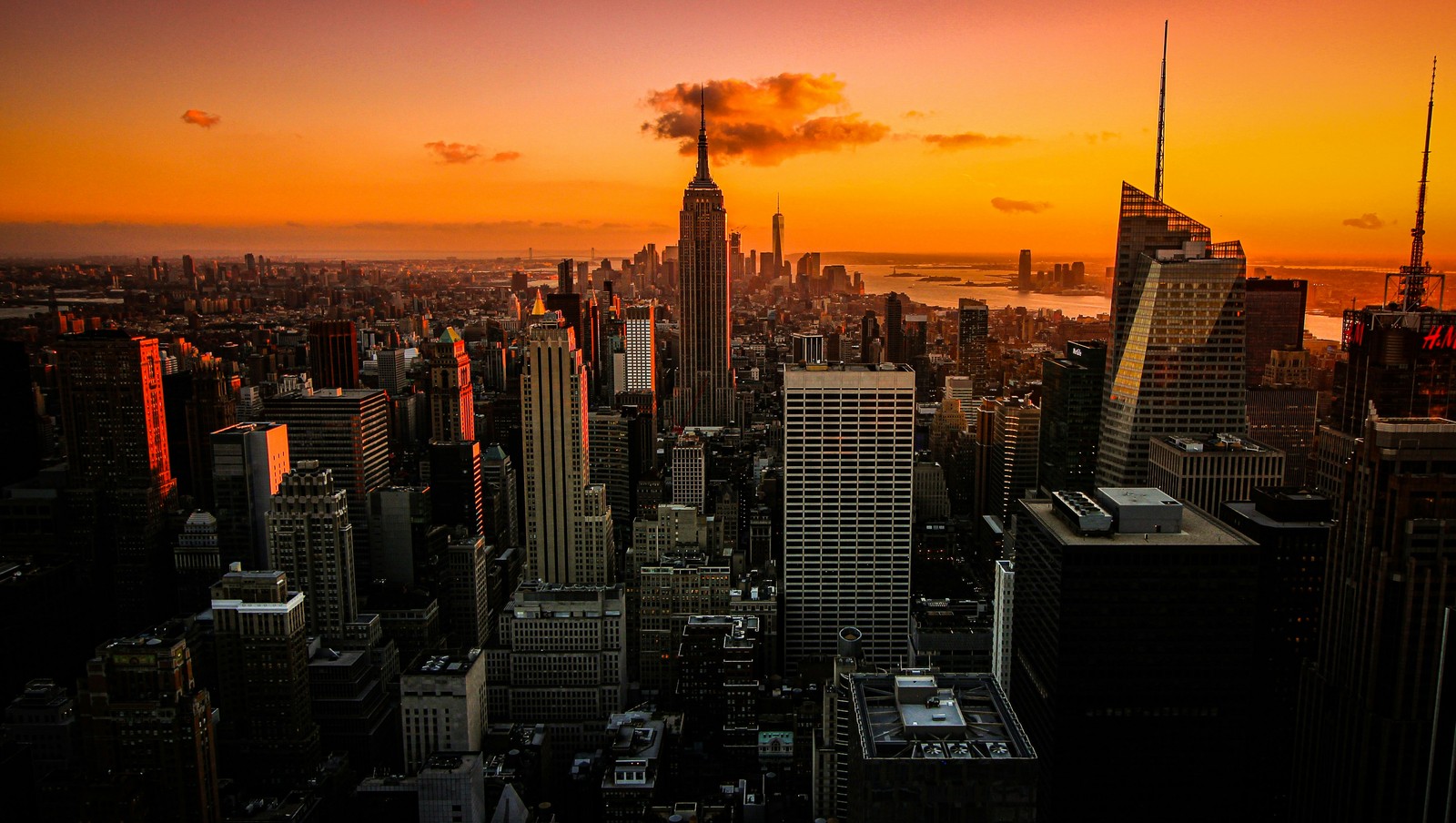
Image: Florian Wehde

New York City has been written about, filmed, sung about, and argued over for generations. Yet even people who love it and even live there are often surprised by what they do not know. Behind the busy streets and famous landmarks, lots of stories explain how this city grew, who shaped it, and why it continues to feel larger than life. Get ready to get the NYC facts right!

1
New York City population
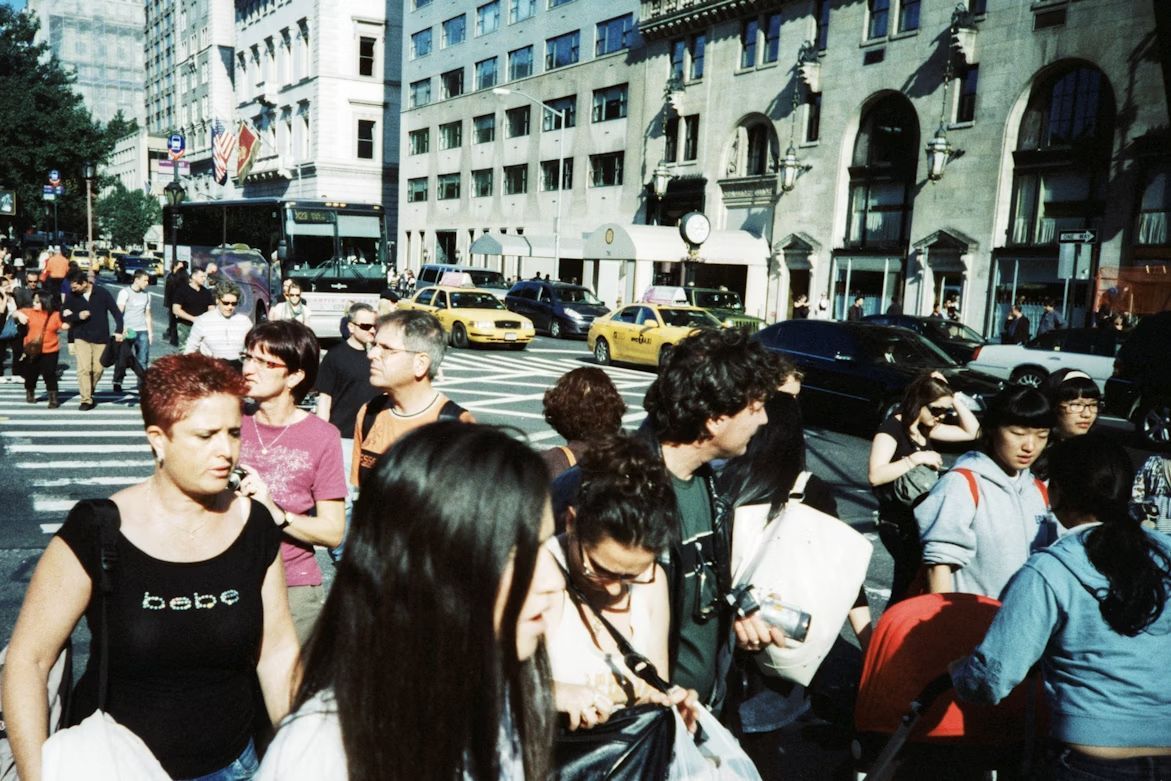
Image: Scott Evans

More than eight million people call New York City home. That means roughly one out of every 38 Americans lives within its five boroughs. It helps explain why the city feels endlessly busy and why every neighborhood seems to have its own rhythm, personality, and pace. The City that Never Sleeps feels like the right nickname, right?

2
Languages spoken
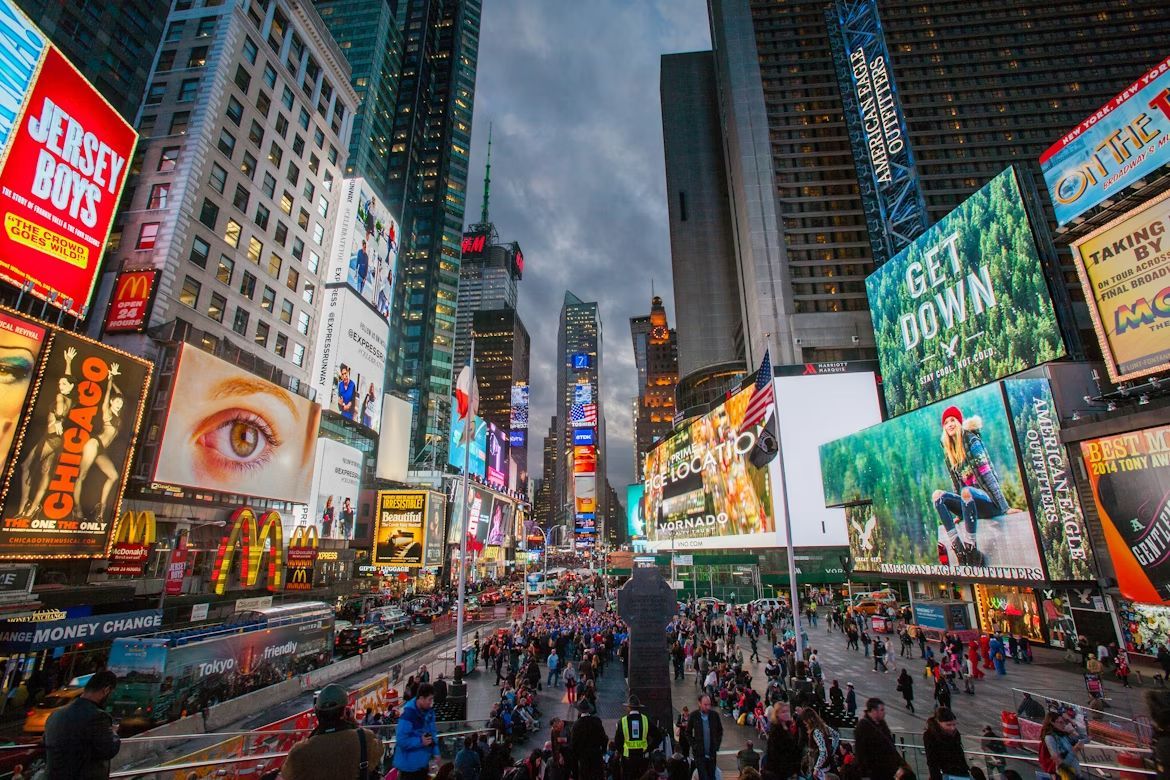
Image: James Ting

New York City is the most linguistically diverse city on Earth. More than 800 languages are spoken here, and about four in ten households use a language other than English at home. Wanna feel like you’ve travelled across every continent? Walk down a city block and you will!

3
Statue of Liberty
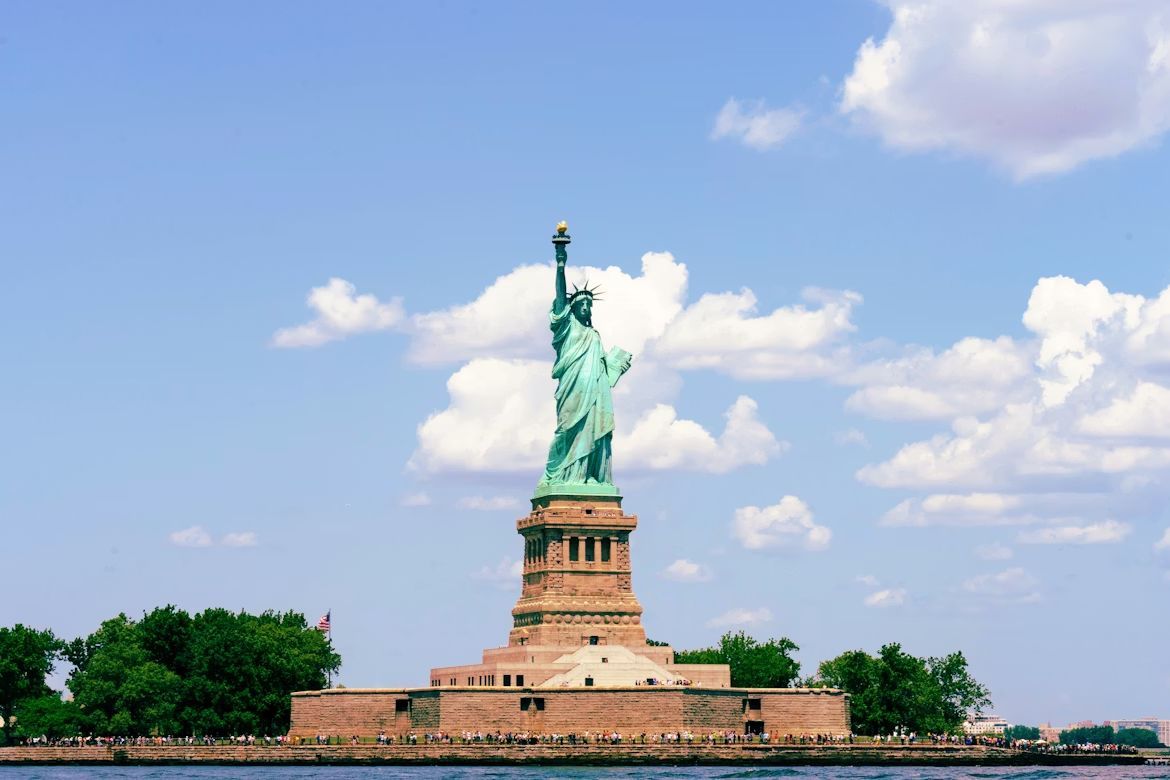
Image: Avi Werde

The Statue of Liberty arrived from France as a gift celebrating American independence. She did not come in one piece. Instead, the statue arrived in 214 crates, each containing 350 separate parts, and took four months to assembl e. Even symbols of freedom sometimes require instructions, you know?

4
Federal Reserve Bank gold vault
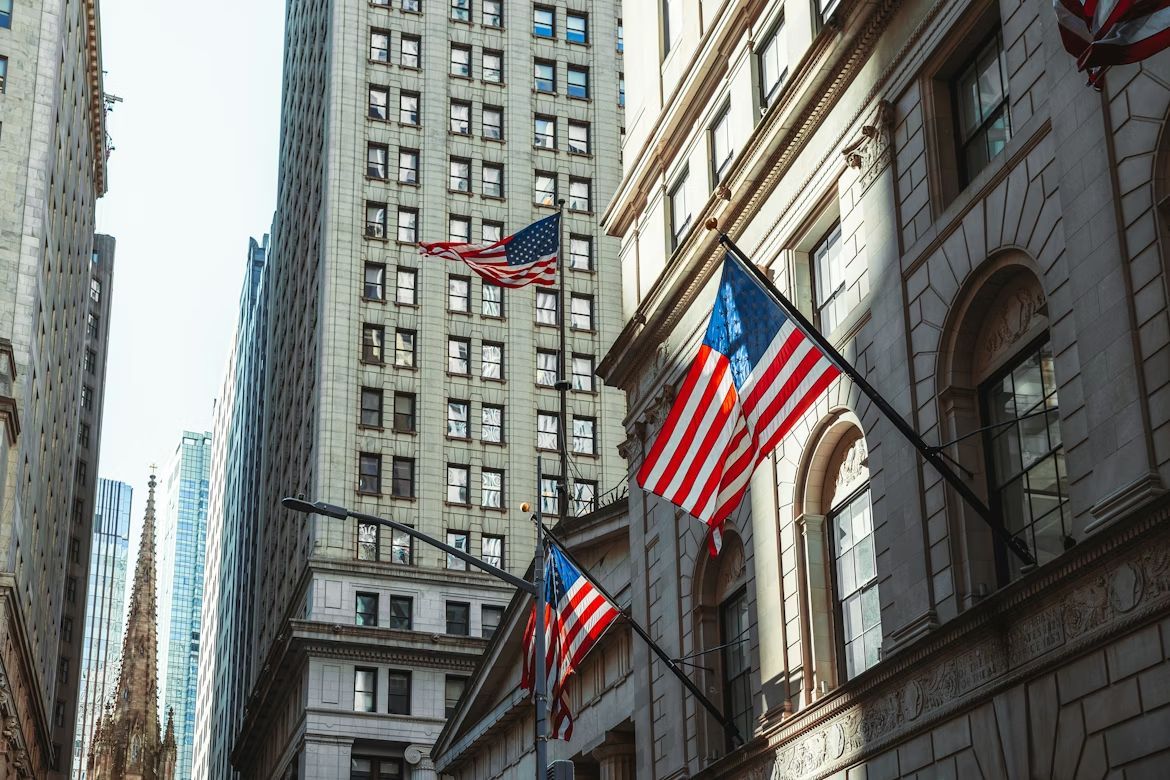
Image: Diane Picchiottino

Deep beneath the streets of Manhattan sits the largest gold storage vault in the world. Located 80 feet below street level, it holds about $90 billion worth of gold . Most visitors walk right over it without realizing they are passing above one of the most secure rooms on the planet.

5
New York Public Library
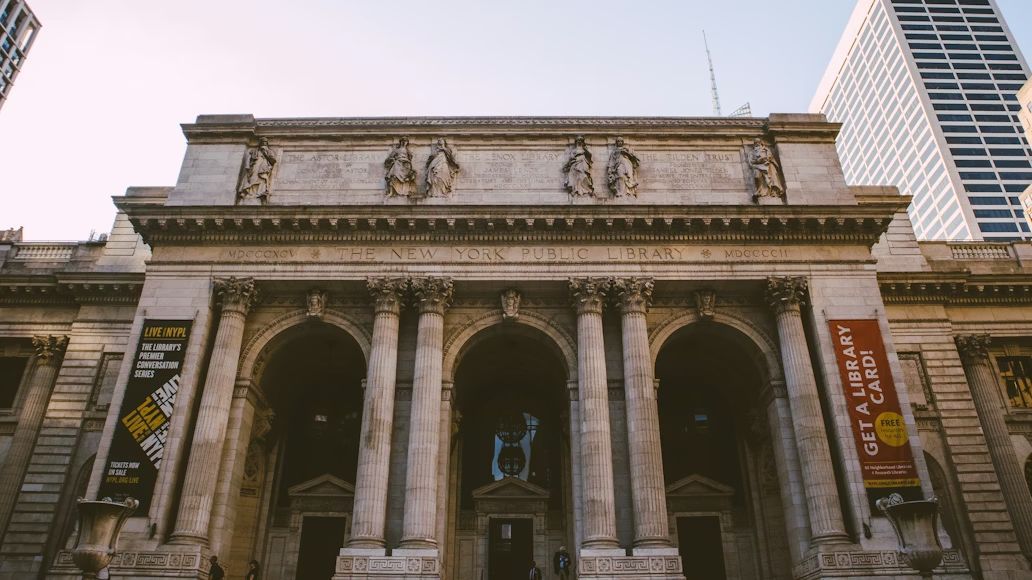
Image: Alejandro Barba

The New York Public Library system holds more than 50 million books and items. It is second in the United States, only to the Library of Congress, and ranks third worldwide . Those iconic lion statues guard far more than a quiet reading room. They watch over an astonishing archive of human knowledge. Have you ever visited it?

6
United Nations headquarters

Image: Nils Huenerfuerst

The United Nations established its headquarters in New York City in 1952 following World War II. Since then, diplomats from nearly every country have gathered here to debate, negotiate, and occasionally argue. Few city blocks anywhere else host quite so many global decisions.

7
Brooklyn borough size
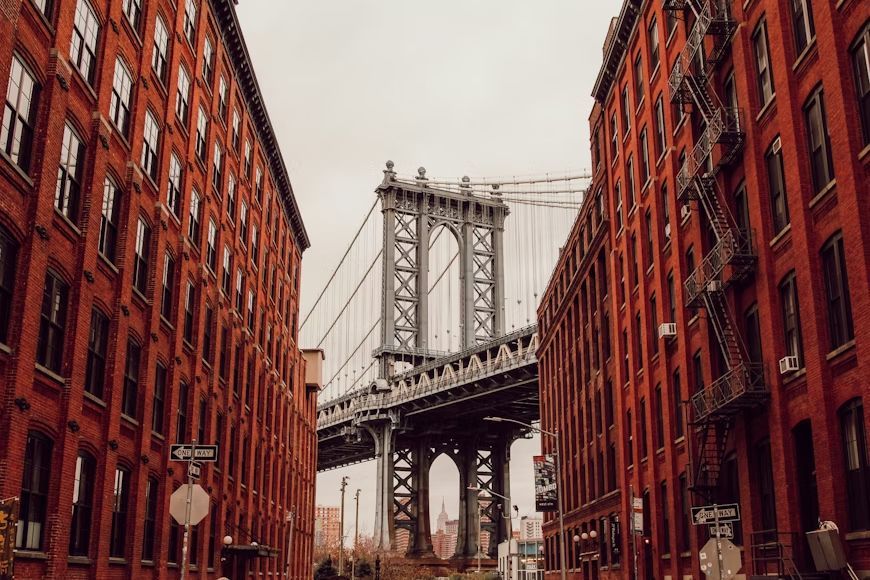
Image: Miltiadis Fragkidis

Brooklyn alone would rank as the fourth-largest city in the United States if it stood on its own. Queens would claim the same spot as well. Together, they show just how massive New York City really is, even when broken into boroughs.

8
Times Square naming
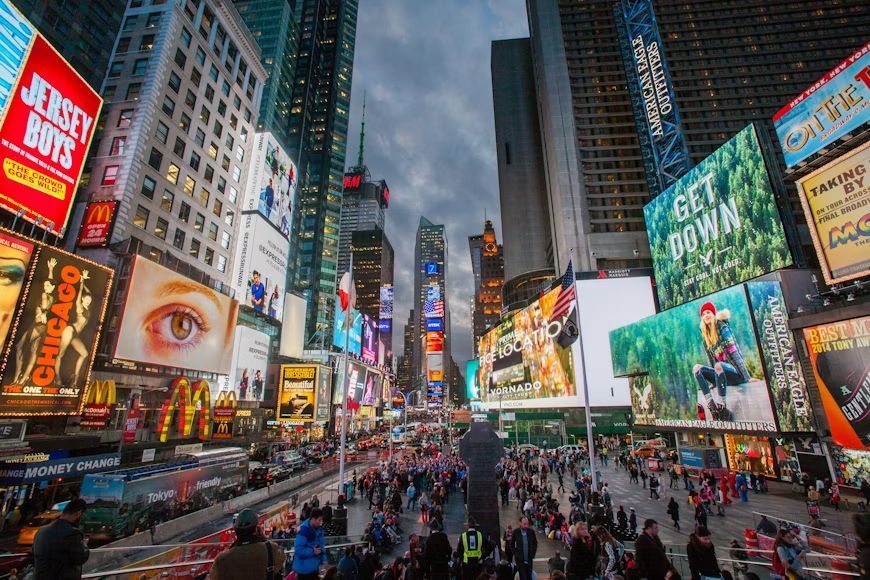
Image: James Ting

Times Square did not always have its famous name. It was once called Longacre Square until The New York Times moved its headquarters there in 1904. The name stuck, the lights followed, and the area became one of the most recognizable intersections in the world.

9
Chinatown population
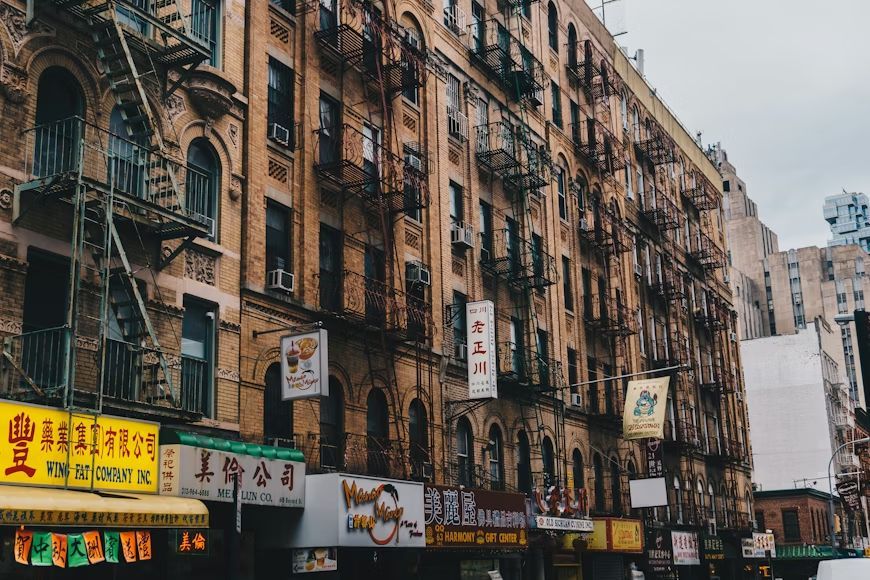
Image: Juan Di Nella

More Chinese people live in New York City than in any other city outside Asia. This influence shapes neighborhoods, food scenes, businesses, and traditions across the city. It is one more reason New York feels like many worlds packed into one place .

10
Pinball ban history
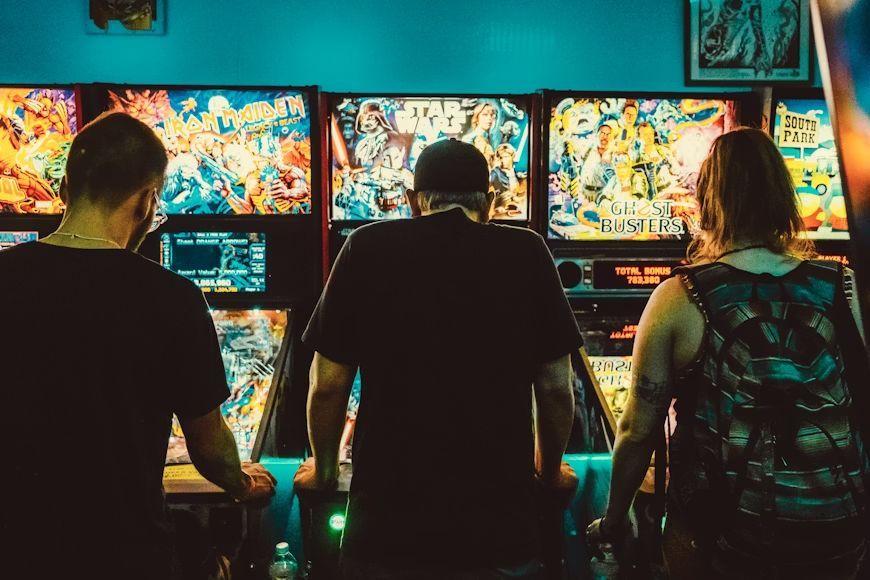
Image: Louie Castro-Garcia

Believe it or not, pinball machines were once against the law in New York City. Back in 1942, city leaders viewed the game as a form of gambling , and Mayor Fiorello LaGuardia ordered it banned. For more than 30 years, pinball disappeared from public view until the rule was finally lifted in 1976.

11
Secret train platform beneath the Waldorf Astoria
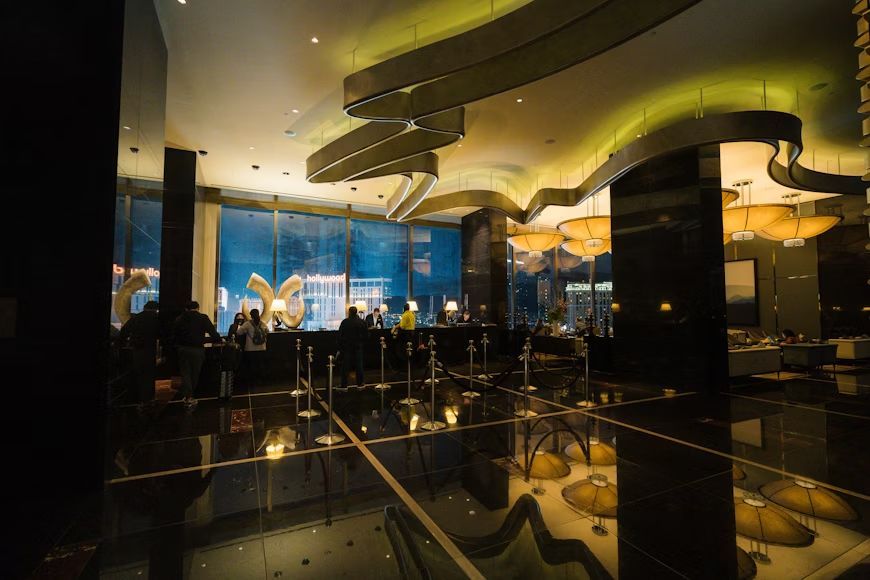
Image: Frugal Flyer

Hidden beneath the elegant Waldorf Astoria Hotel is a little-known train platform called Track 61. According to long-standing stories, President Franklin D. Roosevelt used it to arrive and leave discreetly, away from crowds and cameras. The platform is no longer active today , but knowing it exists adds a layer of mystery to an already legendary building.


General General 3 min read

Do you have a landline?

Can you tell what this was for? 12 items we no longer use!

Image: Luca Onniboni

Little by little, many of the things we used just a few decades ago have been phased out by newer technologies and changing habits. Your relatives no longer invite you over for a family viewing of holiday photos on a slide projector—they share them in the family WhatsApp group. Hardly anyone calls you on a landline anymore—they call your smartphone instead. Take a look at the following 12 things we no longer use. Do you miss any of them?

1
Paper road maps

Image: Sylwia Bartyzel

Paper maps—atlases, or topographic maps—are beautiful and there is always room for those as home decorations or teaching geography in schools. But as far as bulky roadmaps on your back pocket go, smartphones with GPS capabilities have made them obsolete.

2
Bathing machine

Image: Uta Scholl

Back in the day, modesty was far more strictly enforced than it is today. Forget about simply wearing your beach clothes to the shore—the bathing machine was a device, popular from the 18th century to the early 20th century, that allowed beachgoers to change out of their regular clothes , put on swimwear, and wade into the ocean.

3
Public telephones

Image: Pedram Farjam

Before cell phones existed, coin-operated pay phones were the go-to option for contacting someone or leaving a message. Pay phones were everywhere—on street corners, in malls, restaurants, airports, train stations, and hotels, allowing people to make calls in public places.

4
Teleseme

Image: Zoshua Colah

In the late 19th and early 20th centuries, luxury hotels featured an electric signaling device in each room , allowing guests to request goods or services from over 100 options. An attendant in the hotel office would receive the request via a corresponding teleseme and ensure the order was fulfilled.

These devices were eventually replaced by private branch exchange (PBX) telephone systems.

5
Slide projectors

Image: Nathan Anderson

As mentioned earlier, slide projectors were once a common household appliance in many homes and a popular form of entertainment . However, they became obsolete as video projectors became more affordable and accessible.

6
Phonebooks

Image: Brittany Colette

Imagine a book containing the home phone numbers of everyone in your city . It once existed and was delivered annually to every household with a landline by the telephone company. These hefty directories became obsolete with the rise of online listings and the death of landlines in favor of cell phones.

7
Typewriters

Image: Bernard Hermant

Imagine not being able to revise what you’re writing without scrapping the whole page . While that situation was a great exercise for your focusing abilities, it was phased out by home computers and word processors, which allowed for infinite rewrites in no time.

8
Photo Album

Image: Laura Fuhrman

Smartphones have made photography more accessible than ever, yet we print fewer photos than before. When photography wasn’t digital, people took their film rolls to be developed , returning with 36 crisp pictures—some of which, if deemed worthy, were carefully placed in photo albums .

9
Cassette tape players

Image: Dave Weatherall

If you're over 40, you’ve probably owned a cassette player—whether a Walkman, a boombox, or any other model. Cassettes were sturdy, reliable, and easy to use . However, with the arrival of CDs, which offered superior sound quality and the ability to skip tracks at the press of a button, cassettes and their players quickly faded into obscurity.

10
Encyclopedias

Image: James

Before the internet, encyclopedias were the primary source of knowledge. These extensive book collections adorned bookshelves in homes and public libraries, offering detailed descriptions of almost any subject imaginable , all listed in alphabetical order .

11
Fax machines

Image: alecale35

By today’s standards, sending and receiving faxes wasn’t particularly fast, but at the time, it was a game-changer. The fax machine digitized documents with a scanner and transmitted printed pages over telephone lines . However, it became obsolete with the rise of email, scanners, and smartphones.

12
VHS tapes and VCRs

Image: Leonard Reese

Being able to see any movie you want at home feels ordinary today, but, in the early 80s, it was a dream come true. And this dream was made possible by VCRs and VHS tapes. These bulky devices were eventually replaced by DVD players, which offered superior image quality and eliminated the need to rewind the tape.

General General 3 min read

They have rules too

The president can’t open the White House windows? Here’s why!

Image: Fine Photographics

Being the president of a nation might seem glamorous, and while it comes with a couple of nice benefits, the role is also full of obligations, strict protocols, and surprising restrictions . From accepting luxurious gifts to buying a smartphone or taking a simple walk, here are all the "don’ts" of being a US president!

1
Open the windows

Image: Braden Burson

Yes, you read that right. A sitting US president can’t just get up and open the windows of the White House to enjoy a beautiful day. While there’s no law against it, the protocols state that any action that could pose a security risk to the commander-in-chief must be carefully reviewed and approved by the staff.

2
Go to the cinema

Image: Krists Luhaers

Going to the movies is one of life’s simple pleasures. Unfortunately, if you’re the president, it’s not one of your options. While it’s not officially forbidden, crowded and dark spaces like movie theaters represent serious security risks. Luckily, the White House has its own private screening room, so the president and his family can still enjoy movie night at home.

3
Attend their children’s events

Image: Sincerely Media

You’ll rarely see a president at their kids’ school plays or sporting events. And it’s not because they’re bad parents; it’s because regulations discourage them from attending. With so many people, children, and things happening at the same time, keeping the commander-in-chief safe in those settings is nearly impossible.

4
Buy their own tech devices

Image: appshunter.io

When a new iPhone hits the market, many rush to buy it, but presidents can’t make this decision on their own. Any electronic device, like a smartphone or tablet, could be vulnerable to hacking or espionage. So while presidents can use cell phones, theirs must be secure, vetted, and government-approved.

5
Block people on social media

Image: Julian

And that isn’t the only restriction on cell phones. Presidents who use their social media accounts for official communications are advised not to block people in their official POTUS account, since doing so could be seen as suppressing free speech. On the other hand, they can block users on personal accounts.

6
Go out alone

Image: Warren K. Leffler, Public domain, via Wikimedia Commons

The US president can’t just grab the keys and head out for a walk. Sure, strolls around the White House gardens are fine, but stepping beyond the gates is a different story. Anytime the president leaves the White House, even for a quick walk around the block, the Secret Service must secure the area, plan the route, and provide constant protection. Sounds a little overwhelming, right? But when you’re the commander in chief, safety always comes first!

7
Drive

Image: Jerry Kavan

Ever felt the urge to hop in your car and drive somewhere spontaneously? Well, if you’re the President of the United States, that’s off-limits. Security measures strongly recommend that presidents must always travel in a secure vehicle with a driver and a full security detail. In fact, the last president known to drive alone on the open road was Lyndon B. Johnson (1963-1969).

8
Fly on commercial airlines

Image: The White House, Public domain, via Wikimedia Commons

Just as security protocols strongly discourage the president from driving alone on open roads, flying on commercial airlines is also off-limits. Imagine being hundreds of feet in the air, locked in with strangers; it could be extremely unsafe when you’re the president of the United States. Implementing proper security measures would be too complicated, and with a large presidential staff, there might not even be enough seats for everyone.

9
Accept expensive gifts

Image: Ayana Ames

Presidents receive many, many letters and gifts from the public, but not all of them can be accepted. The US Constitution and federal law require presidents to decline overly expensive gifts, whether they come from foreign leaders or everyday citizens, to prevent any appearance of conflict of interest or corruption.

10
Discard official mail

Image: Wolfgang Vrede

Although it may seem like a harmless, ordinary task, the president can’t just start cleaning out their office or email inbox. All presidential correspondence, physical or digital (even spam!), is considered official government property. It must be processed or archived according to federal records regulations, and discarding anything requires a strict review process.

Explore more American facts

Choose your favorite category!

General
General

As American as apple pie—the very best America has to offer!

Culture
Culture

Delve into the astounding richness of American lore.

Geography
Geography

Hop in and explore vast and diverse American landscapes.

History
History

Discover the key moments that shaped the United States.