Geography Geography 4 min read

Road trip time

Off the beaten path: 12 bizarre roadside wonders across the U.S.
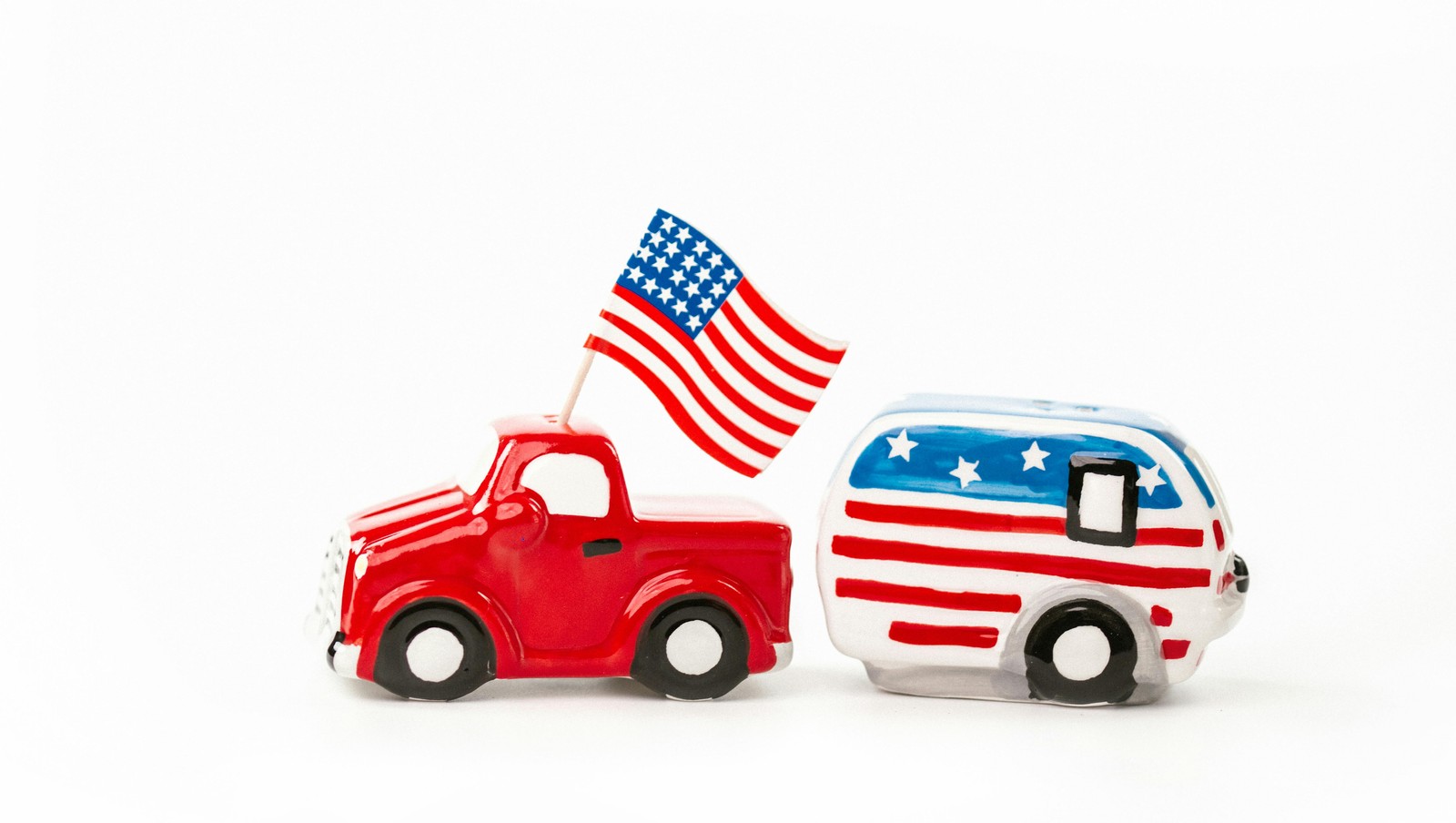
Image: RDNE Stock project

Picture this: You’re on a road trip and stumble across something so odd you have to pull over and snap a photo. Has that ever happened to you? It probably has—because that’s the magic of the American roadside attraction. It’s part charm, part mystery, and entirely unforgettable. Our highways are full of creative (and often head-scratching) stops that are well worth stretching your legs for. Here’s a look at some of the most bizarre places you’ll ever visit.

1
Carhenge – Alliance, Nebraska
Image: John Dame

Imagine driving through the Great Plains and stumbling across Stonehenge—only this version is made entirely of old cars. That’s Carhenge. Built in 1987 by artist Jim Reinders, this auto-art installation mirrors the original monument’s dimensions using vintage American cars, all painted gray. It’s history with a humorous twist, you know!

2
Salvation Mountain – Niland, California
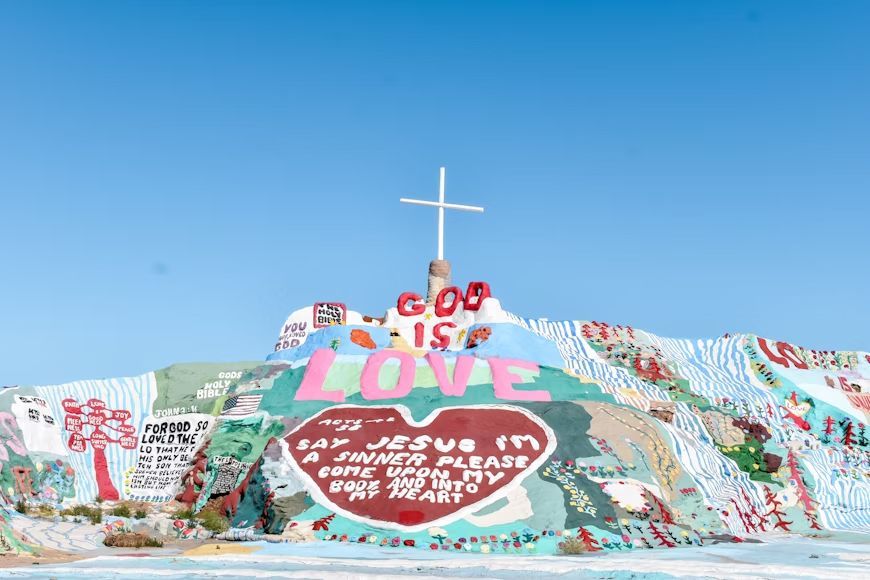
Image: Megan Ellis

Located near the edge of the desert, Salvation Mountain is a wonder filled with color and faith. Leonard Knight spent decades slathering adobe and straw with thick coats of paint, spreading a message of love through hand-lettered Bible verses. You don’t have to be religious to appreciate the heart behind this monument—it’s pure passion on display.

3
The Enchanted Highway – Regent, North Dakota
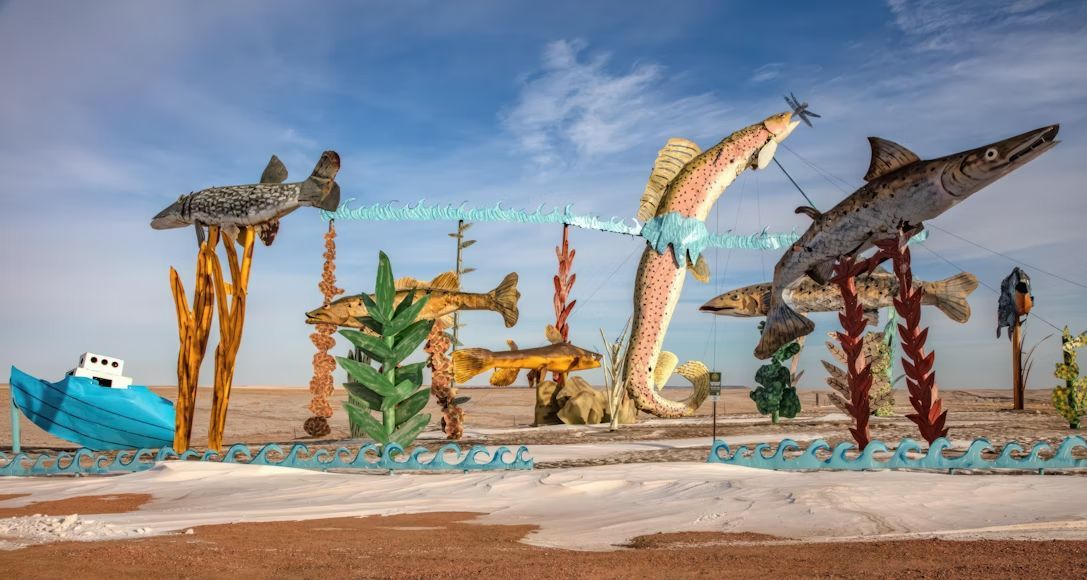
Image: Carol Highsmith's America

This isn’t your average country drive. The Enchanted Highway is a 32-mile stretch of open road lined with enormous metal sculptures—everything from geese in flight to grasshoppers the size of RVs. Created by Gary Greff, a small-town schoolteacher turned roadside visionary, this whimsical parade of artwork proves that a little welding—and a lot of heart—can turn even the quietest town into a road trip highlight.

4
The Paper House – Rockport, Massachusetts
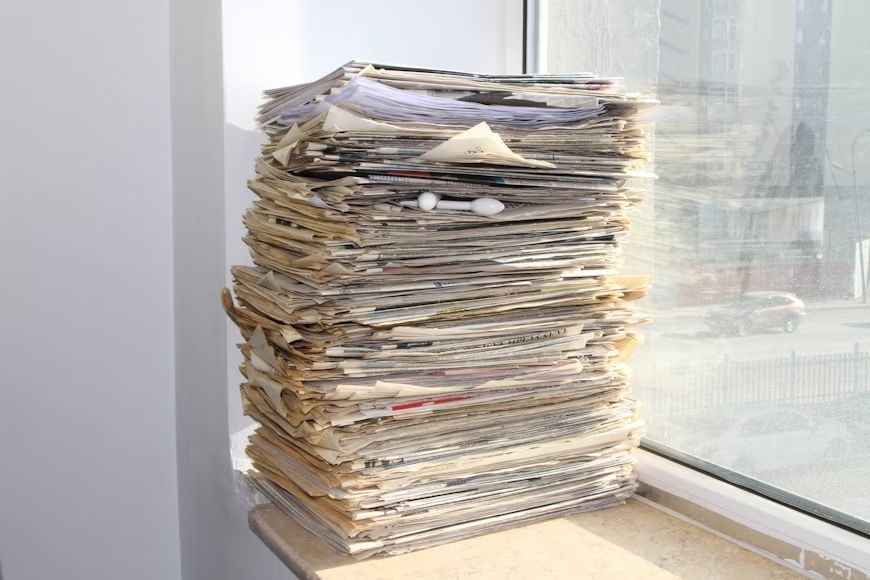
Image: Unlimited Access

If you’ve ever wondered what to do with old newspapers, how about building a house? In the 1920s, engineer Elis Stenman did just that. The walls, furniture—even the curtains—are made from varnished newspapers. It’s cozy, clever, and surprisingly sturdy. Part architecture, part recycling marvel, this little New England oddity is well worth the detour.

5
The Museum of Bad Art – Boston, Massachusetts

Image: Marishka Tsiklauri

Some artwork takes your breath away. Other pieces make you laugh out loud—and that’s exactly the goal at the Museum of Bad Art. This small but mighty gallery celebrates delightfully terrible creations. It’s not about mocking; quite the opposite. It’s about finding joy in the offbeat and honoring artists who dared to create something totally different. Trust us—you’ll leave smiling.

6
The Unclaimed Baggage Center – Scottsboro, Alabama
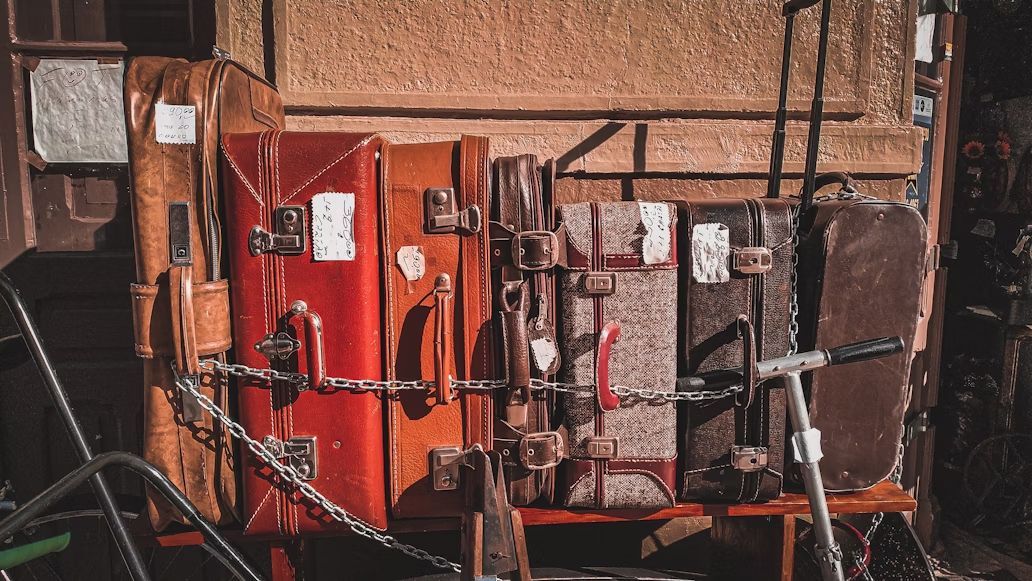
Image: Raquel Brepohl

Ever wonder where your missing suitcase ended up? Chances are, it’s here. The Unclaimed Baggage Center is part retail store, part treasure hunt. Spread across 40,000 square feet, it sells items left behind at airports—from clothes and gadgets to the occasional surprise oddity. If you enjoy thrifting, this is a must-stop on your trip.

7
The Wigwam Motel – Holbrook, Arizona
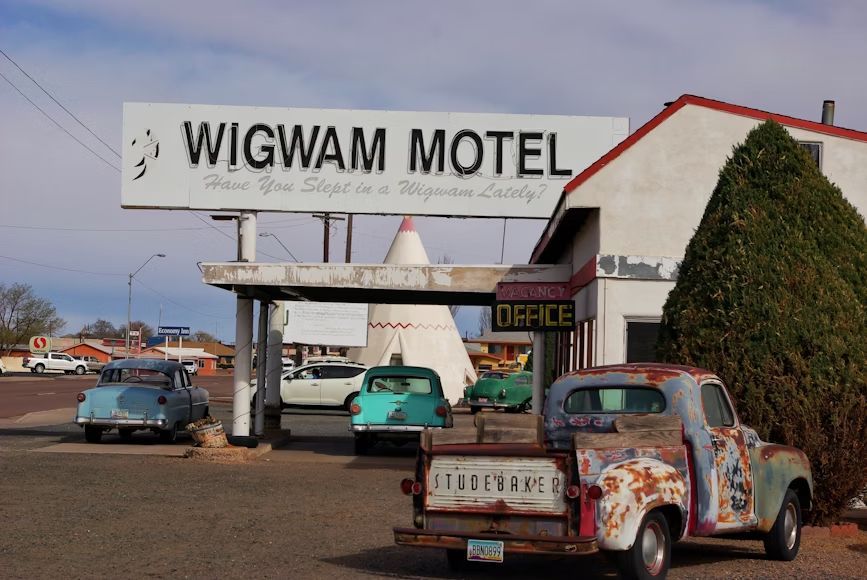
Image: Johnathan Ciarrocca

Nothing screams classic Americana like Route 66, and the Wigwam Motel delivers. Here, you’ll sleep in your very own concrete teepee. It’s one of only three surviving "Wigwam Villages" from the 1950s. It’s kitschy, it’s cozy, and it’s a nostalgic nod to the road trips of yesteryear. Want a bonus? Check out the vintage cars parked out front.

8
The House on the Rock – Spring Green, Wisconsin
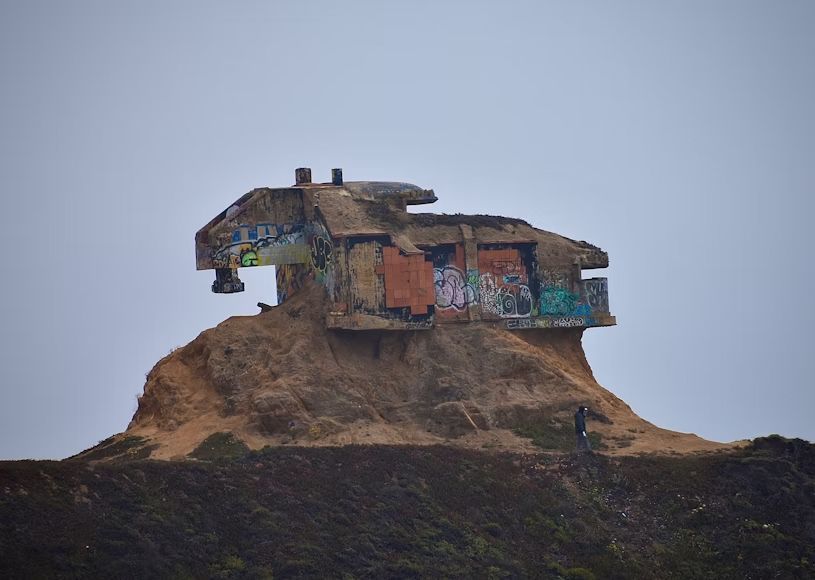
Image: Cristina Glebova

Imagine a mansion crossed with a carnival funhouse—that’s The House on the Rock. Started in the 1940s by Alex Jordan Jr., this labyrinth of rooms features bizarre collections, from a giant carousel to self-playing orchestras and a hall filled with model ships. It’s overwhelming, wonderful, and completely unforgettable—a place where your inner child will be wide-eyed the entire time.

9
The Grotto of the Redemption – West Bend, Iowa
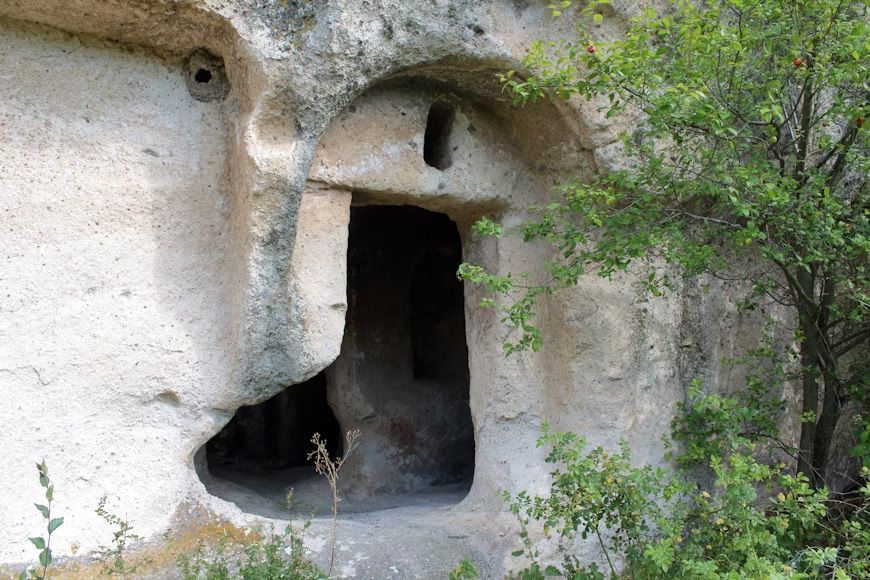
Image: Mustafa akın

Part spiritual sanctuary, part geological marvel, the Grotto of the Redemption is made of millions of stones, gems, and fossils. Started by Father Paul Dobberstein in 1912, this labor of love took over 40 years to complete. The result? A jaw-dropping series of religious scenes and structures that glitter in the sunlight. Bring your sunglasses—you’re in for a dazzling experience.

10
The UFO Watchtower – Hooper, Colorado

Image: Gabriel Tovar

For those who believe in aliens—or just love a good alien yarn—the UFO Watchtower is a must-see. Located in the San Luis Valley, a hotspot for sightings, this quirky site offers 360-degree views of the sky, a garden filled with visitor trinkets, and plenty of stories. Try it out—what if you spot a flying saucer? Let’s face it, we’re all a little curious about what’s out there.

11
The World’s Largest Ball of Twine – Cawker City, Kansas
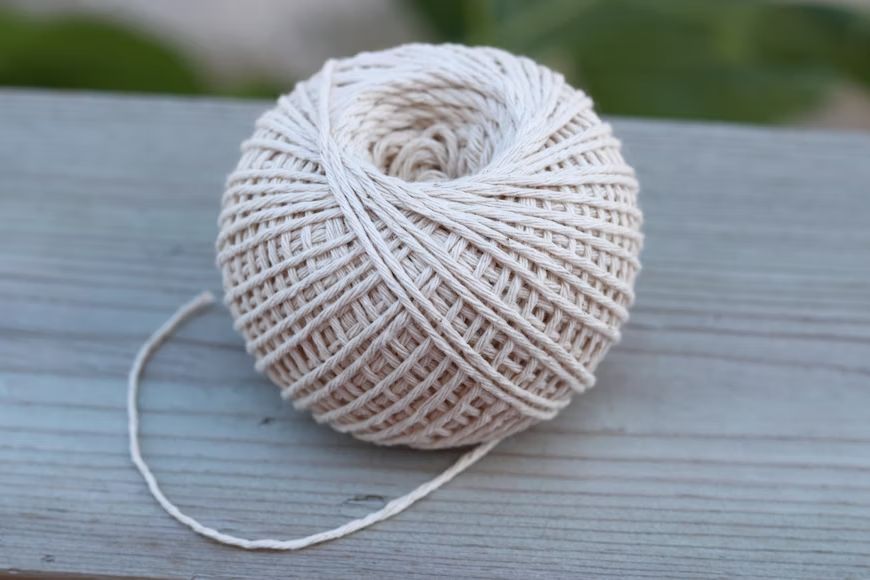
Image: Amie Bell

It started small. Then the neighbors added to it. Then visitors joined in. Now, it’s a Midwest legend. The World’s Largest Ball of Twine keeps growing, with a yearly "twine-a-thon" that invites everyone to contribute. It’s quirky, community-powered, and a great example of how something ordinary can become roadside-worthy.

12
The World’s Largest Collection of the World’s Smallest Versions of the World’s Largest Things – Lucas, Kansas
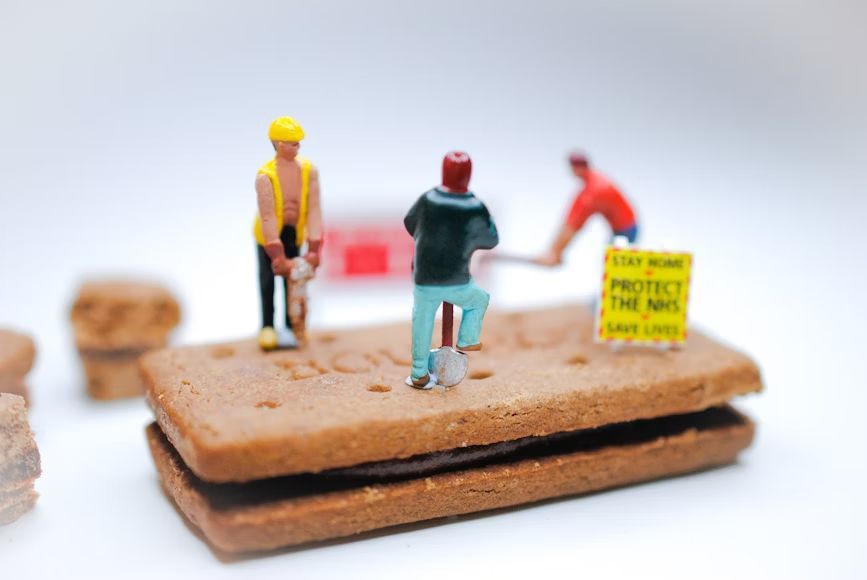
Image: Nik

Yes, that’s the real name. And yes, it’s every bit as whimsical as it sounds. Artist Erika Nelson created this traveling museum of tiny replicas, honoring America’s obsession with "world’s largest" attractions. It’s part satire, part celebration, and completely charming.
Culture Culture 5 min read

Awe-inspiring facts

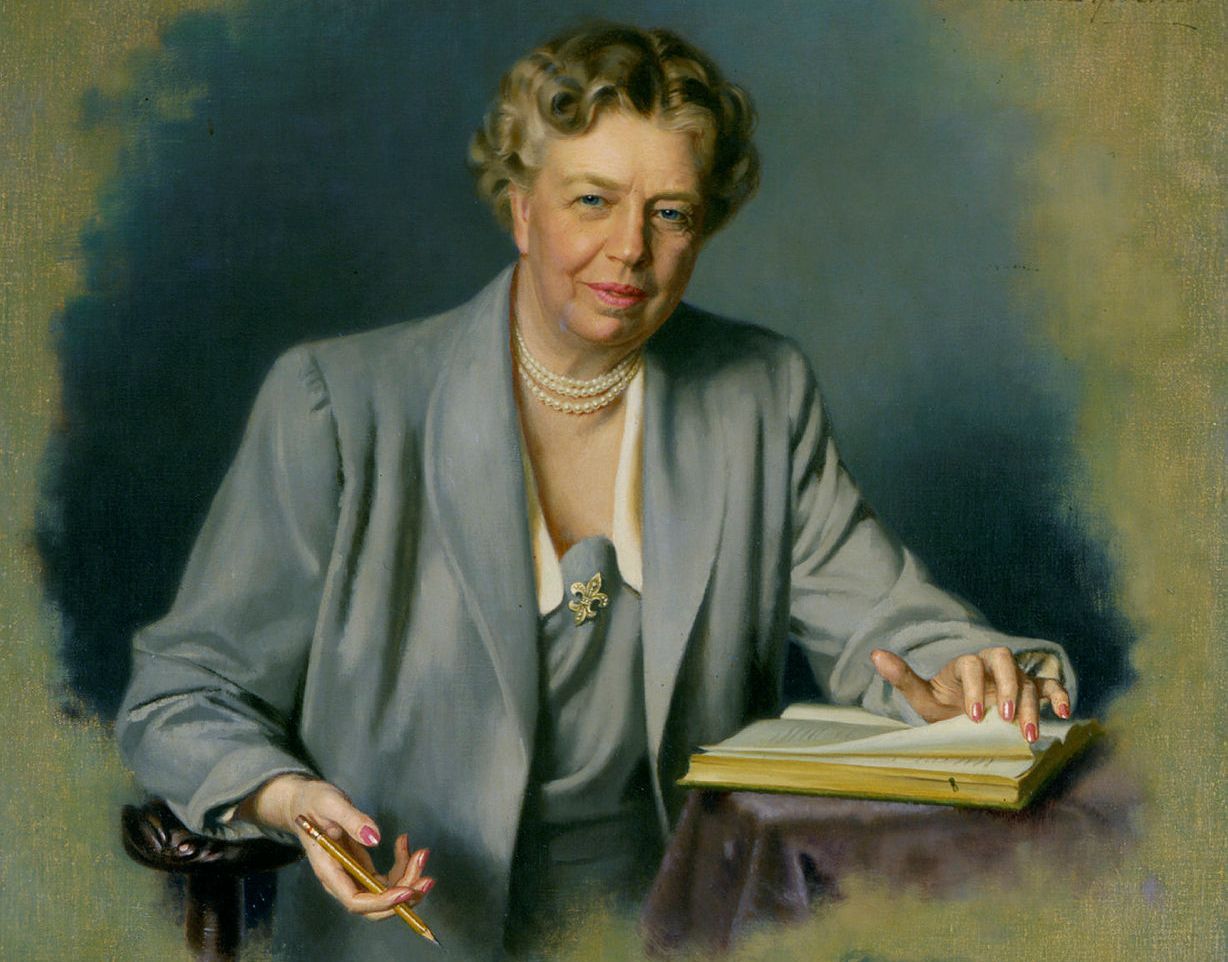
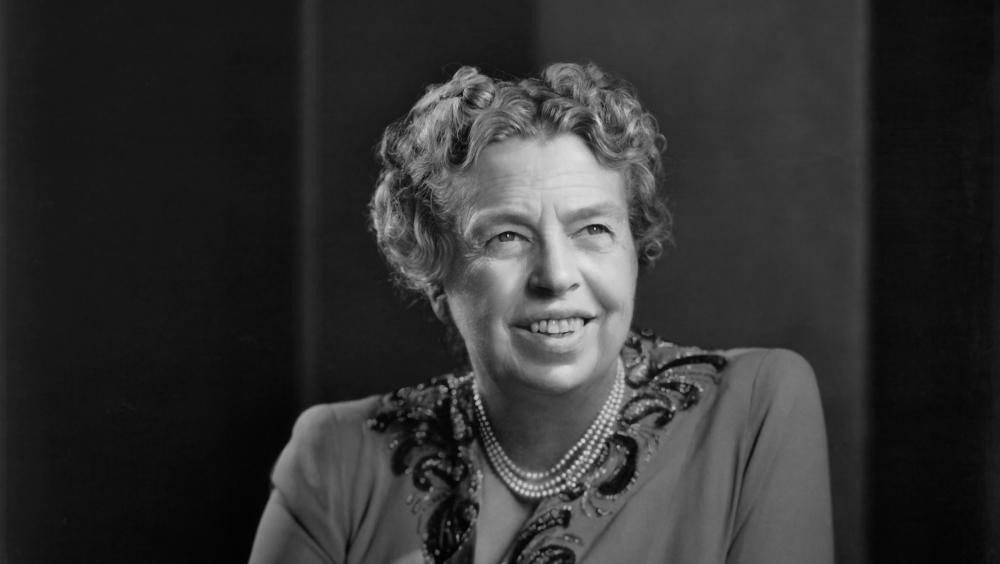
The First Influencer: 10 times Eleanor Roosevelt was groundbreaking

Image: Yousuf Karsh, Public domain, via Wikimedia Commons

Eleanor Roosevelt led an exciting life and was a groundbreaking figure in many ways. She redefined the role of First Lady and went on to become the U.S. delegate to the newly created United Nations. Her lifetime achievements are almost too numerous to list, yet these 10 facts serve as a reminder of why she's still celebrated as one of America's most influential First Ladies and diplomats. Keep reading to learn more!

1
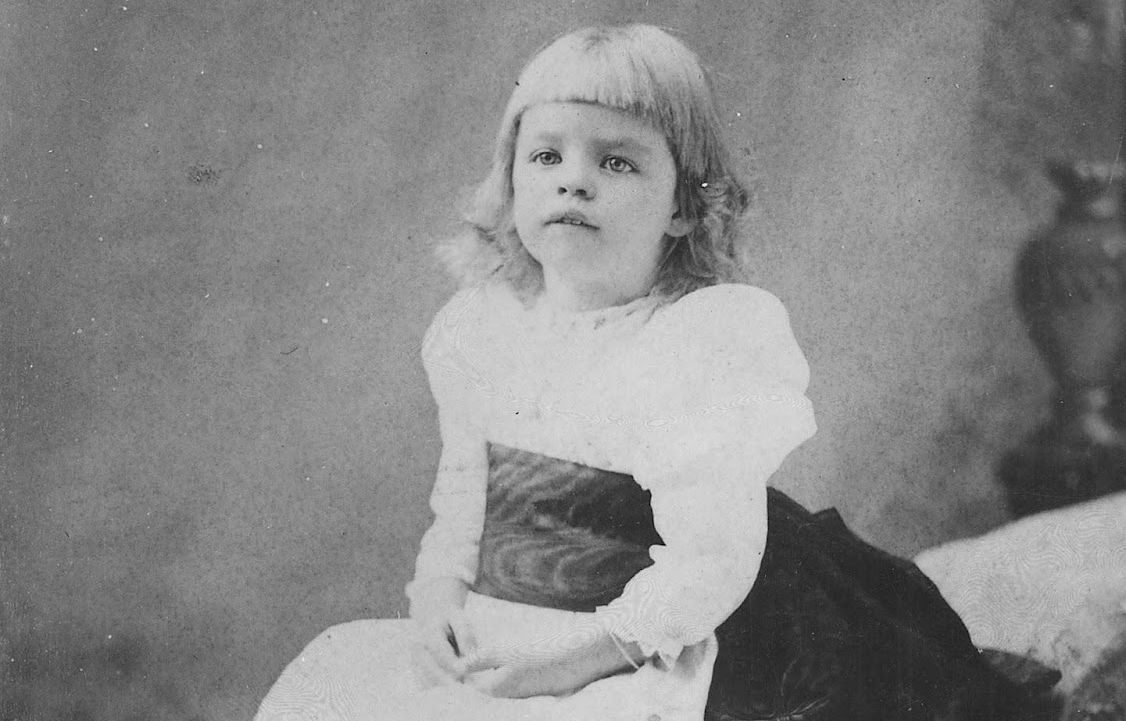
Early childhood

Image: National Archives and Records Administration, Public domain, via Wikimedia Commons

Despite being born into a prominent family, Eleanor Roosevelt’s childhood was not easy. She became an orphan when she was still very young. Her mother, Anna Hall, passed away in 1892, and her father died in 1894 from injuries sustained during a suicide attempt.

Following these tragic events, young Eleanor was left in the care of her maternal grandmother, Valentine Hall, before she was sent to a school for girls in England at the age of 15.

2
Family ties

Image: Public domain, via Wikimedia Commons

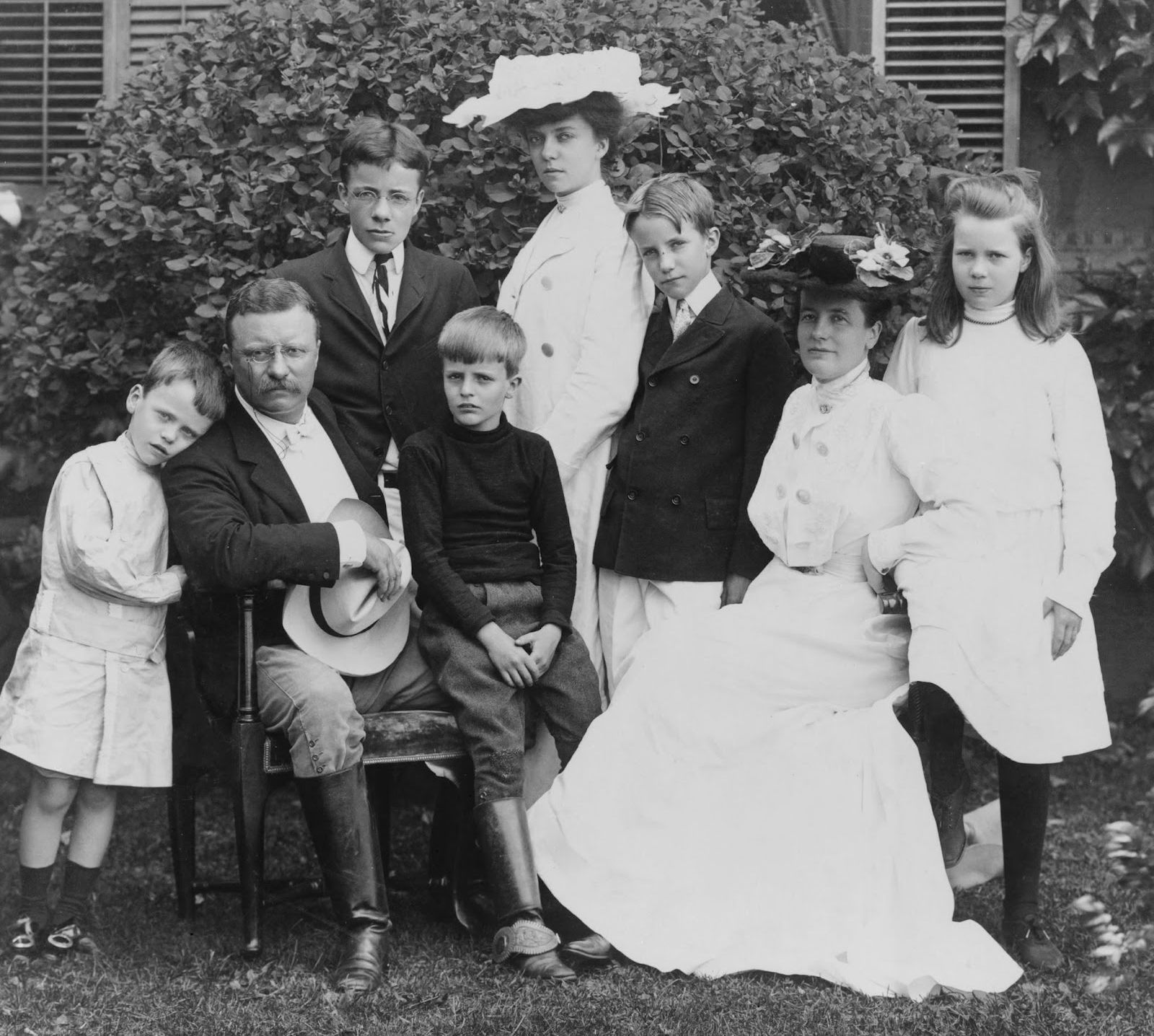
Eleanor had presidential connections way before her marriage to FDR. Her father was Elliott Roosevelt, the younger brother of former President Theodore Roosevelt. Franklin D. Roosevelt, in turn, comes from a different branch of the Roosevelt family. The family was divided into two distinct clans, both based in New York, each with its own unique culture. Franklin belonged to the Hyde Park Roosevelts and was Theodore Roosevelt’s fifth cousin, while Eleanor was Theodore’s fifth cousin once removed .

Theodore was very fond of his niece and treated Eleanor like a daughter. In fact, in 1905, just a few months into his second term, the president gave her away at her wedding to Franklin D. Roosevelt. There’s nothing like keeping the name in the family!

3
American Red Cross volunteer

Image: National Archives and Records Administration, Public domain, via Wikimedia Commons

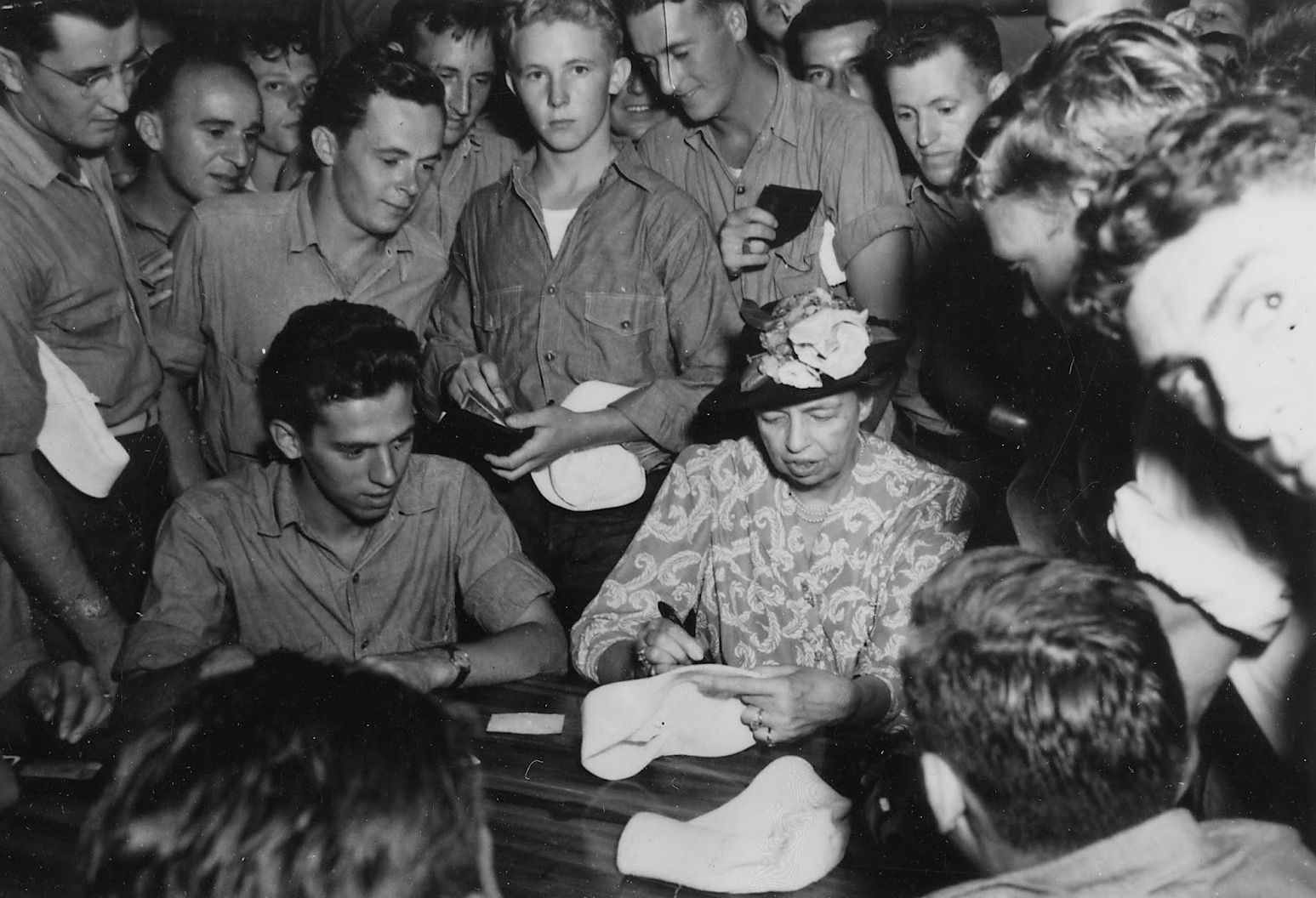
From a young age, Eleanor Roosevelt was actively involved in volunteer work. In 1917, when the United States entered World War I, women’s roles shifted dramatically. For Eleanor, this meant volunteering with the Red Cross and visiting wounded naval soldiers.

During her husband’s presidency, in the midst of World War II, Eleanor would inspire others to join the Red Cross and help raise funds to improve care and assistance for soldiers and their families. In August 1943, she even embarked on a month-long journey through the South Pacific to visit hospitals and infirmaries on military bases and ships.

4
An adventurous First Lady

Image: National Portrait Gallery, CC0, via Wikimedia Commons

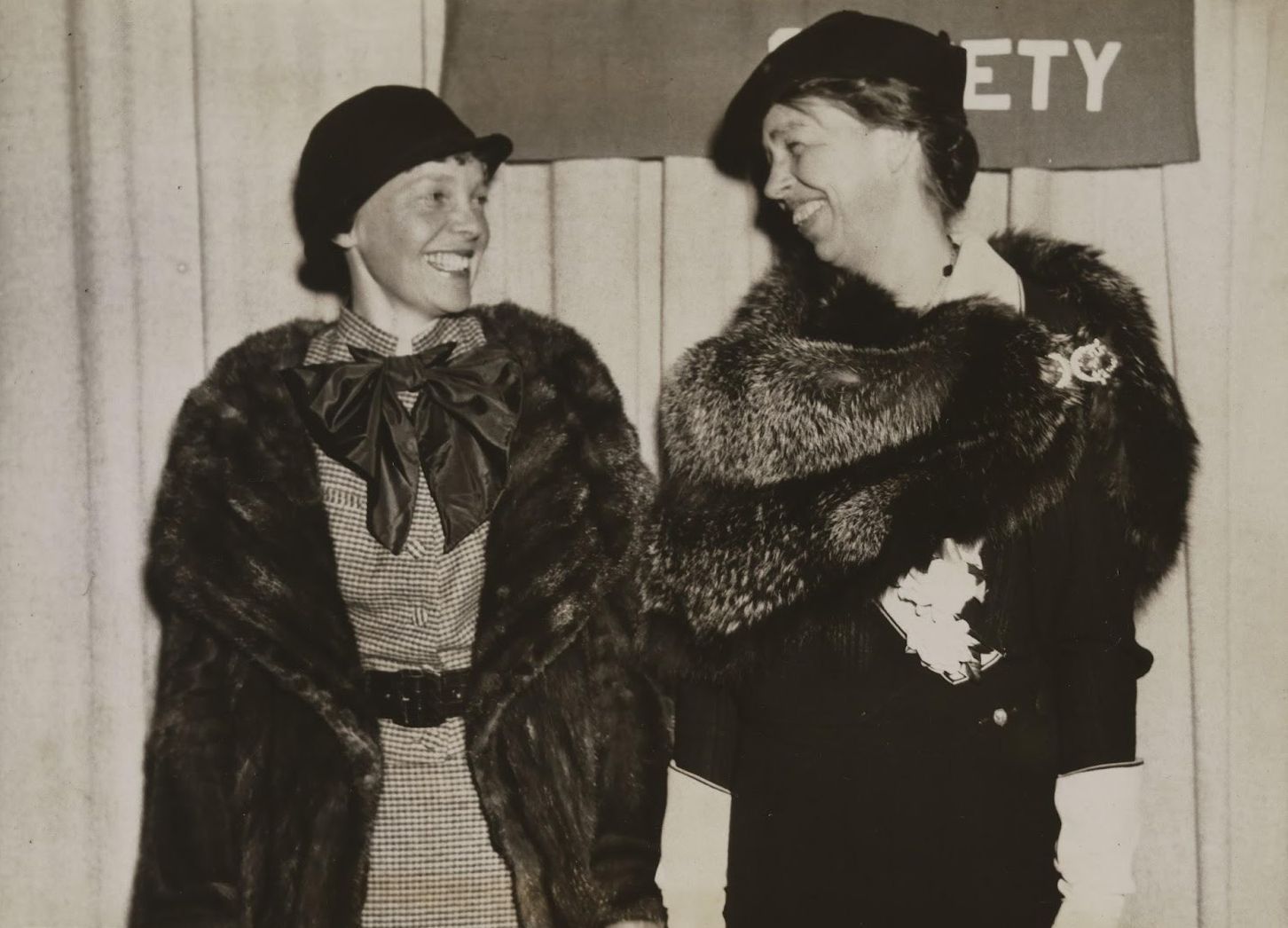
Despite being an introvert, Eleanor Roosevelt was an adventurer at heart. She liked to travel and throughout her life practiced different sports. What did Eleanor consider the happiest day of her life? The day she made the field hockey team at her private school!

During the 1930s, she became close to American aviator Amelia Earhart . The pilot took the First Lady on a flight from Washington, D.C., to Baltimore in 1933 and even inspired Eleanor to apply for her own pilot’s license. After Earhart vanished during her attempt to fly around the world, Roosevelt told reporters, "I am sure Amelia’s last words were ‘I have no regrets.’"

5
Women's advocate

Image: National Archives and Records Administration, Public domain, via Wikimedia Commons

When Franklin D. Roosevelt was elected President of the United States, Eleanor redefined the role of the First Lady. Unlike her predecessors, she led a very active political life, participating in a multitude of events advocating for women's rights.

For example, before FDR’s presidency, female journalists were often excluded from media events at the White House. Eleanor helped reverse this injustice by hosting a series of women-only press conferences . This courageous and revolutionary act eventually pressured newspapers to hire more female reporters and helped Eleanor win over female voters on behalf of her husband.

6
Newspaper columnist

Image: Douglas Chandor, Public domain, via Wikimedia Commons

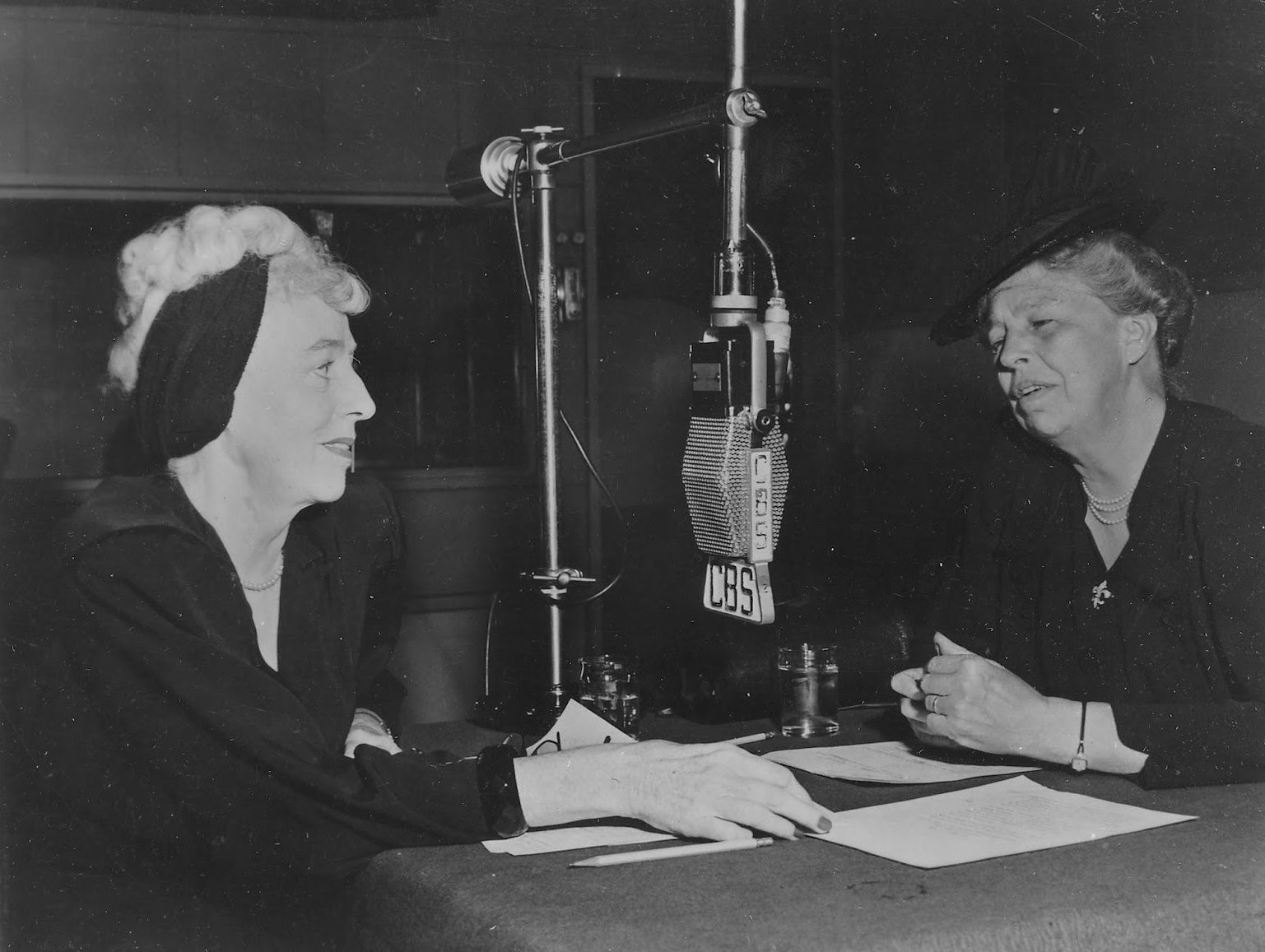
Did you know Eleanor Roosevelt wrote a syndicated newspaper column for 27 years? From 1935 until her death in 1962, Roosevelt penned six articles a week about her political views and personal life.

Simply titled "My Day," the column featured her thoughts on hot topics such as prohibition, Pearl Harbor, and Joseph McCarthy’s communist witch hunt. In all that time, Eleanor missed only a single week's worth of deadlines after her husband died in 1945.

7
Civil rights activist

Image: National Archives at College Park, Public domain, via Wikimedia Commons

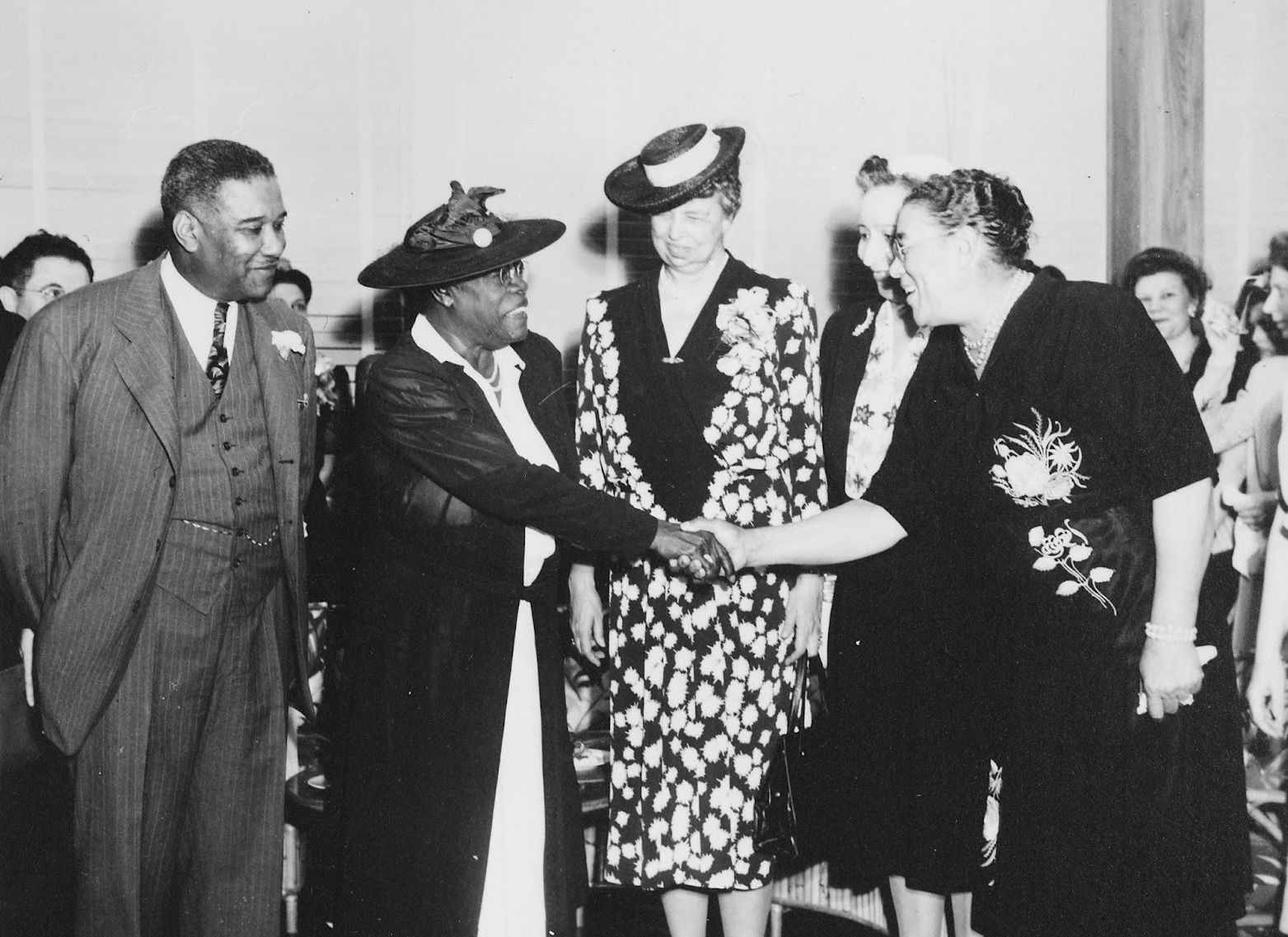
Eleanor Roosevelt was notably more progressive on civil rights than her husband. During the era of segregation, the First Lady became a crucial ally to the African-American community .

For example, she regularly invited African-American guests to the White House, breaking established protocols. In 1938, she even attended the inaugural meeting of the Southern Conference for Human Welfare in Birmingham, Alabama. On that occasion, after learning that segregationist policies prohibited white and African-Americans from sitting together at public functions, Eleanor protested. "They were afraid to arrest her," one witness recalled.

8
J. Edgar Hoover's public enemy

Image: National Archives and Records Administration, Public domain, via Wikimedia Commons

Because of her support for civil liberties and promotion of social programs, Eleanor Roosevelt was labeled a communist by the most conservative wing of American society. She was especially unpopular with J. Edgar Hoover’s FBI, which viewed her as a threat to the status quo.

In fact, the First Lady was the subject of one of the largest single FBI files, totaling around 3,000 pages . She publicly criticized Hoover’s abusive tactics, calling them "Gestapo-ish."

9
The first influencer

Image: Evert F. Baumgardner, Public domain, via Wikimedia Commons

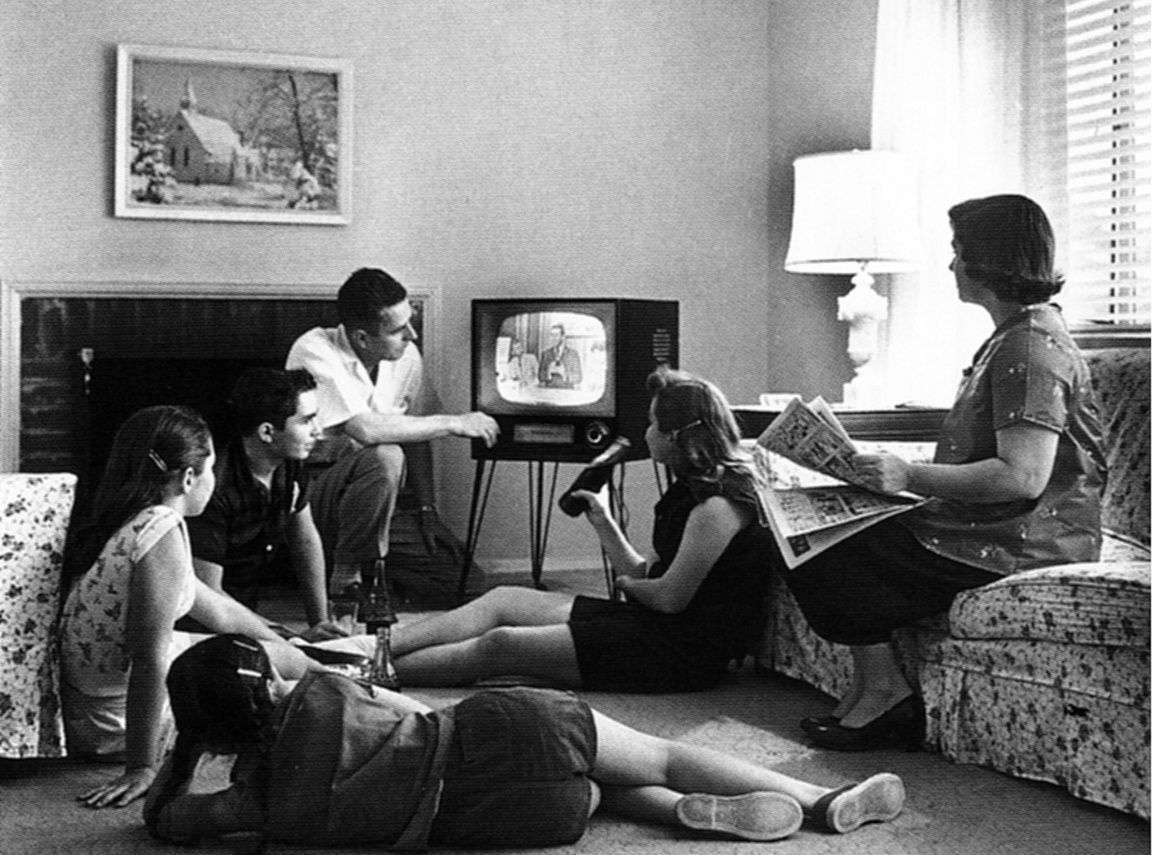
In 1959, Eleanor Roosevelt made a surprising appearance in a TV commercial that helped popularize margarine as a preferred spread in America.

Her endorsement of the product not only had a significant impact on consumer choices but also earned her a substantial income of $35,000. As evidence of her commitment to social causes, Eleanor used the earnings to purchase 6,000 care packages for families in need , providing critical support and assistance.

10
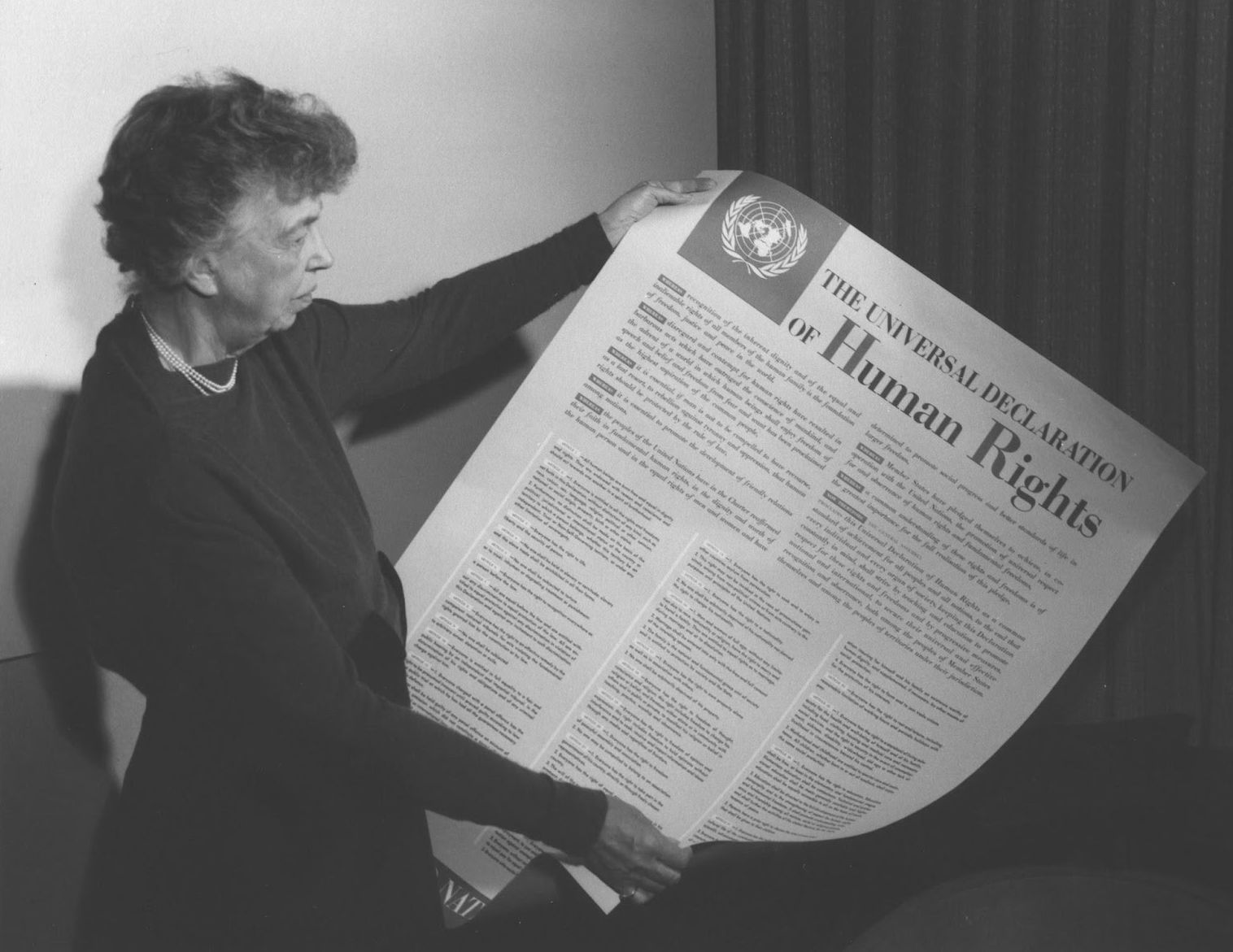
Universal Declaration of Human Rights

Image: Franklin D. Roosevelt Presidential Library and Museum, Public domain, via Wikimedia Commons

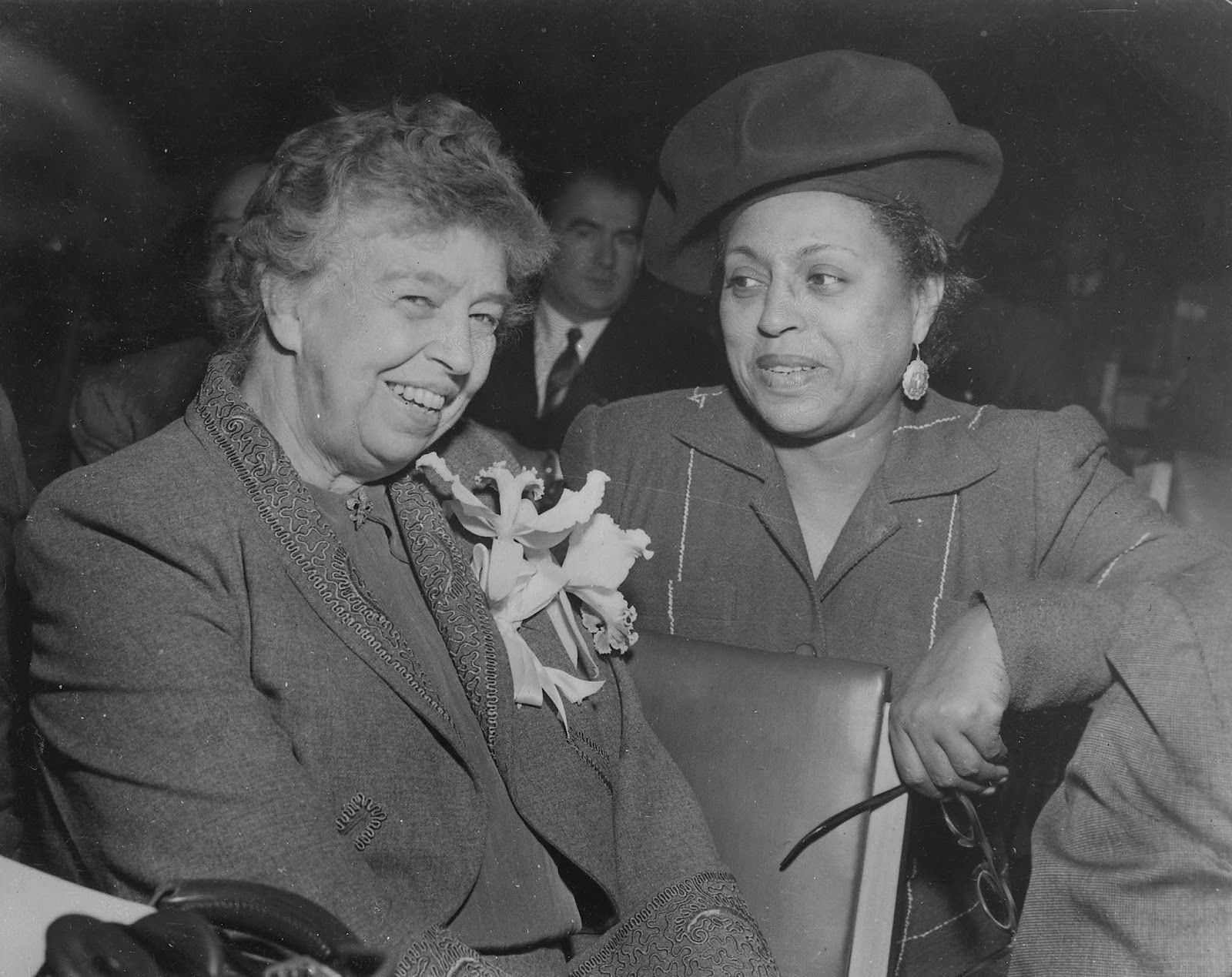
In 1946, President Harry S Truman appointed Eleanor Roosevelt as the U.S. representative to the United Nations Human Rights Council. In this influential role, she played a key part in shaping the Universal Declaration of Human Rights.

Along with 50 other members, Eleanor worked tirelessly to establish a comprehensive framework that protected and upheld the fundamental rights and dignity of individuals worldwide. Her dedication to this important endeavor marked a significant milestone in the advancement of human rights on a global scale. The Universal Declaration of Human Rights remains, without a doubt, one of Eleanor Roosevelt’s greatest legacies.

History History 4 min read

Presidential anecdotes

Which president proposed on the first date? 10 crazy presidential moments

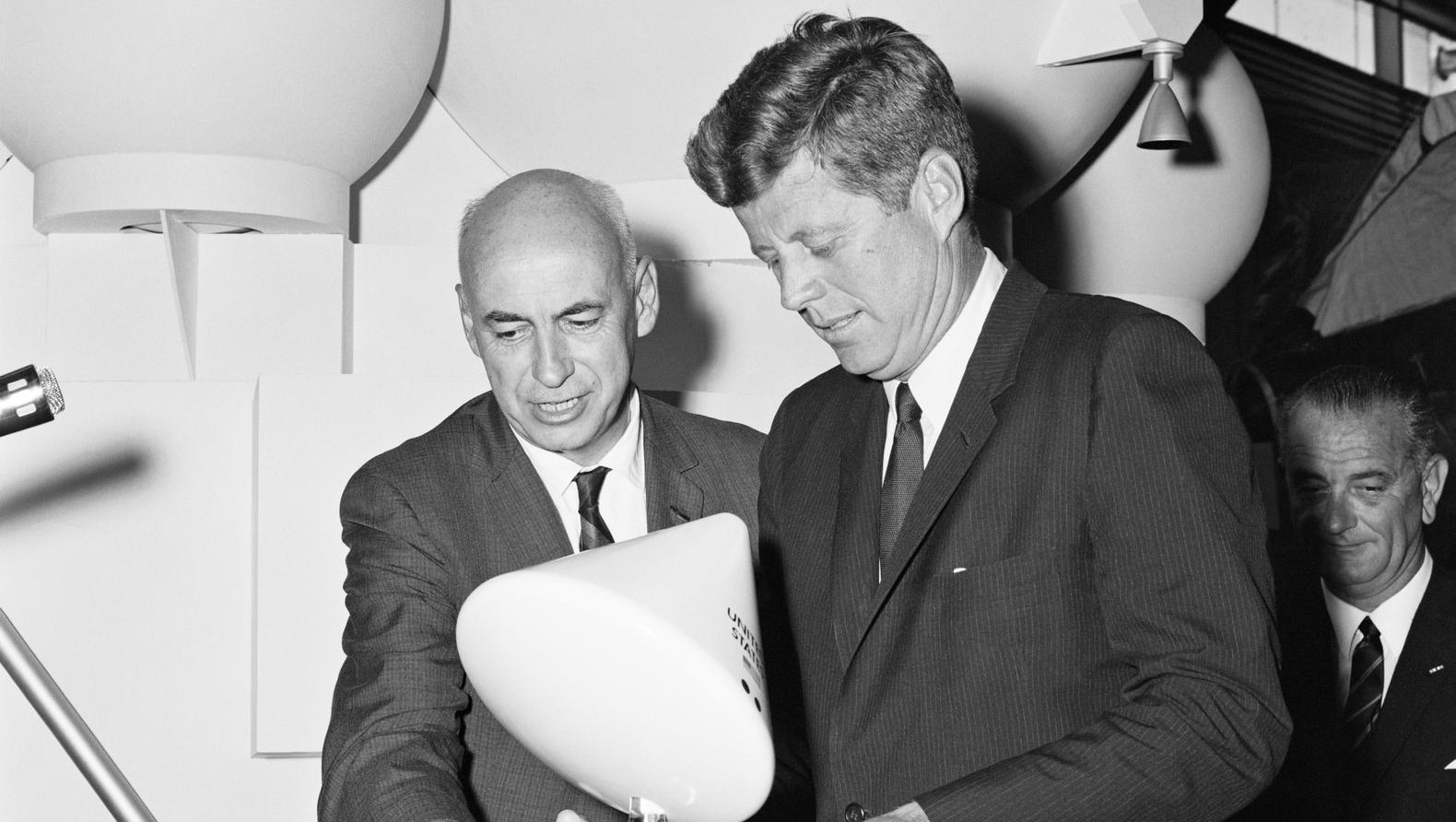
Image: NASA, Public domain, via Wikimedia Commons

Sure, many big moments in our history were protagonized by presidents. But today, we’d like to highlight those times when presidents found themselves at the center of odd situations and wild stories: less polished, less formal, and much crazier! Here are 10 surprising facts you probably didn’t know about our commanders-in-chief.

1
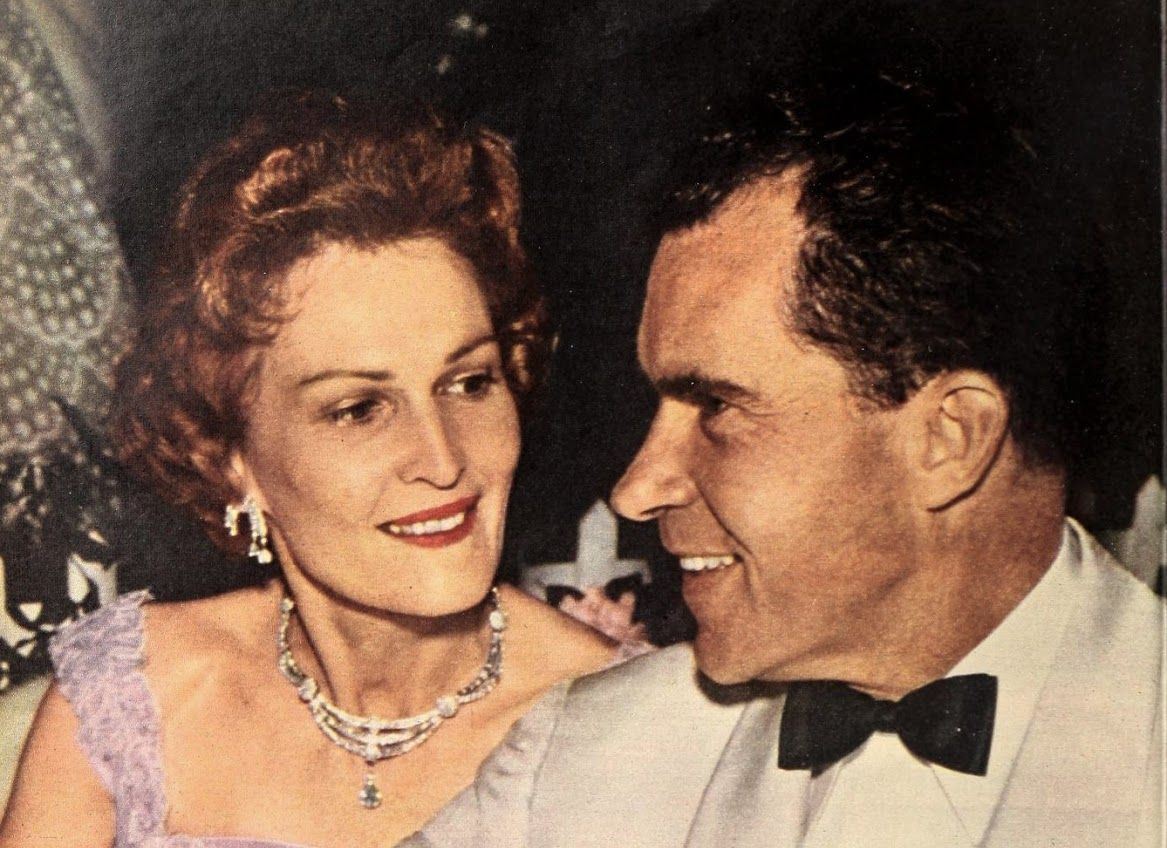
Richard Nixon proposed to his wife the day they met

Image: Dell Publishing, 1960. Photographer: Maggi of Pictorial, Public domain, via Wikimedia Commons

Richard Nixon met Pat Ryan in 1937 while auditioning for a community theater play. According to reports, he fell head over heels for her right away, and even proposed on their very first date! Pat, showing a little more sense, said no at the time, but two years later, in June 1940, she finally said yes and became his wife. The true romantic-in-chief!

2
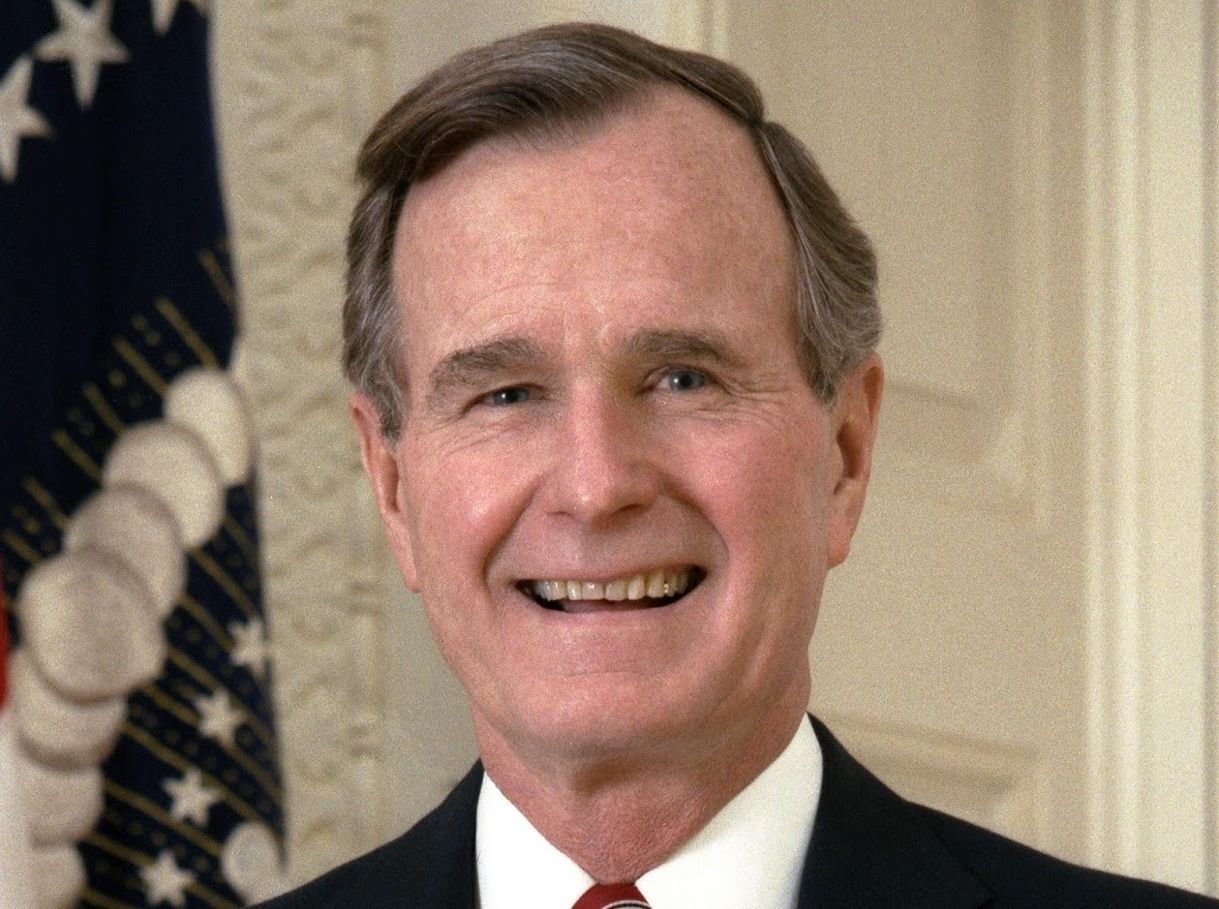
George H.W. Bush almost chose Clint Eastwood as his running mate

Image: David Valdez, Public domain, via Wikimedia Commons

During George H.W. Bush's 1988 presidential campaign, his team considered a candidate who was definitely well-known to everyone, even people who didn’t follow politics. It was none other than Clint Eastwood, Hollywood star and former mayor of Carmel, California. Can you imagine if a movie star had been Bush’s vice president?

3
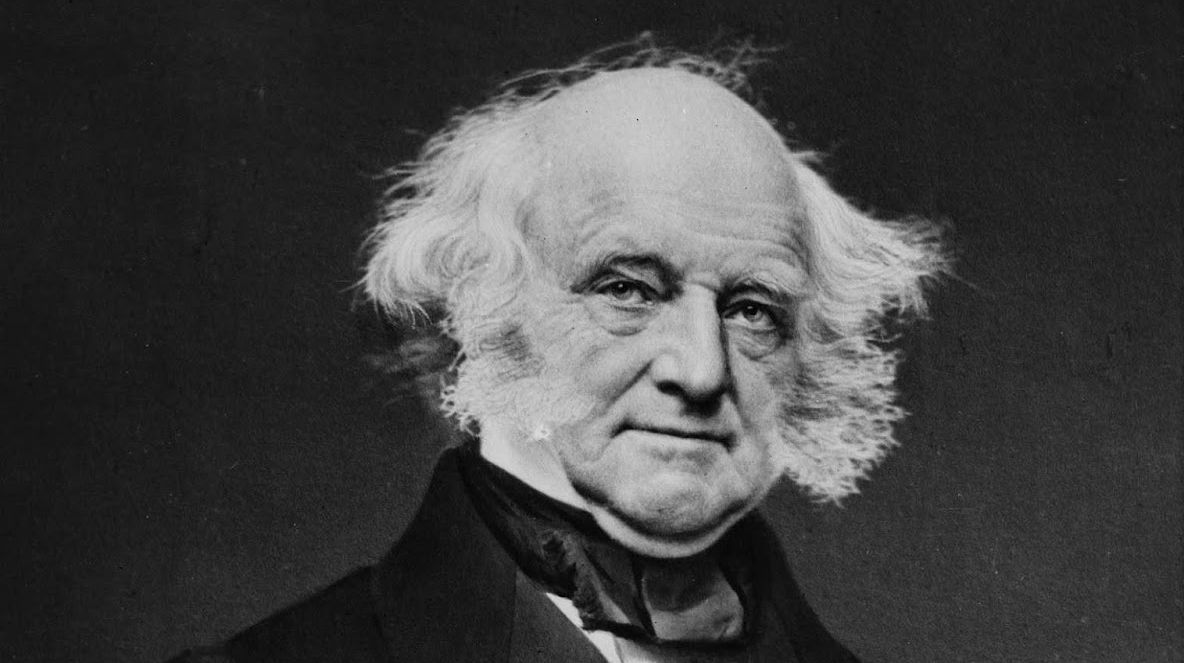
Martin Van Buren wrote an autobiography without mentioning his wife

Image: Mathew Benjamin Brady, Public domain, via Wikimedia Commons

How do you write an autobiography and leave out your wife? Well, President Martin Van Buren did exactly that. Historians suggest two reasons: at the time, it was considered poor taste to write about one’s wife, and the other reason was Van Buren’s heartbreak. Hannah Hoes Van Buren, his wife and also his childhood sweetheart, died of tuberculosis years before he became president, and some believe his grief kept him from remarrying or even talking about her.

4
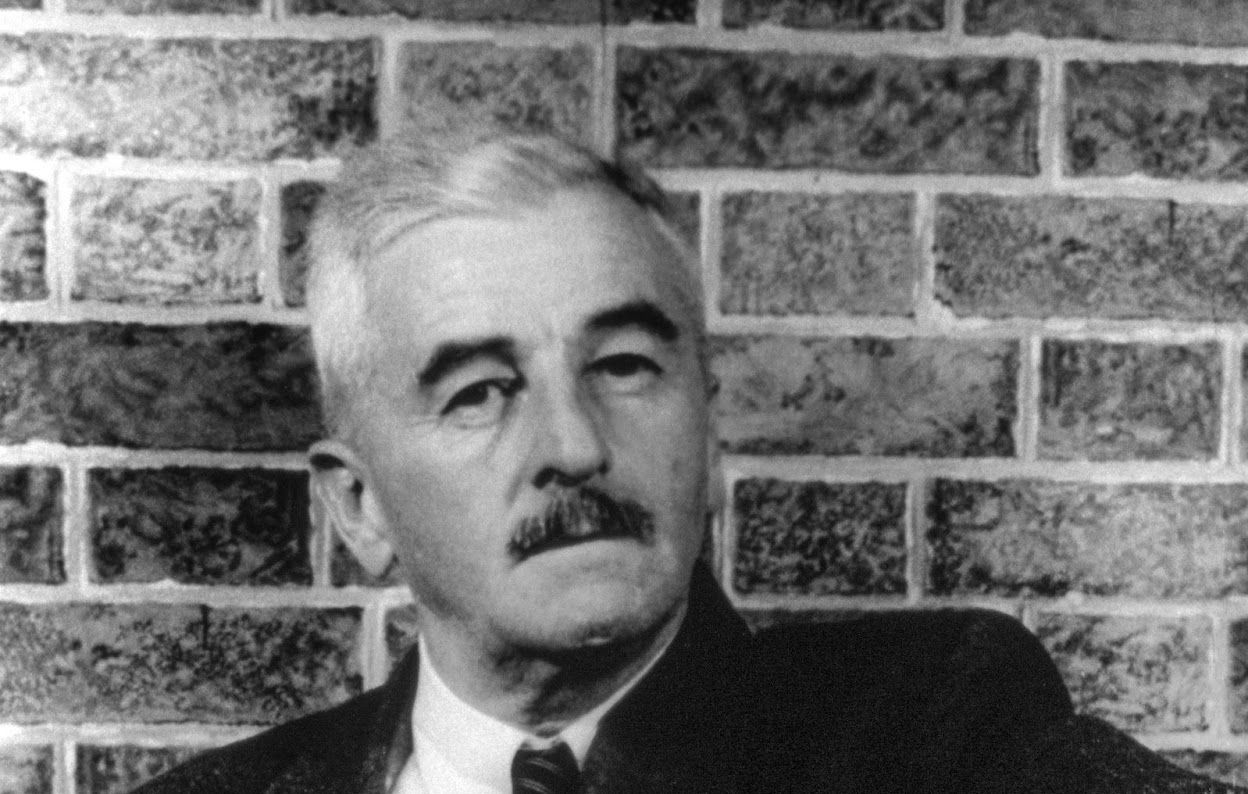
William Faulkner turned down an invitation from JFK

Image: Carl Van Vechten, Public domain, via Wikimedia Commons

Would you turn down a dinner invitation at the White House? Renowned writer William Faulkner did. He declined an invitation from President John F. Kennedy, who had included him in an event honoring Nobel Prize winners. Faulkner explained he was "a hundred miles away" and that it was "a long way to go just to eat."

5
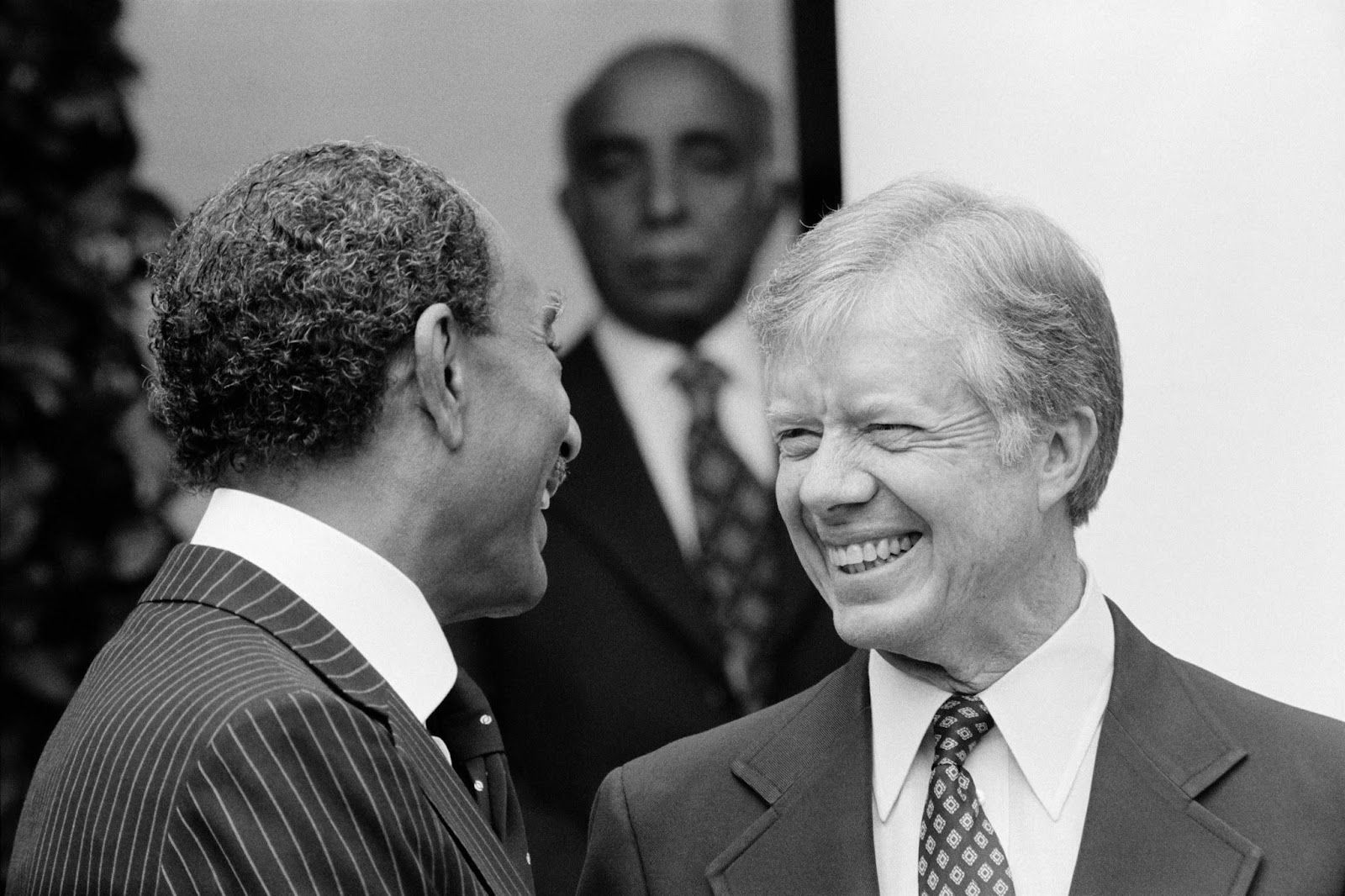
Jimmy Carter wrote a children's book

Image: Leffler, Warren K., photographer or Trikosko, Marion S., photographer. Work for hire made for U.S. News and World Report., Public domain, via Wikimedia Commons

Jimmy Carter wasn’t just a state senator, governor, and President of the United States. It turns out he had other interests too, including literature. Did you know he wrote a children’s book? Titled The Little Baby Snoogle-Fleejer , it was published in 1995.

6
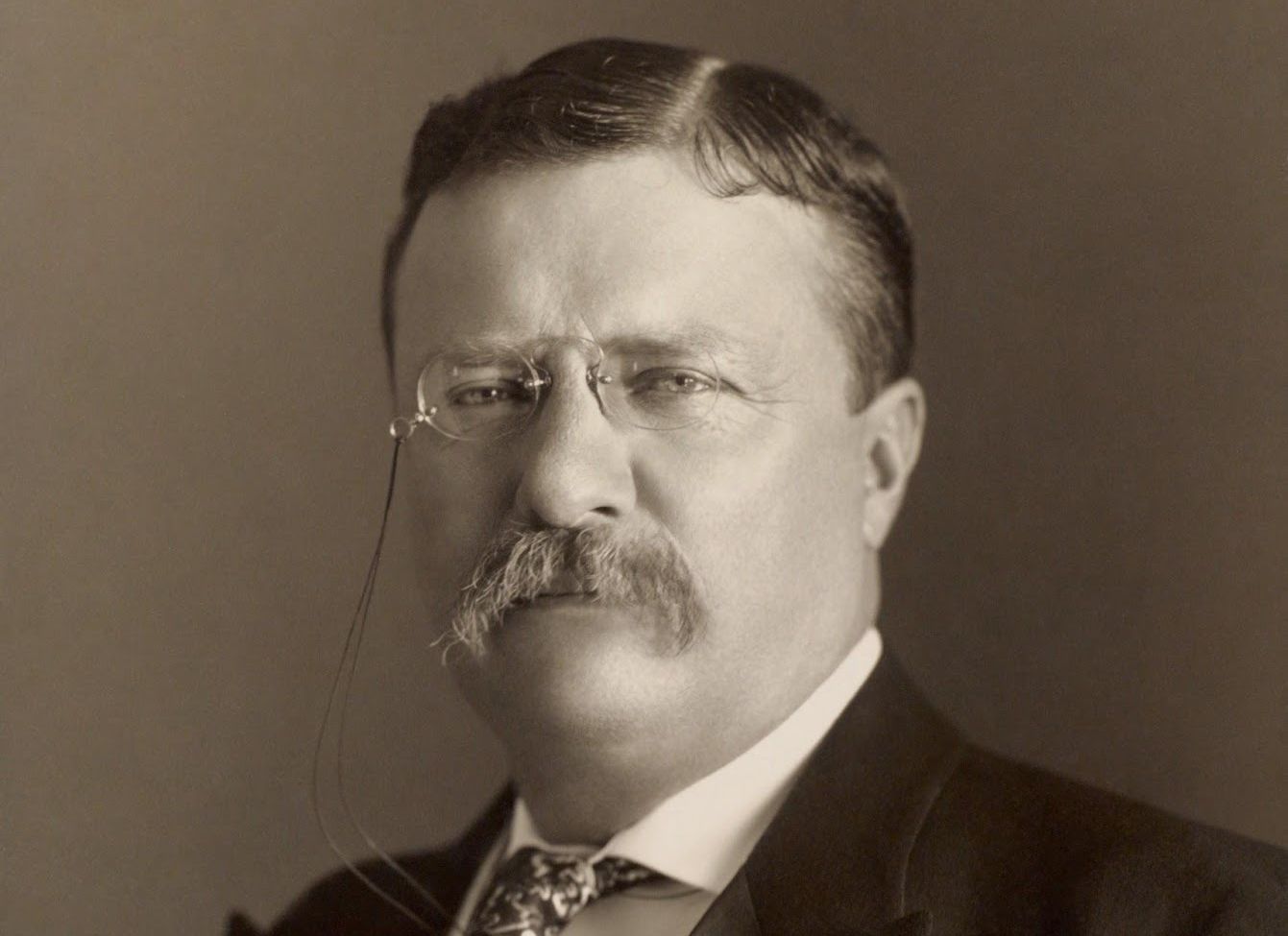
Theodore Roosevelt didn’t think a black eye seemed presidential

Image: Theodore_Roosevelt_by_the_Pach_Bros

Teddy Roosevelt loved boxing, but once he became president, he had to be cautious. He chose to scale back his training sessions at the White House, saying it was, in his own words, "rather absurd for a president to appear with a black eye, a swollen nose, or a cut lip."

7
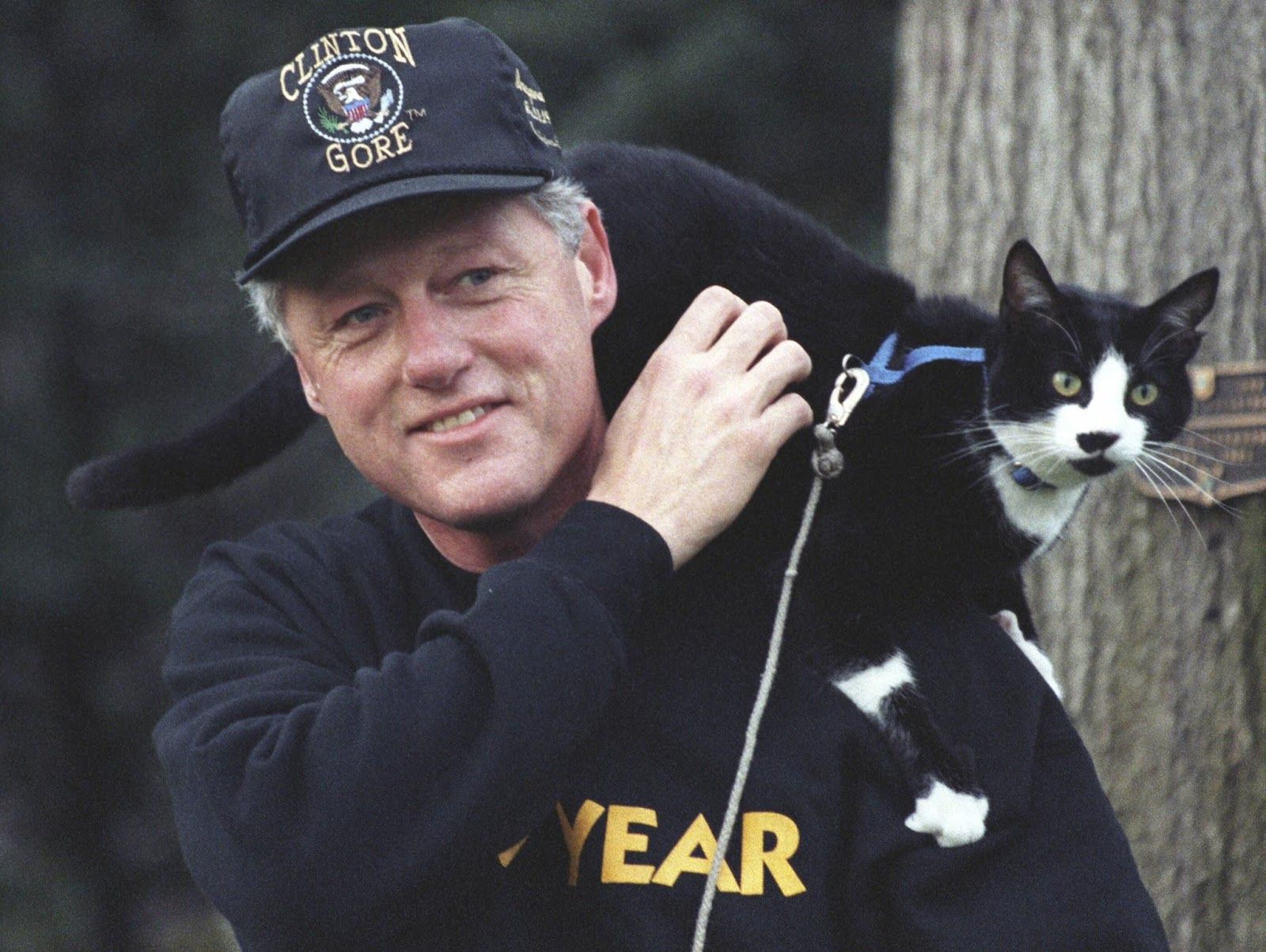
Bill Clinton's cat had its own video game

Image: The U.S. National Archives, No restrictions, via Wikimedia Commons

Have you heard of Socks the Cat Rocks the Hill ? It was a game developed for the Super Nintendo Entertainment System (SNES) and Sega Genesis, starring Socks, the Clinton family’s famous cat. Unfortunately, it was canceled before it ever reached the public.

8
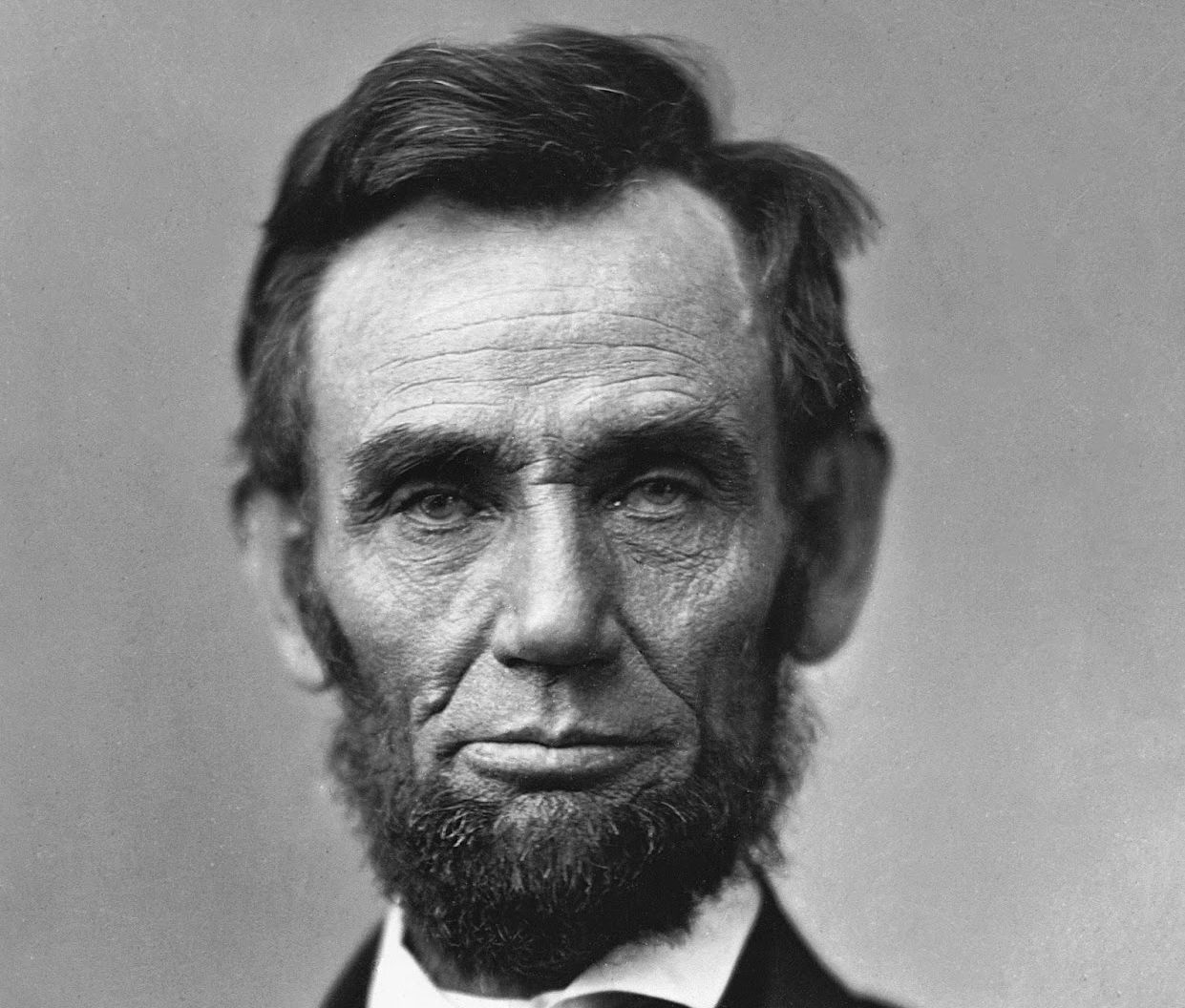
Theodore Roosevelt had a lock of Abe Lincoln's hair

Image: Alexander Gardner, Public domain, via Wikimedia Commons

Yes, we know, the title sounds a little odd, but it’s actually a story of loyalty and admiration. When Teddy Roosevelt started his second term, he wore a ring containing a lock of hair from none other than Abraham Lincoln. It was a gift from John Hay, one of Lincoln’s private secretaries, who knew of Roosevelt’s deep respect for Honest Abe.

9
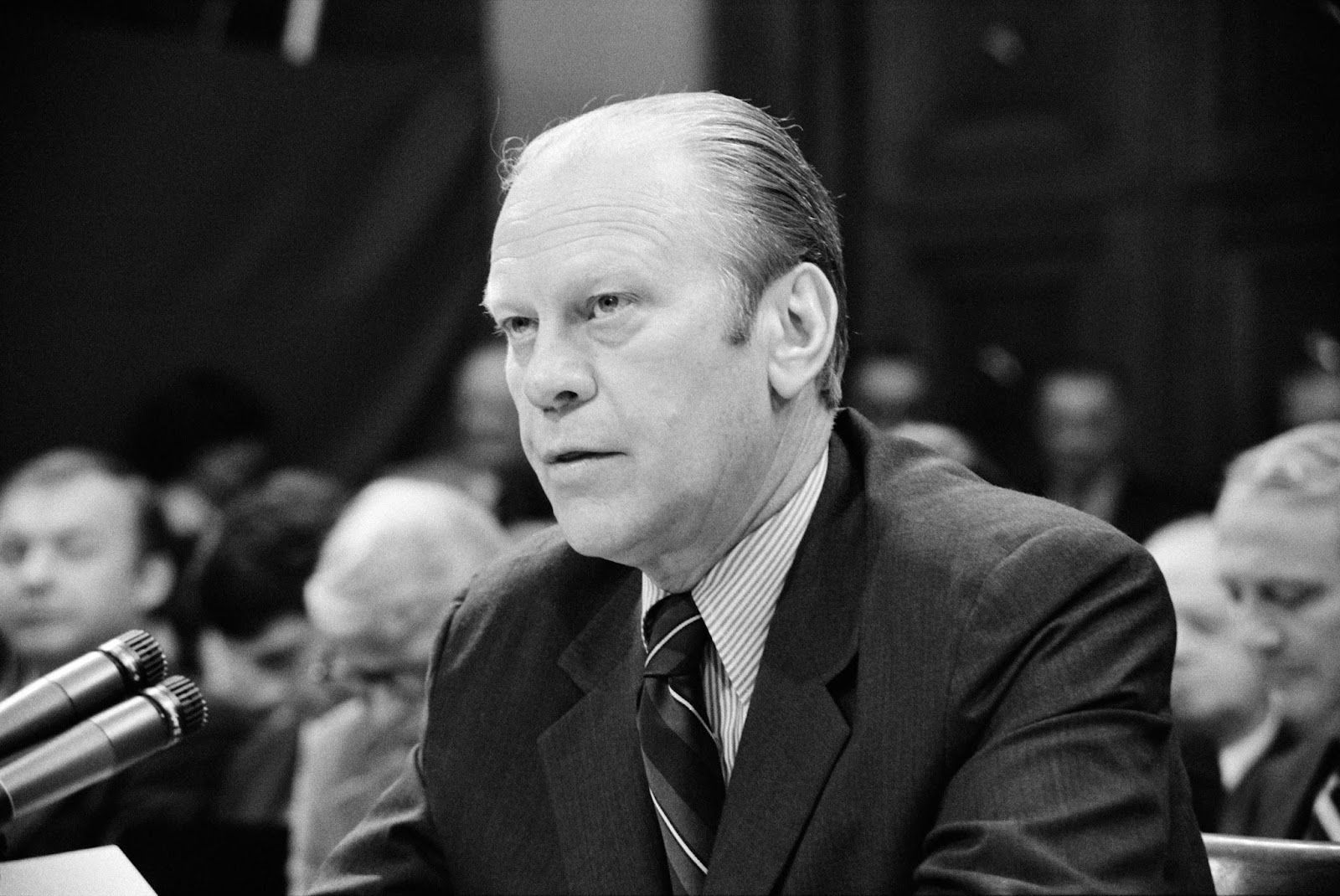
Gerald Ford worked as a model

Image: Thomas J. O'Halloran, photographer, Public domain, via Wikimedia Commons

Many presidents had hobbies, and some even held jobs outside politics before the Oval Office. One of them was Gerald Ford, who worked as a model! In fact, it was through modeling that he met the woman who would become his wife.

10
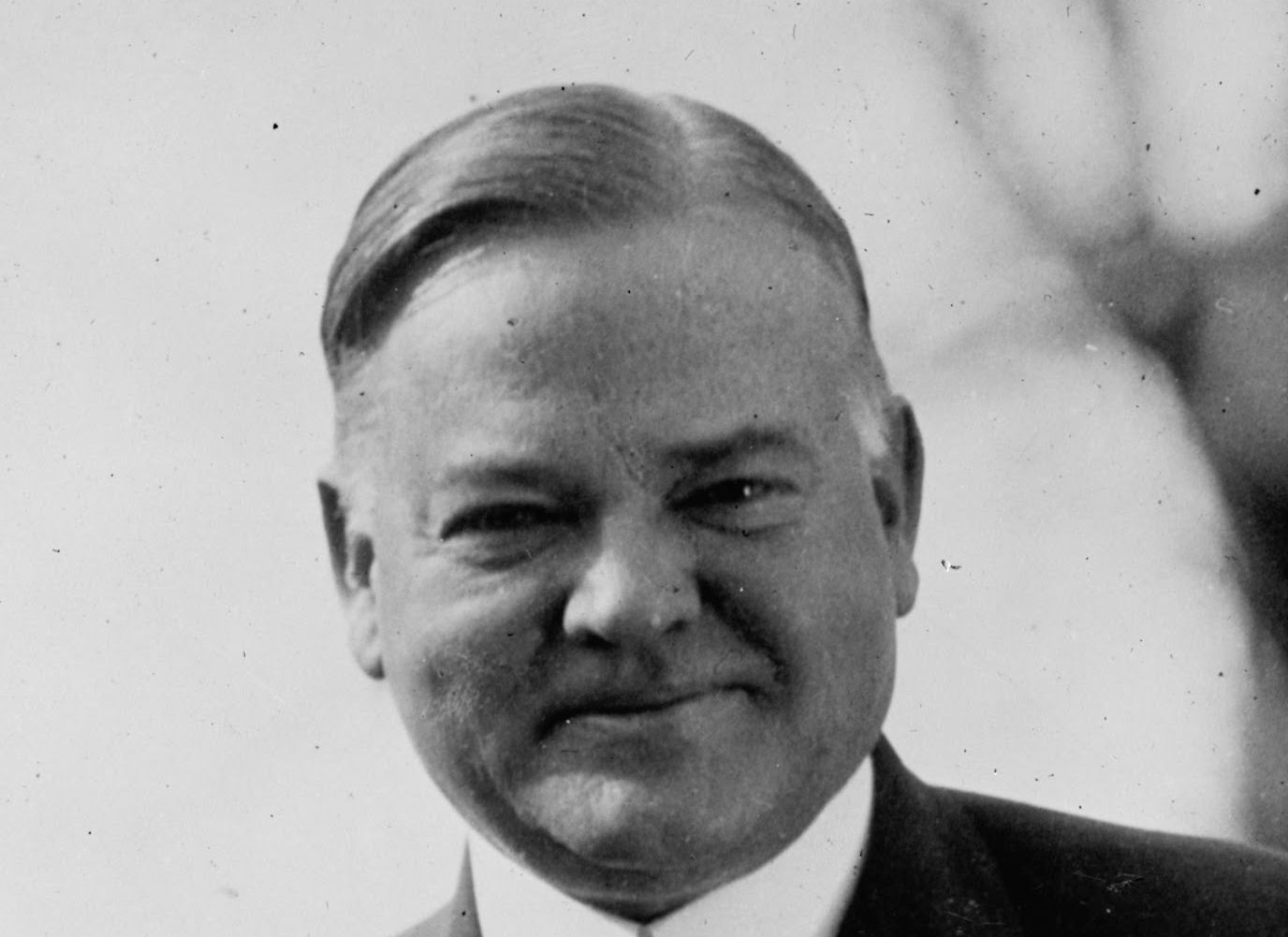
Herbert Hoover managed the football team

Image: Herbert E. French, Public domain, via Wikimedia Commons

Speaking of hobbies and interests, Herbert Hoover had a pretty common one: He really loved sports. But here’s the interesting part: He came to manage the baseball and football teams at Stanford in 1892.

Explore more American facts

Choose your favorite category!

General
General

As American as apple pie—the very best America has to offer!

Culture
Culture

Delve into the astounding richness of American lore.

Geography
Geography

Hop in and explore vast and diverse American landscapes.

History
History

Discover the key moments that shaped the United States.